Blog

  • Hug in a Bowl Lentil Soup

    Hug in a Bowl Lentil Soup

    Recipes › Soups

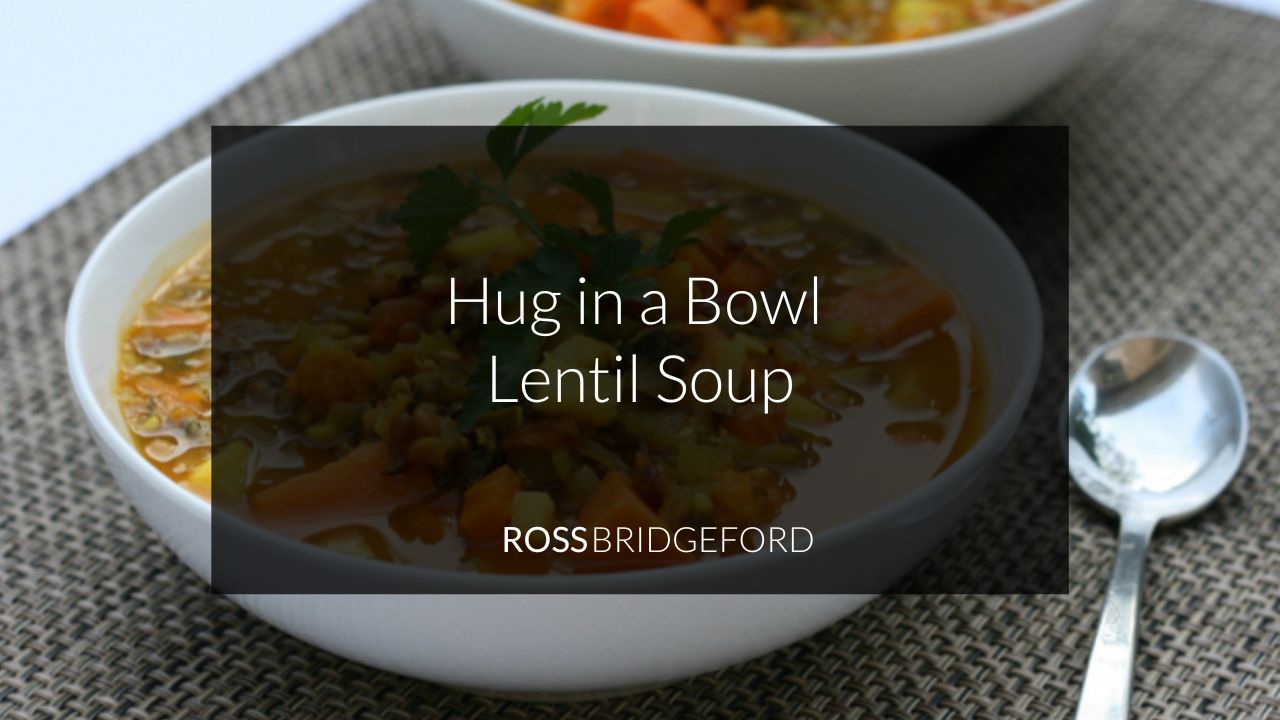
    Hug in a Bowl Lentil Soup

    This soul-warming soup combines earthy green lentils, carrots and celery with the zesty kick of ginger, garlic and chilli. It’s the perfect blend of hearty and spicy, guaranteed to warm you up from the inside out.

    Prep 10 minCook 20 minServes 214 ingredients
    VeganGluten-freeDairy-freeNut-freeNo added sugar

    Tastes: hearty and gingery, with a chilli kick and a squeeze of lime.
    Hug in a Bowl Lentil Soup

    Warming, comforting soup

    As the days get colder and the nights grow longer, we need food that is warming and comforting. And there’s nothing more comforting than a warm bowl of homemade soup.

    Lentils, the star ingredient, are affordable and easy to cook, and an excellent source of plant-based protein, fibre and alkaline nutrients like iron, folate and manganese. They can help support your digestive health, too.

    Why you’ll love it

    • Ginger and garlic. Ginger is a powerful anti-inflammatory and antioxidant, and has long been used to aid digestion and soothe an upset stomach.
    • A pleasant heat. The red chilli brings a lovely kick.
    • Lime and tamari. A squeeze of vitamin C and a deep, savoury flavour.
    • Quick. Tinned lentils mean it’s ready in about 30 minutes.

    Good for

    Immunity

    Folate, vitamin A, copper and vitamin C contribute to the normal function of the immune system.

    Antioxidants

    Copper, manganese, vitamin C and riboflavin contribute to the protection of cells from oxidative stress. It also contains plant compounds with antioxidant activity, including lutein, beta-carotene and apigenin.

    Energy

    Folate, vitamin B6, iron and pantothenic acid contribute to the reduction of tiredness and fatigue.

    Muscles

    Protein contributes to the maintenance of muscle mass, and potassium, magnesium and calcium contribute to normal muscle function.

    Bones

    Vitamin K, manganese, phosphorus and magnesium contribute to the maintenance of normal bones.

    Eyes

    Vitamin A, riboflavin and zinc contribute to the maintenance of normal vision.

    Blood pressure

    Potassium contributes to the maintenance of normal blood pressure.

    Tags use approved nutrient health-claim wording, for nutrients that give at least 10% of the Daily Value per serve. Plant compounds like lutein have no Daily Value, so we only say they’re there.

    Key nutrients per serve

    Vitamin K
    100%Folate
    72%Vitamin A
    64%Copper
    53%Manganese
    44%Vitamin C
    43%

    Contains: vitamin B6 (32%), thiamin (32%), iron (31%), pantothenic acid (28%), phosphorus (25%), potassium (23%), riboflavin (22%), magnesium (20%), zinc (20%), niacin (19%), vitamin E (10%) and calcium (10%).

    Plant compounds: lutein and zeaxanthin (about 0.8 mg), beta-carotene (about 5.8 mg), apigenin from the celery, quercetin from the onion, gingerols from the ginger, sulphur compounds from the garlic, citrus flavonoids from the lime and capsaicin from the chilli.

    15 g protein14 g fibreAbout 11 g natural sugarAbout 1330 mg sodium

    % of US Daily Value for adults, per serve (half the recipe). Estimated from USDA FoodData Central values for the ingredients as listed; cooking reduces some vitamins, so treat these as upper estimates. Uses regular vegetable broth and 1 tbsp of tamari; anything over 100% shows as 100%+.

    Hug in a Bowl Lentil Soup

    A warming, comforting lentil soup with ginger, garlic and chilli.
    Prep Time 10 minutes
    Cook Time 20 minutes
    Total Time 30 minutes
    Servings: 2

    Ingredients
      

    • ½ tbsp olive oil
    • 2 carrots peeled and finely chopped
    • 2 sticks celery finely chopped
    • 1 onion finely chopped
    • 2 cloves garlic grated
    • 2.5 cm piece of ginger grated
    • 1 small bunch spring onions finely sliced, plus extra to serve
    • 500 ml vegetable broth
    • 500 ml water
    • 1 x 400 g tin green lentils drained and rinsed
    • 1 lime juiced
    • 1 tbsp tamari plus more to taste
    • 1 red chilli finely chopped, plus extra to serve
    • sea salt a pinch

    Equipment

    • Large saucepan

    Method
     

    1. Heat the olive oil in a large saucepan over medium heat.
    2. Add the carrots and celery and cook for 5 minutes until slightly softened.
    3. Add the garlic, ginger and spring onions and fry for 30 seconds until fragrant.
    4. Pour in the vegetable broth and water and bring to the boil. Reduce the heat to low and add the green lentils.
    5. Simmer for 10 minutes until the vegetables are soft and the soup is slightly reduced.
    6. Add the lime juice, tamari and chilli, along with a pinch of salt.
    7. Serve hot, with a sprinkle of spring onions and chilli on top for extra flavour and colour.

    Swaps

    • Milder? Leave out the chilli, or deseed it.
    • More greens: stir in a handful of spinach at the end.
    • No tinned lentils? Simmer ½ cup dried red lentils in the broth for 15 minutes.

    Storing it

    It keeps in the fridge for 4 days and freezes well.

    Good to know

    • High in vitamin K. If you take warfarin or another blood thinner, keep your greens intake steady and talk to your doctor before eating more leafy greens than usual.
    • Watch the salt: half broth, half water keeps it in check. Taste before adding more tamari or salt.
    • Tamari: choose one labelled gluten-free if you’re coeliac.

    Try next
    SoupSpiced Lentil SoupOpen recipe →
    SoupAnti-Inflammatory Cauliflower SoupOpen recipe →
    Want more than recipes?

    The Alkaline Life Club has everything in the Recipe Club, plus coaching, live Q&A and a community to keep you going.

    See the Alkaline Life Club

    Sources

    Nutrient values: USDA FoodData Central, SR Legacy (olive oil 171413, carrots 170393, celery 169988, onion 170000, garlic 169230, ginger 169231, spring onions 170005, vegetable broth 171583, lentils 172421, lime juice 168156, tamari 174278, chilli 170106). Plant compounds are named where the ingredient is a well-documented source; flavonoids follow the USDA Database for the Flavonoid Content of Selected Foods, Release 3.3. Daily Values: US Food and Drug Administration.
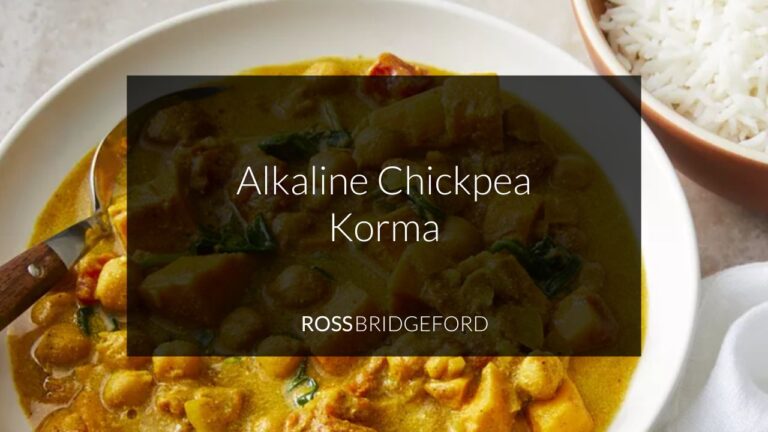
  • Harissa Tofu & Lentil Stew

    Harissa Tofu & Lentil Stew

    Recipes › Dinner

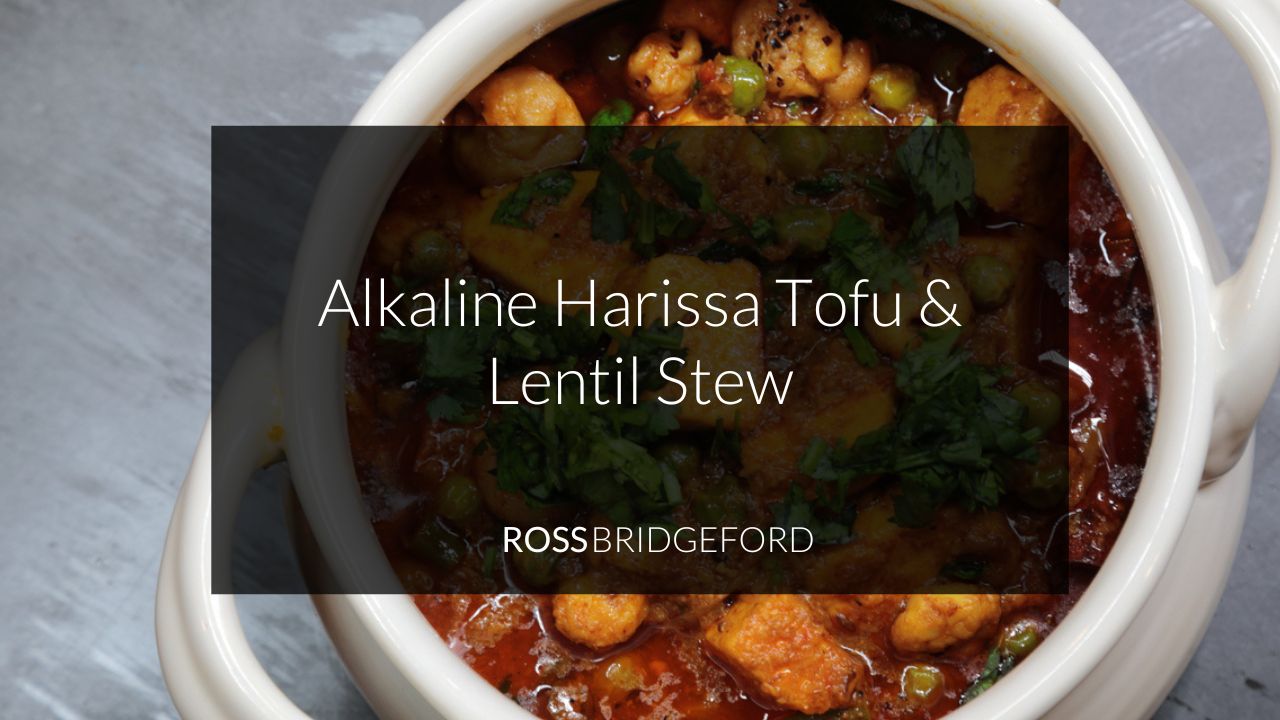
    Harissa Tofu & Lentil Stew

    I adore this warming, quick and easy stew (almost a curry), packed with nutrient-dense, alkaline-forming ingredients such as lentils, tofu and spinach. Each serve has 30 g of protein.

    Prep 10 minCook 35 minServes 218 ingredients
    VeganGluten-freeDairy-freeNut-free

    Tastes: smoky, spicy and tomato-rich, with fresh coriander and lime.

    Warming, quick and easy

    Lentils are an excellent source of plant-based protein, fibre and complex carbohydrates, which provide sustained energy. Tofu is a great source of calcium, iron and other minerals, and is rich in protein, making it a great choice if you’re looking to up your alkaline plant-based protein.

    Spinach is an excellent source of vitamins A, C and K, as well as iron, magnesium and potassium.

    Why you’ll love it

    • Plant protein: about 30 g a serve from the lentils and tofu.
    • Smoky and spicy: cumin, hot smoked paprika and harissa.
    • Served on cauliflower rice, so it’s light but filling.

    Good for

    Immunity

    Vitamin C, folate, copper and vitamin B6 contribute to the normal function of the immune system.

    Antioxidants

    Vitamin C, copper, manganese and riboflavin contribute to the protection of cells from oxidative stress. It also contains plant compounds with antioxidant activity, including lutein, beta-carotene and lycopene.

    Energy

    Folate, vitamin B6, pantothenic acid and iron contribute to the reduction of tiredness and fatigue.

    Muscles

    Protein contributes to the maintenance of muscle mass, and potassium, calcium and magnesium contribute to normal muscle function.

    Bones

    Vitamin K, manganese, calcium and magnesium contribute to the maintenance of normal bones.

    Eyes

    Vitamin A, riboflavin and zinc contribute to the maintenance of normal vision. It also contains lutein and zeaxanthin, the carotenoids found in the macula of the eye.

    Blood pressure

    Potassium contributes to the maintenance of normal blood pressure.

    Tags use approved nutrient health-claim wording, for nutrients that give at least 10% of the Daily Value per serve. Plant compounds like lutein have no Daily Value, so we only say they’re there.

    Key nutrients per serve

    Vitamin K
    100%+Vitamin C
    100%+Folate
    100%+Copper
    100%+Manganese
    100%+Thiamin
    77%

    Contains: vitamin B6 (71%), pantothenic acid (57%), iron (54%), vitamin A (47%), riboflavin (45%), potassium (44%), calcium (41%), magnesium (40%), niacin (37%), zinc (36%), phosphorus (35%), vitamin E (28%) and selenium (25%).

    Plant compounds: lutein and zeaxanthin (about 7.5 mg), beta-carotene (about 5.1 mg), lycopene (about 9.7 mg), chlorophyll, quercetin from the onion, glucosinolates from the cauliflower, sulphur compounds from the garlic and citrus flavonoids from the lime.

    30 g protein18 g fibreAbout 18 g sugarAbout 555 mg sodium

    % of US Daily Value for adults, per serve (half the recipe, with the cauliflower rice). Estimated from USDA FoodData Central values for the ingredients as listed; cooking reduces some vitamins, so treat these as upper estimates. Harissa uses USDA red chilli values; excludes salt and pepper added to taste; anything over 100% shows as 100%+.

    Harissa Tofu & Lentil Stew

    A warming, quick and easy tofu and lentil stew with harissa, served on cauliflower rice.
    Prep Time 10 minutes
    Cook Time 35 minutes
    Total Time 45 minutes
    Servings: 2

    Ingredients
      

    • 1 tbsp coconut oil
    • 1 medium brown onion finely chopped
    • 2 large garlic cloves chopped
    • ½ tsp ground cumin
    • ½ tsp hot smoked paprika
    • ½ cup green or brown lentils rinsed and drained
    • ½ cup green peas frozen or fresh
    • 90 g firm tofu drained, dried and cut into small cubes
    • 1 x 400 g tin chopped tomatoes
    • 2 tbsp tomato paste
    • 1–2 tbsp harissa paste depending on how spicy you like it
    • 1 cup (250 ml) water
    • 100 g baby spinach
    • 50 g coriander (cilantro) about half a bunch
    • 1 tsp tamari
    • ½ tsp rice malt syrup
    • juice of 1 lime
    • Himalayan salt and black pepper to taste
    • ½ head cauliflower

    Equipment

    • Large saucepan
    • Blender or food processor

    Method
     

    1. Heat the coconut oil in a large saucepan over medium heat. Add the onion and season with a pinch of salt. Cook, stirring often, until softened, about 5–7 minutes.
    2. Add the garlic and cook, stirring frequently, for 2 minutes. Stir in the cumin and smoked paprika and cook until fragrant, about 1 minute.
    3. Add the lentils, peas, tofu, chopped tomatoes, tomato paste, harissa and water. Stir well and bring to the boil. Reduce the heat and simmer for 20–25 minutes, or until the lentils are tender and the sauce has thickened. Add a splash more water if it gets too thick before the lentils are done.
    4. Stir in the spinach and let it wilt for 1–2 minutes. Then add the coriander, tamari, rice malt syrup and lime juice. Taste, season with salt and pepper, and remove from the heat.
    5. Make the cauliflower rice by breaking the cauliflower into small florets and pulsing them in a blender until rice-sized. Serve it raw, or gently stir-fry for a minute in a little more coconut oil.
    6. Serve the stew on a bed of cauliflower rice with a sprig more coriander. You can add a dollop of unflavoured coconut yoghurt if you like.

    Swaps

    • Short on time? Use a 400 g tin of lentils (drained) instead of dried, leave out the water and simmer for 10 minutes.
    • Milder? Start with 1 tbsp of harissa.
    • No cauliflower rice? Serve with brown rice or quinoa.

    Storing it

    It keeps in the fridge for 3–4 days and freezes well. Freeze the stew without the cauliflower rice.

    Good to know

    • Soy and tofu: worries that soy disrupts hormones go back decades, but the research doesn’t support them. Tofu is fine to enjoy as part of a varied diet.
    • High in vitamin K. If you take warfarin or another blood thinner, keep your greens intake steady and talk to your doctor before eating more leafy greens than usual.
    • Harissa and tamari: check the labels for gluten if you’re coeliac.

    Try next

    DinnerAlkaline Chickpea KormaOpen recipe →
    DinnerFast 5-Minute DhalOpen recipe →
    Want more than recipes?

    The Alkaline Life Club has everything in the Recipe Club, plus coaching, live Q&A and a community to keep you going.

    See the Alkaline Life Club

    Sources

    Nutrient values: USDA FoodData Central, SR Legacy (coconut oil 171412, onion 170000, garlic 169230, cumin 170923, paprika 171329, lentils 172420, peas 170016, tofu 172475, canned tomatoes 170051, tomato paste 170459, red chilli (for harissa) 170106, spinach 168462, coriander leaves 169997, tamari 174278, malt syrup 169660, lime juice 168156, cauliflower 169986). Plant compounds are named where the ingredient is a well-documented source; flavonoids follow the USDA Database for the Flavonoid Content of Selected Foods, Release 3.3. Daily Values: US Food and Drug Administration.
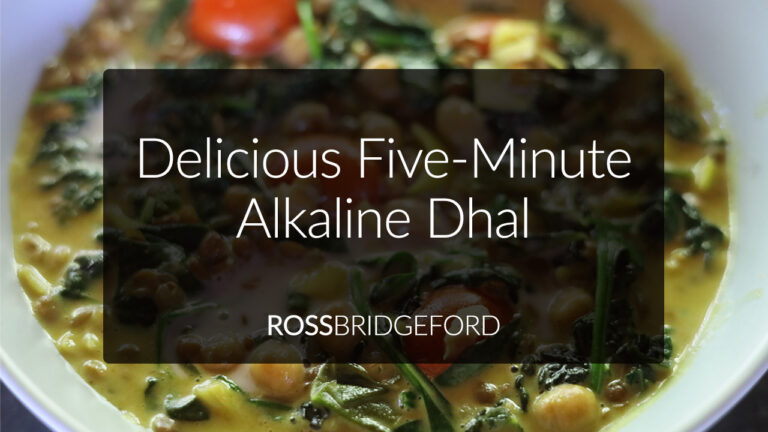
  • Chai-Spiced Nutty Granola (Alkaline, GF)

    Chai-Spiced Nutty Granola (Alkaline, GF)

    Chai-Spiced Nutty Granola

    Yeah!  This is awesome, and we’re officially hooked in our house. This granola is a flavorful mix of sweet and salty tastes, brimming with a diverse range of nuts and seeds, and enveloped in a comforting blend of aromatic spices!  It’s familiar and unfamiliar in the mouth all at once and I love it!

    Once you’ve made it, it’s tough to revert back to store-bought. Not only is it a breeze to make, but you can switch up the flavors and ingredients each time as you please, and based on what you’ve got in the pantry!

    An extra bonus is, It stays fresh for weeks, which makes it ideal for meal prep too!

    Granola that is SO good for you

     Here’s just a few of the benefits of the alkaline ingredients in this recipe:
    1. Almonds: Almonds are a good source of healthy fats, protein, fiber, vitamins, and minerals. They are particularly rich in vitamin E, which is a powerful antioxidant that helps protect the body from oxidative damage.
    2. Walnuts: Walnuts are another excellent source of healthy fats, protein, fiber, vitamins, and minerals. They are particularly rich in omega-3 fatty acids, which have been linked to numerous health benefits, including improved brain function and a reduced risk of heart disease.
    3. Pecans: Pecans are a good source of healthy fats, fiber, vitamins, and minerals. They are particularly rich in manganese, which plays a key role in the metabolism of carbohydrates and protein.
    4. Sunflower seeds: Sunflower seeds are a good source of healthy fats, protein, fiber, vitamins, and minerals. They are particularly rich in vitamin E, which is a powerful antioxidant that helps protect the body from oxidative damage.
    5. Pumpkin seeds: Pumpkin seeds are another excellent source of healthy fats, protein, fiber, vitamins, and minerals. They are particularly rich in magnesium, which is important for bone health and helps regulate blood sugar levels.
    6. Cashews: Cashews are a good source of healthy fats, protein, fiber, vitamins, and minerals. They are particularly rich in copper, which is important for the production of energy and the maintenance of healthy bones and connective tissues.
    7. Cinnamon: Cinnamon is a spice that is rich in antioxidants and has anti-inflammatory properties. It has been shown to improve blood sugar control and may also have benefits for brain function.
    8. Ginger: Ginger is powerfully antioxidant-rich and has anti-inflammatory. It has been shown to improve digestion, reduce nausea, and may also have benefits for brain function.
    9. Cardamom: Cardamom is a spice that is rich in antioxidants and has anti-inflammatory properties. It has been shown to improve digestion and may also have benefits for heart health.
    10. Allspice: Allspice is a spice that is rich in antioxidants and has anti-inflammatory properties. It has been shown to have antimicrobial properties and may also have benefits for digestion.
    Let’s get into it.

    You can store the Chai Spice Nutty Granola in an airtight container for up to 2 weeks.  You can also put into small freezer bags and freeze to have individual serves to use later. Enjoy as a snack or serve it over your favorite muesli, oats, coconut yogurt or nut milk for a delicious and crunchy breakfast.  It also works well as a topping for Chia Pots.
  • Kale, Broccoli & Roasted Sweet Potato Salad

    Kale, Broccoli & Roasted Sweet Potato Salad

    Recipes › Salads

    Kale, Broccoli & Roasted Sweet Potato Salad

    This salad is absurdly good. It will make it onto your ‘dinner staples’ list – a recipe you can eat every week, or several times a week.

    Prep 20 minCook 25 minServes 218 ingredients
    VeganGluten-freeDairy-freeNo added sugar

    Tastes: smoky roasted sweet potato and chickpeas with a creamy, garlicky cashew dressing.

    main image of the creamy sweet potato and kale salad

    Our Tuesday night dinner

    This is our Tuesday night dinner. The creamy cashew dressing is based on my Classic Alkaline Caesar Dressing, ramped up a little with a few extra ingredients that make it work especially well with the kale and sweet potato.

    And the benefits of this salad are aplenty: beta-carotene from the sweet potato, plant protein and fibre from the chickpeas, magnesium and zinc from the cashews, anti-inflammatory compounds from the cumin and garlic, and vitamins A, C and K from the kale, parsley and broccoli.

    Why you’ll love it

    • Vitamins A, C and K: well over a full day’s worth of each in every bowl.
    • About 25 g plant protein from the chickpeas and cashews.
    • Fibre: about 21 g a serve, to support healthy digestion.
    • Broccoli and kale. Cruciferous greens, rich in glucosinolates – the compounds that give you sulforaphane.

    Good for

    Immunity

    Vitamin C, vitamin A, copper and vitamin B6 contribute to the normal function of the immune system.

    Antioxidants

    Vitamin C, copper, manganese and riboflavin contribute to the protection of cells from oxidative stress. It also contains plant compounds with antioxidant activity, including lutein, beta-carotene and apigenin.

    Energy

    Vitamin B6, magnesium, folate and riboflavin contribute to the reduction of tiredness and fatigue.

    Muscles

    Protein contributes to the maintenance of muscle mass, and magnesium, potassium and calcium contribute to normal muscle function.

    Bones

    Vitamin K, manganese, magnesium and phosphorus contribute to the maintenance of normal bones.

    Eyes

    Vitamin A, riboflavin and zinc contribute to the maintenance of normal vision. It also contains lutein and zeaxanthin, the carotenoids found in the macula of the eye.

    Blood pressure

    Potassium contributes to the maintenance of normal blood pressure.

    Tags use approved nutrient health-claim wording, for nutrients that give at least 10% of the Daily Value per serve. Plant compounds like lutein have no Daily Value, so we only say they’re there.

    Key nutrients per serve

    Vitamin K
    100%+Vitamin C
    100%+Vitamin A
    100%+Copper
    100%+Manganese
    100%+Vitamin B6
    65%

    Contains: magnesium (56%), folate (54%), riboflavin (54%), pantothenic acid (52%), iron (46%), thiamin (42%), phosphorus (42%), vitamin E (41%), potassium (39%), calcium (39%), zinc (38%), niacin (29%) and selenium (29%).

    Plant compounds: lutein and zeaxanthin (about 8.5 mg), beta-carotene (about 19 mg), plant omega-3 ALA (about 0.6 g), chlorophyll, apigenin from the parsley, quercetin and kaempferol from the kale, glucosinolates from the broccoli and kale, sulphur compounds from the garlic and citrus flavonoids from the lemon.

    25 g protein21 g fibreAbout 19 g natural sugarAbout 455 mg sodium

    % of US Daily Value for adults, per serve (half the recipe). Estimated from USDA FoodData Central values for the ingredients as listed; cooking reduces some vitamins, so treat these as upper estimates. Excludes salt and pepper added to taste; anything over 100% shows as 100%+.

    Kale, Broccoli & Roasted Sweet Potato Salad

    Roasted sweet potato, shaved broccoli and chickpeas tossed with kale and a creamy cashew dressing.
    Prep Time 20 minutes
    Cook Time 25 minutes
    Soak cashews (at least 2 hours) 2 hours
    Total Time 2 hours 45 minutes
    Servings: 2

    Ingredients
      

    Salad
    • 2 medium sweet potatoes cut into bite-sized pieces
    • 1 head broccoli shaved thinly with a vegetable peeler
    • 1 x 400 g can chickpeas drained and rinsed
    • 1 tsp ground cumin
    • 1 tsp smoked paprika
    • 1 pinch red pepper flakes
    • 1 pinch garlic powder
    • 2 tsp extra-virgin olive oil
    • 200 g kale tough stems removed, chopped
    • salt and black pepper
    • fresh parsley chopped
    Creamy cashew dressing
    • ½ cup raw cashews soaked for at least 2 hours
    • 1 clove garlic
    • ¼ cup unsweetened almond or oat milk
    • 1 tsp Dijon mustard
    • juice of ½ lemon
    • 1 pinch sea salt
    • water to thin, if needed

    Equipment

    • Blender
    • Baking sheet

    Method
     

    1. Preheat the oven to 200°C (400°F) and line a baking sheet with baking paper.
    2. In a large bowl, toss the sweet potato, broccoli shavings and chickpeas with the cumin, smoked paprika, red pepper flakes, garlic powder, olive oil, salt and pepper.
    3. Spread in a single layer on the baking sheet and roast for 20–25 minutes, stirring once halfway through, until tender and lightly browned.
    4. While the vegetables roast, make the dressing: drain and rinse the cashews, then blend with the garlic, milk, mustard, lemon juice and salt until smooth and creamy. Add a splash of water if it’s too thick.
    5. Massage the kale for a minute to soften it, then combine with the roasted vegetables in a large bowl.
    6. Drizzle the dressing over the top, toss to coat, sprinkle with parsley and serve.

    Swaps

    • No time to soak? Cover the cashews with boiling water for 15 minutes instead.
    • Swap the chickpeas for white beans or lentils.
    • Nut-free: use sunflower seeds in the dressing instead of cashews.

    Storing it

    Keeps in the fridge for 2 days. Store the dressing separately and toss just before serving – the kale holds up well, so it makes a great next-day lunch.

    Good to know

    • High in vitamin K. If you take warfarin or another blood thinner, keep your greens intake steady and talk to your doctor before eating more leafy greens than usual.
    • Contains cashews. See Swaps for a nut-free dressing.

    Try next

    DinnerMexican Stuffed Sweet PotatoesOpen recipe →
    LunchThe Alkaline Power BowlOpen recipe →
    Want more than recipes?

    The Alkaline Life Club has everything in the Recipe Club, plus coaching, live Q&A and a community to keep you going.

    See the Alkaline Life Club

    Sources

    Nutrient values: USDA FoodData Central, SR Legacy (sweet potato 168483, broccoli 170379, chickpeas 173801, cumin 170923, paprika 171329, kale 168421, olive oil 171413, parsley 170416, cashews 170162, garlic 169230, almond milk 174832, mustard 172234, lemon juice 167747). Plant compounds are named where the ingredient is a well-documented source; flavonoids follow the USDA Database for the Flavonoid Content of Selected Foods, Release 3.3. Daily Values: US Food and Drug Administration.
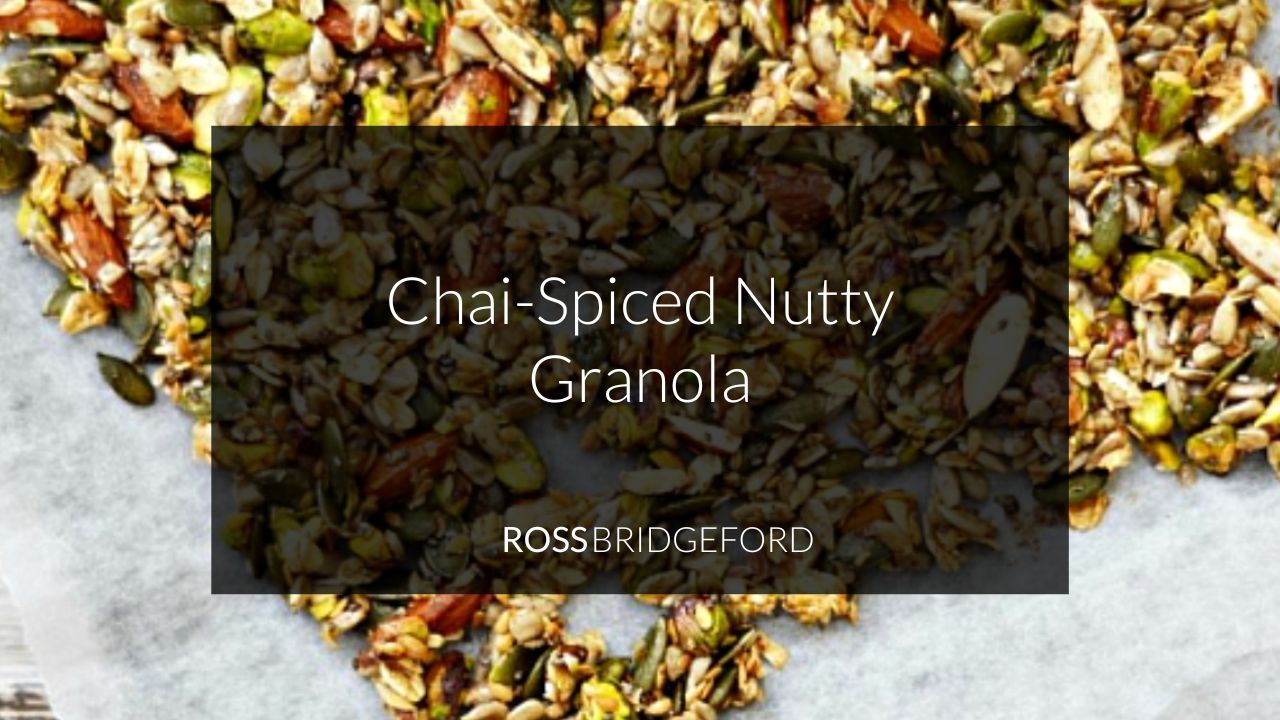
  • Gout-Friendly Green Juice

    Gout-Friendly Green Juice

    Recipes › Juices & smoothies

    Gout-Friendly Green Juice

    My go-to green juice if you’re managing gout. There’s no fruit in it, and it’s built around cucumber, celery, beetroot, fresh herbs, lemon and ginger.

    Prep 10 minServes 2Juicer9 ingredients
    VeganGluten-freeDairy-freeNut-freeNo added sugar

    Tastes: earthy and fresh, with beetroot sweetness, lemon and a little cayenne warmth.

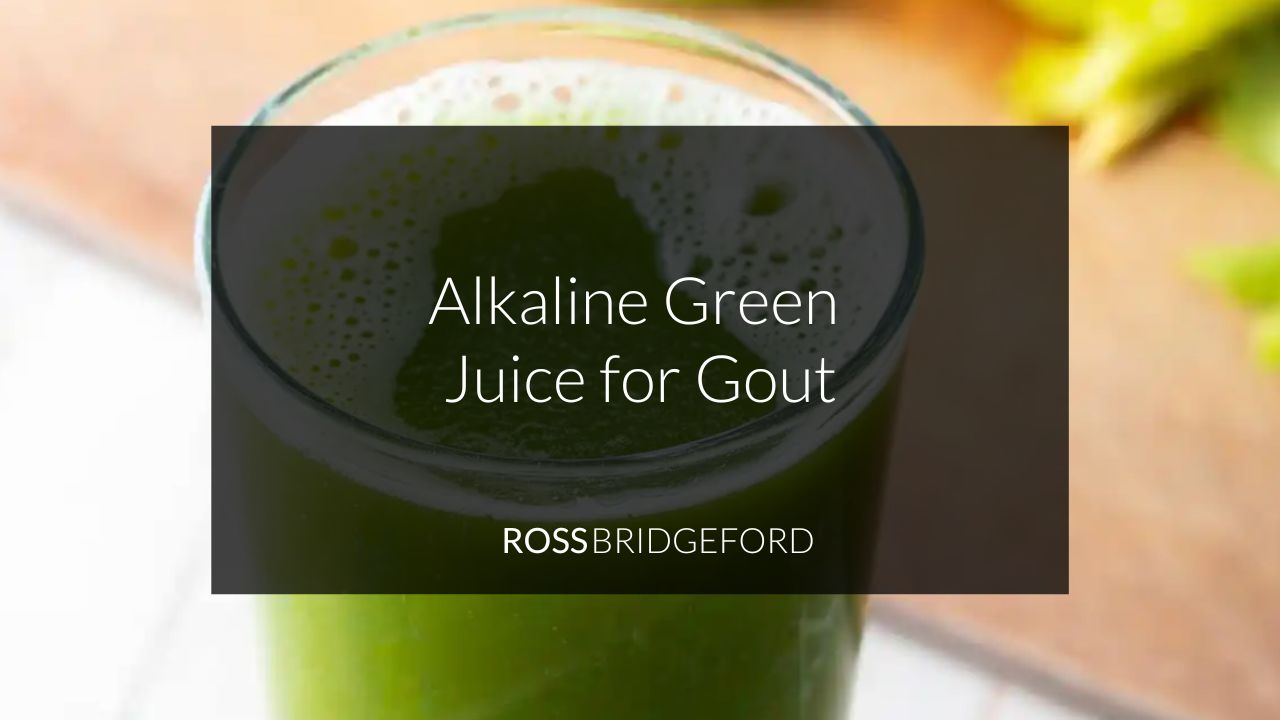
    Main: Alkaline Green Juice for Gout Closeup

    Why there’s no fruit in this juice

    Gout happens when there is a build-up of uric acid in the body. It can form crystals in the joints, causing pain and inflammation.

    You will notice no fruit in this juice. When we consume fructose, it is metabolised by the liver, which produces uric acid as a by-product. Juiced fruit, dried fruit and concentrated fruit all deliver a lot of fructose, so I leave them out. Most of the fructose we get comes from processed foods and sweetened drinks, so cutting those back matters too.

    Living alkaline – lots of vegetables, and low in fructose – can help support healthy uric acid levels.

    Why you’ll love it

    • No fruit. Just under 6 g of natural sugar per glass, mostly from the beetroot.
    • Low-purine veg. Cucumber, celery and beetroot.
    • Ginger and cayenne. Warming, anti-inflammatory spices.

    Good for

    Immunity

    Vitamin C, folate and copper contribute to the normal function of the immune system.

    Antioxidants

    Vitamin C, copper and manganese contribute to the protection of cells from oxidative stress. It also contains plant compounds with antioxidant activity, including beta-carotene, apigenin and betalains.

    Energy

    Folate and pantothenic acid contribute to the reduction of tiredness and fatigue.

    Bones

    Vitamin K and manganese contribute to the maintenance of normal bones.

    Blood pressure

    Potassium contributes to the maintenance of normal blood pressure.

    Tags use approved nutrient health-claim wording, for nutrients that give at least 10% of the Daily Value per glass. Plant compounds like these have no Daily Value, so we only say they’re there.

    Key nutrients per glass

    Vitamin K
    100%+Vitamin C
    26%Folate
    21%

    Contains: copper (14%), manganese (13%), pantothenic acid (10%), potassium (10%) and magnesium (8%).

    Plant compounds: beta-carotene (about 0.7 mg), chlorophyll, apigenin from the parsley and celery, betalains from the beetroot, gingerols from the ginger, citrus flavonoids from the lemon and capsaicin from the cayenne.

    About 6 g natural sugarAbout 70 mg sodium

    % of US Daily Value for adults, per glass (half the recipe). Estimated from USDA FoodData Central values for the whole ingredients. Juicing leaves most of the fibre and some vitamins in the pulp, so treat these as upper estimates; anything over 100% shows as 100%+.

    Gout-Friendly Green Juice

    A fruit-free green juice with cucumber, celery, beetroot, herbs, lemon and ginger.
    Prep Time 10 minutes
    Total Time 10 minutes
    Servings: 2 glasses

    Ingredients
      

    • 1 medium cucumber
    • 2 celery stalks
    • 1 small beetroot
    • 1 small handful fresh parsley
    • 1 small handful fresh coriander (cilantro)
    • 1 lemon juiced
    • 2.5 cm (1-inch) piece fresh ginger root
    • ¼ tsp cayenne pepper
    • ¼ cup filtered water plus more to taste

    Equipment

    • Juicer

    Method
     

    1. Wash all the ingredients well.
    2. Roughly chop the cucumber, celery, beetroot, parsley and coriander.
    3. Run all of the ingredients through your juicer, except the lemon and cayenne.
    4. Once juiced, stir in the cayenne, squeeze in the lemon and stir again.
    5. Pour into two glasses and water down to taste.

    Notes

    No juicer? Blend everything with 1 cup (250 ml) of cold water until smooth, then strain through a nut milk bag or a fine sieve.

    Swaps

    • No coriander? Use extra parsley.
    • Milder? Leave out the cayenne.

    Storing it

    Best fresh. It keeps in a sealed glass jar in the fridge for up to 24 hours.

    Good to know

    • If you have gout, keep taking any medication your doctor has prescribed. This juice is part of an eating pattern, not a treatment.
    • High in vitamin K. If you take warfarin or another blood thinner, keep your greens intake steady and talk to your doctor before eating more leafy greens than usual.
    • Beetroot, parsley and coriander contain oxalates. If you’ve had kidney stones, check with your doctor first.
    • Beetroot can turn your urine pink or red. It’s harmless.

    Try next

    Green juiceGreen Vitality JuiceOpen recipe →
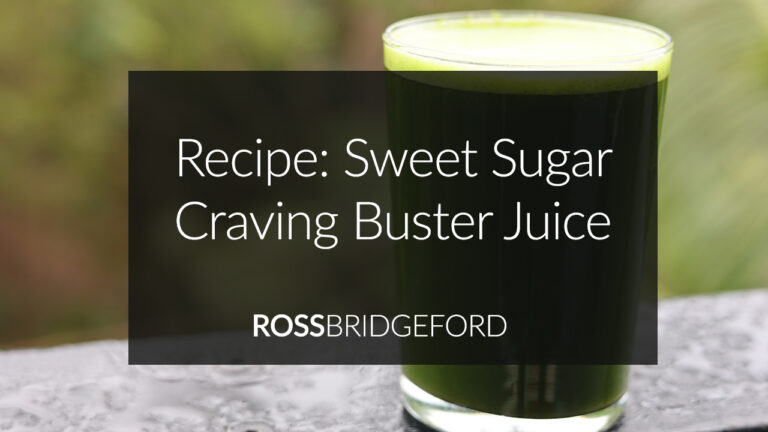
    Green juiceSweet Sugar Cravings Buster JuiceOpen recipe →
    Want more than recipes?

    The Alkaline Life Club has everything in the Recipe Club, plus coaching, live Q&A and a community to keep you going.

    See the Alkaline Life Club

    Sources

    Nutrient values: USDA FoodData Central, SR Legacy (cucumber 168409, celery 169988, beetroot 169145, parsley 170416, coriander leaves 169997, lemon juice 167747, ginger 169231, cayenne 170932). Plant compounds are named where the ingredient is a well-documented source; flavonoids follow the USDA Database for the Flavonoid Content of Selected Foods, Release 3.3. Daily Values: US Food and Drug Administration.
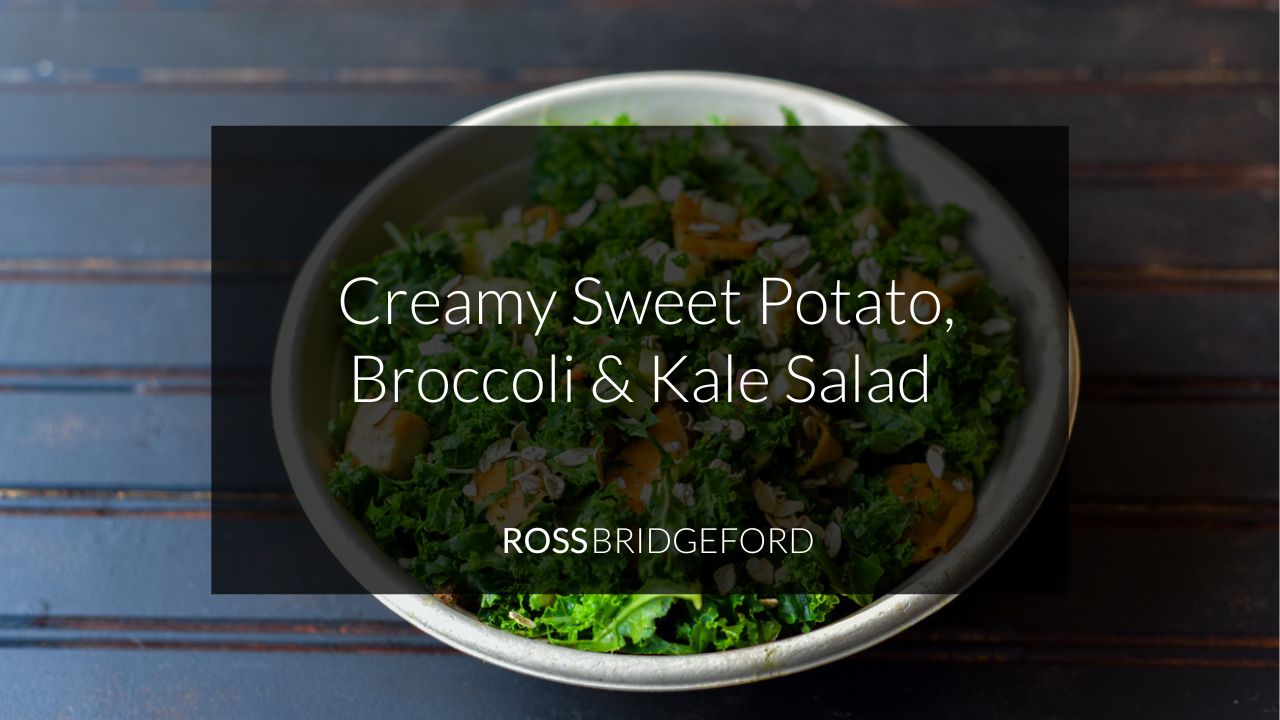
  • Texan Caviar Salad

    Texan Caviar Salad

    Recipes › Salads

    Texan Caviar Salad

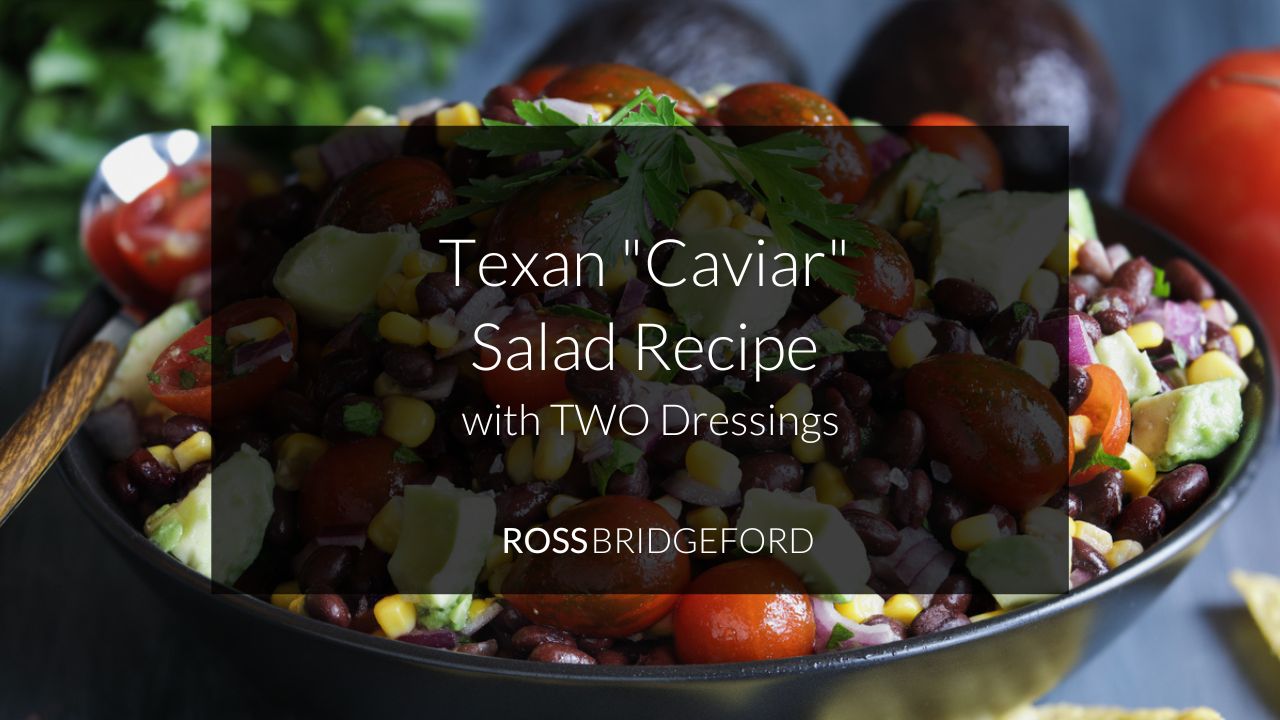
    This Texan Caviar salad is already a hot tip for ‘Recipe of the Year’. So many of my favourite flavours, and it goes fantastically well with either dressing.

    Prep 20 minChill 30 minServes 219 ingredients
    VeganGluten-freeDairy-freeNut-free

    Tastes: zesty and fresh, with sweet corn, creamy avocado and a little heat from the jalapeño.

    Texan Caviar Salad

    PACKED with benefits

    I adore this salad. Black beans and black-eyed peas, crunchy peppers, sweet corn, juicy tomatoes and creamy avocado, all tossed in a Texan-kinda twist on an Italian dressing.

    And it is PACKED with benefits. The beans bring plant protein, fibre, iron, magnesium, potassium and folate; bell peppers are an antioxidant powerhouse and a great source of vitamin C; and the tomatoes, scallions and coriander add even more antioxidants and anti-inflammatory compounds.

    Why you’ll love it

    • Folate: well over a full day’s worth in every bowl.
    • About 25 g plant protein and plenty of fibre from the two beans.
    • Vitamin C: nearly double your daily needs, thanks to the peppers.
    • Two dressings to try. My Italian-style dressing is in the recipe card, or use my Habanero Alkaline Hot Sauce.

    Good for

    Immunity

    Vitamin C, folate, copper and vitamin B6 contribute to the normal function of the immune system.

    Antioxidants

    Vitamin C, copper, manganese and vitamin E contribute to the protection of cells from oxidative stress. It also contains plant compounds with antioxidant activity, including lutein, beta-carotene and lycopene.

    Energy

    Folate, vitamin B6, magnesium and pantothenic acid contribute to the reduction of tiredness and fatigue.

    Muscles

    Protein contributes to the maintenance of muscle mass, and magnesium, potassium and calcium contribute to normal muscle function.

    Bones

    Vitamin K, manganese, magnesium and phosphorus contribute to the maintenance of normal bones.

    Eyes

    Zinc, riboflavin and vitamin A contribute to the maintenance of normal vision. It also contains lutein and zeaxanthin, the carotenoids found in the macula of the eye.

    Blood pressure

    Potassium contributes to the maintenance of normal blood pressure.

    Tags use approved nutrient health-claim wording, for nutrients that give at least 10% of the Daily Value per serve. Plant compounds like lutein have no Daily Value, so we only say they’re there.

    Key nutrients per serve

    Vitamin C
    100%+Folate
    100%+Vitamin K
    96%Copper
    89%Manganese
    70%Thiamin
    58%

    Contains: vitamin B6 (53%), magnesium (49%), vitamin E (43%), pantothenic acid (42%), iron (42%), phosphorus (39%), potassium (36%), zinc (36%), riboflavin (31%), niacin (28%), vitamin A (20%), selenium (13%) and calcium (10%).

    Plant compounds: lutein and zeaxanthin (about 1.2 mg), beta-carotene (about 1.9 mg), lycopene (about 1.9 mg), plant omega-3 ALA (about 0.5 g), chlorophyll, quercetin from the onion, anthocyanins from the black beans, sulphur compounds from the garlic, citrus flavonoids from the lime and capsaicin from the chilli.

    25 g protein28 g fibreAbout 16 g sugarAbout 230 mg sodium

    % of US Daily Value for adults, per serve (half the recipe). Estimated from USDA FoodData Central values for the ingredients as listed, so treat these as upper estimates. Uses USDA values for beans cooked without salt; canned beans add a little more sodium, even after rinsing; anything over 100% shows as 100%+.

    Texan Caviar Salad

    Black beans, black-eyed peas, corn, peppers, tomato and avocado in a zesty Italian-style dressing.
    Prep Time 20 minutes
    Chill 30 minutes
    Total Time 50 minutes
    Servings: 2

    Ingredients
      

    Salad
    • 1 x 400 g can black beans drained and rinsed
    • 1 x 400 g can black-eyed peas drained and rinsed
    • ½ cup corn kernels thawed frozen, or ½ fresh cob
    • 4 scallions chopped
    • ½ cup red onion finely chopped
    • 1 red bell pepper chopped
    • 1 green bell pepper chopped
    • 1 jalapeño seeded and chopped
    • 1 cup grape tomatoes halved
    • ½ avocado diced
    • ½ cup fresh coriander (cilantro) chopped
    Italian-style dressing
    • 2 tbsp extra-virgin olive oil
    • 2 tsp fresh lime juice
    • 2 tsp Dijon mustard
    • ½ tsp rice malt syrup
    • ¼ tsp dried oregano
    • 1 pinch garlic powder
    • 1 pinch salt
    • 1 pinch black pepper

    Method
     

    1. Whisk together all the dressing ingredients in a small bowl and set aside.
    2. In a large bowl, combine the black beans, black-eyed peas, corn, scallions, red onion, bell peppers, jalapeño, tomatoes, avocado and coriander.
    3. Pour the dressing over the salad and toss well to coat.
    4. Chill for at least 30 minutes before serving.

    Swaps

    • Spicier: leave the seeds in the jalapeño, or dress it with my Habanero Alkaline Hot Sauce.
    • No black-eyed peas? Use a second can of black beans, or chickpeas.
    • Corn: fresh, frozen or canned (rinsed) all work.

    Storing it

    Keeps in the fridge for 2–3 days. If you’re making it ahead, add the avocado just before serving so it stays bright.

    Good to know

    • High in vitamin K. If you take warfarin or another blood thinner, keep your greens intake steady and talk to your doctor before eating more leafy greens than usual.

    Ross’s tip

    Give both dressings a try and see which one you prefer (maybe the hot sauce edges it for me)!

    Try next

    DinnerMexican Stuffed Sweet PotatoesOpen recipe →
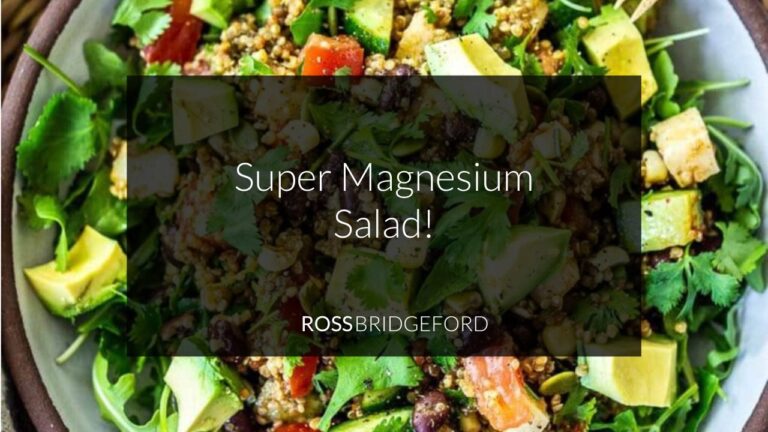
    SaladMagnesium-Boosting Super SaladOpen recipe →
    Want more than recipes?

    The Alkaline Life Club has everything in the Recipe Club, plus coaching, live Q&A and a community to keep you going.

    See the Alkaline Life Club

    Sources

    Nutrient values: USDA FoodData Central, SR Legacy (black beans 173735, black-eyed peas 173759, corn 168398, spring onions 170005, onion 170000, red pepper 170108, green pepper 170427, jalapeño 168576, tomatoes 170457, avocado 171705, coriander leaves 169997, olive oil 171413, lime juice 168156, mustard 172234, malt syrup 169660, oregano 171328, garlic powder 171325, salt 173468). Plant compounds are named where the ingredient is a well-documented source; flavonoids follow the USDA Database for the Flavonoid Content of Selected Foods, Release 3.3. Daily Values: US Food and Drug Administration.
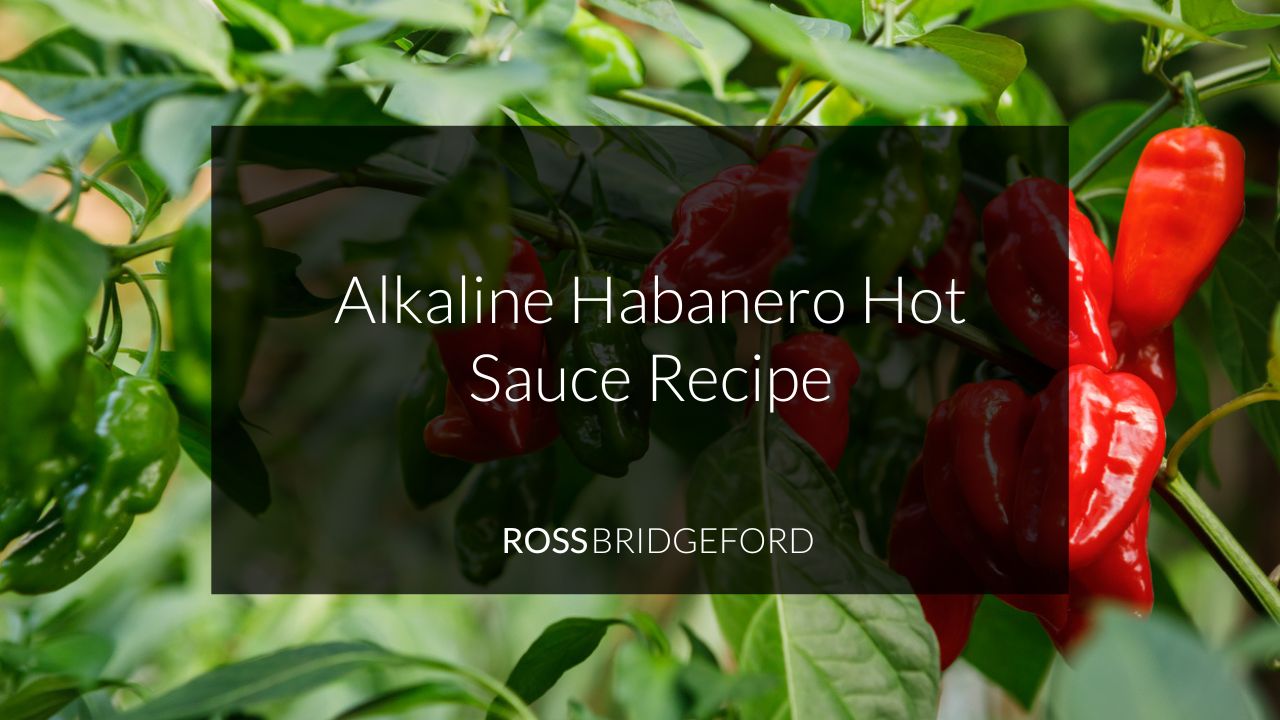
  • Alkaline Hot Sauce Recipe

    Alkaline Hot Sauce Recipe

    Alkaline Hot Sauce with Habanero Peppers

    I have always been a big fan of the spicy stuff, going back to my love of getting Szechuan Veggies from my local Chinese restaurant, and hot Veggie Madras from my local Indian restaurant in my early teens.  Little did I realize it is because it is so good for me (ha!).  And this is why I LOVE this Alkaline Hot Sauce recipe.

    In all seriousness, one of the best, easiest, most simple ways to keep adding variety to really simple dishes such as simple salads, and veggies, is to have a solid repertoire of sauces, dressings and dips.

    And this alkaline hot sauce is a cracker.

    Habanero peppers are a type of chili pepper that is commonly used in spicy dishes and hot sauces. Obviously they are SUPER spicy, which comes from the compound capsaicin. Along with adding flavor and that delicious heat to your dishes, habanero peppers can also provide several health benefits, including:

    1. Rich in vitamins: Habanero peppers are a good source of vitamins C, A, and E, which are important for maintaining healthy skin, boosting immunity, and promoting overall health.
    2. Anti-inflammatory properties: The capsaicin in habanero peppers has been found to have anti-inflammatory properties, which can help reduce inflammation in the body and alleviate symptoms of conditions such as arthritis.
    3. Pain relief: Capsaicin has also been found to act as a natural pain reliever, particularly for conditions such as neuropathic pain and migraines.
    4. Boosts metabolism: Habanero peppers contain compounds that can help increase metabolic rate, which can aid in weight loss efforts.
    5. Improves digestion: The spiciness of habanero peppers can stimulate the production of digestive juices, which can help improve digestion and alleviate symptoms of indigestion.

    Let me know what you think!  Leave a review in the comments!

    Ross

    Related Recipes to the Alkaline Hot Sauce:

    The Triple-A Green Juice Recipe (Ross’ most popular juice)

    Creamy Cashew & Coconut Curry

    3-Ingredient Alkaline Caesar Dressing

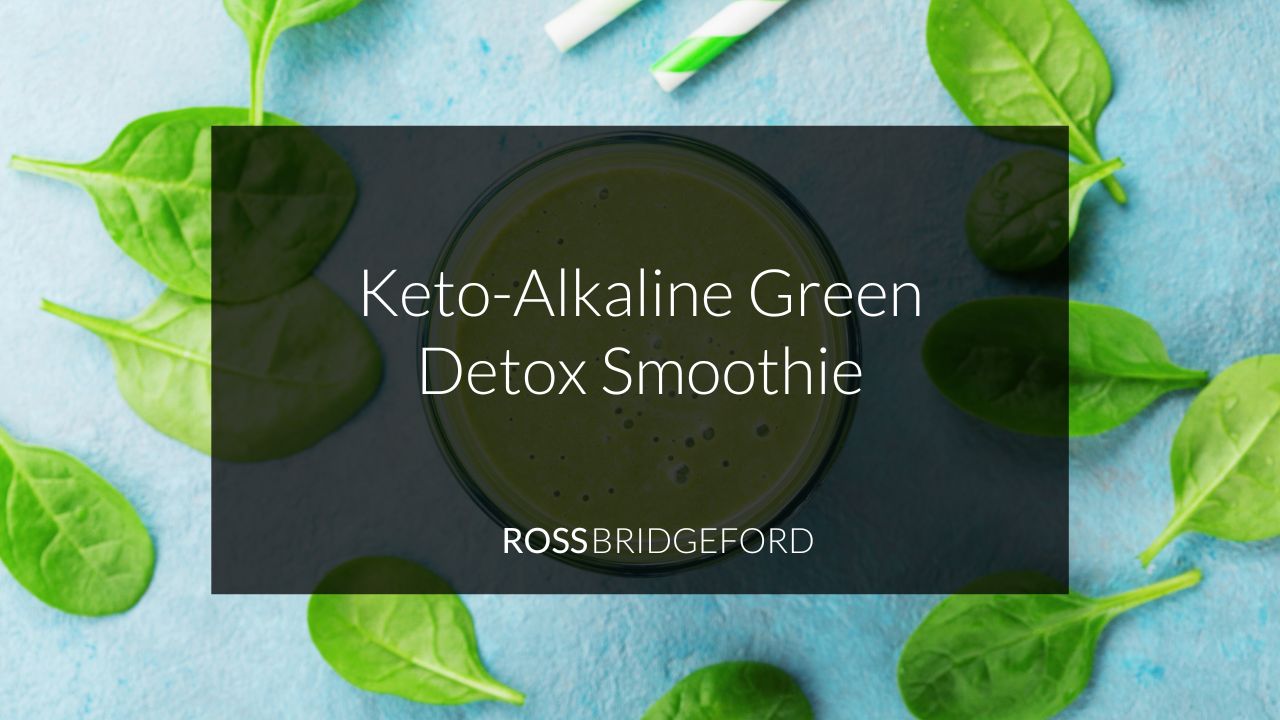
  • Keto-Alkaline Detox Smoothie Recipe

    Keto-Alkaline Detox Smoothie Recipe

    With the Alkaline Cleanse Workshop just around the corner, this is an AWESOME smoothie for you to start including.

    It’s packed with the nutrients that support your body’s detoxification system.

    In my Alkaline Reset Cleanse program, I talk about the body’s ‘Five Master Systems™.  These are:

    1. The pH Buffering System
    2. The Endocrine System
    3. The Immune System
    4. The Digestive System; and
    5. The Detoxification System

    When we support the detoxification system, it supports every other area of the body.

    What is Detoxification?

    Detoxification is a natural process that occurs in the body and helps to rid the body of toxins. It can be divided into three distinct phases: Phase I, Phase II, and Phase III.

    Phase I is known as “the oxidative phase” or “activation phase.” During this phase, fat-soluble toxins are converted into water-soluble molecules, which makes them more easily eliminated from the body. This phase also involves enzymes that help to break down and metabolize drugs and other compounds in the liver.

    Phase II is called “the conjugation phase” or “biochemical transformation phase.” During this phase, the modified toxins are converted into molecules that can be excreted from the body. This involves adding water-soluble molecules such as amino acids, glutathione, or sulfur groups to the toxins.

    Finally, Phase III is known as “the transport and elimination phase.” During this phase, the modified toxins are transported out of the body via, for example, bile or urine. This helps to ensure that the toxins are completely eliminated from the body and do not recirculate.

    The Nutrients that Support Detoxification

    Certain nutrients are essential for the detoxification process and ensuring that all phases of detoxification occur properly. These include antioxidants, such as vitamins A, C, and E, which help to prevent damage from free radicals; amino acids, such as cysteine and taurine, which are needed for Phase II conjugation reactions; minerals, such as zinc and magnesium, which help to activate enzymes involved in Phase I and Phase III; and dietary fiber, which helps to bind toxins in the digestive tract for elimination.

    By supporting each of these phases of detoxification with proper nutrition, we can ensure that our bodies are able to efficiently rid themselves of toxins.

    They are all alkaline nutrients and are in abundance in this delicious keto-friendly, alkaline green smoothie.

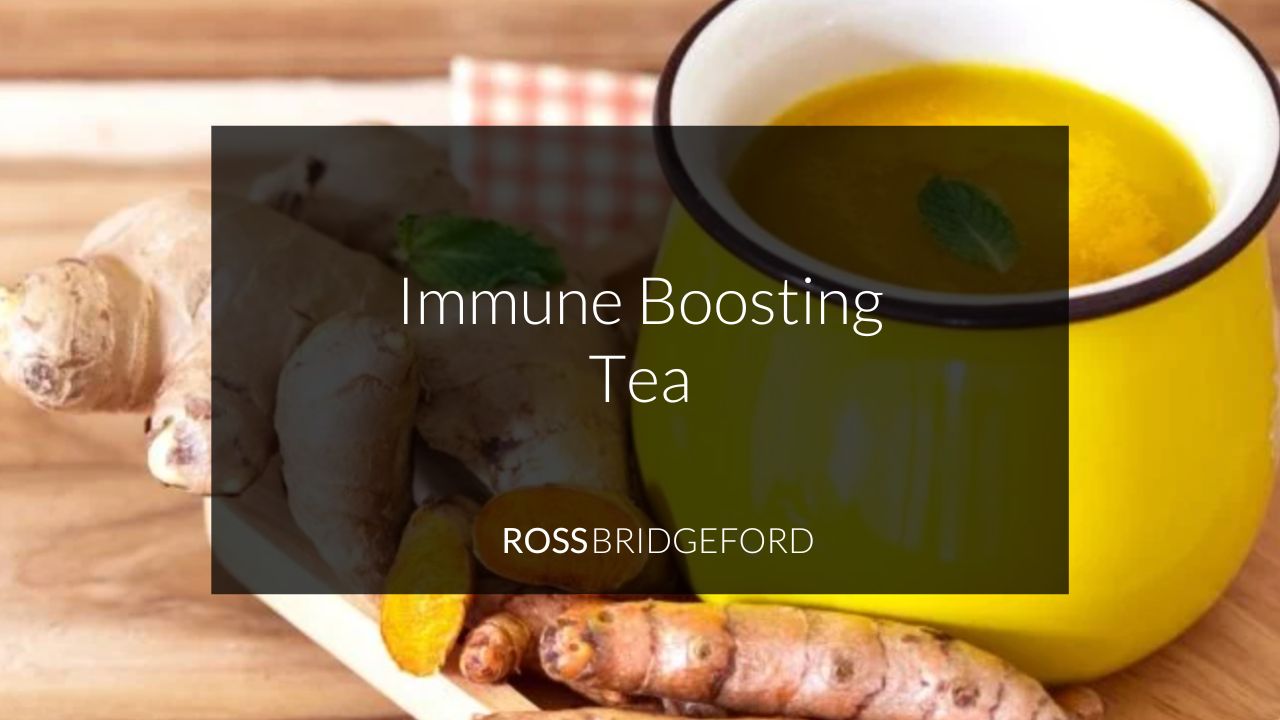
  • Immune-Boosting Tea Recipe

    Immune-Boosting Tea Recipe

    This totally natural immune-boosting tea recipe is so quick and easy, and it’s packed full of alkaline booster, and natural ingredients to boost your immune system.   I often talk about my Triple-A approach to health and this tea has the alkaline, anti-inflammatory and antioxidant-rich “A’s” that make up my Triple A!

    I call this the ‘Magic Tea’ in our house because it works so well.  Especially combined with my Immune-Boosting Super Shot.

    It not only boosts your immune system, but also helps to fight colds, ease sore throats and sooths annoying, painful coughs.

    The Ingredients of the Immune Boosting Tea Recipe are:

    Ginger:

    – Contains immune-boosting antioxidants

    – Has anti-inflammatory properties

    – Can help fight germs and bacteria

    Turmeric:

    – High in immune-boosting compounds

    – Loaded with antioxidants

    – Aids digestion & reduces inflammation

    Cayenne Pepper:

    – Enhances immune function

    – Rich in immune-boosting vitamins and minerals

    – Has antifungal and antibacterial properties

    Garlic: 

    – Boosts immune response

    – Natural antihistamine

    – Contains important antioxidants & minerals

    Lemon Juice:

    – Is a natural immune system booster

    – Has powerful antioxidant properties

    – Supports alkaline balance in the body

    All of these immune-boosting ingredients come together to form an incredible tea that will help you to stay healthy, energized, and feel your amazing!

    Additionally, you can experiment with adding other immune-boosting ingredients like cardamom, cinnamon, or cloves to the immune-boosting tea. You can also adjust the amounts of each ingredient according to your taste.


    Resources Related Recipe:

    My Guide to Turmeric, How to Use It & Recipes

    Green Med Info’s Database on Turmeric Research

    Recipe: Enhanced Lemon Water

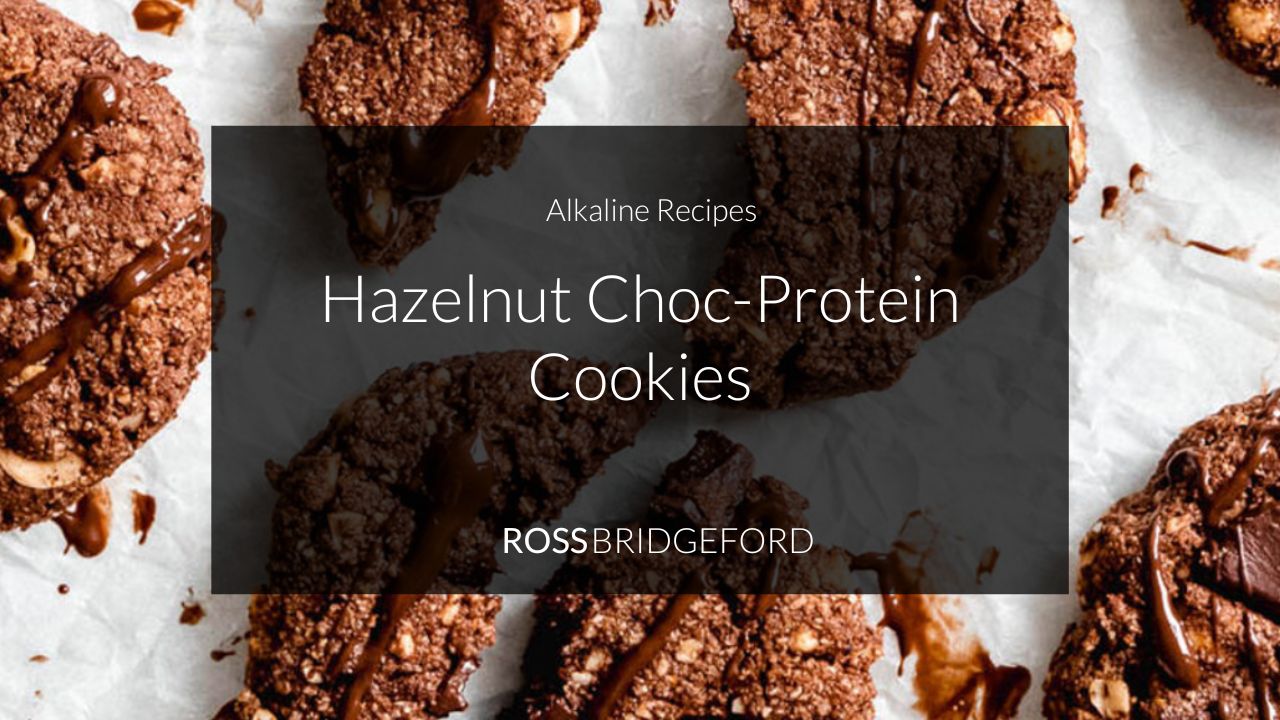
  • Hazelnut Choc-Protein Cookies

    Hazelnut Choc-Protein Cookies

    Recipes › Snacks

    Hazelnut Choc-Protein Cookies

    High-protein cookies that are alkaline, delicious and very, very low in sugar – the perfect snack to have stored ready for those snack-attack moments.

    Prep 15 minBake 8 minMakes 1410 ingredients
    VeganGluten-freeDairy-freeNo added sugar

    Tastes: rich, chocolatey and nutty, soft in the middle.

    Hazelnut Cookies

    Ready for snack attacks

    These are exactly as described: high-protein cookies that are alkaline, delicious, very low in sugar, and the perfect snack to have stored ready for those snack-attack moments.

    The healthy fats, protein, potassium and magnesium mean they’re filling as well as delicious. They don’t take long to make, and they last for days and days if stored in an airtight container.

    Why you’ll love it

    • Very low sugar: under 2 g a cookie, sweetened with ripe banana and monkfruit.
    • Plant protein from the protein powder and hazelnuts.
    • Copper and manganese from the hazelnuts and cacao.
    • Freezer-friendly: they keep for 6–8 weeks.

    Good for

    Immunity

    Copper and iron contribute to the normal function of the immune system.

    Antioxidants

    Copper and manganese contribute to the protection of cells from oxidative stress. It also contains plant compounds with antioxidant activity, including flavanols.

    Energy

    Iron contributes to the reduction of tiredness and fatigue.

    Bones

    Manganese contributes to the maintenance of normal bones.

    Tags use approved nutrient health-claim wording, for nutrients that give at least 10% of the Daily Value per cookie. Plant compounds like these have no Daily Value, so we only say they’re there.

    Key nutrients per cookie

    Copper
    33%Manganese
    30%

    Contains: iron (11%) and magnesium (8%).

    Plant compounds: flavanols from the cacao.

    Under 4 g natural sugarAbout 75 mg sodium

    % of US Daily Value for adults, per cookie (1/14 of the recipe). Estimated from USDA FoodData Central values for the ingredients as listed; cooking reduces some vitamins, so treat these as upper estimates. Cacao nibs use USDA unsweetened baking chocolate values; protein powder uses typical pea protein label values; anything over 100% shows as 100%+.

    Hazelnut Choc-Protein Cookies

    Soft, chocolatey hazelnut cookies with plant protein and almost no sugar.
    Prep Time 15 minutes
    Cook Time 8 minutes
    Total Time 23 minutes
    Servings: 14 cookies

    Ingredients
      

    • 90 g hazelnut meal or almond meal (not almond flour), or a mix
    • ½ cup cacao nibs or sugar-free chocolate chips
    • 1 ripe banana
    • ⅓ cup monkfruit sweetener
    • 2 tbsp coconut oil melted
    • ½ cup plant protein powder
    • 2 tbsp cacao powder
    • 1 tsp vanilla extract
    • ¼ tsp salt
    • chopped hazelnuts optional, to top

    Equipment

    • Food processor
    • Baking sheet

    Method
     

    1. Preheat the oven to 180°C (350°F) and line a baking sheet with baking paper.
    2. Put the nut meal and cacao nibs in a food processor and blend until combined and mealy.
    3. Add the banana, monkfruit and coconut oil and blend on high until a smooth, thick batter forms. Transfer to a large mixing bowl.
    4. Add the protein powder, cacao powder, vanilla and salt and mix together with a spatula.
    5. Roll the dough into about 14 small balls, place on the baking sheet and top with chopped hazelnuts if you like.
    6. Bake for 7–8 minutes, then gently press each one down with your hand or the back of an oiled spoon to flatten them a little. Leave to cool.

    Notes

    These freeze for 6–8 weeks.

    Swaps

    • Almond meal works instead of hazelnut meal.
    • Protein powder: any plant-based one works. Flavoured ones change the sweetness, so taste the batter first.
    • No monkfruit? Use a stevia-based sweetener to taste.

    Storing it

    Keep in an airtight container for up to a week, or freeze for 6–8 weeks.

    Good to know

    • Contains hazelnuts. Use sunflower seed meal if you need them nut-free.
    • Monkfruit sweeteners are often blended with erythritol, which can upset some tummies in larger amounts.

    Try next

    SnackRaw Chocolate BarkOpen recipe →
    SnackAnti-Inflammatory Bliss BallsOpen recipe →
    Want more than recipes?

    The Alkaline Life Club has everything in the Recipe Club, plus coaching, live Q&A and a community to keep you going.

    See the Alkaline Life Club

    Sources

    Nutrient values: USDA FoodData Central, SR Legacy (hazelnuts 170581, unsweetened baking chocolate 167568, banana 173944, coconut oil 171412, cocoa 169593, vanilla extract 173471, salt 173468; typical label values for pea protein). Plant compounds are named where the ingredient is a well-documented source; flavonoids follow the USDA Database for the Flavonoid Content of Selected Foods, Release 3.3. Daily Values: US Food and Drug Administration.