The Alkaline Power Bowl
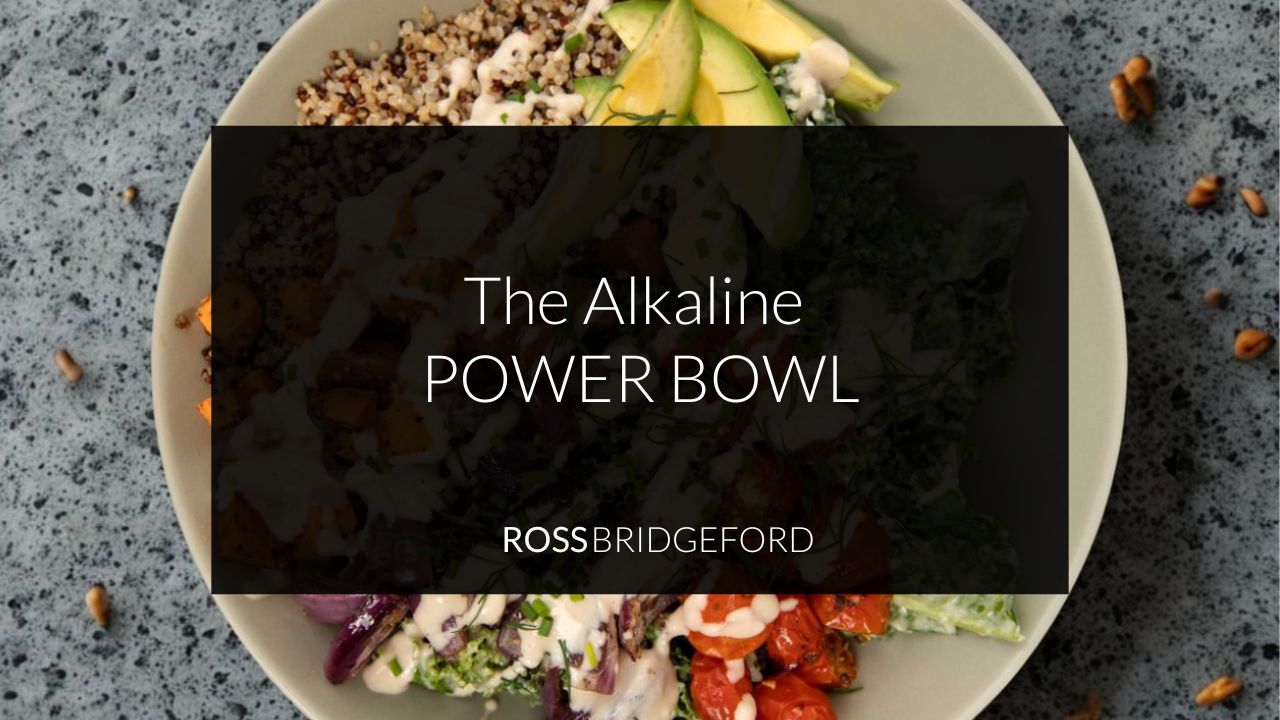
It’s not just delicious and quick to prepare – this one bowl gives you half or more of your daily needs for 9 essential nutrients, all from plant-based ingredients.
Tastes: creamy avocado and tahini with sweet potato, fresh cucumber and a lemony turmeric dressing.
A nutritional game changer
We’ve all had those days when it feels impossible to tick every nutritional box. Potassium? Magnesium? Iron? Selenium? Let alone all the B vitamins, fibre, vitamin C, folate and antioxidants…
That’s why I’m SO excited about the Alkaline Power Bowl. Honestly, I’ve never had a dish so effortlessly deliver on so many fronts. This is more than just a recipe. It’s a nutritional game changer.
It delivers on energy, immunity, digestion, mental clarity and blood sugar balance… and it may even help with long-term protection against fatigue, inflammation and chronic illness. An estimated 98% of Americans consume less than the recommended daily intake of potassium, and about half don’t get enough magnesium. Potassium and magnesium together can help support healthy blood pressure (a diet high in sodium and low in potassium has been linked with a higher risk of heart disease and stroke), and selenium supports your immune system, thyroid and your body’s own antioxidant defences.
Why you’ll love it
- Selenium: a full day’s worth, thanks to just one Brazil nut.
- Vitamins A, C and K: well over half a day’s worth of each.
- Magnesium and potassium: about 200 mg and 2,100 mg a serve.
- Fibre: about 19 g a serve to feed your gut microbiome.
Good for
Selenium, vitamin A, copper and vitamin C contribute to the normal function of the immune system.
Selenium, copper, manganese and vitamin C contribute to the protection of cells from oxidative stress. It also contains plant compounds with antioxidant activity, including lutein, beta-carotene and lycopene.
Pantothenic acid, folate, vitamin B6 and magnesium contribute to the reduction of tiredness and fatigue.
Vitamin K, manganese, magnesium and phosphorus contribute to the maintenance of normal bones.
Vitamin A, riboflavin and zinc contribute to the maintenance of normal vision. It also contains lutein and zeaxanthin, the carotenoids found in the macula of the eye.
Potassium contributes to the maintenance of normal blood pressure.
Tags use approved nutrient health-claim wording, for nutrients that give at least 10% of the Daily Value per serve. Plant compounds like lutein have no Daily Value, so we only say they’re there.
Key nutrients per serve
Contains: pantothenic acid (65%), folate (58%), vitamin B6 (57%), magnesium (48%), thiamin (47%), potassium (45%), vitamin E (41%), riboflavin (37%), iron (37%), niacin (34%), phosphorus (33%), zinc (31%) and calcium (15%).
Plant compounds: lutein and zeaxanthin (about 4.1 mg), beta-carotene (about 19 mg), lycopene (about 1.5 mg), chlorophyll, curcumin from the turmeric and citrus flavonoids from the lemon.
% of US Daily Value for adults, per serve (half the recipe). Estimated from USDA FoodData Central values for the ingredients as listed; cooking reduces some vitamins, so treat these as upper estimates. Excludes salt added to taste; anything over 100% shows as 100%+.
The Alkaline Power Bowl
Ingredients
Equipment
Method
- Cook the sweet potatoes (bake, steam or roast).
- While they’re cooking, steam the spinach and prepare the quinoa and white beans (or use pre-cooked).
- Chop the cucumber, tomato and avocado.
- Whisk together the tahini, lemon juice, olive oil, turmeric and a pinch of salt to make the dressing.
- Divide all the ingredients between two bowls.
- Drizzle with the dressing, top each bowl with a Brazil nut and chopped herbs, and enjoy.
Swaps
- Short on time? Use pre-cooked quinoa and tinned white beans, rinsed.
- Any white beans work: cannellini, butter beans or navy beans.
- No tahini? Use extra olive oil and a little more lemon.
Storing it
Keep the dressing separate and it keeps in the fridge for a day, so it’s a good one for a packed lunch.
Good to know
- High in vitamin K. If you take warfarin or another blood thinner, keep your greens intake steady and talk to your doctor before eating more leafy greens than usual.
- Brazil nuts are very high in selenium. One a day is plenty, so stick to one per bowl.
Try next
The Alkaline Life Club has everything in the Recipe Club, plus coaching, live Q&A and a community to keep you going.
See the Alkaline Life ClubSources
Nutrient values: USDA FoodData Central, SR Legacy (avocado 171705, sweet potato 168483, spinach 168462, white beans 175203, quinoa (cooked) 168917, cucumber 168409, tomato 170457, tahini 168604, olive oil 171413, lemon juice 167747, Brazil nuts 170569, turmeric 172231). Plant compounds are named where the ingredient is a well-documented source; flavonoids follow the USDA Database for the Flavonoid Content of Selected Foods, Release 3.3. Daily Values: US Food and Drug Administration. Intake figures: Cogswell et al., “Sodium and Potassium Intakes among US Adults: NHANES 2003–2008,” American Journal of Clinical Nutrition 96 (2012): 647–57; DiNicolantonio, O’Keefe and Wilson, “Subclinical Magnesium Deficiency: A Principal Driver of Cardiovascular Disease and a Public Health Crisis,” Open Heart 5 (2018): e000668.