Blog

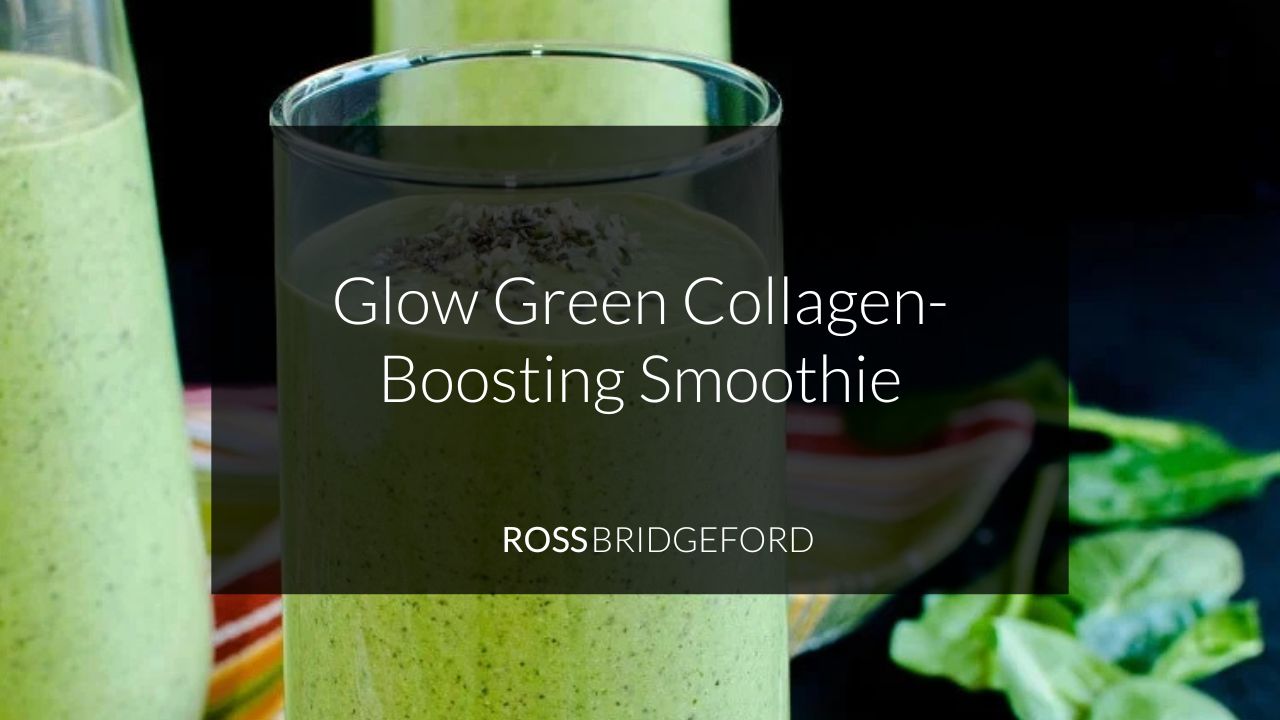
  • Glow Green Collagen-Boosting Smoothie

    Glow Green Collagen-Boosting Smoothie

    Glow Green Collagen-Boosting Smoothie: Nourish Your Skin From Within

    We all want younger-looking, radiant skin, right?

    Collagen plays a huge part in achieving that. This essential protein is responsible for maintaining skin elasticity, hydration, and overall firmness, helping to minimize the appearance of fine lines and wrinkles.

    But that’s not all collagen is important for. Beyond skin health, collagen is vital for supporting joint health, strong bones, and overall connective tissue integrity, making it a cornerstone for living alkaline, nourishing your body and getting the health and energy you deserve.

    In terms of longevity, look at the benefits – out of pain, stronger bones, joints and tissue, younger, more elastic skin – and it’s a fantastic protein which is essential for so much in your body.

    But, as we age, natural collagen production declines, leading to visible changes in the skin and potential joint discomfort.  With the right nutrients, you can help your body support and boost its collagen synthesis naturally.

    That’s where this Glow Green Collagen-Boosting Smoothie comes in—a blend designed not just for beauty, but for your alkaline health. Packed with nature’s most powerful, nutrient-dense ingredients, this smoothie is perfect for adding to your daily routine to promote a healthy, vibrant you from the inside out.

    Why Does This Smoothie Work?

    Collagen plays a huge role in maintaining skin elasticity, hydration, and overall firmness. But as we age, our natural collagen production starts to decline. Fortunately, with the right nutrients, we can encourage our body’s collagen synthesis and support healthier, radiant skin.

    This smoothie is full of ingredients that work with your body to protect and enhance your skin’s natural glow. Plus, it’s easy to make, delicious, and completely aligned with an alkaline diet.

    Key Ingredients and Benefits

    • Spinach: This leafy green is packed with vitamins A and C, which are crucial for collagen production and protecting the skin from oxidative stress.
    • Cucumber: Known for its hydrating properties and silica content, cucumber helps support skin elasticity and moisture.
    • Avocado: Loaded with healthy fats and vitamin E, avocado helps to nourish and protect skin cells from damage.
    • Parsley: A small but mighty ingredient, parsley is full of vitamin C, aiding in collagen formation and skin repair.
    • Flaxseeds, Chia Seeds, and Hemp Seeds: These tiny powerhouses offer omega-3 fatty acids, protein, and essential minerals that help maintain skin structure and hydration.

    Glow Green Collagen-Boosting Smoothie Recipe

    Simple Tips for an Extra Boost

    • For a chilled, more refreshing smoothie, add a few ice cubes before blending.
    • Adjust the consistency by adding more or less almond milk, depending on how thick you like it.
    • Enjoy this smoothie as a part of your morning ritual or a revitalizing mid-day pick-me-up.

    More Than Just One Recipe

    This Glow Green Collagen-Boosting Smoothie is just the beginning of your journey toward healthier, glowing skin and overall well-being. But why stop here? With the right recipes at your fingertips, living the alkaline lifestyle becomes easy, enjoyable, and second nature.

    That’s why I’m so excited about my Alkaline Recipe Collection Vol 3. It’s packed with over 144+ nutrient-dense, varied recipes designed to make living alkaline simple and delicious. From energizing breakfasts to portable lunches, family-friendly dinners, and indulgent desserts, everything you need is included to keep you on track and thriving.

    And here’s the best part: If you order before Thursday, you’ll also receive my 2-Part Alkaline Training Webinar Series, valued at $297, absolutely FREE. In these live coaching calls, I’ll guide you step-by-step on how to start living the alkaline lifestyle and get the most out of your journey.

    [Click here to check out the collection and claim your free webinar bonus before it’s too late!]

    Take control of your health and discover just how easy it can be to fuel your body, achieve your goals, and feel amazing every day.

    Here’s to your health and glowing skin!

    Ross

  • Hormone Harmony Weight-Loss Soup

    Hormone Harmony Weight-Loss Soup

    Recipes › Soups

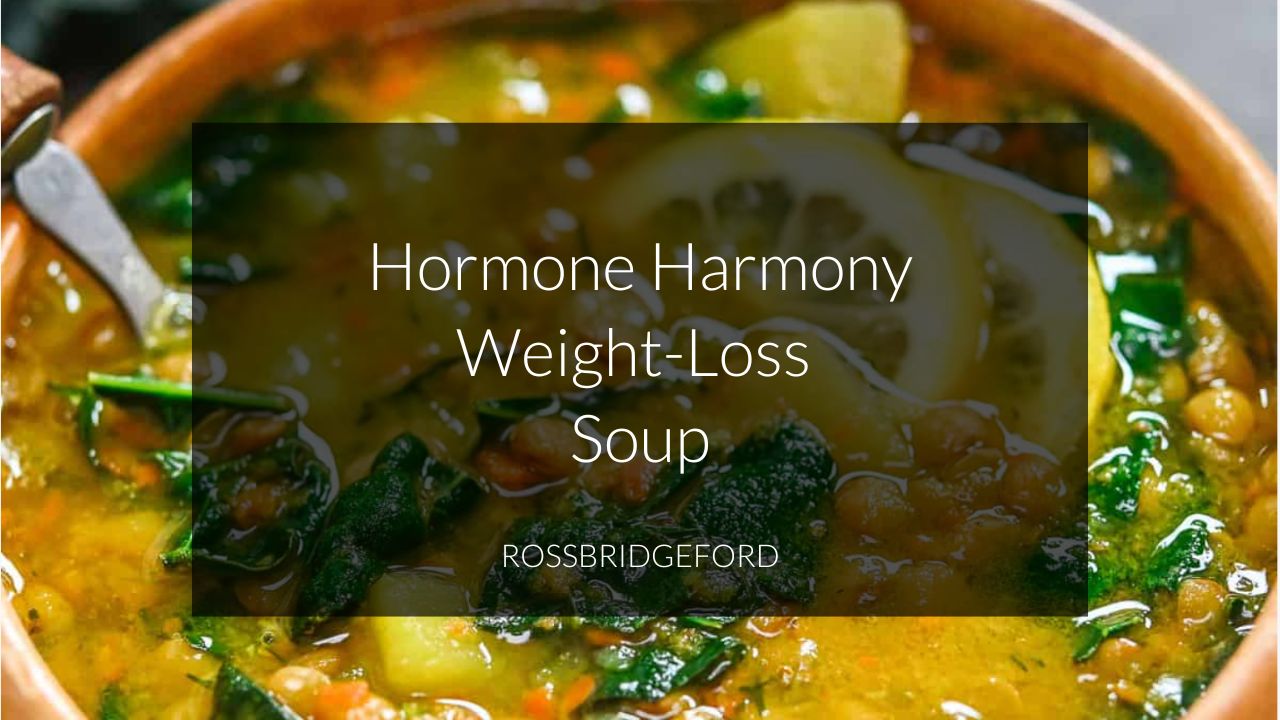
    Hormone Harmony Weight-Loss Soup

    A hearty, delicious and soul-warming soup that’s alkaline, anti-inflammatory, antioxidant-rich – and so satisfying.

    Prep 10 minCook 20 minServes 213 ingredients
    VeganGluten-freeDairy-freeNut-freeNo added sugar

    Tastes: warming and earthy, with turmeric, ginger, cumin and a squeeze of lemon.

    Working with your body

    If you’ve ever felt like your body just doesn’t respond to dieting the way it used to, or stubborn weight seems to stick no matter what you do, it’s rarely about willpower or counting calories. For most people I’ve worked with in my 8-Week Alkaline Weight Loss coaching, things like hormones, digestion and inflammation play a big part – and the combination is unique to you.

    This soup is all about working with your body, not against it: plenty of fibre and plant protein to keep you full and satisfied, flax for healthy fats, and turmeric and ginger for their anti-inflammatory properties. Nourished and supported, rather than starved.

    Why you’ll love it

    • Fibre and plant protein: about 13 g fibre and 12 g protein a bowl, to keep you full and satisfied.
    • Vitamins C and K: more than a full day’s worth of each.
    • Turmeric, ginger and black pepper. Anti-inflammatory spices, with pepper to help your body absorb the curcumin.
    • Ready in about 20 minutes, mostly hands-off simmering.

    Good for

    Immunity

    Vitamin C, folate, copper and vitamin A contribute to the normal function of the immune system.

    Antioxidants

    Vitamin C, manganese, copper and riboflavin contribute to the protection of cells from oxidative stress. It also contains plant compounds with antioxidant activity, including lutein, beta-carotene and flavonoids.

    Energy

    Folate, iron, vitamin B6 and pantothenic acid contribute to the reduction of tiredness and fatigue.

    Muscles

    Protein contributes to the maintenance of muscle mass, and magnesium and potassium contribute to normal muscle function.

    Bones

    Vitamin K, manganese, phosphorus and magnesium contribute to the maintenance of normal bones.

    Eyes

    Vitamin A, riboflavin and zinc contribute to the maintenance of normal vision. It also contains lutein and zeaxanthin, the carotenoids found in the macula of the eye.

    Blood pressure

    Potassium contributes to the maintenance of normal blood pressure.

    Tags use approved nutrient health-claim wording, for nutrients that give at least 10% of the Daily Value per bowl. Plant compounds like lutein have no Daily Value, so we only say they’re there.

    Key nutrients per bowl

    Vitamin C
    100%+Vitamin K
    100%+Folate
    62%Manganese
    57%Copper
    44%Vitamin A
    37%

    Contains: iron (31%), vitamin B6 (29%), thiamin (25%), pantothenic acid (24%), riboflavin (23%), phosphorus (21%), potassium (19%), magnesium (19%), zinc (17%), niacin (15%), vitamin E (10%) and calcium (9%).

    Plant compounds: lutein and zeaxanthin (about 2.1 mg), beta-carotene (about 3.5 mg), plant omega-3 ALA (about 1 g), chlorophyll, quercetin and kaempferol from the kale, glucosinolates from the broccoli and kale, curcumin from the turmeric, gingerols from the ginger, citrus flavonoids from the lemon and lignans from the flaxseed.

    12 g protein13 g fibreAbout 7 g natural sugarAbout 775 mg sodium

    % of US Daily Value for adults, per bowl (half the recipe). Estimated from USDA FoodData Central values for the ingredients as listed; cooking reduces some vitamins, so treat these as upper estimates. Uses typical low-sodium vegetable broth values; anything over 100% shows as 100%+.

    Hormone Harmony Weight-Loss Soup

    A warming lentil and vegetable soup with kale, turmeric, ginger and flax.
    Prep Time 10 minutes
    Cook Time 20 minutes
    Total Time 30 minutes
    Servings: 2 bowls

    Ingredients
      

    • 1 cup cooked lentils
    • 2 cups kale chopped
    • 1 small red bell pepper diced
    • 1 cup broccoli florets
    • 1 small carrot diced
    • 1 tbsp ground flaxseed
    • 1 tsp ground turmeric
    • 1 tsp fresh ginger grated
    • 2 cups low-sodium vegetable broth
    • ½ tsp Himalayan salt
    • ¼ tsp black pepper
    • ½ tsp ground cumin
    • ½ lemon sliced

    Equipment

    • Large pot

    Method
     

    1. In a large pot, heat the vegetable broth over medium heat.
    2. Add the red pepper, broccoli and carrot and cook for 5–7 minutes until they start to soften.
    3. Stir in the lentils, turmeric, ginger, cumin and black pepper. Mix well and cook for another 3–5 minutes.
    4. Add the kale and cook until wilted, about 2–3 minutes.
    5. Stir in the ground flaxseed and salt, mixing well so the flax doesn’t clump.
    6. Simmer for another 5–7 minutes so the flavours meld together.
    7. Finally, drop in the lemon slices, taste and adjust the seasoning if needed.

    Swaps

    • Heartier: double the lentils or serve with a scoop of quinoa.
    • No kale? Use spinach, stirred in right at the end.
    • Lentils: canned (rinsed) or leftover cooked lentils both work.

    Storing it

    Keeps in the fridge for 3–4 days and freezes well.

    Good to know

    • High in vitamin K. If you take warfarin or another blood thinner, keep your greens intake steady and talk to your doctor before eating more leafy greens than usual.
    • Salt: use a low-sodium broth, and taste before adding the salt.

    Try next

    SoupHug in a Bowl Lentil SoupOpen recipe →
    SoupSpiced Lentil SoupOpen recipe →
    Want more than recipes?

    The Alkaline Life Club has everything in the Recipe Club, plus coaching, live Q&A and a community to keep you going.

    See the Alkaline Life Club

    Sources

    Nutrient values: USDA FoodData Central, SR Legacy (lentils (cooked) 172421, kale 168421, red pepper 170108, broccoli 170379, carrot 170393, flaxseed 169414, turmeric 172231, ginger 169231, salt 173468, cumin 170923, lemon juice 167747; typical label values for low-sodium vegetable broth). Plant compounds are named where the ingredient is a well-documented source; flavonoids follow the USDA Database for the Flavonoid Content of Selected Foods, Release 3.3. Daily Values: US Food and Drug Administration.

  • Magnesium-Rich Sesame & Ginger Stir-Fry

    Magnesium-Rich Sesame & Ginger Stir-Fry

    Recipes › Dinner

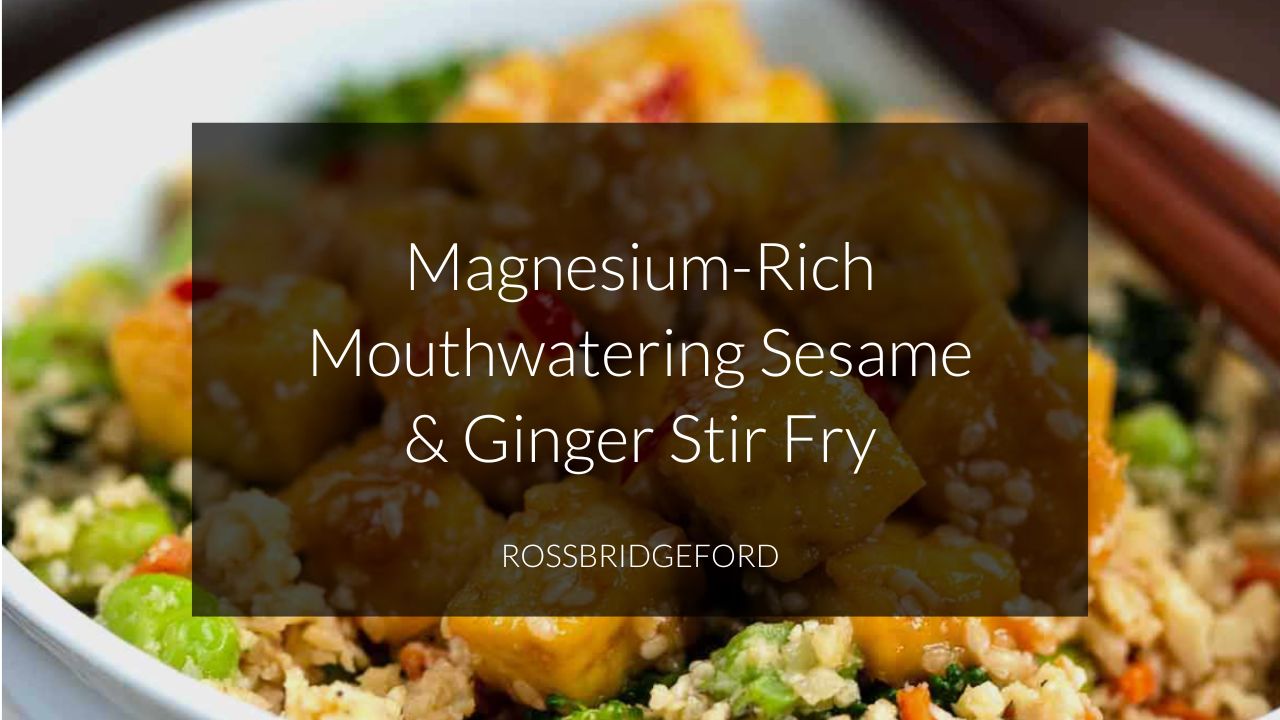
    Magnesium-Rich Sesame & Ginger Stir-Fry

    Quick to make with everyday ingredients – and it shows just how easily you can get plenty of magnesium from a handful of alkaline foods.

    Prep 15 minCook 25 minServes 221 ingredients
    VeganGluten-freeDairy-freeNut-free

    Tastes: savoury and nutty, with ginger, garlic, a creamy tahini sauce and a squeeze of lime.

    magnesium-rich stir fry recipe

    Why magnesium matters

    If there’s one mineral that deserves more attention in our diets, it’s magnesium. It’s involved in over 300 biochemical reactions in the body, supporting muscle and nerve function, energy and strong bones – yet it’s VERY widely under-consumed.

    Or, to be honest, we can describe it simply by saying people aren’t eating enough greens, and they’re eating too many processed foods. This stir-fry fixes that, with tofu, edamame, leafy greens, quinoa, sesame and pumpkin seeds all bringing the magnesium.

    Why you’ll love it

    • Magnesium: about 320 mg a serve, over three-quarters of your daily needs.
    • About 40 g plant protein from the tofu, edamame, quinoa and seeds.
    • Calcium: about three-quarters of your daily needs, from calcium-set tofu, sesame and greens.
    • Quick. On the table in about 30 minutes.

    Good for

    Immunity

    Copper, vitamin C, folate and selenium contribute to the normal function of the immune system.

    Antioxidants

    Copper, manganese, vitamin C and selenium contribute to the protection of cells from oxidative stress. It also contains plant compounds with antioxidant activity, including lutein, beta-carotene and gingerols.

    Energy

    Folate, magnesium, iron and vitamin B6 contribute to the reduction of tiredness and fatigue.

    Muscles

    Protein contributes to the maintenance of muscle mass, and magnesium, calcium and potassium contribute to normal muscle function.

    Bones

    Vitamin K, manganese, magnesium and calcium contribute to the maintenance of normal bones.

    Eyes

    Zinc, vitamin A and riboflavin contribute to the maintenance of normal vision. It also contains lutein and zeaxanthin, the carotenoids found in the macula of the eye.

    Blood pressure

    Potassium contributes to the maintenance of normal blood pressure.

    Tags use approved nutrient health-claim wording, for nutrients that give at least 10% of the Daily Value per serve. Plant compounds like lutein have no Daily Value, so we only say they’re there.

    Key nutrients per serve

    Copper
    100%+Vitamin K
    100%+Manganese
    100%+Vitamin C
    100%+Folate
    98%Magnesium
    76%

    Contains: calcium (74%), thiamin (67%), phosphorus (66%), selenium (59%), iron (58%), zinc (55%), vitamin B6 (53%), vitamin A (43%), riboflavin (38%), niacin (33%), potassium (30%), pantothenic acid (22%) and vitamin E (20%).

    Plant compounds: lutein and zeaxanthin (about 4.4 mg), beta-carotene (about 4.5 mg), plant omega-3 ALA (about 1 g), chlorophyll, glucosinolates from the cabbage, gingerols from the ginger, sulphur compounds from the garlic and citrus flavonoids from the lemon and lime.

    40 g protein12 g fibreAbout 7 g sugarAbout 1105 mg sodium

    % of US Daily Value for adults, per serve (half the recipe). Estimated from USDA FoodData Central values for the ingredients as listed; cooking reduces some vitamins, so treat these as upper estimates. Tofu values are for calcium-set firm tofu; quinoa cooked in water. Includes the optional rice malt syrup; anything over 100% shows as 100%+.

    Magnesium-Rich Sesame & Ginger Stir-Fry

    Tofu, edamame and greens stir-fried with ginger and garlic, in a creamy tahini-tamari sauce over quinoa.
    Prep Time 15 minutes
    Cook Time 25 minutes
    Total Time 40 minutes
    Servings: 2

    Ingredients
      

    Stir-fry
    • 200 g firm tofu cubed
    • 2 cups bok choy chopped
    • 2 cups spinach packed
    • 1 cup bell pepper sliced
    • ½ cup edamame shelled and cooked
    • 2 tbsp sesame seeds
    • 2 tbsp pumpkin seeds
    • 2 cloves garlic minced
    • 1 tbsp fresh ginger grated
    • 2 tsp coconut oil
    • juice of 1 lime
    • fresh coriander (cilantro) to garnish
    Alkaline sauce
    • 2 tbsp tahini
    • 2 tbsp tamari gluten-free
    • 1 tbsp fresh lemon juice
    • 1 tsp fresh ginger grated
    • 1 clove garlic minced
    • 1 tsp rice malt syrup optional
    • 2–3 tbsp water
    Quinoa
    • ½ cup dry quinoa
    • 1 cup water

    Equipment

    • Wok or large frying pan

    Method
     

    Quinoa
    1. Rinse the quinoa thoroughly in a fine-mesh strainer under cold water to remove its natural coating.
    2. Combine with the water in a saucepan, bring to the boil, then reduce the heat, cover and simmer for about 15 minutes until the water is absorbed. Rest, covered, for 5 minutes, then fluff with a fork.
    Sauce
    1. In a small bowl, whisk the tahini, tamari, lemon juice, ginger, garlic and rice malt syrup. Add the water a tablespoon at a time until it’s the consistency you like.
    Stir-fry
    1. Press the tofu between paper towels or a clean tea towel to remove excess moisture, then cut into cubes.
    2. Heat the coconut oil in a large frying pan or wok over medium heat. Add the garlic and ginger and sauté for about 1 minute until fragrant.
    3. Add the tofu and cook for 4–5 minutes, turning occasionally, until lightly browned on all sides.
    4. Add the bok choy, spinach, pepper and edamame and stir-fry for 5–7 minutes until tender-crisp.
    5. Pour over the sauce, stir to coat everything, and cook for another 2 minutes.
    6. Stir in the lime juice and sprinkle over the sesame and pumpkin seeds.
    7. Divide the quinoa between two bowls, top with the stir-fry and garnish generously with coriander.

    Swaps

    • Watching your salt? Use a reduced-salt tamari, or 1 tbsp tamari plus 1 tbsp water.
    • No edamame? Use frozen peas or extra tofu.
    • Brown rice works instead of quinoa.

    Storing it

    Keeps in the fridge for 2 days. Store the quinoa separately and reheat gently.

    Good to know

    • High in vitamin K. If you take warfarin or another blood thinner, keep your greens intake steady and talk to your doctor before eating more leafy greens than usual.
    • Contains soy (tofu, edamame and tamari).
    • Tamari: choose one labelled gluten-free if you’re coeliac.
    • Salt: the tamari makes this one fairly salty – see Swaps for a lower-salt option.

    Try next

    SaladMagnesium-Boosting Super SaladOpen recipe →
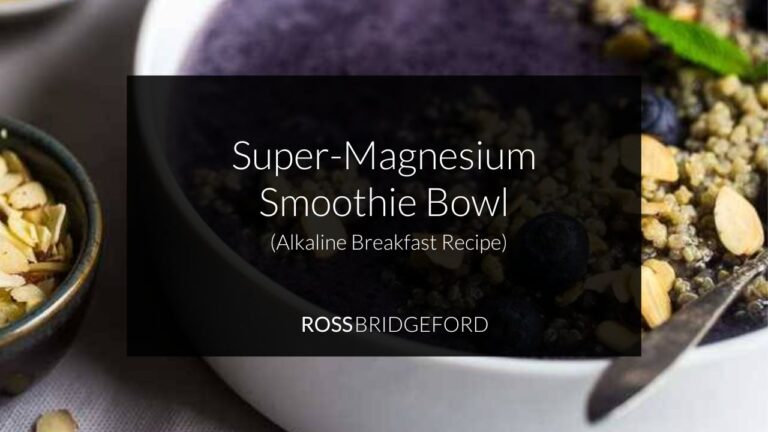
    BreakfastSuper-Magnesium Smoothie BowlOpen recipe →
    Want more than recipes?

    The Alkaline Life Club has everything in the Recipe Club, plus coaching, live Q&A and a community to keep you going.

    See the Alkaline Life Club

    Sources

    Nutrient values: USDA FoodData Central, SR Legacy (tofu 172475, bok choy 170390, spinach 168462, red pepper 170108, edamame 168411, sesame seeds 170150, pumpkin seeds 170556, garlic 169230, ginger 169231, coconut oil 171412, lime juice 168156, coriander leaves 169997, tahini 168604, tamari 174278, lemon juice 167747, malt syrup 169660, quinoa 168874). Plant compounds are named where the ingredient is a well-documented source; flavonoids follow the USDA Database for the Flavonoid Content of Selected Foods, Release 3.3. Daily Values: US Food and Drug Administration.

  • Alkaline Turmeric & Ginger Latte v2

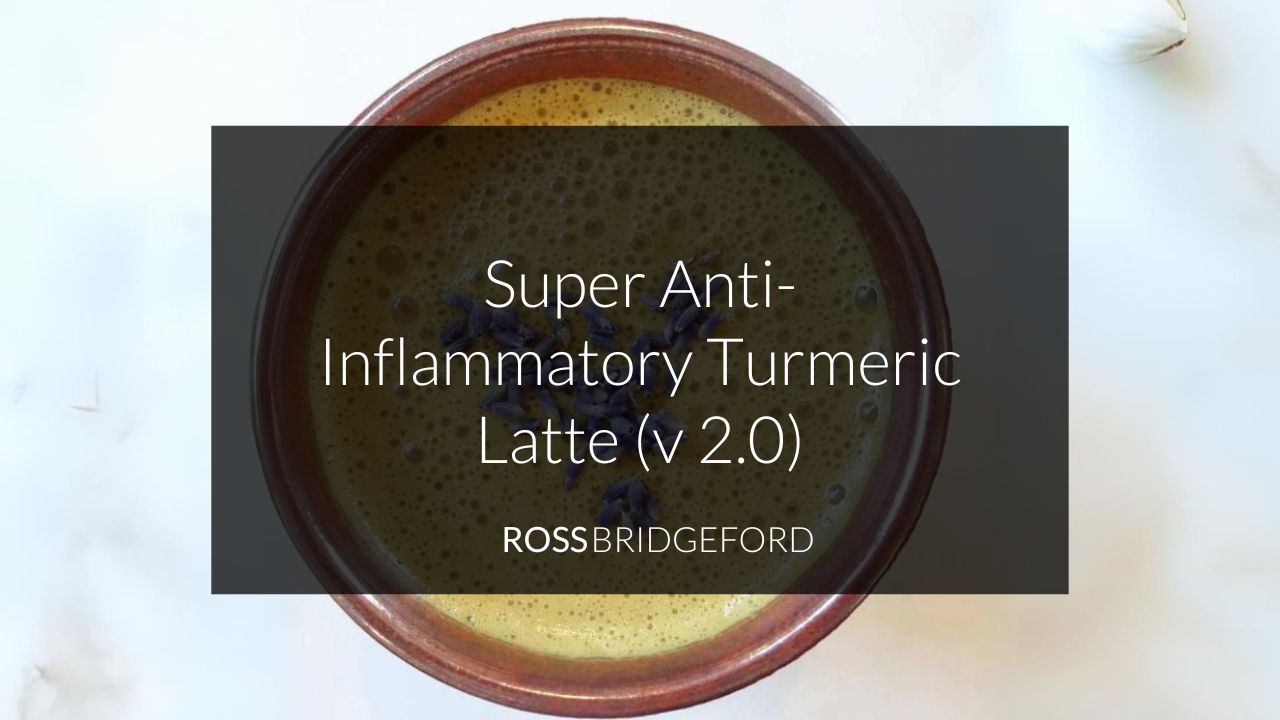
    Alkaline Turmeric & Ginger Latte v2

    Brand New & Updated: Turmeric & Ginger Latte v2

    Since I published my first super-powerful, awesome-anti-inflammatory turmeric & ginger latte in 2010 it has been viewed millions of times, and I get emails regularly from people saying by adding just this to their morning routine, they are seeing a huge reduction in their inflammatory conditions and pain.

    These two roots (turmeric, and ginger) are so potently anti-inflammatory, and I have now revamped my latte to be even more delicious!

    Isn’t that all we need?  Delicious and powerfully healthy?

    Let’s get into it…

    Turmeric & Ginger Latte v2


    Why These Two Drinks are SO Powerful!

    Turmeric and ginger are both from the same family and are two of the most powerful ingredients I’ve ever researched in the 15 years of running this site.

    You can read more about the benefits of turmeric, and grab my turmeric user guide here. I strongly recommend checking both out.

    They have been used for centuries in cooking AND as for their medicinal properties, with their use as a medicinal ingredient dating back to the ancient Egyptians and Indians. Both are certainly prominent in Ayurveda.

    I’ve written a heap of guides in the past about how inflammation, low immunity, and acidity is the root cause of almost every condition – and these two teas will help address all three of those issues.

    Benefits of Turmeric

    • Turmeric is a powerful anti-inflammatory with studies showing it to be more effective than anti-inflammatory prescription drugs (NSAIDs)
    • Therefore is powerful against arthritis
    • Turmeric dramatically increases the antioxidant capacity in the body
    • It improves brain function and dramatically decreases the risk of developing Alzheimer’s
    • Turmeric lowers the risk of developing heart disease
    • Can help prevent many types of cancer
    • Turmeric is very powerful at preventing and reversing chronic fatigue conditions
    • …and can also help prevent depression

    [Note: medical and scientific references below]

    Benefits of Ginger

    • Ginger has strong anti-inflammatory properties (gingerols), just like turmeric and so can help treat and reverse muscle and arthritic pain.
    • The anti-inflammatory properties of ginger also promote digestion and soothes colic, relieve nausea and intestinal gas
    • Ginger also boosts the immune system and so is a perfect treatment for colds and other respiratory conditions.
    • Like turmeric, ginger can help to prevent specific cancers: including colon and ovarian cancer
    • Ginger has also been proven to relieve asthma symptoms
    • Liver issues that are brought on by consistent medical needs (such as painkillers) can be pre-treated and prevented using ginger
    • In animal studies, ginger has been proven to be more effective than certain prescription drugs in reducing blood pressure
    • Ginger has also been shown to be just as effective as medication to treat migraines
    • Ginger is also well researched in terms of it’s ability to decrease muscle pain and soreness

    Enjoy the teas, summer or winter and let me know which you like the best!

    Research Studies & References:

    Abbey M, Noakes M, Belling GB, Nestel PJ. Partial replacement of saturated fatty acids with almonds or walnuts lowers total plasma cholesterol and low-density-lipoprotein cholesterol. Am J Clin Nutr 1994 May;59(5):995-9. 1994. PMID:16240.

    Akoachere JF, Ndip RN, Chenwi EB et al. Antibacterial effect of Zingiber officinale and Garcinia kola on respiratory tract pathogens. East Afr Med J. 2002 Nov;79(11):588-92. 2002.

    Amal S Abdel-Azeem, Amany M Hegazy, Khadiga S Ibrahim, Abdel-Razik H. Farrag, & Eman M. El-Sayed. “Hepatoprotective, Antioxidant, and Ameliorative Effects of Ginger (Zingiber officinale Roscoe) and Vitamin E in Acetaminophen Treated Rats. Journal of Dietary Supplements. September 2013, Vol. 10, No. 3 , Pages 195-209 (doi:10.3109/19390211.2013.822450). Accessed October 17th 2013.

    Aranya Manosroi, Warangkana Lohcharoenkal, Parirat Khonsung, Worapaka Manosroi, and Jiradej Manosroi. “Potent antihypertensive activity of Thai-Lanna medicinal plants and recipes from “MANOSROI III” database”. Pharmaceutical Biology. November 2013, Vol. 51, No. 11 , Pages 1426-1434 (doi:10.3109/13880209.2013.796391). Accessed October 17th 2013.

    Ensiyeh Jenabi. “The effect of ginger for relieving of primary dysmenorrhoea.” Journal of Pakistan Medical Association. Vol. 63, No.1, January 2013. Accessed October 17th 2013.

    Maghbooli Mehdi, Golipour Farhad, Moghimi Esfandabadi Alireza, Yousefi Mehran. “Comparison Between the Efficacy of Ginger and Sumatriptan in the Ablative Treatment of the Common Migraine.” Phytotherapy Research. 9 MAY 2013. DOI: 10.1002/ptr.4996. Accessed October 17th 2013.

    Balasubramanian K. Molecular Orbital Basis for Yellow Curry Spice Curcumin’s Prevention of Alzheimer’s Disease. J. Agric. Food Chem., 54 (10), 3512 -3520, 2006. 10.1021/jf0603533 S0021-8561(06)00353-0, Web Release Date: April 20, 2006. 2006.

    Cruz-Correa M, Shoskes DA, Sanchez P, Zhao R, Hylind LM, Wexner SD, Giardiello FM. Combination treatment with curcumin and quercetin of adenomas in familial adenomatous polyposis. i>Clin Gastroenterol Hepatol. 2006 Aug;4(8):1035-8. Epub 2006 Jun 6. 2006. PMID:16757216.

    Dorai T, Cao YC, Dorai B, et al. Therapeutic potential of curcumin in human prostate cancer. III. Curcumin inhibits proliferation, induces apoptosis, and inhibits angiogenesis of LNCaP prostate cancer cells in vivo. Prostate 2001 Jun 1;47(4):293-303. 2001. PMID:16280.

    Ficker CE, Arnason JT, Vindas PS et al. Inhibition of human pathogenic fungi by ethnobotanically selected plant extracts. Mycoses. 2003 Feb;46(1-2):29-37. 2003.

    Gururaj A, Kelakavadi M, Venkatesh D et al. Molecular mechanisms of anti-angiogenic effect of curcumin. Biochem Biophys Res Commun 2002 Oct 4;297(4):934. 2002.

    Hidaka H, Ishiko T, Furunashi T et al. Curcumin inhibits interleukin 8 production and enhances interleukin 8 receptor expression on the cell surface:impacgt on human pancrreatic carcinoma cell growth by autocrine regulation. Cancer 2002 Sep 15;96(6):1206-14. 2002.

    Ippoushi K, Azuma K, Ito H, Horie H, Higashio H. [6]-Gingerol inhibits nitric oxide synthesis in activated J774.1 mouse macrophages and prevents peroxynitrite-induced oxidation and nitration reactions. Life Sci. 2003 Nov 14;73(26):3427-37.

    Kang BY, Chung SW, Chung W et al. Inhibition of interleukin-12 production in lipopolysaccharide-activated macrophage by curcumin. Eur J Pharmacol 1999 Nov;384(2-3):191-5. 1999.

    Kang BY, Song YJ, Kim KM et al. Curcumin inhibits Th1 cytokine profile in CD4+ T cells by suppressing interleukin-12 production in macrophages. Br J Pharmacol 1999 Sep;128(2):380-4. 1999.

    Kiuchi F, et al. Inhibition of prostaglandin and leukotriene biosynthesis by gingerols and diarylheptanoids. Chem Pharm Bull 40 (1992):387-91. 1992. Nature Immunology Online. Nature Immunology Online. 2001;10.1038/ni732. 2001.

    Khor TO, Keum YS, Lin W, Kim JH, Hu1 R, Shen G, Xu1 C, Gopalakrishnan A, Reddy B, Zheng X, Conney AH, Kong AN. Combined Inhibitory Effects of Curcumin and Phenethyl Isothiocyanate on the Growth of Human PC-3 Prostate Xenografts in Immunodeficient Mice. Cancer Research. 2006 Jan; 66(2): 613-621. 2006. PMID:16423986.

    Lim GP, Chu T, Yang F, et al. The curry spice curcumin reduces oxidative damage and amyloid pathology in an Alzheimer transgenic mouse. J Neurosci 2001 Nov 1;21(21):8370-7. 2001. PMID:16240.

    Nagabhushan M, Amonkar AJ, Bhide SV. In vitro antimutagenicity of curcumin against environmental mutagens. Food Chem Toxicol. 1987 Jul;25(7):545-7. 1987. PMID:3623345.

    Nagabhushan M, Bhide SV. Curcumin as an inhibitor of cancer. J Am Coll Nutr. 1992 Apr;11(2):192-8. 1992. PMID:1578097.

    Nakamura K, Yasunaga Y, Segawa T et al. Curcumin down-regulates AR gene expression and activation in prostate cancer cell lines. Int J Oncol 2002 Oct;21(4):825-30. 2002.

    Rhode JM, Huang J, Fogoros S, Tan L, Zick S, Liu JR. Ginger induces apoptosis and autophagocytosis in ovarian cancer cells. Abstract #4510, presented April 4, 2006 at the 97th AACR Annual Meeting, April 1-5, 2006, Washington, DC. 2006.

    Srivastava KC, Mustafa T. Ginger (Zingiber officinale) and rheumatic disorders. Med Hypothesis 29 (1989):25-28. 1989.

    Srivastava KC, Mustafa T. Ginger (Zingiber officinale) in rheumatism and musculoskeletal disorders. Med Hypothesis 39(1992):342-8. 1992.

    Wigler I, Grotto I, Caspi D, Yaron M. The effects of Zintona EC (a ginger extract) on symptomatic gonarthritis. Osteoarthritis Cartilage. 2003 Nov;11(11):783-9.2003

    Yang F, Lim GP, Begum AN, Ubeda OJ, Simmons MR, Ambegaokar SS, Chen PP, Kayed R, Glabe CG, Frautschy SA, Cole GM. Curcumin inhibits formation of Abeta oligomers and fibrils and binds plaques and reduces amyloid in vivo. J Biol Chem. 2004 Dec 7; [Epub ahead of print]. 2004. PMID:15590663.

    Zhang L, Fiala M, Cashman J, Sayre J, Espinosa A, Mahanian M, Zaghi J, Badmaev V, Graves MC, Bernard G, Rosenthal M. Curcuminoids enhance amyloid-beta uptake by macrophages of Alzheimer’s disease patients. J Alzheimers Dis. 2006 Sep;10(1):1-7. 2006. PMID:16988474.

    Risks and precautions:

    According to the University of Maryland Medical Center, the use of herbs can interact with other herbs or medications.

    Therefore it’s important to talk to your doctor before taking ginger or turmeric. You should not take ginger if you suffer from a bleeding disorder or take blood-thinning medications (such as warfarin or aspirin).

    Also Note:

    The information on this website is for informational and educational purposes only.

    It is not an attempt by the writers or publisher to diagnose or prescribe, nor should it be construed to be such. Readers are hereby encouraged to consult with a licensed health care professional concerning the information presented, which has been received from sources deemed reliable, but no guarantees, expressed or implied, can be made regarding the accuracy of same. Therefore, readers are also encouraged to verify for themselves and to their own satisfaction the accuracy of all reports, recommendations, conclusions, comments, opinions, or anything else published herein before making any kind of decisions based upon what they have read.

    If you have a medical condition, please consult your medical practitioner.
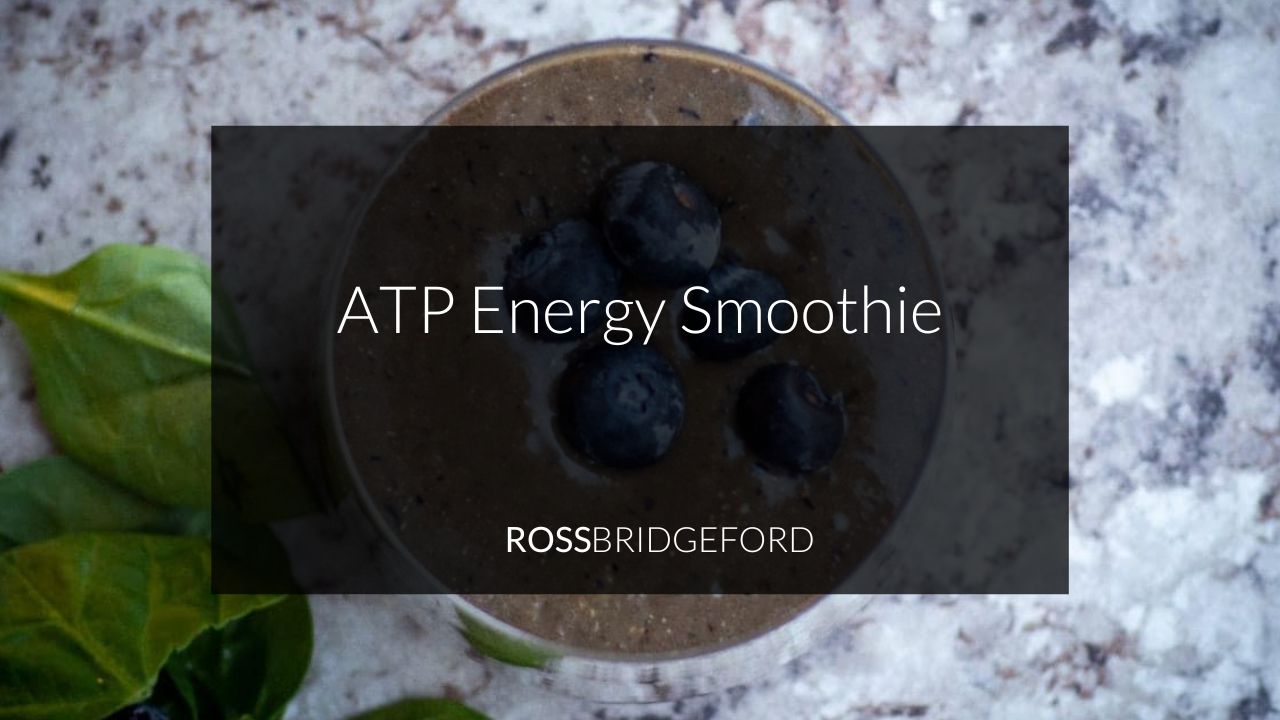
  • ATP-Boosting Energy Smoothie

    ATP-Boosting Energy Smoothie

    ATP-Boosting Energy Smoothie

    I absolutely LOVE this smoothie!

    It isn’t just any smoothie—it’s a carefully crafted blend designed to enhance your body’s ATP production.

    ATP, or adenosine triphosphate, is basically the currency of energy in our cells. It powers pretty much everything we do, from sprinting to simply breathing.

    The ingredients that make this smoothie a real energy booster:

    • Alkaline Protein Powder: Rich in essential amino acids that support muscle repair and growth. Protein is vital for enzyme production, which in turn helps in energy metabolism and ATP production.
    • Avocado: Loaded with healthy fats that provide a sustained energy source. Avocados also contain B vitamins, essential for ATP generation.
    • Blueberries: High in antioxidants, which protect cells from oxidative stress, thereby improving cellular function and energy production efficiency.
    • Chia Seeds: Packed with omega-3 fatty acids and fiber, which help stabilize blood sugar levels and maintain energy balance.
    • Flaxseed Meal: Provides fiber and omega-3 fatty acids, which contribute to cardiovascular health, enhancing oxygen delivery to the muscles and thus supporting energy production.
    • Turmeric Powder: Contains curcumin, known for its anti-inflammatory properties that can improve the efficiency of muscle and cellular function, aiding in smoother ATP production.
    • Cinnamon: Helps in regulating blood sugar levels, ensuring a steady energy supply and supporting metabolic health.
    • Spinach or Kale: These greens are rich in iron and magnesium, essential for the proper function of mitochondria where ATP is produced.
    • Optional Ginger or Cayenne Pepper: Ginger can boost metabolism and improve blood circulation, whereas cayenne pepper increases metabolic rate. Both can enhance energy production through better nutrient absorption and increased oxygen supply to cells.

    It’s delicious and SO good for your energy!  Let’s get into it:

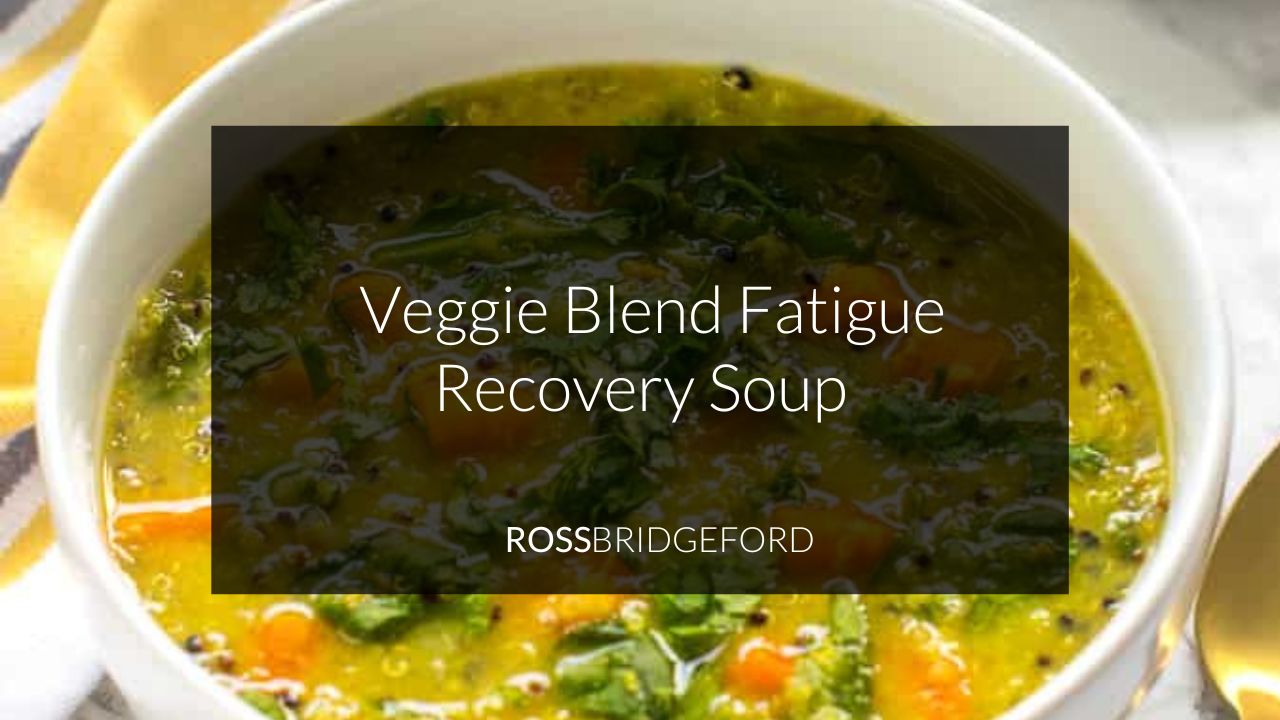
  • Veggie Blend Fatigue Recovery Soup

    Veggie Blend Fatigue Recovery Soup

    Alkaline-Rich, Antioxidant-Rich, Anti-Inflammatory Soup to Heal Fatigue and Get Your Energy FIRING!

    Revitalize Your Body with My Brand-New, Nourishing, Veggie Blend Fatigue Recovery Soup

    In the hustle of daily life, fatigue is oh-so common.  We need to nourish our body to fix our fatigue.

    This soup that not only warms the soul but is a powerhouse of nutrients, aimed at rejuvenating your energy levels, boosting your body’s ATP production and fixing the causes of fatigue at their root.

    Each ingredient in this soup has included for its specific fatigue-fixing benefits:

    • Olive Oil: A heart-healthy fat that’s rich in antioxidants, helping to fight inflammation and protect your heart.
    • Onions and Garlic: Packed with antioxidants and immune-boosting properties, these ingredients support overall health and detoxification.
    • Carrots, Celery, and Sweet Potatoes: These root vegetables are high in fiber, beta-carotene, and vitamins that aid digestion, improve vision, and support immune function.
    • Spinach and Broccoli: Loaded with vitamins A, C, and K, as well as fiber and iron, these greens are essential for skin health, immune function, and providing an energy boost.
    • Turmeric and Ginger: Known for their anti-inflammatory and antioxidant properties, these spices support digestion, reduce nausea, and can ease muscle pain.
    • Quinoa and Chickpeas: Excellent protein sources that are essential for muscle repair and growth, providing sustained energy and aiding in recovery.
    • Lemon Juice: High in vitamin C, it supports the immune system, aids in iron absorption, and adds a refreshing zest.

    This Veggie Blend Fatigue Recovery Soup is designed to address fatigue head-on, providing a nutrient-rich, delicious remedy that’s as comforting as it is beneficial.

    Let’s go!


    Enjoy!  Let me know in the comments if you make this soup and if you loved it!

    Ross

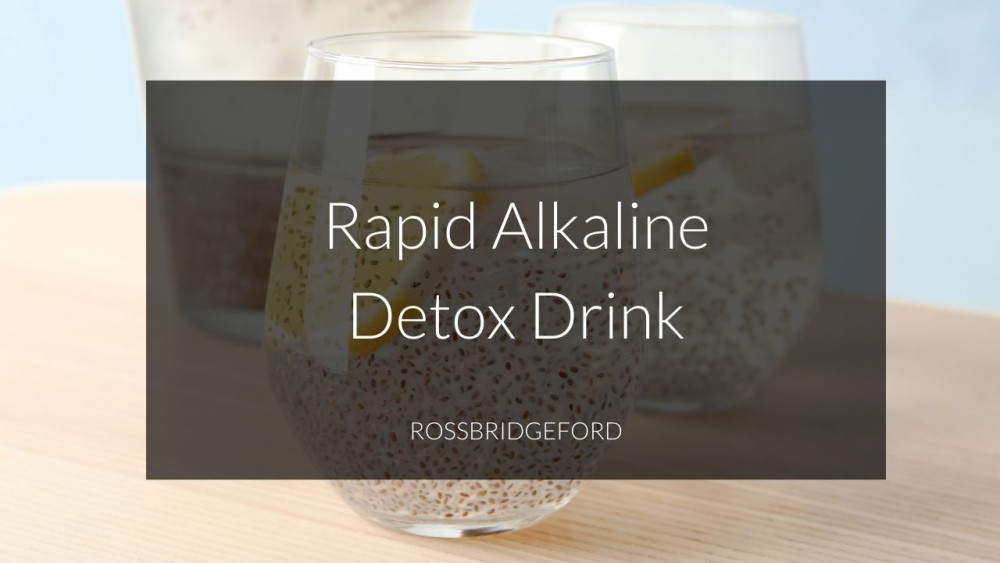
  • Rapid Detox Chia Juice

    Rapid Detox Chia Juice

    Delicious, Simple and Powerfully Detoxifying Chia Juice

    This is such a fantastic recipe to have in your repertoire.  It takes seconds to make, it absolutely delicious, is so enjoyable to drink, costs pennies and has a hugely positive impact on your health.

    It supports your body’s detoxification system, digestive system, and more in multiple ways…and best of all, you can get so creative with it!

    The chia seeds are so great to get each day because they are:

    1. Fiber-Rich: One of the standout features of chia seeds is their high fiber content. This not only aids in regular bowel movements, essential for removing toxins from our body, but also helps in maintaining a healthy digestive system.

    2. Toxin Fighter: The gel-like property of chia seeds, when soaked in water, aids in binding toxins within the digestive tract, facilitating their easy excretion. This natural detoxifying process is gentle yet effective.

    3. Hydration Boost: Hydration is key to detoxification, and chia water is a delightful way to increase your fluid intake. It’s a nutritious alternative to plain water and keeps you hydrated in a tasty way.

    4. Nutrient-Packed: Chock-full of antioxidants, omega-3 fatty acids, and essential vitamins and minerals, chia water is more than just a beverage; it’s a wellness elixir that combats oxidative stress and reduces inflammation.

    5. Blood Sugar Regulation: The stabilizing effect of chia seeds on blood sugar levels adds another feather to its cap, making chia water a smart choice for sustained energy and overall well-being.

    6. Gut Health Promoter: As a prebiotic, chia seeds support the growth of beneficial bacteria in the gut, which is vital for effective digestion and detoxification.

    Let’s get into it.

    click to learn about my new book


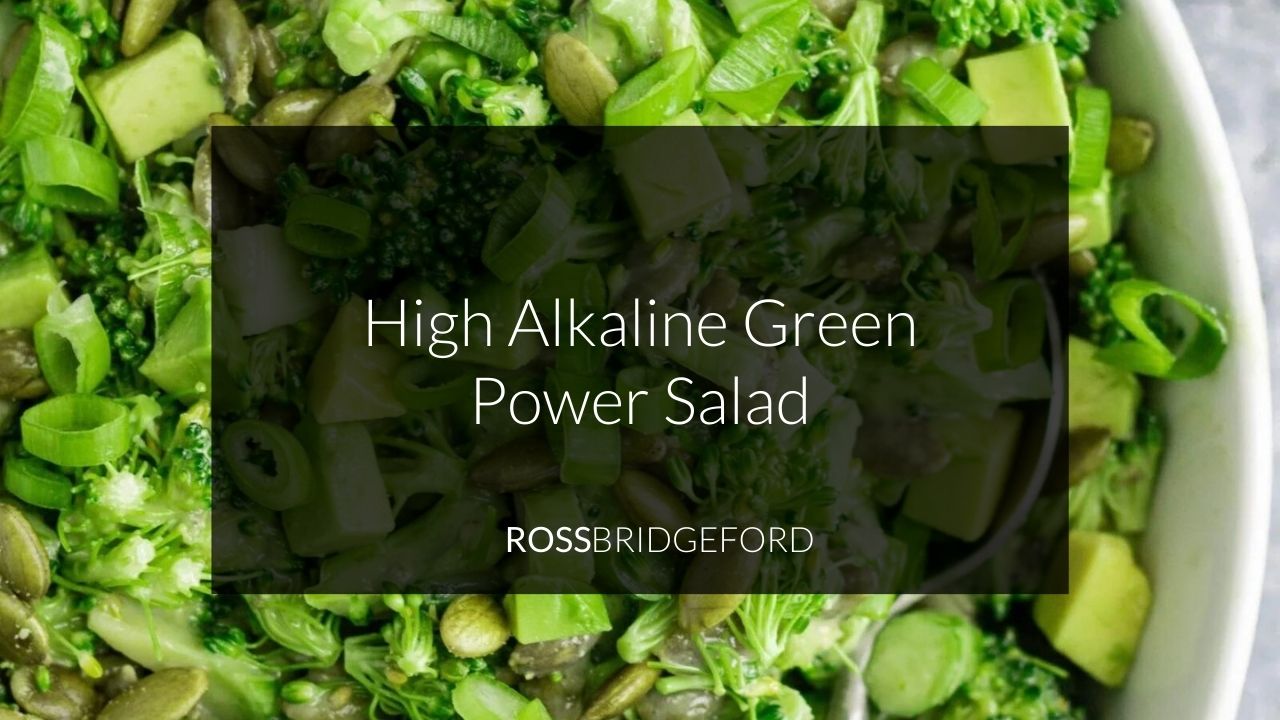
  • Green Power Salad with Kale, Broccoli, and Avocado

    Green Power Salad with Kale, Broccoli, and Avocado

    New Hugely-Alkaline Salad Recipe!

    This is a really quick and easy salad, that is filling, nutrient-dense and super-alkaline-forming.  I love it.  Chopping the ingredients just that little bit smaller creates a texture that is just so wonderful, and the combo of the crunchy from the broc and the seeds, with the creamy from the avo is fantastic.  I love it.

    The ingredients have been really carefully selected too.  The benefits from these superfood ingredients include:

    • Kale: A nutrient-dense superfood. Kale is high in vitamins A, C, and K, as well as antioxidants and phytonutrients. It also contains minerals like calcium and potassium and is a good source of fiber.
    • Broccoli: Packed with vitamins C and K, fiber, and folate. It’s also rich in bioactive compounds that may contribute to reduced inflammation and protection against certain types of cancer.
    • Avocado: A great source of heart-healthy monounsaturated fats, fiber, potassium, and vitamin E. Avocados can help improve cholesterol levels and are beneficial for heart health.
    • Cucumber: Hydrating and low in calories, cucumbers are good for hydration and provide a modest amount of vitamins K and C and potassium.
    • Green Onions: Offer a unique combination of flavonoids and sulfur-containing nutrients, promoting cardiovascular health. They are also a good source of vitamin C.
    • Pumpkin Seeds: A good source of magnesium, zinc, and fatty acids, pumpkin seeds can improve heart health, protect against certain cancers, and contribute to better sleep.
    • Sunflower Seeds: Rich in healthy fats, essential vitamins like E and B6, and minerals such as selenium and magnesium. They can support heart health and help fight inflammation.
    • Hemp Seeds: Exceptionally rich in two essential fatty acids, omega-6 and omega-3, and also contain gamma-linolenic acid, which has several health benefits. They are a good source of protein and can aid digestion due to high fiber content.
    • Extra Virgin Olive Oil: Contains monounsaturated fats and is high in antioxidants. It has anti-inflammatory properties, can help lower the risk of heart disease, and is beneficial for controlling cholesterol levels.
    • Lemon Juice: High in vitamin C and antioxidants. It supports the immune system, improves skin health, and aids in digestion.

    Yum, easy and SO beneficial!

    Let’s get into it.

    click to learn about my new book

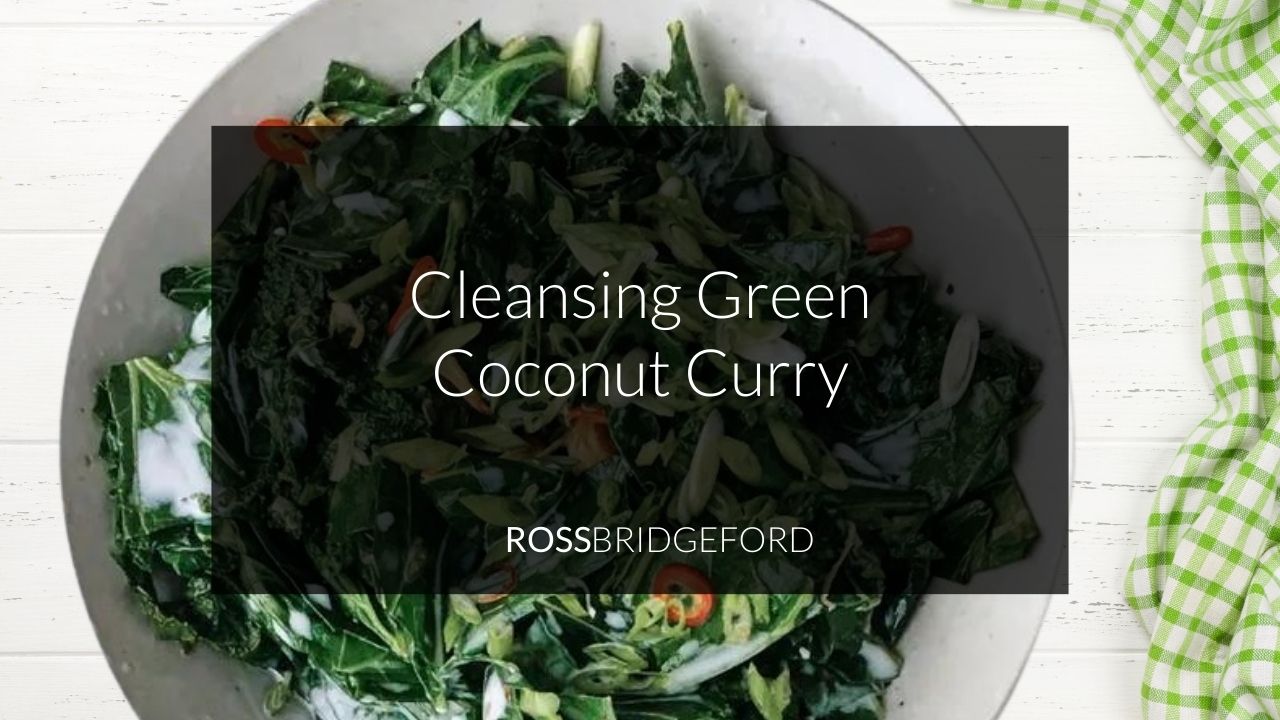
  • Cleansing Green Coconut Curry

    Cleansing Green Coconut Curry

    Cleansing Green Coconut Curry

    This is so quick and easy, gets 2-3 serves of greens in per person (a HUGE win, as you’ll see in my new book The Alkaline Life) and adds in the powerful anti-inflammatories, healthy fats and the antibacterial/antifungal garlic too!

    It really only takes about 12 minutes to make too, and is quick to prep, and quick to clean up after.

    Here’s why I LOVE this super-alkaline recipe:

    • Collard Greens and Kale: These super-alkaline leafy greens are high in chlorophyll, which helps in detoxifying the body by binding to toxins and heavy metals, aiding their removal. They are also rich in fiber, promoting healthy digestion and elimination, key aspects of detoxification.
    • Ginger and Turmeric: Both are renowned for their anti-inflammatory properties. Ginger aids in digestion and can help to settle the stomach, while turmeric is known for its curcumin content, which has been shown to support liver function, a crucial organ in detoxification.
    • Cumin Powder: This spice is known for its digestive benefits. It helps in stimulating the secretion of pancreatic enzymes, substances necessary for proper digestion and nutrient assimilation.
    • Coconut Milk: Rich in medium-chain triglycerides (MCTs), coconut milk can help boost metabolism and aid in detoxification. It’s also a healthy fat source, important for maintaining the health of cells, including those in the liver.
    • Lemon Juice: High in vitamin C, lemon juice supports the immune system. It also aids the liver in flushing out toxins and has an alkalizing effect on the body, which is beneficial for detoxification.
    • Garlic: Known for its antibacterial and antiviral properties, garlic stimulates the liver to produce detoxification enzymes that help filter toxic residues from the digestive system.
    • Coconut Oil: The MCTs in coconut oil are easily absorbed and metabolized by the liver, providing a quick source of energy and aiding in the detoxification process.
    • Himalayan Pink Salt: This type of salt contains numerous minerals and elements that help balance the body’s pH, thus supporting detoxification through its alkalizing effect.

    These ingredients collectively contribute to a supporting the body’s natural detoxification systems, helping to cleanse the liver, aid digestion, and supports your body’s alkaline buffers, and fights inflammation!  Wow, what a winner!


    This “Cleansing Coconut & Greens Curry” is an alkaline, detox-friendly twist on the original, incorporating ingredients that support the body’s natural detoxification processes

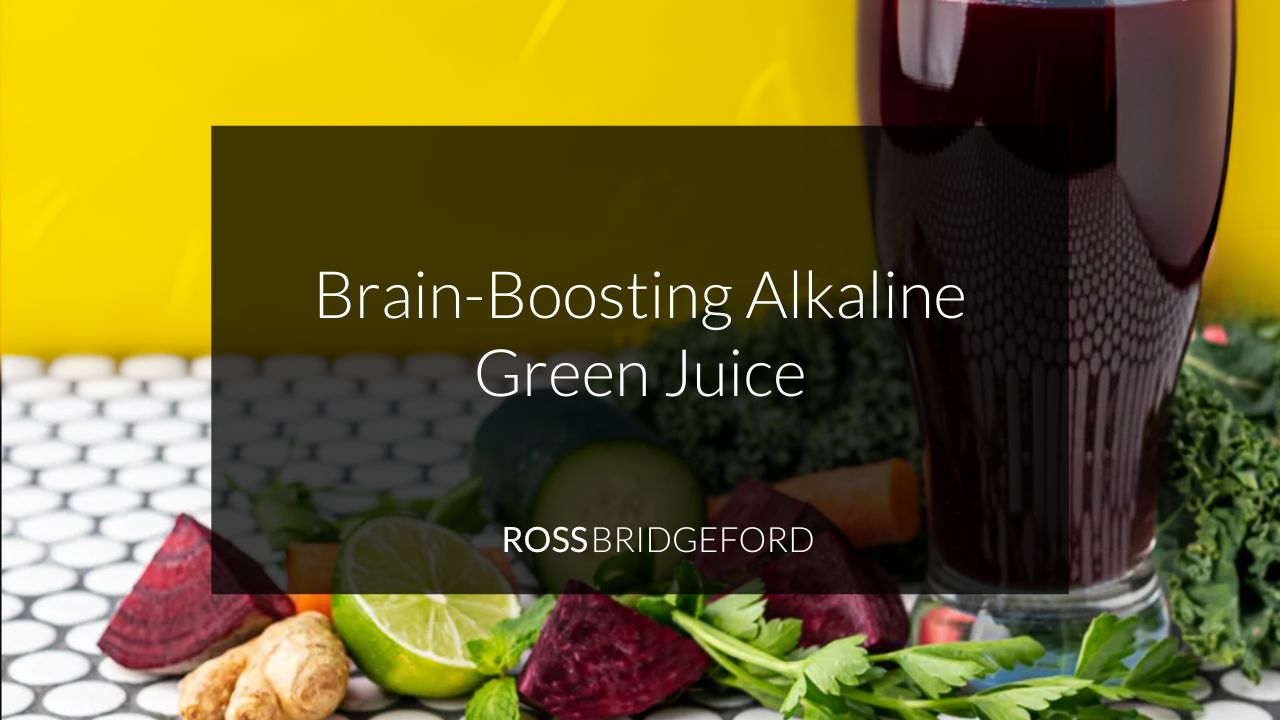
  • Brain-Boosting Alkaline Juice

    Brain-Boosting Alkaline Juice

    Recipes › Juices & smoothies

    Brain-Boosting Alkaline Juice

    A crisp, delicious green juice that’s as nourishing as it is tasty, packed with micronutrients chosen with your brain in mind.

    Prep 10 minServes 2Juicer9 ingredients
    VeganGluten-freeDairy-freeNut-freeNo added sugar

    Tastes: crisp and fresh, with sweet beetroot and carrot and a little warmth from the ginger.

    Brain-Boosting Green Juice

    Fuel for a sharp, resilient mind

    Today I’m absolutely buzzing to share this one. We all know how essential it is to fuel our body with the right nutrients, not just for physical health, but for a sharp and resilient mind too.

    Cognitive health is often overlooked when it comes to nutrition. While I will always say omega-3s and other healthy fats are the most important for brain health, there are lots of other nutrients that matter too… and I’ve packed them into this juice.

    Why you’ll love it

    • Kale and spinach. Vitamins A, C and K, folate, and carotenoids like lutein and zeaxanthin.
    • Beetroot. Rich in natural nitrates, which may support blood flow to the brain.
    • Celery and cucumber. Folate and vitamin K, with plenty of crisp, hydrating freshness.
    • Carrots. Beta-carotene, which your body turns into vitamin A.

    Good for

    Immunity

    Vitamin A, vitamin C, folate and vitamin B6 contribute to the normal function of the immune system.

    Antioxidants

    Vitamin C, manganese, copper and riboflavin contribute to the protection of cells from oxidative stress. It also contains plant compounds with antioxidant activity, including lutein, beta-carotene and apigenin.

    Energy

    Folate, vitamin B6, pantothenic acid and magnesium contribute to the reduction of tiredness and fatigue.

    Bones

    Vitamin K, manganese, magnesium and calcium contribute to the maintenance of normal bones.

    Eyes

    Vitamin A and riboflavin contribute to the maintenance of normal vision. It also contains lutein and zeaxanthin, the carotenoids found in the macula of the eye.

    Blood pressure

    Potassium contributes to the maintenance of normal blood pressure.

    Tags use approved nutrient health-claim wording, for nutrients that give at least 10% of the Daily Value per glass. Plant compounds like lutein have no Daily Value, so we only say they’re there.

    Key nutrients per glass

    Vitamin K
    100%+Vitamin A
    70%Vitamin C
    64%Folate
    40%Manganese
    35%Vitamin B6
    24%

    Contains: copper (22%), potassium (21%), pantothenic acid (20%), thiamin (17%), magnesium (17%), riboflavin (15%), calcium (12%), iron (12%) and phosphorus (10%).

    Plant compounds: lutein and zeaxanthin (about 3.1 mg), beta-carotene (about 6.5 mg), chlorophyll, apigenin from the celery, quercetin and kaempferol from the kale, glucosinolates from the cabbage and kale, betalains from the beetroot and gingerols from the ginger.

    About 12 g natural sugarAbout 155 mg sodium

    % of US Daily Value for adults, per glass (half the recipe). Estimated from USDA FoodData Central values for the whole ingredients. Juicing leaves most of the fibre and some vitamins in the pulp, so treat these as upper estimates; anything over 100% shows as 100%+.

    Brain-Boosting Alkaline Juice

    A crisp green juice with cucumber, celery, kale, spinach, beetroot, cabbage, carrot and ginger.
    Prep Time 10 minutes
    Total Time 10 minutes
    Servings: 2 glasses

    Ingredients
      

    • 1 medium cucumber
    • 3 sticks celery
    • 1 handful kale any variety
    • 1 handful spinach
    • 1 small beetroot
    • ¼ small green cabbage
    • 2 medium carrots
    • 1 cm fresh ginger
    • water or coconut water to taste

    Equipment

    • Juicer

    Method
     

    1. Wash all the vegetables.
    2. Juice everything, putting the ginger through with something juicy like the cucumber.
    3. Top up with water or coconut water to taste, stir and pour into two glasses.

    Swaps

    • Coconut water instead of water makes it a little sweeter.
    • No cabbage? Use an extra stick of celery or more cucumber.
    • More zing: add a squeeze of lemon.

    Storing it

    Best fresh. It will keep in an airtight container in the fridge for up to 24 hours; give it a shake before you drink it.

    Good to know

    • High in vitamin K. If you take warfarin or another blood thinner, keep your greens intake steady and talk to your doctor before eating more leafy greens than usual.
    • Spinach and beetroot contain oxalates. If you’ve had kidney stones, check with your doctor first.
    • Beetroot can turn your urine pink or red. It’s harmless.

    Try next

    Green juiceUltimate Energy-Boosting Green JuiceOpen recipe →
    Green juiceGreen Vitality JuiceOpen recipe →
    Want more than recipes?

    The Alkaline Life Club has everything in the Recipe Club, plus coaching, live Q&A and a community to keep you going.

    See the Alkaline Life Club

    Sources

    Nutrient values: USDA FoodData Central, SR Legacy (cucumber 168409, celery 169988, kale 168421, spinach 168462, beetroot 169145, cabbage 169975, carrot 170393, ginger 169231). Plant compounds are named where the ingredient is a well-documented source; flavonoids follow the USDA Database for the Flavonoid Content of Selected Foods, Release 3.3. Daily Values: US Food and Drug Administration.