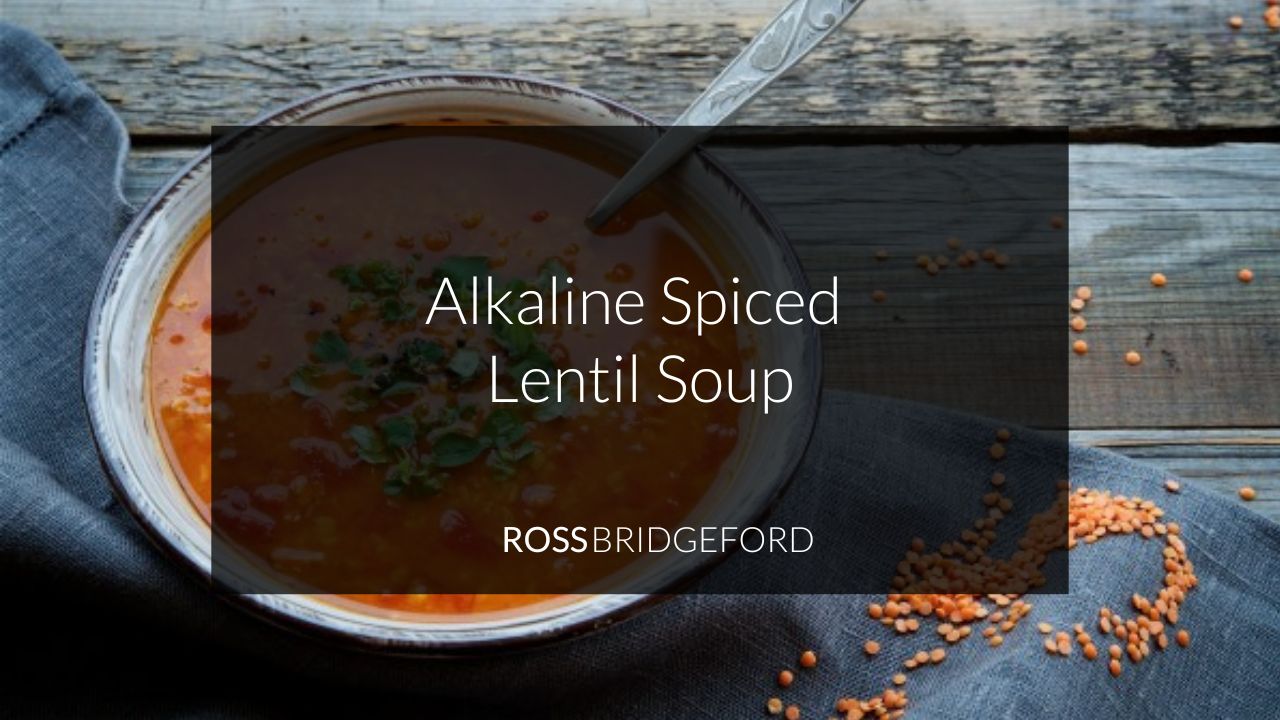
Blog

  • Ultimate High-Protein Alkaline Breakfast Bowl

    Ultimate High-Protein Alkaline Breakfast Bowl

    Recipes › Breakfast

    Ultimate High-Protein Alkaline Breakfast Bowl

    Creamy, deeply satisfying and packed with plant protein – the kind of breakfast you actually look forward to.

    Prep 10 minServes 210 ingredients
    VeganGluten-freeDairy-freeNut-freeNo added sugar

    Tastes: creamy and savoury, with fresh tomato, cucumber and a squeeze of lemon.
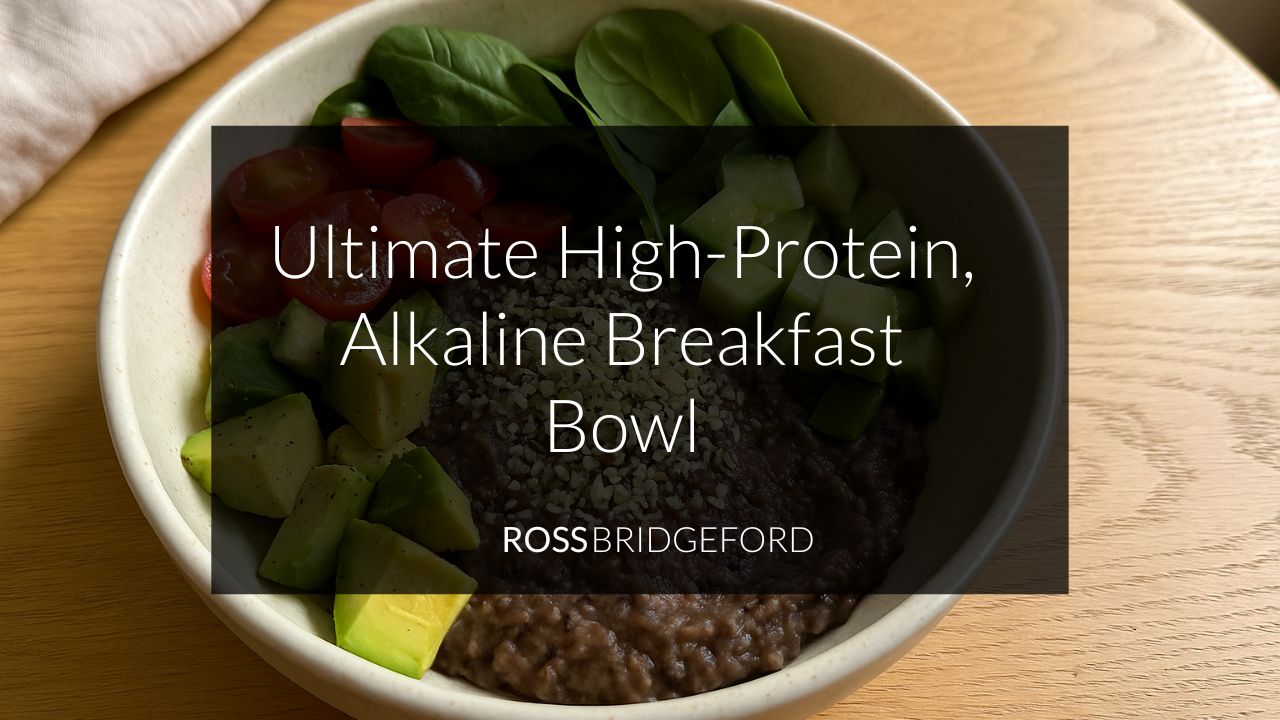
    close up of protein bowl

    Repair, refuel and rebuild

    This bowl is genuinely delicious. But what makes it a regular in my rotation isn’t just the flavour – it’s how much nutritional firepower it delivers in one simple meal. It’s the exact kind of breakfast I leaned on after my back injury, and it’s just as powerful if you’re training hard, healing, or simply want to start your day strong.

    Protein is essential for repairing tissues and building strength, and you don’t need meat or dairy to get high-quality protein. Each bowl gives you about 22 g of plant protein from black beans, hemp and tahini. Add the scrambled turmeric tofu and you’ll hit close to 40 g – perfect after training.

    Why you’ll love it

    • About 22 g plant protein, or close to 40 g with the turmeric tofu.
    • Fibre: about 19 g a bowl, to support healthy digestion.
    • Magnesium and folate: around 70–80% of your daily needs.
    • Plant omega-3s from the hemp seeds.

    Good for

    Immunity

    Copper, folate, zinc and iron contribute to the normal function of the immune system.

    Antioxidants

    Manganese, copper, zinc and vitamin C contribute to the protection of cells from oxidative stress. It also contains plant compounds with antioxidant activity, including lutein, beta-carotene and lycopene.

    Energy

    Folate, magnesium, iron and pantothenic acid contribute to the reduction of tiredness and fatigue.

    Muscles

    Protein contributes to the maintenance of muscle mass, and magnesium and potassium contribute to normal muscle function.

    Bones

    Manganese, vitamin K, magnesium and phosphorus contribute to the maintenance of normal bones.

    Eyes

    Zinc, riboflavin and vitamin A contribute to the maintenance of normal vision. It also contains lutein and zeaxanthin, the carotenoids found in the macula of the eye.

    Blood pressure

    Potassium contributes to the maintenance of normal blood pressure.

    Tags use approved nutrient health-claim wording, for nutrients that give at least 10% of the Daily Value per bowl. Plant compounds like lutein have no Daily Value, so we only say they’re there.

    Key nutrients per bowl

    Manganese
    100%+Copper
    100%Vitamin K
    91%Folate
    82%Magnesium
    69%Thiamin
    67%

    Contains: phosphorus (52%), zinc (42%), iron (33%), vitamin C (32%), pantothenic acid (32%), niacin (31%), potassium (31%), vitamin B6 (29%), vitamin E (26%), riboflavin (23%), vitamin A (12%) and calcium (8%).

    Plant compounds: lutein and zeaxanthin (about 2.1 mg), beta-carotene (about 1.3 mg), lycopene (about 1.9 mg), plant omega-3 ALA (about 2 g), chlorophyll, anthocyanins from the black beans and citrus flavonoids from the lemon.

    22 g protein19 g fibreAbout 5 g natural sugarAbout 30 mg sodium

    % of US Daily Value for adults, per bowl (half the recipe). Estimated from USDA FoodData Central values for the ingredients as listed, so treat these as upper estimates. Excludes the optional tofu, which adds about 17 g protein per bowl; anything over 100% shows as 100%+.

    Ultimate High-Protein Alkaline Breakfast Bowl

    A savoury black bean and tahini bowl with hemp, avocado and fresh veg – add turmeric tofu for close to 40 g protein.
    Prep Time 10 minutes
    Total Time 10 minutes
    Servings: 2 bowls

    Ingredients
      

    • 1½ cups black beans cooked or canned, rinsed
    • 1 small avocado cubed
    • 4 tbsp hemp seeds
    • 1 tbsp tahini
    • 1 cup cherry tomatoes halved
    • 1 cup cucumber diced
    • 1 handful baby spinach or rocket
    • juice of ½ lemon
    • 1 tsp olive oil
    • 1 pinch cumin, sea salt and cracked pepper
    Optional: scrambled turmeric tofu
    • 200 g firm organic tofu ½ block
    • 1 tsp coconut or olive oil
    • ½ tsp ground turmeric
    • cracked black pepper helps your body absorb the curcumin
    • 1 pinch cumin or garlic powder optional
    • Himalayan salt to taste
    • 1 splash almond or oat milk to soften

    Method
     

    1. In a bowl, mash the black beans lightly with a fork – you want a textured base.
    2. Mix in the tahini, lemon juice, olive oil, cumin, salt and pepper until creamy.
    3. Top with the hemp seeds, avocado, tomatoes, cucumber and spinach. Stir through gently or leave layered, and divide between two bowls.
    Optional turmeric tofu
    1. Heat the oil in a pan over medium heat and crumble in the tofu with your hands or a fork.
    2. Add the turmeric, black pepper and any other spices and stir well. Cook for 5–7 minutes until slightly golden, adding a splash of milk to stop it drying out.
    3. Season to taste and serve hot alongside the bowls.

    Swaps

    • Short on time? Canned black beans, rinsed, work perfectly.
    • No tahini? Use a little extra olive oil and lemon.
    • Even more protein: add the tofu, or stir a little pea protein into the bean base.

    Storing it

    The bean base keeps in the fridge for 2–3 days, so you can make it ahead. Add the avocado and fresh veg just before eating.

    Good to know

    • High in vitamin K. If you take warfarin or another blood thinner, keep your greens intake steady and talk to your doctor before eating more leafy greens than usual.
    • The tofu contains soy. Leave it out, or add extra beans, if you avoid soy.

    Try next

    BreakfastGreen Energy Breakfast BowlOpen recipe →
    LunchThe Alkaline Power BowlOpen recipe →
    Want more than recipes?

    The Alkaline Life Club has everything in the Recipe Club, plus coaching, live Q&A and a community to keep you going.

    See the Alkaline Life Club

    Sources

    Nutrient values: USDA FoodData Central, SR Legacy (black beans 173735, avocado 171705, hemp seeds 170148, tahini 168604, tomatoes 170457, cucumber 168409, spinach 168462, lemon juice 167747, olive oil 171413, cumin 170923). Plant compounds are named where the ingredient is a well-documented source; flavonoids follow the USDA Database for the Flavonoid Content of Selected Foods, Release 3.3. Daily Values: US Food and Drug Administration.

  • Alkaline Sleep Elixir

    Alkaline Sleep Elixir

    The Alkaline Sleep Elixir: Recipe for the Weekend 

    This weekend’s recipe is more than just a feel-good bedtime drink — it’s a scientifically supported tool for deep, restorative sleep.

    We all know sleep is essential. It’s when your body heals, your hormones reset, your immune system rebuilds, and your brain clears out toxins from the day. But deep, uninterrupted sleep is hard to come by — especially when stress, inflammation, blood sugar swings, or overstimulation get in the way.

    This Alkaline Sleep Elixir was created to help your body and mind gently wind down — naturally. No melatonin. No pills. Just proven, functional ingredients that nourish your nervous system and support your sleep cycle.

    It’s warm, creamy, grounding, and deeply comforting.

    Jump to Recipe ↓
    Go to the Alkaline Sleep Elixir Recipe


    Why This Works: The Science Behind the Sleep Elixir

    Each ingredient in this drink has a powerful role to play. Here’s what the research says:

    Magnesium Glycinate: The Nervous System Calmer

    Magnesium is a well-known natural sleep supporter. A clinical trial in older adults found that 500 mg magnesium daily for eight weeks significantly improved sleep time, efficiency, and melatonin levels — while lowering nighttime cortisol (the stress hormone) Abbasi et al., 2012.

    The glycinate form is especially effective because glycine itself is calming to the brain, helping regulate the GABA system that encourages sleep. Magnesium is also involved in over 300 enzymatic reactions — many of which support stress resilience, muscle relaxation, and neurotransmitter balance.

    Turmeric: The Inflammation Fighter That Helps You Rest

    You might not associate turmeric with sleep, but its benefits go far beyond joint health. Studies show that curcumin, the active compound in turmeric, can reduce symptoms of insomnia, improve mood, and lower inflammation — all of which promote more restful sleep. One RCT found that 1000 mg of curcumin daily significantly improved sleep disturbances in people with depression Bruno et al., 2021.

    It’s also been shown to increase serotonin and reduce oxidative stress in the brain — two key contributors to healthy sleep patterns.

    Cinnamon: A Sweetly Scented Stress Reducer

    Cinnamon isn’t just delicious — it’s calming too. A recent study using a model of sleep disruption found that cinnamon extract lowered stress hormone levels, increased melatonin and serotonin, and helped regulate the sleep-wake cycle. While this study was in animals, it strongly supports cinnamon’s traditional role as a calming spice Kothari et al., 2023.

    Cinnamon also helps stabilize blood sugar, preventing those nighttime spikes and crashes that can keep you up.

    Nutmeg: The Sleepy Spice with GABA-Boosting Power

    Nutmeg has long been used in bedtime remedies — and now we know why. It contains compounds like myristicin that appear to support GABA activity in the brain. GABA is the body’s main inhibitory neurotransmitter — it’s what tells your brain to slow down and relax.

    Used in small amounts (like the pinch in this recipe), nutmeg has been shown to increase brain GABA levels and promote calm and drowsiness Hindustan Times, 2024.

    Coconut Oil: Balancing Blood Sugar and Supporting Recovery

    Coconut oil isn’t a sedative, but it helps stabilize nighttime blood sugar thanks to its medium-chain triglycerides (MCTs). These provide steady energy without spikes, preventing nighttime cortisol surges triggered by low glucose.

    In one human study, women undergoing chemotherapy who consumed virgin coconut oil reported improved sleep and less fatigue compared to those who didn’t Law et al., 2014. That’s a strong indicator of its calming, recovery-supportive role in stressful conditions.

    Vanilla: The Calming Aroma

    Vanilla’s scent is clinically shown to reduce anxiety and calm the nervous system. In one study, patients undergoing MRI scans experienced 63% less anxiety when exposed to a vanilla-like fragrance Redd et al., 1994. This relaxation effect can easily translate to a calmer evening and smoother transition into sleep.

    Even a few drops of vanilla extract in your elixir can help cue your brain to unwind.

    Almond Milk: Natural Melatonin + Magnesium

    Almonds are a natural source of melatonin and magnesium, two nutrients crucial for sleep. Almond milk — especially when warmed — carries these benefits into a soothing, gentle nighttime drink. It’s also easy on the digestive system and doesn’t contain the stimulants that some dairy can for sensitive individuals.

    Medical nutrition sources confirm that almonds are one of the highest natural melatonin foods, making almond milk an excellent sleep-supportive base Medical News Today, 2019.

    Alkaline Sleep Elixir Recipe
    (Serves 2)

    Final Word

    You don’t need to reach for sleep pills, wine, or melatonin gummies.

    A warm, calming elixir — made from whole, functional ingredients — can give your body what it needs to unwind naturally. This recipe is about more than sleep. It’s about creating a nightly ritual that tells your body, “you’re safe, it’s time to rest.”

    Give it a try tonight — and feel the difference for yourself.

    Let me know in the comments if you’ve tried it or plan to — or if you’d like me to share more recipes like this in your next Recipe for the Weekend post!

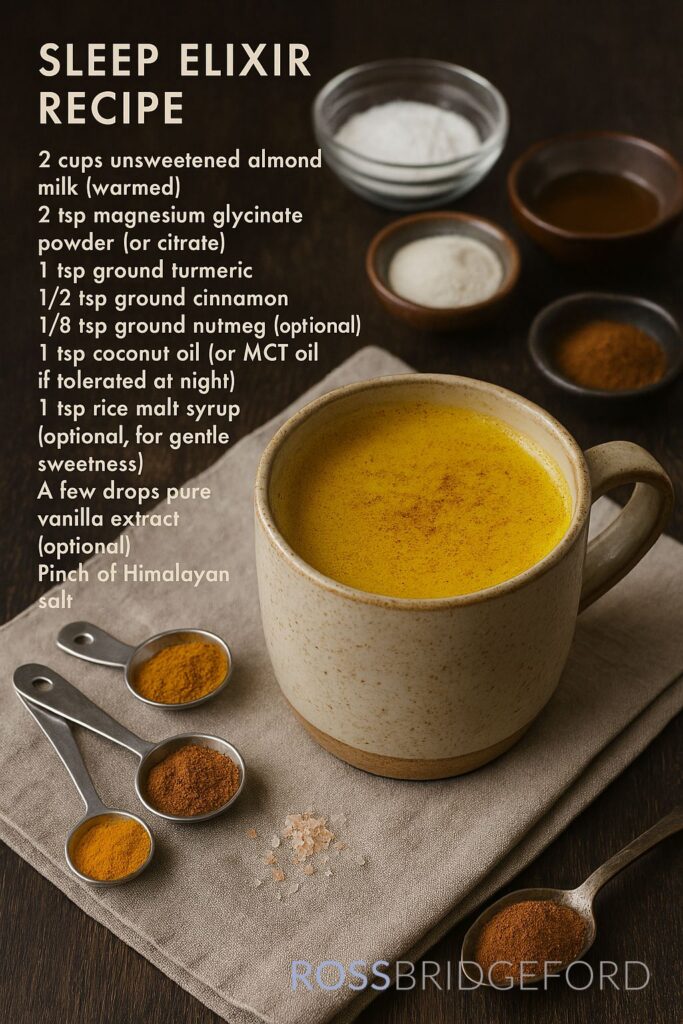
    pinterest version of the sleep elixir

    References

    Abbasi, B., R. Kimiagar, M. Sadeghniiat-Haghighi, M. Shirazi, H. Hedayati, and M. Gohari. 2012. “The Effect of Magnesium Supplementation on Primary Insomnia in Elderly: A Double-Blind Placebo-Controlled Clinical Trial.” Journal of Research in Medical Sciences 17 (12): 1161–69. https://www.ncbi.nlm.nih.gov/pmc/articles/PMC3703169/

    Arab, A., M. Rafie, F. Ebrahimzadeh, A. Keshtkar, and M. Mehrabani. 2022. “The Association between Magnesium Intake and Sleep Quality: A Systematic Review.” Health Promotion Perspectives 12 (1): 1–8. https://doi.org/10.34172/hpp.2022.01

    Bruno, G., A. Zampogna, and R. Iorio. 2021. “Curcumin and Its Effects on Mood, Sleep, and Fatigue in Patients with Major Depression: A Randomized, Double-Blind, Placebo-Controlled Trial.” Journal of Affective Disorders 282: 99–107. https://pubmed.ncbi.nlm.nih.gov/33260178/

    Kothari, S. K., A. Kumar, and V. Yadav. 2023. “Cinnamon (Cinnamomum zeylanicum) Extract Improves Sleep in an Insomnia-Induced Rodent Model by Modulating Melatonin and Neurotransmitters.” Biomedicine & Pharmacotherapy 159: 114245. https://doi.org/10.1016/j.biopha.2023.114245

    Hindustan Times. 2024. “Nutmeg Milk for Better Sleep: Here’s How to Make It.” Hindustan Times, March 18, 2024. https://www.hindustantimes.com/lifestyle/health/nutmeg-milk-for-better-sleep-here-s-how-to-make-it-101692918293753.html

    Law, K. S., S. K. Abdul Aziz, M. N. Abdullah, N. M. Sidek, and R. Mutalib. 2014. “Virgin Coconut Oil Improves Quality of Life in Breast Cancer Patients during Chemotherapy.” Journal of Cancer Therapy 5 (4): 323–29. https://doi.org/10.4236/jct.2014.54038

    Redd, W. H., M. H. Andresen, B. Minagawa, and S. R. Peters. 1994. “The Effect of a Pleasant Olfactory Stimulus on Anxiety.” Journal of Environmental Psychology 14 (3): 304–10. https://doi.org/10.1016/S0272-4944(05)80220-4

    Medical News Today. 2019. “Foods That Help You Sleep.” Medical News Today, June 19, 2019. https://www.medicalnewstoday.com/articles/325353

  • The Alkaline Power Bowl

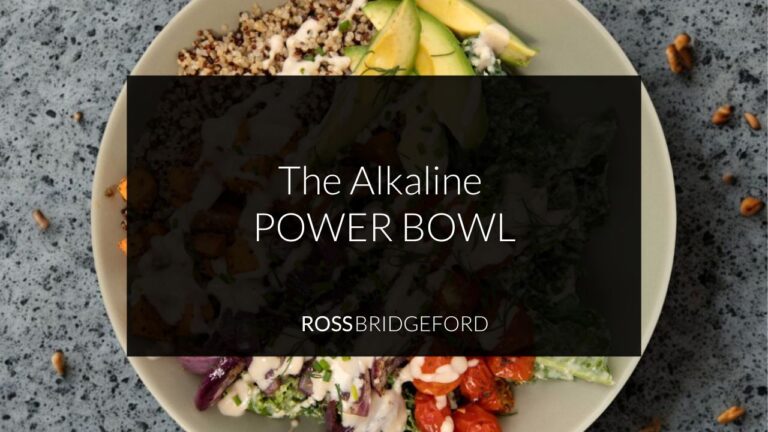
    The Alkaline Power Bowl

    Recipes › Lunch

    The Alkaline Power Bowl

    It’s not just delicious and quick to prepare – this one bowl gives you half or more of your daily needs for 9 essential nutrients, all from plant-based ingredients.

    Prep 15 minCook 40 minServes 214 ingredients
    VeganGluten-freeDairy-freeNo added sugar

    Tastes: creamy avocado and tahini with sweet potato, fresh cucumber and a lemony turmeric dressing.

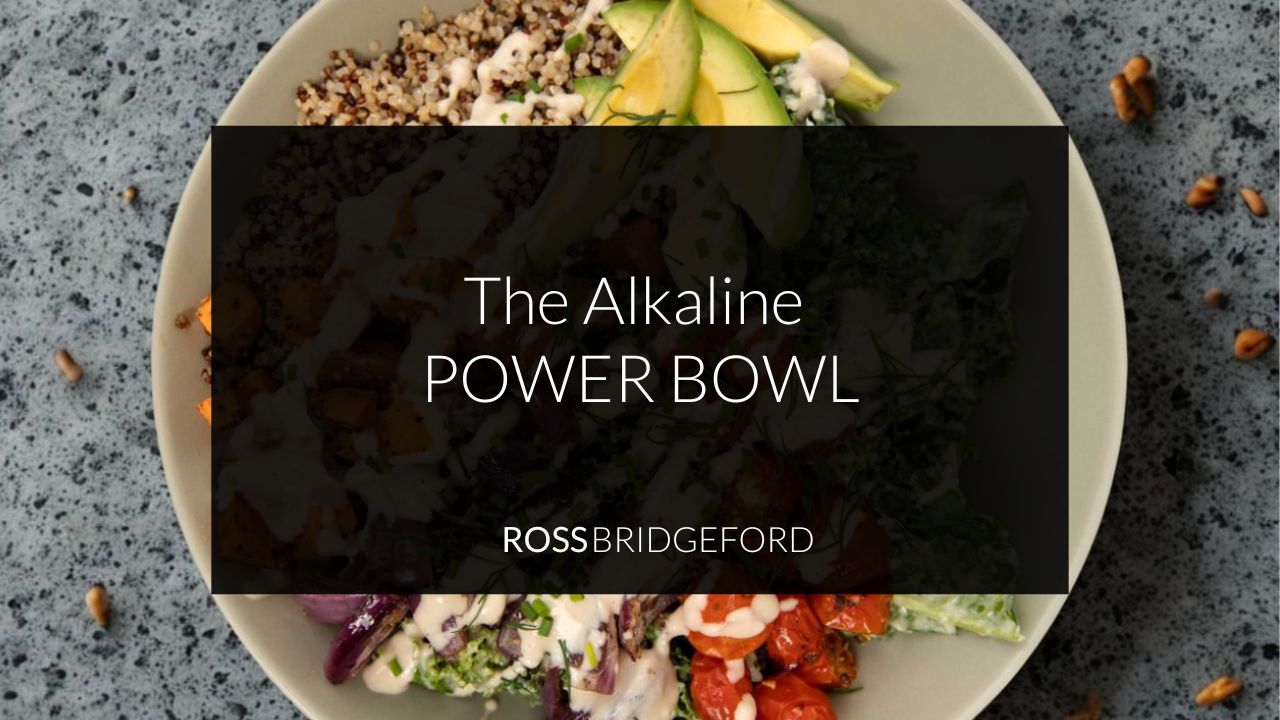
    Alkaline Power Bowl Recipe Image

    A nutritional game changer

    We’ve all had those days when it feels impossible to tick every nutritional box. Potassium? Magnesium? Iron? Selenium? Let alone all the B vitamins, fibre, vitamin C, folate and antioxidants…

    That’s why I’m SO excited about the Alkaline Power Bowl. Honestly, I’ve never had a dish so effortlessly deliver on so many fronts. This is more than just a recipe. It’s a nutritional game changer.

    Why you’ll love it

    • Selenium: a full day’s worth, thanks to just one Brazil nut.
    • Vitamins A, C and K: well over half a day’s worth of each.
    • Magnesium and potassium: about 200 mg and 2,100 mg a serve.
    • Fibre: about 19 g a serve to feed your gut microbiome.

    Good for

    Immunity

    Selenium, vitamin A, copper and vitamin C contribute to the normal function of the immune system.

    Antioxidants

    Selenium, copper, manganese and vitamin C contribute to the protection of cells from oxidative stress. It also contains plant compounds with antioxidant activity, including lutein, beta-carotene and lycopene.

    Energy

    Pantothenic acid, folate, vitamin B6 and magnesium contribute to the reduction of tiredness and fatigue.

    Bones

    Vitamin K, manganese, magnesium and phosphorus contribute to the maintenance of normal bones.

    Eyes

    Vitamin A, riboflavin and zinc contribute to the maintenance of normal vision. It also contains lutein and zeaxanthin, the carotenoids found in the macula of the eye.

    Blood pressure

    Potassium contributes to the maintenance of normal blood pressure.

    Tags use approved nutrient health-claim wording, for nutrients that give at least 10% of the Daily Value per serve. Plant compounds like lutein have no Daily Value, so we only say they’re there.

    Key nutrients per serve

    Selenium
    100%+Vitamin A
    100%+Vitamin K
    100%+Copper
    100%+Manganese
    98%Vitamin C
    72%

    Contains: pantothenic acid (65%), folate (58%), vitamin B6 (57%), magnesium (48%), thiamin (47%), potassium (45%), vitamin E (41%), riboflavin (37%), iron (37%), niacin (34%), phosphorus (33%), zinc (31%) and calcium (15%).

    Plant compounds: lutein and zeaxanthin (about 4.1 mg), beta-carotene (about 19 mg), lycopene (about 1.5 mg), chlorophyll, curcumin from the turmeric and citrus flavonoids from the lemon.

    16 g protein19 g fibreAbout 15 g natural sugarAbout 100 mg sodium

    % of US Daily Value for adults, per serve (half the recipe). Estimated from USDA FoodData Central values for the ingredients as listed; cooking reduces some vitamins, so treat these as upper estimates. Excludes salt added to taste; anything over 100% shows as 100%+.

    The Alkaline Power Bowl

    One bowl that delivers almost your entire day’s nutrients – and then some.
    Prep Time 15 minutes
    Cook Time 40 minutes
    Total Time 55 minutes
    Servings: 2

    Ingredients
      

    • 1 ripe avocado about 200 g
    • 2 medium sweet potatoes about 300 g total, baked or steamed
    • 2 cups spinach steamed (about 60 g raw)
    • ½ cup cooked white beans about 90 g
    • ½ cup cooked quinoa about 90 g
    • 2 cups cucumber chopped
    • 1 medium tomato chopped
    • 1 tbsp tahini
    • 1 tbsp extra virgin olive oil
    • juice of ½ lemon
    • 2 Brazil nuts
    • 1 tsp ground turmeric
    • Himalayan salt to taste
    • fresh parsley or coriander optional, to garnish

    Equipment

    • Oven or steamer
    • Saucepan

    Method
     

    1. Cook the sweet potatoes (bake, steam or roast).
    2. While they’re cooking, steam the spinach and prepare the quinoa and white beans (or use pre-cooked).
    3. Chop the cucumber, tomato and avocado.
    4. Whisk together the tahini, lemon juice, olive oil, turmeric and a pinch of salt to make the dressing.
    5. Divide all the ingredients between two bowls.
    6. Drizzle with the dressing, top each bowl with a Brazil nut and chopped herbs, and enjoy.

    Swaps

    • Short on time? Use pre-cooked quinoa and tinned white beans, rinsed.
    • Any white beans work: cannellini, butter beans or navy beans.
    • No tahini? Use extra olive oil and a little more lemon.

    Storing it

    Keep the dressing separate and it keeps in the fridge for a day, so it’s a good one for a packed lunch.

    Good to know

    • High in vitamin K. If you take warfarin or another blood thinner, keep your greens intake steady and talk to your doctor before eating more leafy greens than usual.
    • Brazil nuts are very high in selenium. One a day is plenty, so stick to one per bowl.

    Try next

    LunchQuinoa & Hummus WrapsOpen recipe →
    SaladMagnesium-Boosting Super SaladOpen recipe →
    Want more than recipes?

    The Alkaline Life Club has everything in the Recipe Club, plus coaching, live Q&A and a community to keep you going.

    See the Alkaline Life Club

    Sources

    Nutrient values: USDA FoodData Central, SR Legacy (avocado 171705, sweet potato 168483, spinach 168462, white beans 175203, quinoa (cooked) 168917, cucumber 168409, tomato 170457, tahini 168604, olive oil 171413, lemon juice 167747, Brazil nuts 170569, turmeric 172231). Plant compounds are named where the ingredient is a well-documented source; flavonoids follow the USDA Database for the Flavonoid Content of Selected Foods, Release 3.3. Daily Values: US Food and Drug Administration.
  • Recipe: Alkaline Longevity Juice

    Alkaline Longevity Juice Recipe

    When we think about aging, we often focus on the surface—wrinkles, fatigue, weight gain. But beneath the surface, one of the most powerful accelerators of aging is something called advanced glycation end products, or AGEs.

    AGEs form when excess blood glucose binds to proteins like collagen. This causes tissues to stiffen, arteries to lose elasticity, and inflammation to rise—contributing to a faster biological aging process. One study (PMID: 24130005) found that AGE-induced damage becomes especially difficult to reverse with age, even with regular exercise.

    That’s why one of the best longevity strategies we can adopt is to manage blood sugar, reduce inflammation, and support the body’s natural detox pathways. This juice does exactly that.

    Longevity Juice: A Nutrient-Powered Anti-AGE Elixir

    This juice is more than refreshing—it’s built around nutrients shown to help the body clear and resist the buildup of AGEs while supporting healthy blood vessels, detoxification, and cellular repair.

    Cucumber

    Cucumber contains a powerful group of flavonoids including quercetin, apigenin, luteolin, and kaempferol. These compounds support blood sugar control, protect cells from oxidative damage, and help block the glycation reactions that produce AGEs.

    Baby Spinach

    Rich in magnesium, folate, and chlorophyll, spinach supports methylation, detoxification, and cellular energy—all essential processes for maintaining long-term vitality.

    Beetroot

    A natural source of dietary nitrates, beetroot helps the body produce nitric oxide, a compound that keeps blood vessels flexible and youthful. Nitric oxide levels decline with age, making this a critical support food for cardiovascular health.

    Red Capsicum

    Loaded with vitamin C and carotenoids, red capsicum helps protect collagen, neutralize oxidative stress, and support immune function.

    Celery

    High in water and natural electrolytes to support kidney function and cellular hydration. Celery also contains apigenin, which has been shown to reduce oxidative damage in vascular tissue.

    Lemon

    Supports liver detox pathways and boosts mineral absorption. Its vitamin C content also plays a key role in preventing collagen breakdown and reducing the effects of glycation.

    Ginger and Turmeric

    Two of the most well-studied anti-inflammatory roots. They help regulate inflammatory cytokines, support the liver, and promote glutathione production—the body’s master antioxidant.

    The Alkaline Longevity Juice gives you all of this – and a big hit of alkaline power too.

    alkaline longevity juice

    A Simple Longevity Habit with Big Benefits

    You don’t need to overhaul everything overnight to start feeling the difference. Something as simple as adding this juice to your routine a few times a week can have a powerful ripple effect—on your digestion, your energy, your skin, and your long-term health.

    Try it first thing in the morning, or after a walk or workout when your body is primed to absorb nutrients. And most importantly—be consistent.

    It’s these small, daily choices that protect your body, renew your cells, and build a future of strength and vitality.

    That’s why we’re focusing on daily juicing this month inside The Alkaline Life Club—as part of our Cellular Renewal Challenge. Members are building the habit, one day at a time, with guidance, recipes, and a plan that makes it easy.

    If you’ve been wanting to bring juicing into your life more consistently, now is the perfect time to start.

    You’ve got this.

    Longevity & Cellular Renewal is Our Focus Inside The Alkaline Life Club This Month

    This juice is part of our Cellular Renewal focus inside The Alkaline Life Club, where we’re helping members:

    • Understand the real impact of AGEs on the aging process—and how to slow them down

    • Access the full Cellular Renewal Recipe Pack (10 brand-new recipes like this one)

    • Follow a step-by-step Cellular Reset Plan to support their liver, kidneys, and detox pathways

    • Join the Masterclass and Live Coaching Calls for direct support from me

    If your goal is to feel younger, more energized, and more resilient—this is a powerful place to start.

    Click here to join The Alkaline Life Club

  • Alkaline Tempeh Bowl: The Ultimate Gut-Healing Meal for Better Sleep & Recovery

    Alkaline Tempeh Bowl: The Ultimate Gut-Healing Meal for Better Sleep & Recovery

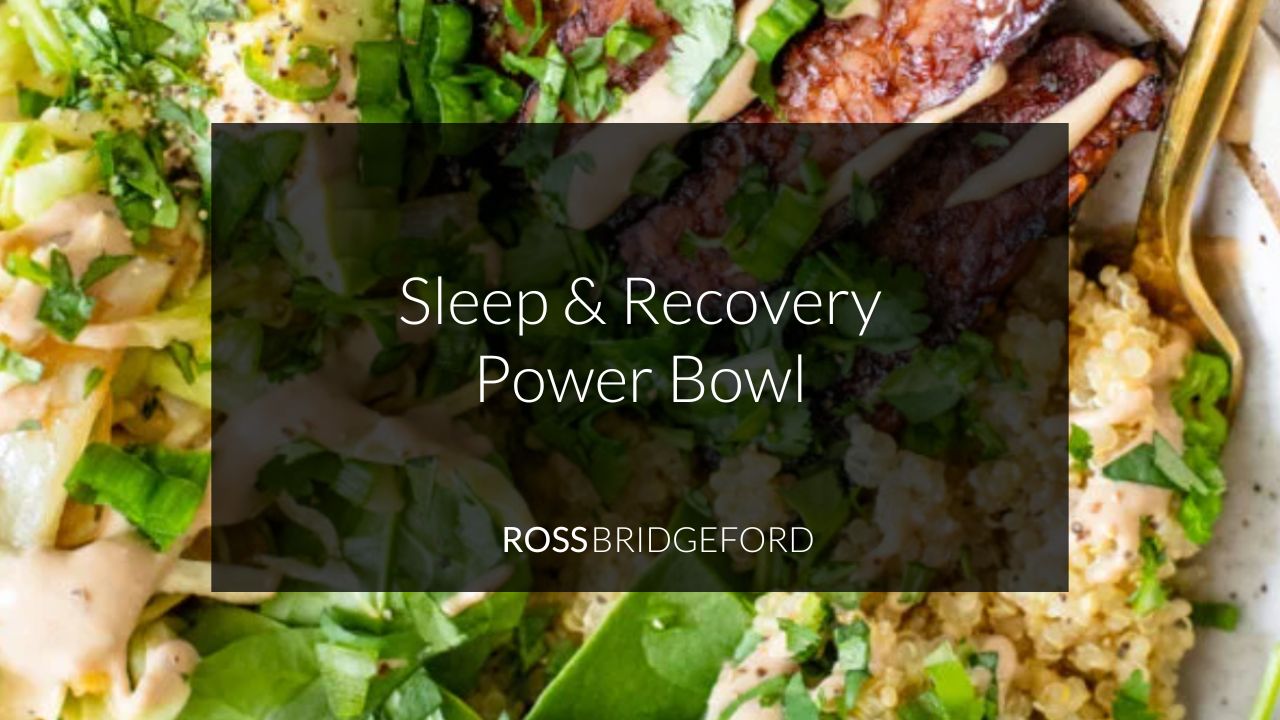
    New Recipe: Tempeh Quinoa Sleep & Recovery Bowl

    There’s a powerful connection between gut health and sleep. When your gut is inflamed or out of balance, it can disrupt melatonin production, increase cortisol levels at night, and even interfere with neurotransmitters that regulate your sleep-wake cycle.

    That’s why this week’s Recipe for the Weekend is one of my new favorites: the Tempeh Sleep & Recovery Bowl—a simple, deeply nourishing meal designed to support gut repair, reduce inflammation, and promote restful sleep.

    This recipe is one of ten new gut-healing recipes that Alkaline Life Club members received yesterday, all designed to strengthen and heal the microbiome. More on that later—first, let’s dig into why this bowl is so powerful.

    Why This Meal Supports Sleep & Gut Health

    This recipe isn’t just about great flavors—it’s built on solid science. Every ingredient plays a key role in helping your body reset, recover, and restore overnight.

    1. Tempeh: A Natural Sleep & Gut Health Booster

    Tempeh is a fantastic plant-based protein source that’s also rich in tryptophan, an essential amino acid. Your body uses tryptophan to produce serotonin, which then converts into melatonin, the hormone that regulates your sleep cycle.

    Because tempeh is fermented, it also delivers natural probiotics, which help balance gut bacteria and reduce inflammation—key for deep, restorative sleep.

    2. Magnesium-Rich Leafy Greens & Pumpkin Seeds: Relaxation & Recovery

    Dark leafy greens and pumpkin seeds are two of the best plant-based sources of magnesium, a mineral that activates your parasympathetic nervous system—the part of your body that signals it’s time to relax.

    Magnesium also helps regulate cortisol (your stress hormone), allowing your nervous system to wind down naturally before bed.

    3. Prebiotic Fiber: Nourishing Your Microbiome While You Sleep

    A happy gut means better sleep, and this bowl is packed with prebiotic fiber from the vegetables and seeds. Prebiotics feed the beneficial bacteria in your gut, helping them produce GABA and serotonin, two neurotransmitters essential for relaxation and deep sleep.

    Best way to enjoy this meal? Have it for dinner about three hours before bed to allow digestion to work its magic while your body prepares for sleep.

    How This Meal Supports Your Gut and Sleep

    By combining fermented tempeh, magnesium-rich greens, and prebiotic fiber, this Sleep & Recovery Power Bowl works with your body’s natural rhythms to:

    ✔️ Support melatonin production for deeper, more restorative sleep
    ✔️ Balance cortisol levels to reduce stress and nighttime wake-ups
    ✔️ Nourish gut bacteria to improve digestion and reduce bloating
    ✔️ Provide plant-based protein for muscle recovery and sustained energy

    For best results, eat this bowl for dinner about three hours before bed to allow your body to fully digest and absorb its sleep-supporting nutrients.

    Want More Recipes & Expert Guidance?

    This recipe is part of our Gut Healing Month inside The Alkaline Life Club, where members receive:

    ✅ 10 brand-new gut-healing recipes for digestion, energy, and microbiome health
    ✅ The 7-Day Gut Healing Plan, a step-by-step blueprint to reduce bloating and reset gut function
    ✅ The Gut Health & Healing Masterclass, where we break down the science behind a thriving gut
    ✅ Live coaching and Q&A, where I answer your biggest gut health and nutrition questions

    If gut health, better sleep, and more energy are on your list, this month is the perfect time to get started.

    Click here to learn more

    For now, start with this bowl—and let me know in the comments: Have you noticed a difference in sleep based on what you eat for dinner?

  • Alkaline Chickpea Korma

    Alkaline Chickpea Korma

    Recipes › Dinner

    Alkaline Chickpea Korma

    One of my favourites: the warm, comforting spices of a traditional korma (which I absolutely LOVE) with chickpeas, tofu and fresh alkaline veggies. Each serve has 26 g of protein and 12 g of fibre.

    Prep 10 minCook 20 minServes 217 ingredients
    VeganGluten-freeDairy-freeNut-freeNo added sugar

    Tastes: creamy, mild and warmly spiced, like a proper korma.

    Alkaline chickpea korma

    Quick, easy and highly alkaline

    As with all of my recipes, it’s quick, easy and highly alkaline. It’s also perfect for bulk making, as it freezes really well.

    And remember the satiation equation: protein + fibre + fat = full for a long time. This recipe contains all three in healthy abundance.

    Why you’ll love it

    • Supports digestion: the fibre in chickpeas and vegetables helps promote a healthy gut.
    • Steady energy: the combination of fibre, protein and healthy fats helps keep your energy steady.
    • Anti-inflammatory: turmeric and ginger are packed with anti-inflammatory properties.
    • Quick and simple: ready in under 30 minutes, perfect for busy days.

    Good for

    Immunity

    Copper, iron, selenium and vitamin A contribute to the normal function of the immune system.

    Antioxidants

    Manganese, copper, selenium and vitamin C contribute to the protection of cells from oxidative stress. It also contains plant compounds with antioxidant activity, including lutein, beta-carotene and quercetin.

    Energy

    Iron, magnesium, vitamin B6 and folate contribute to the reduction of tiredness and fatigue.

    Muscles

    Protein contributes to the maintenance of muscle mass, and calcium, magnesium and potassium contribute to normal muscle function.

    Bones

    Manganese, vitamin K, calcium and magnesium contribute to the maintenance of normal bones.

    Eyes

    Vitamin A, zinc and riboflavin contribute to the maintenance of normal vision. It also contains lutein and zeaxanthin, the carotenoids found in the macula of the eye.

    Blood pressure

    Potassium contributes to the maintenance of normal blood pressure.

    Tags use approved nutrient health-claim wording, for nutrients that give at least 10% of the Daily Value per serve. Plant compounds like lutein have no Daily Value, so we only say they’re there.

    Key nutrients per serve

    Manganese
    100%+Copper
    100%+Vitamin K
    76%Iron
    51%Calcium
    50%Magnesium
    45%

    Contains: selenium (41%), vitamin A (39%), vitamin B6 (37%), thiamin (37%), phosphorus (37%), folate (35%), vitamin C (32%), zinc (32%), niacin (28%), riboflavin (25%), potassium (24%) and pantothenic acid (19%).

    Plant compounds: lutein and zeaxanthin (about 4 mg), beta-carotene (about 3.6 mg), plant omega-3 ALA (about 0.6 g), chlorophyll, quercetin from the onion, curcumin from the turmeric, gingerols from the ginger, sulphur compounds from the garlic and capsaicin from the chilli.

    26 g protein12 g fibreAbout 9 g natural sugarAbout 245 mg sodium

    % of US Daily Value for adults, per serve (half the recipe, with the rice). Estimated from USDA FoodData Central values for the ingredients as listed; cooking reduces some vitamins, so treat these as upper estimates. Excludes salt and pepper added to taste; anything over 100% shows as 100%+.

    Alkaline Chickpea Korma

    A hearty, nourishing korma with chickpeas, tofu and fresh alkaline veggies.
    Prep Time 10 minutes
    Cook Time 20 minutes
    Total Time 30 minutes
    Servings: 2

    Ingredients
      

    • 2 tsp coconut oil
    • 1 small onion finely chopped
    • 2 garlic cloves minced
    • 2 tsp fresh ginger grated
    • 2 tsp ground cumin
    • 2 tsp ground coriander
    • ¾ tsp turmeric powder
    • ¼ tsp ground cinnamon
    • ¼ tsp chilli powder optional
    • ⅔ cup (160 ml) canned coconut milk unsweetened, full-fat
    • 1 cup cooked chickpeas about ⅔ of a 400 g tin, rinsed and drained
    • 1 medium zucchini diced
    • 1 medium carrot sliced
    • 1 cup fresh spinach leaves
    • 150 g firm tofu cubed
    • ¼ cup fresh coriander (cilantro) chopped, to garnish
    • 1 cup cooked brown rice to serve

    Equipment

    • Medium frying pan

    Method
     

    1. Heat the coconut oil in a medium-sized frying pan over medium heat. Add the onion, garlic and ginger, and sauté for 2–3 minutes until fragrant and translucent.
    2. Stir in the cumin, coriander, turmeric, cinnamon and chilli powder (if using). Toast the spices for 1 minute to bring out their flavour.
    3. Pour in the coconut milk and mix well. Add the chickpeas, tofu, zucchini and carrot. Reduce the heat to low, cover and simmer for 10–12 minutes until the vegetables are tender.
    4. Add the spinach leaves and let them wilt for 2–3 minutes. Season with Himalayan salt and pepper if you like.
    5. Serve the korma over the brown rice and garnish with fresh coriander.

    Notes

    Using part of a tin of chickpeas? Keep the rest in a covered container in the fridge for up to 3 days.

    Swaps

    • Add more greens: toss in kale or Swiss chard during the last few minutes of cooking.
    • Spice it up: add a pinch of cayenne or a diced chilli along with the other spices.
    • Protein boost: sprinkle hemp seeds on top (my fave).

    Storing it

    This chickpea korma freezes well. Make a double batch and store portions in the freezer for quick, healthy meals during busy weeks.

    Good to know

    • Contains soy (tofu). Swap it for extra chickpeas if you avoid soy.

    Ross’s tip

    Squeeze a little fresh lime juice over the korma before serving for a burst of tangy freshness, or cook it with some torn kaffir lime leaves.

    Try next

    DinnerFast 5-Minute DhalOpen recipe →
    DinnerHarissa Tofu & Lentil StewOpen recipe →
    Want more than recipes?

    The Alkaline Life Club has everything in the Recipe Club, plus coaching, live Q&A and a community to keep you going.

    See the Alkaline Life Club

    Sources

    Nutrient values: USDA FoodData Central, SR Legacy (coconut oil 171412, onion 170000, garlic 169230, ginger 169231, cumin 170923, coriander seed 170922, turmeric 172231, cinnamon 171320, chilli powder 171319, coconut milk 170173, chickpeas 173801, zucchini 169291, carrot 170393, spinach 168462, tofu 172475, coriander leaves 169997, brown rice 169704). Plant compounds are named where the ingredient is a well-documented source; flavonoids follow the USDA Database for the Flavonoid Content of Selected Foods, Release 3.3. Daily Values: US Food and Drug Administration.
  • Berry Glow Smoothie

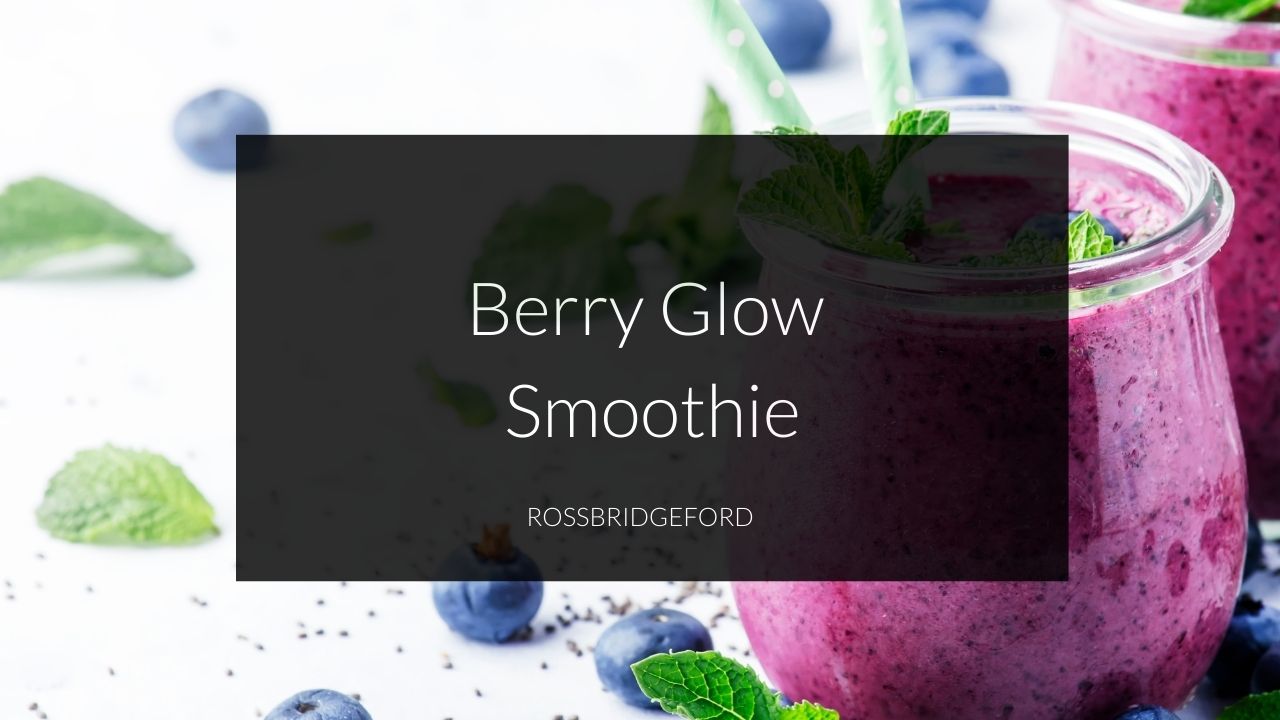
    Berry Glow Smoothie

    Recipes › Juices & smoothies

    Berry Glow Smoothie

    This creamy, antioxidant-rich smoothie is as delicious as it is refreshing. It makes two glasses, each with half a day’s fibre.

    Prep 5 minServes 2Blender7 ingredients
    VeganGluten-freeDairy-freeNo added sugar

    Tastes: berry-sweet and creamy, with a gentle warmth from the ginger.

    featured- berry glow smoothie alkaline

    A versatile, all-day treat

    With antioxidant-rich berries, creamy avocado, and powerful anti-inflammatory turmeric and ginger, this smoothie tastes amazing and leaves you feeling refreshed and energised. Plus, with spinach and chia seeds, it’s loaded with fibre.

    It’s perfect as a quick breakfast, a post-workout recovery drink, or a mid-afternoon snack. Its combination of nutrients and flavours makes it a versatile, all-day treat!

    Why you’ll love it

    • Antioxidant boost. Blueberries and raspberries bring antioxidants that help protect your cells, and that beautiful colour.
    • Creamy goodness. Avocado makes it creamy and keeps you feeling full.
    • Anti-inflammatory power. Turmeric and ginger, both known for their anti-inflammatory compounds, add a warming, earthy flavour. Ginger has also long been used to help digestion.
    • Fibre-rich. Chia seeds and spinach add fibre to support healthy digestion and keep you satisfied for longer.

    Good for

    Immunity

    Copper, folate, iron and vitamin C contribute to the normal function of the immune system.

    Antioxidants

    Vitamin E, manganese, copper and vitamin C contribute to the protection of cells from oxidative stress. It also contains plant compounds with antioxidant activity, including lutein, beta-carotene and anthocyanins.

    Energy

    Folate, magnesium, pantothenic acid and iron contribute to the reduction of tiredness and fatigue.

    Bones

    Vitamin K, manganese, calcium and magnesium contribute to the maintenance of normal bones.

    Eyes

    Riboflavin and zinc contribute to the maintenance of normal vision. It also contains lutein and zeaxanthin, the carotenoids found in the macula of the eye.

    Blood pressure

    Potassium contributes to the maintenance of normal blood pressure.

    Tags use approved nutrient health-claim wording, for nutrients that give at least 10% of the Daily Value per glass. Plant compounds like lutein have no Daily Value, so we only say they’re there.

    Key nutrients per glass

    Vitamin E
    100%+Vitamin K
    81%Manganese
    68%Copper
    48%Calcium
    46%Folate
    27%

    Contains: magnesium (26%), pantothenic acid (25%), iron (25%), vitamin C (24%), niacin (20%), potassium (18%), vitamin B6 (17%), riboflavin (16%), phosphorus (16%), thiamin (14%), zinc (14%) and selenium (14%).

    Plant compounds: lutein and zeaxanthin (about 2.1 mg), beta-carotene (about 0.9 mg), plant omega-3 ALA (about 2.3 g), chlorophyll, anthocyanins from the berries, curcumin from the turmeric and gingerols from the ginger.

    6 g protein14 g fibreAbout 8 g natural sugarAbout 210 mg sodium

    % of US Daily Value for adults, per glass (half the recipe). Estimated from USDA FoodData Central values for the ingredients as listed, so treat these as upper estimates. Almond milk values are for a calcium-fortified brand; anything over 100% shows as 100%+.

    Berry Glow Smoothie

    A creamy, antioxidant-rich smoothie with berries, avocado, turmeric and ginger.
    Prep Time 5 minutes
    Total Time 5 minutes
    Servings: 2 glasses

    Ingredients
      

    • 2 cups unsweetened almond milk
    • 1 avocado
    • 1 cup frozen mixed berries blueberries and raspberries
    • 2 tbsp chia seeds
    • 2 tsp ground turmeric
    • 1 cup spinach
    • 2 x 2.5 cm (1-inch) pieces fresh ginger

    Equipment

    • Blender

    Method
     

    1. Combine all the ingredients in a blender, starting with the almond milk to create a smooth base. Add the avocado, frozen berries, chia seeds, turmeric, spinach and fresh ginger.
    2. Blend on high until the mixture is completely smooth and creamy. If you prefer a thinner consistency, add a little more almond milk or a few ice cubes.
    3. Pour into two glasses and enjoy immediately.

    Swaps

    • For added protein, include a scoop of your favourite plant-based protein powder.
    • Extra cold and creamy: freeze the avocado beforehand.
    • No almond milk? Any unsweetened plant milk works.

    Storing it

    It’s best enjoyed straight away. If it sits, the chia seeds will thicken it, so stir in a splash more almond milk.

    Good to know

    • High in vitamin K. If you take warfarin or another blood thinner, keep your greens intake steady and talk to your doctor before eating more leafy greens than usual.
    • Contains almonds. Use another plant milk if you need it nut-free.

    Ross’s tip

    Garnish with a sprinkle of chia seeds or a few fresh berries for a beautiful finishing touch.

    Try next

    Green juiceGreen Vitality JuiceOpen recipe →
    SmoothieChocolate ThickshakeOpen recipe →
    Want more than recipes?

    The Alkaline Life Club has everything in the Recipe Club, plus coaching, live Q&A and a community to keep you going.

    See the Alkaline Life Club

    Sources

    Nutrient values: USDA FoodData Central, SR Legacy (almond milk 174832, avocado 171705, blueberries 173950, raspberries 167755, chia seeds 170554, turmeric 172231, spinach 168462, ginger 169231). Plant compounds are named where the ingredient is a well-documented source; flavonoids follow the USDA Database for the Flavonoid Content of Selected Foods, Release 3.3. Daily Values: US Food and Drug Administration.
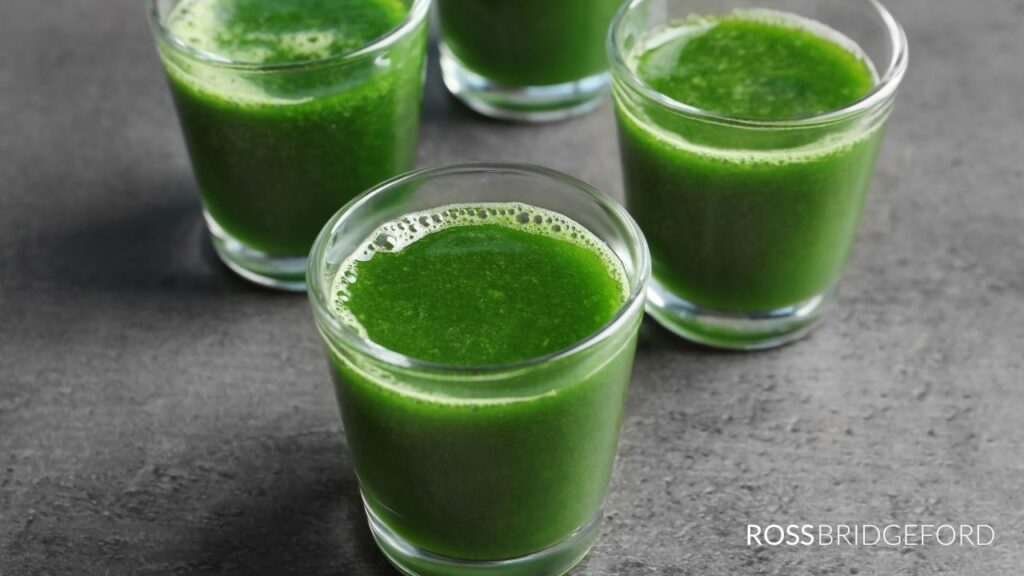
  • Green Vitality Juice

    Green Vitality Juice

    Recipes › Juices & smoothies

    Green Vitality Juice

    A fresh, zingy alkaline green juice that’s easy enough for your very first green juice. It makes two glasses, each with over half a day’s vitamin C and under 4 g of natural sugar.

    Prep 10 minServes 2Juicer or blender7 ingredients
    VeganGluten-freeDairy-freeNut-freeNo added sugar

    Tastes: cucumber-fresh, with a lemon and ginger kick. Not grassy.

    The green juice to start with

    If you’re new to green juice, start here. Cucumber does most of the work, so it tastes clean and light rather than grassy, and the lemon and ginger give it a lift. It’s seven everyday ingredients and ten minutes, and it’s a good one to hand to anyone who says green juice isn’t for them.

    Why you’ll love it

    • Fresh, not grassy. Cucumber is the base; lemon and ginger do the rest.
    • Supermarket simple. Seven ingredients you can buy anywhere, ready in ten minutes.
    • Light on sugar. Under 4 g of natural sugar per glass, less than a fifth of what’s in a glass of orange juice.

    Good for

    Immunity

    Vitamin C, vitamin A, folate, copper and iron contribute to the normal function of the immune system.

    Antioxidants

    Vitamin C, manganese, copper and riboflavin contribute to the protection of cells from oxidative stress. It also contains plant compounds with antioxidant activity, including lutein, beta-carotene and flavonoids.

    Energy

    Folate, riboflavin, iron and magnesium contribute to the reduction of tiredness and fatigue.

    Bones

    Vitamin K, manganese and magnesium contribute to the maintenance of normal bones.

    Eyes

    Vitamin A and riboflavin contribute to the maintenance of normal vision. It also contains lutein and zeaxanthin, the carotenoids found in the macula of the eye.

    Blood pressure

    Potassium contributes to the maintenance of normal blood pressure.

    Tags use approved nutrient health-claim wording, for nutrients that give at least 10% of the Daily Value per glass. Plant compounds like lutein have no Daily Value, so we only say they’re there.

    Key nutrients per glass

    Vitamin K
    100%+Vitamin C
    63%

    Contains: manganese (19%), vitamin A (18%), folate (18%), copper (14%), riboflavin B2 (13%), potassium (11%), magnesium (11%), iron (11%) and calcium (9%).

    Plant compounds: lutein and zeaxanthin (about 3 mg), beta-carotene, chlorophyll, apigenin from the parsley and celery, quercetin and kaempferol from the kale, and gingerols from the ginger.

    Under 4 g natural sugarAbout 45 mg sodium

    % of US Daily Value for adults, per glass (half the recipe). Estimated from USDA FoodData Central values for the whole ingredients. Juicing leaves most of the fibre and some vitamins in the pulp, so treat these as upper estimates; anything over 100% shows as 100%+.

    Green Vitality Juice

    A fresh, zingy green juice that’s easy enough for your very first green juice.
    Prep Time 10 minutes
    Total Time 10 minutes
    Servings: 2 glasses

    Ingredients
      

    • 40 g kale leaves stems removed
    • 1 large cucumber about 300 g
    • 30 g parsley flat-leaf or curly
    • 15 g baby spinach
    • 1 medium celery stalk about 40 g
    • ½ lemon peeled (about 40 g)
    • 2.5 cm piece of fresh ginger about 10 g

    Equipment

    • Juicer or blender

    Method
     

    1. Wash everything well. Peel the lemon, because the peel makes the juice bitter. Scrub the ginger; there's no need to peel it.
    2. Strip the kale leaves off their stems. If you have a slow (masticating) juicer, cut the celery into short pieces so the strings don't wrap around it.
    3. Juice the kale, parsley and spinach first, then the celery, lemon and ginger, and finish with the cucumber. Its water pushes the last of the greens through.
    4. Stir, then pour into two glasses and top each one up with chilled water to taste. Drink straight away, over ice if you like.

    Notes

    No juicer? Blend everything with 1 cup (250 ml) of cold water until smooth, then strain through a nut milk bag or a fine sieve. Or skip the straining and keep the fibre: it’ll be thicker, more like a smoothie.
    In Australia or the UK, one large cucumber is about one continental (telegraph) cucumber or two Lebanese cucumbers.

    Swaps

    • No kale? Use more spinach. It’s milder and slightly sweeter.
    • No parsley? Use coriander (cilantro in the US) or a handful of mint.
    • Lime works instead of lemon.
    • New to green juice? Add half a green apple. It’s sweeter, but adds about 5 g of sugar per glass.

    Storing it

    It’s best fresh. To keep it, fill a glass jar right to the top, seal it and refrigerate for up to 24 hours. Give it a shake before you drink it.

    Good to know

    • Very high in vitamin K. If you take warfarin or another blood thinner, keep your greens intake steady and talk to your doctor before making green juice a daily habit.
    • Spinach and parsley contain oxalates. If you’ve had kidney stones, check with your doctor first.

    Ross’s tip

    For an even cooler drink, use refrigerated ingredients or add a few ice cubes to your glass before serving. It’s ideal as a morning wake-up drink or a mid-afternoon energy booster.

    Try next

    Green juiceSweet Sugar Cravings Buster JuiceOpen recipe →
    Green juiceUltimate Energy-Boosting Green JuiceOpen recipe →
    Want more than recipes?

    The Alkaline Life Club has everything in the Recipe Club, plus coaching, live Q&A and a community to keep you going.

    See the Alkaline Life Club

    Sources

    Nutrient values: USDA FoodData Central, SR Legacy (kale 168421, cucumber 168409, parsley 170416, spinach 168462, celery 169988, lemon 167746, ginger 169231). Flavonoids: USDA Database for the Flavonoid Content of Selected Foods, Release 3.3. Daily Values: US Food and Drug Administration.
  • Alkaline Ultra Creamy Buckwheat Ramen

    Alkaline Ultra Creamy Buckwheat Ramen

    Comfort in a Bowl: Ultra-Creamy Alkaline Buckwheat Ramen

    There’s something magical about a big, steaming bowl of ramen, isn’t there? It’s cozy, satisfying, and feels like a hug in food form. But what if I told you that you can have all that comfort and indulgence without compromising your alkaline goals?

    This Ultra-Creamy Alkaline Buckwheat Ramen is everything you love about ramen, but with a nourishing twist.

    Instead of the usual heavy, salty broths, this recipe uses a silky, cashew-based sauce paired with buckwheat noodles and vibrant veggies like broccoli and eggplant. And to make it even heartier, we’ve added diced tofu for a boost of plant-based protein.

    Why You’ll Fall in Love with This Ramen

    1. It’s creamy without the cream: The cashew-based sauce gives this dish a luscious, velvety texture that feels indulgent but is completely dairy-free.
    2. It’s packed with goodness: Buckwheat noodles, broccoli, eggplant, and tofu make this ramen a powerhouse of nutrients while keeping it light and alkalizing.
    3. It’s easy and versatile: Whether it’s a chilly evening or you’re craving a comforting meal, this recipe comes together quickly and can be customized with your favorite veggies.

    The Recipe: Ultra-Creamy Alkaline Buckwheat Ramen

    Tips for Ramen Success

    • Soak those cashews: If you want the sauce to be extra smooth, make sure to soak your cashews beforehand (or boil them for 10 minutes if you’re in a hurry).
    • Crisp the tofu: Cooking the tofu until golden adds a lovely texture that contrasts beautifully with the creamy broth.
    • Don’t overcook the veggies: Keep the broccoli and eggplant tender-crisp to maintain their vibrant color and nutrients.

    Your Bowl of Alkaline Comfort Awaits

    This dish has become one of my favorites because it’s so versatile and satisfying. It’s proof that you don’t have to choose between indulgence and nourishing your body—you can have both.

    I’d love to hear how you enjoy this ramen! Snap a photo, share it with me, and let me know how it turned out.

    Stay vibrant and energized,
    Ross

  • Spiced Lentil Soup

    Spiced Lentil Soup

    Recipes › Soups

    Spiced Lentil Soup

    This spiced soup is warming, satisfying and full of flavour, built around turmeric, ginger, leafy greens and lentils. Each bowl has 26 g of protein.

    Prep 10 minCook 35 minServes 214 ingredients
    VeganGluten-freeDairy-freeNut-freeNo added sugar

    Tastes: earthy and warming, with turmeric, ginger and cumin. A squeeze of lemon brightens it.

    Proper comfort food

    What I like about this soup is that it sits in a very nice middle ground. It feels like proper comfort food, but it does not leave you feeling heavy afterwards.

    It is simple enough to make without fuss, but it is still packed with ingredients that help support digestion and steady energy. And because it is based around lentils, vegetables, warming spices and greens, it is the kind of meal that gives the body something useful to work with rather than just filling you up for an hour and then leaving you flat.

    Why you’ll love it

    • Warming and comforting. Proper comfort food, without the heavy feeling afterwards.
    • Turmeric and ginger. Turmeric is one of the great anti-inflammatory spices, and ginger brings warmth, flavour and another nice anti-inflammatory input at the same time.
    • Simple to make without fuss.
    • Works beautifully as a simple lunch or light dinner.
    • A very good one to make ahead and come back to.

    Good for

    Immunity

    Folate, copper, iron and vitamin B6 contribute to the normal function of the immune system.

    Antioxidants

    Manganese, copper, zinc and riboflavin contribute to the protection of cells from oxidative stress. It also contains plant compounds with antioxidant activity, including lutein, beta-carotene and apigenin.

    Energy

    Folate, pantothenic acid, iron and vitamin B6 contribute to the reduction of tiredness and fatigue.

    Muscles

    Protein contributes to the maintenance of muscle mass, and potassium and magnesium contribute to normal muscle function.

    Bones

    Manganese, vitamin K, zinc and phosphorus contribute to the maintenance of normal bones.

    Eyes

    Vitamin A, zinc and riboflavin contribute to the maintenance of normal vision. It also contains lutein and zeaxanthin, the carotenoids found in the macula of the eye.

    Blood pressure

    Potassium contributes to the maintenance of normal blood pressure.

    Tags use approved nutrient health-claim wording, for nutrients that give at least 10% of the Daily Value per serve. Plant compounds like lutein have no Daily Value, so we only say they’re there.

    Key nutrients per serve

    Folate
    100%+Manganese
    98%Copper
    94%Thiamin
    81%Vitamin K
    78%Pantothenic acid
    49%

    Contains: iron (47%), vitamin B6 (42%), vitamin A (36%), zinc (33%), riboflavin (27%), phosphorus (26%), niacin (22%), potassium (22%), magnesium (18%), vitamin C (17%), vitamin E (14%) and calcium (7%).

    Plant compounds: lutein and zeaxanthin (about 2 mg), beta-carotene (about 3.4 mg), chlorophyll, apigenin from the celery, quercetin from the onion, curcumin from the turmeric, gingerols from the ginger and sulphur compounds from the garlic.

    26 g protein13 g fibreAbout 7 g natural sugarAbout 1035 mg sodium

    % of US Daily Value for adults, per serve (half the recipe). Estimated from USDA FoodData Central values for the ingredients as listed; cooking reduces some vitamins, so treat these as upper estimates. Excludes salt added to taste; anything over 100% shows as 100%+.

    Spiced Lentil Soup

    A warming, satisfying spiced lentil soup with turmeric, ginger and leafy greens.
    Prep Time 10 minutes
    Cook Time 35 minutes
    Total Time 45 minutes
    Servings: 2

    Ingredients
      

    • 1 cup lentils rinsed and drained
    • 1 tbsp olive oil
    • 1 small onion finely chopped
    • 2 cloves garlic minced
    • 1 tsp ground turmeric
    • 1 tsp ground ginger
    • ½ tsp cumin
    • 3 cups vegetable broth
    • 1 cup chopped leafy greens spinach, kale or Swiss chard
    • 1 small carrot diced
    • 1 stalk celery diced
    • Himalayan salt to taste
    • freshly ground black pepper to taste
    • lemon wedges optional, for serving

    Equipment

    • Large pot

    Method
     

    1. In a pot over medium heat, warm the olive oil. Add the chopped onion and garlic and sauté for 2–3 minutes until fragrant.
    2. Stir in the turmeric, ginger and cumin, letting the spices bloom for 1 minute.
    3. Add the rinsed lentils, carrot and celery to the pot. Pour in the vegetable broth and bring to the boil.
    4. Reduce the heat to low, cover, and let the soup simmer for 20–25 minutes or until the lentils are tender.
    5. Stir in the chopped leafy greens and cook for an additional 3–5 minutes until they are wilted.
    6. Season with Himalayan salt and freshly ground black pepper to taste.
    7. Serve warm, with a squeeze of fresh lemon juice for added zest, if desired.

    Notes

    For added anti-inflammatory power, sprinkle in a pinch of cayenne pepper or add a few slices of fresh ginger while simmering.

    Swaps

    • Greens: spinach, kale or Swiss chard all work.
    • Red lentils cook faster (about 15 minutes) and make it thicker and creamier.
    • Fresh turmeric and ginger: use 2 cm of each, grated, instead of ground.

    Storing it

    It is a very good one to make ahead and batch up for lunches through the week. It keeps in the fridge for up to 4 days, or freeze it for up to 3 months.

    Good to know

    • High in vitamin K. If you take warfarin or another blood thinner, keep your greens intake steady and talk to your doctor before eating more leafy greens than usual.
    • Watch the salt: store-bought broth can be salty, so taste before adding more. Choose a gluten-free broth if you need it.

    Ross’s tip

    Pair this soup with a light, alkaline side like a cucumber and avocado salad for a complete meal.

    Try next

    SoupHug in a Bowl Lentil SoupOpen recipe →
    DinnerFast 5-Minute DhalOpen recipe →
    Want more than recipes?

    The Alkaline Life Club has everything in the Recipe Club, plus coaching, live Q&A and a community to keep you going.

    See the Alkaline Life Club

    Sources

    Nutrient values: USDA FoodData Central, SR Legacy (lentils 172420, olive oil 171413, onion 170000, garlic 169230, turmeric 172231, ginger 170926, cumin 170923, vegetable broth 171583, spinach 168462, carrot 170393, celery 169988). Plant compounds are named where the ingredient is a well-documented source; flavonoids follow the USDA Database for the Flavonoid Content of Selected Foods, Release 3.3. Daily Values: US Food and Drug Administration.