Blog

  • Immune-Boosting Shot Recipe

    Immune-Boosting Shot Recipe

    Immune-Boosting SHOT Recipe that Packs More Immune Support than a Tyson Fury Haymaker

    the immune-boosting shot

    This immune-boosting shot recipe is simple, powerful and incredibly quick and easy to make.  With Thanksgiving, office parties, catchups with friends, Christmas, and New Year…all coming up…your immune system is going to be taking a bit of a hit.  This shot will sort you out!

    This works a treat. If you ever feel a cold, flu, or cough coming on – or if you just want to give your body massive support over the next little while, you can have one of these daily.

    If you come down with something like a cold or flu, I recommend 2-3 times daily (make one batch in the morning).

    Or if you’ve got a big night out ahead – have one before you go out and a couple stored for the next day!

    It’s as simple as:

    – beetroot (feel free to inc. the green tops)
    – ginger
    – turmeric

    This combination is incredible. We’ve covered why they are so important above, and when you juice them you get a LOT of these nutrients, concentrated, and the effect is powerful.

    Immune-Boosting Shot Recipe

    1 beetroot (medium)
    1-2cm ginger
    1-2cm turmeric

    You can (and probably will need to, unless you’re hardcore) water it down a little, either with more beet, or you could use cucumber, or just water. But this shot will do wonders. I have had a hardcore ‘oh crap it’s coming’ type of flu totally disappear after having 3x shots of this in one day (alongside the suggestions above too). Again, not a guarantee, but why not give your body the tools it needs.

    And if you’re trying to stave off a hangover…

    The combination of the antioxidants, alkalinity, anti-inflammatory power of this shot PLUS the nitric oxide benefit of the beetroot juice to increase blood flow and improve oxygen delivery and utilization.  It works wonders.

    The Immune-Boosting Shot Recipe contains just the beets, ginger and turmeric but these are three of the most powerful alkaline, antioxidant-rich and anti-inflammatory ingredients around.  The concentration of the three is something you wouldn’t normally get in other recipes, so making them into a shot really works.  The flavours are strong though, so be warned!

    Benefits of the Beetroot Juice

    Beetroot juice is a fantastic way to get your daily dose of nutrition and health benefits. Packed with vitamins, minerals, antioxidants and dietary fiber – beetroot juice can help improve cardiovascular health, improve immunity, reduce inflammation in the body, detoxify the liver and kidneys, boost energy levels and even slow down aging. It’s no wonder it’s becoming a go-to health drink for many people.

    What really sets beetroot juice apart from other fruit and vegetable juices, however, is its high nitric oxide content. Nitric oxide helps to relax blood vessels and improve blood flow – something that can have a positive effect on heart health and lower the risk of certain cardiovascular diseases. Nitric oxide is also important for muscle growth, which makes beetroot juice a great choice for athletes looking to recover after a hard workout.

    Beetroot juice is naturally alkaline and can help restore the balance of pH in your body. It’s also packed with electrolytes that can help keep you hydrated – making beetroot juice a great choice if you’re looking to stay hydrated during summer months or after a tough workout.

    In short, beetroot juice is packed with nutrition and can help benefit your health in more ways than one. Whether you’re looking for an immune boost, energy boost, improved cardiovascular health, or just want to enjoy the taste of beetroot – give beetroot juice a try and reap the rewards!

    Benefits of the Ginger Juice

    Ginger has long been prized for its many health benefits. Recent research has revealed that ginger juice can provide an alkaline environment in the body and boost your immune system, as well as reduce inflammation throughout your body. Its anti-inflammatory properties have been used to treat a variety of conditions, including nausea, arthritis, digestive issues, and headaches. Additionally, ginger juice has been shown to be beneficial for aiding weight loss and improving circulation.

    Ginger has been found to be effective against various GI cancers such as gastric cancer, pancreatic cancer, liver cancer, colorectal cancer, and cholangiocarcinoma. It also increases antioxidant enzymes including glutathione, superoxide dismutase, and glutathione peroxidase.

    Benefits of the Turmeric Juice

    Turmeric juice packs a punch when it comes to health benefits. It’s alkaline, anti-inflammatory, and great for the immune system. Studies have shown regular consumption of turmeric juice can help improve digestion, reduce inflammation in the body, boost immunity and even provide protection against cardiovascular disease. It’s also been known to protect against certain types of cancers.

    When it comes to the immune system, turmeric is so powerful because it contains curcumin, a polyphenol with anti-inflammatory and antioxidant properties. Curcumin is known to help fight inflammation and improve immune function so your body can stay healthy and strong.

    But that’s not all! Turmeric juice is also great for boosting energy, regulating blood sugar levels, reducing cholesterol, improving circulation and even helping to reduce stress levels.

    When to Have the Immune-Boosting Shot Recipe

    Any time really!  With the NO benefit from the beetroot, it does make sense to have it right after training if you’re doing physical weight work.  Other than that, having it in the morning makes sense to support your immune and detoxification systems after a sleep.  But don’t stress about it – any time of the day is just fine.

    Let me know how you go with it in the comments below!
    See Also: Immune-Boosting Tea Recipe

  • Happy Hormone Soup!

    Happy Hormone Soup!

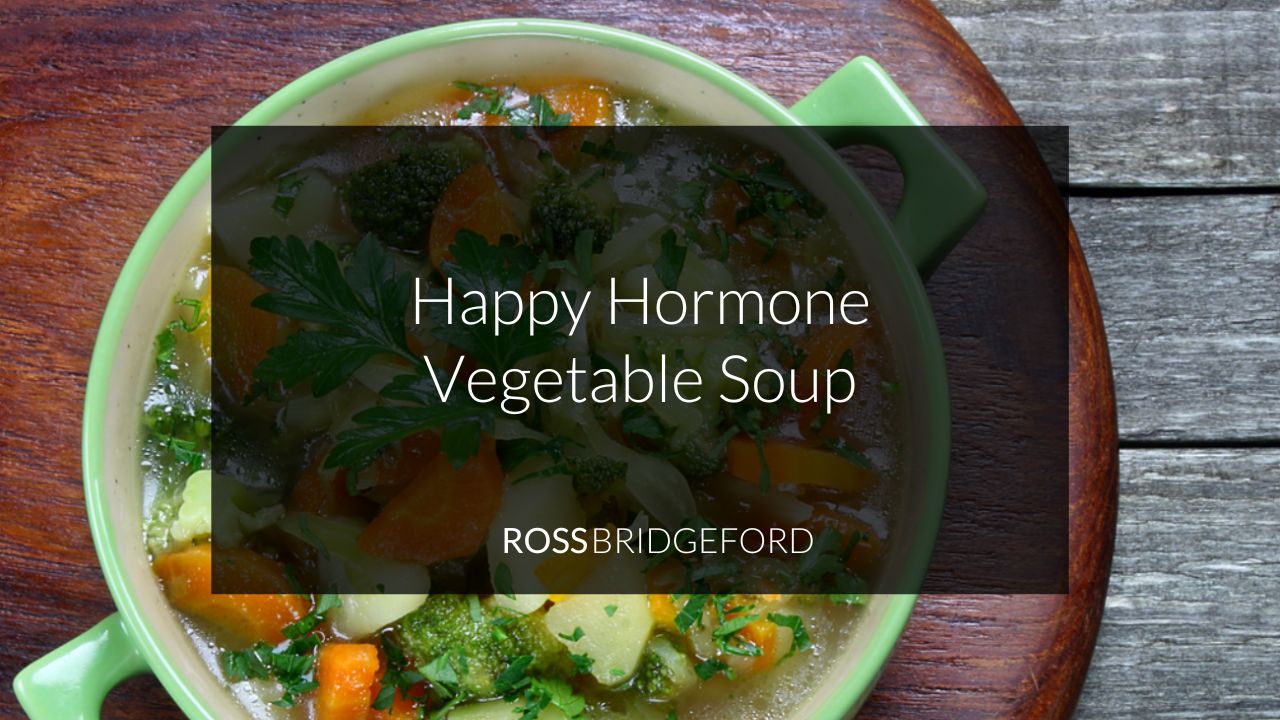
    Alkaline Soup Recipe: Happy Hormone Veggie Soup

    I absolutely love this soup. It’s quick and easy to prepare, really hearty and warm, and it makes you feel energized and alive!

    It contains specifically selected veggies that not only make an awesome soup, but that is also soothing, rebalancing and supportive of your endocrine system.

    The endocrine system is one of the Five Master Systems I cover in The Alkaline Reset Cleanse book, and it’s the system that regulates our hormones. So if you want to feel vibrant, positive, and alive, paying extra attention to this area is really important!

    If the endocrine system becomes out of balance (which an acid-forming diet does, very quickly), it can have serious impacts on every other area of the body.  Certainly the other four of the Five Master Systems (the digestive, pH balancing, immune, and detoxification systems in the body – if you want to know more, I recommend checking out my book).

    The alkaline diet plays a big part in hormone regulation, and there are certain vegetables that are particularly alkalizing and nourishing for healthy hormones.

    This soup is so powerful for your hormones because it contains:

    • Leafy green vegetables are always a great place to start when it comes to supporting healthy hormones. A diet that is alkaline-based, with plenty of these veggies, can help bring the body back into balance and reduce inflammation, so you can really use any leafy greens in this recipe.
    • Kale, for example, is an alkaline powerhouse. Its high vitamin A content helps the body to produce hormones, while the many phytonutrients it contains help reduce oxidative stress. Not only is kale alkaline-forming in your body, but it’s also rich in magnesium and potassium, two minerals that are essential for hormone balance.
    • Garlic is another alkaline vegetable that is great for hormones. It helps activate vitamin D, which is essential for hormone balance. Garlic also contains sulfur-containing compounds that help to reduce inflammation, making it beneficial for overall hormonal health.
    • Kelp is high in alkaline minerals, and its iodine content helps to regulate the thyroid gland. The thyroid is responsible for regulating hormones, so kelp can help support a healthy hormonal balance.
    • And don’t forget about carrots! Not only are they alkaline-forming, but they’re also high in beta-carotene, which helps to convert cholesterol into other hormones.

    These alkaline veggies are just some of the many options available to support healthy hormones (see more suggestions here). Eating a diet rich in alkaline-forming foods like these can help to bring your body back into balance and reduce inflammation, so you can get the most out of life!

    Happy souping!

    Enjoy!

    Share your pictures and feedback for me below!

    Ross

  • Super-Magnesium Smoothie Bowl

    Super-Magnesium Smoothie Bowl

    Recipes › Breakfast

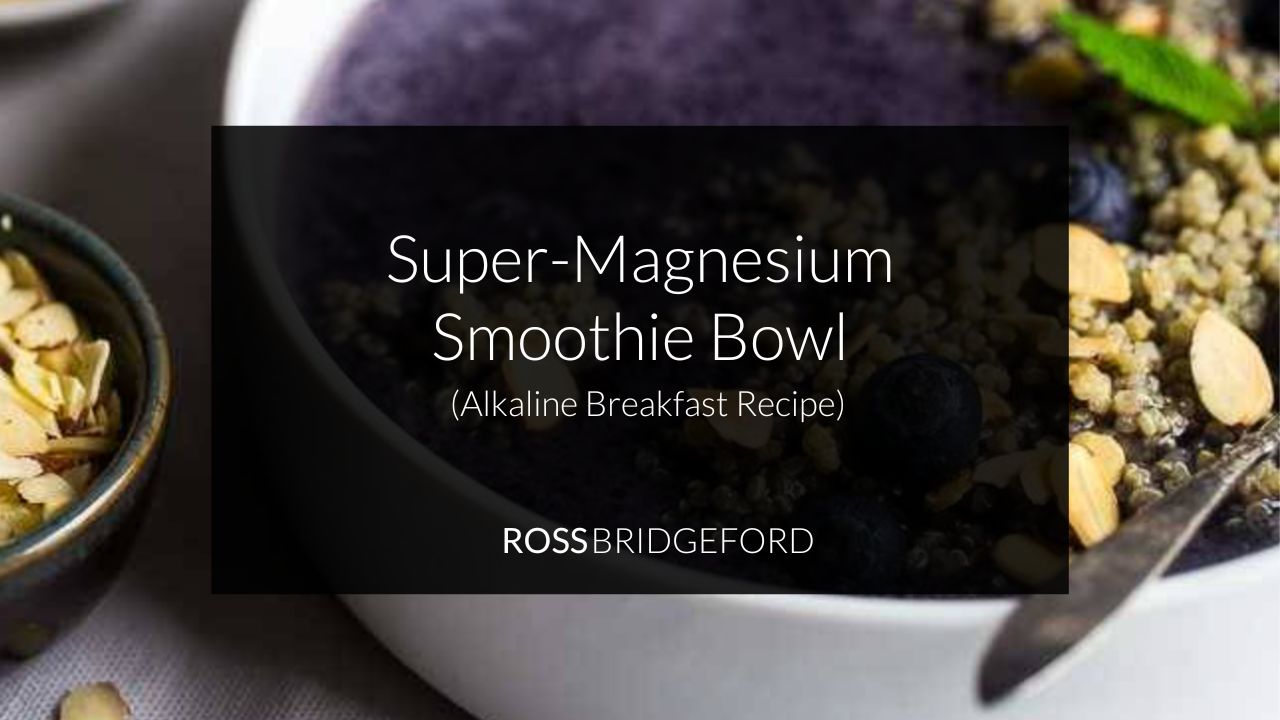
    Super-Magnesium Smoothie Bowl

    Magnesium is SUCH an essential mineral, and this delicious bowl gives you more than half your daily needs in one hit.

    Prep 5 minSoak 2 hrs+Serves 211 ingredients
    VeganGluten-freeDairy-freeNo added sugar

    Tastes: thick, silky and chocolatey, with sweet blueberries.

    Getting magnesium in the diet

    Magnesium is essential. Its roles include protein synthesis, muscle relaxation, nerve function and bone health, and it plays a part in blood sugar and blood pressure regulation too. And SO many of us don’t get enough.

    If you live alkaline, with a diet rich in alkaline-forming foods, you will be absolutely fine. Pumpkin seeds, cashews, cacao, blueberries and oats are all plant-based, magnesium-rich and delicious – and they all go into this bowl.

    Why you’ll love it

    • Magnesium: about 240 mg a bowl, more than half your daily needs.
    • Pumpkin seeds and cashews. Two of the richest plant sources of magnesium, plus zinc and copper.
    • Cacao and blueberries. Antioxidant-rich and delicious together.
    • Ready in minutes. Soak the cashews the night before and it’s a 5-minute breakfast.

    Good for

    Immunity

    Copper, zinc, iron and selenium contribute to the normal function of the immune system.

    Antioxidants

    Copper, vitamin E, manganese and zinc contribute to the protection of cells from oxidative stress. It also contains plant compounds with antioxidant activity, including anthocyanins, lignans and flavanols.

    Energy

    Magnesium, iron, riboflavin and niacin contribute to the reduction of tiredness and fatigue.

    Muscles

    Protein contributes to the maintenance of muscle mass, and magnesium, calcium and potassium contribute to normal muscle function.

    Bones

    Manganese, magnesium, phosphorus and zinc contribute to the maintenance of normal bones.

    Eyes

    Zinc and riboflavin contribute to the maintenance of normal vision.

    Blood pressure

    Potassium contributes to the maintenance of normal blood pressure.

    Tags use approved nutrient health-claim wording, for nutrients that give at least 10% of the Daily Value per bowl. Plant compounds like these have no Daily Value, so we only say they’re there.

    Key nutrients per bowl

    Copper
    100%+Vitamin E
    95%Manganese
    91%Magnesium
    58%Phosphorus
    38%Zinc
    33%

    Contains: calcium (31%), iron (27%), thiamin (25%), selenium (18%), vitamin K (17%), riboflavin (15%), potassium (15%), niacin (14%), pantothenic acid (14%) and vitamin B6 (12%).

    Plant compounds: plant omega-3 ALA (about 0.9 g), anthocyanins from the berries, lignans from the flaxseed and flavanols from the cacao.

    14 g protein9 g fibreAbout 18 g natural sugarAbout 135 mg sodium

    % of US Daily Value for adults, per bowl (half the recipe). Estimated from USDA FoodData Central values for the ingredients as listed, so treat these as upper estimates. Excludes toppings. Almond milk values are for a calcium-fortified brand; anything over 100% shows as 100%+.

    Super-Magnesium Smoothie Bowl

    A thick, chocolatey smoothie bowl with cashews, pumpkin seeds, cacao and blueberries.
    Prep Time 5 minutes
    Soak cashews (at least 2 hours) 2 hours
    Total Time 2 hours 5 minutes
    Servings: 2 bowls

    Ingredients
      

    • ¼ cup cashews soaked for at least 2 hours, best overnight
    • ¼ cup pumpkin seeds
    • 1 date pitted
    • 2 tbsp cacao powder
    • 1 cup frozen blueberries
    • 1 tbsp almond butter
    • ¼ cup rolled oats certified gluten-free if needed
    • 1 tbsp ground flaxseed
    • 1½ cups unsweetened almond milk or coconut milk
    To top
    • extra nuts, seeds and blueberries
    • coconut yoghurt a dollop

    Equipment

    • Food processor or blender

    Method
     

    1. Drain and rinse the soaked cashews.
    2. Blend all of the ingredients in a food processor or blender until the mixture is super silky and smooth.
    3. Pour into two bowls and top with extra nuts, seeds, blueberries and a dollop of coconut yoghurt!

    Notes

    You’ll definitely want to soak the cashews for at least 2 hours, unless you have a high-speed blender like a Vitamix.
    Feel free to adjust the nut milk to get your desired consistency.

    Swaps

    • No time to soak? Use 1 tbsp cashew butter instead of the cashews.
    • Coconut milk instead of almond milk makes it richer.
    • Nut-free: use sunflower seeds instead of cashews, tahini instead of almond butter, and oat milk.

    Storing it

    Best eaten straight away. You can blend it the night before and keep it covered in the fridge – it will thicken, so loosen it with a splash of milk.

    Good to know

    • Oats and gluten: oats don’t contain gluten by nature, but they can pick up traces when they’re milled alongside wheat. If you’re coeliac or very gluten-sensitive, choose certified gluten-free oats.
    • Contains nuts (cashews, almond butter and almond milk).

    Try next

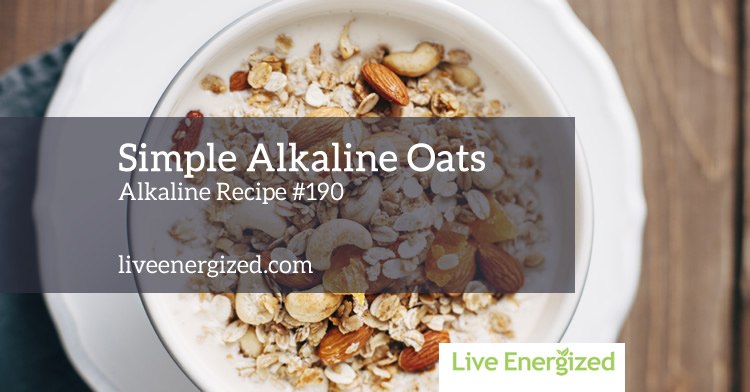
    BreakfastSimple Alkaline OatsOpen recipe →
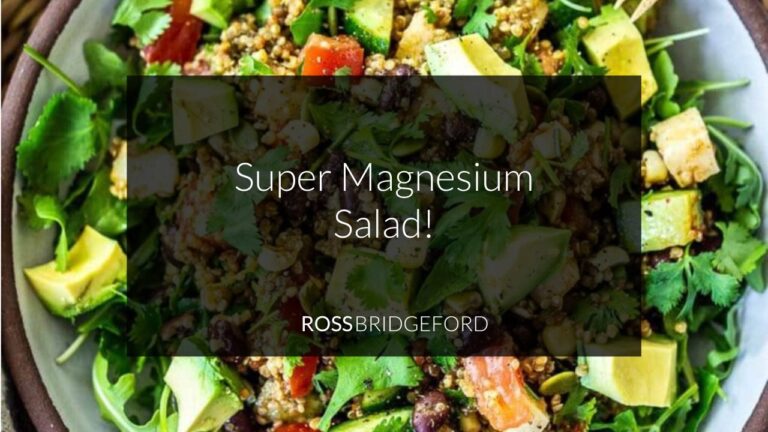
    SaladMagnesium-Boosting Super SaladOpen recipe →
    Want more than recipes?

    The Alkaline Life Club has everything in the Recipe Club, plus coaching, live Q&A and a community to keep you going.

    See the Alkaline Life Club

    Sources

    Nutrient values: USDA FoodData Central, SR Legacy (cashews 170162, pumpkin seeds 170556, medjool date 168191, cocoa 169593, blueberries 173950, almond butter 168588, oats 173904, flaxseed 169414, almond milk 174832). Plant compounds are named where the ingredient is a well-documented source; flavonoids follow the USDA Database for the Flavonoid Content of Selected Foods, Release 3.3. Daily Values: US Food and Drug Administration.

  • Salt Water Morning Flush Recipe

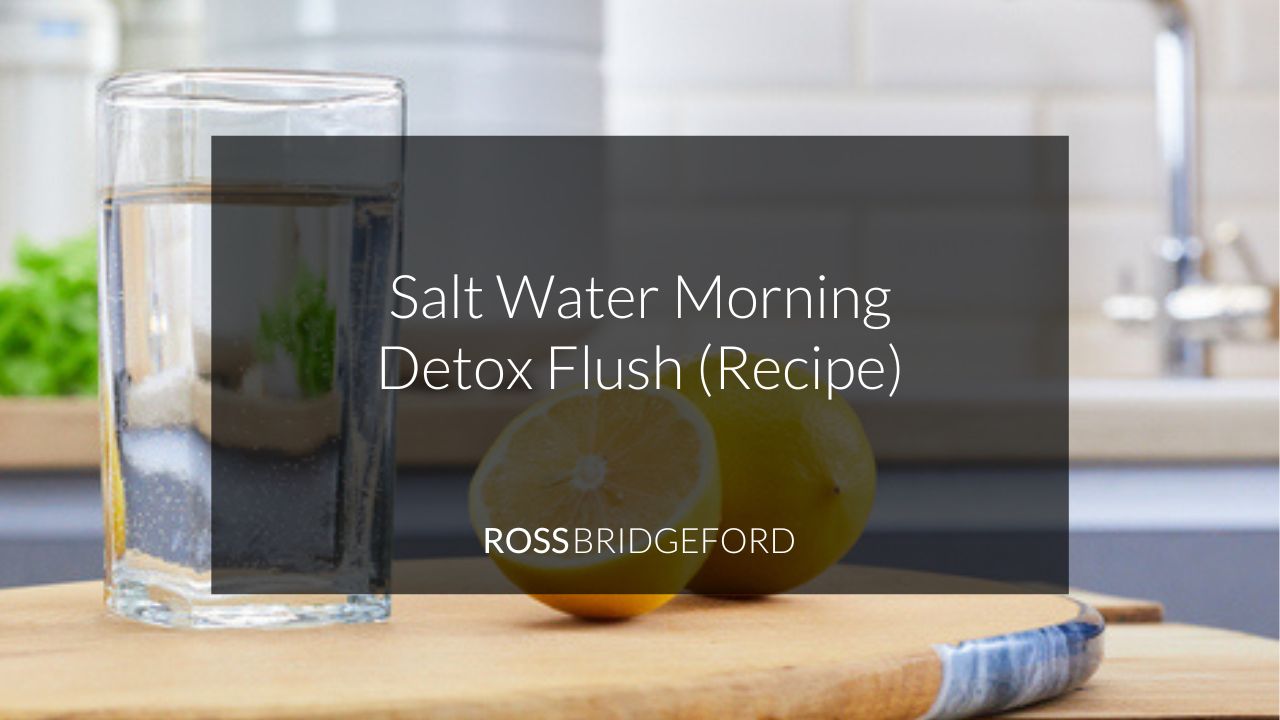
    Salt Water Morning Flush Recipe

    Salt Water Morning Flush Recipe

    This quick and easy, cleansing recipe is a great addition to your morning if you struggle with digestion, energy, or reflux.

    Consumed first thing, it acts as an alkalizer, cleanser, re-mineralizer, and all-round super-support to your digestive system.

    It provides your body with dozens of trace alkaline minerals and acts as a cleanser for your colon and digestive system.

    Be warned: it is effective! Consume at home!

    The crucial element in a salt water flush recipe is, of course, salt. It’s necessary for many biochemical processes. When you drink a salt mixture, it jumpstarts the body’s natural detoxification and waste elimination processes thus aiding your digestive system to get back on track. Plus, as an added bonus, you’ll probably feel lighter and less sluggish overall.

    What Salt to Use?

    Forget regular table salt and any salt that has added iodine. You want natural, high-quality, mineral-rich salt. Sodium chloride has had all the goodness stripped out and is not alkaline forming or good for you at all.

    Celtic sea salt or pink Himalayan salt is the way to go.

    These salts contain up to 90 different trace minerals that are all incredibly beneficial.

    • Chloride specifically helps with muscle and nerve function.
    • Sodium also acts in muscle function and helps regulate your blood volume and pressure.
    • Potassium is another important macro-mineral that works with chloride to help regulate acid levels in your body.
    • Iron & zinc to make enzymes involved in metabolism
    • Phosphorus as a structural component of bones, teeth, and cell membranes, as well as for energy production.
    • Magnesium intervenes in energy production and the synthesis of RNA and DNA.
    • Calcium helps give structure to your bones and teeth, in addition to regulating your heartbeat and normal muscle and nerve function.

    These key minerals, existing in very small portions, are necessary to regulate optimal function in your body.

    How to Make the Salt Water Flush Drink:


    Read More:


    References:

    Nutrient content of Celtic Sea Salt

    Nutrient content of Pink Himalayan Salt

    Alkaline Cleanse for Reflux

  • Alkaline Detox Smoothie Recipe

    Alkaline Detox Smoothie Recipe

    Alkaline Detox Smoothie Recipe

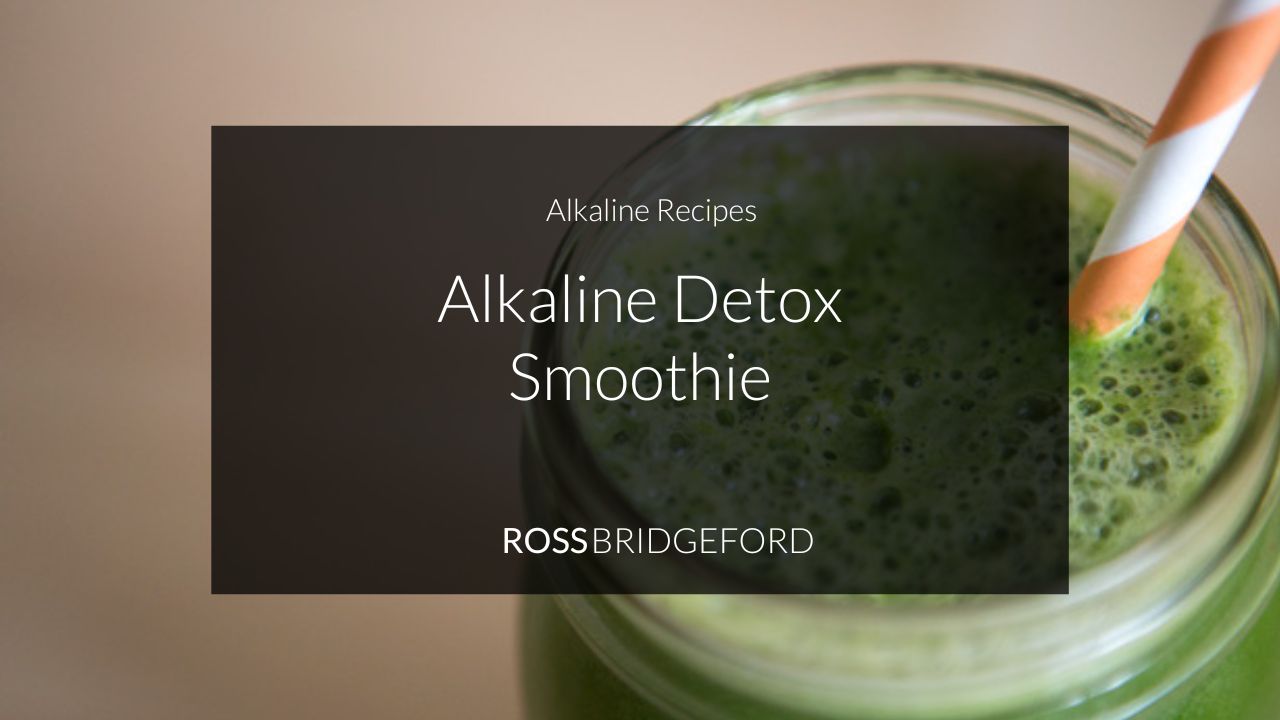
    This smoothie is filling, smooth, satisfying, and high-alkaline PLUS it supports your wonderful detoxification system!

    As I talk about in my bestselling book The Alkaline Reset Cleanse your health is supported by what I call your ‘Five Master Systems’: the alkaline buffering system, endocrine system, digestive system, immune system, and your detoxification system (primarily your liver, kidneys and lymphatic system).

    This smoothie is FANTASTIC for your detoxification system, supporting both phase I and phase II of detoxification.

    Phase one detoxification consists of oxidation-reduction and hydrolysis and is supported by riboflavin, niacin, magnesium, iron, certain indoles from cruciferous vegetables such as kale.  All of these nutrients are in this smoothie!

    Phase two detoxification is called the conjugation pathway.   This is when liver cells add a substance, like cysteine or glycine, to make a toxin less harmful. The new water-soluble substance can be excreted from the body via bile or urine.

    [See More: 3-Minute Alkaline Detox Tea Recipe]

    The major nutrients needed to support this are sulfur (which you find in the cruciferous) and glutathione (from the avocado) both of which are abundant in this smoothie.

    Found This Interesting?  More Articles Like This:

    The Beginner’s Guide to the Alkaline Diet

    Alkaline Cleanse vs Detox vs Fasting

    3-Minute Alkaline Detox Tea Recipe

  • Creamy Kale & Zoodle Salad with Pomegranate & Toasted Hazelnuts

    Creamy Kale & Zoodle Salad with Pomegranate & Toasted Hazelnuts

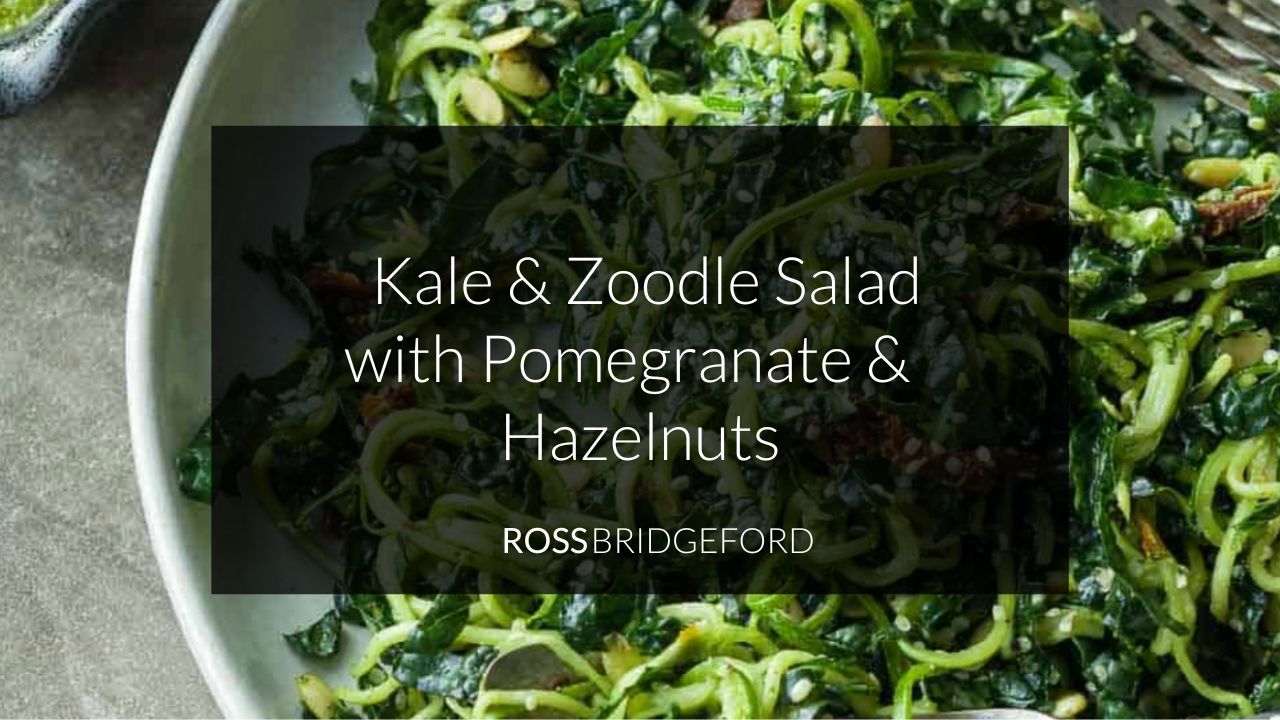
    New Salad Recipe: Creamy Kale & Zoodle Salad with Pomegranate & Toasted Hazelnuts

    Yee-haa, I love this recipe!  So fresh, highly alkaline, nutrient-dense, delicious, so many textures…so many flavours!

    It includes my Creamy Omega Dressing which is packed with goodness too, and can be used on practically ANY green, leafy salad or veggies to give an extra boost of omega 3 and creaminess.

    With the kale, zucchini, hemp, tomato, celery, raw garlic, and more – there is no shortage of alkalinity, anti-inflammatory and antioxidant power in here (my Triple A).

    Let’s get into it!

    GREEN SALAD:

    • 3 cups kale, chopped (about 335g)
    • 2 cups zucchini (courgette), spiralized
    • 1/4 cup hazelnuts
    • 1/4 cup pomegranate seeds
    • 2 tbsp hemp seeds
    • 8-12 cherry tomatoes, halved
    • 1 stalk celery, sliced

    CREAMY OMEGA DRESSING:

    • 1/3 cup hemp seeds (also known as hemp hearts)
    • 1/2 cup filtered water
    • Juice of one lemon
    • 2 cloves garlic
    • Pinch Himalayan salt and cracked black pepper

    Instructions:

    • Start with the dressing, so you are giving it time for all the ingredients to infuse.  It’s really simple – add the hemp seeds, most of the water, lemon juice, garlic, salt and pepper to your blender and blend – adding more water if needed

    • Next, prepare the toasted nuts.  Roughly chop the hazelnuts and add to a pan on a low heat and allow to toast, stirring here and there and once they’re browned, remove from the heat.

    • Add chopped kale and spiralized/noodled zucchini to a large bowl, with the tomatoes and celery.
    • Pour over as much of the dressing as you like, and toss through, and then when you’re ready to serve, serve into bowls and top with the pomegranate, hemp seeds and hazelnuts.


    Note on making zoodles/zucchini noodles:

    These are most easily done using a purpose-built ‘spiralizer’ such as this.

    If you don’t have one of these (I recommend getting one, they’re great), here’s a video that explains a few other methods.

  • “Chocolate” Overnight Oats

    “Chocolate” Overnight Oats

    Recipes › Breakfast

    “Chocolate” Overnight Oats

    A simple prep that tastes great and takes no time at all – PLUS it’s packed with protein and healthy fat, which makes it brilliant for steady energy all morning.

    Prep 5 minChill overnightServes 211 ingredients
    VeganGluten-freeDairy-free

    Tastes: rich and chocolatey, with crunchy walnuts and cacao nibs.

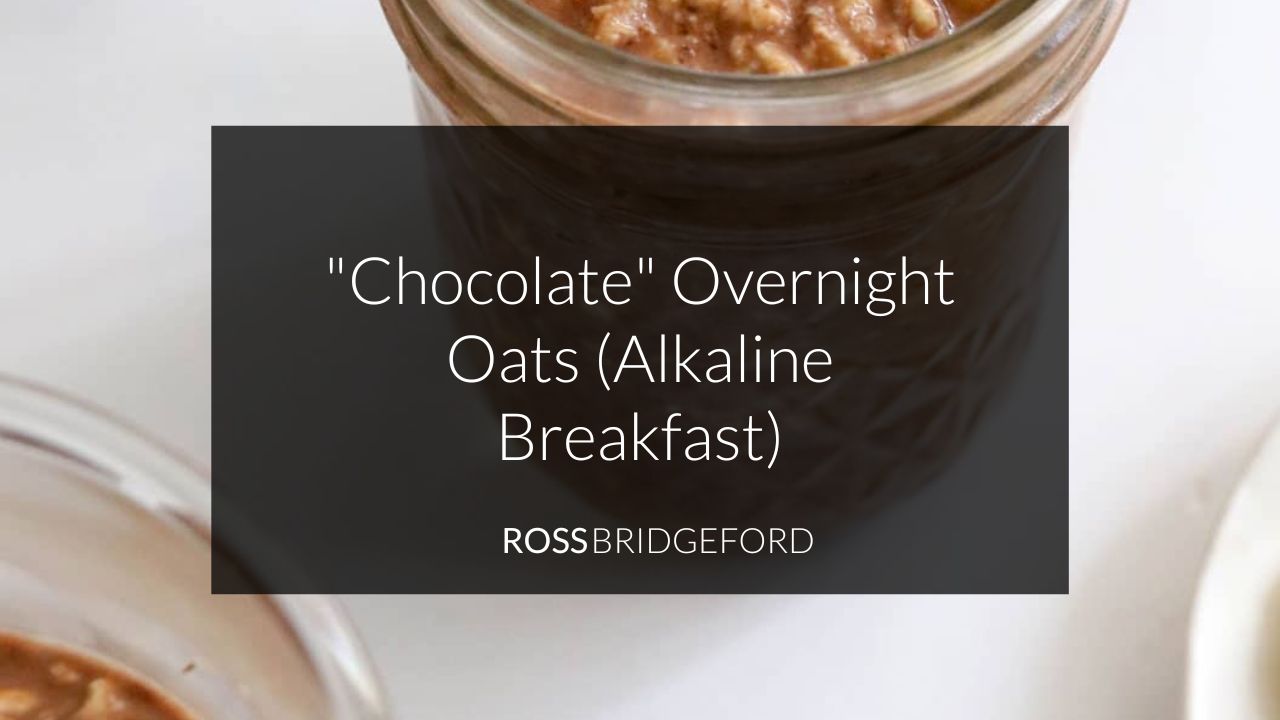
    Image of Chocolate Overnight Oats Recipe

    The power of the ‘Forward Promise’

    Lots of people struggle when it comes to breakfast, and especially finding delicious, quick and alkaline breakfasts. This ‘Chocolate’ Overnight Oats recipe fixes that quicksharp!

    One of the techniques I suggest to people when they’re first getting started is to write down everything you’re going to eat the night before. It’s like a promise to yourself – and overnight oats are practically a guarantee of it. It takes under five minutes the night before, and no matter how much of a rush you’re in, you’ve got a delicious breakfast waiting.

    Why you’ll love it

    • About 20 g protein a serve, from hemp, chia, flax, walnuts and a little plant protein.
    • Omega-3s. Chia, flax, hemp and walnuts give you about 6 g of plant omega-3 ALA a serve.
    • Magnesium: about two-thirds of your daily needs a serve.
    • Under five minutes the night before.

    Good for

    Immunity

    Copper, zinc, iron and selenium contribute to the normal function of the immune system.

    Antioxidants

    Manganese, copper, vitamin E and zinc contribute to the protection of cells from oxidative stress. It also contains plant compounds with antioxidant activity, including lignans and flavanols.

    Energy

    Magnesium, iron, niacin and riboflavin contribute to the reduction of tiredness and fatigue.

    Muscles

    Protein contributes to the maintenance of muscle mass, and magnesium, calcium and potassium contribute to normal muscle function.

    Bones

    Manganese, magnesium, phosphorus and zinc contribute to the maintenance of normal bones.

    Eyes

    Zinc and riboflavin contribute to the maintenance of normal vision.

    Blood pressure

    Potassium contributes to the maintenance of normal blood pressure.

    Tags use approved nutrient health-claim wording, for nutrients that give at least 10% of the Daily Value per serve. Plant compounds like these have no Daily Value, so we only say they’re there.

    Key nutrients per serve

    Manganese
    100%+Copper
    100%Magnesium
    65%Phosphorus
    55%Thiamin
    50%Vitamin E
    41%

    Contains: zinc (41%), iron (37%), selenium (29%), niacin (25%), calcium (24%), riboflavin (15%), folate (13%), vitamin B6 (12%) and potassium (12%).

    Plant compounds: plant omega-3 ALA (about 6.2 g), lignans from the flaxseed and flavanols from the cacao.

    21 g protein11 g fibreAbout 5 g sugarAbout 150 mg sodium

    % of US Daily Value for adults, per serve (half the recipe). Estimated from USDA FoodData Central values for the ingredients as listed, so treat these as upper estimates. Excludes toppings. Protein powder uses typical pea protein label values; anything over 100% shows as 100%+.

    “Chocolate” Overnight Oats

    Chocolatey overnight oats with chia, flax, hemp, walnuts and cacao.
    Prep Time 5 minutes
    Chill (overnight or at least 4 hours) 4 hours
    Total Time 4 hours 5 minutes
    Servings: 2

    Ingredients
      

    • ½ cup rolled oats certified gluten-free if needed
    • ¾ cup unsweetened almond milk
    • ½ tbsp rice malt syrup
    • 2 tbsp chia seeds
    • 2 tbsp ground flaxseed
    • 1½ tsp cacao powder
    • 2 tbsp walnuts chopped
    • 1 tsp cacao nibs
    • 4 tbsp hemp seeds
    • ½ scoop plant protein powder such as brown rice or pea protein
    To serve
    • blueberries and coconut yoghurt

    Method
     

    1. In a bowl or jar, combine the oats, almond milk, rice malt syrup, chia seeds, ground flaxseed and cacao powder. Stir well to fully combine.
    2. Fold through the chopped walnuts, cacao nibs, protein powder and hemp seeds.
    3. Cover and refrigerate overnight, or for at least 4 hours, so the mixture thickens and the seeds absorb the liquid.
    4. In the morning, stir again and top with blueberries and coconut yoghurt.

    Swaps

    • No protein powder? Leave it out and add an extra tablespoon of hemp seeds.
    • Thinner: add a splash more almond milk in the morning.
    • Nut-free: swap the walnuts for pumpkin seeds and use oat milk.

    Storing it

    Keeps in a sealed jar in the fridge for up to 3 days, so you can make a couple of mornings’ worth at once.

    Good to know

    • Oats and gluten: oats don’t contain gluten by nature, but they can pick up traces when they’re milled alongside wheat. If you’re coeliac or very gluten-sensitive, choose certified gluten-free oats.
    • Contains nuts (walnuts and almond milk).

    Ross’s tip

    Write down everything you’re going to eat (breakfast, lunch, dinner, snacks) the night before. It’s like a promise to yourself.

    Try next

    BreakfastSimple Alkaline OatsOpen recipe →
    BreakfastBlood-Sugar Balancing Breakfast CookiesOpen recipe →
    Want more than recipes?

    The Alkaline Life Club has everything in the Recipe Club, plus coaching, live Q&A and a community to keep you going.

    See the Alkaline Life Club

    Sources

    Nutrient values: USDA FoodData Central, SR Legacy (oats 173904, almond milk 174832, malt syrup 169660, chia seeds 170554, flaxseed 169414, walnuts 170187, unsweetened baking chocolate 167568, cocoa 169593, hemp seeds 170148; typical label values for pea protein). Plant compounds are named where the ingredient is a well-documented source; flavonoids follow the USDA Database for the Flavonoid Content of Selected Foods, Release 3.3. Daily Values: US Food and Drug Administration.

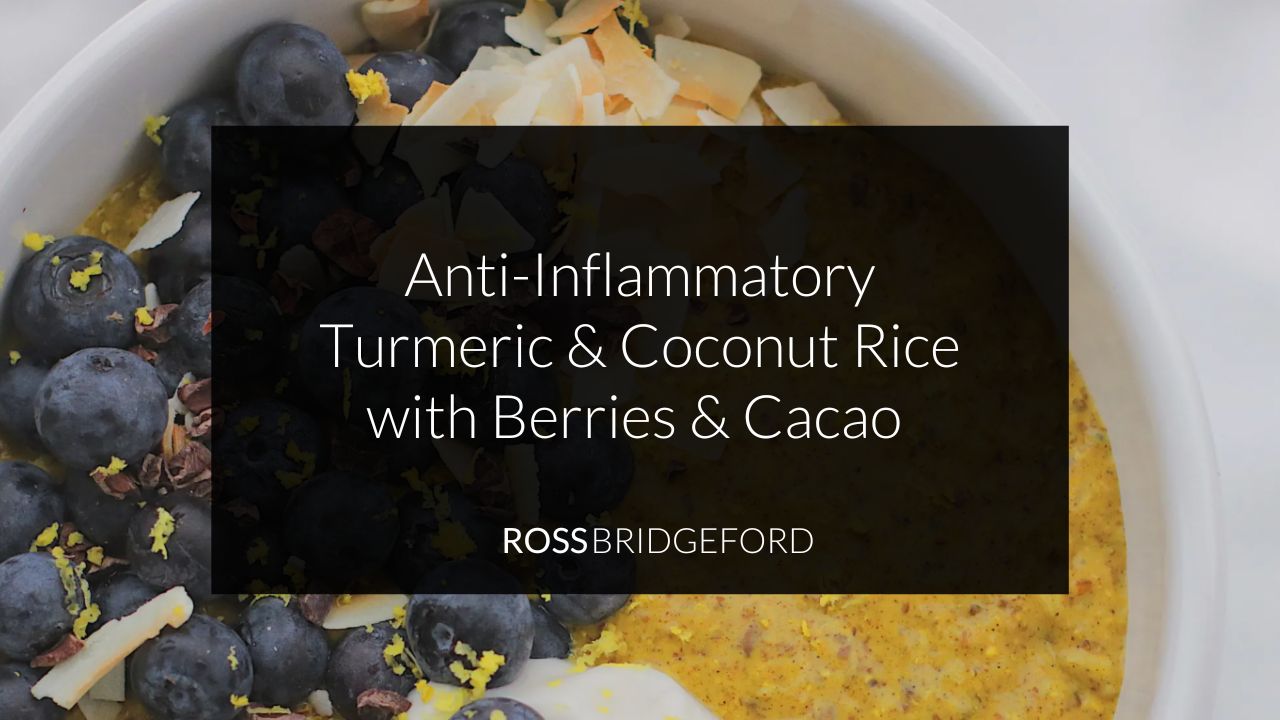
  • Anti-Inflammatory Turmeric & Coconut Rice (Sweet Alkaline Recipe)

    Anti-Inflammatory Turmeric & Coconut Rice (Sweet Alkaline Recipe)

    Anti-Inflammatory Rice (Sweet Dessert or Breakfast Recipe that’s Alkaline!)

    Do you want a simple, quick, one-pot sweet recipe that is anti-inflammatory, brain-boosting, alkaline and DELICIOUS? This is one of our newest hits in our house, and we’re all hooked.

    It takes just 35-40 minutes to make, and is very simple. There’s only one pot to wash up and it tastes amazing.

    What more could you want in a sweet treat of a recipe?

    Oh, how about this:

    • Turmeric: a natural anti-inflammatory that has been shown to improve brain function. Turmeric is also proven to help prevent and treat several cancers, and also aids digestion and boosts the immune system (it’s why I eat it daily).
    • Coconut: a good source of healthy fats that help to promote weight loss and improve cholesterol levels. Coconut is also anti-viral, anti-bacterial and anti-fungal, and another essential nutrient to fight inflammation and support brain health.
    • Cacao: a superfood that is high in antioxidants and has been shown to improve brain function. Cacao also helps to lower blood pressure and is good for your heart. Cacao also contains the minerals magnesium, iron, zinc, and calcium.
    • Seeds: I used a mix of pumpkin, sunflower, and flax seeds in this recipe, but you could use any seeds you like or have on hand. These seeds are a good source of protein, fiber, and essential fatty acids, and they are also anti-inflammatory.
    • Ginger: a well-known anti-inflammatory that is also effective in treating nausea, pain, and indigestion. Ginger is also a brain-booster and has been shown to improve cognitive function.
    • Blueberries: also known as BRAINberries because of their high levels of anthocyanins, which are powerful antioxidants that have been shown to improve brain function. Blueberries are also a good source of fiber, vitamins C and K, and manganese.

    This recipe is packed with inflammation-fighting ingredients that are also good for your brain.

    And it tastes amazing!  Let’s get into it…

    Anti-Inflammatory Turmeric-Coconut Rice with Cacao & Seeds

    Serves 2

    Ingredients

    200 ml full-fat coconut milk (canned variety, not milk alternative type)
    100g jasmine rice
    40ml rice malt syrup
    1 teaspoon ground cinnamon
    ¼ teaspoon ground turmeric
    ¼ teaspoon ground ginger
    1 pinch Himalayan salt
    1 tablespoon coconut oil or MCT oil
    1 tbsp raw cacao nibs
    1 tbsp sunflower seeds
    1 tbsp pumpkin seeds
    1 tbsp coconut flakes,
    2 handful of fresh (or frozen) blueberries
    Coconut yoghurt to serve

    Instructions

    1. Pour the coconut milk into a saucepan along with 125ml of filtered water and then stir in the rice and bring to a boil.
    2. Once boiling, reduce to a simmer and let gently cook away for 20 minutes.
    3. Now add the rice malt syrup, turmeric, ginger, cinnamon, salt and coconut oil and stir this all through.
    4. Simmer for another couple of minutes or until the rice is tender, and then add the cacao, seeds and coconut flakes.
    5. Serve into bowls and top with the berries and coconut yoghurt.

    This is absolutely DELICIOUS and take such little effort!  Give it a go and let me know in the comments below how you go with it!


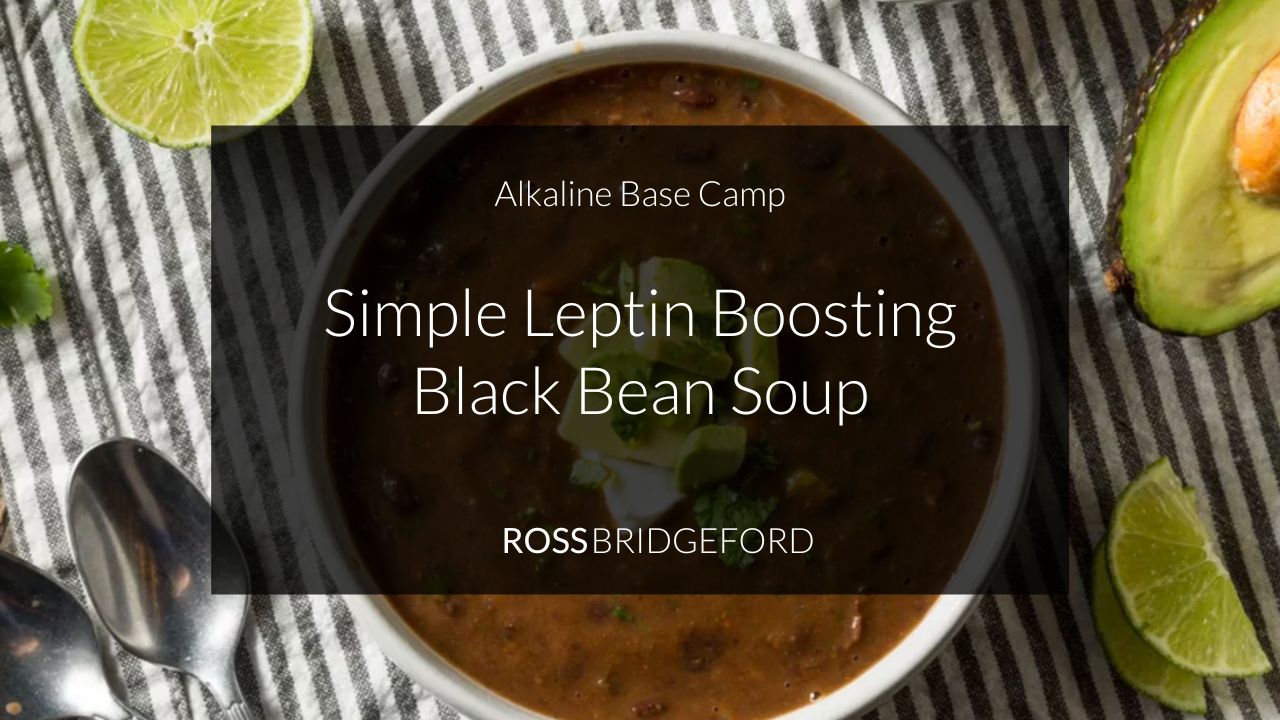
  • Simple Hunger-Hormone Balancing Soup

    Simple Hunger-Hormone Balancing Soup

    Leptin-Boosting Black Bean Soup

    In the past 10-15 years we’ve learned so much more about why the body gains weight. While previous logic was the simplistic calories in vs calories out (and there are still some useful applications), the reality is that this is not a reliable, or useful way to achieve long-term, sustainable weight loss.

    Studies have actually shown that a considerable percentage (~97%) of those people who lose weight using calorie restriction gain it back, and more within 2-5 years. So what’s the answer?

    There are a few things that we now know for sure: weight gain is not simply about calories, it’s about hormones, inflammation, acidity, and oxidative stress. In short – it’s about balance in your body. When your body is out of balance, weight gain is the outcome.

    And the most essential balance is with your endocrine system, and the hormones that it regulates.

    This is a deep topic that we wont’ go too far into today, as I want to focus on just one of those hormones: leptin.

    Leptin is a hormone that helps to regulate hunger, and it’s one of the most important hormones when it comes to weight loss. However, leptin resistance is extremely common, and it’s a major reason why people struggle with their weight.

    Leptin resistance occurs when your body no longer responds properly to leptin signals. This leads to constant hunger, cravings, and eventually weight gain. Thankfully, using simple nutrients, you can help support your body’s capacity to balance leptin. Leptin is actually made in the fat cells, so eating alkaline-forming foods and balancing blood sugar are critical.

    This is a simple recipe includes a TON of leptin balancing nutrients, and is both delicious and easy to make. So let’s get stuck in.

    leptin balancing

    Leptin-Boosting Black Bean Soup
    Serves 2

    Ingredients

    • 1 tbsp. coconut oil
    • 1 medium onion, diced
    • 2 ribs celery, diced
    • 2 carrots, peeled and diced
    • 4 cloves garlic, minced
    • 1 bell pepper, diced
    • 1 can black beans, drained
    • 4 cups vegetable broth (or bone broth)
    • 1 tsp. ground cumin
    • Garnish: 1/2 avocado, diced; 1 lime, juiced; 2tbsp chopped cilantro (coriander)

    Instructions

    1. In a large pot, heat the coconut oil gently, then add the onion, celery, and carrots.
    2. Saute these for around 10 minutes, and then add the garlic and saute for another 1-2minutes (don’t allow it to burn).
    3. Next add the capsicum (bell pepper), beans, cumin and broth and stir well.
    4. Bring this all to the boil and then reduce to a simmer, cooking for a futher 20 minutes.
    5. Once everything is softened, transfer to a blender and blend until smooth.
    6. Now you can serve, adding the garnishes and enjoy!


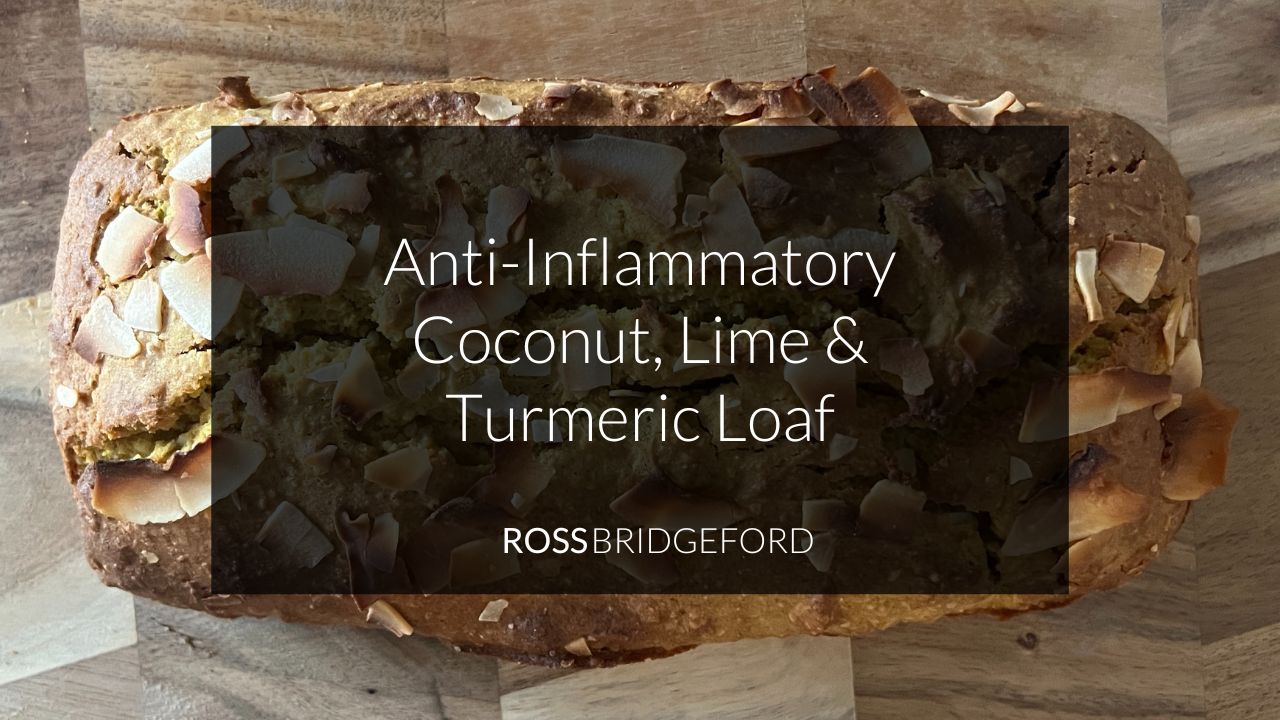
  • Anti-Inflammatory Bread: Coconut, Lime & Turmeric Loaf

    Anti-Inflammatory Bread: Coconut, Lime & Turmeric Loaf

    Anti-Inflammatory Bread Recipe!

    Gluten-Free, Alkaline & Delicious!

    This is one of the most commonly requested recipes – alkaline, gluten-free, anti-inflammatory bread…and this loaf is an absolute WINNER.  It’s so quick and easy to make, and it’s just delicious.

    With the alkaline & anti-inflammatory properties of turmeric and the healthy fats from the coconut, it’s not only delicious but also completely healthy.  It’s the bread that is GOOD for you!

    Let’s get stuck in!

    Anti-Inflammatory Bread: Coconut, Lime & Turmeric Loaf

    close up of anti-inflammatory bread loaf

    Ingredients

    • 1 cup coconut milk
    • 1/2 cup rice malt syrup
    • 1 cup unsweetened coconut flakes
    • 1 tsp vanilla extract
    • Juice of 1 lime
    • 1.5 cups buckwheat flour
    • 2 tsp baking powder
    • A good pinch of Himalayan salt
    • 1 tsp turmeric
    • Pinch of black pepper
    • 1/4 teaspoon cinnamon

    Instructions

    1. Start by pre-heating the oven to 350 degrees F/ 180 C and line a loaf pan with baking (parchment) paper.
    2. Now blend the milk, syrup, coconut flakes, vanilla, and lime until the coconut flakes are blended down to being very small. Set aside.
    3. In another bowl, mix together the flour, baking powder, salt, turmeric powder, pepper and cinnamon. Now start adding the wet mixture a bit at a time, until it forms a thick batter and then transfer this to the loaf tin.
    4. Sprinkle with a little extra coconut, and optionally some ginger powder too, and then bake for 45-50 minutes, or until it’s crisp on top and a knife put into the middle comes out clean.
    5. Allow to cool for 5-10 mins and then remove from the tin and cool completely.
    6. Serve with coconut cream, or butter, or eat as it is.

    This anti-inflammatory bread will store in the fridge for up to 3 days in an airtight container, but like all bread, is best eaten fresh out of the oven!   With zero nuts, it also makes a brilliant snack for school lunchboxes!

    Other Resources:

    The Simple Anti-Inflammation Diet

    Two Turmeric & Ginger Anti-Inflammatory Lattes

    The Turmeric User Guide


    Alkaline Reset Cleanse Book