Category: Free Alkaline Diet Recipes

Alkaline Diet Recipes: The Alkaline Recipe Centre from Ross Bridgeford
Make the Alkaline Diet Easy With Delicious Alkaline Recipe, and Enjoyable & Nourishing Meals
Find over 200+ delicious alkaline diet recipes & meals that the whole family will love. Includes alkaline recipes for breakfast, lunch, dinner, and snacks, plus cuisines including Italian, Indian, British, American, Mexican, Thai, and more!  This will make the alkaline lifestyle so simple!

Every recipe has been packed with nutrient-dense foods, designed with ease and simplicity in mind using every day, fresh, easy-to-find ingredients. Plus no recipe takes more than 30 minutes to prepare and all have been tried and tested on my family, including my kids! This is alkaline living made easy!

All recipes come with a print-friendly button so you can get started right away.

Click here to jump to a meal-time:

Alkaline Breakfast Recipes
Alkaline Lunch Recipes
Alkaline Dinner Recipes

Alkaline recipes are a great way to help keep your body’s pH balance in check, infusing your body with alkaline foods. Eating an alkaline-based diet helps to maintain healthy cells and tissues, as well as support overall health and wellness. Knowing how to prepare meals that contain the right amount of alkaline ingredients is key for anyone who wants to reap the benefits of an alkaline diet.

Fortunately, there are a plethora of delicious and nutrient-dense alkaline foods to choose from to make alkaline recipes for your alkaline-based meal plan. From classic dishes like quinoa bowls and vegetable salads to creative takes on traditional meals like eggplant lasagna, there’s something for everyone! With the right alkaline recipes and proper preparation, you can maintain a healthy alkaline diet that will help your body stay in balance.

Besides selecting the right alkaline foods, there are many different cooking techniques you can use to maximize the alkalinity of your meals. For example, steaming is a great way to prepare vegetables as it helps keep their natural nutrients intact. You can also incorporate alkaline-friendly herbs and spices, like turmeric and basil, to give your dishes a unique flavor.

At the end of the day, alkaline recipes are easy to make and provide a variety of health benefits. They help you avoid those acid foods and with the right alkaline ingredients and cooking techniques, you can create delicious meals that support your body’s needs.

For more information on starting on an alkaline diet click here, and browse the recipes!

  • Buckwheat & Pumpkin Pancakes

    Buckwheat & Pumpkin Pancakes

    Recipes › Breakfast

    Buckwheat & Pumpkin Pancakes

    This is a great warming, filling, simple breakfast that really feels like a treat! It’s gluten-free and dairy-free, and makes about 10 pancakes, enough for four.

    Prep 25 minCook 10 minServes 412 ingredients
    VeganGluten-freeDairy-free

    Tastes: nutty buckwheat, sweet pumpkin and warm spice, like pumpkin pie in pancake form.
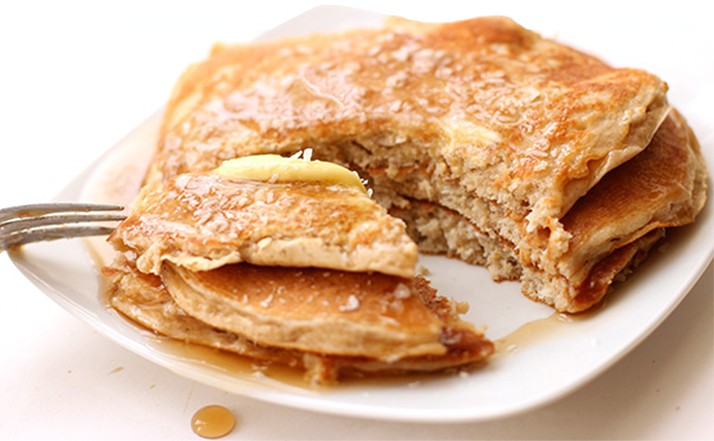
    buckwheat and pumpkin gluten free pancakes

    A great one for a weekend treat

    This is a great one for a weekend treat, while still being alkaline and healthy, with zero gluten, fructose, processed foods or acid-forming foods.

    Packed with potassium and anti-inflammatory spices, it may help support healthy kidneys, while also giving a decent punch of fibre and protein too.

    Why you’ll love it

    • Feels like a treat. Warming spices, sweet pumpkin and a drizzle of rice malt syrup.
    • Gluten-free. Buckwheat flour makes them light and nutty.
    • Filling. Buckwheat, pumpkin and flaxseed give you about 6 g of fibre per serve.

    Good for

    Immunity

    Copper, vitamin A, vitamin B6 and iron contribute to the normal function of the immune system.

    Antioxidants

    Vitamin E, manganese, copper and riboflavin contribute to the protection of cells from oxidative stress. It also contains plant compounds with antioxidant activity, including lutein, beta-carotene and gingerols.

    Energy

    Magnesium, niacin, vitamin B6 and riboflavin contribute to the reduction of tiredness and fatigue.

    Bones

    Manganese, magnesium, calcium and phosphorus contribute to the maintenance of normal bones.

    Eyes

    Vitamin A, riboflavin and zinc contribute to the maintenance of normal vision. It also contains lutein and zeaxanthin, the carotenoids found in the macula of the eye.

    Blood pressure

    Potassium contributes to the maintenance of normal blood pressure.

    Tags use approved nutrient health-claim wording, for nutrients that give at least 10% of the Daily Value per serve. Plant compounds like lutein have no Daily Value, so we only say they’re there.

    Key nutrients per serve

    Vitamin E
    62%Manganese
    56%Copper
    47%Vitamin A
    36%Magnesium
    36%Calcium
    28%

    Contains: niacin (27%), thiamin (24%), vitamin B6 (22%), phosphorus (22%), riboflavin (18%), iron (18%), zinc (17%), potassium (14%), folate (11%), pantothenic acid (10%) and selenium (10%).

    Plant compounds: lutein and zeaxanthin (about 1.2 mg), beta-carotene (about 2.3 mg), plant omega-3 ALA (about 0.8 g), gingerols from the ginger, rutin from the buckwheat and lignans from the flaxseed.

    8 g protein6 g fibreAbout 12 g sugarAbout 520 mg sodium

    % of US Daily Value for adults, per serve (a quarter of the recipe). Estimated from USDA FoodData Central values for the ingredients as listed; cooking reduces some vitamins, so treat these as upper estimates. Almond milk values are for a calcium-fortified brand; rice malt syrup uses USDA malt syrup values; anything over 100% shows as 100%+.

    Buckwheat & Pumpkin Pancakes

    A warming, filling, simple breakfast that really feels like a treat.
    Prep Time 25 minutes
    Cook Time 10 minutes
    Total Time 35 minutes
    Servings: 4

    Ingredients
      

    • 1 ½ cups buckwheat flour
    • 1 tsp baking powder gluten-free
    • ½ tsp sea salt
    • ½ tsp ground ginger
    • ¼ tsp allspice
    • ¼ tsp nutmeg
    • ½ tsp cinnamon
    • ½ medium pumpkin or butternut squash about 300 g peeled
    • 2 tbsp ground flaxseed
    • 2 tbsp brown rice syrup or rice malt syrup
    • 2 cups almond milk
    • 2 tbsp coconut oil plus extra for the pan

    Equipment

    • Steamer
    • Blender
    • Large frying pan

    Method
     

    1. Start by making the pumpkin purée: peel and chop the pumpkin into 2 cm (¾ in) chunks and steam for 15 minutes until soft, and then blend until smooth with a little coconut oil.
    2. Combine the flour, baking powder, salt and spices in a large bowl and set aside.
    3. Now combine the pumpkin, flax, rice malt syrup and almond milk in a small bowl and whisk until smooth.
    4. Pour the dry ingredients into the wet, and whisk further until well combined. Let the batter stand for ten minutes.
    5. Set a large pan over medium-low heat and coat it generously with coconut oil.
    6. Once it’s reasonably hot, spoon a large spoonful of the batter into the pan.
    7. Cook until bubbles start to form, then flip and cook on the other side until brown.
    8. Repeat with the remaining batter, adding more coconut oil for each batch.
    9. Serve immediately with coconut yoghurt, fruit or the topping of your choice!

    Notes

    Optional other toppings include chopped nuts and seeds, freshly squeezed lemon and orange juice, or rice malt syrup.

    Swaps

    • No pumpkin? Butternut squash works just as well.
    • Nut-free? Use oat or rice milk instead of almond milk (choose a gluten-free oat milk if you need it).
    • Less sweet? Leave out the rice malt syrup and let the toppings do the work.

    Storing it

    Leftover pancakes keep in the fridge for 2 days. To freeze, layer them with baking paper. Reheat in a dry pan.

    Good to know

    • Gluten-free: buckwheat isn’t related to wheat, but if you’re coeliac, choose a certified gluten-free flour and baking powder.
    • Contains almonds (in the almond milk).

    Try next
    Breakfast“Chocolate” Overnight OatsOpen recipe →
    BreakfastChai-Spiced Nutty GranolaOpen recipe →
    Want more than recipes?

    The Alkaline Life Club has everything in the Recipe Club, plus coaching, live Q&A and a community to keep you going.

    See the Alkaline Life Club

    Sources

    Nutrient values: USDA FoodData Central, SR Legacy (buckwheat flour 170687, baking powder 172803, salt 173468, ginger 170926, allspice 171315, nutmeg 171326, cinnamon 171320, pumpkin 168448, flaxseed 169414, malt syrup 169660, almond milk 174832, coconut oil 171412). Plant compounds are named where the ingredient is a well-documented source; flavonoids follow the USDA Database for the Flavonoid Content of Selected Foods, Release 3.3. Daily Values: US Food and Drug Administration.
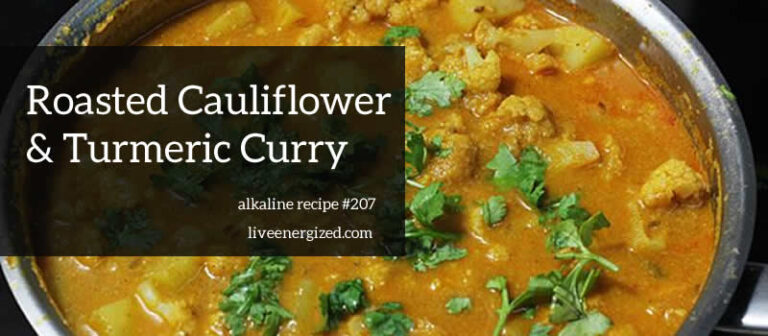
  • Turmeric Roasted Cauliflower with Mint & Coriander

    Turmeric Roasted Cauliflower with Mint & Coriander

    Recipes › Salads

    Turmeric Roasted Cauliflower with Mint & Coriander

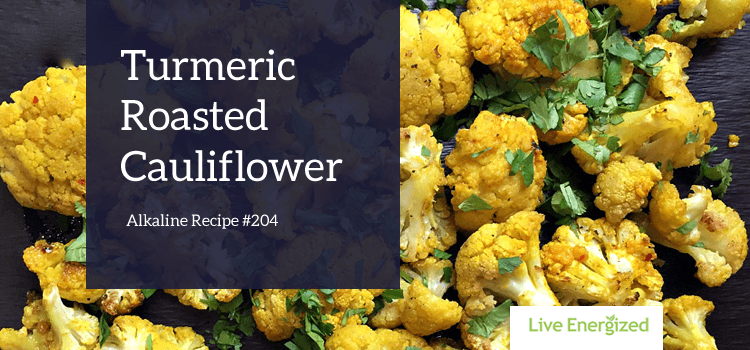
    Cauliflower florets roasted in coconut oil with cumin and turmeric until golden and almost sweet, finished with toasted pine nuts, fresh mint and coriander.

    Prep 15 minCook 15 minServes 28 ingredients
    VeganGluten-freeDairy-freeNo added sugar

    Tastes: warm, earthy and almost sweet, with fresh mint and coriander and crunchy pine nuts.

    Turmeric & Cauliflower Roasted Main Image

    One of my staples

    This is a warm, hearty side dish that tastes out of this world.

    It’s one of those recipes you make once and it becomes a staple – one of those star dishes you have all the time, and that’s always on standby. The gently roasted cauliflower softens with the coconut oil, and the turmeric brings out an almost sweetness in it.

    It works brilliantly as a warm dish in winter OR chilled in summer – served with some unsweetened coconut yoghurt and pomegranate seeds, it becomes a salad in its own right. With anti-inflammatory turmeric and antioxidant-rich cauliflower, it’s a brilliantly healthy dish all year round.

    Why you’ll love it

    • Vitamin C: over a day’s worth a serve.
    • Manganese: about two-thirds of your daily needs.
    • Warm or chilled – great all year round.
    • Ready in 30 minutes from start to finish.

    Good for

    Immunity

    Vitamin C, folate, vitamin B6 and copper contribute to the normal function of the immune system.

    Antioxidants

    Vitamin C, manganese, copper and riboflavin contribute to the protection of cells from oxidative stress. It also contains plant compounds with antioxidant activity, including curcumin.

    Energy

    Folate, pantothenic acid, vitamin B6 and iron contribute to the reduction of tiredness and fatigue.

    Bones

    Manganese, vitamin K, magnesium and phosphorus contribute to the maintenance of normal bones.

    Eyes

    Riboflavin and zinc contribute to the maintenance of normal vision.

    Blood pressure

    Potassium contributes to the maintenance of normal blood pressure.

    Tags use approved nutrient health-claim wording, for nutrients that give at least 10% of the Daily Value per serve. Plant compounds like these have no Daily Value, so we only say they’re there.

    Key nutrients per serve

    Vitamin C
    100%+Manganese
    65%Vitamin K
    37%Folate
    31%Pantothenic acid
    30%Vitamin B6
    24%

    Contains: copper (22%), iron (19%), thiamin (17%), potassium (16%), riboflavin (15%), magnesium (15%), phosphorus (13%), zinc (12%), niacin (10%) and calcium (5%).

    Plant compounds: chlorophyll, glucosinolates from the cauliflower and curcumin from the turmeric.

    6 g protein5 g fibreAbout 4 g natural sugarAbout 65 mg sodium

    % of US Daily Value for adults, per serve (half the recipe). Estimated from USDA FoodData Central values for the ingredients as listed; cooking reduces some vitamins, so treat these as upper estimates. Uses half a large cauliflower (about 420 g) with 2 tbsp coconut oil; excludes salt and the optional yoghurt; anything over 100% shows as 100%+.

    Turmeric Roasted Cauliflower with Mint & Coriander

    Cauliflower florets tossed in melted coconut oil, cumin and turmeric, roasted until golden, then finished with toasted pine nuts, coriander and mint.
    Prep Time 15 minutes
    Cook Time 15 minutes
    Total Time 30 minutes
    Servings: 2

    Ingredients
      

    • ½ large cauliflower broken into bite-size florets
    • 2 tbsp coconut oil melted
    • 1½ tsp ground cumin
    • 1 tsp ground turmeric preferably organic
    • 2 tbsp pine nuts
    • 1 tbsp fresh coriander (cilantro) roughly chopped
    • ½ tbsp fresh mint roughly chopped
    • Himalayan salt to taste
    • unsweetened coconut yoghurt optional, to serve

    Equipment

    • Baking tray
    • Small frying pan

    Method
     

    1. Preheat the oven to 200°C/400°F.
    2. Toss the cauliflower florets with the melted coconut oil, cumin, turmeric and a pinch of salt until they’re evenly coated.
    3. Spread them out on a baking tray in a single layer and roast for 15 minutes, turning once, until golden and just tender.
    4. Meanwhile, toast the pine nuts in a dry pan for 2–3 minutes until golden, watching that they don’t burn.
    5. Tip the cauliflower into a bowl, scatter over the pine nuts, coriander and mint, season to taste and serve.

    Notes

    Optional: mix some of the coriander and mint into unsweetened coconut yoghurt and serve it on the side.

    Swaps

    • Make it a salad: serve it chilled with coconut yoghurt and pomegranate seeds.
    • Nut-free: use toasted pumpkin seeds instead of pine nuts.
    • Feeding four? Use the whole cauliflower and double everything.

    Storing it

    Keeps in the fridge for 3 days – it’s lovely chilled, too.

    Ross’s tip

    I hope you love this – it’s certainly one of my favourites right now!

    Try next

    DinnerRoast Cauliflower & Turmeric CurryOpen recipe →
    SnacksCrispy Moroccan Cauliflower with Tahini Avocado SauceOpen recipe →
    Want more than recipes?

    The Alkaline Life Club has everything in the Recipe Club, plus coaching, live Q&A and a community to keep you going.

    See the Alkaline Life Club

    Sources

    Nutrient values: USDA FoodData Central, SR Legacy (cauliflower 169986, coconut oil 171412, cumin 170923, turmeric 172231, pine nuts 170591, coriander 169997, mint 173475). Plant compounds are named where the ingredient is a well-documented source; flavonoids follow the USDA Database for the Flavonoid Content of Selected Foods, Release 3.3. Daily Values: US Food and Drug Administration.

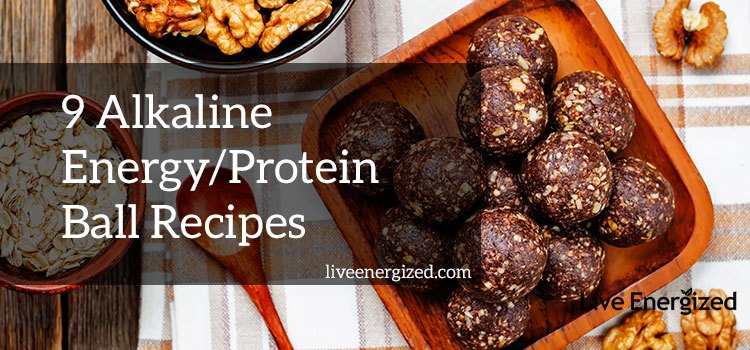
  • Nine Delicious Bliss Ball Recipes to End Mid-Morning Fatigue

    Nine Delicious Bliss Ball Recipes to End Mid-Morning Fatigue

    Protein/Energy Balls, also known as “Bliss Balls”,  are perfect for when hunger strikes or the sweet tooth beckons! Super easy and super fast, you can pre-make a batch or two and keep in the fridge for 1-2 weeks!

    Filled with healthy fats, alkalinity, protein and fibre, there the perfect mid-morning or mid-afternoon snack, for after a workout or just for when you feel like something a little sweeter.

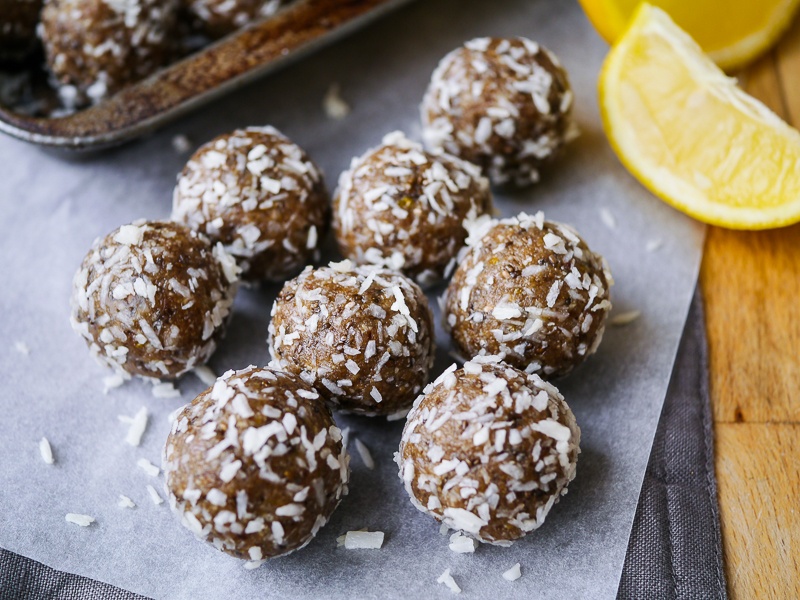
    Lemon, Cashew & Coconut Energy Balls

    lemon-coconut-and-cashew-energy-balls-1

    These delicious energy balls from Nourish Everyday have a wonderful balance of flavors topped off with zesty lemon!

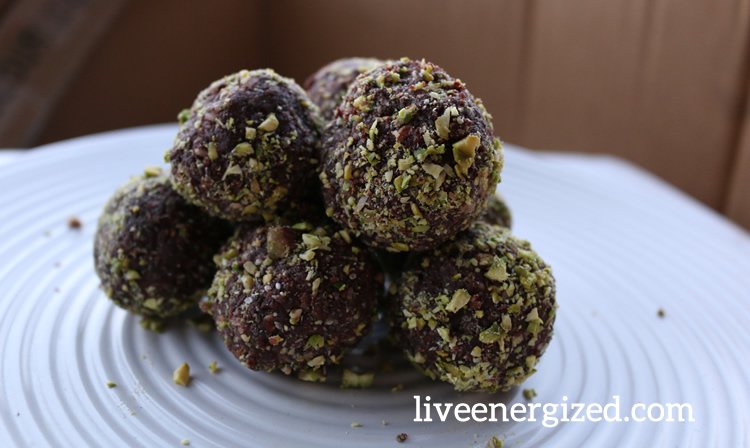
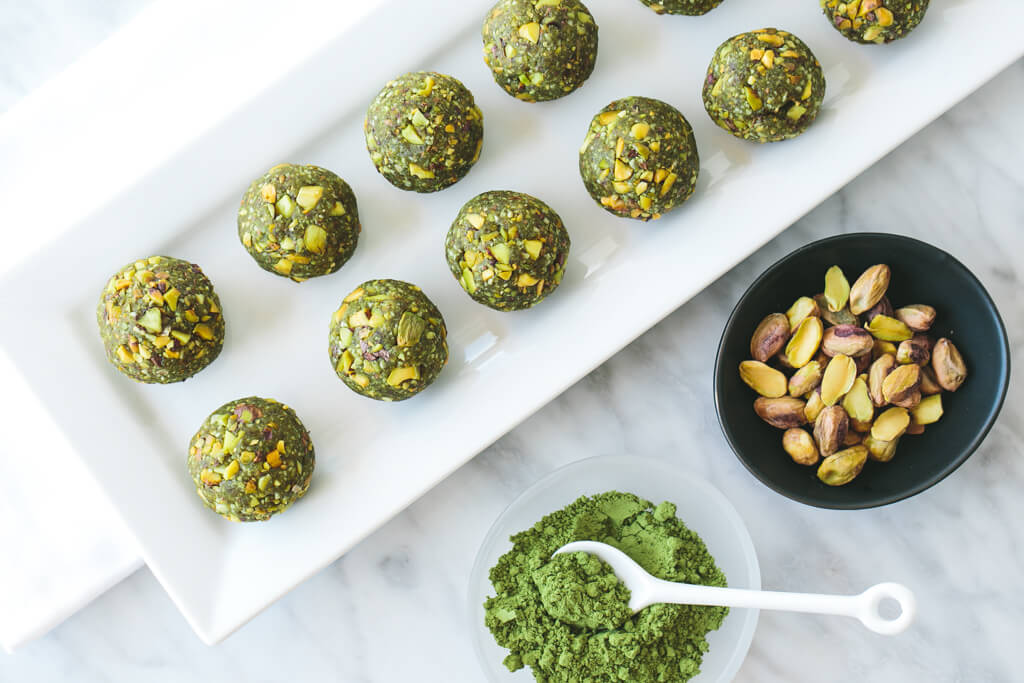
    Matcha Pistachio Bliss Balls

    matcha-pistachio-bliss-balls-2

    With Pistachio and Matcha powder these GREEN POWER balls that will keep you going all day! From Downshiftology.

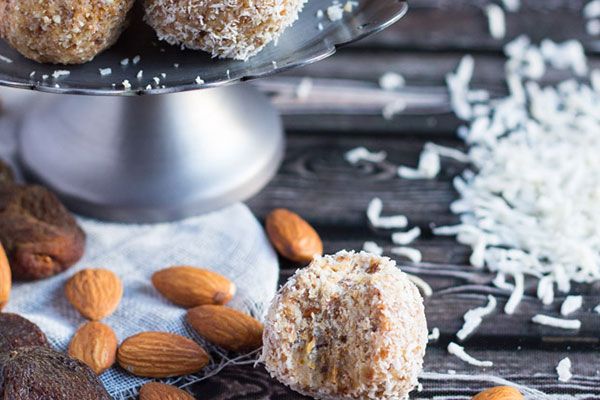
    Apricot, Almond & Coconut Bliss Balls

    3-ingredient-apricot-almond-coconut-bliss-balls-sm

    With only 3 ingredients you’ll have these tasty morsels from The Cooks Pyjamas ready in no time!

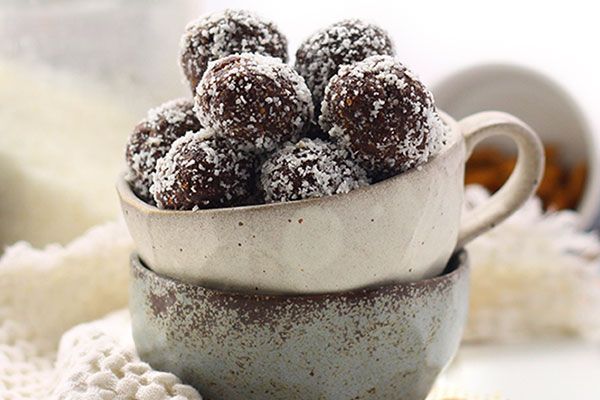
    Coconut Cacao Bon Bons

    Coconut-Cacao-bon-bon

    Deliciously chewy and chocolatey these energy balls make a great healthy treat for those afternoon cravings. From The Little Green Spoon.

    Chocolate Trail Mix Power Balls

    chocolate-trailmix-powerballs

    Perfect for your busy, healthy lifestyle, these power balls from Young & Rungry are packed full of sustainable energy and balanced nutrients. Yum!

    Pecan Pie Energy Bites
    pecan-pie-bliss-ball

    Pecans give these energy balls a wonderful buttery flavor, and taste just like pecan pie! From the Gluten Free Vegan Pantry.

    No-Bake Almond Joy Energy Balls

    almond-joy

    You won’t be reaching for an unhealthy chocolate bar when you have these bliss balls around! With a double hit of almond, swap out the cocoa for cacao to make these extra guilt-free! From The Healthy Maven.

    Raw Cacao, Pistachio & Almond Bliss Balls

    Bliss-Ball-Tower-750

    This super simple and delicious bliss ball is one of my favorites (and my son’s) and a staple in my house! Find the recipe here.

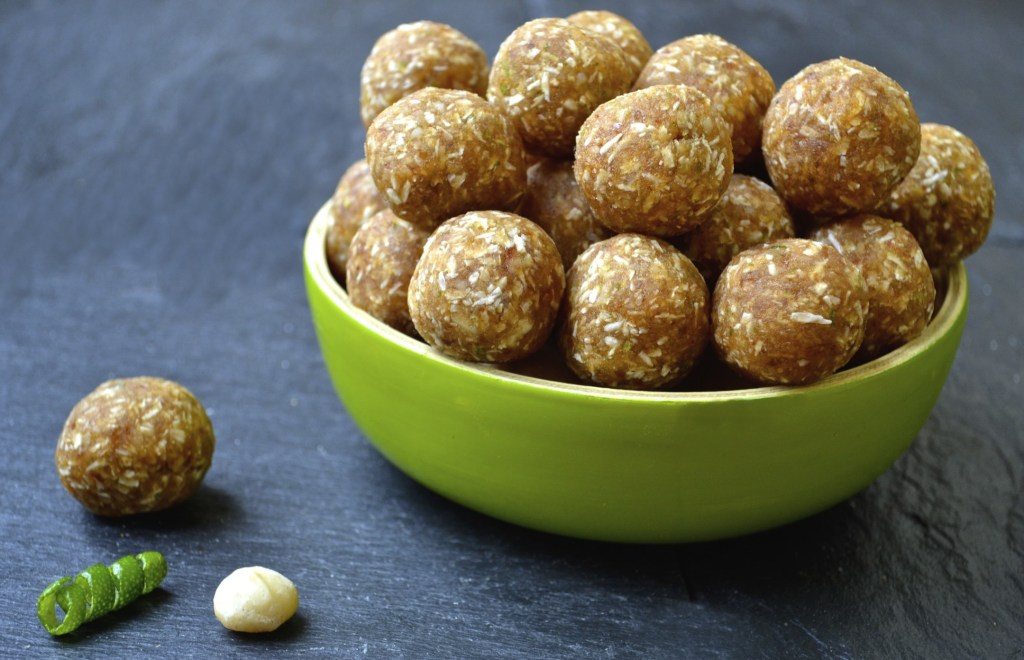
    Key Lime Pie Energy Balls

    key-lime-energy-balls

    With just 5 ingredients; macadamia nuts, coconut, lime, dates and a sprinkle of salt, these energy balls from Every Last Bite are so moreish – they taste like summer!


    I hope you love these recipes! If you have one of your own do feel free to post it in the comments below – I’d love to hear from you!
    Ross

    P.S. Take a look at the Alkaline Recipe System. With hundreds of easy-to-prepare Alkaline recipes PLUS 7 goal-based meal plans each with itemized shopping lists (for goals including weight loss, more energy, better digestion, clearer skin and more) – it makes reaching your health goals SO easy!

    + Make sure to sign up for our free newsletter to get our latest alkaline recipes delivered weekly (it’s free).

  • 3 Mindblowingly Delicious, Vegan Cashew Cheese Recipes

    3 Mindblowingly Delicious, Vegan Cashew Cheese Recipes

    I am always looking for ways to make the alkaline diet – and getting you to your health goals – easier, more achievable and more do-able.

    And having recipes like these really ups the flavour and makes your “mostly-plant-based” meals delicious.

    That’s one of my rules with eating healthy – it has to be ridiculously tasty.

    So many people start the alkaline diet and end up eating a plate of steamed veg, or a super-plain salad every meal and then wonder why they’re giving up after 48 hours.

    To turn this around, always remember that even the most simple meal can be made exciting and delicious with sauces, dips, dressings and sides, and these three cashew cheese recipes certainly do that.

    They’re all from a similar base, but have their nuances that change the flavour, consistency and use. And you can make them in a decent quantity and store in the fridge too for use throughout the week – which is very handy when you don’t have a lot of time to spend in the kitchen every day.

    Let’s get into them – let me know which one you’re going to try first in the comments below!

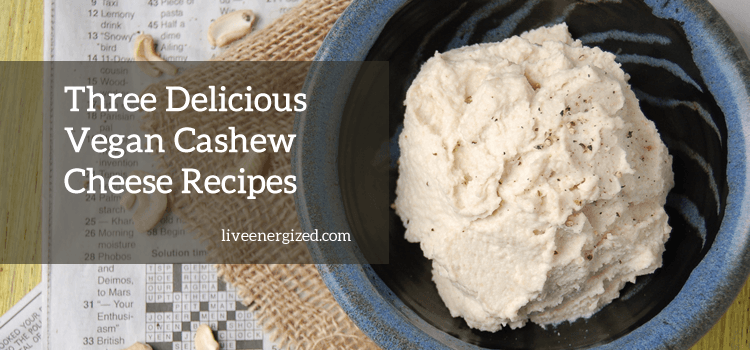
    Three Delicious, Alkaline & Vegan Cashew Cheese Recipes

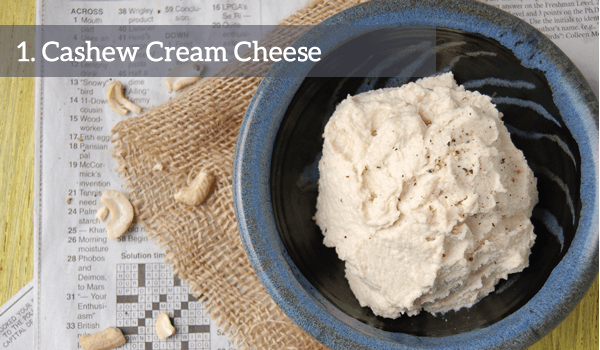
    1. Cashew Cream Cheese Spread

    cashew cream cheese recipe

    [yumprint-recipe id=’91’]

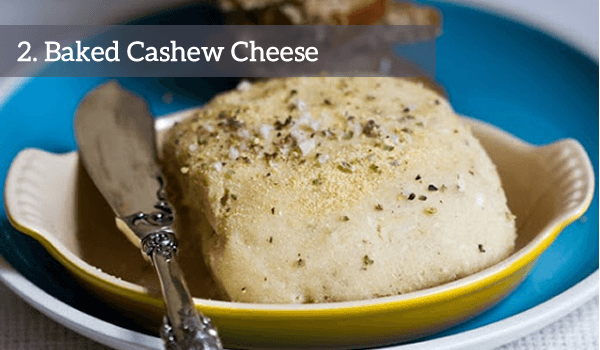
    2. Baked Cashew Cheese

    baked cashew cheese

    [yumprint-recipe id=’92’]

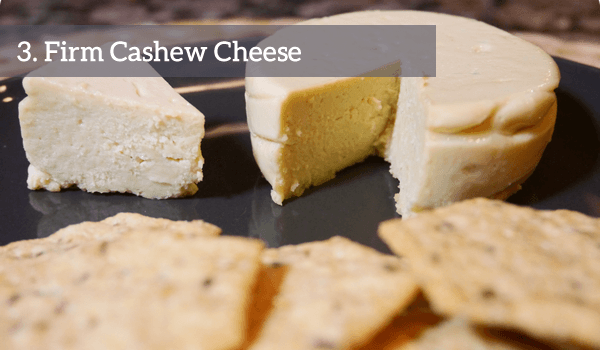
    3. Firm Cashew Cheese (Sliceable)

    firm cashew cheese recipe

    This one is a little more ‘involved’ that the other two, but is well worth it!

    [yumprint-recipe id=’93’]

    Recipes Like These Make It SO MUCH EASIER!

    P.S. Take a look at the Alkaline Recipe System. With hundreds of easy-to-prepare Alkaline recipes PLUS 7 goal-based meal plans each with itemized shopping lists (for goals including weight loss, more energy, better digestion, clearer skin and more) – it makes reaching your health goals SO easy!

    + Make sure to sign up for our free newsletter to get our latest alkaline recipes delivered weekly (it’s free).

  • No-Bake Breakfast Bars

    No-Bake Breakfast Bars

    Recipes › Breakfast

    No-Bake Breakfast Bars

    Oats, almond butter, coconut cream, hemp seeds and fresh ginger, pressed into a tray and chilled. A few minutes to make, and ready for busy mornings.

    Prep 10 minChill 2 hoursMakes 16 bars7 ingredients
    VeganGluten-freeDairy-free

    Tastes: chewy, nutty and lightly sweet, with a warm hint of ginger.

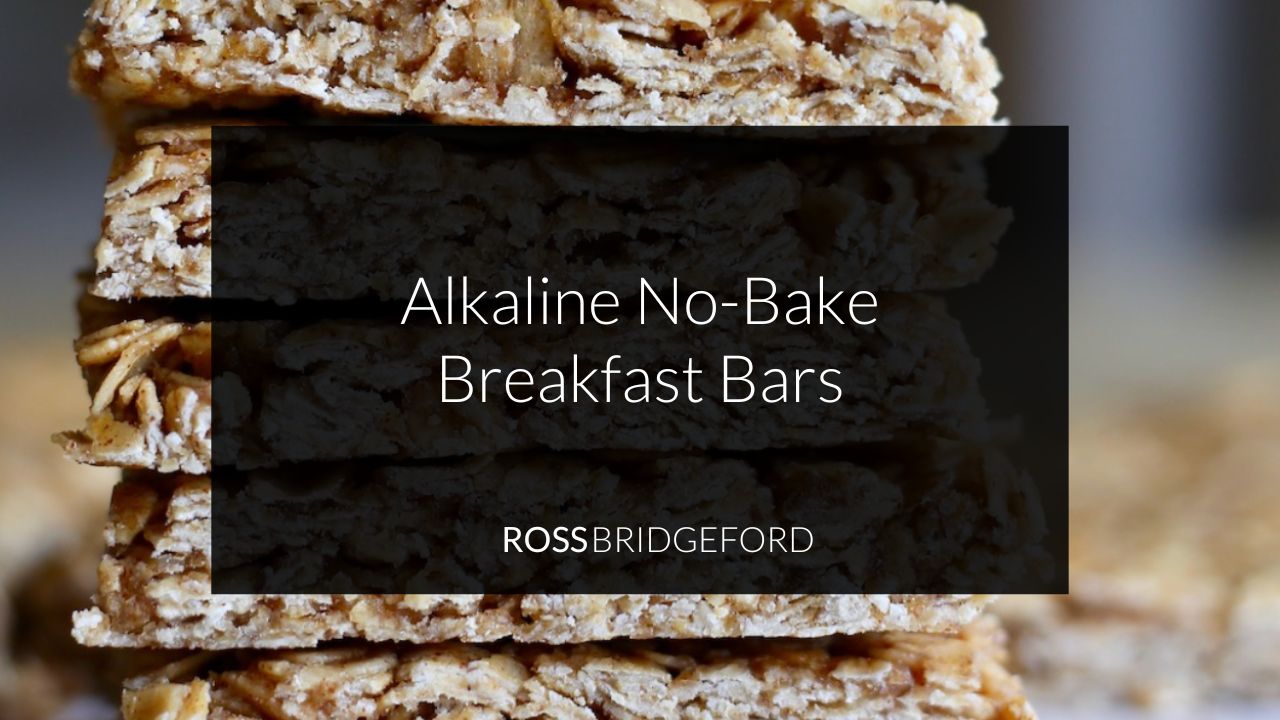
    alkaline no bake breakfast bars close up

    One for your back pocket

    These are genuinely one of the easiest, most versatile alkaline recipes you can have in your back pocket – and I absolutely love them.

    They take just a few minutes to make, no baking required, and they’re perfect for busy mornings, afternoon cravings, or when you just need something you can feel good about.

    They’ve got everything going for them: warming ginger, healthy fats from the coconut and almond butter, plant protein and fibre from the oats – and if you use the flaxmeal (which I highly recommend), a great hit of plant omega-3 too. They’re packed with real, nourishing ingredients that leave you feeling satisfied – not sluggish.

    Why you’ll love it

    • Manganese: nearly three-quarters of your daily needs a bar.
    • 9 g plant protein a bar.
    • Vitamin E: about a third of your daily needs.
    • No baking: just mix, press and chill.

    Good for

    Immunity

    Copper, zinc, selenium and iron contribute to the normal function of the immune system.

    Antioxidants

    Manganese, copper, vitamin E and zinc contribute to the protection of cells from oxidative stress. It also contains plant compounds with antioxidant activity, including gingerols.

    Energy

    Magnesium, riboflavin and iron contribute to the reduction of tiredness and fatigue.

    Bones

    Manganese, magnesium, phosphorus and zinc contribute to the maintenance of normal bones.

    Eyes

    Zinc and riboflavin contribute to the maintenance of normal vision.

    Tags use approved nutrient health-claim wording, for nutrients that give at least 10% of the Daily Value per bar. Plant compounds like these have no Daily Value, so we only say they’re there.

    Key nutrients per bar

    Manganese
    74%Copper
    44%Vitamin E
    33%Magnesium
    26%Phosphorus
    20%

    Contains: zinc (18%), thiamin (17%), selenium (16%), riboflavin (15%), iron (13%), potassium (7%) and calcium (7%).

    Plant compounds: gingerols from the ginger.

    9 g protein5 g fibreUnder 4 g sugarAbout 5 mg sodium

    % of US Daily Value for adults, per bar (1/16 of the recipe). Estimated from USDA FoodData Central values for the ingredients as listed, so treat these as upper estimates. Made with oats only (without the flaxmeal swap) and typical values for rice malt syrup; anything over 100% shows as 100%+.

    No-Bake Breakfast Bars

    Coconut cream, coconut oil, rice malt syrup, almond butter and ginger whisked together, mixed with oats and hemp seeds, pressed into a dish and chilled.
    Prep Time 10 minutes
    Chill 2 hours
    Total Time 2 hours 10 minutes
    Servings: 16 bars

    Ingredients
      

    • 5 cups quick oats about 450 g, gluten-free if needed
    • 320 g almond butter
    • 2 tbsp hemp seeds
    • 1 cup coconut cream
    • 3 tbsp rice malt syrup brown rice syrup
    • 2.5 cm fresh ginger 1 inch, or 2 tsp ground
    • 2 tbsp coconut oil
    • 1 cup flaxmeal optional – swap it for 1 cup of the oats

    Equipment

    • Large mixing bowl
    • Baking dish
    • Baking paper

    Method
     

    1. Put the coconut cream, coconut oil and rice malt syrup in a large mixing bowl and whisk until combined.
    2. Add the almond butter, grate in the ginger and whisk again. Depending on the temperature of your room, the almond butter may stay a little lumpy – don’t worry about this, because…
    3. …when you add the oats, hemp seeds (and flaxmeal), you can mix with a spoon to smooth it all out. If it’s still lumpy, use your hands (which is lots of fun!).
    4. Line a flat baking dish with baking paper and press the mixture out evenly.
    5. Refrigerate for at least 2 hours, or overnight, then cut into 16 bars.

    Swaps

    • Omega-3 boost: swap 1 cup of the oats for flaxmeal.
    • Nut-free: use sunflower seed butter instead of almond butter.
    • Spiced: add 1 tsp cinnamon with the ginger.

    Storing it

    Keeps in the fridge for at least a week, or freeze for up to 3 months.

    Good to know

    • Oats and gluten: oats are naturally gluten-free but often contaminated, so choose ones labelled gluten-free if you’re coeliac.
    • Lightly sweetened: the rice malt syrup adds about 2 g of sugar a bar.

    Ross’s tip

    This is how real momentum builds: one good choice, made easy and repeatable. So make a batch today – your future self (especially on Monday morning) will thank you.

    Try next

    BreakfastChai-Spiced Nutty GranolaOpen recipe →
    SnacksNo-Bake Ginger Cookie BitesOpen recipe →
    Want more than recipes?

    The Alkaline Life Club has everything in the Recipe Club, plus coaching, live Q&A and a community to keep you going.

    See the Alkaline Life Club

    Sources

    Nutrient values: USDA FoodData Central, SR Legacy (oats 173904, almond butter 168588, hemp seeds 170148, coconut cream 170580, ginger 169231, coconut oil 171412). Plant compounds are named where the ingredient is a well-documented source; flavonoids follow the USDA Database for the Flavonoid Content of Selected Foods, Release 3.3. Daily Values: US Food and Drug Administration.
  • Sweet Potato Brownies

    Sweet Potato Brownies

    Recipes › Desserts

    Sweet Potato Brownies

    Mashed sweet potato folded into ground almonds, raw cacao, coconut oil and a touch of rice malt syrup, pressed into a tin and chilled. Six ingredients, no baking.

    Prep 15 minCook 20 minMakes 12 slices6 ingredients
    VeganGluten-freeDairy-free

    Tastes: fudgy, chocolatey and nutty.

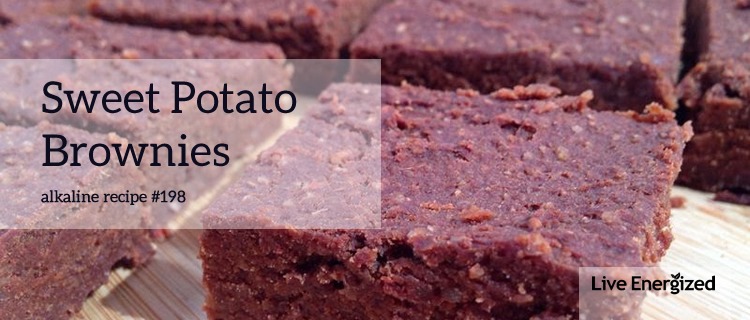
    closeup of sweet potato brownies

    The easiest brownies you’ll ever see

    This is the easiest sweet potato brownie recipe you’ll ever see! It takes only 15–20 minutes to make.

    I love it for its speed, ease and deliciousness – it gets you out of a bother when you have a sweet tooth, with only about 5 g of sugar per slice.

    It makes about a dozen decent slices (or more if you want them for snacks), with plenty of protein, fibre and healthy fats to keep you going for hours.

    Why you’ll love it

    • Six ingredients, no baking.
    • Vitamin E: about 40% of your daily needs a slice.
    • About 5 g of sugar a slice.
    • Freezer-friendly: slice and freeze individual serves.

    Good for

    Immunity

    Copper and vitamin A contribute to the normal function of the immune system.

    Antioxidants

    Copper, vitamin E, manganese and riboflavin contribute to the protection of cells from oxidative stress. It also contains plant compounds with antioxidant activity, including beta-carotene and flavanols.

    Energy

    Riboflavin and magnesium contribute to the reduction of tiredness and fatigue.

    Bones

    Manganese, magnesium and phosphorus contribute to the maintenance of normal bones.

    Eyes

    Riboflavin and vitamin A contribute to the maintenance of normal vision.

    Tags use approved nutrient health-claim wording, for nutrients that give at least 10% of the Daily Value per slice. Plant compounds like these have no Daily Value, so we only say they’re there.

    Key nutrients per slice

    Copper
    44%Vitamin E
    41%Manganese
    26%Riboflavin
    23%

    Contains: magnesium (19%), vitamin A (12%), phosphorus (11%), potassium (6%) and calcium (6%).

    Plant compounds: beta-carotene (about 1.3 mg) and flavanols from the cacao.

    6 g protein4 g fibreAbout 5 g sugarAbout 25 mg sodium

    % of US Daily Value for adults, per slice (1/12 of the recipe). Estimated from USDA FoodData Central values for the ingredients as listed; cooking reduces some vitamins, so treat these as upper estimates. Uses a 180 g sweet potato and typical values for rice malt syrup; excludes the optional coconut flour; anything over 100% shows as 100%+.

    Sweet Potato Brownies

    Boiled, mashed sweet potato folded into ground almonds, cacao, salt, coconut oil and rice malt syrup, pressed into a tin and chilled.
    Prep Time 15 minutes
    Cook Time 20 minutes
    Chill 1 hour
    Total Time 1 hour 35 minutes
    Servings: 12 slices

    Ingredients
      

    • 1 medium sweet potato about 180 g
    • 2 cups almonds or cashews, or a mix
    • 5 tbsp raw cacao powder
    • pinch of Himalayan salt
    • ¼ cup coconut oil melted
    • ¼ cup rice malt syrup
    • 1 tbsp coconut flour optional, for texture

    Equipment

    • Saucepan
    • Blender or food processor
    • Baking tin

    Method
     

    1. Peel the sweet potato, cut it into large rough chunks and boil until soft, about 15–20 minutes.
    2. Set aside to cool. Meanwhile, blend the nuts, cacao and salt until reasonably fine.
    3. Tip into a mixing bowl with the coconut oil, coconut flour (if using) and rice malt syrup and mix thoroughly.
    4. Mash the cooled sweet potato, then stir and fold it into the mixture.
    5. Press firmly into a lined or lightly greased tin and put it in the fridge or freezer.

    Swaps

    • Cashews or a mix of nuts work instead of almonds.
    • Fudgier: add the coconut flour.
    • Less sweet: use 2 tbsp rice malt syrup.

    Storing it

    If you’ll eat them within a couple of days, keep them in the fridge. To have them slowly over a week or two, cover and freeze them as sliced individual serves – they’re ready to enjoy 10–15 minutes after you take them out.

    Good to know

    • Contains almonds (or cashews).

    Try next

    DessertsSalted Caramel SliceOpen recipe →
    DessertsRaw “Lava” Chocolate BitesOpen recipe →
    Want more than recipes?

    The Alkaline Life Club has everything in the Recipe Club, plus coaching, live Q&A and a community to keep you going.

    See the Alkaline Life Club

    Sources

    Nutrient values: USDA FoodData Central, SR Legacy (sweet potato 168482, almonds 170567, cacao (cocoa powder) 169593, salt 173468, coconut oil 171412). Plant compounds are named where the ingredient is a well-documented source; flavonoids follow the USDA Database for the Flavonoid Content of Selected Foods, Release 3.3. Daily Values: US Food and Drug Administration.
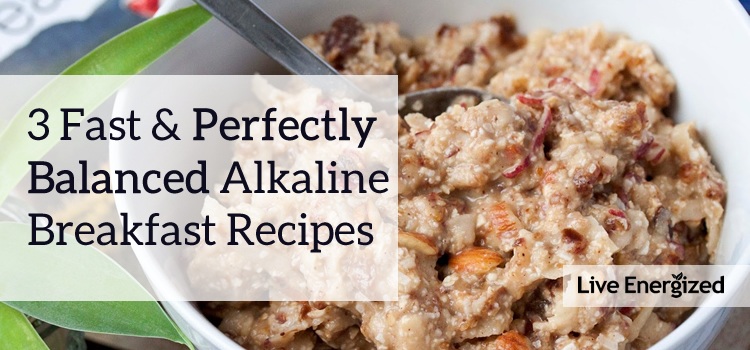
  • 3 Fast Alkaline Breakfasts To Make You Feel Refreshed And Ready To Take On The World

    3 Fast Alkaline Breakfasts To Make You Feel Refreshed And Ready To Take On The World

    Fast Alkaline Breakfast Recipes

    How great would it be leaving the house in the morning knowing you had already had the perfect balance of nutrients your body needs?

    To know you had set your day up to be a huge win, after only 5 minutes spent in the kitchen (we all know how busy mornings can be)…?

    Having the RIGHT breakfast makes an incredible difference to you energy, cravings and performance throughout the whole day.

    And the food decisions you make within that first hour of waking are crucial.

    Get it wrong and your hormones and blood sugar, your metabolism and energy levels, your digestion and brain performance – these all get stuffed and face a huge uphill battle to recover.

    But get it right and the day is effortless.

    As always, my whole approach to the alkaline diet and getting you to your health goals is simple: just give your body the tools it needs to thrive and it will repay you tenfold.

What Makes the Perfect Breakfast

Upon waking, your body starts the day’s cycle – your blood sugar levels and insulin levels, cortisol levels, metabolism, the balancing of the melatonin that ends the sleep cycle and prepares the next…these all run on cycles, starting with you waking – and most importantly WHAT you eat for breakfast and WHEN you eat it…

To properly nourish the body and get it set up for success your breakfast should try to follow at least these rules while eliminating the foods below:

  1. Eat within 60 minutes (preferably 30 minutes) of waking
  2. Include protein – at least 7-8g
  3. Include fibre, any kind is fine – soluble, insoluble and resistant starch – a mix is best
  4. Healthy fats – this is critical: coconut oil, omega 3, and a combination from olive oil, avocado, nuts, seeds etc

→ And eliminate these breakfast energy killers:

  1. Gluten containing grains – wheat, rye, spelt (i.e. toast, pop tarts, pastries, regular breakfast cereals)
  2. Sugar – particularly fructose-containing sugar (flavoured yoghurts, jams, regular breakfast cereals, fruit juice) – see more on sugar here
  3. Dairy products (milk, yoghurt)
  4. Processed meat (bacon, sausages etc.)

If you can hit these rules and avoid these energy killers you will soon notice how incredible you’re SUPPOSED to feel in the morning!

Three 5-Minute Breakfasts That Tick Every Box

So today I’m giving you my three faves that meet all of these criteria and get you off to a FLYING start.

By consuming one of these three fast alkaline breakfasts every day you will notice very quickly that you have improvements with:

  • Memory & mental focus
  • Staying fuller for longer and no snack attacks mid morning
  • Far less sugar & carb cravings
  • Better moods
  • Weight loss (if needed)
  • Soothed digestion and reduction of reflux conditions
  • Calmed inflammation, aches and pains

And because breakfast can be such a hectic time getting out of the door – I have tailored and developed these recipes to make them FAST and easy.

Let’s do it:

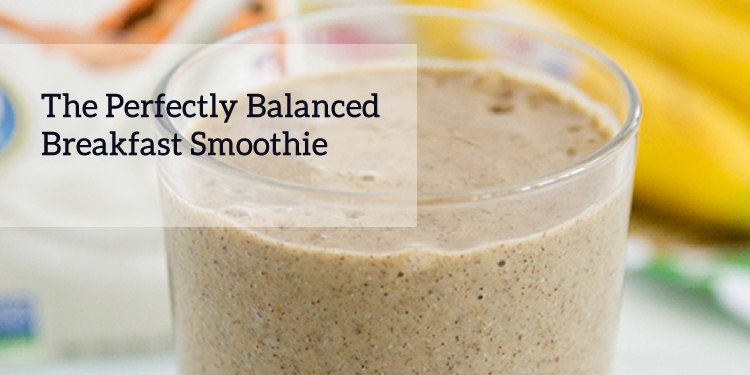
Breakfast 1: Perfectly Balanced, High Alkaline Breakfast Smoothie

breakfast smoothie

This is a consistent favourite in my house, and with visiting friends and family too. It tastes delicious, contains greens but doesn’t taste of greens, and has everything you need to get the day off to the PERFECT start:

CLICK HERE for the recipe

This recipe contains 12g protein per serve and 18.5g fibre – which is over half your daily needs and from a blend of sources, which is ideal. If you include the kidney beans you’re going to be over 20g and include that resistant starch too.

And fats…from the coconut oil, cashews, almonds, avocado, chia, greens…you’re getting plenty!


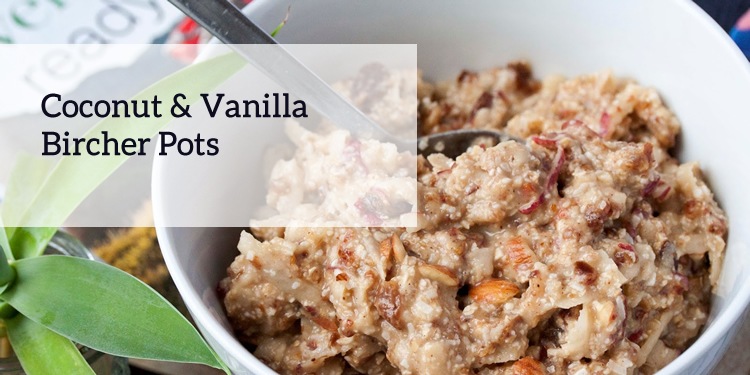
Breakfast 2: Creamy Coconut & Vanilla Bircher Pots

bircherpots

The second of our fast alkaline breakfasts is a pre-prepared beauty is a thing of wonder. Containing an abundance of everything you need to get moving and balance your body’s processes, cycles and ignite the metabolism – this tastes like a real treat.


CLICK HERE for the recipe


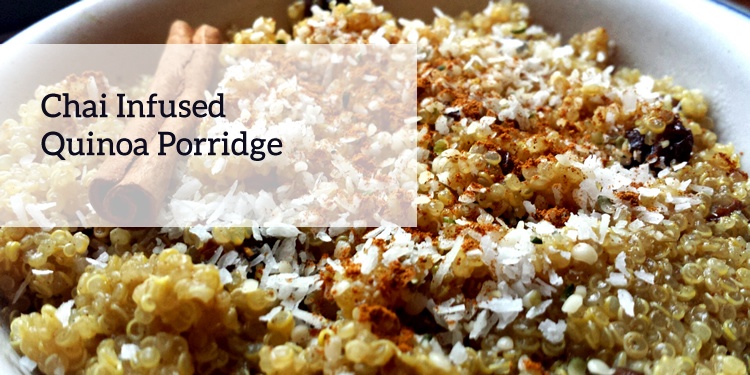
Breakfast 3: Chai-Infused Quinoa Porridge

quinoa porridge

This chai-spice inspired quinoa porridge is HUGELY anti-inflammatory while having those important protein/fibre/fat-rich ingredients too.

It’s a warming option for everyone reading this in winter!


CLICK HERE for the recipe


Without the Right Nutrients at Breakfast the Body Goes into Hormonal, Acidic, Inflammatory Turmoil…

If you’ve ever had daytime fatigue, mid-morning and mid-afternoon slumps and sugar cravings, disturbed sleep or difficulty getting to/staying asleep, easy weight gain but difficult weight loss, poor memory or concentration during the day, aches and pains….

Your breakfast could easily be the culprit. The hormonal imbalances caused by a lack of (or the wrong kind of) breakfast are devastating and far-reaching.

If you don’t get these healthy fats, fibre and protein at breakfast your blood sugar and insulin will go on a haywire journey of spikes and troughs…knocking on to your cortisol levels, with high cortisol needed to mop up the damage of the high insulin…needed because of the high blood sugar…

The constant need for insulin (for the high blood sugar) and cortisol (for the high insulin) completely stresses your adrenals, which knocks on to the thyroid, pituitary…and practically every other area of your hormone-regulating system (your endocrine system).

All you’ve got to do it stick to these three, super-fast, super-simple breakfasts and you’re going to be thriving!
Sometimes having an energised body and reaching the health of our dreams is a LOT easier than we’ve been led to believe – and getting breakfast sorted is one of those things.

Keep it simple and let’s do this!
Ross


Read Next: The “Bulletproof” TEA that’s adrenal-healing, alkaline, anti-inflammatory and will make you FLY in the mornings!

  • Simple Alkaline Breakfast Bowl

    Simple Alkaline Breakfast Bowl

    Recipes › Breakfast

    Simple Alkaline Breakfast Bowl

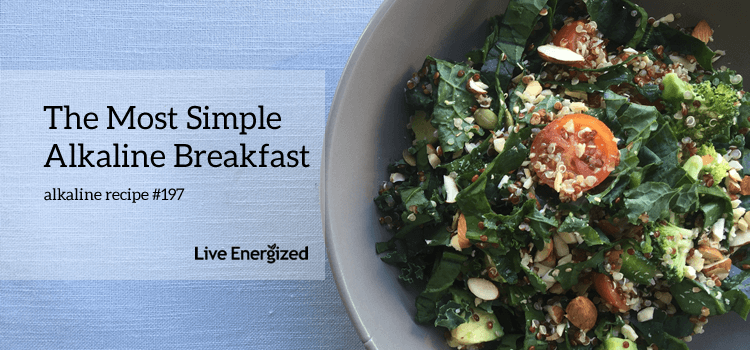
    Fluffy quinoa with fresh spinach and kale, cherry tomatoes, red pepper, lightly steamed broccoli and avocado, dressed with flax oil and lemon. My most simple breakfast.

    Prep 10 minCook 15 minServes 210 ingredients
    VeganGluten-freeDairy-freeNut-freeNo added sugar

    Tastes: fresh, bright and lemony, with creamy avocado and warm quinoa.

    simple alkaline breakfast closeup

    My most simple breakfast

    This is my most simple alkaline breakfast. It’s nutrient-dense, colourful and, importantly, quick and easy to make!

    I’m wondering why I didn’t share this one earlier – I must have thought I already had!

    A brilliantly balanced breakfast gives you good amounts of carbs, healthy fats and protein, and loads of vitamins and minerals. This one ticks all the boxes.

    Why you’ll love it

    • Vitamin C: over a day’s worth a bowl.
    • Vitamin K: over 1½ days’ worth.
    • Folate: over half your daily needs.
    • Plant omega-3 from the flax oil.

    Good for

    Immunity

    Vitamin C, folate, copper and vitamin B6 contribute to the normal function of the immune system.

    Antioxidants

    Vitamin C, manganese, copper and riboflavin contribute to the protection of cells from oxidative stress. It also contains plant compounds with antioxidant activity, including lutein, beta-carotene and lycopene.

    Energy

    Folate, vitamin B6, pantothenic acid and riboflavin contribute to the reduction of tiredness and fatigue.

    Bones

    Vitamin K, manganese, magnesium and phosphorus contribute to the maintenance of normal bones.

    Eyes

    Riboflavin, vitamin A and zinc contribute to the maintenance of normal vision. It also contains lutein and zeaxanthin, the carotenoids found in the macula of the eye.

    Blood pressure

    Potassium contributes to the maintenance of normal blood pressure.

    Tags use approved nutrient health-claim wording, for nutrients that give at least 10% of the Daily Value per bowl. Plant compounds like lutein have no Daily Value, so we only say they’re there.

    Key nutrients per bowl

    Vitamin K
    100%+Vitamin C
    100%+Folate
    54%Manganese
    48%Copper
    44%Vitamin B6
    41%

    Contains: pantothenic acid (40%), riboflavin (31%), vitamin E (29%), magnesium (28%), thiamin (25%), potassium (25%), vitamin A (24%), niacin (22%), phosphorus (19%), iron (17%), zinc (17%) and calcium (8%).

    Plant compounds: lutein and zeaxanthin (about 3.6 mg), beta-carotene (about 2.4 mg), lycopene (about 2.6 mg), plant omega-3 ALA (about 3.9 g), chlorophyll, quercetin and kaempferol from the kale, glucosinolates from the broccoli and kale, citrus flavonoids from the lemon and lignans from the flaxseed.

    9 g protein12 g fibreAbout 6 g natural sugarAbout 45 mg sodium

    % of US Daily Value for adults, per bowl (half the recipe). Estimated from USDA FoodData Central values for the ingredients as listed, so treat these as upper estimates. Uses 1 tbsp flaxseed oil; excludes salt, pepper and the optional nuts and seeds; anything over 100% shows as 100%+.

    Simple Alkaline Breakfast Bowl

    Fluffy quinoa and lightly steamed broccoli tossed with sliced spinach and kale, cherry tomatoes, red pepper and avocado, dressed with flax oil and lemon.
    Prep Time 10 minutes
    Cook Time 15 minutes
    Total Time 25 minutes
    Servings: 2 bowls

    Ingredients
      

    • 50 g uncooked quinoa about ¼ cup
    • 1 big handful spinach leaves
    • 1 big handful kale leaves stems removed
    • 12 cherry tomatoes or 2 large tomatoes
    • ½ red pepper (capsicum)
    • 1 handful broccoli florets
    • 1 avocado
    • 1 tbsp flaxseed oil
    • ½ lemon juiced
    • Himalayan salt and black pepper
    • mixed nuts and seeds optional

    Equipment

    • Saucepan
    • Steamer

    Method
     

    1. Rinse the quinoa in a sieve under cold water and put it in a saucepan with 1½ times as much water (I’d recommend cooking a cup, so you have some left over for a salad later).
    2. Bring to the boil, then turn down to the lowest simmer and cover. Leave for 8–10 minutes, checking back – it’s done when the quinoa gets its little curly tail and the water is gone. Let it rest for a few minutes.
    3. Meanwhile, steam the broccoli very lightly for 4–5 minutes, so it’s still crunchy but adds a little warmth.
    4. Cube the avocado, thinly slice the spinach and kale, halve the tomatoes and slice the pepper. If you’re using nuts, bash them with the flat of a knife.
    5. Put everything in a large bowl, drizzle with the flax oil and lemon juice and season. Enjoy!

    Swaps

    • Batch it: cook a cup of quinoa so there’s some for a salad later.
    • Crunch: add almonds, cashews or seeds.
    • Greens: use rocket or chard.

    Storing it

    Best fresh. Cooked quinoa keeps in the fridge for 3 days.

    Good to know

    • High in vitamin K. If you take warfarin or another blood thinner, keep your greens intake steady and talk to your doctor before eating more leafy greens than usual.

    Try next

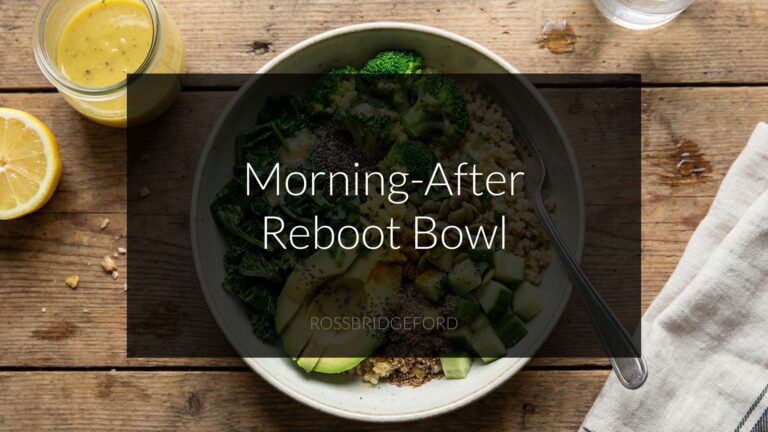
    BreakfastMorning-After Reboot BowlOpen recipe →
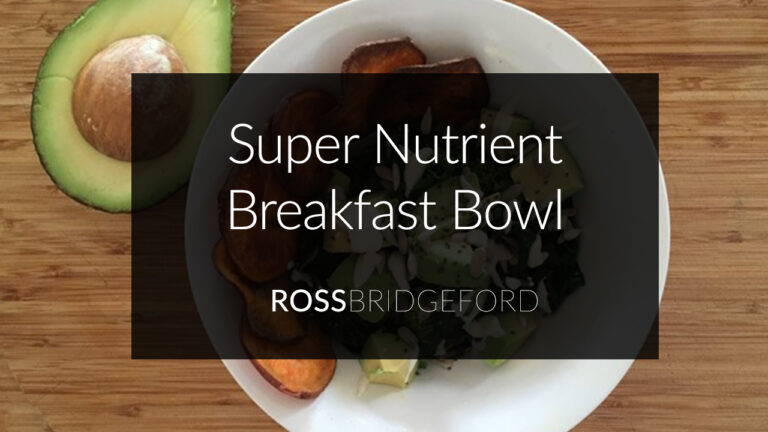
    BreakfastSuper-Nutrient Breakfast BowlOpen recipe →
    Want more than recipes?

    The Alkaline Life Club has everything in the Recipe Club, plus coaching, live Q&A and a community to keep you going.

    See the Alkaline Life Club

    Sources

    Nutrient values: USDA FoodData Central, SR Legacy (quinoa 168874, baby spinach 168462, kale 168421, cherry tomatoes 170457, red pepper 170108, broccoli 170379, avocado 171705, flaxseed oil 167702, lemon juice 167747). Plant compounds are named where the ingredient is a well-documented source; flavonoids follow the USDA Database for the Flavonoid Content of Selected Foods, Release 3.3. Daily Values: US Food and Drug Administration.
  • Crunchy Kale Salad with Tahini Dressing

    Crunchy Kale Salad with Tahini Dressing

    Recipes › Salads

    Crunchy Kale Salad with Tahini Dressing

    So fast to make, so satisfying and unbelievably alkaline – it’s become my #1 favourite alkaline lunch.

    Prep 10 minServes 215 ingredients
    VeganGluten-freeDairy-freeNo added sugar

    Tastes: crunchy and creamy, with kale, shaved sprouts, radish and nuts in a rich avocado-tahini dressing.

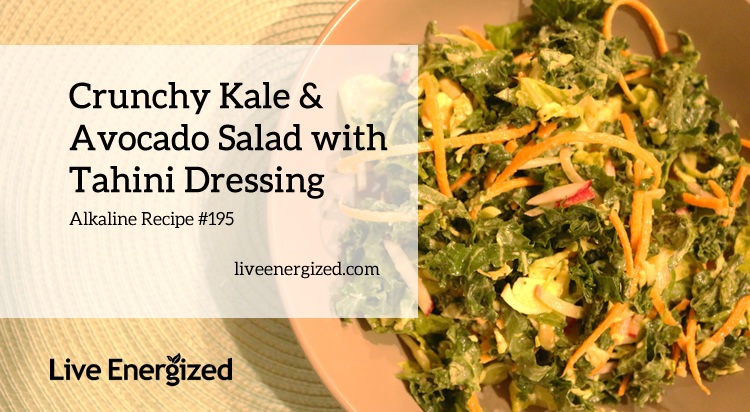
    kale and avo salad with tahini dressing recipe

    My #1 favourite lunch

    The crunchy kale and radish, the surprise texture of the nuts, the creaminess of the tahini dressing… oh man, I’m drooling just thinking about it! It’s packed with alkalinity and nutrients, and it’s highly anti-inflammatory and antioxidant-rich.

    The prep time for the whole thing is about 8 minutes, yet it looks and tastes like a meal that’s had real care taken over it. In a hurry, it’s a great filling salad – or use it as a starter or side.

    Why you’ll love it

    • Vitamin K: over three and a half times your daily needs.
    • Vitamin C: about one and a half day’s worth.
    • About 15 g plant protein and 14 g fibre a serve.
    • 8 minutes to make.

    Good for

    Immunity

    Vitamin C, copper, vitamin A and folate contribute to the normal function of the immune system.

    Antioxidants

    Vitamin C, copper, manganese and vitamin E contribute to the protection of cells from oxidative stress. It also contains plant compounds with antioxidant activity, including lutein, beta-carotene and flavonoids.

    Energy

    Folate, riboflavin, magnesium and vitamin B6 contribute to the reduction of tiredness and fatigue.

    Muscles

    Protein contributes to the maintenance of muscle mass, and magnesium, potassium and calcium contribute to normal muscle function.

    Bones

    Vitamin K, manganese, magnesium and phosphorus contribute to the maintenance of normal bones.

    Eyes

    Vitamin A, riboflavin and zinc contribute to the maintenance of normal vision. It also contains lutein and zeaxanthin, the carotenoids found in the macula of the eye.

    Blood pressure

    Potassium contributes to the maintenance of normal blood pressure.

    Tags use approved nutrient health-claim wording, for nutrients that give at least 10% of the Daily Value per serve. Plant compounds like lutein have no Daily Value, so we only say they’re there.

    Key nutrients per serve

    Vitamin K
    100%+Vitamin C
    100%+Manganese
    78%Copper
    78%Vitamin A
    52%Folate
    48%

    Contains: thiamin (42%), vitamin E (42%), riboflavin (38%), magnesium (38%), vitamin B6 (35%), pantothenic acid (32%), iron (31%), phosphorus (29%), potassium (28%), zinc (26%), niacin (24%), calcium (23%) and selenium (13%).

    Plant compounds: lutein and zeaxanthin (about 5.9 mg), beta-carotene (about 5 mg), plant omega-3 ALA (about 0.5 g), chlorophyll, quercetin and kaempferol from the kale, glucosinolates from the kale, sulphur compounds from the garlic and citrus flavonoids from the lemon.

    15 g protein14 g fibreAbout 6 g natural sugarAbout 235 mg sodium

    % of US Daily Value for adults, per serve (half the recipe). Estimated from USDA FoodData Central values for the ingredients as listed, so treat these as upper estimates. Excludes salt and pepper; anything over 100% shows as 100%+.

    Crunchy Kale Salad with Tahini Dressing

    Kale, shaved Brussels sprouts, radish, carrot, beans, nuts and basil with a blended avocado-tahini dressing.
    Prep Time 10 minutes
    Total Time 10 minutes
    Servings: 2

    Ingredients
      

    Salad
    • 4 big handfuls kale stalks removed, roughly sliced
    • 8 Brussels sprouts shaved thin
    • 2 radishes thinly sliced
    • 1 carrot shredded or thinly sliced
    • ½ cup cannellini beans or any beans you like
    • 2 tbsp almonds roughly chopped
    • 1 tbsp cashews
    • 1 tbsp pumpkin seeds
    • 1 cup basil chopped
    Tahini dressing
    • ½ large avocado
    • 1 tbsp tahini
    • 1 clove garlic
    • 1 tbsp olive or flax oil
    • 2 tbsp fresh lemon juice
    • cracked black pepper and a pinch of Himalayan salt

    Equipment

    • Blender

    Method
     

    1. Blend all the dressing ingredients until smooth. Add a little water, a tablespoon at a time, if you want it thinner.
    2. Mix all the salad ingredients together.
    3. Pour over the dressing, stir well and serve!

    Notes

    Optional extra step: toss just the kale, sprouts, carrot and radish with a third of the dressing and leave for 5–10 minutes to soften, then add everything else. I just go for it, as I like my kale a little crunchy!

    Swaps

    • Nut-free: use sunflower seeds instead of almonds and cashews.
    • Chickpeas instead of cannellini.
    • Cavolo nero is lovely instead of curly kale.

    Storing it

    Best fresh. The dressing keeps in the fridge for 2 days.

    Good to know

    • High in vitamin K. If you take warfarin or another blood thinner, keep your greens intake steady and talk to your doctor before eating more leafy greens than usual.
    • Contains nuts and sesame. See Swaps for nut-free.

    Try next

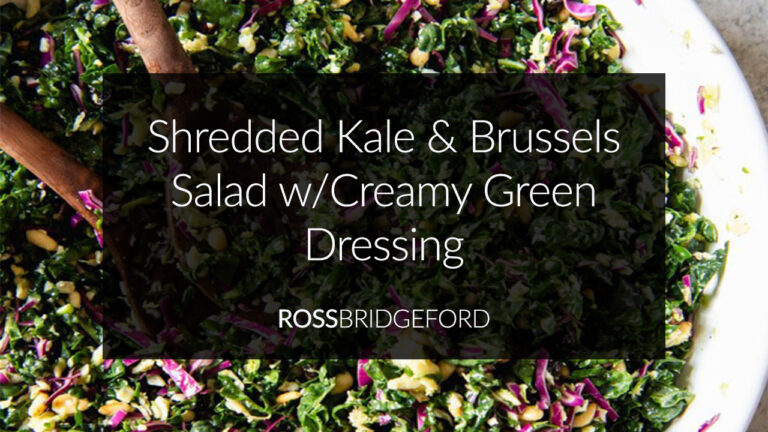
    SaladShredded Kale & Brussels Creamy SaladOpen recipe →
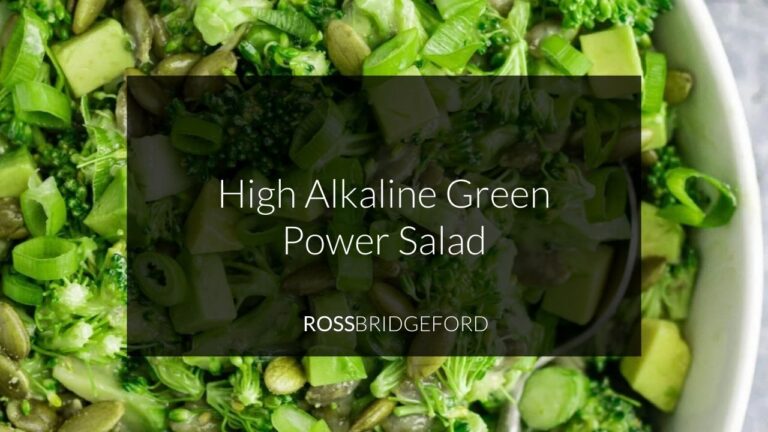
    SaladGreen Power Salad with Kale, Broccoli & AvocadoOpen recipe →
    Want more than recipes?

    The Alkaline Life Club has everything in the Recipe Club, plus coaching, live Q&A and a community to keep you going.

    See the Alkaline Life Club

    Sources

    Nutrient values: USDA FoodData Central, SR Legacy (kale 168421, Brussels sprouts 170383, radishes 169276, carrots 170393, white beans 175204, almonds 170567, cashews 170162, pumpkin seeds 170556, basil 172232, avocado 171705, tahini 168604, garlic 169230, olive oil 171413, lemon juice 167747). Plant compounds are named where the ingredient is a well-documented source; flavonoids follow the USDA Database for the Flavonoid Content of Selected Foods, Release 3.3. Daily Values: US Food and Drug Administration.
  • Magnesium-Rich Super Smoothie

    Magnesium-Rich Super Smoothie

    Recipes › Juices & smoothies

    Magnesium-Rich Super Smoothie

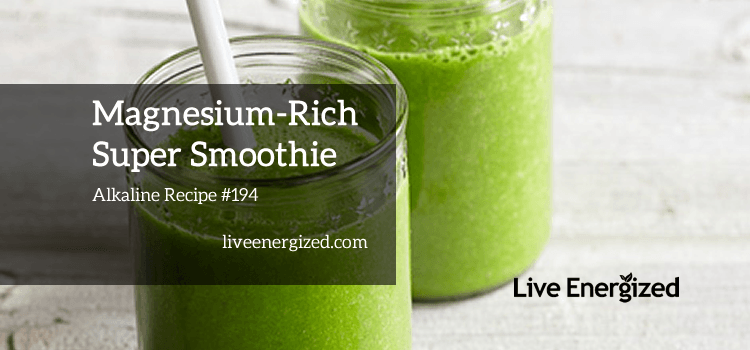
    A substantial green smoothie with avocado, kale, chard, spinach, almonds, pumpkin seeds and navy beans – nearly three-quarters of your daily magnesium in a glass.

    Prep 5 minServes 2Blender9 ingredients
    VeganGluten-freeDairy-freeNo added sugar

    Tastes: thick, creamy and very green, with a nutty finish.

    magnesium smoothie image

    Why magnesium matters so much

    We hear all about vitamin D, calcium, fibre and protein, but magnesium is perhaps even more important. It’s involved in more than 300 enzyme reactions in your body, and yet about half of us don’t get enough of it from our diet (DiNicolantonio et al., 2018).

    Low magnesium has been linked with muscle cramps, poor sleep, fatigue and higher blood pressure, so if any of those sound familiar, getting more from your food may help.

    This smoothie is substantial and will keep you full for a long time, with the combination of protein, fat and fibre (the satiation equation!).

    Why you’ll love it

    • Magnesium: nearly three-quarters of your daily needs a glass.
    • About 18 g protein and 16 g fibre a glass.
    • Vitamin K: over seven days’ worth.
    • Iron and manganese: about 40% and 100%+ of your daily needs.

    Good for

    Immunity

    Copper, vitamin C, folate and vitamin A contribute to the normal function of the immune system.

    Antioxidants

    Manganese, vitamin E, copper and vitamin C contribute to the protection of cells from oxidative stress. It also contains plant compounds with antioxidant activity, including lutein, beta-carotene and flavonoids.

    Energy

    Folate, magnesium, riboflavin and pantothenic acid contribute to the reduction of tiredness and fatigue.

    Muscles

    Protein contributes to the maintenance of muscle mass, and magnesium, potassium and calcium contribute to normal muscle function.

    Bones

    Vitamin K, manganese, magnesium and calcium contribute to the maintenance of normal bones.

    Eyes

    Vitamin A, riboflavin and zinc contribute to the maintenance of normal vision. It also contains lutein and zeaxanthin, the carotenoids found in the macula of the eye.

    Blood pressure

    Potassium contributes to the maintenance of normal blood pressure.

    Tags use approved nutrient health-claim wording, for nutrients that give at least 10% of the Daily Value per glass. Plant compounds like lutein have no Daily Value, so we only say they’re there.

    Key nutrients per glass

    Vitamin K
    100%+Manganese
    100%+Vitamin E
    100%+Copper
    100%Vitamin C
    95%Folate
    71%

    Contains: magnesium (71%), vitamin A (60%), riboflavin (54%), pantothenic acid (44%), iron (42%), potassium (38%), calcium (38%), phosphorus (37%), vitamin B6 (35%), zinc (34%), niacin (28%) and thiamin (25%).

    Plant compounds: lutein and zeaxanthin (about 15 mg), beta-carotene (about 6.4 mg), chlorophyll, quercetin and kaempferol from the kale and glucosinolates from the kale.

    18 g protein16 g fibreAbout 5 g natural sugarAbout 400 mg sodium

    % of US Daily Value for adults, per glass (half the recipe). Estimated from USDA FoodData Central values for the ingredients as listed, so treat these as upper estimates. Uses canned white bean values for the navy beans, 30 g almonds, 30 g pumpkin seeds and a calcium-fortified almond milk; anything over 100% shows as 100%+.

    Magnesium-Rich Super Smoothie

    Avocado, kale, cucumber, spinach, Swiss chard, almonds, pumpkin seeds and navy beans blended with almond milk.
    Prep Time 5 minutes
    Total Time 5 minutes
    Servings: 2 glasses

    Ingredients
      

    • 1 avocado
    • 3 handfuls kale
    • 1 small cucumber
    • 4 handfuls spinach
    • 3 handfuls Swiss chard
    • 1 small handful almonds about 25 nuts
    • 1 handful pumpkin seeds about 30 g
    • ½ cup navy beans canned, drained and rinsed
    • 200 ml unsweetened almond milk or water

    Equipment

    • Blender

    Method
     

    1. Simply blend all the ingredients together!
    2. Add more almond milk or water until it’s the thickness you like.

    Swaps

    • Cheaper: use filtered water instead of almond milk.
    • Nut-free: use water and swap the almonds for sunflower seeds.
    • No navy beans? Use cannellini or butter beans.

    Storing it

    Best fresh. It keeps in a sealed jar in the fridge for a few hours.

    Good to know

    • High in vitamin K. If you take warfarin or another blood thinner, keep your greens intake steady and talk to your doctor before making green smoothies a daily habit.
    • Contains almonds (and almond milk).

    Try next

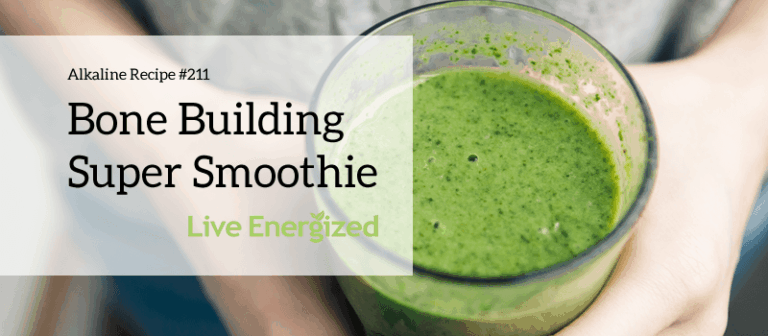
    Juices & smoothiesBone Builder SmoothieOpen recipe →
    DrinksAlkaline Sleep ElixirOpen recipe →
    Want more than recipes?

    The Alkaline Life Club has everything in the Recipe Club, plus coaching, live Q&A and a community to keep you going.

    See the Alkaline Life Club

    Sources

    Nutrient values: USDA FoodData Central, SR Legacy (avocado 171705, kale 168421, cucumber 168409, baby spinach 168462, chard 169991, almonds 170567, pumpkin seeds 170556, canned white beans 175204, almond milk 174832). Plant compounds are named where the ingredient is a well-documented source; flavonoids follow the USDA Database for the Flavonoid Content of Selected Foods, Release 3.3. Daily Values: US Food and Drug Administration. Magnesium intake: DiNicolantonio, O’Keefe and Wilson, “Subclinical magnesium deficiency: a principal driver of cardiovascular disease and a public health crisis,” Open Heart 5 (2018): e000668.