Category: Free Alkaline Diet Recipes

Alkaline Diet Recipes: The Alkaline Recipe Centre from Ross Bridgeford
Make the Alkaline Diet Easy With Delicious Alkaline Recipe, and Enjoyable & Nourishing Meals
Find over 200+ delicious alkaline diet recipes & meals that the whole family will love. Includes alkaline recipes for breakfast, lunch, dinner, and snacks, plus cuisines including Italian, Indian, British, American, Mexican, Thai, and more!  This will make the alkaline lifestyle so simple!

Every recipe has been packed with nutrient-dense foods, designed with ease and simplicity in mind using every day, fresh, easy-to-find ingredients. Plus no recipe takes more than 30 minutes to prepare and all have been tried and tested on my family, including my kids! This is alkaline living made easy!

All recipes come with a print-friendly button so you can get started right away.

Click here to jump to a meal-time:

Alkaline Breakfast Recipes
Alkaline Lunch Recipes
Alkaline Dinner Recipes

Alkaline recipes are a great way to help keep your body’s pH balance in check, infusing your body with alkaline foods. Eating an alkaline-based diet helps to maintain healthy cells and tissues, as well as support overall health and wellness. Knowing how to prepare meals that contain the right amount of alkaline ingredients is key for anyone who wants to reap the benefits of an alkaline diet.

Fortunately, there are a plethora of delicious and nutrient-dense alkaline foods to choose from to make alkaline recipes for your alkaline-based meal plan. From classic dishes like quinoa bowls and vegetable salads to creative takes on traditional meals like eggplant lasagna, there’s something for everyone! With the right alkaline recipes and proper preparation, you can maintain a healthy alkaline diet that will help your body stay in balance.

Besides selecting the right alkaline foods, there are many different cooking techniques you can use to maximize the alkalinity of your meals. For example, steaming is a great way to prepare vegetables as it helps keep their natural nutrients intact. You can also incorporate alkaline-friendly herbs and spices, like turmeric and basil, to give your dishes a unique flavor.

At the end of the day, alkaline recipes are easy to make and provide a variety of health benefits. They help you avoid those acid foods and with the right alkaline ingredients and cooking techniques, you can create delicious meals that support your body’s needs.

For more information on starting on an alkaline diet click here, and browse the recipes!

  • Creamy Vegan Alfredo Sauce

    Creamy Vegan Alfredo Sauce

    Recipes › Sauces

    Creamy Vegan Alfredo Sauce

    Oh, this is such a big hit in our house! Creamy, filling, alkaline and fat-rich – and best of all, it takes just minutes to prepare with only a few simple ingredients.

    Prep 10 minCook 12 minMakes 6 serves11 ingredients
    VeganGluten-freeDairy-freeNo added sugar

    Tastes: rich, creamy and garlicky, with a hint of lemon and fresh herbs.
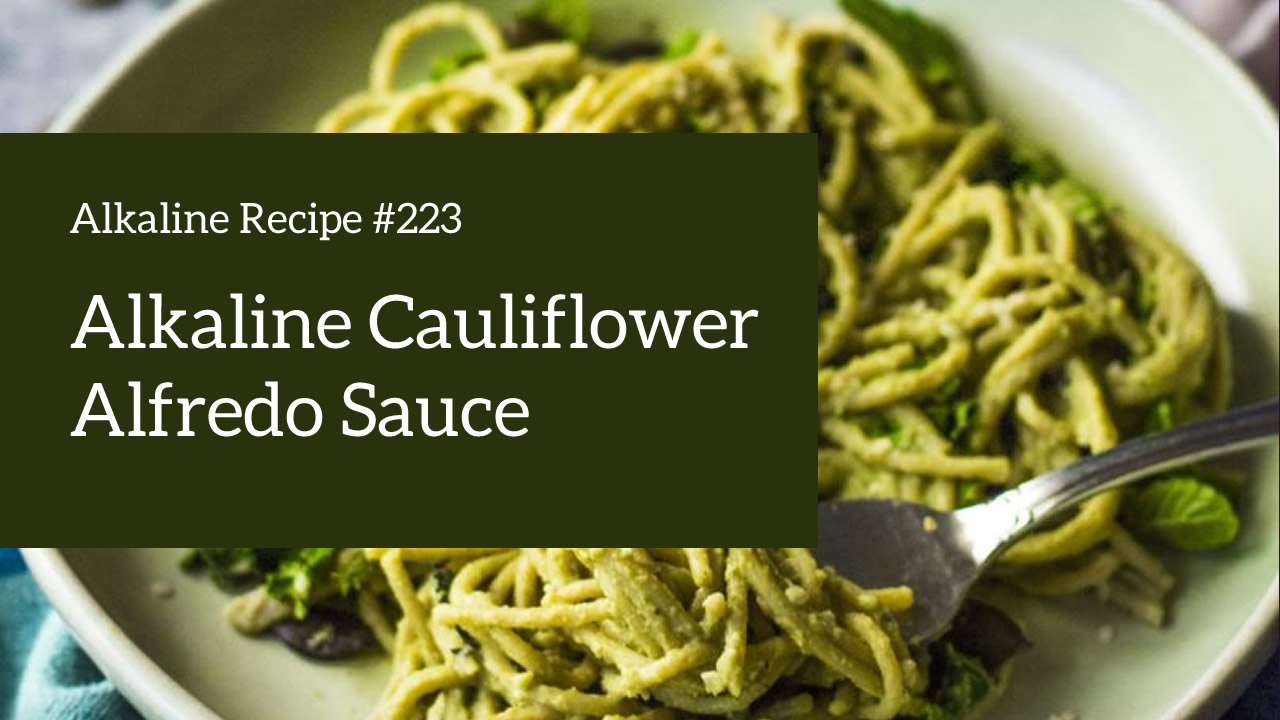
    alkaline recipe: alfredo sauce

    One sauce, a bunch of dishes

    One of my key strategies to make the alkaline diet as easy and effortless as possible for you is delicious recipes that can be used in a bunch of different dishes. This sauce makes any plain and simple veggie dish (roast veggies, steamed veggies, grilled veggies, a salad and so on) interesting and so much more filling. And of course, on gluten-free pasta, it’s the perfect alfredo sauce!

    It’s rich in healthy fats, with vitamin C, vitamin K and B vitamins from the cauliflower, oregano (whose natural compounds are antibacterial in lab studies), and garlic, which has anti-inflammatory compounds and may help protect against some cancers.

    Why you’ll love it

    • A creamy sauce made from cauliflower, with no dairy at all.
    • Minutes to make with a few simple ingredients.
    • Makes plenty, so you have sauce for several meals.
    • Vitamin C: over half your daily needs a serve.

    Good for

    Immunity

    Vitamin C, copper, folate and vitamin B6 contribute to the normal function of the immune system.

    Antioxidants

    Vitamin C, vitamin E, copper and manganese contribute to the protection of cells from oxidative stress. It also contains plant compounds with antioxidant activity, including flavonoids.

    Energy

    Folate, pantothenic acid, vitamin B6 and magnesium contribute to the reduction of tiredness and fatigue.

    Bones

    Vitamin K, manganese, calcium and magnesium contribute to the maintenance of normal bones.

    Tags use approved nutrient health-claim wording, for nutrients that give at least 10% of the Daily Value per serve. Plant compounds like these have no Daily Value, so we only say they’re there.

    Key nutrients per serve

    Vitamin C
    56%Vitamin E
    44%Copper
    22%

    Contains: vitamin K (18%), manganese (17%), calcium (16%), folate (15%), pantothenic acid (14%), vitamin B6 (12%), magnesium (10%) and potassium (9%).

    Plant compounds: glucosinolates from the cauliflower, sulphur compounds from the garlic and citrus flavonoids from the lemon.

    Under 4 g natural sugarAbout 155 mg sodium

    % of US Daily Value for adults, per serve (one-sixth of the sauce). Estimated from USDA FoodData Central values for the ingredients as listed; cooking reduces some vitamins, so treat these as upper estimates. Sauce only, without pasta; uses unsweetened almond milk and a low-salt stock cube; excludes salt and pepper added to taste; anything over 100% shows as 100%+.

    Creamy Vegan Alfredo Sauce

    A silky dairy-free alfredo sauce made with cauliflower, cashews, garlic and almond milk.
    Prep Time 10 minutes
    Cook Time 12 minutes
    Total Time 22 minutes
    Servings: 6 serves

    Ingredients
      

    • 1 medium cauliflower roughly chopped
    • 1 tbsp avocado oil or use 2 tbsp coconut oil in total
    • 1 tbsp coconut oil
    • ¼ cup cashews soaked
    • 3 cloves garlic minced
    • 2 tsp pine nuts
    • 2½ cups unsweetened almond milk
    • 1 yeast-free, low-salt vegetable stock cube
    • 1 small handful fresh oregano and basil or ½ tsp dried
    • juice of ½ lemon
    • Himalayan salt and black pepper to taste

    Equipment

    • High-speed blender

    Method
     

    1. Start by soaking the cashews in warm water, which makes them easier to blend. If you can, start a couple of hours before you want to cook, but if not, just soak them for as long as you have.
    2. Roughly chop the cauliflower, mince the garlic and add to a pan with the oils and pine nuts. Cook for 2–3 minutes, then add the almond milk and the stock cube and bring to a simmer.
    3. Drain and rinse the cashews and add them to the pan too. Simmer everything together for 6–8 minutes.
    4. Pour everything into a high-speed blender, add the lemon juice, herbs, salt and pepper, and blend until smooth. You’re ready to go!

    Notes

    Use it on gluten-free pasta, zucchini ‘zoodles’ or any veggie dish or salad.

    Swaps

    • Nut-free: leave out the cashews and pine nuts and use oat milk or a nut-free plant milk; add a couple of tbsp of hemp seeds for creaminess.
    • Thicker sauce: use 2 cups of almond milk instead of 2½.
    • Cheesy flavour: blend in a tbsp of nutritional yeast.

    Storing it

    Keeps in a jar in the fridge for 4–5 days. Loosen with a splash of almond milk when you reheat it.

    Good to know

    • Contains nuts. See Swaps for a nut-free version.
    • Stock cubes: choose a gluten-free, low-salt one.

    Ross’s tip

    You can use this with gluten-free pasta, zucchini ‘zoodles’ or any other veggie dish or salad. It’s amazing!

    Try next
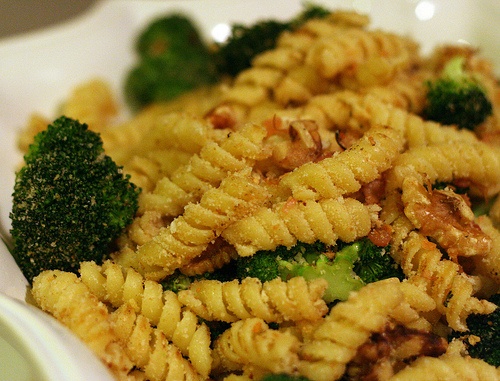
    DinnerGluten-Free Pasta with Broccoli & Toasted AlmondsOpen recipe →
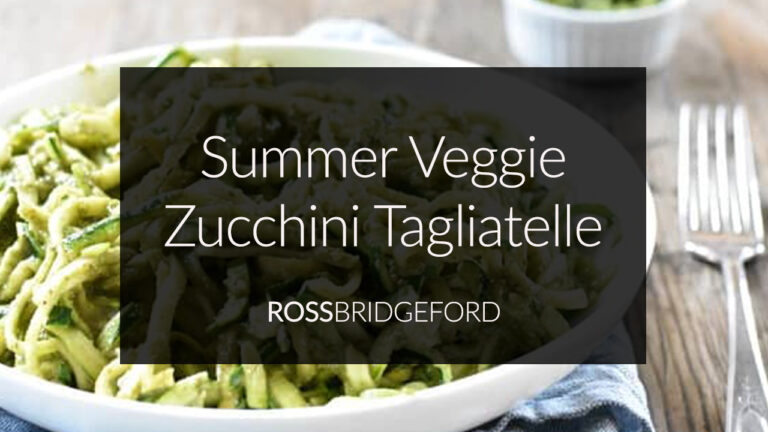
    DinnerSummer Veggie Zucchini TagliatelleOpen recipe →
    Want more than recipes?

    The Alkaline Life Club has everything in the Recipe Club, plus coaching, live Q&A and a community to keep you going.

    See the Alkaline Life Club

    Sources

    Nutrient values: USDA FoodData Central, SR Legacy (cauliflower 169986, avocado oil 173573, coconut oil 171412, cashews 170162, garlic 169230, pine nuts 170591, almond milk 174832, basil 172232, oregano 171328, lemon juice 167747). Plant compounds are named where the ingredient is a well-documented source; flavonoids follow the USDA Database for the Flavonoid Content of Selected Foods, Release 3.3. Daily Values: US Food and Drug Administration.
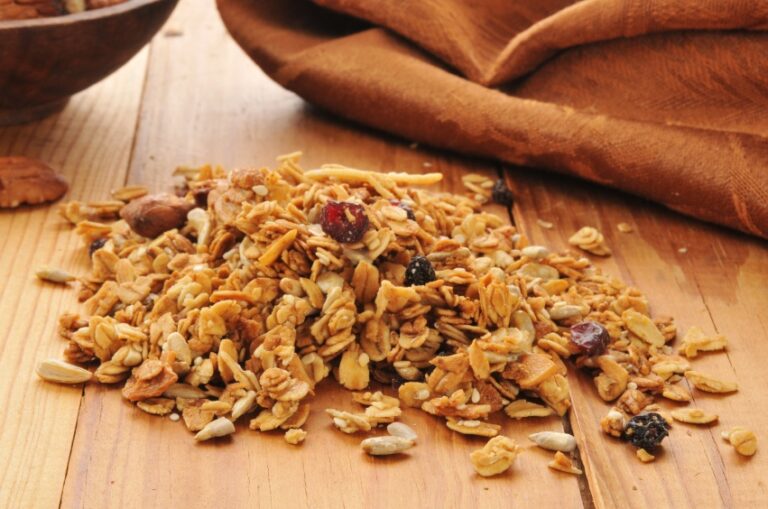
  • Fill-You-Up Oat & Quinoa Porridge

    Fill-You-Up Oat & Quinoa Porridge

    Recipes › Breakfast

    Fill-You-Up Oat & Quinoa Porridge

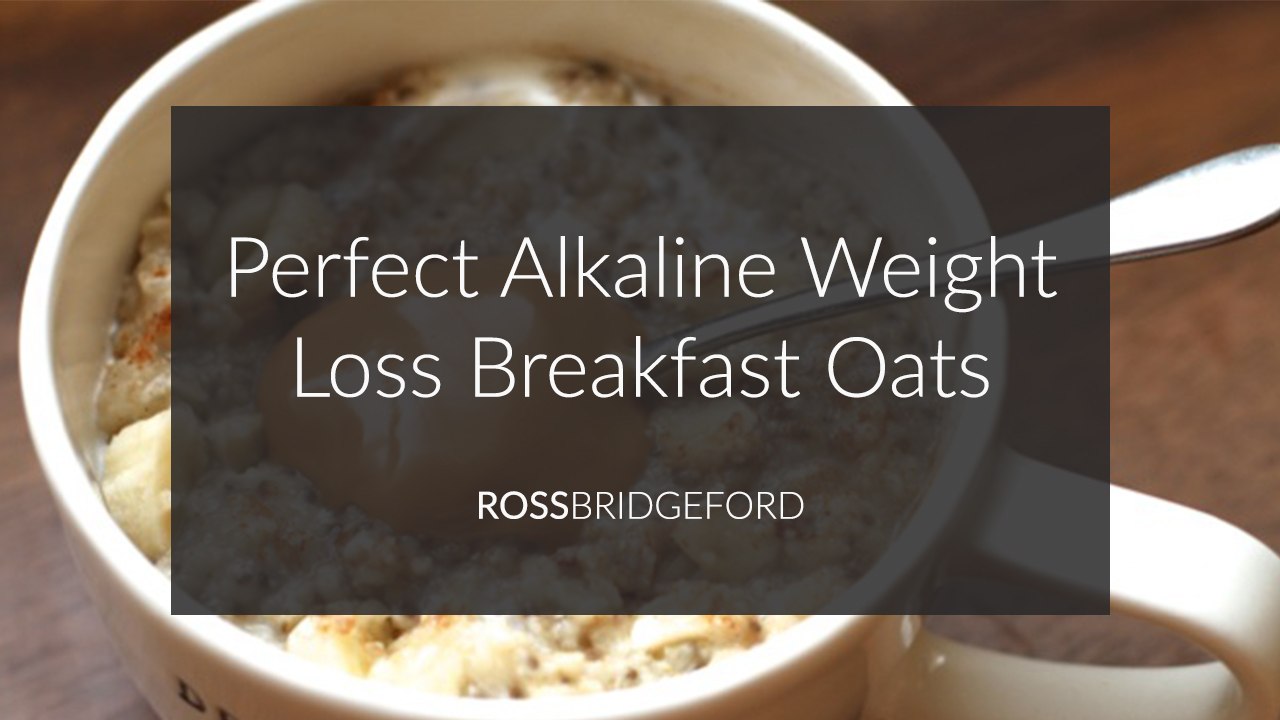
    Oats and quinoa simmered together and stirred with coconut oil, coconut milk, cinnamon, crushed almonds and a little psyllium. A simple, oaty bowl that keeps you going.

    Prep 5 minCook 20 minServes 28 ingredients
    VeganGluten-freeDairy-freeNo added sugar

    Tastes: creamy, warming and nutty, with cinnamon and coconut.

    Weight Loss Breakfast Oats

    Forget calories

    This is a quick, delicious, filling breakfast that sets you up for the day.

    If you’re looking to lose weight, I want you to FORGET CALORIES. Calories are a fine measure for a lot of things, but they’re far too simplistic a measure for losing weight, and most people who lose weight gain it back within a few years.

    Instead, focus on giving your body what it needs: real, whole foods, plenty of fibre, and healthy fats that keep you full and satisfied. Oats bring a type of fibre called beta-glucan, which can help you feel fuller, and the psyllium adds even more fibre.

    Why you’ll love it

    • 15 g plant protein a bowl.
    • Fibre: 40% of your daily needs.
    • Manganese: over a day’s worth.
    • Warming and creamy with cinnamon and coconut.

    Good for

    Immunity

    Copper, zinc, selenium and iron contribute to the normal function of the immune system.

    Antioxidants

    Manganese, copper, zinc and selenium contribute to the protection of cells from oxidative stress.

    Energy

    Magnesium, iron, folate and riboflavin contribute to the reduction of tiredness and fatigue.

    Bones

    Manganese, magnesium, phosphorus and zinc contribute to the maintenance of normal bones.

    Eyes

    Zinc and riboflavin contribute to the maintenance of normal vision.

    Blood pressure

    Potassium contributes to the maintenance of normal blood pressure.

    Tags use approved nutrient health-claim wording, for nutrients that give at least 10% of the Daily Value per bowl. Plant compounds like these have no Daily Value, so we only say they’re there.

    Key nutrients per bowl

    Manganese
    100%+Copper
    67%Magnesium
    45%Phosphorus
    37%Thiamin
    33%Zinc
    32%

    Contains: selenium (31%), iron (30%), folate (25%), vitamin E (25%), riboflavin (23%), vitamin B6 (18%), pantothenic acid (18%), potassium (12%), niacin (11%) and calcium (7%).

    15 g protein11 g fibreUnder 4 g natural sugarAbout 10 mg sodium

    % of US Daily Value for adults, per bowl (half the recipe). Estimated from USDA FoodData Central values for the ingredients as listed; cooking reduces some vitamins, so treat these as upper estimates. Uses ¼ cup canned coconut milk, about 20 g almonds and typical values for psyllium husk; excludes the optional almond butter; anything over 100% shows as 100%+.

    Fill-You-Up Oat & Quinoa Porridge

    Quinoa simmered until nearly cooked, then oats and crushed almonds added, finished with psyllium, cinnamon, coconut oil and coconut milk.
    Prep Time 5 minutes
    Cook Time 20 minutes
    Total Time 25 minutes
    Servings: 2 bowls

    Ingredients
      

    • 1 cup oats gluten-free if needed
    • ½ cup quinoa rinsed
    • 2½ cups filtered water plus more if needed
    • 2 dessert spoons coconut oil
    • ¼ cup coconut milk or almond milk, to taste
    • 1 tsp ground cinnamon
    • 1 small handful almonds smashed or sliced
    • 1 pinch psyllium husks per person
    • 1 spoonful almond butter optional, to top

    Equipment

    • Saucepan

    Method
     

    1. Put the quinoa in a pan with 1 cup of the water, bring to the boil, then simmer until the water has almost all evaporated.
    2. When it’s almost cooked, add the oats and 1½ cups of water and simmer until the oats are soft, adding more water if needed.
    3. Meanwhile, smash or slice the almonds and add them to the pan.
    4. Once the oats and quinoa are cooked, take the pan off the heat and stir in the psyllium, cinnamon, coconut oil and coconut milk to taste.
    5. Serve with another splash of milk if you like. Enjoy!

    Swaps

    • Sweeter: add a touch of rice malt syrup if you need it.
    • Almond milk works instead of coconut milk.
    • Nut-free: top with pumpkin seeds instead of almonds.

    Storing it

    Keeps in the fridge for 2 days. Reheat with a splash of milk.

    Good to know

    • Oats and gluten: oats are naturally gluten-free but often contaminated, so choose ones labelled gluten-free if you’re coeliac.
    • Psyllium: drink plenty of water with it, and take any medicines at a different time of day.

    Try next

    BreakfastOmega MuesliOpen recipe →
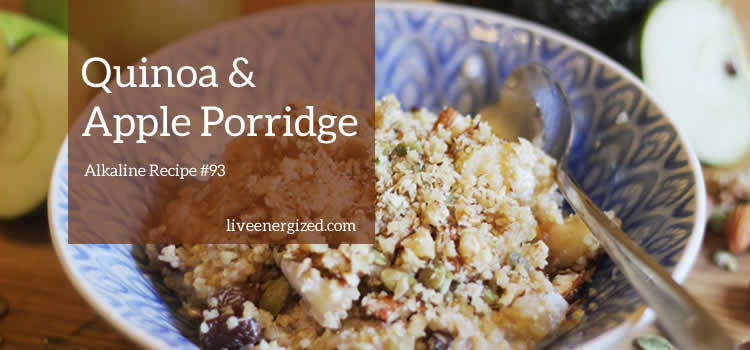
    BreakfastQuinoa & Apple Breakfast WarmerOpen recipe →
    Want more than recipes?

    The Alkaline Life Club has everything in the Recipe Club, plus coaching, live Q&A and a community to keep you going.

    See the Alkaline Life Club

    Sources

    Nutrient values: USDA FoodData Central, SR Legacy (oats 173904, quinoa 168874, coconut oil 171412, canned coconut milk 170173, cinnamon 171320, almonds 170567). Plant compounds are named where the ingredient is a well-documented source; flavonoids follow the USDA Database for the Flavonoid Content of Selected Foods, Release 3.3. Daily Values: US Food and Drug Administration. Weight regain: Fildes et al., “Probability of an obese person attaining normal body weight: cohort study using electronic health records,” American Journal of Public Health 105 (2015): e54–e59.
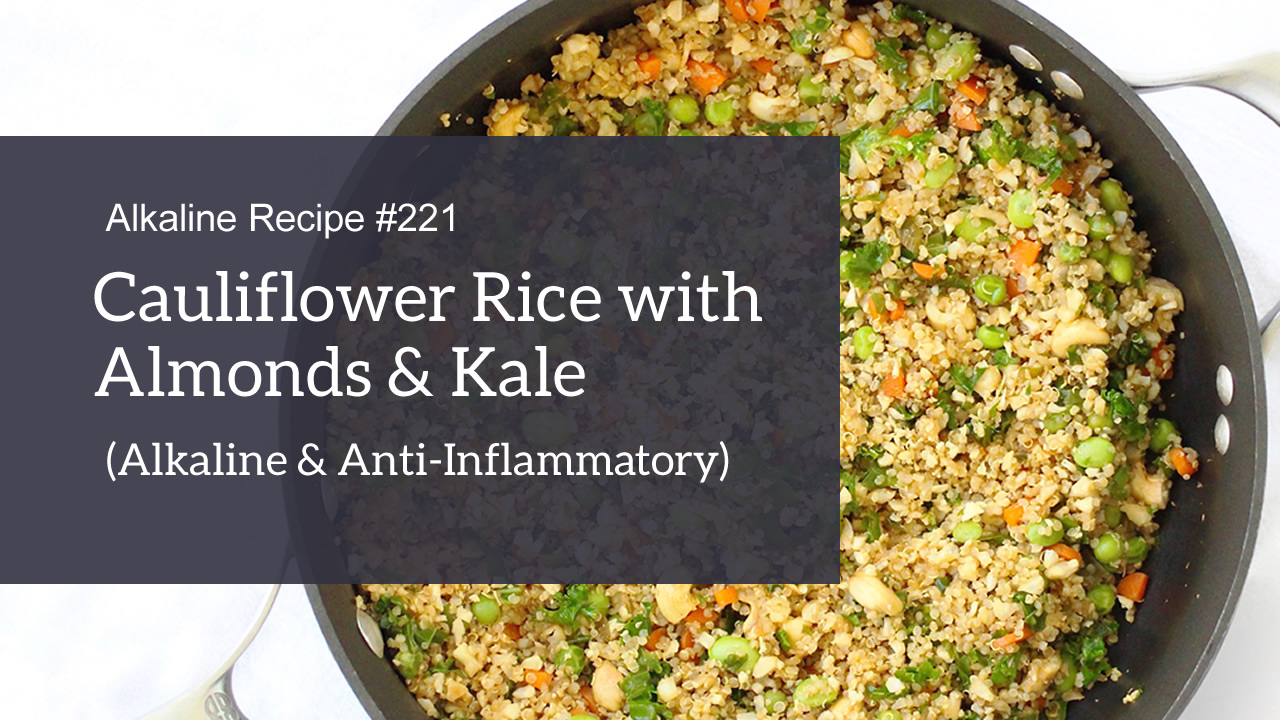
  • Cauliflower Fried Rice with Turmeric, Ginger & Kale

    Cauliflower Fried Rice with Turmeric, Ginger & Kale

    Recipes › Lunch

    Cauliflower Fried Rice with Turmeric, Ginger & Kale

    Oh boy, this recipe is a massive win. Fresh, so many different textures, massive depth of flavour – and of course alkaline, antioxidant-rich and anti-inflammatory.

    Prep 15 minCook 5 minServes 413 ingredients
    VeganGluten-freeDairy-freeNo added sugar

    Tastes: fresh and zesty, with ginger, turmeric, loads of herbs and crunchy almonds.

    Cauliflower fried rice with kale, herbs and almonds

    Make it once, lunch all week

    It ticks every box of my Triple-A. Winner! And more than that, it’s a superb recipe to make in bulk and have for your healthy lunch at WORK. It keeps in the fridge all week, so you can simply grab and go.

    It works great on its own, warm or cold, or as a base for other dishes – top it with a stir-fry, a curry, or just a big pile of roast veggies. And if you want to bulk it out as a cold salad, I love to chop in a heap of spinach and tomatoes.

    Why you’ll love it

    • Vitamins C and K: more than a full day’s worth of each, per serve.
    • Herb heaven: coriander, parsley and mint.
    • Quick: under 5 minutes in the pan.
    • Meal-prep friendly. Keeps in the fridge all week.

    Good for

    Immunity

    Vitamin C, folate, copper and vitamin B6 contribute to the normal function of the immune system.

    Antioxidants

    Vitamin C, manganese, copper and riboflavin contribute to the protection of cells from oxidative stress. It also contains plant compounds with antioxidant activity, including lutein, beta-carotene and apigenin.

    Energy

    Folate, riboflavin, pantothenic acid and vitamin B6 contribute to the reduction of tiredness and fatigue.

    Muscles

    Protein contributes to the maintenance of muscle mass, and magnesium, potassium and calcium contribute to normal muscle function.

    Bones

    Vitamin K, manganese, magnesium and phosphorus contribute to the maintenance of normal bones.

    Eyes

    Riboflavin, vitamin A and zinc contribute to the maintenance of normal vision. It also contains lutein and zeaxanthin, the carotenoids found in the macula of the eye.

    Blood pressure

    Potassium contributes to the maintenance of normal blood pressure.

    Tags use approved nutrient health-claim wording, for nutrients that give at least 10% of the Daily Value per serve. Plant compounds like lutein have no Daily Value, so we only say they’re there.

    Key nutrients per serve

    Vitamin K
    100%+Vitamin C
    100%+Manganese
    57%Folate
    50%Copper
    44%Riboflavin
    38%

    Contains: pantothenic acid (38%), vitamin B6 (35%), vitamin E (31%), magnesium (26%), potassium (25%), iron (23%), phosphorus (19%), thiamin (17%), niacin (17%), vitamin A (16%), calcium (16%) and zinc (15%).

    Plant compounds: lutein and zeaxanthin (about 3.3 mg), beta-carotene (about 1.5 mg), chlorophyll, apigenin from the parsley, quercetin and kaempferol from the kale, quercetin from the onion, glucosinolates from the cauliflower and kale, curcumin from the turmeric, gingerols from the ginger and citrus flavonoids from the lime.

    10 g protein10 g fibreAbout 7 g natural sugarAbout 350 mg sodium

    % of US Daily Value for adults, per serve (¼ of the recipe). Estimated from USDA FoodData Central values for the ingredients as listed; cooking reduces some vitamins, so treat these as upper estimates. Fresh turmeric uses ground turmeric values; excludes the optional chilli; anything over 100% shows as 100%+.

    Cauliflower Fried Rice with Turmeric, Ginger & Kale

    Cauliflower rice stir-fried with kale, zucchini, ginger, turmeric and fresh herbs, finished with almonds and lime.
    Prep Time 15 minutes
    Cook Time 5 minutes
    Total Time 20 minutes
    Servings: 4 serves

    Ingredients
      

    • 1 large cauliflower
    • ½ bunch kale any variety, Tuscan is lovely
    • 1 tbsp coconut oil
    • 1 zucchini (courgette)
    • 1 inch fresh ginger or 1 tsp ground
    • 1 inch fresh turmeric or 1 tsp ground
    • 1 bunch coriander
    • ½ bunch parsley any variety
    • 1 bunch mint
    • 1 lime
    • 4 spring onions
    • 2 handfuls almonds
    • 1 tbsp tamari or Bragg Liquid Aminos
    • 1 green chilli optional

    Equipment

    • Food processor or grater
    • Large pan

    Method
     

    1. Make the cauliflower rice: break the cauliflower into small florets and pulse in a food processor until it’s like rice. No food processor? Just grate it.
    2. Thinly slice the kale, quarter and thinly slice the zucchini, and roughly chop all the herbs (discard the mint and parsley stems, but keep the coriander stems).
    3. Peel the ginger and turmeric (scraping with the back of a spoon makes it easy) and grate them into a large pan with the coconut oil.
    4. As it starts to warm, stir in the herbs, including the coriander stems.
    5. After 30 seconds, stir in the cauliflower and then the kale.
    6. After another 2–3 minutes, add the spring onions, zucchini and tamari, stir through and remove from the heat. The total cooking time should be under 5 minutes – you don’t want anything going too soft!
    7. Roughly chop the almonds and stir them through, then season to taste and add lime juice to your liking.

    Swaps

    • As a cold salad: chop in a heap of spinach and tomatoes.
    • No fresh turmeric or ginger? Use 1 tsp of each, ground.
    • Nut-free: use toasted pumpkin seeds instead of almonds.

    Storing it

    Keeps in the fridge for up to 5 days – perfect for grab-and-go lunches.

    Good to know

    • High in vitamin K. If you take warfarin or another blood thinner, keep your greens intake steady and talk to your doctor before eating more leafy greens than usual.
    • Tamari: choose one labelled gluten-free if you’re coeliac.
    • Contains almonds. See Swaps for a nut-free version.

    Try next

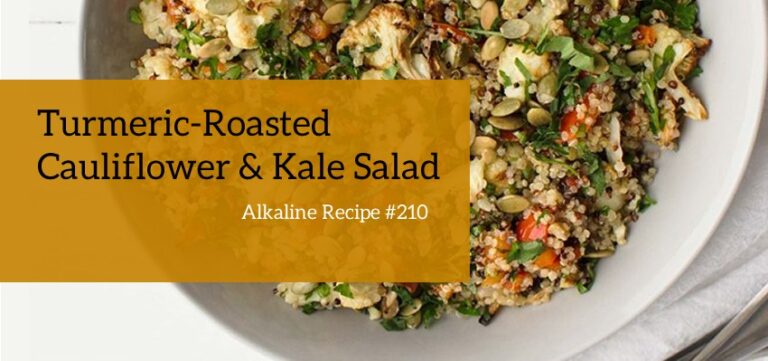
    SaladTurmeric Roasted Cauliflower & Kale SaladOpen recipe →
    SaladShredded Zesty Brussels & Kale SaladOpen recipe →
    Want more than recipes?

    The Alkaline Life Club has everything in the Recipe Club, plus coaching, live Q&A and a community to keep you going.

    See the Alkaline Life Club

    Sources

    Nutrient values: USDA FoodData Central, SR Legacy (cauliflower 169986, kale 168421, coconut oil 171412, zucchini 169291, ginger 169231, turmeric 172231, coriander leaves 169997, parsley 170416, mint 173475, lime juice 168156, spring onions 170005, almonds 170567, tamari 174278). Plant compounds are named where the ingredient is a well-documented source; flavonoids follow the USDA Database for the Flavonoid Content of Selected Foods, Release 3.3. Daily Values: US Food and Drug Administration.
  • Ultimate Gluten-Free Bread

    Ultimate Gluten-Free Bread

    Recipes › Breads

    Ultimate Gluten-Free Bread

    I absolutely adore this recipe. It’s a gluten-free bread that’s EASY (priority #1), tastes GREAT (priority #1.1) and the kids LOVE (priority #2).

    Prep 15 minRest 1–3 hrsBake 40 minMakes 1 loaf13 ingredients
    VeganGluten-freeDairy-freeNo added sugar

    Tastes: nutty, seedy and hearty – lovely toasted, with sweet or savoury toppings.

    title: the ultimate gluten free bread

    Close to perfection

    I’ve adapted this from about four different gluten-free bread recipes over the years (my first ever was a pumpkin bread from 2006!) and I feel like this is close to perfection now.

    It’s packed with healthy fats from the seeds, nuts, chia, almond butter and coconut oil, including anti-inflammatory omega-3s from the walnuts, flax and chia. The psyllium husks do the job of ‘glue’ like gluten in the loaf, and they’re a source of soluble and insoluble fibre to support your digestive health.

    Why you’ll love it

    • EASY. Mix, rest and bake. No kneading, and it won’t rise, so you can fill the tin right to the top.
    • The kids LOVE it. A great answer to “I’m hungry, what can I eat…!!!”
    • Healthy fats and fibre from the seeds, nuts, chia and psyllium in every slice.

    Good for

    Immunity

    Copper, selenium and zinc contribute to the normal function of the immune system.

    Antioxidants

    Manganese, copper, vitamin E and selenium contribute to the protection of cells from oxidative stress. It also contains plant compounds with antioxidant activity, including rutin and lignans.

    Energy

    Magnesium and niacin contribute to the reduction of tiredness and fatigue.

    Bones

    Manganese, magnesium, phosphorus and zinc contribute to the maintenance of normal bones.

    Eyes

    Zinc contributes to the maintenance of normal vision.

    Tags use approved nutrient health-claim wording, for nutrients that give at least 10% of the Daily Value per slice. Plant compounds like these have no Daily Value, so we only say they’re there.

    Key nutrients per slice

    Manganese
    41%Copper
    38%Vitamin E
    22%Magnesium
    22%

    Contains: thiamin (19%), phosphorus (15%), selenium (15%), zinc (13%) and niacin (10%).

    Plant compounds: plant omega-3 ALA (about 1.4 g), rutin from the buckwheat and lignans from the flaxseed.

    6 g protein5 g fibreUnder 4 g natural sugarAbout 5 mg sodium

    % of US Daily Value for adults, per slice (1/12 of the loaf). Estimated from USDA FoodData Central values for the ingredients as listed; cooking reduces some vitamins, so treat these as upper estimates. Psyllium husk isn’t in the USDA data, so the fibre figure is an underestimate; anything over 100% shows as 100%+.

    Ultimate Gluten-Free Bread

    An easy, delicious, nutrient-dense gluten-free loaf the kids love.
    Prep Time 15 minutes
    Cook Time 40 minutes
    Rest (1–3 hours) 1 hour
    Total Time 1 hour 55 minutes
    Servings: 12 slices

    Ingredients
      

    • ½ cup sunflower seeds
    • ¼ cup pumpkin seeds
    • ¼ cup walnuts
    • ¼ cup almonds
    • 1 cup oats certified gluten-free if needed
    • 3 tbsp flaxseeds
    • ½ cup buckwheat or coconut flour
    • 3 tbsp chia seeds
    • 4 tbsp psyllium husks
    • 3 tbsp coconut oil melted
    • 1 tbsp almond butter
    • 4 tbsp coconut flakes
    • 400 ml water

    Equipment

    • Loaf tin
    • Large bowl

    Method
     

    1. In a large bowl, combine the dry ingredients (everything except the water, coconut oil and almond butter) and mix well together with your hands.
    2. In a separate bowl, mix together the almond butter and coconut oil until combined, then pour in the water, stirring until it’s mixed. It doesn’t need to be completely combined; a few little lumps of the butter are OK.
    3. Pour the wet stuff in with the dry stuff and get your hands in there, combining it all until it’s a really thick, gooey, dough-y mix. Let it stand for at least an hour, preferably 2–3 hours, on your kitchen bench. If you’re leaving it for a while, cover it with a kitchen towel – you can’t leave it too long.
    4. When you’re ready to cook, preheat your oven to 175°C / 350°F and transfer the mixture into a loaf tin. It won’t rise, so feel free to fill it right to the top.
    5. Bake in the middle of the oven for around 20 minutes. Then remove it from the tin, flip it upside down and bake for another 20 minutes.
    6. After 40 minutes in total, remove it from the oven and let it cool completely before slicing.

    Notes

    For ease, you can mix together any nuts and seeds to the volume of 1¼ cups – it doesn’t have to be these specific ones.

    Swaps

    • Any nuts and seeds work, to a total of 1¼ cups.
    • Coconut flour works instead of buckwheat flour.
    • Nut-free? Use seeds only, and swap the almond butter for tahini.

    Storing it

    It will last around 5–6 days in the fridge in an airtight container. It also freezes well in slices – toast them straight from frozen.

    Good to know

    • Oats and gluten: choose certified gluten-free oats if you’re coeliac or very gluten-sensitive.
    • Contains nuts. Use seeds only if you need it nut-free.
    • Psyllium: drink plenty of water with high-fibre foods like this.

    Ross’s tip

    A trick I learned from My New Roots: after 20 minutes, remove the loaf from the tin and flip it upside down before baking for another 20 minutes.

    Try next

    Bread2-Ingredient Flax FlatbreadsOpen recipe →
    BreadGluten-Free Chia & Coconut Banana BreadOpen recipe →
    Want more than recipes?

    The Alkaline Life Club has everything in the Recipe Club, plus coaching, live Q&A and a community to keep you going.

    See the Alkaline Life Club

    Sources

    Nutrient values: USDA FoodData Central, SR Legacy (sunflower seeds 170562, pumpkin seeds 170556, walnuts 170187, almonds 170567, oats 173904, flaxseed 169414, buckwheat flour 170687, chia seeds 170554, coconut oil 171412, almond butter 168588, desiccated coconut 170170). Plant compounds are named where the ingredient is a well-documented source; flavonoids follow the USDA Database for the Flavonoid Content of Selected Foods, Release 3.3. Daily Values: US Food and Drug Administration.
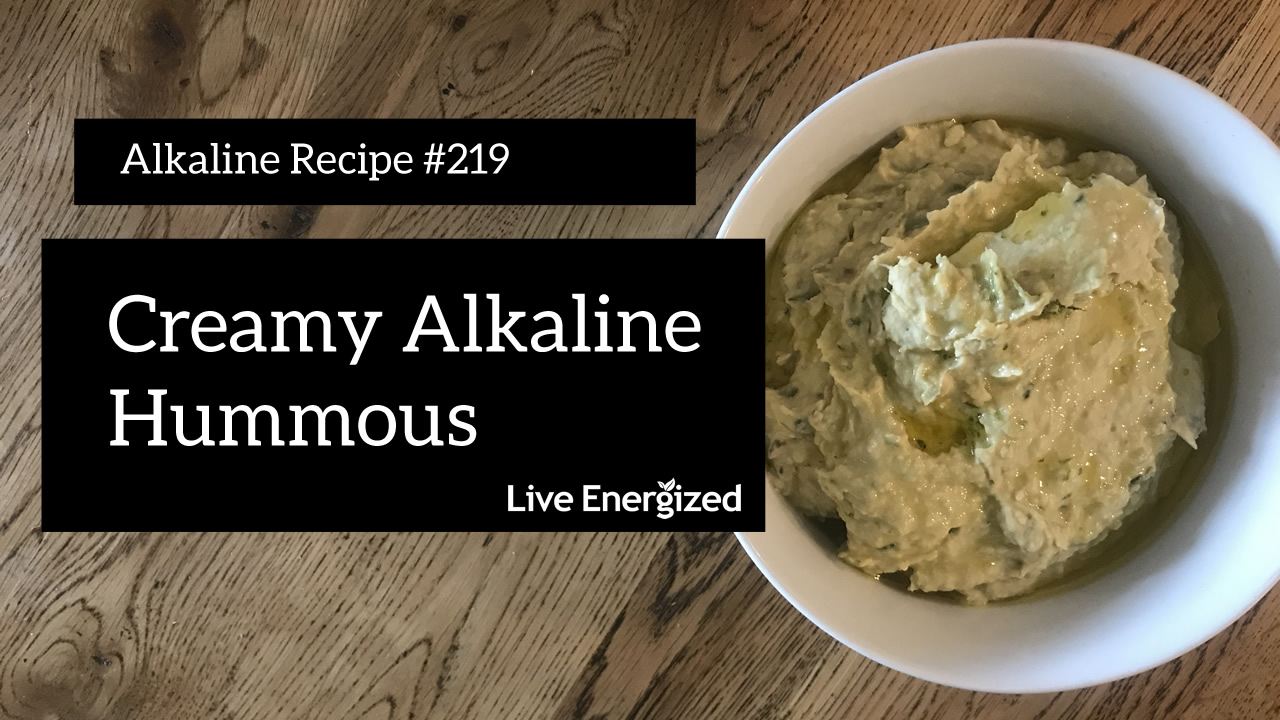
  • Creamy Alkaline Hummous

    Creamy Alkaline Hummous

    Recipes › Sauces

    Creamy Alkaline Hummous

    Chickpeas AND cannellini beans blended with tahini, lemon, garlic and fresh coriander. SO creamy, and it makes a big bowl to last you all week.

    Prep 5 minMakes about 3 cups8 ingredients
    VeganGluten-freeDairy-freeNut-freeNo added sugar

    Tastes: extra creamy, lemony and garlicky, with fresh coriander.

    creamy alkaline hummous recipe

    One of my all-time favourites

    This is one of my all-time favourite alkaline recipes! It is SO delicious, and the cannellini beans used alongside the chickpeas make it so, so creamy (and add an extra protein hit).

    It’s so simple, quick and easy to make, and it makes a big bowl that will last you all week. You can use as much or as little coriander as you like, and an optional extra could be some lovely fresh chilli too (personally my favourite, but it doesn’t go down too well with my kids!).

    When you’re wanting to get alkaline, having snacks like this on hand is a lifesaver. It’s often when we’re hungry, in a rush and our blood sugar is low that we slip up and reach for something unhealthy.

    Why you’ll love it

    • Extra creamy from the cannellini beans.
    • Plant protein from two kinds of beans.
    • Lasts all week in the fridge.
    • A lifesaver for snack attacks.

    Good for

    Immunity

    Copper contributes to the normal function of the immune system.

    Antioxidants

    Manganese and copper contribute to the protection of cells from oxidative stress. It also contains plant compounds with antioxidant activity, including flavonoids.

    Bones

    Manganese contributes to the maintenance of normal bones.

    Tags use approved nutrient health-claim wording, for nutrients that give at least 10% of the Daily Value per serve. Plant compounds like these have no Daily Value, so we only say they’re there.

    Key nutrients per serve

    Contains: manganese (13%) and copper (11%).

    Plant compounds: chlorophyll, sulphur compounds from the garlic and citrus flavonoids from the lemon.

    Under 4 g natural sugarAbout 110 mg sodium

    % of US Daily Value for adults, per serve (¼ cup, about 1/12 of the recipe). Estimated from USDA FoodData Central values for the ingredients as listed, so treat these as upper estimates. Uses 2 tbsp olive oil and salted canned beans; excludes the extra oil on top; anything over 100% shows as 100%+.

    Creamy Alkaline Hummous

    Chickpeas, cannellini beans, tahini, lemon, garlic and coriander blended until completely smooth, then covered in olive oil and seasoned.
    Prep Time 5 minutes
    Total Time 5 minutes
    Servings: 12 serves (¼ cup)

    Ingredients
      

    • 1 tin chickpeas 400 g, drained and rinsed
    • 1 tin cannellini beans 400 g, drained and rinsed
    • 1 tbsp tahini
    • 1 lemon juiced
    • 2 garlic cloves
    • ½ bunch coriander (cilantro)
    • 2 tbsp extra virgin olive oil plus a big glug to serve
    • salt and pepper to taste
    • fresh chilli optional

    Equipment

    • Blender or food processor

    Method
     

    1. Simply put all the ingredients in a blender or food processor and process until completely smooth.
    2. Spoon into a bowl, cover with olive oil and season to taste.

    Notes

    This is absolutely delicious with my Chia Seed Energy Crackers!

    Swaps

    • Spicy: add some fresh chilli.
    • Herbs: swap some of the coriander for parsley.
    • Thinner: blend in a splash of water.

    Storing it

    Keeps brilliantly in the fridge for up to 5 days, especially if you drizzle it with a good glug of olive oil each time you put it back.

    Ross’s tip

    With this recipe in the fridge all week long, you can always just grab some gluten-free crackers or GF bread and put the snack attack to bed (or just have it off the spoon!).

    Try next

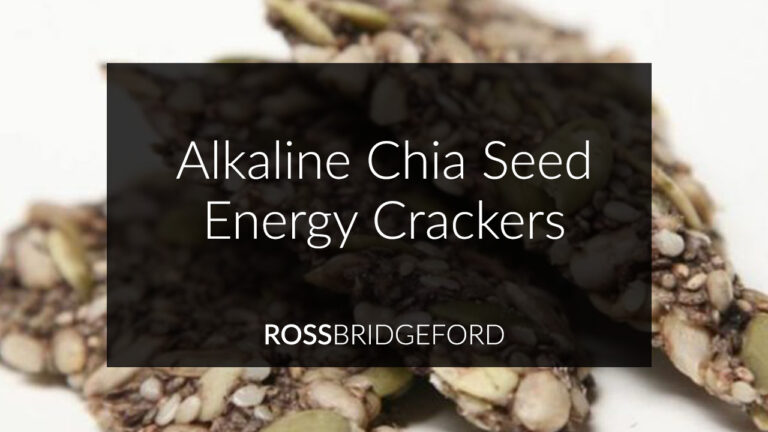
    SnacksChia Seed Energy CrackersOpen recipe →
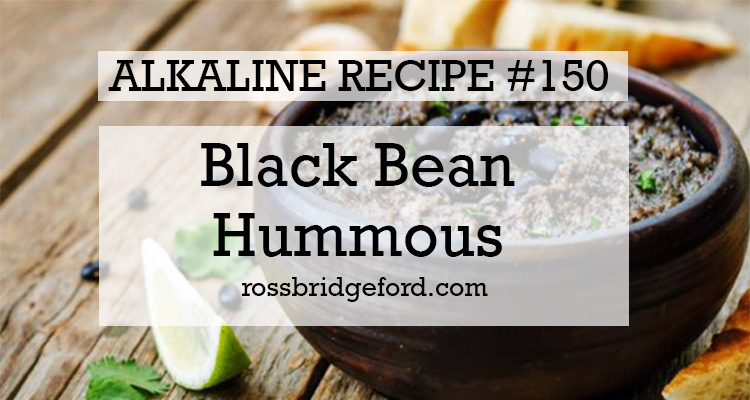
    SaucesBlack Bean HummousOpen recipe →
    Want more than recipes?

    The Alkaline Life Club has everything in the Recipe Club, plus coaching, live Q&A and a community to keep you going.

    See the Alkaline Life Club

    Sources

    Nutrient values: USDA FoodData Central, SR Legacy (canned chickpeas 173801, canned white beans 175204, tahini 168604, lemon juice 167747, garlic 169230, coriander 169997, olive oil 171413). Plant compounds are named where the ingredient is a well-documented source; flavonoids follow the USDA Database for the Flavonoid Content of Selected Foods, Release 3.3. Daily Values: US Food and Drug Administration.
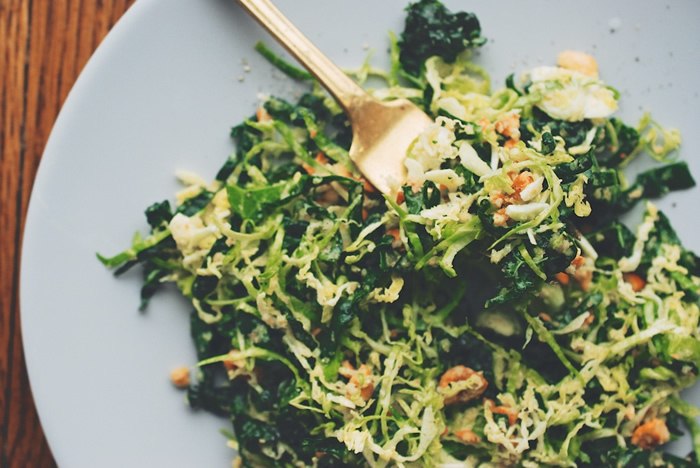
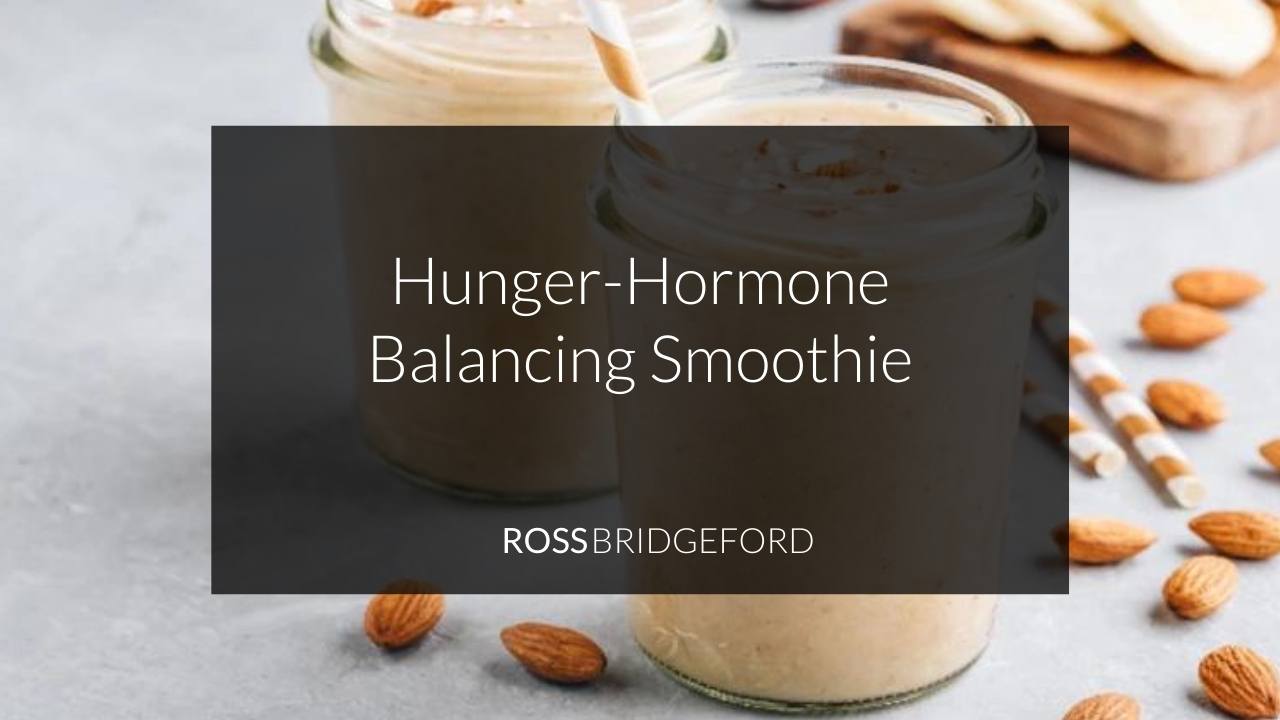
  • Hunger-Balancing Smoothie

    Hunger-Balancing Smoothie

    Recipes › Juices & smoothies

    Hunger-Balancing Smoothie

    A creamy, spiced smoothie with soaked almonds, avocado, cashew butter, chia and coconut, with almost no sugar to keep your blood sugar steady.

    Prep 5 minServes 2Blender12 ingredients
    VeganGluten-freeDairy-freeNo added sugar

    Tastes: creamy and nutty, with warm cinnamon, ginger, nutmeg and cardamom.

    leptin smoothie

    Meet leptin

    When your hormones are out of balance, losing weight sustainably is so much harder. And it often starts with blood sugar.

    A standard Western diet of sugar, refined grains and processed foods causes constant blood sugar spikes, which have to be met by constant insulin spikes. Over time your body gets desensitised and needs more and more insulin to cope. That’s insulin resistance.

    Then there’s leptin, the hormone that tells your brain you’ve got enough energy stored and can stop eating. When insulin is constantly high, your brain can stop hearing leptin’s signal, so you feel hungry even when you’ve eaten plenty. This smoothie is built to keep your blood sugar steady, with healthy fats, fibre and protein and almost no sugar.

    Why you’ll love it

    • About 2 g sugar a glass.
    • Healthy fats and fibre to keep you full.
    • Vitamin E: a full day’s worth.
    • Warm spices: cinnamon, ginger, nutmeg and cardamom.

    Good for

    Immunity

    Copper, zinc, folate and iron contribute to the normal function of the immune system.

    Antioxidants

    Vitamin E, copper, manganese and riboflavin contribute to the protection of cells from oxidative stress. It also contains plant compounds with antioxidant activity, including gingerols.

    Energy

    Magnesium, riboflavin, pantothenic acid and folate contribute to the reduction of tiredness and fatigue.

    Bones

    Manganese, calcium, magnesium and phosphorus contribute to the maintenance of normal bones.

    Eyes

    Riboflavin and zinc contribute to the maintenance of normal vision.

    Blood pressure

    Potassium contributes to the maintenance of normal blood pressure.

    Tags use approved nutrient health-claim wording, for nutrients that give at least 10% of the Daily Value per glass. Plant compounds like these have no Daily Value, so we only say they’re there.

    Key nutrients per glass

    Vitamin E
    100%+Copper
    56%Manganese
    39%Calcium
    32%Magnesium
    26%Riboflavin
    23%

    Contains: pantothenic acid (18%), phosphorus (16%), zinc (15%), folate (14%), niacin (14%), iron (13%), vitamin B6 (12%), potassium (12%) and selenium (10%).

    Plant compounds: plant omega-3 ALA (about 1.1 g) and gingerols from the ginger.

    7 g protein8 g fibreUnder 4 g natural sugarAbout 130 mg sodium

    % of US Daily Value for adults, per glass (half the recipe). Estimated from USDA FoodData Central values for the ingredients as listed, so treat these as upper estimates. Uses a calcium-fortified almond milk and 30 g almonds; excludes the salt and the optional protein powder; anything over 100% shows as 100%+.

    Hunger-Balancing Smoothie

    Soaked almonds blended with almond milk, then avocado, cashew butter, chia, coconut oil and warm spices.
    Prep Time 5 minutes
    Total Time 5 minutes
    Servings: 2 glasses

    Ingredients
      

    • 350 ml unsweetened almond or coconut milk
    • 150 ml filtered water
    • 1 handful almonds about 30 g, soaked overnight (or for at least 2 hours)
    • 1 tbsp chia seeds
    • ½ avocado
    • 1 tbsp cashew butter
    • ½ tsp ground Ceylon cinnamon
    • ¼ tsp ground ginger or 1 cm fresh ginger, grated
    • ⅛ tsp ground nutmeg
    • ⅛ tsp ground cardamom
    • 1 tbsp coconut oil
    • pinch of Himalayan pink salt
    • 1 scoop plant-based protein powder optional

    Equipment

    • Blender

    Method
     

    1. Rinse the soaked almonds and blend them with the milk and water until smooth.
    2. Add the remaining ingredients and blend again.
    3. Serve as is, or over ice. It’s REALLY delicious!

    Swaps

    • Not strictly watching sugar? Add a teaspoon of rice malt syrup per glass.
    • More protein: add a scoop of plant-based protein powder.
    • No time to soak? A high-speed blender like a Vitamix or Nutribullet can take the almonds as they are.

    Storing it

    Best fresh. It keeps in a sealed jar in the fridge for a few hours.

    Good to know

    • Contains almonds and cashews. For a nut-free version, use coconut milk, hemp seeds instead of almonds and sunflower seed butter instead of cashew butter.

    Ross’s tip

    If you’re on a weight-loss journey, adding a little plant-based protein to this smoothie is certainly not a bad idea.

    Try next

    Juices & smoothiesFill-Me-Up-Until-Lunch SmoothieOpen recipe →
    Juices & smoothiesKeto Alkaline Power SmoothieOpen recipe →
    Want more than recipes?

    The Alkaline Life Club has everything in the Recipe Club, plus coaching, live Q&A and a community to keep you going.

    See the Alkaline Life Club

    Sources

    Nutrient values: USDA FoodData Central, SR Legacy (almond milk 174832, almonds 170567, chia seeds 170554, avocado 171705, cashew butter 170163, cinnamon 171320, ground ginger 170926, nutmeg 171326, cardamom 170919, coconut oil 171412). Plant compounds are named where the ingredient is a well-documented source; flavonoids follow the USDA Database for the Flavonoid Content of Selected Foods, Release 3.3. Daily Values: US Food and Drug Administration.
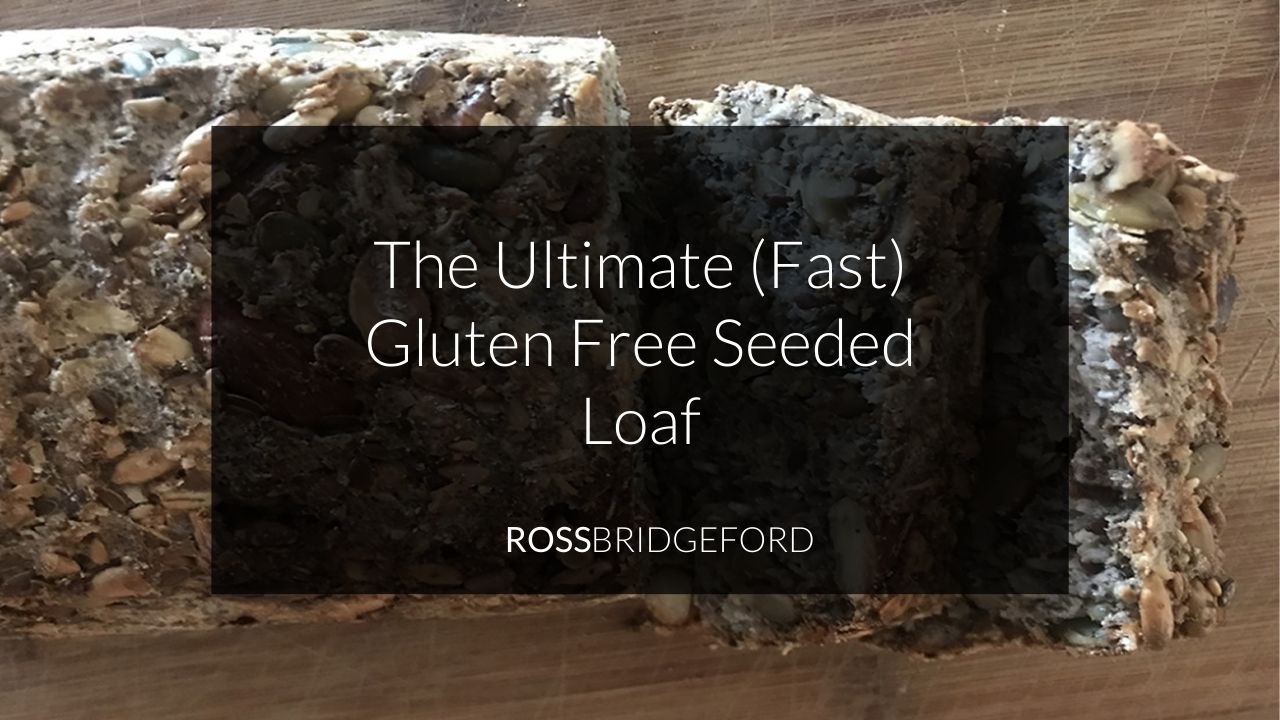
  • High-Potassium Juice & Smoothie

    High-Potassium Juice & Smoothie

    Recipes › Juices & smoothies

    High-Potassium Juice & Smoothie

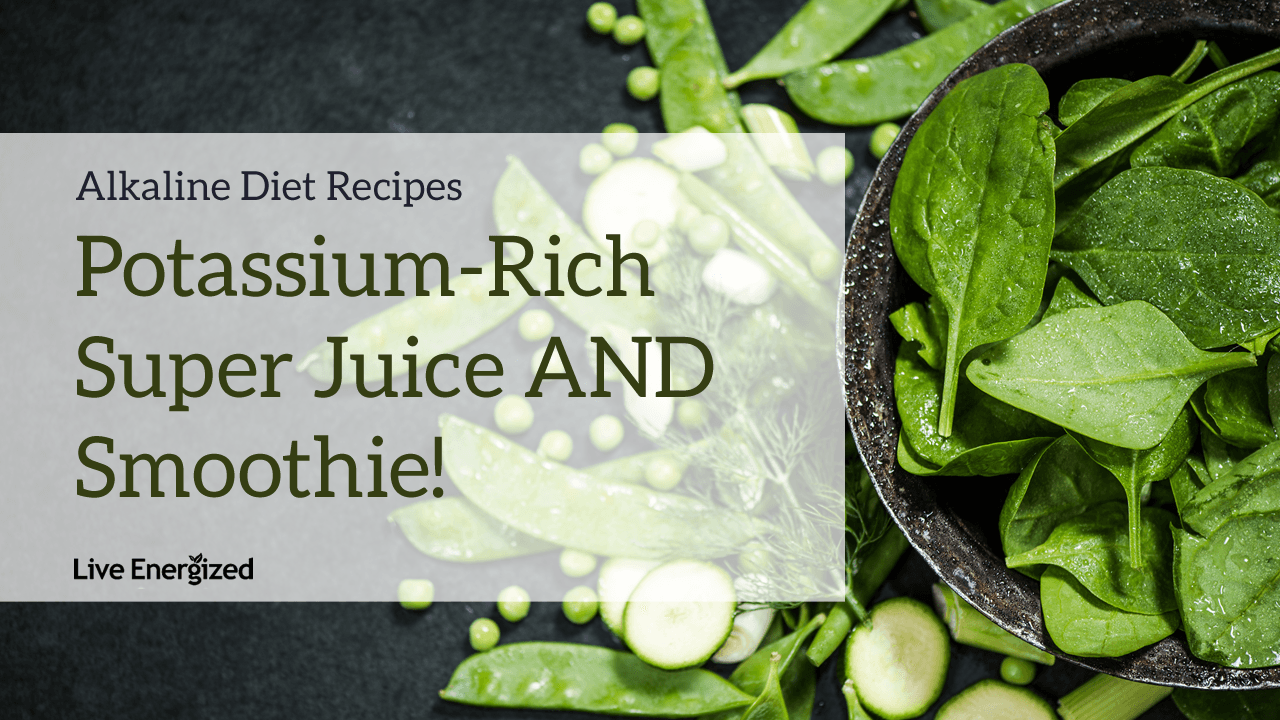
    Two easy ways to get more potassium: a fresh green juice with carrots and pepper, and a creamy avocado and tomato smoothie.

    Prep 10 minEach serves 2Juicer and blender15 ingredients
    VeganGluten-freeDairy-freeNut-freeNo added sugar

    Tastes: the juice is fresh and lightly sweet from the carrots; the smoothie is creamy, savoury and a bit like a green gazpacho.

    high potassium juice

    Most of us have it the wrong way round

    We need plenty of potassium to balance the sodium in our diets. But because of our reliance on packaged, processed foods, most of us have it completely the wrong way round.

    In one large US study, fewer than 3% of adults reached 4,700 mg of potassium a day, and only about one in ten had a sodium-to-potassium ratio in line with World Health Organization guidance (Bailey et al., 2016).

    Getting enough potassium can be hard! So here are two of my favourite ways to give it a big boost: a juice and a smoothie. Potassium contributes to the maintenance of normal blood pressure.

    Why you’ll love it

    • Potassium: about a fifth of your daily needs in a glass of juice, and nearly a third in a glass of smoothie.
    • Vitamins A and C: about a day’s worth of each in the juice.
    • Two recipes in one.
    • Potassium contributes to the maintenance of normal blood pressure.

    Good for

    Immunity

    Vitamin C, vitamin A, folate and vitamin B6 contribute to the normal function of the immune system.

    Antioxidants

    Vitamin C, manganese, riboflavin and copper contribute to the protection of cells from oxidative stress. It also contains plant compounds with antioxidant activity, including lutein, beta-carotene and apigenin.

    Energy

    Folate, vitamin B6, riboflavin and pantothenic acid contribute to the reduction of tiredness and fatigue.

    Bones

    Vitamin K, manganese, magnesium and calcium contribute to the maintenance of normal bones.

    Eyes

    Vitamin A and riboflavin contribute to the maintenance of normal vision. It also contains lutein and zeaxanthin, the carotenoids found in the macula of the eye.

    Blood pressure

    Potassium contributes to the maintenance of normal blood pressure.

    Tags use approved nutrient health-claim wording, for nutrients that give at least 10% of the Daily Value per glass of juice. Plant compounds like lutein have no Daily Value, so we only say they’re there.

    Key nutrients per glass of juice

    Vitamin K
    100%+Vitamin C
    100%+Vitamin A
    93%Manganese
    43%Folate
    37%Vitamin B6
    24%

    Contains: riboflavin (23%), copper (22%), potassium (20%), pantothenic acid (18%), magnesium (18%), thiamin (17%), calcium (15%), vitamin E (13%), iron (13%) and niacin (12%).

    Plant compounds: lutein and zeaxanthin (about 7.2 mg), beta-carotene (about 8.9 mg), chlorophyll, apigenin from the celery, quercetin and kaempferol from the kale and glucosinolates from the kale.

    About 8 g natural sugarAbout 130 mg sodium

    % of US Daily Value for adults, per glass of juice (half the juice recipe). Estimated from USDA FoodData Central values for the whole ingredients. Juicing leaves most of the fibre and some vitamins in the pulp, so treat these as upper estimates; figures are for the juice. A glass of the smoothie gives about 30% of your daily potassium, 340% of your vitamin K and 86% of your vitamin C; anything over 100% shows as 100%+.

    High-Potassium Juice & Smoothie

    A green juice of cucumber, celery, spinach, kale, pepper and carrots, and a smoothie of avocado, cucumber, greens, tomatoes and coconut oil.
    Prep Time 10 minutes
    Total Time 10 minutes
    Servings: 2 glasses of each

    Ingredients
      

    High-potassium juice
    • 1 cucumber
    • 2 sticks celery
    • 75 g spinach
    • 75 g kale
    • ½ bell pepper (capsicum)
    • 2 carrots
    • coconut water or filtered water to taste
    High-potassium smoothie
    • 1 avocado
    • 1 cucumber
    • 75 g spinach
    • 75 g kale stalks removed
    • 50 g romaine lettuce
    • 2 tomatoes
    • 1 tbsp coconut oil
    • coconut milk or water to taste

    Equipment

    • Juicer
    • Blender

    Method
     

    High-potassium juice
    1. Wash, chop and juice the ingredients, then top up with coconut water or filtered water to taste. Serve with a squeeze of fresh lemon if it’s too green-tasting for you!
    High-potassium smoothie
    1. Wash, chop and blend the ingredients together, adding coconut milk or coconut water until it tastes the way you like it.

    Notes

    Each recipe serves 2, so make the whole quantity and keep a glass for later in the day or tomorrow.

    Swaps

    • Too green? Add a squeeze of lemon to the juice.
    • No juicer? Make the smoothie instead.
    • Savoury smoothie: add a pinch of black pepper and a few basil leaves.

    Storing it

    Both keep in a sealed jar in the fridge for up to 24 hours. Shake or stir before drinking.

    Good to know

    • Very high in vitamin K. If you take warfarin or another blood thinner, keep your greens intake steady and talk to your doctor before making green juice a daily habit.
    • Kidney problems or certain medicines? Some people need to limit potassium. If you have kidney disease or take medicines such as ACE inhibitors or potassium-sparing diuretics, check with your doctor before adding high-potassium drinks.

    Try next

    Juices & smoothiesTriple A JuiceOpen recipe →
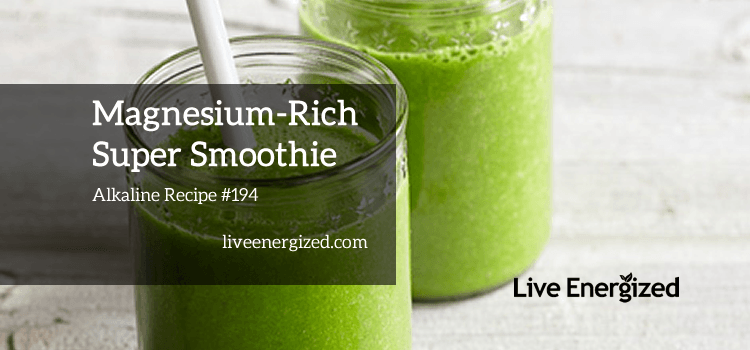
    Juices & smoothiesMagnesium-Rich Super SmoothieOpen recipe →
    Want more than recipes?

    The Alkaline Life Club has everything in the Recipe Club, plus coaching, live Q&A and a community to keep you going.

    See the Alkaline Life Club

    Sources

    Nutrient values: USDA FoodData Central, SR Legacy (cucumber 168409, celery 169988, baby spinach 168462, kale 168421, red pepper 170108, carrots 170393; smoothie: avocado 171705, romaine lettuce 169247, tomatoes 170457, coconut oil 171412). Plant compounds are named where the ingredient is a well-documented source; flavonoids follow the USDA Database for the Flavonoid Content of Selected Foods, Release 3.3. Daily Values: US Food and Drug Administration. Potassium and sodium intakes: Bailey et al., NHANES 2011–2012 analysis, Journal of Nutrition, 2016 (PMC4807641).
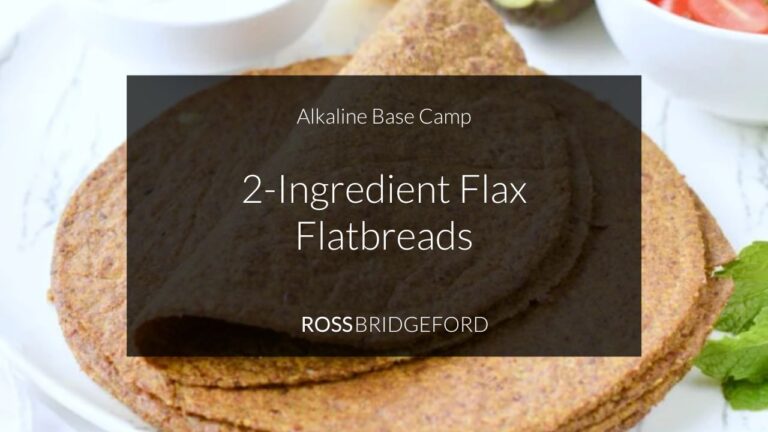
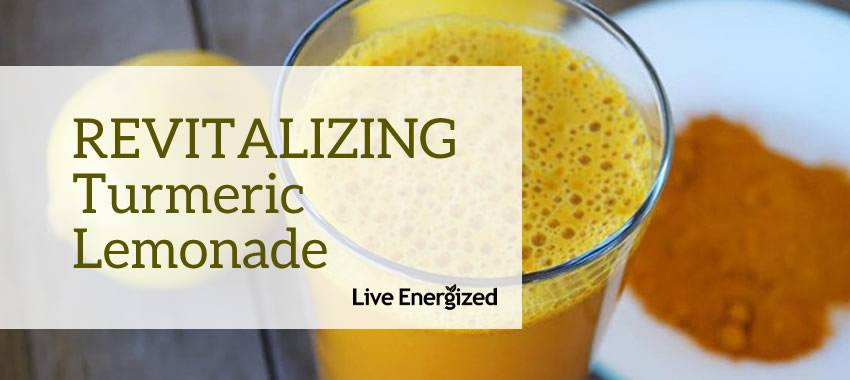
  • Turmeric Lemonade

    Turmeric Lemonade

    Recipes › Drinks

    Turmeric Lemonade

    Just water, turmeric and lemon – a fast, simple and delicious way to stay hydrated when you’re bored of plain water.

    Prep 5 minServes 23 ingredients
    VeganGluten-freeDairy-freeNut-freeNo added sugar

    Tastes: sharp and refreshing, with lemon up front and an earthy turmeric finish.

    turmeric lemonade recipe feat img

    Discovered by chance

    Turmeric lemonade is so simple, quick and easy to make, and it tastes delicious. Turmeric is also one of the most studied anti-inflammatory spices on Earth. What a win!

    I only discovered this by chance, feeling bored with plain water (yep, even I get bored of water!) but needing to keep my hydration up. I often make turmeric tea, but I had to dash out of the door, so kinda just made turmeric tea… cold… squeezed in some lemon to give it a bit more of an alkaline boost and VOILÀ!

    Simple. Sometimes the most delicious, brilliant recipes are simple.

    Why you’ll love it

    • Manganese: about a quarter of your daily needs a glass, from the turmeric.
    • Three ingredients, no juicer needed.
    • Hydrating when you’re bored of plain water.
    • Make it sparkling for a more lemonade-y drink.

    Good for

    Immunity

    Vitamin C contributes to the normal function of the immune system.

    Antioxidants

    Manganese and vitamin C contribute to the protection of cells from oxidative stress. It also contains plant compounds with antioxidant activity, including curcumin and flavonoids.

    Bones

    Manganese contributes to the maintenance of normal bones.

    Tags use approved nutrient health-claim wording, for nutrients that give at least 10% of the Daily Value per glass. Plant compounds like these have no Daily Value, so we only say they’re there.

    Key nutrients per glass

    Manganese
    26%

    Contains: vitamin C (16%).

    Plant compounds: curcumin from the turmeric and citrus flavonoids from the lemon.

    Under 4 g natural sugarAlmost no sodium

    % of US Daily Value for adults, per glass (half the recipe). Estimated from USDA FoodData Central values for the ingredients as listed, so treat these as upper estimates. Uses 2 tsp (about 6 g) ground turmeric; excludes the optional stevia; anything over 100% shows as 100%+.

    Turmeric Lemonade

    Filtered water mixed with turmeric and fresh lemon juice.
    Prep Time 5 minutes
    Total Time 5 minutes
    Servings: 2 glasses

    Ingredients
      

    • 660 ml filtered water still or sparkling
    • 2 tsp turmeric powdered, or fresh and grated; up to 1 tbsp if you like it stronger
    • 1½ lemons juiced
    • stevia drops optional, to taste

    Method
     

    1. Simply mix everything together!
    2. If you’re using fresh turmeric, wear food-prep gloves and use a grater – it stains anything it touches.
    3. Stir again just before drinking, as the turmeric settles.

    Swaps

    • Sparkling water makes it much more lemonade-y. It’s mildly acid-forming, but as a once-every-few-days drink that’s not really a problem.
    • Lime instead of lemon.
    • Stronger: use up to 1 tbsp turmeric.

    Storing it

    Keeps in a sealed bottle in the fridge for a day. Shake before pouring.

    Good to know

    • Turmeric stains, so rinse glasses and jugs straight away.

    Ross’s tip

    I personally just use organic powdered turmeric.

    Try next

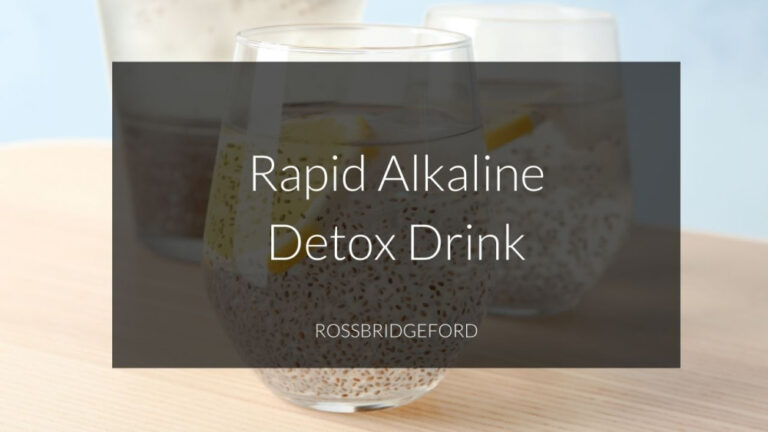
    DrinksRapid Detox Chia JuiceOpen recipe →
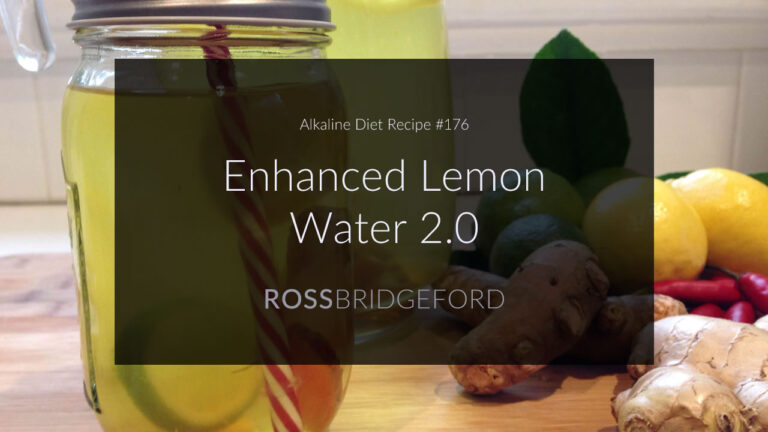
    DrinksEnhanced Lemon WaterOpen recipe →
    Want more than recipes?

    The Alkaline Life Club has everything in the Recipe Club, plus coaching, live Q&A and a community to keep you going.

    See the Alkaline Life Club

    Sources

    Nutrient values: USDA FoodData Central, SR Legacy (turmeric 172231, lemon juice 167747). Plant compounds are named where the ingredient is a well-documented source; flavonoids follow the USDA Database for the Flavonoid Content of Selected Foods, Release 3.3. Daily Values: US Food and Drug Administration.
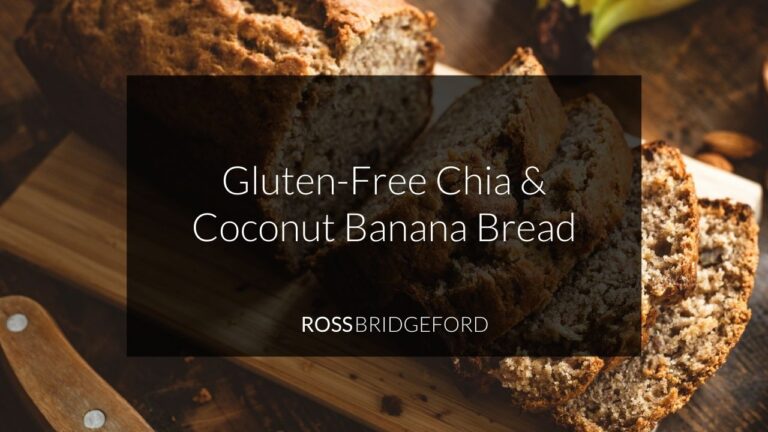
  • Super-Fast Broccoli, Ginger & Mint Soup

    Super-Fast Broccoli, Ginger & Mint Soup

    Recipes › Soups

    Super-Fast Broccoli, Ginger & Mint Soup

    Broccoli, ginger and fresh mint, simmered for just a few minutes and blended with raw spinach and cucumber. Super-creamy with no dairy, in 10–15 minutes.

    Prep 5 minCook 10 minServes 210 ingredients
    VeganGluten-freeDairy-freeNut-freeNo added sugar

    Tastes: fresh, green and creamy, with cool mint and a gentle ginger warmth.

    broccoli healthy vegetarian recipe vegan

    Nourishing AND quick

    Sometimes you just need nourishing. You just get that craving for greens and goodness.

    Other times you just need something QUICK, that is warming, filling and will keep you going – but doesn’t take hours to make. This broccoli soup is BOTH!

    It takes just 10–15 minutes from start to finish, creates very minimal mess, and has been road-tested with my 1-year-old, 5-year-old and 9-year-old, all providing thumbs up. Well, the 1-year-old showed he liked it by eating it without much fuss, rather than throwing his spoon on the floor and tipping the soup everywhere. Result.

    It contains no dairy or cream, yet it’s super-creamy… amazing.

    Why you’ll love it

    • Vitamin K: three days’ worth a bowl.
    • Vitamin C: over twice your daily needs.
    • Folate: about half your daily needs.
    • Kid-tested and ready in 15 minutes.

    Good for

    Immunity

    Vitamin C, folate, vitamin B6 and vitamin A contribute to the normal function of the immune system.

    Antioxidants

    Vitamin C, manganese, riboflavin and copper contribute to the protection of cells from oxidative stress. It also contains plant compounds with antioxidant activity, including lutein, beta-carotene and quercetin.

    Energy

    Folate, vitamin B6, pantothenic acid and riboflavin contribute to the reduction of tiredness and fatigue.

    Muscles

    Protein contributes to the maintenance of muscle mass, and potassium, magnesium and calcium contribute to normal muscle function.

    Bones

    Vitamin K, manganese, magnesium and phosphorus contribute to the maintenance of normal bones.

    Eyes

    Vitamin A, riboflavin and zinc contribute to the maintenance of normal vision. It also contains lutein and zeaxanthin, the carotenoids found in the macula of the eye.

    Blood pressure

    Potassium contributes to the maintenance of normal blood pressure.

    Tags use approved nutrient health-claim wording, for nutrients that give at least 10% of the Daily Value per bowl. Plant compounds like lutein have no Daily Value, so we only say they’re there.

    Key nutrients per bowl

    Vitamin K
    100%+Vitamin C
    100%+Folate
    51%Manganese
    39%Vitamin B6
    29%Pantothenic acid
    28%

    Contains: vitamin A (25%), riboflavin (23%), potassium (23%), copper (22%), magnesium (20%), iron (19%), thiamin (17%), vitamin E (15%), phosphorus (15%), calcium (13%), zinc (12%), niacin (11%) and selenium (11%).

    Plant compounds: lutein and zeaxanthin (about 6.5 mg), beta-carotene (about 2.4 mg), chlorophyll, quercetin from the onion, glucosinolates from the broccoli, gingerols from the ginger and sulphur compounds from the garlic.

    8 g protein8 g fibreAbout 7 g natural sugarAbout 215 mg sodium

    % of US Daily Value for adults, per bowl (half the recipe). Estimated from USDA FoodData Central values for the ingredients as listed; cooking reduces some vitamins, so treat these as upper estimates. Uses 400 ml typical low-sodium stock; excludes salt, pepper and the drizzle of oil; anything over 100% shows as 100%+.

    Super-Fast Broccoli, Ginger & Mint Soup

    Onion, garlic and broccoli briefly simmered with ginger, mint and stock, then blended with raw spinach and cucumber.
    Prep Time 5 minutes
    Cook Time 10 minutes
    Total Time 15 minutes
    Servings: 2 bowls

    Ingredients
      

    • 1 large head broccoli about 400 g, roughly chopped
    • 1 small brown onion diced
    • 2 garlic cloves minced
    • ½ bunch fresh mint roughly chopped, plus sprigs to serve
    • 2 large handfuls spinach
    • ½ cucumber roughly sliced
    • 1.5 cm fresh ginger grated
    • 300–500 ml low-sodium vegetable stock
    • 1 tbsp coconut or avocado oil plus a drizzle to serve
    • Himalayan salt and black pepper to taste

    Equipment

    • Large pan
    • Blender

    Method
     

    1. Gently sauté the onion and garlic in the oil in a large pan for 2–3 minutes, then add the broccoli.
    2. Warm through for another 1–2 minutes, then stir in the ginger and mint and pour over the stock. Start with 200–300 ml – if this covers the broccoli, save the rest to adjust the consistency after blending.
    3. Simmer for 3–4 minutes, until the broccoli just starts to soften.
    4. Transfer everything to a blender, add the raw spinach and cucumber and blend on high until completely smooth.
    5. Add more stock to get the consistency you like, season, and serve with a sprig of mint and a little drizzle of avocado or olive oil.

    Swaps

    • Herbs: basil or parsley work instead of mint.
    • Heartier: blend in a handful of cooked white beans or peas.
    • Feeding four? Double everything.

    Storing it

    Keeps in the fridge for 3 days, and freezes well for up to 3 months.

    Good to know

    • High in vitamin K. If you take warfarin or another blood thinner, keep your greens intake steady and talk to your doctor before eating more leafy greens than usual.

    Try next

    SoupsCreamy Broccoli, Leek & Ginger SoupOpen recipe →
    SoupsRoss’s Springtime Pea SoupOpen recipe →
    Want more than recipes?

    The Alkaline Life Club has everything in the Recipe Club, plus coaching, live Q&A and a community to keep you going.

    See the Alkaline Life Club

    Sources

    Nutrient values: USDA FoodData Central, SR Legacy (broccoli 170379, onion 170000, garlic 169230, mint 173475, baby spinach 168462, cucumber 168409, ginger 169231, coconut oil 171412). Plant compounds are named where the ingredient is a well-documented source; flavonoids follow the USDA Database for the Flavonoid Content of Selected Foods, Release 3.3. Daily Values: US Food and Drug Administration.
  • Immune-Boosting Asparagus & Ginger Broth

    Immune-Boosting Asparagus & Ginger Broth

    Recipes › Soups

    Immune-Boosting Asparagus & Ginger Broth

    A warming, nourishing broth that does so much good for your immune system – have it all year round, in a mug or a bowl.

    Prep 10 minCook 10 minServes 213 ingredients
    VeganGluten-freeDairy-freeNut-freeNo added sugar

    Tastes: clear, gingery and warming, with garlic, fresh chilli, tender asparagus, kale and coriander.

    Asparagus Ginger Immune Boosting Broth

    Your immune system works so hard

    We often think about our immune system when the colder months come around, but its proper functioning is essential to your health, energy and vitality all year round.

    It’s constantly on call, seeking out pathogens like bacteria, viruses, parasites and fungi, and supporting the healthy bacteria in your gut – while keeping a watchful eye on any cells that have changed from what they should be. Garlic and ginger have both been studied for their immune and anti-inflammatory effects, and fresh chilli brings vitamin C.

    Why you’ll love it

    • Quick: about 15 minutes.
    • Vitamin K: about a full day’s worth.
    • Sip it from a mug or eat it with a spoon.
    • Warming ginger, garlic and chilli.

    Good for

    Immunity

    Vitamin C, copper, folate and iron contribute to the normal function of the immune system.

    Antioxidants

    Vitamin C, copper, manganese and riboflavin contribute to the protection of cells from oxidative stress. It also contains plant compounds with antioxidant activity, including lutein, beta-carotene and flavonoids.

    Energy

    Riboflavin, folate, iron and vitamin B6 contribute to the reduction of tiredness and fatigue.

    Bones

    Vitamin K and manganese contribute to the maintenance of normal bones.

    Eyes

    Riboflavin contributes to the maintenance of normal vision. It also contains lutein and zeaxanthin, the carotenoids found in the macula of the eye.

    Tags use approved nutrient health-claim wording, for nutrients that give at least 10% of the Daily Value per serve. Plant compounds like lutein have no Daily Value, so we only say they’re there.

    Key nutrients per serve

    Vitamin K
    99%Vitamin C
    36%Copper
    22%

    Contains: manganese (17%), riboflavin (15%), folate (14%), vitamin E (13%), iron (13%), vitamin B6 (12%), potassium (8%), magnesium (6%) and calcium (6%).

    Plant compounds: lutein and zeaxanthin (about 1.6 mg), beta-carotene (about 1 mg), chlorophyll, quercetin and kaempferol from the kale, quercetin from the onion, glucosinolates from the kale, gingerols from the ginger, sulphur compounds from the garlic and capsaicin from the chilli.

    About 4 g natural sugarAbout 910 mg sodium

    % of US Daily Value for adults, per serve (half the recipe). Estimated from USDA FoodData Central values for the ingredients as listed; cooking reduces some vitamins, so treat these as upper estimates. Uses low-sodium bouillon and tamari values for the Bragg; anything over 100% shows as 100%+.

    Immune-Boosting Asparagus & Ginger Broth

    A clear broth with ginger, garlic and chilli, quickly simmered with asparagus, kale, spring onion and coriander.
    Prep Time 10 minutes
    Cook Time 10 minutes
    Total Time 20 minutes
    Servings: 2 bowls

    Ingredients
      

    • 3 cups organic, gluten-free vegetable bouillon
    • 2 cups filtered water
    • 1½ tbsp Bragg Liquid Aminos or gluten-free tamari
    • 1 inch fresh ginger peeled and grated
    • 2 cloves garlic minced
    • 1 fresh red chilli chopped (see swaps)
    • 8 stalks asparagus chopped
    • 1 large handful kale chopped
    • 1 spring onion chopped
    • ½ cup fresh coriander chopped
    • 1 dessert spoon coconut oil
    • 1 glug olive or flax oil to serve
    • cracked black pepper and Himalayan salt to taste

    Equipment

    • Saucepan

    Method
     

    1. Heat the coconut oil, water, bouillon and Bragg in a pan over a medium heat.
    2. Add the ginger, garlic and chilli and simmer for 3–4 minutes.
    3. Add the kale, spring onion, coriander and asparagus and simmer for another 3–4 minutes.
    4. Serve in bowls or mugs, with a glug of olive or flax oil.

    Swaps

    • Chilli: vary it to your heat tolerance – keep the seeds in for more heat, or take them out for less. Try not to leave it out; the flavour matters.
    • Broccolini or green beans instead of asparagus.
    • Make it a meal: add buckwheat noodles or tofu.

    Storing it

    Keeps in the fridge for 3 days. The greens soften, but it’s still delicious.

    Good to know

    • High in vitamin K. If you take warfarin or another blood thinner, keep your greens intake steady and talk to your doctor before eating more leafy greens than usual.
    • Salt: bouillon and Bragg add up to about 900 mg sodium a serve. Use a low-salt bouillon and 1 tbsp Bragg if you’re watching salt.
    • Bouillon: choose one that’s gluten-free and MSG-free.

    Ross’s tip

    Peel ginger (and turmeric) with a teaspoon! It’s quick and pretty neat and tidy, with minimal ginger goodness lost – and your hands smell good after.

    Try next

    SoupImmune-Boosting Vegetable SoupOpen recipe →
    SoupRoss’s Springtime Pea SoupOpen recipe →
    Want more than recipes?

    The Alkaline Life Club has everything in the Recipe Club, plus coaching, live Q&A and a community to keep you going.

    See the Alkaline Life Club

    Sources

    Nutrient values: USDA FoodData Central, SR Legacy (tamari 174278, ginger 169231, garlic 169230, red chilli 170106, asparagus 168389, kale 168421, spring onions 170005, coriander leaves 169997, olive oil 171413, coconut oil 171412). Plant compounds are named where the ingredient is a well-documented source; flavonoids follow the USDA Database for the Flavonoid Content of Selected Foods, Release 3.3. Daily Values: US Food and Drug Administration.