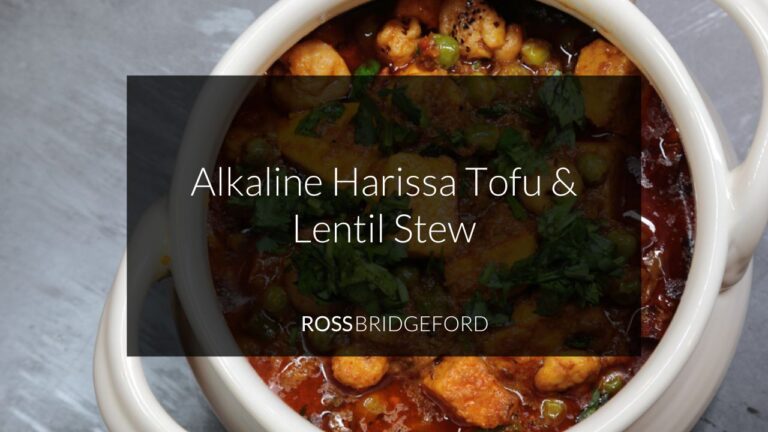
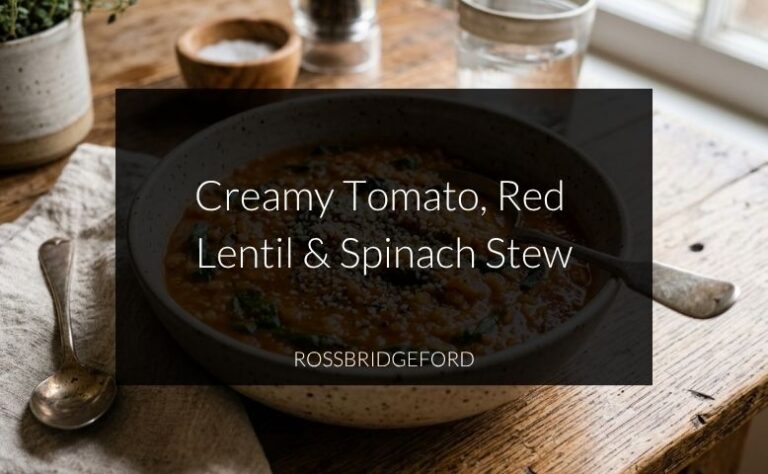
Category: Free Alkaline Diet Recipes

Alkaline Diet Recipes: The Alkaline Recipe Centre from Ross Bridgeford
Make the Alkaline Diet Easy With Delicious Alkaline Recipe, and Enjoyable & Nourishing Meals
Find over 200+ delicious alkaline diet recipes & meals that the whole family will love. Includes alkaline recipes for breakfast, lunch, dinner, and snacks, plus cuisines including Italian, Indian, British, American, Mexican, Thai, and more!  This will make the alkaline lifestyle so simple!

Every recipe has been packed with nutrient-dense foods, designed with ease and simplicity in mind using every day, fresh, easy-to-find ingredients. Plus no recipe takes more than 30 minutes to prepare and all have been tried and tested on my family, including my kids! This is alkaline living made easy!

All recipes come with a print-friendly button so you can get started right away.

Click here to jump to a meal-time:

Alkaline Breakfast Recipes
Alkaline Lunch Recipes
Alkaline Dinner Recipes

Alkaline recipes are a great way to help keep your body’s pH balance in check, infusing your body with alkaline foods. Eating an alkaline-based diet helps to maintain healthy cells and tissues, as well as support overall health and wellness. Knowing how to prepare meals that contain the right amount of alkaline ingredients is key for anyone who wants to reap the benefits of an alkaline diet.

Fortunately, there are a plethora of delicious and nutrient-dense alkaline foods to choose from to make alkaline recipes for your alkaline-based meal plan. From classic dishes like quinoa bowls and vegetable salads to creative takes on traditional meals like eggplant lasagna, there’s something for everyone! With the right alkaline recipes and proper preparation, you can maintain a healthy alkaline diet that will help your body stay in balance.

Besides selecting the right alkaline foods, there are many different cooking techniques you can use to maximize the alkalinity of your meals. For example, steaming is a great way to prepare vegetables as it helps keep their natural nutrients intact. You can also incorporate alkaline-friendly herbs and spices, like turmeric and basil, to give your dishes a unique flavor.

At the end of the day, alkaline recipes are easy to make and provide a variety of health benefits. They help you avoid those acid foods and with the right alkaline ingredients and cooking techniques, you can create delicious meals that support your body’s needs.

For more information on starting on an alkaline diet click here, and browse the recipes!

  • Raw Chocolate Bark

    Raw Chocolate Bark

    Recipes › Snacks

    Raw Chocolate Bark

    If you love chocolate, you are going to enjoy this one! Rich, chocolatey, crunchy, with a little sweetness and plenty of nuts and coconut.

    Prep 10 minFreeze 15 minMakes 16 pieces7 ingredients
    VeganGluten-freeDairy-free

    Tastes: rich dark chocolate with crunchy nuts and coconut, and just a little sweetness.
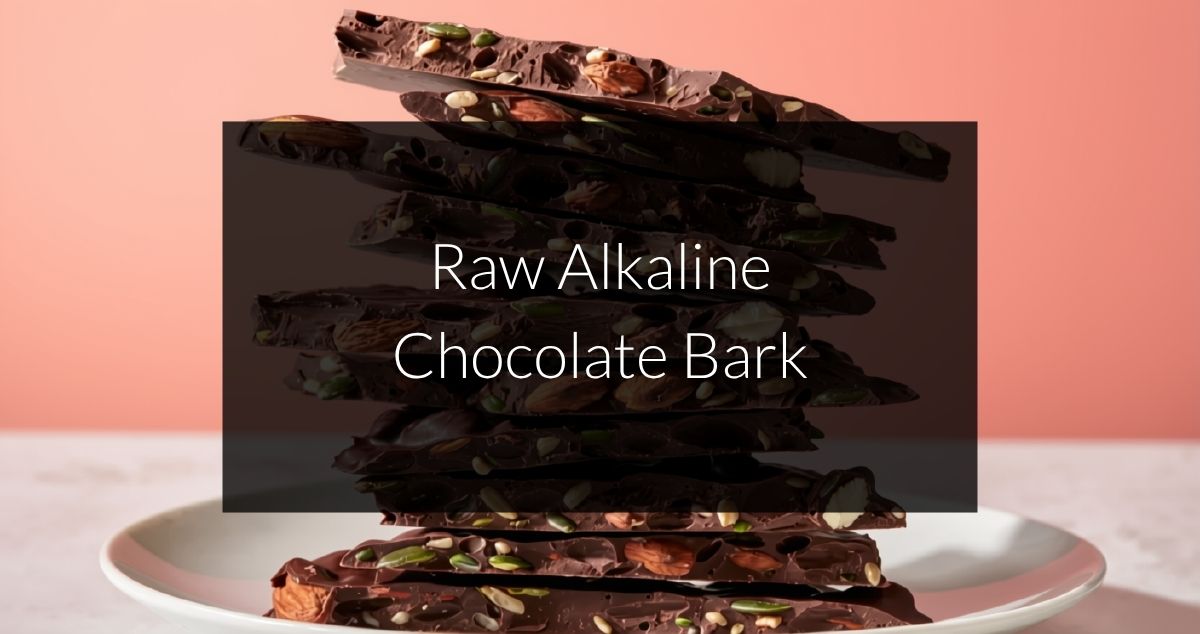
    alkaline snack: chocolate bark

    Ready when you want some

    It takes just a few minutes to put together, and then the freezer does the rest. No baking, no blender, and very little washing up. Always a bonus.

    This is a lovely little recipe to have tucked away for those afternoons when you fancy something sweet, or for a little chocolate after dinner. And having something ready is such a simple thing, but it can make healthy eating feel a lot more doable.

    You can enjoy a little chocolate while you’re working towards your health and weight goals, and keep building meals and habits that work in your real life.

    Why you’ll love it

    • No baking, no blender. And very little washing up.
    • Ready in the freezer. Break off a piece when you fancy something sweet.
    • Chocolatey and crunchy. Cacao, almonds, cashews and coconut.

    Good for

    Immunity

    Copper contributes to the normal function of the immune system.

    Antioxidants

    Copper and manganese contribute to the protection of cells from oxidative stress. It also contains plant compounds with antioxidant activity, including flavanols.

    Bones

    Manganese contributes to the maintenance of normal bones.

    Tags use approved nutrient health-claim wording, for nutrients that give at least 10% of the Daily Value per piece. Plant compounds like these have no Daily Value, so we only say they’re there.

    Key nutrients per piece

    Copper
    21%

    Contains: manganese (10%) and magnesium (7%).

    Plant compounds: flavanols from the cacao.

    About 4 g sugarAbout 15 mg sodium

    % of US Daily Value for adults, per piece (1/16 of the tray). Estimated from USDA FoodData Central values for the ingredients as listed, so treat these as upper estimates. Rice malt syrup uses USDA malt syrup values; anything over 100% shows as 100%+.

    Raw Chocolate Bark

    Rich, chocolatey, crunchy bark with nuts and coconut. No baking needed.
    Prep Time 10 minutes
    Freeze 15 minutes
    Total Time 25 minutes
    Servings: 16 pieces

    Ingredients
      

    • ¼ cup raw cashews
    • ¼ cup raw almonds
    • ⅓ cup coconut flakes
    • ½ cup virgin coconut oil
    • ½ cup cacao powder
    • ¼ cup rice malt syrup
    • Himalayan salt a pinch

    Equipment

    • Medium baking tray
    • Baking paper
    • Small saucepan

    Method
     

    1. Start by lining a medium baking tray with baking paper. Have this ready before you melt the coconut oil, as you’ll want to move fairly quickly once everything is mixed.
    2. Gently melt the coconut oil in a saucepan over a low heat. Once melted, remove the pan from the heat and stir in the cacao powder and rice malt syrup until the mixture is completely smooth.
    3. Add the pinch of salt and stir through around half of the cashews and almonds.
    4. Pour the chocolate mixture onto your lined tray and spread it out. Sprinkle the remaining nuts and the coconut flakes over the top.
    5. Put the tray in the freezer for around 15 minutes, or until the chocolate has set enough to break into pieces. Snap into your bark pieces, then return them to the freezer until firm.

    Notes

    Makes one medium tray, about 16 pieces.

    Swaps

    • Any nuts work: try hazelnuts, walnuts or pistachios.
    • Nut-free? Use pumpkin and sunflower seeds instead of nuts.

    Storing it

    Keep your bark in a covered container in the freezer, and take out just the amount you want to eat. Because it’s made with coconut oil, it will soften and melt quickly once it warms up.

    Good to know

    • Contains almonds and cashews. Use seeds if you need it nut-free.

    Ross’s tip

    Make a batch over the weekend, break it into small pieces, and keep it in the freezer, ready when you want some.

    Try next

    SnackAnti-Inflammatory Bliss BallsOpen recipe →
    SmoothieChocolate ThickshakeOpen recipe →
    Want more than recipes?

    The Alkaline Life Club has everything in the Recipe Club, plus coaching, live Q&A and a community to keep you going.

    See the Alkaline Life Club

    Sources

    Nutrient values: USDA FoodData Central, SR Legacy (cashews 170162, almonds 170567, desiccated coconut 170170, coconut oil 171412, cocoa 169593, malt syrup 169660, salt 173468). Plant compounds are named where the ingredient is a well-documented source; flavonoids follow the USDA Database for the Flavonoid Content of Selected Foods, Release 3.3. Daily Values: US Food and Drug Administration.

  • Crispy Moroccan Cauliflower Recipe with Tahini Avocado Sauce

    Crispy Moroccan Cauliflower Recipe with Tahini Avocado Sauce

    Crispy Moroccan Cauliflower: Alkaline Snack Recipe

    The cauliflower gets beautifully crisp around the edges, with cumin, coriander, turmeric, smoked paprika and just a little cinnamon giving it that warm Moroccan flavour, and then underneath you have this creamy tahini and avocado sauce that takes about two minutes to make.

    It is simple, filling and absolutely loaded with the good stuff.

    From an alkaline point of view, cauliflower gives us a fantastic mineral-rich vegetable base, while the avocado, tahini, lemon, garlic, spices and extra virgin olive oil add healthy fats and a whole range of protective plant compounds.

    Why I Love This Moroccan Cauliflower Recipe

    Cauliflower is one of my favourite cruciferous vegetables, sitting in the same family as broccoli, cabbage, kale and Brussels sprouts.

    These vegetables contain a group of plant compounds called glucosinolates, which can be converted into isothiocyanates such as sulforaphane when the plant cells are chopped or chewed.

    Sulforaphane has become one of the most researched compounds in cruciferous vegetables because of its antioxidant and anti-inflammatory activity, and there is growing research around the wider role of glucosinolates and isothiocyanates in supporting cellular protection and healthy inflammatory responses.

    The important thing is that we don’t need to turn dinner into a chemistry experiment.

    Eat plenty of cruciferous vegetables, prepare them in different ways, chew them properly, and make them taste good enough that you actually WANT to eat them regularly.

    This recipe definitely ticks that last box.

    The Alkaline Benefits

    This is a very simple dish, but nutritionally there is quite a lot going on.

    Cauliflower and Sulforaphane Precursors

    Cauliflower belongs to the cruciferous family and contains glucosinolates, which are plant compounds that can be converted into biologically active isothiocyanates, including sulforaphane.

    Sulforaphane has attracted a huge amount of research interest because of its potential antioxidant, anti-inflammatory and cellular-protective actions. Research also suggests that how cruciferous vegetables are chopped and cooked can influence glucosinolate retention and sulforaphane formation.

    The practical takeaway for me is simply to include cruciferous vegetables regularly and not always cook them the same way.

    Broccoli, cauliflower, cabbage, kale, Brussels sprouts and rocket are all brilliant foods to have appearing regularly throughout the week.

    Antioxidant Support

    There are several antioxidant-rich ingredients packed into this dish.

    The cauliflower itself contains protective phytochemicals, while turmeric, cumin, coriander, smoked paprika, cinnamon, garlic, lemon and chilli all contribute different plant compounds.

    This is something I talk about a lot with my Triple-A approach: we are not only looking at whether a food is alkaline-forming. We also want foods that are antioxidant-rich and anti-inflammatory wherever we can get them.

    This recipe gives you all three.

    Anti-Inflammatory Foods

    Cruciferous vegetables and their glucosinolate-derived compounds have been studied extensively for their effects on inflammatory pathways and oxidative stress.

    Then we are adding turmeric, extra virgin olive oil, avocado, tahini and garlic, which gives us another whole layer of healthy fats and plant compounds.

    You do not need every meal to contain some exotic “superfood”. Very often it is combinations like this, simple whole foods with lots of vegetables, herbs, spices and healthy fats, that add up powerfully over time.

    Alkaline and Mineral-Rich

    Cauliflower, avocado, lemon, garlic, herbs and spices all fit beautifully into an alkaline-focused diet, giving you plenty of potassium, magnesium, fibre and phytonutrients without relying on heavily processed ingredients.

    And because the cauliflower is the star of the plate rather than an afterthought sitting beside something else, you are getting a really substantial serve of vegetables in one meal.

    That is exactly the sort of thing I want you doing more often.

    A Quick Note on Cooking Cruciferous Vegetables

    One interesting thing about cauliflower, broccoli and the other cruciferous vegetables is that preparation affects their beneficial compounds.

    When you chop or chew cauliflower, you bring glucosinolates into contact with an enzyme called myrosinase, which helps create compounds such as sulforaphane. High heat can reduce some myrosinase activity, while boiling can also cause glucosinolates to leach into the cooking water.

    This does not mean cooked cauliflower suddenly becomes unhealthy. Far from it.

    It just means variety is useful.

    Have some cruciferous vegetables raw, some lightly steamed, some roasted, some air fried, and keep rotating through different ones during the week.

    That way you are getting the benefits without turning food into something you have to obsess over.

    Make It Your Own

    You can easily play around with this Moroccan spiced cauliflower depending on what you have.

    Broccoli works brilliantly alongside the cauliflower, or you could do a mixture of both. You could add chickpeas to the dish for a more substantial meal, sprinkle over pumpkin seeds instead of pine nuts, or add fresh mint and coriander at the end.

    And if you want more heat, be generous with the chilli.

    The tahini avocado sauce is also worth remembering on its own because it works with roasted vegetables, salads, bowls, falafel, quinoa and all sorts of other meals.

    For me though, the crispy spiced cauliflower piled over that cool, creamy tahini avocado base is pretty hard to beat.

    crispy cauliflower recipe, plated up

    Recipe below: Crispy Moroccan Cauliflower with Creamy Tahini Avocado Sauce

    Here’s to your health,

    Ross

  • Creamy Tomato, Red Lentil & Spinach Stew

    Creamy Tomato, Red Lentil & Spinach Stew

    Recipes › Dinner

    Creamy Tomato, Red Lentil & Spinach Stew

    One of those lovely, grounding meals that does exactly what you want healthy food to do: warm, filling, easy to make, and it gives your body a lot to work with in one simple bowl.

    Prep 10 minCook 25 minServes 215 ingredients
    VeganGluten-freeDairy-freeNut-freeNo added sugar

    Tastes: rich, creamy and gently spiced, with tomato, turmeric and a squeeze of lemon.

    creamy tomato and lentil stew

    Simple meals you can make again and again

    I featured this in my Alkaline Life Club as part of our ‘Eating the Anti-Inflammatory Way’ month, and it’s gone down a storm with my members. It’s something I always want to come back to with the alkaline diet: it doesn’t need to feel complicated, fussy or restrictive. Sometimes the most powerful meals are the simple ones you can make again and again.

    You have the red lentils bringing fibre and plant-based protein, tomato bringing that rich, comforting base, spinach adding greens and minerals, and coconut milk giving it that creamy, satisfying texture without needing dairy. If you just want to feel a bit more like yourself again, with steadier energy, better digestion and less of that heavy, sluggish feeling, this is exactly the kind of meal I’d start with.

    Why you’ll love it

    • About 29 g plant protein and 16 g fibre a bowl, from the red lentils.
    • Iron and folate: around 80% of your daily needs.
    • Turmeric, ginger and cumin. Warming, anti-inflammatory spices.
    • Comfort food that’s genuinely nourishing, and quick enough for a busy weeknight.

    Good for

    Immunity

    Copper, folate, iron and vitamin B6 contribute to the normal function of the immune system.

    Antioxidants

    Copper, manganese, vitamin C and zinc contribute to the protection of cells from oxidative stress. It also contains plant compounds with antioxidant activity, including lutein, beta-carotene and lycopene.

    Energy

    Folate, iron, vitamin B6 and magnesium contribute to the reduction of tiredness and fatigue.

    Muscles

    Protein contributes to the maintenance of muscle mass, and magnesium, potassium and calcium contribute to normal muscle function.

    Bones

    Vitamin K, manganese, zinc and magnesium contribute to the maintenance of normal bones.

    Eyes

    Zinc, vitamin A and riboflavin contribute to the maintenance of normal vision. It also contains lutein and zeaxanthin, the carotenoids found in the macula of the eye.

    Blood pressure

    Potassium contributes to the maintenance of normal blood pressure.

    Tags use approved nutrient health-claim wording, for nutrients that give at least 10% of the Daily Value per bowl. Plant compounds like lutein have no Daily Value, so we only say they’re there.

    Key nutrients per bowl

    Vitamin K
    100%+Copper
    100%+Manganese
    100%+Folate
    80%Iron
    80%Thiamin
    58%

    Contains: vitamin B6 (53%), vitamin C (46%), zinc (44%), magnesium (40%), potassium (37%), phosphorus (36%), vitamin E (29%), niacin (28%), vitamin A (26%), riboflavin (23%), pantothenic acid (22%) and calcium (15%).

    Plant compounds: lutein and zeaxanthin (about 5.4 mg), beta-carotene (about 2.8 mg), lycopene (about 9.2 mg), chlorophyll, apigenin from the parsley, quercetin from the onion, curcumin from the turmeric, gingerols from the ginger, sulphur compounds from the garlic and citrus flavonoids from the lemon.

    29 g protein16 g fibreAbout 11 g natural sugarAbout 495 mg sodium

    % of US Daily Value for adults, per bowl (half the recipe). Estimated from USDA FoodData Central values for the ingredients as listed; cooking reduces some vitamins, so treat these as upper estimates. Uses typical low-sodium vegetable stock values; excludes salt added to taste and the optional seeds; anything over 100% shows as 100%+.

    Creamy Tomato, Red Lentil & Spinach Stew

    A creamy one-pot stew of red lentils, tomato, spinach and coconut milk, gently spiced with turmeric and cumin.
    Prep Time 10 minutes
    Cook Time 25 minutes
    Total Time 35 minutes
    Servings: 2 bowls

    Ingredients
      

    • 1 tbsp extra-virgin olive oil
    • 1 small red onion finely diced
    • 2 cloves garlic minced
    • 1 tsp fresh ginger grated
    • 1 tsp ground turmeric
    • 1 tsp ground cumin
    • ½ tsp smoked paprika
    • 1 cup red lentils rinsed well
    • 1½ cups chopped tomatoes or passata
    • 1½ cups low-sodium vegetable stock
    • ½ cup full-fat coconut milk
    • 2 large handfuls fresh spinach
    • juice of ½ lemon
    • Himalayan salt and black pepper to taste
    • fresh parsley or coriander to serve
    • 1 tbsp hemp seeds or pumpkin seeds optional, to sprinkle

    Equipment

    • Saucepan

    Method
     

    1. Warm the olive oil in a saucepan over a medium heat, then add the onion and cook for 3–4 minutes until it starts to soften.
    2. Add the garlic, ginger, turmeric, cumin and smoked paprika and stir for another minute so the spices become fragrant.
    3. Add the rinsed red lentils, the tomatoes or passata and the stock. Stir well, bring to a gentle simmer, then reduce the heat and cook for 15–20 minutes, stirring occasionally, until the lentils are soft and the stew has thickened.
    4. Stir through the coconut milk and spinach and cook for another 2–3 minutes until the spinach has wilted.
    5. Add the lemon juice, season with salt and pepper, and adjust the thickness with a little extra stock or water if needed.
    6. Serve warm, topped with fresh herbs and a sprinkle of hemp or pumpkin seeds if you like.

    Swaps

    • Thicker or thinner: add a splash more stock or water to get it how you like it.
    • Lighter: use light coconut milk.
    • More greens: stir in kale or chard along with the spinach.

    Storing it

    Keeps in the fridge for 3–4 days and freezes well. It thickens as it sits, so loosen it with a splash of water when you reheat it.

    Good to know

    • High in vitamin K. If you take warfarin or another blood thinner, keep your greens intake steady and talk to your doctor before eating more leafy greens than usual.

    Try next

    DinnerFast 5-Minute DhalOpen recipe →
    SoupHug in a Bowl Lentil SoupOpen recipe →
    Want more than recipes?

    The Alkaline Life Club has everything in the Recipe Club, plus coaching, live Q&A and a community to keep you going.

    See the Alkaline Life Club

    Sources

    Nutrient values: USDA FoodData Central, SR Legacy (olive oil 171413, onion 170000, garlic 169230, ginger 169231, turmeric 172231, cumin 170923, paprika 171329, red lentils 174284, crushed tomatoes 170501, coconut milk 170173, spinach 168462, lemon juice 167747, parsley 170416; typical values for low-sodium vegetable broth). Plant compounds are named where the ingredient is a well-documented source; flavonoids follow the USDA Database for the Flavonoid Content of Selected Foods, Release 3.3. Daily Values: US Food and Drug Administration.
  • Mineral-Rich Lentil & Greens Soup

    Mineral-Rich Lentil & Greens Soup

    Recipes › Soups

    Mineral-Rich Lentil & Greens Soup

    A calm, restorative, brothy and mineral-rich lentil soup to nourish deeply – double it for one big pot to dip into all weekend.

    Prep 15 minCook 40 minServes 214 ingredients
    VeganGluten-freeDairy-freeNut-freeNo added sugar

    Tastes: light and brothy, with tender lentils, soft veg, thyme, wilted greens and a squeeze of lemon.

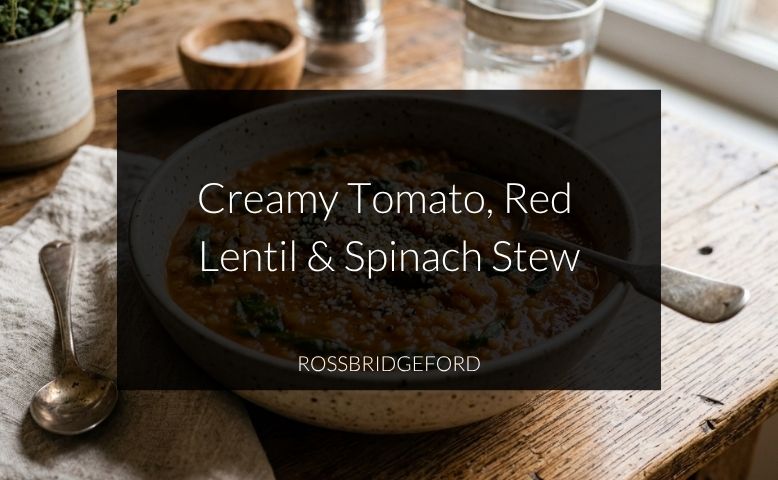
    alkaline mineral-rich soup title

    Why minerals matter more than we realise

    Sometimes the most powerful shift isn’t intensity. It’s nourishment. Not by restricting – by going mineral-rich. This soup is packed with lentils, leafy greens and vegetables that support digestion, steady energy and mineral balance, without being heavy or thick.

    Especially for women over 45, mineral intake becomes increasingly important. Magnesium supports your nervous system and energy production, potassium helps maintain fluid balance and healthy blood pressure, and iron supports oxygen delivery and vitality. When intake is low, the body often feels flat, tense, tired or slightly “off”.

    The weekend plan: make one large pot, keep it in the fridge, have a bowl for lunch, a mug mid-morning and a small serving before dinner. No rules. No rigidity. Just nourishment.

    Why you’ll love it

    • About 14 g plant protein a bowl.
    • Folate: over two-thirds of your daily needs.
    • Batch-friendly: double it for a weekend pot.
    • Brothy and light, not heavy or thick.

    Good for

    Immunity

    Folate, vitamin C, copper and vitamin A contribute to the normal function of the immune system.

    Antioxidants

    Manganese, vitamin C, copper and riboflavin contribute to the protection of cells from oxidative stress. It also contains plant compounds with antioxidant activity, including lutein, beta-carotene and apigenin.

    Energy

    Folate, vitamin B6, pantothenic acid and iron contribute to the reduction of tiredness and fatigue.

    Muscles

    Protein contributes to the maintenance of muscle mass, and potassium and magnesium contribute to normal muscle function.

    Bones

    Vitamin K, manganese, zinc and phosphorus contribute to the maintenance of normal bones.

    Eyes

    Vitamin A, riboflavin and zinc contribute to the maintenance of normal vision. It also contains lutein and zeaxanthin, the carotenoids found in the macula of the eye.

    Blood pressure

    Potassium contributes to the maintenance of normal blood pressure.

    Tags use approved nutrient health-claim wording, for nutrients that give at least 10% of the Daily Value per bowl. Plant compounds like lutein have no Daily Value, so we only say they’re there.

    Key nutrients per bowl

    Vitamin K
    100%+Folate
    70%Manganese
    48%Vitamin C
    44%Copper
    44%Thiamin
    42%

    Contains: vitamin A (36%), vitamin B6 (29%), pantothenic acid (28%), iron (24%), riboflavin (23%), zinc (18%), potassium (16%), phosphorus (16%), niacin (14%), magnesium (12%) and calcium (9%).

    Plant compounds: lutein and zeaxanthin (about 2.6 mg), beta-carotene (about 3.3 mg), chlorophyll, apigenin from the parsley and celery, quercetin and kaempferol from the kale, quercetin from the onion, glucosinolates from the kale, sulphur compounds from the garlic and citrus flavonoids from the lemon.

    14 g protein9 g fibreAbout 6 g natural sugarAbout 65 mg sodium

    % of US Daily Value for adults, per bowl (half the recipe). Estimated from USDA FoodData Central values for the ingredients as listed; cooking reduces some vitamins, so treat these as upper estimates. Uses water, not broth; excludes the optional kombu, tahini or olive oil to serve and salt; anything over 100% shows as 100%+.

    Mineral-Rich Lentil & Greens Soup

    A brothy soup of green or brown lentils with celery, carrot, zucchini, thyme and kale, finished with lemon and parsley.
    Prep Time 15 minutes
    Cook Time 40 minutes
    Total Time 55 minutes
    Servings: 2 bowls

    Ingredients
      

    • ½ cup green or brown lentils rinsed
    • ½ tbsp extra-virgin olive oil
    • ½ brown onion finely chopped
    • 2 cloves garlic minced
    • 2 stalks celery sliced
    • 1 carrot chopped
    • ½ zucchini diced
    • ½ tsp dried thyme
    • 1 bay leaf
    • 3 cups filtered water or vegetable broth
    • 1 small strip kombu optional, for added minerals
    • 1 large handful kale or silverbeet chopped
    • juice of ¼ lemon
    • Himalayan salt to taste
    • fresh parsley to serve
    • tahini or olive oil optional, to drizzle

    Equipment

    • Large pot

    Method
     

    1. Heat the oil in a large pot over a medium heat and sauté the onion for 3–4 minutes until softened.
    2. Add the garlic, celery and carrots and cook for another 3–4 minutes.
    3. Stir in the lentils, zucchini, thyme and bay leaf.
    4. Add the water or broth (and kombu, if using). Bring to the boil, then reduce to a gentle simmer.
    5. Simmer uncovered for 25–30 minutes, until the lentils are tender but not mushy.
    6. Stir in the greens and cook for 5 minutes until wilted.
    7. Remove the bay leaf and kombu, and add lemon juice and salt to taste.
    8. Serve brothy, topped with parsley and a drizzle of tahini or olive oil if you like.

    Notes

    Want the weekend pot? Double everything – that’s the original recipe, which serves 4.
    After two days of mineral-dense, brothy meals, you might notice calmer digestion, more stable energy and fewer cravings.

    Swaps

    • Silverbeet, spinach or cavolo nero all work instead of kale.
    • Faster: use 2 tins of lentils, drained, and simmer for 10 minutes.
    • Richer: finish each bowl with a spoon of tahini.

    Storing it

    Keeps in the fridge for 4–5 days and freezes well. That’s the point – make it once and dip into it all weekend.

    Good to know

    • High in vitamin K. If you take warfarin or another blood thinner, keep your greens intake steady and talk to your doctor before eating more leafy greens than usual.
    • Kombu is very high in iodine – use one small strip, and skip it if you have a thyroid condition unless your doctor says it’s fine.

    Try next

    SoupHug in a Bowl Lentil SoupOpen recipe →
    SoupTurmeric & Lentil Anti-Inflammatory SoupOpen recipe →
    Want more than recipes?

    The Alkaline Life Club has everything in the Recipe Club, plus coaching, live Q&A and a community to keep you going.

    See the Alkaline Life Club

    Sources

    Nutrient values: USDA FoodData Central, SR Legacy (lentils 172420, olive oil 171413, onion 170000, garlic 169230, celery 169988, carrots 170393, zucchini 169291, thyme 170938, kale 168421, lemon juice 167747, parsley 170416). Plant compounds are named where the ingredient is a well-documented source; flavonoids follow the USDA Database for the Flavonoid Content of Selected Foods, Release 3.3. Daily Values: US Food and Drug Administration.
  • Lentil Bolognese Base (Make Once, Eat 3 Ways)

    Lentil Bolognese Base (Make Once, Eat 3 Ways)

    Recipes › Dinner

    Lentil Bolognese Base (Make Once, Eat 3 Ways)

    Make it once. Use it three different ways. A rich, hearty lentil and tomato base that turns into dinner all week.

    Prep 10 minCook 40 minMakes 4 serves13 ingredients
    VeganGluten-freeDairy-freeNut-freeNo added sugar

    Tastes: rich, hearty and slightly sweet, like a classic bolognese.

    Title image of lentil sauce

    Take the daily decision out of dinner

    If you’ve ever stood in the kitchen at 5:30pm wondering what to make, you’re not alone. Most people don’t struggle with healthy eating because they lack knowledge. They struggle because dinner feels like a daily decision that has to be made from scratch. That’s why I love creating flexible dinner bases.

    Think of this as a plant-forward version of a classic bolognese: rich, hearty, slightly sweet from the vegetables and full of flavour, but lighter, more mineral-rich and far easier on digestion. Lentils bring plant protein, fibre, iron, magnesium and potassium, and help support blood sugar balance and steady energy. Tomatoes bring lycopene, an antioxidant linked to heart and cellular health. Garlic’s sulphur compounds help support your body’s natural detoxification, and olive oil brings anti-inflammatory fats.

    Why you’ll love it

    • Three dinners from one pot: a classic bowl, stuffed sweet potatoes or a lentil chilli.
    • Freezer-friendly. Make a big batch and freeze portions for later.
    • Family-friendly. Adjust the spices for whoever you’re cooking for.
    • Folate: about two-thirds of your daily needs in each serve of the base.

    Good for

    Immunity

    Copper, folate, vitamin A and vitamin B6 contribute to the normal function of the immune system.

    Antioxidants

    Copper, manganese, vitamin C and zinc contribute to the protection of cells from oxidative stress. It also contains plant compounds with antioxidant activity, including beta-carotene, lycopene and apigenin.

    Energy

    Folate, pantothenic acid, vitamin B6 and iron contribute to the reduction of tiredness and fatigue.

    Muscles

    Protein contributes to the maintenance of muscle mass, and potassium and magnesium contribute to normal muscle function.

    Bones

    Manganese, vitamin K, zinc and phosphorus contribute to the maintenance of normal bones.

    Eyes

    Vitamin A, zinc and riboflavin contribute to the maintenance of normal vision.

    Blood pressure

    Potassium contributes to the maintenance of normal blood pressure.

    Tags use approved nutrient health-claim wording, for nutrients that give at least 10% of the Daily Value per serve. Plant compounds like these have no Daily Value, so we only say they’re there.

    Key nutrients per serve

    Copper
    67%Folate
    66%Manganese
    43%Thiamin
    42%Vitamin A
    30%Pantothenic acid
    30%

    Contains: vitamin B6 (29%), iron (28%), vitamin K (21%), vitamin C (19%), niacin (19%), potassium (18%), zinc (18%), vitamin E (17%), phosphorus (16%), riboflavin (15%), magnesium (13%) and calcium (7%).

    Plant compounds: beta-carotene (about 2.7 mg), lycopene (about 6.3 mg), apigenin from the celery, quercetin from the onion and sulphur compounds from the garlic.

    15 g protein9 g fibreAbout 9 g natural sugarAbout 230 mg sodium

    % of US Daily Value for adults, per serve (¼ of the recipe). Estimated from USDA FoodData Central values for the ingredients as listed; cooking reduces some vitamins, so treat these as upper estimates. The base only, made with water; excludes the optional zucchini and whatever you serve it with; anything over 100% shows as 100%+.

    Lentil Bolognese Base (Make Once, Eat 3 Ways)

    A rich lentil and tomato bolognese base you can serve three ways.
    Prep Time 10 minutes
    Cook Time 40 minutes
    Total Time 50 minutes
    Servings: 4 serves

    Ingredients
      

    • 1 tbsp extra-virgin olive oil
    • 1 medium brown onion finely diced
    • 2 cloves garlic minced
    • 2 medium carrots finely grated
    • 2 stalks celery finely diced
    • 1 cup dried brown or green lentils rinsed
    • 2 cups water or vegetable stock
    • 1 x 400 g can crushed tomatoes
    • 1 tbsp tomato paste
    • 1 tsp dried oregano
    • 1 tsp dried basil
    • 1 bay leaf
    • sea salt and black pepper to taste
    • 1 small zucchini optional, grated

    Equipment

    • Large saucepan

    Method
     

    1. Heat the olive oil in a large saucepan over medium heat.
    2. Add the onion and sauté for 3–4 minutes until softened.
    3. Add the garlic, carrot, celery and zucchini if using. Cook for another 5 minutes until the vegetables begin to soften.
    4. Stir in the lentils, crushed tomatoes, tomato paste, herbs and bay leaf.
    5. Add the water or stock and bring to a gentle simmer.
    6. Cover and cook for 25–30 minutes, stirring occasionally, until the lentils are tender and the mixture thickens. Add more water if needed.
    7. Remove the bay leaf and season with salt and pepper. The base should be thick, rich and spoonable.

    Notes

    Way 1 – Classic bowl: serve over gluten-free or spiralised zucchini pasta, topped with fresh basil and a drizzle of olive oil.
    Way 2 – Stuffed sweet potatoes: roast whole sweet potatoes, split them and spoon the base inside. Add avocado, or a dollop of coconut yoghurt or cashew cream.
    Way 3 – Lentil chilli: add 1 tsp cumin and 1 tsp smoked paprika and serve over quinoa with coriander and lime.

    Swaps

    • Stock or water: water keeps the salt lowest; a low-sodium stock adds extra flavour.
    • Extra veg: add grated zucchini, mushrooms or spinach without changing the structure.
    • Red lentils cook faster but go softer – great for a smoother sauce.

    Storing it

    Keeps in the fridge for 3–4 days and freezes well in portions.

    Ross’s tip

    Make it once. Use it three different ways. This is how alkaline eating becomes practical.

    Try next

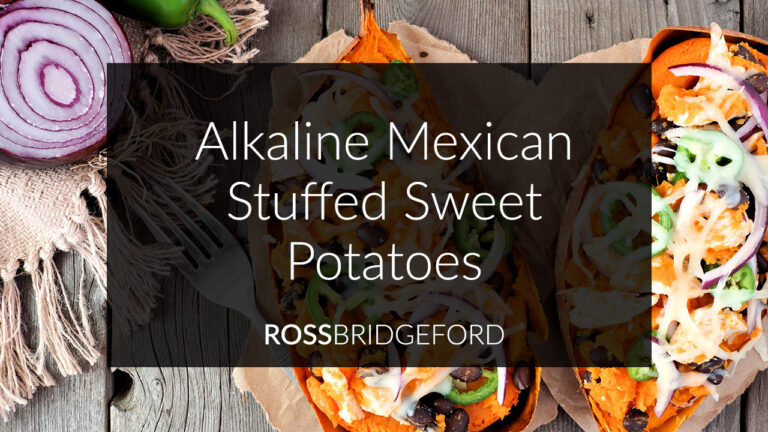
    DinnerMexican Stuffed Sweet PotatoesOpen recipe →
    DinnerPesto & Pine Nut PastaOpen recipe →
    Want more than recipes?

    The Alkaline Life Club has everything in the Recipe Club, plus coaching, live Q&A and a community to keep you going.

    See the Alkaline Life Club

    Sources

    Nutrient values: USDA FoodData Central, SR Legacy (olive oil 171413, onion 170000, garlic 169230, carrot 170393, celery 169988, lentils 172420, crushed tomatoes 170501, tomato paste 170459, oregano 171328, dried basil 171317). Plant compounds are named where the ingredient is a well-documented source; flavonoids follow the USDA Database for the Flavonoid Content of Selected Foods, Release 3.3. Daily Values: US Food and Drug Administration.

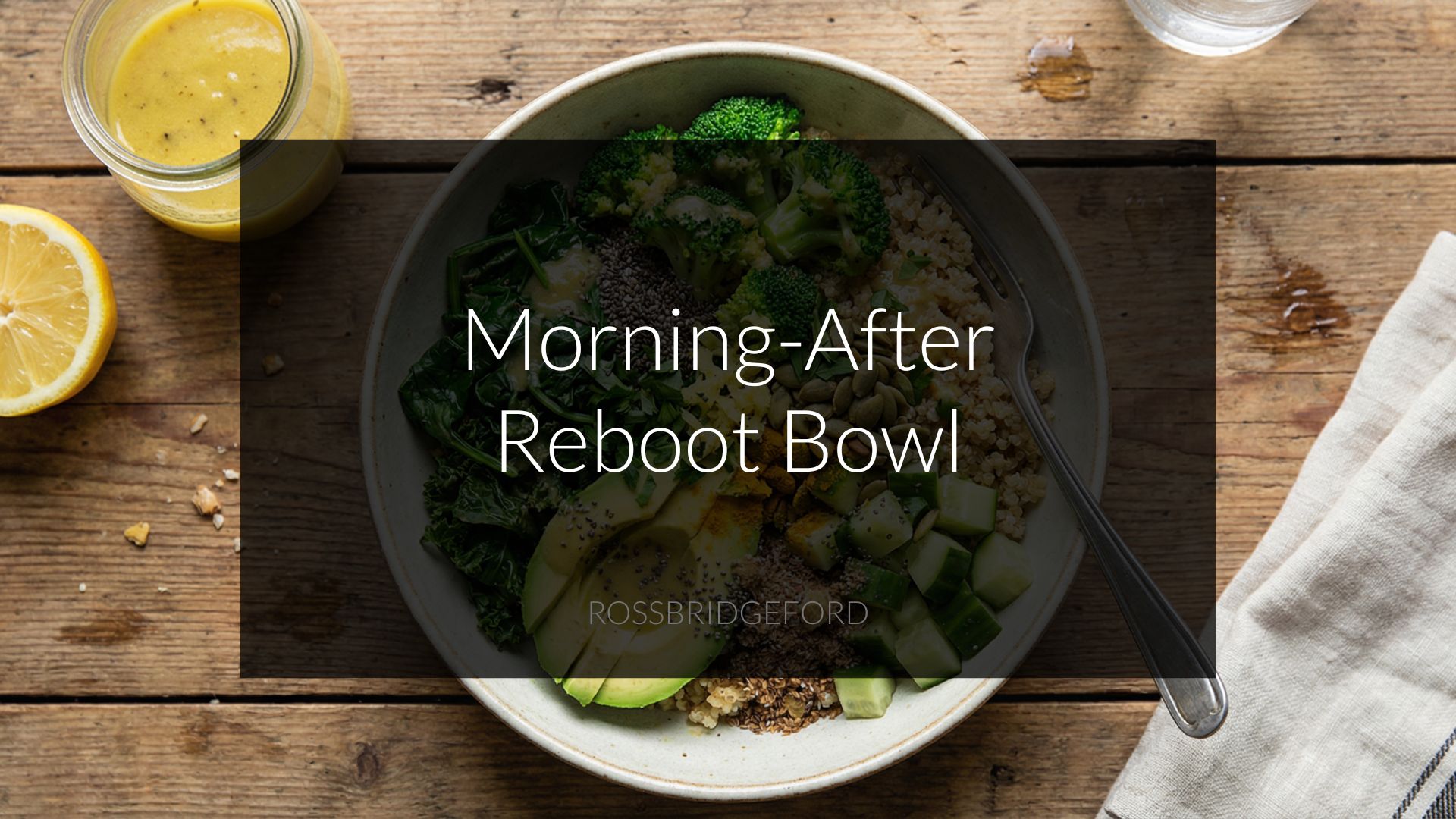
  • Morning-After Reboot Bowl

    Morning-After Reboot Bowl

    Morning-After Reboot Breakfast Bowl (Your Perfect Post-Thanksgiving Reset)

    The holiday season brings connection, celebration and a welcome break from routine. It also brings bigger meals, later nights, sugar, alcohol and a level of stress and stimulation that can leave your system feeling a little overwhelmed.

    If you are waking up this weekend feeling puffy, sluggish, inflamed or simply not quite yourself, a gentle and nourishing reset can make all the difference.

    This Morning-After Reboot Breakfast Bowl is one of the meals I recommend most often inside the Alkaline Life Club when someone wants to stabilise quickly after a big meal or a night out. It replenishes hydration, calms digestion, steadies blood sugar and gives your body the exact nutrients it needs to clear the byproducts of alcohol, sugar and holiday indulgence.

    It is soothing, grounding and genuinely delicious and perfect for a post-Thanksgiving alkaline reset.

    This alkaline breakfast bowl is:

    • Light, hydrating and deeply soothing
    • Ready in minutes
    • Gentle on digestion
    • Packed with glutathione-rich and sulforaphane-rich ingredients
    • Calms inflammation and supports detox pathways
    • Flavourful and satisfying thanks to the Lemon-Ginger Dressing
    • Uses ingredients you likely already have at home

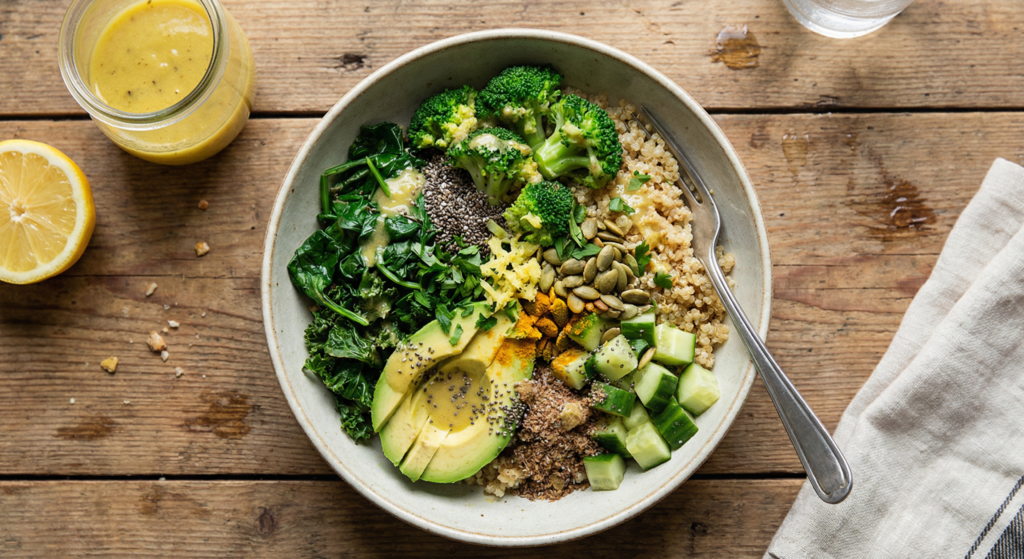
    alkaline breakfast recipe for after a night out.

    A quick note from me

    If this kind of recipe makes you feel calmer, clearer and more in control, that is exactly what we focus on inside the Alkaline Life Club.

    Throughout December and January, we are using simple, therapeutic meals like this to help members reduce inflammation, stabilise energy and finish the year strong. Alongside the weekly coaching, you get new recipes each month, live sessions with me and the kind of step-by-step guidance that makes consistency feel achievable, even in busy seasons.

    Why This Bowl Helps You Feel Better Fast

    Quinoa
    Steady energy and gentle on digestion after a heavy day. Helps stabilise blood sugar and prevent the crashes that come after sugar and alcohol.

    Avocado
    One of the best food sources of glutathione, your body’s most important detoxification compound.

    Lightly steamed broccoli
    Rich in sulforaphane, which supports the liver’s phase 2 detox pathways and helps clear the byproducts of alcohol, sugar and disrupted sleep.

    Ginger and turmeric
    Potent anti-inflammatory compounds that soothe digestion and calm the system.

    Chia, flax and pumpkin seeds
    Provide minerals, omega fats and fibre to support hormones, digestion and sustained energy.

    Greens and lemon
    Deliver minerals, hydration and gentle alkalinity to bring your system back into balance.

    Lemon-Ginger Dressing
    Brings everything together with warmth, brightness and flavour while adding extra anti-inflammatory and digestive support.

    This is a bowl designed to help you feel clearer, lighter and more stable within an hour. It is everything your body wants after a holiday celebration.

    Enjoy Your Reset Weekend

    If you make this bowl, let me know how you feel afterwards!

  • Alkaline Pizza (Two Gluten-Free Bases)

    Alkaline Pizza (Two Gluten-Free Bases)

    Recipes › Dinner

    Alkaline Pizza (Two Gluten-Free Bases)

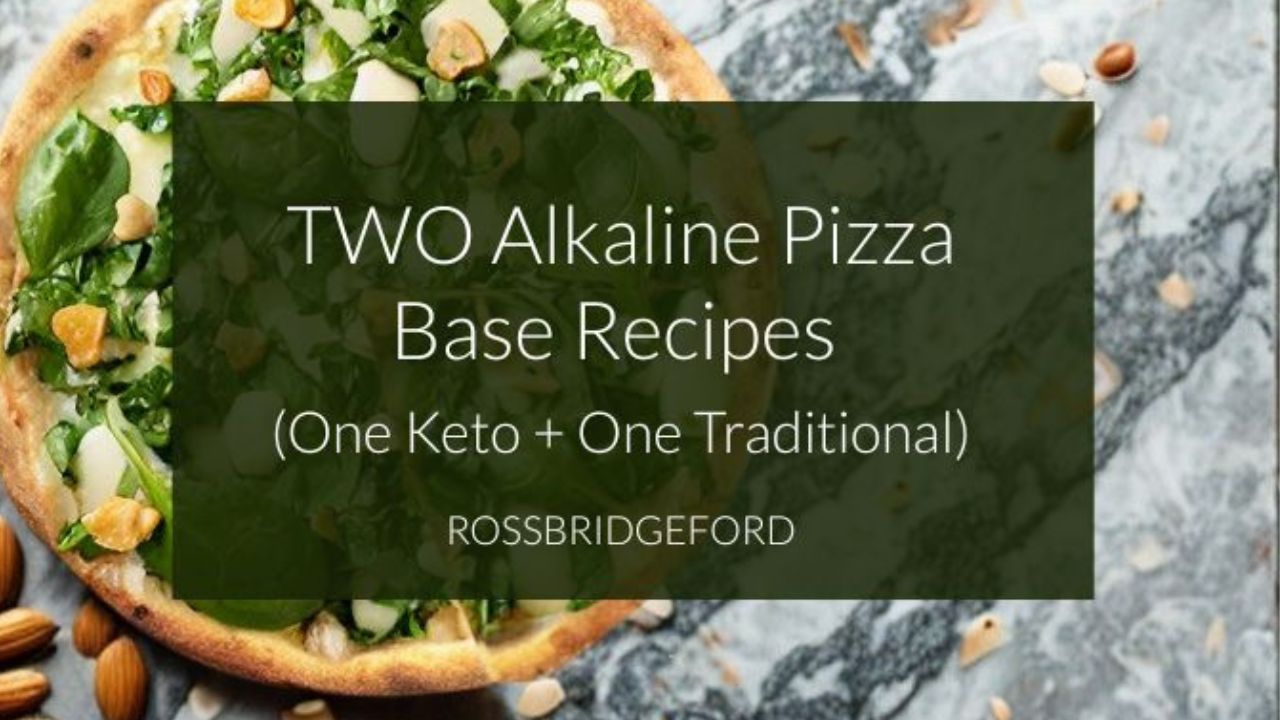
    Yes, pizza can absolutely be part of an alkaline lifestyle. Two gluten-free, vegan bases and one perfect sauce.

    Prep 15 minBake 22 minServes 221 ingredients
    VeganGluten-freeDairy-freeNo added sugar

    Tastes: crisp-edged and garlicky, with a fresh tomato and spinach sauce.

    two alkaline pizza recipes

    Balance, not perfection

    Finally, an alkaline pizza recipe that actually tastes incredible. The goal isn’t to eat perfectly alkaline all the time; it’s to stay balanced, consistent and focused on building meals that help your body thrive.

    These two bases give you choice. The low-carb base is perfect if you’re focusing on blood sugar balance, fat burning or reducing inflammation. The classic base is a more traditional, moderate-carb crust for when you simply want pizza night without the gluten, dairy or guilt. Both are vegan, gluten-free and made with real, whole ingredients.

    Why you’ll love it

    • Low-carb base. Almond flour, coconut flour and psyllium give you healthy fats and plenty of fibre.
    • The sauce brings the balance. Tomato brings richness and lycopene, which can help support heart health and reduce oxidative stress; the greens bring alkalinity; and olive oil helps you absorb the nutrients and adds anti-inflammatory fats.
    • Vitamin E and copper: about two-thirds of your daily needs.
    • Freezer-friendly. Make a few bases at once for quick midweek pizza nights.

    Good for

    Immunity

    Copper, vitamin C, iron and folate contribute to the normal function of the immune system.

    Antioxidants

    Vitamin E, copper, vitamin C and manganese contribute to the protection of cells from oxidative stress. It also contains plant compounds with antioxidant activity, including lutein, beta-carotene and lycopene.

    Energy

    Riboflavin, magnesium, iron and folate contribute to the reduction of tiredness and fatigue.

    Bones

    Vitamin K, manganese, magnesium and calcium contribute to the maintenance of normal bones.

    Eyes

    Riboflavin, zinc and vitamin A contribute to the maintenance of normal vision. It also contains lutein and zeaxanthin, the carotenoids found in the macula of the eye.

    Blood pressure

    Potassium contributes to the maintenance of normal blood pressure.

    Tags use approved nutrient health-claim wording, for nutrients that give at least 10% of the Daily Value per serve. Plant compounds like lutein have no Daily Value, so we only say they’re there.

    Key nutrients per serve

    Vitamin E
    67%Copper
    67%Vitamin K
    59%Vitamin C
    54%Manganese
    48%Riboflavin
    31%

    Contains: magnesium (30%), calcium (30%), phosphorus (27%), iron (26%), folate (19%), niacin (19%), vitamin B6 (18%), pantothenic acid (18%), potassium (15%), zinc (15%) and vitamin A (12%).

    Plant compounds: lutein and zeaxanthin (about 1.8 mg), beta-carotene (about 1.3 mg), lycopene (about 1.5 mg), chlorophyll, quercetin from the onion, glucosinolates from the rocket and sulphur compounds from the garlic.

    12 g protein17 g fibreAbout 7 g natural sugarAbout 990 mg sodium

    % of US Daily Value for adults, per serve (half the pizza). Estimated from USDA FoodData Central values for the ingredients as listed; cooking reduces some vitamins, so treat these as upper estimates. Low-carb base with my suggested toppings. Coconut flour and psyllium use typical label values; anything over 100% shows as 100%+.

    Alkaline Pizza (Two Gluten-Free Bases)

    A crisp gluten-free, vegan pizza with a fresh tomato and spinach sauce – choose the low-carb or classic base.
    Prep Time 15 minutes
    Cook Time 22 minutes
    Total Time 37 minutes
    Servings: 2

    Ingredients
      

    Low-carb base (one 9–10 inch pizza)
    • ½ cup almond flour
    • ¼ cup coconut flour
    • 3 tbsp psyllium husk powder
    • ¼ tsp sea salt
    • ½ tsp garlic powder optional
    • 2 tsp baking powder
    • 1 cup lukewarm filtered water
    • 1 tsp apple cider vinegar
    • 1 tbsp extra-virgin olive oil
    Alkaline pizza sauce
    • ¼ cup crushed tomatoes or passata organic, no added sugar
    • ½ cup baby spinach or basil leaves
    • 1 tbsp extra-virgin olive oil
    • ½ small garlic clove or ⅛ tsp garlic powder
    • ¼ tsp lemon juice optional
    • 1 pinch sea salt
    • ½ tsp oregano or Italian herbs
    Toppings (my suggestions)
    • ½ red pepper sliced
    • 1 cup mushrooms sliced
    • ¼ red onion thinly sliced
    • 8 olives
    • 2 handfuls rocket to finish
    Or: classic gluten-free base (one large pizza)
    • 1⅓ cups almond flour
    • ½ cup arrowroot or tapioca starch
    • ¼ cup potato starch
    • 1 tbsp flaxseed meal
    • ½ tsp sea salt
    • 1 tsp oregano
    • ½ tsp garlic powder
    • ½ tsp baking soda
    • 1 tbsp apple cider vinegar
    • 1 tbsp olive oil
    • 7–8 tbsp warm filtered water

    Equipment

    • Blender
    • Baking paper

    Method
     

    Low-carb base
    1. Preheat the oven to 220°C (430°F).
    2. In a large bowl, mix the almond flour, coconut flour, psyllium, salt, garlic powder and baking powder.
    3. Add the olive oil, vinegar and warm water and mix until it becomes a dough. The psyllium thickens as you stir.
    4. Place between two sheets of baking paper and roll to about ½ cm thick. Bake for 10–12 minutes until golden at the edges.
    Sauce
    1. Blend all the sauce ingredients until smooth, then taste and adjust the seasoning. Use it raw for a bright, fresh flavour, or warm it gently for a deeper taste.
    Top and bake
    1. Spread the sauce over the base, add the pepper, mushrooms, onion and olives, and bake again for 8–10 minutes.
    2. Scatter over the rocket and serve with a big alkaline salad.
    Classic base (instead of the low-carb base)
    1. Preheat the oven to 200–220°C (390–430°F) and mix all the dry ingredients in a large bowl.
    2. Add the vinegar, olive oil and water gradually until you get a soft dough. Roll between baking paper to your desired thickness and bake for 10–12 minutes until the edges are firm, then top and bake as above.

    Notes

    Making the classic base? It makes a larger pizza, so double the sauce.
    For an extra-creamy sauce, add ¼ avocado before blending.

    Swaps

    • Classic base: it’s in the recipe card too – crisp at the edge and soft in the centre.
    • Toppings: pile on any colourful vegetables and fresh herbs, and add a drizzle of olive oil after baking.
    • Basil instead of spinach in the sauce gives a more classic pizza flavour.

    Storing it

    Bases freeze well: bake them for the first 10–12 minutes, cool, wrap and freeze. Leftover sauce keeps in the fridge for 3–4 days.

    Good to know

    • High in vitamin K. If you take warfarin or another blood thinner, keep your greens intake steady and talk to your doctor before eating more leafy greens than usual.
    • Contains almonds (both bases).
    • The classic base is higher in carbohydrate and makes a bigger, more filling pizza – great for feeding the family.

    Ross’s tip

    Plan ahead. Make the dough during the day, or even freeze a few bases for quick midweek meals. This turns pizza night from a temptation into a habit you control.

    Try next

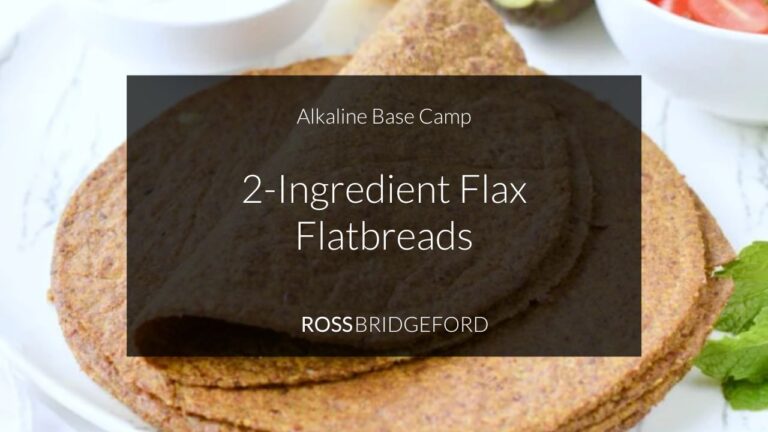
    Bread2-Ingredient Flax FlatbreadsOpen recipe →
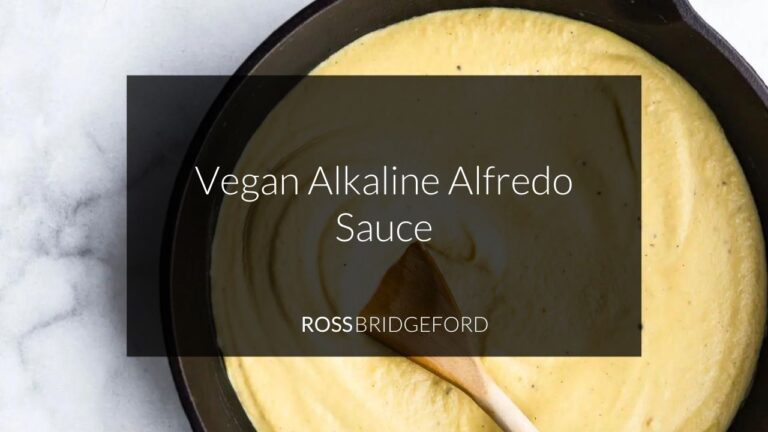
    SauceCreamy “Alfredo” SauceOpen recipe →
    Want more than recipes?

    The Alkaline Life Club has everything in the Recipe Club, plus coaching, live Q&A and a community to keep you going.

    See the Alkaline Life Club

    Sources

    Nutrient values: USDA FoodData Central, SR Legacy (blanched almonds 170568, salt 173468, garlic powder 171325, baking powder 172803, cider vinegar 173469, olive oil 171413, crushed tomatoes 170501, spinach 168462, garlic 169230, lemon juice 167747, oregano 171328, red pepper 170108, mushrooms 169251, onion 170000, olives 169094, rocket 169387; typical label values for coconut flour, psyllium husk). Plant compounds are named where the ingredient is a well-documented source; flavonoids follow the USDA Database for the Flavonoid Content of Selected Foods, Release 3.3. Daily Values: US Food and Drug Administration.
  • Crispy Broccoli & Almond Bites with Chilli-Lime Dip

    Crispy Broccoli & Almond Bites with Chilli-Lime Dip

    Recipes › Snacks

    Crispy Broccoli & Almond Bites with Chilli-Lime Dip

    A salty, crunchy snack that actually works with your body, and crushes those chip cravings.

    Prep 15 minBake 30 minServes 215 ingredients
    VeganGluten-freeDairy-freeNo added sugar

    Tastes: crispy, garlicky and zesty, with a creamy avocado dip and a little chilli heat.

    Close up and title of recipe: Broccoli & Almond Bites

    When you’re craving something salty and crunchy

    We all know the feeling. You’re tired, a little stressed, maybe even bored, and suddenly the craving hits for something salty, crunchy and satisfying: chips, crackers, pretzels, fries. They give you a quick hit of pleasure but leave you worse off – blood sugar spikes and crashes, and cravings that just get stronger.

    But what if you could have a salty, crunchy snack that worked with your body? The fibre from the broccoli and healthy fats from the almonds and avocado can help calm those cravings, protein and fibre together help keep you satisfied for hours, and it won’t send your blood sugar soaring. The magnesium, vitamin C and plant compounds in the broccoli and avocado may even help lower cortisol, your stress hormone.

    Why you’ll love it

    • Vitamin C: more than a full day’s worth per serve.
    • Broccoli in a whole new way. Even the broccoli-dodgers will eat these.
    • Crunchy and satisfying, without the blood sugar rollercoaster.
    • Vitamin E: about three-quarters of your daily needs, from the almonds and avocado.

    Good for

    Immunity

    Vitamin C, copper, folate and vitamin B6 contribute to the normal function of the immune system.

    Antioxidants

    Vitamin C, vitamin E, copper and manganese contribute to the protection of cells from oxidative stress. It also contains plant compounds with antioxidant activity, including lutein, beta-carotene and apigenin.

    Energy

    Magnesium, riboflavin, folate and pantothenic acid contribute to the reduction of tiredness and fatigue.

    Muscles

    Protein contributes to the maintenance of muscle mass, and magnesium, potassium and calcium contribute to normal muscle function.

    Bones

    Vitamin K, manganese, magnesium and phosphorus contribute to the maintenance of normal bones.

    Eyes

    Riboflavin and zinc contribute to the maintenance of normal vision. It also contains lutein and zeaxanthin, the carotenoids found in the macula of the eye.

    Blood pressure

    Potassium contributes to the maintenance of normal blood pressure.

    Tags use approved nutrient health-claim wording, for nutrients that give at least 10% of the Daily Value per serve. Plant compounds like lutein have no Daily Value, so we only say they’re there.

    Key nutrients per serve

    Vitamin K
    100%+Vitamin C
    100%+Vitamin E
    78%Copper
    67%Manganese
    52%Magnesium
    39%

    Contains: riboflavin (38%), folate (34%), pantothenic acid (30%), thiamin (25%), phosphorus (25%), vitamin B6 (24%), niacin (20%), potassium (20%), zinc (20%), iron (16%) and calcium (13%).

    Plant compounds: lutein and zeaxanthin (about 1.8 mg), beta-carotene (about 0.7 mg), plant omega-3 ALA (about 0.9 g), chlorophyll, apigenin from the parsley, glucosinolates from the broccoli, sulphur compounds from the garlic, citrus flavonoids from the lime, lignans from the flaxseed and capsaicin from the chilli.

    13 g protein11 g fibreAbout 5 g natural sugarAbout 725 mg sodium

    % of US Daily Value for adults, per serve (half the recipe). Estimated from USDA FoodData Central values for the ingredients as listed; cooking reduces some vitamins, so treat these as upper estimates. Excludes pepper added to taste; anything over 100% shows as 100%+.

    Crispy Broccoli & Almond Bites with Chilli-Lime Dip

    Crispy baked broccoli and almond bites with a creamy avocado chilli-lime dip.
    Prep Time 15 minutes
    Cook Time 30 minutes
    Total Time 45 minutes
    Servings: 2

    Ingredients
      

    Bites
    • 200 g broccoli florets finely chopped, almost rice-like
    • 80 g almond meal
    • 1 tbsp ground flaxseed
    • 2 tbsp fresh parsley chopped
    • 1 clove garlic minced
    • 1 tbsp fresh lime juice
    • ½ tsp chilli flakes adjust to taste
    • ½ tsp Himalayan salt
    • freshly ground black pepper to taste
    • 2 tbsp water
    Chilli-lime dip
    • ½ ripe avocado
    • juice of 1 lime
    • 1 pinch chilli powder
    • 1 pinch Himalayan salt
    • 2 tbsp water to thin

    Equipment

    • Food processor
    • Baking tray

    Method
     

    1. Preheat the oven to 190°C (375°F) and line a baking tray with baking paper.
    2. In a food processor, pulse the broccoli until finely chopped, like rice.
    3. Transfer to a bowl and add the almond meal, flaxseed, parsley, garlic, lime juice, chilli flakes, salt, pepper and water. Mix until it holds together.
    4. Scoop spoonfuls of the mixture, shape into bite-sized rounds or patties, and place on the tray.
    5. Bake for 25–30 minutes, flipping halfway, until golden and crisp.
    6. For the dip, blend all the ingredients until smooth, adding water to get the thickness you like.
    7. Serve the bites hot with the creamy, tangy dip.

    Swaps

    • Nut-free: use sunflower seed meal instead of almond meal.
    • Milder: leave out the chilli flakes.
    • Bigger batch: double it – they re-crisp well in the oven.

    Storing it

    Best fresh from the oven. Leftover bites keep in the fridge for 2–3 days; re-crisp them in a hot oven. Make the dip fresh.

    Good to know

    • High in vitamin K. If you take warfarin or another blood thinner, keep your greens intake steady and talk to your doctor before eating more leafy greens than usual.
    • Contains almonds. See Swaps for a nut-free version.

    Try next

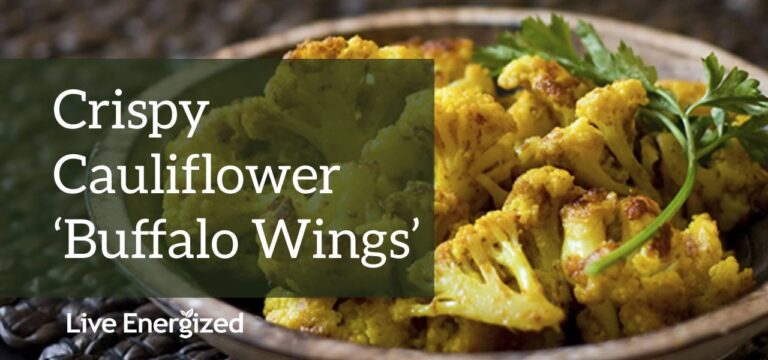
    SnackCrispy Cauliflower ‘Buffalo Wings’Open recipe →
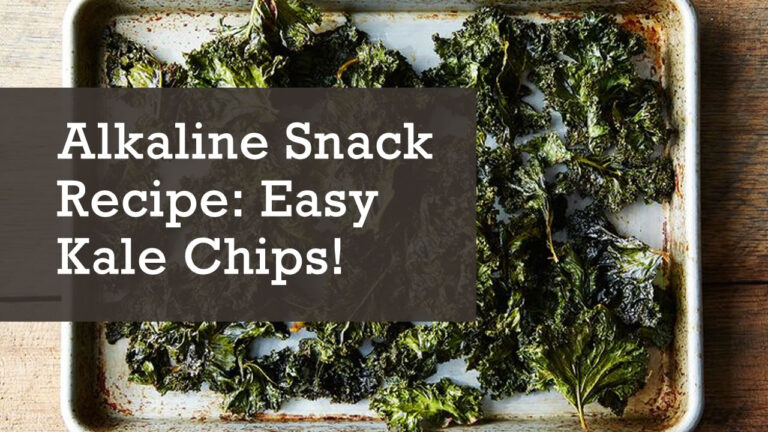
    SnackEasy Kale ChipsOpen recipe →
    Want more than recipes?

    The Alkaline Life Club has everything in the Recipe Club, plus coaching, live Q&A and a community to keep you going.

    See the Alkaline Life Club

    Sources

    Nutrient values: USDA FoodData Central, SR Legacy (broccoli 170379, almond meal (blanched almonds) 170568, flaxseed 169414, parsley 170416, garlic 169230, lime juice 168156, chilli powder 171319, salt 173468, avocado 171705). Plant compounds are named where the ingredient is a well-documented source; flavonoids follow the USDA Database for the Flavonoid Content of Selected Foods, Release 3.3. Daily Values: US Food and Drug Administration.
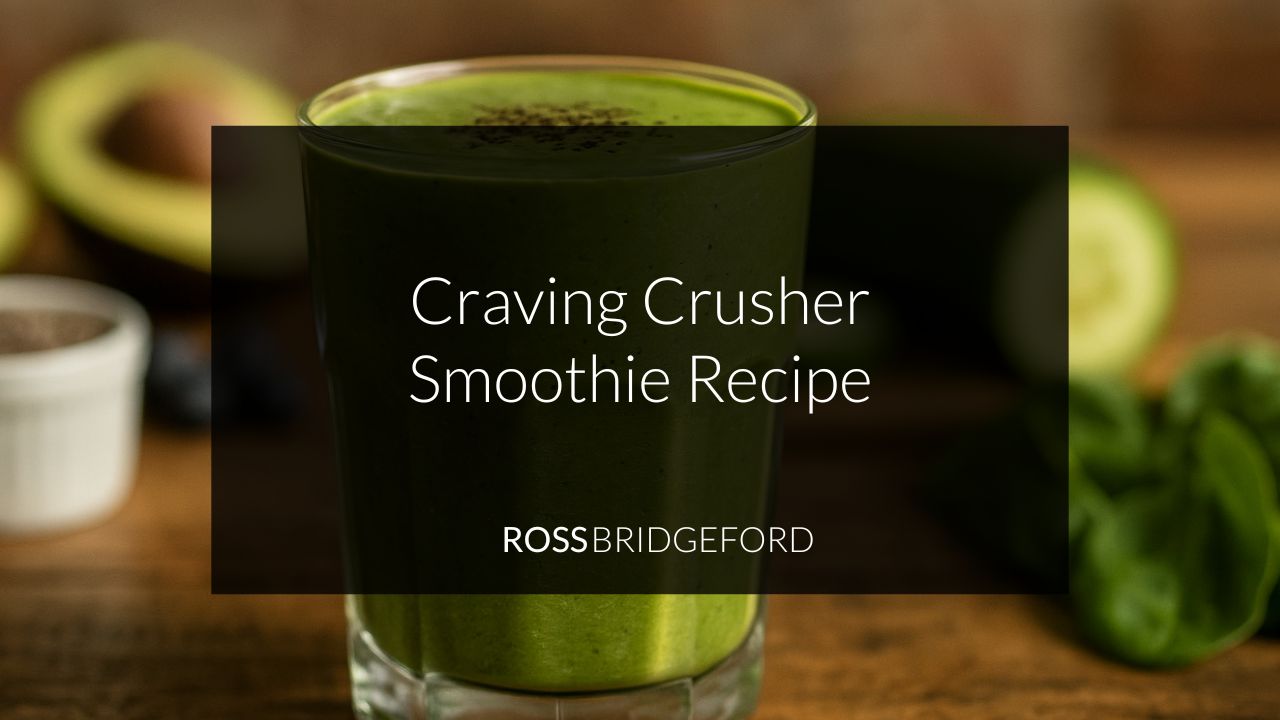
  • Craving Crusher Smoothie

    Craving Crusher Smoothie

    Recipes › Juices & smoothies

    Craving Crusher Smoothie

    It’s creamy, rich, filling and delicious, with fibre and healthy fats to keep you satisfied and help take the edge off cravings.

    Prep 5 minServes 2Blender10 ingredients
    VeganGluten-freeDairy-freeNo added sugar

    Tastes: creamy and lightly chocolatey, with a hint of cinnamon.

    close up of smoothie

    Cravings aren’t about willpower

    If you’ve ever felt like your biggest roadblock to losing weight or staying on track with your health is cravings… you’re not alone. Most people assume cravings are just a matter of willpower – that if you were “strong enough” you wouldn’t cave in to that 9pm chocolate or that mid-afternoon cookie.

    But cravings are often a message from your body that your blood sugar, hormones or energy levels are out of balance. When hormones like ghrelin (your hunger signal), leptin (your fullness signal), insulin and cortisol (your stress hormone) are out of sync, cravings hit harder than ever. One of the simplest ways to calm them is to give your body what it needs to stay full and steady – and this smoothie is designed to do exactly that.

    Why you’ll love it

    • Fibre and healthy fats. Avocado, flax and chia can help regulate ghrelin and leptin, keeping you satisfied for longer.
    • Spinach and cucumber. Low in carbohydrates, with very little impact on blood sugar, to help keep insulin steady.
    • Magnesium: about a third of your daily needs in each glass. With the antioxidants, it may help calm cortisol and the ‘false hunger’ that stress can trigger.
    • Creamy and chocolatey. Cacao and cinnamon make it feel like a treat.

    Good for

    Immunity

    Copper, folate, vitamin A and vitamin C contribute to the normal function of the immune system.

    Antioxidants

    Vitamin E, manganese, copper and vitamin C contribute to the protection of cells from oxidative stress. It also contains plant compounds with antioxidant activity, including lutein, beta-carotene and lignans.

    Energy

    Folate, magnesium, pantothenic acid and iron contribute to the reduction of tiredness and fatigue.

    Muscles

    Protein contributes to the maintenance of muscle mass, and calcium, magnesium and potassium contribute to normal muscle function.

    Bones

    Vitamin K, manganese, calcium and magnesium contribute to the maintenance of normal bones.

    Eyes

    Vitamin A, riboflavin and zinc contribute to the maintenance of normal vision. It also contains lutein and zeaxanthin, the carotenoids found in the macula of the eye.

    Blood pressure

    Potassium contributes to the maintenance of normal blood pressure.

    Tags use approved nutrient health-claim wording, for nutrients that give at least 10% of the Daily Value per glass. Plant compounds like lutein have no Daily Value, so we only say they’re there.

    Key nutrients per glass

    Vitamin K
    100%+Vitamin E
    77%Manganese
    48%Copper
    44%Folate
    38%Calcium
    31%

    Contains: magnesium (30%), vitamin A (27%), vitamin C (24%), pantothenic acid (20%), iron (19%), vitamin B6 (18%), potassium (18%), thiamin (17%), riboflavin (15%), phosphorus (15%), niacin (14%), zinc (14%) and selenium (12%).

    Plant compounds: lutein and zeaxanthin (about 6.3 mg), beta-carotene (about 2.9 mg), plant omega-3 ALA (about 2.8 g), chlorophyll, lignans from the flaxseed and flavanols from the cacao.

    6 g protein10 g fibreUnder 4 g natural sugarAbout 155 mg sodium

    % of US Daily Value for adults, per glass (half the recipe). Estimated from USDA FoodData Central values for the ingredients as listed, so treat these as upper estimates. Excludes the optional blueberries. Almond milk values are for a calcium-fortified brand; anything over 100% shows as 100%+.

    Craving Crusher Smoothie

    A creamy, lightly chocolatey green smoothie with avocado, spinach, flax and chia.
    Prep Time 5 minutes
    Total Time 5 minutes
    Servings: 2 glasses

    Ingredients
      

    • 300 ml unsweetened almond milk
    • ½ avocado
    • 2 large handfuls baby spinach about 100 g
    • ½ cucumber
    • 2 tbsp ground flaxseed
    • 1 tbsp chia seeds
    • 1 tsp raw cacao powder
    • ½ tsp cinnamon
    • 1 small handful blueberries optional
    • ice cubes to blend

    Equipment

    • Blender

    Method
     

    1. Add all the ingredients to a high-speed blender.
    2. Blend until smooth and creamy.
    3. Pour into two glasses and enjoy straight away.

    Swaps

    • No almond milk? Any unsweetened plant milk works.
    • Thicker: add a few more ice cubes or a little more avocado.
    • More chocolatey: add another ½ tsp cacao.

    Storing it

    Best enjoyed straight away – the chia and flax will thicken it as it sits.

    Good to know

    • High in vitamin K. If you take warfarin or another blood thinner, keep your greens intake steady and talk to your doctor before eating more leafy greens than usual.
    • Contains almonds (in the almond milk).

    Ross’s tip

    This is a small but powerful action you can take right now to stop cravings in their tracks.

    Try next

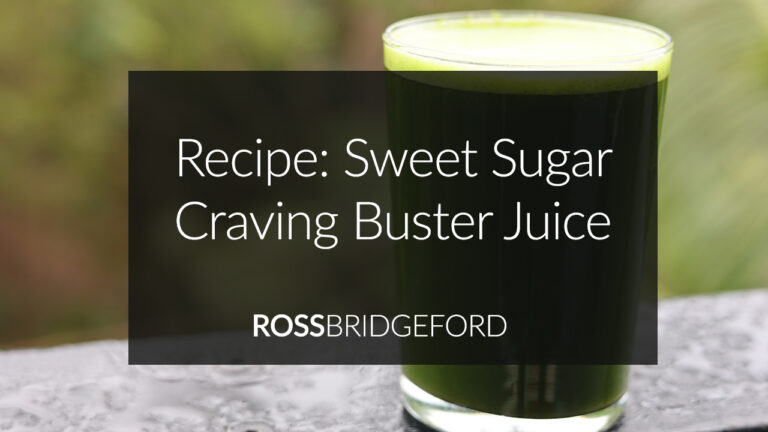
    Green juiceSweet Sugar Cravings Buster JuiceOpen recipe →
    SmoothieChocolate ThickshakeOpen recipe →
    Want more than recipes?

    The Alkaline Life Club has everything in the Recipe Club, plus coaching, live Q&A and a community to keep you going.

    See the Alkaline Life Club

    Sources

    Nutrient values: USDA FoodData Central, SR Legacy (almond milk 174832, avocado 171705, spinach 168462, cucumber 168409, flaxseed 169414, chia seeds 170554, cocoa 169593, cinnamon 171320). Plant compounds are named where the ingredient is a well-documented source; flavonoids follow the USDA Database for the Flavonoid Content of Selected Foods, Release 3.3. Daily Values: US Food and Drug Administration.
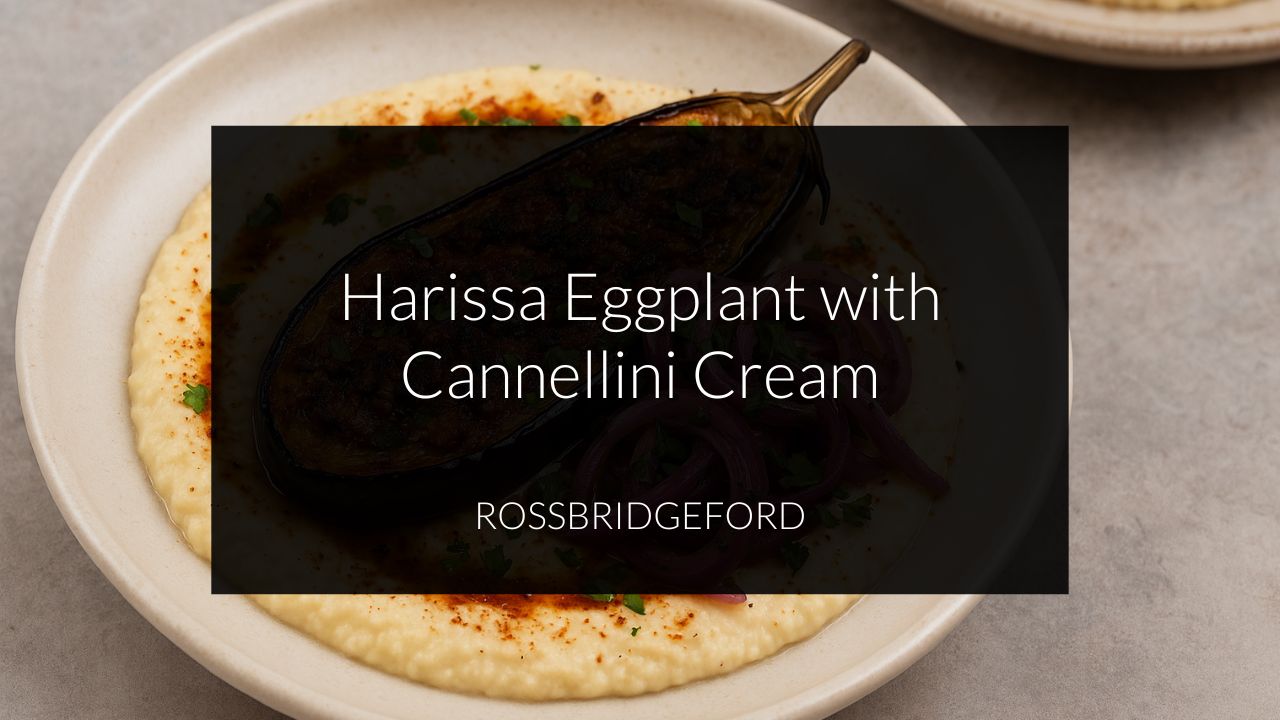
  • Harissa Eggplant with Cannellini Cream

    Harissa Eggplant with Cannellini Cream

    Recipes › Dinner

    Harissa Eggplant with Cannellini Cream

    Rich, comforting and indulgent, but without the heavy aftermath. This dish nails it.

    Prep 15 minCook 35 minServes 214 ingredients
    VeganGluten-freeDairy-freeNo added sugar

    Tastes: smoky, spicy, melt-in-your-mouth eggplant on a creamy, lemony bean purée, with tangy sumac onions.

    Close up of Harissa Eggplant

    A true alkaline-friendly powerhouse

    The eggplant roasts down to that perfect melt-in-your-mouth texture, soaking up all the warmth and spice of the harissa. The creamy cannellini bean base feels decadent but is packed with fibre, protein and minerals to keep your energy balanced. And the zesty, lemony sumac onions? They cut through everything with a freshness and brightness that lifts the whole plate.

    It’s one of those dishes that looks impressive and tastes amazing, yet is so simple to put together – perfect for a weeknight dinner when you want something special without spending hours in the kitchen.

    Why you’ll love it

    • Anti-inflammatory garlic, herbs, sumac and harissa.
    • Blood sugar balancing. The slow-release fibre and protein in the beans help keep it steady.
    • Digestive support from gut-feeding prebiotic fibre in the beans, onion and eggplant.
    • Energy and repair from B vitamins, zinc and antioxidants like nasunin, the purple pigment in eggplant skin.

    Good for

    Immunity

    Copper, folate, vitamin C and iron contribute to the normal function of the immune system.

    Antioxidants

    Copper, manganese, vitamin E and vitamin C contribute to the protection of cells from oxidative stress. It also contains plant compounds with antioxidant activity, including apigenin, quercetin and flavonoids.

    Energy

    Folate, iron, magnesium and vitamin B6 contribute to the reduction of tiredness and fatigue.

    Muscles

    Protein contributes to the maintenance of muscle mass, and potassium, magnesium and calcium contribute to normal muscle function.

    Bones

    Manganese, vitamin K, magnesium and zinc contribute to the maintenance of normal bones.

    Eyes

    Zinc and riboflavin contribute to the maintenance of normal vision.

    Blood pressure

    Potassium contributes to the maintenance of normal blood pressure.

    Tags use approved nutrient health-claim wording, for nutrients that give at least 10% of the Daily Value per serve. Plant compounds like these have no Daily Value, so we only say they’re there.

    Key nutrients per serve

    Copper
    67%Manganese
    65%Vitamin K
    53%Folate
    43%Vitamin E
    35%Vitamin C
    31%

    Contains: iron (31%), potassium (30%), magnesium (29%), thiamin (25%), vitamin B6 (24%), pantothenic acid (22%), zinc (20%), phosphorus (17%), riboflavin (15%), calcium (14%) and niacin (13%).

    Plant compounds: chlorophyll, apigenin from the parsley, quercetin from the onion, sulphur compounds from the garlic, citrus flavonoids from the lemon and capsaicin from the chilli.

    15 g protein16 g fibreAbout 12 g natural sugarAbout 110 mg sodium

    % of US Daily Value for adults, per serve (half the recipe). Estimated from USDA FoodData Central values for the ingredients as listed; cooking reduces some vitamins, so treat these as upper estimates. Harissa paste uses USDA red chilli values; excludes salt and pepper added to taste; anything over 100% shows as 100%+.

    Harissa Eggplant with Cannellini Cream

    Harissa-roasted eggplant on a creamy cannellini bean purée with zesty sumac onions.
    Prep Time 15 minutes
    Cook Time 35 minutes
    Total Time 50 minutes
    Servings: 2

    Ingredients
      

    Eggplant
    • 1 large eggplant (aubergine) halved lengthways
    • 1 tbsp extra-virgin olive oil
    • 2 tsp rose harissa paste or plain harissa for more heat
    • 1 pinch Himalayan or Celtic sea salt
    Cannellini cream
    • 1 tbsp olive oil
    • 1 clove garlic minced
    • 1 x 400 g tin cannellini beans drained and rinsed
    • juice of ½ lemon
    • 2–3 tbsp unsweetened almond milk more to loosen if needed
    • sea salt and black pepper
    Sumac onions
    • ½ small red onion thinly sliced
    • ½ tsp sumac
    • juice of ½ lemon
    • 1 pinch salt
    To garnish
    • fresh parsley or mint, and lemon wedges optional

    Equipment

    • Blender
    • Baking tray

    Method
     

    1. Preheat the oven to 200°C (180°C fan). Score the eggplant halves in a criss-cross pattern without cutting through the skin. Rub with the olive oil, harissa and salt, and roast cut side up for 30–35 minutes until tender and golden.
    2. While it roasts, warm the olive oil in a pan on low heat. Add the garlic and cook gently for 1–2 minutes, then add the beans, lemon juice and almond milk. Warm through, then blend until smooth and creamy. Season to taste.
    3. Toss the onion with the lemon juice, sumac and salt. Leave for 10 minutes to soften and lightly pickle.
    4. Spread the cannellini cream onto plates, top with the roasted eggplant, scatter over the sumac onions, and finish with herbs and a squeeze of lemon.

    Swaps

    • No harissa? Mix 1 tsp smoked paprika, ½ tsp cumin and a pinch of chilli into the oil.
    • Nut-free: use oat milk or a splash of water in the bean cream.
    • Make it heartier: serve with quinoa and a big green salad.

    Storing it

    The bean cream keeps in the fridge for 3–4 days. The eggplant is best fresh, but leftovers reheat well.

    Good to know

    • High in vitamin K. If you take warfarin or another blood thinner, keep your greens intake steady and talk to your doctor before eating more leafy greens than usual.
    • Harissa: some brands contain gluten or added sugar, so check the label.
    • Contains almonds (in the almond milk).

    Ross’s tip

    Double the bean cream! Honestly, it’s too good not to. It lasts 3–4 days in the fridge and works brilliantly as a dip, spread or side – add it to wraps, salads, or alongside roasted veggies.

    Try next

    DinnerHarissa Tofu & Lentil StewOpen recipe →
    DinnerCreamy Tomato, Red Lentil & Spinach StewOpen recipe →
    Want more than recipes?

    The Alkaline Life Club has everything in the Recipe Club, plus coaching, live Q&A and a community to keep you going.

    See the Alkaline Life Club

    Sources

    Nutrient values: USDA FoodData Central, SR Legacy (eggplant 169228, olive oil 171413, chilli 170106, salt 173468, garlic 169230, white beans 175203, lemon juice 167747, almond milk 174832, onion 170000, parsley 170416). Plant compounds are named where the ingredient is a well-documented source; flavonoids follow the USDA Database for the Flavonoid Content of Selected Foods, Release 3.3. Daily Values: US Food and Drug Administration.