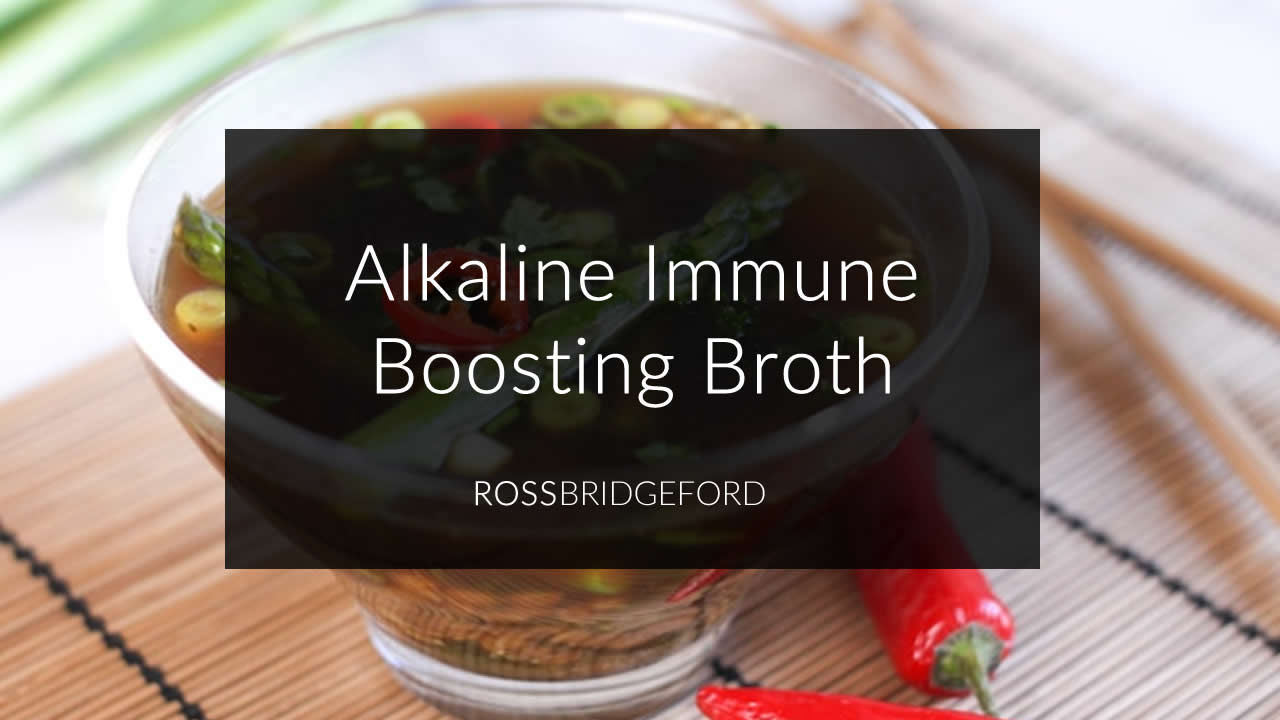
Immune-Boosting Asparagus & Ginger Broth
A warming, nourishing broth that does so much good for your immune system – have it all year round, in a mug or a bowl.
Tastes: clear, gingery and warming, with garlic, fresh chilli, tender asparagus, kale and coriander.
Your immune system works so hard
We often think about our immune system when the colder months come around, but its proper functioning is essential to your health, energy and vitality all year round.
It’s constantly on call, seeking out pathogens like bacteria, viruses, parasites and fungi, and supporting the healthy bacteria in your gut – while keeping a watchful eye on any cells that have changed from what they should be. Garlic and ginger have both been studied for their immune and anti-inflammatory effects, and fresh chilli brings vitamin C.
Why you’ll love it
- Quick: about 15 minutes.
- Vitamin K: about a full day’s worth.
- Sip it from a mug or eat it with a spoon.
- Warming ginger, garlic and chilli.
Good for
Vitamin C, copper, folate and iron contribute to the normal function of the immune system.
Vitamin C, copper, manganese and riboflavin contribute to the protection of cells from oxidative stress. It also contains plant compounds with antioxidant activity, including lutein, beta-carotene and flavonoids.
Riboflavin, folate, iron and vitamin B6 contribute to the reduction of tiredness and fatigue.
Vitamin K and manganese contribute to the maintenance of normal bones.
Riboflavin contributes to the maintenance of normal vision. It also contains lutein and zeaxanthin, the carotenoids found in the macula of the eye.
Tags use approved nutrient health-claim wording, for nutrients that give at least 10% of the Daily Value per serve. Plant compounds like lutein have no Daily Value, so we only say they’re there.
Key nutrients per serve
Contains: manganese (17%), riboflavin (15%), folate (14%), vitamin E (13%), iron (13%), vitamin B6 (12%), potassium (8%), magnesium (6%) and calcium (6%).
Plant compounds: lutein and zeaxanthin (about 1.6 mg), beta-carotene (about 1 mg), chlorophyll, quercetin and kaempferol from the kale, quercetin from the onion, glucosinolates from the kale, gingerols from the ginger, sulphur compounds from the garlic and capsaicin from the chilli.
% of US Daily Value for adults, per serve (half the recipe). Estimated from USDA FoodData Central values for the ingredients as listed; cooking reduces some vitamins, so treat these as upper estimates. Uses low-sodium bouillon and tamari values for the Bragg; anything over 100% shows as 100%+.
Immune-Boosting Asparagus & Ginger Broth
Ingredients
Equipment
Method
- Heat the coconut oil, water, bouillon and Bragg in a pan over a medium heat.
- Add the ginger, garlic and chilli and simmer for 3–4 minutes.
- Add the kale, spring onion, coriander and asparagus and simmer for another 3–4 minutes.
- Serve in bowls or mugs, with a glug of olive or flax oil.
Swaps
- Chilli: vary it to your heat tolerance – keep the seeds in for more heat, or take them out for less. Try not to leave it out; the flavour matters.
- Broccolini or green beans instead of asparagus.
- Make it a meal: add buckwheat noodles or tofu.
Storing it
Keeps in the fridge for 3 days. The greens soften, but it’s still delicious.
Good to know
- High in vitamin K. If you take warfarin or another blood thinner, keep your greens intake steady and talk to your doctor before eating more leafy greens than usual.
- Salt: bouillon and Bragg add up to about 900 mg sodium a serve. Use a low-salt bouillon and 1 tbsp Bragg if you’re watching salt.
- Bouillon: choose one that’s gluten-free and MSG-free.
Ross’s tip
Peel ginger (and turmeric) with a teaspoon! It’s quick and pretty neat and tidy, with minimal ginger goodness lost – and your hands smell good after.
Try next
The Alkaline Life Club has everything in the Recipe Club, plus coaching, live Q&A and a community to keep you going.
See the Alkaline Life ClubSources
Nutrient values: USDA FoodData Central, SR Legacy (tamari 174278, ginger 169231, garlic 169230, red chilli 170106, asparagus 168389, kale 168421, spring onions 170005, coriander leaves 169997, olive oil 171413, coconut oil 171412). Plant compounds are named where the ingredient is a well-documented source; flavonoids follow the USDA Database for the Flavonoid Content of Selected Foods, Release 3.3. Daily Values: US Food and Drug Administration.