Category: Free Alkaline Diet Recipes

Alkaline Diet Recipes: The Alkaline Recipe Centre from Ross Bridgeford
Make the Alkaline Diet Easy With Delicious Alkaline Recipe, and Enjoyable & Nourishing Meals
Find over 200+ delicious alkaline diet recipes & meals that the whole family will love. Includes alkaline recipes for breakfast, lunch, dinner, and snacks, plus cuisines including Italian, Indian, British, American, Mexican, Thai, and more!  This will make the alkaline lifestyle so simple!

Every recipe has been packed with nutrient-dense foods, designed with ease and simplicity in mind using every day, fresh, easy-to-find ingredients. Plus no recipe takes more than 30 minutes to prepare and all have been tried and tested on my family, including my kids! This is alkaline living made easy!

All recipes come with a print-friendly button so you can get started right away.

Click here to jump to a meal-time:

Alkaline Breakfast Recipes
Alkaline Lunch Recipes
Alkaline Dinner Recipes

Alkaline recipes are a great way to help keep your body’s pH balance in check, infusing your body with alkaline foods. Eating an alkaline-based diet helps to maintain healthy cells and tissues, as well as support overall health and wellness. Knowing how to prepare meals that contain the right amount of alkaline ingredients is key for anyone who wants to reap the benefits of an alkaline diet.

Fortunately, there are a plethora of delicious and nutrient-dense alkaline foods to choose from to make alkaline recipes for your alkaline-based meal plan. From classic dishes like quinoa bowls and vegetable salads to creative takes on traditional meals like eggplant lasagna, there’s something for everyone! With the right alkaline recipes and proper preparation, you can maintain a healthy alkaline diet that will help your body stay in balance.

Besides selecting the right alkaline foods, there are many different cooking techniques you can use to maximize the alkalinity of your meals. For example, steaming is a great way to prepare vegetables as it helps keep their natural nutrients intact. You can also incorporate alkaline-friendly herbs and spices, like turmeric and basil, to give your dishes a unique flavor.

At the end of the day, alkaline recipes are easy to make and provide a variety of health benefits. They help you avoid those acid foods and with the right alkaline ingredients and cooking techniques, you can create delicious meals that support your body’s needs.

For more information on starting on an alkaline diet click here, and browse the recipes!

  • Chilli Chai Hot Chocolate

    Chilli Chai Hot Chocolate

    Recipes › Drinks

    Chilli Chai Hot Chocolate

    An outrageously delicious, creamy hot chocolate with cacao, chilli, ginger, cardamom and cinnamon – and a secret ingredient that makes it SO creamy.

    Prep 5 minCook 10 minServes 2Blender8 ingredients
    VeganGluten-freeDairy-freeNo added sugar

    Tastes: rich, smooth and chocolatey, with warm chai spices and a gentle chilli kick.
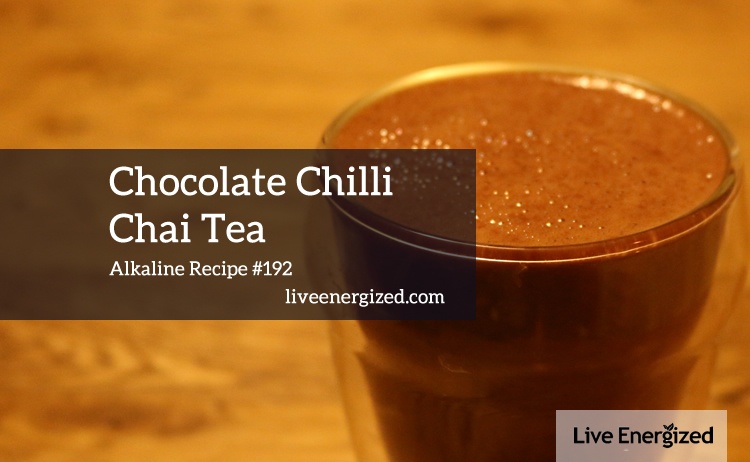
    chocolate cacao chai tea recipe

    Off the charts out of 10

    Holy moly, this is a WINNER. I’ve been working on it for a while, and the addition of a very special ingredient took it from an 8 out of 10 to off the charts!

    I love every flavour in it. It’s smooth, soothing and delicious, and packed full of goodness from the coconut oil, cacao, chilli, cardamom, cinnamon, ginger and that special ingredient: almond butter. It makes it SO creamy!

    It’s basically an outrageously delicious hot chocolate, but healthy and alkaline.

    Why you’ll love it

    • Vitamin E: a full day’s worth a mug, from fortified almond milk.
    • Manganese: over 40% of your daily needs.
    • Chilli, ginger and chai spices for warmth.
    • No added sugar: just cacao and spice.

    Good for

    Immunity

    Copper, vitamin C and iron contribute to the normal function of the immune system.

    Antioxidants

    Vitamin E, manganese, copper and vitamin C contribute to the protection of cells from oxidative stress. It also contains plant compounds with antioxidant activity, including gingerols, capsaicin and flavanols.

    Energy

    Magnesium and iron contribute to the reduction of tiredness and fatigue.

    Bones

    Manganese, calcium and magnesium contribute to the maintenance of normal bones.

    Tags use approved nutrient health-claim wording, for nutrients that give at least 10% of the Daily Value per mug. Plant compounds like these have no Daily Value, so we only say they’re there.

    Key nutrients per mug

    Vitamin E
    100%+Manganese
    43%Calcium
    36%Copper
    33%

    Contains: magnesium (16%), vitamin C (13%), iron (11%) and potassium (7%).

    Plant compounds: gingerols from the ginger, capsaicin from the chilli and flavanols from the cacao.

    4 g fibreUnder 4 g natural sugarAbout 165 mg sodium

    % of US Daily Value for adults, per mug (half the recipe). Estimated from USDA FoodData Central values for the ingredients as listed; cooking reduces some vitamins, so treat these as upper estimates. Uses a calcium-fortified almond milk and 2 tbsp (about 10 g) cacao; anything over 100% shows as 100%+.

    Chilli Chai Hot Chocolate

    Almond or coconut milk simmered with cacao, almond butter, ginger, chilli, cardamom, cinnamon and coconut oil, then blended until frothy.
    Prep Time 5 minutes
    Cook Time 10 minutes
    Total Time 15 minutes
    Servings: 2 mugs

    Ingredients
      

    • 450 ml coconut or almond milk unsweetened
    • 1 tbsp almond butter the secret ingredient!
    • 2 tbsp raw cacao powder
    • 2.5 cm fresh root ginger 1 inch, sliced
    • 1 tsp ground cardamom
    • 1 tsp ground cinnamon plus extra to sprinkle
    • 1 red chilli adjust to how hot you like it
    • 1 tbsp coconut oil or MCT oil

    Equipment

    • Saucepan
    • Blender

    Method
     

    1. Slice the ginger, then put it in a saucepan with the milk, cacao, almond butter, spices, chilli and oil.
    2. Simmer for 5–10 minutes.
    3. Transfer to a blender and blend on high until smooth and frothy.
    4. Sprinkle with cinnamon, serve and enjoy!

    Swaps

    • Nut-free: use coconut milk and tahini instead of almond milk and almond butter.
    • Milder: use half a chilli and take the seeds out.
    • Lighter: skip the coconut oil.

    Storing it

    Best fresh. Leftovers keep in the fridge for a day – reheat gently and blend again.

    Good to know

    • Contains almonds. See Swaps for a nut-free version.

    Ross’s tip

    This is a fantastic one in the colder months… but it can also be enjoyed on ice in summer too!

    Try next
    DrinksCreamy Turmeric & Ginger LatteOpen recipe →
    Juices & smoothiesChocolicious All-Day Energy SmoothieOpen recipe →
    Want more than recipes?

    The Alkaline Life Club has everything in the Recipe Club, plus coaching, live Q&A and a community to keep you going.

    See the Alkaline Life Club

    Sources

    Nutrient values: USDA FoodData Central, SR Legacy (almond milk 174832, almond butter 168588, cacao (cocoa powder) 169593, ginger 169231, cardamom 170919, cinnamon 171320, red chilli 170106, coconut oil 171412). Plant compounds are named where the ingredient is a well-documented source; flavonoids follow the USDA Database for the Flavonoid Content of Selected Foods, Release 3.3. Daily Values: US Food and Drug Administration.
  • Turmeric & Ginger Bulletproof Tea

    Turmeric & Ginger Bulletproof Tea

    Recipes › Drinks

    Turmeric & Ginger Bulletproof Tea

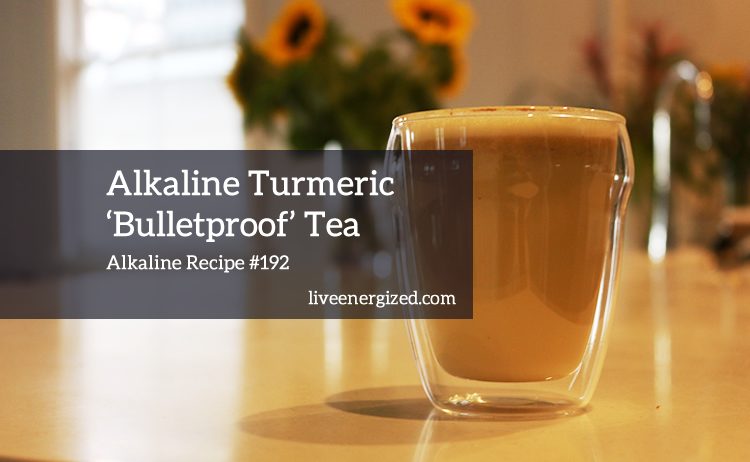
    My caffeine-free take on Bulletproof Coffee: fresh turmeric and ginger simmered in almond milk with coconut oil and cinnamon, then blended until frothy.

    Prep 5 minCook 5 minServes 2Blender5 ingredients
    VeganGluten-freeDairy-freeNo added sugar

    Tastes: warm, creamy and frothy, with earthy turmeric, a ginger kick and cinnamon.

    My alkaline take on a legend

    My ‘bulletproof tea’ is the alkaline take on the legendary Bulletproof Coffee pioneered by Dave Asprey. Full props to Dave for the inspiration.

    I’ve tweaked it to leave out the coffee and butter, so it’s caffeine-free and dairy-free, and added fresh turmeric and ginger, two of my favourite anti-inflammatory roots.

    It’s creamy, warming and satisfying – a lovely way to start an early morning – and it’s a big winner in my house.

    Why you’ll love it

    • Caffeine-free, so no high and crash.
    • Fresh turmeric and ginger, blended right in.
    • Vitamin E: a full day’s worth a mug, from fortified almond milk.
    • Creamy and frothy with no dairy.

    Good for

    Immunity

    Copper contributes to the normal function of the immune system.

    Antioxidants

    Vitamin E, manganese and copper contribute to the protection of cells from oxidative stress. It also contains plant compounds with antioxidant activity, including curcumin and gingerols.

    Bones

    Calcium and manganese contribute to the maintenance of normal bones.

    Tags use approved nutrient health-claim wording, for nutrients that give at least 10% of the Daily Value per mug. Plant compounds like these have no Daily Value, so we only say they’re there.

    Key nutrients per mug

    Vitamin E
    100%+Calcium
    37%Manganese
    26%

    Contains: copper (11%), potassium (5%) and magnesium (5%).

    Plant compounds: curcumin from the turmeric and gingerols from the ginger.

    Under 4 g natural sugarAbout 180 mg sodium

    % of US Daily Value for adults, per mug (half the recipe). Estimated from USDA FoodData Central values for the ingredients as listed; cooking reduces some vitamins, so treat these as upper estimates. Uses a calcium-fortified almond milk and ground turmeric values for the fresh root; excludes the optional maca and syrup; anything over 100% shows as 100%+.

    Turmeric & Ginger Bulletproof Tea

    Fresh turmeric and ginger simmered in almond or coconut milk with coconut oil and cinnamon, then blended until frothy.
    Prep Time 5 minutes
    Cook Time 5 minutes
    Total Time 10 minutes
    Servings: 2 mugs

    Ingredients
      

    • 2.5 cm fresh turmeric 1 inch, sliced
    • 2.5 cm fresh ginger 1 inch, sliced
    • 1 tbsp coconut oil
    • 500 ml almond or coconut milk unsweetened
    • 1 tsp ground cinnamon
    • 1 tsp maca powder optional
    • 1 tsp coconut syrup or rice malt syrup optional – it’s healthier without

    Equipment

    • Saucepan
    • High-powered blender

    Method
     

    1. Slice the turmeric and ginger and put them in a saucepan with the milk, coconut oil, cinnamon, and the maca and syrup if you’re using them.
    2. Bring to a simmer and let it simmer for 5 minutes. If you have time, leave it for a further 10 minutes so the ginger and turmeric infuse a little longer.
    3. Pour everything into a high-powered blender and blend on high for 30 seconds to liquefy the turmeric and ginger and create a nice froth.
    4. Serve and enjoy!

    Swaps

    • Nut-free: use unsweetened coconut milk.
    • No fresh roots? Use ½ tsp each of ground turmeric and ginger.
    • Maca adds a malty, caramel-ish flavour if you like it.

    Storing it

    Best fresh. It keeps in the fridge for a day; reheat gently and blend again to froth.

    Good to know

    • Contains almonds (in the almond milk). Use coconut milk for a nut-free version.
    • Turmeric stains, so rinse your blender straight away.

    Ross’s tip

    I love to have this if I’m up at 4 or 5 am for an early morning writing session (I do my best writing before the sun is up), and then I have breakfast with the family at 8. With this drink I don’t even think about food until then.

    Try next

    DrinksCreamy Turmeric & Ginger LatteOpen recipe →
    DrinksAlkaline Sleep ElixirOpen recipe →
    Want more than recipes?

    The Alkaline Life Club has everything in the Recipe Club, plus coaching, live Q&A and a community to keep you going.

    See the Alkaline Life Club

    Sources

    Nutrient values: USDA FoodData Central, SR Legacy (turmeric 172231, ginger 169231, coconut oil 171412, almond milk 174832, cinnamon 171320). Plant compounds are named where the ingredient is a well-documented source; flavonoids follow the USDA Database for the Flavonoid Content of Selected Foods, Release 3.3. Daily Values: US Food and Drug Administration.
  • Raw Cacao, Pistachio & Almond Bliss Balls

    Raw Cacao, Pistachio & Almond Bliss Balls

    Recipes › Snacks

    Raw Cacao, Pistachio & Almond Bliss Balls

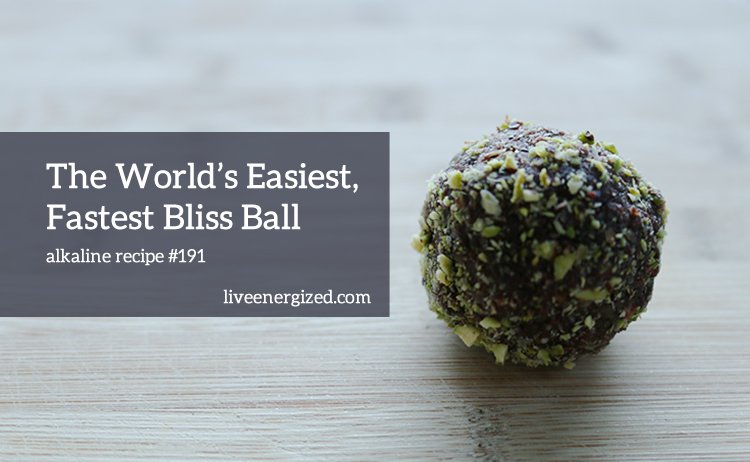
    Chocolatey, almost brownie-like bliss balls of raw cacao, almonds, coconut, chia and dates, rolled in crushed pistachios. A lifesaver in our house!

    Prep 15 minSoak 1 hourMakes 168 ingredients
    VeganGluten-freeDairy-freeNo added sugar

    Tastes: rich, chocolatey and fudgy, with crunchy pistachio and a hint of coconut.

    close up image of bliss ball

    A lifesaver at Bridgeford HQ

    Hey guys – these bliss balls are a lifesaver at Bridgeford Alkaline HQ! They’re a truly delicious raw snack to keep you going, energised and your taste buds satisfied.

    Let’s face it, when you’re super-hungry and busy, it’s THE stress-test to see if you’re going to slip up, crack and grab something unhealthy. These bliss balls help prevent that because they’re a) delicious, b) easy to make, c) quick to make, d) easy to store in the fridge and e) did I mention delicious?

    They contain a little sweetness from the dates, but aside from that they’re packed with cacao, pistachios, almond meal, coconut oil, chia and almonds – full of healthy fats, protein and fibre. The cacao makes them chocolatey, while the almond meal gives them an almost brownie-like quality.

    I strongly recommend you try these – they’re a staple in our house, especially for my son Leo. Having delicious, healthy snacks at hand can be the difference between success and failure for a lot of people.

    Why you’ll love it

    • Copper: over a fifth of your daily needs a ball.
    • Sweetened only with dates.
    • Keeps for 7 days in the fridge.
    • Grab-and-go nourishment between meals.

    Good for

    Immunity

    Copper contributes to the normal function of the immune system.

    Antioxidants

    Copper, manganese and vitamin E contribute to the protection of cells from oxidative stress. It also contains plant compounds with antioxidant activity, including flavanols.

    Energy

    Magnesium contributes to the reduction of tiredness and fatigue.

    Bones

    Manganese and magnesium contribute to the maintenance of normal bones.

    Tags use approved nutrient health-claim wording, for nutrients that give at least 10% of the Daily Value per ball. Plant compounds like these have no Daily Value, so we only say they’re there.

    Key nutrients per ball

    Copper
    22%

    Contains: manganese (17%), vitamin E (15%) and magnesium (10%).

    Plant compounds: flavanols from the cacao.

    3 g fibreAbout 5 g natural sugarAlmost no sodium

    % of US Daily Value for adults, per ball (1/16 of the recipe). Estimated from USDA FoodData Central values for the ingredients as listed, so treat these as upper estimates. Uses cocoa powder values for the raw cacao; anything over 100% shows as 100%+.

    Raw Cacao, Pistachio & Almond Bliss Balls

    Softened dates and almonds blended with almond meal, coconut, coconut oil, cacao, chia and half the pistachios, then rolled into balls and coated in crushed pistachios.
    Prep Time 15 minutes
    Soak 1 hour
    Total Time 1 hour 15 minutes
    Servings: 16 balls

    Ingredients
      

    • 4 Medjool dates pitted
    • 1 cup almond meal
    • ½ cup shredded coconut
    • ⅓ cup coconut oil
    • ⅓ cup raw cacao powder
    • ⅓ cup pistachios divided
    • ¼ cup almonds soaked for 4 hours if your blender isn’t high-speed
    • 1 tbsp chia seeds

    Equipment

    • High-speed blender or food processor

    Method
     

    1. Soften the dates in hot water for about an hour. Soak the almonds for at least 4 hours too, unless you’re using a high-speed blender or food processor.
    2. Blend the dates, almond meal, almonds, half the pistachios, the coconut, coconut oil, cacao and chia together.
    3. Transfer to a bowl and let it stand for a few minutes so the chia can soften and expand.
    4. Crush the remaining pistachios. Roll the mixture into about 16 small balls and roll them in the crushed pistachios to coat. Enjoy!

    Swaps

    • More chocolatey: add an extra tablespoon of cacao.
    • Goji twist: roll a few goji berries into the mix.
    • Coconut coat: roll in desiccated coconut instead of pistachios.

    Storing it

    Keeps in the fridge for 7 days – a great grab-and-go snack.

    Good to know

    • Raw cacao or cocoa? I always use raw cacao, which is less processed than most cocoa, but unsweetened cocoa works too.
    • Contains tree nuts (almonds and pistachios).

    Ross’s tip

    Do you have a bliss ball recipe you want to share, or a variant? Do you love it with more cacao, less coconut or added goji berries? Let me know in the comments below!

    Try next

    SnacksNo-Bake Ginger Cookie BitesOpen recipe →
    DrinksChilli Chai Hot ChocolateOpen recipe →
    Want more than recipes?

    The Alkaline Life Club has everything in the Recipe Club, plus coaching, live Q&A and a community to keep you going.

    See the Alkaline Life Club

    Sources

    Nutrient values: USDA FoodData Central, SR Legacy (Medjool dates 168191, almonds 170567, desiccated coconut 170170, coconut oil 171412, cacao (cocoa powder) 169593, pistachios 170184, chia seeds 170554). Plant compounds are named where the ingredient is a well-documented source; flavonoids follow the USDA Database for the Flavonoid Content of Selected Foods, Release 3.3. Daily Values: US Food and Drug Administration.

  • Absurdly Delicious Paleo Granola

    Absurdly Delicious Paleo Granola

    Recipes › Breakfast

    Absurdly Delicious Paleo Granola

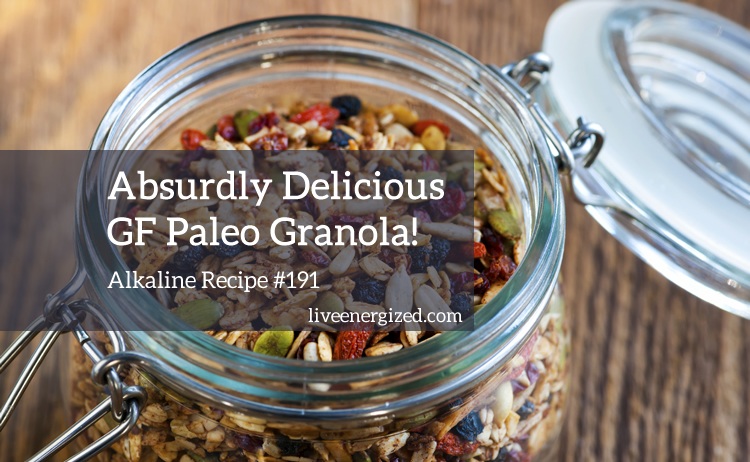
    This is a life-saver for breakfast – I LOVE IT! Highly alkaline, nourishing, gluten-free, paleo-friendly and delicious.

    Prep 10 minBake 20 minMakes 20 serves11 ingredients
    VeganGluten-freeDairy-free

    Tastes: crunchy, toasty clusters with coconut, cinnamon and chewy berries.

    Make once, enjoy all week

    Packing heaps of omega-3s, MCT oils, fibre and protein, it’s filling and can help support your digestive system, your brain, your metabolism and more. And again… it’s delicious!

    There’s a little bit of prep to it, but once it’s done it will store in an airtight container (preferably in the fridge) for a week or two, and you can dip into it for snacks as well as serving it at brekkie.

    Why you’ll love it

    • Walnuts, cashews and pumpkin seeds. Healthy fats, plant protein and plant omega-3s.
    • Magnesium: about a quarter of your daily needs in every ⅓ cup.
    • Copper and manganese from the nuts and seeds.
    • One big batch. Lasts a week or two in an airtight container.

    Good for

    Immunity

    Copper, zinc, vitamin B6 and iron contribute to the normal function of the immune system.

    Antioxidants

    Copper, manganese, zinc and selenium contribute to the protection of cells from oxidative stress. It also contains plant compounds with antioxidant activity, including anthocyanins.

    Energy

    Magnesium, vitamin B6 and iron contribute to the reduction of tiredness and fatigue.

    Bones

    Manganese, magnesium, phosphorus and zinc contribute to the maintenance of normal bones.

    Eyes

    Zinc contributes to the maintenance of normal vision.

    Tags use approved nutrient health-claim wording, for nutrients that give at least 10% of the Daily Value per serve. Plant compounds like these have no Daily Value, so we only say they’re there.

    Key nutrients per serve

    Copper
    67%Manganese
    43%Magnesium
    24%

    Contains: phosphorus (17%), zinc (15%), vitamin B6 (12%), iron (11%), selenium (10%) and potassium (5%).

    Plant compounds: plant omega-3 ALA (about 0.9 g) and anthocyanins from the berries.

    7 g proteinAbout 8 g sugarAbout 65 mg sodium

    % of US Daily Value for adults, per serve (1/20 of the recipe). Estimated from USDA FoodData Central values for the ingredients as listed; cooking reduces some vitamins, so treat these as upper estimates. Uses sweetened dried cranberries; rice malt syrup uses USDA malt syrup values. Excludes milk or yoghurt to serve; anything over 100% shows as 100%+.

    Absurdly Delicious Paleo Granola

    Crunchy, grain-free granola clusters with walnuts, cashews, pumpkin seeds and coconut.
    Prep Time 10 minutes
    Cook Time 20 minutes
    Total Time 30 minutes
    Servings: 20 serves (⅓ cup each)

    Ingredients
      

    • 2 cups raw walnuts
    • 2 cups raw cashews
    • 1 cup raw pumpkin seeds
    • 1 cup unsweetened shredded coconut
    • ½ cup dried cranberries, goji berries or currants your choice, or a mix
    • 2 tbsp water
    • 3 tbsp coconut oil melted
    • ⅓ cup rice malt syrup
    • 1 tsp vanilla extract
    • ½ tsp ground cinnamon
    • ½ tsp Himalayan salt

    Equipment

    • Food processor
    • Baking tray

    Method
     

    1. Preheat the oven to 150°C (300°F) and line a baking tray with baking paper.
    2. Roughly blend the walnuts, cashews and pumpkin seeds with a quick pulse to chop them roughly. Don’t blend them into a paste!
    3. In a large mixing bowl, whisk together the water and coconut oil with the rice malt syrup, vanilla, cinnamon and salt.
    4. Add the chopped nut mixture, dried fruit and shredded coconut and mix to coat it all.
    5. Spread out on the baking tray and bake for 20 minutes, or until it looks deliciously golden. Give it a stir after 10 minutes or so if it’s cooking unevenly.
    6. Remove from the oven and let it sit for 10 minutes without touching it!
    7. Then use a spatula to get under the granola and release the large clusters. Cool, store, and eat when you’re hungry!

    Swaps

    • Less sweet: halve the rice malt syrup – it’s less clustery, but still delicious.
    • No added sugar: choose goji berries or currants with nothing added.
    • Different nuts: almonds, pecans or macadamias all work.

    Storing it

    Keep in an airtight container, preferably in the fridge, for a week or two.

    Good to know

    • Contains nuts (walnuts and cashews).

    Try next

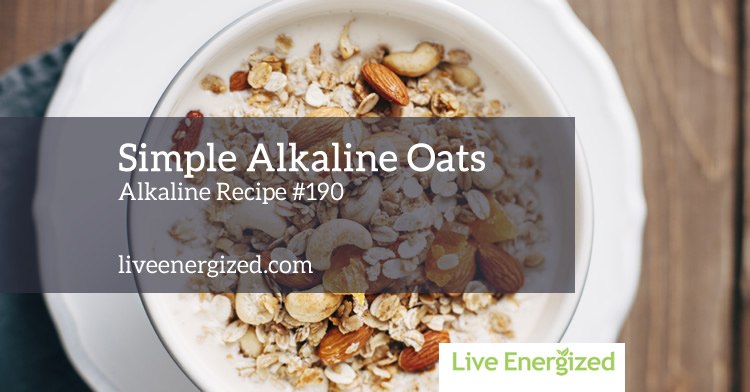
    BreakfastSimple Alkaline OatsOpen recipe →
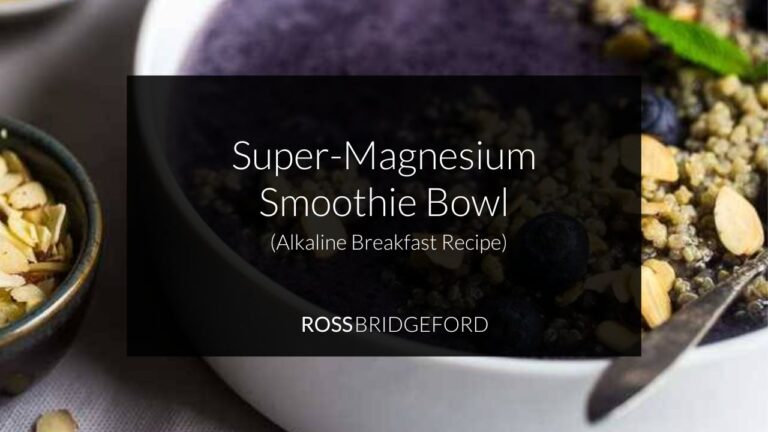
    BreakfastSuper-Magnesium Smoothie BowlOpen recipe →
    Want more than recipes?

    The Alkaline Life Club has everything in the Recipe Club, plus coaching, live Q&A and a community to keep you going.

    See the Alkaline Life Club

    Sources

    Nutrient values: USDA FoodData Central, SR Legacy (walnuts 170187, cashews 170162, pumpkin seeds 170556, desiccated coconut 170170, dried cranberries 171723, coconut oil 171412, malt syrup 169660, vanilla extract 173471, cinnamon 171320, salt 173468). Plant compounds are named where the ingredient is a well-documented source; flavonoids follow the USDA Database for the Flavonoid Content of Selected Foods, Release 3.3. Daily Values: US Food and Drug Administration.
  • Simple Alkaline Oats

    Simple Alkaline Oats

    Recipes › Breakfast

    Simple Alkaline Oats

    This is such a simple way to start the day in a filling, warming, energising way. It’s alkaline oats!

    Prep 2 minCook 8 minServes 29 ingredients
    VeganDairy-freeNo added sugar

    Tastes: warming and creamy, with cinnamon and a nutty crunch on top.

    alkaline oats image

    A few simple tweaks

    With just a few simple tweaks you can take this simple dish and make it a lot more alkalising, while keeping it just as delicious and satisfying.

    I’m all about making the alkaline diet as easy, stress-free, quick and simple as possible (and delicious, of course), and this recipe fits that bill nicely. It’s a saviour for me on many a busy morning, getting myself and the family ready for work, school and kindy!

    Why you’ll love it

    • Cooked in water, not milk. Then finished with a splash of nut milk and a dollop of coconut yoghurt.
    • Chia seeds. Omega-3s and extra fibre to support digestion.
    • No sugar or honey. Cinnamon does the work instead.
    • A ‘regular’ breakfast, made SUPER ALKALINE. Just a few easy swaps.

    Good for

    Immunity

    Copper, selenium, zinc and iron contribute to the normal function of the immune system.

    Antioxidants

    Manganese, copper, selenium and zinc contribute to the protection of cells from oxidative stress.

    Energy

    Magnesium, iron, niacin and riboflavin contribute to the reduction of tiredness and fatigue.

    Bones

    Manganese, magnesium, phosphorus and zinc contribute to the maintenance of normal bones.

    Eyes

    Zinc and riboflavin contribute to the maintenance of normal vision.

    Tags use approved nutrient health-claim wording, for nutrients that give at least 10% of the Daily Value per serve. Plant compounds like these have no Daily Value, so we only say they’re there.

    Key nutrients per serve

    Manganese
    100%+Copper
    55%Selenium
    34%Magnesium
    30%Phosphorus
    26%Thiamin
    24%

    Contains: zinc (24%), vitamin E (21%), iron (19%), niacin (14%), calcium (14%), riboflavin (11%) and potassium (7%).

    Plant compounds: plant omega-3 ALA (about 1.8 g).

    10 g protein10 g fibreUnder 4 g natural sugarAbout 25 mg sodium

    % of US Daily Value for adults, per serve (half the recipe). Estimated from USDA FoodData Central values for the ingredients as listed; cooking reduces some vitamins, so treat these as upper estimates. Assumes 40 g of oats per person; the yoghurt and berries aren’t counted; anything over 100% shows as 100%+.

    Simple Alkaline Oats

    A simple, filling, warming breakfast: oats made more alkaline with a few easy tweaks.
    Prep Time 2 minutes
    Cook Time 8 minutes
    Total Time 10 minutes
    Servings: 2

    Ingredients
      

    • 1 cup (80 g) oats preferably organic; certified gluten-free if needed
    • 2 dessert spoons chia seeds 1 per person
    • 2 dessert spoons coconut oil 1 per person
    • 2 cups water
    • nut milk a splash or two
    • coconut or non-dairy yoghurt a dollop
    • 2 tsp cinnamon 1 per person
    • 1 handful mixed nuts and seeds
    • berries of your choice optional

    Equipment

    • Saucepan

    Method
     

    1. Cook your oats in water. Not milk. WATER. Add the oats and water to a pan, bring to a simmer and then add the chia seeds.
    2. Cook until it’s a touch too dry for your liking, and then stir in a splash or two of nut milk (I love coconut milk, but any other non-dairy milk is fine).
    3. Remove from the heat and stir in the coconut oil, cinnamon and a dollop of the non-dairy yoghurt.
    4. Top with the nuts and seeds, and finish with blueberries or strawberries if this is part of your fruit for the day.

    Notes

    I recommend keeping your fructose intake down, so 1–2 serves of in-season fruit per day.

    Swaps

    • Any non-dairy milk works; I love coconut milk.
    • Fruit: blueberries or strawberries, if they’re part of your fruit for the day.
    • Nut-free? Use seeds only, like pumpkin and sunflower.

    Storing it

    Best made fresh. Leftovers keep in the fridge for a day; loosen with a splash of nut milk when you reheat.

    Good to know

    • Oats and gluten: oats don’t contain gluten by nature, but they can pick up traces when they’re milled alongside wheat. If you’re coeliac or very gluten-sensitive, choose certified gluten-free oats.
    • Contains nuts. Use seeds only if you need it nut-free.

    Try next

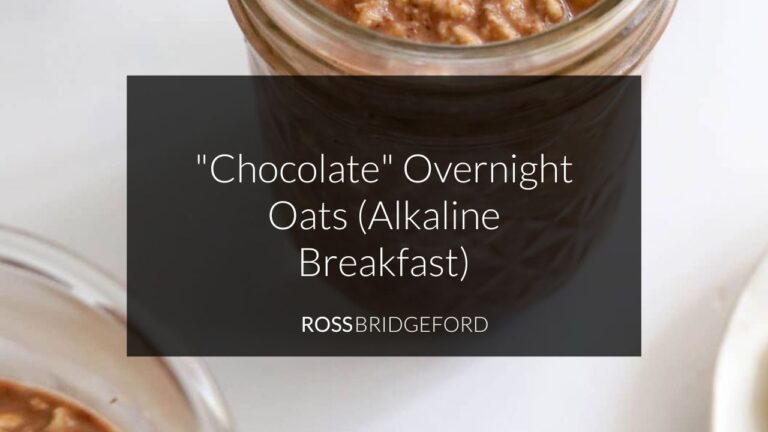
    Breakfast“Chocolate” Overnight OatsOpen recipe →
    BreakfastBuckwheat & Pumpkin PancakesOpen recipe →
    Want more than recipes?

    The Alkaline Life Club has everything in the Recipe Club, plus coaching, live Q&A and a community to keep you going.

    See the Alkaline Life Club

    Sources

    Nutrient values: USDA FoodData Central, SR Legacy (oats 173904, chia seeds 170554, coconut oil 171412, almond milk 174832, cinnamon 171320, mixed nuts 170585). Plant compounds are named where the ingredient is a well-documented source; flavonoids follow the USDA Database for the Flavonoid Content of Selected Foods, Release 3.3. Daily Values: US Food and Drug Administration.
  • Tuscan Bean Soup & Soothing Lentil Soup

    Tuscan Bean Soup & Soothing Lentil Soup

    Recipes › Soups

    Tuscan Bean Soup & Soothing Lentil Soup

    Two of my most popular alkaline soups: a fantastically filling Tuscan bean soup with tomato, basil and quinoa, and a soothing, creamy blend of lentils, sweet potato and avocado.

    Prep 15 minCook 50 minServes 2 of each24 ingredients
    VeganGluten-freeDairy-freeNo added sugar

    Tastes: the Tuscan bean is rich with tomato, garlic and basil; the lentil soup is creamy and fresh with dill.

    Tuscan bean soup and soothing lentil soup

    Two of my most popular soups

    Healthy food has GOT to be delicious, satisfying and filling… right? Otherwise you just don’t wanna eat it, you get bored and risk falling back to unhealthy foods.

    Except, most meals that tick the delicious, satisfying, filling AND healthy boxes usually take an eternity to prepare, and require a bunch of weird ingredients that cost a bunch of money and you only use once. Enter two of my most popular alkaline soups! They taste A-MAZING, they’re quick to make and pretty cheap to shop for.

    They’ve long been favourites with my members and I personally LOVE them. They’re staples in my house – even my son Leo loves them.

    The Tuscan bean soup is fantastically filling, with about 11 g of fibre a bowl – around 40% of your daily needs – plus plant protein, and the cannellini beans bring manganese, magnesium and iron. So fibre + protein + minerals = winner.

    The lentil soup is all about your gut. They say that all good health starts in the gut, and with good reason: dubbed the ‘second brain’, it has over 100 million neurons, and it’s where you process and absorb the nutrients you eat. The fibre from the lentils, sweet potato and veg feeds your gut bacteria, and the soup is soothing, rich, creamy-feeling and incredibly nourishing for the gut and the soul.

    Why you’ll love it

    • Tuscan bean: about 15 g plant protein and 11 g fibre a bowl.
    • Lentil soup: nearly a full day’s vitamin A a bowl.
    • Cheap to shop for and quick to make.
    • Staples in my house – even my son loves them.

    Good for

    Immunity

    Copper, folate, iron and vitamin B6 contribute to the normal function of the immune system.

    Antioxidants

    Copper, manganese, vitamin E and zinc contribute to the protection of cells from oxidative stress. It also contains plant compounds with antioxidant activity, including beta-carotene, lycopene and apigenin.

    Energy

    Folate, iron, magnesium and vitamin B6 contribute to the reduction of tiredness and fatigue.

    Muscles

    Protein contributes to the maintenance of muscle mass, and magnesium, potassium and calcium contribute to normal muscle function.

    Bones

    Manganese, magnesium, zinc and vitamin K contribute to the maintenance of normal bones.

    Eyes

    Zinc, riboflavin and vitamin A contribute to the maintenance of normal vision.

    Blood pressure

    Potassium contributes to the maintenance of normal blood pressure.

    Tags use approved nutrient health-claim wording, for nutrients that give at least 10% of the Daily Value per bowl of Tuscan bean soup. Plant compounds like these have no Daily Value, so we only say they’re there.

    Key nutrients per bowl of Tuscan bean soup

    Copper
    78%Manganese
    57%Folate
    37%Iron
    37%Magnesium
    31%Thiamin
    25%

    Contains: vitamin E (25%), potassium (25%), vitamin B6 (24%), zinc (23%), vitamin K (21%), phosphorus (20%), pantothenic acid (16%), vitamin C (15%), riboflavin (15%), calcium (13%), niacin (12%) and vitamin A (11%).

    Plant compounds: beta-carotene (about 1.1 mg), lycopene (about 5.8 mg), apigenin from the celery, quercetin from the onion and sulphur compounds from the garlic.

    15 g protein11 g fibreAbout 7 g natural sugarAbout 935 mg sodium

    % of US Daily Value for adults, per bowl of Tuscan bean soup (half the Tuscan bean soup). Estimated from USDA FoodData Central values for the ingredients as listed; cooking reduces some vitamins, so treat these as upper estimates. Figures are for the Tuscan bean soup, using salted canned beans. A bowl of the lentil soup gives about 13 g fibre, 10 g protein, 94% of your vitamin A and 78% of your vitamin K; anything over 100% shows as 100%+.

    Tuscan Bean Soup & Soothing Lentil Soup

    Two soups: a Tuscan bean soup of onion, celery, garlic, carrot, tomatoes, cannellini beans and quinoa finished with basil and olive oil, and a blended lentil, sweet potato, carrot and avocado soup with spinach, dill and cashews.
    Prep Time 15 minutes
    Cook Time 50 minutes
    Total Time 1 hour 5 minutes
    Servings: 2 bowls of each

    Ingredients
      

    Tuscan bean soup
    • ½ small onion chopped
    • 1 small stalk celery chopped
    • 1–2 garlic cloves chopped
    • ½ small carrot chopped
    • 1 cup chopped tomatoes 225 g, canned or fresh, with their juice
    • 2 cups drained canned cannellini beans about 300 g
    • 420 ml water about 1¾ cups
    • pinch of Himalayan salt
    • freshly ground black pepper
    • 2 tbsp quinoa 25 g, rinsed
    • 1 small handful fresh basil leaves coarsely chopped
    • 2 tsp olive oil
    Soothing lentil soup
    • ½ can lentils 400 g can, drained and rinsed (about 120 g)
    • ½ avocado
    • ½ large sweet potato peeled and roughly chopped
    • 1 small handful spinach
    • 1 carrot roughly chopped
    • ½ red bell pepper (capsicum) deseeded and roughly chopped
    • 1 tbsp fresh dill chopped, plus sprigs to garnish
    • ½ handful cashews about 15 g, roughly chopped
    • 2 garlic cloves
    • ½ brown onion roughly chopped
    • 100 ml yeast-free, MSG-free vegetable stock plus hot water to loosen
    • ½ tbsp coconut oil
    • drizzle of olive oil optional, to serve

    Equipment

    • Large pan
    • Large saucepan
    • Blender

    Method
     

    Tuscan bean soup
    1. Steam-fry the onion, celery and garlic in a few spoonfuls of water in a large pan until tender.
    2. Add the carrot and tomatoes (juice n’ all) and warm over a medium-low heat, breaking the tomatoes down into nice small chunks. Cook for 15–20 minutes.
    3. Add the cannellini beans, water, salt and pepper and cook over a medium-low heat for another 20 minutes.
    4. Add the quinoa and cook for another 15 minutes, until it’s tender.
    5. Let the soup cool a little, then stir in the olive oil and basil. This soup rocks – I urge you to try it!
    Soothing lentil soup
    1. Roughly chop the onion and garlic and warm them gently in a large saucepan with the coconut oil.
    2. Add the sweet potato and carrot and stir for about 2 minutes, so they’re coated in oil and pick up the flavours of the garlic and onion.
    3. Add the stock and simmer for about 10 minutes, until the veg are just tender (add a splash of water if the pan gets dry). Add the lentils for the last 5 minutes to warm through.
    4. Transfer to a blender with the avocado, pepper, spinach and dill (keep a few dill sprigs back to garnish) and blend until smooth, adding hot water to loosen it to your liking.
    5. Serve with the dill sprigs, a sprinkle of chopped cashews and a little drizzle of olive oil.

    Swaps

    • Nut-free: leave the cashews off the lentil soup, or use pumpkin seeds.
    • Dried lentils: cook about 50 g dried green or brown lentils for the lentil soup.
    • Feeding four? Double everything.

    Storing it

    Both keep in the fridge for 3 days. The Tuscan bean soup freezes well for up to 3 months; the lentil soup is best eaten within a day or two, as the avocado can discolour.

    Good to know

    • Watching your salt? Choose a low-sodium stock and no-added-salt canned beans and tomatoes, and season at the end.

    Ross’s tip

    Try them out, and let me know what you think in the comments below!

    Try next

    SoupsTurmeric & Lentil Anti-Inflammatory SoupOpen recipe →
    SoupsSuper-Hearty MinestroneOpen recipe →
    Want more than recipes?

    The Alkaline Life Club has everything in the Recipe Club, plus coaching, live Q&A and a community to keep you going.

    See the Alkaline Life Club

    Sources

    Nutrient values: USDA FoodData Central, SR Legacy (olive oil 171413, onion 170000, celery 169988, garlic 169230, carrots 170393, crushed canned tomatoes 170501, canned white beans 175204, salt 173468, quinoa 168874, basil 172232; soothing lentil soup: cooked lentils 172421, avocado 171705, sweet potato 168482, baby spinach 168462, carrots 170393, red pepper 170108, dill 172233, cashews 170162, garlic 169230, onion 170000, coconut oil 171412). Plant compounds are named where the ingredient is a well-documented source; flavonoids follow the USDA Database for the Flavonoid Content of Selected Foods, Release 3.3. Daily Values: US Food and Drug Administration.
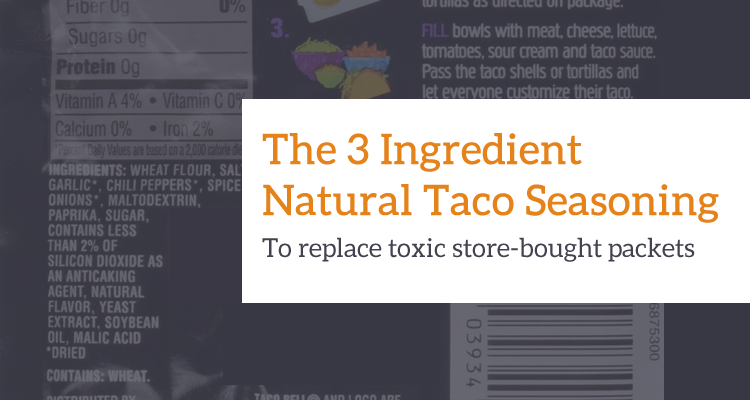
  • The 3-Ingredient Natural Taco Seasoning to Replace Toxic, Chemical-Laden Store-Bought Packets

    The 3-Ingredient Natural Taco Seasoning to Replace Toxic, Chemical-Laden Store-Bought Packets

    In This Guide You Will Get: the lowdown on what’s REALLY in the packaged taco seasoning you buy at the store PLUS my amazing, fast 3-ingredient taco seasoning recipe (plus video)

    Food is supposed to be simple, natural and nourishing.

    Not toxic, chemical-laden, fake and manipulated to get you addicted (more on that in a bit).

    People often associate eating healthy foods with bland flavours (plain ol’ salad salad salad all day long).

    Nothing could be further from the truth.

    It’s actually so easy to make healthy food that’s fast, easy and DELICIOUS (delicious enough that the whole family will enjoy it – even the ‘unhealthy ones’).

    Yes, healthy convenience food does exist.

    You just need to know a few simple ‘hacks’ (like I’m about to show you below).

    But first I want to highlight what is REALLY in your store bought taco seasoning. I’m making an example of it.

    You need to know this because processed, packaged convenience foods are almost always packed with toxic, cell-destroying, carcinogenic chemicals, additives and preservatives.

    How They Crammed NINE Toxic Ingredients Into Your Taco Seasoning

    Taco seasoning.

    How can you go wrong with that? It’s just spices, right?

    Wrong.

    Pretty much anything and everything packaged for your convenience is a risk, and these little sachets of flavour are a perfect example of how you either have to just cut processed/packaged foods or be incredibly diligent and careful.

    I examined two of the most popular Mexican food brands’ taco seasoning (you can probably guess which two brands they are) and found no less than NINE toxic, acidifying, health-destroying additives across these two packets.

    This Is What Is Inside Your Taco Seasoning:

    1. Wheat: containing gluten (of course) which is proven to damage your digestive system, spike blood sugar and contribute to insulin resistance, damage your intestinal wall, overstimulate the immune system and more.
    2. White Flour: the same as wheat while also containing none of the fibre, and more rapidly acid-forming in the body
    3. Maltodextrin: firstly, most maltodextrin in the USA is derived from GMO crops. That’s the first concern. However, it’s also been associated with digestive disorders and the onset of allergies and most worryingly the long term effect of constantly eating foods containing maltodextrin is that your body will begin to secrete more and more insulin.
    4. Partially hydrogenated soybean oil: according to Dr Mercola “Soybean oil is “Completely unnatural man-made fats created through the partial hydrogenation process cause dysfunction and chaos in your body on a cellular level, and studies have linked trans-fats to health problems ranging from obesity and diabetes to reproductive problems and heart disease”
    5. Ethoxyquin: a synthetic antioxidant (don’t be fooled by that – it’s not good) that is so unsafe and disgusting that there is huge controversy as to whether it should be allowed in pet and animal feed. AND YET IT’S IN TACO SEASONING! The European Food Safety Authority “cannot conclude on the safety of ethoxyquin as a feed additive for any target animals, its safety for consumers or the environment.” This is an additive that we should not be eating. Nor our pets.
    6. Monosodium glutamate: Dr. Russell Blaylock, a board-certified neurosurgeon and author of “Excitotoxins: The Taste that Kills” explains that MSG is an excitotoxin, which means it overexcites your cells to the point of damage or death (the same as aspartame and other sweeteners which we’ll get on to), causing brain damage to varying degrees and possibly even causing the worsening of learning disabilities, Alzheimer’s disease, Parkinson’s disease, Lou Gehrig’s disease plus more.
    7. Sugar: I probably don’t have to expand on this one.
    8. Yellow cornflour: according to Vani at FoodBabe.com “(it) is a highly processed chemically-altered form of corn that is added to processed food as a cheap texturizing agent – and it’s not a natural ingredient that you would use in the kitchen. The corn that it’s derived from is likely GMO, asmore than 90% of corn in the U.S. is genetically modified.”  
    9. Natural flavourings: ‘Natural’ flavours (and colors) means nothing natural. There are so many ways to qualify a flavour or color as ‘natural’ when in reality it was created in a lab just like an artificial color or flavour – and is just as bad (if not worse) for you.Natural flavors are mostly chemical-based and synthetically created and most are carcinogenic and proven to be a health risk. Some natural flavors even contain propylene glycol, a solvent, or the carcinogenic preservative BHA.

    [See Also: The Seven Most Acid-Forming Foods]


    Important: this is just ONE example of the hidden toxins in a packaged foods. Most convenient, packaged, processed foods are the same. They largely all contain toxic colorings, flavourings, preservatives, anti-caking agents, fillers, glutens, sugars and more. The best way to avoid 99% of these horrible toxins is to eat fresh as much as possible.

    The Simple, 3-Ingredient, 100% Natural & Healthy Taco Seasoning

    To replace this avalanche of chemicals and artificial crap, you can replicate the exact same flavour in about 30 seconds with just three natural, health-giving, powerful ingredients.

    Cumin, cinnamon and chilli.

    That’s it.

    Honestly. And it tastes fantastic in practically any Mexican dish.

    Take equal parts cumin powder, cinnamon powder and chilli powder (or cumin seeds, cinnamon stick and dried chilli and smash them up in your pestle and mortar).

    And that’s it

    [yumprint-recipe id=’75’]

    Alkaline Base Camp Member Extra

    Access your ‘NINE 3-Ingredient Spice Blends’ in The Alkaline Base Camp Members Portal

    abc-spice

    These blends will make any meal taste SENSATIONAL and they’re SO easy to make!

    MEMBERS: Click here to access this ‘Healthy Food Hack’ training

    Not an Alkaline Base Camp member? Click here to learn more about the Alkaline Base Camp


    Doesn’t that sound better than cumin, chilli, cinnamon and MSG, maltodextrin, gluten, sugar, hydrogenated oils, Ethoxyquin and modified corn starch?.

    Combining spices and herbs is such a simple way to add HUGE flavour (and nutrients) to your foods.

    And you can use this simple spice combination as a taco/nacho/fajita/enchilada seasoning, a meat rub, in wraps, in salad dressings and so much more.  

    It is just another example of how eating healthy & alkaline *CAN* be delicious, fast and easy – especially when you have someone who can show you how.

    Enjoy and let me know your questions or comments below.
    Ross

  • Evening Green Juice

    Evening Green Juice

    Recipes › Juices & smoothies

    Evening Green Juice

    A light evening juice of cucumber, parsley, coriander, ginger, lemon and a little beetroot – the nicest way I know to wind down the day.

    Prep 10 minServes 2Juicer7 ingredients
    VeganGluten-freeDairy-freeNut-freeNo added sugar

    Tastes: light and herby, with cool cucumber, a ginger kick and a hint of earthy beetroot.

    liver metabolism boosting juice

    A juice for the evening

    This is my evening juice: cucumber, parsley, coriander, ginger, lemon and a little beetroot, juiced and diluted to taste. I like to have it after 4 pm.

    Evenings are when most of us reach for our little treats and naughty foods, right? A fresh, light juice is a much better way to wind down the day, and you go to sleep with your body topped up with nutrients.

    You don’t have to do this for the rest of your life. It’s something you can do on and off, maybe for a week at a time when you feel you need a kick-start. With your morning juice or smoothie too, it’s a GREAT combination.

    Why you’ll love it

    • Vitamin K: over a day’s worth a glass.
    • Light: only about 5 g natural sugar a glass.
    • Fresh herbs, ginger and beetroot.
    • Make two and keep one for tomorrow evening.

    Good for

    Immunity

    Vitamin C, folate and copper contribute to the normal function of the immune system.

    Antioxidants

    Vitamin C, manganese and copper contribute to the protection of cells from oxidative stress. It also contains plant compounds with antioxidant activity, including lutein, beta-carotene and apigenin.

    Energy

    Folate and pantothenic acid contribute to the reduction of tiredness and fatigue.

    Bones

    Vitamin K and manganese contribute to the maintenance of normal bones.

    Tags use approved nutrient health-claim wording, for nutrients that give at least 10% of the Daily Value per glass. Plant compounds like lutein have no Daily Value, so we only say they’re there.

    Key nutrients per glass

    Vitamin K
    100%+Vitamin C
    22%

    Contains: folate (15%), manganese (13%), copper (11%), pantothenic acid (10%), potassium (9%) and magnesium (8%).

    Plant compounds: lutein and zeaxanthin (about 0.5 mg), beta-carotene (about 0.7 mg), chlorophyll, apigenin from the parsley, betalains from the beetroot, gingerols from the ginger and citrus flavonoids from the lemon.

    About 5 g natural sugarAbout 35 mg sodium

    % of US Daily Value for adults, per glass (half the recipe). Estimated from USDA FoodData Central values for the whole ingredients. Juicing leaves most of the fibre and some vitamins in the pulp, so treat these as upper estimates; excludes the optional aloe vera juice; anything over 100% shows as 100%+.

    Evening Green Juice

    Cucumber, parsley, coriander, lemon, ginger and half a beetroot, juiced and diluted with filtered water.
    Prep Time 10 minutes
    Total Time 10 minutes
    Servings: 2 glasses

    Ingredients
      

    • 1 cucumber
    • 1 handful parsley
    • 1 handful coriander (cilantro)
    • ¼ lemon peeled
    • 1.5 cm fresh root ginger
    • ½ beetroot
    • 50 ml aloe vera juice optional but great
    • filtered water to taste

    Equipment

    • Juicer

    Method
     

    1. Juice all the ingredients and add filtered water (and the aloe vera juice, if using) to taste.
    2. Drink it after 4 pm, ideally. If you’ve made enough for two, store the second juice in an airtight container in the fridge for tomorrow evening.

    Swaps

    • No coriander? Use more parsley.
    • Milder: use 1 cm of ginger.
    • No juicer? Blend with a cup of water and strain.

    Storing it

    Best fresh. To keep it, fill a glass jar right to the top, seal it and refrigerate for up to 24 hours. Give it a shake before you drink it.

    Good to know

    • Very high in vitamin K. If you take warfarin or another blood thinner, keep your greens intake steady and talk to your doctor before making green juice a daily habit.
    • Aloe vera juice (optional): choose one made from the inner-leaf gel, not whole leaf, and leave it out if you’re pregnant or breastfeeding.

    Try next

    Juices & smoothiesNourishing Liver-Support JuiceOpen recipe →
    Juices & smoothiesAlkaline Detox JuiceOpen recipe →
    Want more than recipes?

    The Alkaline Life Club has everything in the Recipe Club, plus coaching, live Q&A and a community to keep you going.

    See the Alkaline Life Club

    Sources

    Nutrient values: USDA FoodData Central, SR Legacy (cucumber 168409, parsley 170416, coriander 169997, lemon juice 167747, ginger 169231, beetroot 169145). Plant compounds are named where the ingredient is a well-documented source; flavonoids follow the USDA Database for the Flavonoid Content of Selected Foods, Release 3.3. Daily Values: US Food and Drug Administration.
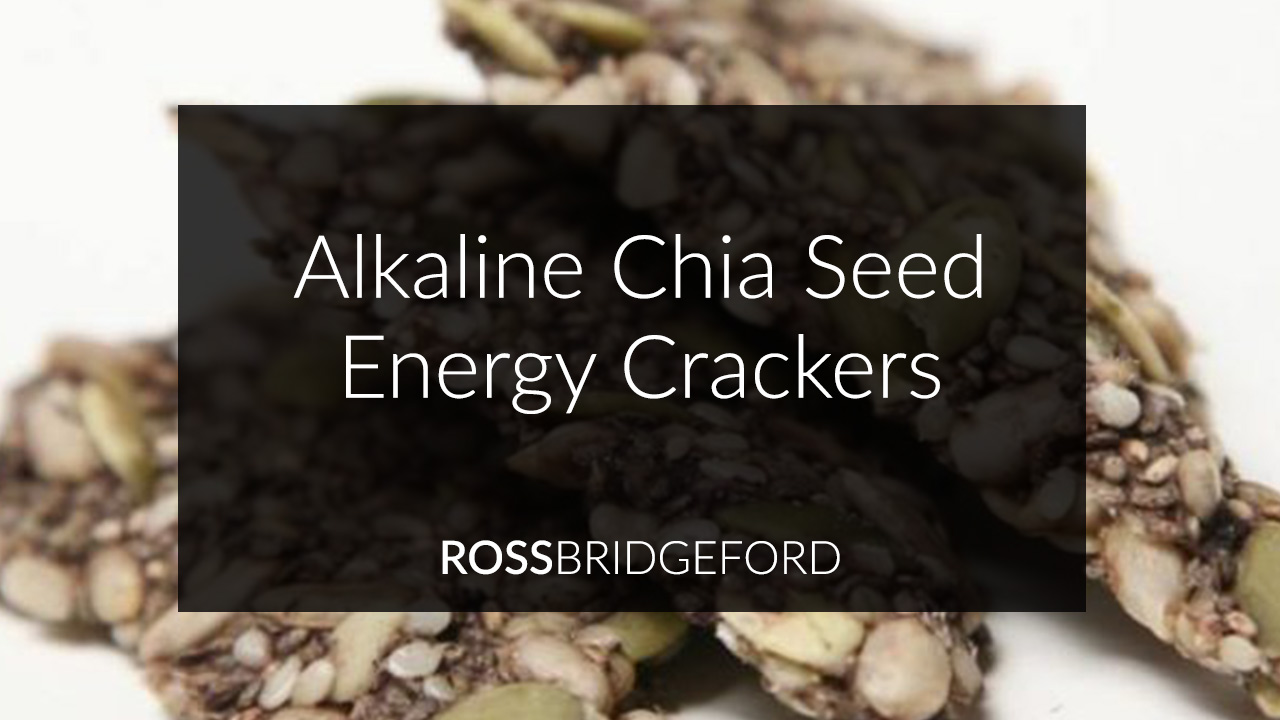
  • Chia Seed Energy Crackers

    Chia Seed Energy Crackers

    Recipes › Snacks

    Chia Seed Energy Crackers

    Chia, sesame, pumpkin and sunflower seeds with garlic and cayenne, baked low and slow into crisp, moreish crackers. Simple, filling and easy to batch.

    Prep 10 minCook 55 minMakes 12 crackers8 ingredients
    VeganGluten-freeDairy-freeNut-freeNo added sugar

    Tastes: crisp, nutty and gently spicy.

    Alkaline Chia Seed Energy Crackers

    Preparation beats willpower

    These easy-to-make crackers are my new best friend. Because there’s a moment most people underestimate: late afternoon. You’re busy, you’re hungry, and you didn’t quite eat enough earlier.

    When your blood sugar dips and you’re rushing, it’s not the time to rely on willpower. It’s the time to rely on preparation – and that’s what these crackers are for.

    They’re simple, filling, mineral-rich, easy to batch and easy to grab. Built around seeds, they deliver that perfect combo of fibre and healthy fats that keeps you going for ages. Very moreish too.

    Why you’ll love it

    • Copper: over half your daily needs a cracker.
    • Fibre and healthy fats to keep you going.
    • Easy to batch and grab.
    • Just seeds and spice – naturally gluten-free.

    Good for

    Immunity

    Copper, selenium, zinc and iron contribute to the normal function of the immune system.

    Antioxidants

    Copper, manganese, selenium and vitamin E contribute to the protection of cells from oxidative stress. It also contains plant compounds with antioxidant activity, including capsaicin.

    Energy

    Magnesium, iron and niacin contribute to the reduction of tiredness and fatigue.

    Muscles

    Protein contributes to the maintenance of muscle mass, and magnesium contributes to normal muscle function.

    Bones

    Manganese, magnesium, phosphorus and zinc contribute to the maintenance of normal bones.

    Eyes

    Zinc contributes to the maintenance of normal vision.

    Tags use approved nutrient health-claim wording, for nutrients that give at least 10% of the Daily Value per cracker. Plant compounds like these have no Daily Value, so we only say they’re there.

    Key nutrients per cracker

    Copper
    56%Manganese
    30%Magnesium
    23%

    Contains: thiamin (17%), selenium (17%), phosphorus (16%), vitamin E (15%), zinc (14%), iron (12%), niacin (10%) and calcium (8%).

    Plant compounds: plant omega-3 ALA (about 1.2 g), sulphur compounds from the garlic and capsaicin from the cayenne.

    5 g protein4 g fibreUnder 4 g natural sugarAbout 5 mg sodium

    % of US Daily Value for adults, per cracker (1/12 of the recipe). Estimated from USDA FoodData Central values for the ingredients as listed; cooking reduces some vitamins, so treat these as upper estimates. Excludes salt and pepper; anything over 100% shows as 100%+.

    Chia Seed Energy Crackers

    Chia, sesame, pumpkin and sunflower seeds soaked with garlic, cayenne and water, spread thin, scored into 12 and baked until golden and crackable.
    Prep Time 10 minutes
    Cook Time 55 minutes
    Total Time 1 hour 5 minutes
    Servings: 12 crackers

    Ingredients
      

    • ½ cup chia seeds
    • ½ cup sesame seeds
    • ½ cup pumpkin seeds
    • ½ cup sunflower seeds
    • 1 garlic clove crushed
    • ½ tsp cayenne pepper
    • salt and pepper to taste
    • 1¼ cups water

    Equipment

    • Baking tray
    • Baking paper

    Method
     

    1. Preheat the oven to 150°C/300°F.
    2. Mix everything together and wait 10 minutes for the chia seeds to soak up the water.
    3. Spread it thinly with a spatula onto a sheet of baking paper on a baking tray.
    4. Use the spatula to score it into 12 sections, then bake for 30 minutes.
    5. Take it out, flip it and bake for another 25 minutes. It’s done once it’s golden and crackable.

    Notes

    Eat them on their own, with avocado, or with dips like hummus – or with whatever you’d normally have on a cracker.

    Swaps

    • Spices: try cumin, chilli or dried herbs instead of cayenne.
    • Seeds: use whatever you’ve got – the chia is the glue.
    • Extra crisp: spread it as thinly as you can.

    Storing it

    Keeps in an airtight container for up to a week. If they soften, crisp them up in a low oven for 5 minutes.

    Try next

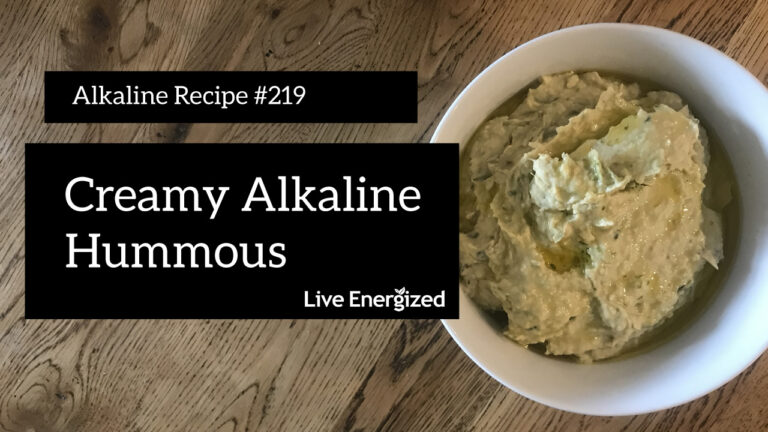
    SaucesCreamy Alkaline HummousOpen recipe →
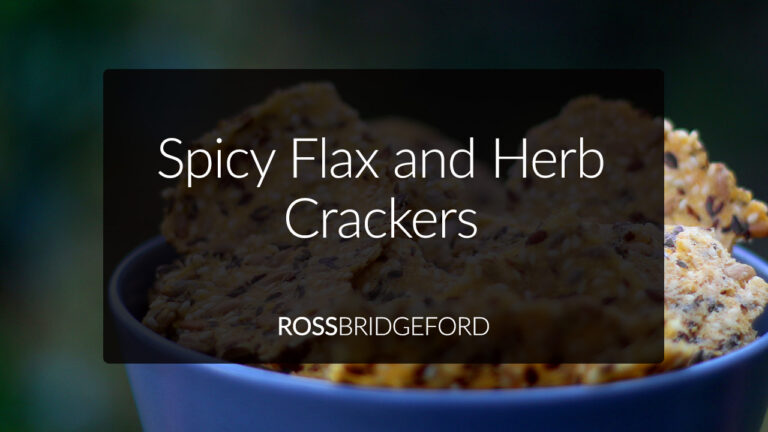
    SnacksSpicy Flax & Herb CrackersOpen recipe →
    Want more than recipes?

    The Alkaline Life Club has everything in the Recipe Club, plus coaching, live Q&A and a community to keep you going.

    See the Alkaline Life Club

    Sources

    Nutrient values: USDA FoodData Central, SR Legacy (chia seeds 170554, sesame seeds 170150, pumpkin seeds 170556, sunflower seeds 170562, garlic 169230, cayenne 170932). Plant compounds are named where the ingredient is a well-documented source; flavonoids follow the USDA Database for the Flavonoid Content of Selected Foods, Release 3.3. Daily Values: US Food and Drug Administration.

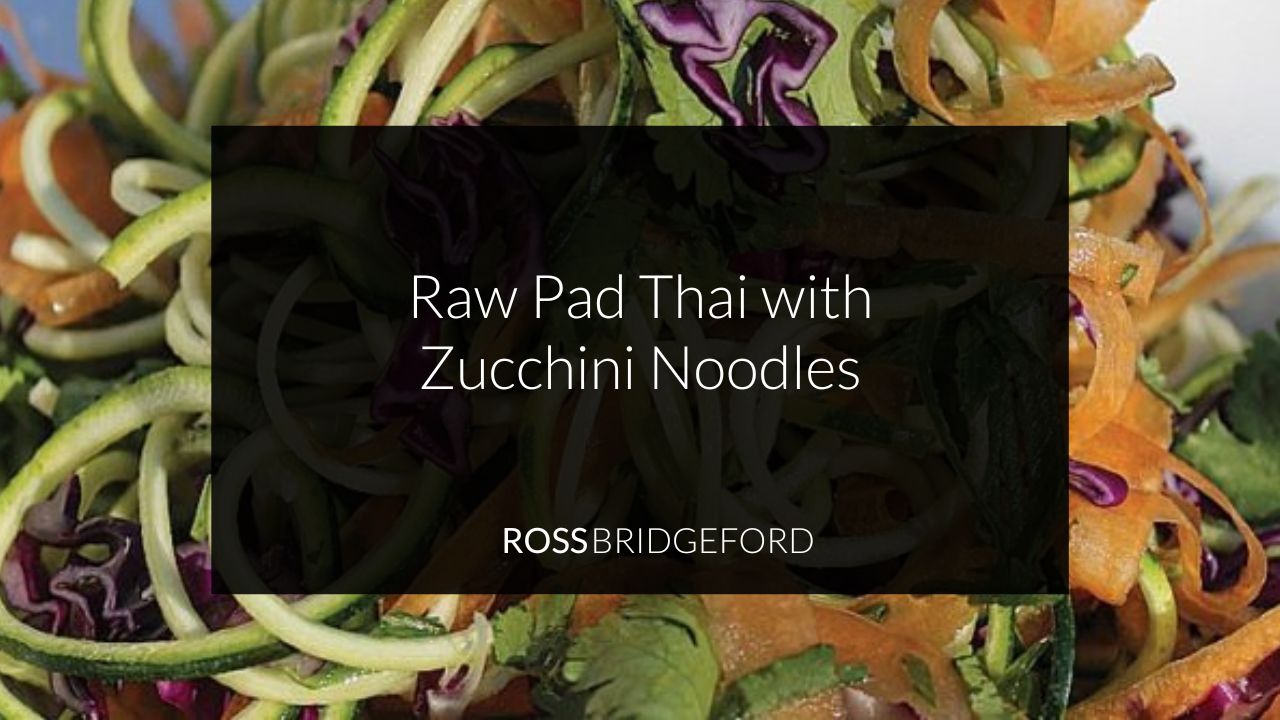
  • Raw Pad Thai with Zucchini Noodles

    Raw Pad Thai with Zucchini Noodles

    Recipes › Dinner

    Raw Pad Thai with Zucchini Noodles

    Simple, nutrient-dense, and it takes one of my previously favourite ‘unhealthy’ recipes – pad thai – and makes it alkaline.

    Prep 20 minServes 215 ingredients
    VeganGluten-freeDairy-free

    Tastes: crunchy and fresh, with a rich, savoury tahini and almond butter sauce, lime and ginger.

    raw pad thai recipe

    A crowd-pleaser

    I love this recipe for its simplicity and nutrient density. It’s pretty much entirely raw, it’s delicious and vegan, and it’s very readily accepted by non-alkalisers if you want to serve it to your family and friends!

    Why you’ll love it

    • Pretty much entirely raw, crunchy, colourful and fresh.
    • Vitamins A and C: more than a full day’s worth of each.
    • About 22 g plant protein from the tahini, almond butter and sprouts.
    • Family-friendly. Even the non-alkalisers love it.

    Good for

    Immunity

    Vitamin C, copper, vitamin A and vitamin B6 contribute to the normal function of the immune system.

    Antioxidants

    Vitamin C, copper, manganese and riboflavin contribute to the protection of cells from oxidative stress. It also contains plant compounds with antioxidant activity, including lutein, beta-carotene and quercetin.

    Energy

    Riboflavin, vitamin B6, folate and magnesium contribute to the reduction of tiredness and fatigue.

    Muscles

    Protein contributes to the maintenance of muscle mass, and magnesium, potassium and calcium contribute to normal muscle function.

    Bones

    Vitamin K, manganese, magnesium and phosphorus contribute to the maintenance of normal bones.

    Eyes

    Vitamin A, riboflavin and zinc contribute to the maintenance of normal vision. It also contains lutein and zeaxanthin, the carotenoids found in the macula of the eye.

    Blood pressure

    Potassium contributes to the maintenance of normal blood pressure.

    Tags use approved nutrient health-claim wording, for nutrients that give at least 10% of the Daily Value per serve. Plant compounds like lutein have no Daily Value, so we only say they’re there.

    Key nutrients per serve

    Vitamin C
    100%+Copper
    100%+Vitamin K
    100%+Vitamin A
    100%+Manganese
    78%Riboflavin
    69%

    Contains: thiamin (67%), vitamin E (63%), vitamin B6 (59%), folate (58%), magnesium (54%), phosphorus (52%), niacin (43%), potassium (43%), zinc (39%), pantothenic acid (36%), iron (32%), selenium (24%) and calcium (23%).

    Plant compounds: lutein and zeaxanthin (about 7.1 mg), beta-carotene (about 10 mg), chlorophyll, quercetin from the onion, glucosinolates from the cauliflower and cabbage, anthocyanins from the cabbage, gingerols from the ginger, sulphur compounds from the garlic and citrus flavonoids from the lime.

    22 g protein15 g fibreAbout 22 g sugarAbout 905 mg sodium

    % of US Daily Value for adults, per serve (half the recipe). Estimated from USDA FoodData Central values for the ingredients as listed, so treat these as upper estimates. Coconut sugar uses USDA sugar values; anything over 100% shows as 100%+.

    Raw Pad Thai with Zucchini Noodles

    Raw zucchini and carrot noodles with crunchy veg and a rich tahini, almond butter and lime sauce.
    Prep Time 20 minutes
    Total Time 20 minutes
    Servings: 2

    Ingredients
      

    Noodles and veg
    • 3 medium zucchini (courgettes)
    • 3 large carrots
    • 2 spring onions chopped
    • 1 cup red cabbage shredded
    • ½ packet beansprouts thoroughly washed
    • 1 cup cauliflower florets
    • 1 bunch fresh coriander (cilantro) roughly chopped
    Sauce
    • ¼ cup tahini
    • ¼ cup almond butter
    • 1½ tbsp tamari
    • 1 tsp coconut sugar
    • 2 tbsp lime or lemon juice plus extra to serve
    • 1 clove garlic minced
    • 1 inch fresh ginger grated
    • water to thin

    Equipment

    • Spiraliser or mandoline
    • Blender

    Method
     

    1. Make the carrot and zucchini ‘noodles’ with a spiraliser or mandoline. No spiraliser? Use a vegetable peeler to make long slices, then cut them into very thin strips with a sharp knife.
    2. Put them in a large bowl with the spring onions, cabbage, beansprouts, cauliflower and coriander.
    3. For the sauce, blend the tahini, almond butter, tamari, coconut sugar, lime juice, garlic and ginger. Add a little water if needed – it’s a very thick sauce.
    4. Mix the sauce into the bowl until everything is evenly coated.
    5. Serve with a sprig of coriander and an extra squeeze of lime or lemon.

    Swaps

    • Saltier? Add more tamari to taste – it’s easy to add, hard to take away.
    • Nut-free: use extra tahini instead of the almond butter.
    • Crunch: top with a few chopped cashews or sesame seeds.

    Storing it

    Best fresh. The sauce keeps in a jar in the fridge for up to a week.

    Good to know

    • High in vitamin K. If you take warfarin or another blood thinner, keep your greens intake steady and talk to your doctor before eating more leafy greens than usual.
    • Tamari: choose one labelled gluten-free if you’re coeliac.
    • Contains almonds and sesame. See Swaps for a nut-free sauce.

    Try next

    DinnerRaw Zoodles with Fresh Bruschetta ToppingOpen recipe →
    LunchInstant Raw Sushi Roll-UpsOpen recipe →
    Want more than recipes?

    The Alkaline Life Club has everything in the Recipe Club, plus coaching, live Q&A and a community to keep you going.

    See the Alkaline Life Club

    Sources

    Nutrient values: USDA FoodData Central, SR Legacy (zucchini 169291, carrot 170393, spring onions 170005, red cabbage 169977, bean sprouts 169957, cauliflower 169986, coriander leaves 169997, tahini 168604, almond butter 168588, tamari 174278, sugar (for coconut sugar) 169655, lime juice 168156, garlic 169230, ginger 169231). Plant compounds are named where the ingredient is a well-documented source; flavonoids follow the USDA Database for the Flavonoid Content of Selected Foods, Release 3.3. Daily Values: US Food and Drug Administration.