Blog

  • Chilli Spring Greens

    Chilli Spring Greens

    Recipes › Dinner

    Chilli Spring Greens

    A fabulous and highly alkalising recipe with spring greens and chilli – lovely and crunchy, with a slight kick.

    Prep 10 minCook 20 minServes 28 ingredients
    VeganGluten-freeDairy-freeNut-freeNo added sugar

    Tastes: fresh and lemony, with soft-crunchy greens, sweet onion and a chilli kick.
    antioxidant

    Don’t leave the spring greens out

    Spring greens are often left out in the kitchen, because a lot of us don’t really know what to do with them. This is a real shame, as they’re packed with nutrients, highly alkalising and very versatile – you can steam, fry or even mash them.

    They’re particularly rich in folate, vitamin C and fibre. You can eat this as a side dish, or serve it with brown basmati rice as a light main.

    Why you’ll love it

    • Vitamin K: about nine times your daily needs.
    • Folate and vitamin C: almost a full day’s worth of folate and more than a day’s vitamin C.
    • Calcium: almost half your daily needs.
    • Light and quick, as a side or a light main.

    Good for

    Immunity

    Vitamin C, folate, vitamin A and vitamin B6 contribute to the normal function of the immune system.

    Antioxidants

    Vitamin C, manganese, vitamin E and riboflavin contribute to the protection of cells from oxidative stress. It also contains plant compounds with antioxidant activity, including lutein, beta-carotene and quercetin.

    Energy

    Folate, vitamin B6, riboflavin and magnesium contribute to the reduction of tiredness and fatigue.

    Muscles

    Protein contributes to the maintenance of muscle mass, and calcium, magnesium and potassium contribute to normal muscle function.

    Bones

    Vitamin K, manganese, calcium and magnesium contribute to the maintenance of normal bones.

    Eyes

    Vitamin A and riboflavin contribute to the maintenance of normal vision. It also contains lutein and zeaxanthin, the carotenoids found in the macula of the eye.

    Blood pressure

    Potassium contributes to the maintenance of normal blood pressure.

    Tags use approved nutrient health-claim wording, for nutrients that give at least 10% of the Daily Value per serve. Plant compounds like lutein have no Daily Value, so we only say they’re there.

    Key nutrients per serve

    Vitamin K
    100%+Vitamin C
    100%+Folate
    86%Manganese
    78%Vitamin A
    70%Vitamin E
    54%

    Contains: calcium (47%), vitamin B6 (35%), riboflavin (31%), copper (22%), magnesium (19%), thiamin (17%), pantothenic acid (16%), potassium (15%) and niacin (13%).

    Plant compounds: lutein and zeaxanthin (about 11 mg), beta-carotene (about 7.5 mg), plant omega-3 ALA (about 1.5 g), chlorophyll, quercetin from the onion, sulphur compounds from the garlic, citrus flavonoids from the lemon and capsaicin from the chilli.

    9 g protein12 g fibreAbout 6 g natural sugarAbout 75 mg sodium

    % of US Daily Value for adults, per serve (half the recipe). Estimated from USDA FoodData Central values for the ingredients as listed; cooking reduces some vitamins, so treat these as upper estimates. Spring greens use collard greens values; excludes rice and salt and pepper; anything over 100% shows as 100%+.

    Chilli Spring Greens

    Finely chopped spring greens steamed in stock, then tossed with fried onion, garlic, chilli and lemon.
    Prep Time 10 minutes
    Cook Time 20 minutes
    Total Time 30 minutes
    Servings: 2

    Ingredients
      

    • 500 g spring greens finely chopped
    • 2 tbsp grapeseed or rapeseed oil
    • 6 tbsp water or yeast-free vegetable stock
    • 1–2 cloves garlic finely chopped
    • 1 large onion thinly sliced (or 2 medium)
    • 1 fresh red chilli deseeded and finely sliced
    • juice of 1 lemon
    • Himalayan or Celtic sea salt and black pepper to taste
    • brown basmati rice optional, to serve

    Equipment

    • 2 large frying pans, 1 with a lid

    Method
     

    1. Cook the spring greens in the stock or water in a large covered frying pan over a medium heat for about 10 minutes.
    2. In another frying pan, heat the oil over a medium heat and gently fry the onion, garlic and chilli for 3–4 minutes.
    3. Add these to the greens, then cover and steam for about 10 minutes.
    4. Season with salt and pepper, add the lemon juice and serve.

    Notes

    As a side dish, this serves 4.

    Swaps

    • No spring greens? Use collard greens, cavolo nero, kale or savoy cabbage.
    • Make it a meal: add a can of rinsed cannellini beans with the onion.
    • Less heat: use half a chilli.

    Storing it

    Keeps in the fridge for 2 days.

    Good to know

    • High in vitamin K. If you take warfarin or another blood thinner, keep your greens intake steady and talk to your doctor before eating more leafy greens than usual.

    Try next
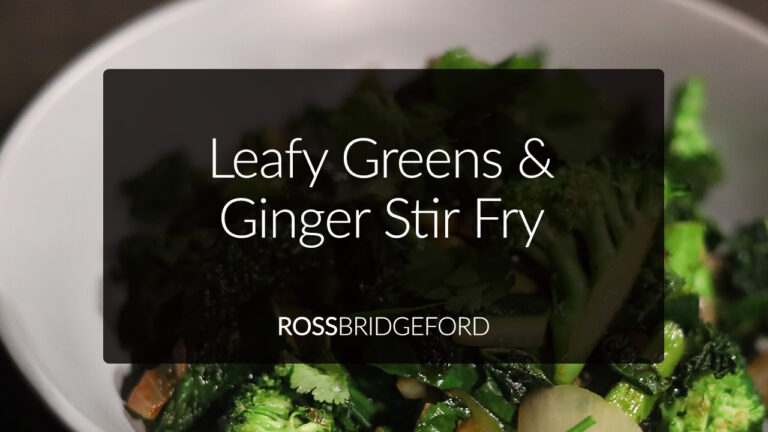
    DinnerSquash, Leafy Greens & Ginger Stir-FryOpen recipe →
    DinnerBraised Fennel with Brown Basmati RiceOpen recipe →
    Want more than recipes?

    The Alkaline Life Club has everything in the Recipe Club, plus coaching, live Q&A and a community to keep you going.

    See the Alkaline Life Club

    Sources

    Nutrient values: USDA FoodData Central, SR Legacy (collard greens 170406, canola oil 172336, garlic 169230, onion 170000, red chilli 170106, lemon juice 167747). Plant compounds are named where the ingredient is a well-documented source; flavonoids follow the USDA Database for the Flavonoid Content of Selected Foods, Release 3.3. Daily Values: US Food and Drug Administration.
  • Courgette & Split Pea Soup

    Courgette & Split Pea Soup

    Recipes › Soups

    Courgette & Split Pea Soup

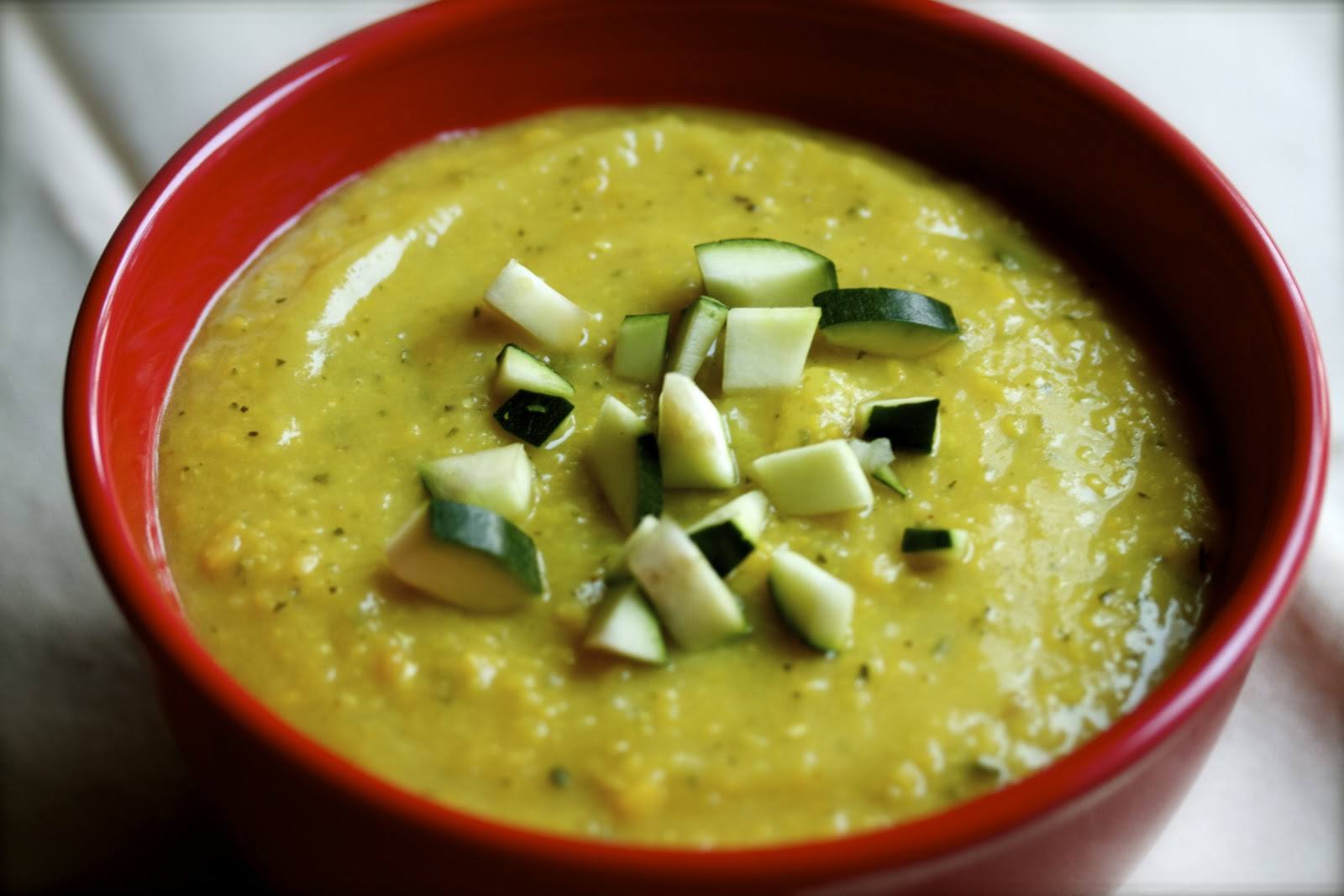
    A hearty, warming soup of yellow split peas and courgette with a hint of turmeric. The perfect bowl after a long walk on a cold day.

    Prep 10 minSoak 4 hoursCook 40 minServes 27 ingredients
    VeganGluten-freeDairy-freeNut-freeNo added sugar

    Tastes: mild, hearty and comforting, with a gentle warmth from the turmeric.

    Courgette and split pea soup

    Hearty and warming

    This courgette and split pea soup is hearty and warming – the perfect dish after coming home from a long walk on a cold winter’s day.

    It has lovely flavours with a slight hint of spice and will fill and warm you up nicely.

    Split peas are a great source of plant protein and one of the richest foods in fibre, while the courgette brings vitamin C, potassium and manganese.

    Why you’ll love it

    • Fibre: about 40% of your daily needs a bowl.
    • 12 g plant protein from the split peas.
    • Thiamin: a third of your daily needs.
    • Just six ingredients and one pot.

    Good for

    Immunity

    Copper, vitamin C, vitamin B6 and zinc contribute to the normal function of the immune system.

    Antioxidants

    Copper, manganese, vitamin C and zinc contribute to the protection of cells from oxidative stress. It also contains plant compounds with antioxidant activity, including lutein, quercetin and curcumin.

    Energy

    Vitamin B6, riboflavin, iron and pantothenic acid contribute to the reduction of tiredness and fatigue.

    Muscles

    Protein contributes to the maintenance of muscle mass, and potassium and magnesium contribute to normal muscle function.

    Bones

    Manganese, zinc, phosphorus and magnesium contribute to the maintenance of normal bones.

    Eyes

    Zinc and riboflavin contribute to the maintenance of normal vision. It also contains lutein and zeaxanthin, the carotenoids found in the macula of the eye.

    Blood pressure

    Potassium contributes to the maintenance of normal blood pressure.

    Tags use approved nutrient health-claim wording, for nutrients that give at least 10% of the Daily Value per bowl. Plant compounds like lutein have no Daily Value, so we only say they’re there.

    Key nutrients per bowl

    Copper
    44%Manganese
    35%Thiamin
    33%Vitamin C
    23%

    Contains: vitamin B6 (18%), zinc (17%), potassium (16%), phosphorus (16%), riboflavin (15%), iron (15%), pantothenic acid (14%), niacin (13%), magnesium (12%) and vitamin K (11%).

    Plant compounds: lutein and zeaxanthin (about 2.1 mg), quercetin from the onion and curcumin from the turmeric.

    12 g protein12 g fibreAbout 6 g natural sugarAbout 145 mg sodium

    % of US Daily Value for adults, per bowl (half the recipe). Estimated from USDA FoodData Central values for the ingredients as listed; cooking reduces some vitamins, so treat these as upper estimates. Uses typical low-sodium stock values; excludes salt and pepper; anything over 100% shows as 100%+.

    Courgette & Split Pea Soup

    Soaked yellow split peas simmered with onion, courgette, stock and turmeric, finished with a handful of lightly blanched courgette.
    Prep Time 10 minutes
    Cook Time 40 minutes
    Soak 4 hours
    Total Time 4 hours 50 minutes
    Servings: 2 bowls

    Ingredients
      

    • ½ cup yellow split peas 90 g
    • ½ onion finely chopped
    • 1 medium courgette (zucchini) finely diced
    • ½ tbsp extra virgin olive oil or rapeseed oil
    • 450 ml yeast-free, low-sodium vegetable stock
    • ¼ tsp ground turmeric
    • Himalayan salt and black pepper

    Equipment

    • Large pot

    Method
     

    1. Put the split peas in a bowl, cover with cold water and soak for a few hours or overnight. Drain, rinse in cold water and drain again.
    2. Heat the oil in a large covered pot and gently fry the onion, shaking the pot occasionally, until soft.
    3. Set a small handful of the diced courgette aside and add the rest to the pot. Cook for about 3 minutes, stirring.
    4. Add the split peas, stock and turmeric and bring to the boil. Reduce the heat, cover and simmer for about 35 minutes, until the split peas are tender. Season with salt and pepper.
    5. Just before the soup is ready, blanch the reserved courgette in boiling water for about 1 minute, drain and stir it into the soup.

    Swaps

    • Creamier: blend half the soup and stir it back in.
    • Spicier: add ½ tsp ground cumin with the turmeric.
    • Feeding four? Double everything.

    Storing it

    Keeps in the fridge for 3 days, and freezes well for up to 3 months. It thickens as it sits, so loosen with a splash of water when you reheat.

    Good to know

    • Watching your salt? Choose a low-sodium stock and no-added-salt canned beans and tomatoes, and season at the end.

    Try next

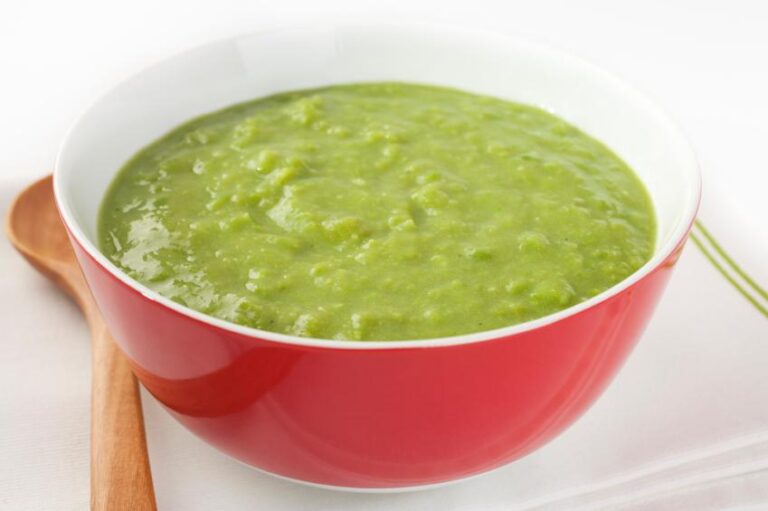
    SoupsRoss’s Springtime Pea SoupOpen recipe →
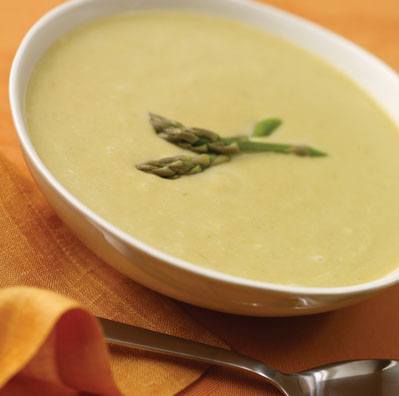
    SoupsLeek & Asparagus SoupOpen recipe →
    Want more than recipes?

    The Alkaline Life Club has everything in the Recipe Club, plus coaching, live Q&A and a community to keep you going.

    See the Alkaline Life Club

    Sources

    Nutrient values: USDA FoodData Central, SR Legacy (onion 170000, zucchini 169291, split peas 172428, olive oil 171413, turmeric 172231). Plant compounds are named where the ingredient is a well-documented source; flavonoids follow the USDA Database for the Flavonoid Content of Selected Foods, Release 3.3. Daily Values: US Food and Drug Administration.
  • Alkaline Diet Recipe #102: Chickpea Kale Rolls with Tomato Salsa

    Alkaline Diet Recipe #102: Chickpea Kale Rolls with Tomato Salsa

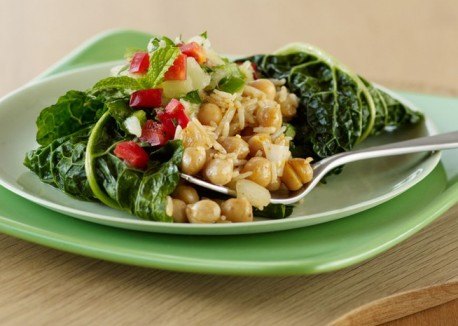
    This week’s alkaline recipe does not only taste great, but also looks quite something on your plate! It contains kale leaves used as rolls which are filled with mouthwatering chickpeas and basmati rice topped with a spicy tomato salsa.

    Kale is a leafy green vegetable belonging to the cabbage family, which is highly alkalising and nutritious with powerful antioxidant properties. Kale is very high in vitamin K, vitamin C, beta carotene, lutein, zeaxanthin and rich in calcium.

    The other core ingredients chickpeas and brown basmati rice are also rich in nutrients and the tomato salsa is flavoursome and spicy!

    This recipe is perfect for dinners with family and friends, as it looks mouthwatering and tastes delicious.

    Chickpea Kale Rolls with Tomato Salsa

    Serves 4

    Ingredients

    Chickpea Kale Rolls

    1 medium sized onion, finely chopped
    12 large kale leaves
    1 cup cooked chickpeas
    1 tsp extra virgin olive oil or rapeseed oil
    3/4 cup yeast-free vegetable stock
    1/2 cup brown basmati rice
    1/2 tsp ground paprika
    1 tsp ground cumin
    Pinch of Himalayan Crystal Salt or celtic sea salt

    Tomato Salsa

    1 onion
    1 large can of plum tomatoes (preferably organic)
    3 Jalapeno peppers
    1 bunch of coriander

    Instructions – Chickpea Kale Rolls

    Heat the oil in a saucepan over medium heat. Add the onion and gently cook for about 4 minutes, until softened. Add the rice, chickpeas, stock, paprika, cumin and salt. Bring to the boil. Cover with a lid, reduce the heat and let everything simmer for 15 minutes, until the liquid is absorbed. Let it cool.

    Alkaline Diet Recipe Book BannerWash and drain the kale leaves. Trim the thick stems from the center of the leaves. Place 2 small or 1 large leaf overlapping on your kitchen surface. Pull together the cut edges where the stem was removed to overlap.

    Spoon about 2 tbs of the chickpea and rice mixture in the center of the bottom of the leaf. Fold in the sides and roll up leaf to tip. Repeat the same procedure for the remaining leaves and filling.

    Instructions – Tomato Salsa

    For making the salsa it is best to use a blender. If you do not have a blender to hand then you can also use a hand mixer instead.

    Pour the plum tomatoes into the blender. Peel the onion and cut into quarters. Place the onions on top of the tomatoes inside the blender. Wash and dry the coriander and cut off the stems. Put the coriander inside the blender. Wash and dry the jalapeno peppers and cut off the stems. Put them into the blender. You can use more or less jalapenos depending on how spicy you like your salsa to be.

    Put the lid on the blender and blend for about 40 seconds or until all ingredients are blended. Be careful not to over blend, as the salsa will thicken otherwise.

    Serve the Chickpea Kale Rolls on a plate topped wth the Tomato Salsa.

    Enjoy!


    [yumprint-recipe id=’50’]

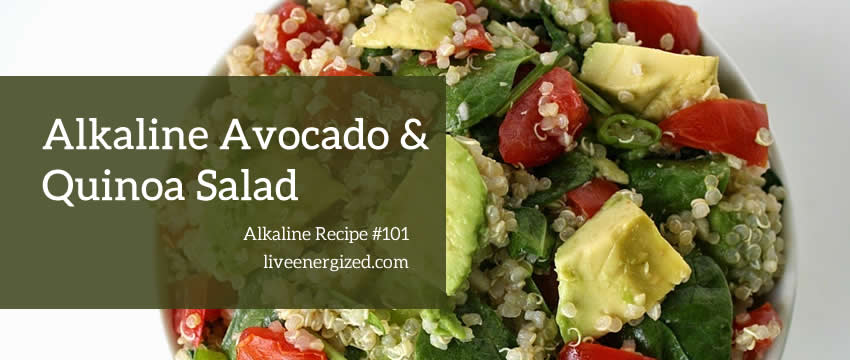
  • Quinoa Salad with Avocado

    Quinoa Salad with Avocado

    Recipes › Salads

    Quinoa Salad with Avocado

    An awesomely easy, highly alkaline salad I love all year round – warm and filling in winter, fresh and vibrant in summer.

    Prep 15 minCook 15 minServes 211 ingredients
    VeganGluten-freeDairy-freeNo added sugar

    Tastes: fresh and zesty, with fluffy quinoa, toasted pine nuts, cucumber, tomato, red onion, lemon and avocado.

    The gold of the Incas

    In winter, serve it with the quinoa still warm. In summer, cool the quinoa first for a fresh, vibrant salad that’s as delicious as it is refreshing.

    Quinoa is an ancient seed from South America, once called ‘the gold of the Incas’, who believed it increased the stamina of their warriors. I’ll have some of that! It’s not actually a grain, it’s gluten-free, and it’s a complete protein with all nine essential amino acids – plus manganese, iron, magnesium, copper and phosphorus.

    Why you’ll love it

    • Manganese: well over a full day’s worth.
    • About 14 g plant protein a serve.
    • Warm or cool – it works both ways.
    • Toasted pine nuts for crunch.

    Good for

    Immunity

    Copper, folate, vitamin C and zinc contribute to the normal function of the immune system.

    Antioxidants

    Manganese, copper, vitamin E and vitamin C contribute to the protection of cells from oxidative stress. It also contains plant compounds with antioxidant activity, including lutein, beta-carotene and lycopene.

    Energy

    Folate, magnesium, vitamin B6 and pantothenic acid contribute to the reduction of tiredness and fatigue.

    Bones

    Vitamin K, manganese, magnesium and phosphorus contribute to the maintenance of normal bones.

    Eyes

    Zinc and riboflavin contribute to the maintenance of normal vision.

    Blood pressure

    Potassium contributes to the maintenance of normal blood pressure.

    Tags use approved nutrient health-claim wording, for nutrients that give at least 10% of the Daily Value per serve. Plant compounds like lutein have no Daily Value, so we only say they’re there.

    Key nutrients per serve

    Vitamin K
    100%+Manganese
    100%+Copper
    89%Folate
    49%Magnesium
    49%Vitamin E
    44%

    Contains: phosphorus (37%), vitamin C (36%), vitamin B6 (35%), zinc (35%), thiamin (33%), pantothenic acid (32%), riboflavin (31%), iron (28%), potassium (22%), niacin (20%), selenium (11%) and calcium (6%).

    Plant compounds: lutein and zeaxanthin (about 0.8 mg), beta-carotene (about 0.7 mg), lycopene (about 1.6 mg), chlorophyll, apigenin from the parsley, quercetin from the onion and citrus flavonoids from the lemon.

    14 g protein10 g fibreAbout 5 g natural sugarAbout 15 mg sodium

    % of US Daily Value for adults, per serve (half the recipe (as a main)). Estimated from USDA FoodData Central values for the ingredients as listed; cooking reduces some vitamins, so treat these as upper estimates. Excludes salt and pepper; anything over 100% shows as 100%+.

    Quinoa Salad with Avocado

    Quinoa with toasted pine nuts, cucumber, tomato, red onion and parsley in a lemon and olive oil dressing, topped with avocado.
    Prep Time 15 minutes
    Cook Time 15 minutes
    Total Time 30 minutes
    Servings: 2

    Ingredients
      

    • ½ cucumber peeled and diced small
    • ½ avocado quartered
    • 2 Roma tomatoes seeded and finely chopped
    • ½ small red onion finely chopped
    • ¾ cup quinoa
    • ¼ cup pine nuts
    • 2 tbsp extra-virgin olive oil
    • 1½ tbsp fresh lemon juice
    • 1 tsp grated lemon zest
    • 1 handful fresh parsley chopped
    • Himalayan or Celtic sea salt and black pepper to taste

    Equipment

    • Large pot
    • Baking tray

    Method
     

    1. Bring about 1 litre of salted water to the boil. Add the quinoa, cover, reduce to a medium-low heat and simmer for about 14 minutes, until tender – you’ll see little ‘tails’ bloom from the grains.
    2. Meanwhile, toast the pine nuts on a tray in a 200°C (400°F) oven for 3–4 minutes until lightly browned. Cool and put into a large serving bowl.
    3. Drain the quinoa, rinse under cool water and drain again. Add to the pine nuts with the onion, tomatoes, cucumber and parsley.
    4. Drizzle over the olive oil, lemon zest and juice, and season. Top with the avocado quarters.

    Notes

    As a side dish this serves 4. The original recipe (1½ cups quinoa) serves 4 as a main; this is halved for two.

    Swaps

    • Nut-free: use toasted sunflower or pumpkin seeds.
    • Warm it up: serve with the quinoa straight from the pot.
    • More protein: add a can of rinsed chickpeas.

    Storing it

    Keeps in the fridge for 2–3 days (add the avocado just before serving).

    Good to know

    • High in vitamin K. If you take warfarin or another blood thinner, keep your greens intake steady and talk to your doctor before eating more leafy greens than usual.
    • Contains pine nuts. See Swaps for nut-free.

    Try next

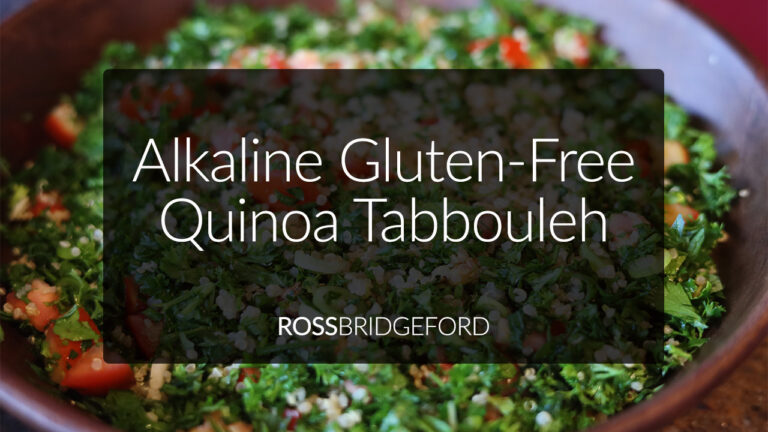
    SaladGluten-Free TabboulehOpen recipe →
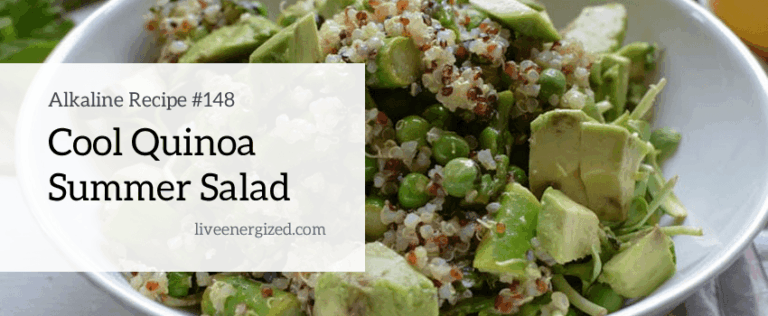
    SaladCool Quinoa Summer SaladOpen recipe →
    Want more than recipes?

    The Alkaline Life Club has everything in the Recipe Club, plus coaching, live Q&A and a community to keep you going.

    See the Alkaline Life Club

    Sources

    Nutrient values: USDA FoodData Central, SR Legacy (cucumber 168409, avocado 171705, tomatoes 170457, onion 170000, quinoa 168874, pine nuts 170591, olive oil 171413, lemon juice 167747, lemon peel 167749, parsley 170416). Plant compounds are named where the ingredient is a well-documented source; flavonoids follow the USDA Database for the Flavonoid Content of Selected Foods, Release 3.3. Daily Values: US Food and Drug Administration.
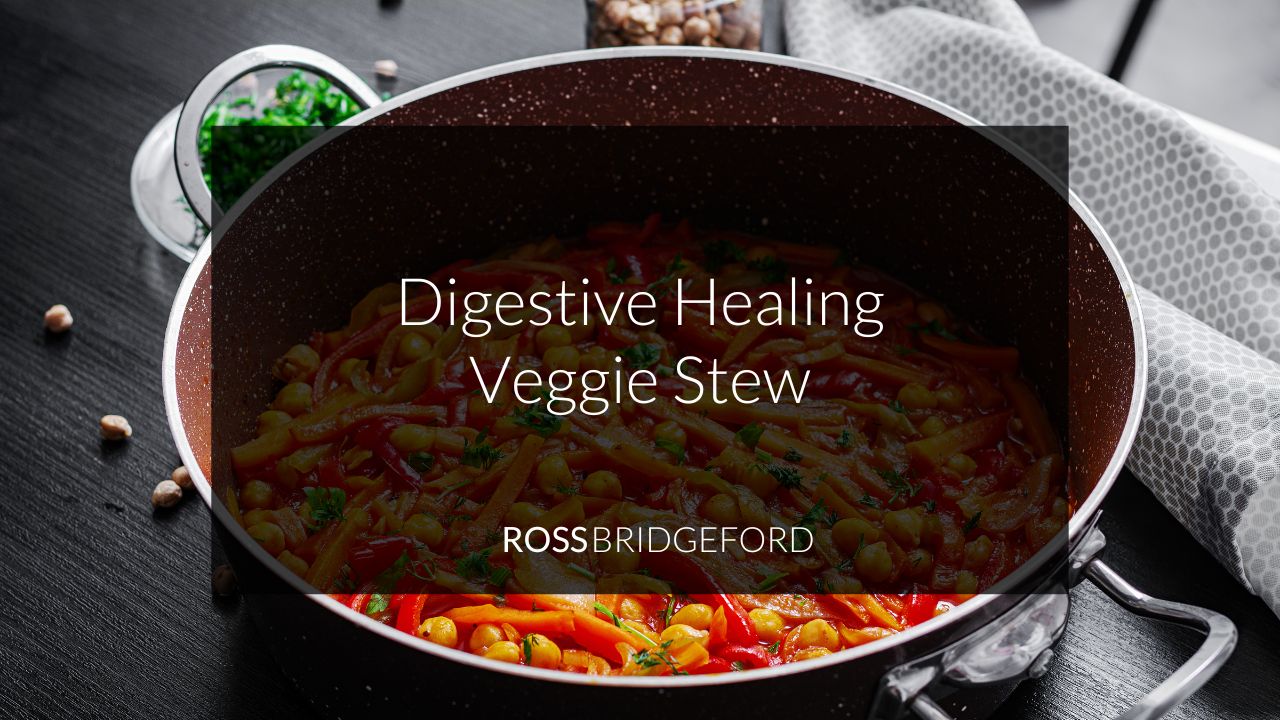
  • Digestion-Soothing Veggie Stew

    Digestion-Soothing Veggie Stew

    Recipes › Dinner

    Digestion-Soothing Veggie Stew

    A simple, delicious and gut-friendly stew that tastes great and supports your digestion – and it’s ridiculously easy to make.

    Prep 15 minCook 35 minServes 214 ingredients
    VeganGluten-freeDairy-freeNut-freeNo added sugar

    Tastes: gently spiced and comforting, with ginger, cumin, coriander and cardamom, tender veg and chickpeas.

    Digestive healing vegetable stew

    Nourishing your digestive system

    It’s packed with alkalising, fibre-rich ingredients like chickpeas, courgettes and carrots, and gently spiced with digestive superstars like ginger, cumin and coriander to keep your tummy happy and your body energised.

    This stew is all about nourishing your digestive system in the most delicious way possible – no stress, no fuss, just real, feel-good food. It’s perfect for busy days when you need something quick, satisfying and supportive of your overall health.

    Why you’ll love it

    • Chickpeas’ soluble fibre feeds the good bacteria in your gut and can help keep you regular.
    • Ginger can help ease nausea, and has anti-inflammatory compounds.
    • Cumin has been studied for easing gas and bloating.
    • Gentle courgettes and carrots – easy on the stomach and hydrating.

    Good for

    Immunity

    Vitamin C, copper, vitamin A and vitamin B6 contribute to the normal function of the immune system.

    Antioxidants

    Vitamin C, manganese, copper and riboflavin contribute to the protection of cells from oxidative stress. It also contains plant compounds with antioxidant activity, including lutein, beta-carotene and quercetin.

    Energy

    Vitamin B6, folate, magnesium and iron contribute to the reduction of tiredness and fatigue.

    Muscles

    Protein contributes to the maintenance of muscle mass, and potassium and magnesium contribute to normal muscle function.

    Bones

    Manganese, vitamin K, magnesium and phosphorus contribute to the maintenance of normal bones.

    Eyes

    Vitamin A, riboflavin and zinc contribute to the maintenance of normal vision. It also contains lutein and zeaxanthin, the carotenoids found in the macula of the eye.

    Blood pressure

    Potassium contributes to the maintenance of normal blood pressure.

    Tags use approved nutrient health-claim wording, for nutrients that give at least 10% of the Daily Value per serve. Plant compounds like lutein have no Daily Value, so we only say they’re there.

    Key nutrients per serve

    Vitamin C
    76%Manganese
    70%Copper
    44%Vitamin A
    35%Vitamin B6
    35%Folate
    27%

    Contains: vitamin K (20%), potassium (20%), thiamin (17%), magnesium (17%), iron (16%), phosphorus (16%), riboflavin (15%), zinc (13%), niacin (12%), pantothenic acid (12%) and calcium (8%).

    Plant compounds: lutein and zeaxanthin (about 1.2 mg), beta-carotene (about 3.2 mg), chlorophyll, quercetin from the onion, gingerols from the ginger and capsaicin from the chilli.

    11 g protein12 g fibreAbout 15 g natural sugarAbout 980 mg sodium

    % of US Daily Value for adults, per serve (half the recipe). Estimated from USDA FoodData Central values for the ingredients as listed; cooking reduces some vitamins, so treat these as upper estimates. Uses canned chickpeas and low-sodium stock; includes the ½ tsp salt; anything over 100% shows as 100%+.

    Digestion-Soothing Veggie Stew

    A gently spiced stew of chickpeas, potato, carrot, pepper and courgette with ginger, cumin and cardamom.
    Prep Time 15 minutes
    Cook Time 35 minutes
    Total Time 50 minutes
    Servings: 2

    Ingredients
      

    • 200 g canned chickpeas drained and rinsed (or 100 g dried)
    • 2 medium onions sliced
    • 1 medium new potato peeled and diced into 1 cm pieces
    • 1 medium carrot peeled and diced into 1 cm pieces
    • ½ red or yellow bell pepper cut into 2 cm pieces
    • ½ courgette (zucchini) sliced into 1 cm rounds
    • 1 small fresh red chilli deseeded and finely chopped, optional
    • 1½ tbsp sesame oil or olive oil
    • ½ tsp black pepper freshly ground
    • ½ tsp ground cumin
    • ½ tsp ground coriander
    • ½ tsp ground ginger
    • ½ tsp ground cardamom
    • ½ tsp Himalayan or Celtic sea salt adjust to taste
    • 2 cups vegetable stock or water
    • fresh coriander leaves optional, to garnish

    Equipment

    • Large pot or Dutch oven

    Method
     

    Chickpeas
    1. If you’re using dried chickpeas, soak them overnight, then drain, cover with fresh water by at least 5 cm and simmer for 1–1½ hours until tender. If using canned, just drain and rinse.
    Stew
    1. Heat the oil in a large pot over a medium heat and sauté the onions for 5–7 minutes until soft and translucent.
    2. Stir in the chilli (if using) and all the spices and cook for 2 minutes, stirring so they don’t burn.
    3. Add the potato and carrot, stir to coat and cook for 5 minutes.
    4. Pour in the stock, bring to a gentle boil, then cover and simmer on low for 10 minutes.
    5. Add the pepper and courgette and simmer, covered, for another 10–15 minutes until everything is tender but not mushy.
    6. Stir in the chickpeas and salt and simmer for 5 more minutes. Add a splash more stock if you like it thinner, and adjust the seasoning.
    7. Ladle into bowls and garnish with coriander. Enjoy it on its own or with rice.

    Swaps

    • Olive oil works instead of sesame oil.
    • Sweet potato instead of the new potato.
    • More greens: stir in a handful of spinach at the end.

    Storing it

    Keeps in the fridge for 3–4 days and freezes well.

    Good to know

    • Salt: this has about 980 mg sodium a serve with the ½ tsp salt. If you’re watching salt, use ¼ tsp and taste.

    Try next

    DinnerCurried Lentil StewOpen recipe →
    DinnerLentil RatatouilleOpen recipe →
    Want more than recipes?

    The Alkaline Life Club has everything in the Recipe Club, plus coaching, live Q&A and a community to keep you going.

    See the Alkaline Life Club

    Sources

    Nutrient values: USDA FoodData Central, SR Legacy (chickpeas 173801, onion 170000, red potatoes 170029, carrots 170393, red pepper 170108, zucchini 169291, red chilli 170106, sesame oil 171016, black pepper 170931, cumin 170923, coriander seed 170922, ground ginger 170926, cardamom 170919, salt 173468, coriander leaves 169997). Plant compounds are named where the ingredient is a well-documented source; flavonoids follow the USDA Database for the Flavonoid Content of Selected Foods, Release 3.3. Daily Values: US Food and Drug Administration.

  • Broccoli & Potato Red Curry

    Broccoli & Potato Red Curry

    Recipes › Dinner

    Broccoli & Potato Red Curry

    A delicious, flavoursome broccoli and potato curry that’s healthy and alkaline at the same time.

    Prep 15 minCook 20 minServes 29 ingredients
    VeganGluten-freeDairy-freeNut-freeNo added sugar

    Tastes: creamy and gently spicy, with red curry paste, coconut milk, tender potato and lentils.

    broccoli

    Unique flavours and texture

    I love curries in general, but this one has very unique flavours and texture, from the coconut milk, red curry paste and lentils.

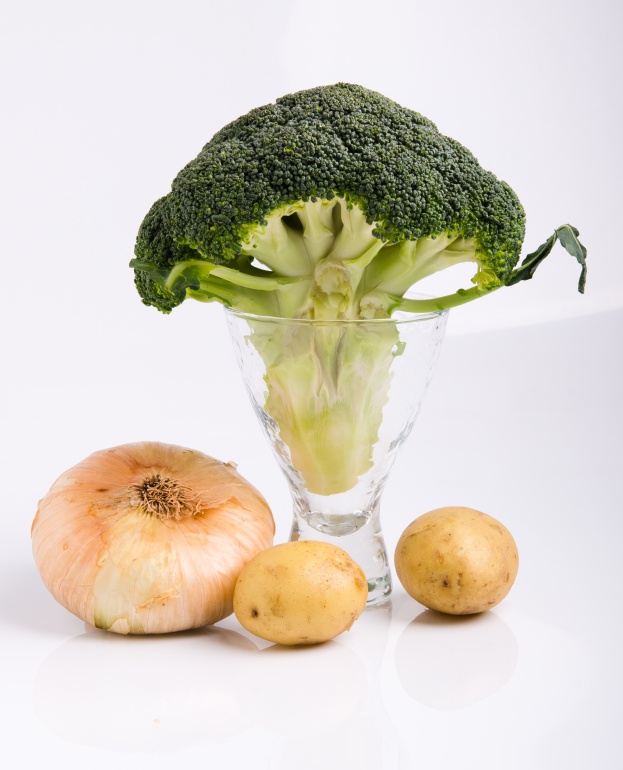
    Potatoes are very nutritious, with vitamin C, vitamin B6, folate, magnesium, zinc, phosphorus and iron. Broccoli is highly alkalising, rich in vitamins C, K and A, folate, fibre, manganese, potassium and calcium, and its sulforaphane can help support your body’s own detox enzymes.

    Why you’ll love it

    • Vitamin C: almost one and a half day’s worth a serve.
    • Iron: over 40% of your daily needs, from the lentils and potatoes.
    • About 16 g plant protein a serve.
    • One pan, 20 minutes.

    Good for

    Immunity

    Vitamin C, copper, folate and iron contribute to the normal function of the immune system.

    Antioxidants

    Vitamin C, copper, manganese and zinc contribute to the protection of cells from oxidative stress. It also contains plant compounds with antioxidant activity, including lutein and quercetin.

    Energy

    Folate, iron, vitamin B6 and pantothenic acid contribute to the reduction of tiredness and fatigue.

    Bones

    Vitamin K, manganese, magnesium and phosphorus contribute to the maintenance of normal bones.

    Eyes

    Zinc and riboflavin contribute to the maintenance of normal vision. It also contains lutein and zeaxanthin, the carotenoids found in the macula of the eye.

    Blood pressure

    Potassium contributes to the maintenance of normal blood pressure.

    Tags use approved nutrient health-claim wording, for nutrients that give at least 10% of the Daily Value per serve. Plant compounds like lutein have no Daily Value, so we only say they’re there.

    Key nutrients per serve

    Vitamin C
    100%+Vitamin K
    100%+Copper
    100%Manganese
    78%Folate
    47%Iron
    43%

    Contains: vitamin B6 (41%), potassium (38%), thiamin (33%), pantothenic acid (32%), magnesium (32%), phosphorus (31%), niacin (26%), zinc (25%), riboflavin (15%) and calcium (9%).

    Plant compounds: lutein and zeaxanthin (about 1.8 mg), chlorophyll, quercetin from the onion and glucosinolates from the broccoli.

    16 g protein10 g fibreAbout 7 g natural sugarAbout 295 mg sodium

    % of US Daily Value for adults, per serve (half the recipe). Estimated from USDA FoodData Central values for the ingredients as listed; cooking reduces some vitamins, so treat these as upper estimates. Uses canned coconut milk, low-sodium stock and typical red curry paste values; excludes salt and pepper; anything over 100% shows as 100%+.

    Broccoli & Potato Red Curry

    Potatoes, broccoli and red lentils simmered in coconut milk with red curry paste.
    Prep Time 15 minutes
    Cook Time 20 minutes
    Total Time 35 minutes
    Servings: 2

    Ingredients
      

    • 250 g broccoli cut into florets
    • 400 g potatoes red if you can, peeled and cubed
    • 1 small onion finely chopped
    • ½ x 400 ml can coconut milk
    • 200 ml yeast-free vegetable stock
    • 1 tbsp coconut oil or rapeseed oil
    • 50 g red lentils rinsed
    • ¾ tbsp red curry paste
    • Himalayan or Celtic sea salt and black pepper to taste

    Equipment

    • Large pan with lid

    Method
     

    1. Peel the potatoes and cut into cubes. Wash the broccoli and cut into florets. Peel and finely chop the onion.
    2. Heat the oil in a large pan and gently fry the onion and potatoes for a few minutes.
    3. Add the coconut milk, stock and curry paste. Cover and cook gently over a medium heat for about 10 minutes.
    4. Add the lentils and broccoli and cook for a further 10 minutes, until the lentils are soft.
    5. Season with salt and pepper and serve.

    Notes

    Use fresh potatoes, and cut away any green patches or sprouts.
    Feeding four? Double everything – that’s the original recipe.

    Swaps

    • Sweet potato instead of white potato.
    • Milder: use ½ tbsp curry paste.
    • More greens: add a handful of spinach at the end.

    Storing it

    Keeps in the fridge for 3 days.

    Good to know

    • High in vitamin K. If you take warfarin or another blood thinner, keep your greens intake steady and talk to your doctor before eating more leafy greens than usual.
    • Red curry paste: many contain shrimp paste or fish sauce. Choose a vegan one to keep this vegan, and check it’s gluten-free if you need it to be.

    Try next

    DinnerBroccoli, Carrot & Pea Coconut CurryOpen recipe →
    DinnerRoasted Romanesco CurryOpen recipe →
    Want more than recipes?

    The Alkaline Life Club has everything in the Recipe Club, plus coaching, live Q&A and a community to keep you going.

    See the Alkaline Life Club

    Sources

    Nutrient values: USDA FoodData Central, SR Legacy (broccoli 170379, red potatoes 170029, onion 170000, coconut milk 170173, coconut oil 171412, red lentils 174284). Plant compounds are named where the ingredient is a well-documented source; flavonoids follow the USDA Database for the Flavonoid Content of Selected Foods, Release 3.3. Daily Values: US Food and Drug Administration.
  • Audio Interview: Alkaline Diet Q&A with Gareth Edwards

    Audio Interview: Alkaline Diet Q&A with Gareth Edwards

    Gareth EdwardsHey everyone!

    This week I interviewed alkaline diet expert, blood microscopist and nutritionist Gareth Edwards in a LIVE alkaline diet Q&A. For 45 minutes Gareth and I answer the questions YOU sent in and the info in this audio is absolute, alkaline diet gold!

    Click on the link below to hear my interview with Gareth Edwards:

    Click here to download the interview and to listen to it on your iPhone/iPod at a later date right click and select ‘Save As’ – you can then import it to iTunes etc.

    See Gareth Live at the Alkaline Nutrition Weekend: Seeds of Change (UK)

    Alkaline & Whole Foods Nutrition Workshop with Gareth Edwards & Daphne Lambert

    After a sell-out event held back in June, we are thrilled to announce another ‘Seeds of Change’ weekend running from 8th to 10th November 2013.

    Due to popular demand, two of Britain’s leading voices on seasonal, local and alkaline eating are once again running their highly acclaimed Seeds of Change event at Trill Organic Farm in Devon.

    What This Amazing Weekend Includes:

    ¸ Live and dry blood analysis and nutrition and diet review

    ¸ Yoga & Farm walks

    ¸ Demonstrations on juicing, wheatgrass growing, sprouting and traditional preserving techniques

    ¸ Presentations on water, blood analysis, alkalising foods, indigenous diets and lots more

    ¸ Hands on experience of preparing nutritious vibrant food

    ¸ Sharing delicious food at mealtimes

    What does this experience cost?

    The whole weekend (including accommodation and all food at Trill Farm) from 8th to 10th November 2013 is £425 – which also includes your live & dry blood analysis.

    Your INCREDIBLE Venue: Trill Organic Farm

    Trill Farm, near Axminster on the Devon / Dorset border. Trill is a diverse organic farm that inspires healthy and responsible living. The rolling hills and open pastures of the surrounding area were described by Dickens as one of “the most beautiful” areas of Britain. That is still true today.

    Buy Now to Secure Your Place Now (extremely limited) with this £45 deposit!

    —————————————————————————

    A Bit About Gareth Edwards

    Gareth, who heads Food for Life, the UK’s leading live food nutrition and live blood microscopy clinic is perhaps the UK’s most qualified and experienced blood microscopist and we are extremely excited to have him on board!

    Gareth has a real passion for natural health and nutrition through real, live, whole foods and his philosophies sit exactly with ours. I know many of you will already know Gareth or will have met him at the Dr Young Event and for those of you who do know him – you will understand why I am so excited!

    Gareth brings a wealth of experience and as a qualified, highly respected nutritionist he will give us insights and angles that we have previously not been able to explore.

    In the coming weeks Gareth will be contributing regularly to the Energise Blog and newsletters and will also be answering your questions – but more on that next week.

    Click here to book a live blood analysis appointment with Gareth Edwards

    Click here to book a 1 hour telephone consultation with Gareth Edwards

    Here is Gareth’s official bio:

    Gareth Edwards helps people to overcome health challenges with fresh living foods. He has a degree in Natural therapeutics, a diploma in nutritional therapy and is a nutritional blood microscopist.

    Gareth has helped people with health challenges as diverse as wanting to loose a few pounds to potentially life threatening disease diagnoses. He has been explaining the importance of food selection and choices to customers and clients at the new Whole Foods market since it opened in June and also practices at London’s leading complimentary health Hale Clinic.

    His fresh food based approach draws inspiration from his visit to the Hippocrates Centre in Florida and personal tuition by leading American microbiologist Robert Young. He was also taught by British Nutritionist Patrick Holford during his studies at the Institute for Optimum Nutrition.

    One of the corner stones of maintaining or re-discovering optimal personal health is healthy blood. Made aware of this by recovery from a severe infection, Gareth uses the cutting edge technique of live blood analysis to help patients see the state and shape of their red blood cells. This test provides information and insights that are unlikely to be apparent from tests more widely used in conventional medical practice. This test can be really useful and fun to do, whatever your current health goals are. It requires only four small drops of blood.

    Gareth is also acutely aware that sometimes, in spite of good intentions, we sometimes struggle to choose healthy foods. He also helps people to assess what may be getting in the way of eating the foods and quantities that they want to eat.

    Gareth has won three sporting national championship titles and writes a weekly column in the Daily Star.

    Click here to book a live blood analysis appointment with Gareth Edwards

    Click here to book a 1 hour telephone consultation with Gareth Edwards

    Alkaline Diet Recipe Book Banner

  • Lentil Ratatouille

    Lentil Ratatouille

    Recipes › Dinner

    Lentil Ratatouille

    A delicious lentil ratatouille with sweet peppers, leeks, rosemary and a warming pinch of ginger and cinnamon – ready in about 20 minutes.

    Prep 10 minCook 25 minServes 210 ingredients
    VeganGluten-freeDairy-freeNut-freeNo added sugar

    Tastes: rich and tomatoey, with sweet peppers, soft leeks, rosemary and a hint of warm spice.

    A very interesting ratatouille

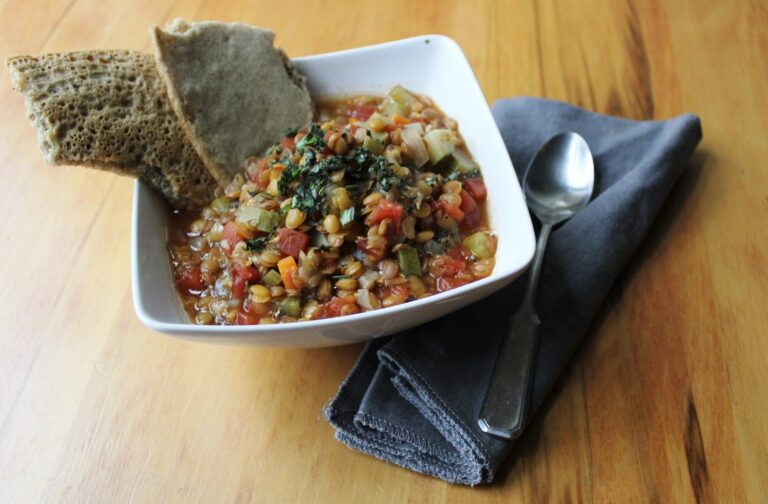
    The classic ratatouille is a mix of Mediterranean vegetables. This version has lentils as the key ingredient, with leeks, peppers, spices and brown basmati rice.

    Lentils are packed with nutrients: iron, fibre, folate, vitamin B1 and minerals. They can help keep your iron up, especially with the vitamin C from the peppers to help you absorb it. And the peppers and leeks don’t just taste good – they’re alkalising and full of vitamins too.

    Why you’ll love it

    • Vitamin C: about twice your daily needs, from the peppers.
    • About 15 g fibre and 16 g plant protein a serve.
    • Iron from the lentils, with vitamin C to help absorb it.
    • Quick: about 20 minutes, start to finish.

    Good for

    Immunity

    Vitamin C, copper, vitamin B6 and folate contribute to the normal function of the immune system.

    Antioxidants

    Vitamin C, manganese, copper and vitamin E contribute to the protection of cells from oxidative stress. It also contains plant compounds with antioxidant activity, including lutein, beta-carotene and lycopene.

    Energy

    Vitamin B6, folate, niacin and pantothenic acid contribute to the reduction of tiredness and fatigue.

    Bones

    Manganese, vitamin K, magnesium and phosphorus contribute to the maintenance of normal bones.

    Eyes

    Vitamin A, zinc and riboflavin contribute to the maintenance of normal vision. It also contains lutein and zeaxanthin, the carotenoids found in the macula of the eye.

    Blood pressure

    Potassium contributes to the maintenance of normal blood pressure.

    Tags use approved nutrient health-claim wording, for nutrients that give at least 10% of the Daily Value per serve. Plant compounds like lutein have no Daily Value, so we only say they’re there.

    Key nutrients per serve

    Vitamin C
    100%+Manganese
    100%+Copper
    89%Vitamin B6
    71%Folate
    60%Thiamin
    58%

    Contains: niacin (53%), vitamin E (48%), pantothenic acid (42%), vitamin K (39%), magnesium (39%), iron (39%), phosphorus (33%), vitamin A (28%), potassium (28%), zinc (27%), selenium (26%), riboflavin (23%) and calcium (10%).

    Plant compounds: lutein and zeaxanthin (about 1.2 mg), beta-carotene (about 2.7 mg), lycopene (about 10 mg) and gingerols from the ginger.

    16 g protein15 g fibreAbout 17 g natural sugarAbout 390 mg sodium

    % of US Daily Value for adults, per serve (half the recipe). Estimated from USDA FoodData Central values for the ingredients as listed; cooking reduces some vitamins, so treat these as upper estimates. Uses a small (about 125 g drained) tin of lentils, crushed canned tomatoes and ⅔ cup brown basmati rice (raw); excludes salt and pepper; anything over 100% shows as 100%+.

    Lentil Ratatouille

    Lentils, red peppers and leeks simmered in tomato with rosemary, ginger and cinnamon, served with brown rice.
    Prep Time 10 minutes
    Cook Time 25 minutes
    Total Time 35 minutes
    Servings: 2

    Ingredients
      

    • 2 red bell peppers cut into cubes
    • 1 leek cut into fine rings
    • 1 small tin lentils drained, about 125 g
    • 1 x 400 g can chopped tomatoes
    • ⅔ cup brown basmati rice
    • 2 tbsp olive oil
    • 1 tbsp fresh rosemary finely chopped
    • 1 pinch ground ginger
    • 1 pinch cinnamon
    • Himalayan or Celtic sea salt and black pepper to taste

    Equipment

    • Saucepan
    • Large frying pan

    Method
     

    1. Cook the rice following the packet instructions.
    2. Gently fry the peppers and leek in the olive oil until soft.
    3. Add the chopped tomatoes and simmer for about 5 minutes.
    4. Add the lentils and simmer for 5–10 minutes.
    5. Season with salt and pepper, stir in the rosemary, cinnamon and ginger, and serve with the rice.

    Notes

    The original recipe says 1 mug of rice to 1 mug of water. Brown rice needs about twice its volume of water, and ⅔ cup uncooked makes a normal portion for two.

    Swaps

    • Bigger appetite? Use a regular 400 g tin of lentils.
    • Quinoa instead of rice.
    • Add zucchini or eggplant for a more classic ratatouille.

    Storing it

    Keeps in the fridge for 3 days and freezes well (without the rice).

    Try next

    DinnerCreamy Tomato, Red Lentil & Spinach StewOpen recipe →
    DinnerCurried Lentil StewOpen recipe →
    Want more than recipes?

    The Alkaline Life Club has everything in the Recipe Club, plus coaching, live Q&A and a community to keep you going.

    See the Alkaline Life Club

    Sources

    Nutrient values: USDA FoodData Central, SR Legacy (red pepper 170108, leeks 169246, cooked lentils 172421, crushed canned tomatoes 170501, brown rice 169703, olive oil 171413, rosemary 173473, ground ginger 170926, cinnamon 171320). Plant compounds are named where the ingredient is a well-documented source; flavonoids follow the USDA Database for the Flavonoid Content of Selected Foods, Release 3.3. Daily Values: US Food and Drug Administration.
  • Alkaline Diet Recipe #96: Sweet Potato Soup

    Alkaline Diet Recipe #96: Sweet Potato Soup

    This sweet potato soup recipe has been created by the famous British chef Antony Worrall Thompson. Callum, one of the Energise directors, forwarded this recipe to me and it is truly delicious and healthy too.

    As we are experiencing arctic temperatures in the UK at the moment, a soup is the perfect type of food to warm you up and provide you with all the nutrients your body needs. The main ingredient here are sweet potatoes, which are not strictly alkaline and should be eaten in moderation. They are however a root vegetable which are currently in season and are perfect for using in soups. Just make sure that they are fresh and do not have any fungal spots when you buy them.

    Sweet potatoes have got a high nutritional value and are rich in protein, dietary fiber, vitamins A and C, calcium and iron. The other ingredients are onions, garlic, ginger, coconut cream, spinach and coriander, which are all alkalising.

    We hope you enjoy this delicious soup created by Antony Worral Thompson as much as we have!

    Sweet Potato Soup

    Serves 2

    Ingredients

    2 cloves garlic
    1 onion, sliced
    Two pinches of ground ginger
    Two pinches of dried chilli flakes
    2 tbsp extra virgin olive oil
    400g sweet potatoes, peeled and cut into cubes
    200ml hot yeast-free vegetable stock
    200ml coconut cream
    50g fresh coriander leaves, chopped
    Himalayan Crystal Salt or Celtic Sea Salt
    Freshly ground black pepper
    30g spinach leaves, to garnish

    Alkaline Diet Recipe Book BannerInstructions

    Heat the oil in a saucepan over a medium heat. Add the garlic and onion and fry for 3-4 minutes, until golden and softened.

    Add the chilli flakes and ground ginger and fry for one minute, then add the sweet potato and cook for 2-3 minutes.

    Add the stock and coconut milk. Bring to the boil then reduce the heat to simmer for 8-10 minutes, then add the coriander.

    Remove from the heat and allow to cool slightly, then pour into a food processor and blend until smooth. Season, to taste, with salt and freshly ground black pepper.

    To serve, pour the soup into a warm bowl and garnish with the spinach leaves.

    Enjoy!


    [yumprint-recipe id=’56’]

  • Curried Lentil Stew

    Curried Lentil Stew

    Recipes › Dinner

    Curried Lentil Stew

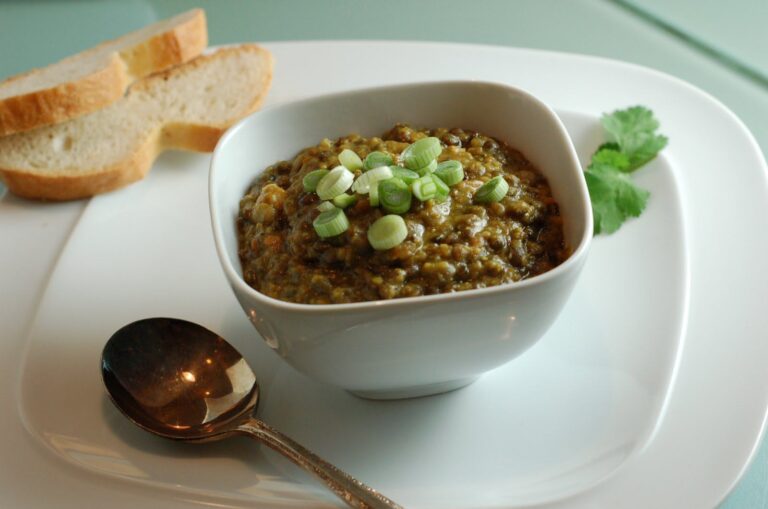
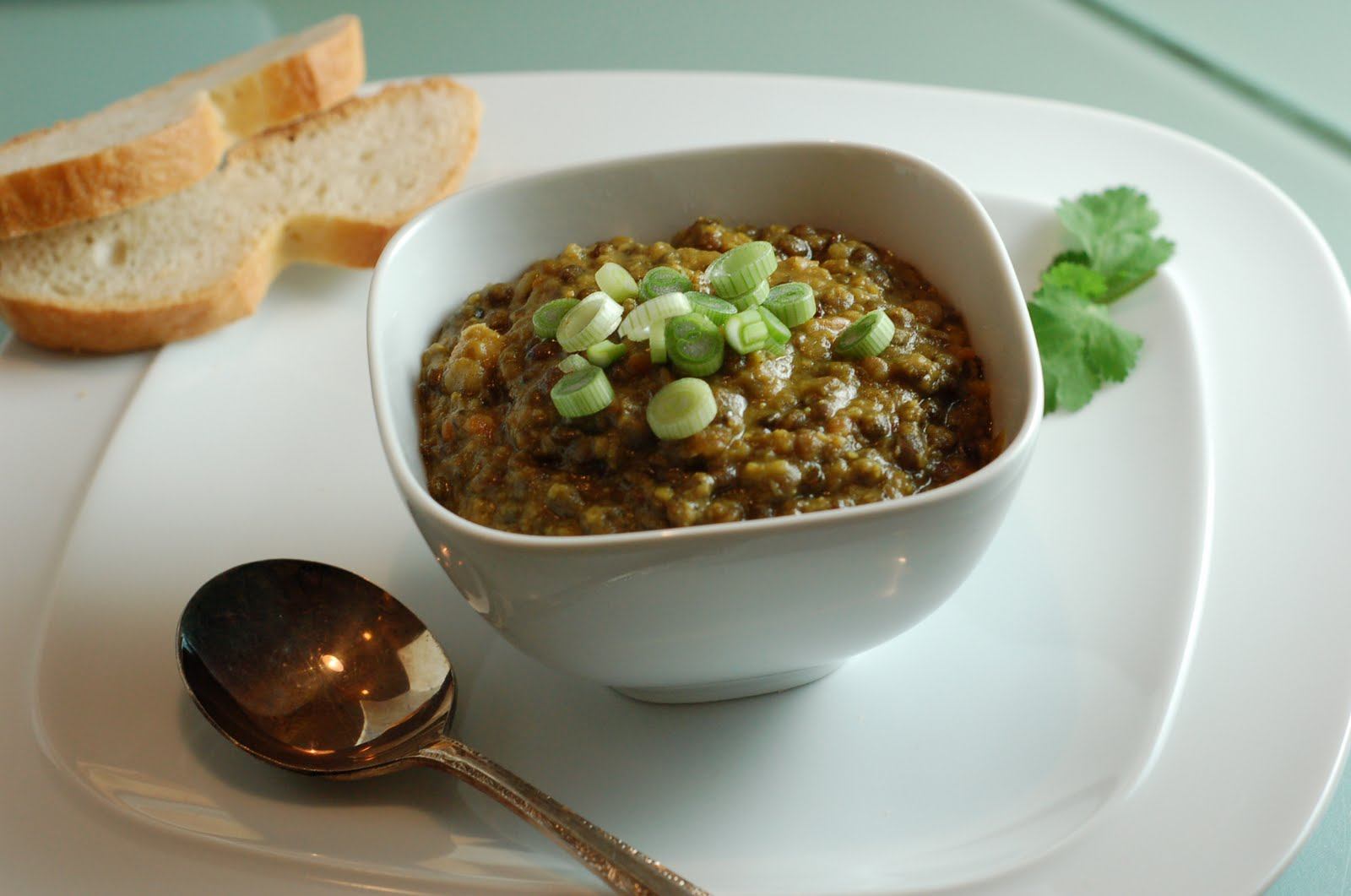
    In cold, dark winter days, this curried lentil stew will fill you up and warm you nicely, with a great hit of plant protein.

    Prep 10 minCook 40 minServes 213 ingredients
    VeganGluten-freeDairy-freeNut-freeNo added sugar

    Tastes: smooth, warming and gently spiced, with turmeric, ginger, cumin and a little chilli.

    A winter warmer

    This stew has an abundance of flavours from a variety of delicious spices: turmeric, ginger, chilli, curry and cumin. Lentils are widely used throughout India, Pakistan, the Mediterranean and the Middle East.

    Lentils are rich in protein, which makes them a great protein source on a vegetarian diet, and they also bring folate, B vitamins and fibre. They’re one of the best plant sources of iron, so they can help keep your iron up. The onions, leeks and carrots are all alkalising and packed with nutrients too.

    Why you’ll love it

    • About 16 g plant protein a bowl.
    • Iron: about a third of your daily needs.
    • Copper: a full day’s worth.
    • Blended smooth – comfort in a bowl.

    Good for

    Immunity

    Copper, folate, iron and vitamin A contribute to the normal function of the immune system.

    Antioxidants

    Copper, manganese, zinc and vitamin C contribute to the protection of cells from oxidative stress. It also contains plant compounds with antioxidant activity, including lutein, beta-carotene and quercetin.

    Energy

    Folate, iron, vitamin B6 and magnesium contribute to the reduction of tiredness and fatigue.

    Muscles

    Protein contributes to the maintenance of muscle mass, and magnesium and potassium contribute to normal muscle function.

    Bones

    Manganese, zinc, phosphorus and vitamin K contribute to the maintenance of normal bones.

    Eyes

    Vitamin A and zinc contribute to the maintenance of normal vision.

    Blood pressure

    Potassium contributes to the maintenance of normal blood pressure.

    Tags use approved nutrient health-claim wording, for nutrients that give at least 10% of the Daily Value per serve. Plant compounds like lutein have no Daily Value, so we only say they’re there.

    Key nutrients per serve

    Copper
    100%Manganese
    61%Folate
    38%Thiamin
    33%Iron
    32%Vitamin A
    31%

    Contains: vitamin B6 (24%), zinc (23%), phosphorus (17%), vitamin K (16%), potassium (13%), magnesium (13%), vitamin C (10%), vitamin E (10%) and calcium (5%).

    Plant compounds: lutein and zeaxanthin (about 0.5 mg), beta-carotene (about 2.8 mg), quercetin from the onion, curcumin from the turmeric, gingerols from the ginger, sulphur compounds from the garlic and capsaicin from the chilli.

    16 g protein9 g fibreUnder 4 g natural sugarAbout 30 mg sodium

    % of US Daily Value for adults, per serve (half the recipe). Estimated from USDA FoodData Central values for the ingredients as listed; cooking reduces some vitamins, so treat these as upper estimates. Excludes salt and pepper added to taste; anything over 100% shows as 100%+.

    Curried Lentil Stew

    Red lentils simmered with carrot, leek, onion and warming spices, then blended smooth.
    Prep Time 10 minutes
    Cook Time 40 minutes
    Total Time 50 minutes
    Servings: 2 bowls

    Ingredients
      

    • 1 medium carrot finely grated
    • ½ red onion finely chopped
    • ½ leek cut into fine rings
    • 1 clove garlic finely chopped
    • ¼ tsp fresh ginger grated
    • ¼ tsp ground cumin
    • ¼ tsp chilli paste or fresh chilli
    • ¼ tsp turmeric
    • ½ tsp curry powder
    • 1 tbsp extra-virgin olive oil
    • 125 g red or yellow lentils
    • 600 ml water
    • Himalayan or Celtic sea salt and black pepper to taste

    Equipment

    • Large pot with lid
    • Stick blender

    Method
     

    1. Gently heat the olive oil in a large pot. Add the onion and steam-fry, stirring, for 4–5 minutes.
    2. Add the garlic, carrot and leek and steam-fry for 2 more minutes.
    3. Stir in the turmeric, chilli, curry powder, cumin and ginger, then add the water and stir well.
    4. Rinse and drain the lentils, add them to the pot and bring to the boil. Reduce the heat, cover and cook gently for about 35 minutes, until the vegetables are soft. Stir regularly.
    5. Let it cool slightly, then blend with a stick blender. Reheat gently and season to taste.

    Notes

    Feeding four? Double everything – that’s the original recipe.

    Swaps

    • Chunky: skip blending, or blend just half.
    • Creamier: stir in a splash of coconut milk at the end.
    • Greens: stir through a handful of spinach before serving.

    Storing it

    Keeps in the fridge for 4 days and freezes well. It thickens as it sits, so add a splash of water when reheating.

    Good to know

    • Curry powder: most are gluten-free, but check the label if you’re coeliac.

    Try next

    DinnerFast 5-Minute DhalOpen recipe →
    SoupHug in a Bowl Lentil SoupOpen recipe →
    Want more than recipes?

    The Alkaline Life Club has everything in the Recipe Club, plus coaching, live Q&A and a community to keep you going.

    See the Alkaline Life Club

    Sources

    Nutrient values: USDA FoodData Central, SR Legacy (carrots 170393, onion 170000, leeks 169246, garlic 169230, ginger 169231, cumin 170923, red chilli 170106, turmeric 172231, curry powder 170924, olive oil 171413, red lentils 174284). Plant compounds are named where the ingredient is a well-documented source; flavonoids follow the USDA Database for the Flavonoid Content of Selected Foods, Release 3.3. Daily Values: US Food and Drug Administration.