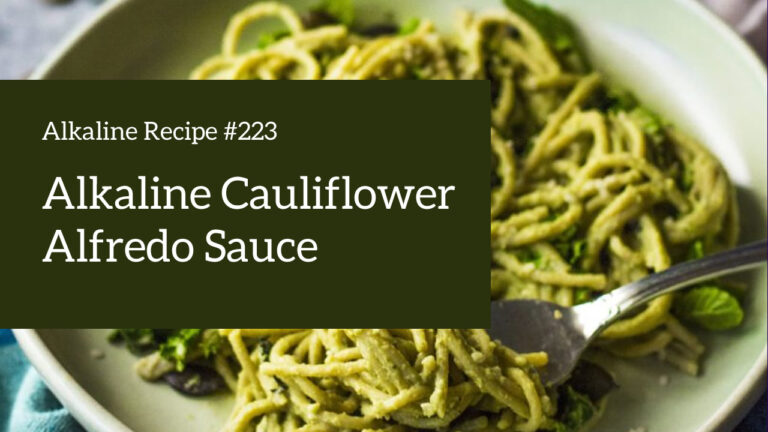
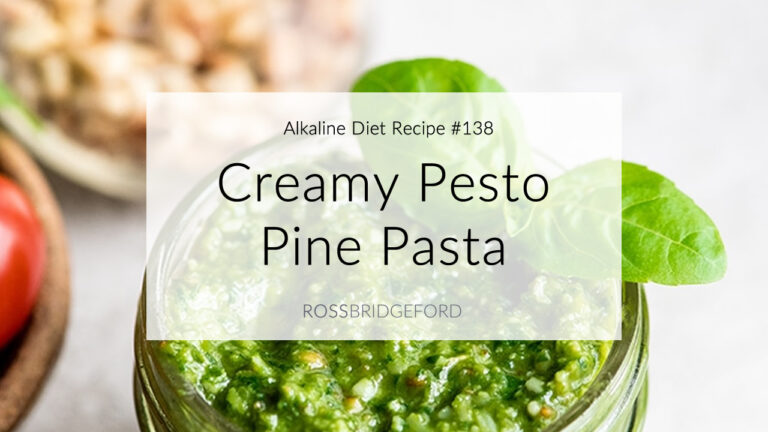
Blog

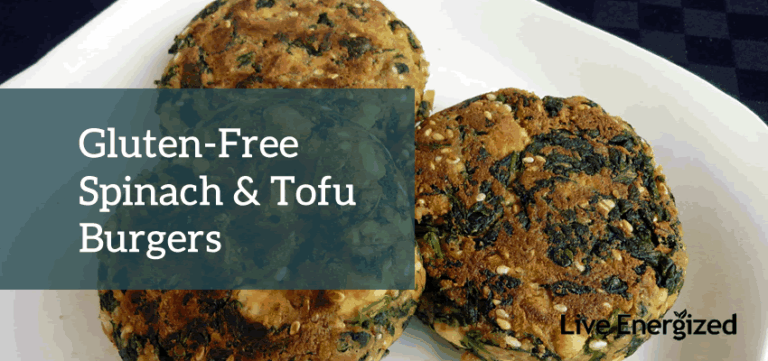
  • Tofu & Spinach Burgers

    Tofu & Spinach Burgers

    Recipes › Dinner

    Tofu & Spinach Burgers

    Who said you can’t be healthy eating burgers? There are burgers and then there are burgers – and these are the good ones.

    Prep 15 minCook 20 minServes 410 ingredients
    VeganGluten-freeDairy-freeNo added sugar

    Tastes: savoury and garlicky, with smoky paprika and cumin, crisp outside and tender inside.
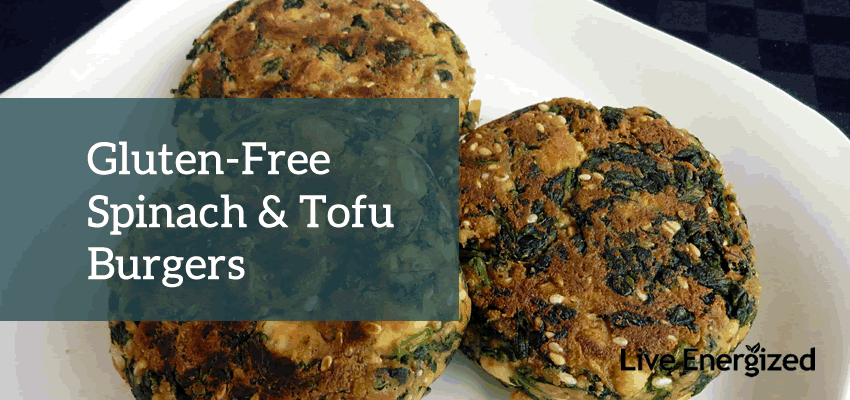
    spinach burgers

    A huge hit in the Alkaline Life Club

    They’re a huge hit in my Alkaline Life Club membership – everyone LOVES them. They’re really quick and easy to make, AND packed full of alkaline goodness, protein, fibre and healthy fats.

    These gluten-free spinach, garlic and tofu burgers give you all the taste you crave and the nutrients you need.

    Why you’ll love it

    • About 27 g plant protein a serve.
    • Calcium: over two-thirds of your daily needs, from calcium-set tofu and spinach.
    • Vitamin K: three times your daily needs.
    • Makes 8 burgers, so there are leftovers for lunch.

    Good for

    Immunity

    Copper, vitamin A, selenium and folate contribute to the normal function of the immune system.

    Antioxidants

    Manganese, copper, selenium and riboflavin contribute to the protection of cells from oxidative stress. It also contains plant compounds with antioxidant activity, including lutein, beta-carotene and quercetin.

    Energy

    Folate, magnesium, riboflavin and iron contribute to the reduction of tiredness and fatigue.

    Muscles

    Protein contributes to the maintenance of muscle mass, and calcium, magnesium and potassium contribute to normal muscle function.

    Bones

    Vitamin K, manganese, calcium and magnesium contribute to the maintenance of normal bones.

    Eyes

    Vitamin A, riboflavin and zinc contribute to the maintenance of normal vision. It also contains lutein and zeaxanthin, the carotenoids found in the macula of the eye.

    Blood pressure

    Potassium contributes to the maintenance of normal blood pressure.

    Tags use approved nutrient health-claim wording, for nutrients that give at least 10% of the Daily Value per serve. Plant compounds like lutein have no Daily Value, so we only say they’re there.

    Key nutrients per serve

    Vitamin K
    100%+Manganese
    100%+Copper
    89%Vitamin A
    78%Calcium
    70%Selenium
    59%

    Contains: folate (53%), magnesium (48%), thiamin (42%), riboflavin (38%), iron (38%), vitamin E (36%), phosphorus (31%), zinc (30%), vitamin B6 (29%), potassium (18%), pantothenic acid (12%), vitamin C (11%) and niacin (11%).

    Plant compounds: lutein and zeaxanthin (about 15 mg), beta-carotene (about 8.4 mg), plant omega-3 ALA (about 1.3 g), chlorophyll, quercetin from the onion, sulphur compounds from the garlic and lignans from the flaxseed.

    27 g protein10 g fibreUnder 4 g natural sugarAbout 105 mg sodium

    % of US Daily Value for adults, per serve (¼ of the recipe (2 burgers)). Estimated from USDA FoodData Central values for the ingredients as listed; cooking reduces some vitamins, so treat these as upper estimates. Uses calcium-set firm tofu and 2 tbsp coconut oil for frying; excludes salt, pepper and the optional Bragg; anything over 100% shows as 100%+.

    Tofu & Spinach Burgers

    Gluten-free burgers made with tofu, spinach, oats and seeds, pan-fried until golden.
    Prep Time 15 minutes
    Cook Time 20 minutes
    Total Time 35 minutes
    Servings: 4 serves

    Ingredients
      

    • 450 g frozen spinach thawed and squeezed
    • 425 g firm tofu crumbled
    • ¾ cup gluten-free oats
    • 1 medium onion chopped
    • 3–4 big cloves garlic minced
    • ¼ cup LSA ground linseed, sunflower seeds and almonds, or just one of them
    • 1 tbsp paprika
    • 1 tsp ground cumin
    • salt and pepper to taste
    • 2 tbsp coconut oil for frying
    • 1 dash Bragg Liquid Aminos optional

    Equipment

    • Large frying pan

    Method
     

    1. Crumble the tofu and mix all the ingredients (except the oil) together in a bowl. Leave for a few minutes so the oats can absorb some of the liquid from the spinach.
    2. Add a little water if the mixture isn’t wet enough to hold together. Add the Bragg if you like.
    3. Shape into 8 patties with your hands and fry in batches in a little coconut oil for 6–10 minutes on each side, turning carefully.
    4. Serve with a nice big salad!

    Notes

    The original recipe lists ¼ cup coconut oil; 2 tbsp is plenty for frying 8 patties.

    Swaps

    • Nut-free: use ground flaxseed and sunflower seeds instead of LSA.
    • Fresh spinach: wilt 600 g, cool and squeeze it dry.
    • Bake them: 25 minutes at 200°C (400°F), turning halfway.

    Storing it

    Cooked burgers keep in the fridge for 3 days and freeze well. Uncooked patties freeze too – layer them with baking paper.

    Good to know

    • High in vitamin K. If you take warfarin or another blood thinner, keep your greens intake steady and talk to your doctor before eating more leafy greens than usual.
    • Oats: choose certified gluten-free oats if you’re coeliac.
    • Contains almonds (in the LSA). See Swaps for nut-free.

    Try next
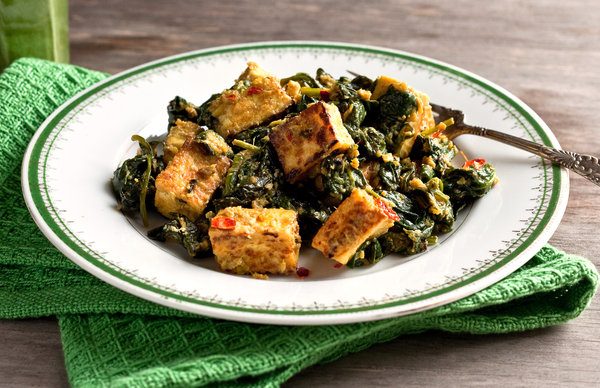
    DinnerTofu with Indian SpinachOpen recipe →
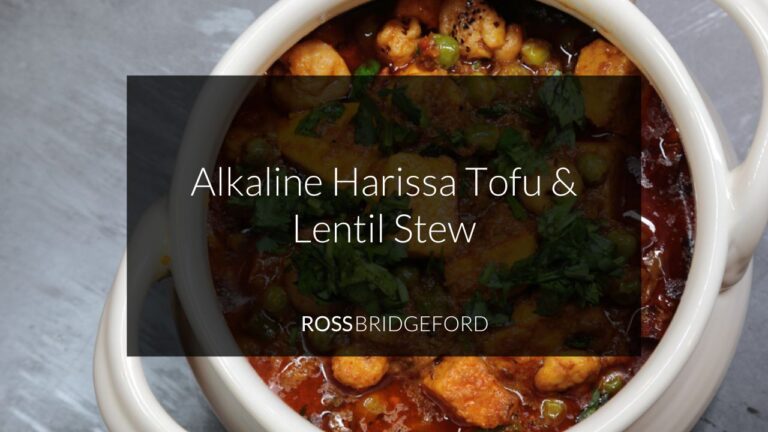
    DinnerHarissa Tofu & Lentil StewOpen recipe →
    Want more than recipes?

    The Alkaline Life Club has everything in the Recipe Club, plus coaching, live Q&A and a community to keep you going.

    See the Alkaline Life Club

    Sources

    Nutrient values: USDA FoodData Central, SR Legacy (frozen spinach 169287, firm tofu 172475, oats 173904, onion 170000, garlic 169230, almonds 170567, flaxseed 169414, sunflower seeds 170562, paprika 171329, cumin 170923, coconut oil 171412). Plant compounds are named where the ingredient is a well-documented source; flavonoids follow the USDA Database for the Flavonoid Content of Selected Foods, Release 3.3. Daily Values: US Food and Drug Administration.
  • Avocado Salsa Lettuce Wraps

    Avocado Salsa Lettuce Wraps

    Recipes › Lunch

    Avocado Salsa Lettuce Wraps

    These wraps are GENIUS – perfect for a healthy lunch on the go, or a quick snack in between. They’re legendary in my household!

    Prep 10 minServes 28 ingredients
    VeganGluten-freeDairy-freeNut-freeNo added sugar

    Tastes: creamy and zesty, with chunky avocado salsa, tomato, red onion, chilli and coriander in crisp lettuce.

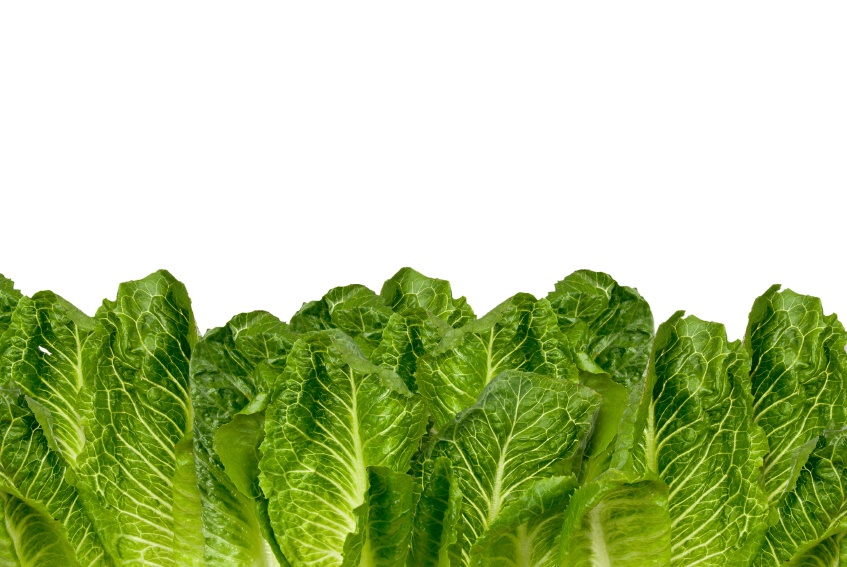
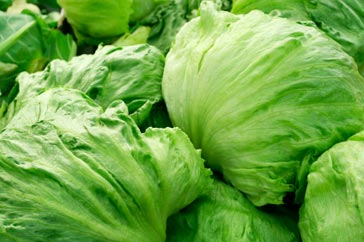
    lettuce

    San choy bow… kinda!

    People often tell me how hard it is to find sprouted wraps, so these are the perfect alkaline answer. I really like normal wraps, but then I thought – I love san choy bow too… how much more alkaline would it be to swap the bread wraps for lettuce?

    It makes a kind of salsa, but with loads more avocado. Nice and alkaline.

    Why you’ll love it

    • About 24 g fibre a serve.
    • Folate: a full day’s worth.
    • No bread – the lettuce is the wrap.
    • 10 minutes to make.

    Good for

    Immunity

    Folate, copper, vitamin C and vitamin B6 contribute to the normal function of the immune system.

    Antioxidants

    Copper, vitamin C, vitamin E and riboflavin contribute to the protection of cells from oxidative stress. It also contains plant compounds with antioxidant activity, including lutein, beta-carotene and lycopene.

    Energy

    Folate, pantothenic acid, vitamin B6 and niacin contribute to the reduction of tiredness and fatigue.

    Bones

    Vitamin K, manganese, magnesium and zinc contribute to the maintenance of normal bones.

    Eyes

    Vitamin A, riboflavin and zinc contribute to the maintenance of normal vision. It also contains lutein and zeaxanthin, the carotenoids found in the macula of the eye.

    Blood pressure

    Potassium contributes to the maintenance of normal blood pressure.

    Tags use approved nutrient health-claim wording, for nutrients that give at least 10% of the Daily Value per serve. Plant compounds like lutein have no Daily Value, so we only say they’re there.

    Key nutrients per serve

    Vitamin K
    100%+Folate
    100%Pantothenic acid
    90%Copper
    78%Vitamin C
    77%Vitamin B6
    59%

    Contains: vitamin A (56%), vitamin E (49%), potassium (45%), niacin (40%), riboflavin (38%), manganese (35%), magnesium (29%), thiamin (25%), zinc (23%), phosphorus (18%), iron (17%) and calcium (7%).

    Plant compounds: lutein and zeaxanthin (about 3.2 mg), beta-carotene (about 5.9 mg), lycopene (about 3.2 mg), chlorophyll, quercetin from the onion, citrus flavonoids from the lemon and capsaicin from the chilli.

    9 g protein24 g fibreAbout 8 g natural sugarAbout 40 mg sodium

    % of US Daily Value for adults, per serve (half the recipe). Estimated from USDA FoodData Central values for the ingredients as listed, so treat these as upper estimates. Excludes the pinch of salt; anything over 100% shows as 100%+.

    Avocado Salsa Lettuce Wraps

    Big romaine leaves wrapped around a chunky salsa of mashed avocado, tomato, red onion, chilli, herbs and lemon.
    Prep Time 10 minutes
    Total Time 10 minutes
    Servings: 2

    Ingredients
      

    • 6 very large romaine lettuce leaves iceberg is fine too
    • 2 ripe tomatoes
    • 3 ripe avocados
    • ½ medium red onion
    • ½ fresh chilli
    • ½ bunch fresh coriander or parsley
    • juice of 1 lemon
    • 1 pinch Himalayan salt

    Equipment

    • Bowl
    • Cocktail sticks

    Method
     

    1. Mash the avocados with a fork in a bowl.
    2. Finely dice the tomatoes, red onion, herbs and chilli (if you like it hot).
    3. Squeeze the lemon juice and sprinkle the salt over the avocado, then mix in the chopped ingredients.
    4. Wash the lettuce leaves and pat dry.
    5. Divide the mixture among the leaves, wrap them over and secure with a cocktail stick. Et voilà!

    Swaps

    • More protein: add mashed white beans or chickpeas to the salsa.
    • Lighter: use 2 avocados and add diced cucumber.
    • Collard or cos leaves both make sturdy wraps.

    Storing it

    Best fresh – the avocado browns. Store leftover salsa with cling film pressed on the surface for up to a day.

    Good to know

    • High in vitamin K. If you take warfarin or another blood thinner, keep your greens intake steady and talk to your doctor before eating more leafy greens than usual.

    Try next

    DinnerCashew & Celery Lettuce TacosOpen recipe →
    DinnerAlmost-Alkaline FajitasOpen recipe →
    Want more than recipes?

    The Alkaline Life Club has everything in the Recipe Club, plus coaching, live Q&A and a community to keep you going.

    See the Alkaline Life Club

    Sources

    Nutrient values: USDA FoodData Central, SR Legacy (romaine lettuce 169247, tomatoes 170457, avocado 171705, onion 170000, red chilli 170106, coriander leaves 169997, lemon juice 167747). Plant compounds are named where the ingredient is a well-documented source; flavonoids follow the USDA Database for the Flavonoid Content of Selected Foods, Release 3.3. Daily Values: US Food and Drug Administration.
  • Chickpea & Cauliflower Korma with Brown Rice

    Chickpea & Cauliflower Korma with Brown Rice

    Recipes › Dinner

    Chickpea & Cauliflower Korma with Brown Rice

    Chickpeas are a hit with me. Tasty, filling and perfect for this gently spiced, creamy korma.

    Prep 15 minCook 40 minServes 216 ingredients
    VeganGluten-freeDairy-freeNut-freeNo added sugar

    Tastes: mild, creamy and fragrant, with turmeric, cumin, coriander and a touch of garam masala.

    Chickpeas are pretty darn healthy

    Most people don’t realise that chickpeas are pretty darn healthy. They’re full of fibre, which makes them great for digestion, as well as manganese (an alkaline mineral), folate and – importantly for all you gym-goers out there – protein.

    Why you’ll love it

    • About 18 g fibre and 18 g plant protein a serve.
    • Manganese: almost twice your daily needs.
    • Vitamin C from the cauliflower – almost a full day’s worth.
    • A mild, creamy curry the whole family will eat.

    Good for

    Immunity

    Vitamin C, copper, vitamin A and vitamin B6 contribute to the normal function of the immune system.

    Antioxidants

    Manganese, vitamin C, copper and selenium contribute to the protection of cells from oxidative stress. It also contains plant compounds with antioxidant activity, including beta-carotene, quercetin and curcumin.

    Energy

    Vitamin B6, folate, pantothenic acid and magnesium contribute to the reduction of tiredness and fatigue.

    Bones

    Manganese, vitamin K, magnesium and phosphorus contribute to the maintenance of normal bones.

    Eyes

    Vitamin A, zinc and riboflavin contribute to the maintenance of normal vision.

    Blood pressure

    Potassium contributes to the maintenance of normal blood pressure.

    Tags use approved nutrient health-claim wording, for nutrients that give at least 10% of the Daily Value per serve. Plant compounds like these have no Daily Value, so we only say they’re there.

    Key nutrients per serve

    Manganese
    100%+Vitamin C
    93%Copper
    78%Vitamin A
    57%Vitamin B6
    53%Folate
    45%

    Contains: thiamin (42%), pantothenic acid (38%), vitamin K (35%), magnesium (35%), niacin (33%), phosphorus (33%), iron (32%), selenium (28%), zinc (27%), potassium (26%), riboflavin (15%), calcium (13%) and vitamin E (12%).

    Plant compounds: beta-carotene (about 5.1 mg), chlorophyll, quercetin from the onion, glucosinolates from the cauliflower, curcumin from the turmeric, gingerols from the ginger and sulphur compounds from the garlic.

    18 g protein18 g fibreAbout 14 g natural sugarAbout 355 mg sodium

    % of US Daily Value for adults, per serve (half the recipe). Estimated from USDA FoodData Central values for the ingredients as listed; cooking reduces some vitamins, so treat these as upper estimates. Uses canned coconut cream; garam masala uses curry powder values; includes ½ cup brown rice; anything over 100% shows as 100%+.

    Chickpea & Cauliflower Korma with Brown Rice

    Chickpeas, carrot and cauliflower in a mild, creamy coconut korma, served with brown rice.
    Prep Time 15 minutes
    Cook Time 40 minutes
    Total Time 55 minutes
    Servings: 2

    Ingredients
      

    • ½ cup brown rice rinsed (makes about 1½ cups cooked)
    • 1 tbsp coconut oil
    • 1 large onion finely chopped
    • 1 clove garlic finely chopped
    • 1 tsp curry powder
    • 1 tsp ground cumin
    • 1 tsp ground coriander
    • 1 tsp turmeric
    • 2 tsp ground ginger
    • 1 tsp garam masala
    • 50 g coconut cream
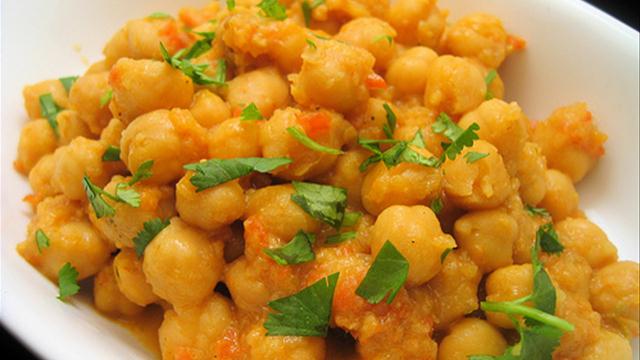
    • 1 x 400 g can chickpeas drained and rinsed
    • 2 carrots sliced
    • ½ cauliflower cut into florets
    • 1 tbsp arrowroot dissolved in 1 tbsp water
    • 1 tbsp fresh coriander chopped

    Equipment

    • Saucepan
    • Large saucepan

    Method
     

    1. Rinse the rice and put it in a pan with twice the amount of water. Bring to the boil, turn down the heat and simmer with the lid on until all the water is absorbed, about 40 minutes.
    2. Heat the coconut oil in a large saucepan and cook the onion and garlic until soft. Add the spices, except the garam masala, and cook for a few more minutes.
    3. Add the carrots and cauliflower and cook for a few minutes, coating them in the spices.
    4. Dissolve the coconut cream in 2 cups of boiling water and add it to the pan with the chickpeas. Cook for 10 minutes until the vegetables are cooked through.
    5. Stir in the arrowroot mixture and garam masala and cook until the sauce thickens. Add the fresh coriander just before serving, with the rice.

    Notes

    The original recipe says 2 cups of brown rice for two people. ½ cup uncooked makes about 1½ cups cooked, which is a normal portion.

    Swaps

    • Quinoa or cauliflower rice instead of brown rice.
    • No arrowroot? Use cornflour, or simmer a few minutes longer.
    • More veg: add a handful of spinach or peas at the end.

    Storing it

    The korma keeps in the fridge for 3 days and freezes well.

    Good to know

    • Curry powder: most are gluten-free, but check the label if you’re coeliac.

    Try next

    DinnerAlkaline Chickpea KormaOpen recipe →
    DinnerAlkaline Root Vegetable CurryOpen recipe →
    Want more than recipes?

    The Alkaline Life Club has everything in the Recipe Club, plus coaching, live Q&A and a community to keep you going.

    See the Alkaline Life Club

    Sources

    Nutrient values: USDA FoodData Central, SR Legacy (coconut oil 171412, onion 170000, garlic 169230, curry powder 170924, cumin 170923, coriander seed 170922, turmeric 172231, ground ginger 170926, coconut cream 170580, chickpeas 173801, carrots 170393, cauliflower 169986, arrowroot 170684, coriander leaves 169997, brown rice 169703). Plant compounds are named where the ingredient is a well-documented source; flavonoids follow the USDA Database for the Flavonoid Content of Selected Foods, Release 3.3. Daily Values: US Food and Drug Administration.
  • Tofu & Brazil Nut Steam-Fry

    Tofu & Brazil Nut Steam-Fry

    Recipes › Dinner

    Tofu & Brazil Nut Steam-Fry

    A super-tasty dish that’s simple yet full of flavour – with tofu for protein and Brazil nuts packed with minerals.

    Prep 15 minCook 10 minServes 211 ingredients
    VeganGluten-freeDairy-freeNo added sugar

    Tastes: fresh and zesty, with sweet leeks and corn, crunchy Brazil nuts, sesame and a hit of orange and lime.

    Great for anyone who works out

    Tofu is a very good source of protein – especially for those who work out and want to live alkaline. And Brazil nuts are packed with vitamins, antioxidants and minerals. While they’re not the most alkaline of nuts, they’re OK in quantities like this.

    Why you’ll love it

    • About 26 g plant protein a serve.
    • Selenium from the Brazil nuts – several days’ worth.
    • Calcium: over two-thirds of your daily needs, from the calcium-set tofu.
    • Steam-fried with almost no oil.

    Good for

    Immunity

    Selenium, copper, vitamin A and folate contribute to the normal function of the immune system.

    Antioxidants

    Selenium, manganese, copper and vitamin C contribute to the protection of cells from oxidative stress. It also contains plant compounds with antioxidant activity, including lutein, beta-carotene and apigenin.

    Energy

    Folate, magnesium, iron and vitamin B6 contribute to the reduction of tiredness and fatigue.

    Muscles

    Protein contributes to the maintenance of muscle mass, and calcium, magnesium and potassium contribute to normal muscle function.

    Bones

    Manganese, vitamin K, calcium and magnesium contribute to the maintenance of normal bones.

    Eyes

    Vitamin A, zinc and riboflavin contribute to the maintenance of normal vision. It also contains lutein and zeaxanthin, the carotenoids found in the macula of the eye.

    Blood pressure

    Potassium contributes to the maintenance of normal blood pressure.

    Tags use approved nutrient health-claim wording, for nutrients that give at least 10% of the Daily Value per serve. Plant compounds like lutein have no Daily Value, so we only say they’re there.

    Key nutrients per serve

    Selenium
    100%+Manganese
    96%Copper
    89%Vitamin K
    83%Vitamin A
    81%Calcium
    69%

    Contains: folate (47%), thiamin (42%), magnesium (42%), iron (34%), phosphorus (34%), vitamin C (29%), vitamin B6 (29%), zinc (26%), riboflavin (23%), potassium (23%), pantothenic acid (20%), niacin (17%) and vitamin E (15%).

    Plant compounds: lutein and zeaxanthin (about 3.1 mg), beta-carotene (about 7.7 mg), plant omega-3 ALA (about 0.8 g), apigenin from the celery and citrus flavonoids from the lime.

    26 g protein10 g fibreAbout 11 g natural sugarAbout 300 mg sodium

    % of US Daily Value for adults, per serve (half the recipe). Estimated from USDA FoodData Central values for the ingredients as listed; cooking reduces some vitamins, so treat these as upper estimates. Uses calcium-set firm tofu, sweet corn values for baby corn, 3 tbsp Brazil nuts and 60 g salad leaves; anything over 100% shows as 100%+.

    Tofu & Brazil Nut Steam-Fry

    Leeks, carrot, baby corn and tofu steam-fried with tamari, finished with Brazil nuts, sesame oil and orange rind.
    Prep Time 15 minutes
    Cook Time 10 minutes
    Total Time 25 minutes
    Servings: 2

    Ingredients
      

    • 2 leeks washed, trimmed and finely sliced
    • 1 tsp tamari
    • 2 carrots peeled and cut into fine matchsticks
    • 225 g firm tofu cubed
    • 100 g baby corn halved lengthways
    • 3 stalks celery trimmed and sliced
    • 3 tbsp Brazil nuts chopped
    • 1 tsp sesame oil
    • 1 tsp orange rind grated
    • juice of ½ lime
    • 2 handfuls salad leaves to serve

    Equipment

    • Wok

    Method
     

    1. Heat a large wok, add a little water, then the leeks and tamari. Steam-fry for a few minutes.
    2. Add the carrots, tofu and baby corn and cook for a further 5 minutes.
    3. Add the celery, Brazil nuts, sesame oil and orange rind and toss through.
    4. Serve straight away on a bed of salad leaves, with the lime squeezed over.

    Swaps

    • Extra zing: add some fresh chilli.
    • Soy-sauce taste: use Bragg Liquid Aminos instead of tamari.
    • Nut-free: use toasted pumpkin seeds instead of Brazil nuts.

    Storing it

    Best fresh. Leftovers keep in the fridge for 1–2 days.

    Good to know

    • High in vitamin K. If you take warfarin or another blood thinner, keep your greens intake steady and talk to your doctor before eating more leafy greens than usual.
    • Tamari: choose one labelled gluten-free if you’re coeliac.
    • Brazil nuts are very high in selenium: one serve gives about 4–5 days’ worth. That’s fine now and then, but don’t eat lots of Brazil nuts every day.

    Try next

    DinnerMagnesium-Rich Sesame & Ginger Stir-FryOpen recipe →
    DinnerCoconut Rice with Toasted Almonds & MintOpen recipe →
    Want more than recipes?

    The Alkaline Life Club has everything in the Recipe Club, plus coaching, live Q&A and a community to keep you going.

    See the Alkaline Life Club

    Sources

    Nutrient values: USDA FoodData Central, SR Legacy (leeks 169246, tamari 174278, carrots 170393, firm tofu 172475, sweet corn 169998, celery 169988, Brazil nuts 170569, sesame oil 171016, orange peel 169103, lime juice 168156, romaine lettuce 169247). Plant compounds are named where the ingredient is a well-documented source; flavonoids follow the USDA Database for the Flavonoid Content of Selected Foods, Release 3.3. Daily Values: US Food and Drug Administration.
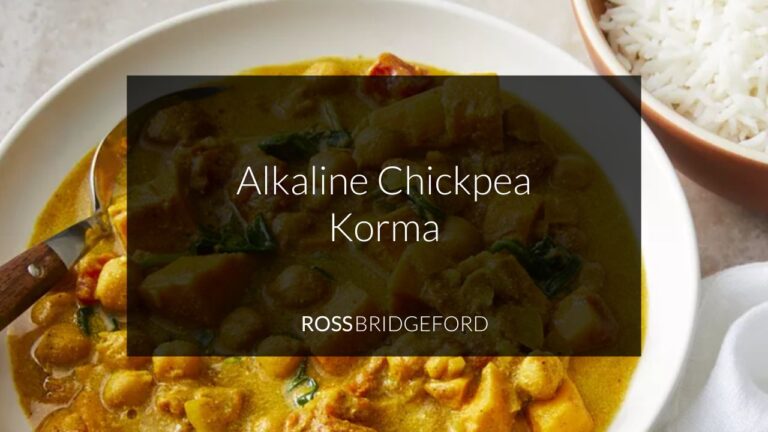
  • Tofu with Indian Spinach

    Tofu with Indian Spinach

    Recipes › Dinner

    Tofu with Indian Spinach

    A delicious, alkaline tofu and spinach curry with a lovely texture and an interesting flavour from the variety of spices.

    Prep 10 minCook 15 minServes 211 ingredients
    VeganGluten-freeDairy-freeNut-freeNo added sugar

    Tastes: gently spiced and creamy, with turmeric, coriander and chilli, tender spinach and golden tofu.

    Tofu with Indian spinach

    Tofu and spinach, done well

    Tofu is a great alternative to meat. It contains plenty of iron, and depending on how it’s made, it can be high in calcium and magnesium too.

    Spinach, as we know, is highly alkalising and has a high nutritional value. It’s extremely rich in antioxidants and a rich source of vitamin A, vitamin C, magnesium, manganese, zinc and iron, just to name a few.

    Why you’ll love it

    • About 25 g plant protein a serve.
    • Iron: over half your daily needs.
    • Calcium and magnesium: about two-thirds and half your daily needs.
    • Folate: almost a full day’s worth, from all that spinach.

    Good for

    Immunity

    Folate, copper, vitamin A and vitamin C contribute to the normal function of the immune system.

    Antioxidants

    Manganese, copper, vitamin C and vitamin E contribute to the protection of cells from oxidative stress. It also contains plant compounds with antioxidant activity, including lutein, beta-carotene and lycopene.

    Energy

    Folate, iron, magnesium and vitamin B6 contribute to the reduction of tiredness and fatigue.

    Muscles

    Protein contributes to the maintenance of muscle mass, and calcium, magnesium and potassium contribute to normal muscle function.

    Bones

    Vitamin K, manganese, calcium and magnesium contribute to the maintenance of normal bones.

    Eyes

    Vitamin A, riboflavin and zinc contribute to the maintenance of normal vision. It also contains lutein and zeaxanthin, the carotenoids found in the macula of the eye.

    Blood pressure

    Potassium contributes to the maintenance of normal blood pressure.

    Tags use approved nutrient health-claim wording, for nutrients that give at least 10% of the Daily Value per serve. Plant compounds like lutein have no Daily Value, so we only say they’re there.

    Key nutrients per serve

    Vitamin K
    100%+Manganese
    100%+Folate
    89%Copper
    89%Vitamin A
    84%Vitamin C
    72%

    Contains: calcium (68%), iron (55%), magnesium (54%), vitamin E (41%), selenium (36%), vitamin B6 (35%), potassium (34%), thiamin (33%), riboflavin (31%), phosphorus (29%), zinc (28%), niacin (17%) and pantothenic acid (10%).

    Plant compounds: lutein and zeaxanthin (about 18 mg), beta-carotene (about 9 mg), lycopene (about 3.2 mg), plant omega-3 ALA (about 2 g), chlorophyll, quercetin from the onion, curcumin from the turmeric, sulphur compounds from the garlic and capsaicin from the chilli.

    25 g protein9 g fibreAbout 6 g natural sugarAbout 155 mg sodium

    % of US Daily Value for adults, per serve (half the recipe). Estimated from USDA FoodData Central values for the ingredients as listed; cooking reduces some vitamins, so treat these as upper estimates. Uses calcium-set firm tofu and canned coconut milk; excludes salt and pepper added to taste; anything over 100% shows as 100%+.

    Tofu with Indian Spinach

    Golden tofu in a gently spiced tomato and coconut sauce with quick-wilted spinach.
    Prep Time 10 minutes
    Cook Time 15 minutes
    Total Time 25 minutes
    Servings: 2

    Ingredients
      

    • 200 g firm tofu cubed
    • 1 onion finely chopped
    • 1 clove garlic crushed
    • 2 tbsp rapeseed or grapeseed oil
    • 300 g spinach washed and roughly chopped
    • 2 tomatoes skinned and cubed
    • 100 ml coconut milk
    • 1 tsp ground coriander
    • 1 tsp turmeric
    • chilli powder to taste
    • Himalayan or Celtic sea salt and black pepper to taste

    Equipment

    • Wok

    Method
     

    1. Heat the oil in a wok and gently fry the tofu, taking care not to let it go too brown. Lift it out and drain on kitchen paper.
    2. Briefly fry the onion and garlic, then add the spinach. Fry very briefly until it wilts, then push it to the edge of the wok – this way it keeps its fresh green colour.
    3. Add the coconut milk and tomatoes to the middle of the wok and simmer until the sauce has the consistency you like. Add the spices meanwhile, using as much chilli as you like.
    4. Put the tofu into the sauce and let it warm through.
    5. Turn off the heat and push the spinach on top of the tofu. Enjoy!

    Swaps

    • Serve it with brown basmati rice or quinoa for a heartier meal.
    • Olive or avocado oil both work instead of rapeseed.
    • Frozen spinach: use 250 g, thawed and squeezed.

    Storing it

    Keeps in the fridge for 2–3 days.

    Good to know

    • High in vitamin K. If you take warfarin or another blood thinner, keep your greens intake steady and talk to your doctor before eating more leafy greens than usual.

    Try next

    DinnerTofu & Spinach BurgersOpen recipe →
    DinnerAlkaline Chickpea KormaOpen recipe →
    Want more than recipes?

    The Alkaline Life Club has everything in the Recipe Club, plus coaching, live Q&A and a community to keep you going.

    See the Alkaline Life Club

    Sources

    Nutrient values: USDA FoodData Central, SR Legacy (firm tofu 172475, onion 170000, garlic 169230, canola oil 172336, spinach 168462, tomatoes 170457, coconut milk 170173, coriander seed 170922, turmeric 172231, chilli powder 171319). Plant compounds are named where the ingredient is a well-documented source; flavonoids follow the USDA Database for the Flavonoid Content of Selected Foods, Release 3.3. Daily Values: US Food and Drug Administration.
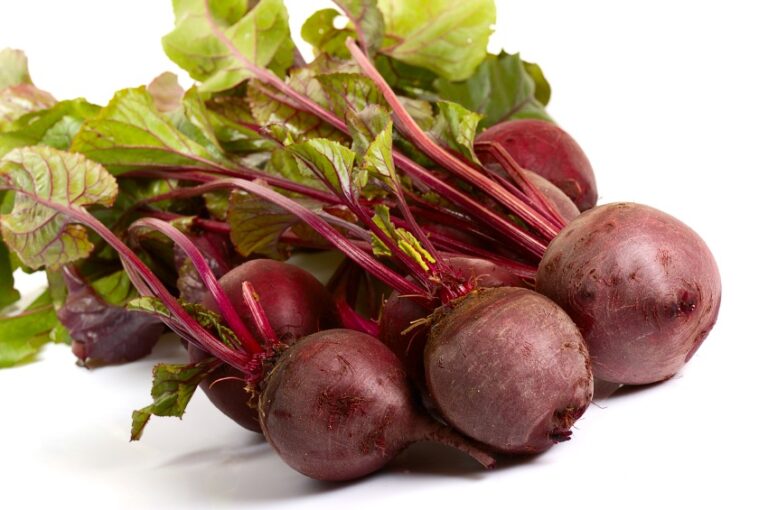
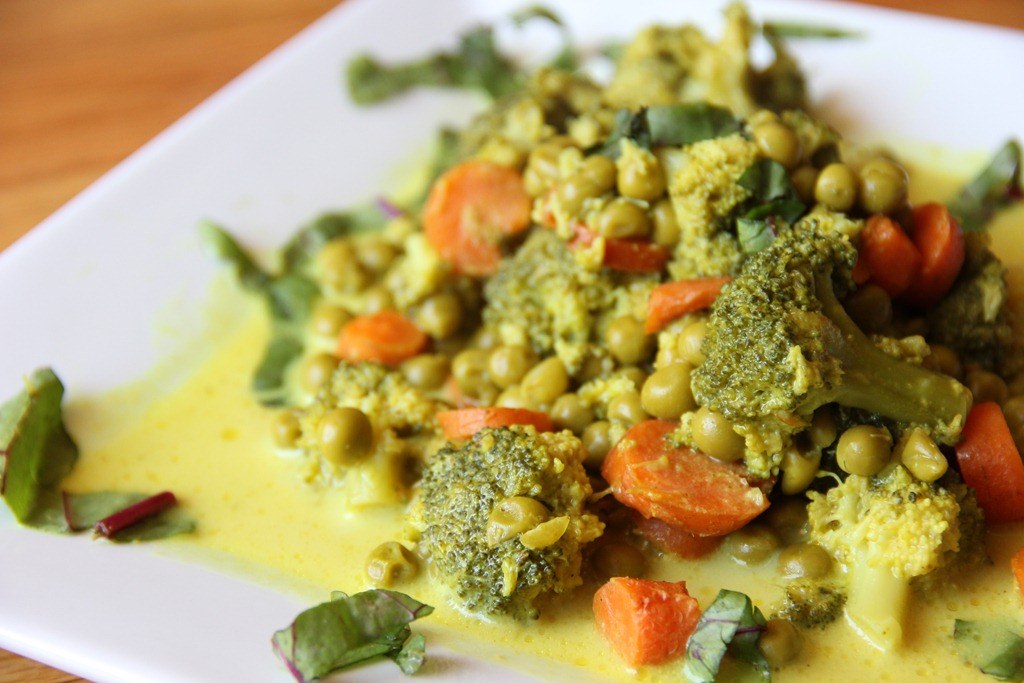
  • Broccoli, Carrot & Pea Coconut Curry

    Broccoli, Carrot & Pea Coconut Curry

    Recipes › Dinner

    Broccoli, Carrot & Pea Coconut Curry

    I love vegetable curries of all types – they’re healthy, mostly alkalising and very versatile – and this one is so easy and tastes delicious.

    Prep 15 minCook 15 minServes 211 ingredients
    VeganGluten-freeDairy-freeNut-freeNo added sugar

    Tastes: light and fragrant, with curry spices, creamy coconut and a lift of lemon.

    Cooked it several times already

    I only discovered this curry a little while ago, but I’ve already cooked it several times – it’s so easy to prepare. The broccoli, carrots and peas with the coconut milk and curry powder give it an abundance of flavour.

    Between them, broccoli, peas and carrots bring plenty of vitamin C, fibre, antioxidants and minerals. Feel free to mix it up with other vegetables!

    Why you’ll love it

    • Vitamins A and C: a full day’s worth of each and more.
    • About 10 g fibre a serve.
    • On the table in 30 minutes.
    • Swap in any veg you have.

    Good for

    Immunity

    Vitamin C, vitamin A, folate and copper contribute to the normal function of the immune system.

    Antioxidants

    Vitamin C, manganese, copper and riboflavin contribute to the protection of cells from oxidative stress. It also contains plant compounds with antioxidant activity, including lutein, beta-carotene and quercetin.

    Energy

    Folate, pantothenic acid, vitamin B6 and riboflavin contribute to the reduction of tiredness and fatigue.

    Bones

    Vitamin K, manganese, magnesium and phosphorus contribute to the maintenance of normal bones.

    Eyes

    Vitamin A, riboflavin and zinc contribute to the maintenance of normal vision. It also contains lutein and zeaxanthin, the carotenoids found in the macula of the eye.

    Blood pressure

    Potassium contributes to the maintenance of normal blood pressure.

    Tags use approved nutrient health-claim wording, for nutrients that give at least 10% of the Daily Value per serve. Plant compounds like lutein have no Daily Value, so we only say they’re there.

    Key nutrients per serve

    Vitamin C
    100%+Vitamin K
    100%+Vitamin A
    100%+Manganese
    52%Folate
    36%Copper
    33%

    Contains: pantothenic acid (30%), vitamin B6 (29%), thiamin (25%), riboflavin (23%), iron (23%), potassium (22%), magnesium (20%), niacin (19%), phosphorus (19%), vitamin E (15%), zinc (15%), calcium (11%) and selenium (10%).

    Plant compounds: lutein and zeaxanthin (about 3.2 mg), beta-carotene (about 9.3 mg), chlorophyll, quercetin from the onion, glucosinolates from the broccoli, sulphur compounds from the garlic and citrus flavonoids from the lemon.

    9 g protein10 g fibreAbout 12 g natural sugarAbout 205 mg sodium

    % of US Daily Value for adults, per serve (half the recipe). Estimated from USDA FoodData Central values for the ingredients as listed; cooking reduces some vitamins, so treat these as upper estimates. Uses canned coconut milk and low-sodium stock; excludes salt, pepper and rice or quinoa to serve; anything over 100% shows as 100%+.

    Broccoli, Carrot & Pea Coconut Curry

    Broccoli, carrots and peas simmered in a light coconut curry sauce with lemon.
    Prep Time 15 minutes
    Cook Time 15 minutes
    Total Time 30 minutes
    Servings: 2

    Ingredients
      

    • 250 g broccoli cut into florets
    • 200 g carrots thinly sliced
    • 100 g peas fresh or frozen
    • 1 medium onion finely chopped
    • 2 cloves garlic finely chopped
    • 100 ml unsweetened coconut milk
    • 100 ml yeast-free vegetable stock
    • ½ unwaxed lemon zested and juiced
    • 1 tbsp coconut oil
    • 1 tsp curry powder plus extra to taste
    • Himalayan or Celtic sea salt and black pepper to taste

    Equipment

    • Large frying pan with lid

    Method
     

    1. Peel and finely chop the onion and garlic. Wash the broccoli and carrots, separate the broccoli into florets and slice the carrots thinly.
    2. Heat the oil in a large frying pan and gently fry the onion, garlic and curry powder for a minute.
    3. Add the broccoli and carrots, season with a little salt and fry briefly.
    4. Pour in the coconut milk and stock, add ¼ tsp grated lemon zest and cover with a lid. Cook gently for about 12 minutes, adding the peas for the last 3.
    5. Season with salt, pepper, 1 tbsp lemon juice and a little more curry powder. Bring back to the boil and serve.

    Notes

    Serve with brown rice or quinoa for a heartier meal.
    Feeding four? Double everything – that’s the original recipe.

    Swaps

    • Any veg works: cauliflower, zucchini, green beans or spinach.
    • Creamier: use 200 ml coconut milk and skip the stock.
    • More protein: add a can of rinsed chickpeas.

    Storing it

    Keeps in the fridge for 3 days.

    Good to know

    • High in vitamin K. If you take warfarin or another blood thinner, keep your greens intake steady and talk to your doctor before eating more leafy greens than usual.
    • Curry powder: most are gluten-free, but check the label if you’re coeliac.

    Try next

    DinnerBroccoli & Potato Red CurryOpen recipe →
    DinnerCoconut Rice with Toasted Almonds & MintOpen recipe →
    Want more than recipes?

    The Alkaline Life Club has everything in the Recipe Club, plus coaching, live Q&A and a community to keep you going.

    See the Alkaline Life Club

    Sources

    Nutrient values: USDA FoodData Central, SR Legacy (broccoli 170379, carrots 170393, peas 170016, onion 170000, garlic 169230, coconut milk 170173, lemon juice 167747, lemon peel 167749, coconut oil 171412, curry powder 170924). Plant compounds are named where the ingredient is a well-documented source; flavonoids follow the USDA Database for the Flavonoid Content of Selected Foods, Release 3.3. Daily Values: US Food and Drug Administration.
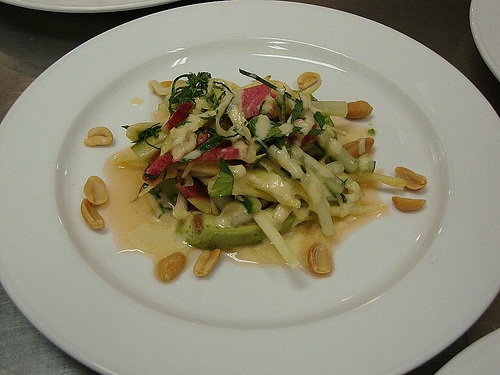
  • Roasted Artichokes with Lemon Oil Dip

    Roasted Artichokes with Lemon Oil Dip

    Recipes › Sides

    Roasted Artichokes with Lemon Oil Dip

    A very light, alkalising recipe for warmer days, with charred artichokes and a sharp citrus dip.

    Prep 15 minCook 40 minServes 27 ingredients
    VeganGluten-freeDairy-freeNut-freeNo added sugar

    Tastes: tender and lightly charred, with a sharp, garlicky lemon dip.

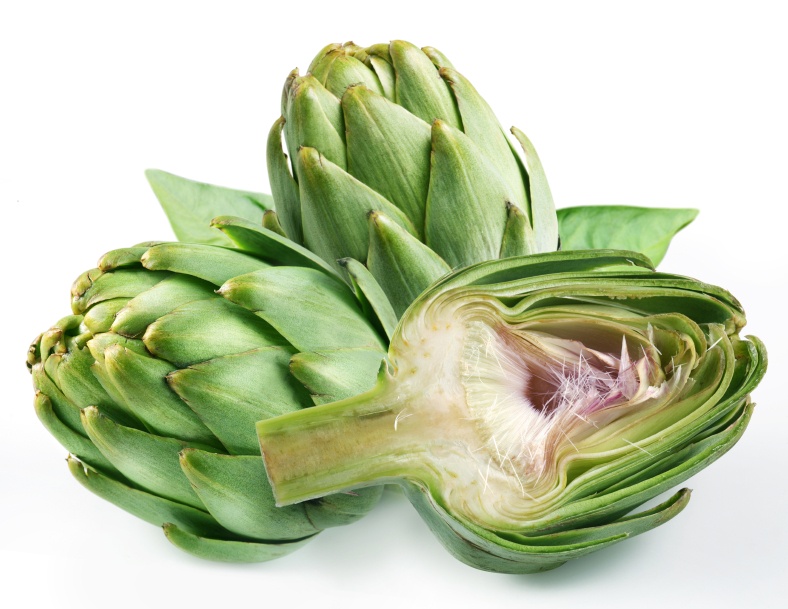
    artichoke

    Not so hard after all

    I have always wanted to find more recipes using artichokes. They’re one of those vegetables that are often underused, as the general perception seems to be that they’re hard to prepare.

    This is an easy-to-follow recipe that brings out the delicious taste of this healthy vegetable, and the sharp lemon dip gives it a great contrast in flavour. I hope it shows how versatile artichokes are, and that they’re not so difficult to prepare after all.

    Artichokes are alkalising and may help aid digestion and support healthy liver and gall bladder function. Lemons are alkalising too, and they give this dish a sharp contrast in flavour.

    Why you’ll love it

    • Light and alkalising. A lovely starter or side for warmer days.
    • Garlic and lemon. Roasted garlic mellows into a sweet, creamy dip.
    • Easier than you think. No fiddly steaming – just wedges and the oven.

    Good for

    Immunity

    Copper, vitamin C, folate and vitamin B6 contribute to the normal function of the immune system.

    Antioxidants

    Copper, vitamin E, vitamin C and manganese contribute to the protection of cells from oxidative stress. It also contains plant compounds with antioxidant activity, including apigenin and flavonoids.

    Energy

    Folate, vitamin B6 and magnesium contribute to the reduction of tiredness and fatigue.

    Bones

    Vitamin K, manganese and magnesium contribute to the maintenance of normal bones.

    Tags use approved nutrient health-claim wording, for nutrients that give at least 10% of the Daily Value per serve. Plant compounds like these have no Daily Value, so we only say they’re there.

    Key nutrients per serve

    Vitamin K
    39%Copper
    22%Vitamin E
    20%

    Contains: vitamin C (18%), manganese (13%), folate (12%), vitamin B6 (12%), magnesium (10%) and potassium (6%).

    Plant compounds: chlorophyll, apigenin from the parsley, sulphur compounds from the garlic and citrus flavonoids from the lemon.

    4 g fibreUnder 4 g natural sugarAbout 65 mg sodium

    % of US Daily Value for adults, per serve (half the recipe). Estimated from USDA FoodData Central values for the ingredients as listed; cooking reduces some vitamins, so treat these as upper estimates. Excludes salt and pepper added to taste; anything over 100% shows as 100%+.

    Roasted Artichokes with Lemon Oil Dip

    Charred roasted artichoke wedges with a garlicky lemon-oil dip.
    Prep Time 15 minutes
    Cook Time 40 minutes
    Total Time 55 minutes
    Servings: 2

    Ingredients
      

    • 1 globe artichoke trimmed
    • ½ tbsp fresh lemon juice
    • 6 garlic cloves unpeeled
    • ½ lemon organic or unwaxed
    • 3 tbsp olive oil
    • Himalayan or Celtic sea salt and black pepper
    • flat-leaf parsley to garnish

    Equipment

    • Roasting tin

    Method
     

    1. Preheat the oven to 200°C (400°F). Add the lemon juice to a bowl of cold water.
    2. Cut the artichoke into wedges and pull the hairy choke out from the centre, then put the wedges into the lemony water until needed.
    3. Drain the wedges and place them in a roasting tin with the garlic cloves. Add half the oil and mix well to coat. Sprinkle with salt and roast for about 40 minutes, stirring once or twice, until tender and slightly charred.
    4. Meanwhile, start the dip. Thinly pare two strips of rind from the lemon and scrape away any pith. Simmer the rind in a small pan of water for about 5 minutes, then drain, refresh in cold water and chop roughly.
    5. Let the cooked artichokes cool for about 5 minutes. Squeeze the soft garlic out of its skins into a bowl and mash to a purée. Add the lemon rind, squeeze in the juice from the lemon, and whisk in the remaining oil.
    6. Serve the artichokes warm with the lemon dip, garnished with parsley and seasoned to taste.

    Swaps

    • Short on time? Use jarred artichoke hearts in water, drained and roasted for 15–20 minutes.
    • Make it a meal: serve with quinoa and a big green salad.
    • Herbs: basil or mint work as well as parsley.

    Storing it

    Best eaten warm on the day. The dip keeps in the fridge for 2–3 days.

    Try next

    Salad5-Minute Green Summer SaladOpen recipe →
    SaladMagnesium-Boosting Super SaladOpen recipe →
    Want more than recipes?

    The Alkaline Life Club has everything in the Recipe Club, plus coaching, live Q&A and a community to keep you going.

    See the Alkaline Life Club

    Sources

    Nutrient values: USDA FoodData Central, SR Legacy (artichoke 169205, lemon juice 167747, garlic 169230, olive oil 171413, parsley 170416). Plant compounds are named where the ingredient is a well-documented source; flavonoids follow the USDA Database for the Flavonoid Content of Selected Foods, Release 3.3. Daily Values: US Food and Drug Administration.
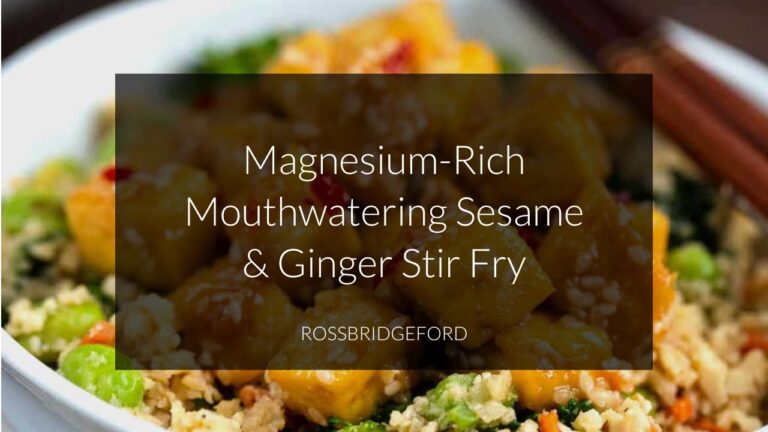
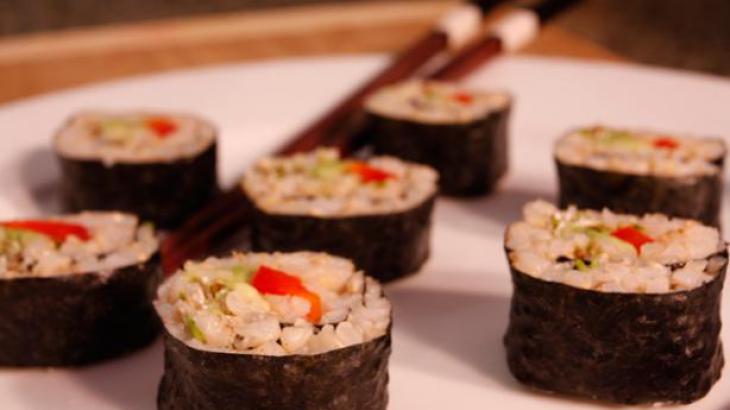
  • Brown Rice & Avocado Sushi Rolls

    Brown Rice & Avocado Sushi Rolls

    Recipes › Dinner

    Brown Rice & Avocado Sushi Rolls

    Japanese food is fantastic for eating vegetarian, vegan and alkaline – and with just a few tweaks (gotta love the tweaks), sushi gets the alkaline makeover.

    Prep 20 minCook 30 minServes 27 ingredients
    VeganGluten-freeDairy-freeNut-freeNo added sugar

    Tastes: fresh and clean, with creamy avocado, crunchy veg and nutty brown rice, dipped in Bragg.

    Avocado Sushi with Brown Rice

    Fresh and raw are the order of the day

    Since moving to Australia in 2005, I’ve eaten a LOT of Asian food – it’s really fresh and delicious out here: Thai, Japanese, Indian, Nepalese… All of these are fantastic for eating vegetarian, vegan and alkaline, none more so than Japanese, where fresh and raw are the order of the day!

    The trick: mash a little avocado into the brown rice to give it that traditional ‘sticky’ feel of sushi rice. This way is much more alkaline!

    Why you’ll love it

    • Makes 4 rolls – 24 pieces.
    • Manganese: more than a day’s worth a serve, from the brown rice.
    • No sugar or vinegar in the rice – avocado makes it sticky.
    • Easy to make once you’ve rolled the first one.

    Good for

    Immunity

    Copper, vitamin C, vitamin B6 and folate contribute to the normal function of the immune system.

    Antioxidants

    Manganese, copper, vitamin C and riboflavin contribute to the protection of cells from oxidative stress. It also contains plant compounds with antioxidant activity, including beta-carotene.

    Energy

    Niacin, pantothenic acid, vitamin B6 and folate contribute to the reduction of tiredness and fatigue.

    Bones

    Manganese, magnesium, phosphorus and vitamin K contribute to the maintenance of normal bones.

    Eyes

    Riboflavin, vitamin A and zinc contribute to the maintenance of normal vision.

    Blood pressure

    Potassium contributes to the maintenance of normal blood pressure.

    Tags use approved nutrient health-claim wording, for nutrients that give at least 10% of the Daily Value per serve. Plant compounds like these have no Daily Value, so we only say they’re there.

    Key nutrients per serve

    Manganese
    100%+Copper
    78%Vitamin C
    75%Niacin
    63%Pantothenic acid
    62%Vitamin B6
    59%

    Contains: thiamin (58%), folate (47%), magnesium (41%), riboflavin (38%), phosphorus (36%), vitamin A (35%), selenium (35%), vitamin K (33%), zinc (33%), vitamin E (25%), potassium (24%), iron (18%) and calcium (5%).

    Plant compounds: beta-carotene (about 3.4 mg).

    14 g protein12 g fibreAbout 5 g natural sugarAbout 325 mg sodium

    % of US Daily Value for adults, per serve (half the recipe (2 rolls)). Estimated from USDA FoodData Central values for the ingredients as listed; cooking reduces some vitamins, so treat these as upper estimates. Nori uses raw laver values; includes 2 tsp tamari for dipping; excludes the optional tofu; anything over 100% shows as 100%+.

    Brown Rice & Avocado Sushi Rolls

    Nori rolls of brown rice made sticky with avocado, filled with cucumber, red pepper and carrot.
    Prep Time 20 minutes
    Cook Time 30 minutes
    Total Time 50 minutes
    Servings: 2

    Ingredients
      

    • 1 cup brown rice 215 g
    • 4 sheets nori
    • 1 ripe avocado peeled and mashed
    • ½ cucumber cut into thin strips
    • ½ red bell pepper (capsicum) deseeded and cut into thin strips
    • ⅓ cup coarsely grated carrot
    • Bragg Liquid Aminos or tamari to serve
    • fresh red chilli or chilli flakes optional
    • firm tofu optional

    Equipment

    • Saucepan
    • Sharp knife
    • Sushi mat (optional)

    Method
     

    1. Cook the brown rice following the packet instructions, then put it in a large bowl. Using a fork, mash in a quarter of the avocado to give it that ‘sticky’ feel of sushi rice.
    2. Slice all the vegetables. If you’re using tofu, quickly fry it in a little coconut oil and Bragg.
    3. Place a nori sheet shiny-side down on a clean surface. With wet hands, spread a quarter of the rice over half the sheet, leaving a 2 cm border along the edge closest to you.
    4. Spread a quarter of the remaining avocado across the centre of the rice. Lay a quarter of the pepper and cucumber over the avocado and top with a quarter of the carrot (and tofu, if using).
    5. Roll up firmly and brush the edge of the nori with warm water to seal. Repeat with the rest. Rest the rolls seam-side down for 5 minutes.
    6. Cut each roll into 6 pieces and serve with Bragg and chilli, if you like.

    Swaps

    • Quinoa works instead of brown rice, though it’s less sticky.
    • More protein: add the tofu, or some shelled edamame.
    • Other fillings: try spring onion, snow peas or mango.

    Storing it

    Best eaten within a few hours. Cover tightly and keep in the fridge if you’re making them ahead.

    Good to know

    • Tamari: choose one labelled gluten-free if you’re coeliac.
    • Nori is rich in iodine, which is good in moderation; if you have a thyroid condition, check with your doctor before eating seaweed often.

    Try next

    LunchInstant Raw Sushi Roll-UpsOpen recipe →
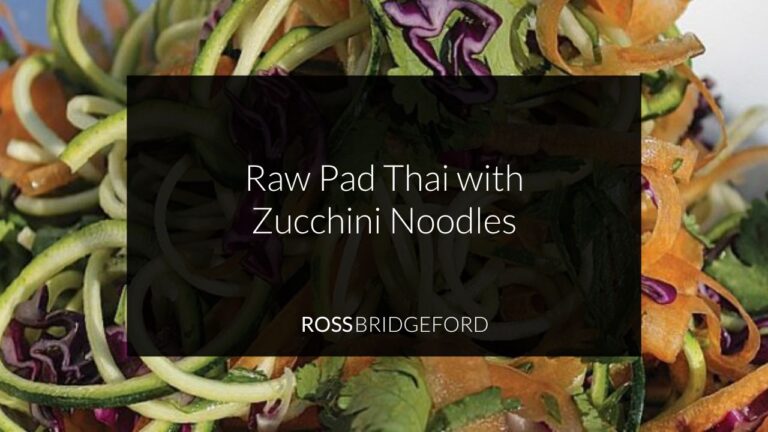
    DinnerRaw Pad Thai with Zucchini NoodlesOpen recipe →
    Want more than recipes?

    The Alkaline Life Club has everything in the Recipe Club, plus coaching, live Q&A and a community to keep you going.

    See the Alkaline Life Club

    Sources

    Nutrient values: USDA FoodData Central, SR Legacy (brown rice 169703, nori (laver) 168458, avocado 171705, cucumber 168409, red pepper 170108, carrots 170393, tamari 174278). Plant compounds are named where the ingredient is a well-documented source; flavonoids follow the USDA Database for the Flavonoid Content of Selected Foods, Release 3.3. Daily Values: US Food and Drug Administration.
  • Lemon & Herb Salmon with Broccoli

    Lemon & Herb Salmon with Broccoli

    Recipes › Dinner

    Lemon & Herb Salmon with Broccoli

    Salmon marinated in lemon and olive oil, gently pan-fried, with al dente broccoli and fresh herbs. Simple and delicious.

    Prep 25 minCook 15 minServes 29 ingredients
    Gluten-freeDairy-freeNut-freeNo added sugar

    Tastes: fresh and zesty, with lemony salmon, garlicky-green broccoli and soft herbs.

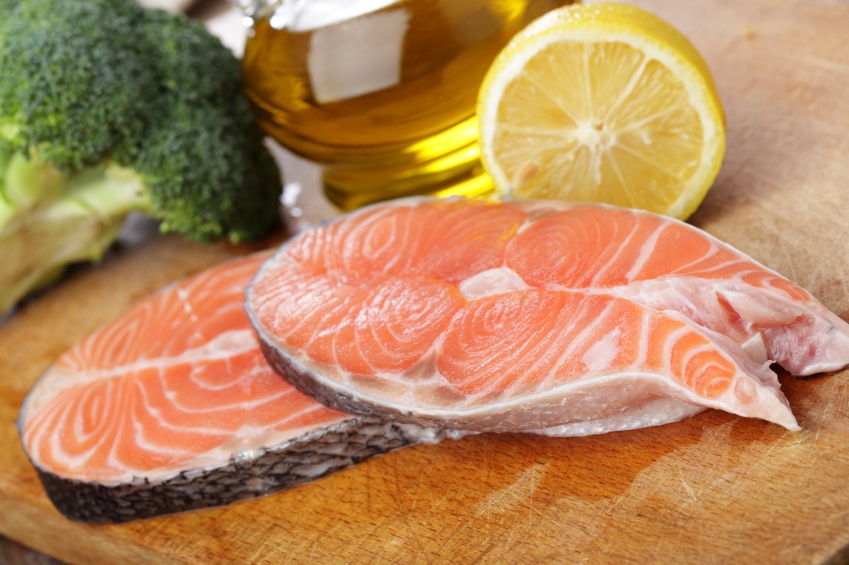
    salmon

    Variety in your alkaline diet

    Salmon is an oily fish rich in healthy essential fatty acids, and it can be included in an alkaline diet. It’s high in protein and omega-3s, and a good source of vitamin D. It’s a good choice now and then to bring some variety into your healthy, alkaline diet.

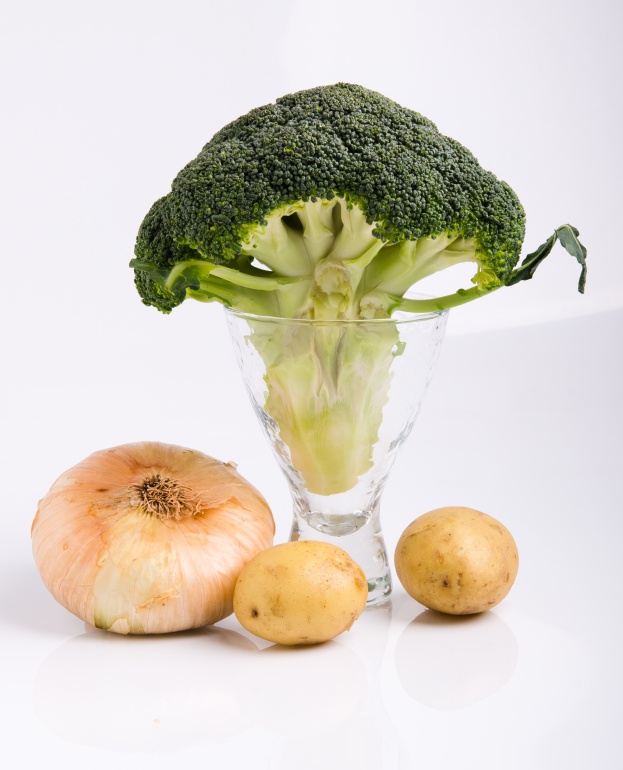
    Broccoli, the other main ingredient, is a highly alkaline vegetable, rich in fibre and vitamin C, and it contains compounds that may help protect against some cancers.

    Why you’ll love it

    • About 38 g protein a serve.
    • Vitamins C and K: well over twice your daily needs.
    • Omega-3s from the salmon.
    • Ready in 40 minutes, most of it marinating.

    Good for

    Immunity

    Vitamin C, vitamin B6, selenium and folate contribute to the normal function of the immune system.

    Antioxidants

    Vitamin C, selenium, vitamin E and riboflavin contribute to the protection of cells from oxidative stress. It also contains plant compounds with antioxidant activity, including lutein, beta-carotene and apigenin.

    Energy

    Niacin, vitamin B6, pantothenic acid and folate contribute to the reduction of tiredness and fatigue.

    Muscles

    Protein contributes to the maintenance of muscle mass, and potassium, magnesium and calcium contribute to normal muscle function.

    Bones

    Vitamin K, phosphorus, manganese and magnesium contribute to the maintenance of normal bones.

    Eyes

    Riboflavin, vitamin A and zinc contribute to the maintenance of normal vision. It also contains lutein and zeaxanthin, the carotenoids found in the macula of the eye.

    Blood pressure

    Potassium contributes to the maintenance of normal blood pressure.

    Tags use approved nutrient health-claim wording, for nutrients that give at least 10% of the Daily Value per serve. Plant compounds like lutein have no Daily Value, so we only say they’re there.

    Key nutrients per serve

    Vitamin K
    100%+Vitamin C
    100%+Niacin
    92%Vitamin B6
    82%Selenium
    77%Pantothenic acid
    76%

    Contains: vitamin E (70%), folate (53%), phosphorus (43%), thiamin (42%), riboflavin (38%), potassium (30%), manganese (26%), magnesium (23%), copper (22%), vitamin A (21%), iron (16%), zinc (15%) and calcium (11%).

    Plant compounds: lutein and zeaxanthin (about 3.8 mg), beta-carotene (about 1.2 mg), plant omega-3 ALA (about 1.1 g), chlorophyll, apigenin from the parsley, glucosinolates from the broccoli and citrus flavonoids from the lemon.

    38 g protein7 g fibreAbout 5 g natural sugarAbout 175 mg sodium

    % of US Daily Value for adults, per serve (half the recipe). Estimated from USDA FoodData Central values for the ingredients as listed; cooking reduces some vitamins, so treat these as upper estimates. Uses farmed Atlantic salmon and counts all the marinade; excludes salt and pepper added to taste; anything over 100% shows as 100%+.

    Lemon & Herb Salmon with Broccoli

    Lemon and olive oil marinated salmon, pan-fried and served with steamed broccoli and fresh herbs.
    Prep Time 25 minutes
    Cook Time 15 minutes
    Total Time 40 minutes
    Servings: 2

    Ingredients
      

    • 2 salmon fillets about 150 g each
    • 2 tbsp extra-virgin olive oil
    • 1 tbsp rapeseed or grapeseed oil
    • 500 g broccoli cut into florets
    • 1 handful fresh parsley chopped
    • 1 handful fresh chives chopped
    • 2 slices lemon
    • juice of 1 lemon
    • Himalayan or Celtic sea salt and black pepper to taste

    Equipment

    • Frying pan
    • Steamer

    Method
     

    1. Mix the lemon juice and olive oil and marinate the salmon in it for about 20 minutes. Meanwhile, wash the broccoli and cut it into florets.
    2. Heat the rapeseed or grapeseed oil in a frying pan and fry the salmon over a low heat for about 5–8 minutes on each side.
    3. Pour the rest of the marinade over the fish and let it steam for a few minutes. Season with salt and pepper.
    4. Meanwhile, steam the broccoli until it’s al dente.
    5. Plate the salmon and broccoli, pour the pan juices over the fish and garnish with the herbs and lemon slices.

    Notes

    The original recipe uses 200 g fillets and 2 tbsp oil for frying; 150 g fillets and 1 tbsp oil make a more typical portion.

    Swaps

    • Vegetarian: use thick slices of firm tofu – marinate for 30 minutes.
    • Other greens: asparagus or green beans work well.
    • Make it heartier: add a few boiled new potatoes or some quinoa.

    Storing it

    Best fresh. Leftover salmon keeps in the fridge for 1–2 days.

    Good to know

    • High in vitamin K. If you take warfarin or another blood thinner, keep your greens intake steady and talk to your doctor before eating more leafy greens than usual.
    • Contains fish.

    Try next

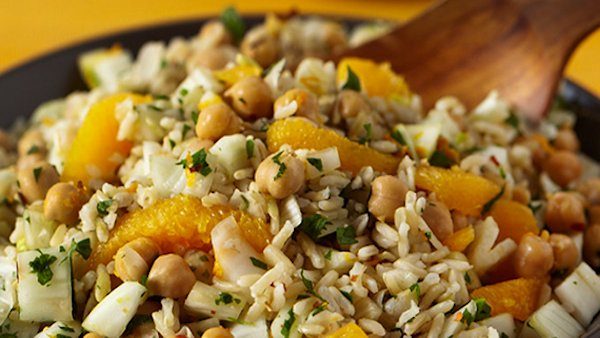
    DinnerBraised Fennel with Brown Basmati RiceOpen recipe →
    DinnerGluten-Free Pasta with Broccoli & Toasted AlmondsOpen recipe →
    Want more than recipes?

    The Alkaline Life Club has everything in the Recipe Club, plus coaching, live Q&A and a community to keep you going.

    See the Alkaline Life Club

    Sources

    Nutrient values: USDA FoodData Central, SR Legacy (Atlantic salmon 175167, olive oil 171413, canola oil 172336, broccoli 170379, parsley 170416, chives 169994, lemon juice 167747). Plant compounds are named where the ingredient is a well-documented source; flavonoids follow the USDA Database for the Flavonoid Content of Selected Foods, Release 3.3. Daily Values: US Food and Drug Administration.
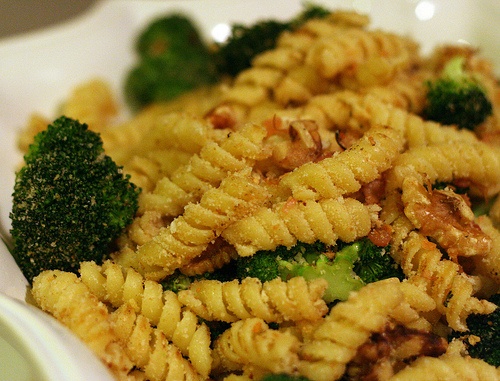
  • Gluten-Free Pasta with Broccoli & Toasted Almonds

    Gluten-Free Pasta with Broccoli & Toasted Almonds

    Recipes › Dinner

    Gluten-Free Pasta with Broccoli & Toasted Almonds

    It’s nice to have an alkaline pasta dish for a change – and this one is really easy and quick to prepare.

    Prep 10 minCook 15 minServes 26 ingredients
    VeganGluten-freeDairy-freeNo added sugar

    Tastes: garlicky and fresh, with tender broccoli, toasty almond flakes and al dente pasta.

    A great midweek pasta

    Gluten-free pasta is fine in an alkaline-based diet, as long as it’s in moderation. And the other main ingredients, broccoli and almonds, are both highly alkaline and tasty too!

    This makes it a great recipe to cook during the week when there’s limited time to spend in the kitchen. Broccoli is high in vitamin C and fibre, and contains compounds that may help protect against some cancers, while almonds are high in manganese, vitamin E and magnesium.

    Why you’ll love it

    • Vitamin C: about twice your daily needs.
    • About 17 g fibre and 18 g protein a serve.
    • Vitamin E and magnesium from the almonds.
    • Quick: about 25 minutes.

    Good for

    Immunity

    Vitamin C, copper, folate and vitamin B6 contribute to the normal function of the immune system.

    Antioxidants

    Vitamin C, vitamin E, manganese and copper contribute to the protection of cells from oxidative stress. It also contains plant compounds with antioxidant activity, including lutein and beta-carotene.

    Energy

    Riboflavin, magnesium, folate and pantothenic acid contribute to the reduction of tiredness and fatigue.

    Muscles

    Protein contributes to the maintenance of muscle mass, and magnesium, potassium and calcium contribute to normal muscle function.

    Bones

    Vitamin K, manganese, magnesium and phosphorus contribute to the maintenance of normal bones.

    Eyes

    Riboflavin and zinc contribute to the maintenance of normal vision. It also contains lutein and zeaxanthin, the carotenoids found in the macula of the eye.

    Blood pressure

    Potassium contributes to the maintenance of normal blood pressure.

    Tags use approved nutrient health-claim wording, for nutrients that give at least 10% of the Daily Value per serve. Plant compounds like lutein have no Daily Value, so we only say they’re there.

    Key nutrients per serve

    Vitamin C
    100%+Vitamin K
    100%+Vitamin E
    75%Manganese
    70%Copper
    67%Riboflavin
    54%

    Contains: magnesium (52%), folate (40%), phosphorus (38%), thiamin (33%), pantothenic acid (32%), vitamin B6 (29%), zinc (28%), niacin (26%), potassium (23%), selenium (21%), iron (19%) and calcium (15%).

    Plant compounds: lutein and zeaxanthin (about 2.8 mg), beta-carotene (about 0.7 mg), chlorophyll, glucosinolates from the broccoli and sulphur compounds from the garlic.

    18 g protein17 g fibreAbout 5 g natural sugarAbout 70 mg sodium

    % of US Daily Value for adults, per serve (half the recipe). Estimated from USDA FoodData Central values for the ingredients as listed; cooking reduces some vitamins, so treat these as upper estimates. Uses gluten-free corn pasta; excludes salt and pepper added to taste; anything over 100% shows as 100%+.

    Gluten-Free Pasta with Broccoli & Toasted Almonds

    Gluten-free pasta tossed with garlicky broccoli and dry-toasted almond flakes.
    Prep Time 10 minutes
    Cook Time 15 minutes
    Total Time 25 minutes
    Servings: 2

    Ingredients
      

    • 400 g broccoli cut into small florets
    • 125 g gluten-free pasta
    • 75 g almond flakes
    • 1 clove garlic finely chopped
    • 1 tbsp avocado oil
    • Himalayan or Celtic sea salt and black pepper to taste

    Equipment

    • Large pot
    • 2 frying pans

    Method
     

    1. Bring a large pot of water to the boil and cook the pasta until tender but still al dente.
    2. Wash the broccoli and cut the florets into small pieces. VERY gently heat the avocado oil in a large frying pan and quickly warm the garlic – don’t let it go golden, or it will taste bitter.
    3. Add the broccoli and stir through with the garlic. Add a little water and cook until the broccoli is tender.
    4. Meanwhile, dry-toast the almond flakes in another frying pan over a medium heat.
    5. Once the broccoli is tender, stir in the drained pasta and mix well. Add the almonds and season to taste.

    Notes

    Feeding four? Double everything – that’s the original recipe.

    Swaps

    • Make it lighter: swap half the pasta for spiralised zucchini.
    • Nut-free: use toasted pumpkin or sunflower seeds.
    • Extra flavour: add lemon zest and chilli flakes at the end.

    Storing it

    Best fresh. Leftovers keep in the fridge for 2 days.

    Good to know

    • High in vitamin K. If you take warfarin or another blood thinner, keep your greens intake steady and talk to your doctor before eating more leafy greens than usual.
    • Contains almonds. See Swaps for a nut-free version.

    Try next

    SauceCreamy Vegan Alfredo SauceOpen recipe →
    DinnerPesto & Pine Nut PastaOpen recipe →
    Want more than recipes?

    The Alkaline Life Club has everything in the Recipe Club, plus coaching, live Q&A and a community to keep you going.

    See the Alkaline Life Club

    Sources

    Nutrient values: USDA FoodData Central, SR Legacy (broccoli 170379, gluten-free pasta 168899, almonds 170567, garlic 169230, avocado oil 173573). Plant compounds are named where the ingredient is a well-documented source; flavonoids follow the USDA Database for the Flavonoid Content of Selected Foods, Release 3.3. Daily Values: US Food and Drug Administration.