Squash, Leafy Greens & Ginger Stir-Fry
A delicious, highly alkalising stir-fry with the unusual – and brilliant – combination of sweet squash and leafy greens.
Tastes: sweet, gingery and fresh, with tender squash, crisp greens, chilli and a squeeze of lemon.
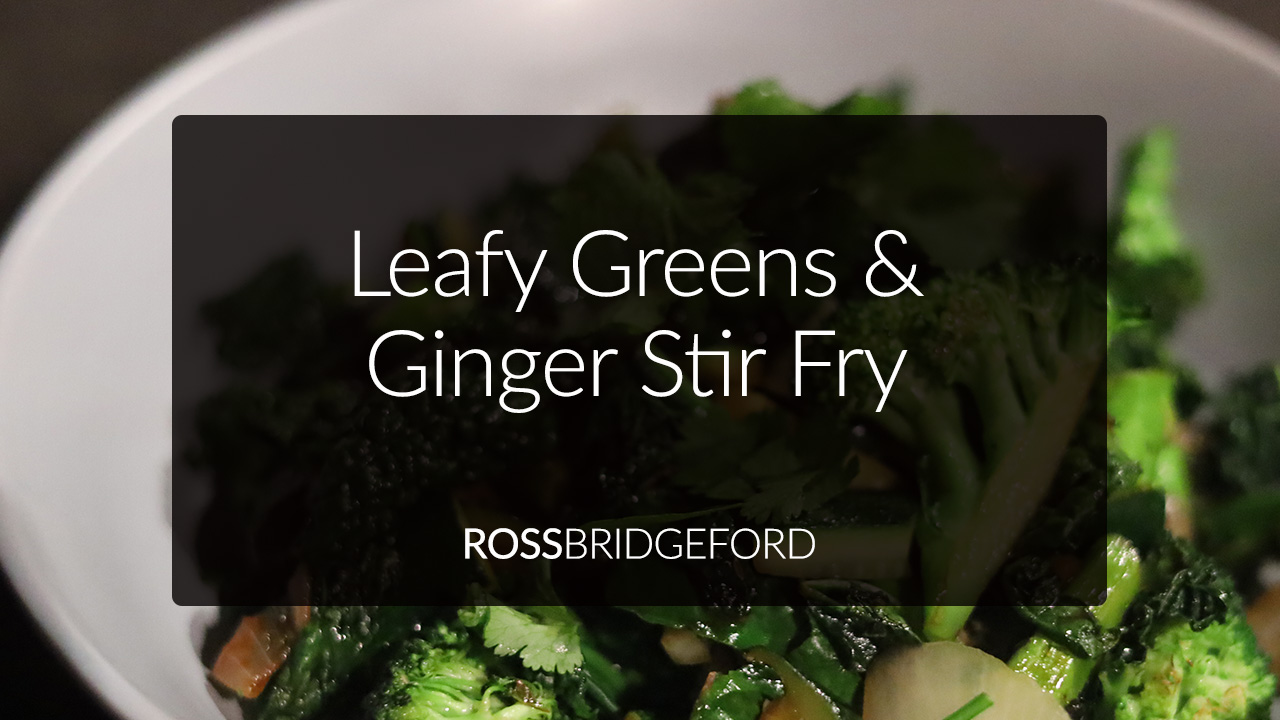
Squash and greens together
This stir-fry reflects my love for pumpkins and squashes of all colours and shapes. You can use different leafy greens – cavolo nero, green cabbage, chard or spinach – which are packed with calcium, iron, fibre, vitamin C, vitamin K and folate, to name a few.
Squashes are alkalising too, and a good source of vitamins A, C, K and E, antioxidants and minerals including potassium, magnesium and iron.
Why you’ll love it
- Vitamins A and C: more than a full day’s worth of each.
- Vitamin K: over twice your daily needs.
- Greens cooked for just a minute or two to keep their freshness, flavour and nutrients.
- Use whatever greens you have.
Good for
Vitamin C, vitamin A, folate and vitamin B6 contribute to the normal function of the immune system.
Vitamin C, manganese, copper and vitamin E contribute to the protection of cells from oxidative stress. It also contains plant compounds with antioxidant activity, including lutein, beta-carotene and quercetin.
Folate, vitamin B6, magnesium and pantothenic acid contribute to the reduction of tiredness and fatigue.
Vitamin K, manganese, magnesium and calcium contribute to the maintenance of normal bones.
Vitamin A and riboflavin contribute to the maintenance of normal vision. It also contains lutein and zeaxanthin, the carotenoids found in the macula of the eye.
Potassium contributes to the maintenance of normal blood pressure.
Tags use approved nutrient health-claim wording, for nutrients that give at least 10% of the Daily Value per serve. Plant compounds like lutein have no Daily Value, so we only say they’re there.
Key nutrients per serve
Contains: thiamin (33%), copper (33%), magnesium (29%), potassium (27%), pantothenic acid (26%), riboflavin (23%), niacin (23%), vitamin E (23%), calcium (22%), iron (16%) and phosphorus (13%).
Plant compounds: lutein and zeaxanthin (about 3.2 mg), beta-carotene (about 11 mg), chlorophyll, quercetin from the onion, glucosinolates from the cabbage, gingerols from the ginger, sulphur compounds from the garlic, citrus flavonoids from the lemon and capsaicin from the chilli.
% of US Daily Value for adults, per serve (half the recipe). Estimated from USDA FoodData Central values for the ingredients as listed; cooking reduces some vitamins, so treat these as upper estimates. Uses butternut squash, savoy cabbage and kale values; excludes salt and pepper; anything over 100% shows as 100%+.
Squash, Leafy Greens & Ginger Stir-Fry
Ingredients
Equipment
Method
- Heat the coconut oil in a large frying pan or wok and very gently fry the onion over a low heat for a few minutes.
- Add the ginger, chilli and garlic and cook for a minute or so, taking care the garlic doesn’t burn – it turns bitter.
- Add the squash and a pinch of salt, and fry gently until the squash is just tender (add a little water if it starts to stick).
- Toss in the cabbage and leafy greens with a squeeze of lemon and a dash of Bragg, and season with pepper. Cook the greens for just a minute or two – retain the freshness, retain the flavour and, most importantly, retain the nutrients!
Swaps
- Pumpkin or sweet potato instead of squash.
- More protein: add cubed tofu or a can of rinsed chickpeas with the squash.
- Less oil: 1 tbsp is enough in a non-stick wok.
Storing it
Best fresh. Leftovers keep in the fridge for 2 days.
Good to know
- High in vitamin K. If you take warfarin or another blood thinner, keep your greens intake steady and talk to your doctor before eating more leafy greens than usual.
- Bragg or tamari: choose one labelled gluten-free if you’re coeliac.
Ross’s tip
Don’t waste the squash seeds – they’re loaded with alkaline minerals. Roast them in the oven and use them as a healthy snack or in salads.
Try next
The Alkaline Life Club has everything in the Recipe Club, plus coaching, live Q&A and a community to keep you going.
See the Alkaline Life ClubSources
Nutrient values: USDA FoodData Central, SR Legacy (butternut squash 169295, onion 170000, ginger 169231, garlic 169230, savoy cabbage 170388, kale 168421, red chilli 170106, coconut oil 171412, lemon juice 167747, tamari 174278). Plant compounds are named where the ingredient is a well-documented source; flavonoids follow the USDA Database for the Flavonoid Content of Selected Foods, Release 3.3. Daily Values: US Food and Drug Administration.