Blog

  • Alkalising Kale & Watercress Juice

    Alkalising Kale & Watercress Juice

    Recipes › Juices & smoothies

    Alkalising Kale & Watercress Juice

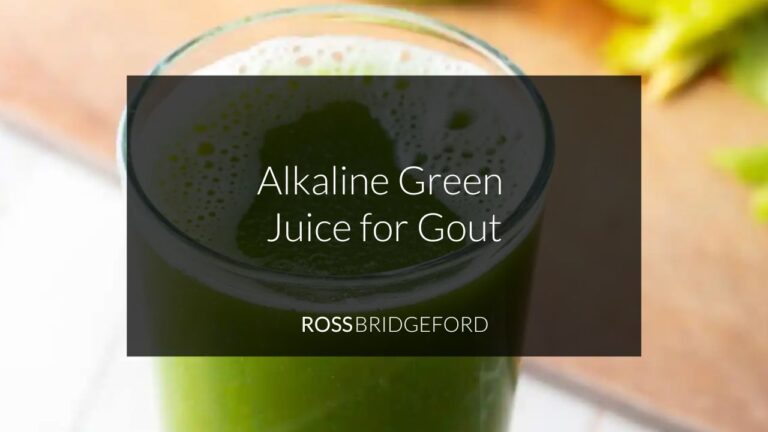
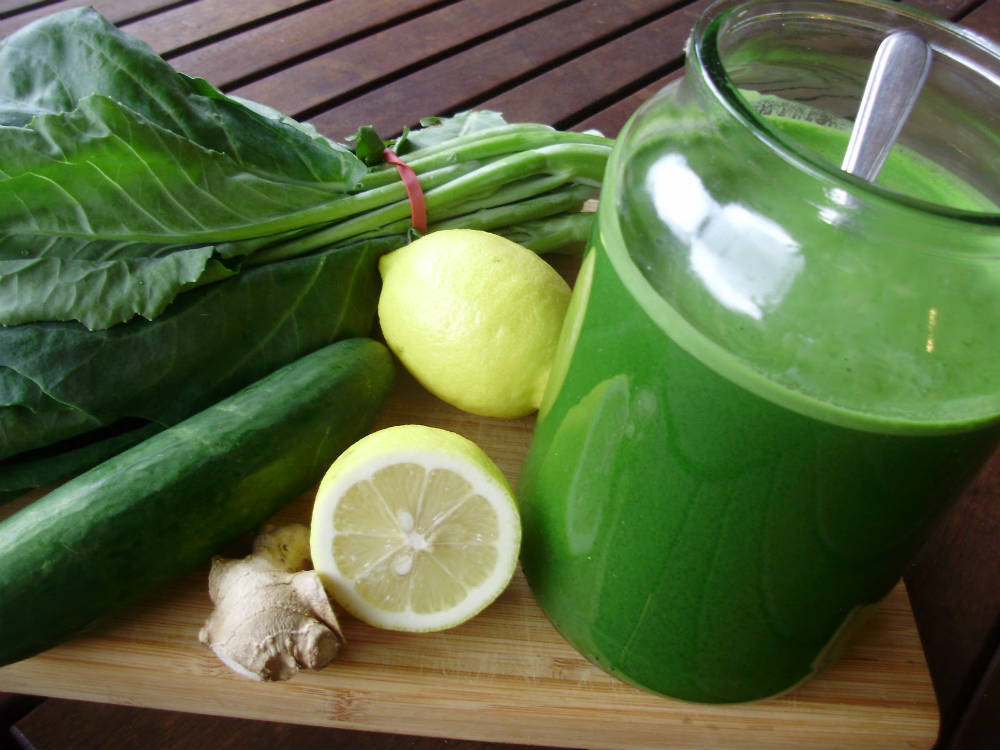
    A highly alkaline, mineral-rich juice of kale, celery, cucumber, watercress, ginger and lemon, from my guide to lowering uric acid.

    Prep 5 minServes 2Juicer7 ingredients
    VeganGluten-freeDairy-freeNut-freeNo added sugar

    Tastes: fresh and peppery, with cool cucumber, a ginger kick and a squeeze of lemon.

    Juice to remove uric acid and gout

    Alkaline foods and uric acid

    Gout and excess uric acid (hyperuricemia) affect millions of people, and what you eat can make a real difference.

    Research has found that alkalising your urine through an alkaline-forming diet can help your body clear uric acid. In one Japanese study, people eating an alkaline-prone diet excreted more uric acid than on an acid-prone diet, and the researchers concluded that eating nutritionally well-designed alkaline foods is effective for removing uric acid from the body (Kanbara et al., 2012).

    This juice is highly alkaline and mineral-rich, with kale, celery, cucumber and watercress at its heart.

    Why you’ll love it

    • Vitamin K: about two days’ worth a glass.
    • Vitamin C: nearly two-thirds of your daily needs.
    • Alkaline minerals from kale, celery and watercress.
    • Just 5 minutes to make.

    Good for

    Immunity

    Vitamin C, vitamin A, folate and vitamin B6 contribute to the normal function of the immune system.

    Antioxidants

    Vitamin C, manganese, riboflavin and copper contribute to the protection of cells from oxidative stress. It also contains plant compounds with antioxidant activity, including lutein, beta-carotene and apigenin.

    Energy

    Riboflavin, folate, pantothenic acid and vitamin B6 contribute to the reduction of tiredness and fatigue.

    Bones

    Vitamin K, manganese, calcium and magnesium contribute to the maintenance of normal bones.

    Eyes

    Vitamin A and riboflavin contribute to the maintenance of normal vision. It also contains lutein and zeaxanthin, the carotenoids found in the macula of the eye.

    Blood pressure

    Potassium contributes to the maintenance of normal blood pressure.

    Tags use approved nutrient health-claim wording, for nutrients that give at least 10% of the Daily Value per glass. Plant compounds like lutein have no Daily Value, so we only say they’re there.

    Key nutrients per glass

    Vitamin K
    100%+Vitamin C
    63%Manganese
    26%

    Contains: vitamin A (17%), riboflavin (15%), folate (14%), pantothenic acid (14%), calcium (13%), vitamin B6 (12%), potassium (12%), copper (11%) and magnesium (10%).

    Plant compounds: lutein and zeaxanthin (about 3.8 mg), beta-carotene (about 1.8 mg), chlorophyll, apigenin from the celery, quercetin and kaempferol from the kale, glucosinolates from the watercress and kale, gingerols from the ginger and citrus flavonoids from the lemon.

    Under 4 g natural sugarAbout 65 mg sodium

    % of US Daily Value for adults, per glass (half the recipe). Estimated from USDA FoodData Central values for the whole ingredients. Juicing leaves most of the fibre and some vitamins in the pulp, so treat these as upper estimates; excludes the optional turmeric; anything over 100% shows as 100%+.

    Alkalising Kale & Watercress Juice

    Kale, celery, cucumber, watercress and ginger juiced, washed through with water and finished with lemon.
    Prep Time 5 minutes
    Total Time 5 minutes
    Servings: 2 glasses

    Ingredients
      

    • 3 large kale leaves any variety
    • 2 sticks celery leaves included
    • 1 cucumber
    • 1 handful watercress or rocket (arugula)
    • 1 cm fresh root ginger ½ inch
    • ¼ lemon squeezed
    • 250 ml filtered water
    • 1 cm fresh turmeric optional

    Equipment

    • Juicer

    Method
     

    1. Wash everything thoroughly, then chop the celery into small pieces so it doesn’t clog up your juicer.
    2. Juice everything except the lemon.
    3. Run the water through the juicer to wash through any remaining juice and nutrients.
    4. Squeeze in the lemon, stir and serve!

    Swaps

    • No watercress? Use rocket.
    • Warmer: add the fresh turmeric.
    • No juicer? Blend with the water and strain through a nut-milk bag.

    Storing it

    Best fresh. To keep it, fill a glass jar right to the top, seal it and refrigerate for up to 24 hours. Give it a shake before you drink it.

    Good to know

    • Very high in vitamin K. If you take warfarin or another blood thinner, keep your greens intake steady and talk to your doctor before making green juice a daily habit.
    • Gout or high uric acid? This is about good nutrition, not treatment. Keep following your doctor’s advice and taking any medication you’ve been prescribed.

    Try next

    Juices & smoothiesGout-Friendly Green JuiceOpen recipe →
    Juices & smoothiesAnti-Inflammatory Green SmoothieOpen recipe →
    Want more than recipes?

    The Alkaline Life Club has everything in the Recipe Club, plus coaching, live Q&A and a community to keep you going.

    See the Alkaline Life Club

    Sources

    Nutrient values: USDA FoodData Central, SR Legacy (kale 168421, celery 169988, cucumber 168409, watercress 170068, ginger 169231, lemon juice 167747). Plant compounds are named where the ingredient is a well-documented source; flavonoids follow the USDA Database for the Flavonoid Content of Selected Foods, Release 3.3. Daily Values: US Food and Drug Administration. Uric acid and urine pH: Kanbara et al., “Effect of urine pH changed by dietary intervention on uric acid clearance mechanism of pH-dependent excretion of urinary uric acid,” Nutrition Journal 11 (2012): 39.

  • Powerhouse Juice

    Powerhouse Juice

    Recipes › Juices & smoothies

    Powerhouse Juice

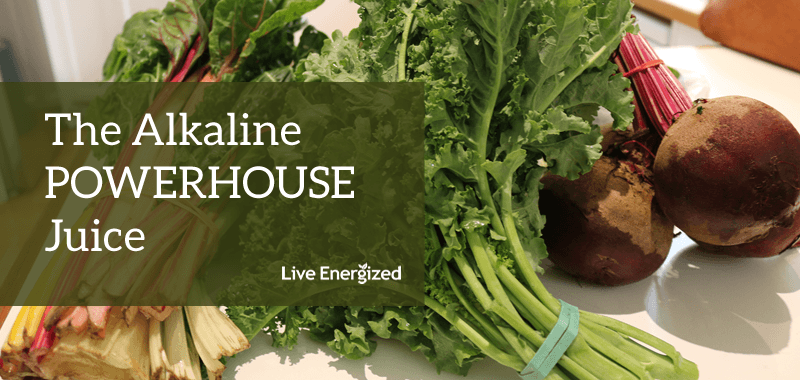
    The top five powerhouse vegetables – watercress, Chinese cabbage, chard, beet greens and spinach – juiced with beetroot, carrot, ginger and coconut water.

    Prep 10 minServes 2Juicer8 ingredients
    VeganGluten-freeDairy-freeNut-freeNo added sugar

    Tastes: deep green and earthy, sweetened by beetroot, carrot and coconut water, with a ginger kick.

    powerhouse juice

    The top five powerhouse foods

    A piece of research published in the journal Preventing Chronic Disease ranked 41 ‘powerhouse’ fruits and vegetables by their vitamin and mineral content (Di Noia, 2014).

    No surprise: the top spots were almost all leafy green vegetables, and the top five were watercress, Chinese cabbage, chard, beet greens and spinach.

    So to honour that research, I created this juice. It features all five, alongside carrot, beetroot and ginger. This might just be the best juice on earth!

    Why you’ll love it

    • Vitamin K: about seven days’ worth a glass.
    • Vitamins A and C: about 80% of your daily needs each.
    • The top five powerhouse vegetables in one glass.
    • Folate: over half your daily needs.

    Good for

    Immunity

    Vitamin A, vitamin C, folate and copper contribute to the normal function of the immune system.

    Antioxidants

    Vitamin C, manganese, copper and riboflavin contribute to the protection of cells from oxidative stress. It also contains plant compounds with antioxidant activity, including lutein, beta-carotene and betalains.

    Energy

    Folate, magnesium, riboflavin and vitamin B6 contribute to the reduction of tiredness and fatigue.

    Bones

    Vitamin K, manganese, magnesium and calcium contribute to the maintenance of normal bones.

    Eyes

    Vitamin A, riboflavin and zinc contribute to the maintenance of normal vision. It also contains lutein and zeaxanthin, the carotenoids found in the macula of the eye.

    Blood pressure

    Potassium contributes to the maintenance of normal blood pressure.

    Tags use approved nutrient health-claim wording, for nutrients that give at least 10% of the Daily Value per glass. Plant compounds like lutein have no Daily Value, so we only say they’re there.

    Key nutrients per glass

    Vitamin K
    100%+Vitamin A
    80%Vitamin C
    78%Manganese
    57%Folate
    53%Copper
    44%

    Contains: magnesium (39%), potassium (33%), riboflavin (31%), vitamin B6 (29%), iron (22%), vitamin E (18%), thiamin (17%), calcium (17%), phosphorus (13%), pantothenic acid (12%) and zinc (10%).

    Plant compounds: lutein and zeaxanthin (about 12 mg), beta-carotene (about 8 mg), chlorophyll, glucosinolates from the cabbage and watercress, betalains from the beetroot and gingerols from the ginger.

    About 13 g natural sugarAbout 465 mg sodium

    % of US Daily Value for adults, per glass (half the recipe). Estimated from USDA FoodData Central values for the whole ingredients. Juicing leaves most of the fibre and some vitamins in the pulp, so treat these as upper estimates; includes 300 ml coconut water; anything over 100% shows as 100%+.

    Powerhouse Juice

    Watercress, Chinese cabbage, chard, beetroot and its greens, spinach, ginger and carrot, juiced and topped up with coconut water.
    Prep Time 10 minutes
    Total Time 10 minutes
    Servings: 2 glasses

    Ingredients
      

    • 2 handfuls watercress
    • 2 large leaves Chinese cabbage
    • 3 large leaves chard (silverbeet)
    • 2 small beetroots including their greens
    • 2 large handfuls baby spinach
    • 2.5 cm fresh root ginger 1 inch
    • 1 carrot
    • 300 ml coconut water or filtered water

    Equipment

    • Juicer

    Method
     

    1. Wash the leaves thoroughly, especially if they’re not organic, and take the leaves off the beetroots.
    2. If they’re not organic, peel the carrot, ginger and beetroots.
    3. Juice all the ingredients.
    4. Add the coconut water at the end – pour it through the juicer to push through any remaining juice. Enjoy as quickly as possible to get the most nutrients.

    Swaps

    • Less sweet: use filtered water instead of coconut water.
    • No Chinese cabbage? Use more chard or spinach.
    • No juicer? Blend with the coconut water and strain.

    Storing it

    Best fresh. To keep it, fill a glass jar right to the top, seal it and refrigerate for up to 24 hours. Give it a shake before you drink it.

    Good to know

    • Very high in vitamin K. If you take warfarin or another blood thinner, keep your greens intake steady and talk to your doctor before making green juice a daily habit.
    • Beetroot can turn your pee or poo pink or red. It’s harmless.

    Try next

    Juices & smoothiesNourishing Liver-Support JuiceOpen recipe →
    Juices & smoothiesGreen Vitality JuiceOpen recipe →
    Want more than recipes?

    The Alkaline Life Club has everything in the Recipe Club, plus coaching, live Q&A and a community to keep you going.

    See the Alkaline Life Club

    Sources

    Nutrient values: USDA FoodData Central, SR Legacy (watercress 170068, Chinese cabbage 169979, chard 169991, beetroot 169145, beet greens 170375, baby spinach 168462, ginger 169231, carrots 170393, coconut water 170174). Plant compounds are named where the ingredient is a well-documented source; flavonoids follow the USDA Database for the Flavonoid Content of Selected Foods, Release 3.3. Daily Values: US Food and Drug Administration. Powerhouse vegetables: Di Noia, “Defining powerhouse fruits and vegetables: a nutrient density approach,” Preventing Chronic Disease 11 (2014): 130390.

  • Ross’ Top 21 Most Popular Alkaline Recipes (Free)

    Ross’ Top 21 Most Popular Alkaline Recipes (Free)

    The people have spoken!

    Since I started this site back in 2004, I have published over 700 free guides and resources.

    And over 180 of these have been free, hand-crafted, meticulously tested and proven-delicious recipes!

    Of those 180, these are the top, most popular, shared, eaten and drank recipes I’ve ever published on the site!

    *note: update at 1st March 2017 – we now have over 210 free recipes on the site*

    #1 The Alkaline Soothing Gut-Healing Soup

    gut-healing-alkaline-soup

    You cannot have abundant energy without a healthy gut. Period.

    An unhealthy gut is the #1 cause of fatigue.

    And when your gut is unhealthy, it can cause more than just digestive discomfort – it can ruin your health and run your life.

    CLICK HERE to get this delicious Gut Healing Soup recipe.

    #2 The Energy-Doubling Alkaline Smoothie!

    energy boosting smoothie recipe

    Wouldn’t it be great to have more energy?

    Not the buzzy, short-lived caffeine energy (and then crash) that so many of us try to survive on…

    But, the kind of energy that gives you that positive feeling, the belief that you can take anything the world throws at you…

    The kind of energy where you always feel like you can do your best…

    And the kind of energy that leaves you excited and smiling and a joy to be around.

    Would you love to have more of that?

    Thought so… let’s get some!

    Click here to get the Energy-Doubling Smoothie!

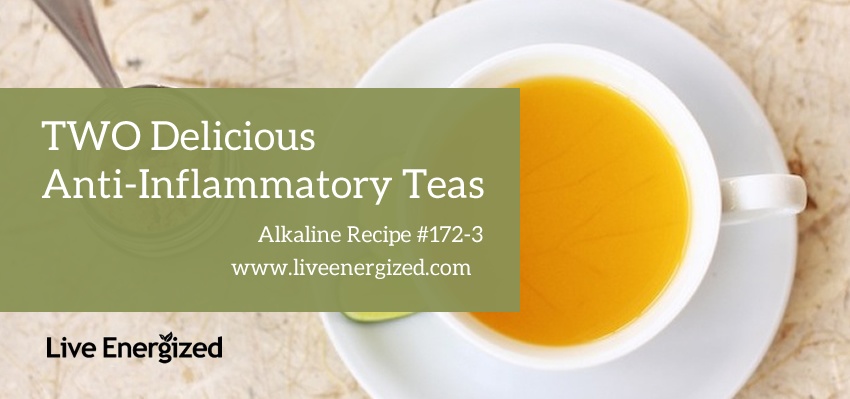
    #3 TWO Powerful Anti-Inflammatory Alkaline Teas!

    turmeric-coconut-tea

    These two delicious teas are quite different, but equally delicious.

    They both contain turmeric and ginger – and these two spices are amazing.

    As I’ve written about extensively (see my 10 Science-Backed Reasons to Eat More Turmeric here), turmeric is scientifically proven to reduce inflammation (more effective than NSAIDs – proven), and fight and prevent a whole host of conditions including several cancers, cardiovascular problems, immune system issues, thyroid issues and metal/cognitive issues – even Alzheimer’s.

    Ginger isn’t too shabby either! It’s anti-bacterial, prevents and relieves digestive issues and also being a strong anti-inflammatory it’s great for inflammation-based conditions like arthritis, supports the body’s fight against ovarian and colorectal cancer and supports the immune system too.

    Together they are a powerhouse!

    Click here to get these two tea recipes

    #4 The Immune Booster Juice

    Immune Booster Juice

    This super-juice is sure to keep the nasty bugs at bay!

    Made of tomatoes, celery and cucumber, this juice is filled with heaps of alkalinity, vitamins and nutrients to help prevent getting struck down during the rest of the winter season.

    Tomatoes are excellent sources of lycopene and are widely known to be rich in antioxidants.  Cucumbers have lignans and phytonutrients to help ward off diseases while celery is just amazing!  It, along with the beetroot, has anti-inflammatory benefits and has loads of Vitamin C, flavonoids, and other antioxidants.

    Enjoy!

    Click here for the immune booster juice

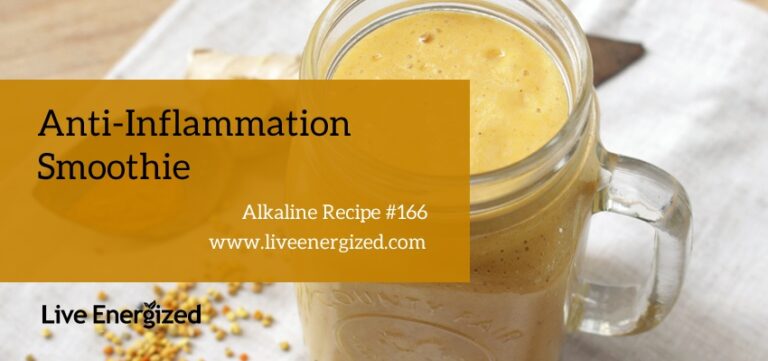
    #5 The Anti-Inflammatory Smoothie

    This is One Simple Smoothie That’s an Anti-Inflammatory POWERHOUSE!

    anti-inflammatory smoothie

    After I posted my Anti-Inflammation Diet Guide yesterday I have been overwhelmed with the response! 130,000+ people read the post in 24 hours and it spread like wildfire over Facebook!

    And the biggest question in my inbox was this:

    —> Send me some Anti-Inflammatory Recipes, Ross!

    Well, ask and ye shall receive!

    Click here for the Anti-Inflammatory Smoothie

    #6 The Chai Spiced Quinoa Breakfast Porridge

    Alkaline Recipe: Quinoa Porridge

    I know breakfasts are often the hardest to make both alkaline AND delicious, so I truly hope you love this one! Of course, if you don’t mind steamed broccoli every morning for your alkaline breakfast then you’re fine, but I know that’s about 1% of the population.

    So here is my latest alkaline recipe to make breakfast yummy for you. I LOVE the chai flavours, so this is mouthwatering to me! Just thinking about it is getting me going!

    Click here for this delicious porridge

    #7 The Alkaline Reflux Relief Smoothie

    alkaline anti-reflux smoothie

    Acid reflux (or GERD) affects 60% of the adult population within any given year.

    That’s huge.

    And here’s the thing: you can absolutely treat both the symptoms AND the cause with dietary choices.

    …and could you think of another symptom that is more directly linked to an acid-forming diet?!

    Living alkaline, without question, prevents and reverses reflux.

    So click here to get this delicious smoothie

    get the alkaline recipe book here

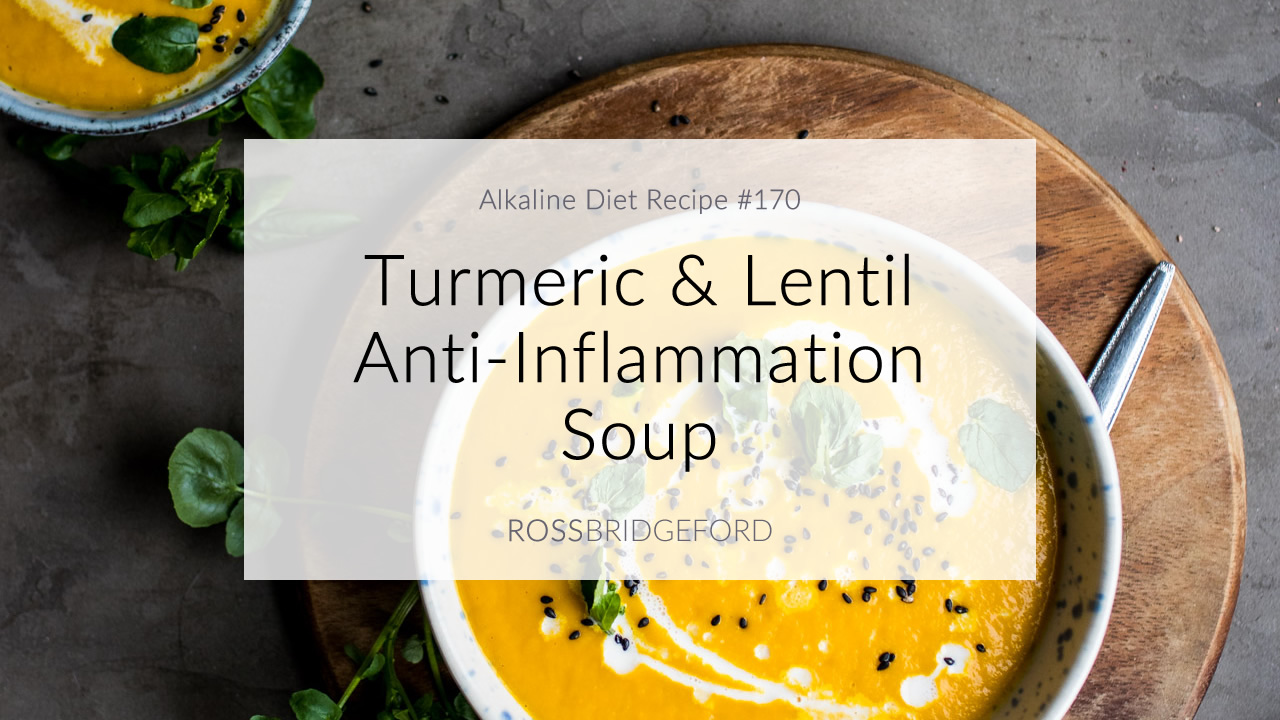
    #8 Anti-Inflammation Soup

    turmeric-pumpkin-antiinflammation-soup

    I’ve been doing a LOT of research lately, some really big, really deep stuff (which I’ll be sharing soon) but the one super-nutrient that KEEPS coming up (it’s crazy) is turmeric.

    As I recently posted, it is scientifically proven to fight fatigue, heart and cardiovascular conditions, various cancers, inflammation, immune system issues and more.

    After my first round of research I made two vows:

    1) to have turmeric in some form every single day
    2) to teach you how to do the same

    And what better way than to give you a delicious recipe?

    Get the Turmeric & Lentil Anti-Inflammation Soup Here

    #9 Lemon Water 2.0!

    enhanced lemon water!

    Lemon water was something good for a while there. Warm, lemon-y and a little bit alkaline…

    It had our heart’s aflutter for a good few years, almost a decade in fact.

    But we can do better.

    I mean, isn’t lemon water a bit ‘2005’…?

    And so, Wouldn’t you love to have the next generation of this morning ‘wake-up-water’?

    Grab the Enhanced Lemon Water recipe & guide here

    #10 Zucchini Hummous

    zucchini hummus

    This is a brilliant blend on an old classic! Highly alkaline, a little more green and a great way to sneak more veggies into your kids (or partner’s!) diet.

    Only takes about 5 minutes to make and is really, really easy.

    Learn how to make Courgette (Zucchini) Hummous here
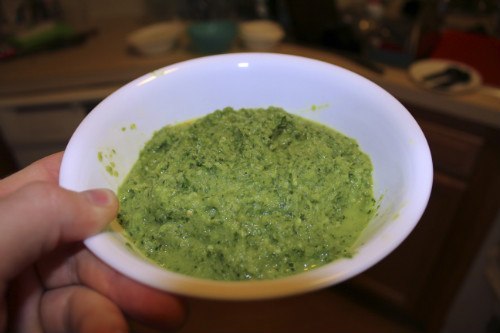
    #11 The Green Goddess Dip

    alkaline recipe: green goddess dip

    This dip is delicious. Simply stunning.

    I love the fact that it is SO delicious, SO green and SO easy to make…

    I’m all about making the alkaline diet as easy and achievable as possible, and this recipe fits that so well because it can make even the most simple of your other alkaline recipes more exciting as a dip or a dressing, plus it’s highly alkaline and really easy.

    Love it!

    Get the Green Goddess Dip Recipe

    #12 Super Alkaline Green Drink

    ross green drink

    A quality green drink is a cornerstone to any healthy, alkaline lifestyle!

    I’ve discovered a little organic shop right near where I live that has opened my eyes to some brilliantly dark-green leafy veggies that I’m now incorporating into my green juice each morning.

    Get the Ultimate Green Drink Here

    #13 The Alkaline Power Smoothie

    Alkaline Green smoothie

    This is such an important recipe in my life! Not only do I have it most days but I also rely upon it so heavily as I know it:

    1. Fills me up for hours
    2. Tastes great, smooth and creamy
    3. Gives me 4-5 serves of fresh, raw, alkaline vegetables in one hit

    I crave this stuff and urge you to try it and bring it into your life!

    Get the ultra-filling, alkaline smoothie here!

    #14 Coconut & Chia Cream Pot

    coconut chia cream pots

    Oh. My. Gosh. My Coconut Chia Cream Pot has been tested on some of my most happily unhealthy friends (heh) and they LOVED it. My most healthy friends? They loved it too!

    It’s an alkaline, delicious dessert you can serve to the family, at a dinner party, you can take it to work in your packed lunch…

    And it packs a whole lotta omega 3, fibre, alkaline minerals, vitamins, antioxidants…it’s amazing.

    YUM! Get the Coconut Chia Cream Pot Recipe

    #15 Snack: Kale Chips

    kale chip recipe

    I LOVE these chips!

    I used to think that you could only make this kind of recipe with a dehydrator, so I’ve never included it on the blog.

    The last thing I want to do is have you think you need more equipment to be able to live healthy and nourished.

    So when I experimented with kale chips in my straightforward, regular oven…and they turned out great…well, I did a happy dance.

    Kale is AMAZING.

    See more in my ‘Most Alkaline Foods Series’ here: The Delicious and Beautiful Benefits of Kale

    And these Kale Chips are an easy, delicious way to get kale into your life.

    Get the Kale Chips Recipe

    #15 The FILL YOU UP Salad

    Big Alkaline Salad

    This is a super-salad. My meat-eating friends are forever challenging me to make a salad that fills me up, and doesn’t leave me hungry again in half an hour. They don’t believe it is possible. I promise you it is. And here is one of my creations.

    I work out, I work hard and I need to be filled! I am a hungry young man! This salad doesn’t disappoint. It is tasty, filling, delicious and highly alkaline!

    Get full! Try this salad now…

    #16 Creamy Vegan Cashew Dressing (Replacement for Caesar Dressing)

    alkaline recipe: creamy cashew dressing

    This is one of my new favourites!

    It’s a 3-ingredient, 5-minute dressing that can be used on practically anything

    It’s a bit like a Caesar Dressing, but dairy-free, gluten-free, acid-free, sugar-free and really rather alkaline!

    Get this delicious, Caesar dressing replacement!

    #17 Tuscan Bean Soup

    Alkaline Tuscan Bean Soup

    This is a fantastically filling soup, with each serve to give you a whopping 13g of fibre – that is over HALF of your recommended daily amount. That’s right HALF of it! It is also low in saturated fat, high in protein and full of celery, garlic and tomatoes – which give you an alkaline kick. Cannelini beans are also high in manganese, potassium and magnesium – which are highly alkaline minerals.

    So fibre + protein + alkaline minerals = winner.

    Get the Best Soup on this Site Here!

    #18 Baby Pea & Broad Bean Spread

    broad bean and pea spread

    This is such a fantastic, alkaline and easy recipe and is one of those that is great for making ‘normal’ meals more alkaline. You can serve this to friends, kids, partners and they will love it AND get secretly more alkaline at the same time. It’s a great way to sneak veggies into the kids’ lunchbox too.

    Get this lunchbox favourite here

    #19 Cauliflower ‘Buffalo Wings’

    alkaline recipe: cauliflower buffalo wings

    This is legendary in our house.

    It’s an amazing recipe we developed a couple of years ago when we wanted a warm, satisfying snack to have in that ‘snack occasion’ when people would normally bring out chips ‘n dips, little quiches or, indeed, things like chicken wings!

    It is quick and so easy to make (in fact, I even give you a cheat’s guide below if you want to make it really quickly) and it’s alkaline and good for you!

    Get this super-snack here

    #20 Cool Quinoa Summer Salad

    Alkaline Salad Recipe

    Well, of course summer is well in season in Australia (in Melbourne especially today!)…and so here is a great summer salad for you.

    I love it because it’s got BIG flavours and it includes a helping of quinoa – my favourite ingredient (yes, got one of those too. Want to know my favourite colour?)

    So here it is…note – it’s cool as in ‘wicked cool’ not ‘cold’.

    Get this delicious summer salad

    And finally…the very FIRST EVER recipe I posted to the site!

    #21 The Alkaline Green Stir Fry

    alkaline stir fry with chilli and kale

    OK, this is a great alkaline, family-friendly recipe. Firstly it is great because it was invented and constructed 100% in my kitchen (although admittedly not entirely by me alone), and secondly, because it is 100% healthy, alkalising and delicious.

    In fact, this is the alkaline recipe that first really had me believe in myself that I could create a whole Alkaline Diet Recipe System! And the rest is history!

    Get my first ever recipe here – it’s still very very delicious!

    And that’s it! These are my 21 most popular alkaline recipes since I started back in 2004!

    Here’s to another 10 years together 🙂

    Ross
    get the alkaline recipe book here

  • Alkaline Recipe #176 Little Gem Lettuce Salad

    Alkaline Recipe #176 Little Gem Lettuce Salad

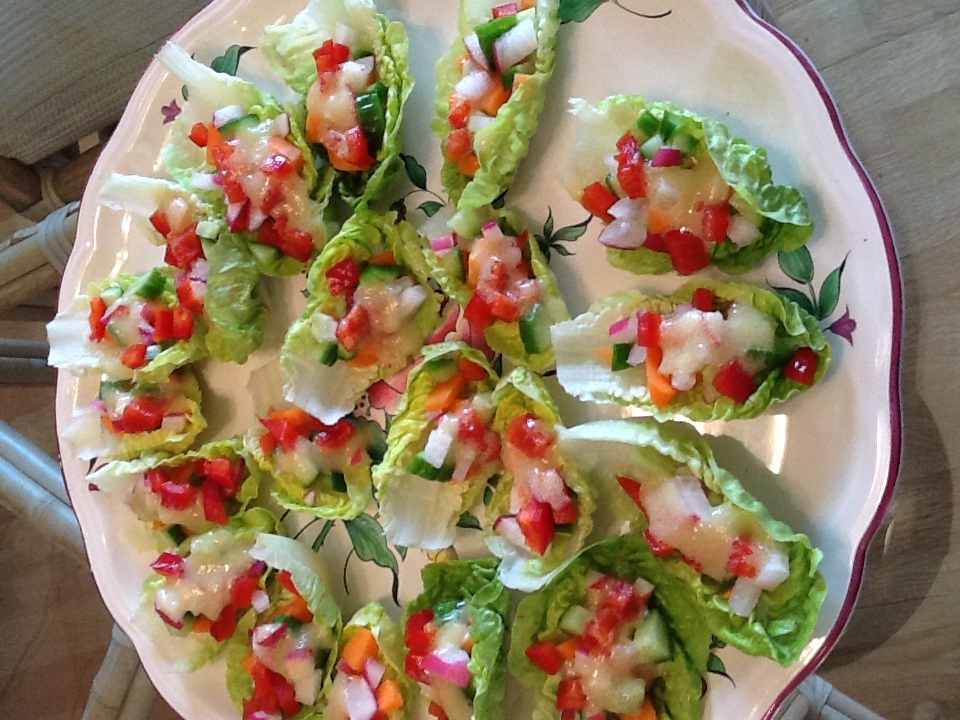
    This is a really delicious, simple summer salad that was sent to me by Sari Swig of Cook Alkaline just before Christmas.

    Sari emailed me:

    I filled little gem lettuce leaves with some chopped radishes, cucumbers, carrots, tomatoes and a touch of avocado. Dressed with a little olive oil and lemon juice.

    It was a big hit and there was not a leaf left. I was happy to get a picture.

    I hope you like this.

    I tried it out on the family a couple of days ago and it went down a treat! The lettuce, radish, cucumber, carrot, tomato, avocado, lemon juice and healthy olive oil are all highly alkaline foods, delicious and work so well together. The combination of crunch, freshness and the creaminess of the avocado is just divine.

    Little Gem Lettuce Salad

    Preparation Time: 5 Minutes
    Serves: 2

    Ingredients

    2 little gem lettuces, leaves separated
    2 radishes, chopped
    1/2 cucumber, sliced
    1/2 carrot, sliced into matchsticks
    2 tomatoes, diced
    1 avocado, diced
    Olive oil
    1/2 lemon, juiced

    Instructions

    Fill the lettuce leaves with the chopped salad ingredients and drizzle with the olive oil, a squeeze of fresh lemon and serve!

    That’s all there is to it, it’s as simple as that.

    If you want to increase the omega 3 content, you could swap the olive oil for flax oil, or make a mix of 50/50 of each. This tastes delicious too.

    More Resources:

    The Live Energized Alkaline Recipe Database
    The Acid/Alkaline Food List
    Alkaline Beginner’s Guide

  • Enhanced Lemon Water

    Enhanced Lemon Water

    Recipes › Drinks

    Enhanced Lemon Water

    Lemon water 2.0: warm (not hot) water with fresh lemon, thin slices of ginger and turmeric and an optional chilli.

    Prep 5 minServes 24 ingredients
    VeganGluten-freeDairy-freeNut-freeNo added sugar

    Tastes: warm, zesty and fragrant, with ginger and a gentle chilli warmth.

    Isn’t lemon water a bit ‘2005’?

    Lemon water was something good for a while there. Warm, lemony and a little bit alkaline… it had our hearts aflutter for almost a decade.

    But we can do better. Isn’t lemon water a bit ‘2005’? We’ve learned so much since then about so many more nourishing foods, so here’s the next generation of that morning wake-up water.

    And yes, lemons taste acidic, but lemon water is most definitely alkalising to the body once it’s been processed.

    Why you’ll love it

    • Lemon water, upgraded with ginger, turmeric and chilli.
    • Warm, not hot, so it’s easy to sip first thing.
    • About 5 minutes to make.
    • Hydrating: a lovely way to start the day.

    Good for

    This one is about hydration and flavour rather than vitamins and minerals, so nothing reaches 10% of the Daily Value per glass. The ginger, turmeric and chilli bring flavour and plant compounds.

    Tags use approved nutrient health-claim wording, for nutrients that give at least 10% of the Daily Value per glass. Plant compounds like these have no Daily Value, so we only say they’re there.

    Key nutrients per glass

    No vitamin or mineral reaches 10% of the Daily Value per glass.

    Plant compounds: curcumin from the turmeric, gingerols from the ginger, citrus flavonoids from the lemon and capsaicin from the chilli.

    Under 4 g natural sugarAlmost no sodium

    % of US Daily Value for adults, per glass (half the recipe). Estimated from USDA FoodData Central values for the ingredients as listed, so treat these as upper estimates. Counts only the lemon juice, as the sliced ginger, turmeric and chilli flavour the water but stay in the glass; anything over 100% shows as 100%+.

    Enhanced Lemon Water

    Fresh lemon juice in warm water with thin slices of ginger, turmeric and an optional chilli.
    Prep Time 5 minutes
    Total Time 5 minutes
    Servings: 2 glasses

    Ingredients
      

    • 1 litre filtered water
    • 2.5 cm fresh root ginger 1 inch
    • 2.5 cm fresh root turmeric 1 inch
    • ⅔ lemon ⅓ per person
    • 1 red bird’s eye chilli optional

    Equipment

    • Kettle

    Method
     

    1. Boil 400 ml of the water in a kettle.
    2. Peel the ginger and turmeric (or just wash them if they’re organic) and slice them thinly into rounds.
    3. Slice the chilli, if using. If you don’t like spicy food, leave it out or remove the seeds. It adds warmth and freshness rather than heat, and if you do like it spicy you can let it brew for longer.
    4. Divide the ginger, turmeric and chilli between two glasses and squeeze in the lemon (about ⅓ of a lemon per person).
    5. Add 300 ml of cool water to each glass, then top up to 500 ml with the boiled water so it’s warm, not hot.
    6. Stir and serve!

    Swaps

    • Instead of chilli: try mint, cucumber or a pinch of cayenne.
    • Lime works instead of lemon.
    • Iced: use all cold water and let it infuse for 10 minutes.

    Storing it

    Best made fresh.

    Good to know

    • Turmeric stains, so rinse your glasses and chopping board straight away.

    Try next

    DrinksTurmeric LemonadeOpen recipe →
    DrinksMagic Immune TeaOpen recipe →
    Want more than recipes?

    The Alkaline Life Club has everything in the Recipe Club, plus coaching, live Q&A and a community to keep you going.

    See the Alkaline Life Club

    Sources

    Nutrient values: USDA FoodData Central, SR Legacy (lemon juice 167747). Plant compounds are named where the ingredient is a well-documented source; flavonoids follow the USDA Database for the Flavonoid Content of Selected Foods, Release 3.3. Daily Values: US Food and Drug Administration.

  • Turmeric & Ginger Tea and Coconut Latte

    Turmeric & Ginger Tea and Coconut Latte

    Recipes › Drinks

    Turmeric & Ginger Tea and Coconut Latte

    My original turmeric and ginger drinks: a light, refreshing tea for summer and a rich, creamy coconut latte with cloves for winter.

    Prep 5 minCook 10 minEach serves 28 ingredients
    VeganGluten-freeDairy-freeNut-freeNo added sugar

    Tastes: the tea is light, spicy and refreshing; the latte is rich and creamy with warming cloves.

    anti-inflammatory teas

    One for summer, one for winter

    These two drinks are quite different, but equally delicious: a light, refreshing tea for summer (it’s great chilled) and a rich, creamy latte for winter.

    They both contain turmeric and ginger. These two roots are from the same plant family and are two of the most powerful ingredients I’ve researched in all my years running this site. They’ve been used for centuries in cooking and traditional medicine, from ancient Egypt to India’s Ayurveda.

    All you need is a pan, some fresh ginger and turmeric and about 10 minutes!

    Why you’ll love it

    • Two drinks: one for summer, one for winter.
    • Fresh turmeric and ginger in both.
    • Manganese and iron from the turmeric and coconut milk in the latte.
    • About 10 minutes on the stove.

    Good for

    Immunity

    Copper, iron and zinc contribute to the normal function of the immune system.

    Antioxidants

    Manganese, copper and zinc contribute to the protection of cells from oxidative stress. It also contains plant compounds with antioxidant activity, including curcumin and gingerols.

    Energy

    Iron and magnesium contribute to the reduction of tiredness and fatigue.

    Bones

    Manganese, magnesium, phosphorus and zinc contribute to the maintenance of normal bones.

    Eyes

    Zinc contributes to the maintenance of normal vision.

    Blood pressure

    Potassium contributes to the maintenance of normal blood pressure.

    Tags use approved nutrient health-claim wording, for nutrients that give at least 10% of the Daily Value per mug of latte. Plant compounds like these have no Daily Value, so we only say they’re there.

    Key nutrients per mug of latte

    Manganese
    100%+Copper
    56%Iron
    42%Magnesium
    24%

    Contains: phosphorus (16%), potassium (11%) and zinc (11%).

    Plant compounds: curcumin from the turmeric and gingerols from the ginger.

    Under 4 g natural sugarAbout 30 mg sodium

    % of US Daily Value for adults, per mug of latte (half the latte recipe). Estimated from USDA FoodData Central values for the ingredients as listed; cooking reduces some vitamins, so treat these as upper estimates. Figures are for the latte, made with full-fat canned coconut milk, using ground turmeric values for the fresh root. The tea has almost no vitamins or minerals; excludes the optional vanilla and pepper; anything over 100% shows as 100%+.

    Turmeric & Ginger Tea and Coconut Latte

    A simmered fresh ginger and turmeric tea, and a creamy coconut milk latte with ginger, turmeric, coconut oil and cloves.
    Prep Time 5 minutes
    Cook Time 10 minutes
    Total Time 15 minutes
    Servings: 2 mugs of each

    Ingredients
      

    Ginger & turmeric refresher tea
    • 600 ml filtered water
    • 2.5 cm fresh root ginger 1 inch
    • 2.5 cm fresh turmeric root 1 inch
    • pinch of black pepper optional
    Turmeric & ginger coconut latte
    • 2.5 cm fresh turmeric root 1 inch
    • 4 cm fresh ginger root 1½ inches
    • 2 tsp coconut oil
    • 400 ml full-fat coconut milk
    • 1 tsp cloves
    • 1 vanilla pod optional
    • pinch of black pepper optional

    Equipment

    • Saucepan
    • Grater

    Method
     

    Ginger & turmeric refresher tea
    1. Peel the ginger and turmeric and chop into small pieces – the smaller the better, but you can be quite rough if you’re in a hurry.
    2. Put them in a pan with the water and bring to the boil, then simmer for about 10 minutes and serve. Leave it longer if you like it stronger, and in summer (lucky you) chill it in the fridge for a refreshing iced tea.
    Turmeric & ginger coconut latte
    1. Peel the ginger and turmeric and grate them into a pan.
    2. Add the coconut oil, coconut milk, cloves and vanilla pod (split), if using.
    3. Bring to a simmer and simmer together for 4–5 minutes.
    4. Serve warm, straining if you wish. YUM!

    Notes

    A pinch of black pepper in either drink may help your body absorb the curcumin from the turmeric.

    Swaps

    • No fresh turmeric? Use 1 tsp ground turmeric in either drink.
    • Lighter latte: use light coconut milk.
    • Iced tea: chill the tea and serve over ice with a slice of lemon.

    Storing it

    The tea keeps in the fridge for 2 days. The latte is best fresh, but keeps for a day; reheat gently.

    Good to know

    • Turmeric stains, so wear gloves when grating it and rinse your pan straight away.

    Try next

    DrinksCreamy Turmeric & Ginger LatteOpen recipe →
    DrinksTurmeric & Ginger Bulletproof TeaOpen recipe →
    Want more than recipes?

    The Alkaline Life Club has everything in the Recipe Club, plus coaching, live Q&A and a community to keep you going.

    See the Alkaline Life Club

    Sources

    Nutrient values: USDA FoodData Central, SR Legacy (turmeric 172231, ginger 169231, coconut oil 171412, canned coconut milk 170173, cloves 171321). Plant compounds are named where the ingredient is a well-documented source; flavonoids follow the USDA Database for the Flavonoid Content of Selected Foods, Release 3.3. Daily Values: US Food and Drug Administration.

  • Turmeric & Lentil Anti-Inflammatory Soup

    Turmeric & Lentil Anti-Inflammatory Soup

    Recipes › Soups

    Turmeric & Lentil Anti-Inflammatory Soup

    Everyone who’s had this soup loves it – so much goodness, such depth of flavour, super-filling, and really quick and easy to make.

    Prep 15 minCook 40 minServes 215 ingredients
    VeganGluten-freeDairy-freeNut-freeNo added sugar

    Tastes: rich and almost curry-like, with turmeric, ginger, mustard seeds, sweet root veg and creamy coconut.

    anti inflammation soup recipe

    Turmeric every single day

    I’ve been doing a LOT of research lately, and the one super-nutrient that KEEPS coming up is turmeric. It’s one of the most researched anti-inflammatory foods we know of, studied for its effects on fatigue, heart health, inflammation, immunity and more.

    After my first round of research I made two vows: to have turmeric in some form every single day, and to teach you how to do the same. And what better way than a delicious recipe?

    Why you’ll love it

    • Vitamin A: well over a full day’s worth.
    • About 18 g plant protein and 13 g fibre a bowl.
    • Folate: over three-quarters of your daily needs.
    • An optional garlicky cashew topping for crunch.

    Good for

    Immunity

    Vitamin A, copper, vitamin C and folate contribute to the normal function of the immune system.

    Antioxidants

    Copper, manganese, vitamin C and zinc contribute to the protection of cells from oxidative stress. It also contains plant compounds with antioxidant activity, including lutein, beta-carotene and lycopene.

    Energy

    Folate, vitamin B6, pantothenic acid and iron contribute to the reduction of tiredness and fatigue.

    Muscles

    Protein contributes to the maintenance of muscle mass, and potassium and magnesium contribute to normal muscle function.

    Bones

    Manganese, vitamin K, zinc and phosphorus contribute to the maintenance of normal bones.

    Eyes

    Vitamin A, zinc and riboflavin contribute to the maintenance of normal vision. It also contains lutein and zeaxanthin, the carotenoids found in the macula of the eye.

    Blood pressure

    Potassium contributes to the maintenance of normal blood pressure.

    Tags use approved nutrient health-claim wording, for nutrients that give at least 10% of the Daily Value per bowl. Plant compounds like lutein have no Daily Value, so we only say they’re there.

    Key nutrients per bowl

    Vitamin A
    100%+Copper
    89%Manganese
    87%Vitamin C
    80%Folate
    77%Thiamin
    50%

    Contains: vitamin B6 (47%), pantothenic acid (44%), iron (35%), potassium (32%), vitamin K (30%), zinc (27%), niacin (26%), phosphorus (26%), riboflavin (23%), magnesium (21%), vitamin E (17%) and calcium (8%).

    Plant compounds: lutein and zeaxanthin (about 1.1 mg), beta-carotene (about 12 mg), lycopene (about 3.2 mg), chlorophyll, quercetin from the onion, curcumin from the turmeric, gingerols from the ginger and sulphur compounds from the garlic.

    18 g protein13 g fibreAbout 14 g natural sugarAbout 130 mg sodium

    % of US Daily Value for adults, per bowl (half the recipe). Estimated from USDA FoodData Central values for the ingredients as listed; cooking reduces some vitamins, so treat these as upper estimates. Uses dried green or brown lentils, canned coconut cream, low-sodium stock and ground turmeric values for fresh; excludes the optional topping; anything over 100% shows as 100%+.

    Turmeric & Lentil Anti-Inflammatory Soup

    Pumpkin, carrot, sweet potato, tomato and lentils simmered with turmeric, ginger and mustard seeds, blended with coconut cream.
    Prep Time 15 minutes
    Cook Time 40 minutes
    Total Time 55 minutes
    Servings: 2 bowls

    Ingredients
      

    Soup
    • 100 g pumpkin roughly chopped
    • 2 carrots roughly chopped
    • ½ sweet red potato roughly chopped
    • 2 tomatoes roughly chopped
    • 1–2 cloves garlic
    • ½ tsp mustard seeds
    • ½ red onion
    • 150 ml vegetable stock plus about 2 cups more if using dried lentils
    • 100 ml coconut cream plus a drizzle to serve
    • 1 small handful fresh coriander (cilantro) roughly chopped
    • ½ inch fresh turmeric root
    • ½ inch fresh ginger root
    • ¼ red pepper (capsicum)
    • ½ cup lentils dried, or 1 x 400 g tin, drained
    • 1 tsp coconut oil
    Optional topping
    • ¼ cup cashews optional
    • 1 tbsp pumpkin seeds optional
    • ½ clove garlic minced, optional
    • thinly sliced red chilli optional

    Equipment

    • Large pot
    • Blender

    Method
     

    1. Roughly chop the onion, garlic, ginger (peeled) and turmeric (peeled).
    2. Gently heat the coconut oil and start the onion, then add the turmeric, ginger, mustard seeds and garlic, taking care not to burn the garlic.
    3. Add the root veg, red pepper and tomatoes and stir to coat in the oil and flavours – you should be able to smell that delicious turmeric now.
    4. Add the stock and lentils. Dried lentils need about 2 more cups of water and 25–30 minutes; tinned lentils just need the veg to soften. Simmer until everything is soft.
    5. Add the coconut cream and coriander, then blend until smooth.
    6. For the topping, roughly smash the cashews under a knife and cook with the pumpkin seeds and garlic in a little coconut oil until warmed through and a little browned.
    7. Serve with a sprig of coriander, a drizzle of coconut cream and the topping (and chilli, if you like) – and LOVE it!

    Notes

    The original recipe adds only 50 ml extra stock for dried lentils, which isn’t enough – they need about 2 cups more liquid.
    Feeding four? Double everything – that’s the original recipe.

    Swaps

    • Red lentils cook faster – about 15 minutes.
    • Ground spices: use ½ tsp each of ground turmeric and ginger instead of fresh.
    • Butternut squash instead of pumpkin.

    Storing it

    Keeps in the fridge for 4 days and freezes well (without the topping).

    Good to know

    • Contains cashews in the optional topping.

    Try next

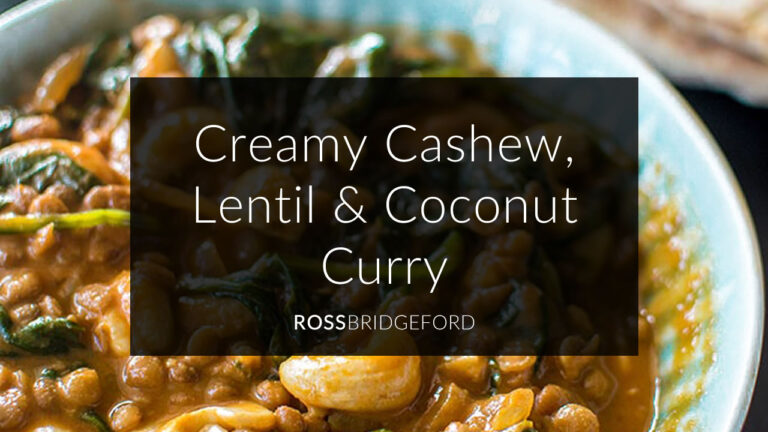
    DinnerCreamy Cashew, Lentil & Coconut CurryOpen recipe →
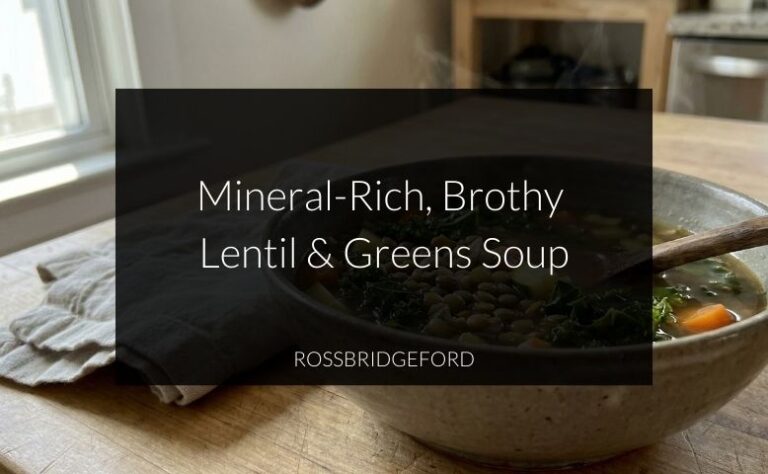
    SoupMineral-Rich Lentil & Greens SoupOpen recipe →
    Want more than recipes?

    The Alkaline Life Club has everything in the Recipe Club, plus coaching, live Q&A and a community to keep you going.

    See the Alkaline Life Club

    Sources

    Nutrient values: USDA FoodData Central, SR Legacy (pumpkin 168448, carrots 170393, sweet potato 168482, tomatoes 170457, garlic 169230, mustard seed 170929, onion 170000, coconut cream 170580, coriander leaves 169997, turmeric 172231, ginger 169231, red pepper 170108, lentils 172420, coconut oil 171412). Plant compounds are named where the ingredient is a well-documented source; flavonoids follow the USDA Database for the Flavonoid Content of Selected Foods, Release 3.3. Daily Values: US Food and Drug Administration.

  • Carrot, Broccoli & Bean Sprout Salad

    Carrot, Broccoli & Bean Sprout Salad

    Recipes › Salads

    Carrot, Broccoli & Bean Sprout Salad

    Loads of crunch, lots of fibre and a zingy lime and sesame dressing – all the good stuff in one salad.

    Prep 20 minServes 211 ingredients
    VeganGluten-freeDairy-freeNut-freeNo added sugar

    Tastes: fresh, crunchy and zingy, with sweet carrot, broccoli, bean sprouts and a lime, sesame and chilli dressing.

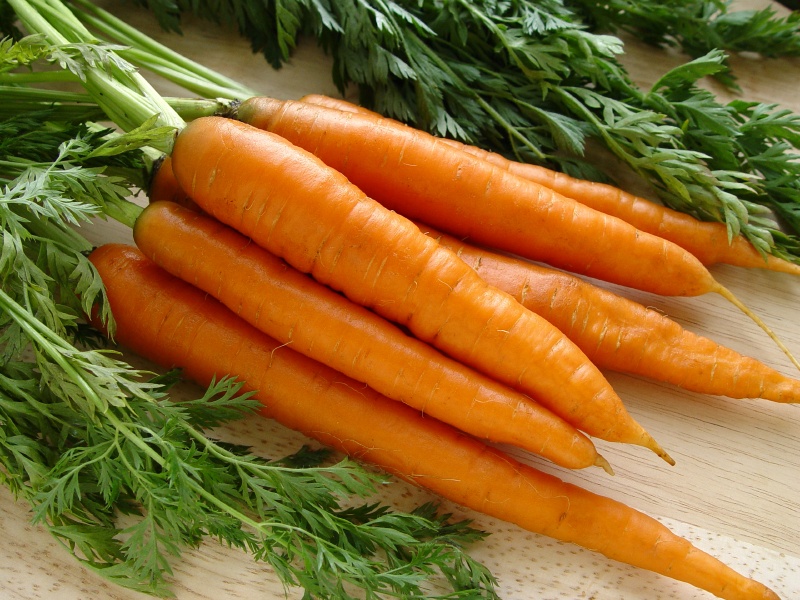
    carrots

    All this goodness in one salad

    Broccoli contains compounds that may help protect against some cancers, mung bean sprouts bring fibre, and carrots are famous for helping eyesight – their vitamin A contributes to normal vision.

    Mixing all these nutrients into one salad might seem impossible, but here it is: the carrot, broccoli and bean sprout salad.

    Why you’ll love it

    • Vitamins A and C: well over one and a half day’s worth of each.
    • Vitamin K: almost three times your daily needs.
    • About 12 g fibre a serve.
    • No cooking – just chop and dress.

    Good for

    Immunity

    Vitamin A, vitamin C, copper and folate contribute to the normal function of the immune system.

    Antioxidants

    Vitamin C, copper, manganese and riboflavin contribute to the protection of cells from oxidative stress. It also contains plant compounds with antioxidant activity, including lutein, beta-carotene and quercetin.

    Energy

    Folate, vitamin B6, pantothenic acid and riboflavin contribute to the reduction of tiredness and fatigue.

    Bones

    Vitamin K, manganese, magnesium and phosphorus contribute to the maintenance of normal bones.

    Eyes

    Vitamin A, riboflavin and zinc contribute to the maintenance of normal vision. It also contains lutein and zeaxanthin, the carotenoids found in the macula of the eye.

    Blood pressure

    Potassium contributes to the maintenance of normal blood pressure.

    Tags use approved nutrient health-claim wording, for nutrients that give at least 10% of the Daily Value per serve. Plant compounds like lutein have no Daily Value, so we only say they’re there.

    Key nutrients per serve

    Vitamin K
    100%+Vitamin A
    100%+Vitamin C
    100%+Copper
    56%Folate
    53%Manganese
    43%

    Contains: vitamin B6 (41%), pantothenic acid (40%), riboflavin (38%), thiamin (33%), potassium (32%), niacin (25%), magnesium (25%), vitamin E (21%), iron (21%), phosphorus (21%), zinc (17%) and calcium (15%).

    Plant compounds: lutein and zeaxanthin (about 2.5 mg), beta-carotene (about 15 mg), chlorophyll, quercetin from the onion, glucosinolates from the broccoli, sulphur compounds from the garlic, citrus flavonoids from the lime and capsaicin from the chilli.

    11 g protein12 g fibreAbout 19 g natural sugarAbout 615 mg sodium

    % of US Daily Value for adults, per serve (half the recipe). Estimated from USDA FoodData Central values for the ingredients as listed, so treat these as upper estimates. Uses tamari values for the Bragg; excludes the optional garnish; anything over 100% shows as 100%+.

    Carrot, Broccoli & Bean Sprout Salad

    Shredded carrot, broccoli slaw, bean sprouts, cucumber, coriander and spring onion with a lime, sesame and chilli dressing.
    Prep Time 20 minutes
    Total Time 20 minutes
    Servings: 2

    Ingredients
      

    Salad
    • 3 cups carrots shredded
    • 2 cups broccoli slaw or finely julienned broccoli stalks
    • 2 cups mung bean sprouts
    • 1 large cucumber peeled, seeded and julienned
    • 2 cups fresh coriander finely chopped
    • 1 bunch spring onions finely sliced
    Dressing
    • ½ cup freshly squeezed lime juice
    • 1 tbsp Bragg Liquid Aminos
    • 3 tbsp cold-pressed sesame oil
    • 1 clove garlic crushed
    • 1 red chilli deseeded
    • sesame seeds or chopped raw nuts optional, to garnish

    Equipment

    • Blender or jar

    Method
     

    1. Toss all the vegetables together with the coriander.
    2. Pulse the lime juice, Bragg and sesame oil in a blender a few times until well combined, then stir in the garlic and chilli.
    3. Pour the dressing over the salad and season to taste.
    4. Garnish with sesame seeds or chopped raw nuts, if you like.

    Swaps

    • More protein: add edamame or cubed tofu.
    • Less oil: use 2 tbsp sesame oil.
    • Shortcut: use a bag of ready-made broccoli slaw.

    Storing it

    Keeps in the fridge for a day, dressed. Undressed, the veg keeps for 3 days.

    Good to know

    • High in vitamin K. If you take warfarin or another blood thinner, keep your greens intake steady and talk to your doctor before eating more leafy greens than usual.
    • Tamari: choose one labelled gluten-free if you’re coeliac.

    Try next

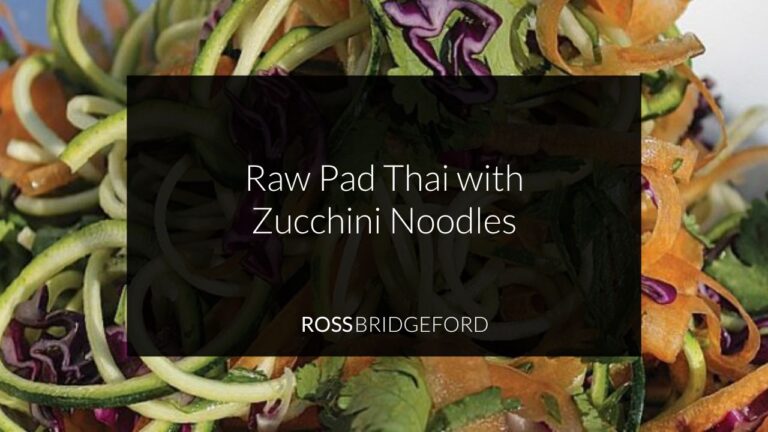
    DinnerRaw Pad Thai with Zucchini NoodlesOpen recipe →
    DinnerAntioxidant Super MealOpen recipe →
    Want more than recipes?

    The Alkaline Life Club has everything in the Recipe Club, plus coaching, live Q&A and a community to keep you going.

    See the Alkaline Life Club

    Sources

    Nutrient values: USDA FoodData Central, SR Legacy (carrots 170393, broccoli 170379, mung bean sprouts 169957, cucumber 168409, coriander leaves 169997, spring onions 170005, lime juice 168156, tamari 174278, sesame oil 171016, garlic 169230, red chilli 170106). Plant compounds are named where the ingredient is a well-documented source; flavonoids follow the USDA Database for the Flavonoid Content of Selected Foods, Release 3.3. Daily Values: US Food and Drug Administration.

  • Alkaline Diet Recipe #152: Almost Alkaline Pancakes

    Alkaline Diet Recipe #152: Almost Alkaline Pancakes

    Healthy, Delicious, Almost-Alkaline Pancakes!

    A healthy breakfast, you say?

    This recipe adds a whole new twist to a favorite breakfast food – pancakes! Made of pumpkin seeds, sunflower seeds, sesame seeds and flax seed, the Almost Alkaline Pancake Recipe is a healthy alternative to traditional pancakes and is packed with loads of vitamins, minerals and antioxidants.

    The flax seeds gives your body a much-needed dose of Omega-3 and is high in both soluble and insolube fibre, too!

    Almost Alkaline Pancakes!

    Serves 2

    Preparation Time: 20 minutes

    Ingredients

    1/4 cup pumpkin seeds
    1/4 cup sunflower seeds
    1/4 cup sesame seeds
    1/2 cup flax seeds
    1 cup of buckwheat flour
    1.5 teaspoons of baking soda
    1 tsp Himalayan salt
    Tiny pinch of stevia
    Soy, almond or rice milk
    Coconut (or olive) oil

    Instructions

    1. Start by making your seed flour.  You need to grind in a coffee grinder the four seeds together OR if you can buy pre-ground seeds you can use this (LSA mix for example).
    2. Take 1/4 of your seed flour and store the rest for next time.
    3. Next mix all of the dry ingredients in a large bowl – the seed flour, buckwheat (or other) flour, baking soda, salt and stevia.
    4. Now begin adding the non-dairy milk and stir consistently until you get a thin batter.
    5. Next all you need to do is cook them!  So heat your pan, add the coconut oil and pour in a thin layer of the batter.  When the bubbles appear, flip and serve with whatever you like!

    Enjoy!

    Ross


    [yumprint-recipe id=’1′]

  • Alkaline Recipe #141: Raw Zucchini Chips

    Alkaline Recipe #141: Raw Zucchini Chips

    Are you craving for some chips but you know you are sticking to your alkaline diet? Worry no more! With this Raw Zucchini Chips, you’ll get the satisfaction of your chip cravings just like any ordinary chips but with more nutrients. This is one of those things that you can say that alkaline diet is much more exciting that you’ve expected.

    Raw Zucchini Chips

    Serves 2-3 Zucchini

    Ingredients

    Marinade:

    4 Tablespoons fresh squeezed lemon juice
    2 1/2 Tablespoons extra virgin olive oil
    1/2 tsp paprika
    1/2 tsp celtic salt
    1/4 tsp cayenne
    2 1/2 tsp onion powder
    2 1/2 tsp onion powder
    1/2 tsp basil
    1/2 tsp oregano

    Instructions

    1. Slice your zucchini with a madeline very thin.

    2. Mix marinade and toss with sliced zucchini and lay out on dehydrator trays in a single layer.

    3. Dehydrate 14-20 hours.