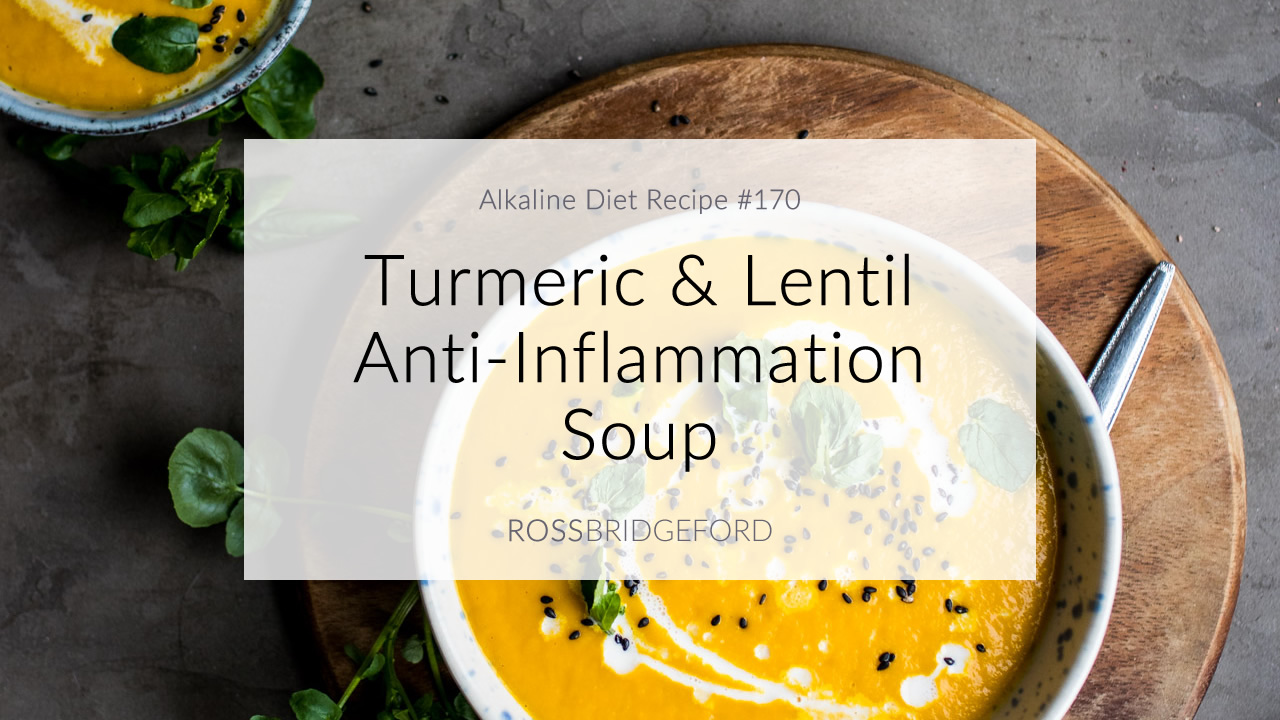
Turmeric & Lentil Anti-Inflammatory Soup
Everyone who’s had this soup loves it – so much goodness, such depth of flavour, super-filling, and really quick and easy to make.
Tastes: rich and almost curry-like, with turmeric, ginger, mustard seeds, sweet root veg and creamy coconut.
Turmeric every single day
I’ve been doing a LOT of research lately, and the one super-nutrient that KEEPS coming up is turmeric. It’s one of the most researched anti-inflammatory foods we know of, studied for its effects on fatigue, heart health, inflammation, immunity and more.
After my first round of research I made two vows: to have turmeric in some form every single day, and to teach you how to do the same. And what better way than a delicious recipe?
Why you’ll love it
- Vitamin A: well over a full day’s worth.
- About 18 g plant protein and 13 g fibre a bowl.
- Folate: over three-quarters of your daily needs.
- An optional garlicky cashew topping for crunch.
Good for
Vitamin A, copper, vitamin C and folate contribute to the normal function of the immune system.
Copper, manganese, vitamin C and zinc contribute to the protection of cells from oxidative stress. It also contains plant compounds with antioxidant activity, including lutein, beta-carotene and lycopene.
Folate, vitamin B6, pantothenic acid and iron contribute to the reduction of tiredness and fatigue.
Protein contributes to the maintenance of muscle mass, and potassium and magnesium contribute to normal muscle function.
Manganese, vitamin K, zinc and phosphorus contribute to the maintenance of normal bones.
Vitamin A, zinc and riboflavin contribute to the maintenance of normal vision. It also contains lutein and zeaxanthin, the carotenoids found in the macula of the eye.
Potassium contributes to the maintenance of normal blood pressure.
Tags use approved nutrient health-claim wording, for nutrients that give at least 10% of the Daily Value per bowl. Plant compounds like lutein have no Daily Value, so we only say they’re there.
Key nutrients per bowl
Contains: vitamin B6 (47%), pantothenic acid (44%), iron (35%), potassium (32%), vitamin K (30%), zinc (27%), niacin (26%), phosphorus (26%), riboflavin (23%), magnesium (21%), vitamin E (17%) and calcium (8%).
Plant compounds: lutein and zeaxanthin (about 1.1 mg), beta-carotene (about 12 mg), lycopene (about 3.2 mg), chlorophyll, quercetin from the onion, curcumin from the turmeric, gingerols from the ginger and sulphur compounds from the garlic.
% of US Daily Value for adults, per bowl (half the recipe). Estimated from USDA FoodData Central values for the ingredients as listed; cooking reduces some vitamins, so treat these as upper estimates. Uses dried green or brown lentils, canned coconut cream, low-sodium stock and ground turmeric values for fresh; excludes the optional topping; anything over 100% shows as 100%+.
Turmeric & Lentil Anti-Inflammatory Soup
Ingredients
Equipment
Method
- Roughly chop the onion, garlic, ginger (peeled) and turmeric (peeled).
- Gently heat the coconut oil and start the onion, then add the turmeric, ginger, mustard seeds and garlic, taking care not to burn the garlic.
- Add the root veg, red pepper and tomatoes and stir to coat in the oil and flavours – you should be able to smell that delicious turmeric now.
- Add the stock and lentils. Dried lentils need about 2 more cups of water and 25–30 minutes; tinned lentils just need the veg to soften. Simmer until everything is soft.
- Add the coconut cream and coriander, then blend until smooth.
- For the topping, roughly smash the cashews under a knife and cook with the pumpkin seeds and garlic in a little coconut oil until warmed through and a little browned.
- Serve with a sprig of coriander, a drizzle of coconut cream and the topping (and chilli, if you like) – and LOVE it!
Notes
Swaps
- Red lentils cook faster – about 15 minutes.
- Ground spices: use ½ tsp each of ground turmeric and ginger instead of fresh.
- Butternut squash instead of pumpkin.
Storing it
Keeps in the fridge for 4 days and freezes well (without the topping).
Good to know
- Contains cashews in the optional topping.
Try next
The Alkaline Life Club has everything in the Recipe Club, plus coaching, live Q&A and a community to keep you going.
See the Alkaline Life ClubSources
Nutrient values: USDA FoodData Central, SR Legacy (pumpkin 168448, carrots 170393, sweet potato 168482, tomatoes 170457, garlic 169230, mustard seed 170929, onion 170000, coconut cream 170580, coriander leaves 169997, turmeric 172231, ginger 169231, red pepper 170108, lentils 172420, coconut oil 171412). Plant compounds are named where the ingredient is a well-documented source; flavonoids follow the USDA Database for the Flavonoid Content of Selected Foods, Release 3.3. Daily Values: US Food and Drug Administration.