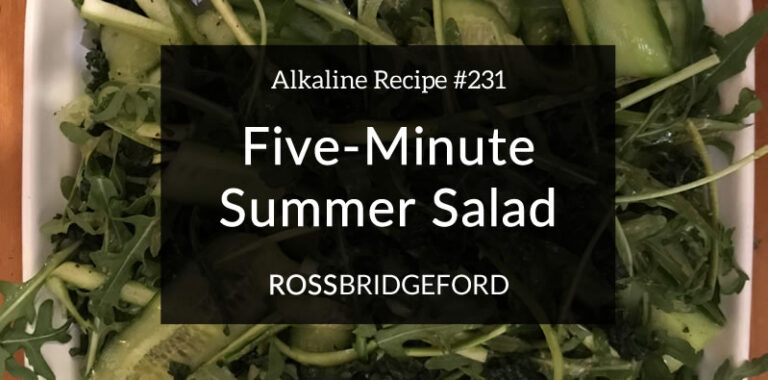
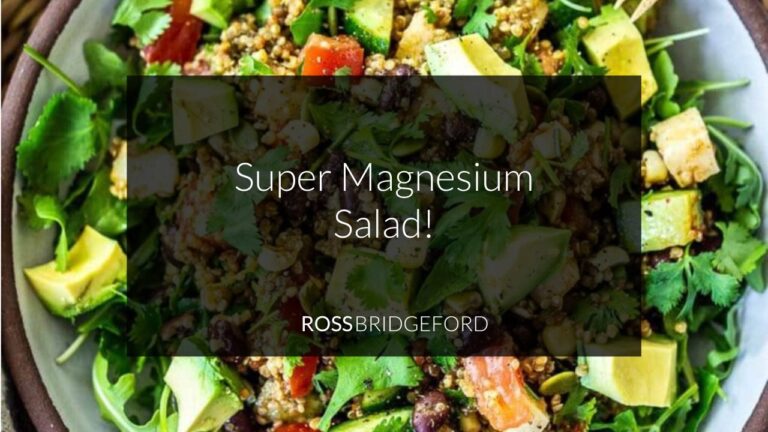
Category: Sauces, Dips & Dressing Recipes

  • Creamy Vegan Alfredo Sauce

    Creamy Vegan Alfredo Sauce

    Recipes › Sauces

    Creamy Vegan Alfredo Sauce

    Oh, this is such a big hit in our house! Creamy, filling, alkaline and fat-rich – and best of all, it takes just minutes to prepare with only a few simple ingredients.

    Prep 10 minCook 12 minMakes 6 serves11 ingredients
    VeganGluten-freeDairy-freeNo added sugar

    Tastes: rich, creamy and garlicky, with a hint of lemon and fresh herbs.
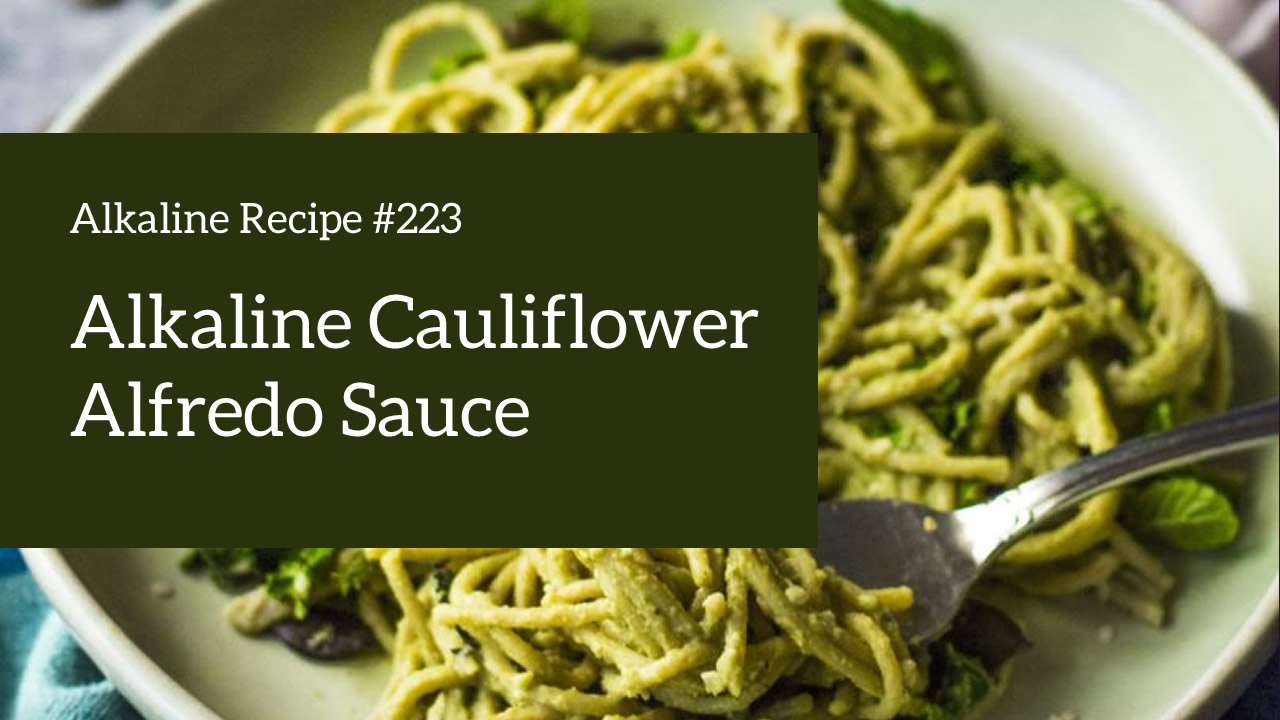
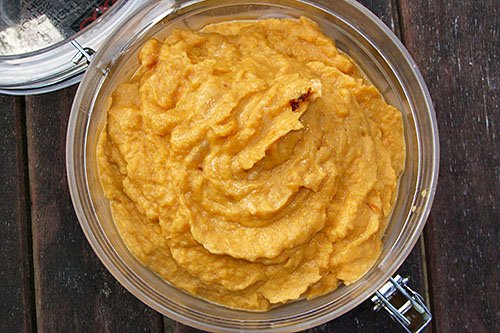
    alkaline recipe: alfredo sauce

    One sauce, a bunch of dishes

    One of my key strategies to make the alkaline diet as easy and effortless as possible for you is delicious recipes that can be used in a bunch of different dishes. This sauce makes any plain and simple veggie dish (roast veggies, steamed veggies, grilled veggies, a salad and so on) interesting and so much more filling. And of course, on gluten-free pasta, it’s the perfect alfredo sauce!

    It’s rich in healthy fats, with vitamin C, vitamin K and B vitamins from the cauliflower, oregano (whose natural compounds are antibacterial in lab studies), and garlic, which has anti-inflammatory compounds and may help protect against some cancers.

    Why you’ll love it

    • A creamy sauce made from cauliflower, with no dairy at all.
    • Minutes to make with a few simple ingredients.
    • Makes plenty, so you have sauce for several meals.
    • Vitamin C: over half your daily needs a serve.

    Good for

    Immunity

    Vitamin C, copper, folate and vitamin B6 contribute to the normal function of the immune system.

    Antioxidants

    Vitamin C, vitamin E, copper and manganese contribute to the protection of cells from oxidative stress. It also contains plant compounds with antioxidant activity, including flavonoids.

    Energy

    Folate, pantothenic acid, vitamin B6 and magnesium contribute to the reduction of tiredness and fatigue.

    Bones

    Vitamin K, manganese, calcium and magnesium contribute to the maintenance of normal bones.

    Tags use approved nutrient health-claim wording, for nutrients that give at least 10% of the Daily Value per serve. Plant compounds like these have no Daily Value, so we only say they’re there.

    Key nutrients per serve

    Vitamin C
    56%Vitamin E
    44%Copper
    22%

    Contains: vitamin K (18%), manganese (17%), calcium (16%), folate (15%), pantothenic acid (14%), vitamin B6 (12%), magnesium (10%) and potassium (9%).

    Plant compounds: glucosinolates from the cauliflower, sulphur compounds from the garlic and citrus flavonoids from the lemon.

    Under 4 g natural sugarAbout 155 mg sodium

    % of US Daily Value for adults, per serve (one-sixth of the sauce). Estimated from USDA FoodData Central values for the ingredients as listed; cooking reduces some vitamins, so treat these as upper estimates. Sauce only, without pasta; uses unsweetened almond milk and a low-salt stock cube; excludes salt and pepper added to taste; anything over 100% shows as 100%+.

    Creamy Vegan Alfredo Sauce

    A silky dairy-free alfredo sauce made with cauliflower, cashews, garlic and almond milk.
    Prep Time 10 minutes
    Cook Time 12 minutes
    Total Time 22 minutes
    Servings: 6 serves

    Ingredients
      

    • 1 medium cauliflower roughly chopped
    • 1 tbsp avocado oil or use 2 tbsp coconut oil in total
    • 1 tbsp coconut oil
    • ¼ cup cashews soaked
    • 3 cloves garlic minced
    • 2 tsp pine nuts
    • 2½ cups unsweetened almond milk
    • 1 yeast-free, low-salt vegetable stock cube
    • 1 small handful fresh oregano and basil or ½ tsp dried
    • juice of ½ lemon
    • Himalayan salt and black pepper to taste

    Equipment

    • High-speed blender

    Method
     

    1. Start by soaking the cashews in warm water, which makes them easier to blend. If you can, start a couple of hours before you want to cook, but if not, just soak them for as long as you have.
    2. Roughly chop the cauliflower, mince the garlic and add to a pan with the oils and pine nuts. Cook for 2–3 minutes, then add the almond milk and the stock cube and bring to a simmer.
    3. Drain and rinse the cashews and add them to the pan too. Simmer everything together for 6–8 minutes.
    4. Pour everything into a high-speed blender, add the lemon juice, herbs, salt and pepper, and blend until smooth. You’re ready to go!

    Notes

    Use it on gluten-free pasta, zucchini ‘zoodles’ or any veggie dish or salad.

    Swaps

    • Nut-free: leave out the cashews and pine nuts and use oat milk or a nut-free plant milk; add a couple of tbsp of hemp seeds for creaminess.
    • Thicker sauce: use 2 cups of almond milk instead of 2½.
    • Cheesy flavour: blend in a tbsp of nutritional yeast.

    Storing it

    Keeps in a jar in the fridge for 4–5 days. Loosen with a splash of almond milk when you reheat it.

    Good to know

    • Contains nuts. See Swaps for a nut-free version.
    • Stock cubes: choose a gluten-free, low-salt one.

    Ross’s tip

    You can use this with gluten-free pasta, zucchini ‘zoodles’ or any other veggie dish or salad. It’s amazing!

    Try next
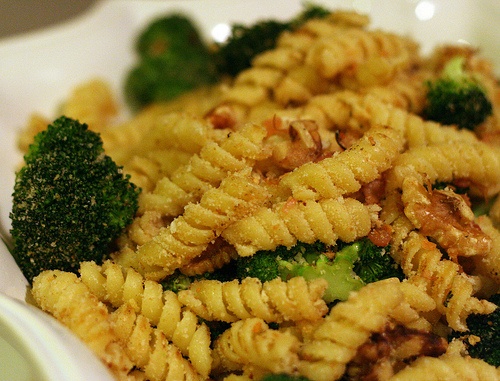
    DinnerGluten-Free Pasta with Broccoli & Toasted AlmondsOpen recipe →
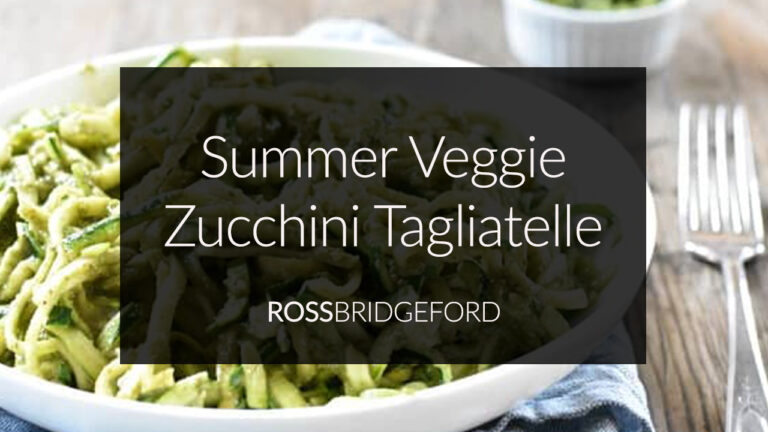
    DinnerSummer Veggie Zucchini TagliatelleOpen recipe →
    Want more than recipes?

    The Alkaline Life Club has everything in the Recipe Club, plus coaching, live Q&A and a community to keep you going.

    See the Alkaline Life Club

    Sources

    Nutrient values: USDA FoodData Central, SR Legacy (cauliflower 169986, avocado oil 173573, coconut oil 171412, cashews 170162, garlic 169230, pine nuts 170591, almond milk 174832, basil 172232, oregano 171328, lemon juice 167747). Plant compounds are named where the ingredient is a well-documented source; flavonoids follow the USDA Database for the Flavonoid Content of Selected Foods, Release 3.3. Daily Values: US Food and Drug Administration.
  • Creamy Turmeric Salad Dressing

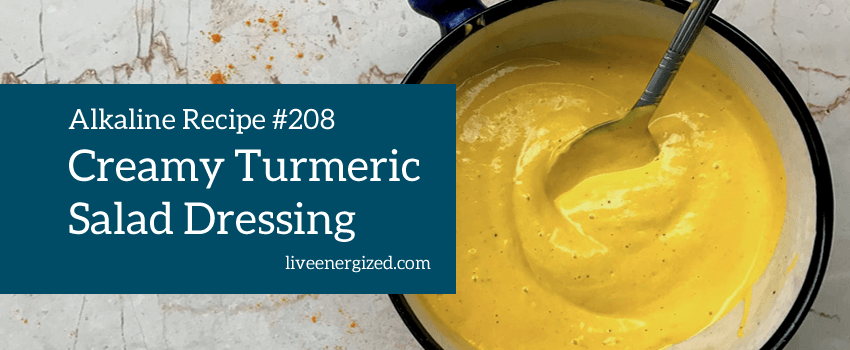
    Creamy Turmeric Salad Dressing

    Recipes › Sauces & dressings

    Creamy Turmeric Salad Dressing

    An incredibly easy, delicious and anti-inflammatory dressing that makes practically any salad or vegetable dish more flavoursome.

    Prep 5 minMakes about ⅔ cup7 ingredients
    VeganGluten-freeDairy-freeNut-freeNo added sugar

    Tastes: creamy, nutty tahini with bright lemon, earthy turmeric and a little heat.

    turmeric salad dressing

    Turmeric with black pepper

    I am always looking for ways to get turmeric into meals, and having a turmeric salad dressing on hand is such a simple shortcut. You can pretty much add this to anything!

    A 1998 study found that the bioavailability of curcumin increased by 2,000% when it was taken alongside piperine, which is found in black pepper. The jury is still out on whether this is as important as that study suggests, but why not? A little black pepper isn’t hard to include, and it’s rather tasty.

    Why you’ll love it

    • Goes with practically anything: salads, roast veg and grain bowls.
    • Anti-inflammatory turmeric, with black pepper and healthy fats to help your body absorb it.
    • Ready in minutes. Blend or whisk, and done.

    Good for

    Immunity

    Copper contributes to the normal function of the immune system.

    Antioxidants

    Copper contributes to the protection of cells from oxidative stress. It also contains plant compounds with antioxidant activity, including curcumin, flavonoids and capsaicin.

    Tags use approved nutrient health-claim wording, for nutrients that give at least 10% of the Daily Value per serve. Plant compounds like these have no Daily Value, so we only say they’re there.

    Key nutrients per serve

    Copper
    23%

    Contains: thiamin (16%).

    Plant compounds: curcumin from the turmeric, citrus flavonoids from the lemon and capsaicin from the cayenne.

    Under 4 g natural sugarAbout 5 mg sodium

    % of US Daily Value for adults, per serve (2 tbsp, about ⅕ of the recipe). Estimated from USDA FoodData Central values for the ingredients as listed, so treat these as upper estimates. Uses 1 tsp ground turmeric; excludes salt and pepper added to taste; anything over 100% shows as 100%+.

    Creamy Turmeric Salad Dressing

    An easy, creamy turmeric dressing that makes practically any salad more flavoursome.
    Prep Time 5 minutes
    Total Time 5 minutes
    Servings: 5 serves (2 tbsp each)

    Ingredients
      

    • ¼ cup tahini
    • 3 tbsp fresh lemon juice
    • 2 tbsp coconut oil
    • 1 cm fresh turmeric grated, or 1 tsp ground turmeric
    • ¼ tsp cayenne pepper
    • Himalayan salt and freshly ground black pepper to taste
    • filtered water to thin

    Equipment

    • Blender or whisk

    Method
     

    1. In a food processor or blender, or whisking by hand, combine all the ingredients and blend until smooth.
    2. Add a little filtered water, a bit at a time, until it has the consistency you’d like, and season with salt and pepper to taste.

    Notes

    Fresh vs powdered: fresh turmeric is best, and it’s getting surprisingly easy to find. If you can’t get fresh, ground turmeric is still a great option.

    Swaps

    • No fresh turmeric? Use 1 tsp ground turmeric.
    • Milder? Leave out the cayenne.
    • Olive oil works instead of coconut oil, and won’t firm up in the fridge.

    Storing it

    This will keep in the fridge for up to 5 days. The coconut oil firms up when it’s cold, so let it sit out for a few minutes and give it a stir.

    Good to know

    • Contains sesame (tahini).

    Try next

    SauceCreamy “Alfredo” SauceOpen recipe →
    DressingAvocado Ranch DressingOpen recipe →
    Want more than recipes?

    The Alkaline Life Club has everything in the Recipe Club, plus coaching, live Q&A and a community to keep you going.

    See the Alkaline Life Club

    Sources

    Nutrient values: USDA FoodData Central, SR Legacy (tahini 168604, lemon juice 167747, coconut oil 171412, turmeric 172231, cayenne 170932). Plant compounds are named where the ingredient is a well-documented source; flavonoids follow the USDA Database for the Flavonoid Content of Selected Foods, Release 3.3. Daily Values: US Food and Drug Administration.
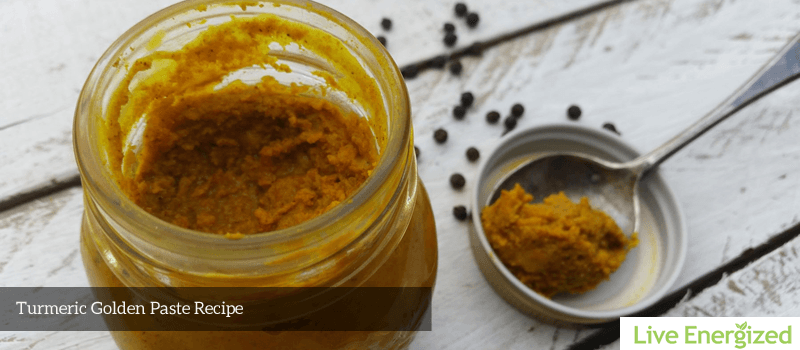
  • Alkaline Recipe #210: Turmeric Golden Paste

    Alkaline Recipe #210: Turmeric Golden Paste

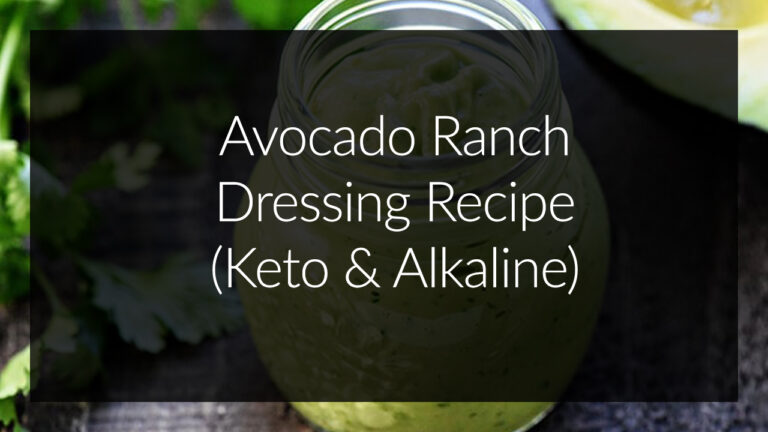
    Turmeric Golden Paste is an absolutely, abundantly, amazing nutrient powerhouse. And creating this ‘Golden Paste’ means you can easily add turmeric and it’s incredibly anti-inflammatory properties to practically any mealtime!

    It’s simple and easy to make, takes about five minutes and will keep for 2 weeks when refrigerated. It provides turmeric’s powerful compound, curcumin, alongside the black pepper (piperine) and fats that give it the maximum bioavailability.

    Alkaline Recipe #210: Turmeric Golden Paste

    Turmeric Golden Paste & Milk Recipe

    Ingredients

    1/2 cup (125 mls/60g) turmeric powder
    1 cup water (250 mls) PLUS 1 cup water in reserve, if needed
    1/3 cup (70 mls) one of the following oils: Raw (unrefined) Cold Pressed Coconut Oil, Linseed (flaxseed) oil or Virgin/Extra Virgin Olive Oil
    2-3 teaspoons freshly ground black pepper

    Instructions

    1) Add the turmeric and water to a pot and simmer over gentle heat for about 7-10 minutes or until you have a thick paste, stirring frequently. You may need to add more water if the mixture becomes too dry.

    2) Once you have a paste, remove from the heat and set aside to cool. When the paste is just warm to the touch whisk in the oil and pepper to finish.

    3) Once fully cooled store your Golden Paste in a glass jar and pop in the fridge.

    Golden paste will keep for 2 weeks when refrigerated, any excess can be frozen for future use.

    The addition of fats – in the form of healthy oil, and piperine – found in black pepper, help the body to absorb curcumin, which is the active ingredient in turmeric but one that is not readily absorbed by the body.

    If you find your paste is too watery feel free to add more turmeric. The same goes for if it’s too dry, simply add more water. Be sure to stir regularly as you don’t want it to burn. It will also help to create a nice, smooth paste. However, the texture of the paste in no way effects its properties so don’t worry if it’s not perfect!


    7 Ways to use Golden Paste


    1. Take half a baby spoonful (~ 1/4 to 1/2 teaspoon) and chase it with water…all done! 

    This is great way to take turmeric (no fuss) and to spread it out through the day. As one teaspoon is equal to ~2,000 mg. it’s best to take smaller quantities 3-4 times per day.

    2. Turmeric tea

    You can add 1/4 teaspoon turmeric golden paste to a hot cup of already-brewed tea, add honey, maybe a splash of almond milk, and your quick turmeric tea is ready. The taste and texture may not seem like a “normal tea” as it has black pepper and oils … but it is tasty!

    3. Add it to “rice” 

    Turmeric golden paste can easily be added to quinoa or cauliflower “rice”. You can add 1 or more teaspoons after you have cooked your chosen rice substitute, while still warm which enables smooth mixing.

    4. Add to smoothies

    There’s no limit to the variations you can do here. Add turmeric golden paste to all kinds of smoothies and make your favourite ones even healthier, try it out!

    5. Add to salads

    This is the perfect way to make your favorite salads even healthier! Simply stir it in and eat. And best of all a small amount of turmeric paste won’t alter the taste much but you still get maximum benefit.

    6. Add to dairy-free milk

    Golden milk/turmeric milk is one of the most popular ways to take turmeric daily and is extremely popular in Asian countries. Simply add ¼ – ½ teaspoon to your choice of dairy free milk (I like almond) and drink it! Serve warm or cold. So easy.

    7. Add to hot dishes and soups

    Simply add a dollop of golden paste while cooking or add in once served. Stronger tasting dishes tend to hide the flavor so it’s great to add to most meals.

    Golden paste is so versatile there’s no excuse not to take it, especially because you only need the smallest amount to gain the amazing benefits that Turmeric offer!

    [yumprint-recipe id=’103′] 

    get the alkaline recipe book here


  • Creamy Vegan Cashew Dressing (Caesar Alternative)

    Creamy Vegan Cashew Dressing (Caesar Alternative)

    This is an absolute favorite, it constantly wows friends and families at dinner parties, it turns any dish into a decadent-alkaline-keto feast and frankly – it takes under 30 seconds to make!

    It’s a 3-ingredient dressing that can be used on practically anything

    Creamy, warm (or cold), it’s a lot like a Caesar Dressing, but dairy-free, gluten-free, acid-free, sugar-free and really rather alkaline!

    Ross’ 3-Ingredient Alkaline Cesar Dressing

    Serves 4

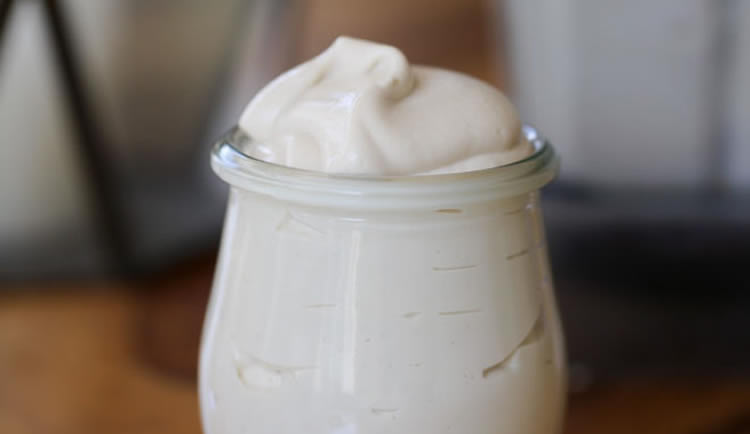
    cashew dressing in a jar

    Ingredients:

    1/2 cup raw (organic) cashews
    1 cup (250ml) yeast-free vegetable stock/bouillon
    1-2 cloves garlic

    Instructions:

    (If you don’t have a high-speed blender (Vitamix, Blendtec, etc) the cashews need to be soaked in warm water for at least 30 minutes prior to making, otherwise, it might not blend too smooth…!)

    1. Drain the cashews (if soaked)
    2. Add to a blender with the garlic and stock
    3. Blend until smooth!

    ……et voila!

    That’s it, it’s that simple and it is awesome.

    You can serve over veggies, on salads or any other dish.

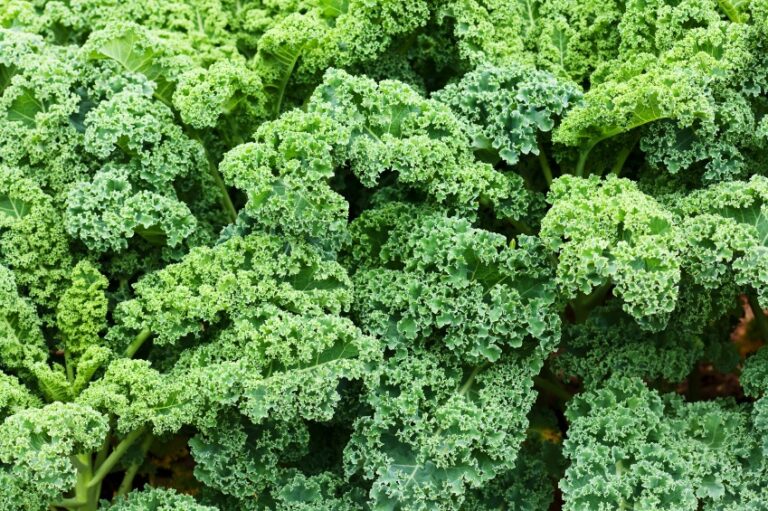
    It could be your backup, simple, easy way to get a big hit of greens: just wilt some spinach or kale and serve with this dressing – delicious!

    Just like this:

    kale and cashew dressing

    Plus, fresh from the blender, unless you’ve cooled your stock the dressing is warm like a sauce and is so darn delicious!

    Enjoy 🙂

    PPS. cashew nuts, when raw and (preferably) organic are mildly alkaline-forming. Stored, treated, roasted and flavored nuts are acid-forming. Keep it fresh and natural baby!

  • Alkaline Diet Recipe #167: Butternut Squash & Tahini Dip

    Alkaline Diet Recipe #167: Butternut Squash & Tahini Dip

    Dips, sauces & dressings are one of the keys to easily living alkaline. I wrote a whole guide about it here.

    Not only do they help you to easily flavour simple vegetables and salads to make them exciting and delicious, but they also give you a hit of an extra serve (or three!) of alkalizing veggies!

    This is one of my newest creations, and I love it’s simplicity, and I love serving it warm (although it’s delicious cold too, of course).

    SEE ALSO: Get Over 150+ Delicious, Easy Alkaline Recipes Here

    Containing lots of squash, turmeric, sesame, paprika, garlic and flax, it can boast that it gives you a boost of:

    • Magnesium
    • Calcium
    • Manganese
    • Phosphorus
    • Iron
    • Zinc
    • Vitamin B1
    • Selenium
    • Fibre
    • Vitamin A
    • Vitamin C
    • Vitamin B6

    All in all giving you a huge alkaline, cardio-supporting, cancer-fighting, immune-system-boosting, antioxidant hit!

    Enjoy and let me know if you like it here on Facebook!

    Butternut Squash & Tahini Dip

    Serves 4
    Preparation & Cooking Time: 20 Minutes

    Ingredients:

    500g (18oz) of butternut squash
    1tbsp of flax or olive oil (preferably flax)
    2tbsp of coconut oil
    3 large garlic cloves
    2 tbsp of tahini
    1/2 teaspoon of turmeric
    1/2 teaspoon of paprika
    Small handful of fresh parsley (any variety)
    Himalayan salt & black pepper

    Instructions:

    1. Preheat the oven to 200 degrees (180 if using a fan), and then set to work on halving, then deseeding, peeling and chunking the squash. No precise size is needed for the squash so just cut it into rough chunks.
    2. Put a roasting tin into the oven, lined with the coconut oil and once the oven is hot enough, tip in the squash chunks and season with salt and pepper. Make sure the squash is coated with the coconut oil.
    3. Now peel and smash the garlic, and give it a rough chop
    4. After 20 minutes of the squash roasting, throw in the garlic and give it all a mix, and put back in the oven for 10 minutes
    5. Once the squash and garlic are looking well cooked, remove from the oven and tip it all into a food processor/blender, add the herbs, spices, tahini and blend until smooth.
    6. Spoon into a serving bowl and drizzle with the flax oil for an extra omega 3 hit and serve with flax crackers, veggie sticks or something else alkaline and delicious!

    Enjoy and let me know if you like it by joining the conversation here on Facebook with over 100,000 other alkalizers!

    Ross

  • Alkaline Recipe #159: Alkaline Green Goddess Dip

    Alkaline Recipe #159: Alkaline Green Goddess Dip

    Alkaline Green Goddess Dip


    This dip is delicious. Simply stunning.

    I love the fact that it is SO delicious, SO green and SO easy to make…

    I’m all about making the alkaline diet as easy and achievable as possible, and this recipe fits that so well because it can make even the most simple of your other alkaline recipes more exciting as a dip or a dressing, plus it’s highly alkaline and really easy.

    Love it!

    It will make you a Goddess or Adonis…and do the same for your partner 😉

    The Alkaline Green Goddess Dip

    Serves: 3-4

    Preparation Time: 2 Minutes

    Alkaline Recipe BookIngredients:

    3 Avocados
    1 Lemon (Juiced)
    1 Handful of Parsley
    1 Handful of Coriander (Cilantro)
    1 Handful of Mint
    3 Big Handfuls of Spinach (or a Spinach & Rocket (arugula) Mix if you like it a little peppery!)
    1/4 Cup of Pumpkin Seeds
    1/4 Cup of Flax Seeds
    Himalayan Salt & Black Pepper to taste
    50-100ml of Water (or more to your own taste)

    Optional: you could use coconut water if you like that flavour added! You can also add a little chilli if you like it HOT like me!

    Instructions:

    This is simple. Just put it all in a blender and whizz until smooth! It’s full of chlorophyll, alkaline minerals, omega oils, fibre and SO MANY vitamins and antioxidants PLUS of course it’s gluten free!

    Serve as a dip, dressing or sauce!


    [yumprint-recipe id=’7′]

  • Coriander, Mint & Chilli Yoghurt Dressing

    Coriander, Mint & Chilli Yoghurt Dressing

    Recipes › Sauces

    Coriander, Mint & Chilli Yoghurt Dressing

    Creamy coconut yoghurt with fresh coriander, mint, red onion and chilli. A super-sneaky way to get more flavour and greens onto your plate.

    Prep 5 minChill 1 hourServes 25 ingredients
    VeganGluten-freeDairy-freeNut-freeNo added sugar

    Tastes: cool, creamy and herby, with a fresh chilli kick.

    I love, love, love this dressing

    I love, love, love this dressing. It combines all of my favourite flavours, and it’s a super-sneaky way to get more nutrition into your meal (and your family’s tummies).

    As I’ve written about before, having delicious dressings and sauces makes eating alkaline a whole lot easier. Not only does it add massive variety and flavour to quickly steamed or grilled veggies – making an alkaline meal or snack a quick and easy job that needs no creativity or effort – it also sneaks a whole lot more greens into your diet, disguised as a sauce!

    Fresh coriander and mint pack loads of flavour, and the combination instantly livens up any salad.

    Why you’ll love it

    • Five minutes, plus an hour to infuse.
    • Fresh herbs for flavour and colour.
    • Dairy-free: made with coconut yoghurt.
    • Sneaks more greens onto your plate.

    Good for

    Immunity

    Vitamin C contributes to the normal function of the immune system.

    Antioxidants

    Vitamin C contributes to the protection of cells from oxidative stress. It also contains plant compounds with antioxidant activity, including quercetin and capsaicin.

    Bones

    Vitamin K contributes to the maintenance of normal bones.

    Tags use approved nutrient health-claim wording, for nutrients that give at least 10% of the Daily Value per serve. Plant compounds like these have no Daily Value, so we only say they’re there.

    Key nutrients per serve

    Vitamin K
    20%

    Contains: vitamin C (16%).

    Plant compounds: chlorophyll, quercetin from the onion and capsaicin from the chilli.

    Under 4 g natural sugarAbout 20 mg sodium

    % of US Daily Value for adults, per serve (half the recipe). Estimated from USDA FoodData Central values for the ingredients as listed, so treat these as upper estimates. Uses typical values for unsweetened coconut yoghurt; anything over 100% shows as 100%+.

    Coriander, Mint & Chilli Yoghurt Dressing

    Finely diced red onion and chilli mixed with coconut yoghurt, mint and coriander, then chilled to infuse.
    Prep Time 5 minutes
    Chill 1 hour
    Total Time 1 hour 5 minutes
    Servings: 2 serves

    Ingredients
      

    • ½ small red onion finely diced
    • 1 red chilli diced – deseed it if you like it milder
    • ½ cup unsweetened coconut or soya yoghurt
    • ½ handful fresh mint chopped
    • 1 handful fresh coriander (cilantro) chopped

    Equipment

    • Bowl

    Method
     

    1. Finely dice the onion, and dice and deseed the chilli (or not, if you like it hot!).
    2. Mix the onion and chilli with the yoghurt, mint and coriander.
    3. Chill in the fridge for 1 hour to infuse. Enjoy!

    Notes

    Fantastic over steamed or grilled veg, salads, curries and wraps.

    Swaps

    • Hotter: leave the seeds in the chilli!
    • Herbs: basil or parsley work too.
    • Zesty: add a squeeze of lime.

    Storing it

    Keeps in a sealed jar in the fridge for 2–3 days.

    Good to know

    • Yoghurt: choose an unsweetened one – flavoured coconut yoghurts can be surprisingly sugary.

    Try next

    SaladsA Pint of Real KaleOpen recipe →
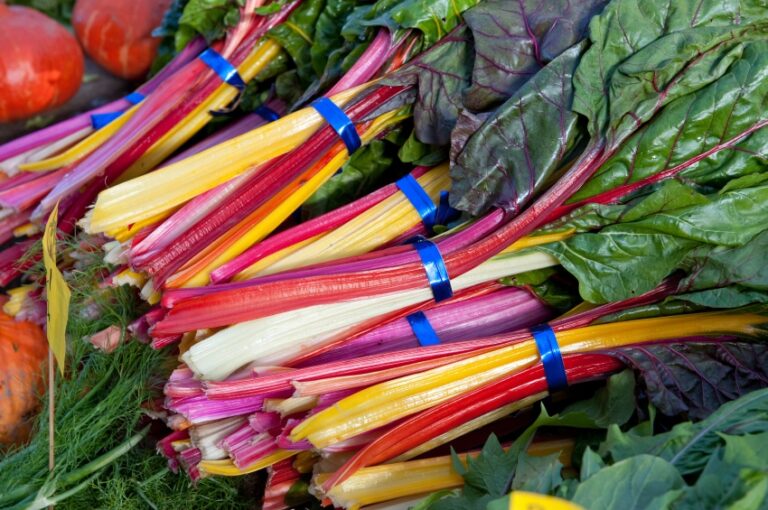
    SaladsWarm Chard, Chicory & Grapefruit SaladOpen recipe →
    Want more than recipes?

    The Alkaline Life Club has everything in the Recipe Club, plus coaching, live Q&A and a community to keep you going.

    See the Alkaline Life Club

    Sources

    Nutrient values: USDA FoodData Central, SR Legacy (red onion 170000, red chilli 170106, mint 173475, coriander 169997). Plant compounds are named where the ingredient is a well-documented source; flavonoids follow the USDA Database for the Flavonoid Content of Selected Foods, Release 3.3. Daily Values: US Food and Drug Administration.
  • Alkaline Recipe Video #2: Raw Alkaline Red Pepper Sauce

    Alkaline Recipe Video #2: Raw Alkaline Red Pepper Sauce

    Hi guys

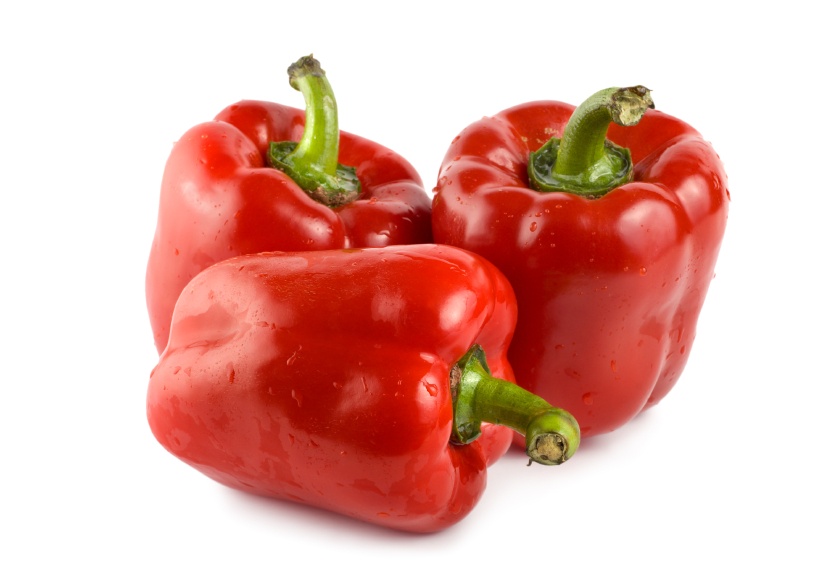
    In this second Alkaline Recipe Video, new Energise contributor, Chef Sal shows us how to make his delicious raw alkaline Red Pepper Sauce – which is the finishing touch to last week’s recipe Alkaline Zucchini Wheels with Pesto.

    It also can be prepared separately, as a soup or garnish for another dish.

    Leave a comment below if you have a question – either myself of Sal will answer all of them!

    And if you like this – LIKE Live Energized on FaceBook – more recipes and special resources will be posted there!

    Ross

    p.s. note: the use of Miso here is purely as a flavour, as you know my belief is that Miso (being fermented) is not especially alkaline and if you want to substitute you can use Bragg or any other herb/flavouring you like – or you can simply remove it.

    No dehydrator?

    Note: in case you don’t have a dehydrator, Chef Sal recommends:

    1. Probably the best way is to quickly flash saute them in a pan on a stove or a hot plate. You can flavor the zucchini strips in the oil and seasonings before you put them into the pan. Just lay them in a medium-high heated pan for about 10 seconds, turn them over for another 10 seconds and remove.

    2. Or–blanch quickly in boiling water to make zucchini strips pliable, then IMMEDIATELY put into ice water to shock to prevent further cooking. Dry them. Only problem here is that the zucchini has no taste, so you have to flavor them by putting them in a mixture of oil, garlic powder and sea salt. Let them absorb the flavoring for a bit. Pat them dry before moving on to the next step.

    3. Another way–but not the best–is to put them into the oven at the LOWEST setting that the oven will allow (dehydrator is from 105 to 110 degrs. … my oven will go down only to 170 degrs…) and watch the timing to get the zucchini strips to aldente… no more. You can’t leave the strips in the oven very long. With this method you can also season ahead of time.

    However, you will lose a major portion of the enzymes with any of these methods.

    I noticed you specifically asked about the zucchini… these methods may be the same for other items as well, but we’ll have to figure it out. It really is the matter of enzyme retention that we’re talking about.

    Of course, the recipe still works with a completely cooked zucchini strip for those that prefer them cooked!

    Alkaline Diet Recipe Book Banner

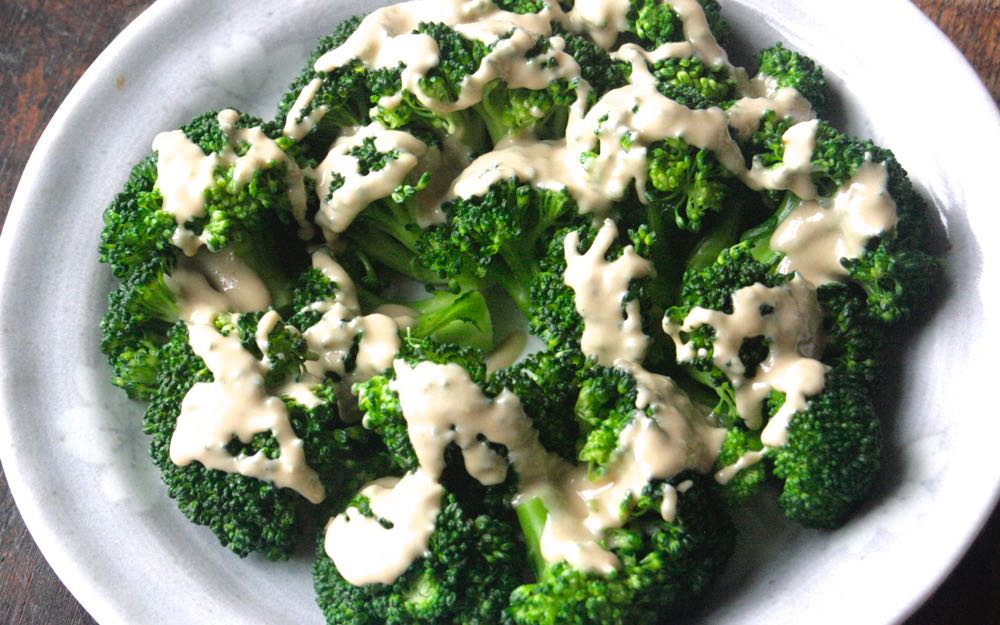
  • Alkaline Diet Recipe #123: Simple Side Dish – Broccoli with Tahini Dressing

    Alkaline Diet Recipe #123: Simple Side Dish – Broccoli with Tahini Dressing

    As you probably know, broccoli is flippin’ brilliant for your body, highly alkaline, nutrient dense – it’s an old skool superfood. It’s been a superfood since way before anyone had heard of Incaberries.

    I am always looking for ways I can jazz up broccoli so I can include it in or with my meal more often. And by simply adding this little tahini dressing, it gives the crunch of broccoli a nice creamy, textured, flavoursome finish – and makes me want to have it every day!

    Anti-inflammatory, anti-allergy, cholesterol lowering, antioxidant rich, vitamin C, K, B6, B2-rich, full of alkaline minerals such as chromium, manganese, potassium and full of fibre – it’s a pretty awesome veggie.

    This dish works amazingly well as a simple side to any meal.

    Alkaline Recipe: The Simple Side – Broccoli with Tahini Dressing

    Serves 2

    Ingredients

    For the salad:
    2-4 heads broccoli (use the florets only, not the stalk)
    4 medium carrot

    For the sauce:
    125ml tahini
    40ml olive oil
    c. 150ml water
    50ml lemon juice (about 1 big lemon)
    1½tsp ground coriander
    ¾tsp cumin
    1/3tsp chilli pepper
    1 tsp of sesame seeds
    Lime slices for garnish and to squeeze

    Instructions

    Alkaline Diet Recipe Book Banner1. Remove the main pieces of stem from the broccoli, and then chop any remaining large pieces of stem off the florets. Separate the florets, if necessary, with the knife so that you end up with small 1-2cm pieces of broccoli. Put the florets into a large mixing bowl.

    Now you can either take the option of having this as a RAW meal or lightly cooked. If you’re going the cooking option I recommend either steaming for 2-3 minutes or rapidly ‘steam-frying’ for 2 minutes in a frying pan. This is just to make the broccoli slightly tender, rather than soft. You still want a crunch!

    2. Grate the carrot and add to the mixing bowl.

    3. Make the sauce by putting all of the sauce ingredients apart from the water and sesame seeds into a mini processor. Add about half the water and process. Then gradually add more water until you have a sauce that is gloopy and thick – the amount of water needed with depend on the consistency of your tahini. Add the sesame seeds and put to one side.

    4. Pour the sauce over the top of all the ingredients and mix thoroughly.

    5. Serve with a slice/quarter of lime, optional brown rice or a big salad 🙂


    [yumprint-recipe id=’27’]


    Note: Grab the Alkaline Lifestyle Guide here

  • Roasted Artichokes with Lemon Oil Dip

    Roasted Artichokes with Lemon Oil Dip

    Recipes › Sides

    Roasted Artichokes with Lemon Oil Dip

    A very light, alkalising recipe for warmer days, with charred artichokes and a sharp citrus dip.

    Prep 15 minCook 40 minServes 27 ingredients
    VeganGluten-freeDairy-freeNut-freeNo added sugar

    Tastes: tender and lightly charred, with a sharp, garlicky lemon dip.

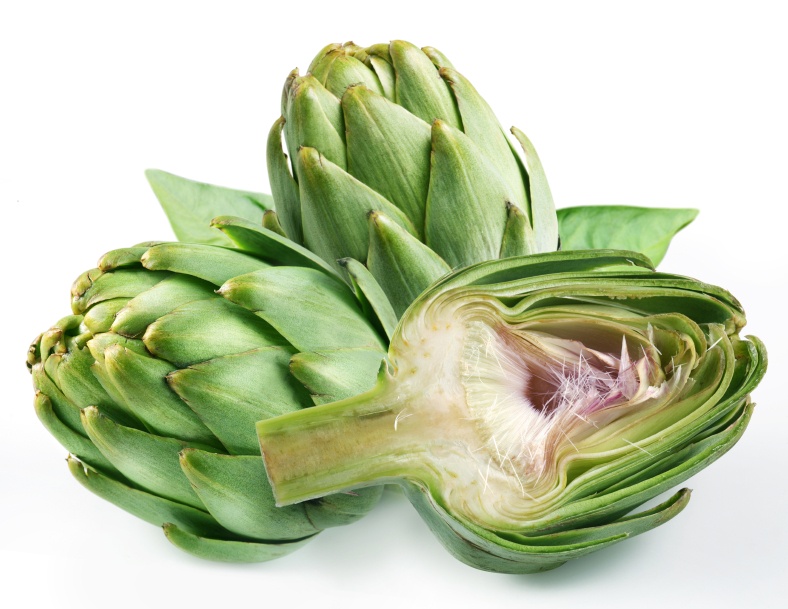
    artichoke

    Not so hard after all

    I have always wanted to find more recipes using artichokes. They’re one of those vegetables that are often underused, as the general perception seems to be that they’re hard to prepare.

    This is an easy-to-follow recipe that brings out the delicious taste of this healthy vegetable, and the sharp lemon dip gives it a great contrast in flavour. I hope it shows how versatile artichokes are, and that they’re not so difficult to prepare after all.

    Artichokes are alkalising and may help aid digestion and support healthy liver and gall bladder function. Lemons are alkalising too, and they give this dish a sharp contrast in flavour.

    Why you’ll love it

    • Light and alkalising. A lovely starter or side for warmer days.
    • Garlic and lemon. Roasted garlic mellows into a sweet, creamy dip.
    • Easier than you think. No fiddly steaming – just wedges and the oven.

    Good for

    Immunity

    Copper, vitamin C, folate and vitamin B6 contribute to the normal function of the immune system.

    Antioxidants

    Copper, vitamin E, vitamin C and manganese contribute to the protection of cells from oxidative stress. It also contains plant compounds with antioxidant activity, including apigenin and flavonoids.

    Energy

    Folate, vitamin B6 and magnesium contribute to the reduction of tiredness and fatigue.

    Bones

    Vitamin K, manganese and magnesium contribute to the maintenance of normal bones.

    Tags use approved nutrient health-claim wording, for nutrients that give at least 10% of the Daily Value per serve. Plant compounds like these have no Daily Value, so we only say they’re there.

    Key nutrients per serve

    Vitamin K
    39%Copper
    22%Vitamin E
    20%

    Contains: vitamin C (18%), manganese (13%), folate (12%), vitamin B6 (12%), magnesium (10%) and potassium (6%).

    Plant compounds: chlorophyll, apigenin from the parsley, sulphur compounds from the garlic and citrus flavonoids from the lemon.

    4 g fibreUnder 4 g natural sugarAbout 65 mg sodium

    % of US Daily Value for adults, per serve (half the recipe). Estimated from USDA FoodData Central values for the ingredients as listed; cooking reduces some vitamins, so treat these as upper estimates. Excludes salt and pepper added to taste; anything over 100% shows as 100%+.

    Roasted Artichokes with Lemon Oil Dip

    Charred roasted artichoke wedges with a garlicky lemon-oil dip.
    Prep Time 15 minutes
    Cook Time 40 minutes
    Total Time 55 minutes
    Servings: 2

    Ingredients
      

    • 1 globe artichoke trimmed
    • ½ tbsp fresh lemon juice
    • 6 garlic cloves unpeeled
    • ½ lemon organic or unwaxed
    • 3 tbsp olive oil
    • Himalayan or Celtic sea salt and black pepper
    • flat-leaf parsley to garnish

    Equipment

    • Roasting tin

    Method
     

    1. Preheat the oven to 200°C (400°F). Add the lemon juice to a bowl of cold water.
    2. Cut the artichoke into wedges and pull the hairy choke out from the centre, then put the wedges into the lemony water until needed.
    3. Drain the wedges and place them in a roasting tin with the garlic cloves. Add half the oil and mix well to coat. Sprinkle with salt and roast for about 40 minutes, stirring once or twice, until tender and slightly charred.
    4. Meanwhile, start the dip. Thinly pare two strips of rind from the lemon and scrape away any pith. Simmer the rind in a small pan of water for about 5 minutes, then drain, refresh in cold water and chop roughly.
    5. Let the cooked artichokes cool for about 5 minutes. Squeeze the soft garlic out of its skins into a bowl and mash to a purée. Add the lemon rind, squeeze in the juice from the lemon, and whisk in the remaining oil.
    6. Serve the artichokes warm with the lemon dip, garnished with parsley and seasoned to taste.

    Swaps

    • Short on time? Use jarred artichoke hearts in water, drained and roasted for 15–20 minutes.
    • Make it a meal: serve with quinoa and a big green salad.
    • Herbs: basil or mint work as well as parsley.

    Storing it

    Best eaten warm on the day. The dip keeps in the fridge for 2–3 days.

    Try next

    Salad5-Minute Green Summer SaladOpen recipe →
    SaladMagnesium-Boosting Super SaladOpen recipe →
    Want more than recipes?

    The Alkaline Life Club has everything in the Recipe Club, plus coaching, live Q&A and a community to keep you going.

    See the Alkaline Life Club

    Sources

    Nutrient values: USDA FoodData Central, SR Legacy (artichoke 169205, lemon juice 167747, garlic 169230, olive oil 171413, parsley 170416). Plant compounds are named where the ingredient is a well-documented source; flavonoids follow the USDA Database for the Flavonoid Content of Selected Foods, Release 3.3. Daily Values: US Food and Drug Administration.