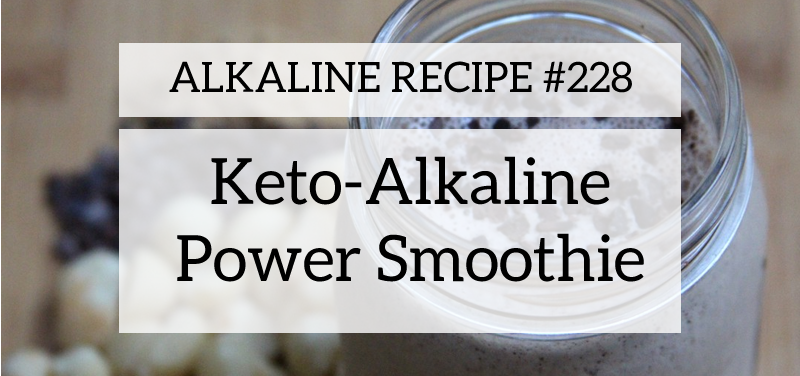
Keto Alkaline Power Smoothie
Rich, chocolatey and very low in sugar: coconut milk, avocado, cucumber, spinach, almond butter, chia, cacao, cinnamon and ginger.
Tastes: rich, thick and chocolatey, with warm cinnamon and ginger.
Keto and alkaline, together
The ketogenic diet most of us mean today is based on the Modified Atkins Diet developed at Johns Hopkins around 2002 (yep, the keto diet isn’t a 2018 thing, although it feels like it sometimes). Atkins was low-carb and high-protein; the Johns Hopkins researchers made it low-carb, moderate protein and high fat.
The pure therapeutic ketogenic diet is something else entirely: extremely high-fat, done under medical supervision and for set periods of time.
If you enjoy eating low-carb, this smoothie fits right in: plenty of healthy fats, very little sugar and a big hit of greens and alkaline minerals.
Why you’ll love it
- Very low in sugar: about 2 g a glass.
- 12 g fibre a glass.
- Manganese and copper: about 90% and 80% of your daily needs.
- Chocolatey with cacao and cinnamon.
Good for
Copper, iron, folate and vitamin B6 contribute to the normal function of the immune system.
Manganese, copper, vitamin E and riboflavin contribute to the protection of cells from oxidative stress. It also contains plant compounds with antioxidant activity, including lutein, beta-carotene and gingerols.
Magnesium, pantothenic acid, iron and folate contribute to the reduction of tiredness and fatigue.
Manganese, vitamin K, magnesium and phosphorus contribute to the maintenance of normal bones.
Riboflavin and zinc contribute to the maintenance of normal vision. It also contains lutein and zeaxanthin, the carotenoids found in the macula of the eye.
Potassium contributes to the maintenance of normal blood pressure.
Tags use approved nutrient health-claim wording, for nutrients that give at least 10% of the Daily Value per glass. Plant compounds like lutein have no Daily Value, so we only say they’re there.
Key nutrients per glass
Contains: folate (35%), vitamin E (29%), vitamin B6 (24%), phosphorus (24%), riboflavin (23%), niacin (23%), potassium (23%), zinc (21%), vitamin C (20%), thiamin (17%) and calcium (11%).
Plant compounds: lutein and zeaxanthin (about 2.1 mg), beta-carotene (about 0.9 mg), plant omega-3 ALA (about 1.2 g), chlorophyll, gingerols from the ginger and flavanols from the cacao.
% of US Daily Value for adults, per glass (half the recipe). Estimated from USDA FoodData Central values for the ingredients as listed, so treat these as upper estimates. Uses full-fat canned coconut milk; anything over 100% shows as 100%+.
Keto Alkaline Power Smoothie
Ingredients
Equipment
Method
- Put everything in a blender and blend until smooth, adding a little water if you need to.
- Sprinkle a little cinnamon on top if you like!
Swaps
- Nut-free: use tahini or sunflower seed butter instead of almond butter.
- Lighter: use half coconut milk and half water, and skip the coconut oil.
- Colder: blend in a few ice cubes.
Storing it
Best fresh – it thickens as it sits.
Good to know
- High in vitamin K. If you take warfarin or another blood thinner, keep your greens intake steady and talk to your doctor before making green smoothies a daily habit.
- Contains almonds (in the almond butter).
Try next
The Alkaline Life Club has everything in the Recipe Club, plus coaching, live Q&A and a community to keep you going.
See the Alkaline Life ClubSources
Nutrient values: USDA FoodData Central, SR Legacy (canned coconut milk 170173, avocado 171705, cucumber 168409, baby spinach 168462, cinnamon 171320, ground ginger 170926, almond butter 168588, chia seeds 170554, cacao (cocoa powder) 169593, coconut oil 171412). Plant compounds are named where the ingredient is a well-documented source; flavonoids follow the USDA Database for the Flavonoid Content of Selected Foods, Release 3.3. Daily Values: US Food and Drug Administration.