Category: Lunch Recipes

  • Anti-Inflammatory Cauliflower Soup

    Anti-Inflammatory Cauliflower Soup

    Recipes › Soups

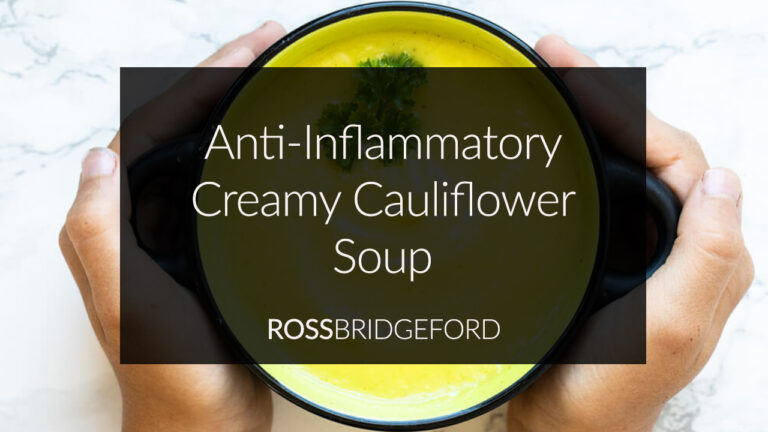
    Anti-Inflammatory Cauliflower Soup

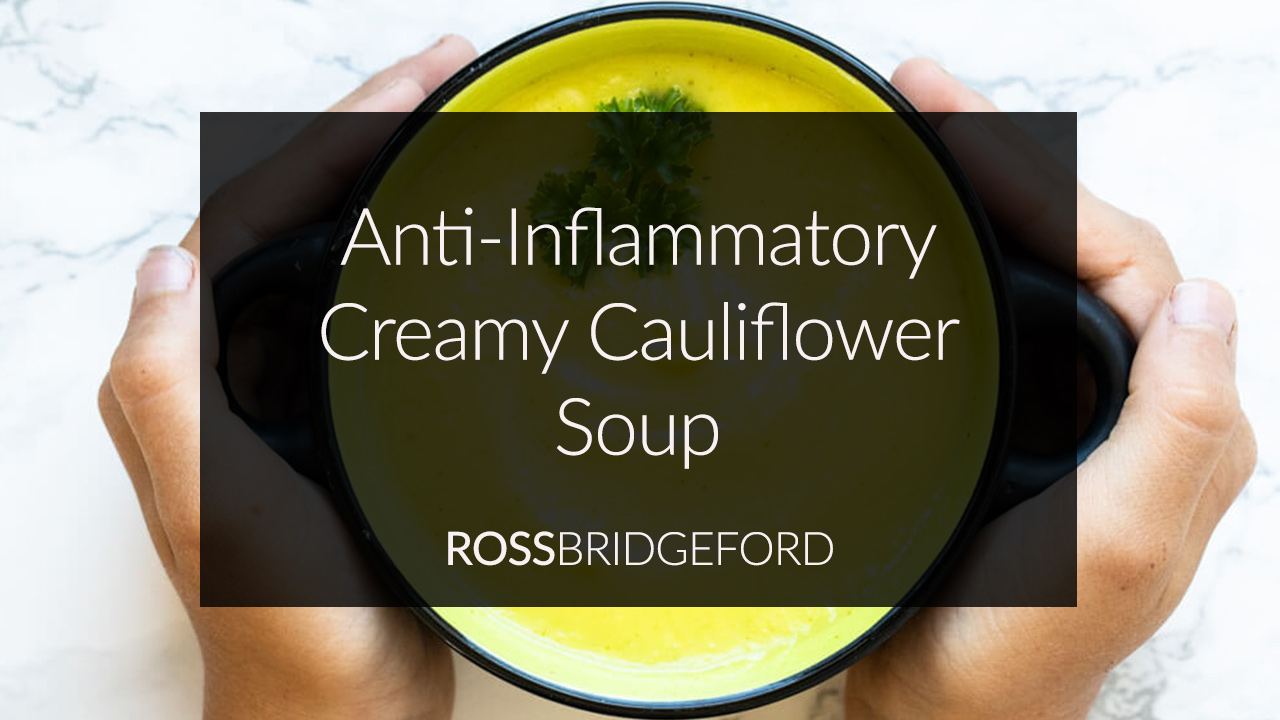
    This is a massive hit with my family and my Alkaline Life Club members. It’s so nutritionally dense and SO satisfying, you can have it again and again, hot or cool – it’s a hit 365 days of the year.

    Prep 10 minCook 25 minServes 212 ingredients
    VeganGluten-freeDairy-freeNo added sugar

    Tastes: thick, creamy and gently warming, with ginger and turmeric.
    The goodness runs deep on this one

    It’s packed with healthy fats from the cashews, coconut oil and hemp seeds, the anti-inflammatory power of the turmeric and ginger, and raw garlic stirred in right at the end.

    Cauliflower is a cruciferous veg, the same family that gives us sulforaphane, which may help support your immune system and, along with the turmeric and ginger, may help protect against some cancers. And the raw garlic brings natural antiviral power.

    Why you’ll love it

    • Creamy without cream. Cashews and cauliflower blend up thick and silky.
    • Anti-inflammatory turmeric and ginger, fresh and grated.
    • Hot or cool. A fantastic one for every season.

    Good for

    Immunity

    Vitamin C, copper, folate and vitamin B6 contribute to the normal function of the immune system.

    Antioxidants

    Vitamin C, copper, manganese and riboflavin contribute to the protection of cells from oxidative stress. It also contains plant compounds with antioxidant activity, including lutein, beta-carotene and quercetin.

    Energy

    Folate, vitamin B6, pantothenic acid and magnesium contribute to the reduction of tiredness and fatigue.

    Bones

    Manganese, vitamin K, magnesium and phosphorus contribute to the maintenance of normal bones.

    Eyes

    Riboflavin and zinc contribute to the maintenance of normal vision.

    Blood pressure

    Potassium contributes to the maintenance of normal blood pressure.

    Tags use approved nutrient health-claim wording, for nutrients that give at least 10% of the Daily Value per serve. Plant compounds like lutein have no Daily Value, so we only say they’re there.

    Key nutrients per serve

    Vitamin C
    100%+Copper
    78%Manganese
    71%Vitamin K
    65%Folate
    53%Vitamin B6
    52%

    Contains: pantothenic acid (50%), thiamin (36%), magnesium (36%), phosphorus (29%), potassium (28%), iron (25%), riboflavin (24%), zinc (24%), niacin (18%), selenium (12%), vitamin E (10%) and calcium (10%).

    Plant compounds: lutein and zeaxanthin (about 0.9 mg), beta-carotene (about 0.9 mg), plant omega-3 ALA (about 0.6 g), quercetin from the onion, glucosinolates from the cauliflower, curcumin from the turmeric, gingerols from the ginger and sulphur compounds from the garlic.

    13 g protein8 g fibreAbout 12 g natural sugarAbout 1285 mg sodium

    % of US Daily Value for adults, per serve (half the recipe). Estimated from USDA FoodData Central values for the ingredients as listed; cooking reduces some vitamins, so treat these as upper estimates. Fresh turmeric uses USDA ground turmeric values; excludes salt and pepper added to taste; anything over 100% shows as 100%+.

    Anti-Inflammatory Cauliflower Soup

    A creamy, satisfying cauliflower soup with turmeric, ginger and cashews.
    Prep Time 10 minutes
    Cook Time 25 minutes
    Total Time 35 minutes
    Servings: 2

    Ingredients
      

    • 2 tbsp coconut oil
    • 1 small brown onion diced
    • 1 medium cauliflower cut into florets
    • 1 leek chopped
    • 1 cm root ginger grated
    • 1 cm root turmeric grated
    • 1 tbsp hemp seeds
    • 3 cloves garlic crushed
    • 800 ml vegetable stock
    • ¼ cup cashews
    • olive oil to serve
    • salt and pepper to taste
    • chopped chives optional, to serve

    Equipment

    • Large pot
    • Blender

    Method
     

    1. Heat the coconut oil in a large pot over medium heat, add the onion, leek, turmeric and ginger, and gently sauté for 4–5 minutes.
    2. Add the cauliflower, cashews, stock, hemp seeds and a generous pinch of salt and pepper, and bring to the boil.
    3. Once boiling, reduce to a simmer and cook for 20 minutes, or until the cauliflower has softened. Remove from the heat and cool slightly.
    4. Finally, add the garlic and blend until thick and creamy. Serve with a drizzle of olive oil and season to taste.

    Swaps

    • No fresh turmeric? Use ½ tsp ground turmeric.
    • Nut-free? Leave out the cashews and add an extra tablespoon of hemp seeds for creaminess.
    • Lighter: use 1 tbsp coconut oil instead of 2.

    Storing it

    It keeps in the fridge for 3 days and freezes well. Enjoy it warm or cool.

    Good to know

    • High in vitamin K. If you take warfarin or another blood thinner, keep your greens intake steady and talk to your doctor before eating more leafy greens than usual.
    • Watch the salt: store-bought stock can be salty, so taste before adding more.
    • Contains cashews. Leave them out if you need it nut-free.

    Ross’s tip

    This is a fantastic one warm or cooled, so it suits all seasons! Packed with goodness, it’s one to really savour.

    Try next
    SoupSpiced Lentil SoupOpen recipe →
    SoupHug in a Bowl Lentil SoupOpen recipe →
    Want more than recipes?

    The Alkaline Life Club has everything in the Recipe Club, plus coaching, live Q&A and a community to keep you going.

    See the Alkaline Life Club

    Sources

    Nutrient values: USDA FoodData Central, SR Legacy (coconut oil 171412, onion 170000, cauliflower 169986, leek 169246, ginger 169231, turmeric 172231, hemp seeds 170148, garlic 169230, vegetable broth 171583, cashews 170162, olive oil 171413). Plant compounds are named where the ingredient is a well-documented source; flavonoids follow the USDA Database for the Flavonoid Content of Selected Foods, Release 3.3. Daily Values: US Food and Drug Administration.
  • Beetroot Ravioli with Cashew Cream Cheese

    Beetroot Ravioli with Cashew Cream Cheese

    Recipes › Lunch

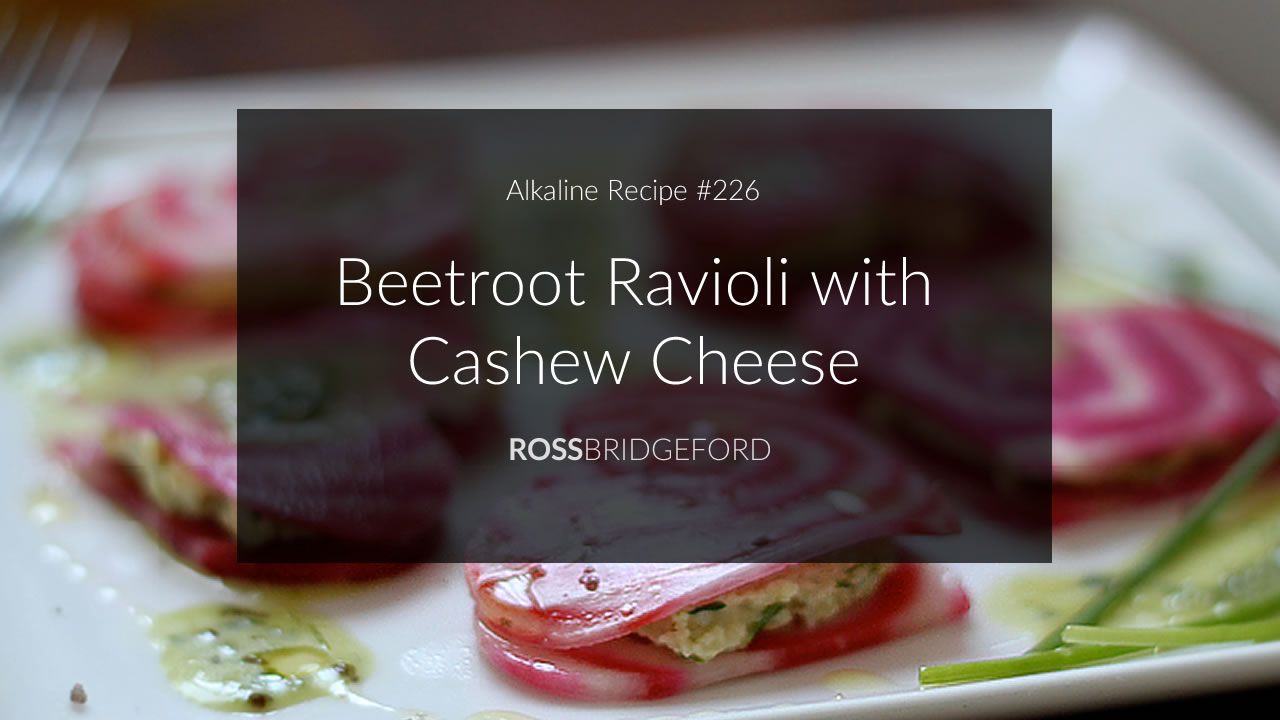
    Beetroot Ravioli with Cashew Cream Cheese

    A belter of a recipe, much loved every time I make it – totally different to anything most people have tried, and it looks a million dollars.

    Prep 20 minServes 210 ingredients
    VeganGluten-freeDairy-freeNo added sugar

    Tastes: earthy, sweet raw beetroot sandwiching a tangy, herby cashew cream cheese.

    beetroot ravioli

    Innovative and delicious

    It showcases just how innovative and delicious alkaline cooking can be – plus it brings alkalinity, vegan protein and awesome healthy fats.

    It takes very little time to make. Serve it as a starter, or with a big salad for a more substantial meal.

    Why you’ll love it

    • Looks a million dollars on the plate.
    • No cooking – just blend, slice and stack.
    • Copper: almost a full day’s worth, from the cashews.
    • A brilliant starter for guests.

    Good for

    Immunity

    Copper, folate, zinc and iron contribute to the normal function of the immune system.

    Antioxidants

    Copper, manganese, zinc and vitamin C contribute to the protection of cells from oxidative stress. It also contains plant compounds with antioxidant activity, including apigenin, quercetin and betalains.

    Energy

    Folate, magnesium, iron and vitamin B6 contribute to the reduction of tiredness and fatigue.

    Muscles

    Protein contributes to the maintenance of muscle mass, and magnesium and potassium contribute to normal muscle function.

    Bones

    Vitamin K, manganese, magnesium and zinc contribute to the maintenance of normal bones.

    Eyes

    Zinc contributes to the maintenance of normal vision.

    Blood pressure

    Potassium contributes to the maintenance of normal blood pressure.

    Tags use approved nutrient health-claim wording, for nutrients that give at least 10% of the Daily Value per serve. Plant compounds like these have no Daily Value, so we only say they’re there.

    Key nutrients per serve

    Copper
    89%Vitamin K
    41%Manganese
    39%Folate
    31%Magnesium
    30%Zinc
    22%

    Contains: phosphorus (20%), iron (18%), thiamin (17%), vitamin C (16%), selenium (14%), potassium (13%), vitamin B6 (12%) and pantothenic acid (10%).

    Plant compounds: chlorophyll, apigenin from the parsley, quercetin from the onion, betalains from the beetroot and citrus flavonoids from the lemon.

    8 g protein4 g fibreAbout 10 g natural sugarAbout 85 mg sodium

    % of US Daily Value for adults, per serve (half the recipe (starter)). Estimated from USDA FoodData Central values for the ingredients as listed, so treat these as upper estimates. Uses 1 tbsp olive oil to drizzle; excludes salt and pepper and salads to serve; anything over 100% shows as 100%+.

    Beetroot Ravioli with Cashew Cream Cheese

    Wafer-thin raw beetroot rounds sandwiched with a herby cashew cream cheese.
    Prep Time 20 minutes
    Total Time 20 minutes
    Servings: 2

    Ingredients
      

    Cashew cream cheese
    • ½ cup raw cashews soaked overnight
    • ¼ cup water
    • 1 tbsp lemon juice
    • ¾ tbsp chives finely chopped
    • 1 small handful parsley finely chopped
    • 1 small piece red onion
    Ravioli
    • 1 large beetroot
    • ¼ lemon
    • Himalayan or Celtic sea salt and black pepper to taste
    • ½ tbsp olive oil to drizzle

    Equipment

    • High-speed blender
    • Mandoline (optional)

    Method
     

    1. Make the cashew cream cheese: blend the drained cashews, water, lemon juice, onion, parsley and chives at high speed until smooth.
    2. Peel the beetroot and slice into very thin rounds – a mandoline makes this very easy.
    3. Season the beetroot with salt and pepper and a squeeze of lemon.
    4. Lay a round on the plate, top with a little cashew cheese and cover with a second round to make a ravioli. Repeat, drizzle with olive oil and serve.

    Notes

    Feeding four? Double everything – that’s the original recipe.
    Serve with a big salad – the Crunchy Kale Salad or Quinoa Salad with Avocado work well – for a more substantial meal.

    Swaps

    • Golden beetroot looks beautiful mixed with red.
    • Nut-free: use soaked sunflower seeds for the cream cheese.
    • Short on time? Soak the cashews in boiling water for 30 minutes.

    Storing it

    Assemble just before serving. The cashew cream cheese keeps in the fridge for 4–5 days.

    Good to know

    • Contains cashews. See Swaps for nut-free.

    Try next

    SaladCrunchy Kale Salad with Tahini DressingOpen recipe →
    SaladQuinoa Salad with AvocadoOpen recipe →
    Want more than recipes?

    The Alkaline Life Club has everything in the Recipe Club, plus coaching, live Q&A and a community to keep you going.

    See the Alkaline Life Club

    Sources

    Nutrient values: USDA FoodData Central, SR Legacy (beetroot 169145, lemon juice 167747, cashews 170162, chives 169994, parsley 170416, onion 170000, olive oil 171413). Plant compounds are named where the ingredient is a well-documented source; flavonoids follow the USDA Database for the Flavonoid Content of Selected Foods, Release 3.3. Daily Values: US Food and Drug Administration.
  • Cauliflower Fried Rice with Turmeric, Ginger & Kale

    Cauliflower Fried Rice with Turmeric, Ginger & Kale

    Recipes › Lunch

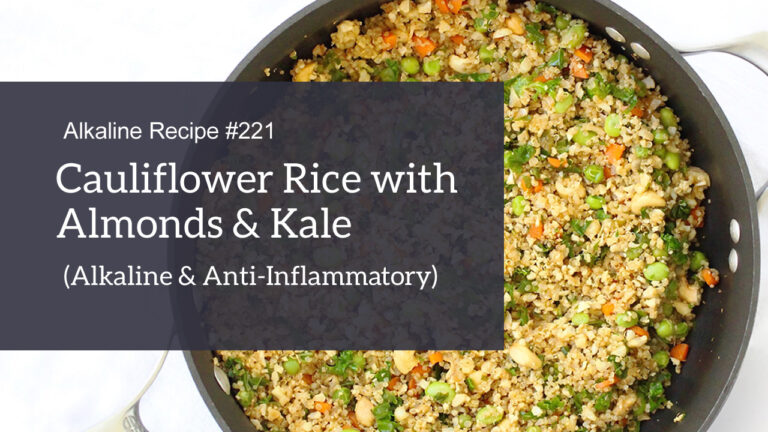
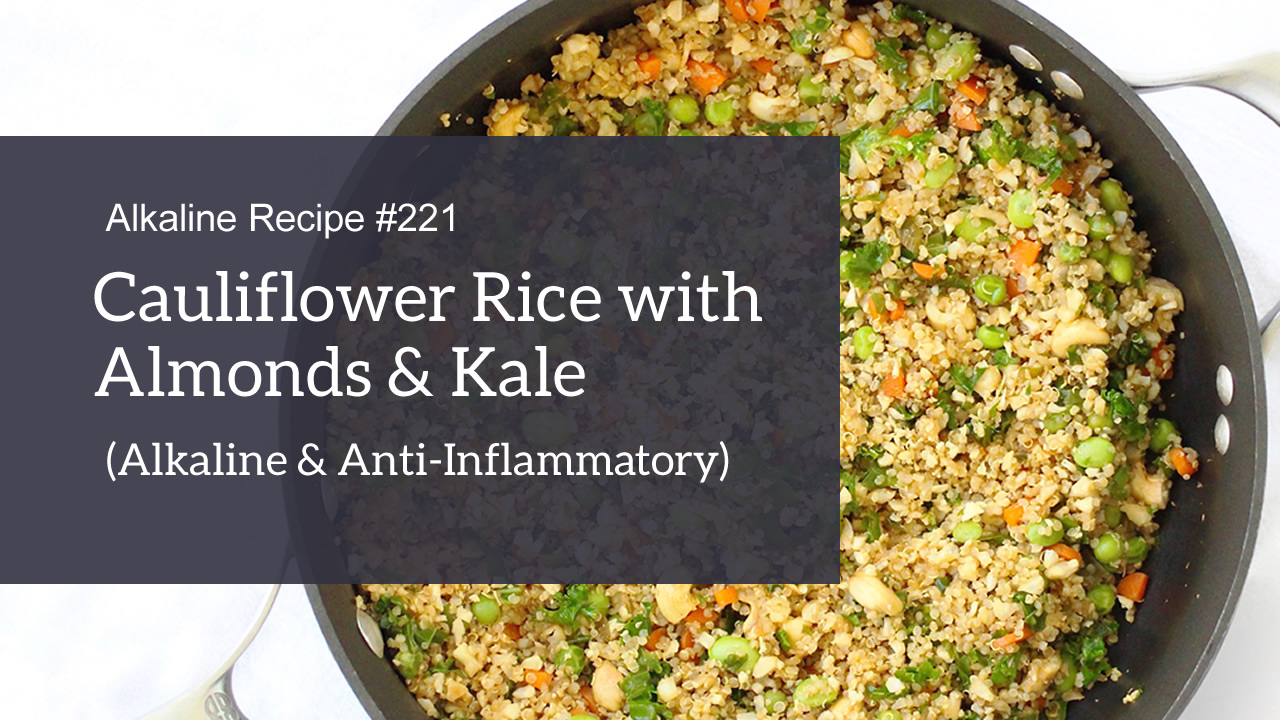
    Cauliflower Fried Rice with Turmeric, Ginger & Kale

    Oh boy, this recipe is a massive win. Fresh, so many different textures, massive depth of flavour – and of course alkaline, antioxidant-rich and anti-inflammatory.

    Prep 15 minCook 5 minServes 413 ingredients
    VeganGluten-freeDairy-freeNo added sugar

    Tastes: fresh and zesty, with ginger, turmeric, loads of herbs and crunchy almonds.

    Cauliflower fried rice with kale, herbs and almonds

    Make it once, lunch all week

    It ticks every box of my Triple-A. Winner! And more than that, it’s a superb recipe to make in bulk and have for your healthy lunch at WORK. It keeps in the fridge all week, so you can simply grab and go.

    It works great on its own, warm or cold, or as a base for other dishes – top it with a stir-fry, a curry, or just a big pile of roast veggies. And if you want to bulk it out as a cold salad, I love to chop in a heap of spinach and tomatoes.

    Why you’ll love it

    • Vitamins C and K: more than a full day’s worth of each, per serve.
    • Herb heaven: coriander, parsley and mint.
    • Quick: under 5 minutes in the pan.
    • Meal-prep friendly. Keeps in the fridge all week.

    Good for

    Immunity

    Vitamin C, folate, copper and vitamin B6 contribute to the normal function of the immune system.

    Antioxidants

    Vitamin C, manganese, copper and riboflavin contribute to the protection of cells from oxidative stress. It also contains plant compounds with antioxidant activity, including lutein, beta-carotene and apigenin.

    Energy

    Folate, riboflavin, pantothenic acid and vitamin B6 contribute to the reduction of tiredness and fatigue.

    Muscles

    Protein contributes to the maintenance of muscle mass, and magnesium, potassium and calcium contribute to normal muscle function.

    Bones

    Vitamin K, manganese, magnesium and phosphorus contribute to the maintenance of normal bones.

    Eyes

    Riboflavin, vitamin A and zinc contribute to the maintenance of normal vision. It also contains lutein and zeaxanthin, the carotenoids found in the macula of the eye.

    Blood pressure

    Potassium contributes to the maintenance of normal blood pressure.

    Tags use approved nutrient health-claim wording, for nutrients that give at least 10% of the Daily Value per serve. Plant compounds like lutein have no Daily Value, so we only say they’re there.

    Key nutrients per serve

    Vitamin K
    100%+Vitamin C
    100%+Manganese
    57%Folate
    50%Copper
    44%Riboflavin
    38%

    Contains: pantothenic acid (38%), vitamin B6 (35%), vitamin E (31%), magnesium (26%), potassium (25%), iron (23%), phosphorus (19%), thiamin (17%), niacin (17%), vitamin A (16%), calcium (16%) and zinc (15%).

    Plant compounds: lutein and zeaxanthin (about 3.3 mg), beta-carotene (about 1.5 mg), chlorophyll, apigenin from the parsley, quercetin and kaempferol from the kale, quercetin from the onion, glucosinolates from the cauliflower and kale, curcumin from the turmeric, gingerols from the ginger and citrus flavonoids from the lime.

    10 g protein10 g fibreAbout 7 g natural sugarAbout 350 mg sodium

    % of US Daily Value for adults, per serve (¼ of the recipe). Estimated from USDA FoodData Central values for the ingredients as listed; cooking reduces some vitamins, so treat these as upper estimates. Fresh turmeric uses ground turmeric values; excludes the optional chilli; anything over 100% shows as 100%+.

    Cauliflower Fried Rice with Turmeric, Ginger & Kale

    Cauliflower rice stir-fried with kale, zucchini, ginger, turmeric and fresh herbs, finished with almonds and lime.
    Prep Time 15 minutes
    Cook Time 5 minutes
    Total Time 20 minutes
    Servings: 4 serves

    Ingredients
      

    • 1 large cauliflower
    • ½ bunch kale any variety, Tuscan is lovely
    • 1 tbsp coconut oil
    • 1 zucchini (courgette)
    • 1 inch fresh ginger or 1 tsp ground
    • 1 inch fresh turmeric or 1 tsp ground
    • 1 bunch coriander
    • ½ bunch parsley any variety
    • 1 bunch mint
    • 1 lime
    • 4 spring onions
    • 2 handfuls almonds
    • 1 tbsp tamari or Bragg Liquid Aminos
    • 1 green chilli optional

    Equipment

    • Food processor or grater
    • Large pan

    Method
     

    1. Make the cauliflower rice: break the cauliflower into small florets and pulse in a food processor until it’s like rice. No food processor? Just grate it.
    2. Thinly slice the kale, quarter and thinly slice the zucchini, and roughly chop all the herbs (discard the mint and parsley stems, but keep the coriander stems).
    3. Peel the ginger and turmeric (scraping with the back of a spoon makes it easy) and grate them into a large pan with the coconut oil.
    4. As it starts to warm, stir in the herbs, including the coriander stems.
    5. After 30 seconds, stir in the cauliflower and then the kale.
    6. After another 2–3 minutes, add the spring onions, zucchini and tamari, stir through and remove from the heat. The total cooking time should be under 5 minutes – you don’t want anything going too soft!
    7. Roughly chop the almonds and stir them through, then season to taste and add lime juice to your liking.

    Swaps

    • As a cold salad: chop in a heap of spinach and tomatoes.
    • No fresh turmeric or ginger? Use 1 tsp of each, ground.
    • Nut-free: use toasted pumpkin seeds instead of almonds.

    Storing it

    Keeps in the fridge for up to 5 days – perfect for grab-and-go lunches.

    Good to know

    • High in vitamin K. If you take warfarin or another blood thinner, keep your greens intake steady and talk to your doctor before eating more leafy greens than usual.
    • Tamari: choose one labelled gluten-free if you’re coeliac.
    • Contains almonds. See Swaps for a nut-free version.

    Try next

    SaladTurmeric Roasted Cauliflower & Kale SaladOpen recipe →
    SaladShredded Zesty Brussels & Kale SaladOpen recipe →
    Want more than recipes?

    The Alkaline Life Club has everything in the Recipe Club, plus coaching, live Q&A and a community to keep you going.

    See the Alkaline Life Club

    Sources

    Nutrient values: USDA FoodData Central, SR Legacy (cauliflower 169986, kale 168421, coconut oil 171412, zucchini 169291, ginger 169231, turmeric 172231, coriander leaves 169997, parsley 170416, mint 173475, lime juice 168156, spring onions 170005, almonds 170567, tamari 174278). Plant compounds are named where the ingredient is a well-documented source; flavonoids follow the USDA Database for the Flavonoid Content of Selected Foods, Release 3.3. Daily Values: US Food and Drug Administration.
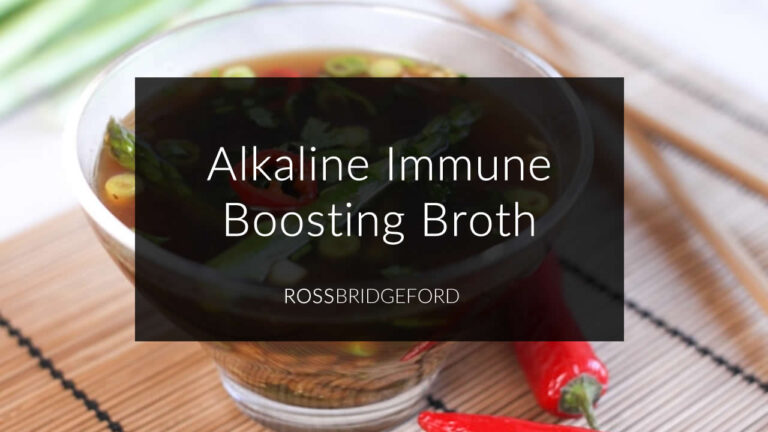
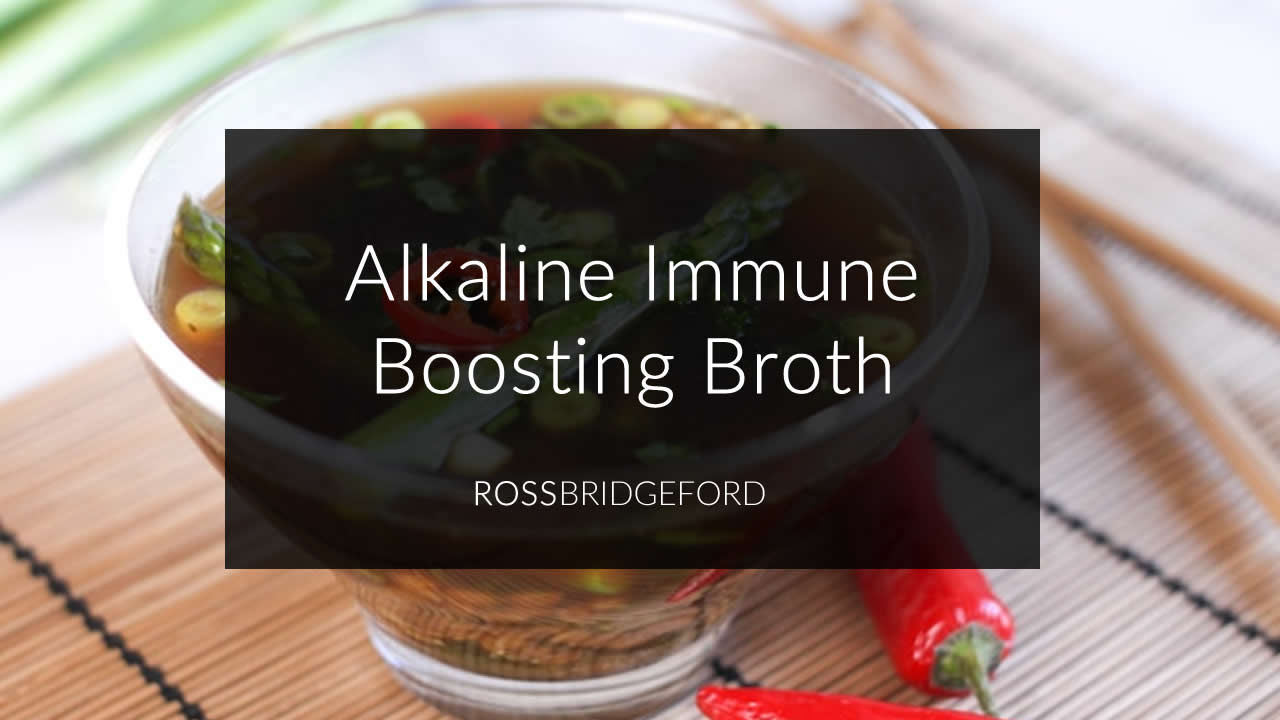
  • Immune-Boosting Asparagus & Ginger Broth

    Immune-Boosting Asparagus & Ginger Broth

    Recipes › Soups

    Immune-Boosting Asparagus & Ginger Broth

    A warming, nourishing broth that does so much good for your immune system – have it all year round, in a mug or a bowl.

    Prep 10 minCook 10 minServes 213 ingredients
    VeganGluten-freeDairy-freeNut-freeNo added sugar

    Tastes: clear, gingery and warming, with garlic, fresh chilli, tender asparagus, kale and coriander.

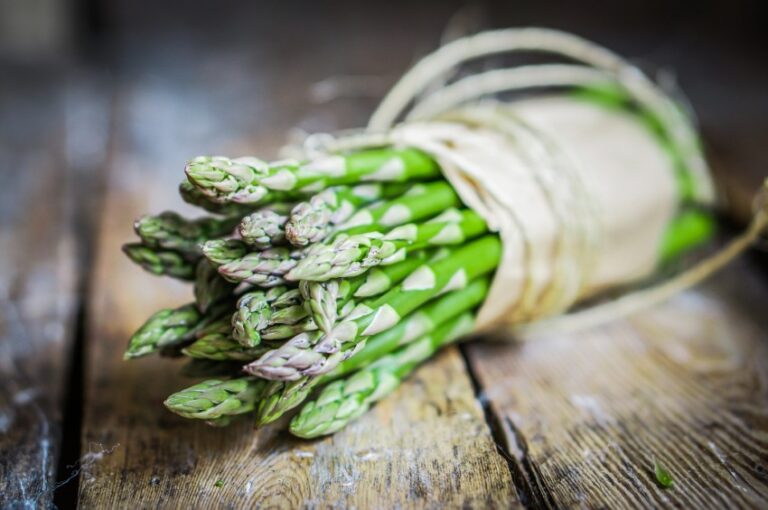
    Asparagus Ginger Immune Boosting Broth

    Your immune system works so hard

    We often think about our immune system when the colder months come around, but its proper functioning is essential to your health, energy and vitality all year round.

    It’s constantly on call, seeking out pathogens like bacteria, viruses, parasites and fungi, and supporting the healthy bacteria in your gut – while keeping a watchful eye on any cells that have changed from what they should be. Garlic and ginger have both been studied for their immune and anti-inflammatory effects, and fresh chilli brings vitamin C.

    Why you’ll love it

    • Quick: about 15 minutes.
    • Vitamin K: about a full day’s worth.
    • Sip it from a mug or eat it with a spoon.
    • Warming ginger, garlic and chilli.

    Good for

    Immunity

    Vitamin C, copper, folate and iron contribute to the normal function of the immune system.

    Antioxidants

    Vitamin C, copper, manganese and riboflavin contribute to the protection of cells from oxidative stress. It also contains plant compounds with antioxidant activity, including lutein, beta-carotene and flavonoids.

    Energy

    Riboflavin, folate, iron and vitamin B6 contribute to the reduction of tiredness and fatigue.

    Bones

    Vitamin K and manganese contribute to the maintenance of normal bones.

    Eyes

    Riboflavin contributes to the maintenance of normal vision. It also contains lutein and zeaxanthin, the carotenoids found in the macula of the eye.

    Tags use approved nutrient health-claim wording, for nutrients that give at least 10% of the Daily Value per serve. Plant compounds like lutein have no Daily Value, so we only say they’re there.

    Key nutrients per serve

    Vitamin K
    99%Vitamin C
    36%Copper
    22%

    Contains: manganese (17%), riboflavin (15%), folate (14%), vitamin E (13%), iron (13%), vitamin B6 (12%), potassium (8%), magnesium (6%) and calcium (6%).

    Plant compounds: lutein and zeaxanthin (about 1.6 mg), beta-carotene (about 1 mg), chlorophyll, quercetin and kaempferol from the kale, quercetin from the onion, glucosinolates from the kale, gingerols from the ginger, sulphur compounds from the garlic and capsaicin from the chilli.

    About 4 g natural sugarAbout 910 mg sodium

    % of US Daily Value for adults, per serve (half the recipe). Estimated from USDA FoodData Central values for the ingredients as listed; cooking reduces some vitamins, so treat these as upper estimates. Uses low-sodium bouillon and tamari values for the Bragg; anything over 100% shows as 100%+.

    Immune-Boosting Asparagus & Ginger Broth

    A clear broth with ginger, garlic and chilli, quickly simmered with asparagus, kale, spring onion and coriander.
    Prep Time 10 minutes
    Cook Time 10 minutes
    Total Time 20 minutes
    Servings: 2 bowls

    Ingredients
      

    • 3 cups organic, gluten-free vegetable bouillon
    • 2 cups filtered water
    • 1½ tbsp Bragg Liquid Aminos or gluten-free tamari
    • 1 inch fresh ginger peeled and grated
    • 2 cloves garlic minced
    • 1 fresh red chilli chopped (see swaps)
    • 8 stalks asparagus chopped
    • 1 large handful kale chopped
    • 1 spring onion chopped
    • ½ cup fresh coriander chopped
    • 1 dessert spoon coconut oil
    • 1 glug olive or flax oil to serve
    • cracked black pepper and Himalayan salt to taste

    Equipment

    • Saucepan

    Method
     

    1. Heat the coconut oil, water, bouillon and Bragg in a pan over a medium heat.
    2. Add the ginger, garlic and chilli and simmer for 3–4 minutes.
    3. Add the kale, spring onion, coriander and asparagus and simmer for another 3–4 minutes.
    4. Serve in bowls or mugs, with a glug of olive or flax oil.

    Swaps

    • Chilli: vary it to your heat tolerance – keep the seeds in for more heat, or take them out for less. Try not to leave it out; the flavour matters.
    • Broccolini or green beans instead of asparagus.
    • Make it a meal: add buckwheat noodles or tofu.

    Storing it

    Keeps in the fridge for 3 days. The greens soften, but it’s still delicious.

    Good to know

    • High in vitamin K. If you take warfarin or another blood thinner, keep your greens intake steady and talk to your doctor before eating more leafy greens than usual.
    • Salt: bouillon and Bragg add up to about 900 mg sodium a serve. Use a low-salt bouillon and 1 tbsp Bragg if you’re watching salt.
    • Bouillon: choose one that’s gluten-free and MSG-free.

    Ross’s tip

    Peel ginger (and turmeric) with a teaspoon! It’s quick and pretty neat and tidy, with minimal ginger goodness lost – and your hands smell good after.

    Try next

    SoupImmune-Boosting Vegetable SoupOpen recipe →
    SoupRoss’s Springtime Pea SoupOpen recipe →
    Want more than recipes?

    The Alkaline Life Club has everything in the Recipe Club, plus coaching, live Q&A and a community to keep you going.

    See the Alkaline Life Club

    Sources

    Nutrient values: USDA FoodData Central, SR Legacy (tamari 174278, ginger 169231, garlic 169230, red chilli 170106, asparagus 168389, kale 168421, spring onions 170005, coriander leaves 169997, olive oil 171413, coconut oil 171412). Plant compounds are named where the ingredient is a well-documented source; flavonoids follow the USDA Database for the Flavonoid Content of Selected Foods, Release 3.3. Daily Values: US Food and Drug Administration.
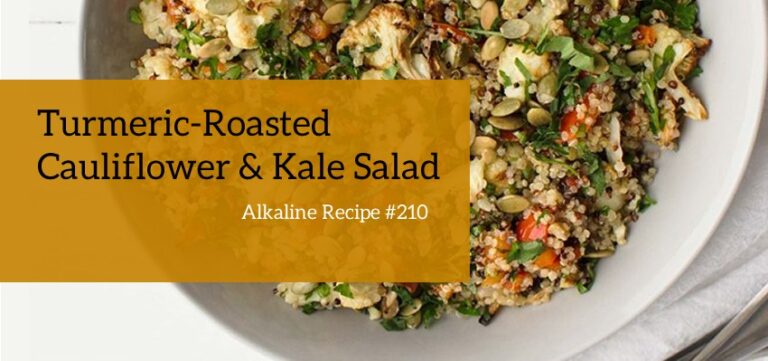
  • Turmeric Roasted Cauliflower & Kale Salad

    Turmeric Roasted Cauliflower & Kale Salad

    Recipes › Salads

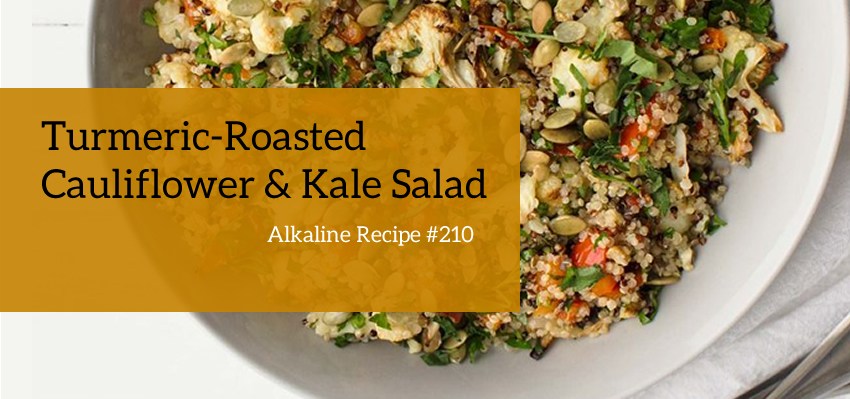
    Turmeric Roasted Cauliflower & Kale Salad

    A quick and easy, warming and filling, simple salad – with an abundance of delicious alkaline, antioxidant-rich, anti-inflammatory foods.

    Prep 15 minCook 20 minServes 215 ingredients
    VeganGluten-freeDairy-freeNut-freeNo added sugar

    Tastes: warm, spiced turmeric cauliflower on a zesty massaged kale salad.

    turmeric roasted cauliflower salad

    A million reasons

    There are a million reasons why you should eat more of the anti-inflammatory foods in this recipe. I can’t list them all – but I can tell you this: including more alkaline, antioxidant-rich, anti-inflammatory foods can help protect you from so many health challenges, and they will make you feel AMAZING.

    Why you’ll love it

    • Vitamins C and K: well over a full day’s worth of each.
    • Turmeric-roasted cauliflower, warm, golden and gently spiced.
    • Massaged kale with lemon and tamari for a softer, sweeter bite.
    • Manganese: a full day’s worth per serve.

    Good for

    Immunity

    Vitamin C, folate, copper and vitamin B6 contribute to the normal function of the immune system.

    Antioxidants

    Vitamin C, manganese, copper and riboflavin contribute to the protection of cells from oxidative stress. It also contains plant compounds with antioxidant activity, including lutein, beta-carotene and lycopene.

    Energy

    Folate, pantothenic acid, vitamin B6 and riboflavin contribute to the reduction of tiredness and fatigue.

    Bones

    Vitamin K, manganese, magnesium and phosphorus contribute to the maintenance of normal bones.

    Eyes

    Vitamin A, riboflavin and zinc contribute to the maintenance of normal vision. It also contains lutein and zeaxanthin, the carotenoids found in the macula of the eye.

    Blood pressure

    Potassium contributes to the maintenance of normal blood pressure.

    Tags use approved nutrient health-claim wording, for nutrients that give at least 10% of the Daily Value per serve. Plant compounds like lutein have no Daily Value, so we only say they’re there.

    Key nutrients per serve

    Vitamin K
    100%+Vitamin C
    100%+Manganese
    100%+Folate
    59%Copper
    56%Pantothenic acid
    48%

    Contains: vitamin B6 (47%), vitamin A (39%), riboflavin (38%), potassium (34%), magnesium (34%), iron (34%), vitamin E (30%), niacin (28%), thiamin (25%), phosphorus (24%), calcium (21%) and zinc (21%).

    Plant compounds: lutein and zeaxanthin (about 5.2 mg), beta-carotene (about 3.9 mg), lycopene (about 3.2 mg), chlorophyll, apigenin from the celery, quercetin and kaempferol from the kale, glucosinolates from the cauliflower and kale, curcumin from the turmeric, citrus flavonoids from the lemon and capsaicin from the cayenne.

    11 g protein14 g fibreAbout 11 g natural sugarAbout 155 mg sodium

    % of US Daily Value for adults, per serve (half the recipe). Estimated from USDA FoodData Central values for the ingredients as listed; cooking reduces some vitamins, so treat these as upper estimates. Uses 2 tbsp pumpkin seeds and 2 tsp olive oil; excludes salt and pepper; anything over 100% shows as 100%+.

    Turmeric Roasted Cauliflower & Kale Salad

    Turmeric-roasted cauliflower on massaged kale with pepper, celery, tomato, avocado and pumpkin seeds.
    Prep Time 15 minutes
    Cook Time 20 minutes
    Total Time 35 minutes
    Servings: 2

    Ingredients
      

    • ½ head cauliflower washed and dried
    • 5 stalks curly or Tuscan kale washed
    • 1 bell pepper (capsicum)
    • 1 stalk celery
    • ½ avocado
    • 2 tomatoes
    • 1 tbsp ground turmeric or 2 cm fresh, grated
    • ¼ tsp cayenne pepper
    • ¼ tsp paprika
    • ½ lemon juiced
    • ¼ tsp Bragg Liquid Aminos or tamari
    • Himalayan salt and black pepper
    • 2 tbsp pumpkin seeds
    • 2 tbsp coconut oil
    • 2 tsp olive oil to drizzle

    Equipment

    • Baking tray

    Method
     

    1. Preheat the oven to 180°C (355°F).
    2. Break the cauliflower into florets and mix in a bowl with the turmeric, cayenne, paprika, salt, pepper and coconut oil.
    3. Spread on a lined baking tray and roast on the middle shelf for 20 minutes, checking regularly so it doesn’t burn (move it to the bottom shelf if it does).
    4. Strip the kale from the stems, tear into pieces and put in a large bowl. Add the lemon juice and massage with your hands for a minute, then add the Bragg or tamari and arrange on your plates.
    5. Thinly slice the pepper and celery, chop the avocado and tomatoes, and scatter over the kale. Sprinkle with pumpkin seeds and drizzle with a little olive oil.
    6. Top each salad with the roasted cauliflower and serve straight away.

    Swaps

    • Make it heartier: add a can of rinsed chickpeas to the roasting tray.
    • Any kale works – Tuscan holds up best.
    • No tamari? A pinch of salt does the job.

    Storing it

    Best fresh and warm. The roasted cauliflower keeps in the fridge for 3 days, and the kale holds up well once dressed.

    Good to know

    • High in vitamin K. If you take warfarin or another blood thinner, keep your greens intake steady and talk to your doctor before eating more leafy greens than usual.

    Try next

    LunchCauliflower Fried Rice with Turmeric, Ginger & KaleOpen recipe →
    SoupAnti-Inflammatory Cauliflower SoupOpen recipe →
    Want more than recipes?

    The Alkaline Life Club has everything in the Recipe Club, plus coaching, live Q&A and a community to keep you going.

    See the Alkaline Life Club

    Sources

    Nutrient values: USDA FoodData Central, SR Legacy (cauliflower 169986, kale 168421, red pepper 170108, celery 169988, avocado 171705, tomatoes 170457, turmeric 172231, cayenne 170932, paprika 171329, lemon juice 167747, tamari 174278, pumpkin seeds 170556, coconut oil 171412, olive oil 171413). Plant compounds are named where the ingredient is a well-documented source; flavonoids follow the USDA Database for the Flavonoid Content of Selected Foods, Release 3.3. Daily Values: US Food and Drug Administration.
  • Summer Salad with Mint & Lemon Dressing

    Summer Salad with Mint & Lemon Dressing

    Recipes › Salads

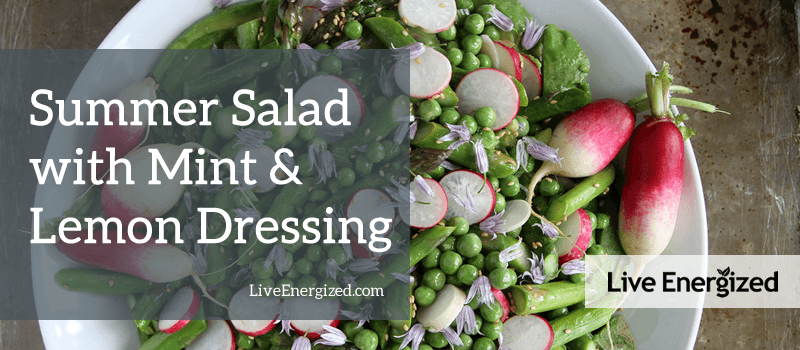
    Summer Salad with Mint & Lemon Dressing

    Simple beyond belief – and yet it packs such flavour, nutrition and texture. It tastes, looks and feels SO different to most salads.

    Prep 20 minCook 5 minServes 214 ingredients
    VeganGluten-freeDairy-freeNut-freeNo added sugar

    Tastes: fresh and summery, with ribbons of asparagus and griddled courgette, peas, avocado and herbs in a zingy mint and lemon dressing.

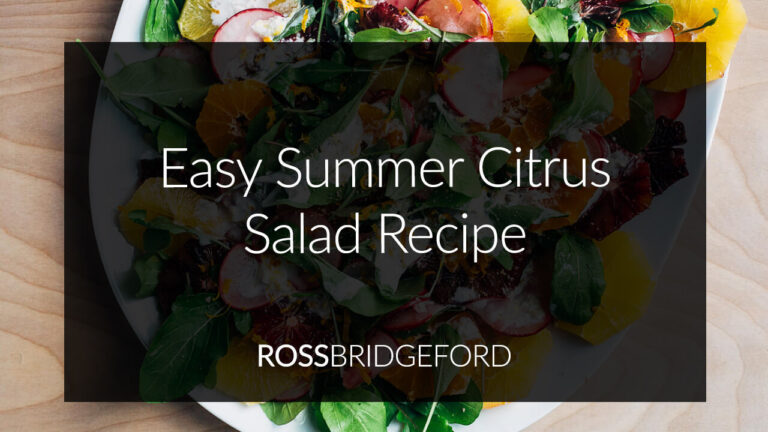
    Alkaline Summer Salad Main Image

    Pretty, original and nourishing

    The avocado and dressing bring plenty of healthy fats, the asparagus brings B vitamins, folate, selenium and manganese, the coriander brings lots of chlorophyll, and the peas are a great source of manganese, fibre and vitamin C.

    It’s a pretty, delicious, original, textured salad with a big alkaline nourishment punch!

    Why you’ll love it

    • Vitamin K: about twice your daily needs.
    • About 10 g fibre a serve.
    • A dressing that keeps a week in the fridge.
    • Something different from the usual salad.

    Good for

    Immunity

    Vitamin C, copper, folate and vitamin B6 contribute to the normal function of the immune system.

    Antioxidants

    Vitamin C, copper, vitamin E and riboflavin contribute to the protection of cells from oxidative stress. It also contains plant compounds with antioxidant activity, including lutein, beta-carotene and apigenin.

    Energy

    Folate, pantothenic acid, riboflavin and vitamin B6 contribute to the reduction of tiredness and fatigue.

    Bones

    Vitamin K, manganese, magnesium and zinc contribute to the maintenance of normal bones.

    Eyes

    Riboflavin, vitamin A and zinc contribute to the maintenance of normal vision. It also contains lutein and zeaxanthin, the carotenoids found in the macula of the eye.

    Blood pressure

    Potassium contributes to the maintenance of normal blood pressure.

    Tags use approved nutrient health-claim wording, for nutrients that give at least 10% of the Daily Value per serve. Plant compounds like lutein have no Daily Value, so we only say they’re there.

    Key nutrients per serve

    Vitamin K
    100%+Vitamin C
    63%Copper
    56%Folate
    45%Thiamin
    33%Vitamin E
    33%

    Contains: pantothenic acid (32%), riboflavin (31%), manganese (30%), vitamin B6 (29%), iron (28%), niacin (23%), potassium (20%), vitamin A (19%), magnesium (17%), zinc (17%), phosphorus (15%) and calcium (7%).

    Plant compounds: lutein and zeaxanthin (about 4.8 mg), beta-carotene (about 2 mg), chlorophyll, apigenin from the parsley, sulphur compounds from the garlic and citrus flavonoids from the lemon.

    8 g protein10 g fibreAbout 9 g natural sugarAbout 95 mg sodium

    % of US Daily Value for adults, per serve (half the salad with ¼ cup of dressing). Estimated from USDA FoodData Central values for the ingredients as listed; cooking reduces some vitamins, so treat these as upper estimates. Counts about ¼ cup of the dressing (it makes about 1½ cups); excludes salt and pepper; anything over 100% shows as 100%+.

    Summer Salad with Mint & Lemon Dressing

    Blanched asparagus ribbons, griddled courgette, peas, avocado, radish and herbs with a blended mint, lemon and Dijon dressing.
    Prep Time 20 minutes
    Cook Time 5 minutes
    Total Time 25 minutes
    Servings: 2

    Ingredients
      

    Salad
    • ½ avocado sliced
    • 1–1½ bunches asparagus
    • ¼ bunch coriander (cilantro) roughly chopped
    • ¼ bunch flat-leaf parsley roughly chopped
    • 3 radishes thinly sliced
    • 100 g green peas cooked
    • 1 zucchini (courgette) thinly sliced with a vegetable peeler
    Mint & lemon dressing (makes about 1½ cups)
    • 3 lemons juiced
    • 2 shallots diced
    • 1 clove garlic crushed
    • 190 ml olive oil, flax oil or a mix
    • 15 g Dijon mustard
    • ¼ bunch mint roughly chopped
    • Himalayan or Celtic sea salt and black pepper to taste

    Equipment

    • Saucepan
    • Griddle pan
    • Blender

    Method
     

    1. Blanch the asparagus in boiling water for 1 minute, then drain and rinse under cold water straight away. Slice lengthways into long strips.
    2. Gently fry the courgette ribbons in a griddle pan (or a regular pan) until they just start to brown.
    3. Combine the asparagus, courgette, avocado, coriander, parsley, radish and peas in a large bowl.
    4. Blend all the dressing ingredients in a blender or food processor.
    5. Dress with about ¼ cup of the dressing, season to taste and you’re away!

    Notes

    The dressing makes about 1½ cups and keeps for up to a week in an airtight container in the fridge.
    Feeding four? Double the salad – that’s the original recipe.

    Swaps

    • Save money: use one bunch of asparagus.
    • More protein: add a can of rinsed cannellini beans.
    • Edamame instead of peas.

    Storing it

    Best fresh. The dressing keeps for a week in the fridge.

    Good to know

    • High in vitamin K. If you take warfarin or another blood thinner, keep your greens intake steady and talk to your doctor before eating more leafy greens than usual.

    Try next

    DinnerDressed-to-Impress AsparagusOpen recipe →
    SaladCitrus, Fennel & Olive Summer SaladOpen recipe →
    Want more than recipes?

    The Alkaline Life Club has everything in the Recipe Club, plus coaching, live Q&A and a community to keep you going.

    See the Alkaline Life Club

    Sources

    Nutrient values: USDA FoodData Central, SR Legacy (avocado 171705, asparagus 168389, coriander leaves 169997, parsley 170416, radishes 169276, peas 170016, zucchini 169291, lemon juice 167747, shallots 170499, garlic 169230, olive oil 171413, mustard 172234, mint 173475). Plant compounds are named where the ingredient is a well-documented source; flavonoids follow the USDA Database for the Flavonoid Content of Selected Foods, Release 3.3. Daily Values: US Food and Drug Administration.
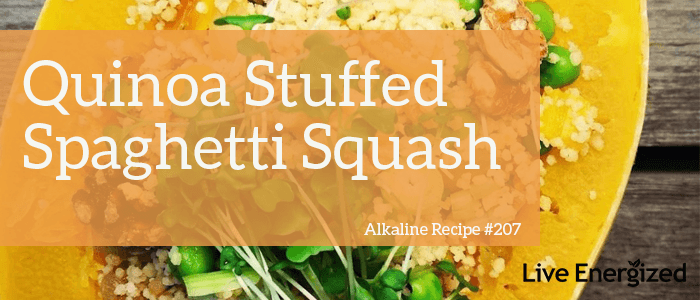
  • Alkaline Recipe #207: Quinoa Stuffed Spaghetti Squash

    Alkaline Recipe #207: Quinoa Stuffed Spaghetti Squash

    This quinoa stuffed squash is such a wonderful, comforting meal you and your family can enjoy this holiday season (or anytime!). It’s loaded with nutrients and plenty of plant-based protein.

    The Recipe: Quinoa Stuffed Spaghetti Squash

    Serves: 2

    Preparation time: 60 mins

    Ingredients

    1 big or two smaller spaghetti squashes

    2 tbsp. coconut oil

    1 cup steamed green peas

    1 medium shallot

    1 orange or red bell pepper

    2 spring onions, white part, sliced

    1/4 cup chopped walnuts

    1 and 1/2 cup cooked quinoa

    2 tsp. dried thyme

    1 tsp. garlic powder

    Pink salt and black pepper to taste

    Instructions

    Preheat the oven to 400ºF

    Wash the squash and slice them in half. Remove seeds and bake until tender, about 40 minutes.

    While the squash is roasting heat 1 tbsp. oil in a skillet and cook the finely chopped shallot and bell pepper until soft. Add spices, green peas, cooked quinoa and walnuts until warmed through. Flavour with pink salt and pepper.

    Divide between the squash and place back in the oven for 5 – 8 minutes. Remove from the oven and serve with fresh greens on top, I used broccoli and a big green salad.

    Spaghetti squash has a light texture which makes it easy and fun to eat, you can scratch the flesh with a fork and it resembles spaghetti.


    [yumprint-recipe id=’98’]


    I hope you enjoyed this guest post from alkaline blogger, and Live Energized friend, Tina Redder. Learn more about Tina and her alkaline lifestyle on her website. You can also follow her on Instagram @tinas_alkaline_diet

  • Crunchy Kale Salad with Tahini Dressing

    Crunchy Kale Salad with Tahini Dressing

    Recipes › Salads

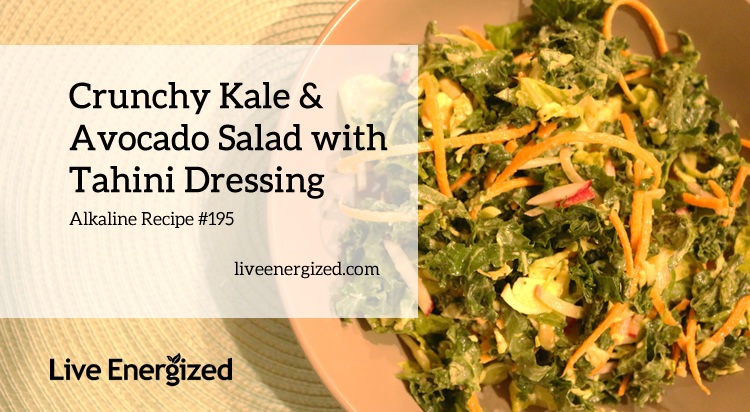
    Crunchy Kale Salad with Tahini Dressing

    So fast to make, so satisfying and unbelievably alkaline – it’s become my #1 favourite alkaline lunch.

    Prep 10 minServes 215 ingredients
    VeganGluten-freeDairy-freeNo added sugar

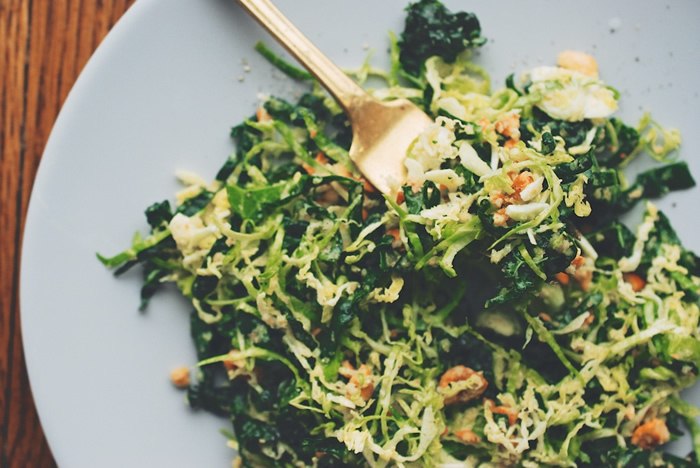
    Tastes: crunchy and creamy, with kale, shaved sprouts, radish and nuts in a rich avocado-tahini dressing.

    kale and avo salad with tahini dressing recipe

    My #1 favourite lunch

    The crunchy kale and radish, the surprise texture of the nuts, the creaminess of the tahini dressing… oh man, I’m drooling just thinking about it! It’s packed with alkalinity and nutrients, and it’s highly anti-inflammatory and antioxidant-rich.

    The prep time for the whole thing is about 8 minutes, yet it looks and tastes like a meal that’s had real care taken over it. In a hurry, it’s a great filling salad – or use it as a starter or side.

    Why you’ll love it

    • Vitamin K: over three and a half times your daily needs.
    • Vitamin C: about one and a half day’s worth.
    • About 15 g plant protein and 14 g fibre a serve.
    • 8 minutes to make.

    Good for

    Immunity

    Vitamin C, copper, vitamin A and folate contribute to the normal function of the immune system.

    Antioxidants

    Vitamin C, copper, manganese and vitamin E contribute to the protection of cells from oxidative stress. It also contains plant compounds with antioxidant activity, including lutein, beta-carotene and flavonoids.

    Energy

    Folate, riboflavin, magnesium and vitamin B6 contribute to the reduction of tiredness and fatigue.

    Muscles

    Protein contributes to the maintenance of muscle mass, and magnesium, potassium and calcium contribute to normal muscle function.

    Bones

    Vitamin K, manganese, magnesium and phosphorus contribute to the maintenance of normal bones.

    Eyes

    Vitamin A, riboflavin and zinc contribute to the maintenance of normal vision. It also contains lutein and zeaxanthin, the carotenoids found in the macula of the eye.

    Blood pressure

    Potassium contributes to the maintenance of normal blood pressure.

    Tags use approved nutrient health-claim wording, for nutrients that give at least 10% of the Daily Value per serve. Plant compounds like lutein have no Daily Value, so we only say they’re there.

    Key nutrients per serve

    Vitamin K
    100%+Vitamin C
    100%+Manganese
    78%Copper
    78%Vitamin A
    52%Folate
    48%

    Contains: thiamin (42%), vitamin E (42%), riboflavin (38%), magnesium (38%), vitamin B6 (35%), pantothenic acid (32%), iron (31%), phosphorus (29%), potassium (28%), zinc (26%), niacin (24%), calcium (23%) and selenium (13%).

    Plant compounds: lutein and zeaxanthin (about 5.9 mg), beta-carotene (about 5 mg), plant omega-3 ALA (about 0.5 g), chlorophyll, quercetin and kaempferol from the kale, glucosinolates from the kale, sulphur compounds from the garlic and citrus flavonoids from the lemon.

    15 g protein14 g fibreAbout 6 g natural sugarAbout 235 mg sodium

    % of US Daily Value for adults, per serve (half the recipe). Estimated from USDA FoodData Central values for the ingredients as listed, so treat these as upper estimates. Excludes salt and pepper; anything over 100% shows as 100%+.

    Crunchy Kale Salad with Tahini Dressing

    Kale, shaved Brussels sprouts, radish, carrot, beans, nuts and basil with a blended avocado-tahini dressing.
    Prep Time 10 minutes
    Total Time 10 minutes
    Servings: 2

    Ingredients
      

    Salad
    • 4 big handfuls kale stalks removed, roughly sliced
    • 8 Brussels sprouts shaved thin
    • 2 radishes thinly sliced
    • 1 carrot shredded or thinly sliced
    • ½ cup cannellini beans or any beans you like
    • 2 tbsp almonds roughly chopped
    • 1 tbsp cashews
    • 1 tbsp pumpkin seeds
    • 1 cup basil chopped
    Tahini dressing
    • ½ large avocado
    • 1 tbsp tahini
    • 1 clove garlic
    • 1 tbsp olive or flax oil
    • 2 tbsp fresh lemon juice
    • cracked black pepper and a pinch of Himalayan salt

    Equipment

    • Blender

    Method
     

    1. Blend all the dressing ingredients until smooth. Add a little water, a tablespoon at a time, if you want it thinner.
    2. Mix all the salad ingredients together.
    3. Pour over the dressing, stir well and serve!

    Notes

    Optional extra step: toss just the kale, sprouts, carrot and radish with a third of the dressing and leave for 5–10 minutes to soften, then add everything else. I just go for it, as I like my kale a little crunchy!

    Swaps

    • Nut-free: use sunflower seeds instead of almonds and cashews.
    • Chickpeas instead of cannellini.
    • Cavolo nero is lovely instead of curly kale.

    Storing it

    Best fresh. The dressing keeps in the fridge for 2 days.

    Good to know

    • High in vitamin K. If you take warfarin or another blood thinner, keep your greens intake steady and talk to your doctor before eating more leafy greens than usual.
    • Contains nuts and sesame. See Swaps for nut-free.

    Try next

    SaladShredded Kale & Brussels Creamy SaladOpen recipe →
    SaladGreen Power Salad with Kale, Broccoli & AvocadoOpen recipe →
    Want more than recipes?

    The Alkaline Life Club has everything in the Recipe Club, plus coaching, live Q&A and a community to keep you going.

    See the Alkaline Life Club

    Sources

    Nutrient values: USDA FoodData Central, SR Legacy (kale 168421, Brussels sprouts 170383, radishes 169276, carrots 170393, white beans 175204, almonds 170567, cashews 170162, pumpkin seeds 170556, basil 172232, avocado 171705, tahini 168604, garlic 169230, olive oil 171413, lemon juice 167747). Plant compounds are named where the ingredient is a well-documented source; flavonoids follow the USDA Database for the Flavonoid Content of Selected Foods, Release 3.3. Daily Values: US Food and Drug Administration.
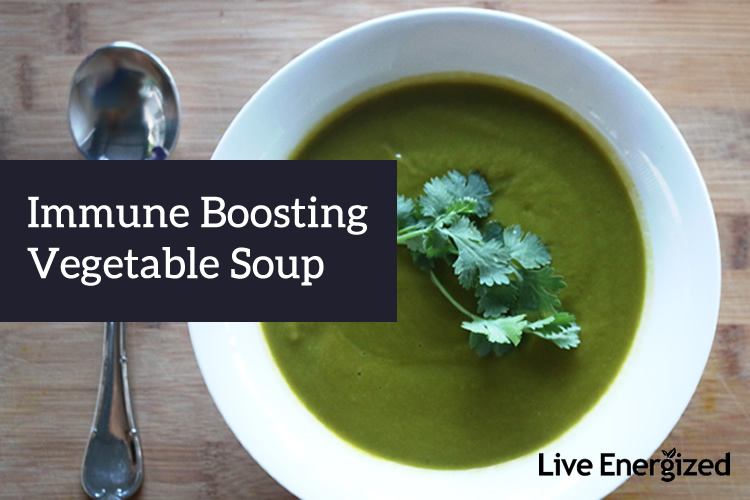
  • Immune-Boosting Vegetable Soup

    Immune-Boosting Vegetable Soup

    Recipes › Soups

    Immune-Boosting Vegetable Soup

    Full of immune-supporting vegetables, this soup gives your body an abundance of the nutrients it needs.

    Prep 15 minCook 30 minServes 218 ingredients
    VeganGluten-freeDairy-freeNut-freeNo added sugar

    Tastes: rich and comforting, a smooth blend of cooked and raw veg with tomato, ginger, turmeric and fresh herbs.

    Immune Boosting Vegetables

    Nourish your immune system

    Eating the right foods is vitally important for our health and energy. We need to give our body all the tools and nutrients it needs – and when we do, we thrive.

    Your immune system doesn’t just stop outsiders getting in. It has three lines of defence – keeping invaders out, defending against pathogens that get through, and making antibodies to specific ones – and it’s important in allergies and auto-immune conditions too. It’s a complex system, and we need to nourish it and look after it.

    Why you’ll love it

    • Vitamin C: about twice your daily needs.
    • About 19 g fibre and 16 g plant protein a bowl.
    • Half cooked, half raw – blended together.
    • Vitamins A and K: well over three-quarters and over twice your daily needs.

    Good for

    Immunity

    Vitamin C, copper, vitamin A and folate contribute to the normal function of the immune system.

    Antioxidants

    Vitamin C, copper, manganese and vitamin E contribute to the protection of cells from oxidative stress. It also contains plant compounds with antioxidant activity, including lutein, beta-carotene and lycopene.

    Energy

    Folate, vitamin B6, pantothenic acid and iron contribute to the reduction of tiredness and fatigue.

    Muscles

    Protein contributes to the maintenance of muscle mass, and potassium, magnesium and calcium contribute to normal muscle function.

    Bones

    Vitamin K, manganese, magnesium and phosphorus contribute to the maintenance of normal bones.

    Eyes

    Vitamin A, riboflavin and zinc contribute to the maintenance of normal vision. It also contains lutein and zeaxanthin, the carotenoids found in the macula of the eye.

    Blood pressure

    Potassium contributes to the maintenance of normal blood pressure.

    Tags use approved nutrient health-claim wording, for nutrients that give at least 10% of the Daily Value per bowl. Plant compounds like lutein have no Daily Value, so we only say they’re there.

    Key nutrients per bowl

    Vitamin K
    100%+Vitamin C
    100%+Copper
    100%Manganese
    91%Vitamin A
    83%Folate
    65%

    Contains: vitamin B6 (65%), potassium (47%), pantothenic acid (44%), thiamin (42%), iron (37%), magnesium (36%), vitamin E (35%), niacin (34%), riboflavin (31%), phosphorus (26%), zinc (22%), calcium (21%) and selenium (11%).

    Plant compounds: lutein and zeaxanthin (about 3.8 mg), beta-carotene (about 7.7 mg), lycopene (about 15 mg), chlorophyll, quercetin from the onion, glucosinolates from the broccoli, cauliflower and cabbage, curcumin from the turmeric, gingerols from the ginger and sulphur compounds from the garlic.

    16 g protein19 g fibreAbout 29 g natural sugarAbout 685 mg sodium

    % of US Daily Value for adults, per bowl (half the recipe). Estimated from USDA FoodData Central values for the ingredients as listed; cooking reduces some vitamins, so treat these as upper estimates. Uses crushed canned tomatoes, low-sodium stock, 1 tbsp coconut oil and ground turmeric values for fresh; excludes salt and pepper; anything over 100% shows as 100%+.

    Immune-Boosting Vegetable Soup

    Onion, carrot, cauliflower, broccoli and cabbage simmered in tomatoes and stock, then blended with raw cucumber, tomato, spinach, herbs and chickpeas.
    Prep Time 15 minutes
    Cook Time 30 minutes
    Total Time 45 minutes
    Servings: 2 big bowls

    Ingredients
      

    Cooked
    • 1 brown onion roughly sliced
    • 2 cloves garlic roughly chopped
    • 2 carrots sliced
    • ¼ head cauliflower
    • ¼ head broccoli
    • ¼ head green cabbage any variety
    • 200 ml vegetable stock
    • 1 x 400 g can organic chopped tomatoes or 8 fresh tomatoes
    • ½ inch fresh ginger or 1 tsp dried
    • ½ inch fresh turmeric or 1 tsp dried
    • 1 tbsp coconut oil
    • Himalayan or Celtic sea salt and black pepper to taste
    Raw
    • ½ cucumber
    • 3 tomatoes
    • 1 handful spinach
    • ½ bunch basil
    • ¼ bunch coriander
    • ½ x 400 g can chickpeas drained

    Equipment

    • Large pot
    • Blender

    Method
     

    1. Gently fry the onion and garlic in the coconut oil. After 3 minutes, add the carrots, cauliflower, broccoli, cabbage, ginger and turmeric and cook for another 3 minutes.
    2. Add the stock and tomatoes and simmer for 20–25 minutes until the vegetables have softened a little.
    3. Meanwhile, roughly chop the raw ingredients and blend until smooth.
    4. When the soup has simmered, blend it in batches with the raw mixture until smooth.
    5. Season, and serve warm with a sprig of coriander or basil and a drizzle of olive or flax oil if you like.

    Swaps

    • Lighter: skip the chickpeas.
    • Any greens work in the raw blend – kale or watercress are great.
    • Make it creamy: blend in ½ avocado.

    Storing it

    Keeps in the fridge for 3 days and freezes well.

    Good to know

    • High in vitamin K. If you take warfarin or another blood thinner, keep your greens intake steady and talk to your doctor before eating more leafy greens than usual.
    • Salt: canned tomatoes and chickpeas add up to about 690 mg sodium a bowl; choose no-added-salt cans if you can.

    Try next

    SoupImmune-Boosting Asparagus & Ginger BrothOpen recipe →
    SoupTurmeric & Lentil Anti-Inflammatory SoupOpen recipe →
    Want more than recipes?

    The Alkaline Life Club has everything in the Recipe Club, plus coaching, live Q&A and a community to keep you going.

    See the Alkaline Life Club

    Sources

    Nutrient values: USDA FoodData Central, SR Legacy (onion 170000, garlic 169230, carrots 170393, cauliflower 169986, broccoli 170379, cabbage 169975, crushed canned tomatoes 170501, ginger 169231, turmeric 172231, coconut oil 171412, cucumber 168409, tomatoes 170457, spinach 168462, basil 172232, coriander leaves 169997, chickpeas 173801). Plant compounds are named where the ingredient is a well-documented source; flavonoids follow the USDA Database for the Flavonoid Content of Selected Foods, Release 3.3. Daily Values: US Food and Drug Administration.
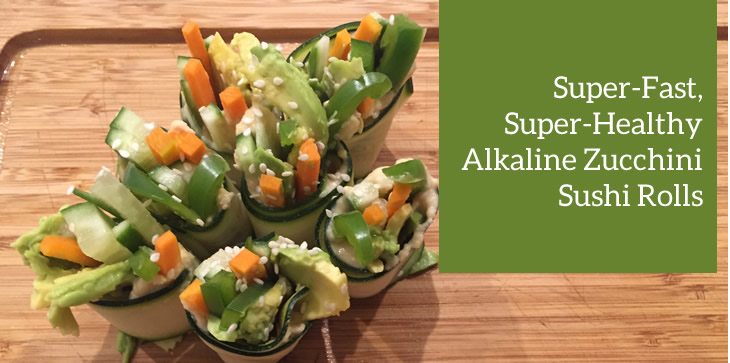
  • Instant Raw Sushi Roll-Ups

    Instant Raw Sushi Roll-Ups

    Recipes › Lunch

    Instant Raw Sushi Roll-Ups

    One of my all-time favourites! It’s fast, raw, fresh, alkaline and absolutely DELICIOUS!

    Prep 10 minServes 215 ingredients
    VeganGluten-freeDairy-freeNo added sugar

    Tastes: fresh and crunchy, with creamy almond hummus, avocado and crisp veg wrapped in zucchini.

    About 120 seconds to make

    With the dip already made, it takes about 120 seconds to make this meal – and even if you’re making the dip from scratch, it’s only 5 minutes.

    It doesn’t get easier than this to have a fully alkaline, raw, nourishing snack or lunch.

    Why you’ll love it

    • Fully raw, fresh and crunchy.
    • Vitamin C: about one and a half day’s worth a serve.
    • About 17 g fibre and 15 g plant protein a serve.
    • Lutein-rich zucchini, avocado and greens.

    Good for

    Immunity

    Vitamin C, copper, vitamin B6 and folate contribute to the normal function of the immune system.

    Antioxidants

    Vitamin C, copper, manganese and vitamin E contribute to the protection of cells from oxidative stress. It also contains plant compounds with antioxidant activity, including lutein, beta-carotene and flavonoids.

    Energy

    Vitamin B6, folate, pantothenic acid and riboflavin contribute to the reduction of tiredness and fatigue.

    Bones

    Vitamin K, manganese, magnesium and phosphorus contribute to the maintenance of normal bones.

    Eyes

    Vitamin A, riboflavin and zinc contribute to the maintenance of normal vision. It also contains lutein and zeaxanthin, the carotenoids found in the macula of the eye.

    Blood pressure

    Potassium contributes to the maintenance of normal blood pressure.

    Tags use approved nutrient health-claim wording, for nutrients that give at least 10% of the Daily Value per serve. Plant compounds like lutein have no Daily Value, so we only say they’re there.

    Key nutrients per serve

    Vitamin C
    100%+Copper
    100%Vitamin K
    75%Manganese
    70%Vitamin B6
    59%Vitamin E
    58%

    Contains: folate (54%), pantothenic acid (52%), vitamin A (46%), riboflavin (46%), magnesium (39%), potassium (37%), thiamin (33%), niacin (31%), phosphorus (30%), zinc (28%), iron (22%), calcium (14%) and selenium (13%).

    Plant compounds: lutein and zeaxanthin (about 4.7 mg), beta-carotene (about 4.2 mg), chlorophyll, sulphur compounds from the garlic and citrus flavonoids from the lemon.

    15 g protein17 g fibreAbout 15 g natural sugarAbout 240 mg sodium

    % of US Daily Value for adults, per serve (half the recipe). Estimated from USDA FoodData Central values for the ingredients as listed, so treat these as upper estimates. Uses canned chickpeas, drained, and a red bell pepper; anything over 100% shows as 100%+.

    Instant Raw Sushi Roll-Ups

    Zucchini ribbons spread with almond hummus and rolled around crunchy veg, avocado and coriander.
    Prep Time 10 minutes
    Total Time 10 minutes
    Servings: 2

    Ingredients
      

    Almond hummus
    • 100 g chickpeas from a can, drained, or cooked from dried
    • 1 handful almonds about 30 g
    • 1 tbsp tahini
    • 1 pinch ground cumin
    • 1 tbsp olive oil plus extra to loosen
    • 1 clove garlic
    • juice of ½ lemon plus extra to loosen
    • 1 pinch Himalayan salt
    Roll-ups
    • 2 medium zucchini (courgettes) each gives 5–6 rolls
    • 1 carrot cut into matchsticks
    • 1 cucumber cut into matchsticks
    • 1 avocado peeled and sliced
    • 1 small bunch coriander (cilantro)
    • 1 bell pepper (capsicum) cut into matchsticks
    • 1 tsp sesame seeds

    Equipment

    • Food processor or blender
    • Vegetable peeler

    Method
     

    Almond hummus
    1. Put all the hummus ingredients into a food processor or blender and blend until smooth, adding a little more olive oil and lemon in equal amounts until you get the consistency you like.
    Roll-ups
    1. Chop the ends off the zucchini and use a vegetable peeler to very carefully peel them into long, thin strips. Please be careful of your fingers – I sliced the end off mine not so long ago!
    2. Lay each strip out and spread a nice thick layer of the hummus along it – enough for the veggies to stick to.
    3. Add a few matchsticks of veg, a slice of avocado and a couple of coriander leaves.
    4. Sprinkle on the sesame seeds, roll up and ENJOY!

    Notes

    The hummus keeps in the fridge for 4–5 days, so make it ahead and these come together in a couple of minutes.

    Swaps

    • Short on time? Use a good store-bought hummus instead of making the dip.
    • Nut-free: leave out the almonds and add an extra tbsp of tahini.
    • Any crunchy veg works – try snow peas, radish or red cabbage.

    Storing it

    Best eaten fresh. The hummus keeps in the fridge for 4–5 days.

    Good to know

    • High in vitamin K. If you take warfarin or another blood thinner, keep your greens intake steady and talk to your doctor before eating more leafy greens than usual.
    • Contains almonds and sesame. See Swaps for a nut-free hummus.

    Try next

    DinnerRaw Pad Thai with Zucchini NoodlesOpen recipe →
    DinnerRaw Zoodles with Fresh Bruschetta ToppingOpen recipe →
    Want more than recipes?

    The Alkaline Life Club has everything in the Recipe Club, plus coaching, live Q&A and a community to keep you going.

    See the Alkaline Life Club

    Sources

    Nutrient values: USDA FoodData Central, SR Legacy (chickpeas 173801, almonds 170567, tahini 168604, cumin 170923, olive oil 171413, garlic 169230, lemon juice 167747, salt 173468, zucchini 169291, carrot 170393, cucumber 168409, avocado 171705, coriander leaves 169997, red pepper 170108, sesame seeds 170150). Plant compounds are named where the ingredient is a well-documented source; flavonoids follow the USDA Database for the Flavonoid Content of Selected Foods, Release 3.3. Daily Values: US Food and Drug Administration.