Category: Free Alkaline Diet Recipes

Alkaline Diet Recipes: The Alkaline Recipe Centre from Ross Bridgeford
Make the Alkaline Diet Easy With Delicious Alkaline Recipe, and Enjoyable & Nourishing Meals
Find over 200+ delicious alkaline diet recipes & meals that the whole family will love. Includes alkaline recipes for breakfast, lunch, dinner, and snacks, plus cuisines including Italian, Indian, British, American, Mexican, Thai, and more!  This will make the alkaline lifestyle so simple!

Every recipe has been packed with nutrient-dense foods, designed with ease and simplicity in mind using every day, fresh, easy-to-find ingredients. Plus no recipe takes more than 30 minutes to prepare and all have been tried and tested on my family, including my kids! This is alkaline living made easy!

All recipes come with a print-friendly button so you can get started right away.

Click here to jump to a meal-time:

Alkaline Breakfast Recipes
Alkaline Lunch Recipes
Alkaline Dinner Recipes

Alkaline recipes are a great way to help keep your body’s pH balance in check, infusing your body with alkaline foods. Eating an alkaline-based diet helps to maintain healthy cells and tissues, as well as support overall health and wellness. Knowing how to prepare meals that contain the right amount of alkaline ingredients is key for anyone who wants to reap the benefits of an alkaline diet.

Fortunately, there are a plethora of delicious and nutrient-dense alkaline foods to choose from to make alkaline recipes for your alkaline-based meal plan. From classic dishes like quinoa bowls and vegetable salads to creative takes on traditional meals like eggplant lasagna, there’s something for everyone! With the right alkaline recipes and proper preparation, you can maintain a healthy alkaline diet that will help your body stay in balance.

Besides selecting the right alkaline foods, there are many different cooking techniques you can use to maximize the alkalinity of your meals. For example, steaming is a great way to prepare vegetables as it helps keep their natural nutrients intact. You can also incorporate alkaline-friendly herbs and spices, like turmeric and basil, to give your dishes a unique flavor.

At the end of the day, alkaline recipes are easy to make and provide a variety of health benefits. They help you avoid those acid foods and with the right alkaline ingredients and cooking techniques, you can create delicious meals that support your body’s needs.

For more information on starting on an alkaline diet click here, and browse the recipes!

  • Digestive Cleansing Juice

    Digestive Cleansing Juice

    Recipes › Juices & smoothies

    Digestive Cleansing Juice

    A simple, gently soothing green juice with kale, spinach, cucumber, celery, coriander and ginger, with chia stirred in and coconut water to finish.

    Prep 10 minServes 2Juicer8 ingredients
    VeganGluten-freeDairy-freeNut-freeNo added sugar

    Tastes: fresh and green, with coriander, a little ginger and a touch of coconut sweetness.
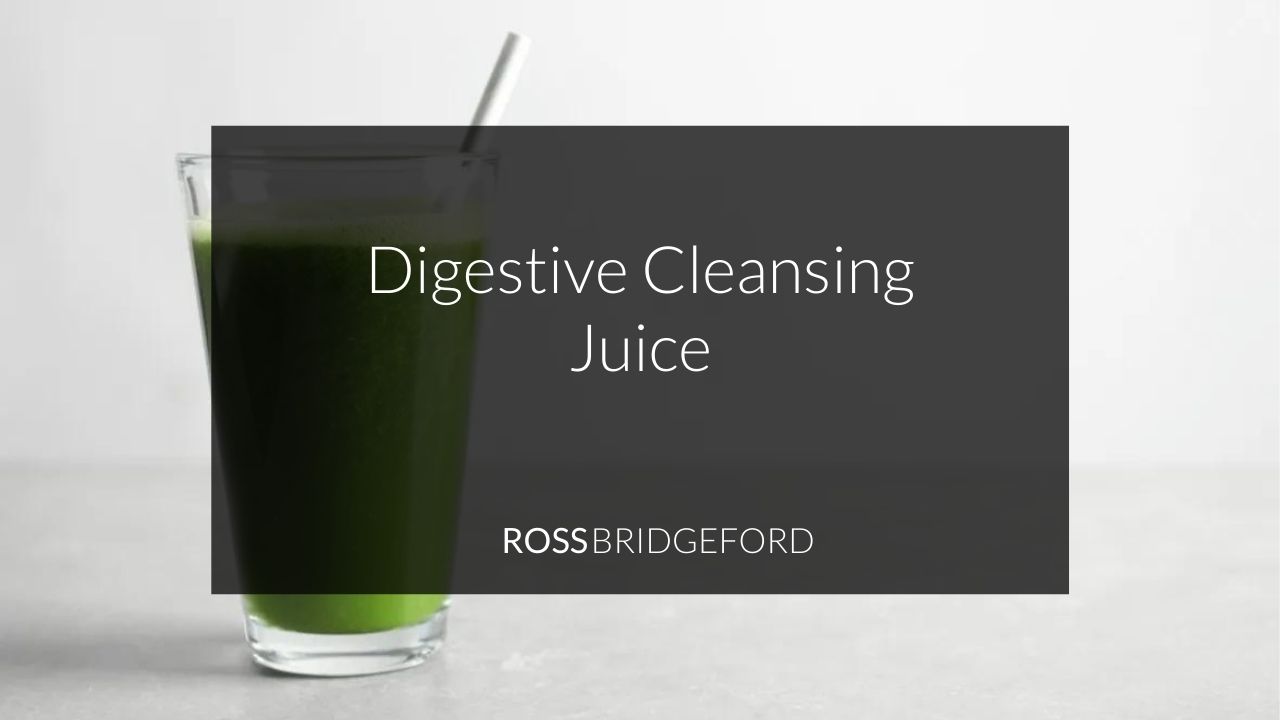
    Digestion Juice

    A cleanse-programme favourite

    I absolutely LOVE this juice! It’s so simple, powerful and gently soothing for your digestive system.

    The combination of chia, kale, cucumber, spinach, coriander and more gives you a perfect blend of minerals, vitamins, fibre and healthy fats.

    It’s also one of the most popular juices in my Alkaline Reset Cleanse coaching programme.

    Why you’ll love it

    • Vitamin K: over four days’ worth a glass.
    • Vitamin C and vitamin A: about 80% and 45% of your daily needs.
    • Chia seeds stirred in for fibre and plant omega-3.
    • Coconut water for a little natural sweetness.

    Good for

    Immunity

    Vitamin C, vitamin A, folate and copper contribute to the normal function of the immune system.

    Antioxidants

    Vitamin C, manganese, copper and riboflavin contribute to the protection of cells from oxidative stress. It also contains plant compounds with antioxidant activity, including lutein, beta-carotene and apigenin.

    Energy

    Folate, riboflavin, magnesium and iron contribute to the reduction of tiredness and fatigue.

    Bones

    Vitamin K, manganese, magnesium and calcium contribute to the maintenance of normal bones.

    Eyes

    Vitamin A, riboflavin and zinc contribute to the maintenance of normal vision. It also contains lutein and zeaxanthin, the carotenoids found in the macula of the eye.

    Blood pressure

    Potassium contributes to the maintenance of normal blood pressure.

    Tags use approved nutrient health-claim wording, for nutrients that give at least 10% of the Daily Value per glass. Plant compounds like lutein have no Daily Value, so we only say they’re there.

    Key nutrients per glass

    Vitamin K
    100%+Vitamin C
    80%Manganese
    61%Vitamin A
    46%Folate
    41%Copper
    33%

    Contains: riboflavin (31%), magnesium (29%), potassium (24%), calcium (21%), iron (19%), vitamin B6 (18%), thiamin (17%), pantothenic acid (16%), phosphorus (13%), vitamin E (12%), niacin (11%) and zinc (11%).

    Plant compounds: lutein and zeaxanthin (about 9.5 mg), beta-carotene (about 4.9 mg), plant omega-3 ALA (about 1 g), chlorophyll, apigenin from the celery, quercetin and kaempferol from the kale, glucosinolates from the kale and gingerols from the ginger.

    About 7 g natural sugarAbout 215 mg sodium

    % of US Daily Value for adults, per glass (half the recipe). Estimated from USDA FoodData Central values for the whole ingredients. Juicing leaves most of the fibre and some vitamins in the pulp, so treat these as upper estimates; includes 200 ml coconut water, and the chia is stirred in rather than juiced; anything over 100% shows as 100%+.

    Digestive Cleansing Juice

    Kale, spinach, cucumber, celery, coriander and ginger juiced, with chia seeds stirred in and topped up with coconut water.
    Prep Time 10 minutes
    Total Time 10 minutes
    Servings: 2 glasses

    Ingredients
      

    • 2 tsp chia seeds
    • 100 g kale
    • 100 g baby spinach
    • 1 cucumber
    • 2 stalks celery
    • ½ bunch coriander (cilantro)
    • 1 cm fresh ginger root
    • coconut water and filtered water to taste (about 200 ml coconut water)

    Equipment

    • Juicer

    Method
     

    1. Run everything except the chia and coconut water through your juicer, adding a little filtered water at the end to wash the last bits through.
    2. Stir in the chia seeds.
    3. Top up with coconut water to taste. Delicious!

    Swaps

    • No coriander? Use parsley or mint.
    • Less sweet: top up with filtered water only.
    • No juicer? Blend with the coconut water and strain, then stir in the chia.

    Storing it

    Best fresh. To keep it, fill a glass jar right to the top, seal it and refrigerate for up to 24 hours. Give it a shake before you drink it.

    Good to know

    • Very high in vitamin K. If you take warfarin or another blood thinner, keep your greens intake steady and talk to your doctor before making green juice a daily habit.
    • Spinach and kale contain oxalates. If you’ve had kidney stones, check with your doctor before making green juice a daily habit.

    Try next
    Juices & smoothiesGut-Balance Green JuiceOpen recipe →
    Juices & smoothiesBitter Greens Digestive JuiceOpen recipe →
    Want more than recipes?

    The Alkaline Life Club has everything in the Recipe Club, plus coaching, live Q&A and a community to keep you going.

    See the Alkaline Life Club

    Sources

    Nutrient values: USDA FoodData Central, SR Legacy (chia seeds 170554, kale 168421, baby spinach 168462, cucumber 168409, celery 169988, coriander 169997, ginger 169231, coconut water 170174). Plant compounds are named where the ingredient is a well-documented source; flavonoids follow the USDA Database for the Flavonoid Content of Selected Foods, Release 3.3. Daily Values: US Food and Drug Administration.

  • Gut-Balance Green Juice

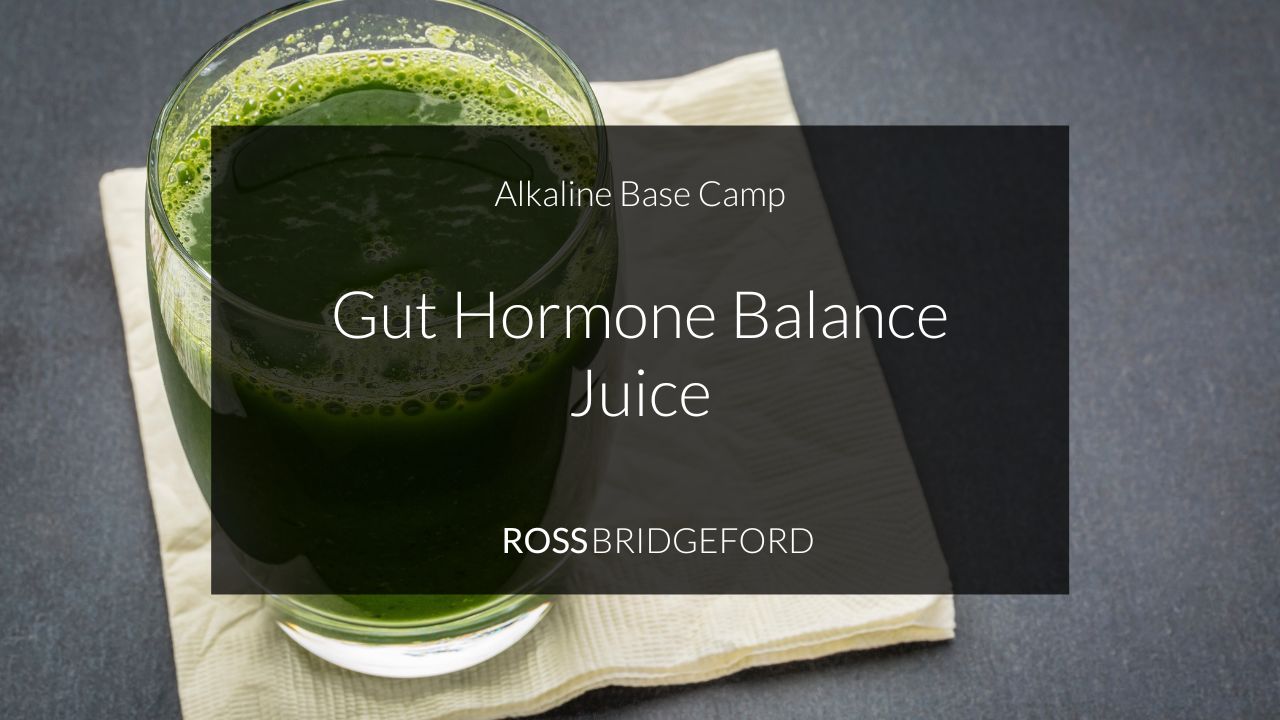
    Gut-Balance Green Juice

    Recipes › Juices & smoothies

    Gut-Balance Green Juice

    A light, simple green juice with spinach, celery, cucumber and ginger, finished with lemon and a pinch of cinnamon.

    Prep 5 minServes 2Juicer7 ingredients
    VeganGluten-freeDairy-freeNut-freeNo added sugar

    Tastes: light and fresh, with ginger heat, a squeeze of lemon and a warm hint of cinnamon.

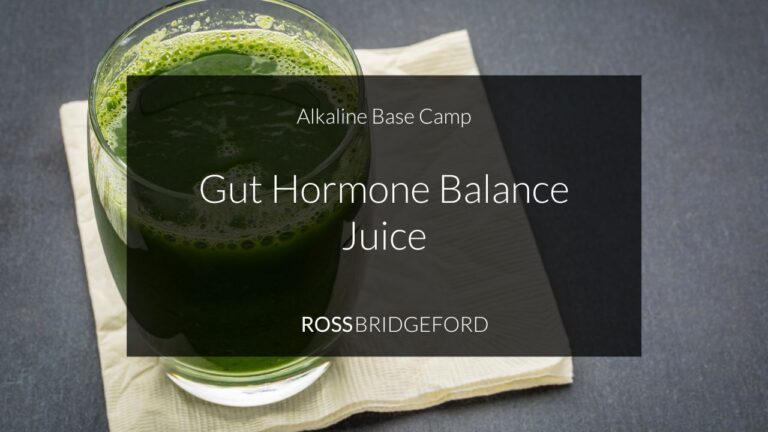
    gut hormone balance juice

    So many hormones are made in your gut

    Your hormones are messengers that tell your body what to do. They regulate everything from your moods to your metabolism.

    We often think of hormones being made by the thyroid, adrenals or pituitary, but many are made in your digestive system. Serotonin, the feel-good messenger, is a great example: about 95% of it is found in your gut. Your gut also makes gastrin, which tells your stomach to release the acid you need to digest and absorb your food.

    So looking after your gut matters, and this simple juice is a lovely, gentle way to start.

    Why you’ll love it

    • Vitamin K: nearly a day’s worth a glass.
    • About 5 g natural sugar a glass.
    • Ginger and cinnamon for warmth.
    • 5 minutes to make.

    Good for

    Immunity

    Vitamin C, folate, copper and vitamin A contribute to the normal function of the immune system.

    Antioxidants

    Manganese, vitamin C and copper contribute to the protection of cells from oxidative stress. It also contains plant compounds with antioxidant activity, including lutein, beta-carotene and apigenin.

    Energy

    Folate, magnesium and pantothenic acid contribute to the reduction of tiredness and fatigue.

    Bones

    Vitamin K, manganese and magnesium contribute to the maintenance of normal bones.

    Eyes

    Vitamin A contributes to the maintenance of normal vision. It also contains lutein and zeaxanthin, the carotenoids found in the macula of the eye.

    Blood pressure

    Potassium contributes to the maintenance of normal blood pressure.

    Tags use approved nutrient health-claim wording, for nutrients that give at least 10% of the Daily Value per glass. Plant compounds like lutein have no Daily Value, so we only say they’re there.

    Key nutrients per glass

    Vitamin K
    91%

    Contains: manganese (17%), vitamin C (15%), folate (14%), magnesium (13%), potassium (12%), copper (11%), vitamin A (10%), pantothenic acid (10%) and calcium (6%).

    Plant compounds: lutein and zeaxanthin (about 2 mg), beta-carotene (about 1 mg), chlorophyll, apigenin from the celery, gingerols from the ginger and citrus flavonoids from the lemon.

    About 5 g natural sugarAbout 110 mg sodium

    % of US Daily Value for adults, per glass (half the recipe). Estimated from USDA FoodData Central values for the whole ingredients. Juicing leaves most of the fibre and some vitamins in the pulp, so treat these as upper estimates; includes 120 ml coconut water; anything over 100% shows as 100%+.

    Gut-Balance Green Juice

    Spinach, celery, cucumber and ginger juiced, then stirred with coconut water, lemon juice and a pinch of cinnamon.
    Prep Time 5 minutes
    Total Time 5 minutes
    Servings: 2 glasses

    Ingredients
      

    • 1 cup spinach
    • 2 sticks celery
    • 1 medium or large cucumber
    • 1–2 cm fresh ginger root
    • ¼ lemon juiced
    • pinch of ground cinnamon
    • ½ cup coconut water or filtered water

    Equipment

    • Juicer

    Method
     

    1. Juice the spinach, celery, cucumber and ginger.
    2. Stir in the coconut water and cinnamon, and squeeze in the lemon.
    3. Give it all a good stir and enjoy!

    Swaps

    • Less sweet: use filtered water instead of coconut water.
    • More greens: add a handful of kale or a few parsley stems.
    • No juicer? Blend with the water and strain through a nut-milk bag.

    Storing it

    Best fresh. To keep it, fill a glass jar right to the top, seal it and refrigerate for up to 24 hours. Give it a shake before you drink it.

    Good to know

    • Very high in vitamin K. If you take warfarin or another blood thinner, keep your greens intake steady and talk to your doctor before making green juice a daily habit.

    Try next
    Juices & smoothiesDigestive Cleansing JuiceOpen recipe →
    Juices & smoothiesBitter Greens Digestive JuiceOpen recipe →
    Want more than recipes?

    The Alkaline Life Club has everything in the Recipe Club, plus coaching, live Q&A and a community to keep you going.

    See the Alkaline Life Club

    Sources

    Nutrient values: USDA FoodData Central, SR Legacy (baby spinach 168462, celery 169988, cucumber 168409, ginger 169231, lemon juice 167747, cinnamon 171320, coconut water 170174). Plant compounds are named where the ingredient is a well-documented source; flavonoids follow the USDA Database for the Flavonoid Content of Selected Foods, Release 3.3. Daily Values: US Food and Drug Administration.
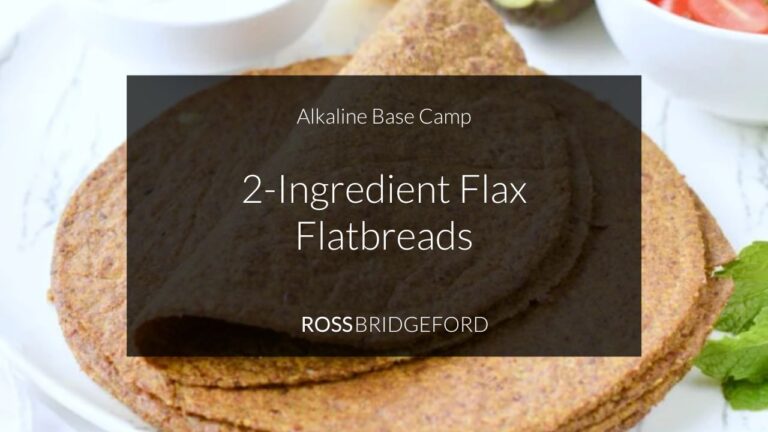
  • 2-Ingredient Flax Flatbreads

    2-Ingredient Flax Flatbreads

    Recipes › Breads

    2-Ingredient Flax Flatbreads

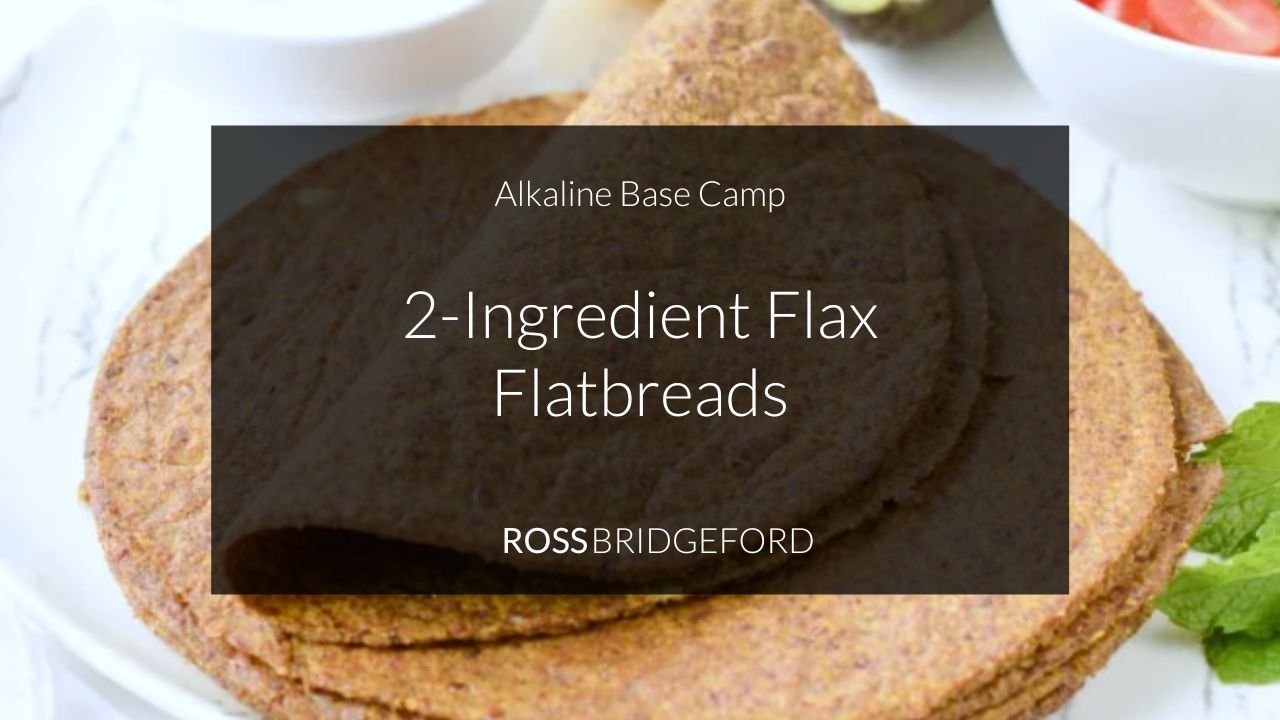
    One incredible, lifesaving, timesaving, game-changing recipe: alkaline, gluten-free wraps from just flax and water.

    Prep 10 minCook 10 minMakes 54 ingredients
    VeganGluten-freeDairy-freeNut-freeNo added sugar

    Tastes: nutty and wholesome, and soft enough to fold.

    2 ingredient flax wraps

    The wrap everyone asks for

    One of the biggest requests I get is for a wrap recipe that’s alkaline and gluten-free, and this one is both SO easy and so simple.

    I love flatbreads and wraps because they can be the container of so much goodness, but these are an amazing source of goodness themselves. Flax is high in fibre, which helps keep digestion regular, and it’s a great source of anti-inflammatory omega-3 fats – absolutely essential for great energy and health. Flax can also help lower cholesterol and may help protect against some cancers.

    Why you’ll love it

    • Just flax and water, plus a pinch of salt and your favourite seasoning if you like.
    • Omega-3: nearly 8 g of plant omega-3 ALA per flatbread.
    • Fibre: about 9 g per flatbread.
    • Endlessly useful. Fill with your favourite alkaline salad ingredients.

    Good for

    Immunity

    Copper, selenium, zinc and vitamin B6 contribute to the normal function of the immune system.

    Antioxidants

    Copper, manganese, selenium and zinc contribute to the protection of cells from oxidative stress. It also contains plant compounds with antioxidant activity, including lignans.

    Energy

    Magnesium, vitamin B6 and iron contribute to the reduction of tiredness and fatigue.

    Muscles

    Protein contributes to the maintenance of muscle mass, and magnesium contributes to normal muscle function.

    Bones

    Manganese, magnesium, phosphorus and zinc contribute to the maintenance of normal bones.

    Eyes

    Zinc contributes to the maintenance of normal vision.

    Tags use approved nutrient health-claim wording, for nutrients that give at least 10% of the Daily Value per flatbread. Plant compounds like these have no Daily Value, so we only say they’re there.

    Key nutrients per flatbread

    Thiamin
    50%Copper
    44%Manganese
    35%Magnesium
    31%

    Contains: phosphorus (17%), selenium (15%), zinc (14%), vitamin B6 (12%), iron (11%), calcium (7%) and potassium (6%).

    Plant compounds: plant omega-3 ALA (about 7.7 g) and lignans from the flaxseed.

    6 g protein9 g fibreUnder 4 g natural sugarAbout 10 mg sodium

    % of US Daily Value for adults, per flatbread (1/5 of the recipe). Estimated from USDA FoodData Central values for the ingredients as listed; cooking reduces some vitamins, so treat these as upper estimates. Excludes the optional salt and seasoning; anything over 100% shows as 100%+.

    2-Ingredient Flax Flatbreads

    Soft, gluten-free wraps made from ground flaxseed and water.
    Prep Time 10 minutes
    Cook Time 10 minutes
    Total Time 20 minutes
    Servings: 5 flatbreads

    Ingredients
      

    • 1 cup flaxseeds
    • 1 cup water
    • ¼ tsp salt optional
    • 1 tsp seasoning optional, such as garlic powder or cumin seeds

    Equipment

    • Food processor
    • Rolling pin

    Method
     

    1. Process the flaxseeds in a food processor until they resemble a flour.
    2. Bring the water to the boil and remove from the heat. Add the flax flour and stir until it forms a dough (about 2 minutes). Add a little more flax if it’s too wet, or water if it’s too dry.
    3. Put the dough between two pieces of baking paper and roll it out with a rolling pin until it’s 2 mm thick. Cut into 4–5 circular wraps.
    4. Warm a pan on high heat and cook each wrap for 1–2 minutes on each side, then remove and allow to cool.
    5. Fill with your favourite alkaline salad ingredients and enjoy!

    Swaps

    • Golden flax gives a lighter-coloured wrap.
    • Seasoning ideas: garlic powder, cumin seeds, smoked paprika or dried herbs.
    • Filling idea: hummus, rocket, cucumber, grated carrot and avocado.

    Storing it

    Keep in an airtight container in the fridge for 3–4 days, with baking paper between them. They also freeze well.

    Good to know

    • High in fibre. Drink plenty of water, and build up slowly if you’re not used to this much flax.

    Try next

    LunchQuinoa & Hummus WrapsOpen recipe →
    BreadUltimate Gluten-Free BreadOpen recipe →
    Want more than recipes?

    The Alkaline Life Club has everything in the Recipe Club, plus coaching, live Q&A and a community to keep you going.

    See the Alkaline Life Club

    Sources

    Nutrient values: USDA FoodData Central, SR Legacy (flaxseed 169414). Plant compounds are named where the ingredient is a well-documented source; flavonoids follow the USDA Database for the Flavonoid Content of Selected Foods, Release 3.3. Daily Values: US Food and Drug Administration.
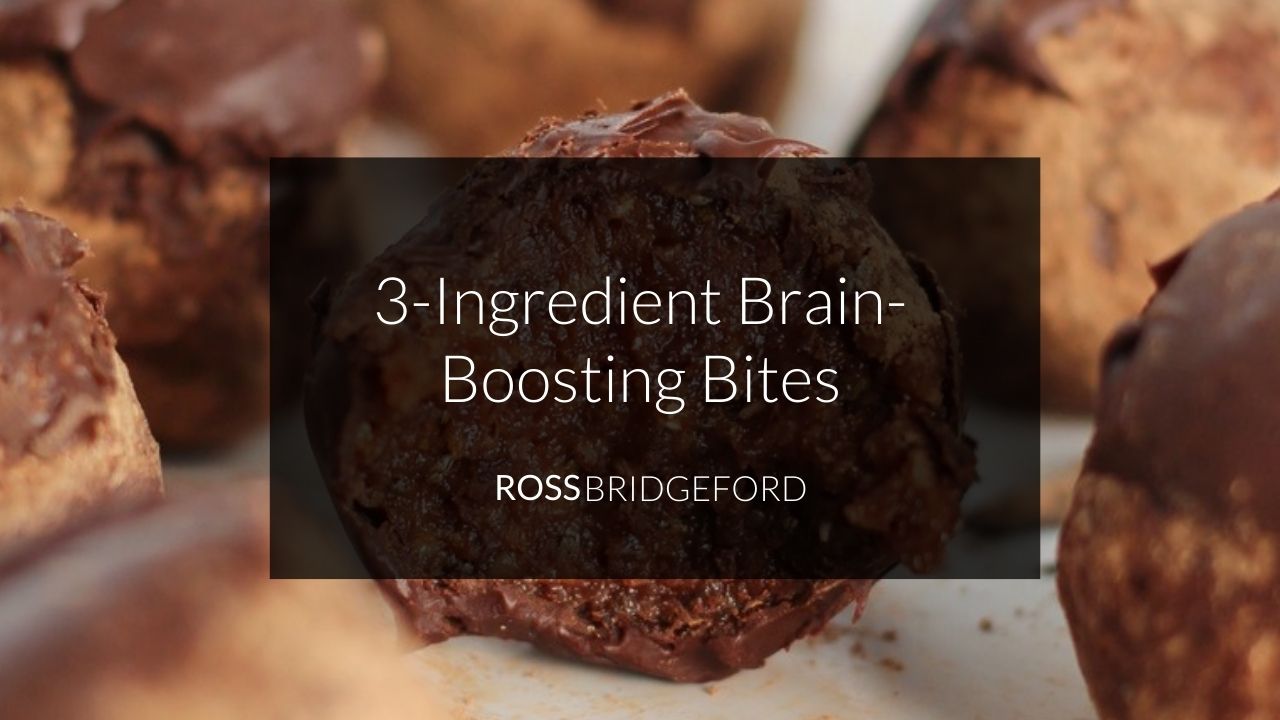
  • Alkaline Three-Ingredient Brain-Boosting Bites!

    Alkaline Three-Ingredient Brain-Boosting Bites!

    Brain-Boosting Snack Recipe

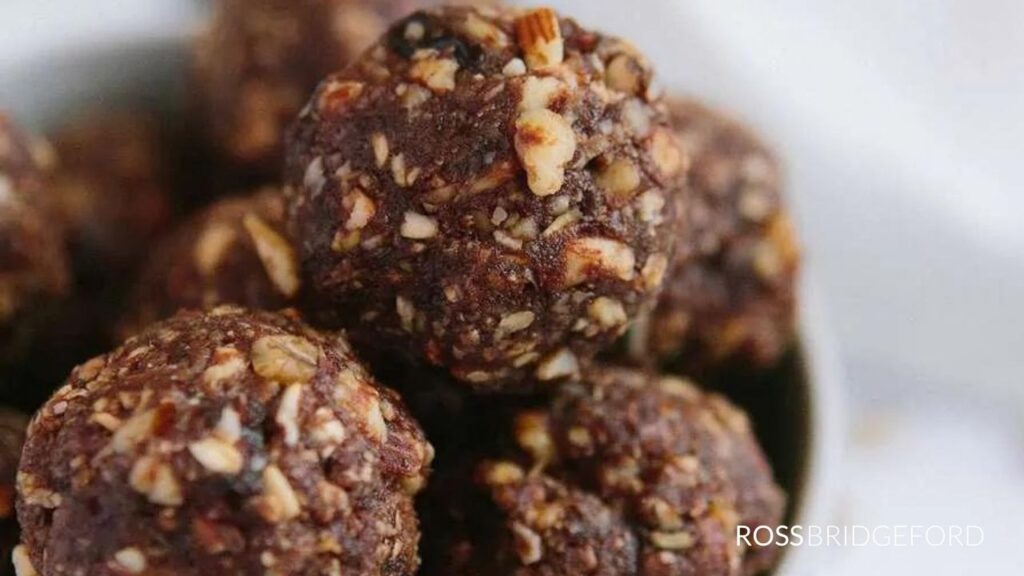
    I absolutely LOVE this recipe! It’s a super-alkaline, brain-boosting snack that is both delicious and hugely nutrient-dense.

    It’s also SO quick and easy to make and only requires THREE ingredients:

    1. Cacao
    2. Dates
    3. Walnuts

    All three of these ingredients are great brain-boosting superstars.

    Cacao Brain-Boosting Benefits

    Cacao is one of the best sources of antioxidants on the planet. It’s also a huge source of magnesium, which is essential for healthy brain function.

    Magnesium supports brain function by:

    • Regulating neurotransmitter function
    • Maintaining healthy nerve function
    • Helping to protect the brain from stress and inflammation
    • Supporting cognitive function and memory

    The antioxidants in cacao include flavonoids, catechins, and procyanidins. These powerful nutrients help to protect the brain from damage caused by free radicals, inflammation, and oxidative stress.

    Dates Brain-Boosting Benefits:

    Dates are a great source of vitamins and minerals like iron, potassium, and magnesium (again).

    Potassium is especially important for cognitive function, as it helps to regulate blood pressure and improve blood flow to the brain.

    Walnut Brain-Boosting Benefits:

    Walnuts are an excellent source of omega-3 fatty acids. Omega-3s are essential for brain health, as they help to protect the brain from damage and support cognitive function.

    They also contain a compound called ellagitannins, which has been shown to improve memory and cognitive function.

    This recipe is so simple, all you need to do is blend everything together in a food processor and enjoy!

    If you want to get really fancy, you can roll the mixture into balls and roll them in coconut shreds, or shape it into bars.

    I like to keep mine in the fridge so they last longer, but they’re just as delicious at room temperature.

    Brain Boosting Bites Recipe:

    Makes 15-20 small bites

    Ingredients

    • 1 cup of walnuts (115g)
    • 1 cup of Medjool dates (200g)
    • 2tbsp raw cacao

    Instructions

    Simply add all three ingredients to a high-speed blender and blend til it forms a ‘dough’ and then shape into balls or bars, and refrigerate.  They’ll keep for 5-6 days in the fridge.

    *contains about 2-3g of fructose per bite.

    close up of brain-boosting bites


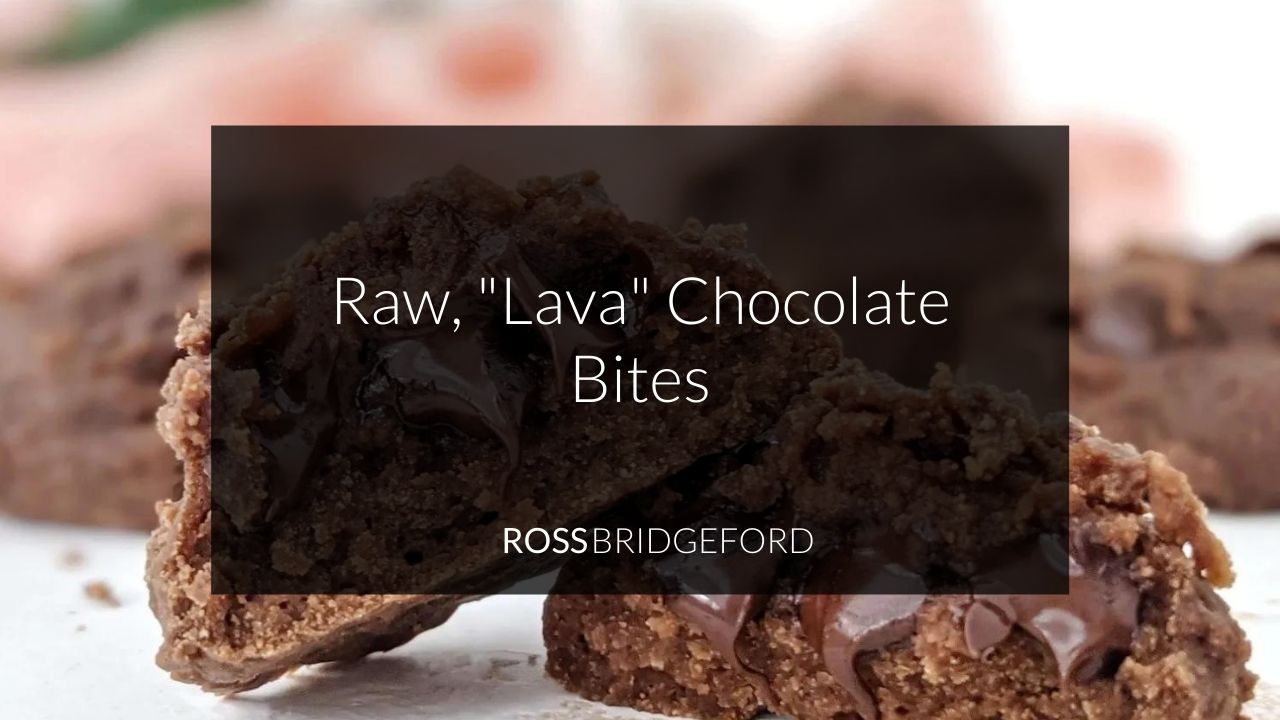
  • Raw, “Lava” Chocolate Bites

    Raw, “Lava” Chocolate Bites

    Raw, Vegan, “Lava Chocolate Bites”

    These are absolutely phenomenal, a real treat!  They’re not super-alkaline, of course, but they’re also not particularly acid-forming, as some of the sugars are most certainly offset by the alkaline minerals in the cacao and the healthy fats from the nuts and coconut oil.

    They don’t take a huge amount of time to make, but are VERY impressive 🙂

    Let’s get into them!

    Ingredients

    For the bites:

    • 1/3 cup oats
    • 1/3 cup walnuts
    • 2tbsp chia seeds
    • 4 medium-sized dates, chopped
    • 1/4 cup cacao powder

    For the ‘lava’

    • 1/3 cup  coconut oil
    • 1/3 cup rice malt syrup
    • 1/3 cup dates, chopped
    • 1/3 cup cacao powder
    • Pinch of cinnamon
    • Pinch of Himalayan sea salt
    • Coconut or almond milk, to use as needed (see notes below)

    Instructions:

    1. Start by putting the oats, chia, walnuts and cacao into your food processor or blender, and pulse until it’s all ground down into a kind of rough flour.
    2. Now add the 4 chopped dates, one at a time until it becomes a bit more sticky.
    3. Take around 2/3 of the mixture and in a cupcake tin, line the edges to create sides and a bottom and then refrigerate and create the tops by pressing out the remaining 1/3 of the mix into tops that are approx the size of your bases.  Put these in the refrigerator too.
    4. To make the ‘lava’ blend all of the ingredients together, adding the nut milk a little at a time to reach the right consistency.  You want it to be quite thick.
    5. Now pour the lava into your set moulds and then add the ‘lids’ while still in the cupcake tray.  Lift each one out carefully and place on your serving plate.
    6. Serve with coconut yoghurt or as they are!


    ad for desserts and breads recipe book

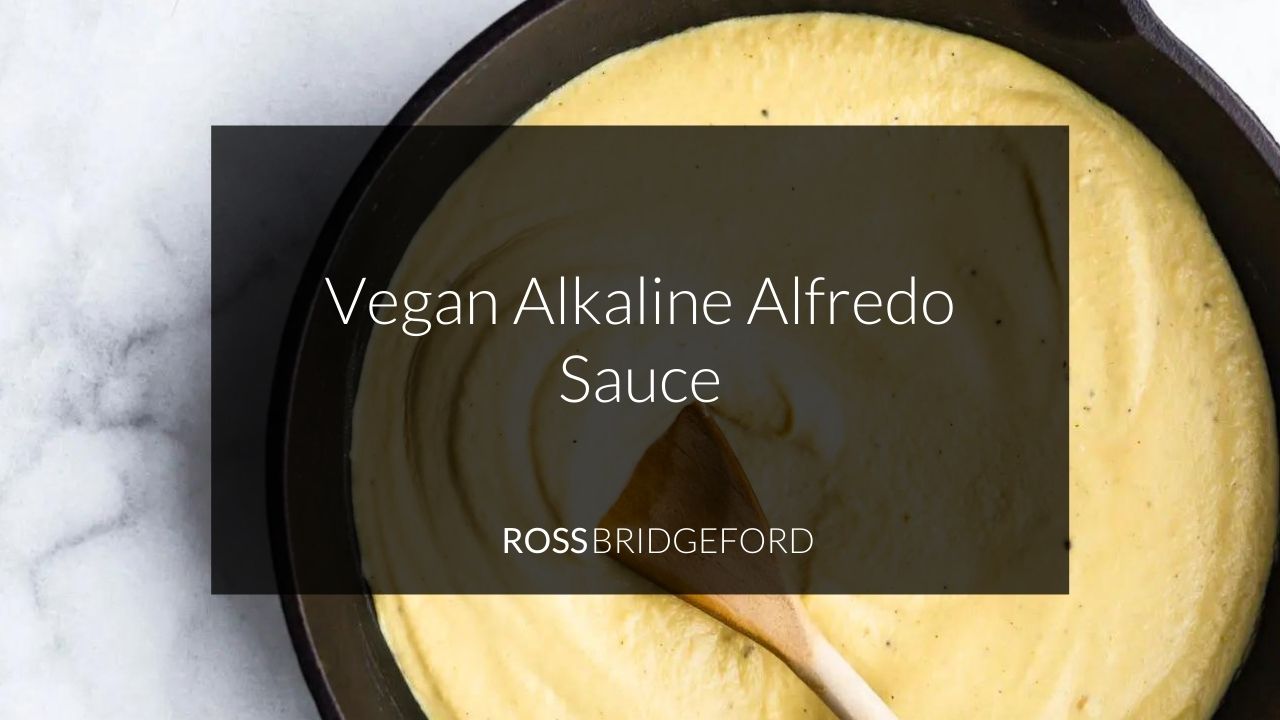
  • Creamy “Alfredo” Sauce

    Creamy “Alfredo” Sauce

    Recipes › Sauces & dressings

    Creamy “Alfredo” Sauce

    Quick and easy to make, and it makes almost every dish, no matter how simple, rich and delicious. Dairy-free, and made with cauliflower.

    Prep 2 minCook 8 minServes 27 ingredients
    VeganGluten-freeDairy-freeNut-freeNo added sugar

    Tastes: creamy, savoury and garlicky, with a little lemon lift. You won’t miss the cream.

    alkaline alfredo sauce recipe

    Goes with EVERYTHING!

    This sauce is such a good one to have in your armoury. It is quick and easy to make, and it makes almost every dish, no matter how simple, rich and delicious.

    It takes just ten minutes and very little effort, and can be used in dozens of ways. You’ve got to give this one a try!

    Why you’ll love it

    • On pasta. A simple gluten-free pasta.
    • On veggies. Works really well with steamed broccoli as a side.
    • On salads. On top of any salad.
    • Warm or cool. It’s a real winner, lovely warm or cooled.

    Good for

    Immunity

    Vitamin C, folate, vitamin B6 and copper contribute to the normal function of the immune system.

    Antioxidants

    Vitamin C, manganese, riboflavin and copper contribute to the protection of cells from oxidative stress. It also contains plant compounds with antioxidant activity, including quercetin and flavonoids.

    Energy

    Folate, pantothenic acid, vitamin B6 and riboflavin contribute to the reduction of tiredness and fatigue.

    Bones

    Vitamin K and manganese contribute to the maintenance of normal bones.

    Eyes

    Riboflavin contributes to the maintenance of normal vision.

    Blood pressure

    Potassium contributes to the maintenance of normal blood pressure.

    Tags use approved nutrient health-claim wording, for nutrients that give at least 10% of the Daily Value per serve. Plant compounds like these have no Daily Value, so we only say they’re there.

    Key nutrients per serve

    Vitamin C
    98%Folate
    26%Pantothenic acid
    25%Vitamin B6
    24%Vitamin K
    23%

    Contains: manganese (17%), potassium (13%), riboflavin (11%), thiamin (11%), copper (11%) and magnesium (7%).

    Plant compounds: quercetin from the onion, glucosinolates from the cauliflower, sulphur compounds from the garlic and citrus flavonoids from the lemon.

    4 g fibreAbout 5 g natural sugarAbout 380 mg sodium

    % of US Daily Value for adults, per serve (half the recipe). Estimated from USDA FoodData Central values for the ingredients as listed; cooking reduces some vitamins, so treat these as upper estimates. Excludes salt added to taste; anything over 100% shows as 100%+.

    Creamy “Alfredo” Sauce

    A creamy, dairy-free cauliflower sauce that goes with EVERYTHING.
    Prep Time 2 minutes
    Cook Time 8 minutes
    Total Time 10 minutes
    Servings: 2

    Ingredients
      

    • 1 tbsp coconut oil
    • ½ onion chopped
    • 3 cloves garlic crushed
    • 3 cups (12 oz / 340 g) cauliflower chopped
    • 1 cup vegetable stock or plant milk, such as almond milk
    • juice of ¼ lemon
    • Himalayan salt and black pepper to taste

    Equipment

    • Large pan
    • High-speed blender

    Method
     

    1. Start by gently sautéing the onion in the coconut oil in a large pan.
    2. Stir gently and cook for 3 minutes before adding the garlic, cauliflower and stock or milk, and cook for a further 5–6 minutes.
    3. Now transfer everything to a high-speed blender, add the lemon and salt and pepper to taste, and blend until smooth.

    Swaps

    • Creamier: use coconut milk (the milk alternative type, not canned) or almond milk instead of stock.
    • Cheesy: stir in 1–2 tbsp nutritional yeast.

    Storing it

    It will keep in the fridge for 72 hours.

    Try next

    DressingAvocado Ranch DressingOpen recipe →
    Bread2-Ingredient Flax FlatbreadsOpen recipe →
    Want more than recipes?

    The Alkaline Life Club has everything in the Recipe Club, plus coaching, live Q&A and a community to keep you going.

    See the Alkaline Life Club

    Sources

    Nutrient values: USDA FoodData Central, SR Legacy (coconut oil 171412, onion 170000, garlic 169230, cauliflower 169986, vegetable broth 171583, lemon juice 167747). Plant compounds are named where the ingredient is a well-documented source; flavonoids follow the USDA Database for the Flavonoid Content of Selected Foods, Release 3.3. Daily Values: US Food and Drug Administration.
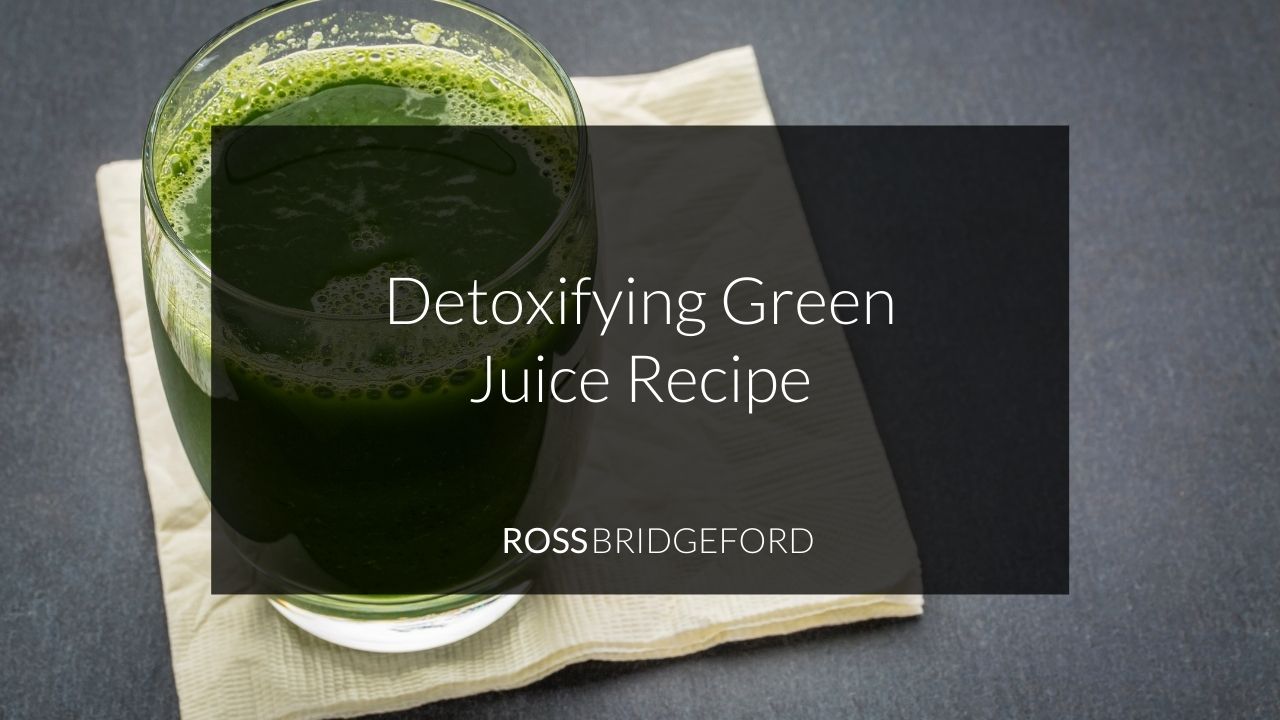
  • Detoxifying Green Juice

    Detoxifying Green Juice

    Recipes › Juices & smoothies

    Detoxifying Green Juice

    Broccoli, kale, beetroot (greens and all), coriander, celery, cucumber, ginger and turmeric in one deep green-red juice.

    Prep 10 minServes 2Juicer9 ingredients
    VeganGluten-freeDairy-freeNut-freeNo added sugar

    Tastes: earthy and fresh, with sweet beetroot, peppery greens and a ginger kick.

    green juice recipe

    Support your body’s own detox pathways

    This green juice is fantastic for supporting the detoxification pathways of your body. It’s packed with alkaline, nutrient-dense ingredients to give your liver, kidneys and immune system plenty of support.

    The broccoli and kale contain glucosinolates, which your body turns into compounds like sulforaphane. In lab studies, sulforaphane switches on the Nrf2 pathway, which helps your cells make their own protective and detox enzymes.

    Add beetroot, ginger, turmeric and a big handful of coriander and you’ve got a juice that tastes as good as it looks.

    Why you’ll love it

    • Vitamin K: over three days’ worth a glass.
    • Vitamin C: just over a day’s worth.
    • Broccoli and kale for glucosinolates.
    • Beetroot, greens and all.

    Good for

    Immunity

    Vitamin C, folate, copper and vitamin A contribute to the normal function of the immune system.

    Antioxidants

    Vitamin C, manganese, copper and riboflavin contribute to the protection of cells from oxidative stress. It also contains plant compounds with antioxidant activity, including lutein, beta-carotene and apigenin.

    Energy

    Folate, riboflavin, pantothenic acid and magnesium contribute to the reduction of tiredness and fatigue.

    Bones

    Vitamin K, manganese, magnesium and calcium contribute to the maintenance of normal bones.

    Eyes

    Riboflavin, vitamin A and zinc contribute to the maintenance of normal vision. It also contains lutein and zeaxanthin, the carotenoids found in the macula of the eye.

    Blood pressure

    Potassium contributes to the maintenance of normal blood pressure.

    Tags use approved nutrient health-claim wording, for nutrients that give at least 10% of the Daily Value per glass. Plant compounds like lutein have no Daily Value, so we only say they’re there.

    Key nutrients per glass

    Vitamin K
    100%+Vitamin C
    100%+Manganese
    52%Folate
    44%Copper
    33%Riboflavin
    31%

    Contains: vitamin A (30%), potassium (26%), pantothenic acid (24%), magnesium (23%), calcium (19%), iron (19%), vitamin B6 (18%), thiamin (17%), phosphorus (12%), zinc (11%), niacin (10%) and vitamin E (10%).

    Plant compounds: lutein and zeaxanthin (about 4.2 mg), beta-carotene (about 3.2 mg), chlorophyll, apigenin from the celery, quercetin and kaempferol from the kale, glucosinolates from the broccoli and kale, betalains from the beetroot, curcumin from the turmeric and gingerols from the ginger.

    About 11 g natural sugarAbout 200 mg sodium

    % of US Daily Value for adults, per glass (half the recipe). Estimated from USDA FoodData Central values for the whole ingredients. Juicing leaves most of the fibre and some vitamins in the pulp, so treat these as upper estimates; uses ground turmeric values for the fresh root; anything over 100% shows as 100%+.

    Detoxifying Green Juice

    Broccoli, kale, beetroot and its greens, ginger, turmeric, coriander, celery and cucumber, juiced and topped up with water.
    Prep Time 10 minutes
    Total Time 10 minutes
    Servings: 2 glasses

    Ingredients
      

    • 4 broccoli florets
    • ½ bunch kale
    • 1 large beetroot plus its greens
    • 1 cm fresh ginger
    • 1 cm fresh turmeric
    • ½ bunch coriander (cilantro)
    • 2 sticks celery
    • 1 large cucumber
    • coconut water or filtered water to taste

    Equipment

    • Juicer

    Method
     

    1. Wash and chop all the ingredients to fit your juicer.
    2. Juice them all, then top up with coconut or filtered water to taste.
    3. Stir and enjoy straight away.

    Swaps

    • No beet greens? Use a handful of spinach or chard.
    • Milder: use more cucumber and less kale.
    • Sweeter: top up with coconut water.

    Storing it

    Best fresh. To keep it, fill a glass jar right to the top, seal it and refrigerate for up to 24 hours. Give it a shake before you drink it.

    Good to know

    • Very high in vitamin K. If you take warfarin or another blood thinner, keep your greens intake steady and talk to your doctor before making green juice a daily habit.
    • Beetroot can turn your pee or poo pink or red. It’s harmless.

    Ross’s tip

    You can make twice as much as you need and store the extra serves in an airtight container in the fridge.

    Try next

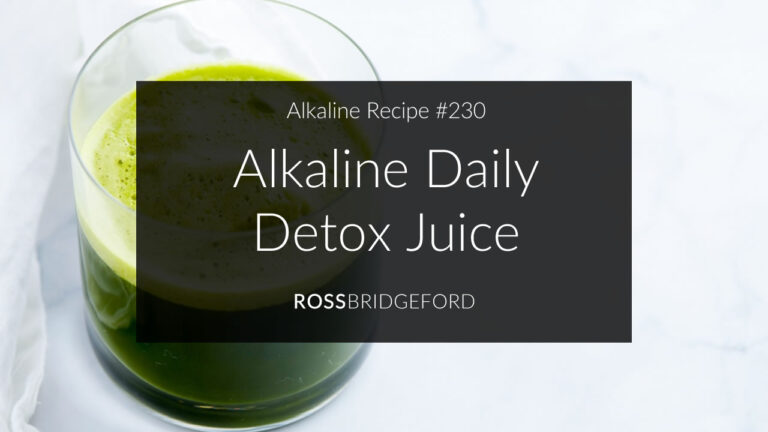
    Juices & smoothiesAlkaline Detox JuiceOpen recipe →
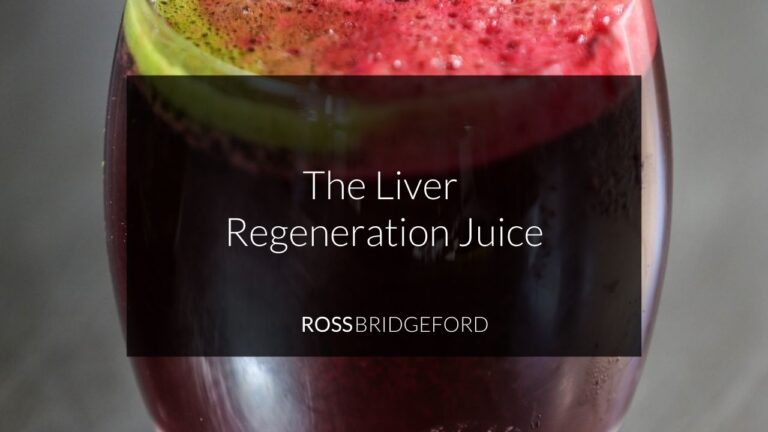
    Juices & smoothiesNourishing Liver-Support JuiceOpen recipe →
    Want more than recipes?

    The Alkaline Life Club has everything in the Recipe Club, plus coaching, live Q&A and a community to keep you going.

    See the Alkaline Life Club

    Sources

    Nutrient values: USDA FoodData Central, SR Legacy (broccoli 170379, kale 168421, beetroot 169145, beet greens 170375, ginger 169231, turmeric 172231, coriander 169997, celery 169988, cucumber 168409). Plant compounds are named where the ingredient is a well-documented source; flavonoids follow the USDA Database for the Flavonoid Content of Selected Foods, Release 3.3. Daily Values: US Food and Drug Administration.

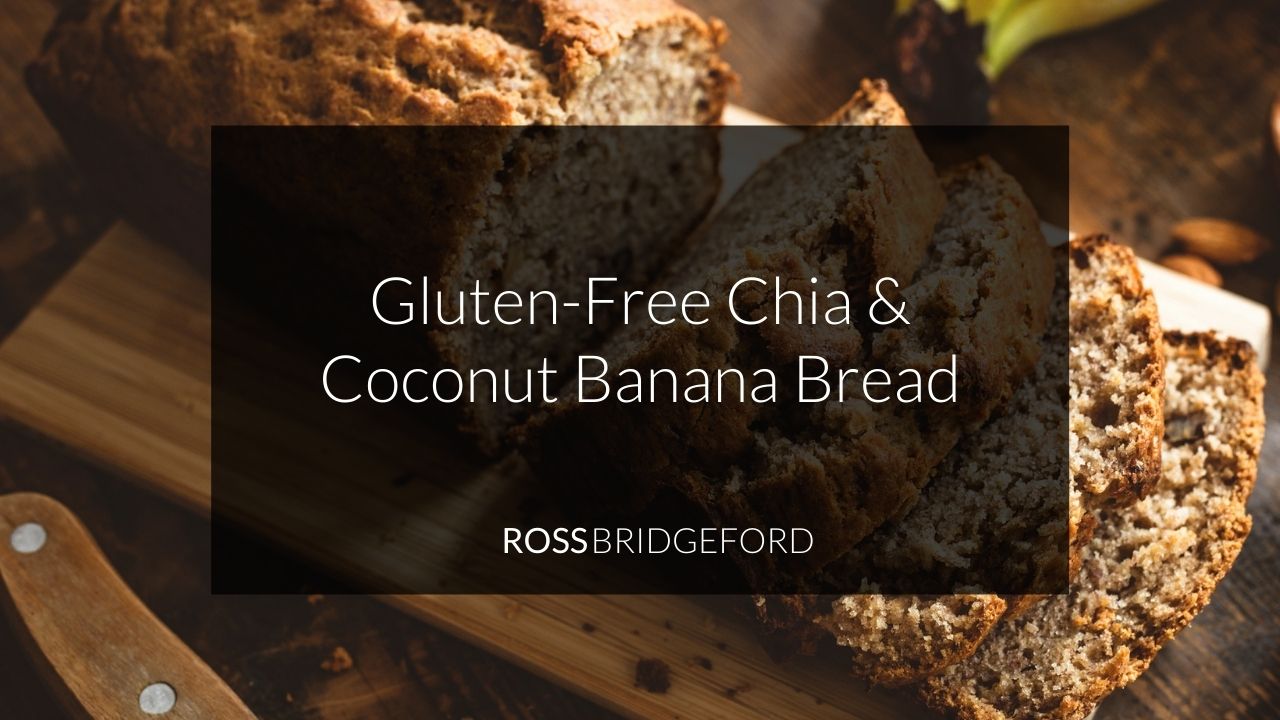
  • Gluten-Free Chia & Coconut Banana Bread

    Gluten-Free Chia & Coconut Banana Bread

    Recipes › Breads

    Gluten-Free Chia & Coconut Banana Bread

    Ooooohhh, this one is a treat – sweet, moist, cake-y and delicious. You’ll love it, the kids will love it.

    Prep 10 minBake 45 minMakes 1 loaf9 ingredients
    VeganGluten-freeDairy-freeNut-free

    Tastes: sweet, moist and cake-y, with banana and toasty coconut.

    GF Chia Banana Bread Recipe

    The perfect banana bread

    Okay, okay, it’s not HIGH alkaline, but it’s also very low in acidity, yet sweet, moist, cake-y and delicious. And it’s totally gluten-free.

    It provides loads of healthy fats from the chia and olive oil, plus fibre, and comes in at under 2 g of fructose a slice. I’ve used a mix of coconut and buckwheat flour, but you can use most gluten-free flours. Just be mindful that some are drier than others, so if you want it moister, go for coconut and/or almond flour.

    Why you’ll love it

    • Under 2 g fructose a slice. Sweetened with banana and a little rice malt syrup.
    • About 6 g fibre a slice from the coconut flour, buckwheat and chia.
    • Totally gluten-free and egg-free – the chia does the binding.
    • Lunchbox-friendly. The kids will love it, and it’s nut-free.

    Good for

    Immunity

    Copper and vitamin B6 contribute to the normal function of the immune system.

    Antioxidants

    Copper and manganese contribute to the protection of cells from oxidative stress. It also contains plant compounds with antioxidant activity, including rutin.

    Energy

    Magnesium and vitamin B6 contribute to the reduction of tiredness and fatigue.

    Bones

    Manganese and magnesium contribute to the maintenance of normal bones.

    Tags use approved nutrient health-claim wording, for nutrients that give at least 10% of the Daily Value per slice. Plant compounds like these have no Daily Value, so we only say they’re there.

    Key nutrients per slice

    Manganese
    22%Copper
    22%

    Contains: magnesium (13%), vitamin B6 (12%), calcium (7%) and potassium (6%).

    Plant compounds: rutin from the buckwheat.

    6 g fibreAbout 9 g sugarAbout 115 mg sodium

    % of US Daily Value for adults, per slice (1/12 of the loaf). Estimated from USDA FoodData Central values for the ingredients as listed; cooking reduces some vitamins, so treat these as upper estimates. Coconut flour uses typical label values; anything over 100% shows as 100%+.

    Gluten-Free Chia & Coconut Banana Bread

    A moist, gluten-free banana bread made with coconut and buckwheat flour and bound with chia.
    Prep Time 10 minutes
    Cook Time 45 minutes
    Total Time 55 minutes
    Servings: 12 slices

    Ingredients
      

    • 2 tbsp chia seeds
    • ½ cup filtered water
    • ½ cup extra-virgin olive oil
    • ¼ cup rice malt syrup
    • 3 medium bananas mashed with a fork
    • 3 tsp gluten-free baking powder
    • 100 g coconut flour
    • 100 g buckwheat flour
    • 25 g shredded coconut

    Equipment

    • Loaf tin

    Method
     

    1. Preheat your oven to 160°C (320°F) and line a loaf tin with baking paper.
    2. Stir the chia seeds into the water and set aside for about 10 minutes, stirring a couple of times, until the chia has formed a gel.
    3. In a large mixing bowl, mix the chia gel with the olive oil, rice malt syrup and mashed banana.
    4. Stir through the coconut flour, buckwheat flour, shredded coconut and baking powder.
    5. Pour into the loaf tin and bake for around 45 minutes, or until it’s cooked through and golden on top.
    6. Remove from the oven and allow to cool (although, like me, you’ll probably dig in while it’s still warm!).

    Swaps

    • Moister: swap some of the buckwheat flour for almond flour.
    • Olive oil can be swapped for melted coconut oil.
    • Add-ins: a handful of walnuts or cacao nibs.

    Storing it

    Keeps in an airtight container for 3 days, or in the fridge for up to a week. Slice and freeze for easy lunchbox treats.

    Good to know

    • Gluten-free: buckwheat isn’t related to wheat, but if you’re coeliac, choose a certified gluten-free flour and baking powder.

    Try next

    BreadUltimate Gluten-Free BreadOpen recipe →
    BreakfastBuckwheat & Pumpkin PancakesOpen recipe →
    Want more than recipes?

    The Alkaline Life Club has everything in the Recipe Club, plus coaching, live Q&A and a community to keep you going.

    See the Alkaline Life Club

    Sources

    Nutrient values: USDA FoodData Central, SR Legacy (chia seeds 170554, olive oil 171413, malt syrup 169660, banana 173944, baking powder 172803, buckwheat flour 170687, desiccated coconut 170170; typical label values for coconut flour). Plant compounds are named where the ingredient is a well-documented source; flavonoids follow the USDA Database for the Flavonoid Content of Selected Foods, Release 3.3. Daily Values: US Food and Drug Administration.
  • Moroccan Roast Eggplant Stew

    Moroccan Roast Eggplant Stew

    Recipes › Dinner

    Moroccan Roast Eggplant Stew

    Perfect for a quick and easy (and alkaline) dinner: minimal preparation, so rich and flavourful, and made with everyday household ingredients.

    Prep 5 minCook 50 minServes 210 ingredients
    VeganGluten-freeDairy-freeNut-freeNo added sugar

    Tastes: rich, smoky and warmly spiced, with roasted eggplant and fresh coriander.

    Featured Moroccan Roast Eggplant Stew Recipe

    Rich, flavourful and family-friendly

    The tomato, eggplant and coriander make it super-dense in alkaline minerals and antioxidants, and the garlic brings its immune-supporting, antiviral power.

    Served with quinoa or rice, this is a fibre-rich, protein-rich meal that the whole family will love.

    Why you’ll love it

    • Fibre: about 19 g a serve from the chickpeas, quinoa and veg.
    • Lycopene from all those roasted and tinned tomatoes.
    • Manganese and copper: a full day’s worth per serve.
    • Minimal prep. The oven does most of the work.

    Good for

    Immunity

    Copper, vitamin B6, folate and vitamin C contribute to the normal function of the immune system.

    Antioxidants

    Manganese, copper, vitamin C and riboflavin contribute to the protection of cells from oxidative stress. It also contains plant compounds with antioxidant activity, including lutein, beta-carotene and lycopene.

    Energy

    Vitamin B6, folate, magnesium and riboflavin contribute to the reduction of tiredness and fatigue.

    Muscles

    Protein contributes to the maintenance of muscle mass, and magnesium, potassium and calcium contribute to normal muscle function.

    Bones

    Manganese, magnesium, vitamin K and phosphorus contribute to the maintenance of normal bones.

    Eyes

    Riboflavin, zinc and vitamin A contribute to the maintenance of normal vision.

    Blood pressure

    Potassium contributes to the maintenance of normal blood pressure.

    Tags use approved nutrient health-claim wording, for nutrients that give at least 10% of the Daily Value per serve. Plant compounds like lutein have no Daily Value, so we only say they’re there.

    Key nutrients per serve

    Manganese
    100%+Copper
    100%Vitamin B6
    47%Folate
    43%Magnesium
    42%Vitamin C
    39%

    Contains: vitamin K (35%), thiamin (33%), potassium (33%), phosphorus (32%), riboflavin (31%), iron (31%), vitamin E (29%), niacin (28%), zinc (26%), pantothenic acid (22%), selenium (14%), vitamin A (13%) and calcium (11%).

    Plant compounds: lutein and zeaxanthin (about 0.7 mg), beta-carotene (about 1.3 mg), lycopene (about 8.3 mg), chlorophyll, quercetin from the onion and sulphur compounds from the garlic.

    16 g protein19 g fibreAbout 21 g natural sugarAbout 355 mg sodium

    % of US Daily Value for adults, per serve (half the recipe). Estimated from USDA FoodData Central values for the ingredients as listed; cooking reduces some vitamins, so treat these as upper estimates. Harissa spices use paprika, cumin and chilli powder values; anything over 100% shows as 100%+.

    Moroccan Roast Eggplant Stew

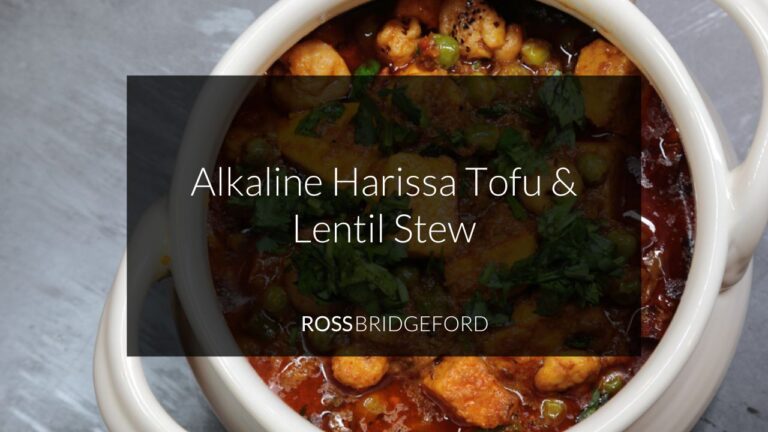
    Roasted eggplant, tomato and onion blended into a smoky harissa stew with chickpeas, served over quinoa.
    Prep Time 5 minutes
    Cook Time 50 minutes
    Total Time 55 minutes
    Servings: 2

    Ingredients
      

    • ½ tbsp coconut oil divided
    • 1 medium eggplant (aubergine) chopped into large, rough chunks
    • 2 tomatoes quartered
    • ½ red onion quartered
    • 2 garlic cloves chopped finely or minced
    • ½ tbsp harissa spices
    • ½ x 400 g can chopped tomatoes
    • ½ x 400 g can chickpeas drained and rinsed
    • ¼ bunch fresh coriander chopped
    • 1½ cups cooked quinoa to serve

    Equipment

    • Baking tray
    • Blender or food processor

    Method
     

    1. Preheat the oven to 200°C (400°F) with a large baking tray inside to heat up.
    2. While it heats, chop the eggplant, tomatoes and onion. Take out the hot tray, melt half the coconut oil on it, toss the vegetables to coat and roast for 35–40 minutes.
    3. Meanwhile, cook the quinoa. When the roasting is almost done, warm the rest of the coconut oil in a pan, add the garlic for 2–3 minutes, then the tinned tomatoes.
    4. Stir in the harissa spices, then add the roasted vegetables to the pan. Stir it all through and simmer for 3–4 minutes.
    5. Transfer to a blender or food processor and roughly blend, leaving it a little chunky.
    6. Return to the pan, add the chickpeas and warm through for another 2–3 minutes.
    7. Stir through most of the coriander and serve with the quinoa, with the rest of the coriander on top.

    Notes

    Feeding the family? Double everything – that’s the original 4-serve recipe.

    Swaps

    • Rice instead of quinoa works well.
    • No harissa spice mix? Use 1 tsp smoked paprika, ½ tsp cumin and a pinch of chilli.
    • Smoother: blend it fully instead of leaving it chunky.

    Storing it

    Keeps in the fridge for 3–4 days and freezes well.

    Try next

    DinnerHarissa Eggplant with Cannellini CreamOpen recipe →
    DinnerHarissa Tofu & Lentil StewOpen recipe →
    Want more than recipes?

    The Alkaline Life Club has everything in the Recipe Club, plus coaching, live Q&A and a community to keep you going.

    See the Alkaline Life Club

    Sources

    Nutrient values: USDA FoodData Central, SR Legacy (coconut oil 171412, eggplant 169228, tomatoes 170457, onion 170000, garlic 169230, paprika 171329, cumin 170923, chilli powder 171319, crushed tomatoes 170501, chickpeas 173801, coriander leaves 169997, quinoa (cooked) 168917). Plant compounds are named where the ingredient is a well-documented source; flavonoids follow the USDA Database for the Flavonoid Content of Selected Foods, Release 3.3. Daily Values: US Food and Drug Administration.
  • Gluten-Free Tabbouleh

    Gluten-Free Tabbouleh

    Recipes › Salads

    Gluten-Free Tabbouleh

    A quick, easy salad full of green goodness and punchy flavours – it works as a side dish or on its own.

    Prep 5 minCook 8 minServes 28 ingredients
    VeganGluten-freeDairy-freeNut-freeNo added sugar

    Tastes: bright and herby, with masses of parsley and mint, fluffy quinoa, sweet tomatoes and lemon.

    Gluten-free quinoa tabbouleh

    Super-green, in minutes

    It takes minutes to make, it’s super-green and it’s a great source of alkaline foods. The benefits are wonderfully varied:

    Quinoa is packed with protein, fibre and minerals, and it’s gluten-free. Tomatoes bring vitamin C, potassium and antioxidants. Mint has been used for generations to ease bloating. Parsley is high in vitamin K, which helps keep bones strong. Olive oil’s healthy fats can help support healthy cholesterol, and lemon’s vitamin C supports your immune system.

    Why you’ll love it

    • Vitamin K: almost nine times your daily needs, from all those herbs.
    • Vitamin C: more than a full day’s worth.
    • Iron: over half your daily needs.
    • Ready in about 15 minutes.

    Good for

    Immunity

    Vitamin C, folate, iron and copper contribute to the normal function of the immune system.

    Antioxidants

    Vitamin C, manganese, copper and vitamin E contribute to the protection of cells from oxidative stress. It also contains plant compounds with antioxidant activity, including lutein, beta-carotene and lycopene.

    Energy

    Folate, iron, magnesium and vitamin B6 contribute to the reduction of tiredness and fatigue.

    Bones

    Vitamin K, manganese, magnesium and zinc contribute to the maintenance of normal bones.

    Eyes

    Vitamin A, zinc and riboflavin contribute to the maintenance of normal vision. It also contains lutein and zeaxanthin, the carotenoids found in the macula of the eye.

    Blood pressure

    Potassium contributes to the maintenance of normal blood pressure.

    Tags use approved nutrient health-claim wording, for nutrients that give at least 10% of the Daily Value per serve. Plant compounds like lutein have no Daily Value, so we only say they’re there.

    Key nutrients per serve

    Vitamin K
    100%+Vitamin C
    100%+Manganese
    65%Folate
    59%Iron
    58%Copper
    56%

    Contains: vitamin A (41%), vitamin E (39%), magnesium (36%), thiamin (25%), vitamin B6 (24%), zinc (24%), riboflavin (23%), phosphorus (22%), potassium (21%), pantothenic acid (16%), niacin (15%) and calcium (15%).

    Plant compounds: lutein and zeaxanthin (about 3.8 mg), beta-carotene (about 3.5 mg), lycopene (about 1.9 mg), chlorophyll, apigenin from the parsley, quercetin from the onion and citrus flavonoids from the lemon.

    10 g protein9 g fibreUnder 4 g natural sugarAbout 55 mg sodium

    % of US Daily Value for adults, per serve (half the recipe (as a main)). Estimated from USDA FoodData Central values for the ingredients as listed; cooking reduces some vitamins, so treat these as upper estimates. Excludes salt added to taste; anything over 100% shows as 100%+.

    Gluten-Free Tabbouleh

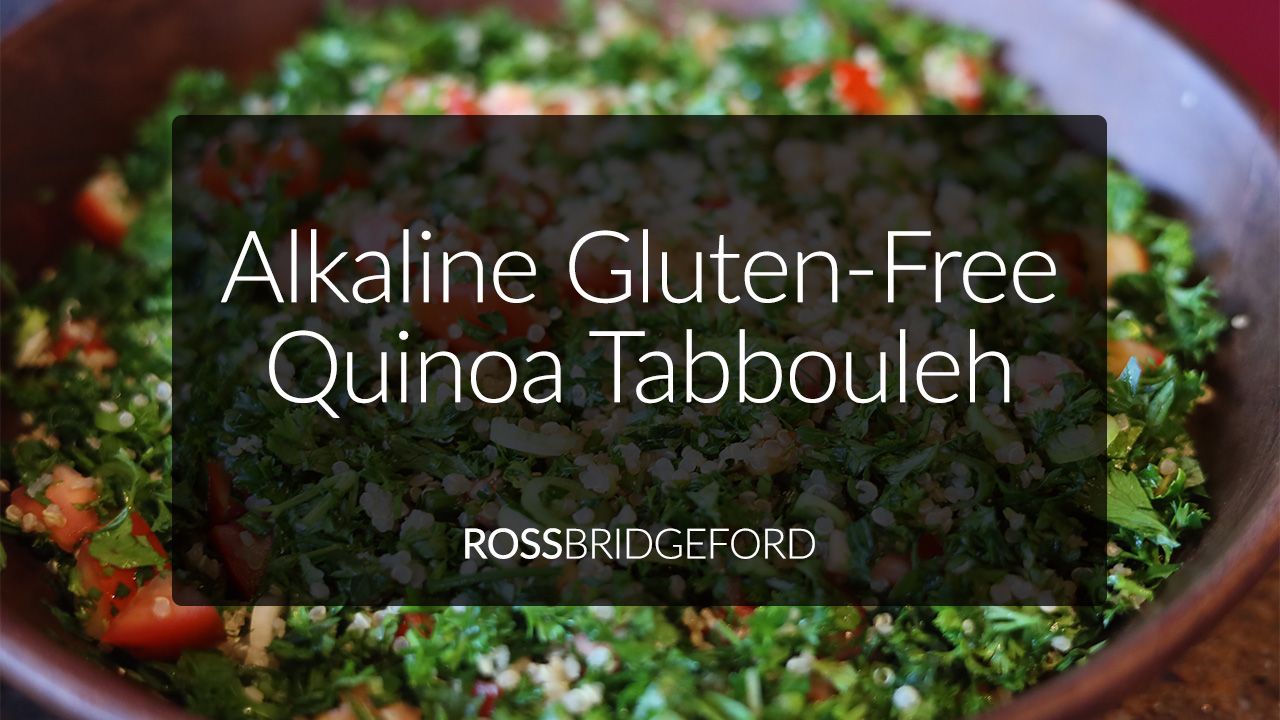
    Fluffy quinoa with masses of parsley and mint, cherry tomatoes and spring onion in a lemon and olive oil dressing.
    Prep Time 5 minutes
    Cook Time 8 minutes
    Total Time 13 minutes
    Servings: 2

    Ingredients
      

    • ½ cup uncooked quinoa
    • 2 bunches fresh flat-leaf parsley
    • 2 bunches fresh mint
    • 8–10 cherry tomatoes or 3 medium tomatoes
    • 3 spring onions (scallions)
    • ¼ cup freshly squeezed lemon juice
    • ¼ cup extra-virgin olive oil
    • Himalayan salt to taste

    Equipment

    • Saucepan

    Method
     

    1. Put the quinoa in a pan with 1 cup water, bring to a simmer and cook for 5–8 minutes until the water is absorbed and the quinoa is light and fluffy.
    2. Meanwhile, finely slice the parsley and mint, halve or quarter the tomatoes and finely slice the spring onions.
    3. Tip the quinoa into a bowl and let it cool.
    4. Mix the cooled quinoa with the herbs, tomatoes and spring onions in your serving bowl.
    5. Drizzle with the olive oil and lemon juice and season to taste.

    Notes

    As a side dish, this serves 6.

    Swaps

    • More protein: add a can of rinsed chickpeas.
    • Cucumber is a lovely crunchy addition.
    • Lighter: use 2 tbsp olive oil.

    Storing it

    Keeps in the fridge for 2–3 days – the herbs hold up well.

    Good to know

    • High in vitamin K. If you take warfarin or another blood thinner, keep your greens intake steady and talk to your doctor before eating more leafy greens than usual.

    Try next

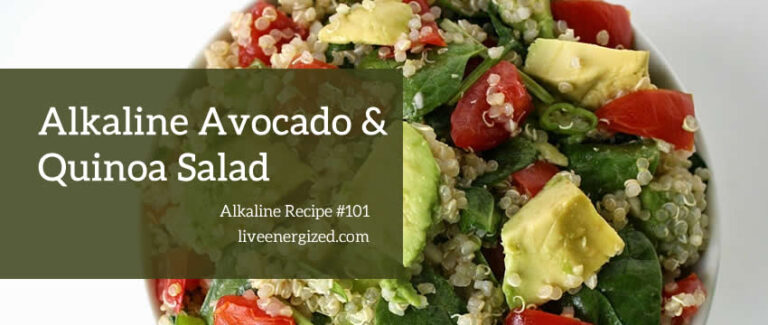
    SaladQuinoa Salad with AvocadoOpen recipe →
    SaladCool Quinoa Summer SaladOpen recipe →
    Want more than recipes?

    The Alkaline Life Club has everything in the Recipe Club, plus coaching, live Q&A and a community to keep you going.

    See the Alkaline Life Club

    Sources

    Nutrient values: USDA FoodData Central, SR Legacy (quinoa 168874, parsley 170416, mint 173475, tomatoes 170457, spring onions 170005, lemon juice 167747, olive oil 171413). Plant compounds are named where the ingredient is a well-documented source; flavonoids follow the USDA Database for the Flavonoid Content of Selected Foods, Release 3.3. Daily Values: US Food and Drug Administration.