Category: Free Alkaline Diet Recipes

Alkaline Diet Recipes: The Alkaline Recipe Centre from Ross Bridgeford
Make the Alkaline Diet Easy With Delicious Alkaline Recipe, and Enjoyable & Nourishing Meals
Find over 200+ delicious alkaline diet recipes & meals that the whole family will love. Includes alkaline recipes for breakfast, lunch, dinner, and snacks, plus cuisines including Italian, Indian, British, American, Mexican, Thai, and more!  This will make the alkaline lifestyle so simple!

Every recipe has been packed with nutrient-dense foods, designed with ease and simplicity in mind using every day, fresh, easy-to-find ingredients. Plus no recipe takes more than 30 minutes to prepare and all have been tried and tested on my family, including my kids! This is alkaline living made easy!

All recipes come with a print-friendly button so you can get started right away.

Click here to jump to a meal-time:

Alkaline Breakfast Recipes
Alkaline Lunch Recipes
Alkaline Dinner Recipes

Alkaline recipes are a great way to help keep your body’s pH balance in check, infusing your body with alkaline foods. Eating an alkaline-based diet helps to maintain healthy cells and tissues, as well as support overall health and wellness. Knowing how to prepare meals that contain the right amount of alkaline ingredients is key for anyone who wants to reap the benefits of an alkaline diet.

Fortunately, there are a plethora of delicious and nutrient-dense alkaline foods to choose from to make alkaline recipes for your alkaline-based meal plan. From classic dishes like quinoa bowls and vegetable salads to creative takes on traditional meals like eggplant lasagna, there’s something for everyone! With the right alkaline recipes and proper preparation, you can maintain a healthy alkaline diet that will help your body stay in balance.

Besides selecting the right alkaline foods, there are many different cooking techniques you can use to maximize the alkalinity of your meals. For example, steaming is a great way to prepare vegetables as it helps keep their natural nutrients intact. You can also incorporate alkaline-friendly herbs and spices, like turmeric and basil, to give your dishes a unique flavor.

At the end of the day, alkaline recipes are easy to make and provide a variety of health benefits. They help you avoid those acid foods and with the right alkaline ingredients and cooking techniques, you can create delicious meals that support your body’s needs.

For more information on starting on an alkaline diet click here, and browse the recipes!

  • Blood-Sugar Balancing Breakfast Cookies

    Blood-Sugar Balancing Breakfast Cookies

    Recipes › Breakfast

    Blood-Sugar Balancing Breakfast Cookies

    Yes, cookies… for breakfast! Made with oats, almond butter, hemp and seeds, they’ve been a little lifesaver on our busy family mornings.

    Prep 15 minBake 20 minMakes 1212 ingredients
    VeganGluten-freeDairy-free

    Tastes: chewy and nutty, with toasty coconut and a hint of vanilla.

    A better start than a sugary breakfast

    Today I’m so stoked to share a little creation that has truly transformed our busy family mornings. These are my Breakfast Cookies… yes, cookies.

    Consider these not just a treat, but a handy part of your morning routine. A breakfast that’s high in sugars and refined carbohydrates can cause a rapid spike in blood sugar followed by a sharp drop, which can lead to cravings and that mid-morning energy slump. These are built on oats, almond butter, seeds and hemp instead, with fibre, protein and healthy fats to help keep you going.

    Why you’ll love it

    • Oats, flax and seeds. Fibre, protein and healthy fats to help keep your blood sugar and energy steady through the morning.
    • Almond butter, hemp and seeds. Healthy fats and protein in every cookie.
    • Kid-approved. A breakfast the whole family will actually reach for.
    • Make-ahead. Bake a batch on Sunday and breakfast is sorted.

    Good for

    Immunity

    Copper contributes to the normal function of the immune system.

    Antioxidants

    Manganese, copper and vitamin E contribute to the protection of cells from oxidative stress. It also contains plant compounds with antioxidant activity, including lignans.

    Energy

    Magnesium contributes to the reduction of tiredness and fatigue.

    Bones

    Manganese, magnesium and phosphorus contribute to the maintenance of normal bones.

    Tags use approved nutrient health-claim wording, for nutrients that give at least 10% of the Daily Value per cookie. Plant compounds like these have no Daily Value, so we only say they’re there.

    Key nutrients per cookie

    Manganese
    35%Copper
    22%

    Contains: vitamin E (17%), magnesium (16%) and phosphorus (12%).

    Plant compounds: lignans from the flaxseed.

    About 6 g sugarAbout 90 mg sodium

    % of US Daily Value for adults, per cookie (1/12 of the recipe). Estimated from USDA FoodData Central values for the ingredients as listed; cooking reduces some vitamins, so treat these as upper estimates. Rice malt syrup uses USDA malt syrup values; anything over 100% shows as 100%+.

    Blood-Sugar Balancing Breakfast Cookies

    Chewy oat, almond butter and seed cookies made for busy mornings.
    Prep Time 15 minutes
    Cook Time 20 minutes
    Total Time 35 minutes
    Servings: 12 cookies

    Ingredients
      

    • 1 tbsp ground flaxseed
    • 2½ tbsp water
    • 1 cup rolled oats 95 g, certified gluten-free if needed
    • ¼ cup unsweetened shredded coconut 25 g
    • ¼ tsp baking powder
    • ¼ tsp baking soda
    • ¼ tsp fine sea salt
    • ⅜ cup smooth almond butter 95 g, or cashew butter
    • ¼ cup rice malt syrup 80 g
    • ¾ tsp vanilla extract
    • ¼ cup mixed pepitas, sunflower seeds and chopped almonds 32 g
    • 2½ tbsp hemp seeds 25 g

    Equipment

    • Baking sheet

    Method
     

    1. Mix the flaxseed with the water to form a flax egg. Let it sit for 10–15 minutes.
    2. Preheat the oven to 175°C (350°F) and line a baking sheet with baking paper.
    3. In a large bowl, combine the oats, shredded coconut, baking powder, baking soda and salt.
    4. In another bowl, mix the almond butter, rice malt syrup, vanilla and flax egg until smooth.
    5. Combine the wet and dry ingredients, then fold in the seeds and nuts and the hemp seeds. If the dough is sticky, chill it for 10–15 minutes.
    6. Scoop 2 tbsp of dough per cookie onto the baking sheet, leaving a little gap between them, and flatten each one slightly.
    7. Bake for 18–20 minutes. Cool on the tray for 5 minutes before moving to a cooling rack.

    Swaps

    • Cashew butter works just as well as almond butter.
    • Nut-free: use sunflower seed butter and seeds only.
    • Add-ins: a few cacao nibs or a pinch of cinnamon.

    Storing it

    Keep in an airtight container for up to 5 days, or freeze for up to 2 months.

    Good to know

    • Oats and gluten: oats don’t contain gluten by nature, but they can pick up traces when they’re milled alongside wheat. If you’re coeliac or very gluten-sensitive, choose certified gluten-free oats.
    • Contains almonds. Use sunflower seed butter and seeds only if you need them nut-free.

    Try next
    Breakfast“Chocolate” Overnight OatsOpen recipe →
    SnackAnti-Inflammatory Bliss BallsOpen recipe →
    Want more than recipes?

    The Alkaline Life Club has everything in the Recipe Club, plus coaching, live Q&A and a community to keep you going.

    See the Alkaline Life Club

    Sources

    Nutrient values: USDA FoodData Central, SR Legacy (flaxseed 169414, oats 173904, desiccated coconut 170170, baking powder 172803, baking soda 175040, salt 173468, almond butter 168588, malt syrup 169660, vanilla extract 173471, pumpkin seeds 170556, sunflower seeds 170562, almonds 170567, hemp seeds 170148). Plant compounds are named where the ingredient is a well-documented source; flavonoids follow the USDA Database for the Flavonoid Content of Selected Foods, Release 3.3. Daily Values: US Food and Drug Administration.
  • Blueberry & Mint Green Smoothie

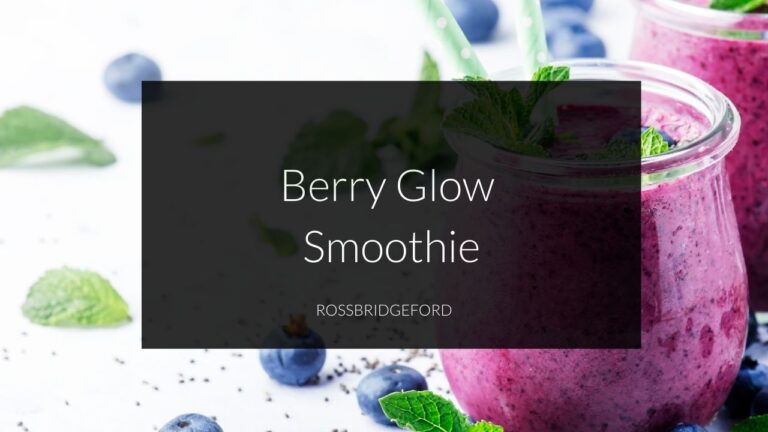
    Blueberry & Mint Green Smoothie

    Recipes › Juices & smoothies

    Blueberry & Mint Green Smoothie

    This smoothie came together deliciously. It’s highly alkaline, anti-inflammatory and antioxidant-rich, and every ingredient was chosen with steady blood sugar in mind.

    Prep 5 minServes 2Blender12 ingredients
    VeganGluten-freeDairy-freeNo added sugar

    Tastes: fresh and green, with blueberry, lime and a cool hit of mint.

    Chosen with steady blood sugar in mind

    Now, I never claim that any food, diet or approach can cure anything. There is always detail, and each case is different (remember, one size fits ONE).

    But some ingredients are well suited to keeping blood sugar steady, and this smoothie is built around them.

    Why you’ll love it

    • Spinach and cucumber. Low in carbohydrates, with very little impact on blood sugar.
    • Avocado. Healthy monounsaturated fats and fibre.
    • Chia and flaxseeds. High in fibre and omega-3s, which help keep blood sugar steady.
    • Blueberries and ginger. Antioxidants and anti-inflammatory properties.

    Good for

    Immunity

    Copper, vitamin C, folate and iron contribute to the normal function of the immune system.

    Antioxidants

    Vitamin E, copper, manganese and vitamin C contribute to the protection of cells from oxidative stress. It also contains plant compounds with antioxidant activity, including lutein, beta-carotene and anthocyanins.

    Energy

    Magnesium, folate, pantothenic acid and iron contribute to the reduction of tiredness and fatigue.

    Bones

    Vitamin K, calcium, manganese and magnesium contribute to the maintenance of normal bones.

    Eyes

    Riboflavin and zinc contribute to the maintenance of normal vision. It also contains lutein and zeaxanthin, the carotenoids found in the macula of the eye.

    Blood pressure

    Potassium contributes to the maintenance of normal blood pressure.

    Tags use approved nutrient health-claim wording, for nutrients that give at least 10% of the Daily Value per glass. Plant compounds like lutein have no Daily Value, so we only say they’re there.

    Key nutrients per glass

    Vitamin E
    100%+Vitamin K
    80%Calcium
    44%Copper
    35%Manganese
    31%Magnesium
    22%

    Contains: vitamin C (21%), folate (21%), pantothenic acid (17%), thiamin (16%), iron (15%), potassium (14%), phosphorus (13%), vitamin B6 (12%), riboflavin (12%), niacin (12%), zinc (11%) and selenium (10%).

    Plant compounds: lutein and zeaxanthin (about 2 mg), beta-carotene (about 0.9 mg), plant omega-3 ALA (about 2.3 g), chlorophyll, anthocyanins from the berries, gingerols from the ginger, citrus flavonoids from the lemon and lime and lignans from the flaxseed.

    8 g fibreAbout 6 g natural sugarAbout 210 mg sodium

    % of US Daily Value for adults, per glass (half the recipe). Estimated from USDA FoodData Central values for the ingredients as listed, so treat these as upper estimates. Almond milk values are for a calcium-fortified brand; anything over 100% shows as 100%+.

    Blueberry & Mint Green Smoothie

    A fresh green smoothie with blueberries, avocado, chia, flax, ginger and mint.
    Prep Time 5 minutes
    Total Time 5 minutes
    Servings: 2 glasses

    Ingredients
      

    • 1 cup fresh spinach
    • ½ avocado
    • ¼ cup blueberries fresh or frozen
    • 1 tbsp chia seeds
    • 1 tbsp flaxseeds
    • ½ cucumber sliced
    • 1 tbsp fresh ginger grated
    • juice of ½ lemon
    • juice of ½ lime
    • 2 cups unsweetened almond milk
    • 1 handful fresh mint leaves
    • ice cubes optional

    Equipment

    • Blender

    Method
     

    1. Place the spinach, avocado, blueberries, chia seeds, flaxseeds, cucumber, ginger, lemon juice, lime juice, almond milk and mint leaves in a blender.
    2. Blend on high until smooth. If it’s too thick, add a bit more almond milk.
    3. Taste and adjust: more lemon or lime juice for tartness, or a few more mint leaves for freshness. If you didn’t use frozen blueberries and want it colder, blend in a few ice cubes.
    4. Pour into two glasses and enjoy immediately.

    Swaps

    • No almond milk? Any unsweetened plant milk works.
    • More tart? Add extra lemon or lime juice.
    • Colder: use frozen blueberries or add ice.

    Storing it

    Best enjoyed straight away. The chia and flax will thicken it if it sits.

    Good to know

    • If you have diabetes or take blood sugar medication, keep following your doctor’s advice and check your levels as usual when you change what you eat.
    • High in vitamin K. If you take warfarin or another blood thinner, keep your greens intake steady and talk to your doctor before eating more leafy greens than usual.
    • Contains almonds (in the almond milk).

    Try next

    SmoothieBerry Glow SmoothieOpen recipe →
    Green juiceGreen Vitality JuiceOpen recipe →
    Want more than recipes?

    The Alkaline Life Club has everything in the Recipe Club, plus coaching, live Q&A and a community to keep you going.

    See the Alkaline Life Club

    Sources

    Nutrient values: USDA FoodData Central, SR Legacy (spinach 168462, avocado 171705, blueberries 173950, chia seeds 170554, flaxseed 169414, cucumber 168409, ginger 169231, lemon juice 167747, lime juice 168156, almond milk 174832, spearmint 173475). Plant compounds are named where the ingredient is a well-documented source; flavonoids follow the USDA Database for the Flavonoid Content of Selected Foods, Release 3.3. Daily Values: US Food and Drug Administration.
  • Magnesium-Boosting Super Salad

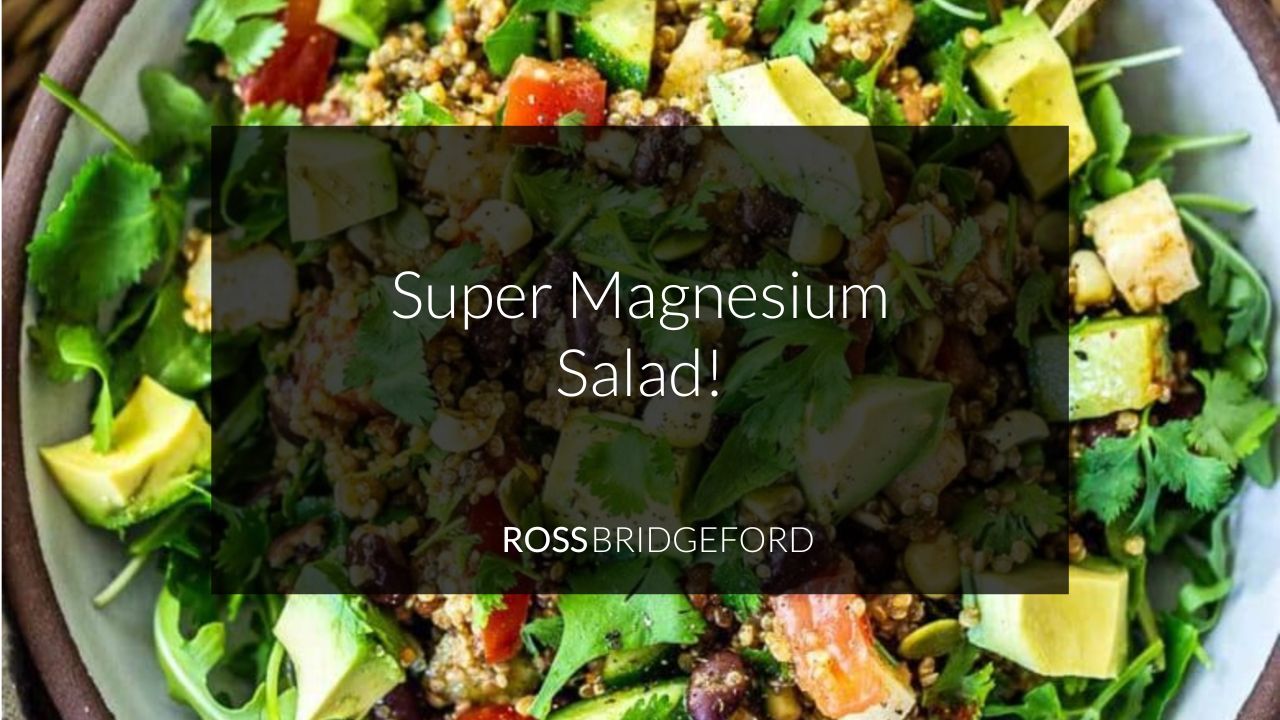
    Magnesium-Boosting Super Salad

    Recipes › Salads

    Magnesium-Boosting Super Salad

    Being one of the most alkaline minerals, I have a soft spot for magnesium. This salad is built from some of the highest natural sources of it we know – about a full day’s magnesium in every bowl.

    Prep 15 minServes 212 ingredients
    VeganGluten-freeDairy-freeNo added sugar

    Tastes: fresh greens with creamy avocado, crunchy toasted seeds and nuts, and a lemony dressing.

    Magnesium Super Salad

    Magnesium is CRITICAL

    Not only is magnesium alkaline (and so adds to our alkaline buffering system), it is also perhaps the most essential of the essential minerals.

    The good news is, when you are even just a little mindful of your diet (as you are!), you can easily get enough magnesium from food alone. And this salad is a great start.

    Why you’ll love it

    • About a full day’s magnesium in every bowl.
    • Toasted pumpkin seeds and almonds for crunch.
    • Filling: about 27 g of protein and 22 g of fibre per serve.

    Good for

    Immunity

    Copper, folate, vitamin A and vitamin C contribute to the normal function of the immune system.

    Antioxidants

    Manganese, copper, vitamin E and vitamin C contribute to the protection of cells from oxidative stress. It also contains plant compounds with antioxidant activity, including lutein, beta-carotene and anthocyanins.

    Energy

    Folate, magnesium, riboflavin and iron contribute to the reduction of tiredness and fatigue.

    Muscles

    Protein contributes to the maintenance of muscle mass, and magnesium, potassium and calcium contribute to normal muscle function.

    Bones

    Vitamin K, manganese, magnesium and phosphorus contribute to the maintenance of normal bones.

    Eyes

    Vitamin A, riboflavin and zinc contribute to the maintenance of normal vision. It also contains lutein and zeaxanthin, the carotenoids found in the macula of the eye.

    Blood pressure

    Potassium contributes to the maintenance of normal blood pressure.

    Tags use approved nutrient health-claim wording, for nutrients that give at least 10% of the Daily Value per serve. Plant compounds like lutein have no Daily Value, so we only say they’re there.

    Key nutrients per serve

    Vitamin K
    100%+Manganese
    100%+Copper
    100%+Folate
    100%+Magnesium
    100%+Vitamin A
    87%

    Contains: vitamin E (85%), vitamin C (80%), riboflavin (59%), iron (57%), phosphorus (54%), thiamin (47%), zinc (47%), potassium (44%), vitamin B6 (42%), pantothenic acid (34%), niacin (29%), calcium (20%) and selenium (15%).

    Plant compounds: lutein and zeaxanthin (about 23 mg), beta-carotene (about 9.3 mg), plant omega-3 ALA (about 0.5 g), chlorophyll, anthocyanins from the black beans, sulphur compounds from the garlic and citrus flavonoids from the lemon.

    27 g protein22 g fibreAbout 5 g natural sugarAbout 305 mg sodium

    % of US Daily Value for adults, per serve (half the recipe). Estimated from USDA FoodData Central values for the ingredients as listed, so treat these as upper estimates. Dressing counted as 1 tbsp olive oil, 2 tbsp lemon juice and a pinch of garlic powder; anything over 100% shows as 100%+.

    Magnesium-Boosting Super Salad

    A filling salad built from some of the richest natural sources of magnesium.
    Prep Time 15 minutes
    Total Time 15 minutes
    Servings: 2

    Ingredients
      

    • 200 g spinach
    • 200 g Swiss chard
    • 1 cup cooked quinoa
    • ¼ cup pumpkin seeds
    • ¼ cup almonds
    • 1 cup black beans cooked, or tinned and rinsed
    • 1 avocado cubed
    For the dressing
    • 1 tbsp olive oil
    • 2 tbsp lemon juice
    • garlic powder a pinch
    • salt and pepper to taste

    Equipment

    • Frying pan
    • Two large bowls

    Method
     

    1. Rinse and chop the spinach and Swiss chard if needed, and divide them between two large salad bowls.
    2. Divide the cooked quinoa evenly between the bowls.
    3. Rinse the black beans and add them equally to each salad.
    4. Toast the pumpkin seeds and almonds in a dry pan, let them cool, and scatter them over the salads.
    5. Add the cubed avocado, half to each salad.
    6. Whisk together the olive oil, lemon juice, garlic powder, salt and pepper, and drizzle over both salads.
    7. Toss each salad gently and serve straight away, or chill briefly in the fridge.

    Swaps

    • No Swiss chard? Use more spinach or kale.
    • Nut-free? Use sunflower seeds instead of almonds.
    • Any dressing you love works. I like olive oil, lemon, garlic, salt and pepper.

    Storing it

    Best eaten fresh. Dress it just before serving; undressed, it keeps in the fridge for a day.

    Good to know

    • High in vitamin K. If you take warfarin or another blood thinner, keep your greens intake steady and talk to your doctor before eating more leafy greens than usual.
    • Spinach and chard are high in oxalates. If you’ve had kidney stones, check with your doctor first.
    • Contains almonds. Swap them for sunflower seeds if you need it nut-free.

    Try next

    Salad5-Minute Green Summer SaladOpen recipe →
    LunchThe Alkaline Power BowlOpen recipe →
    Want more than recipes?

    The Alkaline Life Club has everything in the Recipe Club, plus coaching, live Q&A and a community to keep you going.

    See the Alkaline Life Club

    Sources

    Nutrient values: USDA FoodData Central, SR Legacy (spinach 168462, Swiss chard 169991, quinoa (cooked) 168917, pumpkin seeds 170556, almonds 170567, black beans 173735, avocado 171705, olive oil 171413, lemon juice 167747, garlic powder 171325). Plant compounds are named where the ingredient is a well-documented source; flavonoids follow the USDA Database for the Flavonoid Content of Selected Foods, Release 3.3. Daily Values: US Food and Drug Administration.
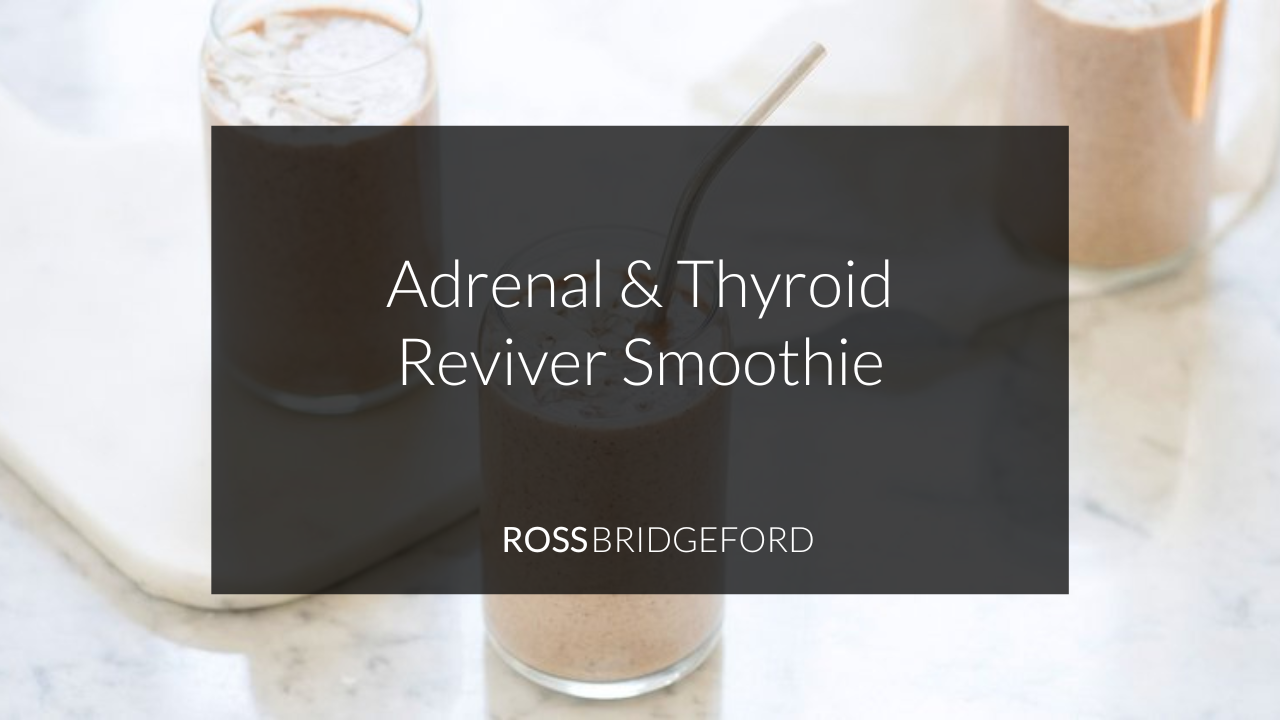
  • Adrenal & Thyroid Reviver Smoothie

    Adrenal & Thyroid Reviver Smoothie

    New Recipe for Thyroid & Adrenal Balance

    This brand-new smoothie has gone straight into my family’s heavy rotation. Everyone, including the kids, loves it.  Maybe because it looks like a chocolate thick shake, or maybe it’s the smooth and creamy texture offset by the little salty hint.

    Who cares!  It’s delicious and it’s SO good for your thyroid and adrenals.

    As we talked about last week when we looked at the role of the adrenals in re-gaining thyroid balance, to achieve optimal health with ONE, you need to balance both.

    For those with weight loss or energy goals, and those who want to support their cognitive health, immune health, or even digestion – the adrenals and thyroid are essential to have in perfect balance.

    Why Is This Smoothie So Powerful?

    The combination of nutrients I have selected for this smoothie is designed to nourish and revitalize your adrenal and thyroid glands, the powerhouses regulating your body’s energy, metabolism, and stress response. The ingredients within this smoothie—like raw cacao, almond butter, and hemp seeds—are laden with essential vitamins, minerals, and antioxidants that not only support hormonal balance but also combat inflammation and oxidative stress.

    Let’s have a dig into a few of them:

    1. Almond/ Coconut Milk

    • Calcium and Vitamin D: These are important for bone health and may also have a role in supporting thyroid function.
    • Healthy Fats: Essential for hormone production including thyroid and adrenal hormones.

    2. Raw Cacao Powder

    • Magnesium: Essential for thyroid function and a vital nutrient for managing stress, thus supporting adrenal glands.
    • Antioxidants: Help to combat oxidative stress and inflammation.

    3. Almond Butter

    • Vitamin E: Important for maintaining healthy skin and eyes, and strengthens the immune system.
    • Healthy Fats and Protein: Support hormone production and balance.

    4. Spinach or Kale

    • Iron: Essential for the production of thyroid hormone.
    • Vitamin A: Important for adrenal gland function and supports immune system health.
    • Vitamin C: Supports adrenal function and is crucial for synthesizing cortisol, the stress hormone.

    5. Chia Seeds

    • Omega-3 Fatty Acids: Essential fats that are known to decrease inflammation and are crucial for brain and thyroid function.
    • Fiber: Supports digestive health, which is interconnected with overall hormonal balance.

    6. Hemp Seeds

    • Protein: Essential for building and repairing tissues, and important for hormone production.
    • Gamma-Linolenic Acid (GLA): Helps in reducing symptoms of hormonal imbalances.

    7. Ground Cinnamon

    • Anti-Inflammatory Properties: Helps in reducing inflammation and may have beneficial effects on insulin resistance, which is interconnected with thyroid health.
    • Antioxidants: Protect the body from oxidative damage caused by free radicals.

    8. Himalayan Pink Salt

    • Trace Minerals: Contains 84 trace minerals, including iodine, which is essential for thyroid function.
    • Sodium: Crucial for maintaining the body’s fluid balance and is needed for adrenal health.

    9. Coconut Oil

    • Medium-Chain Triglycerides (MCTs): Provide a quick source of energy and may boost metabolism, supporting thyroid function.
    • Lauric Acid: Has anti-inflammatory and antimicrobial properties, beneficial for overall health.


    Sounds good?!  Let’s get into the recipe.

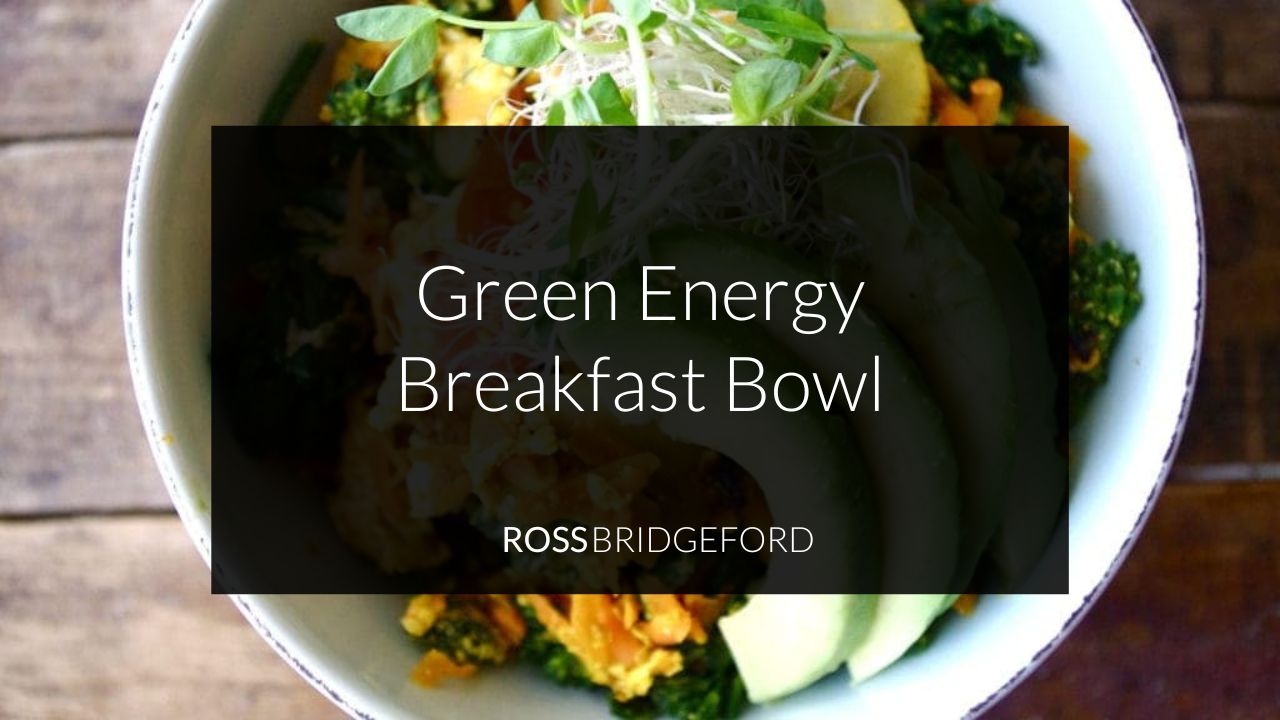
  • Green Energy Breakfast Bowl

    Green Energy Breakfast Bowl

    Recipes › Breakfast

    Green Energy Breakfast Bowl

    This is without question my go-to breakfast right now. It is SO delicious and absolutely PACKED with everything I want in my body when I start the day.

    Prep 10 minCook 10 minServes 214 ingredients
    VeganGluten-freeDairy-freeNut-freeNo added sugar

    Tastes: warm and garlicky, with ginger, creamy avocado and a squeeze of lemon.

    Green Energy Breakfast Bowl

    The five rules of a perfect breakfast

    It takes only 10–15 minutes to make, and it will keep you going for hours. Before diving in, here’s a quick recap of the five golden rules that make a breakfast truly perfect:

    Eat within an hour of waking. Include protein to help keep you full for longer. Include fibre for digestion and gut health. Include healthy fats to help absorb fat-soluble vitamins. And lots of leafy greens, packed with essential vitamins and minerals. This bowl ticks every one.

    Why you’ll love it

    • Vitamins C and K: more than a full day’s worth of each.
    • Folate: nearly three-quarters of your daily needs.
    • Fibre: about 17 g a bowl.
    • Quinoa and black beans. Plant protein, magnesium, iron and manganese.

    Good for

    Immunity

    Vitamin C, folate, copper and vitamin B6 contribute to the normal function of the immune system.

    Antioxidants

    Vitamin C, copper, manganese and vitamin E contribute to the protection of cells from oxidative stress. It also contains plant compounds with antioxidant activity, including lutein, beta-carotene and lycopene.

    Energy

    Folate, pantothenic acid, vitamin B6 and magnesium contribute to the reduction of tiredness and fatigue.

    Bones

    Vitamin K, manganese, magnesium and phosphorus contribute to the maintenance of normal bones.

    Eyes

    Riboflavin, zinc and vitamin A contribute to the maintenance of normal vision. It also contains lutein and zeaxanthin, the carotenoids found in the macula of the eye.

    Blood pressure

    Potassium contributes to the maintenance of normal blood pressure.

    Tags use approved nutrient health-claim wording, for nutrients that give at least 10% of the Daily Value per bowl. Plant compounds like lutein have no Daily Value, so we only say they’re there.

    Key nutrients per bowl

    Vitamin K
    100%+Vitamin C
    100%+Folate
    73%Copper
    67%Manganese
    65%Pantothenic acid
    46%

    Contains: vitamin B6 (41%), magnesium (38%), vitamin E (35%), thiamin (33%), riboflavin (31%), potassium (30%), phosphorus (27%), zinc (25%), iron (24%), niacin (23%), vitamin A (16%), calcium (10%) and selenium (10%).

    Plant compounds: lutein and zeaxanthin (about 3.5 mg), beta-carotene (about 1.6 mg), lycopene (about 1.6 mg), chlorophyll, quercetin and kaempferol from the kale, glucosinolates from the broccoli, cauliflower and kale, anthocyanins from the black beans, gingerols from the ginger, sulphur compounds from the garlic and citrus flavonoids from the lemon.

    14 g protein17 g fibreAbout 6 g natural sugarAbout 65 mg sodium

    % of US Daily Value for adults, per bowl (half the recipe). Estimated from USDA FoodData Central values for the ingredients as listed; cooking reduces some vitamins, so treat these as upper estimates. Excludes salt and pepper added to taste; anything over 100% shows as 100%+.

    Green Energy Breakfast Bowl

    Warm stir-fried greens, quinoa and black beans topped with avocado, lemon and olive oil.
    Prep Time 10 minutes
    Cook Time 10 minutes
    Total Time 20 minutes
    Servings: 2 bowls

    Ingredients
      

    • 1 cup cooked quinoa
    • 1 cup broccoli or broccolini chopped
    • 1 cup cauliflower chopped
    • 1 cup kale torn into pieces
    • 1 cup spinach torn into pieces
    • ½ cup black beans cooked or canned
    • 1 medium tomato diced
    • 1 medium avocado cubed
    • 2 cloves garlic minced
    • 1 inch fresh ginger minced
    • 2 tbsp coconut oil
    • juice of 1 lemon
    • 1 tbsp olive oil
    • salt and pepper to taste

    Equipment

    • Large frying pan

    Method
     

    1. Cook the quinoa following the packet instructions (or use leftover cooked quinoa) and set aside.
    2. Chop the broccoli and cauliflower, dice the tomato, and tear the kale and spinach into bite-sized pieces.
    3. Heat the coconut oil in a large pan over medium heat. Add the garlic and ginger and sauté until fragrant.
    4. Add the broccoli, cauliflower, kale and spinach and stir-fry for 5–7 minutes, until tender but still vibrant.
    5. Stir in the black beans and tomato and cook for another 2 minutes.
    6. Divide the quinoa between two bowls and top with the vegetables and beans, then the avocado. Drizzle with lemon juice and olive oil, and season with salt and pepper.

    Swaps

    • Short on time? Cook a batch of quinoa at the start of the week.
    • Any greens work: chard, bok choy or broccolini.
    • More protein: add chickpeas, or the turmeric tofu from my High-Protein Breakfast Bowl.

    Storing it

    Best fresh, but the cooked veg and quinoa keep in the fridge for 2 days. Add the avocado, lemon and oil just before eating.

    Good to know

    • High in vitamin K. If you take warfarin or another blood thinner, keep your greens intake steady and talk to your doctor before eating more leafy greens than usual.

    Try next

    BreakfastUltimate High-Protein Alkaline Breakfast BowlOpen recipe →
    LunchThe Alkaline Power BowlOpen recipe →
    Want more than recipes?

    The Alkaline Life Club has everything in the Recipe Club, plus coaching, live Q&A and a community to keep you going.

    See the Alkaline Life Club

    Sources

    Nutrient values: USDA FoodData Central, SR Legacy (quinoa (cooked) 168917, broccoli 170379, cauliflower 169986, kale 168421, spinach 168462, black beans 173735, tomatoes 170457, avocado 171705, garlic 169230, ginger 169231, coconut oil 171412, lemon juice 167747, olive oil 171413). Plant compounds are named where the ingredient is a well-documented source; flavonoids follow the USDA Database for the Flavonoid Content of Selected Foods, Release 3.3. Daily Values: US Food and Drug Administration.
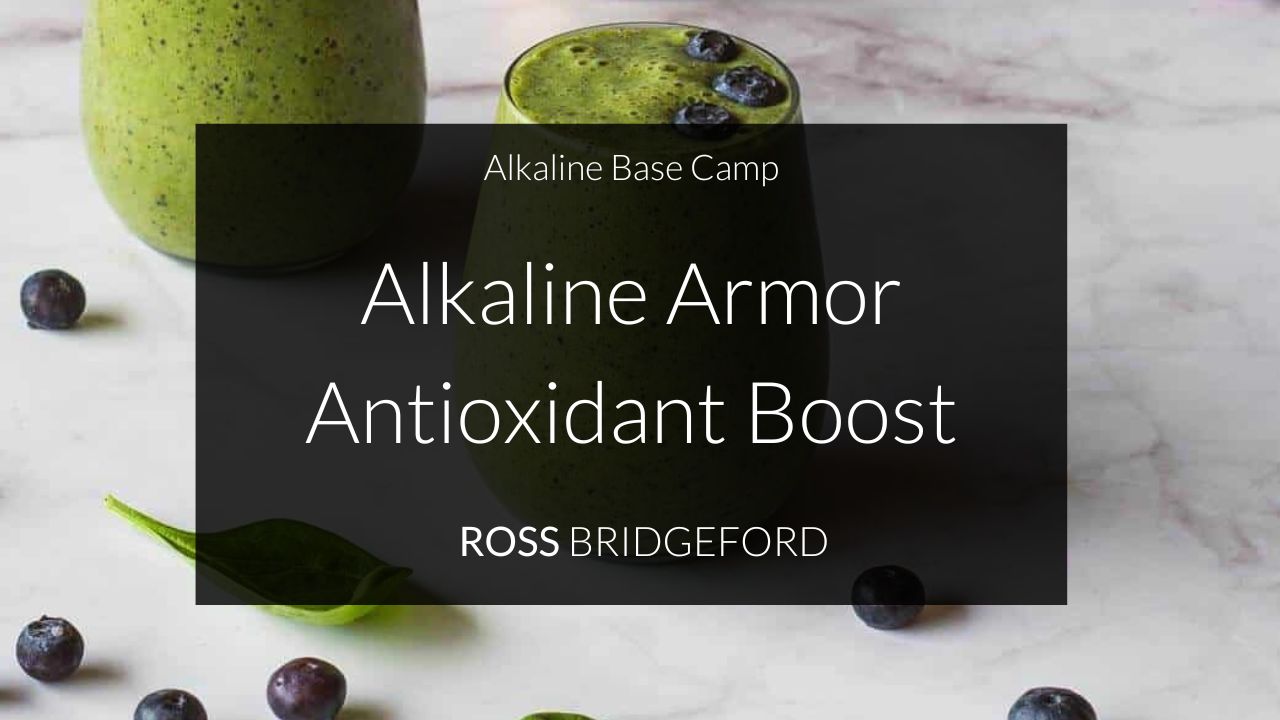
  • Alkaline Armor Antioxidant Boost Smoothie

    Alkaline Armor Antioxidant Boost Smoothie

    Alkaline Armor Antioxidant Boost: Alkaline Shield in a Smoothie

    Benefits of this recipe: anti-inflammatory, cancer-protective, alkaline, antioxidant-rich, anti-aging, cardiovascular health.

    The standard modern diet (SMD) is getting worse.  We are increasingly inundated with processed foods and hidden sugars.  Most people are feeling less healthy, and more in pain and fatigue than ever before.

    The problem?  Acidity, inflammation, and oxidative stress.

    The answer?  This smoothie!

    …and so enter the “Alkaline Armor Antioxidant Boost”—a concoction that’s as powerful as its name suggests. This beverage doesn’t just promise refreshment; it equips your body with alkaline-forming ingredients, fills you with potent antioxidants, and douses inflammation.

    On top of all that, it has cancer-protective properties, cardiovascular-supporting nutrients, and is anti-aging to boot! Before diving into this nutrient-dense recipe, let’s breakdown the superhero ingredients that make this smoothie a protective shield for your body:

    • Blueberries:
      • High in antioxidants, especially vitamin C and vitamin K.
      • Fights DNA damage which may reduce the risk of aging and cancer.
    • Avocado:
      • Loaded with heart-healthy monounsaturated fats.
      • Contains potassium which is beneficial for heart health.
      • Rich in folate which is cancer-protective.
    • Spinach:
      • A powerhouse of vitamins A, C, K, and folic acid.
      • Contains iron which is crucial for oxygenating your blood.
      • Has anti-inflammatory properties.
    • Chia Seeds:
      • High in omega-3 fatty acids which help reduce inflammation.
      • Rich in fiber, aiding in digestive health.
      • Provides a solid protein boost.
    • Ground Flaxseeds:
      • Another excellent source of omega-3s.
      • Contains lignans which have antioxidant properties.
      • May help reduce the risk of certain cancers.
    • Cucumber:
      • Promotes hydration due to its high water content.
      • Contains antioxidants like tannins and flavonoids.
      • Supports skin health with silica.
    • Ground Turmeric and Ginger:
      • Both have strong anti-inflammatory and antioxidant effects.
      • Ginger can help with digestion and nausea.
      • Turmeric’s active compound, curcumin, has potent medicinal properties.
    • Almond Milk or Coconut Milk (unsweetened):
      • Almond milk is low in calories and naturally lactose-free.
      • Coconut milk contains medium-chain triglycerides (MCTs) that can aid metabolism.
    • Cilantro or Parsley:
      • Both herbs help with detoxification.
      • Rich in vitamins A, C, and K.
      • Parsley contains apigenin, a compound with cancer-fighting properties.

    With these mighty ingredients, your smoothie not only offers a delightful taste but also shields your body, giving it the defense it needs in today’s environment. Enjoy and empower yourself with every sip!


    Enjoy, and don’t forget to join me in my free Facebook Group “Living Alkaline With Ross” here, and share your pictures of the recipe!

    Let’s do this,
    Ross

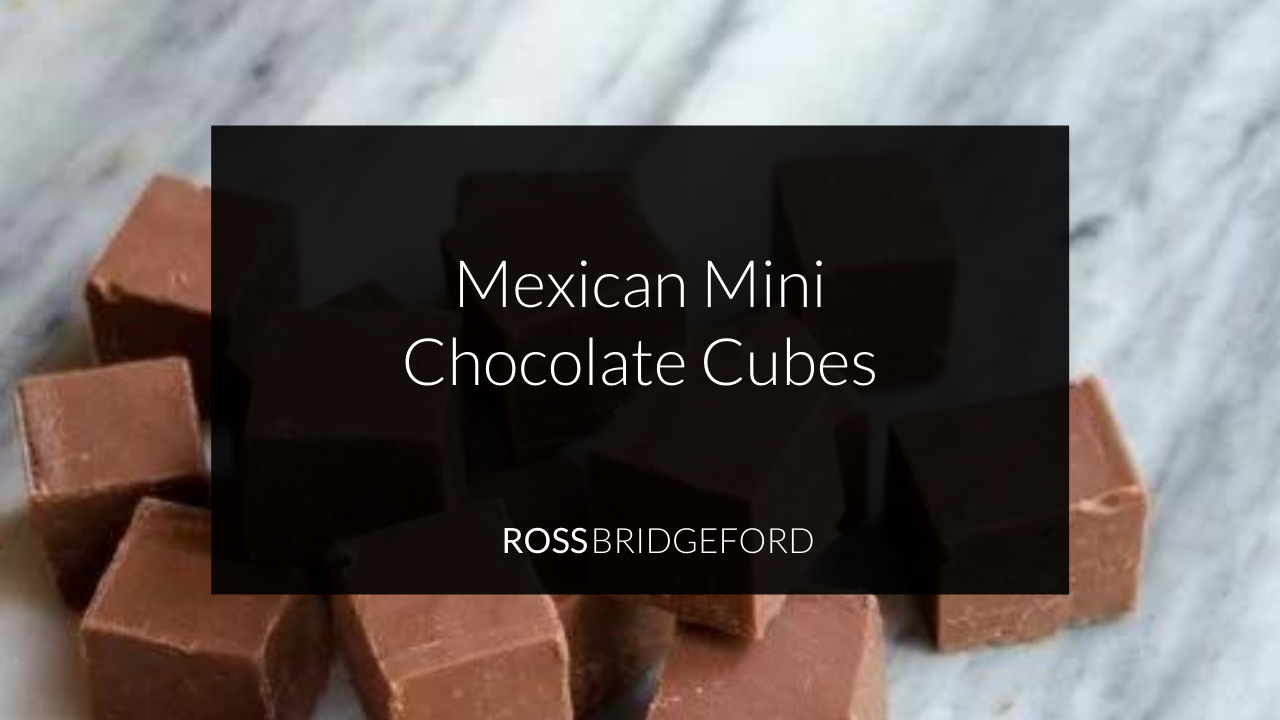
  • Mexican Mini Chocolate Cubes (Alkaline, Anti-Inflammatory & Antioxidant-Rich)

    Mexican Mini Chocolate Cubes (Alkaline, Anti-Inflammatory & Antioxidant-Rich)

    Alkaline Snack Recipe: Mexican Chocolate Cubes

    Oh boy these are a winner.  Quick to make, delicious, alkaline, anti-inflammatory and packed with essential nutrients, the Mini Mexican Chocolate Cubes are a big hit in our house.

    We all have a desire for sweets at some point, no matter how healthy your diet is.  For the majority of people, this results in reaching for sugary, processed snacks that, are not only hugely acid-forming, but also unbalance our hormones, digestion, liver and more.

    These little cubes are the answer!

    The Health Powerhouses in Every Cube:

    Cacao Powder: A fantastic source of alkalinity and antioxidants, cacao fights free radicals in the body. It’s rich in flavonoids which have been associated with various health benefits, including improved heart health, brain health and more.  Cacao also contains:

    • Magnesium: Cacao & hemp seeds are some of the top dietary sources of magnesium, which is essential for muscle function, nerve function, bone health, and energy production.
    • Iron: Raw cacao is a plant-based source of non-heme iron. Iron is crucial for red blood cell formation and oxygen transportation in the body.
    • Zinc: This mineral plays a vital role in immune function, protein synthesis, wound healing, and DNA synthesis.
    • Calcium: While most commonly associated with dairy products, cacao is also a source of calcium, which is vital for bone health.
    • Copper: This trace mineral is essential for the formation of red blood cells, energy production, and the maintenance of nerve cells.
    • Manganese: Manganese is involved in bone formation, blood clotting, and reducing inflammation.
    • Potassium: An essential mineral that helps regulate fluid balance, muscle contractions, and nerve signals.
    • Phosphorus: Works with calcium to build and maintain strong bones and teeth and plays a role in energy production.
    • Sulfur: Sulfur is associated with healthy skin, nails, and hair.

    Chili Powder: Capsaicin, the compound that gives chili its heat, has been shown to have anti-inflammatory properties. It can help reduce pain and inflammation, making these cubes a sweet way to soothe your body.

    Cinnamon & Nutmeg: These aromatic spices are not just for flavor. Cinnamon has anti-inflammatory properties and can help regulate blood sugar, while nutmeg boasts small amounts of fiber, numerous B vitamins, and various minerals.

    Cacao Butter: Provides healthy fats, which are essential for our body’s cellular functions. It also aids in increasing the absorption of certain vitamins.

    And just to touch on how important magnesium is for the body, it supports over 300 processes, including energy production, muscle function, and stress regulation. It’s essential for blood sugar balance, better sleep, and heart health. Yet, magnesium deficiency is incredibly common, affecting up to 65% of people in the US and I believe this is one of the biggest contributors to the exponential growth of chronic disease.

    Living Alkaline and the Importance of Bulk Prep:

    One of the biggest challenges of staying true to an alkaline life is the ease of access to compliant snacks, especially when on-the-go. By preparing healthy treats in bulk, you not only ensure that you’re consuming snacks that align with your dietary goals, but you also reduce the temptation to reach for less nutritious options. It makes living alkaline and staying on track more feasible and enjoyable.

    These are the answer.  You can make them and freeze in bulk, and even in the fridge, in an airtight container, they will last seven days or more (unless eaten sooner!).

    Important:

    This is just one of the TEN exclusive recipes my Alkaline Base Camp members get each month (as well as 2x coaching calls, weekly training, deep-dive living alkaline programs, Q&A calls and more).  If you want to TRY the ABC for FREE for 10 days, check out the little box below, or click here.

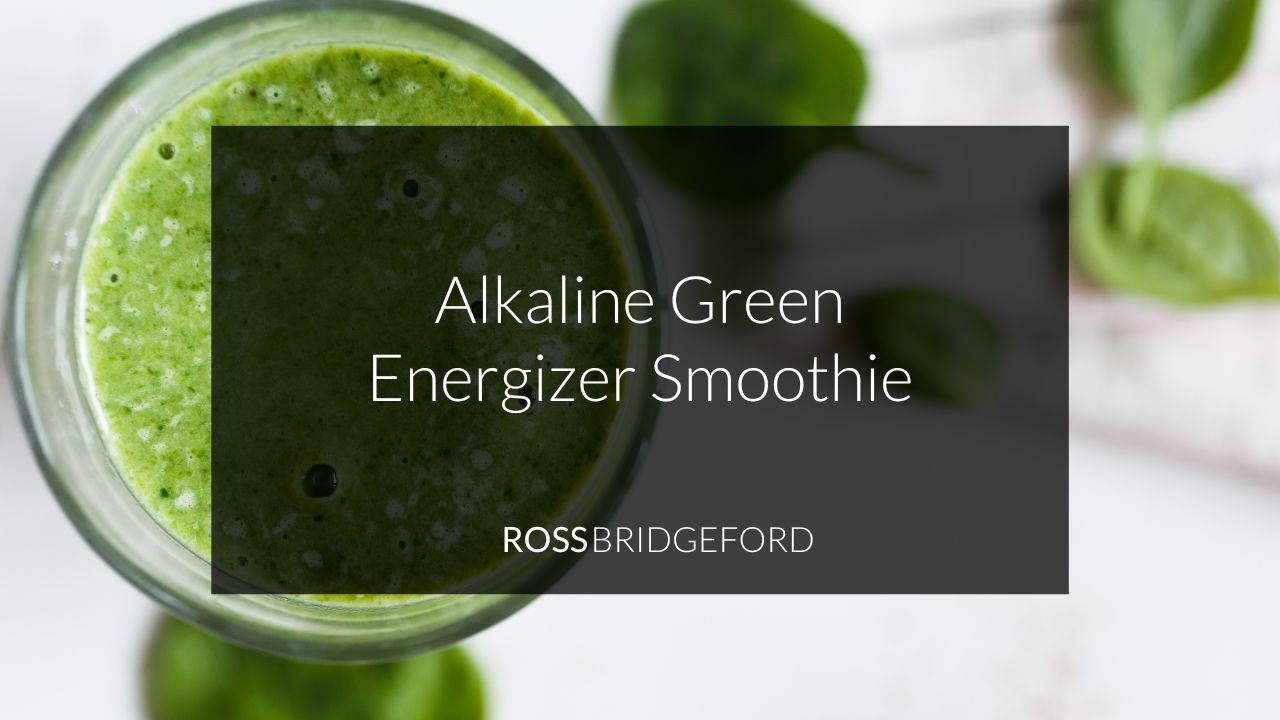
  • Alkaline Energy Smoothie

    Alkaline Energy Smoothie

    Recipes › Juices & smoothies

    Alkaline Energy Smoothie

    Alkaline, anti-inflammatory and antioxidant-rich – the Triple-A – and packed with the nutrients your cells use to make energy.

    Prep 5 minServes 2Blender10 ingredients
    VeganGluten-freeDairy-freeNo added sugar

    Tastes: creamy, green and nutty, with a fresh hit of lemon.

    The Triple-A smoothie

    In a world of endless smoothie recipes, it can be tough to find one that tastes amazing AND is packed with nutrients. Often they’re low in nutrients, high in sugar (you can’t tell me a smoothie with two bananas, an orange, an apple and half a pineapple is good for you!)… or low on flavour.

    This one ticks all three boxes: alkaline, anti-inflammatory and antioxidant-rich. And it’s rich in the nutrients your cells use to make ATP, the body’s energy currency – magnesium, B vitamins, copper and more.

    Why you’ll love it

    • Vitamin E: nearly a full day’s worth per glass.
    • Magnesium and B vitamins. Key helpers in the way your cells make energy.
    • Spinach and kale. Vitamin K, folate and carotenoids like lutein.
    • Low in sugar: about 3 g a glass.

    Good for

    Immunity

    Copper, vitamin C, folate and vitamin B6 contribute to the normal function of the immune system.

    Antioxidants

    Vitamin E, copper, manganese and vitamin C contribute to the protection of cells from oxidative stress. It also contains plant compounds with antioxidant activity, including lutein, beta-carotene and flavonoids.

    Energy

    Folate, pantothenic acid, riboflavin and magnesium contribute to the reduction of tiredness and fatigue.

    Bones

    Vitamin K, manganese, magnesium and calcium contribute to the maintenance of normal bones.

    Eyes

    Riboflavin, vitamin A and zinc contribute to the maintenance of normal vision. It also contains lutein and zeaxanthin, the carotenoids found in the macula of the eye.

    Blood pressure

    Potassium contributes to the maintenance of normal blood pressure.

    Tags use approved nutrient health-claim wording, for nutrients that give at least 10% of the Daily Value per glass. Plant compounds like lutein have no Daily Value, so we only say they’re there.

    Key nutrients per glass

    Vitamin K
    100%+Vitamin E
    95%Copper
    56%Manganese
    43%Vitamin C
    41%Folate
    41%

    Contains: pantothenic acid (32%), riboflavin (31%), magnesium (31%), calcium (28%), vitamin B6 (24%), potassium (20%), vitamin A (19%), niacin (18%), thiamin (17%), phosphorus (16%), iron (15%) and zinc (15%).

    Plant compounds: lutein and zeaxanthin (about 4.6 mg), beta-carotene (about 2 mg), plant omega-3 ALA (about 1.3 g), chlorophyll, quercetin and kaempferol from the kale, glucosinolates from the kale, citrus flavonoids from the lemon and lignans from the flaxseed.

    8 g protein11 g fibreUnder 4 g natural sugarAbout 125 mg sodium

    % of US Daily Value for adults, per glass (half the recipe). Estimated from USDA FoodData Central values for the ingredients as listed, so treat these as upper estimates. Excludes the optional blueberries and green powder. Almond milk values are for a calcium-fortified brand; anything over 100% shows as 100%+.

    Alkaline Energy Smoothie

    A creamy green smoothie with spinach, kale, avocado, almond butter and flax.
    Prep Time 5 minutes
    Total Time 5 minutes
    Servings: 2 glasses

    Ingredients
      

    • 2 cups spinach leaves
    • 1 cup kale leaves
    • 1 avocado
    • juice of 1 lemon
    • 2 tbsp almond butter
    • 1 tbsp flaxseeds
    • 1 cup unsweetened almond milk
    • 1 handful ice cubes
    • 1 small handful blueberries optional
    • 1 tsp green powder optional

    Equipment

    • Blender

    Method
     

    1. Wash the spinach and kale leaves thoroughly.
    2. Add the spinach, kale and almond milk to a blender and blend until smooth.
    3. Add the avocado, lemon juice, almond butter, flaxseeds and green powder (if using), plus the ice cubes.
    4. Blend until smooth and creamy. If you’re using blueberries, add them last and blend briefly.
    5. Pour into two glasses and enjoy straight away.

    Swaps

    • Thinner: add more almond milk or a little water.
    • Nut-free: use sunflower seed butter and oat milk.
    • No kale? Use extra spinach.

    Storing it

    Best enjoyed straight away.

    Good to know

    • High in vitamin K. If you take warfarin or another blood thinner, keep your greens intake steady and talk to your doctor before eating more leafy greens than usual.
    • Contains almonds (almond butter and almond milk).

    Try next

    Green juiceUltimate Energy-Boosting Green JuiceOpen recipe →
    SmoothieCraving Crusher SmoothieOpen recipe →
    Want more than recipes?

    The Alkaline Life Club has everything in the Recipe Club, plus coaching, live Q&A and a community to keep you going.

    See the Alkaline Life Club

    Sources

    Nutrient values: USDA FoodData Central, SR Legacy (spinach 168462, kale 168421, avocado 171705, lemon juice 167747, almond butter 168588, flaxseed 169414, almond milk 174832). Plant compounds are named where the ingredient is a well-documented source; flavonoids follow the USDA Database for the Flavonoid Content of Selected Foods, Release 3.3. Daily Values: US Food and Drug Administration.
  • Adrenal Fatigue?  Fix it With My Adrenal Restoring Green Juice

    Adrenal Fatigue? Fix it With My Adrenal Restoring Green Juice

    The Adrenal Restoring Green Juice

    Stress is not just an emotion.  It is a physical reaction in our body that, yes, can be triggered by the emotion of stress, or worry, anxiety, fear, and so on.  But far more frequently it is our DIET that is the triggering this physiological reaction in our body.

    When the body is under stress, the adrenal glands release cortisol, which then triggers several physiological changes in the body to prepare it to deal with stress. For example, it increases blood sugar levels, enhances your brain’s use of glucose, and suppresses non-essential functions like digestion and the immune response. This is commonly referred to as the “fight or flight” response.

    It causes havoc in the body, and while our fast-paced, stressful modern life causes the ’emotional’ cortisol release and pressure on the adrenals, most people don’t realise but being in a state of diet-induced acidosis ALSO triggers this stress, and causes the adrenals to release cortisol (1), (2). 

    That’s right, an acidic diet causes chronic elevated cortisol levels.

    One of the Most Devestating Outcomes of an Acidic Diet

    When our body is constantly bombarded with an acidic diet, and is forced to go through the stress of trying to balance blood pH, this stress triggers the adrenals to release cortisol.

    Now, if we think back to caveman/paleo/ancient or whatever times you want to think of…a long time ago, before the modern developed world, we did NOT have the constant triggering of stress, and therefore cortisol production.  Every now and then there would be a saber-tooth tiger nearby, or an attack from a rival tribe, or the threat of hunger, and this would be stressful.

    In other words, it would happen every few months.

    Fast forward to today…

    95% of people nowadays are eating something along the lines of the Standard Modern Diet…sugar, gluten, processed foods, refined foods, trans fats, fast foods, takeaways, colors, preservatives, flavors, and sweeteners…an acidic diet.

    And when blood pH goes down, the body does everything it takes to regain it to a safe level.

    But one of the outcomes of that is the STRESS that this causes leads to cortisol being produced, 24/7, 365.

    We were not designed for this. 

    Chronically elevated levels of cortisol can have a range of negative effects on the body, including:

    • Fatigue
    • Weight gain
    • Mood swings and mental health issues such as anxiety or depression
    • Sleep disturbances
    • Weakening of the immune system
    • Increased blood pressure and risk of heart disease
    • Impaired cognitive performance
    • Hormonal imbalances

    And it has been identified as a pre-cursor to many of the most common cancers.

    We HAVE to Change This!  AND We Have to Heal Your Adrenals…

    Micronutrients and Adrenal Health

    Your adrenal glands need specific micronutrients to function optimally. Some key players in supporting adrenal health are:

    • Vitamin C for hormone production, particularly cortisol.
    • Vitamin B5 for fat and carbohydrate metabolism and adrenal cortical function.
    • Vitamin B6 is involved in the production of neurotransmitters.
    • Magnesium for controlling stress responses and maintaining adrenal balance.
    • Zinc essential for hormone production and secretion.
    • Potassium and Sodium for maintaining proper adrenal balance.

    Incorporating these micronutrients into your diet can help bolster your adrenal glands, making them more resilient to stress.

    Alkaline Vegetables: The Powerhouses of Micronutrients

    Certain vegetables are rich in the micronutrients your adrenals crave. Here are some of them:

    • Kale and Spinach are rich in Vitamin C and magnesium.
    • Parsley contains Vitamin C and a touch of magnesium.
    • Celery is a good source of Vitamin B5 and potassium.
    • Cucumber refreshingly provides potassium.
    • Red Bell Peppers are exceptionally high in Vitamin C.
    • Broccoli and Zucchini are good sources of Vitamin B6, and the broccoli for sulforaphane.
    • Turmeric and Ginger are incredibly potent anti-inflammatories

    And the best way to get these nutrients IN, on a daily basis IS…of course….

    The Adrenal Support Green Juice Recipe

    Now let’s combine these nutrient powerhouses into a tasty green juice!  If you have this juice 4-5 times a week it will be a HUGE help to your adrenals, and overall alkaline balance.

    Taking care of your adrenal health is an investment in your overall well-being. This Adrenal Support Green Juice is not just refreshing but also a powerhouse of essential micronutrients. With every sip, you are nurturing your adrenal glands and taking a step towards a more energetic and stress-resilient self. Cheers to good health!


    References


    1. Robey, Ian Forrest. 2012. “Examining the Relationship between Diet-Induced Acidosis and Cancer.” Nutrition & Metabolism 9 (1): 72. https://doi.org/10.1186/1743-7075-9-72. (link)

    2. Buehlmeier, Judith, Thomas Remer, Petra Frings-Meuthen, Christiane Maser-Gluth, and Martina Heer. 2015. “Glucocorticoid Activity and Metabolism with NaCl-Induced Low-Grade Metabolic Acidosis and Oral Alkalization: Results of Two Randomized Controlled Trials.” Endocrine 52 (1): 139–47. https://doi.org/10.1007/s12020-015-0730-7. (link)

    ‌


  • Ultimate Energy-Boosting Green Juice

    Ultimate Energy-Boosting Green Juice

    Recipes › Juices & smoothies

    Ultimate Energy-Boosting Green Juice

    Packed with the nutrients your body needs to produce energy, this juice goes a LONG way to replacing energy slumps with vibrant, energized living.

    Prep 10 minServes 2Juicer12 ingredients
    VeganGluten-freeDairy-freeNut-freeNo added sugar

    Tastes: fresh, green and earthy, with sweet beetroot, a zing of lemon and a kick of ginger.

    Energy Juice Recipe

    Energy is currency

    Energy is currency. We all want to feel lively, vibrant and able to tackle the day head-on, from the moment we wake, through the afternoon, and until we’re ready for bed. It adds HOURS to each day where we can be productive, pursue goals and nourish our relationships.

    Your body makes its energy (a molecule called ATP) in tiny powerhouses inside your cells called mitochondria, and B vitamins and magnesium are key helpers in that process. This juice is built from high-alkaline vegetables that are rich in exactly those nutrients.

    Why you’ll love it

    • Spinach, Swiss chard, parsley and kale. B vitamins and magnesium, both key players in making energy.
    • Beetroot. More B vitamins and manganese, plus natural nitrates that may support blood flow.
    • Vitamin C: well over a full day’s worth in every glass.
    • Lemon and ginger. For taste, zing and a little extra vitamin C.

    Good for

    Immunity

    Vitamin C, folate, vitamin A and vitamin B6 contribute to the normal function of the immune system.

    Antioxidants

    Vitamin C, manganese, riboflavin and copper contribute to the protection of cells from oxidative stress. It also contains plant compounds with antioxidant activity, including lutein, beta-carotene and apigenin.

    Energy

    Folate, vitamin B6, riboflavin and magnesium contribute to the reduction of tiredness and fatigue.

    Bones

    Vitamin K, manganese, magnesium and calcium contribute to the maintenance of normal bones.

    Eyes

    Vitamin A, riboflavin and zinc contribute to the maintenance of normal vision. It also contains lutein and zeaxanthin, the carotenoids found in the macula of the eye.

    Blood pressure

    Potassium contributes to the maintenance of normal blood pressure.

    Tags use approved nutrient health-claim wording, for nutrients that give at least 10% of the Daily Value per glass. Plant compounds like lutein have no Daily Value, so we only say they’re there.

    Key nutrients per glass

    Vitamin K
    100%+Vitamin C
    100%+Folate
    47%Manganese
    39%Vitamin A
    37%Vitamin B6
    24%

    Contains: riboflavin (23%), potassium (23%), magnesium (23%), pantothenic acid (22%), copper (22%), iron (18%), thiamin (17%), vitamin E (14%), calcium (13%), phosphorus (11%), niacin (10%) and zinc (10%).

    Plant compounds: lutein and zeaxanthin (about 7 mg), beta-carotene (about 3.9 mg), chlorophyll, apigenin from the parsley and celery, quercetin and kaempferol from the kale, glucosinolates from the broccoli and kale, betalains from the beetroot, gingerols from the ginger and citrus flavonoids from the lemon.

    About 9 g natural sugarAbout 185 mg sodium

    % of US Daily Value for adults, per glass (half the recipe). Estimated from USDA FoodData Central values for the whole ingredients. Juicing leaves most of the fibre and some vitamins in the pulp, so treat these as upper estimates; anything over 100% shows as 100%+.

    Ultimate Energy-Boosting Green Juice

    A deep green energy juice with spinach, chard, beetroot, kale, broccoli, ginger and lemon.
    Prep Time 10 minutes
    Total Time 10 minutes
    Servings: 2 glasses

    Ingredients
      

    • 1 large handful spinach
    • 1 large handful Swiss chard
    • 1 medium beetroot with leaves
    • ½ medium bell pepper
    • 1 cucumber
    • 2 stalks celery
    • 1 handful parsley
    • 2–3 leaves kale
    • 1 medium broccoli stalk
    • 1 small piece fresh ginger
    • ½ small lemon peeled if not organic
    • filtered water to taste

    Equipment

    • Juicer

    Method
     

    1. Thoroughly wash all your ingredients.
    2. If you have a powerful juicer, you can put the ingredients in whole or in large pieces. If your juicer is less powerful, chop the vegetables into smaller pieces to avoid jamming the machine.
    3. Start with the leafy greens, then juice the beetroot, bell pepper, cucumber, celery, parsley, kale, broccoli stalk and finally the ginger.
    4. Squeeze the lemon into the juice once everything else is juiced, to mix the flavours and add a bit of zing.
    5. Stir, top up with filtered water to taste and pour into two glasses.

    Swaps

    • No Swiss chard? Use extra spinach or kale.
    • Sweeter: add a carrot or a second small beetroot.
    • No juicer? Blend everything with a cup of water and strain through a nut-milk bag.

    Storing it

    Serve straight away for the best taste and the most nutrients. If you need to store it, keep it in an airtight container in the fridge and drink within 24 hours.

    Good to know

    • High in vitamin K. If you take warfarin or another blood thinner, keep your greens intake steady and talk to your doctor before eating more leafy greens than usual.
    • Spinach, chard and beetroot contain oxalates. If you’ve had kidney stones, check with your doctor first.
    • Juicing removes the fibre, so make sure you’re getting plenty from the rest of your day.

    Try next

    Green juiceGreen Vitality JuiceOpen recipe →
    Green juiceBrain-Boosting Alkaline JuiceOpen recipe →
    Want more than recipes?

    The Alkaline Life Club has everything in the Recipe Club, plus coaching, live Q&A and a community to keep you going.

    See the Alkaline Life Club

    Sources

    Nutrient values: USDA FoodData Central, SR Legacy (spinach 168462, Swiss chard 169991, beetroot 169145, beet greens 170375, red pepper 170108, cucumber 168409, celery 169988, parsley 170416, kale 168421, broccoli 170379, ginger 169231, lemon juice 167747). Plant compounds are named where the ingredient is a well-documented source; flavonoids follow the USDA Database for the Flavonoid Content of Selected Foods, Release 3.3. Daily Values: US Food and Drug Administration.