Category: Free Alkaline Diet Recipes

Alkaline Diet Recipes: The Alkaline Recipe Centre from Ross Bridgeford
Make the Alkaline Diet Easy With Delicious Alkaline Recipe, and Enjoyable & Nourishing Meals
Find over 200+ delicious alkaline diet recipes & meals that the whole family will love. Includes alkaline recipes for breakfast, lunch, dinner, and snacks, plus cuisines including Italian, Indian, British, American, Mexican, Thai, and more!  This will make the alkaline lifestyle so simple!

Every recipe has been packed with nutrient-dense foods, designed with ease and simplicity in mind using every day, fresh, easy-to-find ingredients. Plus no recipe takes more than 30 minutes to prepare and all have been tried and tested on my family, including my kids! This is alkaline living made easy!

All recipes come with a print-friendly button so you can get started right away.

Click here to jump to a meal-time:

Alkaline Breakfast Recipes
Alkaline Lunch Recipes
Alkaline Dinner Recipes

Alkaline recipes are a great way to help keep your body’s pH balance in check, infusing your body with alkaline foods. Eating an alkaline-based diet helps to maintain healthy cells and tissues, as well as support overall health and wellness. Knowing how to prepare meals that contain the right amount of alkaline ingredients is key for anyone who wants to reap the benefits of an alkaline diet.

Fortunately, there are a plethora of delicious and nutrient-dense alkaline foods to choose from to make alkaline recipes for your alkaline-based meal plan. From classic dishes like quinoa bowls and vegetable salads to creative takes on traditional meals like eggplant lasagna, there’s something for everyone! With the right alkaline recipes and proper preparation, you can maintain a healthy alkaline diet that will help your body stay in balance.

Besides selecting the right alkaline foods, there are many different cooking techniques you can use to maximize the alkalinity of your meals. For example, steaming is a great way to prepare vegetables as it helps keep their natural nutrients intact. You can also incorporate alkaline-friendly herbs and spices, like turmeric and basil, to give your dishes a unique flavor.

At the end of the day, alkaline recipes are easy to make and provide a variety of health benefits. They help you avoid those acid foods and with the right alkaline ingredients and cooking techniques, you can create delicious meals that support your body’s needs.

For more information on starting on an alkaline diet click here, and browse the recipes!

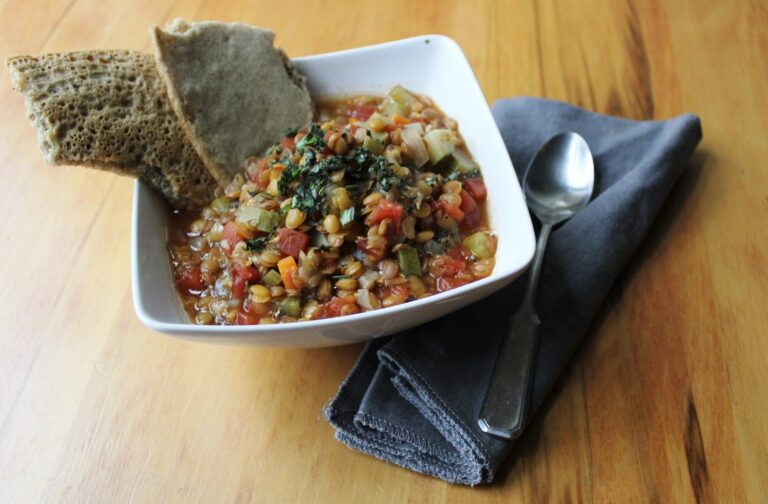
  • Quinoa with Tomatoes, Basil & Lentils

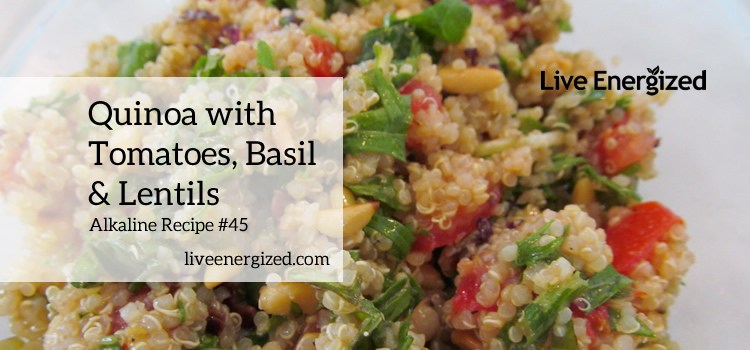
    Quinoa with Tomatoes, Basil & Lentils

    Recipes › Dinner

    Quinoa with Tomatoes, Basil & Lentils

    A high-fibre recipe that’s also a delicious, delicious meal – and, as ever, really simple and quick.

    Prep 10 minCook 20 minServes 210 ingredients
    VeganGluten-freeDairy-freeNut-freeNo added sugar

    Tastes: savoury and herby, with tomato-cooked quinoa, tender lentils and plenty of fresh basil.
    quinoa basil alkaline recipe

    High in fibre, simple and quick

    This one is packed with fibre to keep your digestion moving, and it’s just the way I like my recipes to be: really simple and quick.

    It works awesomely as a side, or as a main with a large salad.

    Why you’ll love it

    • About 14 g plant protein and 10 g fibre a serve.
    • Vitamin C: almost a full day’s worth.
    • Folate: over half your daily needs.
    • One pot, about 30 minutes.

    Good for

    Immunity

    Vitamin C, copper, folate and vitamin B6 contribute to the normal function of the immune system.

    Antioxidants

    Vitamin C, manganese, copper and zinc contribute to the protection of cells from oxidative stress. It also contains plant compounds with antioxidant activity, including lutein, beta-carotene and lycopene.

    Energy

    Folate, vitamin B6, magnesium and iron contribute to the reduction of tiredness and fatigue.

    Muscles

    Protein contributes to the maintenance of muscle mass, and magnesium and potassium contribute to normal muscle function.

    Bones

    Manganese, vitamin K, magnesium and phosphorus contribute to the maintenance of normal bones.

    Eyes

    Zinc, riboflavin and vitamin A contribute to the maintenance of normal vision.

    Blood pressure

    Potassium contributes to the maintenance of normal blood pressure.

    Tags use approved nutrient health-claim wording, for nutrients that give at least 10% of the Daily Value per serve. Plant compounds like lutein have no Daily Value, so we only say they’re there.

    Key nutrients per serve

    Vitamin C
    92%Manganese
    70%Copper
    67%Folate
    59%Vitamin K
    39%Vitamin B6
    35%

    Contains: magnesium (35%), thiamin (33%), phosphorus (31%), iron (28%), zinc (25%), riboflavin (23%), potassium (22%), vitamin E (19%), niacin (18%), pantothenic acid (18%), selenium (12%), vitamin A (11%) and calcium (6%).

    Plant compounds: lutein and zeaxanthin (about 0.7 mg), beta-carotene (about 1.1 mg), lycopene (about 11 mg) and sulphur compounds from the garlic.

    14 g protein10 g fibreAbout 7 g natural sugarAbout 20 mg sodium

    % of US Daily Value for adults, per serve (half the recipe). Estimated from USDA FoodData Central values for the ingredients as listed; cooking reduces some vitamins, so treat these as upper estimates. Uses no-added-salt tomato juice and canned lentils; excludes salt and pepper; anything over 100% shows as 100%+.

    Quinoa with Tomatoes, Basil & Lentils

    Quinoa simmered in vegetable juice with lentils, then folded with fresh tomatoes and basil.
    Prep Time 10 minutes
    Cook Time 20 minutes
    Total Time 30 minutes
    Servings: 2

    Ingredients
      

    • 175 ml fresh vegetable juice tomato, cucumber, spinach etc, or shop-bought low-salt
    • 175 ml filtered water
    • 2 cloves garlic finely chopped
    • ½ tbsp olive or avocado oil or Udo’s Choice
    • 110 g lentils tinned and drained, or cooked from dried
    • 1½ large tomatoes chopped
    • 1 big handful basil leaves torn
    • 100 g uncooked quinoa rinsed
    • 1 pinch Himalayan or sea salt
    • 1 pinch black pepper

    Equipment

    • Saucepan with lid

    Method
     

    1. Steam-fry the garlic in a little water for about a minute, until softened.
    2. Stir in the vegetable juice, water, quinoa, salt and pepper, bring to a simmer, then cover and cook for about 10 minutes.
    3. Add the lentils, tomatoes and basil, cover again and simmer for another 5 minutes, until the quinoa is cooked through.
    4. Take off the lid, stir through the oil, fluff up the quinoa with a fork and you’re ready to go!

    Notes

    The original method was a little muddled about when to add the quinoa; it goes in with the juice so it cooks in it.
    Feeding four? Double everything – that’s the original recipe.

    Swaps

    • Store-bought juice: choose a low-salt one – regular vegetable juice is salty.
    • Add greens: stir in a handful of spinach with the tomatoes.
    • Chickpeas instead of lentils.

    Storing it

    Keeps in the fridge for 3–4 days. Great cold for lunches.

    Try next
    DinnerRed Lentils with PeppersOpen recipe →
    SaladGluten-Free TabboulehOpen recipe →
    Want more than recipes?

    The Alkaline Life Club has everything in the Recipe Club, plus coaching, live Q&A and a community to keep you going.

    See the Alkaline Life Club

    Sources

    Nutrient values: USDA FoodData Central, SR Legacy (tomato juice 170545, garlic 169230, olive oil 171413, cooked lentils 172421, tomatoes 170457, basil 172232, quinoa 168874). Plant compounds are named where the ingredient is a well-documented source; flavonoids follow the USDA Database for the Flavonoid Content of Selected Foods, Release 3.3. Daily Values: US Food and Drug Administration.
  • Alkaline Recipe #44 Omega Muesli

    Alkaline Recipe #44 Omega Muesli

    Omega Muesli Recipe: The Fat-Rich, Filling & Delicious Start to the Day

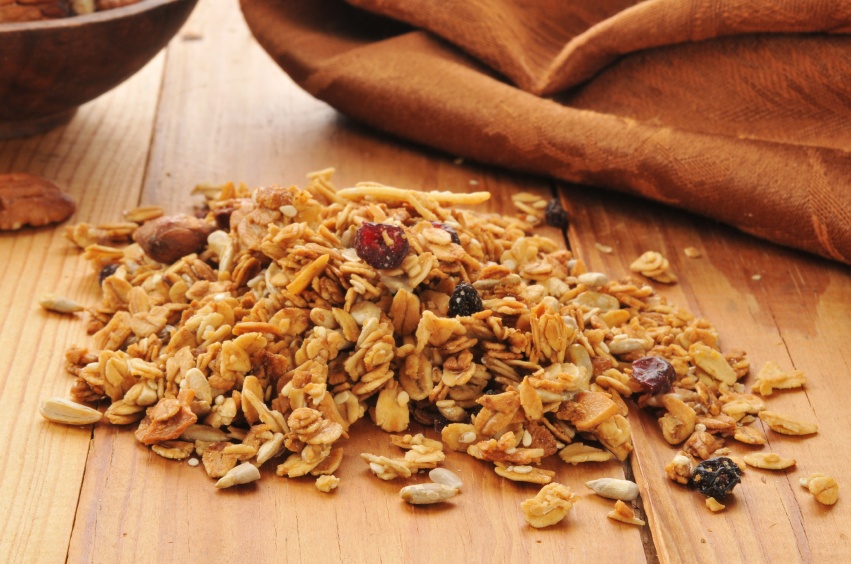
    Strictly speaking, this probably comes under the ‘transitional’ banner – but I will have this for brekkie perhaps once a week. It is a great, filling home-made muesli that is full of Essential Fatty Acids and is therefore great for your body, your skin in particular.

    You can have it with whatever type of non-dairy milk you prefer, and I actually have it with very little milk at all. In fact, sometimes I have even been known to have it with a little soy yoghurt and half an apple as a weekend treat. Almond milk is probably the nicest and so easy to make too.

    You can make this in bulk as a dry mix and store it. In an airtight container it will keep for weeks.

    Omega Muesli

    Serves 2

    Ingredients

    Organic oats (oats are naturally gluten free, but can contain traces if milled with wheat – if you are coeliac, get GF oats)
    1/2 cup of LSA mix (linseed, sunflower seed and almond meal) – or you can just use ground flax, almonds or other nut/seed.
    Handful of roughly sliced, raw almonds
    Handful of pumpkin seeds
    Teaspoon of chia seeds
    Almond milk/rice milk to taste

    Optional to serve:

    Coconut yoghurt (my personal favourite)
    A few fresh berries or a sliced fig (see my note on fruit here)

    Instructions

    Erm…make it! Just mix it all together and serve with the nut milk. If you can’t find LSA mix then simply go for whichever ‘meal/ground’ you like or can find. All health food shops stock something that will work with this, be it ground flax, ground almonds and so on.

    Let me know what you think!

    p.s. this is just one of the awesome recipes from the Alkaline Recipe System – which features over 200+ recipes, meal plans and more to get you alkaline easily and enjoyably – and for life! It includes dozens of delicious breakfast recipes!

  • Alkaline Recipe #43 Sun-Dried Tomato Pate

    Alkaline Recipe #43 Sun-Dried Tomato Pate

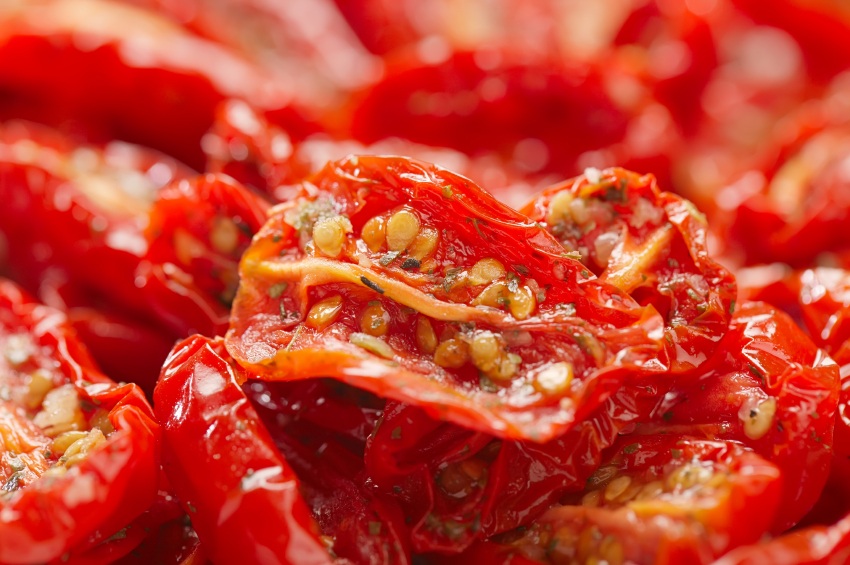
    sundried tomato pateYUM! This is a unique one for me – an alkaline, fully vego pate! What a treat! One that you can make in a few minutes and enjoy with sprouted bread, tortillas or any other alkaline chip!

    This literally is one of the best alkaline recipes I’ve ever come across and having tweaked it once or twice it’s ready for the blog. So here it is:

    Sun-Dried Tomato Pate

    Serves 4

    Ingredients

    1 cup of soaked sunflower seeds
    1/3 cup soaked sun-dried tomatoes
    2 tablespoons water
    1 tablespoon finely diced red onion
    1 tablespoon freshly squeezed lemon juice
    2 teaspoons chopped fresh basil
    1 clove garlic roughly chopped or smacked flat
    1/4 teaspoon Himalayan salt
    Sprinkle of black pepper

    Soak all of the soaked ingredients beforehand (for a few hours or overnight) and then put into a food blender with the little bit of water. Now blitz it into a paste! Transfer all of this to a bowl and stir in the remaining ingredients! Done!

    Enjoy!

  • Alkaline Stuffed Tomatoes

    Recipes › Dinner

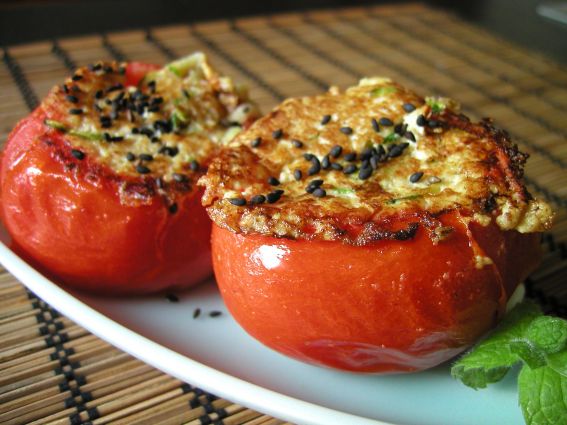
    Alkaline Stuffed Tomatoes

    Low on effort, high on taste – one I whip out when I fancy something warm and comforting, but healthy and a little different too.

    Prep 15 minCook 20 minServes 28 ingredients
    VeganGluten-freeDairy-freeNut-freeNo added sugar

    Tastes: soft, juicy tomatoes filled with garlicky aubergine, courgette, onion and spinach.

    Warm, comforting and alkaline

    Pretty much everything is alkaline and not overly cooked, and served with a nice big salad it makes a lovely healthy, alkaline meal!

    Why you’ll love it

    • Vitamin K from the spinach – almost a full day’s worth.
    • Light – perfect with a big salad.
    • Easy: mix, stuff and bake.
    • About 35 minutes start to finish.

    Good for

    Immunity

    Vitamin C, folate, vitamin B6 and copper contribute to the normal function of the immune system.

    Antioxidants

    Vitamin C, manganese, copper and vitamin E contribute to the protection of cells from oxidative stress. It also contains plant compounds with antioxidant activity, including lutein, beta-carotene and lycopene.

    Energy

    Folate, vitamin B6, magnesium and niacin contribute to the reduction of tiredness and fatigue.

    Bones

    Vitamin K, manganese and magnesium contribute to the maintenance of normal bones.

    Eyes

    Vitamin A contributes to the maintenance of normal vision. It also contains lutein and zeaxanthin, the carotenoids found in the macula of the eye.

    Blood pressure

    Potassium contributes to the maintenance of normal blood pressure.

    Tags use approved nutrient health-claim wording, for nutrients that give at least 10% of the Daily Value per serve. Plant compounds like lutein have no Daily Value, so we only say they’re there.

    Key nutrients per serve

    Vitamin K
    99%Vitamin C
    45%Manganese
    30%Folate
    24%Vitamin B6
    24%Copper
    22%

    Contains: vitamin A (19%), potassium (18%), vitamin E (17%), magnesium (13%), niacin (12%), pantothenic acid (10%) and calcium (5%).

    Plant compounds: lutein and zeaxanthin (about 3.4 mg), beta-carotene (about 2 mg), lycopene (about 4.7 mg), chlorophyll, quercetin from the onion and sulphur compounds from the garlic.

    6 g fibreAbout 10 g natural sugarAbout 30 mg sodium

    % of US Daily Value for adults, per serve (half the recipe). Estimated from USDA FoodData Central values for the ingredients as listed; cooking reduces some vitamins, so treat these as upper estimates. Excludes salt and pepper and the salad to serve; anything over 100% shows as 100%+.

    Alkaline Stuffed Tomatoes

    Big tomatoes stuffed with finely chopped aubergine, courgette, onion, garlic and spinach, then baked.
    Prep Time 15 minutes
    Cook Time 20 minutes
    Total Time 35 minutes
    Servings: 2

    Ingredients
      

    • 2 big tomatoes
    • ½ small aubergine (eggplant) cut into small chunks
    • 1 large handful fresh spinach
    • ½ onion roughly chopped
    • ⅓ courgette (zucchini) cut into small chunks
    • 1–2 cloves garlic roughly chopped
    • 1 tbsp cold-pressed extra-virgin olive oil or avocado oil
    • 1 pinch sea salt and pepper preferably Himalayan salt

    Equipment

    • Ovenproof pan with lid

    Method
     

    1. Preheat the oven to 160°C (325°F).
    2. Mix the aubergine, courgette, onion and garlic in a bowl with the spinach (whole or roughly torn). Season, add the oil and get your hands right in there to mix it up.
    3. Cut the tops off the tomatoes and scoop out the middle. Add the scooped-out bits to the mix, then carefully stuff it all back into the tomatoes.
    4. Once you’re convinced not another tiny bit could fit, put them in a large ovenproof pan with about 80 ml water, cover with a lid, and bake for 15–20 minutes. How easy is that?!

    Swaps

    • Heartier: add 2 tbsp cooked quinoa or brown rice to the filling.
    • Peppers work too – bake for 10 minutes longer.
    • Herbs: basil or oregano in the mix is lovely.

    Storing it

    Best fresh. Leftovers keep in the fridge for 2 days.

    Good to know

    • High in vitamin K. If you take warfarin or another blood thinner, keep your greens intake steady and talk to your doctor before eating more leafy greens than usual.

    Try next

    DinnerGreek Stuffed Tomatoes & PeppersOpen recipe →
    DinnerAubergine ‘Pizza’Open recipe →
    Want more than recipes?

    The Alkaline Life Club has everything in the Recipe Club, plus coaching, live Q&A and a community to keep you going.

    See the Alkaline Life Club

    Sources

    Nutrient values: USDA FoodData Central, SR Legacy (tomatoes 170457, eggplant 169228, spinach 168462, onion 170000, zucchini 169291, garlic 169230, olive oil 171413). Plant compounds are named where the ingredient is a well-documented source; flavonoids follow the USDA Database for the Flavonoid Content of Selected Foods, Release 3.3. Daily Values: US Food and Drug Administration.

  • Greek-Style Alkaline Ratatouille

    Greek-Style Alkaline Ratatouille

    Recipes › Dinner

    Greek-Style Alkaline Ratatouille

    A ratatouille I tweaked while in Greece to make it more raw and more alkaline – serve it with a big green salad and you’re rocking!

    Prep 30 minCook 15 minServes 212 ingredients
    VeganGluten-freeDairy-freeNut-freeNo added sugar

    Tastes: fresh and bright, with tiny cubes of aubergine and courgette, sweet charred peppers, raw tomato, olives and herbs.

    alkaline

    More raw, more alkaline

    This recipe isn’t 100% alkaline, because some of the ingredients are cooked a little – but I’ve tweaked the traditional recipe to make it more raw and more alkaline.

    It uses the skin and outer few millimetres of the aubergine and courgette, cut into tiny cubes. Save the soft insides for baba ganoush or courgette hummus.

    Why you’ll love it

    • Vitamin C: almost one and a half day’s worth.
    • Vitamin K: over one and a half day’s worth.
    • Raw tomatoes and spinach stirred in at the end.
    • Pretty as a picture – all those tiny cubes.

    Good for

    Immunity

    Vitamin C, folate, vitamin A and vitamin B6 contribute to the normal function of the immune system.

    Antioxidants

    Vitamin C, manganese, vitamin E and copper contribute to the protection of cells from oxidative stress. It also contains plant compounds with antioxidant activity, including lutein, beta-carotene and lycopene.

    Energy

    Folate, vitamin B6, iron and magnesium contribute to the reduction of tiredness and fatigue.

    Bones

    Vitamin K, manganese, magnesium and phosphorus contribute to the maintenance of normal bones.

    Eyes

    Vitamin A and riboflavin contribute to the maintenance of normal vision. It also contains lutein and zeaxanthin, the carotenoids found in the macula of the eye.

    Blood pressure

    Potassium contributes to the maintenance of normal blood pressure.

    Tags use approved nutrient health-claim wording, for nutrients that give at least 10% of the Daily Value per serve. Plant compounds like lutein have no Daily Value, so we only say they’re there.

    Key nutrients per serve

    Vitamin K
    100%+Vitamin C
    100%+Manganese
    39%Folate
    38%Vitamin A
    36%Vitamin B6
    35%

    Contains: vitamin E (34%), copper (33%), potassium (24%), magnesium (19%), iron (19%), niacin (18%), thiamin (17%), pantothenic acid (16%), riboflavin (15%), phosphorus (10%) and calcium (7%).

    Plant compounds: lutein and zeaxanthin (about 5.2 mg), beta-carotene (about 3.7 mg), lycopene (about 4.8 mg), chlorophyll and sulphur compounds from the garlic.

    5 g protein8 g fibreAbout 12 g natural sugarAbout 155 mg sodium

    % of US Daily Value for adults, per serve (half the recipe). Estimated from USDA FoodData Central values for the ingredients as listed; cooking reduces some vitamins, so treat these as upper estimates. Estimates about a third of the aubergine and courgette (the skin and outer layer) and 2 tbsp olive oil; excludes salt and pepper; anything over 100% shows as 100%+.

    Greek-Style Alkaline Ratatouille

    Tiny cubes of aubergine and courgette skin, gently cooked, mixed with charred peppers, raw tomatoes, spinach, olives and herbs.
    Prep Time 30 minutes
    Cook Time 15 minutes
    Total Time 45 minutes
    Servings: 2

    Ingredients
      

    • 2 small aubergines skin and outer 2–4 mm only
    • 2 small courgettes skin and outer 2–4 mm only
    • 1 red pepper
    • 3 tomatoes diced
    • 1½ tsp thyme leaves
    • 1 clove garlic finely chopped
    • 1 large handful baby spinach
    • 1 small handful basil leaves
    • 5 coriander seeds crushed
    • 1 small handful pitted black olives
    • 2 tbsp extra-virgin olive oil
    • Himalayan or Celtic sea salt and black pepper to taste

    Equipment

    • Grill
    • Frying pan
    • Sieve

    Method
     

    1. Cut the tops and bottoms off the aubergines and courgettes. Stand each one on its end and slice off the skin with a little (2–4 mm) of the flesh. This is all you’ll use – save the insides for another recipe.
    2. Cut the aubergine and courgette strips into tiny cubes, about 3 mm, keeping them separate.
    3. Preheat the grill. Deseed the pepper, cut it into thick slices and grill skin-side up until blackened. Pop into a bowl, cover for 5 minutes, then peel off the skins and dice to match.
    4. Heat a little oil (coconut or olive) in a pan and gently cook the aubergine with half the garlic. Press with kitchen paper in a sieve to remove excess oil. Repeat with the courgette and the rest of the garlic.
    5. Mix everything in a large pan and warm very gently. I like to keep the tomatoes raw and throw the spinach in at the very last minute so it just wilts.
    6. Serve with a big salad – voilà!

    Notes

    Prefer less fuss? Use whole diced aubergine and courgette – it will just be a bit softer.
    Feeding four? Double everything – that’s the original recipe.

    Swaps

    • Less fuss: use the whole aubergine and courgette, diced (see notes).
    • Add protein: stir in a can of rinsed cannellini beans.
    • Feta-style crumble: try crumbled tofu marinated in lemon and oregano.

    Storing it

    Keeps in the fridge for 2–3 days. Lovely cold.

    Good to know

    • High in vitamin K. If you take warfarin or another blood thinner, keep your greens intake steady and talk to your doctor before eating more leafy greens than usual.
    • Olives are salty – go easy on extra salt.

    Try next

    DinnerLentil RatatouilleOpen recipe →
    DinnerAubergine ‘Pizza’Open recipe →
    Want more than recipes?

    The Alkaline Life Club has everything in the Recipe Club, plus coaching, live Q&A and a community to keep you going.

    See the Alkaline Life Club

    Sources

    Nutrient values: USDA FoodData Central, SR Legacy (eggplant 169228, zucchini 169291, red pepper 170108, tomatoes 170457, thyme 170938, garlic 169230, spinach 168462, basil 172232, coriander seed 170922, black olives 169094, olive oil 171413). Plant compounds are named where the ingredient is a well-documented source; flavonoids follow the USDA Database for the Flavonoid Content of Selected Foods, Release 3.3. Daily Values: US Food and Drug Administration.

  • Alkaline Recipe #40 Baba Ganoush!

    Alkaline Recipe #40 Baba Ganoush!

    Hey y’all

    I’m blogging and newsletter writing from Turkey (Oludeniz of all places) for the next couple of weeks so I thought it might be nice to allow my current cuisine to influence the alkaline recipes!

    Eating alkaline in Turkey is actually pretty easy! Salads really are a staple here, for breakfast, lunch and dinner! I’ve been enjoying big bowls of lettuce, cucumber, tomato and olives drizzled in olive oil for breakfast! Filling and giving me four of my five-a-day before 8am!

    I’ve also been enjoying loads of aubergine dishes, of which this is one of my favourites! So here goes!

    Alkaline Baba Ganoush!

    Serves 4

    Ingredients

    1 very large aubergine
    1-2 cloves of garlic (dependent on personal preference)
    Juice of 2 lemons
    2 Tablespoons of tahini
    A handful of parsley
    Himalayan salt & black pepper to taste

    Instructions

    Firstly, give the aubergine a good wash, but leave it completely intact. Now give the skin a prick with a sharp knife in a few places and grill it whole for about half an hour. Turn it every five minutes or so.

    After 30 mins the skin should be blackening and you’ll know its ready because it should be kind of deflating!

    Once it’s done, slice the end off and let it cool a little. Now cut into it and scrape the lovely insides off of the flesh with a spoon and put the flesh into a colander for a few minutes to let it drain out a little.

    Now throw everything into a blender together and blend up until smooth! Easy!

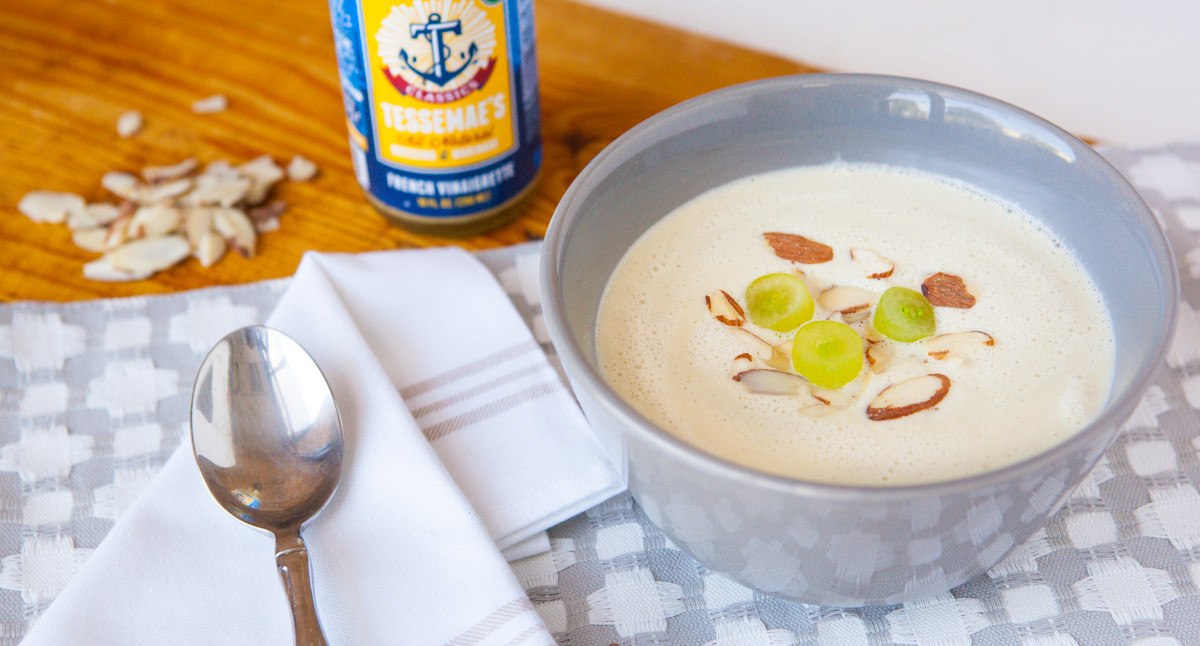
  • Almond Gazpacho (Gaspacho aux Amandes)

    Almond Gazpacho (Gaspacho aux Amandes)

    Recipes › Soups

    Almond Gazpacho (Gaspacho aux Amandes)

    A chilled Spanish-style soup of blended almonds, garlic, olive oil and a little gluten-free bread. Silky, rich and really, really beautiful.

    Prep 15 minServes 2Blender6 ingredients
    VeganGluten-freeDairy-freeNo added sugar

    Tastes: silky, rich and nutty, with a gentle garlic kick.

    almond gazpacho

    Really, honestly beautiful

    This is a really, really, honestly, really beautiful recipe. It’s great as a starter soup.

    I first had it at Bentley Restaurant in Surry Hills, Sydney, as part of a gazpacho trio (standard tomato, almond, and cucumber and herb), and it was the gaspacho aux amandes that stood out!

    It does contain a little bread, so I think of it as a transitional or treat recipe – but it still fits into a 70/30 approach really rather well.

    Why you’ll love it

    • Vitamin E: over 80% of your daily needs a bowl.
    • Copper and riboflavin: around 40% of your daily needs each.
    • No cooking: just blend.
    • A treat starter that always impresses.

    Good for

    Immunity

    Copper, iron and zinc contribute to the normal function of the immune system.

    Antioxidants

    Vitamin E, copper, riboflavin and manganese contribute to the protection of cells from oxidative stress.

    Energy

    Riboflavin, magnesium, niacin and iron contribute to the reduction of tiredness and fatigue.

    Bones

    Manganese, magnesium, phosphorus and zinc contribute to the maintenance of normal bones.

    Eyes

    Riboflavin and zinc contribute to the maintenance of normal vision.

    Tags use approved nutrient health-claim wording, for nutrients that give at least 10% of the Daily Value per bowl. Plant compounds like these have no Daily Value, so we only say they’re there.

    Key nutrients per bowl

    Vitamin E
    81%Copper
    44%Riboflavin
    38%Manganese
    35%Magnesium
    24%

    Contains: thiamin (17%), phosphorus (15%), niacin (12%), iron (11%), zinc (11%), vitamin K (10%), calcium (10%) and potassium (6%).

    Plant compounds: sulphur compounds from the garlic.

    8 g protein5 g fibreUnder 4 g natural sugarAbout 660 mg sodium

    % of US Daily Value for adults, per bowl (half the recipe). Estimated from USDA FoodData Central values for the ingredients as listed, so treat these as upper estimates. Uses ½ tsp salt (the original used more) and typical values for gluten-free bread; excludes the toppings; anything over 100% shows as 100%+.

    Almond Gazpacho (Gaspacho aux Amandes)

    Blanched almonds, garlic and salt blended with soaked gluten-free bread, olive oil and water into a smooth, chilled soup.
    Prep Time 15 minutes
    Total Time 15 minutes
    Servings: 2 bowls

    Ingredients
      

    • ½ cup whole blanched almonds about 70 g
    • 1 cup stale gluten-free bread crusts removed, cubed (about 35 g)
    • 3 tbsp olive oil
    • 1 cup cold water 250 ml, plus extra for soaking
    • 1 large garlic clove
    • ½ tsp Himalayan or sea salt
    • chives, cucumber, spring onion or mint optional, to garnish

    Equipment

    • Food processor or blender

    Method
     

    1. Cover the bread in water and leave it to soak for a bit.
    2. Meanwhile, put the almonds, garlic and lovely, lovely salt in a food processor and blend until quite smooth.
    3. Squeeze the water out of the bread, add it to the processor and blend again until nice and smooth. With the motor running, drizzle in the oil, slow and steady.
    4. Slowly pour in the cup of water and pulse until it’s a nice smooth soup. Perfect!
    5. Chill until cold, then serve with whatever toppings you like – chives, cucumber, spring onions and mint all work well.

    Swaps

    • Bread-free: blend in ¼ cucumber instead for a lighter version.
    • Toppings: try classic gazpacho toppings, or chives, cucumber, spring onion and mint.
    • Thinner: add a splash more water.

    Storing it

    Keeps in a sealed jar in the fridge for 2 days. Stir before serving.

    Good to know

    • Bread: choose a gluten-free bread that’s also free from egg and dairy, if you need it to be.

    Ross’s tip

    You can garnish with whatever you like – normal gazpacho toppings, or I’ve found chives, cucumber, spring onions and mint all work well.

    Try next

    SoupsSweet Red Pepper & Tomato Raw SoupOpen recipe →
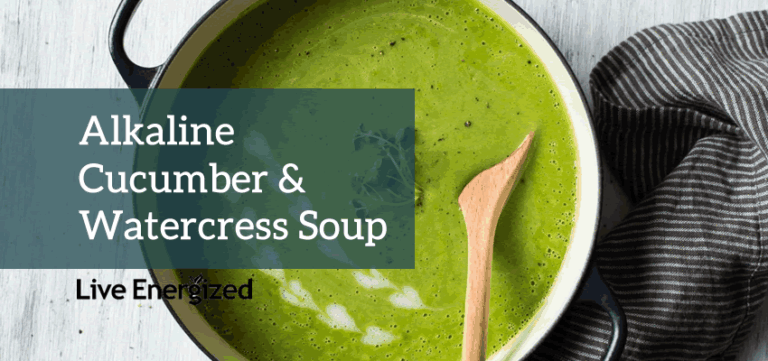
    SoupsCucumber & Watercress SoupOpen recipe →
    Want more than recipes?

    The Alkaline Life Club has everything in the Recipe Club, plus coaching, live Q&A and a community to keep you going.

    See the Alkaline Life Club

    Sources

    Nutrient values: USDA FoodData Central, SR Legacy (almonds 170567, gluten-free bread 168009, olive oil 171413, garlic 169230, salt 173468). Plant compounds are named where the ingredient is a well-documented source; flavonoids follow the USDA Database for the Flavonoid Content of Selected Foods, Release 3.3. Daily Values: US Food and Drug Administration.

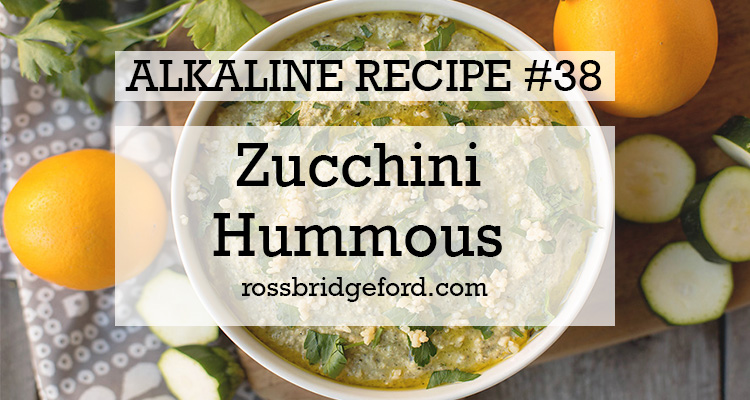
  • Alkaline Recipe #38 Courgette (Zucchini) Hummus!

    Alkaline Recipe #38 Courgette (Zucchini) Hummus!

    This is a brilliant blend on an old classic! Highly alkaline, a little more green and a great way to sneak more veggies into your kids (or partner’s!) diet.

    Only takes about 5 minutes to make and is really, really easy.

    Courgette (Zucchini) Hummus

    Serves 4

    Ingredients
    1 tin of chickpeas, drained and rinsed OR equivalent dried chickpeas soaked and prepared
    1 green courgette, chopped
    1 garlic clove, chopped
    Handful chopped parsley
    Handful chopped basil
    Himalayan or Sea Salt
    Freshly ground black pepper
    4 tbsp olive oil
    Squeeze of fresh lemon juice

    Simply put everything in a blender and whizz it up until it looks how you like your hummus! The addition of basil is genius – so if you like your basil then add a little more!

    get the alkaline recipe book here

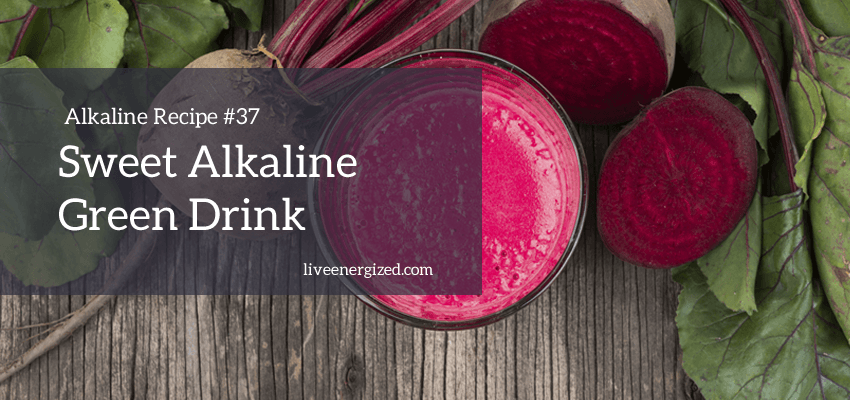
  • Sweet Green Juice

    Sweet Green Juice

    Recipes › Juices & smoothies

    Sweet Green Juice

    Carrots, beetroot, tomato, green pepper, cucumber and ginger: a lovely sweet juice that’s perfect when you’re just starting out.

    Prep 10 minServes 2Juicer6 ingredients
    VeganGluten-freeDairy-freeNut-freeNo added sugar

    Tastes: sweet and earthy, with carrot and beetroot up front and a little ginger warmth.

    sweet green drink

    Perfect for beginners

    This is a lovely sweet green drink that’s really fantastic when you’re first starting out or moving towards a more alkaline diet.

    It contains some of the sweeter vegetables, so it’s a little higher in sugar than other green drinks, but it’s still alkalising, energising and packed full of nutrients! It’s a sweet green drink in more ways than one.

    The beetroot brings betalains, the carrots bring beta-carotene, and the green pepper adds vitamin C.

    Why you’ll love it

    • Vitamin A: nearly a full day’s worth a glass.
    • Vitamin C: nearly 90% of your daily needs.
    • Sweet enough for green-juice beginners.
    • Beetroot and carrot for colour and sweetness.

    Good for

    Immunity

    Vitamin A, vitamin C, folate and copper contribute to the normal function of the immune system.

    Antioxidants

    Vitamin C, copper, manganese and riboflavin contribute to the protection of cells from oxidative stress. It also contains plant compounds with antioxidant activity, including lutein, beta-carotene and lycopene.

    Energy

    Folate, vitamin B6, pantothenic acid and magnesium contribute to the reduction of tiredness and fatigue.

    Bones

    Vitamin K, manganese, magnesium and phosphorus contribute to the maintenance of normal bones.

    Eyes

    Vitamin A, riboflavin and zinc contribute to the maintenance of normal vision.

    Blood pressure

    Potassium contributes to the maintenance of normal blood pressure.

    Tags use approved nutrient health-claim wording, for nutrients that give at least 10% of the Daily Value per glass. Plant compounds like lutein have no Daily Value, so we only say they’re there.

    Key nutrients per glass

    Vitamin A
    93%Vitamin C
    87%Vitamin K
    43%Folate
    34%Copper
    33%Manganese
    30%

    Contains: vitamin B6 (29%), potassium (25%), pantothenic acid (18%), thiamin (17%), magnesium (17%), riboflavin (15%), niacin (15%), vitamin E (11%), iron (11%), phosphorus (11%), zinc (10%) and calcium (7%).

    Plant compounds: lutein and zeaxanthin (about 0.6 mg), beta-carotene (about 8.3 mg), lycopene (about 3.2 mg), betalains from the beetroot and gingerols from the ginger.

    About 17 g natural sugarAbout 135 mg sodium

    % of US Daily Value for adults, per glass (half the recipe). Estimated from USDA FoodData Central values for the whole ingredients. Juicing leaves most of the fibre and some vitamins in the pulp, so treat these as upper estimates; anything over 100% shows as 100%+.

    Sweet Green Juice

    Carrots, cucumber, green pepper, beetroot, tomatoes and ginger juiced together.
    Prep Time 10 minutes
    Total Time 10 minutes
    Servings: 2 glasses

    Ingredients
      

    • 3 carrots
    • 1 cucumber
    • 1 green pepper (capsicum)
    • 1 medium beetroot
    • 2 tomatoes
    • 2.5 cm fresh ginger 1 inch

    Equipment

    • Juicer

    Method
     

    1. Wash everything thoroughly and roughly chop the carrots, cucumber, pepper and tomatoes. Top and tail the beetroot and peel the ginger.
    2. Put it all through your juicer and enjoy!
    3. Water it down a little if it’s too strong or thick for you.

    Swaps

    • Greener: add a handful of spinach as you get used to it.
    • Less sweet: use 2 carrots and more cucumber.
    • No juicer? Blend with water and strain.

    Storing it

    Best fresh. To keep it, fill a glass jar right to the top, seal it and refrigerate for up to 24 hours. Give it a shake before you drink it.

    Good to know

    • Beetroot can turn your pee or poo pink or red. It’s harmless.

    Try next

    Juices & smoothiesDelicious Refresher JuiceOpen recipe →
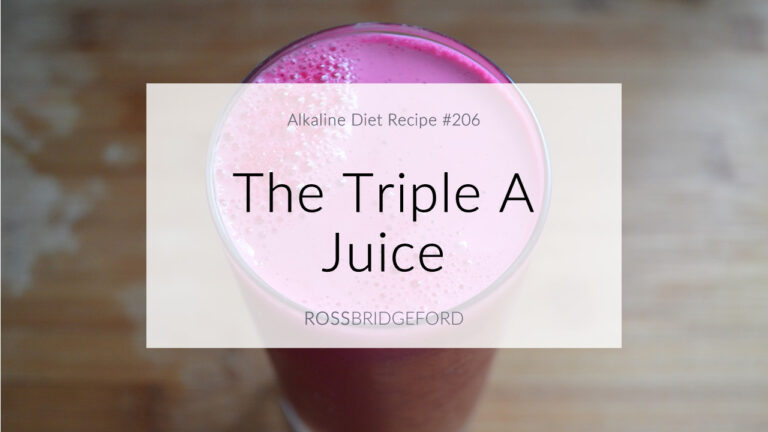
    Juices & smoothiesTriple A JuiceOpen recipe →
    Want more than recipes?

    The Alkaline Life Club has everything in the Recipe Club, plus coaching, live Q&A and a community to keep you going.

    See the Alkaline Life Club

    Sources

    Nutrient values: USDA FoodData Central, SR Legacy (carrots 170393, cucumber 168409, green pepper 170427, beetroot 169145, tomatoes 170457, ginger 169231). Plant compounds are named where the ingredient is a well-documented source; flavonoids follow the USDA Database for the Flavonoid Content of Selected Foods, Release 3.3. Daily Values: US Food and Drug Administration.

  • Alkaline Recipe #36 Basil & Coriander Alkaline Sauce

    Alkaline Recipe #36 Basil & Coriander Alkaline Sauce

    This recipe is really simple to make and can be used with almost any meal to give it a little spice, a little extra flavour and some zing.

    I love it and I use it all of the time. It only takes a few minutes to prepare and if you are starting to alkalise then it uses ingredients you’re likely to have in the house all of the time.

    Here it is:

    Basil & Coriander Alkaline Sauce

    Serves 2

    Ingredients

    2 big handfuls of coriander
    1 big handful of basil
    1 clove of garlic
    2 red chillis (or to taste!)
    1 small handful of pine nuts
    Himalayan salt to taste (or the best salt you’ve got!)
    Olive or avocado oil (as much to make the texture you want)

    Directions

    Roughly chop the coriander and basil, slice the garlic clove and de-seed the chillis. Throw everything into a small blender and blend to get the consistency you like. Add more oil or more of the herbs to alter the texture et voila!

    You can use this on almost any meal and it makes everything taste delicious!