Category: Free Alkaline Diet Recipes

Alkaline Diet Recipes: The Alkaline Recipe Centre from Ross Bridgeford
Make the Alkaline Diet Easy With Delicious Alkaline Recipe, and Enjoyable & Nourishing Meals
Find over 200+ delicious alkaline diet recipes & meals that the whole family will love. Includes alkaline recipes for breakfast, lunch, dinner, and snacks, plus cuisines including Italian, Indian, British, American, Mexican, Thai, and more!  This will make the alkaline lifestyle so simple!

Every recipe has been packed with nutrient-dense foods, designed with ease and simplicity in mind using every day, fresh, easy-to-find ingredients. Plus no recipe takes more than 30 minutes to prepare and all have been tried and tested on my family, including my kids! This is alkaline living made easy!

All recipes come with a print-friendly button so you can get started right away.

Click here to jump to a meal-time:

Alkaline Breakfast Recipes
Alkaline Lunch Recipes
Alkaline Dinner Recipes

Alkaline recipes are a great way to help keep your body’s pH balance in check, infusing your body with alkaline foods. Eating an alkaline-based diet helps to maintain healthy cells and tissues, as well as support overall health and wellness. Knowing how to prepare meals that contain the right amount of alkaline ingredients is key for anyone who wants to reap the benefits of an alkaline diet.

Fortunately, there are a plethora of delicious and nutrient-dense alkaline foods to choose from to make alkaline recipes for your alkaline-based meal plan. From classic dishes like quinoa bowls and vegetable salads to creative takes on traditional meals like eggplant lasagna, there’s something for everyone! With the right alkaline recipes and proper preparation, you can maintain a healthy alkaline diet that will help your body stay in balance.

Besides selecting the right alkaline foods, there are many different cooking techniques you can use to maximize the alkalinity of your meals. For example, steaming is a great way to prepare vegetables as it helps keep their natural nutrients intact. You can also incorporate alkaline-friendly herbs and spices, like turmeric and basil, to give your dishes a unique flavor.

At the end of the day, alkaline recipes are easy to make and provide a variety of health benefits. They help you avoid those acid foods and with the right alkaline ingredients and cooking techniques, you can create delicious meals that support your body’s needs.

For more information on starting on an alkaline diet click here, and browse the recipes!

  • Black Bean Hummous

    Black Bean Hummous

    Recipes › Sauces

    Black Bean Hummous

    A twist on the classic: black beans blended with lemon, basil, garlic and sesame. Equally satisfying, really rather nice, and ready in minutes.

    Prep 5 minMakes about 1 cup5 ingredients
    VeganGluten-freeDairy-freeNut-freeNo added sugar

    Tastes: earthy and garlicky, with fresh basil and lemon.
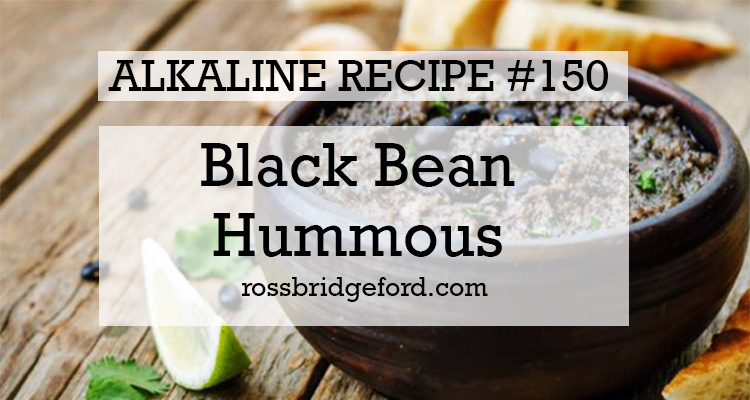
    black bean hummous recipe

    Everyone loves hummous

    Everyone loves hummous. It’s healthy, appetising, and it can be the perfect dip for just about anything!

    While the hummus we all know and love is made with chickpeas, this version is equally satisfying and healthy, and really rather nice.

    The star here is the black bean, which is rich in fibre. Fibre can help keep your digestion healthy and regular – and a healthy digestive system is a cornerstone of feeling great.

    Why you’ll love it

    • Five ingredients and a food processor.
    • Black beans for a twist on the classic.
    • Wraps, dips or a side for anything.
    • Hot, hot, hot: add chilli if you like!

    Good for

    Immunity

    Copper contributes to the normal function of the immune system.

    Antioxidants

    Copper contributes to the protection of cells from oxidative stress. It also contains plant compounds with antioxidant activity, including anthocyanins and flavonoids.

    Tags use approved nutrient health-claim wording, for nutrients that give at least 10% of the Daily Value per serve. Plant compounds like these have no Daily Value, so we only say they’re there.

    Key nutrients per serve

    Contains: copper (11%) and magnesium (5%).

    Plant compounds: anthocyanins from the black beans, sulphur compounds from the garlic and citrus flavonoids from the lemon.

    4 g fibreUnder 4 g natural sugarAbout 190 mg sodium

    % of US Daily Value for adults, per serve (¼ cup, a quarter of the recipe). Estimated from USDA FoodData Central values for the ingredients as listed, so treat these as upper estimates. Uses salted canned black beans; anything over 100% shows as 100%+.

    Black Bean Hummous

    Black beans processed with lemon juice, basil, garlic and sesame seeds until thick and smooth.
    Prep Time 5 minutes
    Total Time 5 minutes
    Servings: 4 serves (¼ cup)

    Ingredients
      

    • 1 can black beans rinsed and drained (about 200 g)
    • 2 tsp fresh lemon juice or more to taste
    • 1 small handful basil leaves
    • 1 garlic clove crushed
    • 1 large pinch sesame seeds
    • red chilli optional, to taste

    Equipment

    • Food processor

    Method
     

    1. Put the black beans, lemon juice, basil, sesame seeds and garlic in a food processor and process until thick.
    2. If it’s TOO thick, add a little water or tahini (if you have it).

    Swaps

    • Creamier: add a spoonful of tahini.
    • Smoky: add ½ tsp each of smoked paprika and cumin.
    • Herby: swap the basil for coriander.

    Storing it

    Keeps in a sealed container in the fridge for 4 days.

    Ross’s tip

    Use it as a dip, a spread in wraps, or in any way you like! I personally LOVE it HOT HOT HOT, so I add red chilli.

    Try next
    SaucesCreamy Alkaline HummousOpen recipe →
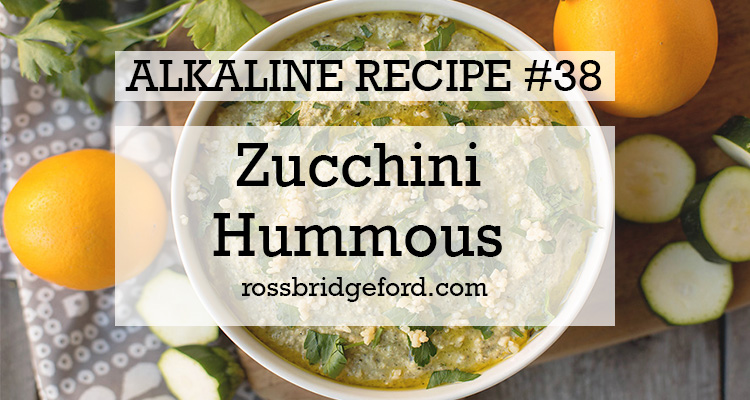
    SaucesCourgette (Zucchini) HummusOpen recipe →
    Want more than recipes?

    The Alkaline Life Club has everything in the Recipe Club, plus coaching, live Q&A and a community to keep you going.

    See the Alkaline Life Club

    Sources

    Nutrient values: USDA FoodData Central, SR Legacy (canned black beans 175188, lemon juice 167747, basil 172232, garlic 169230, sesame seeds 170150). Plant compounds are named where the ingredient is a well-documented source; flavonoids follow the USDA Database for the Flavonoid Content of Selected Foods, Release 3.3. Daily Values: US Food and Drug Administration.
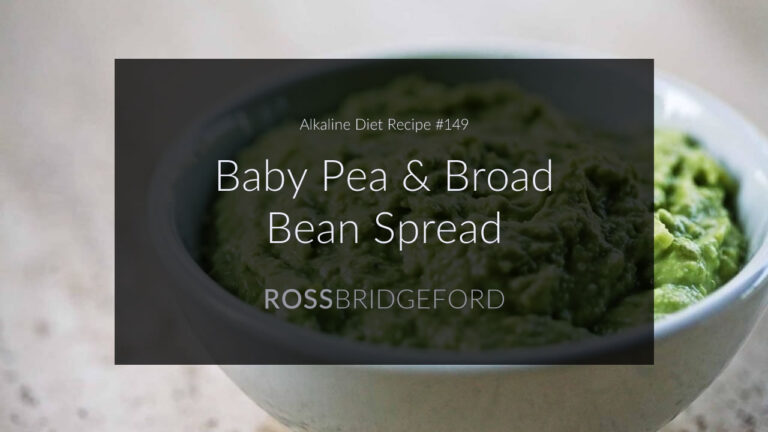
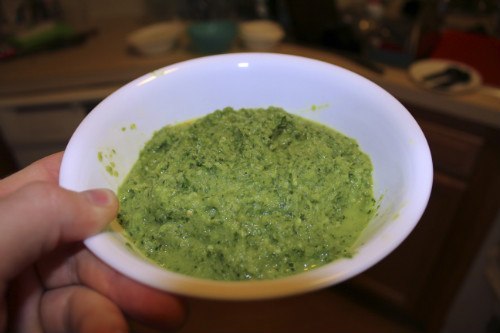
  • Baby Pea & Broad Bean Spread

    Baby Pea & Broad Bean Spread

    Recipes › Sauces

    Baby Pea & Broad Bean Spread

    Peas and broad beans blitzed with avocado, garlic, mint, coriander, lemon and good oil. A bright green spread that sneaks veggies into everyone.

    Prep 10 minCook 2 minMakes about 2 cups9 ingredients
    VeganGluten-freeDairy-freeNut-freeNo added sugar

    Tastes: fresh, sweet and minty, with a zesty lemon finish.

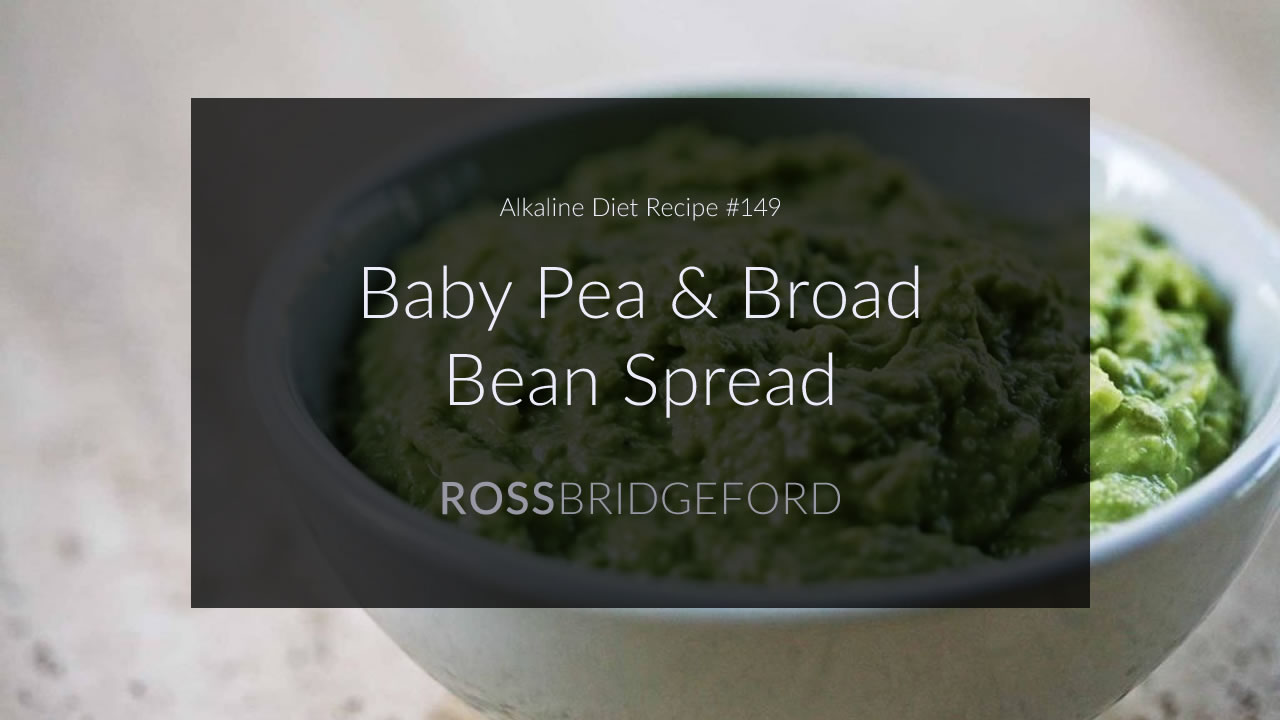
    baby pea broad bean dip featured image

    Secretly more veggies

    This is such a fantastic, easy recipe, and it’s one of those that’s great for making ‘normal’ meals more alkaline.

    You can serve it to friends, kids and partners and they’ll love it AND get secretly more veggies at the same time. It’s a great way to sneak veggies into the kids’ lunchboxes too.

    Peas, avocado and fresh herbs – it’s quick, easy and delicious.

    Why you’ll love it

    • Vitamin C: over a third of your daily needs a serve.
    • Plant omega-3 from the flax oil.
    • Sneaky veg for lunchboxes.
    • Mint and lemon for a bright flavour.

    Good for

    Immunity

    Vitamin C, folate, copper and iron contribute to the normal function of the immune system.

    Antioxidants

    Vitamin C, copper and manganese contribute to the protection of cells from oxidative stress. It also contains plant compounds with antioxidant activity, including lutein, beta-carotene and flavonoids.

    Energy

    Folate, pantothenic acid, niacin and iron contribute to the reduction of tiredness and fatigue.

    Bones

    Vitamin K and manganese contribute to the maintenance of normal bones.

    Tags use approved nutrient health-claim wording, for nutrients that give at least 10% of the Daily Value per serve. Plant compounds like lutein have no Daily Value, so we only say they’re there.

    Key nutrients per serve

    Vitamin C
    36%Thiamin
    25%Folate
    23%Vitamin K
    22%Copper
    22%

    Contains: manganese (17%), pantothenic acid (14%), niacin (13%), iron (12%), magnesium (9%) and potassium (7%).

    Plant compounds: lutein and zeaxanthin (about 1.6 mg), beta-carotene (about 0.9 mg), plant omega-3 ALA (about 9.7 g), chlorophyll, sulphur compounds from the garlic, citrus flavonoids from the lemon and lignans from the flaxseed.

    6 g protein6 g fibreUnder 4 g natural sugarAbout 385 mg sodium

    % of US Daily Value for adults, per serve (about ½ cup, a quarter of the recipe). Estimated from USDA FoodData Central values for the ingredients as listed, so treat these as upper estimates. Uses flaxseed oil and ½ tsp salt; anything over 100% shows as 100%+.

    Baby Pea & Broad Bean Spread

    Briefly boiled peas and broad beans blended with avocado, garlic, oil, mint, coriander and lemon zest, with lemon juice added to taste.
    Prep Time 10 minutes
    Cook Time 2 minutes
    Total Time 12 minutes
    Servings: 4 serves (about ½ cup)

    Ingredients
      

    • 2 cups peas fresh or frozen
    • 1 cup broad beans podded, fresh or frozen
    • ⅓ avocado
    • 1 garlic clove
    • ⅓ cup flaxseed oil or olive oil
    • ½ tsp Himalayan or Celtic sea salt or to taste
    • 1 handful fresh mint
    • 3 sprigs coriander
    • 1 lemon juiced, plus the zest of half

    Equipment

    • Saucepan
    • Blender or food processor

    Method
     

    1. Wash the peas and broad beans and boil them for 2 minutes. If they’re frozen, make sure the water is boiling before they go in.
    2. Drain and rinse under cold water.
    3. Put them in a blender or food processor with the avocado, garlic, oil, salt, mint, lemon zest and coriander, and blitz until smooth or chunky, whichever you prefer.
    4. Add a little lemon juice, taste, and keep adding until you’re happy.

    Notes

    Serve on sprouted bread or crackers, or as a dip with fresh veg.

    Swaps

    • Lighter: use 3 tbsp oil and a splash of water.
    • No broad beans? Use all peas, or edamame.
    • Chunky: pulse briefly instead of blending.

    Storing it

    Keeps in a sealed container in the fridge for up to 3 days.

    Try next

    SnacksChickpea & Avocado MashOpen recipe →
    SaucesAlkaline Green Goddess DipOpen recipe →
    Want more than recipes?

    The Alkaline Life Club has everything in the Recipe Club, plus coaching, live Q&A and a community to keep you going.

    See the Alkaline Life Club

    Sources

    Nutrient values: USDA FoodData Central, SR Legacy (frozen peas 170016, broad beans 170377, avocado 171705, garlic 169230, flaxseed oil 167702, salt 173468, mint 173475, coriander 169997, lemon juice 167747, lemon peel 167749). Plant compounds are named where the ingredient is a well-documented source; flavonoids follow the USDA Database for the Flavonoid Content of Selected Foods, Release 3.3. Daily Values: US Food and Drug Administration.
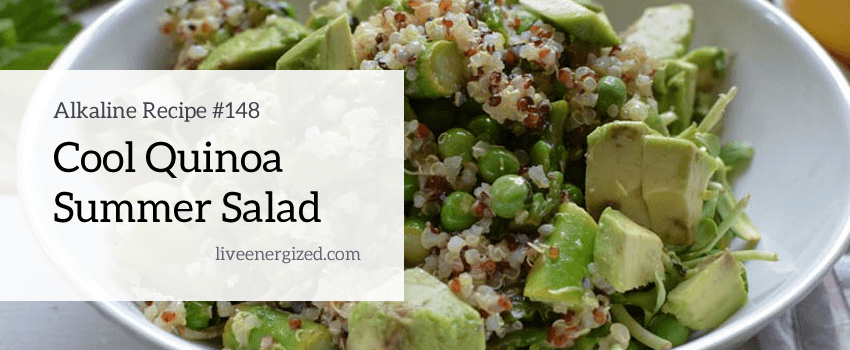
  • Cool Quinoa Summer Salad

    Cool Quinoa Summer Salad

    Recipes › Salads

    Cool Quinoa Summer Salad

    Yes, I have a favourite salad. I love it because it has BIG flavours and a helping of quinoa – my favourite ingredient.

    Prep 15 minCook 20 minServes 212 ingredients
    VeganGluten-freeDairy-freeNut-freeNo added sugar

    Tastes: colourful and fresh, with nutty quinoa, sweet grilled cherry tomatoes, beetroot and carrot spirals, avocado, peas and herbs.

    Cool Quinoa Summer Salad

    Colourful, nutrition-ful and flavourful

    It has grilled cherry tomatoes, spiralised beetroot and carrot, creamy avocado, peas, basil and sage, all on a base of fluffy quinoa.

    For an anti-inflammatory hit, grate in some fresh turmeric (wear gloves, or be comfortable with yellow fingers!), and add some fresh chilli if you like it spicy. I do!

    Why you’ll love it

    • About 15 g fibre a serve.
    • Folate and manganese: about two-thirds of your daily needs.
    • Grilled cherry tomatoes for a smoky sweetness.
    • Colourful enough to impress.

    Good for

    Immunity

    Copper, folate, vitamin C and vitamin B6 contribute to the normal function of the immune system.

    Antioxidants

    Copper, manganese, vitamin C and vitamin E contribute to the protection of cells from oxidative stress. It also contains plant compounds with antioxidant activity, including lutein, beta-carotene and lycopene.

    Energy

    Folate, pantothenic acid, vitamin B6 and magnesium contribute to the reduction of tiredness and fatigue.

    Bones

    Manganese, vitamin K, magnesium and phosphorus contribute to the maintenance of normal bones.

    Eyes

    Vitamin A, riboflavin and zinc contribute to the maintenance of normal vision. It also contains lutein and zeaxanthin, the carotenoids found in the macula of the eye.

    Blood pressure

    Potassium contributes to the maintenance of normal blood pressure.

    Tags use approved nutrient health-claim wording, for nutrients that give at least 10% of the Daily Value per serve. Plant compounds like lutein have no Daily Value, so we only say they’re there.

    Key nutrients per serve

    Copper
    67%Manganese
    65%Vitamin K
    64%Folate
    62%Vitamin C
    47%Vitamin E
    43%

    Contains: pantothenic acid (42%), vitamin B6 (41%), vitamin A (39%), magnesium (36%), thiamin (33%), riboflavin (31%), potassium (28%), niacin (26%), phosphorus (26%), zinc (24%), iron (22%) and calcium (6%).

    Plant compounds: lutein and zeaxanthin (about 1.4 mg), beta-carotene (about 3.6 mg), lycopene (about 3.2 mg), betalains from the beetroot and citrus flavonoids from the lemon.

    12 g protein15 g fibreAbout 10 g natural sugarAbout 95 mg sodium

    % of US Daily Value for adults, per serve (half the recipe). Estimated from USDA FoodData Central values for the ingredients as listed; cooking reduces some vitamins, so treat these as upper estimates. Uses ½ cup quinoa and about 2 tbsp olive oil in total; excludes salt, pepper and the optional turmeric and chilli; anything over 100% shows as 100%+.

    Cool Quinoa Summer Salad

    Quinoa with grilled cherry tomatoes, spiralised beetroot and carrot, avocado, peas, basil and sage in a lemon and olive oil dressing.
    Prep Time 15 minutes
    Cook Time 20 minutes
    Total Time 35 minutes
    Servings: 2

    Ingredients
      

    • 15 cherry tomatoes a small punnet
    • ½ cup quinoa
    • 1 carrot
    • 1 beetroot
    • 1 avocado
    • 1 handful baby peas
    • 1 handful basil
    • 1 good pinch sage leaves
    • 2 tbsp olive oil plus a little for the tomatoes
    • 2 tbsp lemon juice
    • 1 pinch Celtic or Himalayan salt
    • 1 pinch black pepper
    • fresh turmeric and chilli optional

    Equipment

    • Saucepan
    • Spiraliser or grater
    • Grill

    Method
     

    1. Cook the quinoa: use 1 part quinoa to 2 parts water (unless your pack says otherwise), bring to the boil, then simmer gently until the water is absorbed.
    2. Spiralise the carrot and beetroot, or grate them, then press with kitchen paper to remove some of the moisture.
    3. Steam the peas for a few minutes, then set aside.
    4. Slice or dice the avocado and mix it in a large bowl with the quinoa, carrot, beetroot, peas and herbs (roughly chopped or torn).
    5. Halve the tomatoes, drizzle with a little olive oil and grill for about 5 minutes, until they just start to blacken.
    6. Add the tomatoes to the bowl and dress with the olive oil and lemon juice.

    Notes

    The original says 1 part quinoa to 5 parts water; 1 to 2 is right for this method (it’s what the Tabbouleh uses).
    Some versions of this recipe use asparagus instead of beetroot – both are lovely.

    Swaps

    • Asparagus instead of beetroot.
    • More protein: add chickpeas or edamame.
    • Mint instead of sage.

    Storing it

    Best fresh. Cooked quinoa keeps in the fridge for 4 days.

    Good to know

    • High in vitamin K. If you take warfarin or another blood thinner, keep your greens intake steady and talk to your doctor before eating more leafy greens than usual.

    Try next

    SaladGluten-Free TabboulehOpen recipe →
    SaladQuinoa Salad with AvocadoOpen recipe →
    Want more than recipes?

    The Alkaline Life Club has everything in the Recipe Club, plus coaching, live Q&A and a community to keep you going.

    See the Alkaline Life Club

    Sources

    Nutrient values: USDA FoodData Central, SR Legacy (tomatoes 170457, quinoa 168874, carrots 170393, beetroot 169145, avocado 171705, peas 170016, basil 172232, sage 170935, olive oil 171413, lemon juice 167747). Plant compounds are named where the ingredient is a well-documented source; flavonoids follow the USDA Database for the Flavonoid Content of Selected Foods, Release 3.3. Daily Values: US Food and Drug Administration.
  • Mexican Tortilla Soup

    Mexican Tortilla Soup

    Recipes › Soups

    Mexican Tortilla Soup

    A fantastic alkaline recipe that takes no time at all to prepare – great as a warmer in winter, or a refresher in summer.

    Prep 15 minCook 5 minServes 214 ingredients
    VeganDairy-freeNut-freeNo added sugar

    Tastes: bright and zesty, with lime, chilli, creamy avocado and crunchy toasted tortilla strips.

    mexican tortilla soup recipe

    A great way to alkalise, all year round

    This is really easy, a great way to alkalise and perfect all year round. Avocado, spinach, coriander, tomato and corn go into a quick veggie broth, with crispy tortilla strips on top.

    Why you’ll love it

    • Vitamin K: almost twice your daily needs a bowl.
    • About 13 g fibre a bowl.
    • Ready in 20 minutes.
    • Lutein-rich spinach, avocado and coriander.

    Good for

    Immunity

    Vitamin C, folate, copper and vitamin B6 contribute to the normal function of the immune system.

    Antioxidants

    Vitamin C, copper, riboflavin and manganese contribute to the protection of cells from oxidative stress. It also contains plant compounds with antioxidant activity, including lutein, beta-carotene and lycopene.

    Energy

    Folate, vitamin B6, pantothenic acid and riboflavin contribute to the reduction of tiredness and fatigue.

    Bones

    Vitamin K, manganese, magnesium and phosphorus contribute to the maintenance of normal bones.

    Eyes

    Riboflavin, vitamin A and zinc contribute to the maintenance of normal vision. It also contains lutein and zeaxanthin, the carotenoids found in the macula of the eye.

    Blood pressure

    Potassium contributes to the maintenance of normal blood pressure.

    Tags use approved nutrient health-claim wording, for nutrients that give at least 10% of the Daily Value per bowl. Plant compounds like lutein have no Daily Value, so we only say they’re there.

    Key nutrients per bowl

    Vitamin K
    100%+Vitamin C
    97%Folate
    57%Copper
    44%Vitamin B6
    41%Pantothenic acid
    40%

    Contains: thiamin (33%), riboflavin (31%), niacin (31%), vitamin A (30%), manganese (30%), vitamin E (29%), potassium (26%), magnesium (26%), selenium (20%), phosphorus (18%), iron (16%), zinc (16%) and calcium (10%).

    Plant compounds: lutein and zeaxanthin (about 4.5 mg), beta-carotene (about 3.1 mg), lycopene (about 1.5 mg), chlorophyll, sulphur compounds from the garlic, citrus flavonoids from the lime and capsaicin from the cayenne.

    8 g protein13 g fibreAbout 9 g natural sugarAbout 355 mg sodium

    % of US Daily Value for adults, per bowl (half the recipe). Estimated from USDA FoodData Central values for the ingredients as listed; cooking reduces some vitamins, so treat these as upper estimates. Uses low-sodium vegetable stock and a whole wheat tortilla; excludes salt and pepper added to taste; anything over 100% shows as 100%+.

    Mexican Tortilla Soup

    A quick broth with avocado, spinach, corn, tomato, lime and chilli, topped with toasted tortilla strips.
    Prep Time 15 minutes
    Cook Time 5 minutes
    Total Time 20 minutes
    Servings: 2 bowls

    Ingredients
      

    • 500 ml filtered water
    • 2 tsp low-salt vegetable bouillon or 1 yeast-free stock cube
    • 1 ripe avocado peeled and diced
    • ½ red bell pepper (capsicum) diced
    • 1 tomato diced
    • ½ bunch coriander (cilantro) roughly chopped
    • 2 large handfuls spinach washed and roughly chopped
    • 2 cloves garlic finely diced
    • 1 lime juiced
    • 1 corn on the cob about 10 cm, kernels sliced off
    • 1 chilli or jalapeño to taste
    • 1 pinch cayenne pepper
    • black pepper and Himalayan salt to taste
    • 1 sprouted tortilla wrap cut into strips

    Equipment

    • Large pan

    Method
     

    1. Slice the tortilla into strips about 1 cm wide and 5 cm long, and toast lightly under the grill.
    2. Bring the water to the boil in a large pan and dissolve the bouillon to make a veggie broth.
    3. Dice the pepper and tomato, roughly chop the coriander, and peel and dice the avocado. Finely dice the garlic, and slice the chilli to your hotness preference.
    4. Wash and roughly chop the spinach and dry it with a tea towel. Slice the corn kernels off the cob with a sharp knife.
    5. Add everything to the broth and heat through. Serve topped with the tortilla strips and a squeeze of lime.

    Swaps

    • Gluten-free: use a gluten-free or corn tortilla.
    • Heartier: add a can of rinsed black beans.
    • No fresh corn? Use ½ cup frozen corn kernels.

    Storing it

    Best fresh. The broth (without the avocado and tortilla) keeps in the fridge for 2 days.

    Good to know

    • High in vitamin K. If you take warfarin or another blood thinner, keep your greens intake steady and talk to your doctor before eating more leafy greens than usual.
    • Sprouted wraps usually contain wheat. See Swaps for gluten-free.

    Ross’s tip

    You may choose to keep the tomato and chilli to one side and throw them in right at the end so that they stay quite raw – that’s just how I do it.

    Try next

    DinnerMexican Stuffed Sweet PotatoesOpen recipe →
    SoupHug in a Bowl Lentil SoupOpen recipe →
    Want more than recipes?

    The Alkaline Life Club has everything in the Recipe Club, plus coaching, live Q&A and a community to keep you going.

    See the Alkaline Life Club

    Sources

    Nutrient values: USDA FoodData Central, SR Legacy (avocado 171705, red pepper 170108, tomatoes 170457, coriander leaves 169997, spinach 168462, garlic 169230, lime juice 168156, sweet corn 169998, jalapeño 168576, cayenne 170932, whole wheat tortilla 174081). Plant compounds are named where the ingredient is a well-documented source; flavonoids follow the USDA Database for the Flavonoid Content of Selected Foods, Release 3.3. Daily Values: US Food and Drug Administration.
  • Antioxidant Green Smoothie

    Antioxidant Green Smoothie

    Recipes › Juices & smoothies

    Antioxidant Green Smoothie

    A powerhouse green smoothie with kale, spinach, broccoli, tomato, lettuce, avocado and cucumber. Filling, alkalising and simply delicious.

    Prep 5 minServes 2Blender10 ingredients
    VeganGluten-freeDairy-freeNut-freeNo added sugar

    Tastes: fresh, savoury and green, smoothed out by creamy avocado and lemon.

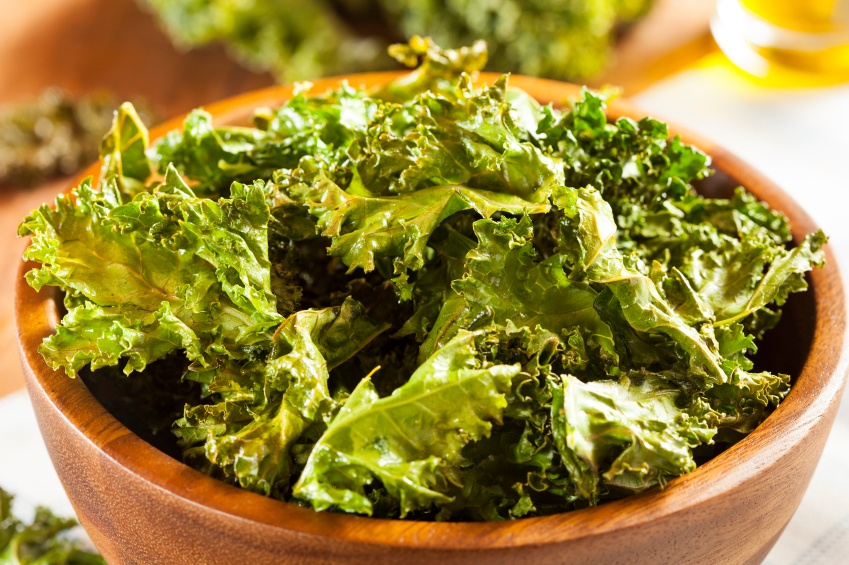
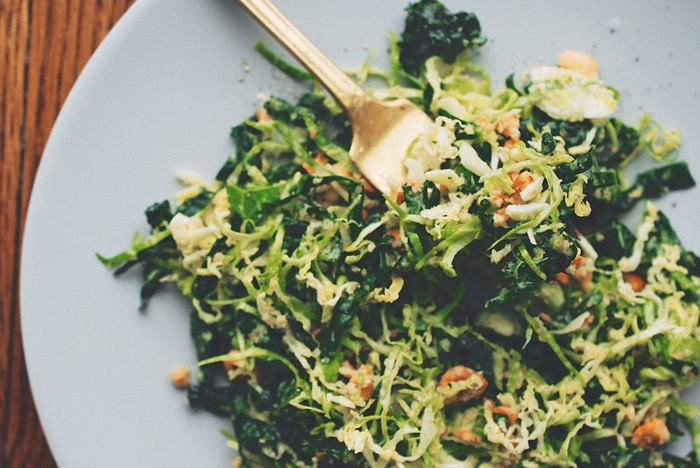
    kale

    This is a POWERHOUSE!

    This is a POWERHOUSE! Full of the most antioxidant-rich green, alkaline foods, it’s filling, alkalising, antioxidant-rich, rich in healthy oils and simply delicious.

    Kale, spinach and broccoli bring vitamins C and K and folate, and the avocado makes it creamy and satisfying.

    Why you’ll love it

    • Vitamin K: about two days’ worth a glass.
    • Vitamin C: nearly a day’s worth.
    • Folate: nearly half your daily needs.
    • Filling enough for breakfast.

    Good for

    Immunity

    Vitamin C, folate, copper and vitamin B6 contribute to the normal function of the immune system.

    Antioxidants

    Vitamin C, copper, manganese and riboflavin contribute to the protection of cells from oxidative stress. It also contains plant compounds with antioxidant activity, including lutein, beta-carotene and lycopene.

    Energy

    Folate, pantothenic acid, vitamin B6 and riboflavin contribute to the reduction of tiredness and fatigue.

    Bones

    Vitamin K, manganese, magnesium and zinc contribute to the maintenance of normal bones.

    Eyes

    Vitamin A, riboflavin and zinc contribute to the maintenance of normal vision. It also contains lutein and zeaxanthin, the carotenoids found in the macula of the eye.

    Blood pressure

    Potassium contributes to the maintenance of normal blood pressure.

    Tags use approved nutrient health-claim wording, for nutrients that give at least 10% of the Daily Value per glass. Plant compounds like lutein have no Daily Value, so we only say they’re there.

    Key nutrients per glass

    Vitamin K
    100%+Vitamin C
    96%Folate
    48%Pantothenic acid
    44%Copper
    33%Manganese
    30%

    Contains: vitamin B6 (29%), vitamin A (25%), potassium (25%), riboflavin (23%), vitamin E (21%), magnesium (20%), niacin (18%), thiamin (17%), iron (13%), zinc (13%), phosphorus (12%) and calcium (9%).

    Plant compounds: lutein and zeaxanthin (about 4.1 mg), beta-carotene (about 2.6 mg), lycopene (about 1.6 mg), chlorophyll, quercetin and kaempferol from the kale, glucosinolates from the broccoli and kale, sulphur compounds from the garlic and citrus flavonoids from the lemon.

    6 g protein11 g fibreAbout 6 g natural sugarAbout 50 mg sodium

    % of US Daily Value for adults, per glass (half the recipe). Estimated from USDA FoodData Central values for the ingredients as listed, so treat these as upper estimates. Uses 1 cup (about 90 g) broccoli florets and romaine for the lettuce; anything over 100% shows as 100%+.

    Antioxidant Green Smoothie

    Kale, spinach, broccoli, tomato, lettuce, avocado, cucumber, garlic and lemon blended with a little water.
    Prep Time 5 minutes
    Total Time 5 minutes
    Servings: 2 glasses

    Ingredients
      

    • 1 handful kale
    • 1 handful spinach
    • 1 cup broccoli florets about 90 g
    • 1 tomato
    • 1 handful lettuce
    • 1 avocado
    • 1 cucumber
    • ½ garlic clove
    • juice of ½ lemon
    • water a little, to get the texture you like

    Equipment

    • Blender

    Method
     

    1. Blend the avocado, cucumber and lemon juice to a mushy paste.
    2. Add the other ingredients and blend until smooth.
    3. Blend in a little ice if you like it chilled, or a little chilli if you like it HOT HOT HOT!

    Swaps

    • Sweeter: add some red pepper (capsicum), or a little fruit if you’re just starting out.
    • Chilled: blend in some ice.
    • Hot: add a little chilli.

    Storing it

    Best fresh.

    Good to know

    • High in vitamin K. If you take warfarin or another blood thinner, keep your greens intake steady and talk to your doctor before making green smoothies a daily habit.

    Ross’s tip

    I like to have it after a workout or for breakfast, and it keeps me going for ages.

    Try next

    Juices & smoothiesAlkaline Avocado Power ShakeOpen recipe →
    Juices & smoothiesSweet & Chunky Alkaline ShakeOpen recipe →
    Want more than recipes?

    The Alkaline Life Club has everything in the Recipe Club, plus coaching, live Q&A and a community to keep you going.

    See the Alkaline Life Club

    Sources

    Nutrient values: USDA FoodData Central, SR Legacy (kale 168421, baby spinach 168462, broccoli 170379, tomatoes 170457, romaine lettuce 169247, avocado 171705, cucumber 168409, garlic 169230, lemon juice 167747). Plant compounds are named where the ingredient is a well-documented source; flavonoids follow the USDA Database for the Flavonoid Content of Selected Foods, Release 3.3. Daily Values: US Food and Drug Administration.
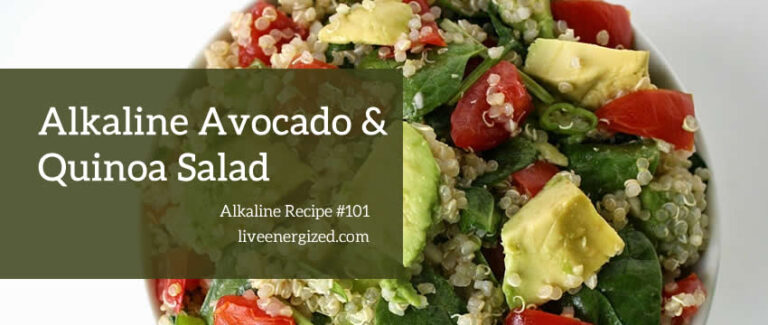
  • Antioxidant Super Meal

    Antioxidant Super Meal

    Recipes › Dinner

    Antioxidant Super Meal

    Delicious, filling and SO vibrant and colourful – and it takes about 10 minutes to make. Brilliant!

    Prep 10 minCook 5 minServes 213 ingredients
    VeganGluten-freeDairy-freeNut-freeNo added sugar

    Tastes: fresh, crunchy and zingy, with lime, coriander and warm buckwheat noodles.

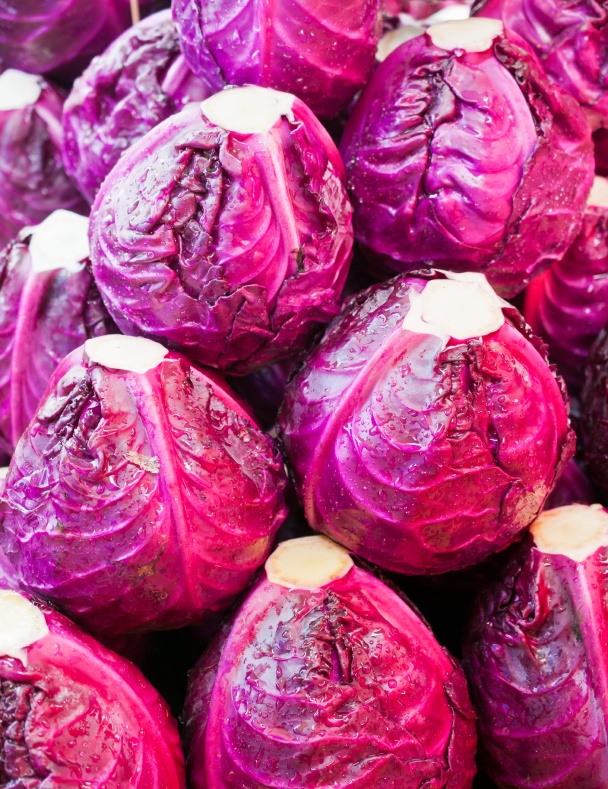
    cabbage

    Antioxidant heaven

    To help you on your way to antioxidant heaven, here is our alkaline Antioxidant Super Meal.

    It’s a fantastic meal because it’s 90% raw, but the noodles give it warmth and some satisfying substance.

    Why you’ll love it

    • 90% raw, with warm noodles for substance.
    • Vitamin C: almost two day’s worth a serve.
    • Vitamin K: three times your daily needs.
    • About 16 g plant protein from the soba, broccoli and greens.

    Good for

    Immunity

    Vitamin C, vitamin A, folate and vitamin B6 contribute to the normal function of the immune system.

    Antioxidants

    Vitamin C, manganese, copper and riboflavin contribute to the protection of cells from oxidative stress. It also contains plant compounds with antioxidant activity, including lutein, beta-carotene and lycopene.

    Energy

    Folate, vitamin B6, magnesium and pantothenic acid contribute to the reduction of tiredness and fatigue.

    Muscles

    Protein contributes to the maintenance of muscle mass, and magnesium, potassium and calcium contribute to normal muscle function.

    Bones

    Vitamin K, manganese, magnesium and phosphorus contribute to the maintenance of normal bones.

    Eyes

    Vitamin A, riboflavin and zinc contribute to the maintenance of normal vision. It also contains lutein and zeaxanthin, the carotenoids found in the macula of the eye.

    Blood pressure

    Potassium contributes to the maintenance of normal blood pressure.

    Tags use approved nutrient health-claim wording, for nutrients that give at least 10% of the Daily Value per serve. Plant compounds like lutein have no Daily Value, so we only say they’re there.

    Key nutrients per serve

    Vitamin K
    100%+Vitamin C
    100%+Manganese
    78%Vitamin A
    63%Folate
    57%Vitamin B6
    47%

    Contains: copper (44%), thiamin (42%), magnesium (36%), pantothenic acid (34%), potassium (32%), riboflavin (31%), niacin (29%), iron (29%), phosphorus (26%), zinc (21%), vitamin E (17%) and calcium (15%).

    Plant compounds: lutein and zeaxanthin (about 5.7 mg), beta-carotene (about 6.1 mg), lycopene (about 3.2 mg), chlorophyll, quercetin from the onion, glucosinolates from the broccoli and cabbage, anthocyanins from the cabbage and citrus flavonoids from the lime.

    16 g protein9 g fibreAbout 15 g natural sugarAbout 620 mg sodium

    % of US Daily Value for adults, per serve (half the recipe). Estimated from USDA FoodData Central values for the ingredients as listed; cooking reduces some vitamins, so treat these as upper estimates. Uses 100 g dry soba noodles (no-salt buckwheat) and 1 tbsp tamari; excludes alfalfa sprouts; anything over 100% shows as 100%+.

    Antioxidant Super Meal

    A vibrant, mostly raw salad of red cabbage, spinach and crunchy veg tossed with soba noodles, lime and coriander.
    Prep Time 10 minutes
    Cook Time 5 minutes
    Total Time 15 minutes
    Servings: 2

    Ingredients
      

    • ¼ red cabbage thinly sliced
    • 2 handfuls baby spinach
    • 2 vine-ripened tomatoes sliced
    • ½ red onion diced
    • 4 spring onions thinly sliced
    • ½ cucumber cut into thin matchsticks
    • 1 carrot cut into matchsticks or spiralised
    • ½ head broccoli chopped small
    • 1 handful beansprouts
    • 100 g soba noodles (100% buckwheat) or gluten-free noodles
    • 1 handful coriander (cilantro) leaves
    • juice of 1 lime
    • 1 tbsp Bragg Liquid Aminos or tamari
    • 1 handful alfalfa sprouts optional

    Equipment

    • Large salad bowl

    Method
     

    1. Tear the coriander and squeeze the lime juice over it to marinate a little.
    2. Slice all the veg as listed.
    3. Cook the noodles following the packet instructions (they don’t take long), then drain.
    4. Mix everything together in a big salad bowl with the Bragg or tamari, and eat!

    Swaps

    • Bragg or tamari? It’s up to you. I go for Bragg or tamari rather than soy sauce, which is acid-forming and often contains gluten.
    • Make it heartier: add some cubed tofu or edamame.
    • Any crunchy veg works – snow peas, bell pepper or radish.

    Storing it

    Best eaten fresh. Leftovers keep in the fridge for a day; add the dressing just before eating.

    Good to know

    • High in vitamin K. If you take warfarin or another blood thinner, keep your greens intake steady and talk to your doctor before eating more leafy greens than usual.
    • Tamari: choose one labelled gluten-free if you’re coeliac.
    • Soba noodles: many contain wheat – choose 100% buckwheat if you’re avoiding gluten.

    Try next

    DinnerUltra-Creamy Buckwheat RamenOpen recipe →
    DinnerRaw Pad Thai with Zucchini NoodlesOpen recipe →
    Want more than recipes?

    The Alkaline Life Club has everything in the Recipe Club, plus coaching, live Q&A and a community to keep you going.

    See the Alkaline Life Club

    Sources

    Nutrient values: USDA FoodData Central, SR Legacy (red cabbage 169977, spinach 168462, tomatoes 170457, onion 170000, spring onions 170005, cucumber 168409, carrot 170393, broccoli 170379, bean sprouts 169957, coriander leaves 169997, lime juice 168156, tamari 174278; typical values for soba noodles with no added salt (USDA soba values, sodium removed)). Plant compounds are named where the ingredient is a well-documented source; flavonoids follow the USDA Database for the Flavonoid Content of Selected Foods, Release 3.3. Daily Values: US Food and Drug Administration.
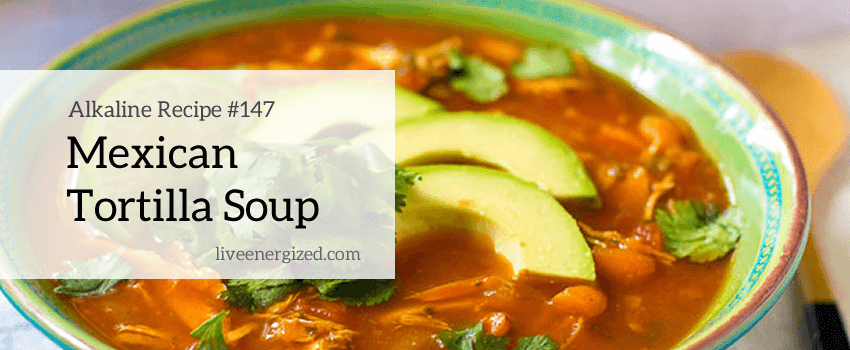
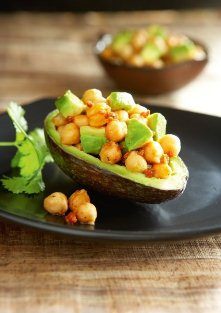
  • Chickpea & Avocado Mash

    Chickpea & Avocado Mash

    Recipes › Snacks

    Chickpea & Avocado Mash

    Creamy avocado mashed with chickpeas, cumin and a drizzle of flax oil, leaving some chickpeas whole. A filling snack that’s even more perfect than perfect.

    Prep 5 minServes 25 ingredients
    VeganGluten-freeDairy-freeNut-freeNo added sugar

    Tastes: creamy and chunky, with a warm hint of cumin.

    Even more perfect than perfect

    Avocado is one of the most delicious foods there is – so how do you make it even better? Combine it with chickpeas to get an extra hit of fibre and protein, and voilà: this snack is even more perfect than perfect!

    I know you often ask me for snack recipes, and this is a great one! Enjoy it with veggie sticks, crackers or sprouted bread, or with your salads for the perfect (filling) snack.

    Why you’ll love it

    • Fibre: about half your daily needs a serve.
    • 10 g plant protein from the chickpeas.
    • Copper and manganese: about half your daily needs each.
    • Five minutes, one bowl.

    Good for

    Immunity

    Copper, folate, vitamin B6 and zinc contribute to the normal function of the immune system.

    Antioxidants

    Copper, manganese, vitamin E and zinc contribute to the protection of cells from oxidative stress. It also contains plant compounds with antioxidant activity, including lignans.

    Energy

    Folate, pantothenic acid, vitamin B6 and magnesium contribute to the reduction of tiredness and fatigue.

    Muscles

    Protein contributes to the maintenance of muscle mass, and magnesium and potassium contribute to normal muscle function.

    Bones

    Manganese, vitamin K, magnesium and zinc contribute to the maintenance of normal bones.

    Eyes

    Zinc contributes to the maintenance of normal vision.

    Blood pressure

    Potassium contributes to the maintenance of normal blood pressure.

    Tags use approved nutrient health-claim wording, for nutrients that give at least 10% of the Daily Value per serve. Plant compounds like these have no Daily Value, so we only say they’re there.

    Key nutrients per serve

    Copper
    56%Manganese
    48%Folate
    33%Pantothenic acid
    28%Vitamin B6
    24%Vitamin K
    21%

    Contains: vitamin E (16%), magnesium (14%), potassium (13%), zinc (13%), niacin (12%), phosphorus (12%), vitamin C (11%), iron (11%) and calcium (5%).

    Plant compounds: plant omega-3 ALA (about 1.5 g) and lignans from the flaxseed.

    11 g protein14 g fibreAbout 6 g natural sugarAbout 260 mg sodium

    % of US Daily Value for adults, per serve (half the recipe). Estimated from USDA FoodData Central values for the ingredients as listed, so treat these as upper estimates. Uses salted canned chickpeas; excludes salt, pepper and the optional herbs; anything over 100% shows as 100%+.

    Chickpea & Avocado Mash

    Chickpeas and avocado mashed together with cumin and herbs, leaving some chickpeas whole, then drizzled with flaxseed oil.
    Prep Time 5 minutes
    Total Time 5 minutes
    Servings: 2

    Ingredients
      

    • 1 can chickpeas 400 g, drained and rinsed
    • 1 ripe avocado
    • Himalayan salt and cracked black pepper
    • 1 tsp flaxseed oil to drizzle
    • pinch of ground cumin
    • coriander, basil or parsley optional
    • paprika optional, to dust

    Equipment

    • Bowl
    • Potato masher or fork

    Method
     

    1. In a bowl, mix the chickpeas, avocado chunks, salt, pepper, cumin and any herbs.
    2. Mash with a potato masher or large fork, leaving some chickpeas whole.
    3. Drizzle with the flax oil, add a dusting of paprika if you like it fancy, and serve!

    Swaps

    • Zesty: add a squeeze of lemon or lime.
    • Spicy: add chilli flakes.
    • Butter beans work instead of chickpeas.

    Storing it

    Best fresh – the avocado browns as it sits.

    Ross’s tip

    I also love to put this in my veggie and salad wraps – it gives them more substance.

    Try next

    LunchKale & Chickpea MashOpen recipe →
    SaucesBaby Pea & Broad Bean SpreadOpen recipe →
    Want more than recipes?

    The Alkaline Life Club has everything in the Recipe Club, plus coaching, live Q&A and a community to keep you going.

    See the Alkaline Life Club

    Sources

    Nutrient values: USDA FoodData Central, SR Legacy (canned chickpeas 173801, avocado 171705, flaxseed oil 167702, cumin 170923). Plant compounds are named where the ingredient is a well-documented source; flavonoids follow the USDA Database for the Flavonoid Content of Selected Foods, Release 3.3. Daily Values: US Food and Drug Administration.
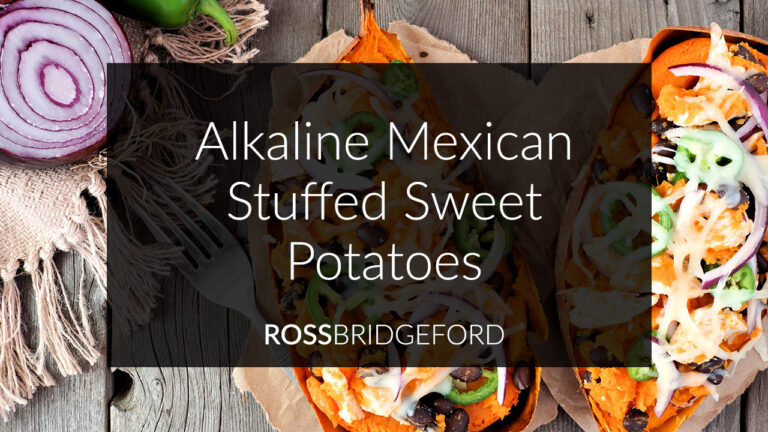
  • Raw Sweet Potato Pasta with Almond & Sun-Dried Tomato Sauce

    Raw Sweet Potato Pasta with Almond & Sun-Dried Tomato Sauce

    Recipes › Dinner

    Raw Sweet Potato Pasta with Almond & Sun-Dried Tomato Sauce

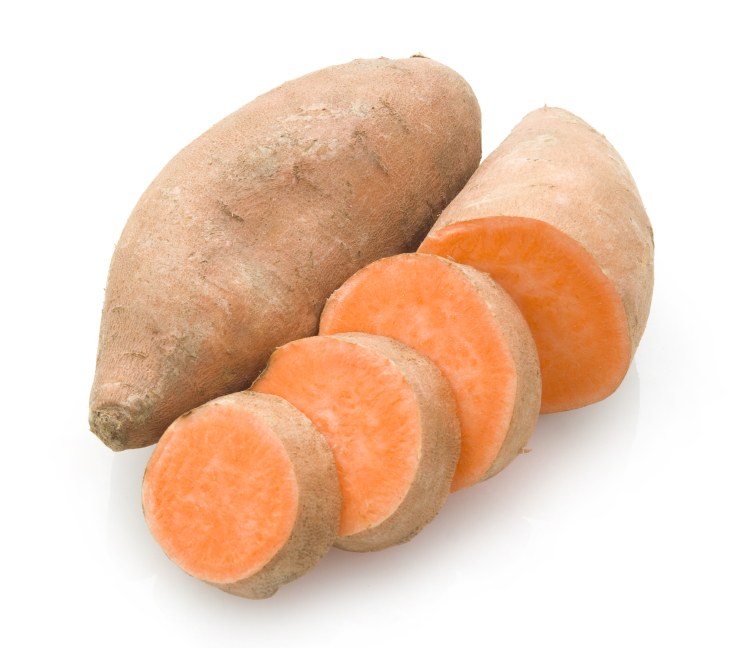
    Sweet potatoes. Yum. Delicious, full of antioxidants and anti-inflammatories, and a great source of vitamin A, vitamin C, manganese and fibre.

    Prep 20 minServes 211 ingredients
    VeganGluten-freeDairy-freeNo added sugar

    Tastes: tangy and creamy, with sweet tomato, almonds, herbs and a little chilli on fresh sweet potato noodles.

    sweet potato

    More alkalising than white potatoes

    While sweet potatoes aren’t the most alkaline of vegetables, they’re certainly more alkalising than normal white potatoes – and you know what? They’re delicious.

    It’s important to have a little healthy fat with sweet potato, as it helps your body absorb the beta-carotene, so this has a drizzle of olive or flax oil at the end.

    Why you’ll love it

    • Vitamin A: a full day’s worth a serve, from the beta-carotene.
    • No cooking – just shred, blend and serve.
    • Lycopene from the fresh and sun-dried tomatoes.
    • A creamy almond sauce that comes together in the blender.

    Good for

    Immunity

    Vitamin A, copper, vitamin B6 and vitamin C contribute to the normal function of the immune system.

    Antioxidants

    Copper, vitamin E, manganese and riboflavin contribute to the protection of cells from oxidative stress. It also contains plant compounds with antioxidant activity, including beta-carotene, lycopene and flavonoids.

    Energy

    Pantothenic acid, vitamin B6, magnesium and riboflavin contribute to the reduction of tiredness and fatigue.

    Bones

    Manganese, magnesium, phosphorus and vitamin K contribute to the maintenance of normal bones.

    Eyes

    Vitamin A, riboflavin and zinc contribute to the maintenance of normal vision.

    Blood pressure

    Potassium contributes to the maintenance of normal blood pressure.

    Tags use approved nutrient health-claim wording, for nutrients that give at least 10% of the Daily Value per serve. Plant compounds like these have no Daily Value, so we only say they’re there.

    Key nutrients per serve

    Vitamin A
    100%+Copper
    56%Vitamin E
    40%Manganese
    39%Pantothenic acid
    26%Vitamin B6
    24%

    Contains: magnesium (24%), riboflavin (23%), potassium (20%), vitamin C (17%), thiamin (17%), niacin (15%), phosphorus (15%), iron (13%), vitamin K (12%), zinc (11%) and calcium (8%).

    Plant compounds: beta-carotene (about 11 mg), lycopene (about 4.8 mg) and citrus flavonoids from the lemon.

    7 g protein8 g fibreAbout 10 g natural sugarAbout 660 mg sodium

    % of US Daily Value for adults, per serve (half the recipe). Estimated from USDA FoodData Central values for the ingredients as listed, so treat these as upper estimates. Includes the ½ tsp salt; uses dry-pack sun-dried tomatoes; anything over 100% shows as 100%+.

    Raw Sweet Potato Pasta with Almond & Sun-Dried Tomato Sauce

    Raw sweet potato noodles with a creamy almond, tomato and sun-dried tomato sauce.
    Prep Time 20 minutes
    Total Time 20 minutes
    Servings: 2

    Ingredients
      

    • 1 medium-large sweet potato
    • 2 Roma tomatoes
    • ¼ cup raw almonds soaked for 2–4 hours or overnight
    • 7 sun-dried tomato halves
    • 1 tsp lemon juice
    • 1 tsp olive or flax oil plus a drizzle to serve
    • ½ tsp dried oregano
    • ½ tsp dried basil
    • ½ tsp salt
    • 1 dash red pepper flakes
    • water to blend

    Equipment

    • Spiraliser or grater
    • Blender or food processor

    Method
     

    1. Put the sun-dried tomatoes in warm (not hot) water to start softening, and set aside.
    2. Make the pasta: peel the sweet potato (or leave the skin on, it’s up to you), then shred it into long strips with a spiraliser or the small side of a shredder. No spiraliser or shredder? Use the thick side of a cheese grater. Set aside.
    3. Dry the soaked almonds and blend them in a blender or food processor to a flour-like consistency. Add the lemon juice, oil and seasonings and blend, adding a splash of water as needed.
    4. Chop the Roma and sun-dried tomatoes, add them to the sauce base and blend into a thick, creamy sauce.
    5. Divide the sweet potato noodles between two plates and top with the sauce. Garnish with extra red pepper flakes if you like, and finish with a drizzle of oil.

    Swaps

    • Not ready for raw? Roast the sweet potato and either add it at the end or blend it into the sauce, then serve on buckwheat pasta.
    • Nut-free: use sunflower seeds instead of almonds.
    • Less salt: sun-dried tomatoes are salty, so start with ¼ tsp salt and taste.

    Storing it

    Best fresh. The sauce keeps in the fridge for 3 days.

    Good to know

    • Contains almonds. See Swaps for a nut-free sauce.

    Try next

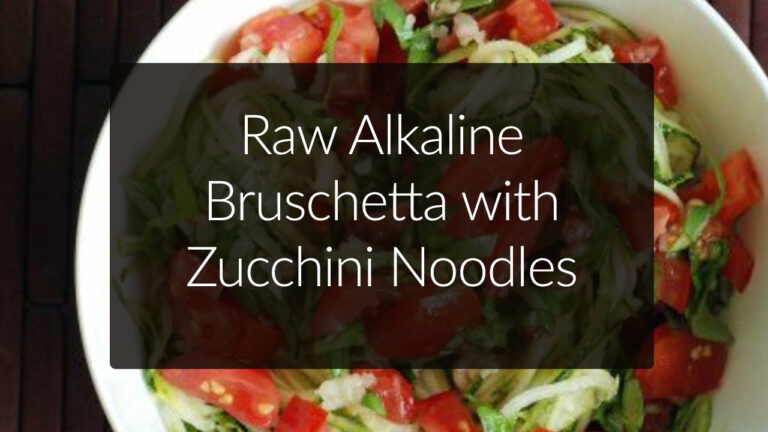
    DinnerRaw Zoodles with Fresh Bruschetta ToppingOpen recipe →
    DinnerRaw Pad Thai with Zucchini NoodlesOpen recipe →
    Want more than recipes?

    The Alkaline Life Club has everything in the Recipe Club, plus coaching, live Q&A and a community to keep you going.

    See the Alkaline Life Club

    Sources

    Nutrient values: USDA FoodData Central, SR Legacy (sweet potato 168482, tomatoes 170457, almonds 170567, sun-dried tomatoes 168567, lemon juice 167747, olive oil 171413, oregano 171328, salt 173468). Plant compounds are named where the ingredient is a well-documented source; flavonoids follow the USDA Database for the Flavonoid Content of Selected Foods, Release 3.3. Daily Values: US Food and Drug Administration.
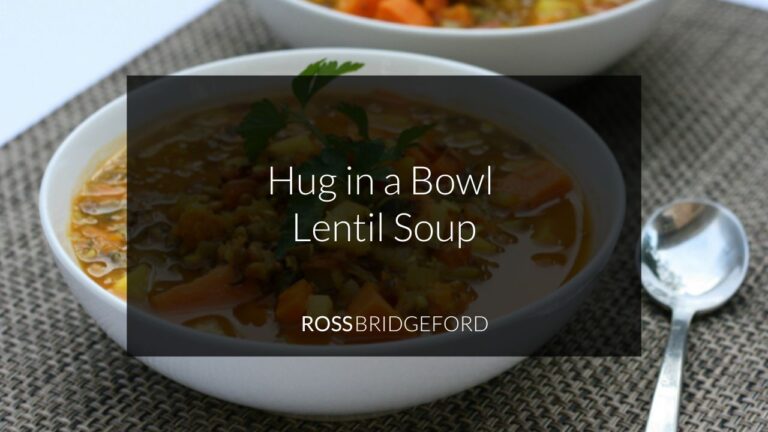
  • Alkaline Recipe Ideas

    Alkaline Recipe Ideas

    It always frustrates me when I see people struggling with the alkaline diet because I know that most people have been led to believe it is harder than it really is, and that you have to try and be perfect right from day one.

    [NINE Alkaline Recipe Ideas Below!]

    If you’ve read many of my articles/guides you’ll know I don’t believe that this is true and that going slowly, transitioning gently and building up is THE only, sustainable way to get alkaline and stay alkaline. And I really want this blog post to help get you started and keep you on track.

    Alkaline Recipe Ideas – A Daily Plan

    So I’ve been doing this whole alkaline thing for about 8 years (not always perfect of course, it took me AGES to get it sorted and even now I have the occasional blow out*) and the #1 question or hurdle most people face is that they simply don’t know what to cook when it gets to meal time (or when their stomach rumbles).

    In this resource I want to give you 3 sets of Alkaline Recipe Ideas: a Beginner, an Intermediate and on the request of Chris Masiello, an Advanced (or 100% alkaline) meal plan.

    The idea of this is to give you some ideas, and if you ever get stuck you can just wheel this out 🙂

    get the alkaline recipe book here

    Alkaline Recipe Ideas: Beginner

    These are some nutritious meals, but are not necessarily 80-100% alkaline, they’re probably more in the 50-70% range. I’ve compromised on the alkalinity a little to make way for convenience and taste, so that the meals are more like ‘normal’ meals. These are handy alkaline recipes for those trying to convert their husband/wife/partner/kids/housemate 🙂

    Breakfast: Quinoa & Apple Warmer
    Lunch: Alkaline Fajitas
    Dinner: Alkaline Vegetable Curry

    Alkaline Recipe Ideas: Intermediate

    Breakfast: Alkaline Oats
    Lunch: Tomato & Avocado Quinoa Salad
    Dinner: Alkaline Chilli-Lime Steam Fry

    Alkaline Recipe Ideas: Advanced

    Breakfast: Alkaline Raw Smoothie
    Lunch: Alkaline Green Soup
    Dinner: Fill You Up Alkaline Salad

    Eating Alkaline Is Easy With the Right Recipes…

    So I really hope this helps get you going on your way.

    Believe me it took me a long time to get really going in the kitchen, but once I realised how to work around ingredients and make ‘normal’ meals alkaline it soon became a breeze.

    Until then – enjoy these alkaline recipe ideas and let’s get energized!
    Ross

    next guide: alkaline snacks

  • Alkaline Recipe Video #2: Raw Alkaline Red Pepper Sauce

    Alkaline Recipe Video #2: Raw Alkaline Red Pepper Sauce

    Hi guys

    In this second Alkaline Recipe Video, new Energise contributor, Chef Sal shows us how to make his delicious raw alkaline Red Pepper Sauce – which is the finishing touch to last week’s recipe Alkaline Zucchini Wheels with Pesto.

    It also can be prepared separately, as a soup or garnish for another dish.

    Leave a comment below if you have a question – either myself of Sal will answer all of them!

    And if you like this – LIKE Live Energized on FaceBook – more recipes and special resources will be posted there!

    Ross

    p.s. note: the use of Miso here is purely as a flavour, as you know my belief is that Miso (being fermented) is not especially alkaline and if you want to substitute you can use Bragg or any other herb/flavouring you like – or you can simply remove it.

    No dehydrator?

    Note: in case you don’t have a dehydrator, Chef Sal recommends:

    1. Probably the best way is to quickly flash saute them in a pan on a stove or a hot plate. You can flavor the zucchini strips in the oil and seasonings before you put them into the pan. Just lay them in a medium-high heated pan for about 10 seconds, turn them over for another 10 seconds and remove.

    2. Or–blanch quickly in boiling water to make zucchini strips pliable, then IMMEDIATELY put into ice water to shock to prevent further cooking. Dry them. Only problem here is that the zucchini has no taste, so you have to flavor them by putting them in a mixture of oil, garlic powder and sea salt. Let them absorb the flavoring for a bit. Pat them dry before moving on to the next step.

    3. Another way–but not the best–is to put them into the oven at the LOWEST setting that the oven will allow (dehydrator is from 105 to 110 degrs. … my oven will go down only to 170 degrs…) and watch the timing to get the zucchini strips to aldente… no more. You can’t leave the strips in the oven very long. With this method you can also season ahead of time.

    However, you will lose a major portion of the enzymes with any of these methods.

    I noticed you specifically asked about the zucchini… these methods may be the same for other items as well, but we’ll have to figure it out. It really is the matter of enzyme retention that we’re talking about.

    Of course, the recipe still works with a completely cooked zucchini strip for those that prefer them cooked!

    Alkaline Diet Recipe Book Banner