Raw Sweet Potato Pasta with Almond & Sun-Dried Tomato Sauce
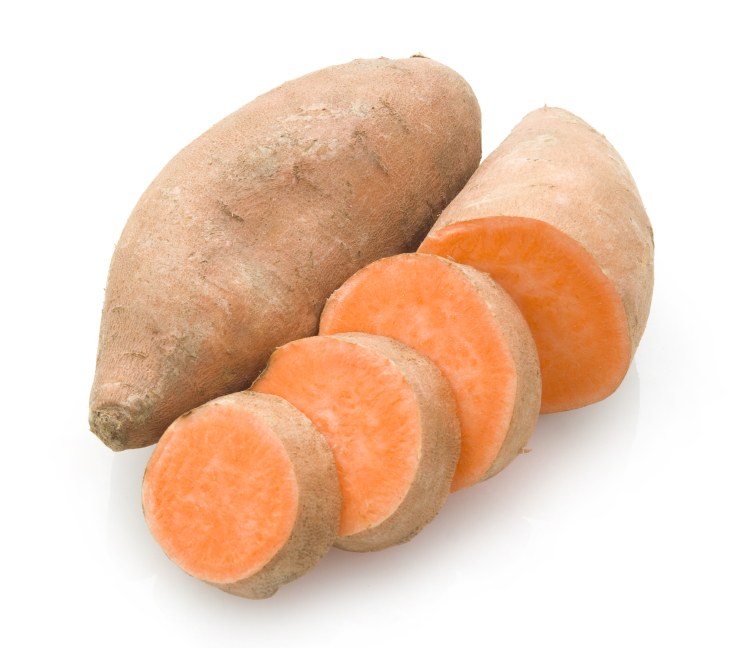
Sweet potatoes. Yum. Delicious, full of antioxidants and anti-inflammatories, and a great source of vitamin A, vitamin C, manganese and fibre.
Tastes: tangy and creamy, with sweet tomato, almonds, herbs and a little chilli on fresh sweet potato noodles.
More alkalising than white potatoes
While sweet potatoes aren’t the most alkaline of vegetables, they’re certainly more alkalising than normal white potatoes – and you know what? They’re delicious.
It’s important to have a little healthy fat with sweet potato, as it helps your body absorb the beta-carotene, so this has a drizzle of olive or flax oil at the end.
Why you’ll love it
- Vitamin A: a full day’s worth a serve, from the beta-carotene.
- No cooking – just shred, blend and serve.
- Lycopene from the fresh and sun-dried tomatoes.
- A creamy almond sauce that comes together in the blender.
Good for
Vitamin A, copper, vitamin B6 and vitamin C contribute to the normal function of the immune system.
Copper, vitamin E, manganese and riboflavin contribute to the protection of cells from oxidative stress. It also contains plant compounds with antioxidant activity, including beta-carotene, lycopene and flavonoids.
Pantothenic acid, vitamin B6, magnesium and riboflavin contribute to the reduction of tiredness and fatigue.
Manganese, magnesium, phosphorus and vitamin K contribute to the maintenance of normal bones.
Vitamin A, riboflavin and zinc contribute to the maintenance of normal vision.
Potassium contributes to the maintenance of normal blood pressure.
Tags use approved nutrient health-claim wording, for nutrients that give at least 10% of the Daily Value per serve. Plant compounds like these have no Daily Value, so we only say they’re there.
Key nutrients per serve
Contains: magnesium (24%), riboflavin (23%), potassium (20%), vitamin C (17%), thiamin (17%), niacin (15%), phosphorus (15%), iron (13%), vitamin K (12%), zinc (11%) and calcium (8%).
Plant compounds: beta-carotene (about 11 mg), lycopene (about 4.8 mg) and citrus flavonoids from the lemon.
% of US Daily Value for adults, per serve (half the recipe). Estimated from USDA FoodData Central values for the ingredients as listed, so treat these as upper estimates. Includes the ½ tsp salt; uses dry-pack sun-dried tomatoes; anything over 100% shows as 100%+.
Raw Sweet Potato Pasta with Almond & Sun-Dried Tomato Sauce
Ingredients
Equipment
Method
- Put the sun-dried tomatoes in warm (not hot) water to start softening, and set aside.
- Make the pasta: peel the sweet potato (or leave the skin on, it’s up to you), then shred it into long strips with a spiraliser or the small side of a shredder. No spiraliser or shredder? Use the thick side of a cheese grater. Set aside.
- Dry the soaked almonds and blend them in a blender or food processor to a flour-like consistency. Add the lemon juice, oil and seasonings and blend, adding a splash of water as needed.
- Chop the Roma and sun-dried tomatoes, add them to the sauce base and blend into a thick, creamy sauce.
- Divide the sweet potato noodles between two plates and top with the sauce. Garnish with extra red pepper flakes if you like, and finish with a drizzle of oil.
Swaps
- Not ready for raw? Roast the sweet potato and either add it at the end or blend it into the sauce, then serve on buckwheat pasta.
- Nut-free: use sunflower seeds instead of almonds.
- Less salt: sun-dried tomatoes are salty, so start with ¼ tsp salt and taste.
Storing it
Best fresh. The sauce keeps in the fridge for 3 days.
Good to know
- Contains almonds. See Swaps for a nut-free sauce.
Try next
The Alkaline Life Club has everything in the Recipe Club, plus coaching, live Q&A and a community to keep you going.
See the Alkaline Life ClubSources
Nutrient values: USDA FoodData Central, SR Legacy (sweet potato 168482, tomatoes 170457, almonds 170567, sun-dried tomatoes 168567, lemon juice 167747, olive oil 171413, oregano 171328, salt 173468). Plant compounds are named where the ingredient is a well-documented source; flavonoids follow the USDA Database for the Flavonoid Content of Selected Foods, Release 3.3. Daily Values: US Food and Drug Administration.