Tag: onions

  • Chilli Spring Greens

    Chilli Spring Greens

    Recipes › Dinner

    Chilli Spring Greens

    A fabulous and highly alkalising recipe with spring greens and chilli – lovely and crunchy, with a slight kick.

    Prep 10 minCook 20 minServes 28 ingredients
    VeganGluten-freeDairy-freeNut-freeNo added sugar

    Tastes: fresh and lemony, with soft-crunchy greens, sweet onion and a chilli kick.
    antioxidant

    Don’t leave the spring greens out

    Spring greens are often left out in the kitchen, because a lot of us don’t really know what to do with them. This is a real shame, as they’re packed with nutrients, highly alkalising and very versatile – you can steam, fry or even mash them.

    They’re particularly rich in folate, vitamin C and fibre. You can eat this as a side dish, or serve it with brown basmati rice as a light main.

    Why you’ll love it

    • Vitamin K: about nine times your daily needs.
    • Folate and vitamin C: almost a full day’s worth of folate and more than a day’s vitamin C.
    • Calcium: almost half your daily needs.
    • Light and quick, as a side or a light main.

    Good for

    Immunity

    Vitamin C, folate, vitamin A and vitamin B6 contribute to the normal function of the immune system.

    Antioxidants

    Vitamin C, manganese, vitamin E and riboflavin contribute to the protection of cells from oxidative stress. It also contains plant compounds with antioxidant activity, including lutein, beta-carotene and quercetin.

    Energy

    Folate, vitamin B6, riboflavin and magnesium contribute to the reduction of tiredness and fatigue.

    Muscles

    Protein contributes to the maintenance of muscle mass, and calcium, magnesium and potassium contribute to normal muscle function.

    Bones

    Vitamin K, manganese, calcium and magnesium contribute to the maintenance of normal bones.

    Eyes

    Vitamin A and riboflavin contribute to the maintenance of normal vision. It also contains lutein and zeaxanthin, the carotenoids found in the macula of the eye.

    Blood pressure

    Potassium contributes to the maintenance of normal blood pressure.

    Tags use approved nutrient health-claim wording, for nutrients that give at least 10% of the Daily Value per serve. Plant compounds like lutein have no Daily Value, so we only say they’re there.

    Key nutrients per serve

    Vitamin K
    100%+Vitamin C
    100%+Folate
    86%Manganese
    78%Vitamin A
    70%Vitamin E
    54%

    Contains: calcium (47%), vitamin B6 (35%), riboflavin (31%), copper (22%), magnesium (19%), thiamin (17%), pantothenic acid (16%), potassium (15%) and niacin (13%).

    Plant compounds: lutein and zeaxanthin (about 11 mg), beta-carotene (about 7.5 mg), plant omega-3 ALA (about 1.5 g), chlorophyll, quercetin from the onion, sulphur compounds from the garlic, citrus flavonoids from the lemon and capsaicin from the chilli.

    9 g protein12 g fibreAbout 6 g natural sugarAbout 75 mg sodium

    % of US Daily Value for adults, per serve (half the recipe). Estimated from USDA FoodData Central values for the ingredients as listed; cooking reduces some vitamins, so treat these as upper estimates. Spring greens use collard greens values; excludes rice and salt and pepper; anything over 100% shows as 100%+.

    Chilli Spring Greens

    Finely chopped spring greens steamed in stock, then tossed with fried onion, garlic, chilli and lemon.
    Prep Time 10 minutes
    Cook Time 20 minutes
    Total Time 30 minutes
    Servings: 2

    Ingredients
      

    • 500 g spring greens finely chopped
    • 2 tbsp grapeseed or rapeseed oil
    • 6 tbsp water or yeast-free vegetable stock
    • 1–2 cloves garlic finely chopped
    • 1 large onion thinly sliced (or 2 medium)
    • 1 fresh red chilli deseeded and finely sliced
    • juice of 1 lemon
    • Himalayan or Celtic sea salt and black pepper to taste
    • brown basmati rice optional, to serve

    Equipment

    • 2 large frying pans, 1 with a lid

    Method
     

    1. Cook the spring greens in the stock or water in a large covered frying pan over a medium heat for about 10 minutes.
    2. In another frying pan, heat the oil over a medium heat and gently fry the onion, garlic and chilli for 3–4 minutes.
    3. Add these to the greens, then cover and steam for about 10 minutes.
    4. Season with salt and pepper, add the lemon juice and serve.

    Notes

    As a side dish, this serves 4.

    Swaps

    • No spring greens? Use collard greens, cavolo nero, kale or savoy cabbage.
    • Make it a meal: add a can of rinsed cannellini beans with the onion.
    • Less heat: use half a chilli.

    Storing it

    Keeps in the fridge for 2 days.

    Good to know

    • High in vitamin K. If you take warfarin or another blood thinner, keep your greens intake steady and talk to your doctor before eating more leafy greens than usual.

    Try next

    DinnerSquash, Leafy Greens & Ginger Stir-FryOpen recipe →
    DinnerBraised Fennel with Brown Basmati RiceOpen recipe →
    Want more than recipes?

    The Alkaline Life Club has everything in the Recipe Club, plus coaching, live Q&A and a community to keep you going.

    See the Alkaline Life Club

    Sources

    Nutrient values: USDA FoodData Central, SR Legacy (collard greens 170406, canola oil 172336, garlic 169230, onion 170000, red chilli 170106, lemon juice 167747). Plant compounds are named where the ingredient is a well-documented source; flavonoids follow the USDA Database for the Flavonoid Content of Selected Foods, Release 3.3. Daily Values: US Food and Drug Administration.

  • Digestion-Soothing Veggie Stew

    Digestion-Soothing Veggie Stew

    Recipes › Dinner

    Digestion-Soothing Veggie Stew

    A simple, delicious and gut-friendly stew that tastes great and supports your digestion – and it’s ridiculously easy to make.

    Prep 15 minCook 35 minServes 214 ingredients
    VeganGluten-freeDairy-freeNut-freeNo added sugar

    Tastes: gently spiced and comforting, with ginger, cumin, coriander and cardamom, tender veg and chickpeas.

    Digestive healing vegetable stew

    Nourishing your digestive system

    It’s packed with alkalising, fibre-rich ingredients like chickpeas, courgettes and carrots, and gently spiced with digestive superstars like ginger, cumin and coriander to keep your tummy happy and your body energised.

    This stew is all about nourishing your digestive system in the most delicious way possible – no stress, no fuss, just real, feel-good food. It’s perfect for busy days when you need something quick, satisfying and supportive of your overall health.

    Why you’ll love it

    • Chickpeas’ soluble fibre feeds the good bacteria in your gut and can help keep you regular.
    • Ginger can help ease nausea, and has anti-inflammatory compounds.
    • Cumin has been studied for easing gas and bloating.
    • Gentle courgettes and carrots – easy on the stomach and hydrating.

    Good for

    Immunity

    Vitamin C, copper, vitamin A and vitamin B6 contribute to the normal function of the immune system.

    Antioxidants

    Vitamin C, manganese, copper and riboflavin contribute to the protection of cells from oxidative stress. It also contains plant compounds with antioxidant activity, including lutein, beta-carotene and quercetin.

    Energy

    Vitamin B6, folate, magnesium and iron contribute to the reduction of tiredness and fatigue.

    Muscles

    Protein contributes to the maintenance of muscle mass, and potassium and magnesium contribute to normal muscle function.

    Bones

    Manganese, vitamin K, magnesium and phosphorus contribute to the maintenance of normal bones.

    Eyes

    Vitamin A, riboflavin and zinc contribute to the maintenance of normal vision. It also contains lutein and zeaxanthin, the carotenoids found in the macula of the eye.

    Blood pressure

    Potassium contributes to the maintenance of normal blood pressure.

    Tags use approved nutrient health-claim wording, for nutrients that give at least 10% of the Daily Value per serve. Plant compounds like lutein have no Daily Value, so we only say they’re there.

    Key nutrients per serve

    Vitamin C
    76%Manganese
    70%Copper
    44%Vitamin A
    35%Vitamin B6
    35%Folate
    27%

    Contains: vitamin K (20%), potassium (20%), thiamin (17%), magnesium (17%), iron (16%), phosphorus (16%), riboflavin (15%), zinc (13%), niacin (12%), pantothenic acid (12%) and calcium (8%).

    Plant compounds: lutein and zeaxanthin (about 1.2 mg), beta-carotene (about 3.2 mg), chlorophyll, quercetin from the onion, gingerols from the ginger and capsaicin from the chilli.

    11 g protein12 g fibreAbout 15 g natural sugarAbout 980 mg sodium

    % of US Daily Value for adults, per serve (half the recipe). Estimated from USDA FoodData Central values for the ingredients as listed; cooking reduces some vitamins, so treat these as upper estimates. Uses canned chickpeas and low-sodium stock; includes the ½ tsp salt; anything over 100% shows as 100%+.

    Digestion-Soothing Veggie Stew

    A gently spiced stew of chickpeas, potato, carrot, pepper and courgette with ginger, cumin and cardamom.
    Prep Time 15 minutes
    Cook Time 35 minutes
    Total Time 50 minutes
    Servings: 2

    Ingredients
      

    • 200 g canned chickpeas drained and rinsed (or 100 g dried)
    • 2 medium onions sliced
    • 1 medium new potato peeled and diced into 1 cm pieces
    • 1 medium carrot peeled and diced into 1 cm pieces
    • ½ red or yellow bell pepper cut into 2 cm pieces
    • ½ courgette (zucchini) sliced into 1 cm rounds
    • 1 small fresh red chilli deseeded and finely chopped, optional
    • 1½ tbsp sesame oil or olive oil
    • ½ tsp black pepper freshly ground
    • ½ tsp ground cumin
    • ½ tsp ground coriander
    • ½ tsp ground ginger
    • ½ tsp ground cardamom
    • ½ tsp Himalayan or Celtic sea salt adjust to taste
    • 2 cups vegetable stock or water
    • fresh coriander leaves optional, to garnish

    Equipment

    • Large pot or Dutch oven

    Method
     

    Chickpeas
    1. If you’re using dried chickpeas, soak them overnight, then drain, cover with fresh water by at least 5 cm and simmer for 1–1½ hours until tender. If using canned, just drain and rinse.
    Stew
    1. Heat the oil in a large pot over a medium heat and sauté the onions for 5–7 minutes until soft and translucent.
    2. Stir in the chilli (if using) and all the spices and cook for 2 minutes, stirring so they don’t burn.
    3. Add the potato and carrot, stir to coat and cook for 5 minutes.
    4. Pour in the stock, bring to a gentle boil, then cover and simmer on low for 10 minutes.
    5. Add the pepper and courgette and simmer, covered, for another 10–15 minutes until everything is tender but not mushy.
    6. Stir in the chickpeas and salt and simmer for 5 more minutes. Add a splash more stock if you like it thinner, and adjust the seasoning.
    7. Ladle into bowls and garnish with coriander. Enjoy it on its own or with rice.

    Swaps

    • Olive oil works instead of sesame oil.
    • Sweet potato instead of the new potato.
    • More greens: stir in a handful of spinach at the end.

    Storing it

    Keeps in the fridge for 3–4 days and freezes well.

    Good to know

    • Salt: this has about 980 mg sodium a serve with the ½ tsp salt. If you’re watching salt, use ¼ tsp and taste.

    Try next

    DinnerCurried Lentil StewOpen recipe →
    DinnerLentil RatatouilleOpen recipe →
    Want more than recipes?

    The Alkaline Life Club has everything in the Recipe Club, plus coaching, live Q&A and a community to keep you going.

    See the Alkaline Life Club

    Sources

    Nutrient values: USDA FoodData Central, SR Legacy (chickpeas 173801, onion 170000, red potatoes 170029, carrots 170393, red pepper 170108, zucchini 169291, red chilli 170106, sesame oil 171016, black pepper 170931, cumin 170923, coriander seed 170922, ground ginger 170926, cardamom 170919, salt 173468, coriander leaves 169997). Plant compounds are named where the ingredient is a well-documented source; flavonoids follow the USDA Database for the Flavonoid Content of Selected Foods, Release 3.3. Daily Values: US Food and Drug Administration.

  • Alkaline Diet Recipe #96: Sweet Potato Soup

    Alkaline Diet Recipe #96: Sweet Potato Soup

    This sweet potato soup recipe has been created by the famous British chef Antony Worrall Thompson. Callum, one of the Energise directors, forwarded this recipe to me and it is truly delicious and healthy too.

    As we are experiencing arctic temperatures in the UK at the moment, a soup is the perfect type of food to warm you up and provide you with all the nutrients your body needs. The main ingredient here are sweet potatoes, which are not strictly alkaline and should be eaten in moderation. They are however a root vegetable which are currently in season and are perfect for using in soups. Just make sure that they are fresh and do not have any fungal spots when you buy them.

    Sweet potatoes have got a high nutritional value and are rich in protein, dietary fiber, vitamins A and C, calcium and iron. The other ingredients are onions, garlic, ginger, coconut cream, spinach and coriander, which are all alkalising.

    We hope you enjoy this delicious soup created by Antony Worral Thompson as much as we have!

    Sweet Potato Soup

    Serves 2

    Ingredients

    2 cloves garlic
    1 onion, sliced
    Two pinches of ground ginger
    Two pinches of dried chilli flakes
    2 tbsp extra virgin olive oil
    400g sweet potatoes, peeled and cut into cubes
    200ml hot yeast-free vegetable stock
    200ml coconut cream
    50g fresh coriander leaves, chopped
    Himalayan Crystal Salt or Celtic Sea Salt
    Freshly ground black pepper
    30g spinach leaves, to garnish

    Alkaline Diet Recipe Book BannerInstructions

    Heat the oil in a saucepan over a medium heat. Add the garlic and onion and fry for 3-4 minutes, until golden and softened.

    Add the chilli flakes and ground ginger and fry for one minute, then add the sweet potato and cook for 2-3 minutes.

    Add the stock and coconut milk. Bring to the boil then reduce the heat to simmer for 8-10 minutes, then add the coriander.

    Remove from the heat and allow to cool slightly, then pour into a food processor and blend until smooth. Season, to taste, with salt and freshly ground black pepper.

    To serve, pour the soup into a warm bowl and garnish with the spinach leaves.

    Enjoy!


    [yumprint-recipe id=’56’]

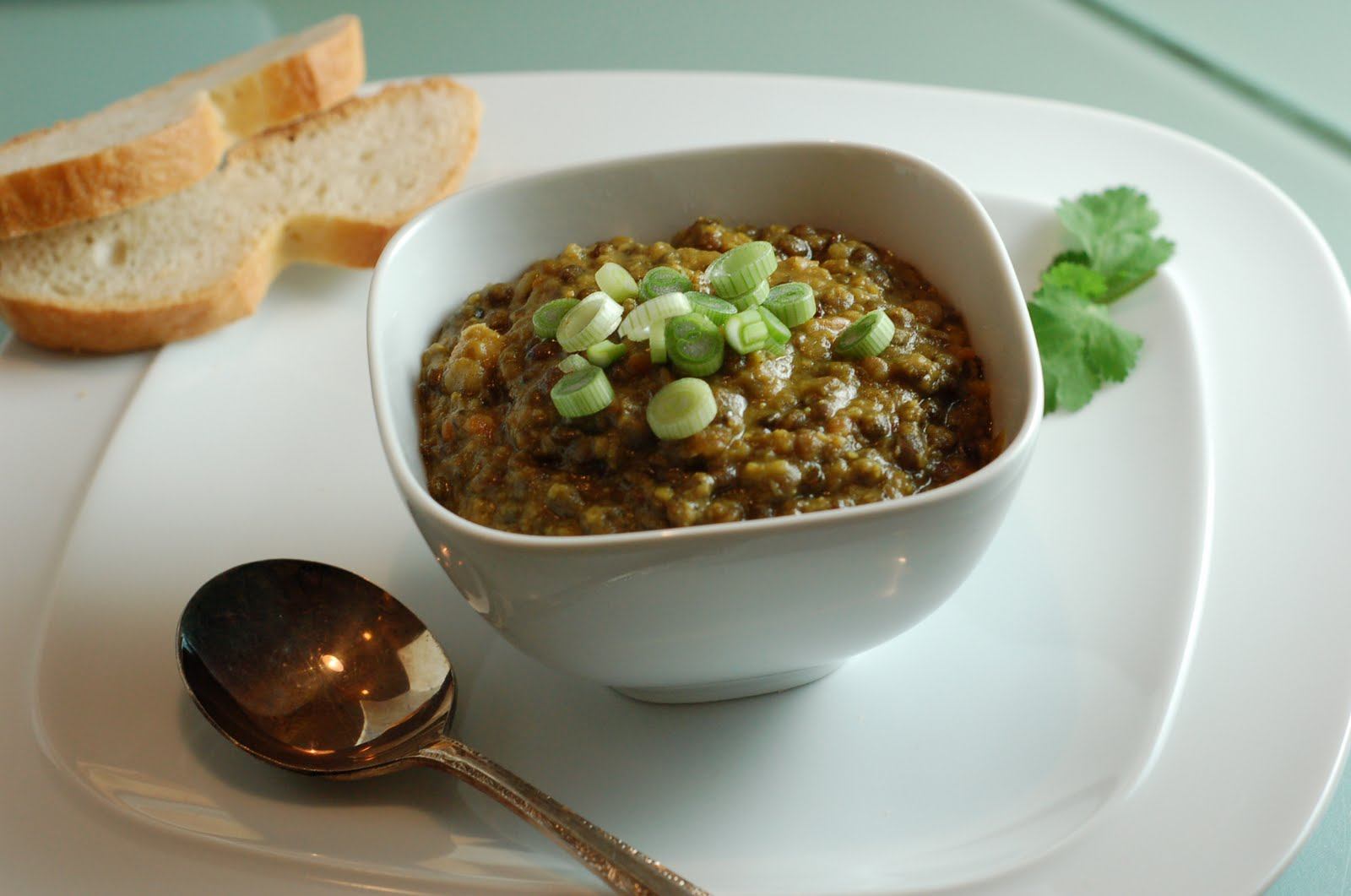
  • Curried Lentil Stew

    Curried Lentil Stew

    Recipes › Dinner

    Curried Lentil Stew

    In cold, dark winter days, this curried lentil stew will fill you up and warm you nicely, with a great hit of plant protein.

    Prep 10 minCook 40 minServes 213 ingredients
    VeganGluten-freeDairy-freeNut-freeNo added sugar

    Tastes: smooth, warming and gently spiced, with turmeric, ginger, cumin and a little chilli.

    A winter warmer

    This stew has an abundance of flavours from a variety of delicious spices: turmeric, ginger, chilli, curry and cumin. Lentils are widely used throughout India, Pakistan, the Mediterranean and the Middle East.

    Lentils are rich in protein, which makes them a great protein source on a vegetarian diet, and they also bring folate, B vitamins and fibre. They’re one of the best plant sources of iron, so they can help keep your iron up. The onions, leeks and carrots are all alkalising and packed with nutrients too.

    Why you’ll love it

    • About 16 g plant protein a bowl.
    • Iron: about a third of your daily needs.
    • Copper: a full day’s worth.
    • Blended smooth – comfort in a bowl.

    Good for

    Immunity

    Copper, folate, iron and vitamin A contribute to the normal function of the immune system.

    Antioxidants

    Copper, manganese, zinc and vitamin C contribute to the protection of cells from oxidative stress. It also contains plant compounds with antioxidant activity, including lutein, beta-carotene and quercetin.

    Energy

    Folate, iron, vitamin B6 and magnesium contribute to the reduction of tiredness and fatigue.

    Muscles

    Protein contributes to the maintenance of muscle mass, and magnesium and potassium contribute to normal muscle function.

    Bones

    Manganese, zinc, phosphorus and vitamin K contribute to the maintenance of normal bones.

    Eyes

    Vitamin A and zinc contribute to the maintenance of normal vision.

    Blood pressure

    Potassium contributes to the maintenance of normal blood pressure.

    Tags use approved nutrient health-claim wording, for nutrients that give at least 10% of the Daily Value per serve. Plant compounds like lutein have no Daily Value, so we only say they’re there.

    Key nutrients per serve

    Copper
    100%Manganese
    61%Folate
    38%Thiamin
    33%Iron
    32%Vitamin A
    31%

    Contains: vitamin B6 (24%), zinc (23%), phosphorus (17%), vitamin K (16%), potassium (13%), magnesium (13%), vitamin C (10%), vitamin E (10%) and calcium (5%).

    Plant compounds: lutein and zeaxanthin (about 0.5 mg), beta-carotene (about 2.8 mg), quercetin from the onion, curcumin from the turmeric, gingerols from the ginger, sulphur compounds from the garlic and capsaicin from the chilli.

    16 g protein9 g fibreUnder 4 g natural sugarAbout 30 mg sodium

    % of US Daily Value for adults, per serve (half the recipe). Estimated from USDA FoodData Central values for the ingredients as listed; cooking reduces some vitamins, so treat these as upper estimates. Excludes salt and pepper added to taste; anything over 100% shows as 100%+.

    Curried Lentil Stew

    Red lentils simmered with carrot, leek, onion and warming spices, then blended smooth.
    Prep Time 10 minutes
    Cook Time 40 minutes
    Total Time 50 minutes
    Servings: 2 bowls

    Ingredients
      

    • 1 medium carrot finely grated
    • ½ red onion finely chopped
    • ½ leek cut into fine rings
    • 1 clove garlic finely chopped
    • ¼ tsp fresh ginger grated
    • ¼ tsp ground cumin
    • ¼ tsp chilli paste or fresh chilli
    • ¼ tsp turmeric
    • ½ tsp curry powder
    • 1 tbsp extra-virgin olive oil
    • 125 g red or yellow lentils
    • 600 ml water
    • Himalayan or Celtic sea salt and black pepper to taste

    Equipment

    • Large pot with lid
    • Stick blender

    Method
     

    1. Gently heat the olive oil in a large pot. Add the onion and steam-fry, stirring, for 4–5 minutes.
    2. Add the garlic, carrot and leek and steam-fry for 2 more minutes.
    3. Stir in the turmeric, chilli, curry powder, cumin and ginger, then add the water and stir well.
    4. Rinse and drain the lentils, add them to the pot and bring to the boil. Reduce the heat, cover and cook gently for about 35 minutes, until the vegetables are soft. Stir regularly.
    5. Let it cool slightly, then blend with a stick blender. Reheat gently and season to taste.

    Notes

    Feeding four? Double everything – that’s the original recipe.

    Swaps

    • Chunky: skip blending, or blend just half.
    • Creamier: stir in a splash of coconut milk at the end.
    • Greens: stir through a handful of spinach before serving.

    Storing it

    Keeps in the fridge for 4 days and freezes well. It thickens as it sits, so add a splash of water when reheating.

    Good to know

    • Curry powder: most are gluten-free, but check the label if you’re coeliac.

    Try next

    DinnerFast 5-Minute DhalOpen recipe →
    SoupHug in a Bowl Lentil SoupOpen recipe →
    Want more than recipes?

    The Alkaline Life Club has everything in the Recipe Club, plus coaching, live Q&A and a community to keep you going.

    See the Alkaline Life Club

    Sources

    Nutrient values: USDA FoodData Central, SR Legacy (carrots 170393, onion 170000, leeks 169246, garlic 169230, ginger 169231, cumin 170923, red chilli 170106, turmeric 172231, curry powder 170924, olive oil 171413, red lentils 174284). Plant compounds are named where the ingredient is a well-documented source; flavonoids follow the USDA Database for the Flavonoid Content of Selected Foods, Release 3.3. Daily Values: US Food and Drug Administration.

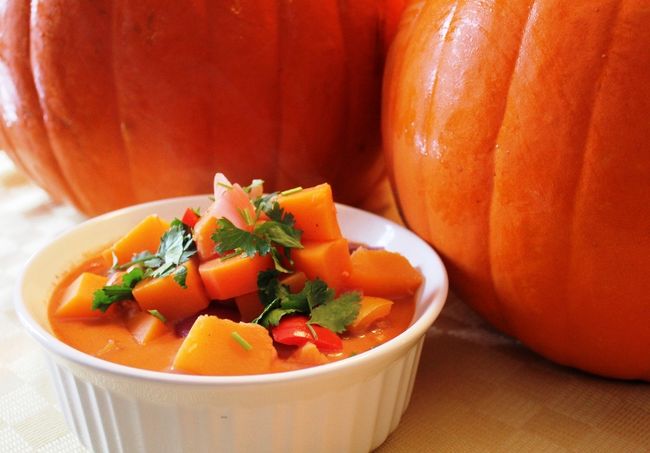
  • Autumn Pumpkin Stew

    Autumn Pumpkin Stew

    Recipes › Dinner

    Autumn Pumpkin Stew

    A nutritious and alkaline pumpkin stew that will keep you warm and fill you up nicely on chilly autumn nights.

    Prep 20 minCook 40 minServes 212 ingredients
    VeganGluten-freeDairy-freeNut-freeNo added sugar

    Tastes: sweet and warming, with soft pumpkin, carrots and potato, a little chilli and fresh parsley.

    Seasonal and delicious

    I believe in the importance of eating seasonal foods, and pumpkins are at their best in the autumn months. This stew has other healthy, alkaline vegetables too: carrots, new potatoes, onions and garlic, all packed with nutrients.

    The word pumpkin comes from ‘pepon’, Greek for ‘large melon’. Pumpkins are a great source of vitamin A, vitamin C, potassium, fibre and manganese, and a good source of folate.

    Why you’ll love it

    • Vitamin A: almost twice your daily needs, from the pumpkin and carrots.
    • Potassium: about 40% of your daily needs.
    • One pot, with the rice cooked right in.
    • Comfort food for chilly nights.

    Good for

    Immunity

    Vitamin A, copper, vitamin C and vitamin B6 contribute to the normal function of the immune system.

    Antioxidants

    Manganese, copper, vitamin C and vitamin E contribute to the protection of cells from oxidative stress. It also contains plant compounds with antioxidant activity, including lutein, beta-carotene and apigenin.

    Energy

    Vitamin B6, niacin, pantothenic acid and riboflavin contribute to the reduction of tiredness and fatigue.

    Bones

    Vitamin K, manganese, magnesium and phosphorus contribute to the maintenance of normal bones.

    Eyes

    Vitamin A, riboflavin and zinc contribute to the maintenance of normal vision. It also contains lutein and zeaxanthin, the carotenoids found in the macula of the eye.

    Blood pressure

    Potassium contributes to the maintenance of normal blood pressure.

    Tags use approved nutrient health-claim wording, for nutrients that give at least 10% of the Daily Value per serve. Plant compounds like lutein have no Daily Value, so we only say they’re there.

    Key nutrients per serve

    Vitamin A
    100%+Vitamin K
    88%Manganese
    87%Copper
    78%Vitamin C
    60%Vitamin B6
    47%

    Contains: thiamin (42%), niacin (41%), potassium (39%), pantothenic acid (36%), vitamin E (36%), riboflavin (31%), magnesium (29%), phosphorus (29%), folate (25%), iron (23%), zinc (23%), selenium (18%) and calcium (9%).

    Plant compounds: lutein and zeaxanthin (about 4.2 mg), beta-carotene (about 13 mg), chlorophyll, apigenin from the parsley, quercetin from the onion, sulphur compounds from the garlic and capsaicin from the chilli.

    10 g protein8 g fibreAbout 16 g natural sugarAbout 260 mg sodium

    % of US Daily Value for adults, per serve (half the recipe). Estimated from USDA FoodData Central values for the ingredients as listed; cooking reduces some vitamins, so treat these as upper estimates. Uses low-sodium stock; excludes salt and pepper added to taste; anything over 100% shows as 100%+.

    Autumn Pumpkin Stew

    Pumpkin, carrots and new potatoes simmered with brown basmati rice, chilli and garlic in vegetable stock.
    Prep Time 20 minutes
    Cook Time 40 minutes
    Total Time 1 hour
    Servings: 2 bowls

    Ingredients
      

    • 500 g pumpkin peeled, deseeded and cubed
    • 1 medium onion finely chopped
    • 2 carrots peeled and sliced
    • 2 new potatoes peeled and cubed
    • 1 red chilli deseeded and finely chopped
    • 2 cloves garlic finely chopped
    • ½ cup brown basmati rice
    • 2 tbsp extra-virgin olive oil
    • 625 ml yeast-free vegetable stock
    • 1 small handful parsley finely chopped
    • 1 pinch Celtic sea salt or Himalayan salt
    • black pepper to taste

    Equipment

    • Large pot

    Method
     

    1. Peel and prepare all the veg: finely chop the onion and garlic, slice the carrots, cube the potatoes and pumpkin, and deseed and finely chop the chilli.
    2. Gently fry the onion and garlic in the olive oil.
    3. Add the rice and mix well, then add the pumpkin, carrots, potatoes and chilli. Steam for about 10 minutes.
    4. Add the stock, season with salt and pepper and cook on a low heat for another 30 minutes.
    5. Stir in the parsley and leave to rest in the open pot for about 5 minutes. Enjoy!

    Notes

    Feeding four? Double everything – that’s the original recipe.

    Swaps

    • Butternut squash works instead of pumpkin.
    • More protein: add a can of rinsed chickpeas with the stock.
    • Sweet potato instead of new potatoes.

    Storing it

    Keeps in the fridge for 3–4 days. It thickens as the rice soaks up the stock, so loosen with water when reheating.

    Good to know

    • High in vitamin K. If you take warfarin or another blood thinner, keep your greens intake steady and talk to your doctor before eating more leafy greens than usual.

    Try next
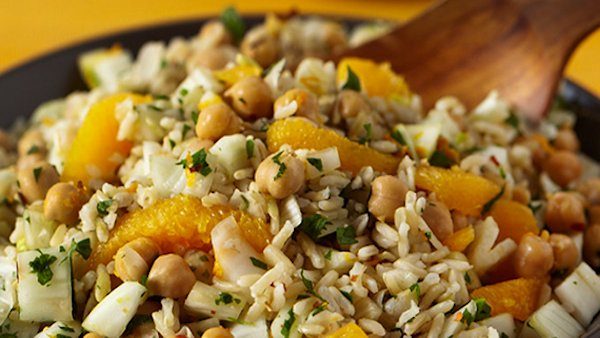
    DinnerDigestion-Soothing Veggie StewOpen recipe →
    DinnerCoconut Quinoa & Sweet Potato CurryOpen recipe →
    Want more than recipes?

    The Alkaline Life Club has everything in the Recipe Club, plus coaching, live Q&A and a community to keep you going.

    See the Alkaline Life Club

    Sources

    Nutrient values: USDA FoodData Central, SR Legacy (pumpkin 168448, onion 170000, carrots 170393, red potatoes 170029, red chilli 170106, garlic 169230, brown rice 169703, olive oil 171413, parsley 170416). Plant compounds are named where the ingredient is a well-documented source; flavonoids follow the USDA Database for the Flavonoid Content of Selected Foods, Release 3.3. Daily Values: US Food and Drug Administration.
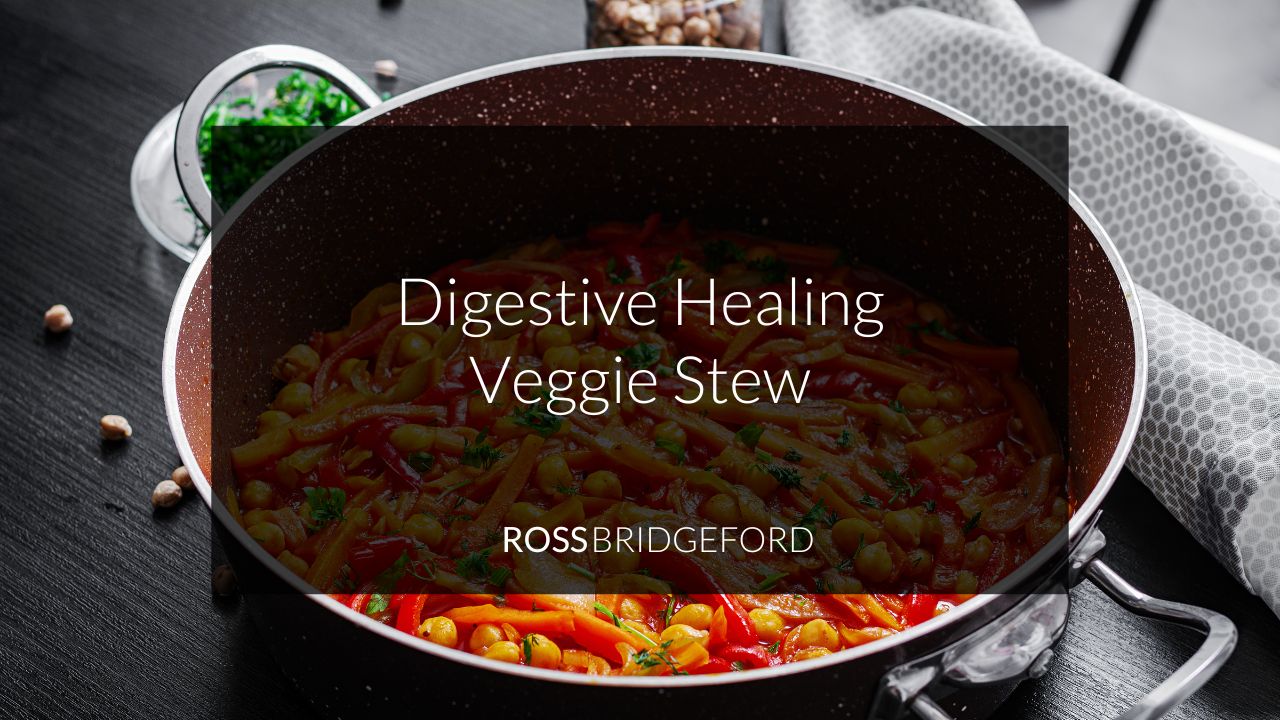
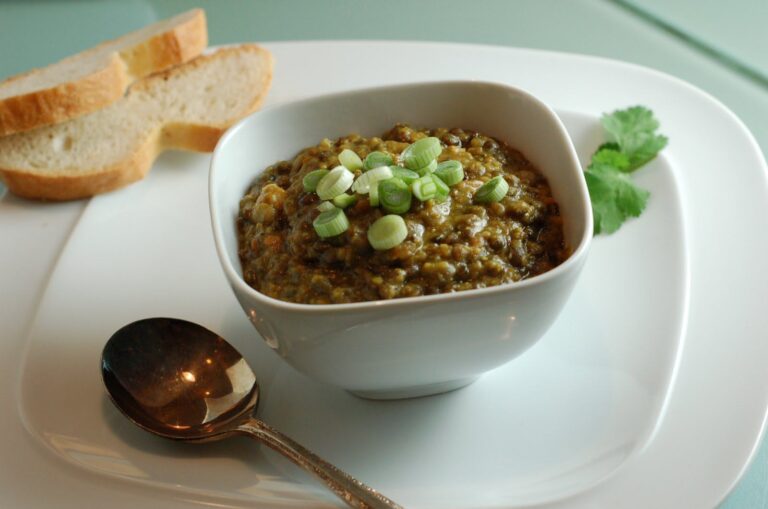
  • Tunisian Chickpea Soup

    Tunisian Chickpea Soup

    Recipes › Soups

    Tunisian Chickpea Soup

    Slow-simmered chickpeas with garlic, cumin, coriander and turmeric, stirred through with sautéed carrot, celery, onion and kale and finished with lemon.

    Prep 15 minSoak overnightCook 2½ hoursServes 214 ingredients
    VeganGluten-freeDairy-freeNut-freeNo added sugar

    Tastes: warm, earthy and fragrant with Arabic spices, garlic and a squeeze of lemon.

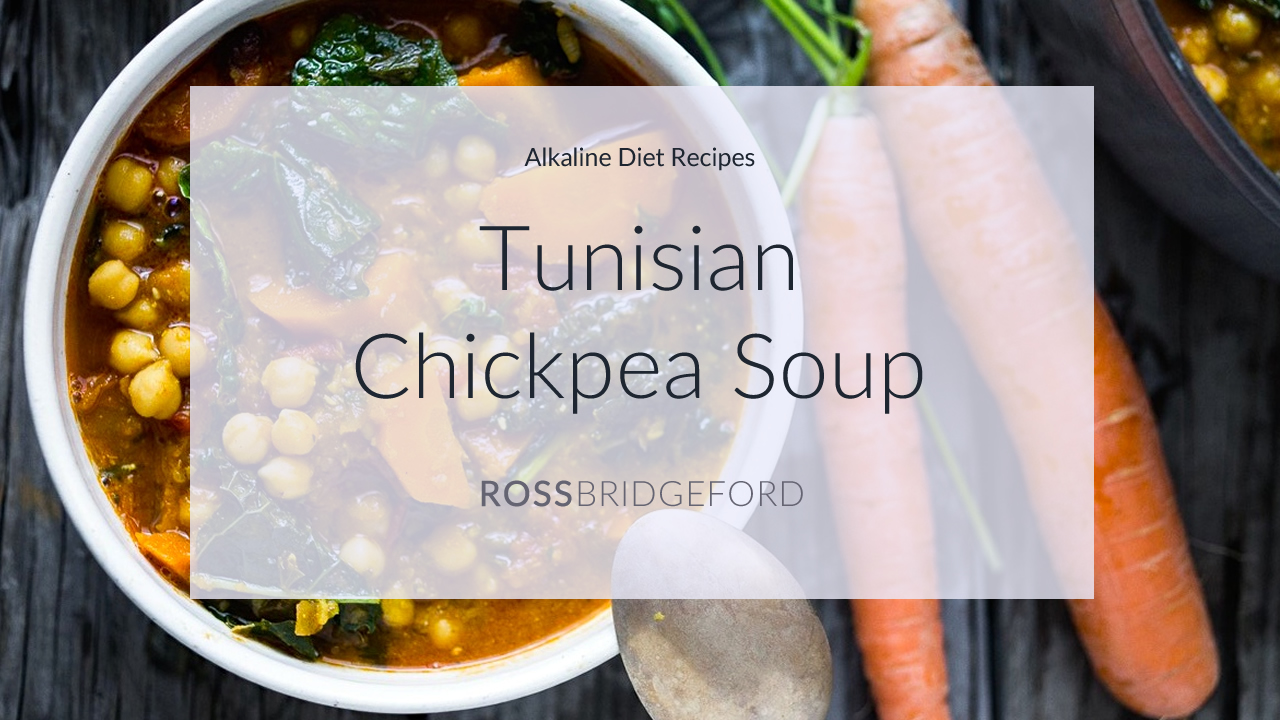
    Tunisian Chickpea Soup Featured Image

    An absolute cracker

    This is an absolute cracker – filling, warming, and I just love it. While it’s obviously awesome as a winter warmer, I also still love it in summer: with the Arabic flavours and spices you can almost picture yourself enjoying it on a hot Tunisian evening.

    Nutrient-wise, this soup has a superb range, with lots of plant protein, folate and manganese – and tons of fibre too. Add the turmeric, kale, garlic, celery and fresh coriander, and wow – it’s a powerhouse soup.

    It IS best cooked slowly for a couple of hours, but if you’re pressed for time (or the aromas get too much for you to resist!), use canned chickpeas and it’s ready in about 30 minutes.

    Why you’ll love it

    • 20 g plant protein and 14 g fibre a bowl.
    • Folate: over a day’s worth.
    • Manganese: nearly twice your daily needs.
    • Arabic spices: cumin, coriander and turmeric.

    Good for

    Immunity

    Folate, copper, vitamin B6 and vitamin C contribute to the normal function of the immune system.

    Antioxidants

    Manganese, copper, vitamin C and zinc contribute to the protection of cells from oxidative stress. It also contains plant compounds with antioxidant activity, including lutein, beta-carotene and apigenin.

    Energy

    Folate, vitamin B6, pantothenic acid and iron contribute to the reduction of tiredness and fatigue.

    Muscles

    Protein contributes to the maintenance of muscle mass, and magnesium, potassium and calcium contribute to normal muscle function.

    Bones

    Manganese, vitamin K, zinc and magnesium contribute to the maintenance of normal bones.

    Eyes

    Vitamin A, zinc and riboflavin contribute to the maintenance of normal vision. It also contains lutein and zeaxanthin, the carotenoids found in the macula of the eye.

    Blood pressure

    Potassium contributes to the maintenance of normal blood pressure.

    Tags use approved nutrient health-claim wording, for nutrients that give at least 10% of the Daily Value per bowl. Plant compounds like lutein have no Daily Value, so we only say they’re there.

    Key nutrients per bowl

    Manganese
    100%+Folate
    100%+Vitamin K
    78%Copper
    78%Thiamin
    42%Vitamin B6
    41%

    Contains: pantothenic acid (36%), vitamin A (34%), vitamin C (34%), iron (29%), zinc (26%), riboflavin (23%), potassium (23%), magnesium (23%), phosphorus (23%), vitamin E (21%), niacin (14%) and calcium (12%).

    Plant compounds: lutein and zeaxanthin (about 1 mg), beta-carotene (about 3.2 mg), chlorophyll, apigenin from the celery, quercetin and kaempferol from the kale, quercetin from the onion, glucosinolates from the kale, curcumin from the turmeric, sulphur compounds from the garlic and citrus flavonoids from the lemon.

    20 g protein14 g fibreAbout 14 g natural sugarAbout 95 mg sodium

    % of US Daily Value for adults, per bowl (half the recipe). Estimated from USDA FoodData Central values for the ingredients as listed; cooking reduces some vitamins, so treat these as upper estimates. Uses 2 tbsp olive oil in total (the original used 8 tbsp for twice the amount); excludes salt and pepper; anything over 100% shows as 100%+.

    Tunisian Chickpea Soup

    Soaked chickpeas slow-simmered with garlic and spices, then stirred through with sautéed carrot, celery, onion and kale, half-blended and finished with lemon and fresh coriander.
    Prep Time 15 minutes
    Cook Time 2 hours 30 minutes
    Soak 8 hours
    Total Time 10 hours 45 minutes
    Servings: 2 bowls

    Ingredients
      

    • 175 g dried chickpeas soaked in cold water overnight and drained
    • 5 garlic cloves very finely chopped
    • 1.25 litres water
    • 2 tbsp extra virgin olive oil divided
    • 1 carrot cut into fine strips
    • 2½ stalks celery cut into thin rings
    • 1 onion very finely chopped
    • 1 stalk Tuscan kale (cavolo nero) or chard roughly sliced
    • ½ tsp ground cumin
    • ¼ tsp ground turmeric
    • ½ tsp ground coriander
    • 2 tbsp fresh coriander finely chopped
    • ½ lemon juiced
    • Himalayan salt and black pepper

    Equipment

    • Large pot
    • Frying pan
    • Stick blender

    Method
     

    1. Gently heat 1 tbsp of the oil in a big pot. Add the garlic and cook gently for about 2 minutes.
    2. Add the chickpeas, water, turmeric, cumin and ground coriander. Bring to the boil, then reduce the heat and simmer for about 2½ hours, until the chickpeas are very tender. Top up with water if needed.
    3. Meanwhile, heat the rest of the oil in a frying pan and gently fry the carrot, onion, kale or chard and celery, stirring, until softened.
    4. Add the veg to the soup and stir well. Purée about half the soup with a stick blender (or in a blender) and stir it back in.
    5. Season with salt, pepper and the lemon juice.
    6. Serve in warmed bowls, garnished with the fresh coriander. Enjoy!

    Swaps

    • Short on time? Use 2 cans (400 g each) of chickpeas, drained, with 750 ml water, and simmer for 30 minutes.
    • Greens: spinach works too – stir it in at the end.
    • Feeding four? Double everything.

    Storing it

    Keeps in the fridge for 3 days, and freezes well for up to 3 months.

    Try next

    SoupsMoroccan Vegetable SoupOpen recipe →
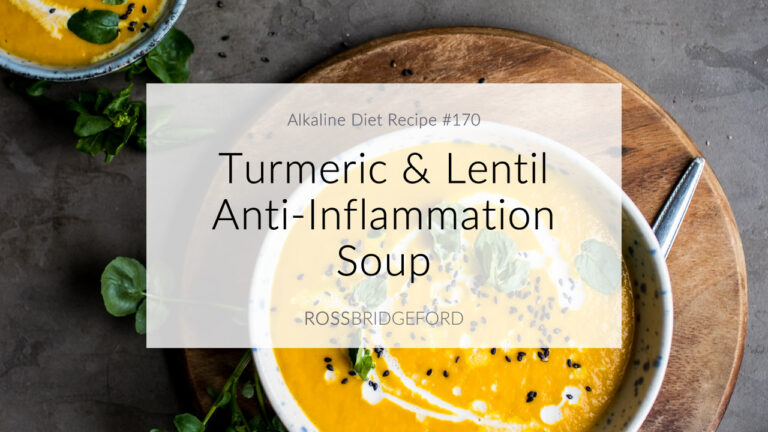
    SoupsTurmeric & Lentil Anti-Inflammatory SoupOpen recipe →
    Want more than recipes?

    The Alkaline Life Club has everything in the Recipe Club, plus coaching, live Q&A and a community to keep you going.

    See the Alkaline Life Club

    Sources

    Nutrient values: USDA FoodData Central, SR Legacy (dried chickpeas 173756, garlic 169230, olive oil 171413, carrots 170393, celery 169988, onion 170000, kale 168421, cumin 170923, turmeric 172231, coriander seed 170922, coriander 169997, lemon juice 167747). Plant compounds are named where the ingredient is a well-documented source; flavonoids follow the USDA Database for the Flavonoid Content of Selected Foods, Release 3.3. Daily Values: US Food and Drug Administration.
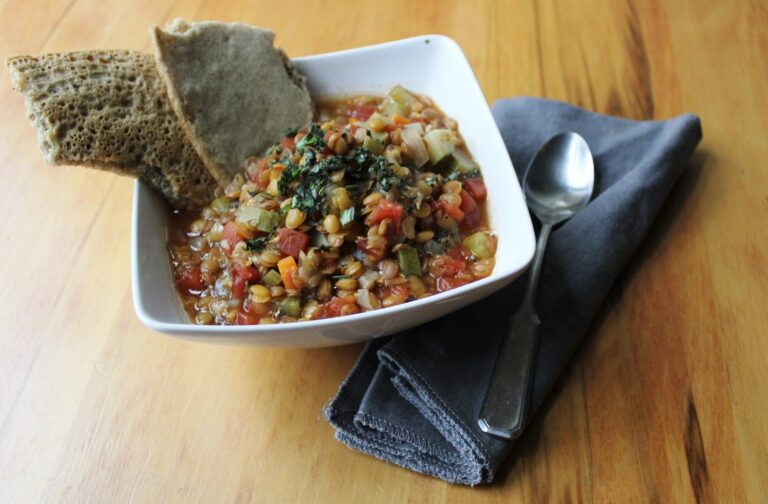
  • Tomato & Asparagus Soup

    Tomato & Asparagus Soup

    Recipes › Soups

    Tomato & Asparagus Soup

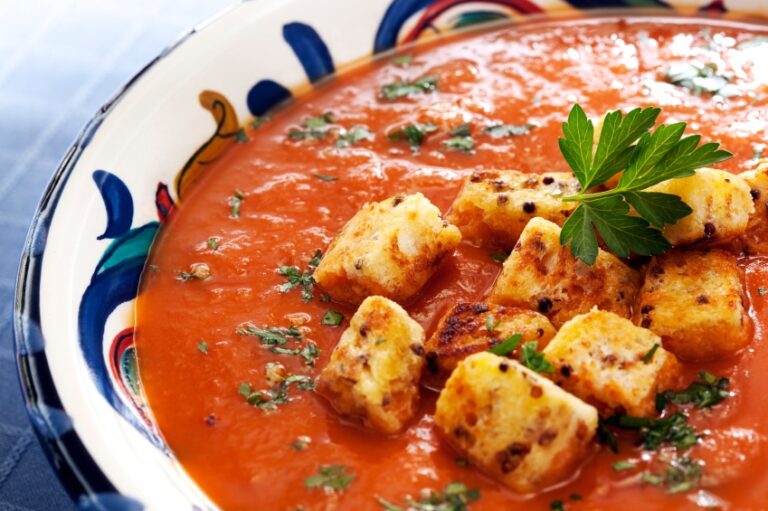
    Tomatoes, asparagus, avocado, pepper, garlic and a big bunch of parsley blended until silky, then just gently warmed. Creamy, fresh and ready in minutes.

    Prep 10 minCook 5 minServes 29 ingredients
    VeganGluten-freeDairy-freeNut-freeNo added sugar

    Tastes: fresh, creamy and herby, like a warm, silky gazpacho.

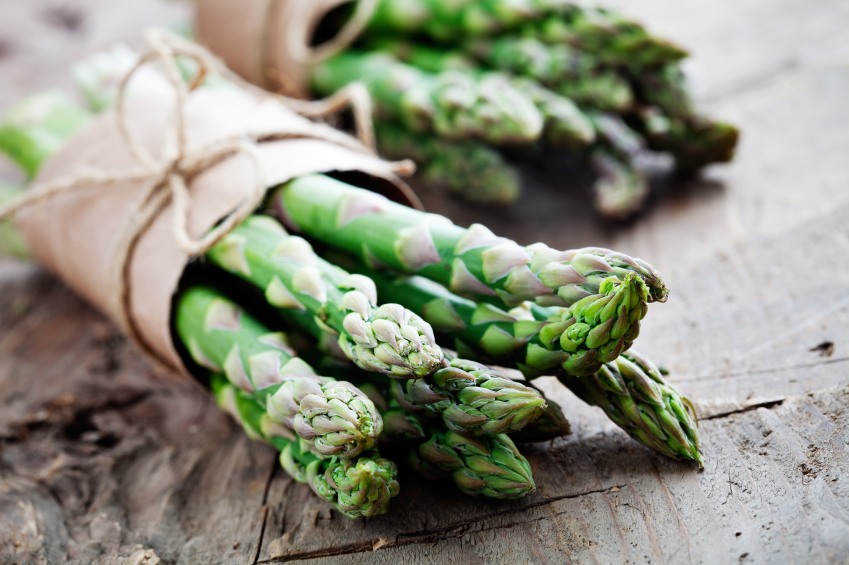
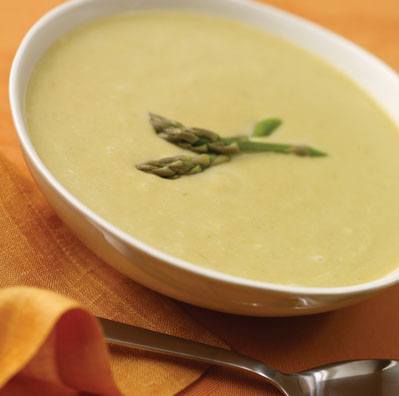
    asparagus

    Just blend and warm

    This soup is delicious and very easy to prepare: you just blend and gently warm. It works as a light starter or a main course.

    Tomatoes bring lycopene, a carotenoid with antioxidant activity, asparagus brings folate and vitamin C, and the avocado makes it beautifully creamy.

    The spinach IS optional, but I always like to throw a serve of spinach into any recipe I can. It rarely affects the taste or texture, but you’re getting a big, green, alkaline hit!

    Why you’ll love it

    • Fibre: about 80% of your daily needs a bowl.
    • Vitamin K: over five days’ worth.
    • Vitamin C: over twice your daily needs.
    • Just blend and gently warm.

    Good for

    Immunity

    Vitamin C, folate, copper and vitamin B6 contribute to the normal function of the immune system.

    Antioxidants

    Vitamin C, copper, vitamin E and manganese contribute to the protection of cells from oxidative stress. It also contains plant compounds with antioxidant activity, including lutein, beta-carotene and lycopene.

    Energy

    Folate, pantothenic acid, vitamin B6 and riboflavin contribute to the reduction of tiredness and fatigue.

    Bones

    Vitamin K, manganese, magnesium and zinc contribute to the maintenance of normal bones.

    Eyes

    Vitamin A, riboflavin and zinc contribute to the maintenance of normal vision. It also contains lutein and zeaxanthin, the carotenoids found in the macula of the eye.

    Blood pressure

    Potassium contributes to the maintenance of normal blood pressure.

    Tags use approved nutrient health-claim wording, for nutrients that give at least 10% of the Daily Value per bowl. Plant compounds like lutein have no Daily Value, so we only say they’re there.

    Key nutrients per bowl

    Vitamin K
    100%+Vitamin C
    100%+Folate
    89%Copper
    89%Pantothenic acid
    74%Vitamin B6
    71%

    Contains: vitamin E (55%), vitamin A (52%), manganese (52%), potassium (49%), riboflavin (46%), niacin (45%), thiamin (42%), iron (36%), magnesium (35%), zinc (28%), phosphorus (23%) and calcium (13%).

    Plant compounds: lutein and zeaxanthin (about 5 mg), beta-carotene (about 5.2 mg), lycopene (about 7.9 mg), chlorophyll, apigenin from the parsley, quercetin from the onion and sulphur compounds from the garlic.

    11 g protein23 g fibreAbout 14 g natural sugarAbout 70 mg sodium

    % of US Daily Value for adults, per bowl (half the recipe). Estimated from USDA FoodData Central values for the ingredients as listed, so treat these as upper estimates. Uses parsley for the herbs and dried onion flakes, and includes the spinach; excludes salt, the optional herbs and the lemon garnish; anything over 100% shows as 100%+.

    Tomato & Asparagus Soup

    Asparagus, tomatoes, avocado, parsley, spinach, dried onion, garlic and pepper blended smooth, gently warmed and garnished with lemon.
    Prep Time 10 minutes
    Cook Time 5 minutes
    Total Time 15 minutes
    Servings: 2 bowls

    Ingredients
      

    • 10 green asparagus spears woody ends snapped off
    • 5 tomatoes
    • 2 ripe avocados
    • 1 bunch fresh parsley or coriander about 60 g
    • 1 handful baby spinach optional (but why not?)
    • ¼ cup dried onion flakes
    • 3 garlic cloves
    • 1 red or green pepper (capsicum)
    • Celtic or Himalayan salt
    • fresh thyme or rosemary optional
    • 2 lemons thinly sliced, to garnish

    Equipment

    • Blender
    • Large pot

    Method
     

    1. Blend everything except the lemon slices until completely smooth.
    2. Pour into a large pot and warm gently – don’t let it boil.
    3. Garnish with the lemon slices and serve straight away. Enjoy!

    Swaps

    • Lighter: use 1 avocado and add a splash of water.
    • Fresh onion: use ½ small red onion instead of the dried flakes.
    • Serve it chilled on a hot day, like a gazpacho.

    Storing it

    Best fresh – the avocado discolours as it sits.

    Good to know

    • High in vitamin K. If you take warfarin or another blood thinner, keep your greens intake steady and talk to your doctor before eating more leafy greens than usual.

    Try next

    SoupsSweet Red Pepper & Tomato Raw SoupOpen recipe →
    SoupsLeek & Asparagus SoupOpen recipe →
    Want more than recipes?

    The Alkaline Life Club has everything in the Recipe Club, plus coaching, live Q&A and a community to keep you going.

    See the Alkaline Life Club

    Sources

    Nutrient values: USDA FoodData Central, SR Legacy (asparagus 168389, tomatoes 170457, avocado 171705, parsley 170416, baby spinach 168462, onion powder 171327, garlic 169230, red pepper 170108). Plant compounds are named where the ingredient is a well-documented source; flavonoids follow the USDA Database for the Flavonoid Content of Selected Foods, Release 3.3. Daily Values: US Food and Drug Administration.

  • Carrot & Jerusalem Artichoke Soup

    Carrot & Jerusalem Artichoke Soup

    Recipes › Soups

    Carrot & Jerusalem Artichoke Soup

    Jerusalem artichokes and carrots, sweated with onion and celery and blended into a smooth, earthy, nutty-sweet soup.

    Prep 15 minCook 35 minServes 27 ingredients
    VeganGluten-freeDairy-freeNut-freeNo added sugar

    Tastes: smooth, earthy and gently sweet, with a nutty note from the artichokes.

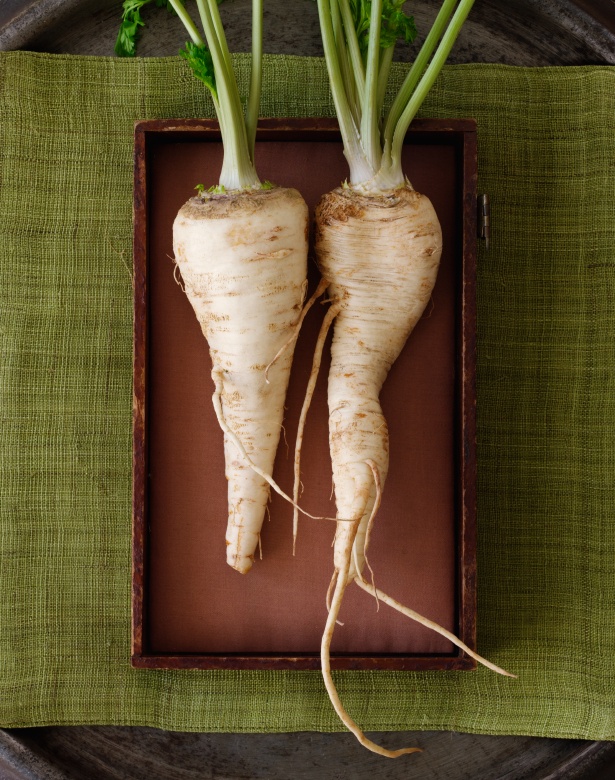
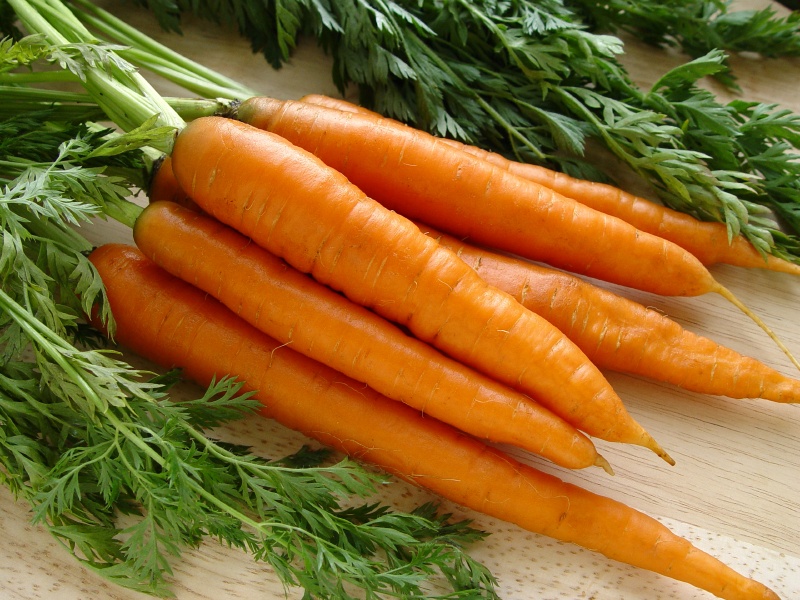
    carrots

    A lesser-known gem

    Jerusalem artichokes and carrots give this soup a smooth texture and a lovely earthy taste.

    The Jerusalem artichoke is one of the lesser-known vegetables around, which is a shame – it has a unique nutty, sweet flavour and is a good source of iron.

    Did you know it isn’t truly an artichoke at all? It’s a variety of sunflower, and it has nothing to do with Jerusalem either: the name is thought to come from girasole, the Italian for sunflower. If you’ve never cooked with it before, why not give this soup a try?!

    Why you’ll love it

    • Vitamin A: about 60% of your daily needs a bowl.
    • Iron and thiamin: over a fifth of your daily needs each.
    • Smooth and earthy with no cream needed.
    • Freezes well for busy weeks.

    Good for

    Immunity

    Vitamin A, copper, iron and vitamin B6 contribute to the normal function of the immune system.

    Antioxidants

    Copper, vitamin C and vitamin E contribute to the protection of cells from oxidative stress. It also contains plant compounds with antioxidant activity, including beta-carotene, apigenin and quercetin.

    Energy

    Iron, niacin, pantothenic acid and vitamin B6 contribute to the reduction of tiredness and fatigue.

    Bones

    Vitamin K contributes to the maintenance of normal bones.

    Eyes

    Vitamin A contributes to the maintenance of normal vision.

    Blood pressure

    Potassium contributes to the maintenance of normal blood pressure.

    Tags use approved nutrient health-claim wording, for nutrients that give at least 10% of the Daily Value per bowl. Plant compounds like these have no Daily Value, so we only say they’re there.

    Key nutrients per bowl

    Vitamin A
    61%Thiamin
    25%Copper
    22%Iron
    21%

    Contains: vitamin K (16%), potassium (16%), niacin (13%), vitamin B6 (12%), pantothenic acid (12%), vitamin C (11%), vitamin E (11%) and magnesium (7%).

    Plant compounds: beta-carotene (about 5.4 mg), apigenin from the celery and quercetin from the onion.

    4 g fibreAbout 15 g natural sugarAbout 195 mg sodium

    % of US Daily Value for adults, per bowl (half the recipe). Estimated from USDA FoodData Central values for the ingredients as listed; cooking reduces some vitamins, so treat these as upper estimates. Uses typical low-sodium stock values; excludes salt and pepper; anything over 100% shows as 100%+.

    Carrot & Jerusalem Artichoke Soup

    Onion and celery softened in olive oil, sweated with Jerusalem artichokes and carrots, then simmered in stock and blended smooth.
    Prep Time 15 minutes
    Cook Time 35 minutes
    Total Time 50 minutes
    Servings: 2 bowls

    Ingredients
      

    • 200 g Jerusalem artichokes
    • 1 stalk celery chopped
    • 130 g carrots about 2 small
    • ¼ onion chopped
    • 1 tbsp olive oil
    • 430 ml yeast-free, low-sodium vegetable stock
    • Himalayan salt and black pepper

    Equipment

    • Pot
    • Blender

    Method
     

    1. Peel and slice the artichokes and drop them into a bowl of cold water so they don’t discolour. Peel and slice the carrots.
    2. Gently heat the olive oil in a pot and soften the onion and celery for about 5 minutes, then stir in the carrots and drained artichokes.
    3. Add a pinch of salt, cover and let the veg sweat on a low heat for about 10 minutes.
    4. Pour in the stock, stir, cover and simmer for another 20 minutes, until the vegetables are soft.
    5. Blend until smooth, check the seasoning, reheat and serve!

    Swaps

    • No Jerusalem artichokes? Use parsnip or potato.
    • Spiced: add ½ tsp ground cumin with the carrots.
    • Feeding four? Double everything.

    Storing it

    Keeps in the fridge for 3 days, and freezes well for up to 3 months.

    Good to know

    • Go gently: Jerusalem artichokes are rich in inulin, a fibre that can cause wind if you’re not used to it.

    Try next

    SoupsFennel Soup with Lemon & OrangeOpen recipe →
    SoupsAnti-Inflammatory Cauliflower SoupOpen recipe →
    Want more than recipes?

    The Alkaline Life Club has everything in the Recipe Club, plus coaching, live Q&A and a community to keep you going.

    See the Alkaline Life Club

    Sources

    Nutrient values: USDA FoodData Central, SR Legacy (Jerusalem artichokes 169236, celery 169988, carrots 170393, onion 170000, olive oil 171413). Plant compounds are named where the ingredient is a well-documented source; flavonoids follow the USDA Database for the Flavonoid Content of Selected Foods, Release 3.3. Daily Values: US Food and Drug Administration.

  • Greek Stuffed Tomatoes & Peppers

    Greek Stuffed Tomatoes & Peppers

    Recipes › Dinner

    Greek Stuffed Tomatoes & Peppers

    Two of my favourite vegetables, peppers and tomatoes, make great containers for this herby Greek-style stuffing.

    Prep 20 minCook 55 minServes 212 ingredients
    VeganGluten-freeDairy-freeNo added sugar

    Tastes: sweet roasted peppers and tomatoes filled with herby rice, almonds, mint and parsley.

    Typically Greek, and packed with nutrients

    Peppers and tomatoes are packed with nutrients: vitamins A, C, E, K and B6, folate, fibre, potassium and manganese.

    Feel free to vary this dish by using small aubergines or large courgettes, which also make good vegetables for stuffing. Or as they say in Greek: Kalí órexi!

    Why you’ll love it

    • Vitamin C: almost twice your daily needs.
    • Vitamin E: over half your daily needs, from the almonds and olive oil.
    • Herby rice and almonds in every bite.
    • Easy to double for guests.

    Good for

    Immunity

    Vitamin C, copper, vitamin B6 and folate contribute to the normal function of the immune system.

    Antioxidants

    Vitamin C, manganese, vitamin E and copper contribute to the protection of cells from oxidative stress. It also contains plant compounds with antioxidant activity, including lutein, beta-carotene and lycopene.

    Energy

    Vitamin B6, riboflavin, magnesium and folate contribute to the reduction of tiredness and fatigue.

    Bones

    Vitamin K, manganese, magnesium and phosphorus contribute to the maintenance of normal bones.

    Eyes

    Riboflavin, vitamin A and zinc contribute to the maintenance of normal vision.

    Blood pressure

    Potassium contributes to the maintenance of normal blood pressure.

    Tags use approved nutrient health-claim wording, for nutrients that give at least 10% of the Daily Value per serve. Plant compounds like lutein have no Daily Value, so we only say they’re there.

    Key nutrients per serve

    Vitamin C
    100%+Vitamin K
    94%Manganese
    65%Vitamin E
    59%Copper
    56%Vitamin B6
    41%

    Contains: riboflavin (31%), magnesium (28%), folate (26%), niacin (26%), thiamin (25%), vitamin A (23%), potassium (22%), phosphorus (21%), pantothenic acid (18%), iron (16%), zinc (16%) and calcium (9%).

    Plant compounds: lutein and zeaxanthin (about 0.7 mg), beta-carotene (about 2.2 mg), lycopene (about 4.7 mg), chlorophyll, apigenin from the parsley, quercetin from the onion and sulphur compounds from the garlic.

    10 g protein10 g fibreAbout 14 g natural sugarAbout 25 mg sodium

    % of US Daily Value for adults, per serve (half the recipe). Estimated from USDA FoodData Central values for the ingredients as listed; cooking reduces some vitamins, so treat these as upper estimates. Excludes salt and pepper added to taste; anything over 100% shows as 100%+.

    Greek Stuffed Tomatoes & Peppers

    Peppers and tomatoes filled with herby brown rice, almonds, mint and parsley, then baked until golden.
    Prep Time 20 minutes
    Cook Time 55 minutes
    Total Time 1 hour 15 minutes
    Servings: 2

    Ingredients
      

    • 1 green pepper
    • 1 red or yellow pepper
    • 2 large ripe tomatoes
    • 2 onions chopped
    • 1 clove garlic crushed
    • 25 g blanched almonds chopped
    • 40 g brown basmati rice
    • 1 small handful mint roughly chopped
    • 1 small handful parsley roughly chopped
    • 1½ tbsp ground almonds
    • 2 tbsp extra-virgin olive oil plus a little to sprinkle
    • Himalayan or Celtic sea salt and black pepper to taste

    Equipment

    • Baking tray
    • Ovenproof dish

    Method
     

    1. Preheat the oven to 190°C (375°F) and cook the rice following the packet instructions.
    2. Halve the tomatoes and scoop out the pulp and seeds, taking care not to damage the skins. Drain the shells cut-side down on kitchen paper, and roughly chop the pulp.
    3. Halve the peppers, leaving the cores intact, and scoop out the seeds. Brush with a little of the oil and bake on a tray for about 15 minutes. Put the peppers and tomato shells in an ovenproof dish and season.
    4. Gently fry the onions in the rest of the oil for about 5 minutes until they soften. Add the chopped almonds and garlic and fry for another minute.
    5. Off the heat, stir in the rice, chopped tomato pulp, parsley and mint, season well and fill the peppers and tomatoes.
    6. Pour 150 ml boiling water around them and bake, uncovered, for about 20 minutes. Scatter with the ground almonds and a little olive oil, then bake for another 20 minutes until golden.

    Notes

    The original recipe serves 4 with the same vegetables; this keeps all the veg but halves the rice, almonds and oil for two.

    Swaps

    • Nut-free: use sunflower seeds instead of almonds.
    • Quinoa instead of brown rice.
    • Stuff aubergines or courgettes instead – see the intro.

    Storing it

    Keeps in the fridge for 3 days. Reheat in the oven.

    Good to know

    • High in vitamin K. If you take warfarin or another blood thinner, keep your greens intake steady and talk to your doctor before eating more leafy greens than usual.
    • Contains almonds. See Swaps for nut-free.

    Try next

    DinnerCourgettes with Moroccan SpicesOpen recipe →
    DinnerAubergine ‘Pizza’Open recipe →
    Want more than recipes?

    The Alkaline Life Club has everything in the Recipe Club, plus coaching, live Q&A and a community to keep you going.

    See the Alkaline Life Club

    Sources

    Nutrient values: USDA FoodData Central, SR Legacy (green pepper 170427, red pepper 170108, tomatoes 170457, onion 170000, garlic 169230, almonds 170567, brown rice 169703, mint 173475, parsley 170416, olive oil 171413). Plant compounds are named where the ingredient is a well-documented source; flavonoids follow the USDA Database for the Flavonoid Content of Selected Foods, Release 3.3. Daily Values: US Food and Drug Administration.