Tag: olive oil

  • Pesto & Pine Nut Pasta

    Pesto & Pine Nut Pasta

    Recipes › Dinner

    Pesto & Pine Nut Pasta

    A recipe we’ve been gently adjusting over the years: a super source of chlorophyll, antioxidants from the basil and parsley, and healthy fats from the oil and walnuts.

    Prep 15 minCook 12 minServes 210 ingredients
    VeganGluten-freeDairy-freeNo added sugar

    Tastes: fresh and herby, with rich, buttery pine nuts.
    creamy pesto pine pasta recipe

    Keep the noodles to 20% of the plate

    Serve this with the gluten-free pasta of your choice. My personal preference is to spiralise some zucchini noodles, of course, but if you’re short on time a good gluten-free pasta works really well.

    Either way, the rule in our house is to keep the noodles to about 20% of the plate and pile up the veggies. So this version is half zucchini noodles, half pasta, with steamed broccoli and a handful of rocket.

    Why you’ll love it

    • Basil and parsley. A super source of chlorophyll and antioxidants.
    • Vitamins K and C: more than a full day’s worth of each.
    • Manganese and copper from the pine nuts and walnuts.
    • Half zoodles, half pasta. All the comfort, with plenty of greens.

    Good for

    Immunity

    Vitamin C, copper, folate and vitamin B6 contribute to the normal function of the immune system.

    Antioxidants

    Manganese, vitamin C, copper and vitamin E contribute to the protection of cells from oxidative stress. It also contains plant compounds with antioxidant activity, including lutein, beta-carotene and apigenin.

    Energy

    Magnesium, folate, vitamin B6 and riboflavin contribute to the reduction of tiredness and fatigue.

    Bones

    Vitamin K, manganese, magnesium and zinc contribute to the maintenance of normal bones.

    Eyes

    Zinc, riboflavin and vitamin A contribute to the maintenance of normal vision. It also contains lutein and zeaxanthin, the carotenoids found in the macula of the eye.

    Blood pressure

    Potassium contributes to the maintenance of normal blood pressure.

    Tags use approved nutrient health-claim wording, for nutrients that give at least 10% of the Daily Value per serve. Plant compounds like lutein have no Daily Value, so we only say they’re there.

    Key nutrients per serve

    Vitamin K
    100%+Manganese
    100%+Vitamin C
    100%+Copper
    78%Magnesium
    46%Folate
    42%

    Contains: vitamin B6 (41%), vitamin E (39%), thiamin (33%), zinc (33%), phosphorus (32%), riboflavin (31%), pantothenic acid (26%), potassium (26%), iron (26%), niacin (23%), vitamin A (17%), calcium (12%) and selenium (11%).

    Plant compounds: lutein and zeaxanthin (about 7.6 mg), beta-carotene (about 1.8 mg), plant omega-3 ALA (about 1.4 g), chlorophyll, apigenin from the parsley and glucosinolates from the broccoli and rocket.

    13 g protein11 g fibreAbout 8 g natural sugarAbout 55 mg sodium

    % of US Daily Value for adults, per serve (half the recipe). Estimated from USDA FoodData Central values for the ingredients as listed; cooking reduces some vitamins, so treat these as upper estimates. Uses USDA gluten-free corn pasta values; excludes salt and pepper added to taste; anything over 100% shows as 100%+.

    Pesto & Pine Nut Pasta

    Zucchini noodles and gluten-free pasta tossed in a basil, parsley, pine nut and walnut pesto.
    Prep Time 15 minutes
    Cook Time 12 minutes
    Total Time 27 minutes
    Servings: 2

    Ingredients
      

    Pasta and veg
    • 80 g gluten-free pasta dry weight
    • 2 medium zucchini spiralised
    • 1½ cups broccoli florets
    • 2 handfuls rocket
    Pesto
    • 40 g pine nuts a generous ¼ cup
    • 20 g walnuts a small handful
    • 3 tbsp cold-pressed olive oil or flax oil
    • 1 bunch basil
    • ⅓ bunch parsley
    • Himalayan salt and black pepper

    Equipment

    • Blender
    • Spiraliser

    Method
     

    1. Cook the pasta following the packet instructions. Steam the broccoli for 4–5 minutes.
    2. Wash the basil and parsley and blend with the pine nuts, walnuts and a tiny amount of the oil to get it going. Once blended, add the rest of the oil and blend until you get a creamy sauce.
    3. Drain the pasta and return it to the pan with the zucchini noodles, broccoli and pesto. Toss over a low heat for 1–2 minutes to warm through gently – the zucchini only needs to soften slightly.
    4. Season with salt and pepper and serve with the rocket on top or on the side.

    Notes

    Want to mix things up? Blend a few semi-dried tomatoes into the pesto.

    Swaps

    • All zoodles: skip the pasta for a lighter bowl.
    • Flax oil instead of olive oil adds omega-3s – stir the pesto through off the heat.
    • Extra veg: peas, cherry tomatoes or steamed asparagus all work.

    Storing it

    The pesto keeps in a jar in the fridge for 4–5 days with a thin layer of oil on top. Toss with the pasta fresh.

    Good to know

    • High in vitamin K. If you take warfarin or another blood thinner, keep your greens intake steady and talk to your doctor before eating more leafy greens than usual.
    • Contains pine nuts and walnuts. Use sunflower and pumpkin seeds in the pesto if you need it nut-free.
    • Gluten-free pasta: check it’s certified gluten-free if you’re coeliac.

    Try next
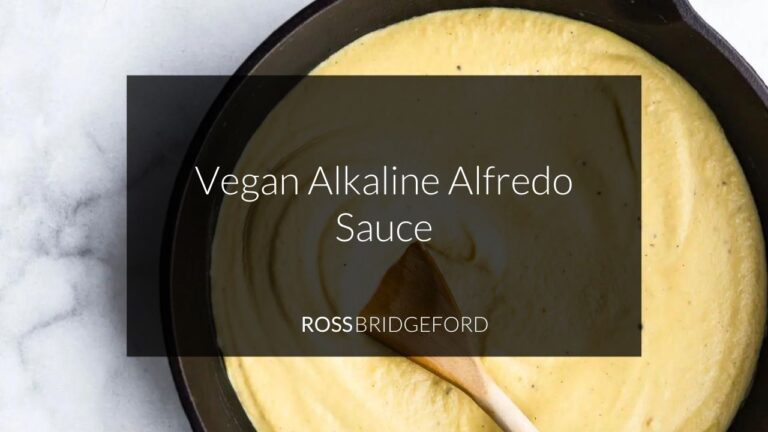
    SauceCreamy “Alfredo” SauceOpen recipe →
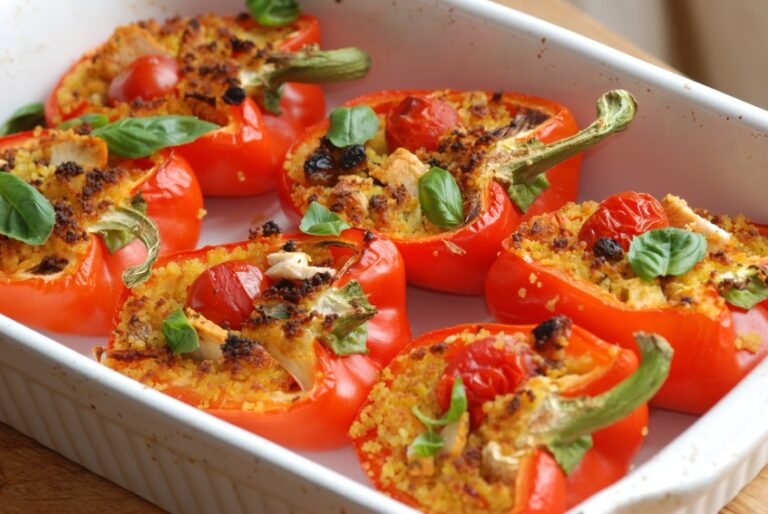
    DinnerQuinoa Stuffed PeppersOpen recipe →
    Want more than recipes?

    The Alkaline Life Club has everything in the Recipe Club, plus coaching, live Q&A and a community to keep you going.

    See the Alkaline Life Club

    Sources

    Nutrient values: USDA FoodData Central, SR Legacy (gluten-free pasta 168899, zucchini 169291, pine nuts 170591, walnuts 170187, olive oil 171413, basil 172232, parsley 170416, broccoli 170379, rocket 169387). Plant compounds are named where the ingredient is a well-documented source; flavonoids follow the USDA Database for the Flavonoid Content of Selected Foods, Release 3.3. Daily Values: US Food and Drug Administration.
  • Warm Red Pepper, Spinach & Courgette Salad

    Warm Red Pepper, Spinach & Courgette Salad

    Recipes › Salads

    Warm Red Pepper, Spinach & Courgette Salad

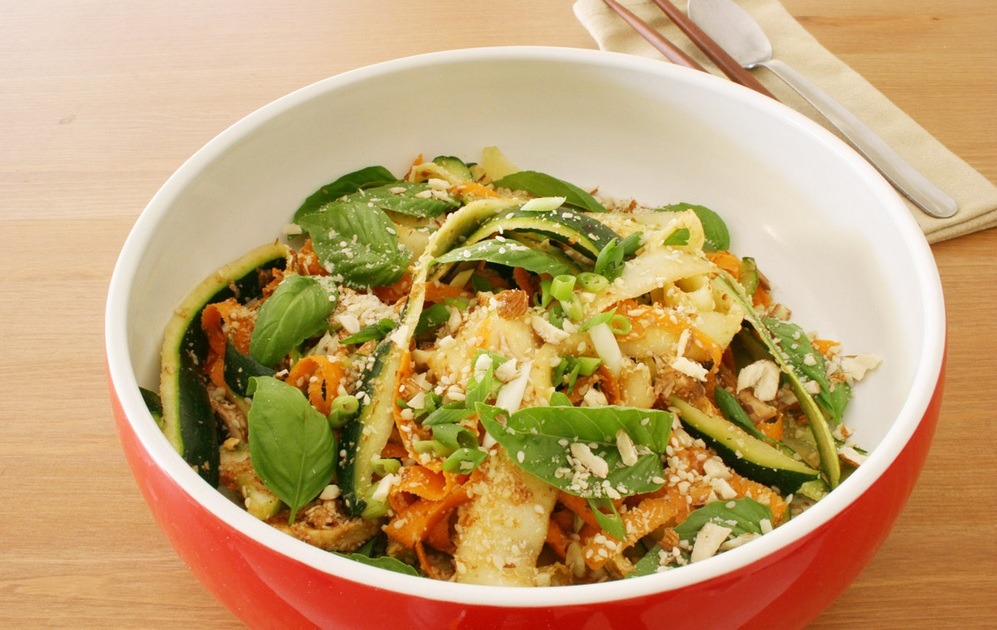
    A warm, Mediterranean-style salad that’s tasty and flavoursome, and very healthy and nutritious too!

    Prep 15 minCook 40 minServes 26 ingredients
    VeganGluten-freeDairy-freeNut-freeNo added sugar

    Tastes: soft, sweet carrots, pepper and courgette with their warm juices poured over fresh spinach.

    A warm salad for a change

    When it’s cold, it’s nice to have a warm salad for a change, as most salads are cold ones.

    Red peppers, spinach and courgettes are highly alkalising and packed with nutrients: vitamins C and A, manganese, folate and potassium. Feel free to combine it with brown basmati rice or new potatoes.

    Why you’ll love it

    • Vitamin A: about two and a half day’s worth.
    • Vitamin C: almost twice your daily needs.
    • Folate: a full day’s worth.
    • Warm and comforting for a salad.

    Good for

    Immunity

    Vitamin A, vitamin C, folate and vitamin B6 contribute to the normal function of the immune system.

    Antioxidants

    Vitamin C, manganese, vitamin E and riboflavin contribute to the protection of cells from oxidative stress. It also contains plant compounds with antioxidant activity, including lutein and beta-carotene.

    Energy

    Folate, vitamin B6, riboflavin and magnesium contribute to the reduction of tiredness and fatigue.

    Bones

    Vitamin K, manganese, magnesium and calcium contribute to the maintenance of normal bones.

    Eyes

    Vitamin A, riboflavin and zinc contribute to the maintenance of normal vision. It also contains lutein and zeaxanthin, the carotenoids found in the macula of the eye.

    Blood pressure

    Potassium contributes to the maintenance of normal blood pressure.

    Tags use approved nutrient health-claim wording, for nutrients that give at least 10% of the Daily Value per serve. Plant compounds like lutein have no Daily Value, so we only say they’re there.

    Key nutrients per serve

    Vitamin K
    100%+Vitamin A
    100%+Vitamin C
    100%+Folate
    100%+Manganese
    91%Vitamin B6
    65%

    Contains: vitamin E (55%), riboflavin (46%), potassium (45%), magnesium (45%), copper (44%), thiamin (33%), iron (32%), niacin (28%), pantothenic acid (24%), calcium (19%), zinc (19%) and phosphorus (19%).

    Plant compounds: lutein and zeaxanthin (about 24 mg), beta-carotene (about 24 mg), plant omega-3 ALA (about 0.5 g) and chlorophyll.

    9 g protein12 g fibreAbout 17 g natural sugarAbout 260 mg sodium

    % of US Daily Value for adults, per serve (half the recipe). Estimated from USDA FoodData Central values for the ingredients as listed; cooking reduces some vitamins, so treat these as upper estimates. Uses 3 tbsp olive oil (see notes); excludes salt and pepper and rice or potatoes to serve; anything over 100% shows as 100%+.

    Warm Red Pepper, Spinach & Courgette Salad

    Carrots, red pepper and courgette gently braised in olive oil, then spooned warm over fresh baby spinach.
    Prep Time 15 minutes
    Cook Time 40 minutes
    Total Time 55 minutes
    Servings: 2

    Ingredients
      

    • 1 red pepper deseeded and sliced
    • 450 g courgettes cut into thick batons
    • 300 g fresh baby spinach washed and drained
    • 350 g carrots peeled and sliced
    • 3 tbsp extra-virgin olive oil
    • Himalayan or Celtic sea salt and black pepper to taste

    Equipment

    • Wide casserole dish with lid
    • Shallow serving dish

    Method
     

    1. Wash and drain all the vegetables. Peel and slice the carrots and cut the courgettes into thick batons. Dry the spinach and lay it in a shallow serving dish.
    2. Put the oil in a wide ovenproof casserole over a low heat. Add the carrots and pepper and season. Cover and cook gently for about 30 minutes, until tender.
    3. Stir in the courgettes, cover again and cook for another 10 minutes – they should be tender but still have their colour.
    4. Spoon the warm veg and all the juices over the spinach and serve.

    Notes

    The original recipe uses 150 ml olive oil for two – far more than you need. 3 tbsp is plenty to braise the veg with the lid on.

    Swaps

    • Make it a meal: serve with brown basmati rice, new potatoes or quinoa.
    • More protein: add a can of rinsed chickpeas with the courgettes.
    • Herbs: finish with basil or parsley.

    Storing it

    Best fresh. The braised veg keeps in the fridge for 2 days – reheat and pour over fresh spinach.

    Good to know

    • High in vitamin K. If you take warfarin or another blood thinner, keep your greens intake steady and talk to your doctor before eating more leafy greens than usual.

    Try next

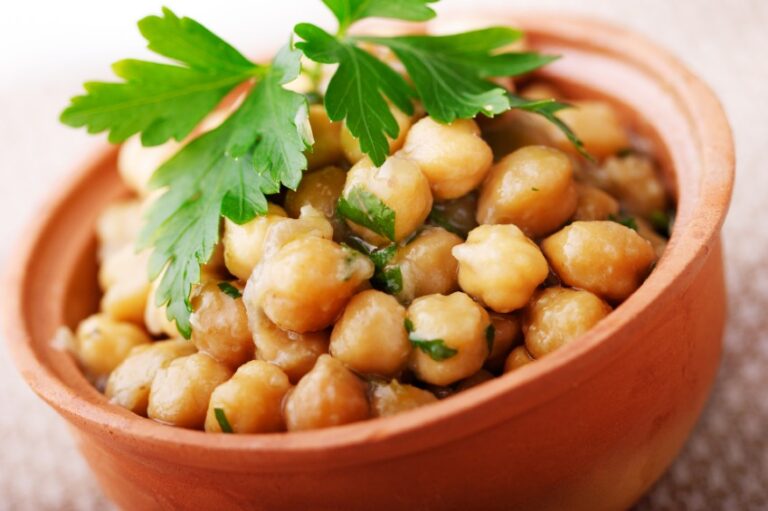
    DinnerSpinach & ChickpeasOpen recipe →
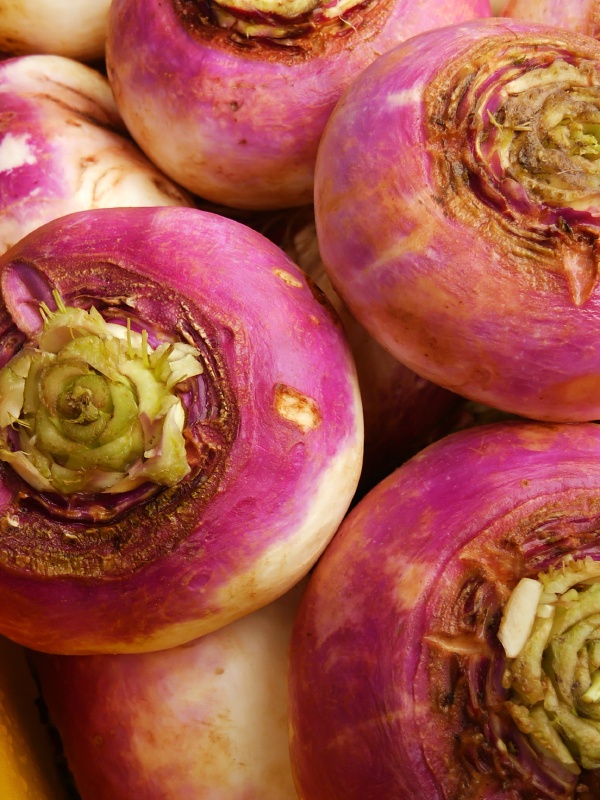
    DinnerSpiced Turnips with Spinach & TomatoesOpen recipe →
    Want more than recipes?

    The Alkaline Life Club has everything in the Recipe Club, plus coaching, live Q&A and a community to keep you going.

    See the Alkaline Life Club

    Sources

    Nutrient values: USDA FoodData Central, SR Legacy (red pepper 170108, zucchini 169291, spinach 168462, carrots 170393, olive oil 171413). Plant compounds are named where the ingredient is a well-documented source; flavonoids follow the USDA Database for the Flavonoid Content of Selected Foods, Release 3.3. Daily Values: US Food and Drug Administration.
  • Provençal Pistou Soup

    Provençal Pistou Soup

    Recipes › Soups

    Provençal Pistou Soup

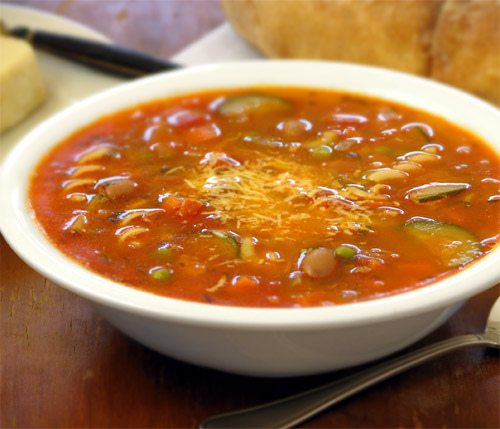
    A warming Provençal vegetable soup of white beans, green beans, potato, tomato and courgette, topped with a big spoonful of fresh basil and pine nut pistou.

    Prep 15 minCook 30 minServes 217 ingredients
    VeganGluten-freeDairy-freeNo added sugar

    Tastes: light, fresh and veg-packed, with a fragrant, garlicky basil pistou stirred through.

    beans

    Bon appétit!

    This soup is packed with different vegetables and will definitely keep you warm on a cold day.

    It’s my take on the Provençal Soupe au Pistou, a cousin of Italy’s minestrone al pesto. Traditionally the pistou is made with parmesan, which I leave out – and it’s still wonderfully rich and fragrant.

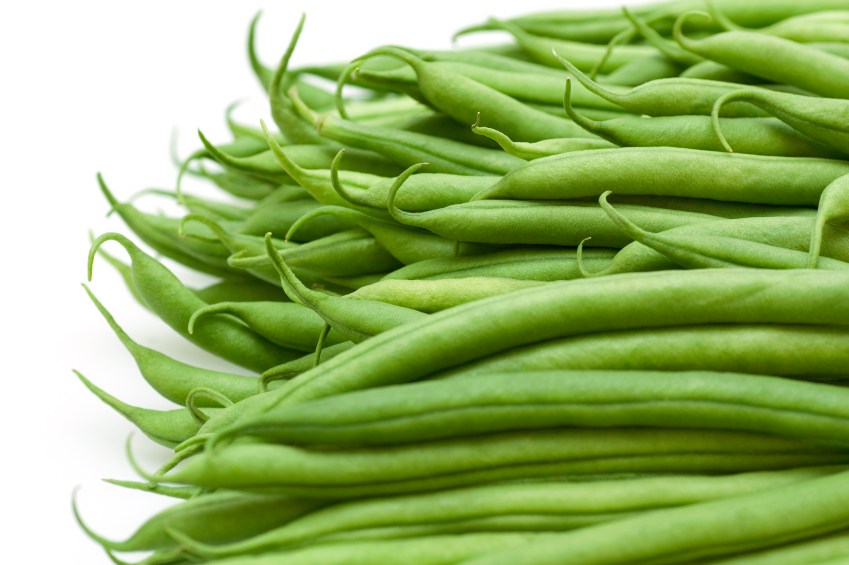
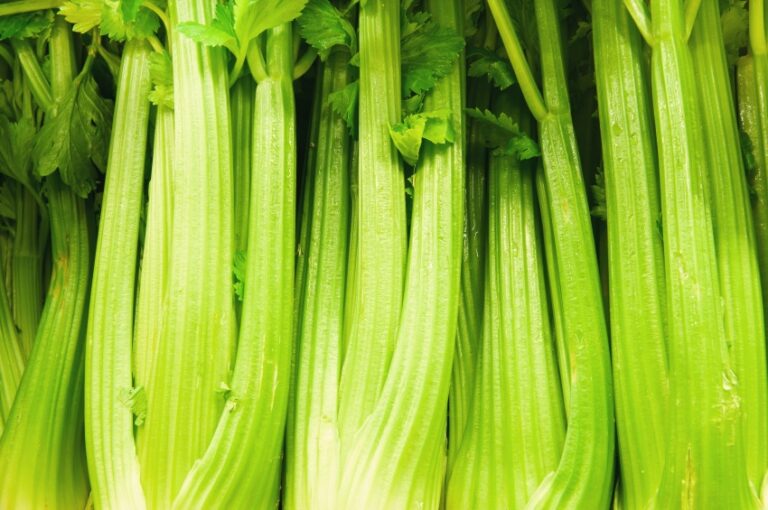
    Green beans, white beans, potatoes and tomatoes are the classic ingredients, and I’ve added courgette, onion, celery and carrot for even more goodness. Bon appétit!

    Why you’ll love it

    • 14 g plant protein and 11 g fibre a bowl.
    • Vitamin K: nearly 1½ days’ worth.
    • Manganese and copper: around 70% of your daily needs each.
    • Fresh pistou stirred in at the table.

    Good for

    Immunity

    Copper, vitamin C, folate and vitamin B6 contribute to the normal function of the immune system.

    Antioxidants

    Manganese, copper, vitamin C and vitamin E contribute to the protection of cells from oxidative stress. It also contains plant compounds with antioxidant activity, including lutein, beta-carotene and lycopene.

    Energy

    Folate, vitamin B6, iron and magnesium contribute to the reduction of tiredness and fatigue.

    Muscles

    Protein contributes to the maintenance of muscle mass, and magnesium, potassium and calcium contribute to normal muscle function.

    Bones

    Vitamin K, manganese, magnesium and zinc contribute to the maintenance of normal bones.

    Eyes

    Vitamin A, zinc and riboflavin contribute to the maintenance of normal vision. It also contains lutein and zeaxanthin, the carotenoids found in the macula of the eye.

    Blood pressure

    Potassium contributes to the maintenance of normal blood pressure.

    Tags use approved nutrient health-claim wording, for nutrients that give at least 10% of the Daily Value per bowl. Plant compounds like lutein have no Daily Value, so we only say they’re there.

    Key nutrients per bowl

    Vitamin K
    100%+Manganese
    74%Copper
    67%Vitamin C
    47%Folate
    39%Vitamin B6
    35%

    Contains: iron (34%), vitamin E (33%), magnesium (32%), potassium (30%), vitamin A (28%), thiamin (25%), zinc (23%), phosphorus (20%), pantothenic acid (16%), calcium (16%), riboflavin (15%) and niacin (14%).

    Plant compounds: lutein and zeaxanthin (about 3.2 mg), beta-carotene (about 2.7 mg), lycopene (about 1.6 mg), apigenin from the celery, quercetin from the onion and sulphur compounds from the garlic.

    14 g protein11 g fibreAbout 9 g natural sugarAbout 570 mg sodium

    % of US Daily Value for adults, per bowl (half the recipe). Estimated from USDA FoodData Central values for the ingredients as listed; cooking reduces some vitamins, so treat these as upper estimates. Uses salted canned white beans and typical low-sodium stock values, including the pistou; excludes salt and pepper; anything over 100% shows as 100%+.

    Provençal Pistou Soup

    Onion, garlic, celery and carrot softened in olive oil, simmered with potato, tomato and basil, then finished with courgette, white beans and green beans and topped with basil pistou.
    Prep Time 15 minutes
    Cook Time 30 minutes
    Total Time 45 minutes
    Servings: 2 bowls

    Ingredients
      

    • 1 can white beans (cannellini or haricot) 400 g, drained and rinsed
    • 100 g green beans chopped
    • 1 large garlic clove crushed
    • 1 tbsp extra virgin olive oil
    • ½ carrot finely chopped
    • ½ large onion finely chopped
    • ½ stick celery finely chopped
    • 90 g new potatoes cut into cubes
    • 425 ml yeast-free, low-sodium vegetable stock
    • 1 large tomato skinned, deseeded and chopped
    • 100 g courgette (zucchini) cut into small cubes
    • ½ bunch fresh basil finely chopped
    • Himalayan salt and black pepper
    For the pistou
    • 50 g fresh basil leaves
    • ¾ tbsp pine nuts
    • 1 large garlic clove
    • 25 ml extra virgin olive oil

    Equipment

    • Large pot
    • Mini food processor

    Method
     

    1. Heat the oil in a large pot over a medium heat. Add the onion, garlic, celery and carrot and fry gently for 5–8 minutes, until the onion is soft but not browned.
    2. Stir in the potatoes, stock and tomato and season with salt and pepper. Bring to the boil and add the chopped basil, then reduce the heat, cover and simmer gently until the potatoes are tender, about 15 minutes.
    3. Meanwhile, make the pistou: blitz the basil, garlic and pine nuts in a mini food processor to a thick paste, then mix in the olive oil. Cover and chill until needed.
    4. When the potatoes are tender, add the courgette, white beans and green beans and cook for another 10 minutes, until the green beans are tender. Season to taste.
    5. Divide between bowls and top each with a large spoonful of pistou. Enjoy!

    Swaps

    • Nut-free: leave out the pine nuts or use sunflower seeds.
    • Cheesy note: add 1 tbsp nutritional yeast to the pistou.
    • Feeding four? Double everything.

    Storing it

    Keeps in the fridge for 3 days, and freezes well for up to 3 months. Keep the pistou separately in a sealed jar in the fridge for up to 3 days.

    Good to know

    • Watching your salt? Choose a low-sodium stock and no-added-salt canned beans and tomatoes, and season at the end.

    Try next

    SoupsSuper-Hearty MinestroneOpen recipe →
    SoupsRibollita (Tuscan Bean & Greens Soup)Open recipe →
    Want more than recipes?

    The Alkaline Life Club has everything in the Recipe Club, plus coaching, live Q&A and a community to keep you going.

    See the Alkaline Life Club

    Sources

    Nutrient values: USDA FoodData Central, SR Legacy (canned white beans 175204, green beans 169961, garlic 169230, olive oil 171413, carrots 170393, onion 170000, celery 169988, potatoes 170026, tomatoes 170457, zucchini 169291, basil 172232, pine nuts 170591). Plant compounds are named where the ingredient is a well-documented source; flavonoids follow the USDA Database for the Flavonoid Content of Selected Foods, Release 3.3. Daily Values: US Food and Drug Administration.
  • Warm Chard, Chicory & Grapefruit Salad

    Warm Chard, Chicory & Grapefruit Salad

    Recipes › Salads

    Warm Chard, Chicory & Grapefruit Salad

    Garlicky wilted chard with slightly bitter chicory, peppery rocket and juicy pink grapefruit, finished with lemon and a grating of nutmeg.

    Prep 15 minCook 10 minServes 211 ingredients
    VeganGluten-freeDairy-freeNut-freeNo added sugar

    Tastes: sweet, bitter, peppery and garlicky all at once, with juicy grapefruit and fresh lemon.

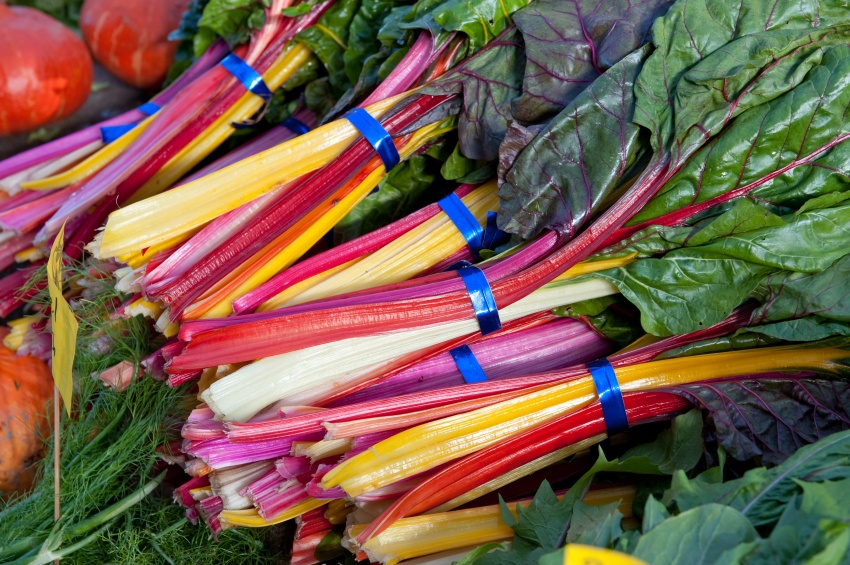
    chard

    An interesting twist

    This warm chard and chicory dish has an unusual combination of ingredients that gives it an interesting twist: soft, garlicky wilted chard, slightly bitter chicory, peppery rocket and juicy pink grapefruit.

    The greens are packed with vitamins K, C and A, as well as magnesium, and the grapefruit and lemon make it bright and fresh. I hope you enjoy it as much as I do!

    Why you’ll love it

    • Vitamin K: well over ten days’ worth – it’s a lot of chard!
    • Vitamin C: over a day’s worth.
    • Magnesium: nearly half your daily needs.
    • Sweet, bitter and peppery all at once.

    Good for

    Immunity

    Vitamin C, vitamin A, copper and iron contribute to the normal function of the immune system.

    Antioxidants

    Vitamin C, copper, vitamin E and manganese contribute to the protection of cells from oxidative stress. It also contains plant compounds with antioxidant activity, including lutein, beta-carotene and lycopene.

    Energy

    Magnesium, vitamin B6, iron and riboflavin contribute to the reduction of tiredness and fatigue.

    Bones

    Vitamin K, magnesium, manganese and calcium contribute to the maintenance of normal bones.

    Eyes

    Vitamin A and riboflavin contribute to the maintenance of normal vision. It also contains lutein and zeaxanthin, the carotenoids found in the macula of the eye.

    Blood pressure

    Potassium contributes to the maintenance of normal blood pressure.

    Tags use approved nutrient health-claim wording, for nutrients that give at least 10% of the Daily Value per serve. Plant compounds like lutein have no Daily Value, so we only say they’re there.

    Key nutrients per serve

    Vitamin K
    100%+Vitamin C
    100%+Vitamin A
    81%Copper
    56%Magnesium
    46%Vitamin E
    40%

    Contains: manganese (39%), potassium (25%), vitamin B6 (24%), iron (24%), riboflavin (23%), folate (21%), pantothenic acid (20%), thiamin (17%), calcium (14%) and phosphorus (12%).

    Plant compounds: lutein and zeaxanthin (about 23 mg), beta-carotene (about 8.7 mg), lycopene (about 2.5 mg), chlorophyll, glucosinolates from the rocket, sulphur compounds from the garlic and citrus flavonoids from the lemon.

    6 g protein8 g fibreAbout 16 g natural sugarAbout 435 mg sodium

    % of US Daily Value for adults, per serve (half the recipe). Estimated from USDA FoodData Central values for the ingredients as listed; cooking reduces some vitamins, so treat these as upper estimates. Includes the grapefruit; excludes salt and pepper; anything over 100% shows as 100%+.

    Warm Chard, Chicory & Grapefruit Salad

    Shallot and garlic softened in olive oil, chard wilted in the pan, then tossed with chicory, rocket, pink grapefruit segments, lemon juice and zest.
    Prep Time 15 minutes
    Cook Time 10 minutes
    Total Time 25 minutes
    Servings: 2

    Ingredients
      

    • ½ head chicory (endive)
    • 400 g chard
    • 350 g pink grapefruit about 1 large
    • ½ garlic clove finely chopped
    • ½ shallot finely chopped
    • 30 g rocket (arugula)
    • 2 tbsp virgin olive oil
    • freshly ground pepper and nutmeg
    • pinch of Himalayan salt
    • ¼ lemon juiced
    • ½ tbsp finely grated lemon zest unwaxed

    Equipment

    • Large saucepan with a lid

    Method
     

    1. Wash the chard and strip the leaves from the stalks. Quarter the chicory lengthways, cut out the core and chop into small pieces.
    2. Peel the grapefruit, remove the white pith and cut out the segments.
    3. Wash and drain the rocket, trimming any thick stalks and halving any large leaves.
    4. Heat the olive oil in a large saucepan and gently fry the shallot and garlic. Add the chard, cover and let the leaves wilt down.
    5. Add the chicory, pepper and nutmeg and stir from time to time for a couple of minutes.
    6. Add the rocket, grapefruit, lemon zest and lemon juice, season to taste and serve. Enjoy!

    Swaps

    • On medication? Use oranges instead of grapefruit (see Good to know).
    • Spinach works instead of chard.
    • Make it a meal: toss in a can of white beans or chickpeas.

    Storing it

    Best fresh.

    Good to know

    • High in vitamin K. If you take warfarin or another blood thinner, keep your greens intake steady and talk to your doctor before eating more leafy greens than usual.
    • Grapefruit and medicines: grapefruit can interact with some medicines, including certain statins and blood pressure drugs. If yours carries a grapefruit warning, use a squeeze of orange or lemon instead.

    Try next

    SaladsA Pint of Real KaleOpen recipe →
    Juices & smoothiesGreens & Grapefruit SmoothieOpen recipe →
    Want more than recipes?

    The Alkaline Life Club has everything in the Recipe Club, plus coaching, live Q&A and a community to keep you going.

    See the Alkaline Life Club

    Sources

    Nutrient values: USDA FoodData Central, SR Legacy (chicory 170404, chard 169991, pink grapefruit 174673, garlic 169230, shallots 170499, rocket 169387, olive oil 171413, nutmeg 171326, lemon juice 167747, lemon peel 167749). Plant compounds are named where the ingredient is a well-documented source; flavonoids follow the USDA Database for the Flavonoid Content of Selected Foods, Release 3.3. Daily Values: US Food and Drug Administration.
  • Roast Garlic & Spinach Salad

    Roast Garlic & Spinach Salad

    Recipes › Salads

    Roast Garlic & Spinach Salad

    If I had to name two of my favourite vegetables, spinach and garlic would be at the top of the list – and this salad has both.

    Prep 5 minCook 15 minServes 26 ingredients
    VeganGluten-freeDairy-freeNo added sugar

    Tastes: fresh and crunchy, with sweet, soft roast garlic, toasty pine nuts and lemon.

    Crunchy spinach, sweet roast garlic

    I love the crunchy texture of the spinach and the sweet taste of the roast garlic in this alkalising salad.

    Fresh spinach is extremely rich in antioxidants and a great source of vitamins A, E, K and C, manganese, magnesium, iron, folate and zinc – you can call it a real superfood! And garlic is one of the oldest known medicinal plants, with a whole host of benefits.

    Why you’ll love it

    • Vitamin K: about five times your daily needs.
    • Manganese and folate: well over half your daily needs.
    • Roast garlic goes sweet and spreadable.
    • A lovely side for almost any dinner.

    Good for

    Immunity

    Vitamin A, folate, vitamin C and copper contribute to the normal function of the immune system.

    Antioxidants

    Manganese, vitamin C, vitamin E and copper contribute to the protection of cells from oxidative stress. It also contains plant compounds with antioxidant activity, including lutein, beta-carotene and flavonoids.

    Energy

    Folate, magnesium, riboflavin and iron contribute to the reduction of tiredness and fatigue.

    Bones

    Vitamin K, manganese, magnesium and zinc contribute to the maintenance of normal bones.

    Eyes

    Vitamin A, riboflavin and zinc contribute to the maintenance of normal vision. It also contains lutein and zeaxanthin, the carotenoids found in the macula of the eye.

    Blood pressure

    Potassium contributes to the maintenance of normal blood pressure.

    Tags use approved nutrient health-claim wording, for nutrients that give at least 10% of the Daily Value per serve. Plant compounds like lutein have no Daily Value, so we only say they’re there.

    Key nutrients per serve

    Vitamin K
    100%+Manganese
    91%Vitamin A
    65%Folate
    62%Vitamin C
    44%Vitamin E
    36%

    Contains: copper (33%), magnesium (30%), riboflavin (23%), iron (23%), vitamin B6 (18%), thiamin (17%), potassium (17%), zinc (13%), calcium (11%) and phosphorus (10%).

    Plant compounds: lutein and zeaxanthin (about 15 mg), beta-carotene (about 7 mg), chlorophyll, sulphur compounds from the garlic and citrus flavonoids from the lemon.

    5 g protein3 g fibreUnder 4 g natural sugarAbout 100 mg sodium

    % of US Daily Value for adults, per serve (half the recipe). Estimated from USDA FoodData Central values for the ingredients as listed; cooking reduces some vitamins, so treat these as upper estimates. Excludes salt and pepper added to taste; anything over 100% shows as 100%+.

    Roast Garlic & Spinach Salad

    Baby spinach tossed with roast garlic cloves, toasted pine nuts, lemon and olive oil.
    Prep Time 5 minutes
    Cook Time 15 minutes
    Total Time 20 minutes
    Servings: 2

    Ingredients
      

    • 250 g baby spinach leaves washed and drained
    • 5 garlic cloves unpeeled
    • 20 g pine nuts lightly toasted
    • juice of ¼ lemon
    • 2 tbsp extra-virgin olive oil divided
    • Himalayan or Celtic sea salt and black pepper to taste

    Equipment

    • Roasting dish

    Method
     

    1. Preheat the oven to about 180°C (355°F).
    2. Put the garlic cloves in a roasting dish, toss with 1 tbsp of the oil and bake for 10–15 minutes, until slightly golden and starting to soften.
    3. Tip the garlic into a salad bowl and add the lemon juice, pine nuts, spinach and remaining oil. Season to taste.
    4. Mix well and serve straight away.

    Notes

    Feeding four, or serving it as a side for a crowd? Double everything – that’s the original recipe.

    Swaps

    • Nut-free: use toasted sunflower or pumpkin seeds.
    • Heartier: add a can of rinsed chickpeas.
    • Rocket or mixed leaves work instead of spinach.

    Storing it

    Best fresh – dress it just before serving.

    Good to know

    • High in vitamin K. If you take warfarin or another blood thinner, keep your greens intake steady and talk to your doctor before eating more leafy greens than usual.
    • Contains pine nuts. See Swaps for nut-free.

    Ross’s tip

    Try to squeeze the garlic purée out of each clove – it’s delicious!

    Try next

    SaladRocket, Watercress & Mint SaladOpen recipe →
    DinnerSpinach with Toasted AlmondsOpen recipe →
    Want more than recipes?

    The Alkaline Life Club has everything in the Recipe Club, plus coaching, live Q&A and a community to keep you going.

    See the Alkaline Life Club

    Sources

    Nutrient values: USDA FoodData Central, SR Legacy (spinach 168462, garlic 169230, pine nuts 170591, lemon juice 167747, olive oil 171413). Plant compounds are named where the ingredient is a well-documented source; flavonoids follow the USDA Database for the Flavonoid Content of Selected Foods, Release 3.3. Daily Values: US Food and Drug Administration.
  • Green Smoothie Recipe by Gareth Edwards

    Green Smoothie Recipe by Gareth Edwards

    Gareth's green smoothieThis is a delicious and ultra healthy green smoothie recipe from Gareth Edwards, our Dr Young trained blood analyst and highly qualified nutritionist.

    In order for nutrients to be digested, the food containing them needs to be “broken down”. Chewing is a vital part of this process. A speedy and efficient alternative to hours at the table is to make nutritious salads “in the blender”. The result is a delicious snack or meal.

    Using predominantly green foods means that the smoothie is rich in chlorophyll, minerals, phyto-nutrients and has a low glaecemic load.

    Gareth’s Green Smoothie

    Serves 1

    Ingredients

    ½ avocado
    20-30 g. nuts & seeds (ideally soaked in mineral water, overnight – or longer. Un-soaked nuts and seeds can irritate an inflamed digestive tract.)
    ½ head of chicory – sliced
    ½ little gem lettuce – sliced
    4-6 leaves, dark green leafy vegetable (spinach, chard, kale etc.)
    100 g. chopped broccoli
    20-30 g. alfalfa sprouts
    1 tea spoon flax or hemp oil
    2 tea spoons olive oil
    1 scoop Inner Light Supergreens (optional)
    1 scoop Inner Light Super Soya Sprouts (optional)
    20 cl. mineral water (still)
    2 ice cubes (from mineral water)

    Seasoning

    ½ squeezed organic (unwaxed) lemon – juiced on a citrus squeezer
    Redmond Real Salt or Sea salt
    Ground black pepper
    Bragg’s liquid Aminos

    Gareth's Green SmoothieInstructions

    Place all the ingredients in a powerful blender or vitamix and season to taste. Pulse and / or blend until “smooth”. Serve in a glass and eat with a spoon!

    Gareth's Green SmoothieYou can also use juiced celery and cucumber to provide some or all of the liquid content. This does mean washing up two pieces of equipment. This option can increase nutrient content.

    n.b. ice is added to maintain room temperature during a heat generating process rather than to give a cold drink.

    Enjoy!

    Alkaline Diet Recipe Book Banner

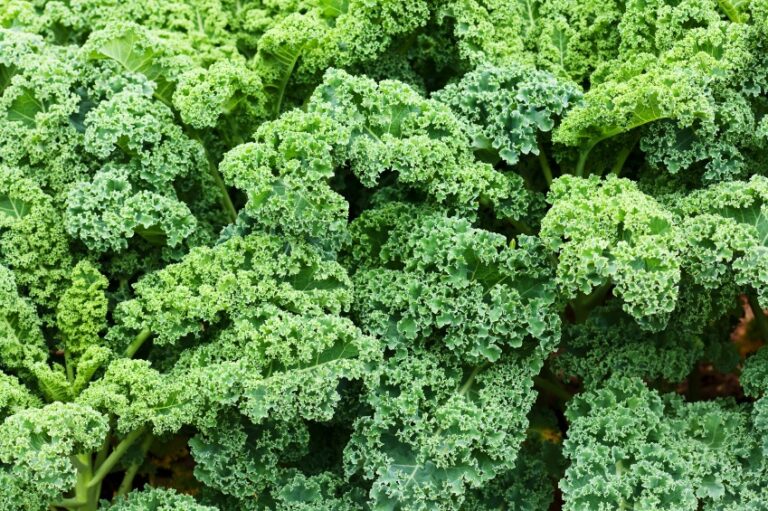
  • Alkaline Diet Recipe #83: Kale Chickpea Mash

    Alkaline Diet Recipe #83: Kale Chickpea Mash

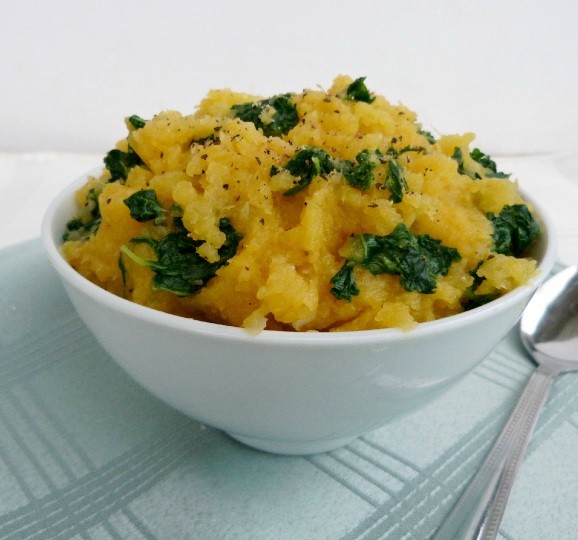
    Kale Chickpea MashHave you ever thought about making a delicious mash without using potatoes and making it a bit more interesting?

    This recipe is absolutely delicious and uses very healthy and highly alkaline ingredients like kale, garlic and chickpeas.

    This mash has got an abundance of different flavours given by the thyme and shallots.

    You can serve this as a main course or as a side dish with fresh fish.

    Kale Chickpea Mash

    Serves 2 as a main dish
    Serves 4 as a side dish

    Ingredients

    3 tbsp garlic, cut into small pieces
    1 shallot, cut into small pieces
    1 bunch kale
    400g fresh chickpeas (cooked per instructions)
    2 tbsp Bragg Liquid Aminos (alternative: soy sauce)
    2 tbsp extra virgin olive oil or coconut oil
    1/2 tsp of fresh or dried thyme
    Celtic sea salt or Himalayan crystal salt, to taste

    Instructions

    Gently fry the shallot and minced garlic in olive oil on medium-high heat until it turns golden brown. Be careful not to burn it, as the garlic becomes bitter tasting otherwise.

    Add the washed and drained kale and stir in the oil, onion and garlic. After the kale has wilted a bit, add the chick peas and cook for about 6 minutes.

    Add the remaining ingredients and stir. Begin mashing the chickpeas with a fork. You can mash them as fine as you like your mash to be.

    Enjoy!

    Alkaline Diet Recipe Book Banner

  • Kohlrabi Salad with Sprout Dressing

    Kohlrabi Salad with Sprout Dressing

    Recipes › Salads

    Kohlrabi Salad with Sprout Dressing

    Crisp, fresh and SO simple – kohlrabi is massively underrated, and this German-style salad is the perfect way to try it.

    Prep 10 minServes 26 ingredients
    VeganGluten-freeDairy-freeNut-freeNo added sugar

    Tastes: crisp and mild, with wafer-thin kohlrabi and a fresh, lemony dressing with sprouts and spring onion.

    Meet the kohlrabi

    Kohlrabi looks a bit like an alien life form (it was actually developed in Northern Europe back in the 16th century), but don’t let that put you off! It has a mild, sweet, slightly peppery crunch – somewhere between a broccoli stem and a crisp apple – and it soaks up the flavour of whatever you dress it with.

    It’s a great source of vitamin C and fibre, and with the sprouts, lemon and good olive oil on top, it’s about as fresh and alkaline as lunch gets. Guten Appetit!

    Why you’ll love it

    • Vitamin C: over two and a half day’s worth.
    • About 14 g fibre a serve.
    • Crisp, mild and fresh.
    • 10 minutes to make.

    Good for

    Immunity

    Vitamin C, copper, vitamin B6 and folate contribute to the normal function of the immune system.

    Antioxidants

    Vitamin C, copper, vitamin E and manganese contribute to the protection of cells from oxidative stress. It also contains plant compounds with antioxidant activity, including quercetin and flavonoids.

    Energy

    Vitamin B6, folate, magnesium and pantothenic acid contribute to the reduction of tiredness and fatigue.

    Bones

    Vitamin K, manganese, magnesium and phosphorus contribute to the maintenance of normal bones.

    Blood pressure

    Potassium contributes to the maintenance of normal blood pressure.

    Tags use approved nutrient health-claim wording, for nutrients that give at least 10% of the Daily Value per serve. Plant compounds like these have no Daily Value, so we only say they’re there.

    Key nutrients per serve

    Vitamin C
    100%+Copper
    56%Vitamin B6
    35%Vitamin E
    31%Potassium
    29%Vitamin K
    26%

    Contains: manganese (26%), folate (18%), magnesium (18%), thiamin (17%), phosphorus (15%), pantothenic acid (14%), niacin (10%), iron (10%) and calcium (8%).

    Plant compounds: quercetin from the onion and citrus flavonoids from the lemon.

    7 g protein14 g fibreAbout 10 g natural sugarAbout 75 mg sodium

    % of US Daily Value for adults, per serve (half the recipe). Estimated from USDA FoodData Central values for the ingredients as listed, so treat these as upper estimates. Uses about 750 g kohlrabi (3 bulbs, peeled) and alfalfa values for the sprouts; excludes salt and pepper; anything over 100% shows as 100%+.

    Kohlrabi Salad with Sprout Dressing

    Very thinly sliced kohlrabi covered with a dressing of olive oil, lemon, sprouts and spring onion.
    Prep Time 10 minutes
    Total Time 10 minutes
    Servings: 2

    Ingredients
      

    • 3 green kohlrabi
    • 1 spring onion or shallot
    • 4 tbsp fresh sprouts alfalfa and radish are particularly good
    • 3 tbsp olive oil or Udo’s Choice
    • juice of ½ lemon
    • Himalayan or Celtic sea salt and black pepper to taste

    Equipment

    • Sharp knife or mandoline

    Method
     

    1. Finely chop the spring onion or shallot.
    2. Make a dressing with the oil, lemon juice, salt, pepper and sprouts, and mix in the onion.
    3. Peel the kohlrabi and cut into very thin slices.
    4. Lay the slices on a big plate and cover with the dressing.

    Swaps

    • Apple is lovely sliced in with the kohlrabi.
    • Herbs: add dill or chives to the dressing.
    • Less oil: use 2 tbsp.

    Storing it

    Best fresh – dress just before serving.

    Good to know

    • Raw sprouts can carry bacteria, so they aren’t recommended in pregnancy or for anyone with a weakened immune system.

    Try next

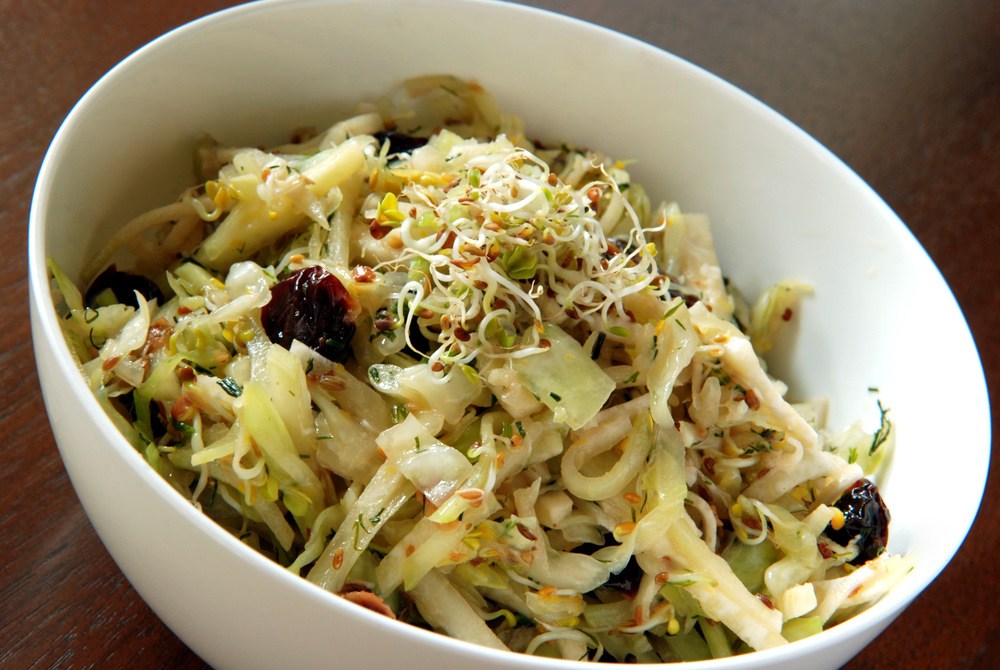
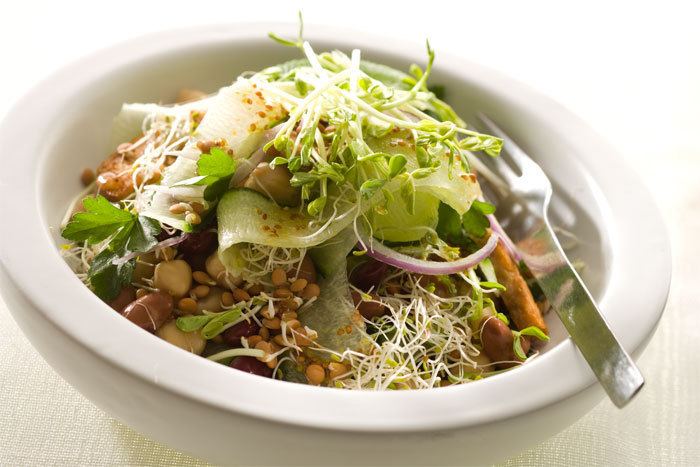
    SaladMixed Sprouts SaladOpen recipe →
    SaladCitrus, Fennel & Olive Summer SaladOpen recipe →
    Want more than recipes?

    The Alkaline Life Club has everything in the Recipe Club, plus coaching, live Q&A and a community to keep you going.

    See the Alkaline Life Club

    Sources

    Nutrient values: USDA FoodData Central, SR Legacy (kohlrabi 168424, spring onions 170005, alfalfa sprouts 168384, olive oil 171413, lemon juice 167747). Plant compounds are named where the ingredient is a well-documented source; flavonoids follow the USDA Database for the Flavonoid Content of Selected Foods, Release 3.3. Daily Values: US Food and Drug Administration.