Tag: cumin

  • Aubergine Stew with Spicy Chickpeas

    Recipes › Dinner

    Aubergine Stew with Spicy Chickpeas

    An alkaline, spicy aubergine and chickpea stew found all over the Mediterranean, and particularly popular in Lebanon.

    Prep 30 minCook 35 minServes 214 ingredients
    VeganGluten-freeDairy-freeNut-freeNo added sugar

    Tastes: rich and warming, with cumin, coriander and cinnamon, silky aubergine and golden fried onions on top.

    Gets your taste buds tingling

    Like most Mediterranean dishes, this stew is packed with spices, which give it its flavour and get your taste buds tingling.

    It’s also very healthy and alkaline. Aubergines are a good source of folate and potassium, with antioxidants that help protect your cells from free radicals, and chickpeas bring protein, zinc and folate.

    Why you’ll love it

    • Fibre: about 27 g a serve – practically a full day’s worth.
    • Lycopene-rich, from all those tomatoes.
    • About 19 g plant protein a serve.
    • Freezes well, so it’s easy to double.

    Good for

    Immunity

    Copper, vitamin B6, vitamin C and folate contribute to the normal function of the immune system.

    Antioxidants

    Copper, manganese, vitamin E and vitamin C contribute to the protection of cells from oxidative stress. It also contains plant compounds with antioxidant activity, including lutein, beta-carotene and lycopene.

    Energy

    Vitamin B6, folate, pantothenic acid and niacin contribute to the reduction of tiredness and fatigue.

    Muscles

    Protein contributes to the maintenance of muscle mass, and potassium, magnesium and calcium contribute to normal muscle function.

    Bones

    Manganese, vitamin K, magnesium and phosphorus contribute to the maintenance of normal bones.

    Eyes

    Riboflavin and zinc contribute to the maintenance of normal vision.

    Blood pressure

    Potassium contributes to the maintenance of normal blood pressure.

    Tags use approved nutrient health-claim wording, for nutrients that give at least 10% of the Daily Value per serve. Plant compounds like lutein have no Daily Value, so we only say they’re there.

    Key nutrients per serve

    Copper
    100%+Manganese
    100%+Vitamin B6
    65%Vitamin E
    55%Vitamin C
    51%Folate
    49%

    Contains: vitamin K (45%), potassium (45%), thiamin (42%), pantothenic acid (42%), niacin (41%), magnesium (38%), iron (37%), riboflavin (31%), phosphorus (26%), zinc (22%), calcium (18%) and selenium (15%).

    Plant compounds: lutein and zeaxanthin (about 0.6 mg), beta-carotene (about 0.6 mg), lycopene (about 15 mg), chlorophyll, quercetin from the onion and sulphur compounds from the garlic.

    19 g protein28 g fibreAbout 37 g natural sugarAbout 825 mg sodium

    % of US Daily Value for adults, per serve (half the recipe). Estimated from USDA FoodData Central values for the ingredients as listed; cooking reduces some vitamins, so treat these as upper estimates. Uses canned chickpeas and crushed canned tomatoes; includes the garnish; excludes rice and salt added to taste; anything over 100% shows as 100%+.

    Aubergine Stew with Spicy Chickpeas

    Aubergine and chickpeas simmered in spiced tomatoes, topped with crispy onion and garlic.
    Prep Time 30 minutes
    Cook Time 35 minutes
    Total Time 1 hour 5 minutes
    Servings: 2

    Ingredients
      

    Stew
    • 1 x 400 g can chickpeas drained (or 100 g dried, soaked overnight)
    • 2 medium aubergines (eggplants) cubed
    • 1 large onion chopped
    • 1 clove garlic chopped
    • 2 tbsp olive oil
    • 600 g canned chopped tomatoes 1½ cans
    • ¼ tsp ground cumin
    • ¼ tsp ground coriander
    • ¼ tsp ground cinnamon
    • Himalayan or Celtic sea salt and black pepper to taste
    Garnish
    • ½ onion finely sliced
    • 1 small clove garlic sliced
    • 1 tbsp olive oil
    • fresh coriander sprigs
    To serve
    • brown basmati rice optional

    Equipment

    • Colander
    • Large pan with lid
    • Frying pan

    Method
     

    1. Put the aubergine cubes in a colander and sprinkle with salt. Sit the colander in a bowl for about 20 minutes so the bitter juices can escape, then rinse with cold water and drain.
    2. If you’re using dried chickpeas, drain them, cover with fresh water, bring to the boil and simmer for about 30 minutes until tender, then drain.
    3. Heat the oil in a large pan and cook the onion and garlic gently until they start to soften. Add the spices and stir for a few seconds, then add the aubergine and stir to coat. Cook for about 5 minutes.
    4. Add the chickpeas and tomatoes, season, cover and simmer for 20–25 minutes.
    5. For the garnish, heat the oil in a frying pan and fry the onion and garlic gently until golden.
    6. Serve the stew (over rice, if you like), topped with the crispy onion, garlic and coriander.

    Notes

    Feeding four? Double everything – that’s the original recipe.

    Swaps

    • Short on time? Skip salting the aubergine – modern varieties are rarely bitter.
    • Quinoa instead of rice.
    • A little heat: add ½ tsp chilli flakes with the spices.

    Storing it

    Keeps in the fridge for 3–4 days and freezes well. It’s even better the next day.

    Good to know

    • Salt: canned tomatoes and the aubergine salting add up, so taste before you season.

    Try next
    DinnerMoroccan Roast Eggplant StewOpen recipe →
    DinnerHarissa Eggplant with Cannellini CreamOpen recipe →
    Want more than recipes?

    The Alkaline Life Club has everything in the Recipe Club, plus coaching, live Q&A and a community to keep you going.

    See the Alkaline Life Club

    Sources

    Nutrient values: USDA FoodData Central, SR Legacy (chickpeas 173801, eggplant 169228, onion 170000, garlic 169230, olive oil 171413, crushed canned tomatoes 170501, cumin 170923, coriander seed 170922, cinnamon 171320, coriander leaves 169997). Plant compounds are named where the ingredient is a well-documented source; flavonoids follow the USDA Database for the Flavonoid Content of Selected Foods, Release 3.3. Daily Values: US Food and Drug Administration.
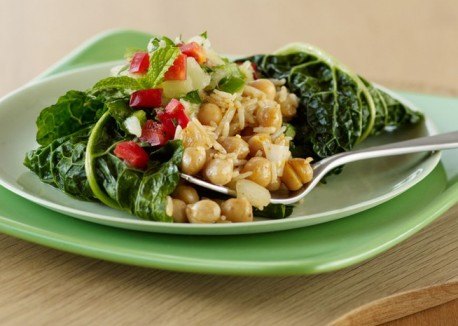
  • Kale & Chickpea Rolls with Tomato Salsa

    Kale & Chickpea Rolls with Tomato Salsa

    Recipes › Dinner

    Kale & Chickpea Rolls with Tomato Salsa

    Kale leaves wrapped around a spiced filling of chickpeas and brown basmati rice, topped with a fresh, spicy tomato and jalapeño salsa.

    Prep 20 minCook 35 minServes 213 ingredients
    VeganGluten-freeDairy-freeNut-freeNo added sugar

    Tastes: savoury and gently spiced, with a fresh, fiery salsa.

    They look quite something

    These rolls don’t only taste great, they look quite something on your plate too: kale leaves wrapped around a spiced filling of chickpeas and brown basmati rice, topped with a spicy tomato salsa.

    Kale is very high in vitamins K and C and rich in beta-carotene and lutein, and the chickpeas and brown rice make them satisfying. They’re perfect for dinner with family and friends.

    Why you’ll love it

    • Vitamin K: over twice your daily needs a serve.
    • Vitamin C: nearly a full day’s worth.
    • Manganese: about 90% of your daily needs.
    • Fibre: about 40% of your daily needs.

    Good for

    Immunity

    Vitamin C, copper, vitamin B6 and folate contribute to the normal function of the immune system.

    Antioxidants

    Vitamin C, manganese, copper and riboflavin contribute to the protection of cells from oxidative stress. It also contains plant compounds with antioxidant activity, including lutein, beta-carotene and lycopene.

    Energy

    Vitamin B6, folate, niacin and riboflavin contribute to the reduction of tiredness and fatigue.

    Muscles

    Protein contributes to the maintenance of muscle mass, and magnesium, potassium and calcium contribute to normal muscle function.

    Bones

    Vitamin K, manganese, magnesium and phosphorus contribute to the maintenance of normal bones.

    Eyes

    Riboflavin, vitamin A and zinc contribute to the maintenance of normal vision. It also contains lutein and zeaxanthin, the carotenoids found in the macula of the eye.

    Blood pressure

    Potassium contributes to the maintenance of normal blood pressure.

    Tags use approved nutrient health-claim wording, for nutrients that give at least 10% of the Daily Value per serve. Plant compounds like lutein have no Daily Value, so we only say they’re there.

    Key nutrients per serve

    Vitamin K
    100%+Vitamin C
    94%Manganese
    91%Copper
    78%Vitamin B6
    41%Folate
    38%

    Contains: thiamin (33%), niacin (32%), riboflavin (31%), iron (31%), magnesium (28%), vitamin E (27%), pantothenic acid (26%), potassium (24%), vitamin A (22%), phosphorus (21%), calcium (19%), zinc (19%) and selenium (14%).

    Plant compounds: lutein and zeaxanthin (about 3.7 mg), beta-carotene (about 2.3 mg), lycopene (about 10 mg), chlorophyll, quercetin and kaempferol from the kale, quercetin from the onion and glucosinolates from the kale.

    11 g protein12 g fibreAbout 15 g natural sugarAbout 515 mg sodium

    % of US Daily Value for adults, per serve (half the recipe). Estimated from USDA FoodData Central values for the ingredients as listed; cooking reduces some vitamins, so treat these as upper estimates. Uses crushed canned tomatoes for the plum tomatoes; anything over 100% shows as 100%+.

    Kale & Chickpea Rolls with Tomato Salsa

    Brown basmati rice and chickpeas simmered with onion, paprika and cumin, rolled up in kale leaves and topped with a blended tomato, onion, jalapeño and coriander salsa.
    Prep Time 20 minutes
    Cook Time 35 minutes
    Total Time 55 minutes
    Servings: 2

    Ingredients
      

    Kale rolls
    • ½ medium onion finely chopped
    • 6 large kale leaves
    • ½ cup cooked chickpeas
    • ½ tsp extra virgin olive oil or rapeseed oil
    • 150 ml yeast-free, low-sodium vegetable stock ⅔ cup
    • ¼ cup brown basmati rice
    • ¼ tsp ground paprika
    • ½ tsp ground cumin
    • pinch of Himalayan salt
    Tomato salsa
    • ½ onion
    • 400 g canned plum tomatoes 1 small can
    • 1–2 jalapeño peppers
    • ½ bunch coriander

    Equipment

    • Saucepan with a lid
    • Blender

    Method
     

    Kale rolls
    1. Heat the oil in a saucepan over a medium heat and cook the onion for about 4 minutes, until softened.
    2. Add the rice, chickpeas, stock, paprika, cumin and salt and bring to the boil. Cover, reduce the heat and simmer for 25–30 minutes, until the rice is tender and the liquid is absorbed. Let it cool.
    3. Wash and drain the kale leaves and trim the thick stems from the centre. Lay 1 large (or 2 small, overlapping) leaf on your worktop and pull the cut edges together where the stem was.
    4. Spoon about 2 tbsp of filling onto the bottom of the leaf, fold in the sides and roll it up to the tip. Repeat with the rest.
    Tomato salsa
    1. Put the tomatoes in a blender. Quarter the onion and add it, along with the coriander leaves and the stemmed jalapeños (use more or fewer, depending on how spicy you like it).
    2. Blend for about 40 seconds and spoon over the rolls.

    Swaps

    • Milder salsa: use one jalapeño and deseed it.
    • Quicker: use pre-cooked brown rice and just warm the filling through.
    • Softer rolls: blanch the kale leaves for 30 seconds first.

    Storing it

    The rolls keep in the fridge for 2 days, and the salsa for 3.

    Good to know

    • High in vitamin K. If you take warfarin or another blood thinner, keep your greens intake steady and talk to your doctor before eating more leafy greens than usual.

    Try next

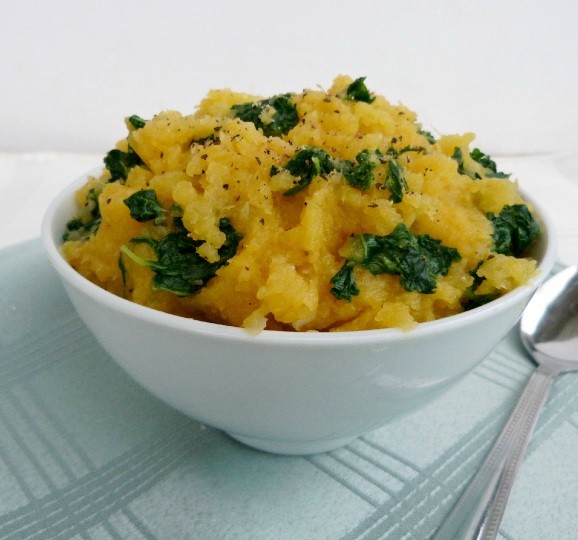
    LunchKale & Chickpea MashOpen recipe →
    DinnerCourgettes in Chickpea SauceOpen recipe →
    Want more than recipes?

    The Alkaline Life Club has everything in the Recipe Club, plus coaching, live Q&A and a community to keep you going.

    See the Alkaline Life Club

    Sources

    Nutrient values: USDA FoodData Central, SR Legacy (onion 170000, kale 168421, cooked chickpeas 173757, olive oil 171413, brown rice 169703, paprika 171329, cumin 170923, salt 173468, crushed canned tomatoes 170501, jalapeño 168576, coriander 169997). Plant compounds are named where the ingredient is a well-documented source; flavonoids follow the USDA Database for the Flavonoid Content of Selected Foods, Release 3.3. Daily Values: US Food and Drug Administration.
  • Digestion-Soothing Veggie Stew

    Digestion-Soothing Veggie Stew

    Recipes › Dinner

    Digestion-Soothing Veggie Stew

    A simple, delicious and gut-friendly stew that tastes great and supports your digestion – and it’s ridiculously easy to make.

    Prep 15 minCook 35 minServes 214 ingredients
    VeganGluten-freeDairy-freeNut-freeNo added sugar

    Tastes: gently spiced and comforting, with ginger, cumin, coriander and cardamom, tender veg and chickpeas.

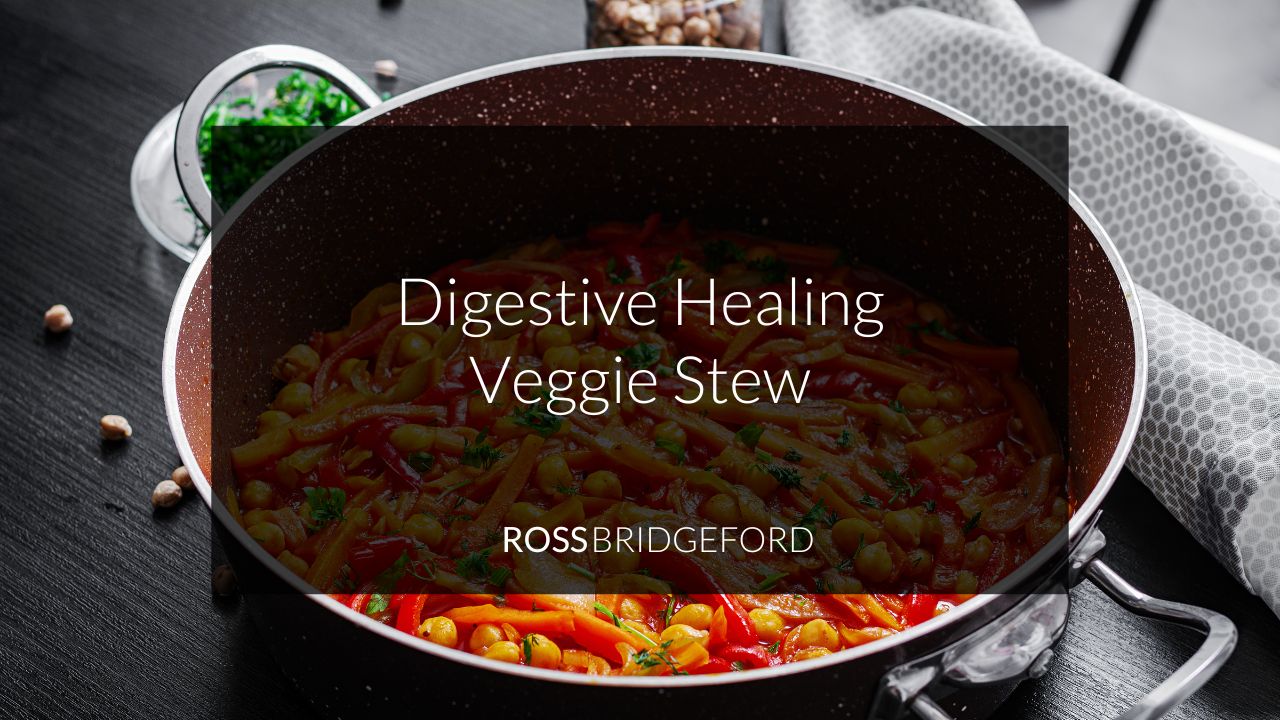
    Digestive healing vegetable stew

    Nourishing your digestive system

    It’s packed with alkalising, fibre-rich ingredients like chickpeas, courgettes and carrots, and gently spiced with digestive superstars like ginger, cumin and coriander to keep your tummy happy and your body energised.

    This stew is all about nourishing your digestive system in the most delicious way possible – no stress, no fuss, just real, feel-good food. It’s perfect for busy days when you need something quick, satisfying and supportive of your overall health.

    Why you’ll love it

    • Chickpeas’ soluble fibre feeds the good bacteria in your gut and can help keep you regular.
    • Ginger can help ease nausea, and has anti-inflammatory compounds.
    • Cumin has been studied for easing gas and bloating.
    • Gentle courgettes and carrots – easy on the stomach and hydrating.

    Good for

    Immunity

    Vitamin C, copper, vitamin A and vitamin B6 contribute to the normal function of the immune system.

    Antioxidants

    Vitamin C, manganese, copper and riboflavin contribute to the protection of cells from oxidative stress. It also contains plant compounds with antioxidant activity, including lutein, beta-carotene and quercetin.

    Energy

    Vitamin B6, folate, magnesium and iron contribute to the reduction of tiredness and fatigue.

    Muscles

    Protein contributes to the maintenance of muscle mass, and potassium and magnesium contribute to normal muscle function.

    Bones

    Manganese, vitamin K, magnesium and phosphorus contribute to the maintenance of normal bones.

    Eyes

    Vitamin A, riboflavin and zinc contribute to the maintenance of normal vision. It also contains lutein and zeaxanthin, the carotenoids found in the macula of the eye.

    Blood pressure

    Potassium contributes to the maintenance of normal blood pressure.

    Tags use approved nutrient health-claim wording, for nutrients that give at least 10% of the Daily Value per serve. Plant compounds like lutein have no Daily Value, so we only say they’re there.

    Key nutrients per serve

    Vitamin C
    76%Manganese
    70%Copper
    44%Vitamin A
    35%Vitamin B6
    35%Folate
    27%

    Contains: vitamin K (20%), potassium (20%), thiamin (17%), magnesium (17%), iron (16%), phosphorus (16%), riboflavin (15%), zinc (13%), niacin (12%), pantothenic acid (12%) and calcium (8%).

    Plant compounds: lutein and zeaxanthin (about 1.2 mg), beta-carotene (about 3.2 mg), chlorophyll, quercetin from the onion, gingerols from the ginger and capsaicin from the chilli.

    11 g protein12 g fibreAbout 15 g natural sugarAbout 980 mg sodium

    % of US Daily Value for adults, per serve (half the recipe). Estimated from USDA FoodData Central values for the ingredients as listed; cooking reduces some vitamins, so treat these as upper estimates. Uses canned chickpeas and low-sodium stock; includes the ½ tsp salt; anything over 100% shows as 100%+.

    Digestion-Soothing Veggie Stew

    A gently spiced stew of chickpeas, potato, carrot, pepper and courgette with ginger, cumin and cardamom.
    Prep Time 15 minutes
    Cook Time 35 minutes
    Total Time 50 minutes
    Servings: 2

    Ingredients
      

    • 200 g canned chickpeas drained and rinsed (or 100 g dried)
    • 2 medium onions sliced
    • 1 medium new potato peeled and diced into 1 cm pieces
    • 1 medium carrot peeled and diced into 1 cm pieces
    • ½ red or yellow bell pepper cut into 2 cm pieces
    • ½ courgette (zucchini) sliced into 1 cm rounds
    • 1 small fresh red chilli deseeded and finely chopped, optional
    • 1½ tbsp sesame oil or olive oil
    • ½ tsp black pepper freshly ground
    • ½ tsp ground cumin
    • ½ tsp ground coriander
    • ½ tsp ground ginger
    • ½ tsp ground cardamom
    • ½ tsp Himalayan or Celtic sea salt adjust to taste
    • 2 cups vegetable stock or water
    • fresh coriander leaves optional, to garnish

    Equipment

    • Large pot or Dutch oven

    Method
     

    Chickpeas
    1. If you’re using dried chickpeas, soak them overnight, then drain, cover with fresh water by at least 5 cm and simmer for 1–1½ hours until tender. If using canned, just drain and rinse.
    Stew
    1. Heat the oil in a large pot over a medium heat and sauté the onions for 5–7 minutes until soft and translucent.
    2. Stir in the chilli (if using) and all the spices and cook for 2 minutes, stirring so they don’t burn.
    3. Add the potato and carrot, stir to coat and cook for 5 minutes.
    4. Pour in the stock, bring to a gentle boil, then cover and simmer on low for 10 minutes.
    5. Add the pepper and courgette and simmer, covered, for another 10–15 minutes until everything is tender but not mushy.
    6. Stir in the chickpeas and salt and simmer for 5 more minutes. Add a splash more stock if you like it thinner, and adjust the seasoning.
    7. Ladle into bowls and garnish with coriander. Enjoy it on its own or with rice.

    Swaps

    • Olive oil works instead of sesame oil.
    • Sweet potato instead of the new potato.
    • More greens: stir in a handful of spinach at the end.

    Storing it

    Keeps in the fridge for 3–4 days and freezes well.

    Good to know

    • Salt: this has about 980 mg sodium a serve with the ½ tsp salt. If you’re watching salt, use ¼ tsp and taste.

    Try next

    DinnerCurried Lentil StewOpen recipe →
    DinnerLentil RatatouilleOpen recipe →
    Want more than recipes?

    The Alkaline Life Club has everything in the Recipe Club, plus coaching, live Q&A and a community to keep you going.

    See the Alkaline Life Club

    Sources

    Nutrient values: USDA FoodData Central, SR Legacy (chickpeas 173801, onion 170000, red potatoes 170029, carrots 170393, red pepper 170108, zucchini 169291, red chilli 170106, sesame oil 171016, black pepper 170931, cumin 170923, coriander seed 170922, ground ginger 170926, cardamom 170919, salt 173468, coriander leaves 169997). Plant compounds are named where the ingredient is a well-documented source; flavonoids follow the USDA Database for the Flavonoid Content of Selected Foods, Release 3.3. Daily Values: US Food and Drug Administration.
  • Tunisian Chickpea Soup

    Tunisian Chickpea Soup

    Recipes › Soups

    Tunisian Chickpea Soup

    Slow-simmered chickpeas with garlic, cumin, coriander and turmeric, stirred through with sautéed carrot, celery, onion and kale and finished with lemon.

    Prep 15 minSoak overnightCook 2½ hoursServes 214 ingredients
    VeganGluten-freeDairy-freeNut-freeNo added sugar

    Tastes: warm, earthy and fragrant with Arabic spices, garlic and a squeeze of lemon.

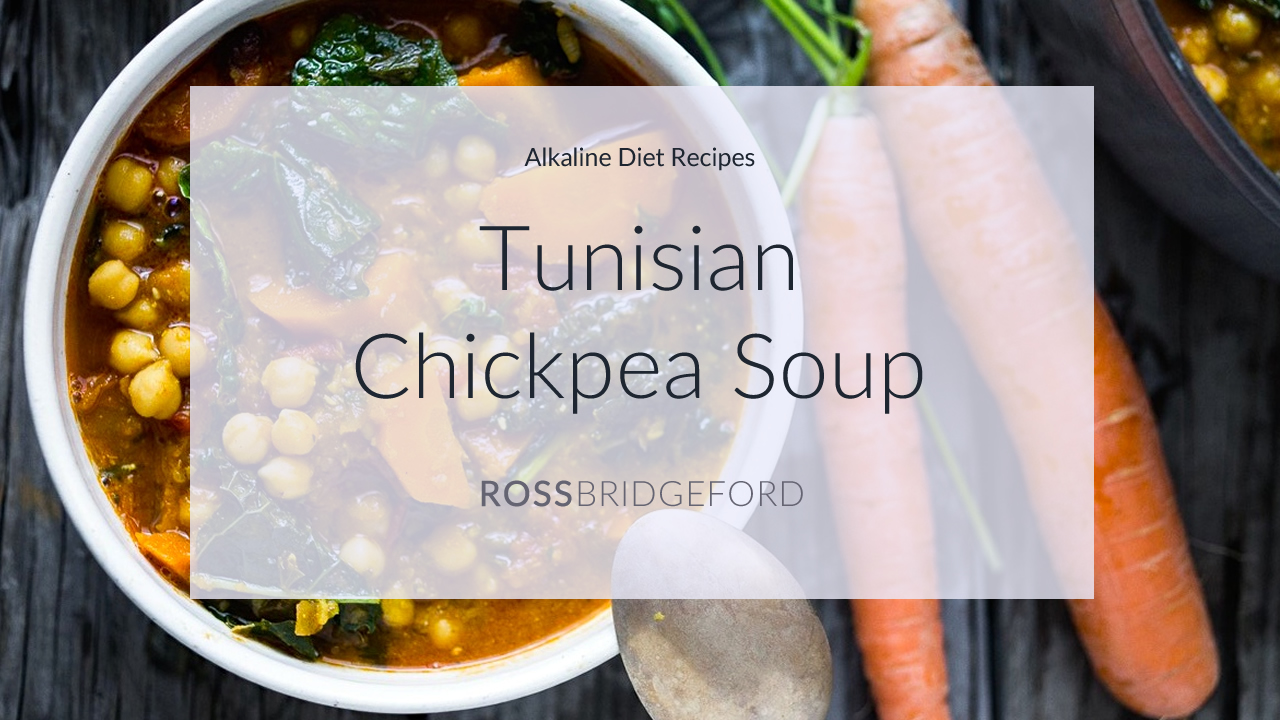
    Tunisian Chickpea Soup Featured Image

    An absolute cracker

    This is an absolute cracker – filling, warming, and I just love it. While it’s obviously awesome as a winter warmer, I also still love it in summer: with the Arabic flavours and spices you can almost picture yourself enjoying it on a hot Tunisian evening.

    Nutrient-wise, this soup has a superb range, with lots of plant protein, folate and manganese – and tons of fibre too. Add the turmeric, kale, garlic, celery and fresh coriander, and wow – it’s a powerhouse soup.

    It IS best cooked slowly for a couple of hours, but if you’re pressed for time (or the aromas get too much for you to resist!), use canned chickpeas and it’s ready in about 30 minutes.

    Why you’ll love it

    • 20 g plant protein and 14 g fibre a bowl.
    • Folate: over a day’s worth.
    • Manganese: nearly twice your daily needs.
    • Arabic spices: cumin, coriander and turmeric.

    Good for

    Immunity

    Folate, copper, vitamin B6 and vitamin C contribute to the normal function of the immune system.

    Antioxidants

    Manganese, copper, vitamin C and zinc contribute to the protection of cells from oxidative stress. It also contains plant compounds with antioxidant activity, including lutein, beta-carotene and apigenin.

    Energy

    Folate, vitamin B6, pantothenic acid and iron contribute to the reduction of tiredness and fatigue.

    Muscles

    Protein contributes to the maintenance of muscle mass, and magnesium, potassium and calcium contribute to normal muscle function.

    Bones

    Manganese, vitamin K, zinc and magnesium contribute to the maintenance of normal bones.

    Eyes

    Vitamin A, zinc and riboflavin contribute to the maintenance of normal vision. It also contains lutein and zeaxanthin, the carotenoids found in the macula of the eye.

    Blood pressure

    Potassium contributes to the maintenance of normal blood pressure.

    Tags use approved nutrient health-claim wording, for nutrients that give at least 10% of the Daily Value per bowl. Plant compounds like lutein have no Daily Value, so we only say they’re there.

    Key nutrients per bowl

    Manganese
    100%+Folate
    100%+Vitamin K
    78%Copper
    78%Thiamin
    42%Vitamin B6
    41%

    Contains: pantothenic acid (36%), vitamin A (34%), vitamin C (34%), iron (29%), zinc (26%), riboflavin (23%), potassium (23%), magnesium (23%), phosphorus (23%), vitamin E (21%), niacin (14%) and calcium (12%).

    Plant compounds: lutein and zeaxanthin (about 1 mg), beta-carotene (about 3.2 mg), chlorophyll, apigenin from the celery, quercetin and kaempferol from the kale, quercetin from the onion, glucosinolates from the kale, curcumin from the turmeric, sulphur compounds from the garlic and citrus flavonoids from the lemon.

    20 g protein14 g fibreAbout 14 g natural sugarAbout 95 mg sodium

    % of US Daily Value for adults, per bowl (half the recipe). Estimated from USDA FoodData Central values for the ingredients as listed; cooking reduces some vitamins, so treat these as upper estimates. Uses 2 tbsp olive oil in total (the original used 8 tbsp for twice the amount); excludes salt and pepper; anything over 100% shows as 100%+.

    Tunisian Chickpea Soup

    Soaked chickpeas slow-simmered with garlic and spices, then stirred through with sautéed carrot, celery, onion and kale, half-blended and finished with lemon and fresh coriander.
    Prep Time 15 minutes
    Cook Time 2 hours 30 minutes
    Soak 8 hours
    Total Time 10 hours 45 minutes
    Servings: 2 bowls

    Ingredients
      

    • 175 g dried chickpeas soaked in cold water overnight and drained
    • 5 garlic cloves very finely chopped
    • 1.25 litres water
    • 2 tbsp extra virgin olive oil divided
    • 1 carrot cut into fine strips
    • 2½ stalks celery cut into thin rings
    • 1 onion very finely chopped
    • 1 stalk Tuscan kale (cavolo nero) or chard roughly sliced
    • ½ tsp ground cumin
    • ¼ tsp ground turmeric
    • ½ tsp ground coriander
    • 2 tbsp fresh coriander finely chopped
    • ½ lemon juiced
    • Himalayan salt and black pepper

    Equipment

    • Large pot
    • Frying pan
    • Stick blender

    Method
     

    1. Gently heat 1 tbsp of the oil in a big pot. Add the garlic and cook gently for about 2 minutes.
    2. Add the chickpeas, water, turmeric, cumin and ground coriander. Bring to the boil, then reduce the heat and simmer for about 2½ hours, until the chickpeas are very tender. Top up with water if needed.
    3. Meanwhile, heat the rest of the oil in a frying pan and gently fry the carrot, onion, kale or chard and celery, stirring, until softened.
    4. Add the veg to the soup and stir well. Purée about half the soup with a stick blender (or in a blender) and stir it back in.
    5. Season with salt, pepper and the lemon juice.
    6. Serve in warmed bowls, garnished with the fresh coriander. Enjoy!

    Swaps

    • Short on time? Use 2 cans (400 g each) of chickpeas, drained, with 750 ml water, and simmer for 30 minutes.
    • Greens: spinach works too – stir it in at the end.
    • Feeding four? Double everything.

    Storing it

    Keeps in the fridge for 3 days, and freezes well for up to 3 months.

    Try next

    SoupsMoroccan Vegetable SoupOpen recipe →
    SoupsTurmeric & Lentil Anti-Inflammatory SoupOpen recipe →
    Want more than recipes?

    The Alkaline Life Club has everything in the Recipe Club, plus coaching, live Q&A and a community to keep you going.

    See the Alkaline Life Club

    Sources

    Nutrient values: USDA FoodData Central, SR Legacy (dried chickpeas 173756, garlic 169230, olive oil 171413, carrots 170393, celery 169988, onion 170000, kale 168421, cumin 170923, turmeric 172231, coriander seed 170922, coriander 169997, lemon juice 167747). Plant compounds are named where the ingredient is a well-documented source; flavonoids follow the USDA Database for the Flavonoid Content of Selected Foods, Release 3.3. Daily Values: US Food and Drug Administration.
  • Tomato, Rice & Cumin Soup

    Tomato, Rice & Cumin Soup

    Recipes › Soups

    Tomato, Rice & Cumin Soup

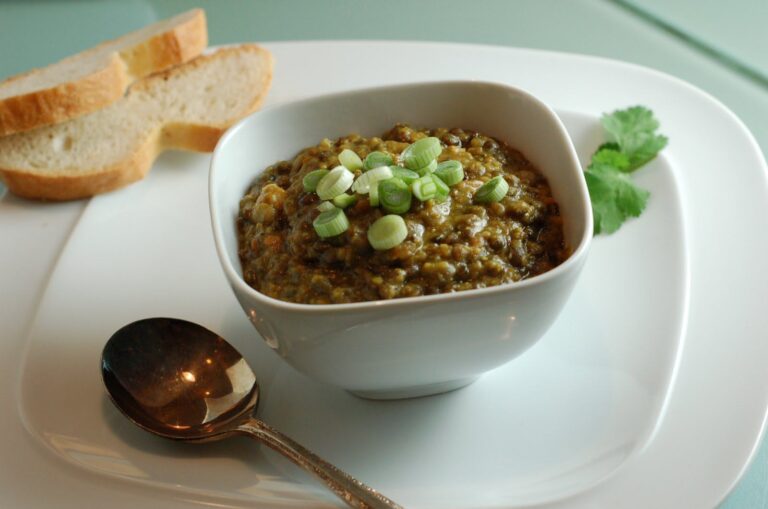
    A new one for me, and it’s DELICIOUS – so quick and easy, filling and warming on a cold winter’s day.

    Prep 10 minCook 30 minServes 210 ingredients
    VeganGluten-freeDairy-freeNut-freeNo added sugar

    Tastes: rich and tomatoey, with warm cumin, nutty brown rice, fresh parsley and a swirl of olive oil.

    tomato

    Filling and warming

    The cumin is so delicious combined with the tomato, and the rice adds a wicked texture.

    Why you’ll love it

    • Lycopene-rich, from all those tomatoes.
    • Vitamin K from the fresh parsley.
    • Quick: ready in about 30 minutes.
    • Filling, with brown rice in every spoonful.

    Good for

    Immunity

    Copper, vitamin C, vitamin B6 and iron contribute to the normal function of the immune system.

    Antioxidants

    Copper, manganese, vitamin E and vitamin C contribute to the protection of cells from oxidative stress. It also contains plant compounds with antioxidant activity, including lutein, beta-carotene and lycopene.

    Energy

    Vitamin B6, niacin, iron and magnesium contribute to the reduction of tiredness and fatigue.

    Bones

    Vitamin K, manganese, magnesium and phosphorus contribute to the maintenance of normal bones.

    Eyes

    Riboflavin and zinc contribute to the maintenance of normal vision. It also contains lutein and zeaxanthin, the carotenoids found in the macula of the eye.

    Blood pressure

    Potassium contributes to the maintenance of normal blood pressure.

    Tags use approved nutrient health-claim wording, for nutrients that give at least 10% of the Daily Value per serve. Plant compounds like lutein have no Daily Value, so we only say they’re there.

    Key nutrients per serve

    Vitamin K
    100%+Copper
    100%Manganese
    91%Vitamin E
    61%Vitamin C
    55%Vitamin B6
    53%

    Contains: thiamin (50%), niacin (49%), iron (39%), magnesium (33%), pantothenic acid (32%), potassium (30%), riboflavin (23%), phosphorus (23%), folate (20%), zinc (20%), selenium (19%) and calcium (13%).

    Plant compounds: lutein and zeaxanthin (about 1.1 mg), beta-carotene (about 0.9 mg), lycopene (about 20 mg), chlorophyll, apigenin from the parsley, quercetin from the onion and sulphur compounds from the garlic.

    11 g protein10 g fibreAbout 20 g natural sugarAbout 840 mg sodium

    % of US Daily Value for adults, per serve (half the recipe). Estimated from USDA FoodData Central values for the ingredients as listed; cooking reduces some vitamins, so treat these as upper estimates. Uses crushed canned tomatoes and low-sodium stock; includes the 4 tbsp olive oil to drizzle; excludes salt and pepper; anything over 100% shows as 100%+.

    Tomato, Rice & Cumin Soup

    Canned tomatoes simmered with onion, garlic and cumin, with brown rice stirred through and finished with parsley and olive oil.
    Prep Time 10 minutes
    Cook Time 30 minutes
    Total Time 40 minutes
    Servings: 2 bowls

    Ingredients
      

    • ½ medium onion chopped
    • 2 cloves garlic crushed
    • 1 tsp coconut oil
    • 1 tsp ground cumin
    • 85 g brown basmati or wild rice
    • 2 x 400 g cans chopped tomatoes
    • 290 ml yeast-free vegetable stock
    • 1 small bunch parsley chopped
    • 4 tbsp olive oil to drizzle
    • Himalayan or Celtic sea salt and black pepper to taste

    Equipment

    • Saucepan
    • Large saucepan

    Method
     

    1. Cook the rice following the packet instructions.
    2. When the rice is nearly done, lightly sauté the onion and garlic in the coconut oil in a large saucepan – don’t let anything go brown!
    3. Add the cumin, tomatoes, rice and stock and cook for another 6–8 minutes.
    4. Season to taste, add the parsley, and serve in nice big bowls drizzled with olive oil.

    Swaps

    • Lighter: use 2 tbsp olive oil to drizzle.
    • Quinoa instead of rice.
    • Add greens: stir in a handful of spinach with the parsley.

    Storing it

    Keeps in the fridge for 3 days. The rice soaks up liquid, so add a splash of water when reheating.

    Good to know

    • High in vitamin K. If you take warfarin or another blood thinner, keep your greens intake steady and talk to your doctor before eating more leafy greens than usual.
    • Salt: canned tomatoes and stock add up to about 840 mg sodium a serve, so choose no-added-salt tomatoes if you can.

    Try next

    SoupWarming Pumpkin & Ginger SoupOpen recipe →
    SoupSuper-Hearty MinestroneOpen recipe →
    Want more than recipes?

    The Alkaline Life Club has everything in the Recipe Club, plus coaching, live Q&A and a community to keep you going.

    See the Alkaline Life Club

    Sources

    Nutrient values: USDA FoodData Central, SR Legacy (onion 170000, garlic 169230, coconut oil 171412, cumin 170923, brown rice 169703, crushed canned tomatoes 170501, parsley 170416, olive oil 171413). Plant compounds are named where the ingredient is a well-documented source; flavonoids follow the USDA Database for the Flavonoid Content of Selected Foods, Release 3.3. Daily Values: US Food and Drug Administration.