Blog

  • Alkaline Margarita

    Alkaline Margarita

    Recipes › Drinks

    Alkaline Margarita

    Feeling like something special? Lemon, lime, celery, cucumber and ginger, juiced and served with a salt rim. All the celebration, none of the alcohol.

    Prep 10 minServes 2Juicer5 ingredients
    VeganGluten-freeDairy-freeNut-freeNo added sugar

    Tastes: sharp, zesty and refreshing, with a ginger kick and a salty rim.

    Celebrate without blowing it

    Feeling like something special? A nice drink to celebrate, but don’t want to blow your diet? This is the perfect drink for you – it’s the Alkaline Margarita!

    Feel free to mix it up with some other fruits or spices!

    Why you’ll love it

    • Alcohol-free and only about 5 g natural sugar a glass.
    • Vitamin C from the lemon and limes.
    • A salt rim for that margarita feel.
    • Ginger kick: add more if you like it spicy.

    Good for

    Immunity

    Vitamin C, folate, vitamin B6 and copper contribute to the normal function of the immune system.

    Antioxidants

    Vitamin C and copper contribute to the protection of cells from oxidative stress. It also contains plant compounds with antioxidant activity, including apigenin, gingerols and flavonoids.

    Energy

    Pantothenic acid, folate and vitamin B6 contribute to the reduction of tiredness and fatigue.

    Bones

    Vitamin K contributes to the maintenance of normal bones.

    Blood pressure

    Potassium contributes to the maintenance of normal blood pressure.

    Tags use approved nutrient health-claim wording, for nutrients that give at least 10% of the Daily Value per glass. Plant compounds like these have no Daily Value, so we only say they’re there.

    Key nutrients per glass

    Vitamin K
    40%Vitamin C
    33%

    Contains: pantothenic acid (14%), folate (12%), vitamin B6 (12%), potassium (11%), copper (11%), magnesium (8%) and calcium (5%).

    Plant compounds: apigenin from the celery, gingerols from the ginger and citrus flavonoids from the lemon and lime.

    About 5 g natural sugarAbout 70 mg sodium

    % of US Daily Value for adults, per glass (half the recipe). Estimated from USDA FoodData Central values for the whole ingredients. Juicing leaves most of the fibre and some vitamins in the pulp, so treat these as upper estimates; excludes the salt rim; anything over 100% shows as 100%+.

    Alkaline Margarita

    Lemon, limes, celery, cucumber and ginger juiced and served in salt-rimmed glasses.
    Prep Time 10 minutes
    Total Time 10 minutes
    Servings: 2 glasses

    Ingredients
      

    • 1 lemon
    • 2 limes
    • 4 sticks celery
    • 1 cucumber
    • 2.5 cm fresh ginger 1 inch
    • Himalayan salt optional, for the rim

    Equipment

    • Juicer

    Method
     

    1. Peel the lemon and limes and run them through your juicer, or just halve and squeeze them by hand.
    2. Peel the ginger and juice it next.
    3. Juice everything else and stir together. Add more ginger if you like a bit more of a spicy kick!
    4. For the full margarita feel, run a lemon wedge around the rim of each glass and dip it in Himalayan salt. Enjoy!

    Swaps

    • Fruity: juice in a few strawberries or a slice of watermelon.
    • Spicy: add a slice of chilli.
    • Fizzy: top up with sparkling water.

    Storing it

    Best fresh and ice-cold.

    Try next

    Juices & smoothiesDelicious Refresher JuiceOpen recipe →
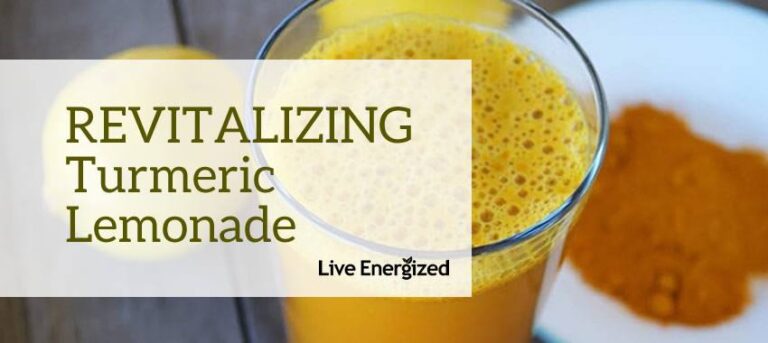
    DrinksTurmeric LemonadeOpen recipe →
    Want more than recipes?

    The Alkaline Life Club has everything in the Recipe Club, plus coaching, live Q&A and a community to keep you going.

    See the Alkaline Life Club

    Sources

    Nutrient values: USDA FoodData Central, SR Legacy (lemon juice 167747, lime juice 168156, celery 169988, cucumber 168409, ginger 169231). Plant compounds are named where the ingredient is a well-documented source; flavonoids follow the USDA Database for the Flavonoid Content of Selected Foods, Release 3.3. Daily Values: US Food and Drug Administration.
  • Carrot & Courgette Quinoa Stack

    Carrot & Courgette Quinoa Stack

    Recipes › Dinner

    Carrot & Courgette Quinoa Stack

    A quick, filling, colourful powerhouse of a meal! Every time I have it, I leave the table satisfied and it keeps me going for HOURS.

    Prep 10 minCook 15 minServes 29 ingredients
    VeganGluten-freeDairy-freeNut-freeNo added sugar

    Tastes: fresh and zingy, with nutty quinoa, sweet grated carrot and courgette, creamy avocado and lemon.

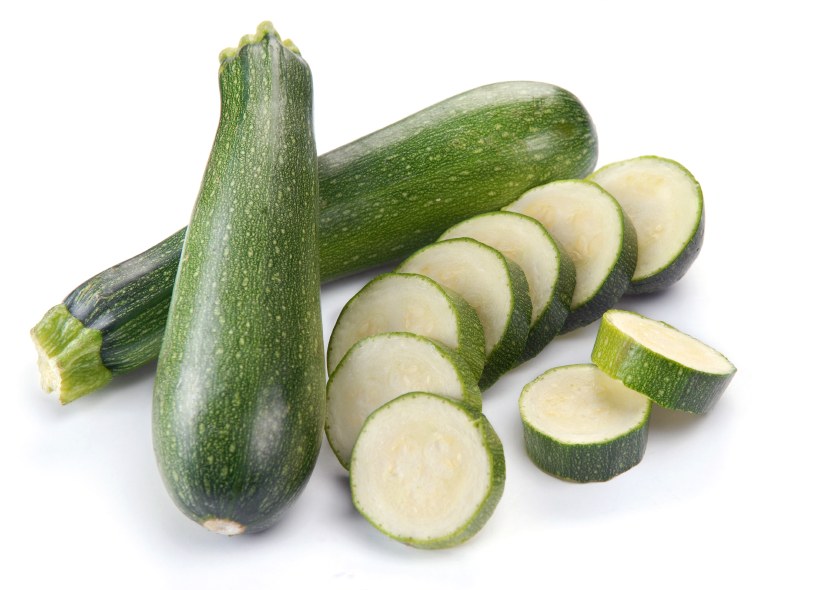
    zucchini

    My introduction to quinoa

    The combination of textures with the quinoa is great. This was my introduction to quinoa – and I now use it more than any other grain. It’s superb!

    So here it is: colourful, fresh and almost entirely raw.

    Why you’ll love it

    • Slow-release energy from the quinoa.
    • Manganese: about three-quarters of your daily needs.
    • Almost entirely raw, apart from the quinoa.
    • Ready in 20 minutes.

    Good for

    Immunity

    Copper, folate, vitamin C and vitamin B6 contribute to the normal function of the immune system.

    Antioxidants

    Copper, manganese, vitamin C and riboflavin contribute to the protection of cells from oxidative stress. It also contains plant compounds with antioxidant activity, including lutein, beta-carotene and flavonoids.

    Energy

    Folate, magnesium, vitamin B6 and riboflavin contribute to the reduction of tiredness and fatigue.

    Bones

    Vitamin K, manganese, magnesium and phosphorus contribute to the maintenance of normal bones.

    Eyes

    Vitamin A, riboflavin and zinc contribute to the maintenance of normal vision. It also contains lutein and zeaxanthin, the carotenoids found in the macula of the eye.

    Blood pressure

    Potassium contributes to the maintenance of normal blood pressure.

    Tags use approved nutrient health-claim wording, for nutrients that give at least 10% of the Daily Value per serve. Plant compounds like lutein have no Daily Value, so we only say they’re there.

    Key nutrients per serve

    Vitamin K
    79%Copper
    78%Manganese
    74%Folate
    54%Magnesium
    43%Vitamin C
    42%

    Contains: vitamin B6 (41%), vitamin A (38%), thiamin (33%), riboflavin (31%), pantothenic acid (30%), phosphorus (30%), vitamin E (27%), zinc (26%), iron (25%), potassium (22%), niacin (18%), selenium (13%) and calcium (9%).

    Plant compounds: lutein and zeaxanthin (about 4.3 mg), beta-carotene (about 3.5 mg), chlorophyll and citrus flavonoids from the lemon.

    12 g protein10 g fibreAbout 5 g natural sugarAbout 50 mg sodium

    % of US Daily Value for adults, per serve (half the recipe). Estimated from USDA FoodData Central values for the ingredients as listed; cooking reduces some vitamins, so treat these as upper estimates. Uses ⅔ cup quinoa (2 serves) and 1 tbsp oil; excludes salt and pepper; anything over 100% shows as 100%+.

    Carrot & Courgette Quinoa Stack

    A stack of fluffy quinoa topped with grated carrot and courgette, spinach, avocado, sesame, lemon and oil.
    Prep Time 10 minutes
    Cook Time 15 minutes
    Total Time 25 minutes
    Servings: 2

    Ingredients
      

    • ⅔ cup quinoa (2 serves)
    • 1 handful baby spinach chopped
    • 1 carrot grated
    • 1 courgette (zucchini) grated
    • ½ avocado diced
    • 1 tbsp sesame seeds
    • 1 lemon or lime juiced
    • 1 tbsp olive or avocado oil or Udo’s Choice
    • Himalayan or Celtic sea salt and black pepper to taste

    Equipment

    • Saucepan
    • Grater

    Method
     

    1. Cook the quinoa and arrange a base on two plates.
    2. Grate the carrot and courgette and pile them on top to form a stack.
    3. Sprinkle with the chopped spinach and avocado, then top with sesame seeds, lemon juice and oil.
    4. Season to taste.

    Swaps

    • More protein: add a handful of chickpeas or edamame.
    • Beetroot is lovely grated into the stack too.
    • Flax oil for a plant omega-3 boost.

    Storing it

    Best fresh. Cooked quinoa keeps in the fridge for 4 days, so you can make it ahead.

    Good to know

    • High in vitamin K. If you take warfarin or another blood thinner, keep your greens intake steady and talk to your doctor before eating more leafy greens than usual.

    Try next

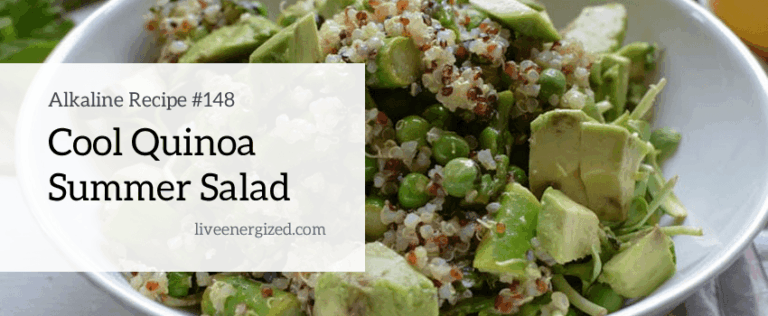
    SaladCool Quinoa Summer SaladOpen recipe →
    SaladQuinoa Salad with AvocadoOpen recipe →
    Want more than recipes?

    The Alkaline Life Club has everything in the Recipe Club, plus coaching, live Q&A and a community to keep you going.

    See the Alkaline Life Club

    Sources

    Nutrient values: USDA FoodData Central, SR Legacy (quinoa 168874, spinach 168462, carrots 170393, zucchini 169291, avocado 171705, sesame seeds 170150, lemon juice 167747, olive oil 171413). Plant compounds are named where the ingredient is a well-documented source; flavonoids follow the USDA Database for the Flavonoid Content of Selected Foods, Release 3.3. Daily Values: US Food and Drug Administration.
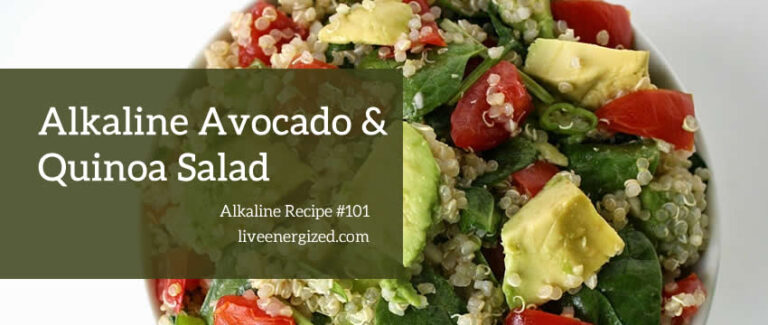
  • Tomato, Rice & Cumin Soup

    Tomato, Rice & Cumin Soup

    Recipes › Soups

    Tomato, Rice & Cumin Soup

    A new one for me, and it’s DELICIOUS – so quick and easy, filling and warming on a cold winter’s day.

    Prep 10 minCook 30 minServes 210 ingredients
    VeganGluten-freeDairy-freeNut-freeNo added sugar

    Tastes: rich and tomatoey, with warm cumin, nutty brown rice, fresh parsley and a swirl of olive oil.

    tomato

    Filling and warming

    The cumin is so delicious combined with the tomato, and the rice adds a wicked texture.

    Why you’ll love it

    • Lycopene-rich, from all those tomatoes.
    • Vitamin K from the fresh parsley.
    • Quick: ready in about 30 minutes.
    • Filling, with brown rice in every spoonful.

    Good for

    Immunity

    Copper, vitamin C, vitamin B6 and iron contribute to the normal function of the immune system.

    Antioxidants

    Copper, manganese, vitamin E and vitamin C contribute to the protection of cells from oxidative stress. It also contains plant compounds with antioxidant activity, including lutein, beta-carotene and lycopene.

    Energy

    Vitamin B6, niacin, iron and magnesium contribute to the reduction of tiredness and fatigue.

    Bones

    Vitamin K, manganese, magnesium and phosphorus contribute to the maintenance of normal bones.

    Eyes

    Riboflavin and zinc contribute to the maintenance of normal vision. It also contains lutein and zeaxanthin, the carotenoids found in the macula of the eye.

    Blood pressure

    Potassium contributes to the maintenance of normal blood pressure.

    Tags use approved nutrient health-claim wording, for nutrients that give at least 10% of the Daily Value per serve. Plant compounds like lutein have no Daily Value, so we only say they’re there.

    Key nutrients per serve

    Vitamin K
    100%+Copper
    100%Manganese
    91%Vitamin E
    61%Vitamin C
    55%Vitamin B6
    53%

    Contains: thiamin (50%), niacin (49%), iron (39%), magnesium (33%), pantothenic acid (32%), potassium (30%), riboflavin (23%), phosphorus (23%), folate (20%), zinc (20%), selenium (19%) and calcium (13%).

    Plant compounds: lutein and zeaxanthin (about 1.1 mg), beta-carotene (about 0.9 mg), lycopene (about 20 mg), chlorophyll, apigenin from the parsley, quercetin from the onion and sulphur compounds from the garlic.

    11 g protein10 g fibreAbout 20 g natural sugarAbout 840 mg sodium

    % of US Daily Value for adults, per serve (half the recipe). Estimated from USDA FoodData Central values for the ingredients as listed; cooking reduces some vitamins, so treat these as upper estimates. Uses crushed canned tomatoes and low-sodium stock; includes the 4 tbsp olive oil to drizzle; excludes salt and pepper; anything over 100% shows as 100%+.

    Tomato, Rice & Cumin Soup

    Canned tomatoes simmered with onion, garlic and cumin, with brown rice stirred through and finished with parsley and olive oil.
    Prep Time 10 minutes
    Cook Time 30 minutes
    Total Time 40 minutes
    Servings: 2 bowls

    Ingredients
      

    • ½ medium onion chopped
    • 2 cloves garlic crushed
    • 1 tsp coconut oil
    • 1 tsp ground cumin
    • 85 g brown basmati or wild rice
    • 2 x 400 g cans chopped tomatoes
    • 290 ml yeast-free vegetable stock
    • 1 small bunch parsley chopped
    • 4 tbsp olive oil to drizzle
    • Himalayan or Celtic sea salt and black pepper to taste

    Equipment

    • Saucepan
    • Large saucepan

    Method
     

    1. Cook the rice following the packet instructions.
    2. When the rice is nearly done, lightly sauté the onion and garlic in the coconut oil in a large saucepan – don’t let anything go brown!
    3. Add the cumin, tomatoes, rice and stock and cook for another 6–8 minutes.
    4. Season to taste, add the parsley, and serve in nice big bowls drizzled with olive oil.

    Swaps

    • Lighter: use 2 tbsp olive oil to drizzle.
    • Quinoa instead of rice.
    • Add greens: stir in a handful of spinach with the parsley.

    Storing it

    Keeps in the fridge for 3 days. The rice soaks up liquid, so add a splash of water when reheating.

    Good to know

    • High in vitamin K. If you take warfarin or another blood thinner, keep your greens intake steady and talk to your doctor before eating more leafy greens than usual.
    • Salt: canned tomatoes and stock add up to about 840 mg sodium a serve, so choose no-added-salt tomatoes if you can.

    Try next

    SoupWarming Pumpkin & Ginger SoupOpen recipe →
    SoupSuper-Hearty MinestroneOpen recipe →
    Want more than recipes?

    The Alkaline Life Club has everything in the Recipe Club, plus coaching, live Q&A and a community to keep you going.

    See the Alkaline Life Club

    Sources

    Nutrient values: USDA FoodData Central, SR Legacy (onion 170000, garlic 169230, coconut oil 171412, cumin 170923, brown rice 169703, crushed canned tomatoes 170501, parsley 170416, olive oil 171413). Plant compounds are named where the ingredient is a well-documented source; flavonoids follow the USDA Database for the Flavonoid Content of Selected Foods, Release 3.3. Daily Values: US Food and Drug Administration.
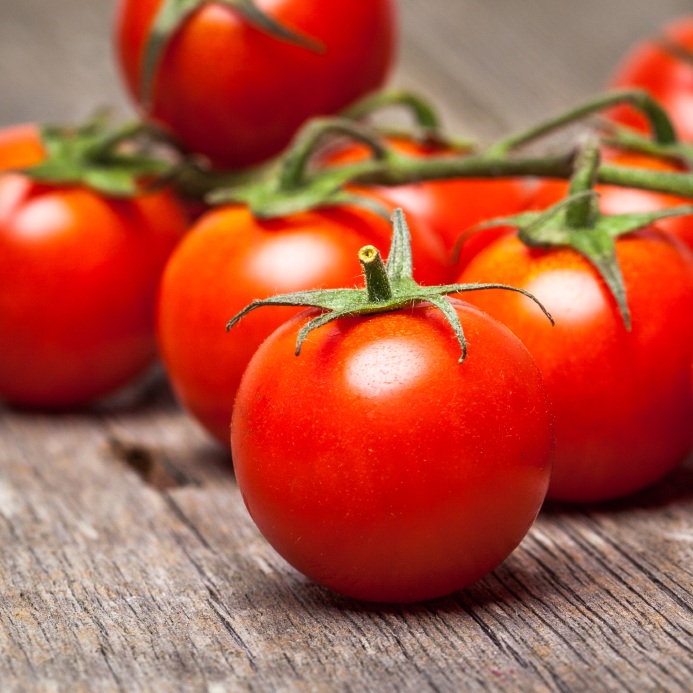
  • Fill-You-Up Salad

    Fill-You-Up Salad

    Recipes › Salads

    Fill-You-Up Salad

    A super-salad with tofu, quinoa, chickpeas, avocado and seeds that genuinely fills you up. No hungry-again-in-half-an-hour here.

    Prep 15 minCook 15 minServes 216 ingredients
    VeganGluten-freeDairy-freeNut-freeNo added sugar

    Tastes: hearty and fresh, with golden tofu, nutty quinoa, creamy avocado, crunchy seeds and a squeeze of lemon.

    The salad my friends said couldn’t be done

    This is a super-salad. My meat-eating friends are forever challenging me to make a salad that fills me up and doesn’t leave me hungry again half an hour later. They don’t believe it’s possible. I promise you it is, and here is one of my creations.

    I work out, I work hard and I need to be filled! This salad doesn’t disappoint. It’s tasty, filling, delicious and highly alkaline.

    I use a mix of different leaves, but you can use whatever you’ve got handy (apart from iceberg, which I thoroughly dislike!).

    Why you’ll love it

    • About 25 g plant protein a serve, from the tofu, quinoa, chickpeas and seeds.
    • 18 g fibre a serve – nearly two-thirds of your daily needs.
    • Magnesium and folate: over half and over three-quarters of your daily needs.
    • Properly filling: protein, fibre and healthy fats in one bowl.

    Good for

    Immunity

    Copper, vitamin C, folate and vitamin B6 contribute to the normal function of the immune system.

    Antioxidants

    Copper, manganese, vitamin C and vitamin E contribute to the protection of cells from oxidative stress. It also contains plant compounds with antioxidant activity, including lutein, beta-carotene and lycopene.

    Energy

    Folate, magnesium, vitamin B6 and pantothenic acid contribute to the reduction of tiredness and fatigue.

    Muscles

    Protein contributes to the maintenance of muscle mass, and magnesium, calcium and potassium contribute to normal muscle function.

    Bones

    Vitamin K, manganese, magnesium and phosphorus contribute to the maintenance of normal bones.

    Eyes

    Vitamin A, zinc and riboflavin contribute to the maintenance of normal vision. It also contains lutein and zeaxanthin, the carotenoids found in the macula of the eye.

    Blood pressure

    Potassium contributes to the maintenance of normal blood pressure.

    Tags use approved nutrient health-claim wording, for nutrients that give at least 10% of the Daily Value per serve. Plant compounds like lutein have no Daily Value, so we only say they’re there.

    Key nutrients per serve

    Vitamin K
    100%+Copper
    100%+Manganese
    100%+Vitamin C
    82%Folate
    82%Magnesium
    58%

    Contains: vitamin B6 (53%), vitamin E (49%), pantothenic acid (44%), thiamin (42%), phosphorus (42%), vitamin A (40%), calcium (40%), iron (39%), zinc (39%), riboflavin (38%), selenium (34%), potassium (32%) and niacin (27%).

    Plant compounds: lutein and zeaxanthin (about 5.1 mg), beta-carotene (about 4.2 mg), lycopene (about 1.3 mg), plant omega-3 ALA (about 0.7 g), chlorophyll, glucosinolates from the rocket and citrus flavonoids from the lemon.

    25 g protein18 g fibreAbout 8 g natural sugarAbout 180 mg sodium

    % of US Daily Value for adults, per serve (half the recipe). Estimated from USDA FoodData Central values for the ingredients as listed; cooking reduces some vitamins, so treat these as upper estimates. Uses romaine values for the cos and lamb’s lettuce, calcium-set firm tofu, ⅓ cup (57 g) dry quinoa, 30 g mixed seeds, 1 tbsp olive oil and 1 tsp coconut oil; excludes salt and pepper; anything over 100% shows as 100%+.

    Fill-You-Up Salad

    Mixed leaves with pan-fried tofu, quinoa, chickpeas, avocado, seeds and salad veg, dressed with lemon and olive oil.
    Prep Time 15 minutes
    Cook Time 15 minutes
    Total Time 30 minutes
    Servings: 2

    Ingredients
      

    • 2 handfuls baby spinach
    • 1 handful rocket
    • 1 handful cos lettuce
    • 1 handful lamb’s lettuce or whatever leaves you have
    • 100 g firm tofu cubed
    • ⅓ cup quinoa about 57 g dry
    • ½ can chickpeas drained and rinsed (about 120 g)
    • 1 avocado sliced
    • 1 handful mixed seeds about 30 g – I use sesame, sunflower and pumpkin
    • 6 cherry tomatoes halved
    • ½ cucumber chopped
    • ½ green or red pepper chopped
    • 1 tsp coconut oil for the tofu
    • 1 tbsp olive oil or hemp or avocado oil
    • ½ lemon
    • Himalayan or sea salt and black pepper to taste

    Equipment

    • Saucepan
    • Frying pan

    Method
     

    1. Cook the quinoa according to the packet (usually 1 part quinoa to 2 parts water, brought to the boil and simmered for about 10 minutes until the water is absorbed).
    2. Meanwhile, heat the coconut oil in a frying pan and lightly fry the tofu until golden.
    3. Wash everything thoroughly and chop it how you like it. I prefer to rip my salad leaves – it makes it more rustic.
    4. Mix everything together with the juice of half a lemon and a drizzle of olive oil, season and serve. Feel full and happy!

    Swaps

    • Nuts welcome: add a few chopped almonds or walnuts to the seeds (it won’t be nut-free then).
    • Oil: olive, hemp or avocado oil all work in the dressing.
    • No tofu? Use the whole can of chickpeas.

    Storing it

    Best fresh. Leftovers keep undressed in the fridge for a day; the cooked quinoa, tofu and chickpeas keep for 3 days on their own.

    Good to know

    • High in vitamin K. If you take warfarin or another blood thinner, keep your greens intake steady and talk to your doctor before eating more leafy greens than usual.

    Try next

    SaladsWarm Lentil SaladOpen recipe →
    SaladsCool Quinoa Summer SaladOpen recipe →
    Want more than recipes?

    The Alkaline Life Club has everything in the Recipe Club, plus coaching, live Q&A and a community to keep you going.

    See the Alkaline Life Club

    Sources

    Nutrient values: USDA FoodData Central, SR Legacy (baby spinach 168462, rocket 169387, romaine lettuce 169247, firm tofu 172475, quinoa 168874, canned chickpeas 173801, avocado 171705, sesame seeds 170150, sunflower seeds 170562, pumpkin seeds 170556, tomatoes 170457, cucumber 168409, red pepper 170108, olive oil 171413, coconut oil 171412, lemon juice 167747). Plant compounds are named where the ingredient is a well-documented source; flavonoids follow the USDA Database for the Flavonoid Content of Selected Foods, Release 3.3. Daily Values: US Food and Drug Administration.
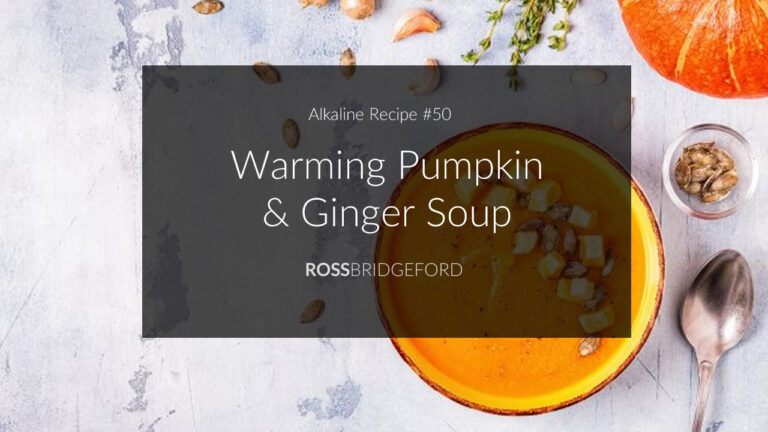
  • Delicious Refresher Juice

    Delicious Refresher Juice

    Recipes › Juices & smoothies

    Delicious Refresher Juice

    Sharp grapefruit, sweet carrot, cool celery and a zing of ginger. It does exactly what it says on the tin!

    Prep 10 minServes 2Juicer5 ingredients
    VeganGluten-freeDairy-freeNut-freeNo added sugar

    Tastes: sharp, sweet and zingy, with a fresh ginger finish.

    grapefruit

    It does what it says on the tin

    I tried to think of a better name for this one, but thought… nah… why not – it does exactly what it says on the tin!

    This juice combines the sharp grapefruit and the sweeter carrot, the subtle, refreshing celery and the zing of the ginger. It’s one of my best combinations yet!

    Why you’ll love it

    • Vitamin C: nearly a day’s worth a glass.
    • Vitamin A from the carrot.
    • Sharp, sweet and zingy all at once.
    • Serve it on ice on a hot day.

    Good for

    Immunity

    Vitamin C, vitamin A, folate and vitamin B6 contribute to the normal function of the immune system.

    Antioxidants

    Vitamin C and copper contribute to the protection of cells from oxidative stress. It also contains plant compounds with antioxidant activity, including beta-carotene, lycopene and apigenin.

    Energy

    Pantothenic acid, folate and vitamin B6 contribute to the reduction of tiredness and fatigue.

    Bones

    Vitamin K contributes to the maintenance of normal bones.

    Eyes

    Vitamin A contributes to the maintenance of normal vision.

    Blood pressure

    Potassium contributes to the maintenance of normal blood pressure.

    Tags use approved nutrient health-claim wording, for nutrients that give at least 10% of the Daily Value per glass. Plant compounds like these have no Daily Value, so we only say they’re there.

    Key nutrients per glass

    Vitamin C
    89%Vitamin A
    45%

    Contains: pantothenic acid (16%), vitamin K (13%), folate (13%), vitamin B6 (12%), potassium (12%), copper (11%), magnesium (8%) and calcium (6%).

    Plant compounds: beta-carotene (about 4.3 mg), lycopene (about 3.5 mg), apigenin from the celery and gingerols from the ginger.

    About 19 g natural sugarAbout 55 mg sodium

    % of US Daily Value for adults, per glass (half the recipe). Estimated from USDA FoodData Central values for the whole ingredients. Juicing leaves most of the fibre and some vitamins in the pulp, so treat these as upper estimates; uses 2 medium pink grapefruits; anything over 100% shows as 100%+.

    Delicious Refresher Juice

    Grapefruit, celery, carrot and ginger juiced and topped up with water.
    Prep Time 10 minutes
    Total Time 10 minutes
    Servings: 2 glasses

    Ingredients
      

    • 2 grapefruits peeled
    • 2 stalks celery
    • 1 carrot
    • 2.5 cm fresh ginger 1 inch, peeled
    • 250 ml filtered water or dilute to taste

    Equipment

    • Juicer

    Method
     

    1. Wash all the ingredients thoroughly and peel the grapefruit and ginger.
    2. Put everything through your juicer and top up with the water.
    3. Serve – on ice, if you like. Delicious!

    Swaps

    • Less sharp: add a second carrot.
    • Hotter: use more ginger.
    • On medication? Use oranges instead of grapefruit (see Good to know).

    Storing it

    Best fresh. To keep it, fill a glass jar right to the top, seal it and refrigerate for up to 24 hours. Give it a shake before you drink it.

    Good to know

    • Grapefruit and medicines: grapefruit can interact with some medicines, including certain statins and blood pressure drugs. If yours carries a grapefruit warning, use a squeeze of orange or lemon instead.

    Try next

    DrinksAlkaline MargaritaOpen recipe →
    Juices & smoothiesGreens & Grapefruit SmoothieOpen recipe →
    Want more than recipes?

    The Alkaline Life Club has everything in the Recipe Club, plus coaching, live Q&A and a community to keep you going.

    See the Alkaline Life Club

    Sources

    Nutrient values: USDA FoodData Central, SR Legacy (pink grapefruit 174673, celery 169988, carrots 170393, ginger 169231). Plant compounds are named where the ingredient is a well-documented source; flavonoids follow the USDA Database for the Flavonoid Content of Selected Foods, Release 3.3. Daily Values: US Food and Drug Administration.
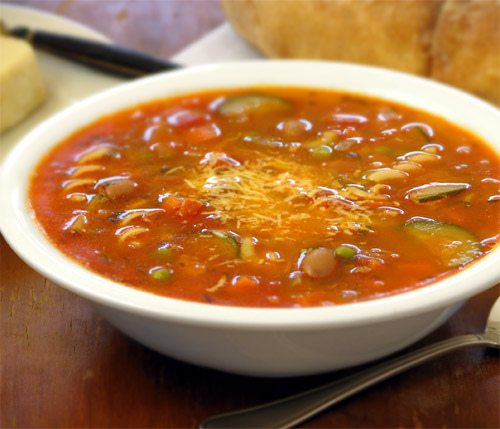
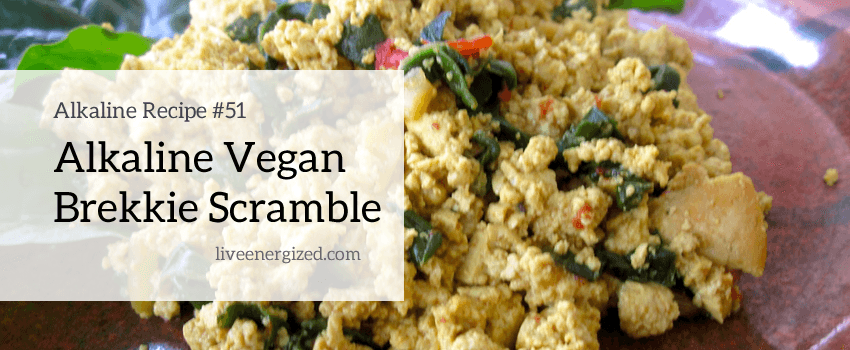
  • Alkaline Recipe #51 Scrambled Tofu & Tomato Brekkie

    Alkaline Recipe #51 Scrambled Tofu & Tomato Brekkie

    Breakfast is always a hard one, especially when you are first starting out. At first glance, you check out the list of acid/alkaline foods and think – WHAT AM I GOING TO HAVE FOR BREAKFAST?! BROCCOLI?!

    Well, while I must admit I have had steamed broccoli for breakfast on more than a few occasions, you don’t have to.

    In fact, breakfast has become my favourite meal of the day because the more I’ve learned to alkalise and compromise (both in terms of living a perfect alkaline life and living a debauched, unhealthy life) the more I have learned to find ways to make breakfast so much more exciting than just cereal and toast.

    And this is one of my favourites. I first had scrambled tofu at The Galleon in St Kilda and loved it (as well as their sweet potato & basil cakes but that’s another story) and since then I’ve been making it at home for me and the missus and anyone who stops over.

    So here it is, the next beautiful alkaline meal from me:

    Scrambled Tofu & Tomato: Vegan Scramble

    Serves 2

    Ingredients

    285g Regular firm tofu
    1 Tablespoon coconut oil (or a drizzle of olive oil – coconut is better)
    2 Tomatoes (or a handful of cherry tomatoes)
    2 Big handfuls of baby spinach
    1 handful of arugula/rocket
    1/2 Brown onion (or red if you fancy)
    ½ Small red pepper
    Pinch of turmeric
    Freshly ground black pepper
    Himalayan/Sea salt
    A little basil
    A little coriander/cilantro
    A pinch of cayenne pepper

    Instructions

    This is really easy, and really quick. Simply crumble the tofu in your hands into a bowl. Now chop and quickly fry off the onion and dice the pepper and do the same.

    Now dice the tomatoes and throw these in with the tofu, spinach and a pinch of turmeric. Grind in your pepper and salt and cook until the tofu is warm and ready. Right at the last throw in some torn basil leaves, the rocket, coriander and serve with a pinch of cayenne pepper!

    I like to serve it on some toasted, sprouted bread and with some baby spinach leaves drizzled with olive oil.

    get the alkaline recipe book here

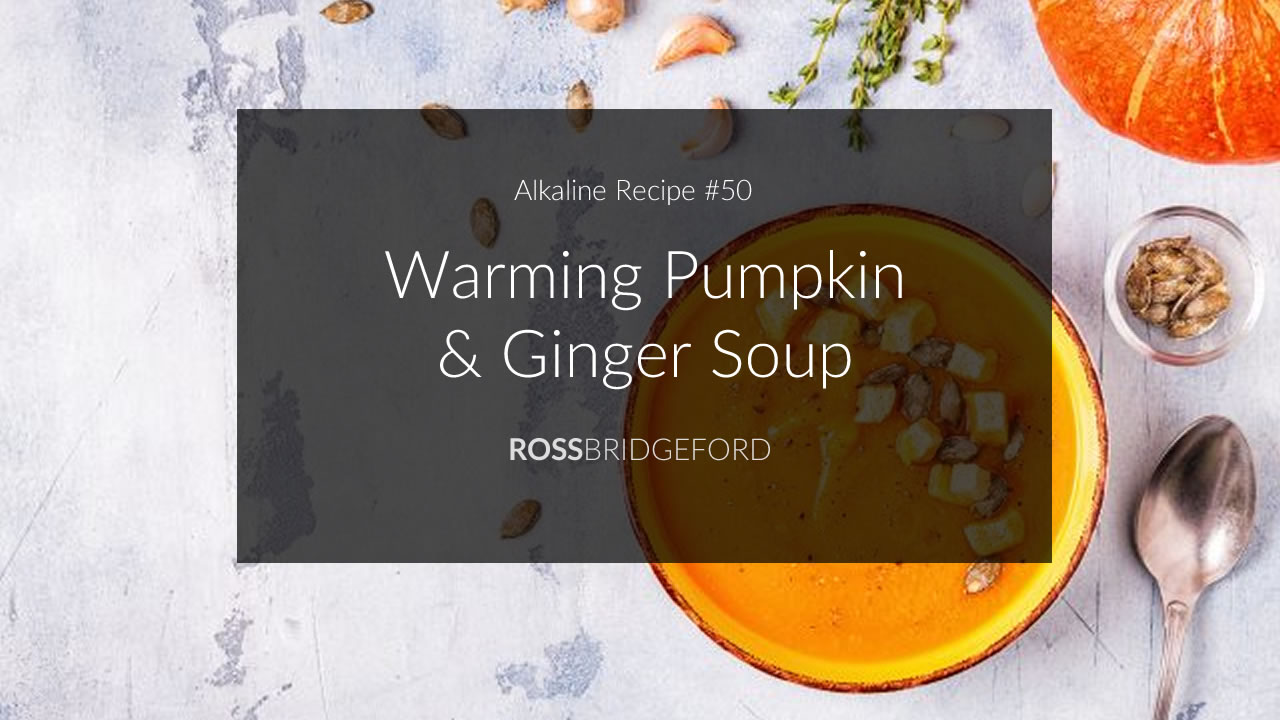
  • Warming Pumpkin & Ginger Soup

    Warming Pumpkin & Ginger Soup

    Recipes › Soups

    Warming Pumpkin & Ginger Soup

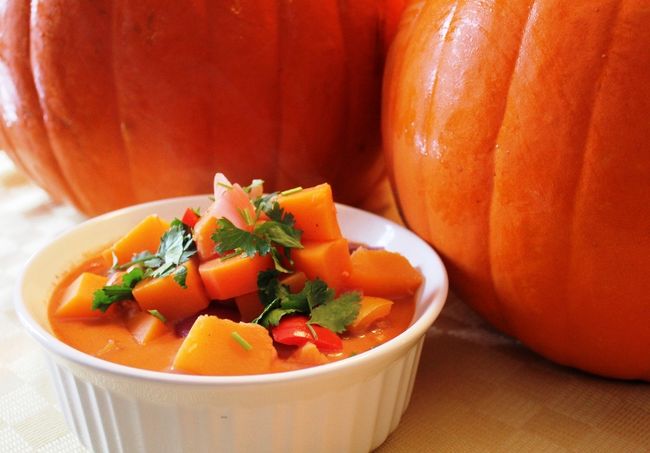
    This soup is ALWAYS a winner. It’s a crowd-pleaser – and of course it’s super-alkaline, highly anti-inflammatory and antioxidant-rich too!

    Prep 15 minCook 30 minServes 210 ingredients
    VeganGluten-freeDairy-freeNut-freeNo added sugar

    Tastes: smooth, sweet and warming, with ginger, a little chilli, thyme and a squeeze of orange.

    pumpkin ginger soup

    A winner, every time

    Ginger is especially anti-inflammatory, and it’s been studied in the lab for its anti-cancer effects too. And the antioxidants in the pumpkin and carrots help protect your cells and DNA from oxidative damage, and have been linked with heart health.

    It takes just 30 minutes to make, and you can enjoy it blended smooth or chunky.

    Why you’ll love it

    • Vitamin A: almost twice your daily needs, from the squash and carrots.
    • Vitamin C: about two-thirds of your daily needs.
    • Smooth or chunky – your choice.
    • About 30 minutes, start to finish.

    Good for

    Immunity

    Vitamin A, vitamin C, vitamin B6 and copper contribute to the normal function of the immune system.

    Antioxidants

    Vitamin C, manganese, vitamin E and copper contribute to the protection of cells from oxidative stress. It also contains plant compounds with antioxidant activity, including beta-carotene, quercetin and gingerols.

    Energy

    Vitamin B6, pantothenic acid, magnesium and niacin contribute to the reduction of tiredness and fatigue.

    Bones

    Manganese, magnesium, vitamin K and calcium contribute to the maintenance of normal bones.

    Eyes

    Vitamin A contributes to the maintenance of normal vision.

    Blood pressure

    Potassium contributes to the maintenance of normal blood pressure.

    Tags use approved nutrient health-claim wording, for nutrients that give at least 10% of the Daily Value per serve. Plant compounds like these have no Daily Value, so we only say they’re there.

    Key nutrients per serve

    Vitamin A
    100%+Vitamin C
    66%Manganese
    30%Vitamin B6
    29%Thiamin
    25%Vitamin E
    25%

    Contains: potassium (24%), pantothenic acid (22%), magnesium (22%), copper (22%), niacin (21%), folate (20%), vitamin K (13%), iron (12%) and calcium (11%).

    Plant compounds: beta-carotene (about 15 mg), quercetin from the onion, gingerols from the ginger, sulphur compounds from the garlic and capsaicin from the chilli.

    7 g fibreAbout 11 g natural sugarAbout 235 mg sodium

    % of US Daily Value for adults, per serve (half the recipe). Estimated from USDA FoodData Central values for the ingredients as listed; cooking reduces some vitamins, so treat these as upper estimates. Uses butternut squash and low-sodium stock; excludes the optional orange juice and salt and pepper; anything over 100% shows as 100%+.

    Warming Pumpkin & Ginger Soup

    Butternut squash and carrots simmered with ginger, chilli, garlic and thyme, then blended with a squeeze of orange.
    Prep Time 15 minutes
    Cook Time 30 minutes
    Total Time 45 minutes
    Servings: 2 bowls

    Ingredients
      

    • ½ medium butternut squash or pumpkin peeled and cut into 1 cm cubes
    • 1 large carrot peeled and cubed
    • ½ large red onion finely chopped
    • 1–2 cloves garlic finely chopped
    • ½ fresh red chilli deseeded and finely chopped
    • 1 cm fresh ginger peeled and roughly chopped
    • 600 ml yeast-free vegetable stock
    • juice of ½ orange optional
    • fresh thyme leaves
    • 1 tbsp coconut or olive oil
    • Himalayan or Celtic sea salt and black pepper to taste

    Equipment

    • Large pot
    • Blender or stick blender

    Method
     

    1. Finely chop the onion and garlic. Peel the squash and cut it into 1 cm cubes, and cut the carrot the same size.
    2. Carefully deseed and chop the chilli, then wash your hands thoroughly. Peel and roughly chop the ginger.
    3. Heat the oil (coconut is my preference) in a large pot and gently fry the onion and garlic over a low heat for about 4 minutes, until they begin to soften.
    4. Add the carrot and squash, season, and fry for another 5–6 minutes until it all starts to soften. Add a little more oil if you need to.
    5. Add the stock, ginger, chilli and thyme, bring to the boil, then simmer for about 25 minutes until the squash and carrots are soft.
    6. Now the fun part: blend until smooth (or leave it chunky), then squeeze in the orange juice. Delicious!

    Notes

    Feeding four? Double everything – that’s the original recipe.

    Swaps

    • Creamy: stir in a few tbsp of coconut milk before blending.
    • Extra warmth: add ½ tsp ground turmeric with the ginger.
    • Sweet potato works instead of squash.

    Storing it

    Keeps in the fridge for 4 days and freezes well.

    Try next

    SoupTomato, Rice & Cumin SoupOpen recipe →
    DinnerAutumn Pumpkin StewOpen recipe →
    Want more than recipes?

    The Alkaline Life Club has everything in the Recipe Club, plus coaching, live Q&A and a community to keep you going.

    See the Alkaline Life Club

    Sources

    Nutrient values: USDA FoodData Central, SR Legacy (butternut squash 169295, carrots 170393, onion 170000, garlic 169230, red chilli 170106, ginger 169231, thyme 170938, coconut oil 171412). Plant compounds are named where the ingredient is a well-documented source; flavonoids follow the USDA Database for the Flavonoid Content of Selected Foods, Release 3.3. Daily Values: US Food and Drug Administration.
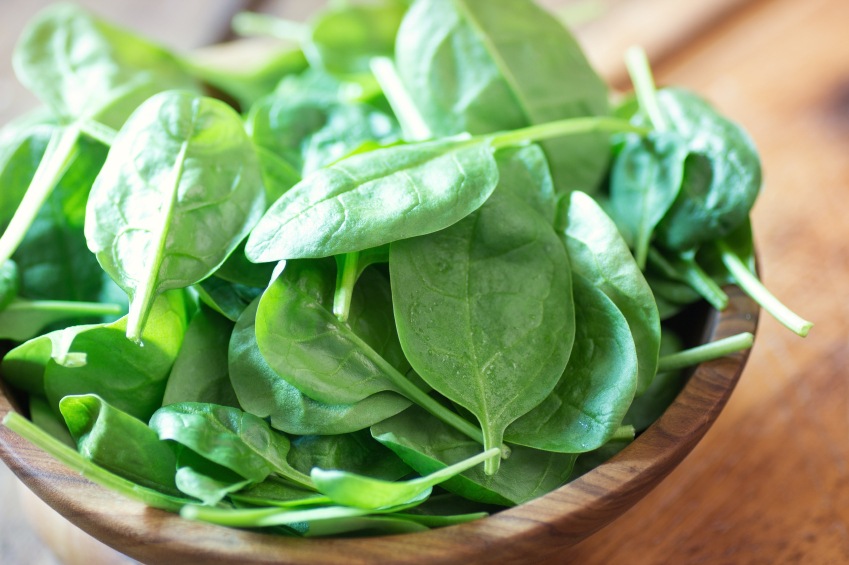
  • Aubergine ‘Pizza’

    Aubergine ‘Pizza’

    Recipes › Dinner

    Aubergine ‘Pizza’

    One of my all-time favourites – flavoursome, easy, quick and very, very filling. I promise you won’t be disappointed.

    Prep 10 minCook 25 minServes 212 ingredients
    VeganGluten-freeDairy-freeNut-freeNo added sugar

    Tastes: soft, golden aubergine rounds topped with garlicky tomato and pepper, olives, basil and peppery rocket.

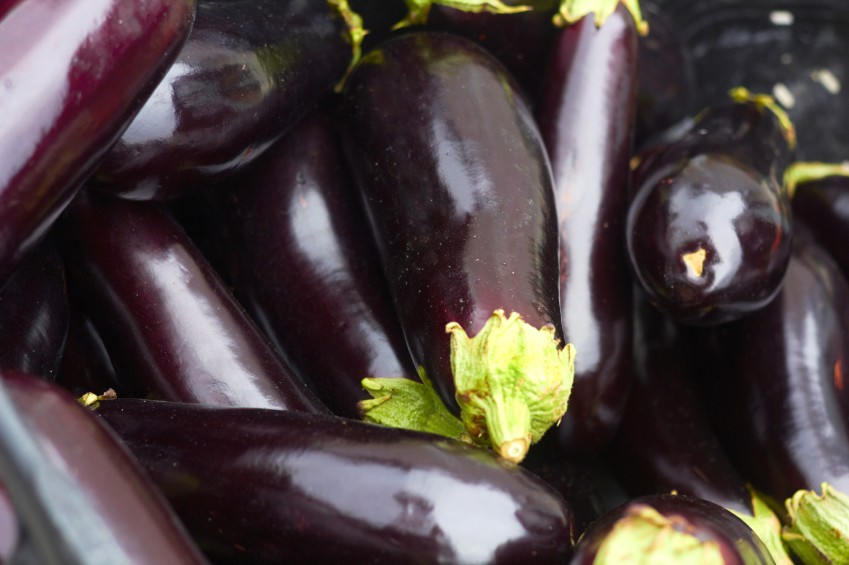
    aubergine

    A fridge-clearing favourite

    I can’t recall where I first saw this idea, but I’ve adapted it many, many times into what I think is an awesome snack, side or main. You can make as much or as little as you like.

    The beauty of it is that all you need is the aubergine – then you can top it with whatever the heck you’ve got in the fridge. It’s a great way to use up the last bits and pieces before your next shop!

    Why you’ll love it

    • Vitamin C: more than a full day’s worth.
    • About 12 g fibre a serve.
    • Top it with whatever’s in the fridge.
    • Snack, side or main – it works as all three.

    Good for

    Immunity

    Vitamin C, copper, vitamin B6 and folate contribute to the normal function of the immune system.

    Antioxidants

    Vitamin C, manganese, copper and vitamin E contribute to the protection of cells from oxidative stress. It also contains plant compounds with antioxidant activity, including lutein, beta-carotene and lycopene.

    Energy

    Vitamin B6, folate, pantothenic acid and niacin contribute to the reduction of tiredness and fatigue.

    Bones

    Vitamin K, manganese, magnesium and phosphorus contribute to the maintenance of normal bones.

    Eyes

    Vitamin A, riboflavin and zinc contribute to the maintenance of normal vision. It also contains lutein and zeaxanthin, the carotenoids found in the macula of the eye.

    Blood pressure

    Potassium contributes to the maintenance of normal blood pressure.

    Tags use approved nutrient health-claim wording, for nutrients that give at least 10% of the Daily Value per serve. Plant compounds like lutein have no Daily Value, so we only say they’re there.

    Key nutrients per serve

    Vitamin C
    100%+Vitamin K
    59%Manganese
    48%Copper
    44%Vitamin B6
    35%Folate
    34%

    Contains: vitamin E (27%), potassium (27%), pantothenic acid (24%), vitamin A (22%), niacin (22%), magnesium (19%), thiamin (17%), iron (17%), riboflavin (15%), phosphorus (12%), zinc (10%) and calcium (8%).

    Plant compounds: lutein and zeaxanthin (about 1.4 mg), beta-carotene (about 2.1 mg), lycopene (about 5.5 mg), chlorophyll, quercetin from the onion, glucosinolates from the rocket and sulphur compounds from the garlic.

    6 g protein13 g fibreAbout 18 g natural sugarAbout 135 mg sodium

    % of US Daily Value for adults, per serve (half the recipe). Estimated from USDA FoodData Central values for the ingredients as listed; cooking reduces some vitamins, so treat these as upper estimates. Uses 1 tbsp tomato paste, 30 g olives, 1 tbsp each coconut and olive oil; excludes salt and pepper; anything over 100% shows as 100%+.

    Aubergine ‘Pizza’

    Oven-softened aubergine slices topped with garlicky tomato, pepper and onion, olives, basil and rocket.
    Prep Time 10 minutes
    Cook Time 25 minutes
    Total Time 35 minutes
    Servings: 2

    Ingredients
      

    • 1 large aubergine (eggplant) cut into 2–3 cm slices
    • 2 tomatoes chopped
    • 2 cloves garlic chopped
    • 1 red or green pepper chopped
    • ½ red onion chopped
    • 1 tbsp tomato paste
    • 1 handful black olives
    • 1 handful basil
    • 1 handful rocket
    • 1 tbsp coconut oil to cook with
    • 1 tbsp olive oil to dress
    • Himalayan or Celtic sea salt and black pepper to taste

    Equipment

    • Baking tray
    • Small pan

    Method
     

    1. Preheat the oven to 180°C (355°F). Brush the aubergine slices with coconut oil and soften in the oven for 15–20 minutes, checking that they’re softening. In a hurry? Use a griddle pan – it only takes 5–10 minutes.
    2. Put the tomatoes, garlic, pepper, half the basil and the onion in a small pan with a tiny bit of coconut oil and 1 tbsp water, and soften for a minute or two.
    3. Spread a little tomato paste on each aubergine slice, pile the topping on, add the olives and return to the oven for about 5 minutes.
    4. Once it’s all looking hot and tasty, top with the rocket and remaining basil, drizzle with olive oil and season.

    Notes

    As a snack or side, this serves 4.

    Swaps

    • Extra protein: scatter over some white beans or crumbled tofu.
    • Courgette works too, sliced lengthways.
    • Pesto instead of tomato paste is lovely.

    Storing it

    Best fresh. The softened aubergine keeps in the fridge for 2 days.

    Good to know

    • High in vitamin K. If you take warfarin or another blood thinner, keep your greens intake steady and talk to your doctor before eating more leafy greens than usual.
    • Olives are salty – go easy on any extra salt.

    Try next

    DinnerGreek Stuffed Tomatoes & PeppersOpen recipe →
    DinnerGreek-Style Alkaline RatatouilleOpen recipe →
    Want more than recipes?

    The Alkaline Life Club has everything in the Recipe Club, plus coaching, live Q&A and a community to keep you going.

    See the Alkaline Life Club

    Sources

    Nutrient values: USDA FoodData Central, SR Legacy (eggplant 169228, tomatoes 170457, garlic 169230, red pepper 170108, onion 170000, tomato paste 170459, black olives 169094, basil 172232, rocket 169387, coconut oil 171412, olive oil 171413). Plant compounds are named where the ingredient is a well-documented source; flavonoids follow the USDA Database for the Flavonoid Content of Selected Foods, Release 3.3. Daily Values: US Food and Drug Administration.
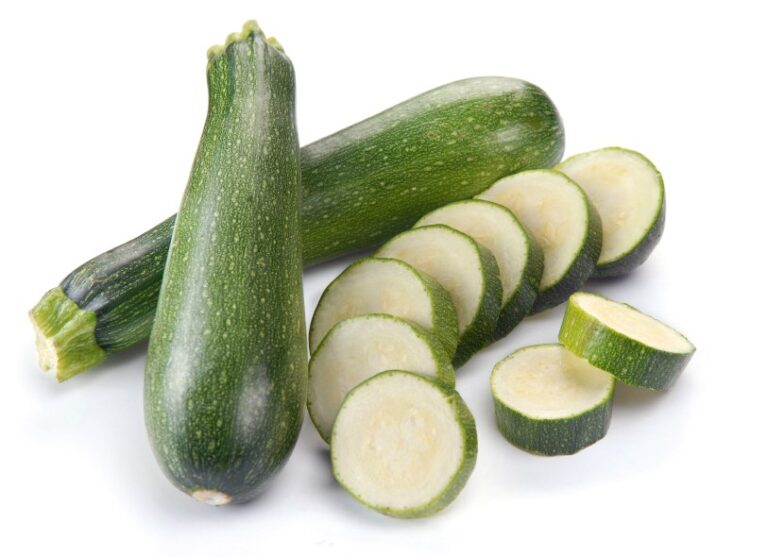
  • Bright & Breezy Salad

    Bright & Breezy Salad

    Recipes › Salads

    Bright & Breezy Salad

    A cheery, crunchy mix of parsley, coriander, cucumber, capsicum, celery, carrot and sweetcorn. An easy way to get a big hit of veggies.

    Prep 15 minServes 211 ingredients
    VeganGluten-freeDairy-freeNut-freeNo added sugar

    Tastes: bright, crisp and herby, with sweet corn and red pepper and a lemon and garlic dressing.

    alkaline

    Lots of C’s

    This cheery collection of coriander, cucumber, capsicums, celery, carrot and lots of other c’s is just such a nice, bright, crisp and flavourful dish. I absolutely love it, and it goes really, really well with a simple dressing of lemon juice and olive or avocado oil.

    Delicious, highly alkalising, raw, crisp and an easy way to get a big hit of veggies. It brings a bit of summer sun back into your life, whatever the season.

    Why you’ll love it

    • Vitamin C: over twice your daily needs, from the peppers and parsley.
    • Vitamin K: more than four days’ worth, mostly from the parsley.
    • Vitamin A: about two-thirds of your daily needs.
    • Raw and ready in 15 minutes.

    Good for

    Immunity

    Vitamin C, vitamin A, folate and vitamin B6 contribute to the normal function of the immune system.

    Antioxidants

    Vitamin C, vitamin E, riboflavin and copper contribute to the protection of cells from oxidative stress. It also contains plant compounds with antioxidant activity, including lutein, beta-carotene and apigenin.

    Energy

    Folate, vitamin B6, pantothenic acid and riboflavin contribute to the reduction of tiredness and fatigue.

    Bones

    Vitamin K, manganese, magnesium and phosphorus contribute to the maintenance of normal bones.

    Eyes

    Vitamin A, riboflavin and zinc contribute to the maintenance of normal vision. It also contains lutein and zeaxanthin, the carotenoids found in the macula of the eye.

    Blood pressure

    Potassium contributes to the maintenance of normal blood pressure.

    Tags use approved nutrient health-claim wording, for nutrients that give at least 10% of the Daily Value per serve. Plant compounds like lutein have no Daily Value, so we only say they’re there.

    Key nutrients per serve

    Vitamin K
    100%+Vitamin C
    100%+Vitamin A
    68%Folate
    44%Vitamin B6
    35%Vitamin E
    31%

    Contains: pantothenic acid (26%), riboflavin (23%), potassium (22%), manganese (22%), copper (22%), niacin (19%), iron (19%), thiamin (17%), magnesium (17%), zinc (13%), phosphorus (13%) and calcium (9%).

    Plant compounds: lutein and zeaxanthin (about 2.5 mg), beta-carotene (about 6.5 mg), chlorophyll, apigenin from the parsley and celery, quercetin from the onion, sulphur compounds from the garlic and citrus flavonoids from the lemon.

    6 g protein8 g fibreAbout 15 g natural sugarAbout 235 mg sodium

    % of US Daily Value for adults, per serve (half the recipe). Estimated from USDA FoodData Central values for the ingredients as listed, so treat these as upper estimates. Uses a 60 g bunch of parsley and canned sweetcorn (about 150 g drained), and includes the lemon, olive oil and garlic dressing; anything over 100% shows as 100%+.

    Bright & Breezy Salad

    Parsley, coriander, red onion, peppers, cucumber, celery, carrot and sweetcorn tossed with a lemon, olive oil and garlic dressing.
    Prep Time 15 minutes
    Total Time 15 minutes
    Servings: 2

    Ingredients
      

    • 1 bunch parsley about 60 g
    • 1 handful coriander
    • 1 small red onion
    • 2 red peppers (capsicums)
    • 1 cucumber
    • 1 small can sweetcorn drained (about 150 g); choose one with no added salt
    • 2 stalks celery
    • 1 carrot
    For the dressing
    • 2 tbsp lemon juice
    • 2 tbsp olive or avocado oil
    • 1 garlic clove crushed

    Equipment

    • Grater

    Method
     

    1. Finely chop the parsley and roughly chop the coriander.
    2. Dice the red onion, peppers, cucumber and celery, and grate the carrot.
    3. Throw it all into a giant bowl with the sweetcorn and mix with your hands.
    4. Whisk the lemon juice, oil and garlic together, pour over and toss. Enjoy!

    Swaps

    • Other dressings: try a garlic dressing or any dressing from the recipe library.
    • Fresh corn: in summer, slice the kernels off a fresh cob instead of using canned.
    • More protein: add a can of chickpeas or some cubed tofu.

    Storing it

    Keeps in the fridge undressed for a day. Dress it just before serving so it stays crisp.

    Good to know

    • High in vitamin K. If you take warfarin or another blood thinner, keep your greens intake steady and talk to your doctor before eating more leafy greens than usual.

    Try next

    SaladsMixed Avocado SaladOpen recipe →
    SaladsSummer Salad with Mint & Lemon DressingOpen recipe →
    Want more than recipes?

    The Alkaline Life Club has everything in the Recipe Club, plus coaching, live Q&A and a community to keep you going.

    See the Alkaline Life Club

    Sources

    Nutrient values: USDA FoodData Central, SR Legacy (parsley 170416, coriander 169997, onion 170000, red pepper 170108, cucumber 168409, canned sweetcorn 169214, celery 169988, carrots 170393, lemon juice 167747, olive oil 171413, garlic 169230). Plant compounds are named where the ingredient is a well-documented source; flavonoids follow the USDA Database for the Flavonoid Content of Selected Foods, Release 3.3. Daily Values: US Food and Drug Administration.

  • A Pint of Real Kale

    A Pint of Real Kale

    Recipes › Salads

    A Pint of Real Kale

    Worst. Pun. Ever. But an awesome, totally raw salad: finely shredded kale with carrot, sweet tomatoes, red onion, olives, pine nuts and sesame.

    Prep 15 minServes 211 ingredients
    VeganGluten-freeDairy-freeNo added sugar

    Tastes: crunchy and zesty, with sweet tomatoes, salty olives and toasty sesame.

    gareth

    Sorry about the pun

    Worst. Pun. Ever. Sorry for that. The silver lining to that awfully grey cloud is that this is an awesome recipe.

    Not only is it ridiculously tasty and quick to make, it’s also a highly alkalising salad. I love the contrast in flavour and texture that the kale gives against the soft, sweet tomatoes.

    Why you’ll love it

    • Vitamin K: over three days’ worth a serve.
    • Vitamin C: over a day’s worth.
    • Vitamin A: nearly 90% of your daily needs.
    • Totally raw and quick to make.

    Good for

    Immunity

    Vitamin C, copper, vitamin A and iron contribute to the normal function of the immune system.

    Antioxidants

    Vitamin C, manganese, copper and riboflavin contribute to the protection of cells from oxidative stress. It also contains plant compounds with antioxidant activity, including lutein, beta-carotene and lycopene.

    Energy

    Riboflavin, iron, magnesium and folate contribute to the reduction of tiredness and fatigue.

    Bones

    Vitamin K, manganese, magnesium and calcium contribute to the maintenance of normal bones.

    Eyes

    Vitamin A, riboflavin and zinc contribute to the maintenance of normal vision. It also contains lutein and zeaxanthin, the carotenoids found in the macula of the eye.

    Blood pressure

    Potassium contributes to the maintenance of normal blood pressure.

    Tags use approved nutrient health-claim wording, for nutrients that give at least 10% of the Daily Value per serve. Plant compounds like lutein have no Daily Value, so we only say they’re there.

    Key nutrients per serve

    Vitamin K
    100%+Vitamin C
    100%+Manganese
    100%+Copper
    89%Vitamin A
    87%Riboflavin
    38%

    Contains: vitamin E (35%), magnesium (31%), calcium (31%), iron (31%), folate (29%), vitamin B6 (29%), thiamin (25%), zinc (24%), niacin (23%), phosphorus (22%), potassium (21%) and pantothenic acid (16%).

    Plant compounds: lutein and zeaxanthin (about 6.6 mg), beta-carotene (about 8.3 mg), lycopene (about 1.9 mg), plant omega-3 ALA (about 0.5 g), chlorophyll, quercetin and kaempferol from the kale, quercetin from the onion, glucosinolates from the kale and citrus flavonoids from the lemon.

    9 g protein10 g fibreAbout 10 g natural sugarAbout 355 mg sodium

    % of US Daily Value for adults, per serve (half the recipe). Estimated from USDA FoodData Central values for the ingredients as listed, so treat these as upper estimates. Uses ¼ cup pine nuts, 2 tbsp sesame seeds and 2 tbsp oil (half the original amounts), about 30 g olives and tamari values for the Bragg; excludes salt and pepper; anything over 100% shows as 100%+.

    A Pint of Real Kale

    Finely shredded kale tossed with grated carrot, cherry tomatoes, red onion, olives, pine nuts, sesame seeds, lemon, olive oil and Bragg.
    Prep Time 15 minutes
    Total Time 15 minutes
    Servings: 2

    Ingredients
      

    • 1 big bunch kale about 200 g
    • 2 carrots grated
    • 2 handfuls cherry or baby plum tomatoes halved
    • 1 lemon juiced
    • ¼ cup pine nuts soaked
    • 2 tbsp sesame seeds
    • 1 medium red onion thinly sliced
    • 1 handful black olives pitted and halved
    • 2 tbsp olive or avocado oil
    • a few dashes of Bragg Liquid Aminos
    • pinch of Himalayan salt and black pepper

    Equipment

    • Grater

    Method
     

    1. This is a totally raw, quick dish, so get ready and let’s rock! Shred the kale nice and finely, grate the carrots and halve the tomatoes.
    2. Slice the onion thinly and halve the olives (make sure there are no stones).
    3. Mix everything together in a large bowl.
    4. Enjoy as a main in itself or as a salad alongside your main dish.

    Swaps

    • Nut-free: use sunflower or pumpkin seeds instead of pine nuts.
    • Softer kale: massage it with the lemon juice and a pinch of salt for a minute first.
    • Sun-dried tomatoes add a rich, sweet hit.

    Storing it

    Best fresh, but kale holds up well: dressed leftovers keep in the fridge for a day.

    Good to know

    • High in vitamin K. If you take warfarin or another blood thinner, keep your greens intake steady and talk to your doctor before eating more leafy greens than usual.
    • Tamari: choose one labelled gluten-free if you’re coeliac.

    Try next

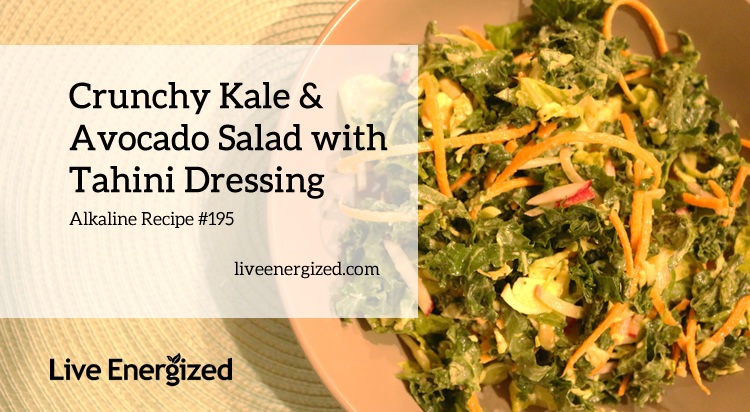
    SaladsCrunchy Kale Salad with Tahini DressingOpen recipe →
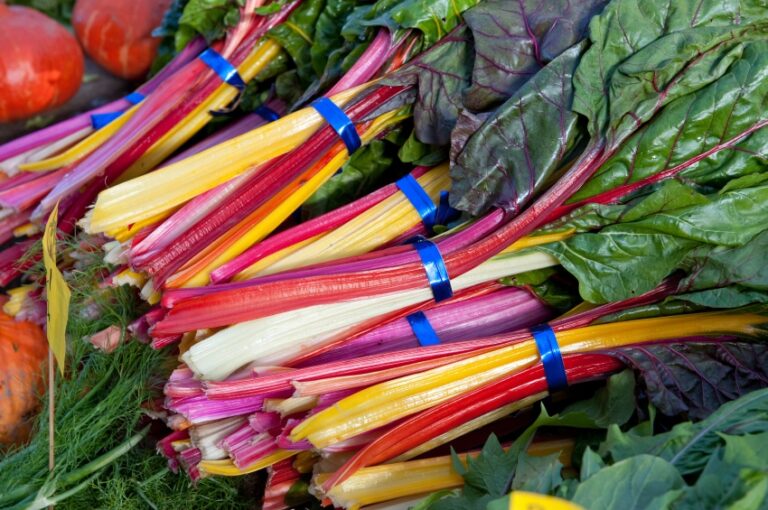
    SaladsWarm Chard, Chicory & Grapefruit SaladOpen recipe →
    Want more than recipes?

    The Alkaline Life Club has everything in the Recipe Club, plus coaching, live Q&A and a community to keep you going.

    See the Alkaline Life Club

    Sources

    Nutrient values: USDA FoodData Central, SR Legacy (kale 168421, carrots 170393, tomatoes 170457, lemon juice 167747, pine nuts 170591, sesame seeds 170150, red onion 170000, black olives 169094, olive oil 171413, tamari 174278). Plant compounds are named where the ingredient is a well-documented source; flavonoids follow the USDA Database for the Flavonoid Content of Selected Foods, Release 3.3. Daily Values: US Food and Drug Administration.