Blog

  • De-Wire Calm-Down Juice

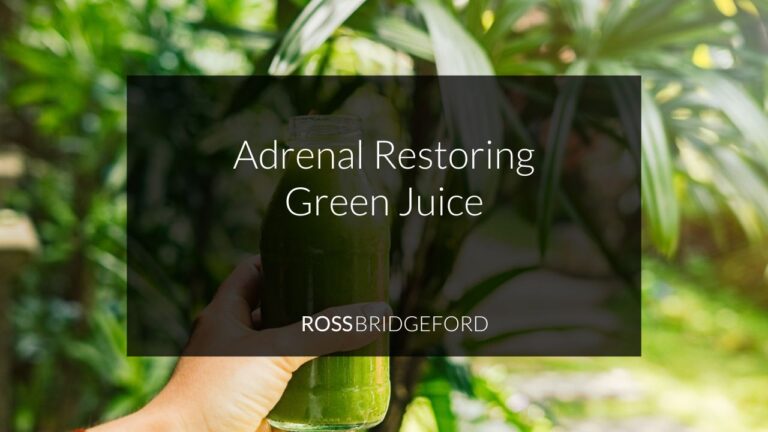
    De-Wire Calm-Down Juice

    Recipes › Juices & smoothies

    De-Wire Calm-Down Juice

    A soothing, caffeine-free juice of basil, carrot, watercress, cucumber, spinach and pepper, with chia stirred in. For when you’re wired and tired.

    Prep 10 minRest 10 minServes 2Juicer7 ingredients
    VeganGluten-freeDairy-freeNut-freeNo added sugar

    Tastes: fresh and gently sweet from the carrots, with fragrant basil and peppery watercress.

    Adrenal Juice

    When you’re wired, you’re tired

    When you’re wired, you’re tired. You’re mentally exhausted, you fly from pumped up (usually on caffeine) to shattered and foggy, the days get long and the stress builds.

    It’s a vicious cycle, too. The fatigue makes you reach for caffeine to keep pushing through, which only makes it worse. Your stress response, and the cortisol your adrenals release, gets stuck on high.

    Diet plays a bigger part in that than most people realise. A diet high in sugar, caffeine, alcohol and processed food puts your body under stress, and research has linked an acid-forming diet with higher cortisol: in one study, neutralising a typical Western diet with an alkaline supplement reduced cortisol secretion (Maurer et al., 2003). This juice is a fantastic, nourishing way to give your body a break.

    Why you’ll love it

    • Vitamin A: about three-quarters of your daily needs a glass.
    • Vitamin C: about two-thirds of your daily needs.
    • Chia seeds stirred in for fibre and plant omega-3.
    • Caffeine-free, for when you’re wired and tired.

    Good for

    Immunity

    Vitamin A, vitamin C, copper and folate contribute to the normal function of the immune system.

    Antioxidants

    Vitamin C, manganese, copper and riboflavin contribute to the protection of cells from oxidative stress. It also contains plant compounds with antioxidant activity, including lutein and beta-carotene.

    Energy

    Magnesium, folate, vitamin B6 and pantothenic acid contribute to the reduction of tiredness and fatigue.

    Bones

    Vitamin K, manganese, magnesium and phosphorus contribute to the maintenance of normal bones.

    Eyes

    Vitamin A, riboflavin and zinc contribute to the maintenance of normal vision. It also contains lutein and zeaxanthin, the carotenoids found in the macula of the eye.

    Blood pressure

    Potassium contributes to the maintenance of normal blood pressure.

    Tags use approved nutrient health-claim wording, for nutrients that give at least 10% of the Daily Value per glass. Plant compounds like lutein have no Daily Value, so we only say they’re there.

    Key nutrients per glass

    Vitamin K
    100%+Vitamin A
    75%Vitamin C
    66%Manganese
    35%Copper
    33%Magnesium
    23%

    Contains: folate (20%), vitamin B6 (18%), thiamin (17%), pantothenic acid (16%), potassium (16%), phosphorus (16%), riboflavin (15%), niacin (14%), selenium (14%), calcium (13%), iron (13%), zinc (12%) and vitamin E (10%).

    Plant compounds: lutein and zeaxanthin (about 3.2 mg), beta-carotene (about 6.9 mg), plant omega-3 ALA (about 2.2 g), chlorophyll and glucosinolates from the watercress.

    About 8 g natural sugarAbout 65 mg sodium

    % of US Daily Value for adults, per glass (half the recipe). Estimated from USDA FoodData Central values for the whole ingredients. Juicing leaves most of the fibre and some vitamins in the pulp, so treat these as upper estimates; the chia is stirred in rather than juiced; excludes the optional coconut water; anything over 100% shows as 100%+.

    De-Wire Calm-Down Juice

    Basil, carrots, watercress, cucumber, spinach and pepper juiced, with chia seeds stirred in and left to swell.
    Prep Time 10 minutes
    Rest 10 minutes
    Total Time 20 minutes
    Servings: 2 glasses

    Ingredients
      

    • 1 handful basil leaves
    • 2 carrots
    • 1 handful watercress or another leafy green
    • 1 large cucumber
    • 1 handful spinach
    • 2 tbsp chia seeds
    • ½ bell pepper (capsicum)
    • 200 ml coconut water optional

    Equipment

    • Juicer

    Method
     

    1. Wash and juice all the ingredients except the chia seeds (and the coconut water, if using).
    2. Stir in the chia seeds and coconut water, and leave for 8–10 minutes for the chia to swell.
    3. Stir again and enjoy!

    Swaps

    • No watercress? Use rocket or more spinach.
    • Sweeter: add the coconut water.
    • No juicer? Blend with a cup of water and strain, then stir in the chia.

    Storing it

    Best fresh. To keep it, fill a glass jar right to the top, seal it and refrigerate for up to 24 hours. Give it a shake before you drink it.

    Good to know

    • Very high in vitamin K. If you take warfarin or another blood thinner, keep your greens intake steady and talk to your doctor before making green juice a daily habit.
    • Always exhausted? Ongoing fatigue and brain fog are worth checking with your doctor. This juice is about good nutrition, not treatment, so keep following your doctor’s advice and taking any medication you’ve been prescribed.

    Try next

    DrinksAlkaline Sleep ElixirOpen recipe →
    Juices & smoothiesAdrenal-Support Green JuiceOpen recipe →
    Want more than recipes?

    The Alkaline Life Club has everything in the Recipe Club, plus coaching, live Q&A and a community to keep you going.

    See the Alkaline Life Club

    Sources

    Nutrient values: USDA FoodData Central, SR Legacy (basil 172232, carrots 170393, watercress 170068, cucumber 168409, baby spinach 168462, chia seeds 170554, red pepper 170108). Plant compounds are named where the ingredient is a well-documented source; flavonoids follow the USDA Database for the Flavonoid Content of Selected Foods, Release 3.3. Daily Values: US Food and Drug Administration. Cortisol and an acid-forming diet: Maurer et al., “Neutralization of Western diet inhibits bone resorption independently of K intake and reduces cortisol secretion in humans,” American Journal of Physiology – Renal Physiology 284 (2003): F32–F40.
  • Bone Builder Smoothie

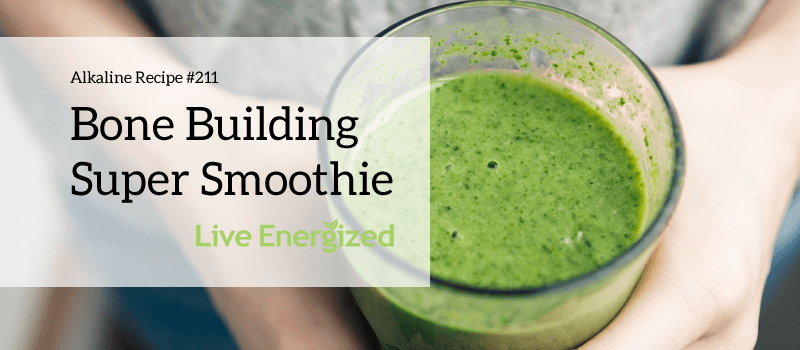
    Bone Builder Smoothie

    Recipes › Juices & smoothies

    Bone Builder Smoothie

    A creamy, filling green smoothie with avocado, kale, chard, spinach, pumpkin and sesame seeds and almonds – packed with bone-friendly nutrients.

    Prep 5 minServes 2Blender10 ingredients
    VeganGluten-freeDairy-freeNo added sugar

    Tastes: creamy, mild and green, with a nutty, toasty edge from the seeds.

    recipe for bone builder smoothie

    Strong bones are more than calcium

    An alkaline-forming diet rich in vegetables has been linked with stronger bones. In the long-running Framingham study, older adults who ate more potassium, magnesium, fruit and vegetables had greater bone mineral density (Tucker et al., 1999).

    So are there specific nutrients and alkaline foods that can help fortify your bones? Yes! In this recipe I’ve combined foods with some of the most powerful bone-building nutrients into a single smoothie. And as well as all that goodness, it’s creamy, delicious and filling too.

    Strong bones are about more than calcium. You also need magnesium, vitamin K, zinc, phosphorus, potassium, healthy fats and antioxidants, and this smoothie has them all.

    Why you’ll love it

    • Vitamin K: over two days’ worth a glass.
    • Calcium and magnesium: nearly a third of your daily needs each.
    • Seeds and almonds for zinc, phosphorus and healthy fats.
    • Vitamin E: nearly three-quarters of your daily needs.

    Good for

    Immunity

    Copper, vitamin C, folate and vitamin A contribute to the normal function of the immune system.

    Antioxidants

    Vitamin E, copper, manganese and vitamin C contribute to the protection of cells from oxidative stress. It also contains plant compounds with antioxidant activity, including lutein, beta-carotene and flavonoids.

    Energy

    Magnesium, folate, pantothenic acid and riboflavin contribute to the reduction of tiredness and fatigue.

    Muscles

    Protein contributes to the maintenance of muscle mass, and magnesium, calcium and potassium contribute to normal muscle function.

    Bones

    Vitamin K, manganese, magnesium and calcium contribute to the maintenance of normal bones.

    Eyes

    Riboflavin, vitamin A and zinc contribute to the maintenance of normal vision. It also contains lutein and zeaxanthin, the carotenoids found in the macula of the eye.

    Blood pressure

    Potassium contributes to the maintenance of normal blood pressure.

    Tags use approved nutrient health-claim wording, for nutrients that give at least 10% of the Daily Value per glass. Plant compounds like lutein have no Daily Value, so we only say they’re there.

    Key nutrients per glass

    Vitamin K
    100%+Vitamin E
    73%Copper
    56%Manganese
    43%Vitamin C
    36%Magnesium
    30%

    Contains: calcium (29%), folate (25%), pantothenic acid (24%), riboflavin (23%), vitamin A (18%), vitamin B6 (18%), potassium (18%), iron (18%), thiamin (17%), phosphorus (16%), zinc (15%) and niacin (13%).

    Plant compounds: lutein and zeaxanthin (about 4.6 mg), beta-carotene (about 1.9 mg), chlorophyll, quercetin and kaempferol from the kale and glucosinolates from the kale.

    7 g protein7 g fibreAbout 5 g natural sugarAbout 150 mg sodium

    % of US Daily Value for adults, per glass (half the recipe). Estimated from USDA FoodData Central values for the ingredients as listed, so treat these as upper estimates. Uses a calcium-fortified almond milk; excludes the coconut water; anything over 100% shows as 100%+.

    Bone Builder Smoothie

    Avocado, kale, chard, spinach, cucumber, pumpkin and sesame seeds and almonds blended with almond milk.
    Prep Time 5 minutes
    Total Time 5 minutes
    Servings: 2 glasses

    Ingredients
      

    • ½ avocado
    • 1 handful kale
    • 1 tbsp pumpkin seeds
    • 1 tbsp sesame seeds
    • 1 tbsp almonds
    • 1 cucumber
    • 1 handful spinach
    • 1 handful Swiss chard or beet greens or other greens
    • 250 ml unsweetened almond or coconut milk
    • coconut water or filtered water to thin, if needed

    Equipment

    • Blender

    Method
     

    1. Blend all the ingredients together until smooth.
    2. Add coconut water or filtered water at the end to get the consistency you like. That’s all there is to it!

    Swaps

    • Nut-free: use coconut milk and swap the almonds for sunflower seeds.
    • Greens: any mix of kale, chard, beet greens and spinach works.
    • Creamier: use the whole avocado.

    Storing it

    Best fresh. It keeps in a sealed jar in the fridge for a few hours.

    Good to know

    • High in vitamin K. If you take warfarin or another blood thinner, keep your greens intake steady and talk to your doctor before making green smoothies a daily habit.
    • Contains almonds (and almond milk).

    Try next

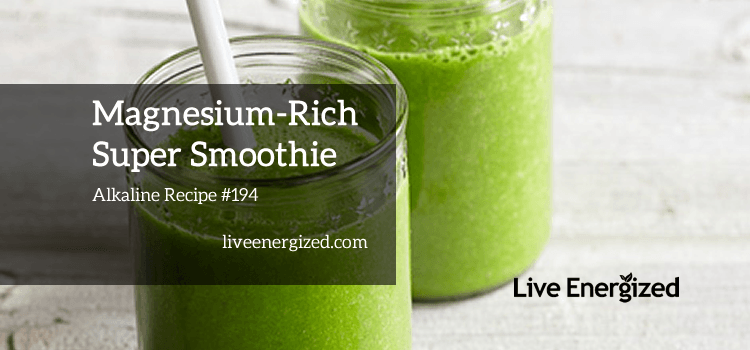
    Juices & smoothiesMagnesium-Rich Super SmoothieOpen recipe →
    Juices & smoothiesGlow Green Collagen-Support SmoothieOpen recipe →
    Want more than recipes?

    The Alkaline Life Club has everything in the Recipe Club, plus coaching, live Q&A and a community to keep you going.

    See the Alkaline Life Club

    Sources

    Nutrient values: USDA FoodData Central, SR Legacy (avocado 171705, kale 168421, pumpkin seeds 170556, sesame seeds 170150, almonds 170567, cucumber 168409, baby spinach 168462, chard 169991, almond milk 174832). Plant compounds are named where the ingredient is a well-documented source; flavonoids follow the USDA Database for the Flavonoid Content of Selected Foods, Release 3.3. Daily Values: US Food and Drug Administration. Bone density: Tucker et al., “Potassium, magnesium, and fruit and vegetable intakes are associated with greater bone mineral density in elderly men and women,” American Journal of Clinical Nutrition 69 (1999): 727–736.

  • Turmeric Roasted Cauliflower & Kale Salad

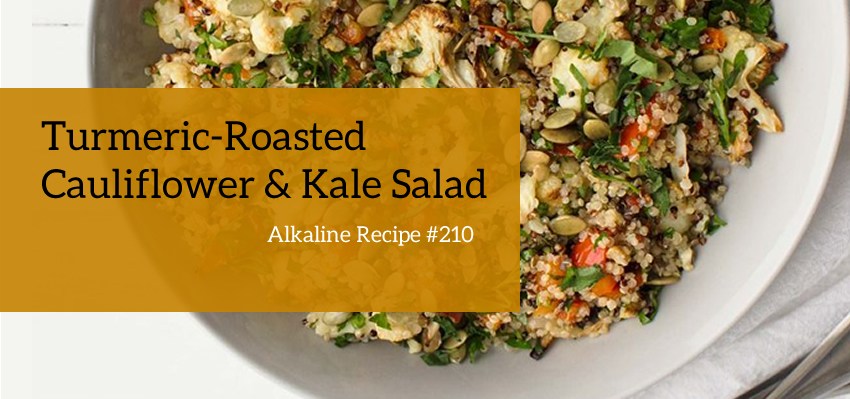
    Turmeric Roasted Cauliflower & Kale Salad

    Recipes › Salads

    Turmeric Roasted Cauliflower & Kale Salad

    A quick and easy, warming and filling, simple salad – with an abundance of delicious alkaline, antioxidant-rich, anti-inflammatory foods.

    Prep 15 minCook 20 minServes 215 ingredients
    VeganGluten-freeDairy-freeNut-freeNo added sugar

    Tastes: warm, spiced turmeric cauliflower on a zesty massaged kale salad.

    turmeric roasted cauliflower salad

    A million reasons

    There are a million reasons why you should eat more of the anti-inflammatory foods in this recipe. I can’t list them all – but I can tell you this: including more alkaline, antioxidant-rich, anti-inflammatory foods can help protect you from so many health challenges, and they will make you feel AMAZING.

    Why you’ll love it

    • Vitamins C and K: well over a full day’s worth of each.
    • Turmeric-roasted cauliflower, warm, golden and gently spiced.
    • Massaged kale with lemon and tamari for a softer, sweeter bite.
    • Manganese: a full day’s worth per serve.

    Good for

    Immunity

    Vitamin C, folate, copper and vitamin B6 contribute to the normal function of the immune system.

    Antioxidants

    Vitamin C, manganese, copper and riboflavin contribute to the protection of cells from oxidative stress. It also contains plant compounds with antioxidant activity, including lutein, beta-carotene and lycopene.

    Energy

    Folate, pantothenic acid, vitamin B6 and riboflavin contribute to the reduction of tiredness and fatigue.

    Bones

    Vitamin K, manganese, magnesium and phosphorus contribute to the maintenance of normal bones.

    Eyes

    Vitamin A, riboflavin and zinc contribute to the maintenance of normal vision. It also contains lutein and zeaxanthin, the carotenoids found in the macula of the eye.

    Blood pressure

    Potassium contributes to the maintenance of normal blood pressure.

    Tags use approved nutrient health-claim wording, for nutrients that give at least 10% of the Daily Value per serve. Plant compounds like lutein have no Daily Value, so we only say they’re there.

    Key nutrients per serve

    Vitamin K
    100%+Vitamin C
    100%+Manganese
    100%+Folate
    59%Copper
    56%Pantothenic acid
    48%

    Contains: vitamin B6 (47%), vitamin A (39%), riboflavin (38%), potassium (34%), magnesium (34%), iron (34%), vitamin E (30%), niacin (28%), thiamin (25%), phosphorus (24%), calcium (21%) and zinc (21%).

    Plant compounds: lutein and zeaxanthin (about 5.2 mg), beta-carotene (about 3.9 mg), lycopene (about 3.2 mg), chlorophyll, apigenin from the celery, quercetin and kaempferol from the kale, glucosinolates from the cauliflower and kale, curcumin from the turmeric, citrus flavonoids from the lemon and capsaicin from the cayenne.

    11 g protein14 g fibreAbout 11 g natural sugarAbout 155 mg sodium

    % of US Daily Value for adults, per serve (half the recipe). Estimated from USDA FoodData Central values for the ingredients as listed; cooking reduces some vitamins, so treat these as upper estimates. Uses 2 tbsp pumpkin seeds and 2 tsp olive oil; excludes salt and pepper; anything over 100% shows as 100%+.

    Turmeric Roasted Cauliflower & Kale Salad

    Turmeric-roasted cauliflower on massaged kale with pepper, celery, tomato, avocado and pumpkin seeds.
    Prep Time 15 minutes
    Cook Time 20 minutes
    Total Time 35 minutes
    Servings: 2

    Ingredients
      

    • ½ head cauliflower washed and dried
    • 5 stalks curly or Tuscan kale washed
    • 1 bell pepper (capsicum)
    • 1 stalk celery
    • ½ avocado
    • 2 tomatoes
    • 1 tbsp ground turmeric or 2 cm fresh, grated
    • ¼ tsp cayenne pepper
    • ¼ tsp paprika
    • ½ lemon juiced
    • ¼ tsp Bragg Liquid Aminos or tamari
    • Himalayan salt and black pepper
    • 2 tbsp pumpkin seeds
    • 2 tbsp coconut oil
    • 2 tsp olive oil to drizzle

    Equipment

    • Baking tray

    Method
     

    1. Preheat the oven to 180°C (355°F).
    2. Break the cauliflower into florets and mix in a bowl with the turmeric, cayenne, paprika, salt, pepper and coconut oil.
    3. Spread on a lined baking tray and roast on the middle shelf for 20 minutes, checking regularly so it doesn’t burn (move it to the bottom shelf if it does).
    4. Strip the kale from the stems, tear into pieces and put in a large bowl. Add the lemon juice and massage with your hands for a minute, then add the Bragg or tamari and arrange on your plates.
    5. Thinly slice the pepper and celery, chop the avocado and tomatoes, and scatter over the kale. Sprinkle with pumpkin seeds and drizzle with a little olive oil.
    6. Top each salad with the roasted cauliflower and serve straight away.

    Swaps

    • Make it heartier: add a can of rinsed chickpeas to the roasting tray.
    • Any kale works – Tuscan holds up best.
    • No tamari? A pinch of salt does the job.

    Storing it

    Best fresh and warm. The roasted cauliflower keeps in the fridge for 3 days, and the kale holds up well once dressed.

    Good to know

    • High in vitamin K. If you take warfarin or another blood thinner, keep your greens intake steady and talk to your doctor before eating more leafy greens than usual.

    Try next

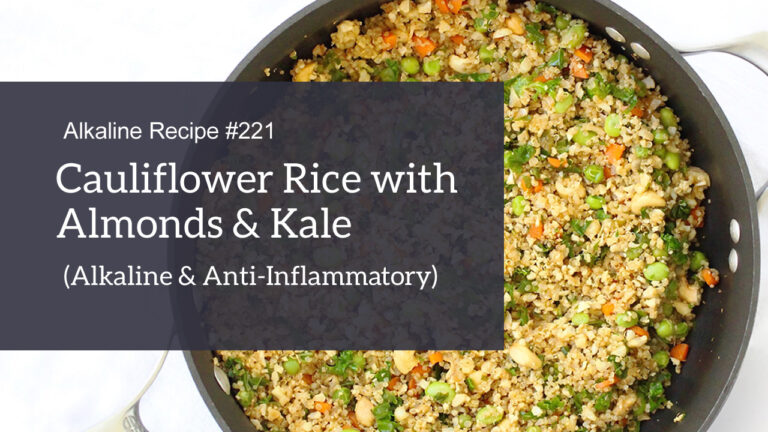
    LunchCauliflower Fried Rice with Turmeric, Ginger & KaleOpen recipe →
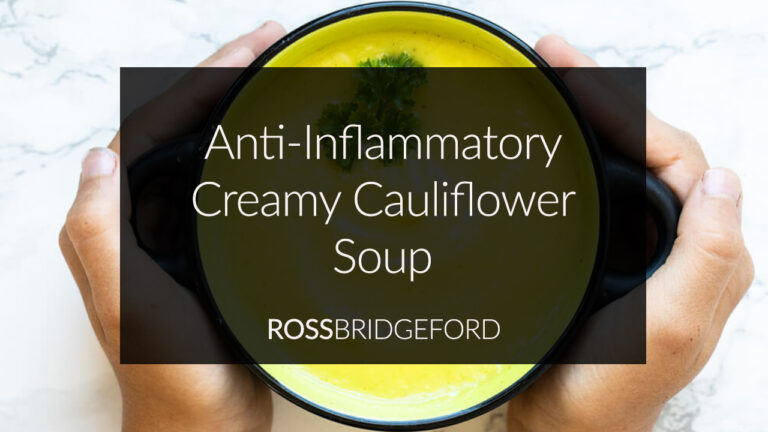
    SoupAnti-Inflammatory Cauliflower SoupOpen recipe →
    Want more than recipes?

    The Alkaline Life Club has everything in the Recipe Club, plus coaching, live Q&A and a community to keep you going.

    See the Alkaline Life Club

    Sources

    Nutrient values: USDA FoodData Central, SR Legacy (cauliflower 169986, kale 168421, red pepper 170108, celery 169988, avocado 171705, tomatoes 170457, turmeric 172231, cayenne 170932, paprika 171329, lemon juice 167747, tamari 174278, pumpkin seeds 170556, coconut oil 171412, olive oil 171413). Plant compounds are named where the ingredient is a well-documented source; flavonoids follow the USDA Database for the Flavonoid Content of Selected Foods, Release 3.3. Daily Values: US Food and Drug Administration.

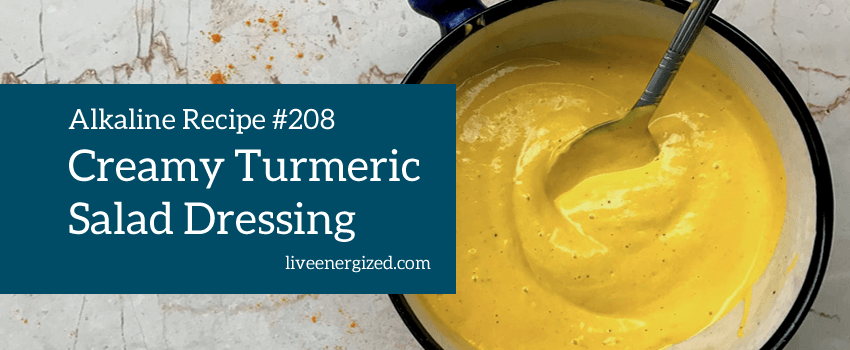
  • Creamy Turmeric Salad Dressing

    Creamy Turmeric Salad Dressing

    Recipes › Sauces & dressings

    Creamy Turmeric Salad Dressing

    An incredibly easy, delicious and anti-inflammatory dressing that makes practically any salad or vegetable dish more flavoursome.

    Prep 5 minMakes about ⅔ cup7 ingredients
    VeganGluten-freeDairy-freeNut-freeNo added sugar

    Tastes: creamy, nutty tahini with bright lemon, earthy turmeric and a little heat.

    turmeric salad dressing

    Turmeric with black pepper

    I am always looking for ways to get turmeric into meals, and having a turmeric salad dressing on hand is such a simple shortcut. You can pretty much add this to anything!

    A 1998 study found that the bioavailability of curcumin increased by 2,000% when it was taken alongside piperine, which is found in black pepper. The jury is still out on whether this is as important as that study suggests, but why not? A little black pepper isn’t hard to include, and it’s rather tasty.

    Why you’ll love it

    • Goes with practically anything: salads, roast veg and grain bowls.
    • Anti-inflammatory turmeric, with black pepper and healthy fats to help your body absorb it.
    • Ready in minutes. Blend or whisk, and done.

    Good for

    Immunity

    Copper contributes to the normal function of the immune system.

    Antioxidants

    Copper contributes to the protection of cells from oxidative stress. It also contains plant compounds with antioxidant activity, including curcumin, flavonoids and capsaicin.

    Tags use approved nutrient health-claim wording, for nutrients that give at least 10% of the Daily Value per serve. Plant compounds like these have no Daily Value, so we only say they’re there.

    Key nutrients per serve

    Copper
    23%

    Contains: thiamin (16%).

    Plant compounds: curcumin from the turmeric, citrus flavonoids from the lemon and capsaicin from the cayenne.

    Under 4 g natural sugarAbout 5 mg sodium

    % of US Daily Value for adults, per serve (2 tbsp, about ⅕ of the recipe). Estimated from USDA FoodData Central values for the ingredients as listed, so treat these as upper estimates. Uses 1 tsp ground turmeric; excludes salt and pepper added to taste; anything over 100% shows as 100%+.

    Creamy Turmeric Salad Dressing

    An easy, creamy turmeric dressing that makes practically any salad more flavoursome.
    Prep Time 5 minutes
    Total Time 5 minutes
    Servings: 5 serves (2 tbsp each)

    Ingredients
      

    • ¼ cup tahini
    • 3 tbsp fresh lemon juice
    • 2 tbsp coconut oil
    • 1 cm fresh turmeric grated, or 1 tsp ground turmeric
    • ¼ tsp cayenne pepper
    • Himalayan salt and freshly ground black pepper to taste
    • filtered water to thin

    Equipment

    • Blender or whisk

    Method
     

    1. In a food processor or blender, or whisking by hand, combine all the ingredients and blend until smooth.
    2. Add a little filtered water, a bit at a time, until it has the consistency you’d like, and season with salt and pepper to taste.

    Notes

    Fresh vs powdered: fresh turmeric is best, and it’s getting surprisingly easy to find. If you can’t get fresh, ground turmeric is still a great option.

    Swaps

    • No fresh turmeric? Use 1 tsp ground turmeric.
    • Milder? Leave out the cayenne.
    • Olive oil works instead of coconut oil, and won’t firm up in the fridge.

    Storing it

    This will keep in the fridge for up to 5 days. The coconut oil firms up when it’s cold, so let it sit out for a few minutes and give it a stir.

    Good to know

    • Contains sesame (tahini).

    Try next

    SauceCreamy “Alfredo” SauceOpen recipe →
    DressingAvocado Ranch DressingOpen recipe →
    Want more than recipes?

    The Alkaline Life Club has everything in the Recipe Club, plus coaching, live Q&A and a community to keep you going.

    See the Alkaline Life Club

    Sources

    Nutrient values: USDA FoodData Central, SR Legacy (tahini 168604, lemon juice 167747, coconut oil 171412, turmeric 172231, cayenne 170932). Plant compounds are named where the ingredient is a well-documented source; flavonoids follow the USDA Database for the Flavonoid Content of Selected Foods, Release 3.3. Daily Values: US Food and Drug Administration.

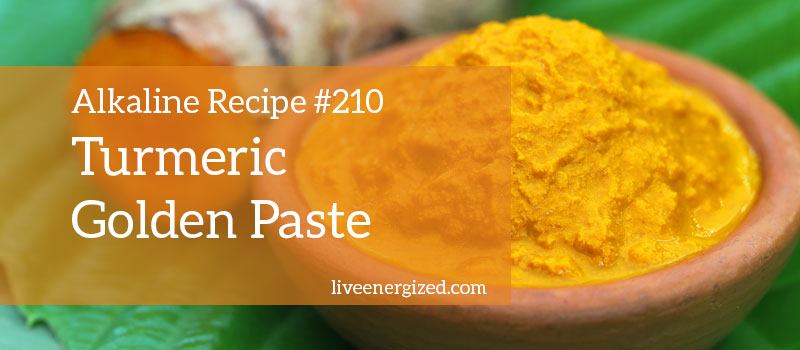
  • Alkaline Recipe #210: Turmeric Golden Paste

    Alkaline Recipe #210: Turmeric Golden Paste

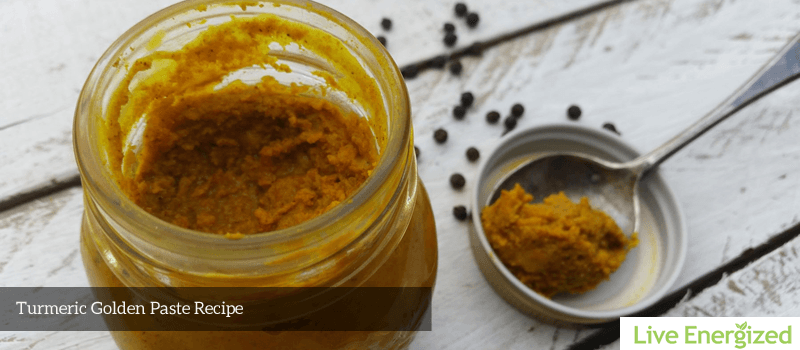
    Turmeric Golden Paste is an absolutely, abundantly, amazing nutrient powerhouse. And creating this ‘Golden Paste’ means you can easily add turmeric and it’s incredibly anti-inflammatory properties to practically any mealtime!

    It’s simple and easy to make, takes about five minutes and will keep for 2 weeks when refrigerated. It provides turmeric’s powerful compound, curcumin, alongside the black pepper (piperine) and fats that give it the maximum bioavailability.

    Alkaline Recipe #210: Turmeric Golden Paste

    Turmeric Golden Paste & Milk Recipe

    Ingredients

    1/2 cup (125 mls/60g) turmeric powder
    1 cup water (250 mls) PLUS 1 cup water in reserve, if needed
    1/3 cup (70 mls) one of the following oils: Raw (unrefined) Cold Pressed Coconut Oil, Linseed (flaxseed) oil or Virgin/Extra Virgin Olive Oil
    2-3 teaspoons freshly ground black pepper

    Instructions

    1) Add the turmeric and water to a pot and simmer over gentle heat for about 7-10 minutes or until you have a thick paste, stirring frequently. You may need to add more water if the mixture becomes too dry.

    2) Once you have a paste, remove from the heat and set aside to cool. When the paste is just warm to the touch whisk in the oil and pepper to finish.

    3) Once fully cooled store your Golden Paste in a glass jar and pop in the fridge.

    Golden paste will keep for 2 weeks when refrigerated, any excess can be frozen for future use.

    The addition of fats – in the form of healthy oil, and piperine – found in black pepper, help the body to absorb curcumin, which is the active ingredient in turmeric but one that is not readily absorbed by the body.

    If you find your paste is too watery feel free to add more turmeric. The same goes for if it’s too dry, simply add more water. Be sure to stir regularly as you don’t want it to burn. It will also help to create a nice, smooth paste. However, the texture of the paste in no way effects its properties so don’t worry if it’s not perfect!


    7 Ways to use Golden Paste


    1. Take half a baby spoonful (~ 1/4 to 1/2 teaspoon) and chase it with water…all done! 

    This is great way to take turmeric (no fuss) and to spread it out through the day. As one teaspoon is equal to ~2,000 mg. it’s best to take smaller quantities 3-4 times per day.

    2. Turmeric tea

    You can add 1/4 teaspoon turmeric golden paste to a hot cup of already-brewed tea, add honey, maybe a splash of almond milk, and your quick turmeric tea is ready. The taste and texture may not seem like a “normal tea” as it has black pepper and oils … but it is tasty!

    3. Add it to “rice” 

    Turmeric golden paste can easily be added to quinoa or cauliflower “rice”. You can add 1 or more teaspoons after you have cooked your chosen rice substitute, while still warm which enables smooth mixing.

    4. Add to smoothies

    There’s no limit to the variations you can do here. Add turmeric golden paste to all kinds of smoothies and make your favourite ones even healthier, try it out!

    5. Add to salads

    This is the perfect way to make your favorite salads even healthier! Simply stir it in and eat. And best of all a small amount of turmeric paste won’t alter the taste much but you still get maximum benefit.

    6. Add to dairy-free milk

    Golden milk/turmeric milk is one of the most popular ways to take turmeric daily and is extremely popular in Asian countries. Simply add ¼ – ½ teaspoon to your choice of dairy free milk (I like almond) and drink it! Serve warm or cold. So easy.

    7. Add to hot dishes and soups

    Simply add a dollop of golden paste while cooking or add in once served. Stronger tasting dishes tend to hide the flavor so it’s great to add to most meals.

    Golden paste is so versatile there’s no excuse not to take it, especially because you only need the smallest amount to gain the amazing benefits that Turmeric offer!

    [yumprint-recipe id=’103′] 

    get the alkaline recipe book here


  • Roast Cauliflower & Turmeric Curry

    Roast Cauliflower & Turmeric Curry

    Recipes › Dinner

    Roast Cauliflower & Turmeric Curry

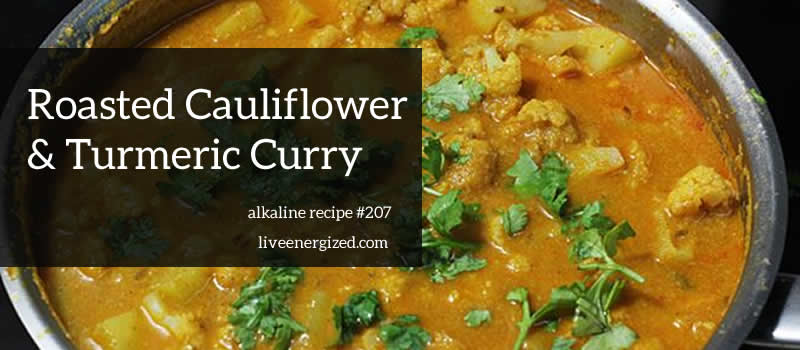
    A beautiful, hearty curry that’s not only alkaline but highly anti-inflammatory, combining four of the most powerful anti-inflammatory foods into deliciousness.

    Prep 15 minCook 30 minServes 221 ingredients
    VeganGluten-freeDairy-freeNo added sugar

    Tastes: rich, creamy and fragrant, with a homemade cashew masala and golden roasted cauliflower.

    Roast Cauliflower & Turmeric Masala Curry

    Four anti-inflammatory heroes

    The abundance of turmeric, ginger, garlic and bell pepper (not to mention the healthy fats from the coconut and cashews) are all super anti-inflammatory, and can help support your immune system too.

    I absolutely love this recipe – and making your own masala is easier than you’d think.

    Why you’ll love it

    • Homemade masala with coriander, cumin, cardamom, cinnamon, cloves and cashews.
    • Vitamin C: more than a full day’s worth, from the bell pepper and cauliflower.
    • Roasted cauliflower, golden, tender and turmeric-spiced.
    • Manganese and copper: around 90% of your daily needs.

    Good for

    Immunity

    Vitamin C, copper, iron and vitamin B6 contribute to the normal function of the immune system.

    Antioxidants

    Vitamin C, manganese, copper and zinc contribute to the protection of cells from oxidative stress. It also contains plant compounds with antioxidant activity, including beta-carotene, quercetin and curcumin.

    Energy

    Iron, magnesium, vitamin B6 and folate contribute to the reduction of tiredness and fatigue.

    Bones

    Manganese, magnesium, phosphorus and vitamin K contribute to the maintenance of normal bones.

    Eyes

    Zinc contributes to the maintenance of normal vision.

    Blood pressure

    Potassium contributes to the maintenance of normal blood pressure.

    Tags use approved nutrient health-claim wording, for nutrients that give at least 10% of the Daily Value per serve. Plant compounds like these have no Daily Value, so we only say they’re there.

    Key nutrients per serve

    Vitamin C
    100%+Manganese
    91%Copper
    89%Iron
    41%Magnesium
    36%Vitamin B6
    35%

    Contains: folate (29%), pantothenic acid (26%), phosphorus (26%), vitamin K (25%), zinc (23%), potassium (22%), thiamin (17%), niacin (14%), selenium (11%) and calcium (9%).

    Plant compounds: beta-carotene (about 0.7 mg), chlorophyll, quercetin from the onion, glucosinolates from the cauliflower, curcumin from the turmeric, gingerols from the ginger, sulphur compounds from the garlic and capsaicin from the chilli.

    10 g protein7 g fibreAbout 8 g natural sugarAbout 360 mg sodium

    % of US Daily Value for adults, per serve (half the recipe). Estimated from USDA FoodData Central values for the ingredients as listed; cooking reduces some vitamins, so treat these as upper estimates. Uses canned coconut milk; excludes salt added to taste and rice or quinoa to serve; anything over 100% shows as 100%+.

    Roast Cauliflower & Turmeric Curry

    Turmeric-roasted cauliflower in a creamy coconut curry with a homemade cashew masala.
    Prep Time 15 minutes
    Cook Time 30 minutes
    Total Time 45 minutes
    Servings: 2

    Ingredients
      

    Masala
    • 2 tsp coriander seeds
    • ½ tsp cumin seeds
    • 1 pinch cardamom powder
    • ½ small cinnamon stick
    • 3 cloves
    • ¼ cup raw cashews
    Curry
    • 2 cups cauliflower florets
    • ½ tsp turmeric powder
    • ¼ tsp salt for the cauliflower
    • 1 tbsp coconut oil divided
    • 2 cloves garlic minced
    • ½ cm fresh ginger grated (or ½ tsp ground)
    • ½ bell pepper (capsicum) diced
    • 1 cup red onion finely chopped
    • ¼ cup Roma tomatoes finely chopped
    • ¼ tsp chilli powder
    • 1 cup canned coconut milk
    • ¼ tsp garam masala
    • ¾ cup water as needed
    • Himalayan salt to taste
    • ½ tbsp fresh coriander (cilantro) chopped

    Equipment

    • Baking tray
    • Blender or food processor
    • Large pan

    Method
     

    Turmeric roasted cauliflower
    1. Preheat the oven to 200°C (400°F).
    2. In a bowl, rub the cauliflower with the turmeric, salt and half the coconut oil. Spread on a lined baking tray and roast for 20–30 minutes, checking regularly so it doesn’t burn.
    Curry
    1. While the cauliflower roasts, blend all the masala ingredients in a food processor or blender until completely smooth.
    2. Heat the rest of the coconut oil gently in a large pan and cook the garlic, ginger and onion for 2–3 minutes.
    3. Add the tomatoes and bell pepper and cook until the tomatoes start to fall apart.
    4. Stir through the masala for 2–3 minutes (don’t let it stick or burn), then add the chilli, garam masala, coconut milk and as much water as you need for the consistency you want.
    5. Simmer gently for 5 minutes and season to taste. Add the roasted cauliflower, stir through, then turn off the heat. Stir through the coriander and serve.

    Notes

    Goes well with quinoa or brown rice.
    Feeding four? Double everything – that’s the original recipe.

    Swaps

    • Light coconut milk makes it lighter but less creamy.
    • Nut-free: use sunflower seeds in the masala instead of cashews.
    • Extra veg: add peas or spinach in the last few minutes.

    Storing it

    Keeps in the fridge for 3 days and freezes well.

    Good to know

    • Contains cashews. See Swaps for a nut-free version.

    Try next

    DinnerCreamy Cashew, Lentil & Coconut CurryOpen recipe →
    DinnerAlkaline Root Vegetable CurryOpen recipe →
    Want more than recipes?

    The Alkaline Life Club has everything in the Recipe Club, plus coaching, live Q&A and a community to keep you going.

    See the Alkaline Life Club

    Sources

    Nutrient values: USDA FoodData Central, SR Legacy (coriander seed 170922, cumin 170923, cardamom 170919, cinnamon 171320, cloves 171321, cashews 170162, turmeric 172231, salt 173468, cauliflower 169986, coconut oil 171412, garlic 169230, ginger 169231, red pepper 170108, onion 170000, tomatoes 170457, chilli powder 171319, coconut milk 170173, coriander leaves 169997). Plant compounds are named where the ingredient is a well-documented source; flavonoids follow the USDA Database for the Flavonoid Content of Selected Foods, Release 3.3. Daily Values: US Food and Drug Administration.

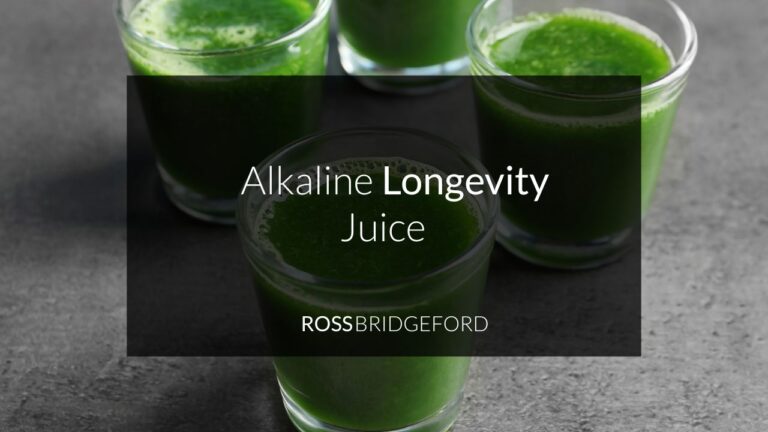
  • Triple A Juice

    Triple A Juice

    Recipes › Juices & smoothies

    Triple A Juice

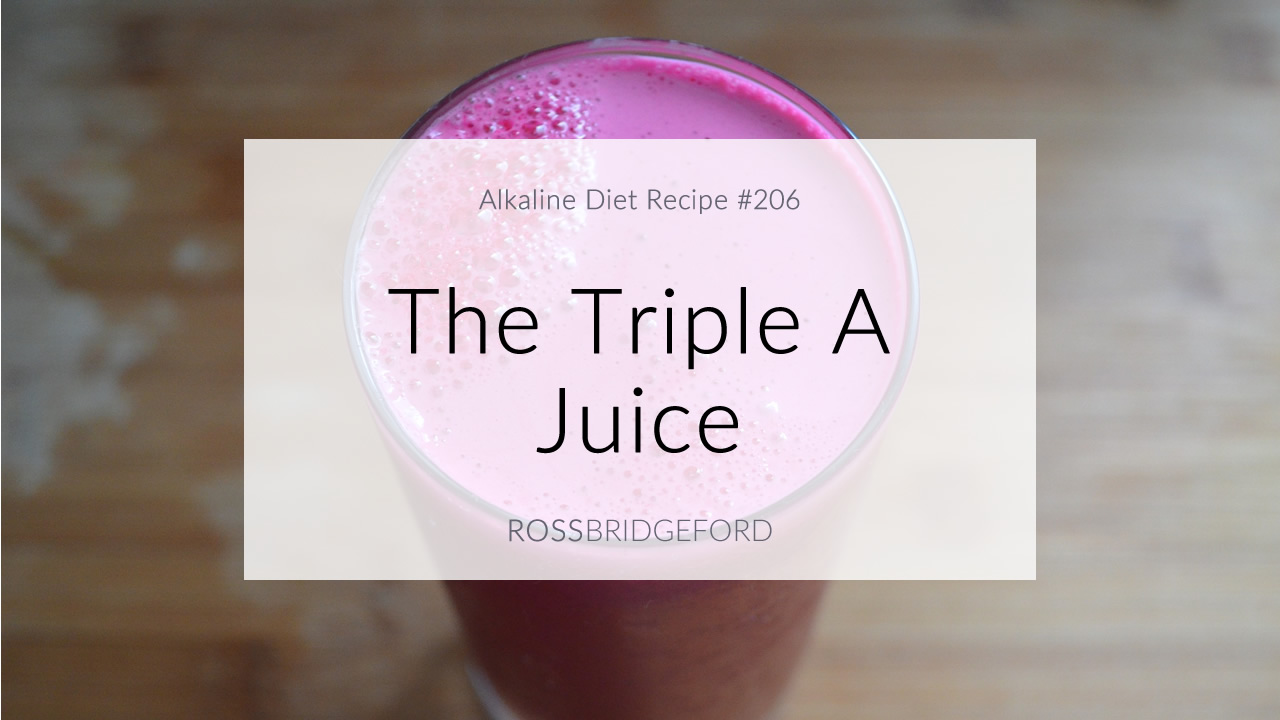
    Alkaline, antioxidant-rich and anti-inflammatory: spinach, kale, cucumber, celery, red pepper, beetroot, carrots, ginger and turmeric in one essential juice.

    Prep 10 minServes 2Juicer10 ingredients
    VeganGluten-freeDairy-freeNut-freeNo added sugar

    Tastes: sweet and earthy from the beetroot and carrots, with a warming ginger and turmeric kick.

    Triple A Juice (Alkaline, Anti-Inflammatory, Antioxidant-Rich)

    An essential juice

    This is an essential juice recipe. It’s delicious and it’s powerful – one of the most loved and important recipes from my Alkaline Reset Cleanse.

    Everything I teach is built around three forces that sit at the root of so many health challenges: acidity (more acid from your diet than your body can comfortably handle), oxidative stress and inflammation. The standard Western diet of processed food, sugar and additives fuels all three.

    This juice tackles them together. It’s Alkaline, Antioxidant-rich and Anti-inflammatory – the Triple A.

    Why you’ll love it

    • Vitamin K: over three and a half days’ worth a glass.
    • Vitamin C and vitamin A: about one and a half days’ and a full day’s worth.
    • Beetroot, ginger and turmeric for colour and warmth.
    • One of the most loved recipes from my Alkaline Reset Cleanse.

    Good for

    Immunity

    Vitamin C, vitamin A, folate and vitamin B6 contribute to the normal function of the immune system.

    Antioxidants

    Vitamin C, manganese, riboflavin and copper contribute to the protection of cells from oxidative stress. It also contains plant compounds with antioxidant activity, including lutein, beta-carotene and apigenin.

    Energy

    Folate, riboflavin, vitamin B6 and magnesium contribute to the reduction of tiredness and fatigue.

    Bones

    Vitamin K, manganese, magnesium and calcium contribute to the maintenance of normal bones.

    Eyes

    Vitamin A, riboflavin and zinc contribute to the maintenance of normal vision. It also contains lutein and zeaxanthin, the carotenoids found in the macula of the eye.

    Blood pressure

    Potassium contributes to the maintenance of normal blood pressure.

    Tags use approved nutrient health-claim wording, for nutrients that give at least 10% of the Daily Value per glass. Plant compounds like lutein have no Daily Value, so we only say they’re there.

    Key nutrients per glass

    Vitamin K
    100%+Vitamin C
    100%+Vitamin A
    100%+Manganese
    65%Folate
    60%Riboflavin
    31%

    Contains: vitamin B6 (29%), potassium (25%), magnesium (24%), iron (22%), copper (22%), vitamin E (20%), pantothenic acid (18%), thiamin (17%), niacin (15%), calcium (15%), zinc (11%) and phosphorus (11%).

    Plant compounds: lutein and zeaxanthin (about 9.5 mg), beta-carotene (about 10 mg), chlorophyll, apigenin from the celery, quercetin and kaempferol from the kale, glucosinolates from the kale, betalains from the beetroot, curcumin from the turmeric and gingerols from the ginger.

    About 11 g natural sugarAbout 175 mg sodium

    % of US Daily Value for adults, per glass (half the recipe). Estimated from USDA FoodData Central values for the whole ingredients. Juicing leaves most of the fibre and some vitamins in the pulp, so treat these as upper estimates; uses ground turmeric values for the fresh root; anything over 100% shows as 100%+.

    Triple A Juice

    Spinach, kale, cucumber, celery, ginger, turmeric, red pepper, beetroot and carrots, juiced and diluted to taste.
    Prep Time 10 minutes
    Total Time 10 minutes
    Servings: 2 glasses

    Ingredients
      

    • 4 handfuls spinach
    • 2 handfuls kale
    • ½ cucumber
    • 2 sticks celery
    • 2.5 cm fresh ginger 1 inch, more or less to taste
    • 2 cm fresh turmeric or 1 tsp ground
    • 1 red capsicum (pepper)
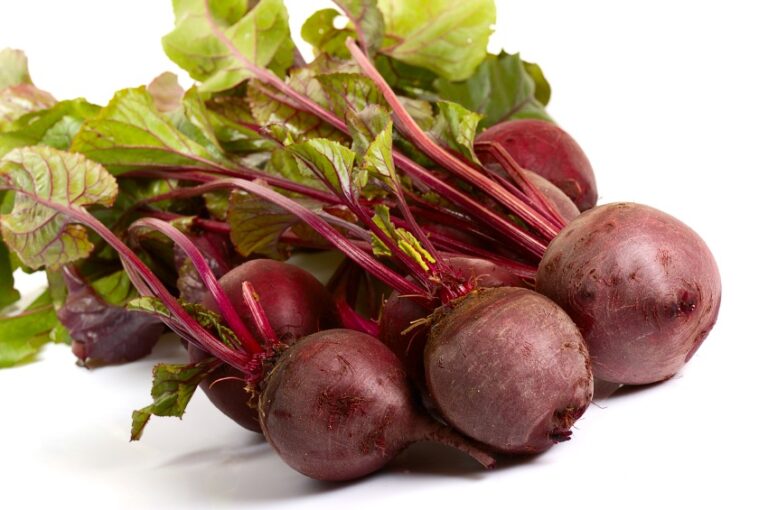
    • 1 small beetroot
    • 2 carrots
    • filtered water to taste

    Equipment

    • Juicer

    Method
     

    1. Wash all the ingredients. If you’re using a masticating juicer, chop the celery into chunks to stop the strings clogging it up.
    2. Juice everything!
    3. Dilute with filtered water, coconut water or any nut milk to taste. Enjoy!

    Swaps

    • Creamier: dilute with almond milk (it won’t be nut-free then).
    • No fresh turmeric? Stir in ½ tsp ground turmeric after juicing.
    • Sweeter: top up with coconut water.

    Storing it

    Best fresh. To keep it, fill a glass jar right to the top, seal it and refrigerate for up to 24 hours. Give it a shake before you drink it.

    Good to know

    • Very high in vitamin K. If you take warfarin or another blood thinner, keep your greens intake steady and talk to your doctor before making green juice a daily habit.
    • Beetroot can turn your pee or poo pink or red. It’s harmless.

    Try next

    Juices & smoothiesAlkaline Longevity JuiceOpen recipe →
    Juices & smoothiesHigh-Potassium Juice & SmoothieOpen recipe →
    Want more than recipes?

    The Alkaline Life Club has everything in the Recipe Club, plus coaching, live Q&A and a community to keep you going.

    See the Alkaline Life Club

    Sources

    Nutrient values: USDA FoodData Central, SR Legacy (baby spinach 168462, kale 168421, cucumber 168409, celery 169988, ginger 169231, turmeric 172231, red pepper 170108, beetroot 169145, carrots 170393). Plant compounds are named where the ingredient is a well-documented source; flavonoids follow the USDA Database for the Flavonoid Content of Selected Foods, Release 3.3. Daily Values: US Food and Drug Administration.

  • Summer Salad with Mint & Lemon Dressing

    Summer Salad with Mint & Lemon Dressing

    Recipes › Salads

    Summer Salad with Mint & Lemon Dressing

    Simple beyond belief – and yet it packs such flavour, nutrition and texture. It tastes, looks and feels SO different to most salads.

    Prep 20 minCook 5 minServes 214 ingredients
    VeganGluten-freeDairy-freeNut-freeNo added sugar

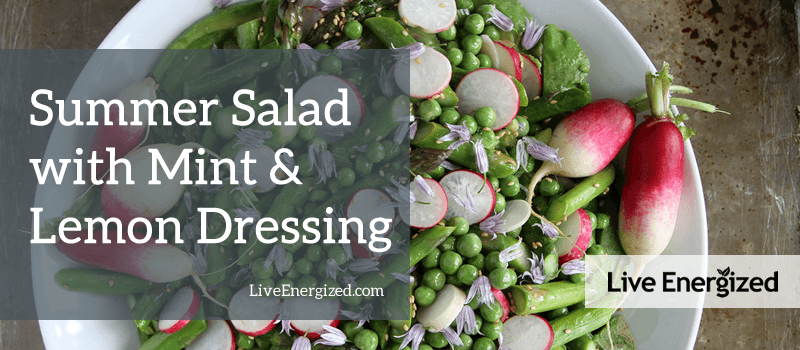
    Tastes: fresh and summery, with ribbons of asparagus and griddled courgette, peas, avocado and herbs in a zingy mint and lemon dressing.

    Alkaline Summer Salad Main Image

    Pretty, original and nourishing

    The avocado and dressing bring plenty of healthy fats, the asparagus brings B vitamins, folate, selenium and manganese, the coriander brings lots of chlorophyll, and the peas are a great source of manganese, fibre and vitamin C.

    It’s a pretty, delicious, original, textured salad with a big alkaline nourishment punch!

    Why you’ll love it

    • Vitamin K: about twice your daily needs.
    • About 10 g fibre a serve.
    • A dressing that keeps a week in the fridge.
    • Something different from the usual salad.

    Good for

    Immunity

    Vitamin C, copper, folate and vitamin B6 contribute to the normal function of the immune system.

    Antioxidants

    Vitamin C, copper, vitamin E and riboflavin contribute to the protection of cells from oxidative stress. It also contains plant compounds with antioxidant activity, including lutein, beta-carotene and apigenin.

    Energy

    Folate, pantothenic acid, riboflavin and vitamin B6 contribute to the reduction of tiredness and fatigue.

    Bones

    Vitamin K, manganese, magnesium and zinc contribute to the maintenance of normal bones.

    Eyes

    Riboflavin, vitamin A and zinc contribute to the maintenance of normal vision. It also contains lutein and zeaxanthin, the carotenoids found in the macula of the eye.

    Blood pressure

    Potassium contributes to the maintenance of normal blood pressure.

    Tags use approved nutrient health-claim wording, for nutrients that give at least 10% of the Daily Value per serve. Plant compounds like lutein have no Daily Value, so we only say they’re there.

    Key nutrients per serve

    Vitamin K
    100%+Vitamin C
    63%Copper
    56%Folate
    45%Thiamin
    33%Vitamin E
    33%

    Contains: pantothenic acid (32%), riboflavin (31%), manganese (30%), vitamin B6 (29%), iron (28%), niacin (23%), potassium (20%), vitamin A (19%), magnesium (17%), zinc (17%), phosphorus (15%) and calcium (7%).

    Plant compounds: lutein and zeaxanthin (about 4.8 mg), beta-carotene (about 2 mg), chlorophyll, apigenin from the parsley, sulphur compounds from the garlic and citrus flavonoids from the lemon.

    8 g protein10 g fibreAbout 9 g natural sugarAbout 95 mg sodium

    % of US Daily Value for adults, per serve (half the salad with ¼ cup of dressing). Estimated from USDA FoodData Central values for the ingredients as listed; cooking reduces some vitamins, so treat these as upper estimates. Counts about ¼ cup of the dressing (it makes about 1½ cups); excludes salt and pepper; anything over 100% shows as 100%+.

    Summer Salad with Mint & Lemon Dressing

    Blanched asparagus ribbons, griddled courgette, peas, avocado, radish and herbs with a blended mint, lemon and Dijon dressing.
    Prep Time 20 minutes
    Cook Time 5 minutes
    Total Time 25 minutes
    Servings: 2

    Ingredients
      

    Salad
    • ½ avocado sliced
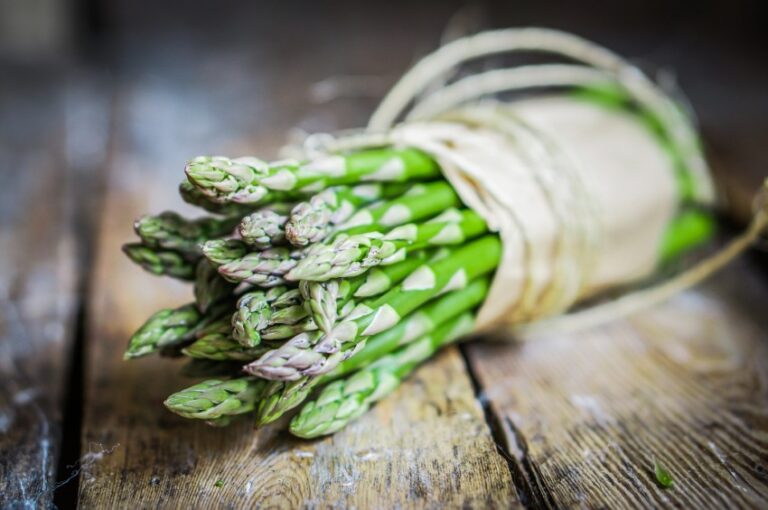
    • 1–1½ bunches asparagus
    • ¼ bunch coriander (cilantro) roughly chopped
    • ¼ bunch flat-leaf parsley roughly chopped
    • 3 radishes thinly sliced
    • 100 g green peas cooked
    • 1 zucchini (courgette) thinly sliced with a vegetable peeler
    Mint & lemon dressing (makes about 1½ cups)
    • 3 lemons juiced
    • 2 shallots diced
    • 1 clove garlic crushed
    • 190 ml olive oil, flax oil or a mix
    • 15 g Dijon mustard
    • ¼ bunch mint roughly chopped
    • Himalayan or Celtic sea salt and black pepper to taste

    Equipment

    • Saucepan
    • Griddle pan
    • Blender

    Method
     

    1. Blanch the asparagus in boiling water for 1 minute, then drain and rinse under cold water straight away. Slice lengthways into long strips.
    2. Gently fry the courgette ribbons in a griddle pan (or a regular pan) until they just start to brown.
    3. Combine the asparagus, courgette, avocado, coriander, parsley, radish and peas in a large bowl.
    4. Blend all the dressing ingredients in a blender or food processor.
    5. Dress with about ¼ cup of the dressing, season to taste and you’re away!

    Notes

    The dressing makes about 1½ cups and keeps for up to a week in an airtight container in the fridge.
    Feeding four? Double the salad – that’s the original recipe.

    Swaps

    • Save money: use one bunch of asparagus.
    • More protein: add a can of rinsed cannellini beans.
    • Edamame instead of peas.

    Storing it

    Best fresh. The dressing keeps for a week in the fridge.

    Good to know

    • High in vitamin K. If you take warfarin or another blood thinner, keep your greens intake steady and talk to your doctor before eating more leafy greens than usual.

    Try next

    DinnerDressed-to-Impress AsparagusOpen recipe →
    SaladCitrus, Fennel & Olive Summer SaladOpen recipe →
    Want more than recipes?

    The Alkaline Life Club has everything in the Recipe Club, plus coaching, live Q&A and a community to keep you going.

    See the Alkaline Life Club

    Sources

    Nutrient values: USDA FoodData Central, SR Legacy (avocado 171705, asparagus 168389, coriander leaves 169997, parsley 170416, radishes 169276, peas 170016, zucchini 169291, lemon juice 167747, shallots 170499, garlic 169230, olive oil 171413, mustard 172234, mint 173475). Plant compounds are named where the ingredient is a well-documented source; flavonoids follow the USDA Database for the Flavonoid Content of Selected Foods, Release 3.3. Daily Values: US Food and Drug Administration.

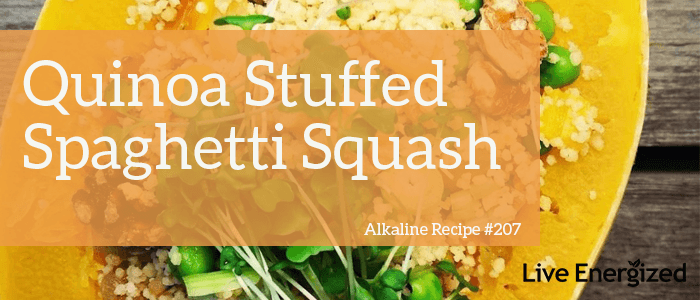
  • Alkaline Recipe #207: Quinoa Stuffed Spaghetti Squash

    Alkaline Recipe #207: Quinoa Stuffed Spaghetti Squash

    This quinoa stuffed squash is such a wonderful, comforting meal you and your family can enjoy this holiday season (or anytime!). It’s loaded with nutrients and plenty of plant-based protein.

    The Recipe: Quinoa Stuffed Spaghetti Squash

    Serves: 2

    Preparation time: 60 mins

    Ingredients

    1 big or two smaller spaghetti squashes

    2 tbsp. coconut oil

    1 cup steamed green peas

    1 medium shallot

    1 orange or red bell pepper

    2 spring onions, white part, sliced

    1/4 cup chopped walnuts

    1 and 1/2 cup cooked quinoa

    2 tsp. dried thyme

    1 tsp. garlic powder

    Pink salt and black pepper to taste

    Instructions

    Preheat the oven to 400ºF

    Wash the squash and slice them in half. Remove seeds and bake until tender, about 40 minutes.

    While the squash is roasting heat 1 tbsp. oil in a skillet and cook the finely chopped shallot and bell pepper until soft. Add spices, green peas, cooked quinoa and walnuts until warmed through. Flavour with pink salt and pepper.

    Divide between the squash and place back in the oven for 5 – 8 minutes. Remove from the oven and serve with fresh greens on top, I used broccoli and a big green salad.

    Spaghetti squash has a light texture which makes it easy and fun to eat, you can scratch the flesh with a fork and it resembles spaghetti.


    [yumprint-recipe id=’98’]


    I hope you enjoyed this guest post from alkaline blogger, and Live Energized friend, Tina Redder. Learn more about Tina and her alkaline lifestyle on her website. You can also follow her on Instagram @tinas_alkaline_diet

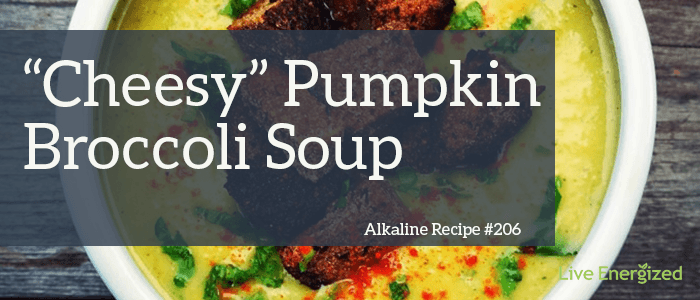
  • Alkaline Recipe #206: “Cheesy” Pumpkin Broccoli Soup

    Alkaline Recipe #206: “Cheesy” Pumpkin Broccoli Soup

    Pumpkin is such a wonderful base for so many meals, especially during the colder months. Comforting, thick and creamy, a delicious and easy way to get in lots of alkalizing nutrients thanks to broccoli, celery, and almonds. I topped mine with some gluten-free bread croutons, smoked paprika and parsley.

    The Recipe: “Cheesy” Pumpkin Broccoli Soup

    Serves: 4 (generous portions)

    Preparation time: 35 mins

    Ingredients

    1 tbsp coconut oil

    1 medium onion, chopped

    2 garlic cloves, minced

    1 cup chopped celery

    4 cups broccoli florets

    3 cups chopped pumpkin (I used butternut)

    4 cups vegetable broth

    2 cups almond milk or other plant-based milk of your choice (you can add more or less depending on the thickness you prefer)

    1/4 tsp cayenne pepper or flakes, optional

    1/2 tbsp lemon juice

    Pink salt & black pepper, to taste

    1/4 cup fresh chopped parsley and some for garnish

    Smoked paprika as a garnish, optional

    Instructions

    Melt the oil and cook the chopped onion until translucent, about 5 – 6 minutes, add the garlic and cook for 1 more minute. Add celery and pumpkin, broth, nutritional yeast, cayenne and simmer until almost soft, about 10 – 12 minutes. I always add the broccoli later so I limit the cooking time, add it now and cook 5 more minutes.

    Transfer the soup to the blender – divide in a few batches, add almond milk and blend until smooth or a bit chunky, how you like it. You can reheat the soup if you wish.

    Stir in lemon juice, pink salt, and black pepper if needed, the chopped parsley and top it with some more parsley and smoked paprika.

    I made some croutons from some older gluten-free bread. To make these I cut the bread into cubes, baked it in a little olive oil and sprinkled it with garlic powder.


    [yumprint-recipe id=’97’]


    I hope you enjoyed this guest post from alkaline blogger, and Live Energized friend, Tina Redder. Learn more about Tina and her alkaline lifestyle on her website. You can also follow her on Instagram @tinas_alkaline_diet