Category: Cleanse & Detox Recipes

  • Detoxifying Green Juice

    Detoxifying Green Juice

    Recipes › Juices & smoothies

    Detoxifying Green Juice

    Broccoli, kale, beetroot (greens and all), coriander, celery, cucumber, ginger and turmeric in one deep green-red juice.

    Prep 10 minServes 2Juicer9 ingredients
    VeganGluten-freeDairy-freeNut-freeNo added sugar

    Tastes: earthy and fresh, with sweet beetroot, peppery greens and a ginger kick.
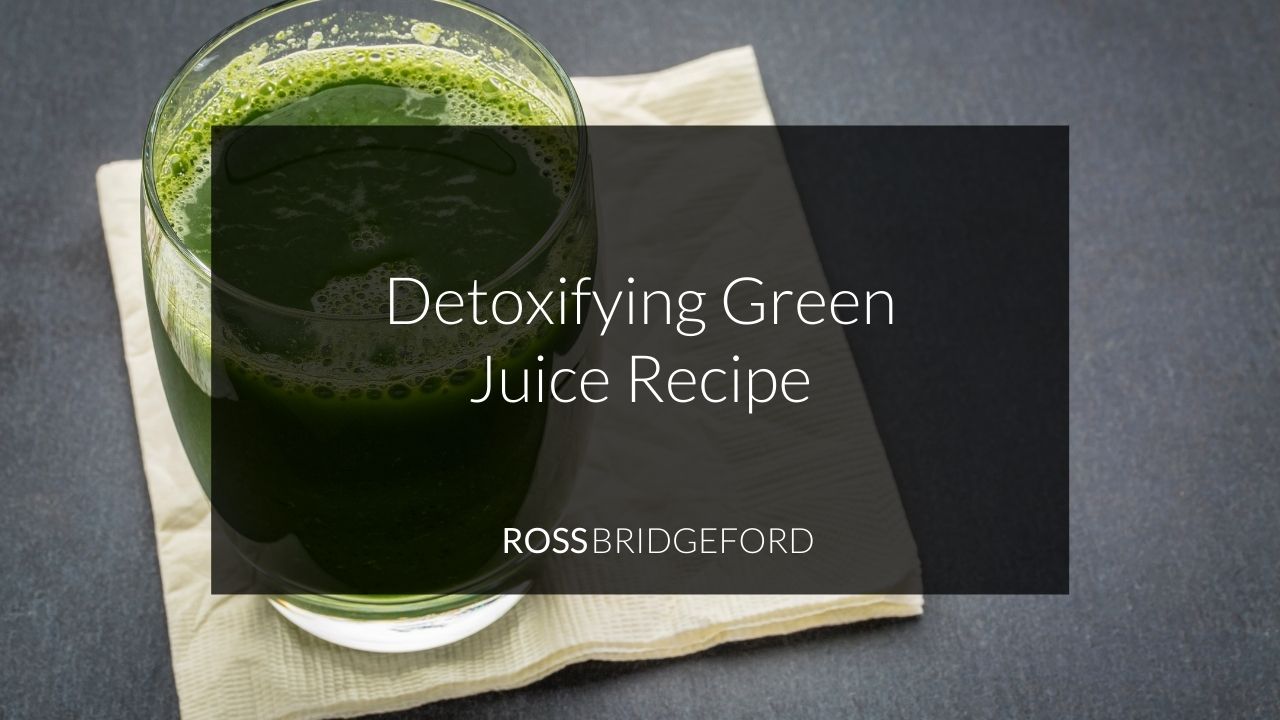
    green juice recipe

    Support your body’s own detox pathways

    This green juice is fantastic for supporting the detoxification pathways of your body. It’s packed with alkaline, nutrient-dense ingredients to give your liver, kidneys and immune system plenty of support.

    The broccoli and kale contain glucosinolates, which your body turns into compounds like sulforaphane. In lab studies, sulforaphane switches on the Nrf2 pathway, which helps your cells make their own protective and detox enzymes.

    Add beetroot, ginger, turmeric and a big handful of coriander and you’ve got a juice that tastes as good as it looks.

    Why you’ll love it

    • Vitamin K: over three days’ worth a glass.
    • Vitamin C: just over a day’s worth.
    • Broccoli and kale for glucosinolates.
    • Beetroot, greens and all.

    Good for

    Immunity

    Vitamin C, folate, copper and vitamin A contribute to the normal function of the immune system.

    Antioxidants

    Vitamin C, manganese, copper and riboflavin contribute to the protection of cells from oxidative stress. It also contains plant compounds with antioxidant activity, including lutein, beta-carotene and apigenin.

    Energy

    Folate, riboflavin, pantothenic acid and magnesium contribute to the reduction of tiredness and fatigue.

    Bones

    Vitamin K, manganese, magnesium and calcium contribute to the maintenance of normal bones.

    Eyes

    Riboflavin, vitamin A and zinc contribute to the maintenance of normal vision. It also contains lutein and zeaxanthin, the carotenoids found in the macula of the eye.

    Blood pressure

    Potassium contributes to the maintenance of normal blood pressure.

    Tags use approved nutrient health-claim wording, for nutrients that give at least 10% of the Daily Value per glass. Plant compounds like lutein have no Daily Value, so we only say they’re there.

    Key nutrients per glass

    Vitamin K
    100%+Vitamin C
    100%+Manganese
    52%Folate
    44%Copper
    33%Riboflavin
    31%

    Contains: vitamin A (30%), potassium (26%), pantothenic acid (24%), magnesium (23%), calcium (19%), iron (19%), vitamin B6 (18%), thiamin (17%), phosphorus (12%), zinc (11%), niacin (10%) and vitamin E (10%).

    Plant compounds: lutein and zeaxanthin (about 4.2 mg), beta-carotene (about 3.2 mg), chlorophyll, apigenin from the celery, quercetin and kaempferol from the kale, glucosinolates from the broccoli and kale, betalains from the beetroot, curcumin from the turmeric and gingerols from the ginger.

    About 11 g natural sugarAbout 200 mg sodium

    % of US Daily Value for adults, per glass (half the recipe). Estimated from USDA FoodData Central values for the whole ingredients. Juicing leaves most of the fibre and some vitamins in the pulp, so treat these as upper estimates; uses ground turmeric values for the fresh root; anything over 100% shows as 100%+.

    Detoxifying Green Juice

    Broccoli, kale, beetroot and its greens, ginger, turmeric, coriander, celery and cucumber, juiced and topped up with water.
    Prep Time 10 minutes
    Total Time 10 minutes
    Servings: 2 glasses

    Ingredients
      

    • 4 broccoli florets
    • ½ bunch kale
    • 1 large beetroot plus its greens
    • 1 cm fresh ginger
    • 1 cm fresh turmeric
    • ½ bunch coriander (cilantro)
    • 2 sticks celery
    • 1 large cucumber
    • coconut water or filtered water to taste

    Equipment

    • Juicer

    Method
     

    1. Wash and chop all the ingredients to fit your juicer.
    2. Juice them all, then top up with coconut or filtered water to taste.
    3. Stir and enjoy straight away.

    Swaps

    • No beet greens? Use a handful of spinach or chard.
    • Milder: use more cucumber and less kale.
    • Sweeter: top up with coconut water.

    Storing it

    Best fresh. To keep it, fill a glass jar right to the top, seal it and refrigerate for up to 24 hours. Give it a shake before you drink it.

    Good to know

    • Very high in vitamin K. If you take warfarin or another blood thinner, keep your greens intake steady and talk to your doctor before making green juice a daily habit.
    • Beetroot can turn your pee or poo pink or red. It’s harmless.

    Ross’s tip

    You can make twice as much as you need and store the extra serves in an airtight container in the fridge.

    Try next
    Juices & smoothiesAlkaline Detox JuiceOpen recipe →
    Juices & smoothiesNourishing Liver-Support JuiceOpen recipe →
    Want more than recipes?

    The Alkaline Life Club has everything in the Recipe Club, plus coaching, live Q&A and a community to keep you going.

    See the Alkaline Life Club

    Sources

    Nutrient values: USDA FoodData Central, SR Legacy (broccoli 170379, kale 168421, beetroot 169145, beet greens 170375, ginger 169231, turmeric 172231, coriander 169997, celery 169988, cucumber 168409). Plant compounds are named where the ingredient is a well-documented source; flavonoids follow the USDA Database for the Flavonoid Content of Selected Foods, Release 3.3. Daily Values: US Food and Drug Administration.
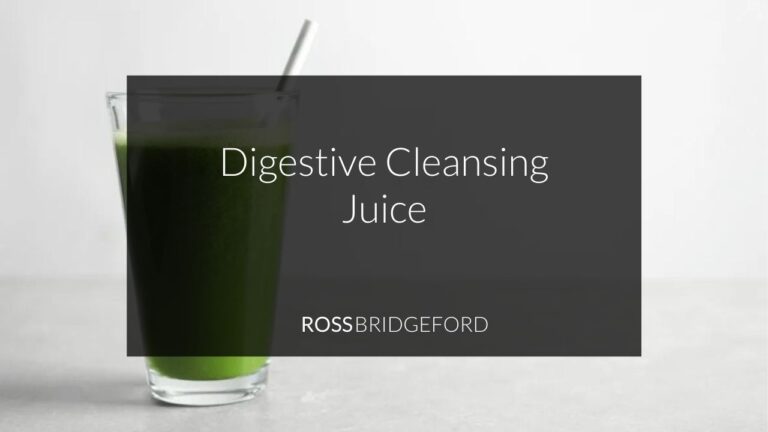
  • Bitter Greens Digestive Juice

    Bitter Greens Digestive Juice

    Recipes › Juices & smoothies

    Bitter Greens Digestive Juice

    Rocket, coriander, kale, cucumber, celery and a little lemon peel. It’s called a bitter green juice, but it’s light, refreshing and delicious.

    Prep 10 minServes 2Juicer8 ingredients
    VeganGluten-freeDairy-freeNut-freeNo added sugar

    Tastes: light and refreshing, with peppery rocket, fresh coriander and a pleasant bitter citrus edge.

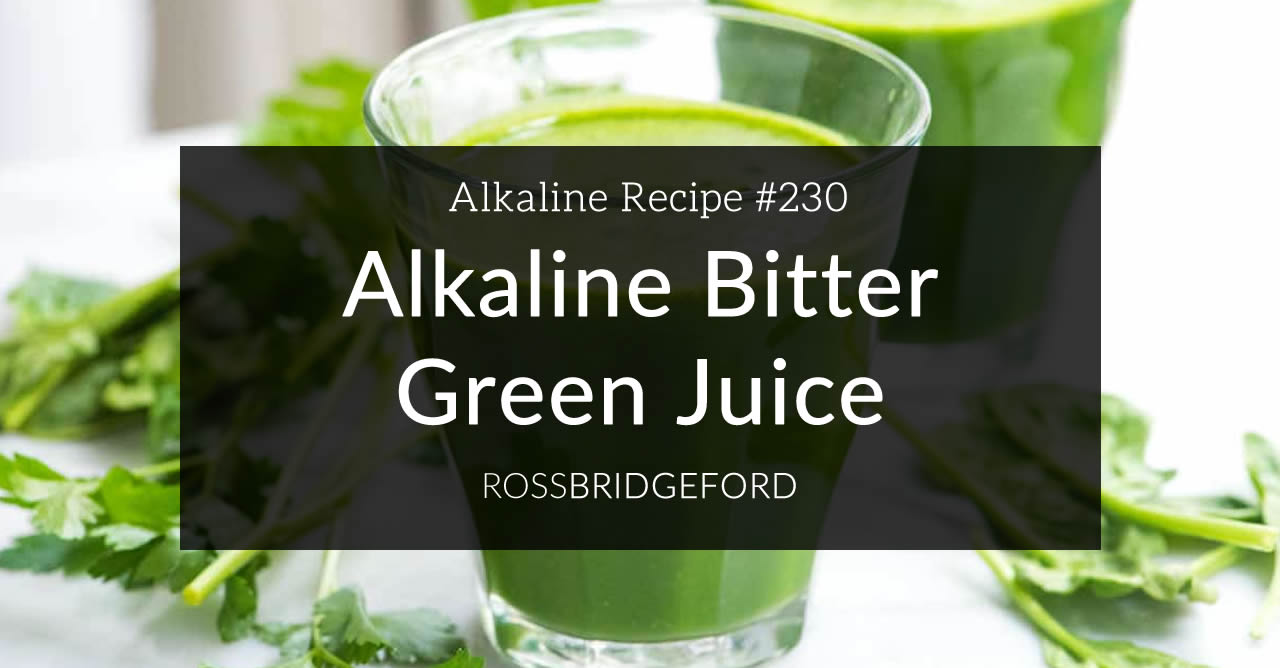
    alkaline bitter green juice

    One of my go-to green juices

    This is one of my go-to green juices. It’s called the bitter green juice, but it’s delicious. The flavours work so well together, making it light, refreshing and perfect to kickstart your day!

    Bitter greens like rocket, kale and coriander have been used for centuries to support digestion, and they’re some of the most nutrient-dense leaves you can eat.

    And the lemon peel? It has far more flavonoids than the juice itself, so a little goes into this juice too.

    Why you’ll love it

    • Vitamin K: over one and a half days’ worth a glass.
    • Vitamin C from the lemon and leaves.
    • Light and refreshing, with a pleasant bitter edge.
    • Lemon peel for extra citrus flavonoids.

    Good for

    Immunity

    Vitamin C, copper, folate and vitamin A contribute to the normal function of the immune system.

    Antioxidants

    Vitamin C, copper, manganese and riboflavin contribute to the protection of cells from oxidative stress. It also contains plant compounds with antioxidant activity, including lutein, beta-carotene and apigenin.

    Energy

    Folate, pantothenic acid, riboflavin and vitamin B6 contribute to the reduction of tiredness and fatigue.

    Bones

    Vitamin K, manganese, magnesium and calcium contribute to the maintenance of normal bones.

    Eyes

    Vitamin A and riboflavin contribute to the maintenance of normal vision. It also contains lutein and zeaxanthin, the carotenoids found in the macula of the eye.

    Blood pressure

    Potassium contributes to the maintenance of normal blood pressure.

    Tags use approved nutrient health-claim wording, for nutrients that give at least 10% of the Daily Value per glass. Plant compounds like lutein have no Daily Value, so we only say they’re there.

    Key nutrients per glass

    Vitamin K
    100%+Vitamin C
    42%Manganese
    22%Copper
    22%Folate
    20%

    Contains: vitamin A (18%), pantothenic acid (16%), riboflavin (15%), potassium (14%), vitamin B6 (12%), magnesium (11%) and calcium (11%).

    Plant compounds: lutein and zeaxanthin (about 2.1 mg), beta-carotene (about 1.9 mg), chlorophyll, apigenin from the celery, quercetin and kaempferol from the kale, glucosinolates from the rocket and kale and citrus flavonoids from the lemon.

    About 5 g natural sugarAbout 75 mg sodium

    % of US Daily Value for adults, per glass (half the recipe). Estimated from USDA FoodData Central values for the whole ingredients. Juicing leaves most of the fibre and some vitamins in the pulp, so treat these as upper estimates; anything over 100% shows as 100%+.

    Bitter Greens Digestive Juice

    Rocket, coriander, cucumber, celery and kale juiced with lemon and a little lemon peel, topped up with water.
    Prep Time 10 minutes
    Total Time 10 minutes
    Servings: 2 glasses

    Ingredients
      

    • 2 handfuls rocket (arugula)
    • 1 bunch coriander (cilantro) leaves and stems, but not roots
    • 1 cucumber
    • 3 stalks celery organic if you can
    • 1 handful kale any variety
    • juice of ½ lemon
    • ¼ lemon peel organic if you can; use less if it’s too bitter
    • filtered water to taste

    Equipment

    • Juicer

    Method
     

    1. Wash all the ingredients.
    2. Juice everything, feeding the leaves through between the cucumber and celery – the watery veg helps push the leaves through the juicer.
    3. If the lemon peel is too intense, use less next time (or if you like it, add more!). The kale stems are extra bitter too, so cut them out if it’s too much.
    4. Add filtered water to taste, or to make a bigger juice you can sip through the day.

    Swaps

    • Too bitter? Use less lemon peel, cut the stems out of the kale or add a few mint leaves.
    • Other bitter greens: try endive, dandelion leaves or a little cabbage.
    • No juicer? Blend with a cup of water and strain.

    Storing it

    Best fresh. To keep it, fill a glass jar right to the top, seal it and refrigerate for up to 24 hours. Give it a shake before you drink it.

    Good to know

    • Very high in vitamin K. If you take warfarin or another blood thinner, keep your greens intake steady and talk to your doctor before making green juice a daily habit.

    Try next

    Juices & smoothiesDigestive Cleansing JuiceOpen recipe →
    Juices & smoothiesAlkaline Detox JuiceOpen recipe →
    Want more than recipes?

    The Alkaline Life Club has everything in the Recipe Club, plus coaching, live Q&A and a community to keep you going.

    See the Alkaline Life Club

    Sources

    Nutrient values: USDA FoodData Central, SR Legacy (rocket 169387, coriander 169997, cucumber 168409, celery 169988, kale 168421, lemon juice 167747, lemon peel 167749). Plant compounds are named where the ingredient is a well-documented source; flavonoids follow the USDA Database for the Flavonoid Content of Selected Foods, Release 3.3. Daily Values: US Food and Drug Administration.
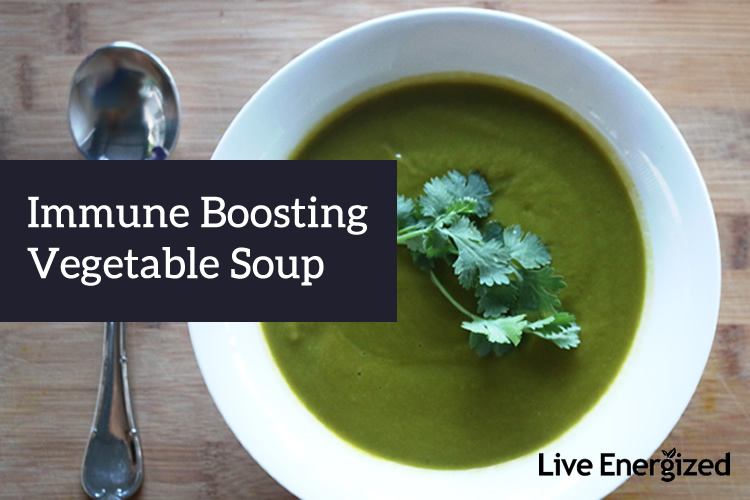
  • Immune-Boosting Vegetable Soup

    Immune-Boosting Vegetable Soup

    Recipes › Soups

    Immune-Boosting Vegetable Soup

    Full of immune-supporting vegetables, this soup gives your body an abundance of the nutrients it needs.

    Prep 15 minCook 30 minServes 218 ingredients
    VeganGluten-freeDairy-freeNut-freeNo added sugar

    Tastes: rich and comforting, a smooth blend of cooked and raw veg with tomato, ginger, turmeric and fresh herbs.

    Immune Boosting Vegetables

    Nourish your immune system

    Eating the right foods is vitally important for our health and energy. We need to give our body all the tools and nutrients it needs – and when we do, we thrive.

    Your immune system doesn’t just stop outsiders getting in. It has three lines of defence – keeping invaders out, defending against pathogens that get through, and making antibodies to specific ones – and it’s important in allergies and auto-immune conditions too. It’s a complex system, and we need to nourish it and look after it.

    Why you’ll love it

    • Vitamin C: about twice your daily needs.
    • About 19 g fibre and 16 g plant protein a bowl.
    • Half cooked, half raw – blended together.
    • Vitamins A and K: well over three-quarters and over twice your daily needs.

    Good for

    Immunity

    Vitamin C, copper, vitamin A and folate contribute to the normal function of the immune system.

    Antioxidants

    Vitamin C, copper, manganese and vitamin E contribute to the protection of cells from oxidative stress. It also contains plant compounds with antioxidant activity, including lutein, beta-carotene and lycopene.

    Energy

    Folate, vitamin B6, pantothenic acid and iron contribute to the reduction of tiredness and fatigue.

    Muscles

    Protein contributes to the maintenance of muscle mass, and potassium, magnesium and calcium contribute to normal muscle function.

    Bones

    Vitamin K, manganese, magnesium and phosphorus contribute to the maintenance of normal bones.

    Eyes

    Vitamin A, riboflavin and zinc contribute to the maintenance of normal vision. It also contains lutein and zeaxanthin, the carotenoids found in the macula of the eye.

    Blood pressure

    Potassium contributes to the maintenance of normal blood pressure.

    Tags use approved nutrient health-claim wording, for nutrients that give at least 10% of the Daily Value per bowl. Plant compounds like lutein have no Daily Value, so we only say they’re there.

    Key nutrients per bowl

    Vitamin K
    100%+Vitamin C
    100%+Copper
    100%Manganese
    91%Vitamin A
    83%Folate
    65%

    Contains: vitamin B6 (65%), potassium (47%), pantothenic acid (44%), thiamin (42%), iron (37%), magnesium (36%), vitamin E (35%), niacin (34%), riboflavin (31%), phosphorus (26%), zinc (22%), calcium (21%) and selenium (11%).

    Plant compounds: lutein and zeaxanthin (about 3.8 mg), beta-carotene (about 7.7 mg), lycopene (about 15 mg), chlorophyll, quercetin from the onion, glucosinolates from the broccoli, cauliflower and cabbage, curcumin from the turmeric, gingerols from the ginger and sulphur compounds from the garlic.

    16 g protein19 g fibreAbout 29 g natural sugarAbout 685 mg sodium

    % of US Daily Value for adults, per bowl (half the recipe). Estimated from USDA FoodData Central values for the ingredients as listed; cooking reduces some vitamins, so treat these as upper estimates. Uses crushed canned tomatoes, low-sodium stock, 1 tbsp coconut oil and ground turmeric values for fresh; excludes salt and pepper; anything over 100% shows as 100%+.

    Immune-Boosting Vegetable Soup

    Onion, carrot, cauliflower, broccoli and cabbage simmered in tomatoes and stock, then blended with raw cucumber, tomato, spinach, herbs and chickpeas.
    Prep Time 15 minutes
    Cook Time 30 minutes
    Total Time 45 minutes
    Servings: 2 big bowls

    Ingredients
      

    Cooked
    • 1 brown onion roughly sliced
    • 2 cloves garlic roughly chopped
    • 2 carrots sliced
    • ¼ head cauliflower
    • ¼ head broccoli
    • ¼ head green cabbage any variety
    • 200 ml vegetable stock
    • 1 x 400 g can organic chopped tomatoes or 8 fresh tomatoes
    • ½ inch fresh ginger or 1 tsp dried
    • ½ inch fresh turmeric or 1 tsp dried
    • 1 tbsp coconut oil
    • Himalayan or Celtic sea salt and black pepper to taste
    Raw
    • ½ cucumber
    • 3 tomatoes
    • 1 handful spinach
    • ½ bunch basil
    • ¼ bunch coriander
    • ½ x 400 g can chickpeas drained

    Equipment

    • Large pot
    • Blender

    Method
     

    1. Gently fry the onion and garlic in the coconut oil. After 3 minutes, add the carrots, cauliflower, broccoli, cabbage, ginger and turmeric and cook for another 3 minutes.
    2. Add the stock and tomatoes and simmer for 20–25 minutes until the vegetables have softened a little.
    3. Meanwhile, roughly chop the raw ingredients and blend until smooth.
    4. When the soup has simmered, blend it in batches with the raw mixture until smooth.
    5. Season, and serve warm with a sprig of coriander or basil and a drizzle of olive or flax oil if you like.

    Swaps

    • Lighter: skip the chickpeas.
    • Any greens work in the raw blend – kale or watercress are great.
    • Make it creamy: blend in ½ avocado.

    Storing it

    Keeps in the fridge for 3 days and freezes well.

    Good to know

    • High in vitamin K. If you take warfarin or another blood thinner, keep your greens intake steady and talk to your doctor before eating more leafy greens than usual.
    • Salt: canned tomatoes and chickpeas add up to about 690 mg sodium a bowl; choose no-added-salt cans if you can.

    Try next

    SoupImmune-Boosting Asparagus & Ginger BrothOpen recipe →
    SoupTurmeric & Lentil Anti-Inflammatory SoupOpen recipe →
    Want more than recipes?

    The Alkaline Life Club has everything in the Recipe Club, plus coaching, live Q&A and a community to keep you going.

    See the Alkaline Life Club

    Sources

    Nutrient values: USDA FoodData Central, SR Legacy (onion 170000, garlic 169230, carrots 170393, cauliflower 169986, broccoli 170379, cabbage 169975, crushed canned tomatoes 170501, ginger 169231, turmeric 172231, coconut oil 171412, cucumber 168409, tomatoes 170457, spinach 168462, basil 172232, coriander leaves 169997, chickpeas 173801). Plant compounds are named where the ingredient is a well-documented source; flavonoids follow the USDA Database for the Flavonoid Content of Selected Foods, Release 3.3. Daily Values: US Food and Drug Administration.
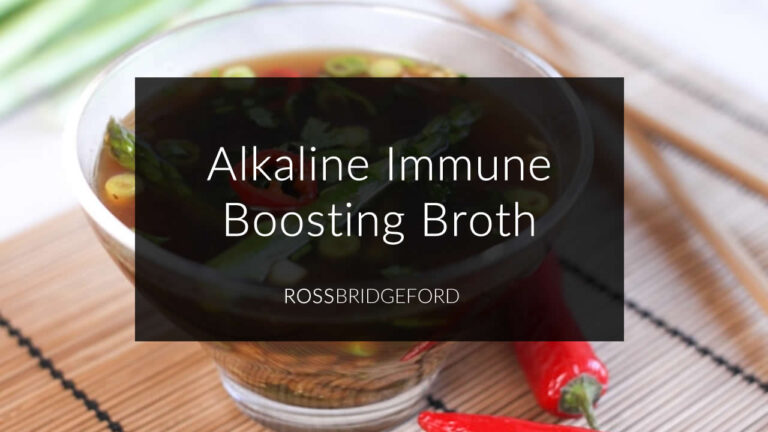
  • Nourishing Liver-Support Juice

    Nourishing Liver-Support Juice

    Recipes › Juices & smoothies

    Nourishing Liver-Support Juice

    Cucumber, kale, spinach, beetroot, carrot, ginger and turmeric, finished with fresh grapefruit. A delicious way to look after your hardest-working organ.

    Prep 10 minServes 2Juicer9 ingredients
    VeganGluten-freeDairy-freeNut-freeNo added sugar

    Tastes: sweet and earthy from the beetroot and carrot, with a sharp grapefruit finish.

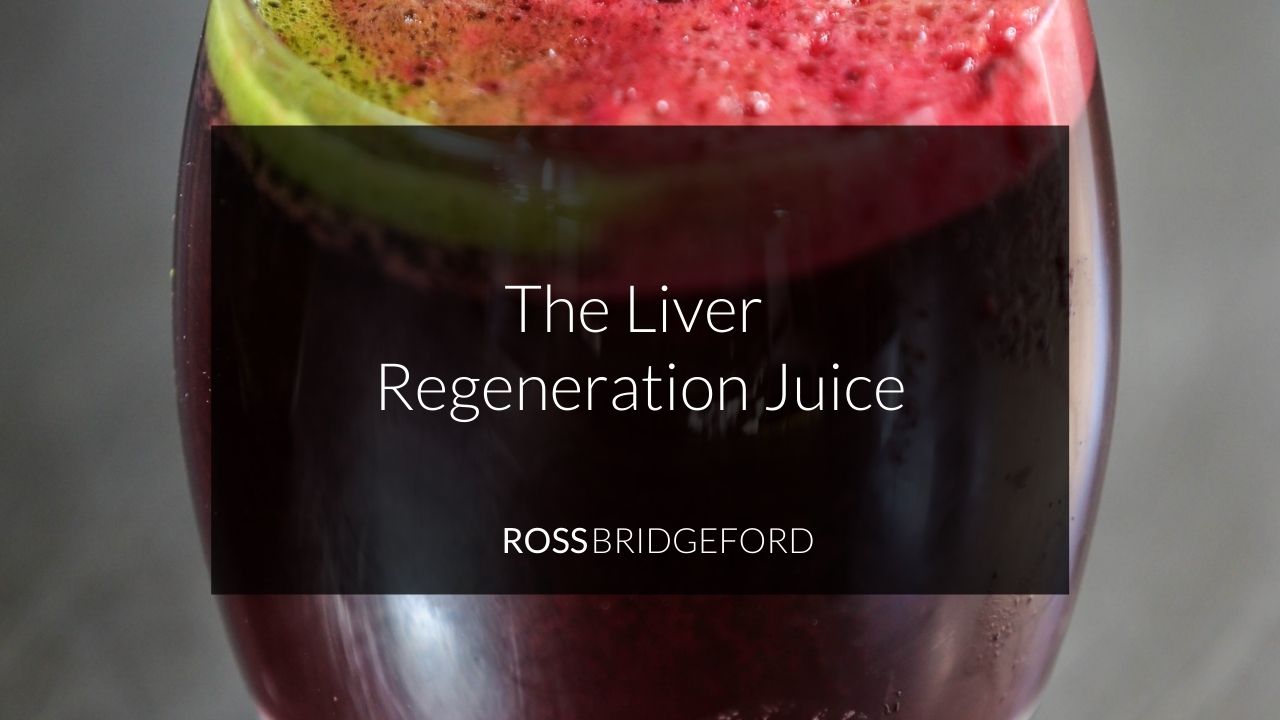
    liver regeneration juice

    Look after your liver

    This simple juice contains so many nourishing ingredients, and it tastes fantastic.

    Your liver is one of the hardest-working organs in your body: filtering your blood, making proteins, producing bile, storing and releasing energy and nutrients, and processing everything you put in. So to help it out, we want to give it nutrients that do two things: nourish it so it can run at full capacity, and lighten the load so it isn’t as stressed.

    Leafy greens are the stars. When researchers ranked 41 ‘powerhouse’ fruits and vegetables by nutrient density, leafy greens took nearly all the top spots (Di Noia, 2014).

    Why you’ll love it

    • Vitamin K: about three days’ worth a glass.
    • Vitamin C: nearly a day’s worth.
    • Vitamin A: nearly two-thirds of your daily needs.
    • Leafy greens, the top-ranked powerhouse vegetables.

    Good for

    Immunity

    Vitamin C, vitamin A, folate and copper contribute to the normal function of the immune system.

    Antioxidants

    Vitamin C, manganese, riboflavin and copper contribute to the protection of cells from oxidative stress. It also contains plant compounds with antioxidant activity, including lutein, beta-carotene and flavonoids.

    Energy

    Folate, riboflavin, magnesium and iron contribute to the reduction of tiredness and fatigue.

    Bones

    Vitamin K, manganese, magnesium and calcium contribute to the maintenance of normal bones.

    Eyes

    Vitamin A, riboflavin and zinc contribute to the maintenance of normal vision. It also contains lutein and zeaxanthin, the carotenoids found in the macula of the eye.

    Blood pressure

    Potassium contributes to the maintenance of normal blood pressure.

    Tags use approved nutrient health-claim wording, for nutrients that give at least 10% of the Daily Value per glass. Plant compounds like lutein have no Daily Value, so we only say they’re there.

    Key nutrients per glass

    Vitamin K
    100%+Vitamin C
    93%Manganese
    65%Vitamin A
    62%Folate
    50%Riboflavin
    31%

    Contains: potassium (22%), magnesium (22%), copper (22%), iron (21%), pantothenic acid (20%), vitamin B6 (18%), thiamin (17%), calcium (17%), niacin (11%), phosphorus (11%) and zinc (10%).

    Plant compounds: lutein and zeaxanthin (about 6.9 mg), beta-carotene (about 6.1 mg), chlorophyll, quercetin and kaempferol from the kale, glucosinolates from the kale, betalains from the beetroot, curcumin from the turmeric and gingerols from the ginger.

    About 14 g natural sugarAbout 135 mg sodium

    % of US Daily Value for adults, per glass (half the recipe). Estimated from USDA FoodData Central values for the whole ingredients. Juicing leaves most of the fibre and some vitamins in the pulp, so treat these as upper estimates; uses ground turmeric values for the fresh root; anything over 100% shows as 100%+.

    Nourishing Liver-Support Juice

    Kale, spinach, ginger, turmeric, beetroot, carrot and cucumber juiced, washed through with water and finished with fresh grapefruit.
    Prep Time 10 minutes
    Total Time 10 minutes
    Servings: 2 glasses

    Ingredients
      

    • 1 cucumber
    • ½ bunch kale
    • 2 large handfuls spinach or any other leafy green
    • ½ grapefruit
    • 1 cm fresh ginger ½ inch
    • 2.5 cm fresh turmeric 1 inch
    • 1 beetroot
    • 1 carrot
    • 200 ml filtered water

    Equipment

    • Juicer

    Method
     

    1. Wash everything except the grapefruit.
    2. Juice the leafy greens first, then the ginger and turmeric, then the beetroot and carrot, and finally the cucumber, which washes everything through.
    3. Run the water through the juicer to wash through the last of the goodness.
    4. Squeeze in the grapefruit and stir gently.

    Notes

    This makes two serves. Halve it for one, or (my recommendation) keep the second serve in an airtight container in the fridge for later or tomorrow.

    Swaps

    • On medication? Use orange or lemon instead of grapefruit (see Good to know).
    • No fresh turmeric? Stir in ¼ tsp ground turmeric.
    • Milder: use less kale and more cucumber.

    Storing it

    Best fresh. To keep it, fill a glass jar right to the top, seal it and refrigerate for up to 24 hours. Give it a shake before you drink it.

    Good to know

    • Very high in vitamin K. If you take warfarin or another blood thinner, keep your greens intake steady and talk to your doctor before making green juice a daily habit.
    • Grapefruit and medicines: grapefruit can interact with some medicines, including certain statins and blood pressure drugs. If yours carries a grapefruit warning, use a squeeze of orange or lemon instead.
    • Beetroot can turn your pee or poo pink or red. It’s harmless.

    Try next

    Juices & smoothiesEvening Green JuiceOpen recipe →
    Juices & smoothiesDetoxifying Green JuiceOpen recipe →
    Want more than recipes?

    The Alkaline Life Club has everything in the Recipe Club, plus coaching, live Q&A and a community to keep you going.

    See the Alkaline Life Club

    Sources

    Nutrient values: USDA FoodData Central, SR Legacy (cucumber 168409, kale 168421, baby spinach 168462, pink grapefruit 174673, ginger 169231, turmeric 172231, beetroot 169145, carrots 170393). Plant compounds are named where the ingredient is a well-documented source; flavonoids follow the USDA Database for the Flavonoid Content of Selected Foods, Release 3.3. Daily Values: US Food and Drug Administration. Powerhouse vegetables: Di Noia, “Defining powerhouse fruits and vegetables: a nutrient density approach,” Preventing Chronic Disease 11 (2014): 130390.
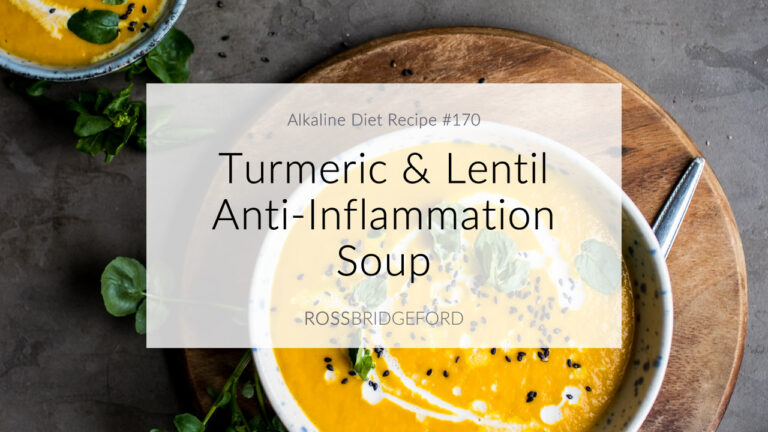
  • Quinoa & Hummus Wraps

    Quinoa & Hummus Wraps

    Recipes › Lunch

    Quinoa & Hummus Wraps

    Wheat-free lunches can be tricky when you’re first starting out, but this wrap is SO delicious you won’t even notice! Full of creamy, crunchy, colourful fillings – you will not be able to stop at just one.

    Prep 12 minCook 15 minServes 2 (4 wraps)7 ingredients
    VeganGluten-freeDairy-freeNut-freeNo added sugar

    Tastes: creamy hummus and avocado, with crunch from the cabbage and sprouts. Fresh, not heavy.

    A staple in our house

    This is a staple in our house – an amazing wheat-free, gluten-free, alkaline, anti-inflammatory, chlorophyll-rich wrap that tastes GREAT! Nutrient dense, it’s creamy, crunchy, colourful and so filling.

    It contains no added sugar (often found in wraps and dressings), no wheat (the wraps are made from greens!) and no processed meats – three of the biggest contributors to gut damage, inflammation and acidity. Give this a try – you will never have gluten in your lunch again!

    Why you’ll love it

    • The wraps are made from greens! Collard leaves do the job of the tortilla.
    • Creamy and crunchy. Hummus and avocado, with sprouts, cabbage and beetroot for crunch.
    • So filling. 26 g of protein and 22 g of fibre per serve.

    Good for

    Immunity

    Copper, folate, vitamin B6 and vitamin C contribute to the normal function of the immune system.

    Antioxidants

    Manganese, copper, riboflavin and vitamin C contribute to the protection of cells from oxidative stress. It also contains plant compounds with antioxidant activity, including lutein, beta-carotene and anthocyanins.

    Energy

    Folate, magnesium, vitamin B6 and riboflavin contribute to the reduction of tiredness and fatigue.

    Muscles

    Protein contributes to the maintenance of muscle mass, and magnesium, potassium and calcium contribute to normal muscle function.

    Bones

    Vitamin K, manganese, magnesium and phosphorus contribute to the maintenance of normal bones.

    Eyes

    Riboflavin, zinc and vitamin A contribute to the maintenance of normal vision. It also contains lutein and zeaxanthin, the carotenoids found in the macula of the eye.

    Blood pressure

    Potassium contributes to the maintenance of normal blood pressure.

    Tags use approved nutrient health-claim wording, for nutrients that give at least 10% of the Daily Value per serve. Plant compounds like lutein have no Daily Value, so we only say they’re there.

    Key nutrients per serve

    Vitamin K
    100%+Manganese
    100%+Copper
    100%+Folate
    100%+Magnesium
    75%Vitamin B6
    57%

    Contains: phosphorus (55%), thiamin (52%), riboflavin (50%), vitamin C (49%), pantothenic acid (49%), vitamin E (48%), zinc (48%), iron (46%), potassium (33%), niacin (29%), selenium (27%), vitamin A (22%) and calcium (22%).

    Plant compounds: lutein and zeaxanthin (about 3.7 mg), beta-carotene (about 2.3 mg), plant omega-3 ALA (about 1.3 g), chlorophyll, glucosinolates from the cabbage and collard, anthocyanins from the cabbage and betalains from the beetroot.

    26 g protein22 g fibreAbout 5 g natural sugarAbout 575 mg sodium

    % of US Daily Value for adults, per serve (half the recipe, 2 wraps). Estimated from USDA FoodData Central values for the ingredients as listed; cooking reduces some vitamins, so treat these as upper estimates; anything over 100% shows as 100%+.

    Quinoa & Hummus Wraps

    Wheat-free wraps made from collard leaves, with quinoa, hummus, avocado and crunchy veg.
    Prep Time 12 minutes
    Cook Time 15 minutes
    Total Time 27 minutes
    Servings: 2 (4 wraps)

    Ingredients
      

    • 4 large collard leaves you may need a couple more, depending on gaps
    • ½ cup sprouts any you like
    • ½ cup purple cabbage shredded, or grated carrot
    • ½ cup beetroot cooked and mashed, or raw and sliced very finely
    • 1 cup quinoa uncooked
    • 1 cup hummus
    • 1 cup avocado about 1 avocado, sliced

    Equipment

    • Saucepan

    Method
     

    1. First, get the quinoa cooking: put the cup of quinoa into a pan with 2 cups of cold water, bring to the boil and then simmer on a really low heat until the water is absorbed and the quinoa is fluffy.
    2. Next, get the wraps going by prepping the collard leaves: cut from the plant, washed and laid out like a regular wrap.
    3. Spread the hummus equally over each leaf – the hummus acts like a glue for the ingredients!
    4. Slice and lay out the avocado in a line from top to bottom down the middle of the leaf.
    5. Add the quinoa equally between the leaves and then fill with the remaining ingredients.
    6. Wrap by folding at the bottom (to stop everything falling out) and then rolling into a regular wrap shape!

    Notes

    This makes 4 wraps, so if it’s just you eating, put the others in the fridge for tomorrow!

    Swaps

    • No collard leaves? Use big lettuce leaves (cos or iceberg) or a gluten-free wrap.
    • No beetroot? Grated carrot works well.
    • Short on time? Use ready-cooked quinoa.

    Storing it

    Wrapped tightly, they keep in the fridge until tomorrow. Leftover quinoa keeps for 3 days.

    Good to know

    • High in vitamin K. If you take warfarin or another blood thinner, keep your greens intake steady and talk to your doctor before eating more leafy greens than usual.
    • Hummus contains sesame (tahini).

    Ross’s tip

    You can also use a toothpick to hold them in place.

    Try next

    SoupSpiced Lentil SoupOpen recipe →
    SaladGreen Power SaladOpen recipe →
    Want more than recipes?

    The Alkaline Life Club has everything in the Recipe Club, plus coaching, live Q&A and a community to keep you going.

    See the Alkaline Life Club

    Sources

    Nutrient values: USDA FoodData Central, SR Legacy (collards 170406, alfalfa sprouts 168384, red cabbage 169977, beetroot 169145, quinoa 168874, hummus 174289, avocado 171705). Plant compounds are named where the ingredient is a well-documented source; flavonoids follow the USDA Database for the Flavonoid Content of Selected Foods, Release 3.3. Daily Values: US Food and Drug Administration.
  • Enhanced Lemon Water

    Enhanced Lemon Water

    Recipes › Drinks

    Enhanced Lemon Water

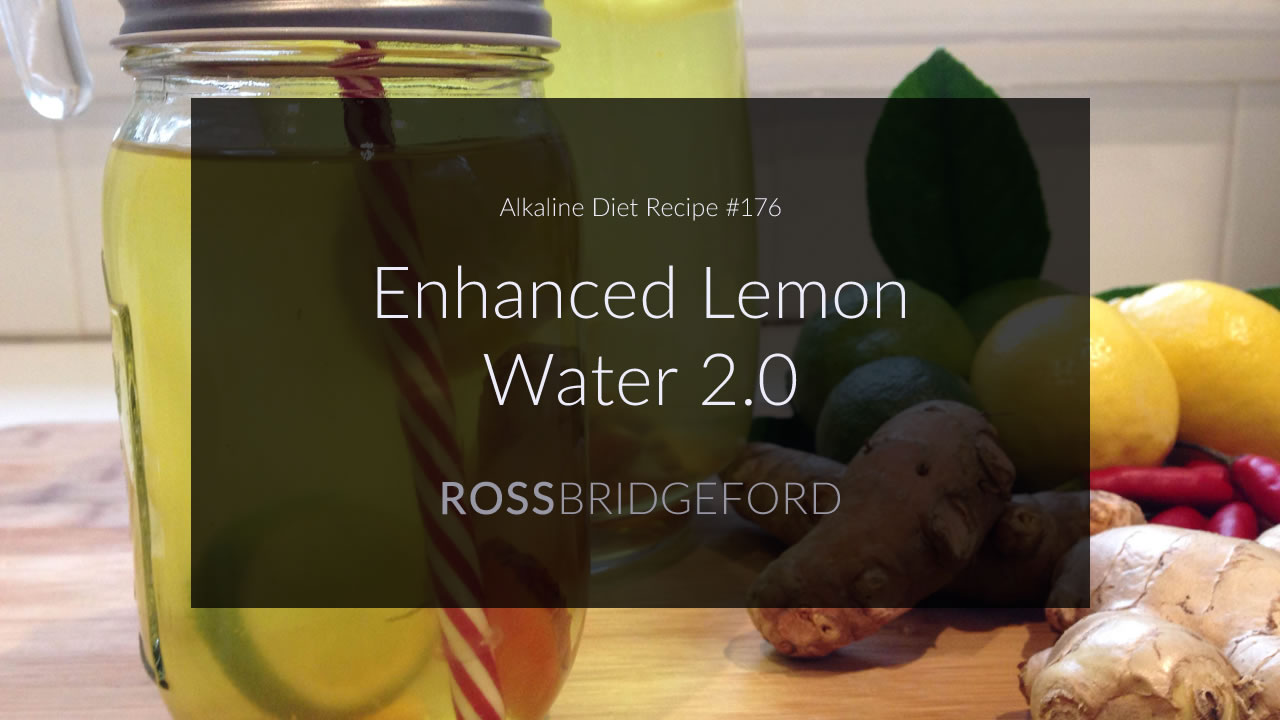
    Lemon water 2.0: warm (not hot) water with fresh lemon, thin slices of ginger and turmeric and an optional chilli.

    Prep 5 minServes 24 ingredients
    VeganGluten-freeDairy-freeNut-freeNo added sugar

    Tastes: warm, zesty and fragrant, with ginger and a gentle chilli warmth.

    Isn’t lemon water a bit ‘2005’?

    Lemon water was something good for a while there. Warm, lemony and a little bit alkaline… it had our hearts aflutter for almost a decade.

    But we can do better. Isn’t lemon water a bit ‘2005’? We’ve learned so much since then about so many more nourishing foods, so here’s the next generation of that morning wake-up water.

    And yes, lemons taste acidic, but lemon water is most definitely alkalising to the body once it’s been processed.

    Why you’ll love it

    • Lemon water, upgraded with ginger, turmeric and chilli.
    • Warm, not hot, so it’s easy to sip first thing.
    • About 5 minutes to make.
    • Hydrating: a lovely way to start the day.

    Good for

    This one is about hydration and flavour rather than vitamins and minerals, so nothing reaches 10% of the Daily Value per glass. The ginger, turmeric and chilli bring flavour and plant compounds.

    Tags use approved nutrient health-claim wording, for nutrients that give at least 10% of the Daily Value per glass. Plant compounds like these have no Daily Value, so we only say they’re there.

    Key nutrients per glass

    No vitamin or mineral reaches 10% of the Daily Value per glass.

    Plant compounds: curcumin from the turmeric, gingerols from the ginger, citrus flavonoids from the lemon and capsaicin from the chilli.

    Under 4 g natural sugarAlmost no sodium

    % of US Daily Value for adults, per glass (half the recipe). Estimated from USDA FoodData Central values for the ingredients as listed, so treat these as upper estimates. Counts only the lemon juice, as the sliced ginger, turmeric and chilli flavour the water but stay in the glass; anything over 100% shows as 100%+.

    Enhanced Lemon Water

    Fresh lemon juice in warm water with thin slices of ginger, turmeric and an optional chilli.
    Prep Time 5 minutes
    Total Time 5 minutes
    Servings: 2 glasses

    Ingredients
      

    • 1 litre filtered water
    • 2.5 cm fresh root ginger 1 inch
    • 2.5 cm fresh root turmeric 1 inch
    • ⅔ lemon ⅓ per person
    • 1 red bird’s eye chilli optional

    Equipment

    • Kettle

    Method
     

    1. Boil 400 ml of the water in a kettle.
    2. Peel the ginger and turmeric (or just wash them if they’re organic) and slice them thinly into rounds.
    3. Slice the chilli, if using. If you don’t like spicy food, leave it out or remove the seeds. It adds warmth and freshness rather than heat, and if you do like it spicy you can let it brew for longer.
    4. Divide the ginger, turmeric and chilli between two glasses and squeeze in the lemon (about ⅓ of a lemon per person).
    5. Add 300 ml of cool water to each glass, then top up to 500 ml with the boiled water so it’s warm, not hot.
    6. Stir and serve!

    Swaps

    • Instead of chilli: try mint, cucumber or a pinch of cayenne.
    • Lime works instead of lemon.
    • Iced: use all cold water and let it infuse for 10 minutes.

    Storing it

    Best made fresh.

    Good to know

    • Turmeric stains, so rinse your glasses and chopping board straight away.

    Try next

    DrinksTurmeric LemonadeOpen recipe →
    DrinksMagic Immune TeaOpen recipe →
    Want more than recipes?

    The Alkaline Life Club has everything in the Recipe Club, plus coaching, live Q&A and a community to keep you going.

    See the Alkaline Life Club

    Sources

    Nutrient values: USDA FoodData Central, SR Legacy (lemon juice 167747). Plant compounds are named where the ingredient is a well-documented source; flavonoids follow the USDA Database for the Flavonoid Content of Selected Foods, Release 3.3. Daily Values: US Food and Drug Administration.
  • Alkaline Recipe #35 Tomato & Red Pepper Raw Soup

    Alkaline Recipe #35 Tomato & Red Pepper Raw Soup

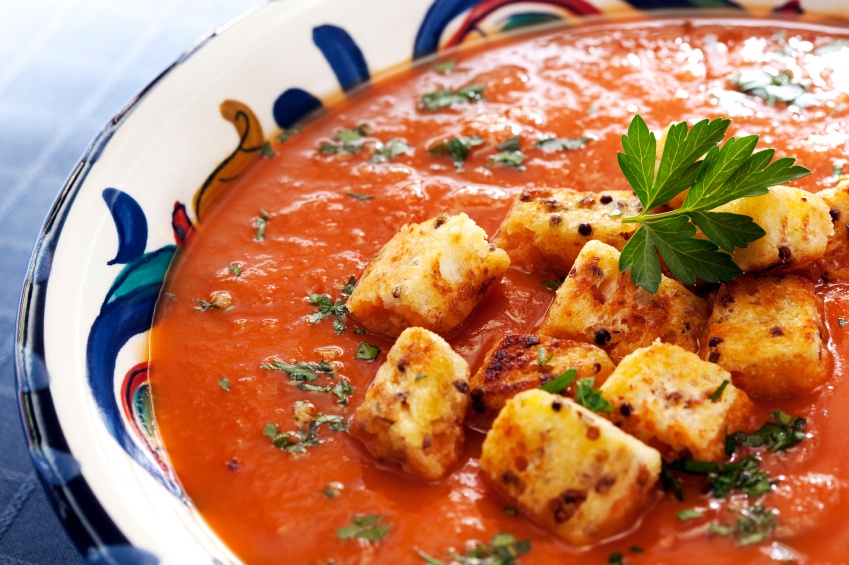
    I recently invented this on a weekend cleanse and it is so quick, easy and delicious I just don’t know why I hadn’t done this before! It takes less than 3 minutes to make and keeps you going for ages.

    Sweet Red Pepper & Tomato Raw Soup

    Serves 2

    Ingredients

    10 decent sized tomatoes
    2 large sweet pointed peppers or 3 normal peppers
    1 brown or red onion
    2 cloves of garlic
    A little stock

    Instructions

    Bring a little stock to the boil in a small frying pan and steam fry the onion and garlic (roughly chopped) for 1-2 minutes.

    Now put the rest of the ingredients into the blender with the onion, garlic and remaining stock and blend til smooth. Season and you’re done!

    Brilliant all year round, but especially good in the sunshine.

    get the alkaline recipe book here

  • Garlic & Ginger Tonic Tea

    Garlic & Ginger Tonic Tea

    Recipes › Drinks

    Garlic & Ginger Tonic Tea

    Garlic, ginger, lemon and a dash of cayenne, steeped in just-boiled water. Warming, zingy and surprisingly refreshing, hot or cool.

    Prep 5 minSteep 20 minMakes 2 mugs5 ingredients
    VeganGluten-freeDairy-freeNut-freeNo added sugar

    Tastes: zingy and warming, with garlic and ginger balanced by fresh lemon and a little cayenne heat.

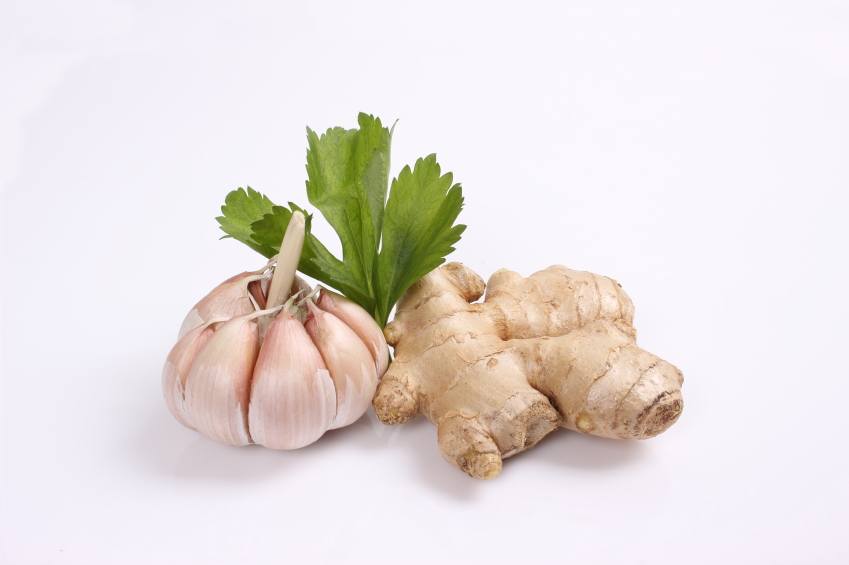
    garlic

    Hot or cool

    The subtle flavour of the ginger is just enough to balance out the garlic, making this an incredibly refreshing tea.

    Enjoy it either hot, or cool in summer.

    Why you’ll love it

    • Warming and soothing, hot or iced.
    • Garlic and ginger in perfect balance.
    • Vitamin C from a whole lemon.
    • Just steep and strain: no stove needed.

    Good for

    Immunity

    Vitamin C contributes to the normal function of the immune system.

    Antioxidants

    Vitamin C contributes to the protection of cells from oxidative stress. It also contains plant compounds with antioxidant activity, including gingerols, flavonoids and capsaicin.

    Tags use approved nutrient health-claim wording, for nutrients that give at least 10% of the Daily Value per mug. Plant compounds like these have no Daily Value, so we only say they’re there.

    Key nutrients per mug

    Contains: vitamin C (10%).

    Plant compounds: gingerols from the ginger, sulphur compounds from the garlic, citrus flavonoids from the lemon and capsaicin from the cayenne.

    Under 4 g natural sugarAlmost no sodium

    % of US Daily Value for adults, per mug (half the recipe). Estimated from USDA FoodData Central values for the ingredients as listed, so treat these as upper estimates. Counts only the lemon juice, as the garlic and ginger are strained out; excludes the optional honey; anything over 100% shows as 100%+.

    Garlic & Ginger Tonic Tea

    Minced garlic, grated ginger, lemon juice and cayenne steeped in just-boiled water, then strained.
    Prep Time 5 minutes
    Steep 20 minutes
    Total Time 25 minutes
    Servings: 2 mugs

    Ingredients
      

    • 4 garlic cloves minced
    • 4 chunks fresh ginger root about 1 cm each, grated
    • 1 lemon juiced
    • small dash of cayenne pepper
    • 500 ml just-boiled filtered water
    • ½ tsp honey optional, if you’re just starting out (not vegan)

    Equipment

    • Teapot or jug
    • Sieve

    Method
     

    1. Put the garlic, ginger, lemon juice and cayenne in a large mug, jug or teapot.
    2. Cover with the just-boiled water and leave to infuse for 15–20 minutes.
    3. Strain and drink!

    Notes

    Try experimenting with other ingredients too, like mint, cumin seeds or grapefruit.

    Swaps

    • Other flavours: add mint, cumin seeds or a slice of grapefruit.
    • Milder: use 2 garlic cloves.
    • Iced: let it cool and serve over ice.

    Storing it

    Strained, it keeps in the fridge for up to 2 days. Drink it cool or warm it gently.

    Try next

    DrinksMagic Immune TeaOpen recipe →
    DrinksSinus-Soothing Thyme & Sage TonicOpen recipe →
    Want more than recipes?

    The Alkaline Life Club has everything in the Recipe Club, plus coaching, live Q&A and a community to keep you going.

    See the Alkaline Life Club

    Sources

    Nutrient values: USDA FoodData Central, SR Legacy (lemon juice 167747). Plant compounds are named where the ingredient is a well-documented source; flavonoids follow the USDA Database for the Flavonoid Content of Selected Foods, Release 3.3. Daily Values: US Food and Drug Administration.

  • Ultimate Liver-Support Citrus Tonic

    Ultimate Liver-Support Citrus Tonic

    Recipes › Juices & smoothies

    Ultimate Liver-Support Citrus Tonic

    Fresh grapefruit and lemon juice blended with garlic, ginger and flax oil – a surprisingly refreshing drink your liver will LOVE.

    Prep 10 minServes 2Blender6 ingredients
    VeganGluten-freeDairy-freeNut-freeNo added sugar

    Tastes: sharp, citrusy and zingy, with a warm garlic and ginger kick.

    liver juice recipe

    A drink your liver will LOVE

    I adapted this recipe from four or five others I’ve tried over the years. In the decade of research that went into my book The Alkaline Reset Cleanse, I learned which nutrients the liver needs, and I’ve packed them into this drink – and it tastes surprisingly refreshing and delicious!

    It’s important to note that this isn’t a juice cleanse or liver cleanse in its own right. It’s a delicious, refreshing drink that your liver will LOVE. You can have it every day, OR it can become part of your Alkaline Reset Cleanse.

    Garlic brings sulphur compounds, the grapefruit and lemons bring vitamin C, and the flax oil adds plant omega-3. Omega-3 fats have been linked with less liver fat in human studies, mostly using fish-oil supplements.

    Why you’ll love it

    • Vitamin C: over a day’s worth a glass.
    • Plant omega-3 from the flax oil.
    • Garlic and ginger for a warming kick.
    • Surprisingly refreshing and delicious.

    Good for

    Immunity

    Vitamin C, vitamin A, folate and vitamin B6 contribute to the normal function of the immune system.

    Antioxidants

    Vitamin C and copper contribute to the protection of cells from oxidative stress. It also contains plant compounds with antioxidant activity, including beta-carotene, lycopene and gingerols.

    Energy

    Pantothenic acid, folate and vitamin B6 contribute to the reduction of tiredness and fatigue.

    Eyes

    Vitamin A contributes to the maintenance of normal vision.

    Blood pressure

    Potassium contributes to the maintenance of normal blood pressure.

    Tags use approved nutrient health-claim wording, for nutrients that give at least 10% of the Daily Value per glass. Plant compounds like these have no Daily Value, so we only say they’re there.

    Key nutrients per glass

    Vitamin C
    100%+

    Contains: pantothenic acid (16%), vitamin A (15%), folate (13%), vitamin B6 (12%), copper (11%), potassium (10%), magnesium (7%) and calcium (5%).

    Plant compounds: beta-carotene (about 1.6 mg), lycopene (about 3.3 mg), plant omega-3 ALA (about 7.2 g), gingerols from the ginger, sulphur compounds from the garlic, citrus flavonoids from the lemon and lignans from the flaxseed.

    About 19 g natural sugarAbout 5 mg sodium

    % of US Daily Value for adults, per glass (half the recipe). Estimated from USDA FoodData Central values for the whole ingredients. Juicing leaves most of the fibre and some vitamins in the pulp, so treat these as upper estimates; uses whole-fruit values for the squeezed grapefruit; excludes the optional probiotic and cayenne; anything over 100% shows as 100%+.

    Ultimate Liver-Support Citrus Tonic

    Fresh grapefruit and lemon juice blended with water, flaxseed oil, garlic and ginger.
    Prep Time 10 minutes
    Total Time 10 minutes
    Servings: 2 glasses

    Ingredients
      

    • 2 large grapefruits juiced
    • 4 lemons juiced
    • 300 ml filtered water
    • 2 tbsp cold-pressed flaxseed oil or Udo’s Choice
    • 1–2 garlic cloves
    • 5 cm fresh ginger 2 inches
    • 1 tsp probiotic powder optional
    • dash of cayenne pepper optional

    Equipment

    • Citrus juicer
    • Garlic press
    • Blender

    Method
     

    1. Squeeze the grapefruit and lemon juice into a blender.
    2. Grate the garlic and ginger, then squeeze them through a garlic press into the juice.
    3. Add the water, oil and probiotic (if using) and blend for 30 seconds.
    4. Add more ginger or garlic to taste.

    Swaps

    • On medication? Use oranges instead of grapefruit (see Good to know).
    • Spicy: add a dash of cayenne.
    • Less garlicky: start with half a clove.

    Storing it

    Best fresh. The flax oil can separate, so give it a stir.

    Good to know

    • Grapefruit and medicines: grapefruit can interact with some medicines, including certain statins and blood pressure drugs. If yours carries a grapefruit warning, use a squeeze of orange or lemon instead.
    • Liver condition? This is about good nutrition, not treatment. Keep following your doctor’s advice and taking any medication you’ve been prescribed.

    Try next

    Juices & smoothiesNourishing Liver-Support JuiceOpen recipe →
    Juices & smoothiesEvening Green JuiceOpen recipe →
    Want more than recipes?

    The Alkaline Life Club has everything in the Recipe Club, plus coaching, live Q&A and a community to keep you going.

    See the Alkaline Life Club

    Sources

    Nutrient values: USDA FoodData Central, SR Legacy (pink grapefruit 174673, lemon juice 167747, flaxseed oil 167702, garlic 169230, ginger 169231). Plant compounds are named where the ingredient is a well-documented source; flavonoids follow the USDA Database for the Flavonoid Content of Selected Foods, Release 3.3. Daily Values: US Food and Drug Administration.
  • Detox Lime-Chilli Stir-‘Fry’

    Detox Lime-Chilli Stir-‘Fry’

    Recipes › Dinner

    Detox Lime-Chilli Stir-‘Fry’

    This was the very first alkaline recipe I ever posted – back in 2005! It brings back amazing memories for me.

    Prep 15 minCook 30 minServes 211 ingredients
    VeganGluten-freeDairy-freeNut-freeNo added sugar

    Tastes: fresh and fiery, with crunchy steamed veg on fluffy rice and a zingy lime, chilli and coriander sauce.

    detox chilli stir fry

    The recipe that started it all

    It was invented and put together 100% in my kitchen (although admittedly not entirely by me alone), and it’s 100% healthy, alkalising and delicious. In fact, this is the recipe that first made me believe I could create a whole alkaline recipe book!

    The beauty of it is its simplicity. You can use any greens you have – kale works really well.

    Why you’ll love it

    • Vitamin C: well over twice your daily needs.
    • Vitamins A and K: a full day’s worth and nearly twice your daily needs.
    • About 14 g plant protein a serve.
    • Use any greens you have.

    Good for

    Immunity

    Vitamin C, vitamin A, vitamin B6 and folate contribute to the normal function of the immune system.

    Antioxidants

    Vitamin C, manganese, copper and riboflavin contribute to the protection of cells from oxidative stress. It also contains plant compounds with antioxidant activity, including lutein, beta-carotene and flavonoids.

    Energy

    Vitamin B6, folate, pantothenic acid and niacin contribute to the reduction of tiredness and fatigue.

    Muscles

    Protein contributes to the maintenance of muscle mass, and magnesium, potassium and calcium contribute to normal muscle function.

    Bones

    Vitamin K, manganese, magnesium and phosphorus contribute to the maintenance of normal bones.

    Eyes

    Vitamin A, riboflavin and zinc contribute to the maintenance of normal vision. It also contains lutein and zeaxanthin, the carotenoids found in the macula of the eye.

    Blood pressure

    Potassium contributes to the maintenance of normal blood pressure.

    Tags use approved nutrient health-claim wording, for nutrients that give at least 10% of the Daily Value per serve. Plant compounds like lutein have no Daily Value, so we only say they’re there.

    Key nutrients per serve

    Vitamin C
    100%+Vitamin K
    100%+Manganese
    100%+Vitamin A
    97%Vitamin B6
    65%Folate
    59%

    Contains: thiamin (58%), copper (56%), pantothenic acid (46%), niacin (45%), magnesium (40%), riboflavin (38%), phosphorus (34%), potassium (32%), iron (27%), selenium (26%), zinc (25%), calcium (19%) and vitamin E (15%).

    Plant compounds: lutein and zeaxanthin (about 4 mg), beta-carotene (about 9.4 mg), chlorophyll, glucosinolates from the broccoli and cabbage, citrus flavonoids from the lime and capsaicin from the chilli.

    14 g protein12 g fibreAbout 15 g natural sugarAbout 200 mg sodium

    % of US Daily Value for adults, per serve (half the recipe). Estimated from USDA FoodData Central values for the ingredients as listed; cooking reduces some vitamins, so treat these as upper estimates. Your original gives no amounts, so these are my suggested amounts for two; uses low-sodium bouillon; anything over 100% shows as 100%+.

    Detox Lime-Chilli Stir-‘Fry’

    Crunchy steamed pak choi, carrot, snap peas, broccoli, cabbage, courgette and beansprouts on brown rice with a lime, chilli and coriander sauce.
    Prep Time 15 minutes
    Cook Time 30 minutes
    Total Time 45 minutes
    Servings: 2

    Ingredients
      

    Lime-chilli sauce
    • 1 bunch coriander
    • 1 chilli finely chopped
    • juice of 2 limes
    Stir-‘fry’
    • ⅔ cup brown basmati or wild rice
    • 2 small heads pak choi
    • 2 carrots
    • 1 cup mange-tout or sugar snap peas
    • 1 cup beansprouts
    • ½ head broccoli
    • 1 cup red or green cabbage shredded
    • 1 courgette (zucchini)
    • 1 tsp low-salt vegetable bouillon optional, for steam-frying

    Equipment

    • Saucepan
    • Steamer
    • Pestle and mortar

    Method
     

    1. Cook the rice following the packet instructions.
    2. Pound the coriander with the chilli in a pestle and mortar, adding the lime juice as you go, to make a sauce. Set aside to infuse.
    3. Chop all the vegetables fairly finely so they cook quickly, and steam until only just cooked – still a little crunchy. No steamer? Steam-fry them in a little bouillon.
    4. Pile the veg on a bed of fluffy rice and cover with the lime-chilli sauce. Serve piping hot, with a smile.

    Notes

    The original recipe has no quantities – “it’s probably best to find your own way”. These are suggested amounts for two; use whatever veg you have.

    Swaps

    • Kale works really well instead of pak choi.
    • Seafood fan? Serve with some salmon.
    • Quinoa instead of rice.

    Storing it

    Best fresh. The sauce keeps in the fridge for 2 days.

    Good to know

    • High in vitamin K. If you take warfarin or another blood thinner, keep your greens intake steady and talk to your doctor before eating more leafy greens than usual.

    Try next

    DinnerMixed Vegetables with Toasted SesameOpen recipe →
    DinnerAntioxidant Super MealOpen recipe →
    Want more than recipes?

    The Alkaline Life Club has everything in the Recipe Club, plus coaching, live Q&A and a community to keep you going.

    See the Alkaline Life Club

    Sources

    Nutrient values: USDA FoodData Central, SR Legacy (pak choi 170390, carrots 170393, sugar snap peas 170010, mung bean sprouts 169957, broccoli 170379, red cabbage 169977, zucchini 169291, lime juice 168156, red chilli 170106, coriander leaves 169997, brown rice 169703). Plant compounds are named where the ingredient is a well-documented source; flavonoids follow the USDA Database for the Flavonoid Content of Selected Foods, Release 3.3. Daily Values: US Food and Drug Administration.