Category: Free Alkaline Diet Recipes

Alkaline Diet Recipes: The Alkaline Recipe Centre from Ross Bridgeford
Make the Alkaline Diet Easy With Delicious Alkaline Recipe, and Enjoyable & Nourishing Meals
Find over 200+ delicious alkaline diet recipes & meals that the whole family will love. Includes alkaline recipes for breakfast, lunch, dinner, and snacks, plus cuisines including Italian, Indian, British, American, Mexican, Thai, and more!  This will make the alkaline lifestyle so simple!

Every recipe has been packed with nutrient-dense foods, designed with ease and simplicity in mind using every day, fresh, easy-to-find ingredients. Plus no recipe takes more than 30 minutes to prepare and all have been tried and tested on my family, including my kids! This is alkaline living made easy!

All recipes come with a print-friendly button so you can get started right away.

Click here to jump to a meal-time:

Alkaline Breakfast Recipes
Alkaline Lunch Recipes
Alkaline Dinner Recipes

Alkaline recipes are a great way to help keep your body’s pH balance in check, infusing your body with alkaline foods. Eating an alkaline-based diet helps to maintain healthy cells and tissues, as well as support overall health and wellness. Knowing how to prepare meals that contain the right amount of alkaline ingredients is key for anyone who wants to reap the benefits of an alkaline diet.

Fortunately, there are a plethora of delicious and nutrient-dense alkaline foods to choose from to make alkaline recipes for your alkaline-based meal plan. From classic dishes like quinoa bowls and vegetable salads to creative takes on traditional meals like eggplant lasagna, there’s something for everyone! With the right alkaline recipes and proper preparation, you can maintain a healthy alkaline diet that will help your body stay in balance.

Besides selecting the right alkaline foods, there are many different cooking techniques you can use to maximize the alkalinity of your meals. For example, steaming is a great way to prepare vegetables as it helps keep their natural nutrients intact. You can also incorporate alkaline-friendly herbs and spices, like turmeric and basil, to give your dishes a unique flavor.

At the end of the day, alkaline recipes are easy to make and provide a variety of health benefits. They help you avoid those acid foods and with the right alkaline ingredients and cooking techniques, you can create delicious meals that support your body’s needs.

For more information on starting on an alkaline diet click here, and browse the recipes!

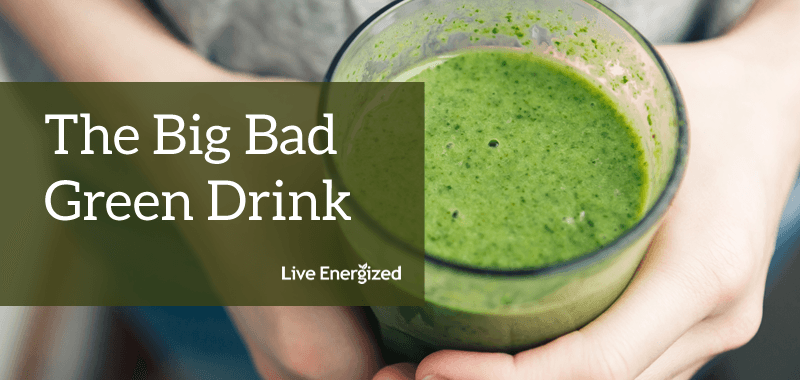
  • Green Smoothie Recipe by Gareth Edwards

    Green Smoothie Recipe by Gareth Edwards

    Gareth's green smoothieThis is a delicious and ultra healthy green smoothie recipe from Gareth Edwards, our Dr Young trained blood analyst and highly qualified nutritionist.

    In order for nutrients to be digested, the food containing them needs to be “broken down”. Chewing is a vital part of this process. A speedy and efficient alternative to hours at the table is to make nutritious salads “in the blender”. The result is a delicious snack or meal.

    Using predominantly green foods means that the smoothie is rich in chlorophyll, minerals, phyto-nutrients and has a low glaecemic load.

    Gareth’s Green Smoothie

    Serves 1

    Ingredients

    ½ avocado
    20-30 g. nuts & seeds (ideally soaked in mineral water, overnight – or longer. Un-soaked nuts and seeds can irritate an inflamed digestive tract.)
    ½ head of chicory – sliced
    ½ little gem lettuce – sliced
    4-6 leaves, dark green leafy vegetable (spinach, chard, kale etc.)
    100 g. chopped broccoli
    20-30 g. alfalfa sprouts
    1 tea spoon flax or hemp oil
    2 tea spoons olive oil
    1 scoop Inner Light Supergreens (optional)
    1 scoop Inner Light Super Soya Sprouts (optional)
    20 cl. mineral water (still)
    2 ice cubes (from mineral water)

    Seasoning

    ½ squeezed organic (unwaxed) lemon – juiced on a citrus squeezer
    Redmond Real Salt or Sea salt
    Ground black pepper
    Bragg’s liquid Aminos

    Gareth's Green SmoothieInstructions

    Place all the ingredients in a powerful blender or vitamix and season to taste. Pulse and / or blend until “smooth”. Serve in a glass and eat with a spoon!

    Gareth's Green SmoothieYou can also use juiced celery and cucumber to provide some or all of the liquid content. This does mean washing up two pieces of equipment. This option can increase nutrient content.

    n.b. ice is added to maintain room temperature during a heat generating process rather than to give a cold drink.

    Enjoy!

    Alkaline Diet Recipe Book Banner

  • Chickpea Salad with Avocado & Lemon Dressing

    Chickpea Salad with Avocado & Lemon Dressing

    Recipes › Salads

    Chickpea Salad with Avocado & Lemon Dressing

    A very colourful and crunchy salad, packed with chickpeas, spinach, tomato, asparagus and pepper – with an unusual avocado dressing.

    Prep 15 minCook 3 minServes 210 ingredients
    VeganGluten-freeDairy-freeNut-freeNo added sugar

    Tastes: crunchy and fresh, with chickpeas and veg in a creamy, lemony avocado dressing.

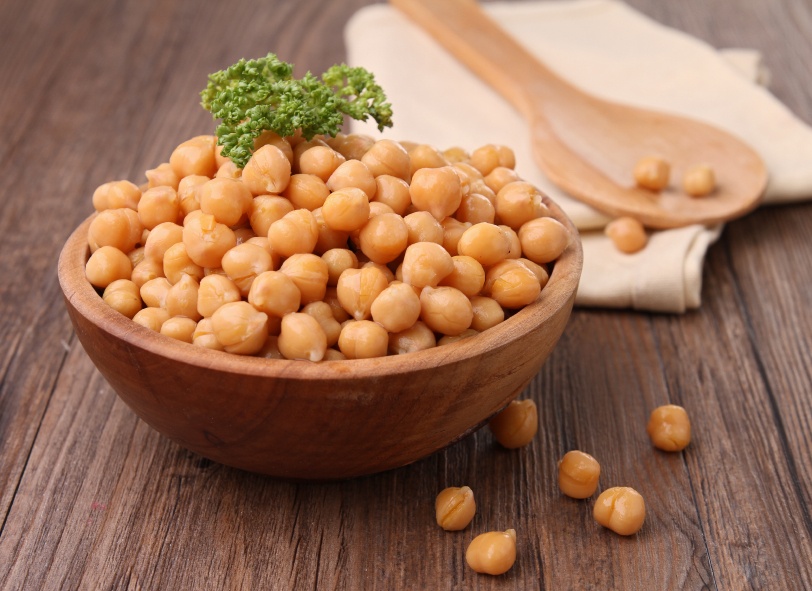
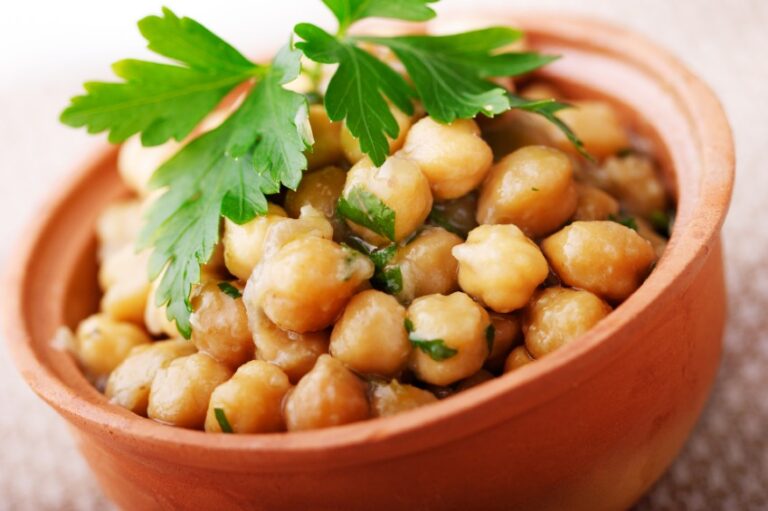
    chickpea

    An ultra-healthy salad

    Chickpeas are a very good source of zinc, folate, B vitamins, iron and protein. And the dressing is very unusual: it’s made from avocado, full of healthy fats.

    I hope you enjoy this ultra-healthy salad as much as I do!

    Why you’ll love it

    • About 23 g plant protein and 27 g fibre a serve.
    • Folate: more than a full day’s worth.
    • Vitamins C and K: well over a day’s worth of each.
    • A creamy dressing made from avocado.

    Good for

    Immunity

    Vitamin C, copper, folate and vitamin A contribute to the normal function of the immune system.

    Antioxidants

    Vitamin C, manganese, copper and vitamin E contribute to the protection of cells from oxidative stress. It also contains plant compounds with antioxidant activity, including lutein, beta-carotene and lycopene.

    Energy

    Folate, vitamin B6, magnesium and iron contribute to the reduction of tiredness and fatigue.

    Muscles

    Protein contributes to the maintenance of muscle mass, and magnesium, potassium and calcium contribute to normal muscle function.

    Bones

    Vitamin K, manganese, magnesium and zinc contribute to the maintenance of normal bones.

    Eyes

    Vitamin A, riboflavin and zinc contribute to the maintenance of normal vision. It also contains lutein and zeaxanthin, the carotenoids found in the macula of the eye.

    Blood pressure

    Potassium contributes to the maintenance of normal blood pressure.

    Tags use approved nutrient health-claim wording, for nutrients that give at least 10% of the Daily Value per serve. Plant compounds like lutein have no Daily Value, so we only say they’re there.

    Key nutrients per serve

    Vitamin K
    100%+Vitamin C
    100%+Manganese
    100%+Copper
    100%+Folate
    100%+Vitamin A
    75%

    Contains: vitamin B6 (65%), vitamin E (55%), magnesium (46%), potassium (42%), iron (41%), pantothenic acid (40%), riboflavin (38%), thiamin (33%), niacin (31%), zinc (29%), phosphorus (28%), calcium (19%) and selenium (16%).

    Plant compounds: lutein and zeaxanthin (about 13 mg), beta-carotene (about 7.8 mg), lycopene (about 4.8 mg), chlorophyll, quercetin from the onion and citrus flavonoids from the lemon.

    23 g protein27 g fibreAbout 18 g natural sugarAbout 525 mg sodium

    % of US Daily Value for adults, per serve (half the recipe). Estimated from USDA FoodData Central values for the ingredients as listed; cooking reduces some vitamins, so treat these as upper estimates. Uses canned chickpeas, 200 g spinach and 1 tbsp olive oil; excludes salt; anything over 100% shows as 100%+.

    Chickpea Salad with Avocado & Lemon Dressing

    Chickpeas, spinach, tomato, lightly steamed asparagus, pepper and spring onion with a blended avocado and lemon dressing.
    Prep Time 15 minutes
    Cook Time 3 minutes
    Total Time 18 minutes
    Servings: 2

    Ingredients
      

    Salad
    • 400 g chickpeas cooked or canned, drained
    • 1 big bag fresh spinach leaves about 200 g
    • 3 tomatoes
    • 100 g green asparagus
    • 1 red or green pepper
    • 2 spring onions
    Avocado dressing
    • 1 avocado
    • juice of 1 lemon
    • 1 tbsp cold-pressed olive oil or Udo’s Choice
    • Celtic sea salt or Himalayan salt

    Equipment

    • Steamer
    • Blender

    Method
     

    1. Very lightly steam the asparagus.
    2. Chop all the salad ingredients into small pieces, put them in a salad bowl and mix together.
    3. Blend the avocado, lemon juice and oil briefly until you have a slightly thick dressing.
    4. Add the dressing and a pinch of salt to the salad and mix everything together. Enjoy!

    Swaps

    • Rocket instead of spinach.
    • White beans instead of chickpeas.
    • Thinner dressing: add a splash of water.

    Storing it

    Best fresh. The undressed salad keeps in the fridge for 2 days.

    Good to know

    • High in vitamin K. If you take warfarin or another blood thinner, keep your greens intake steady and talk to your doctor before eating more leafy greens than usual.

    Try next

    DinnerSpinach & ChickpeasOpen recipe →
    SaladRocket, Watercress & Mint SaladOpen recipe →
    Want more than recipes?

    The Alkaline Life Club has everything in the Recipe Club, plus coaching, live Q&A and a community to keep you going.

    See the Alkaline Life Club

    Sources

    Nutrient values: USDA FoodData Central, SR Legacy (chickpeas 173801, spinach 168462, tomatoes 170457, asparagus 168389, red pepper 170108, spring onions 170005, avocado 171705, lemon juice 167747, olive oil 171413). Plant compounds are named where the ingredient is a well-documented source; flavonoids follow the USDA Database for the Flavonoid Content of Selected Foods, Release 3.3. Daily Values: US Food and Drug Administration.

  • Kale & Chickpea Mash

    Kale & Chickpea Mash

    Recipes › Lunch

    Kale & Chickpea Mash

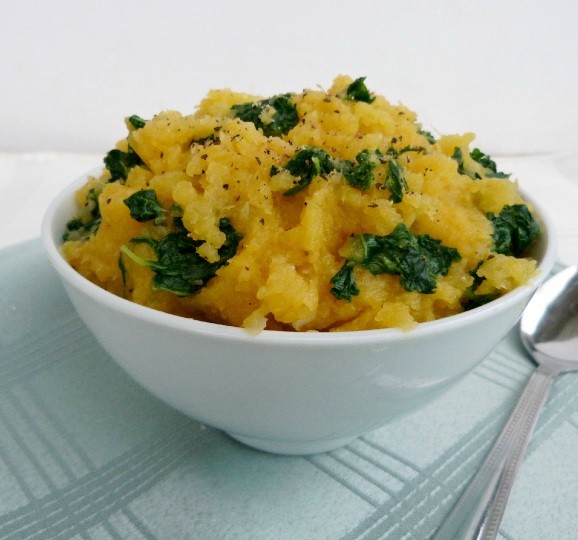
    A potato-free mash of chickpeas and kale with golden garlic, shallot and thyme. Hearty, full of flavour and packed with plant protein.

    Prep 10 minCook 10 minServes 28 ingredients
    VeganGluten-freeDairy-freeNut-freeNo added sugar

    Tastes: savoury and garlicky, with earthy kale and a hint of thyme.

    Mash, but more interesting

    Have you ever thought about making a delicious mash without potatoes – and making it a bit more interesting?

    This one uses kale, garlic and chickpeas, with shallot and thyme for an abundance of flavour. Serve it as a main for two, or as a side for four.

    Why you’ll love it

    • 22 g plant protein a serve.
    • Vitamin K: over three days’ worth.
    • Fibre: nearly three-quarters of your daily needs.
    • Folate and vitamin C: over a day’s worth each.

    Good for

    Immunity

    Vitamin C, folate, copper and iron contribute to the normal function of the immune system.

    Antioxidants

    Manganese, vitamin C, copper and riboflavin contribute to the protection of cells from oxidative stress. It also contains plant compounds with antioxidant activity, including lutein, beta-carotene and flavonoids.

    Energy

    Folate, iron, riboflavin and vitamin B6 contribute to the reduction of tiredness and fatigue.

    Muscles

    Protein contributes to the maintenance of muscle mass, and magnesium, calcium and potassium contribute to normal muscle function.

    Bones

    Vitamin K, manganese, phosphorus and zinc contribute to the maintenance of normal bones.

    Eyes

    Riboflavin, zinc and vitamin A contribute to the maintenance of normal vision. It also contains lutein and zeaxanthin, the carotenoids found in the macula of the eye.

    Blood pressure

    Potassium contributes to the maintenance of normal blood pressure.

    Tags use approved nutrient health-claim wording, for nutrients that give at least 10% of the Daily Value per serve. Plant compounds like lutein have no Daily Value, so we only say they’re there.

    Key nutrients per serve

    Vitamin K
    100%+Manganese
    100%+Vitamin C
    100%+Folate
    100%+Copper
    89%Iron
    46%

    Contains: riboflavin (38%), vitamin B6 (35%), zinc (34%), phosphorus (34%), thiamin (33%), magnesium (33%), calcium (29%), vitamin A (27%), pantothenic acid (22%), vitamin E (22%), potassium (22%), selenium (18%) and niacin (17%).

    Plant compounds: lutein and zeaxanthin (about 6.3 mg), beta-carotene (about 2.9 mg), plant omega-3 ALA (about 0.6 g), chlorophyll, quercetin and kaempferol from the kale, glucosinolates from the kale and sulphur compounds from the garlic.

    23 g protein20 g fibreAbout 12 g natural sugarAbout 520 mg sodium

    % of US Daily Value for adults, per serve (half the recipe). Estimated from USDA FoodData Central values for the ingredients as listed; cooking reduces some vitamins, so treat these as upper estimates. Uses 1 tbsp tamari for the Bragg (the original used 2 tbsp); excludes salt; anything over 100% shows as 100%+.

    Kale & Chickpea Mash

    Garlic and shallot fried until golden, kale wilted in, then chickpeas cooked through and mashed with Bragg and thyme.
    Prep Time 10 minutes
    Cook Time 10 minutes
    Total Time 20 minutes
    Servings: 2

    Ingredients
      

    • 5 garlic cloves finely chopped
    • 1 shallot finely chopped
    • 1 bunch kale about 200 g, stems removed, roughly chopped
    • 400 g cooked chickpeas about 1½ drained cans
    • 1 tbsp Bragg Liquid Aminos or tamari
    • 2 tbsp extra virgin olive oil or coconut oil
    • ½ tsp fresh or dried thyme
    • Celtic or Himalayan salt to taste

    Equipment

    • Large frying pan
    • Potato masher or fork

    Method
     

    1. Gently fry the shallot and garlic in the oil over a medium-high heat until golden. Be careful not to burn the garlic, or it turns bitter.
    2. Add the washed and drained kale and stir it through the oil, shallot and garlic.
    3. Once the kale has wilted a bit, add the chickpeas and cook for about 6 minutes.
    4. Add the Bragg, thyme and salt and stir, then mash the chickpeas with a fork or masher, as fine as you like. Enjoy!

    Swaps

    • Side dish: it serves 4 alongside a big salad or roast veg.
    • Smoother: blitz half with a stick blender.
    • Greens: spinach or chard work too.

    Storing it

    Keeps in the fridge for 3 days. Reheat gently with a splash of water.

    Good to know

    • High in vitamin K. If you take warfarin or another blood thinner, keep your greens intake steady and talk to your doctor before eating more leafy greens than usual.
    • Tamari: choose one labelled gluten-free if you’re coeliac.

    Try next

    SnacksChickpea & Avocado MashOpen recipe →
    DinnerKale & Chickpea Rolls with Tomato SalsaOpen recipe →
    Want more than recipes?

    The Alkaline Life Club has everything in the Recipe Club, plus coaching, live Q&A and a community to keep you going.

    See the Alkaline Life Club

    Sources

    Nutrient values: USDA FoodData Central, SR Legacy (garlic 169230, shallot 170499, kale 168421, cooked chickpeas 173757, tamari 174278, olive oil 171413, thyme 170938). Plant compounds are named where the ingredient is a well-documented source; flavonoids follow the USDA Database for the Flavonoid Content of Selected Foods, Release 3.3. Daily Values: US Food and Drug Administration.

  • Quick Alkaline Snack Recipe

    Quick Alkaline Snack Recipe

    Hey everyone!

    It’s been a while since my last tip, but I tend to post them as I think of them, or as I invent them rather than trying to force the issue. It’s just the way I work. As you know, I live the alkaline diet myself and am constantly learning and looking to improve my lifestyle so you get these alkaline diet tips as soon as I get them! This is 100% real, baby.

    Anyway, I know personally that having tasty, filling alkaline snack recipes is a hurdle on the alkaline diet – and I know you guys feel the same, so I am hoping that this tip will help a lot of you out in your quest to reach your health goals.


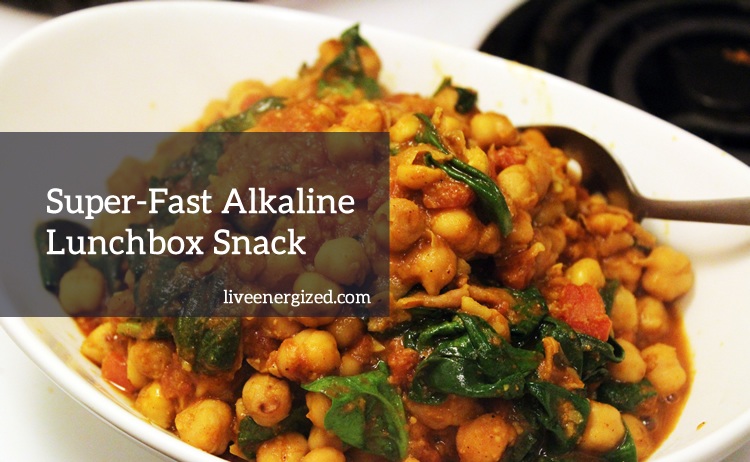
    Quick Super-Fast Alkaline Bean Bowl Close UpThe Super-Fast Alkaline Snack Recipe
    So I’ve recently started working from a new super-cool office in the city, rather than from home, quite simply because I like to get out of the house and be around people. Plus, its a great way to get to know the city. But, the challenge this throws up is this:

    If I am not working from home I need to be able to very quickly make lunch and 2-3 alkaline snacks to take with me

    I know this is a similar situation a lot of you face.

    I also have the following challenge:

    I need to keep up my vegan protein intake on days I go to the gym

    So I very quickly devised the following alkaline-rich, nutrient-dense, super-fast snack that I can take with me and it tastes great hot or cold!

    Super Fast Alkaline Bean Snack

    Here’s the super-fast 80% alkaline version:

    And here is another high-protein alkaline smoothie recipe and my Alkaline Raw Cacao Bliss Balls Recipe too if you’re interested!

    Ross

    REMEMBER: there are over 100+ alkaline diet recipes, including plenty of quick snacks in my Alkaline Diet Recipe Book

  • Ross’s Ultimate Green Drink

    Ross’s Ultimate Green Drink

    Recipes › Juices & smoothies

    Ross’s Ultimate Green Drink

    This is THE definitive alkaline green drink – a staple in my life for years, and it rocks!

    Prep 10 minServes 2Juicer9 ingredients
    VeganGluten-freeDairy-freeNut-freeNo added sugar

    Tastes: clean, green and refreshing, with a warming hit of ginger.

    green drink recipe

    My cornerstone green drink

    Packed full of alkaline vegetables, this nutrient-dense green drink will nourish your entire body from top to bottom. It’s my cornerstone green drink, and really, you don’t need to get any more complex than this. It’s a phenomenal hit of greens, minerals, vitamins and antioxidants.

    For fun, I once weighed the raw ingredients. Using the standard 80 g = one serve of vegetables, this recipe comes to over 8 serves of fresh vegetables – more than 4 in each glass, before you’ve even left the house!

    Why you’ll love it

    • Over 4 serves of veg in every glass.
    • Kale, chard and spinach. Huge amounts of vitamin K, lutein and beta-carotene.
    • Vitamin C: nearly a full day’s worth per glass.
    • Simple. Seven vegetables, one juicer, done.

    Good for

    Immunity

    Vitamin C, vitamin A, copper and folate contribute to the normal function of the immune system.

    Antioxidants

    Vitamin C, manganese, copper and riboflavin contribute to the protection of cells from oxidative stress. It also contains plant compounds with antioxidant activity, including lutein, beta-carotene and apigenin.

    Energy

    Folate, magnesium, riboflavin and pantothenic acid contribute to the reduction of tiredness and fatigue.

    Bones

    Vitamin K, manganese, magnesium and calcium contribute to the maintenance of normal bones.

    Eyes

    Vitamin A and riboflavin contribute to the maintenance of normal vision. It also contains lutein and zeaxanthin, the carotenoids found in the macula of the eye.

    Blood pressure

    Potassium contributes to the maintenance of normal blood pressure.

    Tags use approved nutrient health-claim wording, for nutrients that give at least 10% of the Daily Value per glass. Plant compounds like lutein have no Daily Value, so we only say they’re there.

    Key nutrients per glass

    Vitamin K
    100%+Vitamin C
    89%Vitamin A
    49%Manganese
    43%Copper
    33%Folate
    31%

    Contains: magnesium (29%), riboflavin (23%), potassium (20%), vitamin B6 (18%), pantothenic acid (18%), iron (18%), vitamin E (17%), calcium (13%) and phosphorus (10%).

    Plant compounds: lutein and zeaxanthin (about 14 mg), beta-carotene (about 5.3 mg), chlorophyll, apigenin from the celery, quercetin and kaempferol from the kale, glucosinolates from the broccoli and kale and gingerols from the ginger.

    About 5 g natural sugarAbout 240 mg sodium

    % of US Daily Value for adults, per glass (half the recipe). Estimated from USDA FoodData Central values for the whole ingredients. Juicing leaves most of the fibre and some vitamins in the pulp, so treat these as upper estimates; anything over 100% shows as 100%+.

    Ross’s Ultimate Green Drink

    My everyday green drink: kale, chard, spinach, celery, cucumber, broccoli and ginger.
    Prep Time 10 minutes
    Total Time 10 minutes
    Servings: 2 glasses

    Ingredients
      

    • 1 stalk kale or a handful
    • 4 sticks chard (silverbeet)
    • 2 big handfuls baby spinach and/or watercress
    • 2 sticks celery
    • 1 cucumber ½ if it’s a biggie
    • 5 broccoli florets
    • 1 inch fresh ginger root
    • 1 inch fresh turmeric root optional
    • filtered water or coconut water to taste

    Equipment

    • Juicer

    Method
     

    1. Juice everything through your juicer, putting the ginger (and turmeric, if using) in with something high-water like the cucumber.
    2. Top up with filtered water or coconut water to taste, pour into two glasses and enjoy straight away – feel the buzz!

    Swaps

    • Watercress instead of some of the spinach adds a peppery kick.
    • Sweeter: top up with coconut water.
    • Fresh turmeric is ideal if you can find it.

    Storing it

    Keeps for 24–36 hours in an airtight container in the fridge, so you can make double and keep a second serve for later.

    Good to know

    • High in vitamin K. If you take warfarin or another blood thinner, keep your greens intake steady and talk to your doctor before eating more leafy greens than usual.
    • Chard and spinach contain oxalates. If you’ve had kidney stones, check with your doctor first.

    Ross’s tip

    This WILL make a huge difference to your life, even if this is all that you do. Put that in your juicer and feel the power!

    Try next

    Green juiceUltimate Energy-Boosting Green JuiceOpen recipe →
    Green juiceGreen Vitality JuiceOpen recipe →
    Want more than recipes?

    The Alkaline Life Club has everything in the Recipe Club, plus coaching, live Q&A and a community to keep you going.

    See the Alkaline Life Club

    Sources

    Nutrient values: USDA FoodData Central, SR Legacy (kale 168421, Swiss chard 169991, spinach 168462, celery 169988, cucumber 168409, broccoli 170379, ginger 169231). Plant compounds are named where the ingredient is a well-documented source; flavonoids follow the USDA Database for the Flavonoid Content of Selected Foods, Release 3.3. Daily Values: US Food and Drug Administration.

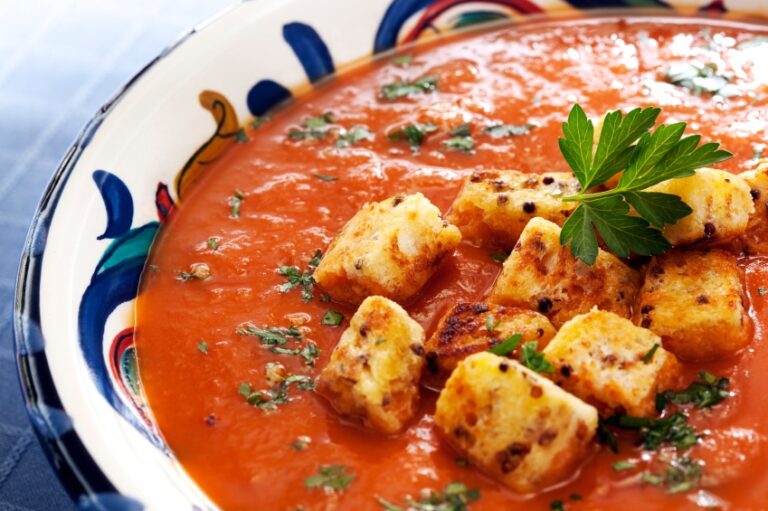
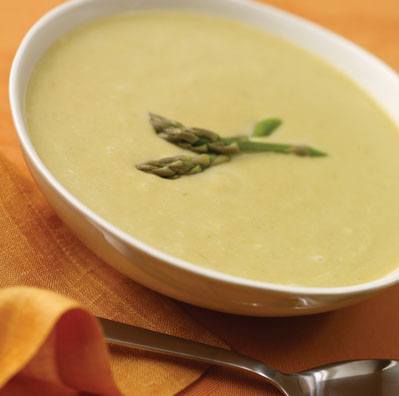
  • Tomato & Asparagus Soup

    Tomato & Asparagus Soup

    Recipes › Soups

    Tomato & Asparagus Soup

    Tomatoes, asparagus, avocado, pepper, garlic and a big bunch of parsley blended until silky, then just gently warmed. Creamy, fresh and ready in minutes.

    Prep 10 minCook 5 minServes 29 ingredients
    VeganGluten-freeDairy-freeNut-freeNo added sugar

    Tastes: fresh, creamy and herby, like a warm, silky gazpacho.

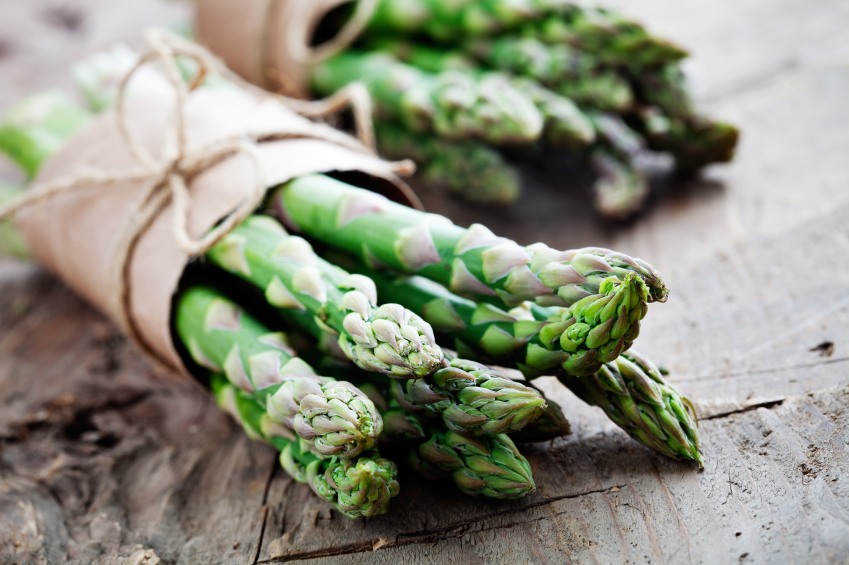
    asparagus

    Just blend and warm

    This soup is delicious and very easy to prepare: you just blend and gently warm. It works as a light starter or a main course.

    Tomatoes bring lycopene, a carotenoid with antioxidant activity, asparagus brings folate and vitamin C, and the avocado makes it beautifully creamy.

    The spinach IS optional, but I always like to throw a serve of spinach into any recipe I can. It rarely affects the taste or texture, but you’re getting a big, green, alkaline hit!

    Why you’ll love it

    • Fibre: about 80% of your daily needs a bowl.
    • Vitamin K: over five days’ worth.
    • Vitamin C: over twice your daily needs.
    • Just blend and gently warm.

    Good for

    Immunity

    Vitamin C, folate, copper and vitamin B6 contribute to the normal function of the immune system.

    Antioxidants

    Vitamin C, copper, vitamin E and manganese contribute to the protection of cells from oxidative stress. It also contains plant compounds with antioxidant activity, including lutein, beta-carotene and lycopene.

    Energy

    Folate, pantothenic acid, vitamin B6 and riboflavin contribute to the reduction of tiredness and fatigue.

    Bones

    Vitamin K, manganese, magnesium and zinc contribute to the maintenance of normal bones.

    Eyes

    Vitamin A, riboflavin and zinc contribute to the maintenance of normal vision. It also contains lutein and zeaxanthin, the carotenoids found in the macula of the eye.

    Blood pressure

    Potassium contributes to the maintenance of normal blood pressure.

    Tags use approved nutrient health-claim wording, for nutrients that give at least 10% of the Daily Value per bowl. Plant compounds like lutein have no Daily Value, so we only say they’re there.

    Key nutrients per bowl

    Vitamin K
    100%+Vitamin C
    100%+Folate
    89%Copper
    89%Pantothenic acid
    74%Vitamin B6
    71%

    Contains: vitamin E (55%), vitamin A (52%), manganese (52%), potassium (49%), riboflavin (46%), niacin (45%), thiamin (42%), iron (36%), magnesium (35%), zinc (28%), phosphorus (23%) and calcium (13%).

    Plant compounds: lutein and zeaxanthin (about 5 mg), beta-carotene (about 5.2 mg), lycopene (about 7.9 mg), chlorophyll, apigenin from the parsley, quercetin from the onion and sulphur compounds from the garlic.

    11 g protein23 g fibreAbout 14 g natural sugarAbout 70 mg sodium

    % of US Daily Value for adults, per bowl (half the recipe). Estimated from USDA FoodData Central values for the ingredients as listed, so treat these as upper estimates. Uses parsley for the herbs and dried onion flakes, and includes the spinach; excludes salt, the optional herbs and the lemon garnish; anything over 100% shows as 100%+.

    Tomato & Asparagus Soup

    Asparagus, tomatoes, avocado, parsley, spinach, dried onion, garlic and pepper blended smooth, gently warmed and garnished with lemon.
    Prep Time 10 minutes
    Cook Time 5 minutes
    Total Time 15 minutes
    Servings: 2 bowls

    Ingredients
      

    • 10 green asparagus spears woody ends snapped off
    • 5 tomatoes
    • 2 ripe avocados
    • 1 bunch fresh parsley or coriander about 60 g
    • 1 handful baby spinach optional (but why not?)
    • ¼ cup dried onion flakes
    • 3 garlic cloves
    • 1 red or green pepper (capsicum)
    • Celtic or Himalayan salt
    • fresh thyme or rosemary optional
    • 2 lemons thinly sliced, to garnish

    Equipment

    • Blender
    • Large pot

    Method
     

    1. Blend everything except the lemon slices until completely smooth.
    2. Pour into a large pot and warm gently – don’t let it boil.
    3. Garnish with the lemon slices and serve straight away. Enjoy!

    Swaps

    • Lighter: use 1 avocado and add a splash of water.
    • Fresh onion: use ½ small red onion instead of the dried flakes.
    • Serve it chilled on a hot day, like a gazpacho.

    Storing it

    Best fresh – the avocado discolours as it sits.

    Good to know

    • High in vitamin K. If you take warfarin or another blood thinner, keep your greens intake steady and talk to your doctor before eating more leafy greens than usual.

    Try next

    SoupsSweet Red Pepper & Tomato Raw SoupOpen recipe →
    SoupsLeek & Asparagus SoupOpen recipe →
    Want more than recipes?

    The Alkaline Life Club has everything in the Recipe Club, plus coaching, live Q&A and a community to keep you going.

    See the Alkaline Life Club

    Sources

    Nutrient values: USDA FoodData Central, SR Legacy (asparagus 168389, tomatoes 170457, avocado 171705, parsley 170416, baby spinach 168462, onion powder 171327, garlic 169230, red pepper 170108). Plant compounds are named where the ingredient is a well-documented source; flavonoids follow the USDA Database for the Flavonoid Content of Selected Foods, Release 3.3. Daily Values: US Food and Drug Administration.

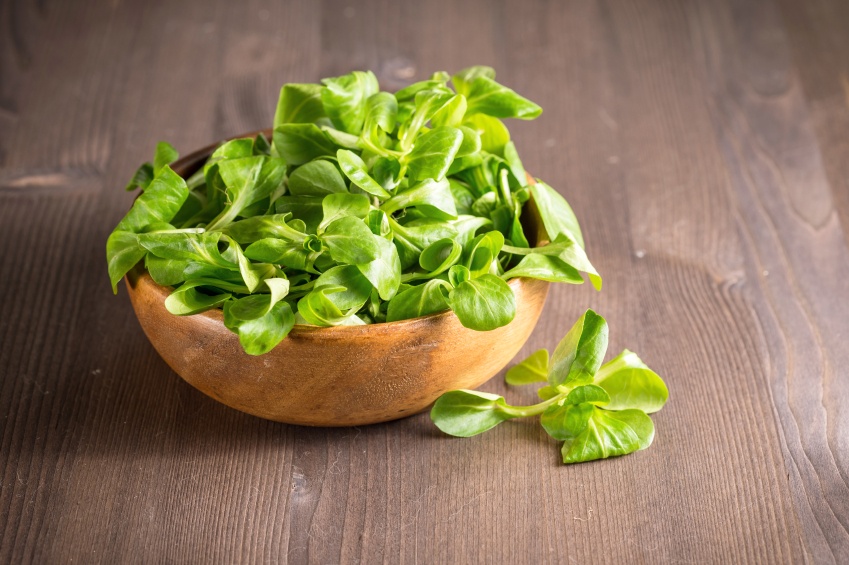
  • Lamb’s Lettuce Salad with Walnuts & Avocado

    Lamb’s Lettuce Salad with Walnuts & Avocado

    Recipes › Salads

    Lamb’s Lettuce Salad with Walnuts & Avocado

    Soft, nutty lamb’s lettuce with creamy avocado and crunchy walnuts in a fresh chive, parsley and lemon dressing. A light salad inspired by Corsica.

    Prep 10 minServes 28 ingredients
    VeganGluten-freeDairy-freeNo added sugar

    Tastes: soft, nutty and fresh, with creamy avocado and a bright lemon dressing.

    Enzymes

    Inspired by Corsica

    This light salad is inspired by a trip to Corsica: soft, nutty lamb’s lettuce, creamy avocado and a handful of crunchy walnuts, with a fresh herb and lemon dressing.

    Lamb’s lettuce is a lovely leaf, with far more vitamin C than most lettuces, and the walnuts add crunch and plant omega-3.

    If you can, use a good-quality walnut oil in the dressing – you’ll really taste the difference!

    Why you’ll love it

    • Vitamin K: 80% of your daily needs a serve.
    • Copper: two-thirds of your daily needs.
    • Plant omega-3 from walnuts and walnut oil.
    • Ten minutes, no cooking.

    Good for

    Immunity

    Copper, vitamin C, vitamin B6 and vitamin A contribute to the normal function of the immune system.

    Antioxidants

    Copper, vitamin C, manganese and zinc contribute to the protection of cells from oxidative stress. It also contains plant compounds with antioxidant activity, including lutein, apigenin and flavonoids.

    Energy

    Vitamin B6, pantothenic acid, folate and magnesium contribute to the reduction of tiredness and fatigue.

    Bones

    Vitamin K, manganese, magnesium and zinc contribute to the maintenance of normal bones.

    Eyes

    Vitamin A, zinc and riboflavin contribute to the maintenance of normal vision.

    Blood pressure

    Potassium contributes to the maintenance of normal blood pressure.

    Tags use approved nutrient health-claim wording, for nutrients that give at least 10% of the Daily Value per serve. Plant compounds like lutein have no Daily Value, so we only say they’re there.

    Key nutrients per serve

    Vitamin K
    80%Copper
    67%Vitamin C
    56%Manganese
    48%Vitamin B6
    35%Vitamin A
    33%

    Contains: pantothenic acid (32%), folate (31%), potassium (20%), magnesium (18%), thiamin (17%), iron (17%), zinc (16%), riboflavin (15%), niacin (15%), vitamin E (15%), phosphorus (13%) and calcium (5%).

    Plant compounds: lutein and zeaxanthin (about 0.5 mg), plant omega-3 ALA (about 3.3 g), chlorophyll, apigenin from the parsley and citrus flavonoids from the lemon.

    7 g protein8 g fibreUnder 4 g natural sugarAbout 15 mg sodium

    % of US Daily Value for adults, per serve (half the recipe). Estimated from USDA FoodData Central values for the ingredients as listed, so treat these as upper estimates. Uses a quarter of the original lettuce and a fifth of the walnuts, with half the avocado and oil (the original used 600 g lettuce and 200 g walnuts for two); anything over 100% shows as 100%+.

    Lamb’s Lettuce Salad with Walnuts & Avocado

    Lamb’s lettuce, avocado and walnuts tossed in a dressing of walnut oil, lemon juice, chives and parsley.
    Prep Time 10 minutes
    Total Time 10 minutes
    Servings: 2

    Ingredients
      

    • 150 g lamb’s lettuce (corn salad)
    • 40 g walnuts halved
    • 1 small bunch fresh chives and parsley
    • 1 avocado cut into small pieces
    • ½ lemon juiced
    • 2 tbsp walnut oil or cold-pressed olive oil or Udo’s Choice
    • Celtic or Himalayan salt
    • freshly ground black pepper

    Equipment

    • Salad bowl

    Method
     

    1. Wash and dry the lamb’s lettuce. Halve the walnuts and cut the avocado into small pieces.
    2. Snip the chives into little rolls and chop the parsley.
    3. Mix the oil, lemon juice and herbs into a dressing and season with salt and pepper.
    4. Toss everything together and enjoy!

    Swaps

    • No lamb’s lettuce? Use baby spinach or rocket.
    • Nut-free: use toasted pumpkin seeds.
    • More filling: add some cooked quinoa or white beans.

    Storing it

    Best fresh – dress it just before serving.

    Try next

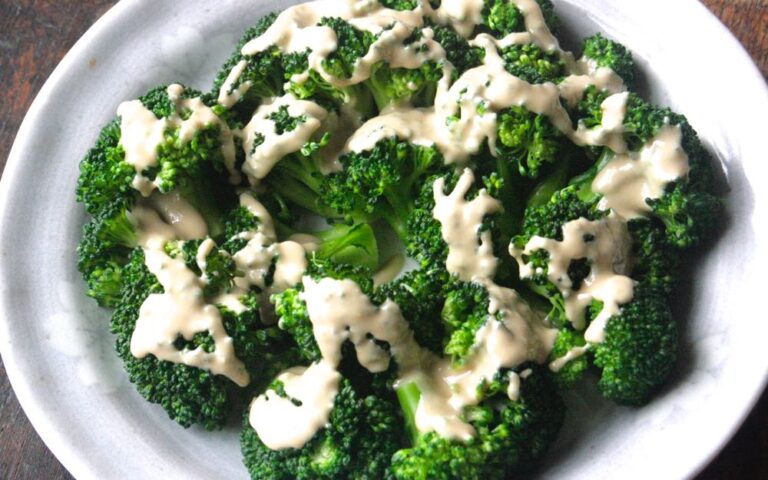
    SaladsBroccoli with Tahini DressingOpen recipe →
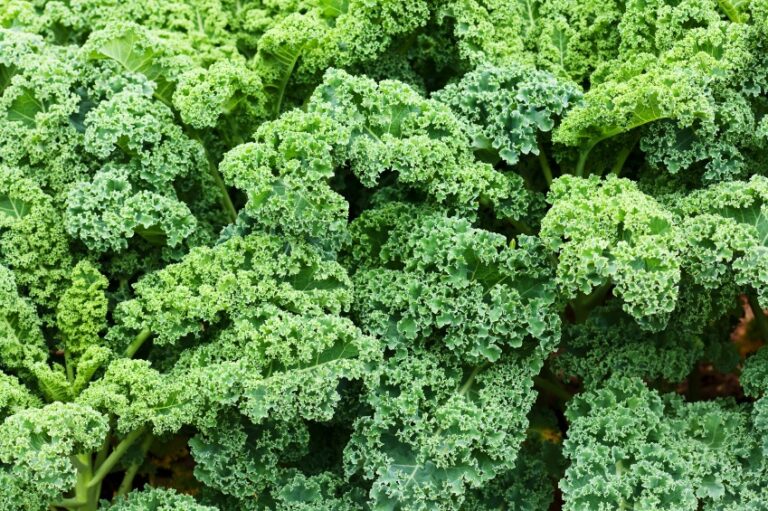
    SaladsA Pint of Real KaleOpen recipe →
    Want more than recipes?

    The Alkaline Life Club has everything in the Recipe Club, plus coaching, live Q&A and a community to keep you going.

    See the Alkaline Life Club

    Sources

    Nutrient values: USDA FoodData Central, SR Legacy (lamb’s lettuce (corn salad) 169219, walnuts 170187, chives 169994, parsley 170416, avocado 171705, lemon juice 167747, walnut oil 171030). Plant compounds are named where the ingredient is a well-documented source; flavonoids follow the USDA Database for the Flavonoid Content of Selected Foods, Release 3.3. Daily Values: US Food and Drug Administration.

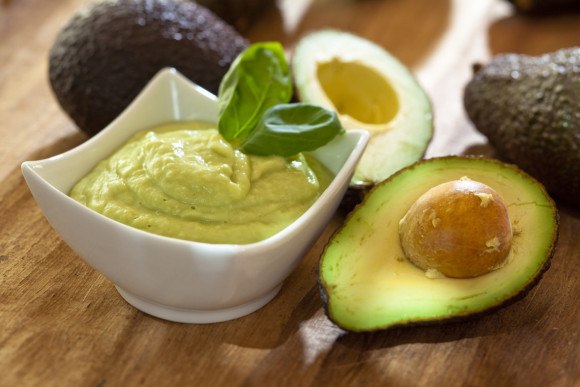
  • Smooth Avocado & Tofu Dip

    Smooth Avocado & Tofu Dip

    Recipes › Sauces

    Smooth Avocado & Tofu Dip

    Avocado, silken tofu, tomato, onion, garlic and parsley blended into a creamy dip. Quick, easy, and you’ll get addicted.

    Prep 5 minMakes about 2 cupsBlender7 ingredients
    VeganGluten-freeDairy-freeNut-freeNo added sugar

    Tastes: creamy and fresh, with a savoury onion and garlic edge.

    DELICIOUS!

    DELICIOUS! I love this dip. It’s so quick and easy to make, and it gives you healthy fats, fibre and plant protein.

    Avocados are a rich source of monounsaturated fats, and a concentrated source of the carotenoid lutein, plus vitamin E.

    Enjoy this and I promise you’ll get addicted!

    Why you’ll love it

    • Vitamin K: nearly 40% of your daily needs a serve.
    • Plant protein from the silken tofu.
    • Thick and rich or thin it into a dressing.
    • Five minutes in the blender.

    Good for

    Immunity

    Copper, vitamin C, folate and vitamin B6 contribute to the normal function of the immune system.

    Antioxidants

    Copper and vitamin C contribute to the protection of cells from oxidative stress. It also contains plant compounds with antioxidant activity, including lycopene, apigenin and quercetin.

    Energy

    Pantothenic acid, folate and vitamin B6 contribute to the reduction of tiredness and fatigue.

    Bones

    Vitamin K contributes to the maintenance of normal bones.

    Blood pressure

    Potassium contributes to the maintenance of normal blood pressure.

    Tags use approved nutrient health-claim wording, for nutrients that give at least 10% of the Daily Value per serve. Plant compounds like these have no Daily Value, so we only say they’re there.

    Key nutrients per serve

    Vitamin K
    39%Copper
    22%

    Contains: vitamin C (17%), pantothenic acid (16%), folate (13%), vitamin B6 (12%), potassium (10%) and magnesium (8%).

    Plant compounds: lycopene (about 1.2 mg), chlorophyll, apigenin from the parsley, quercetin from the onion and sulphur compounds from the garlic.

    4 g fibreUnder 4 g natural sugarAbout 25 mg sodium

    % of US Daily Value for adults, per serve (½ cup, a quarter of the recipe). Estimated from USDA FoodData Central values for the ingredients as listed, so treat these as upper estimates. Uses firm silken tofu; excludes salt and pepper; anything over 100% shows as 100%+.

    Smooth Avocado & Tofu Dip

    Avocado, silken tofu, tomato, garlic, onion and parsley blended until smooth.
    Prep Time 5 minutes
    Total Time 5 minutes
    Servings: 4 serves (½ cup)

    Ingredients
      

    • 1 avocado
    • ½ pack silken tofu about 175 g
    • 1 large tomato
    • 1 garlic clove
    • 1 small onion brown or red
    • fresh parsley if you have it
    • black pepper and Himalayan or sea salt

    Equipment

    • Blender

    Method
     

    1. Peel and stone the avocado, and roughly chop the tofu, tomato, garlic and onion. Rip up the parsley.
    2. Throw it all into a blender and blend until smooth!
    3. To thin it out, add a little olive or avocado oil and some water until it’s the consistency you like – or have it thick and rich. Blend for less or more time for chunky or smooth.

    Swaps

    • Thinner: add a little olive or avocado oil and water.
    • Chunkier: blend for less time.
    • Spicy: add a little chilli.

    Storing it

    Best fresh, but it keeps for a day in the fridge with cling film pressed onto the surface.

    Try next

    SaucesAlkaline Green Goddess DipOpen recipe →
    SnacksChickpea & Avocado MashOpen recipe →
    Want more than recipes?

    The Alkaline Life Club has everything in the Recipe Club, plus coaching, live Q&A and a community to keep you going.

    See the Alkaline Life Club

    Sources

    Nutrient values: USDA FoodData Central, SR Legacy (avocado 171705, silken tofu 172461, tomato 170457, garlic 169230, onion 170000, parsley 170416). Plant compounds are named where the ingredient is a well-documented source; flavonoids follow the USDA Database for the Flavonoid Content of Selected Foods, Release 3.3. Daily Values: US Food and Drug Administration.

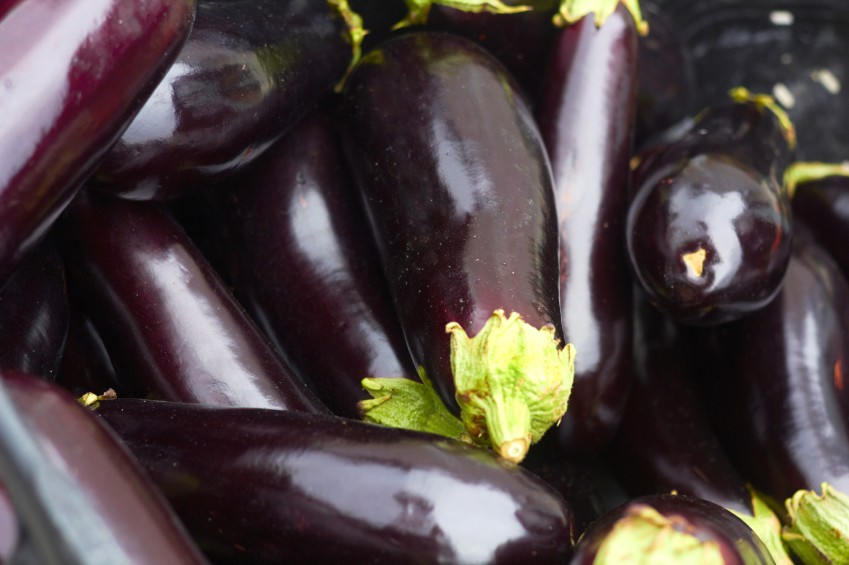
  • Spicy Aubergine Pasta

    Spicy Aubergine Pasta

    Recipes › Dinner

    Spicy Aubergine Pasta

    Don’t freak out. I know – the recipe says PASTA. Whaaaat? Here’s why it’s a wonderfully filling, satisfying, energising, alkalising meal.

    Prep 10 minCook 20 minServes 214 ingredients
    VeganGluten-freeDairy-freeNut-freeNo added sugar

    Tastes: rich and spicy, with soft aubergine, sweet pepper and tomato, chilli and fresh basil.

    aubergine

    Two important things to remember

    The alkaline diet means aiming for 70–80% alkaline and 20–30% acid – not 100% alkaline. So you can include things like pasta and rice in your 20%, and it makes things way easier.

    You can also be smart with ingredients: gluten-free, spelt or vegetable pasta is far less acid-forming. Keep the pasta to about 30% of your plate and the veggies the other 70%, and you have a really alkaline meal that’s filling and delicious. These are the principles that have kept me alkaline for years. They work. Trust me.

    Why you’ll love it

    • Vitamin C: about one and a third day’s worth.
    • About 24 g fibre a serve.
    • Spicy and satisfying, with a big hit of veg.
    • On the table in 30 minutes.

    Good for

    Immunity

    Vitamin C, copper, vitamin B6 and folate contribute to the normal function of the immune system.

    Antioxidants

    Vitamin C, manganese, copper and zinc contribute to the protection of cells from oxidative stress. It also contains plant compounds with antioxidant activity, including lutein, beta-carotene and lycopene.

    Energy

    Vitamin B6, magnesium, folate and niacin contribute to the reduction of tiredness and fatigue.

    Bones

    Vitamin K, manganese, magnesium and phosphorus contribute to the maintenance of normal bones.

    Eyes

    Vitamin A, zinc and riboflavin contribute to the maintenance of normal vision. It also contains lutein and zeaxanthin, the carotenoids found in the macula of the eye.

    Blood pressure

    Potassium contributes to the maintenance of normal blood pressure.

    Tags use approved nutrient health-claim wording, for nutrients that give at least 10% of the Daily Value per serve. Plant compounds like lutein have no Daily Value, so we only say they’re there.

    Key nutrients per serve

    Vitamin C
    100%+Vitamin K
    100%+Manganese
    74%Copper
    67%Vitamin B6
    53%Magnesium
    49%

    Contains: folate (46%), thiamin (42%), niacin (39%), potassium (36%), pantothenic acid (34%), phosphorus (33%), vitamin A (30%), zinc (27%), vitamin E (25%), riboflavin (23%), selenium (18%), iron (17%) and calcium (7%).

    Plant compounds: lutein and zeaxanthin (about 2.5 mg), beta-carotene (about 2.9 mg), lycopene (about 4.8 mg), chlorophyll, quercetin from the onion, sulphur compounds from the garlic and capsaicin from the chilli and cayenne.

    14 g protein24 g fibreAbout 20 g natural sugarAbout 660 mg sodium

    % of US Daily Value for adults, per serve (half the recipe). Estimated from USDA FoodData Central values for the ingredients as listed; cooking reduces some vitamins, so treat these as upper estimates. Uses gluten-free corn pasta and low-sodium stock; includes the ½ tsp salt; anything over 100% shows as 100%+.

    Spicy Aubergine Pasta

    Gluten-free pasta with a spicy sauce of aubergine, pepper, tomato, chilli and basil, finished with wilted spinach.
    Prep Time 10 minutes
    Cook Time 20 minutes
    Total Time 30 minutes
    Servings: 2

    Ingredients
      

    • 200 g gluten-free pasta
    • 1 large aubergine (eggplant) cut into chunks
    • 1 red pepper (capsicum) sliced
    • 3 tomatoes cut into chunks
    • 1 handful baby spinach
    • 1 medium red onion sliced
    • 2 cloves garlic diced
    • 1 small chilli sliced (or two if you can handle it!)
    • 150 ml yeast-free vegetable stock
    • 1 handful fresh basil torn
    • ½ tsp sea salt or Himalayan salt
    • 1 pinch cayenne pepper
    • 1 tsp coconut oil to cook with
    • 2 tsp cold-pressed extra-virgin olive oil to drizzle

    Equipment

    • Large pot
    • Large pan

    Method
     

    1. Get the pasta on first – gluten-free pasta takes a little longer than normal pasta.
    2. Chop the aubergine and tomatoes into medium chunks (a little bigger than 1 cm), slice the pepper, onion and chilli, and dice the garlic. Tear up the basil.
    3. Warm the coconut oil in a pan and lightly cook the onion and garlic, then add the aubergine.
    4. Once the aubergine has browned a bit, add the tomato and pepper, then the stock, salt and cayenne. Simmer for 10 minutes, until it starts to reduce and get a bit saucy.
    5. When the pasta is cooked, throw the basil and spinach into the sauce for the final 30 seconds, just to wilt. Serve over the pasta with a very light drizzle of olive oil.

    Swaps

    • More veg, less pasta: use 120 g pasta plus a spiralised zucchini.
    • Spelt or vegetable pasta both work if you’re not gluten-free.
    • Less salt: use ¼ tsp and taste.

    Storing it

    The sauce keeps in the fridge for 3 days. Cook the pasta fresh.

    Good to know

    • High in vitamin K. If you take warfarin or another blood thinner, keep your greens intake steady and talk to your doctor before eating more leafy greens than usual.
    • Stock: choose a gluten-free, low-salt one.

    Try next

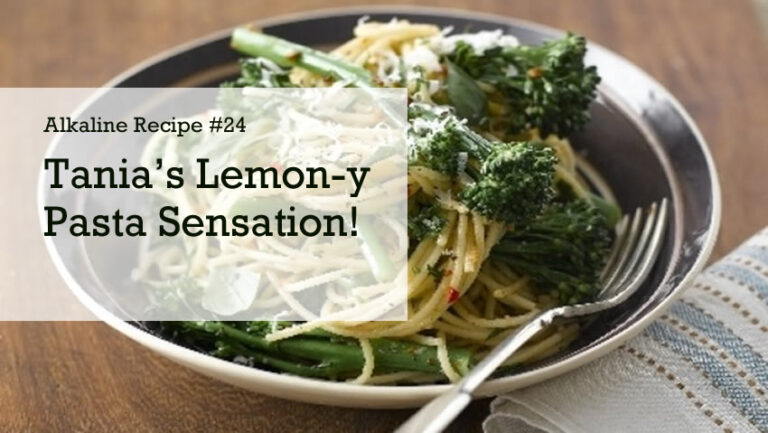
    DinnerTania’s Lemony PastaOpen recipe →
    DinnerCreamy Raw Zucchini Pasta SauceOpen recipe →
    Want more than recipes?

    The Alkaline Life Club has everything in the Recipe Club, plus coaching, live Q&A and a community to keep you going.

    See the Alkaline Life Club

    Sources

    Nutrient values: USDA FoodData Central, SR Legacy (gluten-free pasta 168899, eggplant 169228, red pepper 170108, tomatoes 170457, spinach 168462, onion 170000, garlic 169230, red chilli 170106, basil 172232, salt 173468, cayenne 170932, olive oil 171413, coconut oil 171412). Plant compounds are named where the ingredient is a well-documented source; flavonoids follow the USDA Database for the Flavonoid Content of Selected Foods, Release 3.3. Daily Values: US Food and Drug Administration.

  • Alkaline Recipe #76: Chinese Stir Fry Buckwheat Noodles

    Alkaline Recipe #76: Chinese Stir Fry Buckwheat Noodles

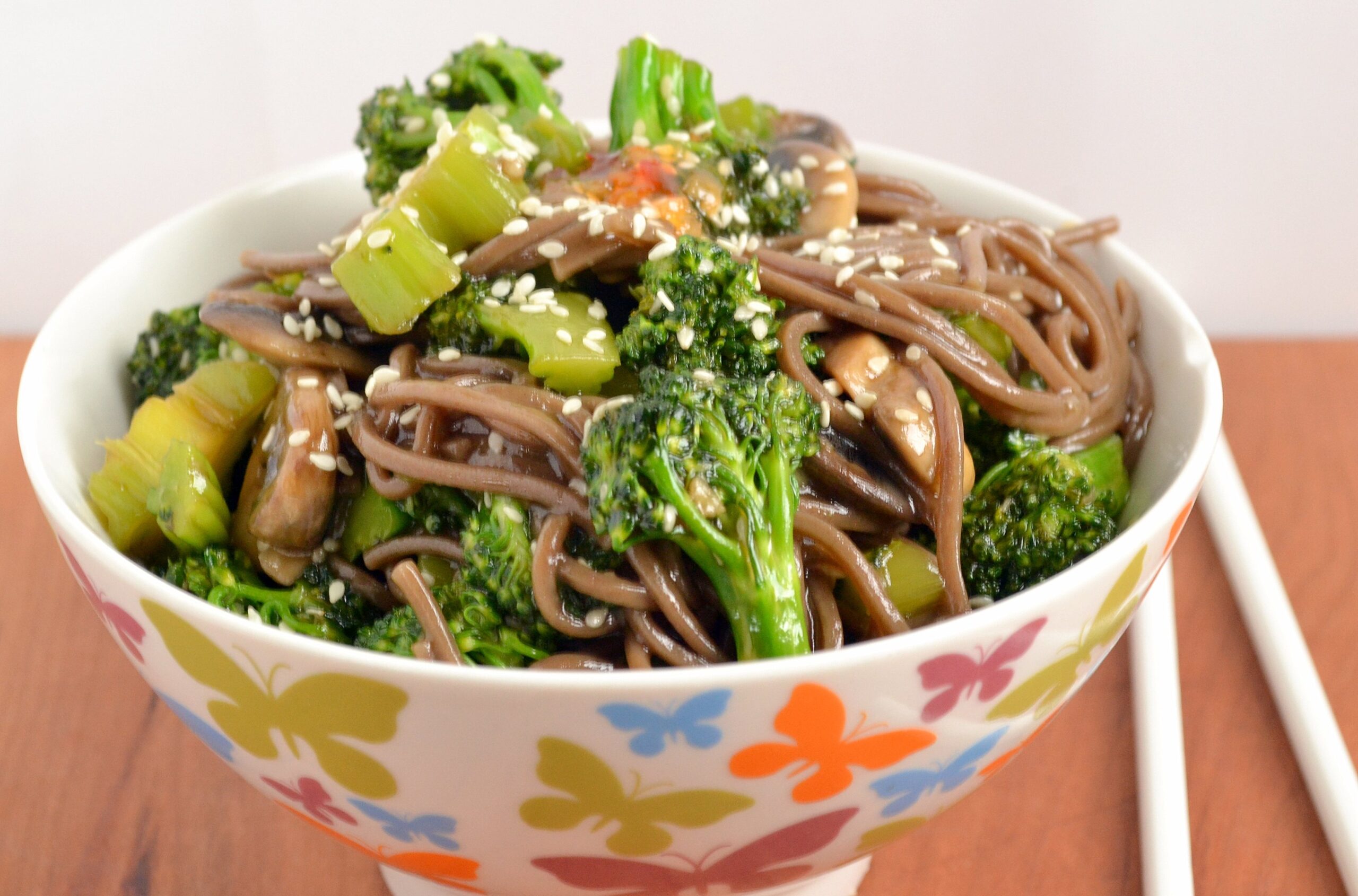
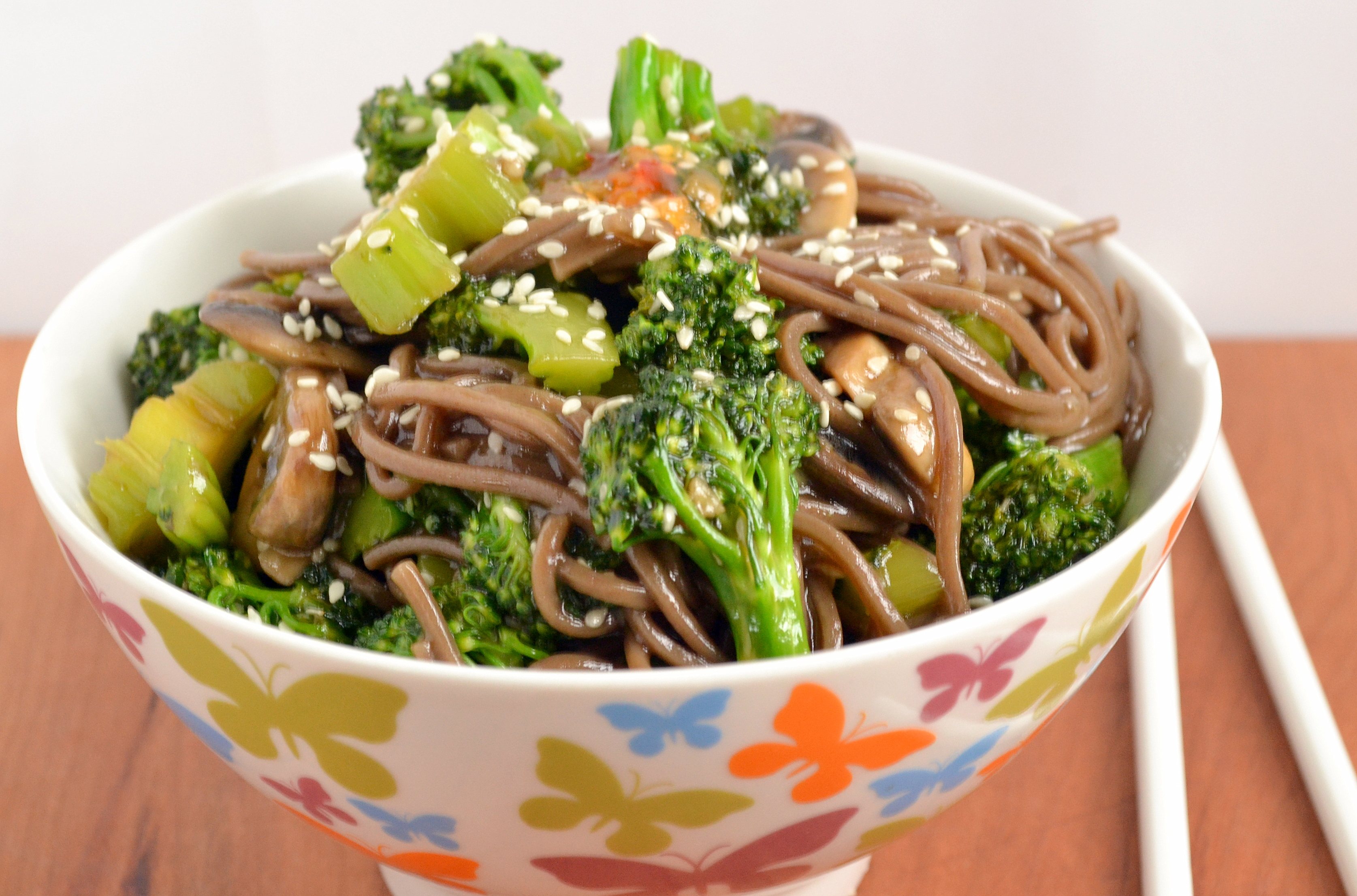
    Chinese Stir Fry Buckwheat NoodlesThis is a delicious, alkaline and easy to prepare Chinese Stir Fry which our customer Eliza Miesch emailed to us.

    This recipe contains buckwheat noodles, which are a healthier and more alkaline alternative to other types of noodles.

    You can use any of your favourite vegetables, which are currently in season for this lovely Stir Fry.

    Chinese Stir Fry Buckwheat Noodles

    Serves 1

    Ingredients

    For the noodles:

    100g buckwheat flour
    50-60 ml water
    1 tbsp olive oil
    ¼ tsp sea salt

    Any favourite vegetables that are in season. I use carrots, Chinese cabbage, fennel, courgette, turnip, red pepper and bean sprouts.
    Onions and garlic, finely chopped. Use whatever amount you like.
    1 tbsp olive or flaxseed oil
    1 tbsp soya sauce (healthier alternative: Bragg Liquid Aminos)
    Salt and pepper

    Instructions

    Firstly prepare the noodles by placing the buckwheat flour in a bowl and making a well in the centre. Add the rest of the ingredients (with 50ml water) in the centre and slowly mix in the flour. Then knead till a pliable dough is formed. If too dry add another 5 ml water. Wrap in cling film and put in the fridge for ½ hour.

    Alkaline Diet Recipe Book BannerMeanwhile wash and prepare vegetables. Except for the bean sprouts.

    Place dough on a lightly dusted (with buckwheat flour) worktop. Roll it out to roughly 1mm thick evenly. It doesn’t matter in what shape the dough is. Then cut into thin long stripes.

    Get a small pot of water boiling. Fill another bowl with cold tap water and place in the sink. When water boils turn heat down to medium and put all the noodles in. The noodles are cooked when they float to the surface. Use a slotted spoon or sieve to dish them out and put them straight into the bowl with cold water and keep running cold water in the bowl to cool the noodles.

    While the noodles are cooling down, heat a frying pan with olive oil and sauté onions and garlic for ½ min. Add carrot and stir-fry for another ½ min. Add the rest of the vegetables and keep stir-frying for ½ min. Drain the noodles and add to the vegetables.

    Add soya sauce, salt and pepper to taste.

    Serve and enjoy.

    Note: The vegetables should just be partially cooked.