Author: Ross

  • Beetroot, Ginger & Turmeric Immune Shot

    Beetroot, Ginger & Turmeric Immune Shot

    Recipes › Drinks

    Beetroot, Ginger & Turmeric Immune Shot

    Just three ingredients – beetroot, ginger and fresh turmeric – juiced into a fiery little shot. Simple, powerful and incredibly quick.

    Prep 5 minMakes 2 shotsJuicer3 ingredients
    VeganGluten-freeDairy-freeNut-freeNo added sugar

    Tastes: sweet, earthy beetroot with a real ginger kick.

    Immune-Boosting Super Shot Closeup

    Three roots, one shot

    This shot is simple, powerful and incredibly quick and easy to make. With the party season, office do’s and catch-ups with friends, your body can do with some support.

    It’s as simple as beetroot (feel free to include the green tops), ginger and turmeric. When you juice them, you get a LOT of their goodness, concentrated.

    Beetroot is a natural source of dietary nitrates, which your body uses to make nitric oxide to help keep blood vessels relaxed, and ginger and turmeric bring their own warming plant compounds.

    Why you’ll love it

    • Folate, which contributes to the normal function of the immune system.
    • Beetroot, a natural source of dietary nitrates.
    • Three ingredients and a juicer.
    • Make a batch in the morning for the day.

    Good for

    Immunity

    Folate and copper contribute to the normal function of the immune system.

    Antioxidants

    Manganese and copper contribute to the protection of cells from oxidative stress. It also contains plant compounds with antioxidant activity, including betalains, curcumin and gingerols.

    Energy

    Folate contributes to the reduction of tiredness and fatigue.

    Bones

    Manganese contributes to the maintenance of normal bones.

    Tags use approved nutrient health-claim wording, for nutrients that give at least 10% of the Daily Value per shot. Plant compounds like these have no Daily Value, so we only say they’re there.

    Key nutrients per shot

    Folate
    22%

    Contains: manganese (17%), copper (11%), potassium (6%) and magnesium (5%).

    Plant compounds: betalains from the beetroot, curcumin from the turmeric and gingerols from the ginger.

    About 6 g natural sugarAbout 65 mg sodium

    % of US Daily Value for adults, per shot (half the recipe). Estimated from USDA FoodData Central values for the whole ingredients. Juicing leaves most of the fibre and some vitamins in the pulp, so treat these as upper estimates; uses 1 medium beetroot (about 160 g) without its tops and ground turmeric values for the fresh root; anything over 100% shows as 100%+.

    Beetroot, Ginger & Turmeric Immune Shot

    A medium beetroot juiced with fresh ginger and turmeric, diluted to taste.
    Prep Time 5 minutes
    Total Time 5 minutes
    Servings: 2 shots

    Ingredients
      

    • 1 medium beetroot green tops too, if you like
    • 1–2 cm fresh ginger
    • 1–2 cm fresh turmeric
    • water, cucumber or extra beetroot optional, to dilute

    Equipment

    • Juicer

    Method
     

    1. Wash everything well and chop to fit your juicer.
    2. Juice the beetroot, ginger and turmeric.
    3. You can (and probably will need to, unless you’re hardcore!) water it down a little, either with more beetroot, some cucumber or just water.
    4. Pour into two shot glasses and knock it back.

    Swaps

    • Milder: use 1 cm of ginger and dilute with cucumber juice.
    • Greens: juice the beet tops too.
    • No fresh turmeric? Stir in a pinch of ground turmeric.

    Storing it

    Best fresh, but you can make a batch in the morning and keep it in a sealed jar in the fridge for the rest of the day.

    Good to know

    • Beetroot can turn your pee or poo pink or red. It’s harmless.

    Ross’s tip

    If you’ve got a big night out ahead, have one before you go out and a couple stored for the next day!

    Try next

    DrinksMagic Immune TeaOpen recipe →
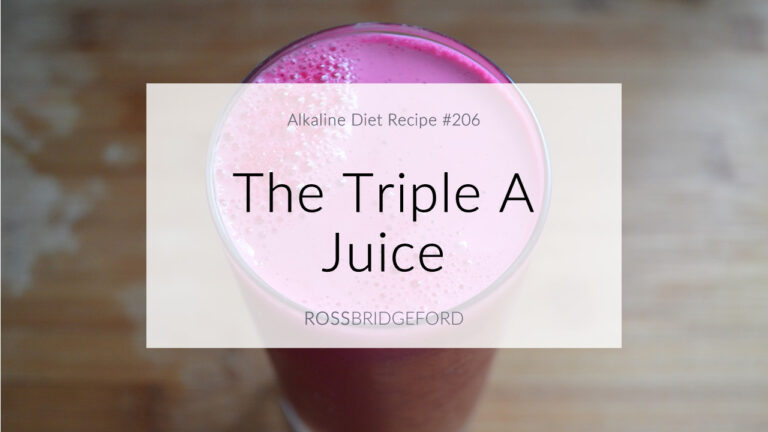
    Juices & smoothiesTriple A JuiceOpen recipe →
    Want more than recipes?

    The Alkaline Life Club has everything in the Recipe Club, plus coaching, live Q&A and a community to keep you going.

    See the Alkaline Life Club

    Sources

    Nutrient values: USDA FoodData Central, SR Legacy (beetroot 169145, ginger 169231, turmeric 172231). Plant compounds are named where the ingredient is a well-documented source; flavonoids follow the USDA Database for the Flavonoid Content of Selected Foods, Release 3.3. Daily Values: US Food and Drug Administration.
  • Greens, Cauliflower & Kelp Noodle Soup

    Greens, Cauliflower & Kelp Noodle Soup

    Recipes › Soups

    Greens, Cauliflower & Kelp Noodle Soup

    Quick, hearty and warming: carrots, cauliflower, garlic and fresh turmeric simmered in stock with kelp noodles and a big handful of kale or chard.

    Prep 10 minCook 25 minServes 212 ingredients
    VeganGluten-freeDairy-freeNut-freeNo added sugar

    Tastes: light, savoury and garlicky, with earthy turmeric and slurpable kelp noodles.

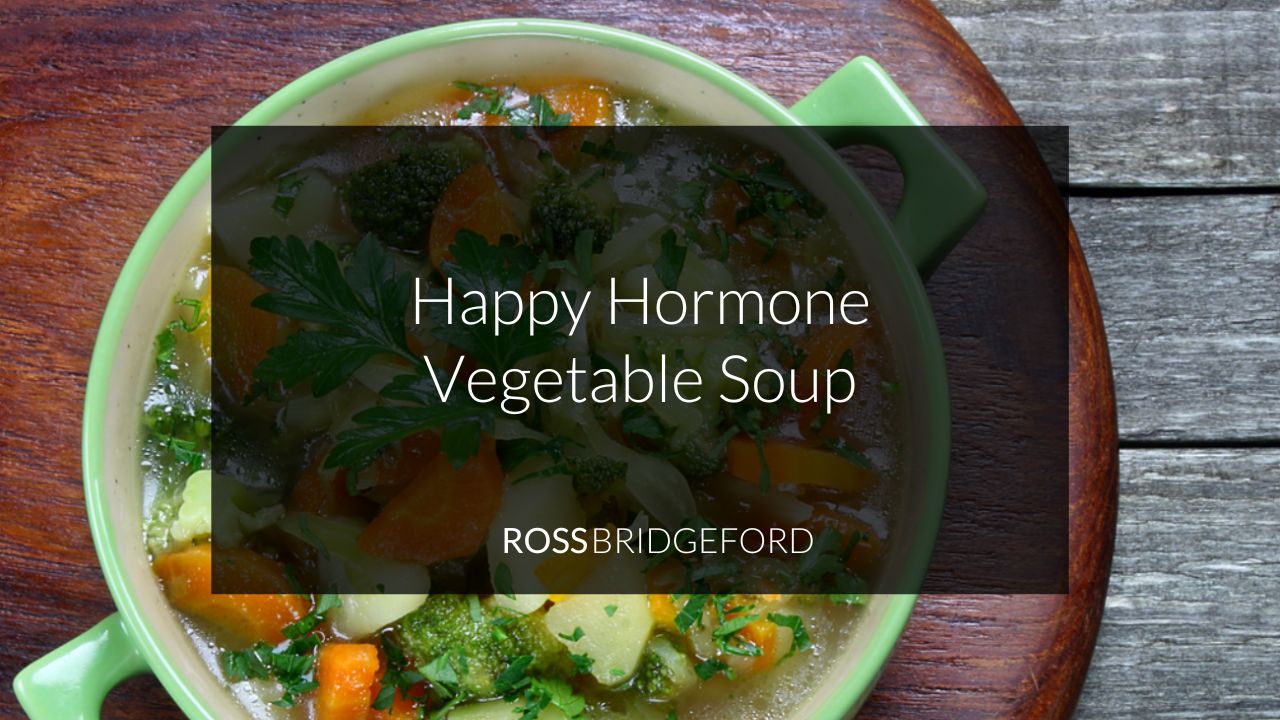
    Happy Hormone Veggie Soup

    I absolutely love this soup

    I absolutely love this soup. It’s quick and easy to prepare, really hearty and warm, and it makes you feel energized and alive!

    It’s built around veggies I love for the endocrine system – the system that regulates our hormones, and one of the Five Master Systems I cover in The Alkaline Reset Cleanse book.

    Leafy greens are always a great place to start, and you can really use any leafy greens in this recipe. Kale and chard are rich in vitamin K, the carrots bring beta-carotene, and the garlic brings sulphur compounds. The kelp noodles add a fun, slurpable texture.

    Why you’ll love it

    • Vitamin K: over three and a half days’ worth a bowl.
    • Vitamins A and C: over 40% of your daily needs each.
    • Any leafy greens work in this recipe.
    • Quick: ready in about 35 minutes.

    Good for

    Immunity

    Vitamin A, vitamin C, vitamin B6 and copper contribute to the normal function of the immune system.

    Antioxidants

    Vitamin C, manganese, vitamin E and copper contribute to the protection of cells from oxidative stress. It also contains plant compounds with antioxidant activity, including lutein, beta-carotene and flavonoids.

    Energy

    Magnesium, vitamin B6 and pantothenic acid contribute to the reduction of tiredness and fatigue.

    Bones

    Vitamin K, manganese and magnesium contribute to the maintenance of normal bones.

    Eyes

    Vitamin A contributes to the maintenance of normal vision. It also contains lutein and zeaxanthin, the carotenoids found in the macula of the eye.

    Blood pressure

    Potassium contributes to the maintenance of normal blood pressure.

    Tags use approved nutrient health-claim wording, for nutrients that give at least 10% of the Daily Value per bowl. Plant compounds like lutein have no Daily Value, so we only say they’re there.

    Key nutrients per bowl

    Vitamin K
    100%+Vitamin A
    45%Vitamin C
    41%

    Contains: manganese (17%), vitamin E (15%), magnesium (13%), vitamin B6 (12%), copper (11%), pantothenic acid (10%) and potassium (10%).

    Plant compounds: lutein and zeaxanthin (about 5.6 mg), beta-carotene (about 4.4 mg), chlorophyll, quercetin and kaempferol from the kale, quercetin from the onion, glucosinolates from the cauliflower and kale, curcumin from the turmeric and sulphur compounds from the garlic.

    About 5 g natural sugarAbout 590 mg sodium

    % of US Daily Value for adults, per bowl (half the recipe). Estimated from USDA FoodData Central values for the ingredients as listed; cooking reduces some vitamins, so treat these as upper estimates. Uses typical values for kelp noodles and low-sodium stock, and kale for the greens; anything over 100% shows as 100%+.

    Greens, Cauliflower & Kelp Noodle Soup

    Onion, garlic, carrot and cauliflower simmered in stock, finished with fresh turmeric, kelp noodles and kale or chard.
    Prep Time 10 minutes
    Cook Time 25 minutes
    Total Time 35 minutes
    Servings: 2 bowls

    Ingredients
      

    • ½ tbsp coconut oil
    • ¼ onion diced
    • 1 carrot diced
    • ½ bunch chard or kale stems removed, thinly sliced
    • 1 cup cauliflower in small florets (about ⅛ of a head)
    • 2 garlic cloves minced
    • 85 g kelp noodles 3 oz, roughly chopped
    • 500 ml low-sodium vegetable stock 2 cups
    • ¼ tsp Himalayan salt plus a pinch for the onion
    • ¼ tsp ground black pepper
    • 1 tsp fresh turmeric grated
    • 1 tbsp olive oil to drizzle

    Equipment

    • Large pot

    Method
     

    1. Gently warm the coconut oil in a large pot and add the onion with a pinch of salt.
    2. Sauté the onion for 3–4 minutes, then add the garlic and stir for another 30 seconds before adding the carrot and cauliflower. Stir well.
    3. Add the stock, salt and pepper and bring to a simmer for around 15 minutes.
    4. Once the carrots are al dente, add the turmeric and kelp noodles.
    5. After 2–3 more minutes, add the kale or chard and cook gently until the greens have wilted, then take the pot off the heat.
    6. Taste for salt and pepper, drizzle with the olive oil and serve straight away.

    Swaps

    • No kelp noodles? Use rice noodles or courgette noodles.
    • Ground turmeric: use ½ tsp instead of fresh.
    • Feeding four? Double everything.

    Storing it

    Keeps in the fridge for 2–3 days. Kelp noodles go softer as they sit, so you may prefer to add them when you reheat.

    Good to know

    • High in vitamin K. If you take warfarin or another blood thinner, keep your greens intake steady and talk to your doctor before eating more leafy greens than usual.
    • Kelp and iodine: kelp can be high in iodine, so if you have a thyroid condition, check with your doctor before eating seaweed regularly.
    • Watching your salt? Choose a low-sodium stock and no-added-salt canned beans and tomatoes, and season at the end.

    Ross’s tip

    Happy souping!

    Try next

    SoupsVeggie Blend Energy SoupOpen recipe →
    SoupsMineral-Rich Lentil & Greens SoupOpen recipe →
    Want more than recipes?

    The Alkaline Life Club has everything in the Recipe Club, plus coaching, live Q&A and a community to keep you going.

    See the Alkaline Life Club

    Sources

    Nutrient values: USDA FoodData Central, SR Legacy (coconut oil 171412, onion 170000, carrots 170393, chard 169991, cauliflower 169986, garlic 169230, salt 173468, turmeric 172231, olive oil 171413). Plant compounds are named where the ingredient is a well-documented source; flavonoids follow the USDA Database for the Flavonoid Content of Selected Foods, Release 3.3. Daily Values: US Food and Drug Administration.
  • Super-Magnesium Smoothie Bowl

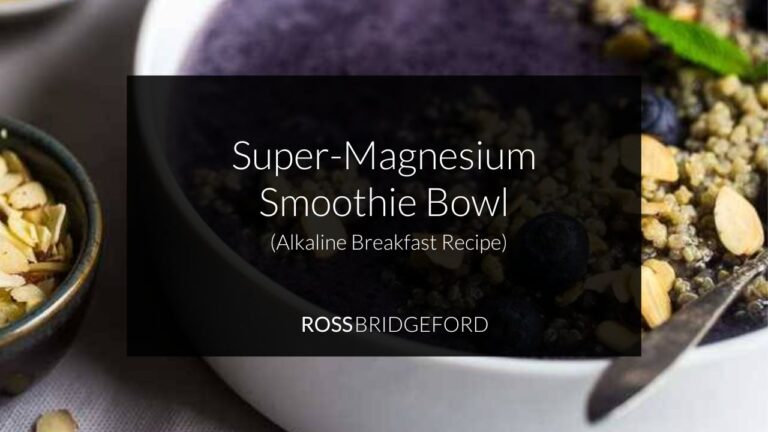
    Super-Magnesium Smoothie Bowl

    Recipes › Breakfast

    Super-Magnesium Smoothie Bowl

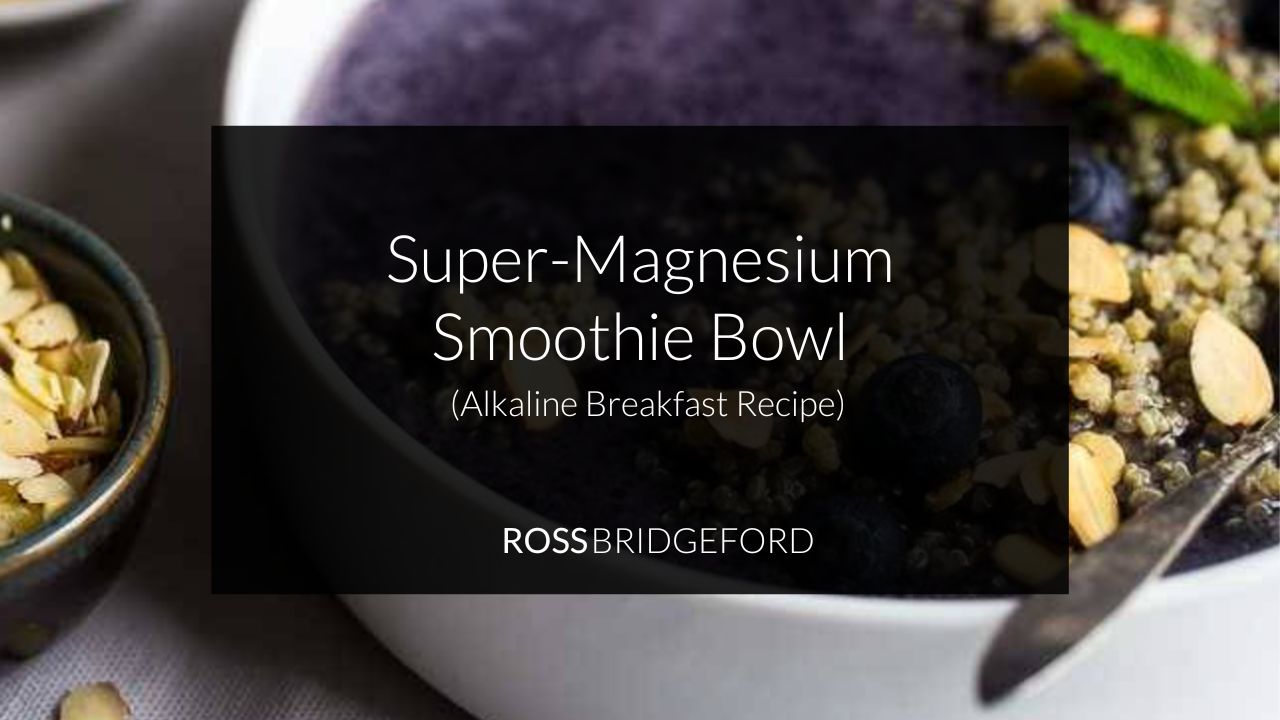
    Magnesium is SUCH an essential mineral, and this delicious bowl gives you more than half your daily needs in one hit.

    Prep 5 minSoak 2 hrs+Serves 211 ingredients
    VeganGluten-freeDairy-freeNo added sugar

    Tastes: thick, silky and chocolatey, with sweet blueberries.

    Getting magnesium in the diet

    Magnesium is essential. Its roles include protein synthesis, muscle relaxation, nerve function and bone health, and it plays a part in blood sugar and blood pressure regulation too. And SO many of us don’t get enough: about half of Americans fall short of the average daily requirement, and in one French study more than 80% of women did.

    If you live alkaline, with a diet rich in alkaline-forming foods, you will be absolutely fine. Pumpkin seeds, cashews, cacao, blueberries and oats are all plant-based, magnesium-rich and delicious – and they all go into this bowl.

    Low magnesium has been linked with a higher risk of a long list of conditions, from chronic inflammation, heart disease and osteoporosis to some cancers. It is just too important to be lacking.

    Why you’ll love it

    • Magnesium: about 240 mg a bowl, more than half your daily needs.
    • Pumpkin seeds and cashews. Two of the richest plant sources of magnesium, plus zinc and copper.
    • Cacao and blueberries. Antioxidant-rich and delicious together.
    • Ready in minutes. Soak the cashews the night before and it’s a 5-minute breakfast.

    Good for

    Immunity

    Copper, zinc, iron and selenium contribute to the normal function of the immune system.

    Antioxidants

    Copper, vitamin E, manganese and zinc contribute to the protection of cells from oxidative stress. It also contains plant compounds with antioxidant activity, including anthocyanins, lignans and flavanols.

    Energy

    Magnesium, iron, riboflavin and niacin contribute to the reduction of tiredness and fatigue.

    Muscles

    Protein contributes to the maintenance of muscle mass, and magnesium, calcium and potassium contribute to normal muscle function.

    Bones

    Manganese, magnesium, phosphorus and zinc contribute to the maintenance of normal bones.

    Eyes

    Zinc and riboflavin contribute to the maintenance of normal vision.

    Blood pressure

    Potassium contributes to the maintenance of normal blood pressure.

    Tags use approved nutrient health-claim wording, for nutrients that give at least 10% of the Daily Value per bowl. Plant compounds like these have no Daily Value, so we only say they’re there.

    Key nutrients per bowl

    Copper
    100%+Vitamin E
    95%Manganese
    91%Magnesium
    58%Phosphorus
    38%Zinc
    33%

    Contains: calcium (31%), iron (27%), thiamin (25%), selenium (18%), vitamin K (17%), riboflavin (15%), potassium (15%), niacin (14%), pantothenic acid (14%) and vitamin B6 (12%).

    Plant compounds: plant omega-3 ALA (about 0.9 g), anthocyanins from the berries, lignans from the flaxseed and flavanols from the cacao.

    14 g protein9 g fibreAbout 18 g natural sugarAbout 135 mg sodium

    % of US Daily Value for adults, per bowl (half the recipe). Estimated from USDA FoodData Central values for the ingredients as listed, so treat these as upper estimates. Excludes toppings. Almond milk values are for a calcium-fortified brand; anything over 100% shows as 100%+.

    Super-Magnesium Smoothie Bowl

    A thick, chocolatey smoothie bowl with cashews, pumpkin seeds, cacao and blueberries.
    Prep Time 5 minutes
    Soak cashews (at least 2 hours) 2 hours
    Total Time 2 hours 5 minutes
    Servings: 2 bowls

    Ingredients
      

    • ¼ cup cashews soaked for at least 2 hours, best overnight
    • ¼ cup pumpkin seeds
    • 1 date pitted
    • 2 tbsp cacao powder
    • 1 cup frozen blueberries
    • 1 tbsp almond butter
    • ¼ cup rolled oats certified gluten-free if needed
    • 1 tbsp ground flaxseed
    • 1½ cups unsweetened almond milk or coconut milk
    To top
    • extra nuts, seeds and blueberries
    • coconut yoghurt a dollop

    Equipment

    • Food processor or blender

    Method
     

    1. Drain and rinse the soaked cashews.
    2. Blend all of the ingredients in a food processor or blender until the mixture is super silky and smooth.
    3. Pour into two bowls and top with extra nuts, seeds, blueberries and a dollop of coconut yoghurt!

    Notes

    You’ll definitely want to soak the cashews for at least 2 hours, unless you have a high-speed blender like a Vitamix.
    Feel free to adjust the nut milk to get your desired consistency.

    Swaps

    • No time to soak? Use 1 tbsp cashew butter instead of the cashews.
    • Coconut milk instead of almond milk makes it richer.
    • Nut-free: use sunflower seeds instead of cashews, tahini instead of almond butter, and oat milk.

    Storing it

    Best eaten straight away. You can blend it the night before and keep it covered in the fridge – it will thicken, so loosen it with a splash of milk.

    Good to know

    • Oats and gluten: oats don’t contain gluten by nature, but they can pick up traces when they’re milled alongside wheat. If you’re coeliac or very gluten-sensitive, choose certified gluten-free oats.
    • Contains nuts (cashews, almond butter and almond milk).

    Try next

    BreakfastSimple Alkaline OatsOpen recipe →
    SaladMagnesium-Boosting Super SaladOpen recipe →
    Want more than recipes?

    The Alkaline Life Club has everything in the Recipe Club, plus coaching, live Q&A and a community to keep you going.

    See the Alkaline Life Club

    Sources

    Nutrient values: USDA FoodData Central, SR Legacy (cashews 170162, pumpkin seeds 170556, medjool date 168191, cocoa 169593, blueberries 173950, almond butter 168588, oats 173904, flaxseed 169414, almond milk 174832). Plant compounds are named where the ingredient is a well-documented source; flavonoids follow the USDA Database for the Flavonoid Content of Selected Foods, Release 3.3. Daily Values: US Food and Drug Administration. Magnesium intake: DiNicolantonio, O’Keefe and Wilson, “Subclinical Magnesium Deficiency: A Principal Driver of Cardiovascular Disease and a Public Health Crisis,” Open Heart 5 (2018): e000668.
  • Salt Water Morning Flush Recipe

    Salt Water Morning Flush Recipe

    Salt Water Morning Flush Recipe

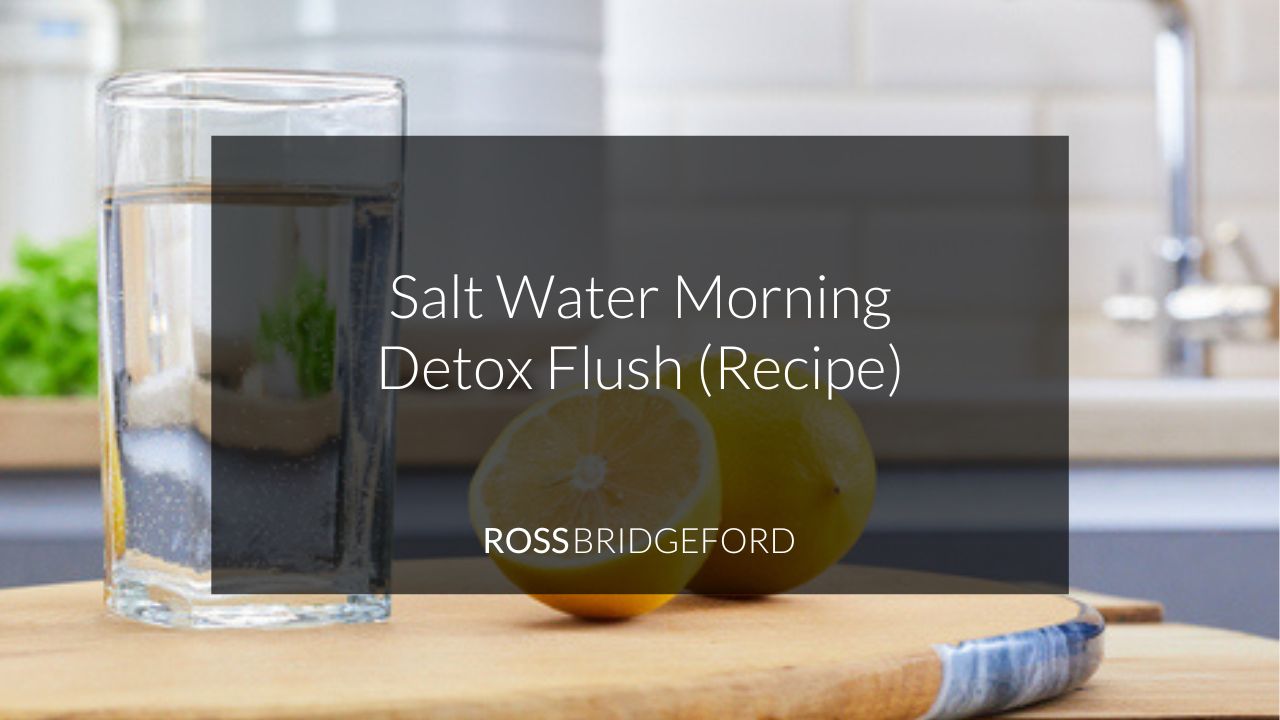
    This quick and easy, cleansing recipe is a great addition to your morning if you struggle with digestion, energy, or reflux.

    Consumed first thing, it acts as an alkalizer, cleanser, re-mineralizer, and all-round super-support to your digestive system.

    It provides your body with dozens of trace alkaline minerals and acts as a cleanser for your colon and digestive system.

    Be warned: it is effective! Consume at home!

    The crucial element in a salt water flush recipe is, of course, salt. It’s necessary for many biochemical processes. When you drink a salt mixture, it jumpstarts the body’s natural detoxification and waste elimination processes thus aiding your digestive system to get back on track. Plus, as an added bonus, you’ll probably feel lighter and less sluggish overall.

    What Salt to Use?

    Forget regular table salt and any salt that has added iodine. You want natural, high-quality, mineral-rich salt. Sodium chloride has had all the goodness stripped out and is not alkaline forming or good for you at all.

    Celtic sea salt or pink Himalayan salt is the way to go.

    These salts contain up to 90 different trace minerals that are all incredibly beneficial.

    • Chloride specifically helps with muscle and nerve function.
    • Sodium also acts in muscle function and helps regulate your blood volume and pressure.
    • Potassium is another important macro-mineral that works with chloride to help regulate acid levels in your body.
    • Iron & zinc to make enzymes involved in metabolism
    • Phosphorus as a structural component of bones, teeth, and cell membranes, as well as for energy production.
    • Magnesium intervenes in energy production and the synthesis of RNA and DNA.
    • Calcium helps give structure to your bones and teeth, in addition to regulating your heartbeat and normal muscle and nerve function.

    These key minerals, existing in very small portions, are necessary to regulate optimal function in your body.

    How to Make the Salt Water Flush Drink:


    Read More:


    References:

    Nutrient content of Celtic Sea Salt

    Nutrient content of Pink Himalayan Salt

    Alkaline Cleanse for Reflux

  • Alkaline Detox Smoothie

    Alkaline Detox Smoothie

    Recipes › Juices & smoothies

    Alkaline Detox Smoothie

    A filling, smooth, high-alkaline green smoothie with avocado, spinach, kale, cucumber and soaked almonds and cashews.

    Prep 5 minServes 2Blender8 ingredients
    VeganGluten-freeDairy-freeNo added sugar

    Tastes: thick, creamy and nutty, with mild greens and fresh cucumber.

    Alkaline Detox Smoothie Recipe

    Filling, smooth and high-alkaline

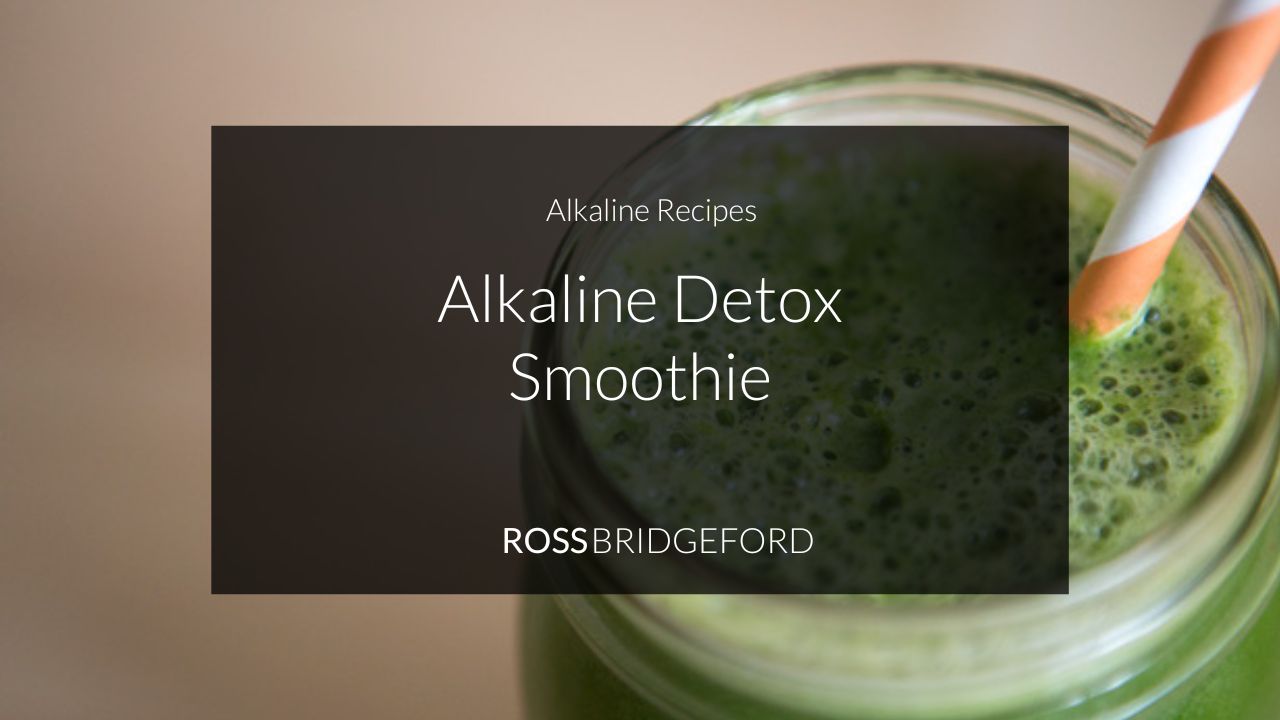
    This smoothie is filling, smooth, satisfying and high-alkaline, PLUS it supports your wonderful detoxification system!

    As I talk about in my book The Alkaline Reset Cleanse, your health is supported by what I call your Five Master Systems: the alkaline buffering system, endocrine system, digestive system, immune system and your detoxification system (mainly your liver, kidneys and lymphatic system).

    Your liver detoxes in two phases, and this smoothie brings nutrients it uses in both: riboflavin, niacin, magnesium and iron, sulphur-containing compounds from the kale, and glutathione from the avocado.

    Why you’ll love it

    • Vitamin E: nearly a full day’s worth a glass.
    • Vitamin K: nearly two days’ worth.
    • Riboflavin and magnesium: over a third of your daily needs.
    • Filling and creamy with soaked almonds and cashews.

    Good for

    Immunity

    Copper, vitamin C, folate and zinc contribute to the normal function of the immune system.

    Antioxidants

    Vitamin E, copper, manganese and riboflavin contribute to the protection of cells from oxidative stress. It also contains plant compounds with antioxidant activity, including lutein, beta-carotene and flavonoids.

    Energy

    Magnesium, riboflavin, folate and pantothenic acid contribute to the reduction of tiredness and fatigue.

    Bones

    Vitamin K, manganese, magnesium and calcium contribute to the maintenance of normal bones.

    Eyes

    Riboflavin, zinc and vitamin A contribute to the maintenance of normal vision. It also contains lutein and zeaxanthin, the carotenoids found in the macula of the eye.

    Blood pressure

    Potassium contributes to the maintenance of normal blood pressure.

    Tags use approved nutrient health-claim wording, for nutrients that give at least 10% of the Daily Value per glass. Plant compounds like lutein have no Daily Value, so we only say they’re there.

    Key nutrients per glass

    Vitamin K
    100%+Vitamin E
    97%Copper
    78%Manganese
    57%Magnesium
    39%Riboflavin
    38%

    Contains: vitamin C (33%), folate (32%), calcium (26%), pantothenic acid (24%), phosphorus (22%), zinc (21%), vitamin A (20%), iron (20%), potassium (19%), vitamin B6 (18%), thiamin (17%) and niacin (15%).

    Plant compounds: lutein and zeaxanthin (about 4.8 mg), beta-carotene (about 2.2 mg), chlorophyll, quercetin and kaempferol from the kale and glucosinolates from the kale.

    11 g protein9 g fibreAbout 5 g natural sugarAbout 110 mg sodium

    % of US Daily Value for adults, per glass (half the recipe). Estimated from USDA FoodData Central values for the ingredients as listed, so treat these as upper estimates. Uses a calcium-fortified almond milk; excludes the optional broccoli sprouts; anything over 100% shows as 100%+.

    Alkaline Detox Smoothie

    Avocado, spinach, kale and cucumber blended with almond milk, coconut oil and soaked almonds and cashews.
    Prep Time 5 minutes
    Total Time 5 minutes
    Servings: 2 glasses

    Ingredients
      

    • ½ ripe avocado
    • 2 handfuls spinach
    • 1 handful kale stalks removed
    • ½ cucumber
    • 200 ml unsweetened almond milk
    • 3 tbsp coconut oil
    • 50 g almonds soaked
    • 25 g cashews soaked
    • 1 handful broccoli sprouts ideal but optional

    Equipment

    • Blender

    Method
     

    1. Soak the almonds and cashews in water for at least an hour (or overnight), then drain.
    2. Blend all the ingredients, adding a little more almond milk or water to get the consistency you like.

    Swaps

    • Lighter: use 1 tbsp coconut oil instead of 3.
    • No time to soak? A high-speed blender will cope with unsoaked nuts.
    • Broccoli sprouts add a peppery kick if you can find them.

    Storing it

    Best fresh. It keeps in a sealed jar in the fridge for a few hours.

    Good to know

    • High in vitamin K. If you take warfarin or another blood thinner, keep your greens intake steady and talk to your doctor before making green smoothies a daily habit.
    • Contains almonds and cashews (and almond milk).

    Try next

    Juices & smoothiesKeto-Alkaline Detox SmoothieOpen recipe →
    Juices & smoothiesFill-Me-Up-Until-Lunch SmoothieOpen recipe →
    Want more than recipes?

    The Alkaline Life Club has everything in the Recipe Club, plus coaching, live Q&A and a community to keep you going.

    See the Alkaline Life Club

    Sources

    Nutrient values: USDA FoodData Central, SR Legacy (avocado 171705, baby spinach 168462, kale 168421, cucumber 168409, almond milk 174832, coconut oil 171412, almonds 170567, cashews 170162). Plant compounds are named where the ingredient is a well-documented source; flavonoids follow the USDA Database for the Flavonoid Content of Selected Foods, Release 3.3. Daily Values: US Food and Drug Administration.
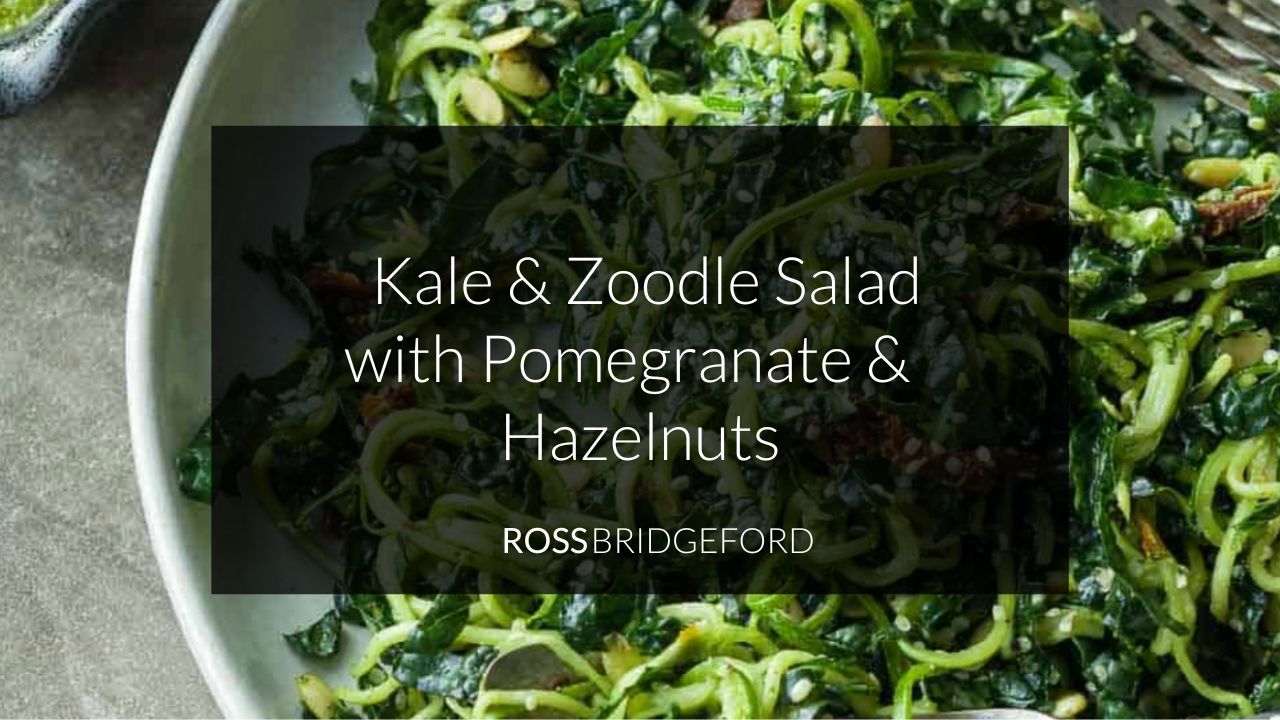
  • Creamy Kale & Zoodle Salad with Pomegranate & Toasted Hazelnuts

    Creamy Kale & Zoodle Salad with Pomegranate & Toasted Hazelnuts

    Recipes › Salads

    Creamy Kale & Zoodle Salad with Pomegranate & Toasted Hazelnuts

    Yee-haa, I love this recipe! So fresh, highly alkaline, nutrient-dense and delicious, with so many textures and so many flavours.

    Prep 15 minCook 5 minServes 212 ingredients
    VeganGluten-freeDairy-freeNo added sugar

    Tastes: fresh and creamy, with nutty hazelnuts, juicy pomegranate and a garlicky lemon dressing.

    Main picture of kale and zoodle salad

    My Creamy Omega Dressing

    It includes my Creamy Omega Dressing, which is packed with goodness too, and can be used on practically ANY green, leafy salad or veggies to give an extra boost of omega-3 and creaminess.

    With the kale, zucchini, hemp, tomato, celery, raw garlic and more, there’s no shortage of alkalinity, anti-inflammatory and antioxidant power in here (my Triple-A). Let’s get into it!

    Why you’ll love it

    • Plant omega-3s: about 3.5 g ALA a serve from the hemp seeds.
    • Magnesium: over 80% of your daily needs.
    • Vitamins C and K: more than a full day’s worth of each.
    • So many textures: crunchy hazelnuts, juicy pomegranate and a creamy dressing.

    Good for

    Immunity

    Vitamin C, copper, vitamin B6 and zinc contribute to the normal function of the immune system.

    Antioxidants

    Manganese, vitamin C, copper and zinc contribute to the protection of cells from oxidative stress. It also contains plant compounds with antioxidant activity, including lutein, beta-carotene and lycopene.

    Energy

    Magnesium, vitamin B6, folate and riboflavin contribute to the reduction of tiredness and fatigue.

    Muscles

    Protein contributes to the maintenance of muscle mass, and magnesium, potassium and calcium contribute to normal muscle function.

    Bones

    Vitamin K, manganese, magnesium and phosphorus contribute to the maintenance of normal bones.

    Eyes

    Zinc, riboflavin and vitamin A contribute to the maintenance of normal vision. It also contains lutein and zeaxanthin, the carotenoids found in the macula of the eye.

    Blood pressure

    Potassium contributes to the maintenance of normal blood pressure.

    Tags use approved nutrient health-claim wording, for nutrients that give at least 10% of the Daily Value per serve. Plant compounds like lutein have no Daily Value, so we only say they’re there.

    Key nutrients per serve

    Vitamin K
    100%+Manganese
    100%+Vitamin C
    100%+Copper
    100%+Magnesium
    83%Thiamin
    67%

    Contains: phosphorus (62%), vitamin B6 (47%), zinc (45%), folate (42%), riboflavin (38%), niacin (36%), potassium (32%), iron (32%), vitamin E (28%), vitamin A (26%), calcium (22%) and pantothenic acid (18%).

    Plant compounds: lutein and zeaxanthin (about 7.5 mg), beta-carotene (about 2.7 mg), lycopene (about 2.2 mg), plant omega-3 ALA (about 3.5 g), chlorophyll, apigenin from the celery, quercetin and kaempferol from the kale, glucosinolates from the kale, sulphur compounds from the garlic and citrus flavonoids from the lemon.

    19 g protein10 g fibreAbout 11 g natural sugarAbout 150 mg sodium

    % of US Daily Value for adults, per serve (half the recipe). Estimated from USDA FoodData Central values for the ingredients as listed, so treat these as upper estimates. Excludes salt and pepper added to taste; anything over 100% shows as 100%+.

    Creamy Kale & Zoodle Salad with Pomegranate & Toasted Hazelnuts

    Kale and zucchini noodles in a creamy hemp dressing, topped with pomegranate and toasted hazelnuts.
    Prep Time 15 minutes
    Cook Time 5 minutes
    Total Time 20 minutes
    Servings: 2

    Ingredients
      

    Green salad
    • 1 small bunch kale stems removed, leaves chopped (about 150 g, or 7 cups)
    • 2 cups zucchini (courgette) spiralised
    • ¼ cup hazelnuts
    • ¼ cup pomegranate seeds
    • 2 tbsp hemp seeds
    • 8–12 cherry tomatoes halved
    • 1 stalk celery sliced
    Creamy Omega Dressing
    • ⅓ cup hemp seeds also known as hemp hearts
    • ½ cup filtered water
    • juice of 1 lemon
    • 2 cloves garlic
    • 1 pinch Himalayan salt and cracked black pepper

    Equipment

    • Blender
    • Spiraliser

    Method
     

    1. Start with the dressing, so the flavours have time to infuse: blend the hemp seeds, most of the water, the lemon juice, garlic, salt and pepper, adding more water if needed.
    2. Roughly chop the hazelnuts and toast them in a pan over a low heat, stirring here and there. Once they’re browned, remove from the heat.
    3. Add the kale and zucchini noodles to a large bowl with the tomatoes and celery.
    4. Pour over as much dressing as you like and toss through. When you’re ready to serve, divide into bowls and top with the pomegranate, hemp seeds and hazelnuts.

    Notes

    To make zoodles, use a spiraliser, or peel the zucchini into long ribbons with a vegetable peeler and slice them into thin strips.

    Swaps

    • No hazelnuts? Toasted almonds or pumpkin seeds work well.
    • Tough kale? Massage it with a squeeze of lemon for a minute first.
    • Make extra dressing: it’s great on any leafy salad or veggies.

    Storing it

    The dressing keeps in a jar in the fridge for 4–5 days. Dress the salad just before serving.

    Good to know

    • High in vitamin K. If you take warfarin or another blood thinner, keep your greens intake steady and talk to your doctor before eating more leafy greens than usual.
    • Contains hazelnuts. Use pumpkin seeds instead if you need it nut-free.

    Try next

    SaladKale, Broccoli & Roasted Sweet Potato SaladOpen recipe →
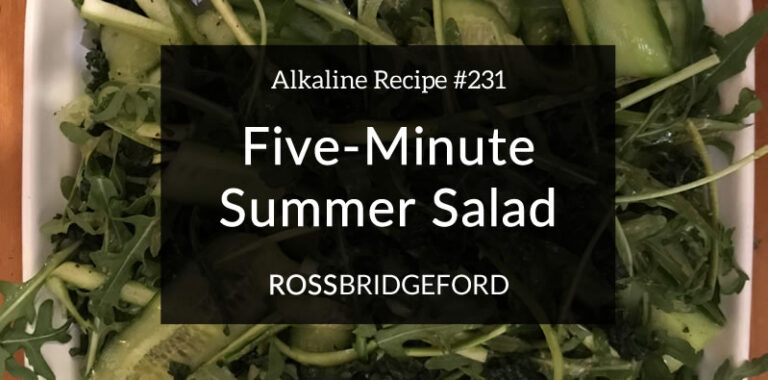
    Salad5-Minute Green Summer SaladOpen recipe →
    Want more than recipes?

    The Alkaline Life Club has everything in the Recipe Club, plus coaching, live Q&A and a community to keep you going.

    See the Alkaline Life Club

    Sources

    Nutrient values: USDA FoodData Central, SR Legacy (kale 168421, zucchini 169291, hazelnuts 170581, pomegranate 169134, hemp seeds 170148, tomatoes 170457, celery 169988, lemon juice 167747, garlic 169230, salt 173468, black pepper 170931). Plant compounds are named where the ingredient is a well-documented source; flavonoids follow the USDA Database for the Flavonoid Content of Selected Foods, Release 3.3. Daily Values: US Food and Drug Administration.
  • “Chocolate” Overnight Oats

    “Chocolate” Overnight Oats

    Recipes › Breakfast

    “Chocolate” Overnight Oats

    A simple prep that tastes great and takes no time at all – PLUS it’s packed with protein and healthy fat, which makes it brilliant for your hormones, energy, blood sugar and more.

    Prep 5 minChill overnightServes 211 ingredients
    VeganGluten-freeDairy-free

    Tastes: rich and chocolatey, with crunchy walnuts and cacao nibs.

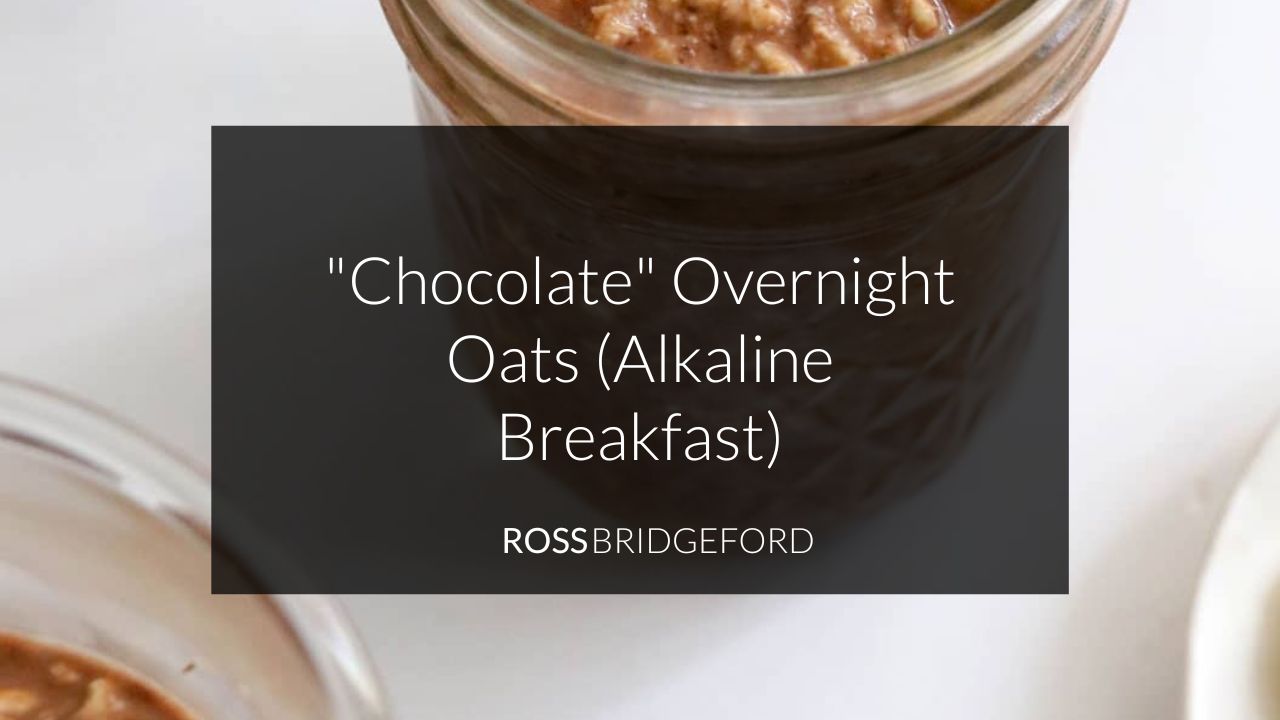
    Image of Chocolate Overnight Oats Recipe

    The power of the ‘Forward Promise’

    Lots of people struggle when it comes to breakfast, and especially finding delicious, quick and alkaline breakfasts. This ‘Chocolate’ Overnight Oats recipe fixes that quicksharp!

    One of the techniques I suggest to people when they’re first getting started is to write down everything you’re going to eat the night before. It’s like a promise to yourself – and overnight oats are practically a guarantee of it. It takes under five minutes the night before, and no matter how much of a rush you’re in, you’ve got a delicious breakfast waiting.

    Why you’ll love it

    • About 20 g protein a serve, from hemp, chia, flax, walnuts and a little plant protein.
    • Omega-3s. Chia, flax, hemp and walnuts give you about 6 g of plant omega-3 ALA a serve.
    • Magnesium: about two-thirds of your daily needs a serve.
    • Under five minutes the night before.

    Good for

    Immunity

    Copper, zinc, iron and selenium contribute to the normal function of the immune system.

    Antioxidants

    Manganese, copper, vitamin E and zinc contribute to the protection of cells from oxidative stress. It also contains plant compounds with antioxidant activity, including lignans and flavanols.

    Energy

    Magnesium, iron, niacin and riboflavin contribute to the reduction of tiredness and fatigue.

    Muscles

    Protein contributes to the maintenance of muscle mass, and magnesium, calcium and potassium contribute to normal muscle function.

    Bones

    Manganese, magnesium, phosphorus and zinc contribute to the maintenance of normal bones.

    Eyes

    Zinc and riboflavin contribute to the maintenance of normal vision.

    Blood pressure

    Potassium contributes to the maintenance of normal blood pressure.

    Tags use approved nutrient health-claim wording, for nutrients that give at least 10% of the Daily Value per serve. Plant compounds like these have no Daily Value, so we only say they’re there.

    Key nutrients per serve

    Manganese
    100%+Copper
    100%Magnesium
    65%Phosphorus
    55%Thiamin
    50%Vitamin E
    41%

    Contains: zinc (41%), iron (37%), selenium (29%), niacin (25%), calcium (24%), riboflavin (15%), folate (13%), vitamin B6 (12%) and potassium (12%).

    Plant compounds: plant omega-3 ALA (about 6.2 g), lignans from the flaxseed and flavanols from the cacao.

    21 g protein11 g fibreAbout 5 g sugarAbout 150 mg sodium

    % of US Daily Value for adults, per serve (half the recipe). Estimated from USDA FoodData Central values for the ingredients as listed, so treat these as upper estimates. Excludes toppings. Protein powder uses typical pea protein label values; anything over 100% shows as 100%+.

    “Chocolate” Overnight Oats

    Chocolatey overnight oats with chia, flax, hemp, walnuts and cacao.
    Prep Time 5 minutes
    Chill (overnight or at least 4 hours) 4 hours
    Total Time 4 hours 5 minutes
    Servings: 2

    Ingredients
      

    • ½ cup rolled oats certified gluten-free if needed
    • ¾ cup unsweetened almond milk
    • ½ tbsp rice malt syrup
    • 2 tbsp chia seeds
    • 2 tbsp ground flaxseed
    • 1½ tsp cacao powder
    • 2 tbsp walnuts chopped
    • 1 tsp cacao nibs
    • 4 tbsp hemp seeds
    • ½ scoop plant protein powder such as brown rice or pea protein
    To serve
    • blueberries and coconut yoghurt

    Method
     

    1. In a bowl or jar, combine the oats, almond milk, rice malt syrup, chia seeds, ground flaxseed and cacao powder. Stir well to fully combine.
    2. Fold through the chopped walnuts, cacao nibs, protein powder and hemp seeds.
    3. Cover and refrigerate overnight, or for at least 4 hours, so the mixture thickens and the seeds absorb the liquid.
    4. In the morning, stir again and top with blueberries and coconut yoghurt.

    Swaps

    • No protein powder? Leave it out and add an extra tablespoon of hemp seeds.
    • Thinner: add a splash more almond milk in the morning.
    • Nut-free: swap the walnuts for pumpkin seeds and use oat milk.

    Storing it

    Keeps in a sealed jar in the fridge for up to 3 days, so you can make a couple of mornings’ worth at once.

    Good to know

    • Oats and gluten: oats don’t contain gluten by nature, but they can pick up traces when they’re milled alongside wheat. If you’re coeliac or very gluten-sensitive, choose certified gluten-free oats.
    • Contains nuts (walnuts and almond milk).

    Ross’s tip

    Write down everything you’re going to eat (breakfast, lunch, dinner, snacks) the night before. It’s like a promise to yourself.

    Try next

    BreakfastSimple Alkaline OatsOpen recipe →
    BreakfastBlood-Sugar Balancing Breakfast CookiesOpen recipe →
    Want more than recipes?

    The Alkaline Life Club has everything in the Recipe Club, plus coaching, live Q&A and a community to keep you going.

    See the Alkaline Life Club

    Sources

    Nutrient values: USDA FoodData Central, SR Legacy (oats 173904, almond milk 174832, malt syrup 169660, chia seeds 170554, flaxseed 169414, walnuts 170187, unsweetened baking chocolate 167568, cocoa 169593, hemp seeds 170148; typical label values for pea protein). Plant compounds are named where the ingredient is a well-documented source; flavonoids follow the USDA Database for the Flavonoid Content of Selected Foods, Release 3.3. Daily Values: US Food and Drug Administration.
  • Turmeric & Coconut Rice with Cacao & Seeds

    Turmeric & Coconut Rice with Cacao & Seeds

    Recipes › Desserts

    Turmeric & Coconut Rice with Cacao & Seeds

    A simple, quick, one-pot sweet recipe that’s anti-inflammatory, brain-boosting, alkaline and DELICIOUS.

    Prep 5 minCook 25 minServes 214 ingredients
    VeganGluten-freeDairy-freeNut-free

    Tastes: creamy, gently sweet coconut rice with warming spices, crunchy seeds and juicy blueberries.

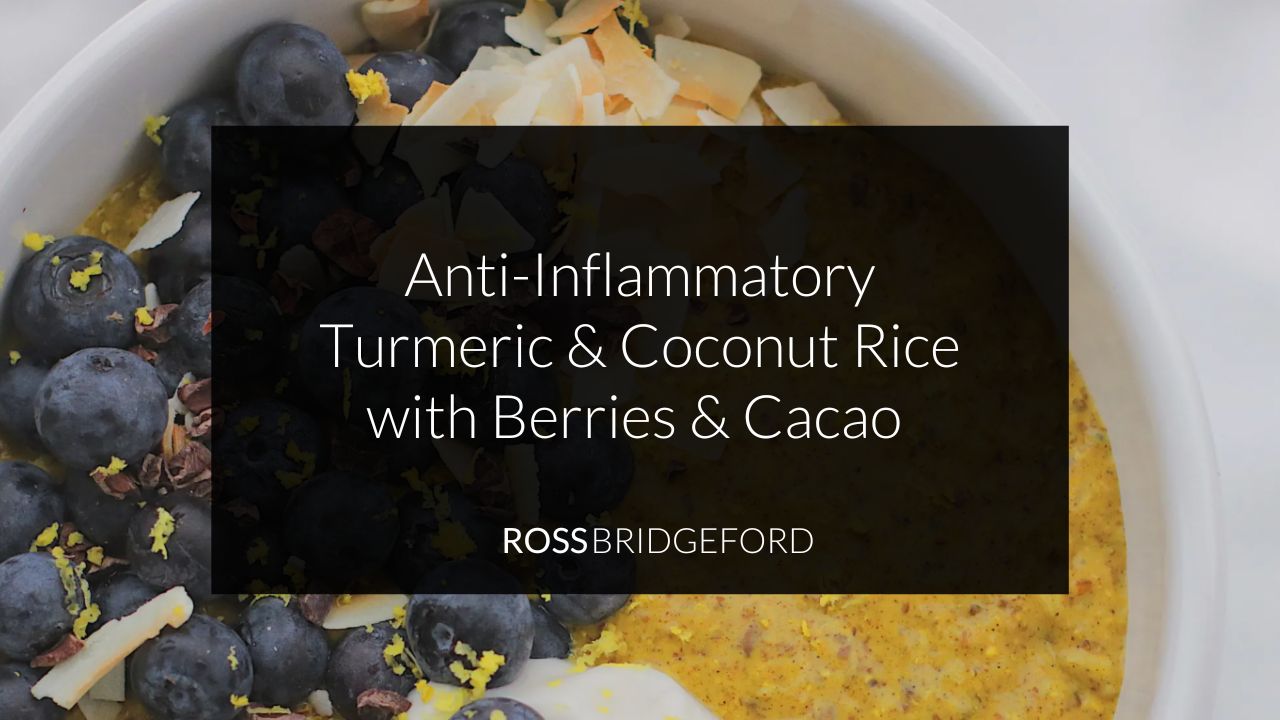
    Anti-Inflammatory Rice

    Dessert or breakfast

    This is one of our newest hits in our house, and we’re all hooked. It takes just 35–40 minutes, it’s very simple, and there’s only one pot to wash up. What more could you want in a sweet treat of a recipe?

    Turmeric is a natural anti-inflammatory that may help support brain function and digestion, and it may even help protect against some cancers (it’s why I eat it daily). Coconut brings healthy fats; cacao brings antioxidants and magnesium and may help support healthy blood pressure; ginger is a well-known anti-inflammatory that can help with nausea and indigestion; and blueberries – BRAINberries – are rich in anthocyanins that may help support brain function.

    Why you’ll love it

    • One pot, and very little effort.
    • Anti-inflammatory spices: turmeric, ginger and cinnamon.
    • Crunchy seeds and cacao nibs for texture, minerals and antioxidants.
    • Dessert or breakfast. Serve it warm with blueberries and coconut yoghurt.

    Good for

    Immunity

    Copper, iron, selenium and zinc contribute to the normal function of the immune system.

    Antioxidants

    Manganese, copper, selenium and zinc contribute to the protection of cells from oxidative stress. It also contains plant compounds with antioxidant activity, including anthocyanins, curcumin and gingerols.

    Energy

    Iron, magnesium, niacin and pantothenic acid contribute to the reduction of tiredness and fatigue.

    Bones

    Manganese, magnesium, phosphorus and zinc contribute to the maintenance of normal bones.

    Eyes

    Zinc and riboflavin contribute to the maintenance of normal vision.

    Blood pressure

    Potassium contributes to the maintenance of normal blood pressure.

    Tags use approved nutrient health-claim wording, for nutrients that give at least 10% of the Daily Value per serve. Plant compounds like these have no Daily Value, so we only say they’re there.

    Key nutrients per serve

    Manganese
    96%Copper
    78%Iron
    32%Magnesium
    31%Niacin
    25%Phosphorus
    25%

    Contains: selenium (25%), zinc (20%), vitamin B6 (18%), pantothenic acid (18%), thiamin (17%), riboflavin (15%), vitamin E (13%), potassium (10%) and calcium (6%).

    Plant compounds: anthocyanins from the berries, curcumin from the turmeric, gingerols from the ginger and flavanols from the cacao.

    10 g protein4 g fibreAbout 19 g sugarAbout 105 mg sodium

    % of US Daily Value for adults, per serve (half the recipe). Estimated from USDA FoodData Central values for the ingredients as listed; cooking reduces some vitamins, so treat these as upper estimates. Excludes coconut yoghurt to serve. Cacao nibs use USDA unsweetened baking chocolate values; anything over 100% shows as 100%+.

    Turmeric & Coconut Rice with Cacao & Seeds

    Creamy coconut rice with turmeric, cinnamon and ginger, topped with cacao nibs, seeds and blueberries.
    Prep Time 5 minutes
    Cook Time 25 minutes
    Total Time 30 minutes
    Servings: 2

    Ingredients
      

    • 200 ml full-fat coconut milk canned, not the milk alternative
    • 100 g jasmine rice
    • 2 tbsp rice malt syrup
    • 1 tsp ground cinnamon
    • ¼ tsp ground turmeric
    • ¼ tsp ground ginger
    • 1 pinch Himalayan salt
    • 1 tsp coconut oil or MCT oil
    • 1 tbsp raw cacao nibs
    • 1 tbsp sunflower seeds
    • 1 tbsp pumpkin seeds
    • 1 tbsp coconut flakes
    • 2 handfuls blueberries fresh or frozen
    • coconut yoghurt to serve

    Equipment

    • Saucepan

    Method
     

    1. Pour the coconut milk into a saucepan with 125 ml of filtered water, stir in the rice and bring to the boil.
    2. Once boiling, reduce to a simmer and cook gently for 20 minutes.
    3. Stir through the rice malt syrup, turmeric, ginger, cinnamon, salt and coconut oil.
    4. Simmer for another couple of minutes, or until the rice is tender, then add the cacao nibs, seeds and coconut flakes.
    5. Serve into bowls and top with the blueberries and coconut yoghurt.

    Swaps

    • Brown rice works too – add 10–15 minutes and a splash more water.
    • Less sweet: halve the rice malt syrup and let the blueberries do the work.
    • Any seeds you have on hand.

    Storing it

    Best warm and fresh. Leftovers keep in the fridge for 2 days; loosen with a splash of coconut milk when you reheat it.

    Try next

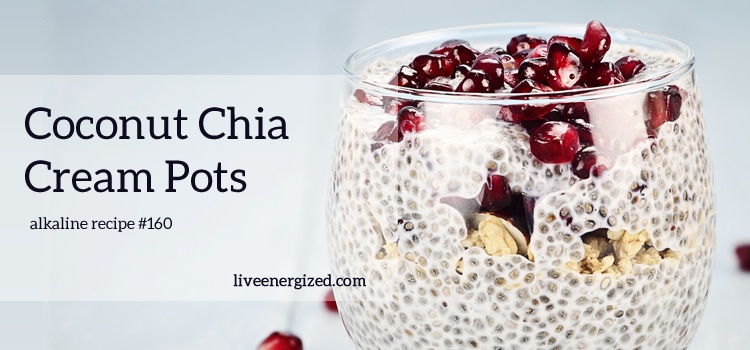
    DessertCoconut Chia Cream PotsOpen recipe →
    BreakfastSuper-Magnesium Smoothie BowlOpen recipe →
    Want more than recipes?

    The Alkaline Life Club has everything in the Recipe Club, plus coaching, live Q&A and a community to keep you going.

    See the Alkaline Life Club

    Sources

    Nutrient values: USDA FoodData Central, SR Legacy (coconut milk 170173, white rice 169756, malt syrup 169660, cinnamon 171320, turmeric 172231, ginger 169231, salt 173468, coconut oil 171412, cacao nibs (unsweetened baking chocolate) 167568, sunflower seeds 170562, pumpkin seeds 170556, desiccated coconut 170170, blueberries 173950). Plant compounds are named where the ingredient is a well-documented source; flavonoids follow the USDA Database for the Flavonoid Content of Selected Foods, Release 3.3. Daily Values: US Food and Drug Administration.
  • Hunger-Balancing Black Bean Soup

    Hunger-Balancing Black Bean Soup

    Recipes › Soups

    Hunger-Balancing Black Bean Soup

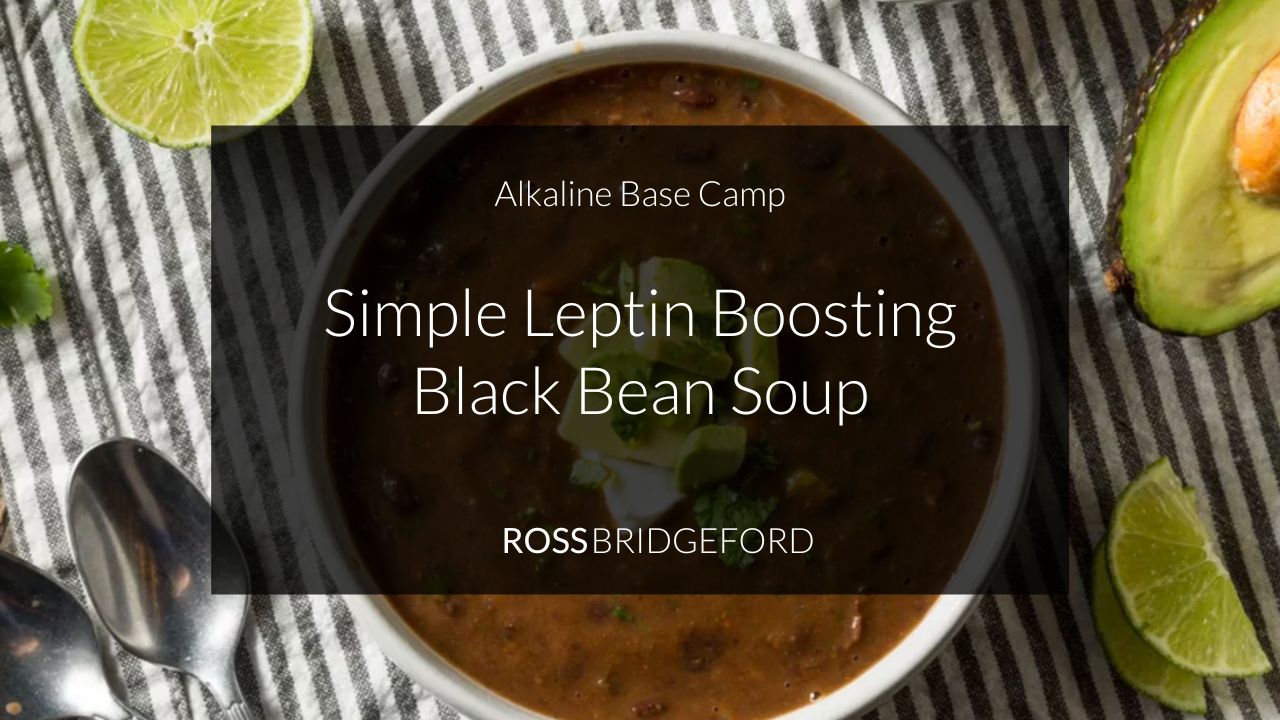
    A smooth, smoky black bean soup with cumin, carrot and red pepper, topped with avocado, lime and coriander. Packed with fibre to keep you full.

    Prep 10 minCook 35 minServes 212 ingredients
    VeganGluten-freeDairy-freeNut-freeNo added sugar

    Tastes: smooth, earthy and warming with cumin, finished with creamy avocado and a squeeze of lime.

    Leptin Black Bean Soup

    It’s not just about calories

    In the past 10–15 years we’ve learned so much more about why the body gains weight. The old logic was the simplistic ‘calories in vs calories out’ – and while there are still some useful applications, it isn’t a reliable or useful way to achieve long-term, sustainable weight loss.

    Studies have shown that most people who lose weight gain it back within a few years. So what’s the answer? Weight is about so much more than calories: hormones, inflammation and blood-sugar balance all play a part. In short – it’s about balance in your body.

    Today I want to focus on just one of those hormones: leptin. Leptin is made in your fat cells and helps to regulate hunger. After weight loss, leptin levels can stay low for a year or more while hunger goes up – one reason weight is so easy to regain. Leptin resistance, where the body no longer responds properly to leptin’s signals, has also been linked with constant hunger and cravings.

    This simple recipe is packed with fibre and plant protein, which can help you feel fuller for longer, and it’s both delicious and easy to make. So let’s get stuck in.

    Why you’ll love it

    • Fibre: nearly 60% of your daily needs a bowl.
    • Vitamin C: over a day’s worth.
    • Folate: nearly half your daily needs.
    • Creamy without cream: it’s all blended beans and veg.

    Good for

    Immunity

    Vitamin C, vitamin A, folate and copper contribute to the normal function of the immune system.

    Antioxidants

    Vitamin C, copper, manganese and vitamin E contribute to the protection of cells from oxidative stress. It also contains plant compounds with antioxidant activity, including beta-carotene, apigenin and quercetin.

    Energy

    Folate, vitamin B6, pantothenic acid and riboflavin contribute to the reduction of tiredness and fatigue.

    Muscles

    Protein contributes to the maintenance of muscle mass, and potassium, magnesium and calcium contribute to normal muscle function.

    Bones

    Vitamin K, manganese, magnesium and phosphorus contribute to the maintenance of normal bones.

    Eyes

    Vitamin A, riboflavin and zinc contribute to the maintenance of normal vision.

    Blood pressure

    Potassium contributes to the maintenance of normal blood pressure.

    Tags use approved nutrient health-claim wording, for nutrients that give at least 10% of the Daily Value per bowl. Plant compounds like these have no Daily Value, so we only say they’re there.

    Key nutrients per bowl

    Vitamin C
    100%+Vitamin A
    69%Folate
    45%Copper
    44%Vitamin K
    36%Vitamin B6
    35%

    Contains: manganese (35%), pantothenic acid (30%), potassium (27%), thiamin (25%), riboflavin (23%), vitamin E (23%), iron (22%), magnesium (21%), niacin (19%), phosphorus (19%), zinc (15%) and calcium (10%).

    Plant compounds: beta-carotene (about 6.3 mg), chlorophyll, apigenin from the celery, quercetin from the onion, anthocyanins from the black beans, sulphur compounds from the garlic and citrus flavonoids from the lime.

    11 g protein17 g fibreAbout 12 g natural sugarAbout 835 mg sodium

    % of US Daily Value for adults, per bowl (half the recipe). Estimated from USDA FoodData Central values for the ingredients as listed; cooking reduces some vitamins, so treat these as upper estimates. Uses typical values for salted canned black beans and low-sodium stock, including the garnishes; anything over 100% shows as 100%+.

    Hunger-Balancing Black Bean Soup

    Onion, celery, carrot, garlic and pepper simmered with black beans, cumin and stock, blended smooth and topped with avocado, lime and coriander.
    Prep Time 10 minutes
    Cook Time 35 minutes
    Total Time 45 minutes
    Servings: 2 bowls

    Ingredients
      

    • 1 tbsp coconut oil
    • 1 medium onion diced
    • 2 ribs celery diced
    • 2 carrots peeled and diced
    • 4 garlic cloves minced
    • 1 red bell pepper (capsicum) diced
    • 1 can black beans 400 g, drained and rinsed
    • 1 litre low-sodium vegetable stock 4 cups
    • 1 tsp ground cumin
    To garnish
    • ½ avocado diced
    • 1 lime juiced
    • 2 tbsp fresh coriander (cilantro) chopped

    Equipment

    • Large pot
    • Blender

    Method
     

    1. In a large pot, gently heat the coconut oil, then add the onion, celery and carrots.
    2. Sauté for around 10 minutes, then add the garlic and sauté for another 1–2 minutes (don’t let it burn).
    3. Add the pepper, beans, cumin and stock and stir well.
    4. Bring to the boil, then reduce to a simmer and cook for a further 20 minutes.
    5. Once everything is softened, blend until smooth.
    6. Serve with the avocado, lime juice and coriander on top, and enjoy!

    Swaps

    • Spicy: add a pinch of chilli flakes or smoked paprika with the cumin.
    • Chunkier: blend only half and stir it back in.
    • Feeding four? Double everything.

    Storing it

    Keeps in the fridge for 3 days, and freezes well for up to 3 months. Add the garnishes when you serve.

    Good to know

    • Watching your salt? Choose a low-sodium stock and no-added-salt canned beans and tomatoes, and season at the end.

    Try next

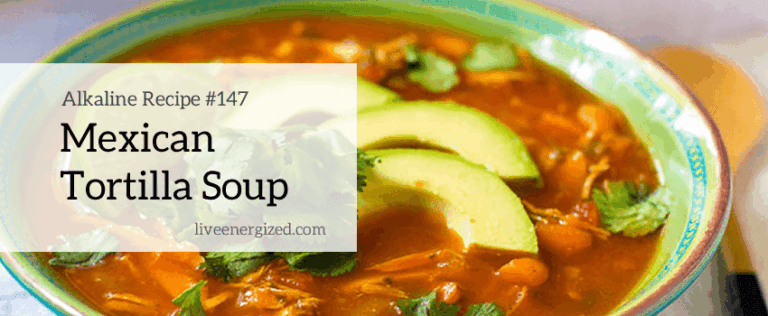
    SoupsMexican Tortilla SoupOpen recipe →
    SoupsRed Lentil, Sweet Potato & Coconut SoupOpen recipe →
    Want more than recipes?

    The Alkaline Life Club has everything in the Recipe Club, plus coaching, live Q&A and a community to keep you going.

    See the Alkaline Life Club

    Sources

    Nutrient values: USDA FoodData Central, SR Legacy (coconut oil 171412, onion 170000, celery 169988, carrots 170393, garlic 169230, red pepper 170108, canned black beans 175188, cumin 170923, avocado 171705, lime juice 168156, coriander 169997). Plant compounds are named where the ingredient is a well-documented source; flavonoids follow the USDA Database for the Flavonoid Content of Selected Foods, Release 3.3. Daily Values: US Food and Drug Administration. Weight regain: Fildes et al., “Probability of an obese person attaining normal body weight: cohort study using electronic health records,” American Journal of Public Health 105 (2015): e54–e59. Leptin after weight loss: Sumithran et al., “Long-term persistence of hormonal adaptations to weight loss,” New England Journal of Medicine 365 (2011): 1597–1604.
  • Anti-Inflammatory Bread: Coconut, Lime & Turmeric Loaf

    Anti-Inflammatory Bread: Coconut, Lime & Turmeric Loaf

    Anti-Inflammatory Bread Recipe!

    Gluten-Free, Alkaline & Delicious!

    This is one of the most commonly requested recipes – alkaline, gluten-free, anti-inflammatory bread…and this loaf is an absolute WINNER.  It’s so quick and easy to make, and it’s just delicious.

    With the alkaline & anti-inflammatory properties of turmeric and the healthy fats from the coconut, it’s not only delicious but also completely healthy.  It’s the bread that is GOOD for you!

    Let’s get stuck in!

    Anti-Inflammatory Bread: Coconut, Lime & Turmeric Loaf

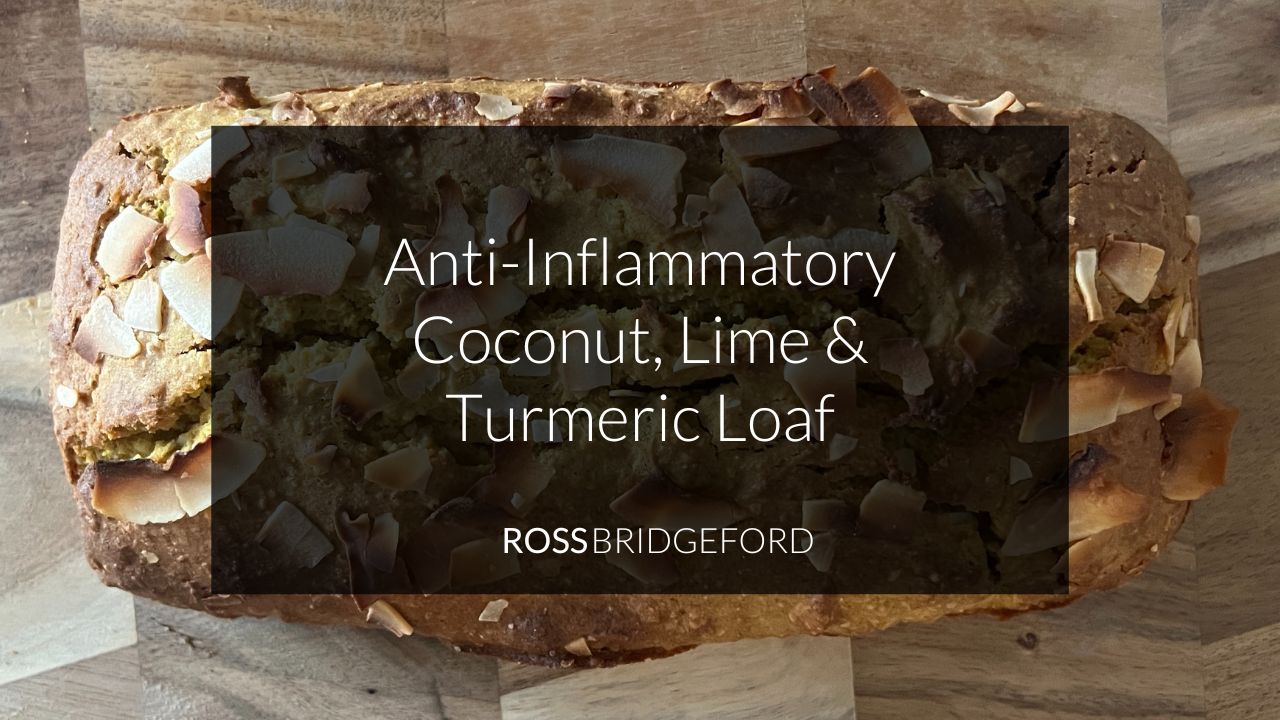
    close up of anti-inflammatory bread loaf

    Ingredients

    • 1 cup coconut milk
    • 1/2 cup rice malt syrup
    • 1 cup unsweetened coconut flakes
    • 1 tsp vanilla extract
    • Juice of 1 lime
    • 1.5 cups buckwheat flour
    • 2 tsp baking powder
    • A good pinch of Himalayan salt
    • 1 tsp turmeric
    • Pinch of black pepper
    • 1/4 teaspoon cinnamon

    Instructions

    1. Start by pre-heating the oven to 350 degrees F/ 180 C and line a loaf pan with baking (parchment) paper.
    2. Now blend the milk, syrup, coconut flakes, vanilla, and lime until the coconut flakes are blended down to being very small. Set aside.
    3. In another bowl, mix together the flour, baking powder, salt, turmeric powder, pepper and cinnamon. Now start adding the wet mixture a bit at a time, until it forms a thick batter and then transfer this to the loaf tin.
    4. Sprinkle with a little extra coconut, and optionally some ginger powder too, and then bake for 45-50 minutes, or until it’s crisp on top and a knife put into the middle comes out clean.
    5. Allow to cool for 5-10 mins and then remove from the tin and cool completely.
    6. Serve with coconut cream, or butter, or eat as it is.

    This anti-inflammatory bread will store in the fridge for up to 3 days in an airtight container, but like all bread, is best eaten fresh out of the oven!   With zero nuts, it also makes a brilliant snack for school lunchboxes!

    Other Resources:

    The Simple Anti-Inflammation Diet

    Two Turmeric & Ginger Anti-Inflammatory Lattes

    The Turmeric User Guide


    Alkaline Reset Cleanse Book