Author: Ross

  • Alkaline Diet Recipe Book Launched!

    Alkaline Diet Recipe Book Launched!

    Alkaline Recipe BookHi everyone

    Today (well, yesterday) I launched the Alkaline Diet Recipe Book, the world’s first truly alkaline cook book! I am incredibly proud of it and I’ve already sold thousands of copies all over the world! From Hawaii to Hull, my recipes are now global!

    It is priced at £34.99 and contains over 100 delicious and 100% alkaline recipes that make is so easy to live alkaline.

    Click here to see a sample of the recipes from the book!

    buy the alkaline recipe book nowHere is some more info on it and you should click here to buy the Alkaline Recipe Book now!

    Alkaline Living Made Easy!
    This is REAL food made alkaline!

    With over 100+ quick, easy and delicious – fully alkaline recipes you will never be stuck wondering what to cook again!

    The Alkaline Diet Recipe Book contains:

    • Over 100 recipes including breakfasts, lunches, dinners & snacks
    • Juices, soups, smoothies, alkaline pastas, stir-frys, curries, chillis and more!
    • Every recipe is highly alkaline, full of nutrients and ready in minutes

    This recipe book is made for REAL people, with busy lives, limited time and a picky husband/wife/kids/boyfriend/girlfriend/flatmates (delete as appropriate!)

    We’ve taken real, ‘normal’ food and made it alkaline, so living alkaline and reaching your health goals has never been easier.

    Have you ever wanted to live alkaline but didn’t have a clue what to cook?
    Now, at last, the Alkaline Diet Recipe Book gives you over 100 simple, delicious & alkaline recipes for you and your busy lifestyle!

    Energise have been leading the way in the alkaline diet world for over five years. Having helped thousands of people successfully transition to a healthy, alkaline, balanced life we have identified that not knowing what to cook as being the #1 problem that holds people back from the health of their dreams.

    Now for the first time we have put together our huge collection of alkaline recipes in one place – The Alkaline Diet Recipe Book.

    These recipes are REAL food for REAL people – no strange, inedible meals from ingredients you’ve never heard of – these are real meals for everyday people including lasagnes, pastas, curries, Mexican, Italian, Indian, Thai and all of the most nutritious juices, soups, salads and smoothies you could imagine. One week of eating these meals will have you bursting with energy, health and vitality.

    This is REAL food made alkaline

    Every recipe has been carefully crafted by real people living the alkaline diet. These recipes are the result of years of trial and error and are designed to be quick and easy to cook, delicious, and, most importantly, 100% alkaline & packed with nutrition.

    We understand that you want to live alkaline and healthy but still need to feed yourself and your hungry family – so you need quick meals that are as tasty as they are healthy.

    Now you finally have the world’s first 100% alkaline cook book that ticks all of your boxes!

    Click here to BUY NOW!
  • Alkaline Recipe #75: Courgette Rolls with Pesto and Red Pepper Dip

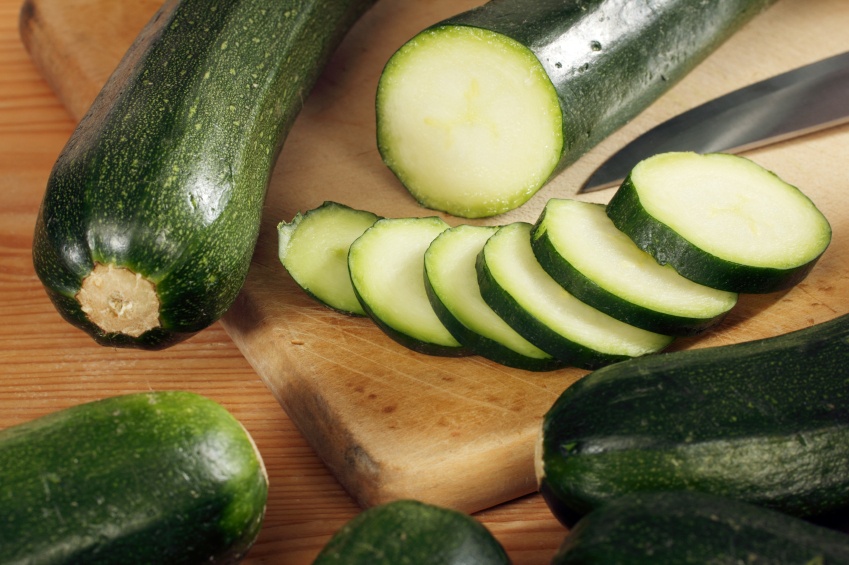
    Alkaline Recipe #75: Courgette Rolls with Pesto and Red Pepper Dip

    This is a lovely summary snack, which is perfect as a light dish throughout the day or great if you are having friends around for a party.

    Courgettes are alkaline and are rich in vitamins and minerals. They have a high water content and are low in calories. They are a good source of folate, potassium, and vitamins A and C.

    I really like this dish as it does not only look good on the plate, but also contains delicious ingredients such as fresh herbs, garlic and crunchy pine nuts.

    Courgette Rolls with Pesto and Red Pepper Dip

    Serves 2

    Ingredients

    1 large or 2 small courgettes

    For The Pesto Filling:

    70g pine nuts
    3 garlic cloves
    1 handful fresh basil and parsley
    50ml cold-pressed olive oil or Udo’s Choice Ultimate Oil Blend
    A pinch of himalayan crystal salt and freshly ground pepper

    For The Red Pepper Dip:

    1 small red pepper
    1 garlic clove, cut into fine pieces
    3 tsp freshly squeezed lemon juice
    Himalayan Crystal Salt and freshly ground pepper to season

    Instructions

    Put all ingredients for the pesto filling into a mixer and mix all ingredients on a high setting until you get a creamy consistency.

    With the help of a peeler “cut” the courgette into long and thin stripes. Put them onto a plate, brush over the pesto, roll together, insert a toothpick to hold the roll together and place them in upright position on a plate.

    Put all ingredients for the pepper dip into the mixer. Season with salt and pepper.

    You can either spread the pepper dip over the courgette rolls on the plate or alternatively serve it on a seperate bowl.

    Enjoy!

  • Raw Avocado & Tomato Soup

    Raw Avocado & Tomato Soup

    Recipes › Soups

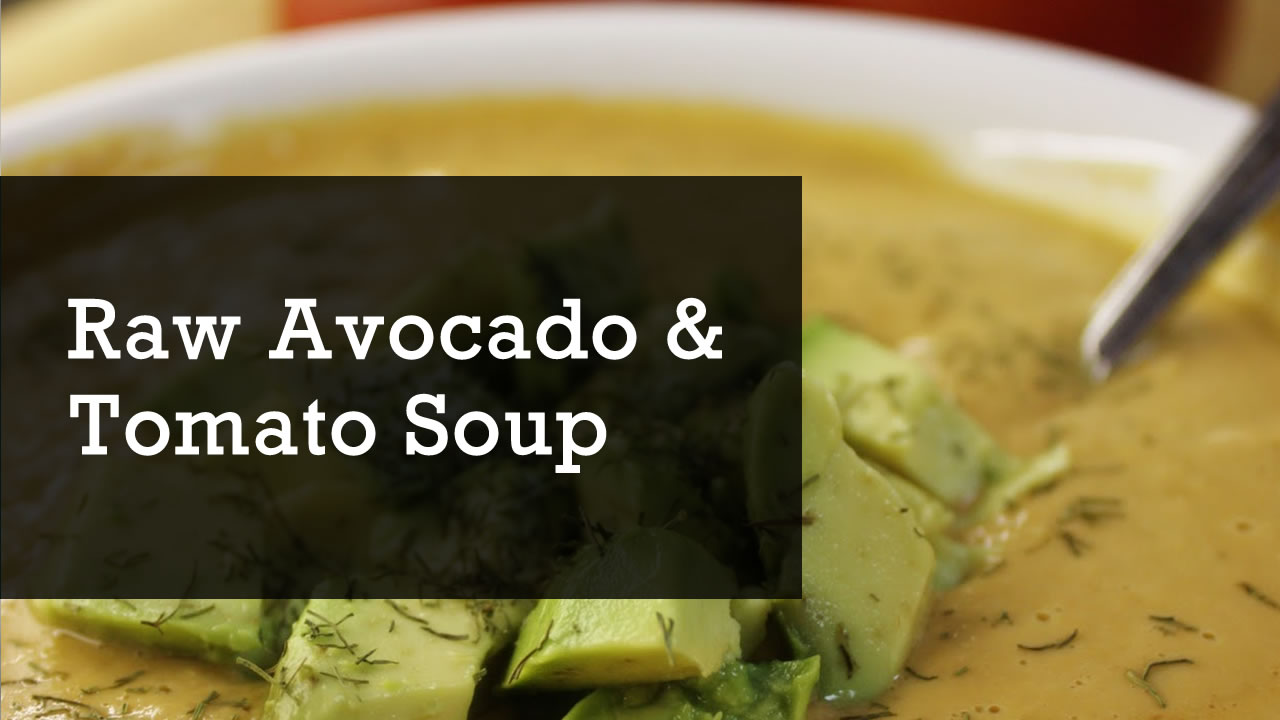
    Raw Avocado & Tomato Soup

    If you love raw soups like Spanish gazpacho, you’ll love this delicious raw avocado soup with tomatoes and fresh spinach!

    Prep 5 minServes 26 ingredients
    VeganGluten-freeDairy-freeNut-freeNo added sugar

    Tastes: cool, creamy and fresh, with blended avocado and spinach and chunks of tomato.

    avocado and tomato soup

    Creamy, raw and refreshing

    Avocados are incredibly healthy and alkalising, rich in potassium, B vitamins and vitamins E and K. Combined with highly alkalising spinach and tomatoes, they make this soup very tasty and refreshing.

    Why you’ll love it

    • About 23 g fibre a bowl.
    • Folate: over three-quarters of your daily needs.
    • 5 minutes, no cooking.
    • Pantothenic acid: almost a full day’s worth.

    Good for

    Immunity

    Folate, copper, vitamin C and vitamin B6 contribute to the normal function of the immune system.

    Antioxidants

    Copper, vitamin C, vitamin E and manganese contribute to the protection of cells from oxidative stress. It also contains plant compounds with antioxidant activity, including lutein, beta-carotene and lycopene.

    Energy

    Pantothenic acid, folate, vitamin B6 and niacin contribute to the reduction of tiredness and fatigue.

    Bones

    Vitamin K, manganese, magnesium and zinc contribute to the maintenance of normal bones.

    Eyes

    Riboflavin, vitamin A and zinc contribute to the maintenance of normal vision. It also contains lutein and zeaxanthin, the carotenoids found in the macula of the eye.

    Blood pressure

    Potassium contributes to the maintenance of normal blood pressure.

    Tags use approved nutrient health-claim wording, for nutrients that give at least 10% of the Daily Value per bowl. Plant compounds like lutein have no Daily Value, so we only say they’re there.

    Key nutrients per bowl

    Vitamin K
    100%+Pantothenic acid
    88%Folate
    83%Copper
    78%Vitamin C
    73%Vitamin B6
    59%

    Contains: vitamin E (52%), potassium (44%), niacin (41%), manganese (39%), riboflavin (38%), magnesium (31%), vitamin A (27%), thiamin (25%), zinc (22%), iron (17%), phosphorus (17%) and calcium (7%).

    Plant compounds: lutein and zeaxanthin (about 4.7 mg), beta-carotene (about 2.7 mg), lycopene (about 4.8 mg), chlorophyll and citrus flavonoids from the lemon.

    9 g protein23 g fibreAbout 7 g natural sugarAbout 55 mg sodium

    % of US Daily Value for adults, per bowl (half the recipe). Estimated from USDA FoodData Central values for the ingredients as listed, so treat these as upper estimates. Excludes salt and pepper; anything over 100% shows as 100%+.

    Raw Avocado & Tomato Soup

    Avocados, spinach and lemon blended into a creamy raw soup, topped with chopped tomato.
    Prep Time 5 minutes
    Total Time 5 minutes
    Servings: 2 bowls

    Ingredients
      

    • 3 avocados
    • 3 tomatoes
    • 2 handfuls fresh spinach
    • 2 tsp freshly squeezed lemon juice
    • Himalayan or Celtic sea salt and black pepper to taste
    • water a little, to taste

    Equipment

    • Blender

    Method
     

    1. Cut the tomatoes into small pieces.
    2. Put everything except the tomatoes into a blender and blend on the highest setting, adding water until it’s as thick or thin as you like.
    3. Pour into bowls and add the tomato pieces. That’s it!

    Swaps

    • Gazpacho-style: blend in cucumber and a little red onion.
    • A little heat: add fresh chilli.
    • Herbs: basil or coriander are lovely.

    Storing it

    Best fresh – it browns as it sits. Press cling film onto the surface if you need to keep it for a few hours.

    Good to know

    • High in vitamin K. If you take warfarin or another blood thinner, keep your greens intake steady and talk to your doctor before eating more leafy greens than usual.

    Try next

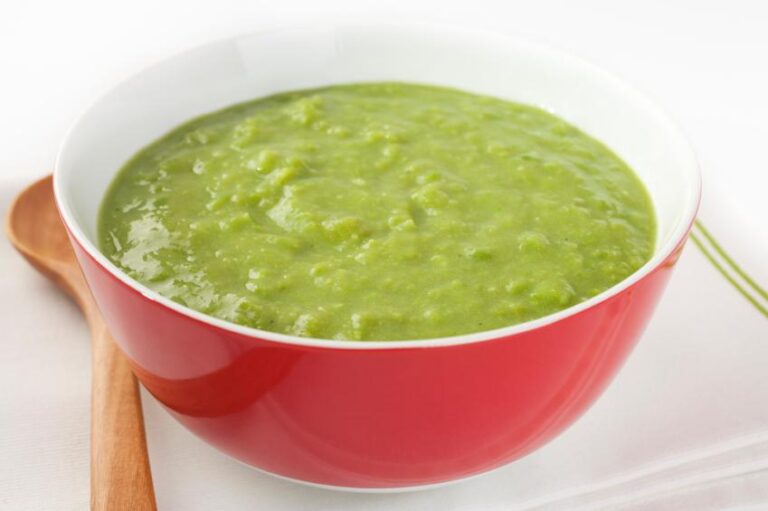
    SoupRoss’s Springtime Pea SoupOpen recipe →
    LunchAvocado Salsa Lettuce WrapsOpen recipe →
    Want more than recipes?

    The Alkaline Life Club has everything in the Recipe Club, plus coaching, live Q&A and a community to keep you going.

    See the Alkaline Life Club

    Sources

    Nutrient values: USDA FoodData Central, SR Legacy (avocado 171705, tomatoes 170457, spinach 168462, lemon juice 167747). Plant compounds are named where the ingredient is a well-documented source; flavonoids follow the USDA Database for the Flavonoid Content of Selected Foods, Release 3.3. Daily Values: US Food and Drug Administration.

  • Green Juices Recipe by Gareth Edwards

    Green Juices Recipe by Gareth Edwards

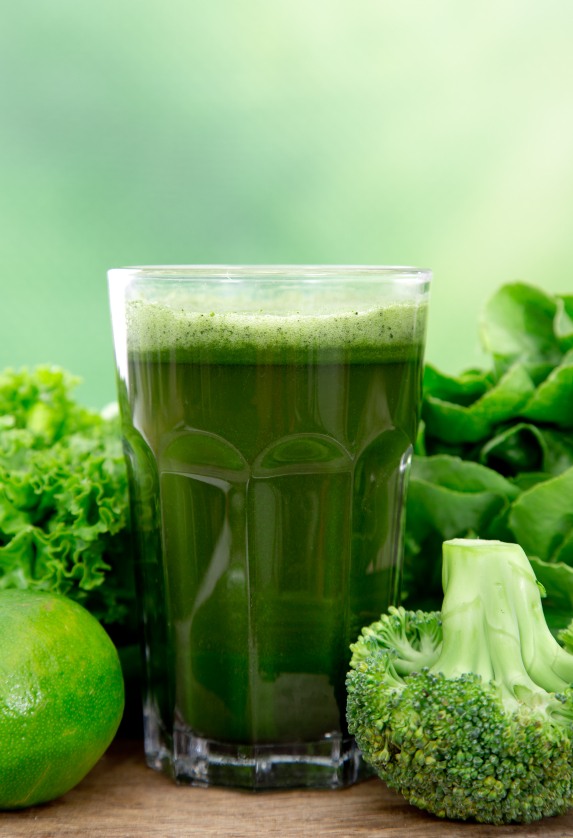
    Gareth's green juiceThis is a delicious and ultra healthy green juice recipe from Gareth Edwards, our Dr Young trained blood analyst and highly qualified nutritionist.
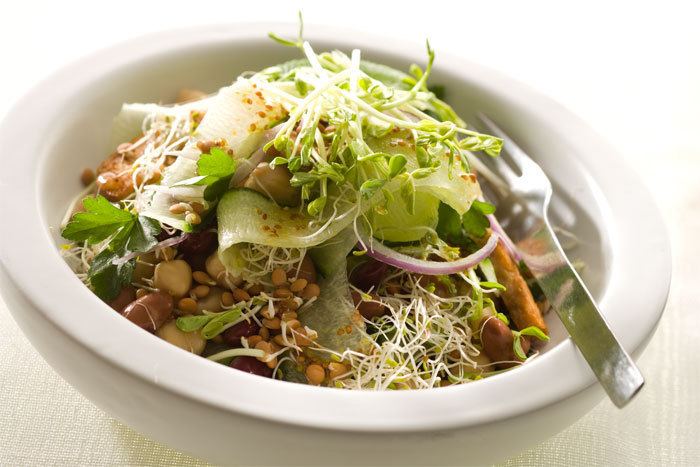
    The best vegetables to juice are the low glaecemic, greens. Cucumber and celery yield high quantities of liquid, while chard, kale, watercress, spring greens and spinach are more concentrated.

    In case this sounds challenging in the flavour department, adding lemon juice makes it all highly palatable (usually!).

    Gareth’s Green Juice

    Ingredients

    15-20 cm organic cucumber
    3 sticks organic celery
    6 leaves of organic chard
    ½ squeezed organic (un-waxed) lemon – juiced separately on a citrus squeezer and added afterwards.

    You can replace the chard with some of the concentrated alternatives listed above. You can also try adding cabbage (red, white or green) to the cumber and celery. This is meant to be very good for promoting digestive health.

    Enjoy!

  • Mixed Sprouts Salad

    Mixed Sprouts Salad

    Recipes › Salads

    Mixed Sprouts Salad

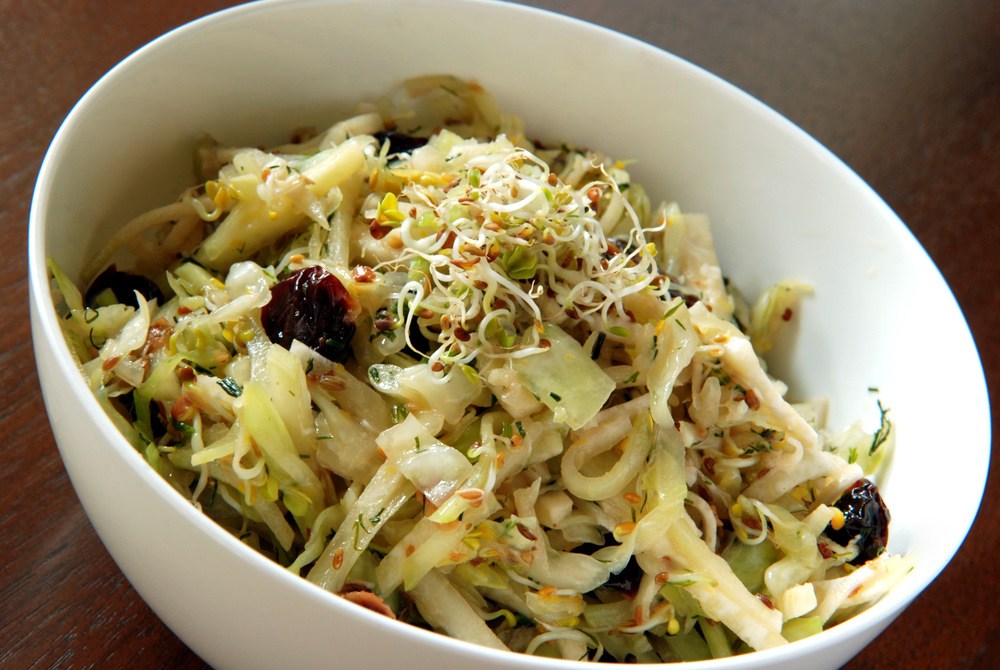
    A really healthy, alkaline salad using a variety of sprouts – easy, quick and very tasty!

    Prep 10 minServes 27 ingredients
    VeganGluten-freeDairy-freeNut-freeNo added sugar

    Tastes: light and crunchy, with mixed sprouts, cucumber and a fresh herb and lemon dressing.

    I love eating sprouts

    Sprouts are super healthy and highly alkalising, rich in vitamins, minerals, amino acids, protein and plant compounds.

    I absolutely love eating sprouts – they’re so versatile, and I try to add them to lots of different dishes, like stir-fries, salads and wraps.

    Why you’ll love it

    • Light and crunchy – a lovely side.
    • Vitamin K from the sprouts and herbs.
    • 10 minutes to make.
    • Use any sprouts you like.

    Good for

    Immunity

    Vitamin C, copper, folate and zinc contribute to the normal function of the immune system.

    Antioxidants

    Vitamin C, copper, riboflavin and manganese contribute to the protection of cells from oxidative stress. It also contains plant compounds with antioxidant activity, including apigenin, quercetin and flavonoids.

    Energy

    Pantothenic acid, riboflavin, folate and magnesium contribute to the reduction of tiredness and fatigue.

    Bones

    Vitamin K, manganese, magnesium and zinc contribute to the maintenance of normal bones.

    Eyes

    Riboflavin and zinc contribute to the maintenance of normal vision.

    Tags use approved nutrient health-claim wording, for nutrients that give at least 10% of the Daily Value per serve. Plant compounds like these have no Daily Value, so we only say they’re there.

    Key nutrients per serve

    Vitamin K
    96%Vitamin C
    26%Copper
    22%

    Contains: pantothenic acid (18%), riboflavin (15%), folate (14%), manganese (13%), vitamin E (11%), magnesium (11%), zinc (10%), potassium (8%) and calcium (5%).

    Plant compounds: chlorophyll, apigenin from the parsley, quercetin from the onion and citrus flavonoids from the lemon.

    Under 4 g natural sugarAbout 10 mg sodium

    % of US Daily Value for adults, per serve (half the recipe). Estimated from USDA FoodData Central values for the ingredients as listed, so treat these as upper estimates. Sprouts use alfalfa values; uses 1½ tbsp olive oil; excludes salt and pepper; anything over 100% shows as 100%+.

    Mixed Sprouts Salad

    Mixed sprouts with cucumber and spring onion in a dressing of fresh chives, dill, parsley, oil and lemon.
    Prep Time 10 minutes
    Total Time 10 minutes
    Servings: 2

    Ingredients
      

    • 150 g mixed sprouts e.g. radish, alfalfa and cress
    • 1 cucumber
    • 1 spring onion
    • 1 handful fresh chives, dill and parsley
    • 1½ tbsp olive or flax oil or Udo’s Choice
    • juice of ½ lemon
    • Himalayan or Celtic sea salt and black pepper to taste

    Equipment

    • Salad bowl

    Method
     

    1. Chop the herbs finely and make a dressing with the oil, lemon juice, salt and pepper.
    2. Cut the spring onion and cucumber into small pieces and add them to the dressing.
    3. Wash and drain the sprouts and mix them with the dressing. Enjoy!

    Notes

    The original recipe suggests coconut oil or Udo’s; coconut oil sets when cold, so a liquid oil works better in a dressing.

    Swaps

    • Make it a meal: add avocado, chickpeas or quinoa.
    • Mung bean sprouts add more crunch.
    • Any soft herbs work.

    Storing it

    Best fresh. Sprouts keep in the fridge for 3–4 days – rinse before using.

    Good to know

    • High in vitamin K. If you take warfarin or another blood thinner, keep your greens intake steady and talk to your doctor before eating more leafy greens than usual.
    • Raw sprouts can carry bacteria, so they aren’t recommended in pregnancy or for anyone with a weakened immune system. Buy them fresh and keep them cold.

    Try next

    SaladKohlrabi Salad with Sprout DressingOpen recipe →
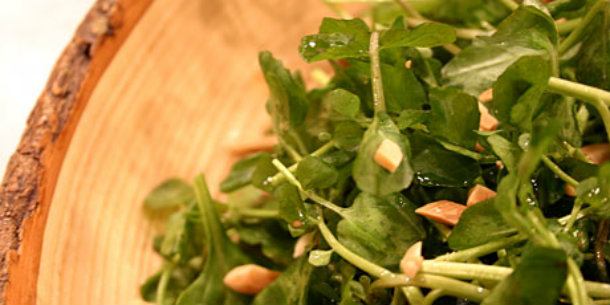
    SaladRocket, Watercress & Mint SaladOpen recipe →
    Want more than recipes?

    The Alkaline Life Club has everything in the Recipe Club, plus coaching, live Q&A and a community to keep you going.

    See the Alkaline Life Club

    Sources

    Nutrient values: USDA FoodData Central, SR Legacy (alfalfa sprouts 168384, cucumber 168409, spring onions 170005, chives 169994, dill 172233, parsley 170416, olive oil 171413, lemon juice 167747). Plant compounds are named where the ingredient is a well-documented source; flavonoids follow the USDA Database for the Flavonoid Content of Selected Foods, Release 3.3. Daily Values: US Food and Drug Administration.

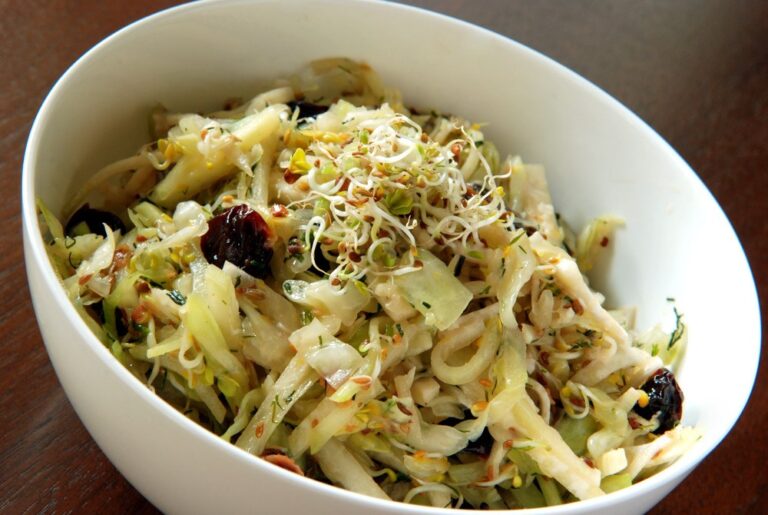
  • Kohlrabi Salad with Sprout Dressing

    Kohlrabi Salad with Sprout Dressing

    Recipes › Salads

    Kohlrabi Salad with Sprout Dressing

    Crisp, fresh and SO simple – kohlrabi is massively underrated, and this German-style salad is the perfect way to try it.

    Prep 10 minServes 26 ingredients
    VeganGluten-freeDairy-freeNut-freeNo added sugar

    Tastes: crisp and mild, with wafer-thin kohlrabi and a fresh, lemony dressing with sprouts and spring onion.

    Meet the kohlrabi

    Kohlrabi looks a bit like an alien life form (it was actually developed in Northern Europe back in the 16th century), but don’t let that put you off! It has a mild, sweet, slightly peppery crunch – somewhere between a broccoli stem and a crisp apple – and it soaks up the flavour of whatever you dress it with.

    It’s a great source of vitamin C and fibre, and with the sprouts, lemon and good olive oil on top, it’s about as fresh and alkaline as lunch gets. Guten Appetit!

    Why you’ll love it

    • Vitamin C: over two and a half day’s worth.
    • About 14 g fibre a serve.
    • Crisp, mild and fresh.
    • 10 minutes to make.

    Good for

    Immunity

    Vitamin C, copper, vitamin B6 and folate contribute to the normal function of the immune system.

    Antioxidants

    Vitamin C, copper, vitamin E and manganese contribute to the protection of cells from oxidative stress. It also contains plant compounds with antioxidant activity, including quercetin and flavonoids.

    Energy

    Vitamin B6, folate, magnesium and pantothenic acid contribute to the reduction of tiredness and fatigue.

    Bones

    Vitamin K, manganese, magnesium and phosphorus contribute to the maintenance of normal bones.

    Blood pressure

    Potassium contributes to the maintenance of normal blood pressure.

    Tags use approved nutrient health-claim wording, for nutrients that give at least 10% of the Daily Value per serve. Plant compounds like these have no Daily Value, so we only say they’re there.

    Key nutrients per serve

    Vitamin C
    100%+Copper
    56%Vitamin B6
    35%Vitamin E
    31%Potassium
    29%Vitamin K
    26%

    Contains: manganese (26%), folate (18%), magnesium (18%), thiamin (17%), phosphorus (15%), pantothenic acid (14%), niacin (10%), iron (10%) and calcium (8%).

    Plant compounds: quercetin from the onion and citrus flavonoids from the lemon.

    7 g protein14 g fibreAbout 10 g natural sugarAbout 75 mg sodium

    % of US Daily Value for adults, per serve (half the recipe). Estimated from USDA FoodData Central values for the ingredients as listed, so treat these as upper estimates. Uses about 750 g kohlrabi (3 bulbs, peeled) and alfalfa values for the sprouts; excludes salt and pepper; anything over 100% shows as 100%+.

    Kohlrabi Salad with Sprout Dressing

    Very thinly sliced kohlrabi covered with a dressing of olive oil, lemon, sprouts and spring onion.
    Prep Time 10 minutes
    Total Time 10 minutes
    Servings: 2

    Ingredients
      

    • 3 green kohlrabi
    • 1 spring onion or shallot
    • 4 tbsp fresh sprouts alfalfa and radish are particularly good
    • 3 tbsp olive oil or Udo’s Choice
    • juice of ½ lemon
    • Himalayan or Celtic sea salt and black pepper to taste

    Equipment

    • Sharp knife or mandoline

    Method
     

    1. Finely chop the spring onion or shallot.
    2. Make a dressing with the oil, lemon juice, salt, pepper and sprouts, and mix in the onion.
    3. Peel the kohlrabi and cut into very thin slices.
    4. Lay the slices on a big plate and cover with the dressing.

    Swaps

    • Apple is lovely sliced in with the kohlrabi.
    • Herbs: add dill or chives to the dressing.
    • Less oil: use 2 tbsp.

    Storing it

    Best fresh – dress just before serving.

    Good to know

    • Raw sprouts can carry bacteria, so they aren’t recommended in pregnancy or for anyone with a weakened immune system.

    Try next

    SaladMixed Sprouts SaladOpen recipe →
    SaladCitrus, Fennel & Olive Summer SaladOpen recipe →
    Want more than recipes?

    The Alkaline Life Club has everything in the Recipe Club, plus coaching, live Q&A and a community to keep you going.

    See the Alkaline Life Club

    Sources

    Nutrient values: USDA FoodData Central, SR Legacy (kohlrabi 168424, spring onions 170005, alfalfa sprouts 168384, olive oil 171413, lemon juice 167747). Plant compounds are named where the ingredient is a well-documented source; flavonoids follow the USDA Database for the Flavonoid Content of Selected Foods, Release 3.3. Daily Values: US Food and Drug Administration.

  • Spiced Turnips with Spinach & Tomatoes

    Spiced Turnips with Spinach & Tomatoes

    Recipes › Dinner

    Spiced Turnips with Spinach & Tomatoes

    A delicious vegetable stew from the Eastern Mediterranean, with sweet baby turnips, tender spinach and ripe tomatoes.

    Prep 15 minCook 25 minServes 28 ingredients
    VeganGluten-freeDairy-freeNut-freeNo added sugar

    Tastes: sweet, gently peppery turnips in a soft paprika and tomato sauce, with fresh coriander and wilted spinach.

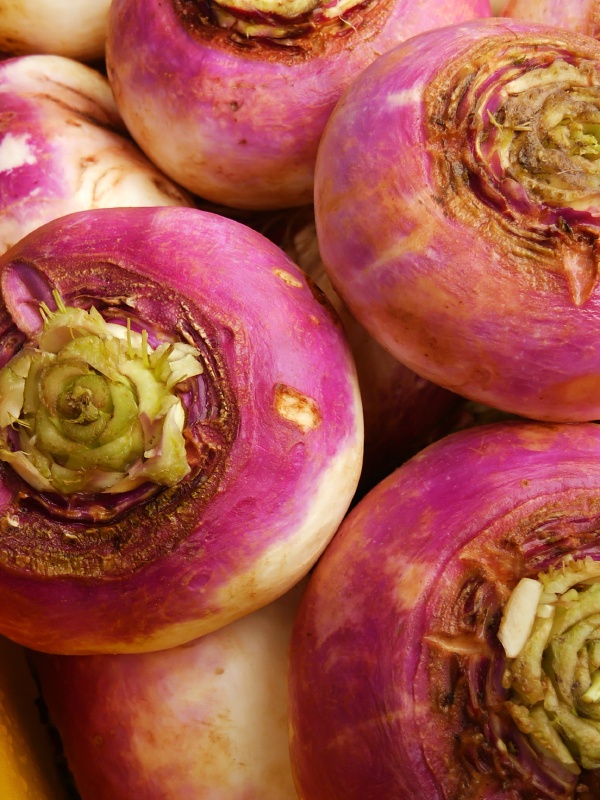
    turnip

    Sweet, slightly peppery baby turnips

    Baby turnips have a rounded flavour – sweet and slightly peppery – and they’re nutritionally rich. Turnips bring vitamin C, phosphorus and fibre, plus vitamin B6, calcium, manganese and potassium, and indoles, which may help support your body’s own detox enzymes.

    Spinach and tomatoes are two of the healthiest vegetables there are, so this stew is not only very healthy and alkalising, but incredibly tasty too!

    Why you’ll love it

    • Vitamin K: almost five times your daily needs.
    • Vitamin C: over three-quarters of your daily needs.
    • Serve it warm or cold.
    • Folate and vitamin A: about two-thirds of your daily needs.

    Good for

    Immunity

    Vitamin C, vitamin A, folate and copper contribute to the normal function of the immune system.

    Antioxidants

    Vitamin C, manganese, vitamin E and copper contribute to the protection of cells from oxidative stress. It also contains plant compounds with antioxidant activity, including lutein, beta-carotene and lycopene.

    Energy

    Folate, vitamin B6, magnesium and riboflavin contribute to the reduction of tiredness and fatigue.

    Bones

    Vitamin K, manganese, magnesium and calcium contribute to the maintenance of normal bones.

    Eyes

    Vitamin A, riboflavin and zinc contribute to the maintenance of normal vision. It also contains lutein and zeaxanthin, the carotenoids found in the macula of the eye.

    Blood pressure

    Potassium contributes to the maintenance of normal blood pressure.

    Tags use approved nutrient health-claim wording, for nutrients that give at least 10% of the Daily Value per serve. Plant compounds like lutein have no Daily Value, so we only say they’re there.

    Key nutrients per serve

    Vitamin K
    100%+Vitamin C
    84%Vitamin A
    66%Folate
    66%Manganese
    61%Vitamin E
    34%

    Contains: copper (33%), vitamin B6 (29%), magnesium (29%), potassium (26%), riboflavin (23%), iron (22%), thiamin (17%), niacin (13%), calcium (13%), zinc (11%), pantothenic acid (10%) and phosphorus (10%).

    Plant compounds: lutein and zeaxanthin (about 14 mg), beta-carotene (about 7 mg), lycopene (about 2.9 mg), chlorophyll and quercetin from the onion.

    6 g protein7 g fibreAbout 10 g natural sugarAbout 175 mg sodium

    % of US Daily Value for adults, per serve (half the recipe). Estimated from USDA FoodData Central values for the ingredients as listed; cooking reduces some vitamins, so treat these as upper estimates. Excludes salt and pepper added to taste; anything over 100% shows as 100%+.

    Spiced Turnips with Spinach & Tomatoes

    Baby turnips braised with tomatoes, onion and paprika, finished with coriander and wilted spinach.
    Prep Time 15 minutes
    Cook Time 25 minutes
    Total Time 40 minutes
    Servings: 2

    Ingredients
      

    • 225 g plum or other ripe tomatoes
    • 1 onion sliced
    • 2 tbsp olive oil
    • 225 g baby turnips peeled
    • ½ tsp paprika
    • 2 tbsp fresh coriander chopped
    • 225 g young spinach stalks removed
    • Himalayan or Celtic sea salt and black pepper to taste

    Equipment

    • Large frying pan with lid

    Method
     

    1. Plunge the tomatoes into boiling water for about 30 seconds, then into cold water. Peel off the skins and chop roughly.
    2. Heat the oil in a large frying pan and gently fry the onion for about 5 minutes, until it starts to soften and turn golden.
    3. Add the turnips, tomatoes and paprika with 2 tbsp water and cook until the tomatoes are pulpy. Cover and keep cooking until the turnips are soft.
    4. Stir in the coriander, add the spinach and a little salt and pepper, and cook for 2–3 minutes more until the spinach has wilted.
    5. Serve warm or cold.

    Notes

    As a side dish this serves 3. Feeding four as a main? Double everything – that’s the original recipe.

    Swaps

    • No baby turnips? Use regular turnips cut into chunks, or swede.
    • Heartier: add a can of rinsed chickpeas with the tomatoes, or serve with quinoa.
    • Canned tomatoes work instead of fresh.

    Storing it

    Keeps in the fridge for 3 days.

    Good to know

    • High in vitamin K. If you take warfarin or another blood thinner, keep your greens intake steady and talk to your doctor before eating more leafy greens than usual.

    Try next

    DinnerSpinach & ChickpeasOpen recipe →
    DinnerOkra with Coriander & TomatoesOpen recipe →
    Want more than recipes?

    The Alkaline Life Club has everything in the Recipe Club, plus coaching, live Q&A and a community to keep you going.

    See the Alkaline Life Club

    Sources

    Nutrient values: USDA FoodData Central, SR Legacy (tomatoes 170457, onion 170000, olive oil 171413, turnips 170465, paprika 171329, coriander leaves 169997, spinach 168462). Plant compounds are named where the ingredient is a well-documented source; flavonoids follow the USDA Database for the Flavonoid Content of Selected Foods, Release 3.3. Daily Values: US Food and Drug Administration.

  • Carrot & Jerusalem Artichoke Soup

    Carrot & Jerusalem Artichoke Soup

    Recipes › Soups

    Carrot & Jerusalem Artichoke Soup

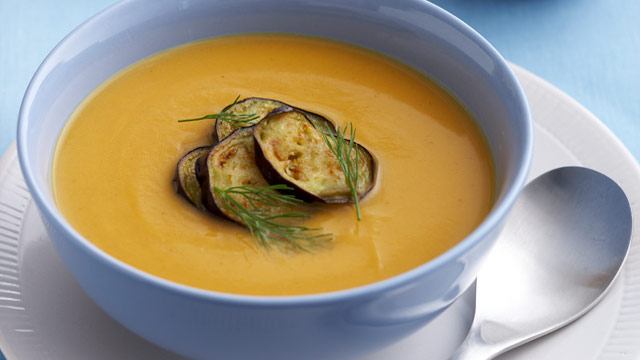
    Jerusalem artichokes and carrots, sweated with onion and celery and blended into a smooth, earthy, nutty-sweet soup.

    Prep 15 minCook 35 minServes 27 ingredients
    VeganGluten-freeDairy-freeNut-freeNo added sugar

    Tastes: smooth, earthy and gently sweet, with a nutty note from the artichokes.

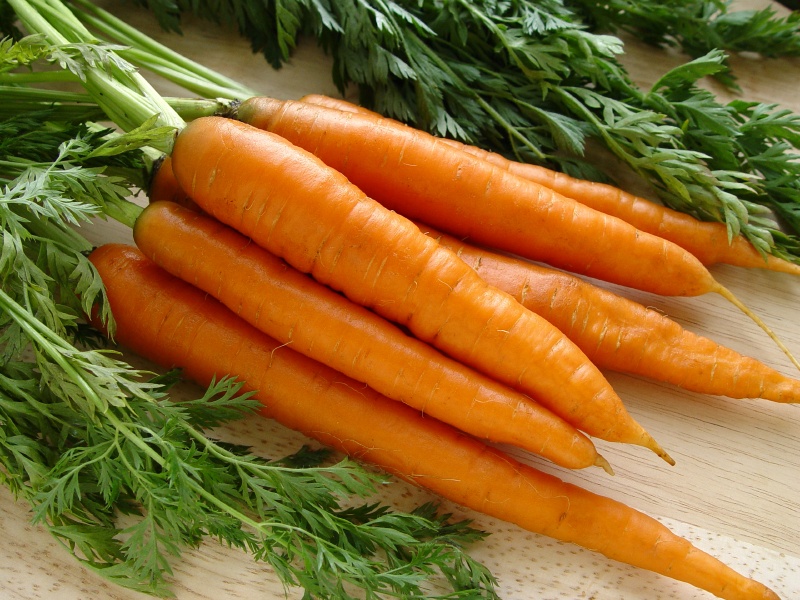
    carrots

    A lesser-known gem

    Jerusalem artichokes and carrots give this soup a smooth texture and a lovely earthy taste.

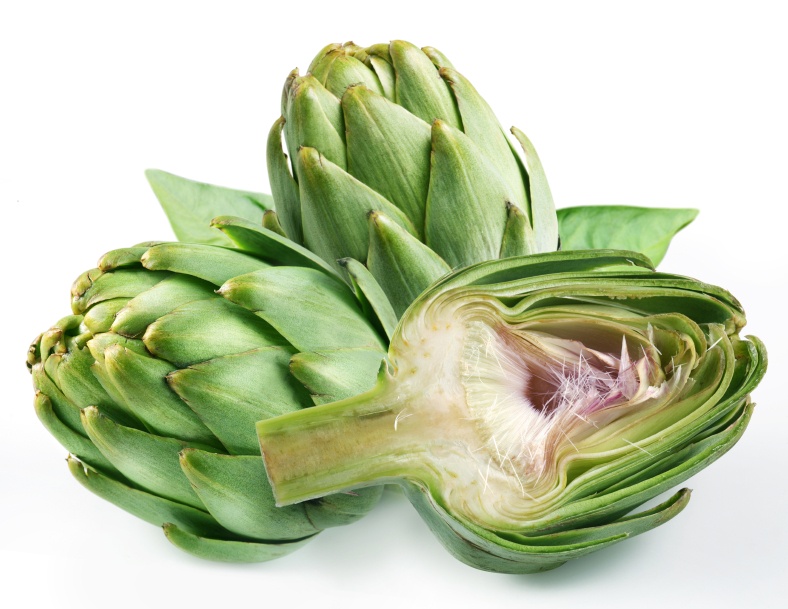
    The Jerusalem artichoke is one of the lesser-known vegetables around, which is a shame – it has a unique nutty, sweet flavour and is a good source of iron.

    Did you know it isn’t truly an artichoke at all? It’s a variety of sunflower, and it has nothing to do with Jerusalem either: the name is thought to come from girasole, the Italian for sunflower. If you’ve never cooked with it before, why not give this soup a try?!

    Why you’ll love it

    • Vitamin A: about 60% of your daily needs a bowl.
    • Iron and thiamin: over a fifth of your daily needs each.
    • Smooth and earthy with no cream needed.
    • Freezes well for busy weeks.

    Good for

    Immunity

    Vitamin A, copper, iron and vitamin B6 contribute to the normal function of the immune system.

    Antioxidants

    Copper, vitamin C and vitamin E contribute to the protection of cells from oxidative stress. It also contains plant compounds with antioxidant activity, including beta-carotene, apigenin and quercetin.

    Energy

    Iron, niacin, pantothenic acid and vitamin B6 contribute to the reduction of tiredness and fatigue.

    Bones

    Vitamin K contributes to the maintenance of normal bones.

    Eyes

    Vitamin A contributes to the maintenance of normal vision.

    Blood pressure

    Potassium contributes to the maintenance of normal blood pressure.

    Tags use approved nutrient health-claim wording, for nutrients that give at least 10% of the Daily Value per bowl. Plant compounds like these have no Daily Value, so we only say they’re there.

    Key nutrients per bowl

    Vitamin A
    61%Thiamin
    25%Copper
    22%Iron
    21%

    Contains: vitamin K (16%), potassium (16%), niacin (13%), vitamin B6 (12%), pantothenic acid (12%), vitamin C (11%), vitamin E (11%) and magnesium (7%).

    Plant compounds: beta-carotene (about 5.4 mg), apigenin from the celery and quercetin from the onion.

    4 g fibreAbout 15 g natural sugarAbout 195 mg sodium

    % of US Daily Value for adults, per bowl (half the recipe). Estimated from USDA FoodData Central values for the ingredients as listed; cooking reduces some vitamins, so treat these as upper estimates. Uses typical low-sodium stock values; excludes salt and pepper; anything over 100% shows as 100%+.

    Carrot & Jerusalem Artichoke Soup

    Onion and celery softened in olive oil, sweated with Jerusalem artichokes and carrots, then simmered in stock and blended smooth.
    Prep Time 15 minutes
    Cook Time 35 minutes
    Total Time 50 minutes
    Servings: 2 bowls

    Ingredients
      

    • 200 g Jerusalem artichokes
    • 1 stalk celery chopped
    • 130 g carrots about 2 small
    • ¼ onion chopped
    • 1 tbsp olive oil
    • 430 ml yeast-free, low-sodium vegetable stock
    • Himalayan salt and black pepper

    Equipment

    • Pot
    • Blender

    Method
     

    1. Peel and slice the artichokes and drop them into a bowl of cold water so they don’t discolour. Peel and slice the carrots.
    2. Gently heat the olive oil in a pot and soften the onion and celery for about 5 minutes, then stir in the carrots and drained artichokes.
    3. Add a pinch of salt, cover and let the veg sweat on a low heat for about 10 minutes.
    4. Pour in the stock, stir, cover and simmer for another 20 minutes, until the vegetables are soft.
    5. Blend until smooth, check the seasoning, reheat and serve!

    Swaps

    • No Jerusalem artichokes? Use parsnip or potato.
    • Spiced: add ½ tsp ground cumin with the carrots.
    • Feeding four? Double everything.

    Storing it

    Keeps in the fridge for 3 days, and freezes well for up to 3 months.

    Good to know

    • Go gently: Jerusalem artichokes are rich in inulin, a fibre that can cause wind if you’re not used to it.

    Try next

    SoupsFennel Soup with Lemon & OrangeOpen recipe →
    SoupsAnti-Inflammatory Cauliflower SoupOpen recipe →
    Want more than recipes?

    The Alkaline Life Club has everything in the Recipe Club, plus coaching, live Q&A and a community to keep you going.

    See the Alkaline Life Club

    Sources

    Nutrient values: USDA FoodData Central, SR Legacy (Jerusalem artichokes 169236, celery 169988, carrots 170393, onion 170000, olive oil 171413). Plant compounds are named where the ingredient is a well-documented source; flavonoids follow the USDA Database for the Flavonoid Content of Selected Foods, Release 3.3. Daily Values: US Food and Drug Administration.

  • Radicchio, Jerusalem Artichoke & Walnut Salad

    Radicchio, Jerusalem Artichoke & Walnut Salad

    Recipes › Salads

    Radicchio, Jerusalem Artichoke & Walnut Salad

    A light and crunchy salad with lots of different flavours and textures – enjoy it warm or cold!

    Prep 15 minCook 15 minServes 26 ingredients
    VeganGluten-freeDairy-freeNo added sugar

    Tastes: bittersweet grilled radicchio, earthy Jerusalem artichokes, toasty walnuts and fresh lemon.

    artichoke

    Earthy, fresh and crunchy

    The earthy, distinctive taste of Jerusalem artichokes makes a great contrast to the freshness of the lemon and the bittersweet radicchio, and the walnuts bring the crunch.

    Why you’ll love it

    • Plant omega-3s, about 4 g a serve from the walnuts and walnut oil.
    • Iron: over half your daily needs.
    • Copper: a full day’s worth.
    • Warm or cold – both are lovely.

    Good for

    Immunity

    Copper, iron, vitamin C and folate contribute to the normal function of the immune system.

    Antioxidants

    Copper, manganese, vitamin C and vitamin E contribute to the protection of cells from oxidative stress. It also contains plant compounds with antioxidant activity, including lutein and flavonoids.

    Energy

    Iron, folate, pantothenic acid and vitamin B6 contribute to the reduction of tiredness and fatigue.

    Bones

    Vitamin K, manganese, phosphorus and magnesium contribute to the maintenance of normal bones.

    Eyes

    Riboflavin and zinc contribute to the maintenance of normal vision. It also contains lutein and zeaxanthin, the carotenoids found in the macula of the eye.

    Blood pressure

    Potassium contributes to the maintenance of normal blood pressure.

    Tags use approved nutrient health-claim wording, for nutrients that give at least 10% of the Daily Value per serve. Plant compounds like lutein have no Daily Value, so we only say they’re there.

    Key nutrients per serve

    Vitamin K
    100%+Copper
    100%Iron
    53%Thiamin
    50%Manganese
    39%Vitamin C
    30%

    Contains: potassium (30%), folate (26%), pantothenic acid (26%), vitamin B6 (24%), phosphorus (24%), niacin (23%), magnesium (20%), vitamin E (16%), riboflavin (15%), zinc (13%) and calcium (6%).

    Plant compounds: lutein and zeaxanthin (about 6.6 mg), plant omega-3 ALA (about 3.9 g) and citrus flavonoids from the lemon.

    9 g protein6 g fibreAbout 26 g natural sugarAbout 25 mg sodium

    % of US Daily Value for adults, per serve (half the recipe (as a main)). Estimated from USDA FoodData Central values for the ingredients as listed; cooking reduces some vitamins, so treat these as upper estimates. Excludes salt, pepper and the optional parsley; anything over 100% shows as 100%+.

    Radicchio, Jerusalem Artichoke & Walnut Salad

    Grilled radicchio with walnuts and walnut oil, tossed with boiled Jerusalem artichokes, lemon juice and zest.
    Prep Time 15 minutes
    Cook Time 15 minutes
    Total Time 30 minutes
    Servings: 2

    Ingredients
      

    • 1 large radicchio or 150 g radicchio leaves
    • 40 g walnut pieces about 6 tbsp
    • 3 tbsp walnut oil
    • 500 g Jerusalem artichokes
    • 1 unwaxed lemon juice and pared rind
    • Himalayan salt or coarse sea salt and black pepper
    • flat-leaf parsley optional, to garnish

    Equipment

    • Flameproof dish
    • Grill
    • Saucepan

    Method
     

    1. Preheat the grill to high. If using a whole radicchio, cut it into 8–10 wedges. Put the radicchio in a flameproof dish, scatter over the walnuts, drizzle with the oil and season. Grill for 2–3 minutes.
    2. Peel the artichokes and cut any large ones so they’re all roughly the same size. Cook in boiling salted water with half the lemon juice for 5–7 minutes until tender, then drain.
    3. Toss the artichokes into the radicchio with the rest of the lemon juice and the pared rind, and season.
    4. Grill until it starts to brown, then serve straight away, garnished with torn parsley if you like.

    Notes

    As a side dish, this serves 4.

    Swaps

    • No Jerusalem artichokes? Use small new potatoes.
    • Olive oil instead of walnut oil.
    • Nut-free: use pumpkin seeds instead of walnuts.

    Storing it

    Best fresh, but leftovers are good cold the next day.

    Good to know

    • High in vitamin K. If you take warfarin or another blood thinner, keep your greens intake steady and talk to your doctor before eating more leafy greens than usual.
    • Contains walnuts. See Swaps for nut-free.
    • Jerusalem artichokes are rich in inulin, a fibre that can cause wind if you’re not used to it – start with a smaller portion.

    Try next

    SaladRoast Garlic & Spinach SaladOpen recipe →
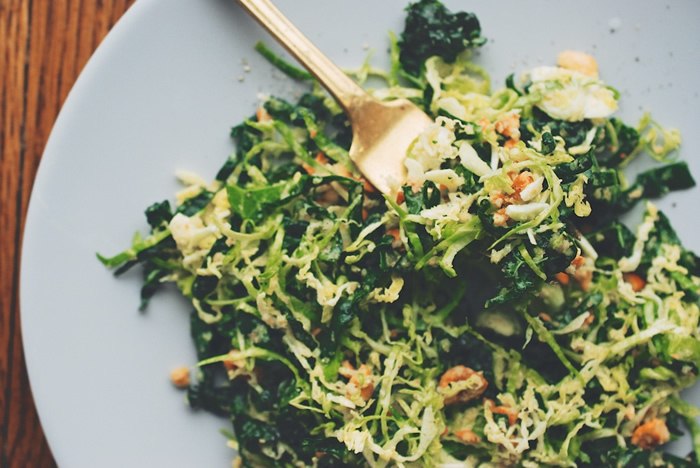
    SaladShredded Zesty Brussels & Kale SaladOpen recipe →
    Want more than recipes?

    The Alkaline Life Club has everything in the Recipe Club, plus coaching, live Q&A and a community to keep you going.

    See the Alkaline Life Club

    Sources

    Nutrient values: USDA FoodData Central, SR Legacy (radicchio 168564, walnuts 170187, walnut oil 171030, Jerusalem artichokes 169236, lemon juice 167747, lemon peel 167749). Plant compounds are named where the ingredient is a well-documented source; flavonoids follow the USDA Database for the Flavonoid Content of Selected Foods, Release 3.3. Daily Values: US Food and Drug Administration.

  • Courgettes with Moroccan Spices

    Courgettes with Moroccan Spices

    Recipes › Dinner

    Courgettes with Moroccan Spices

    Another one of my favourite quick dishes from North Africa – courgettes baked in a spicy charmoula.

    Prep 10 minCook 25 minServes 210 ingredients
    VeganGluten-freeDairy-freeNut-freeNo added sugar

    Tastes: warm and spicy, with garlic, onion, chilli, paprika and cumin, finished with lemon and fresh herbs.

    courgette

    Deliciously spicy courgettes

    The combination of garlic and onion with chilli, paprika and cumin gives the courgettes a deliciously spicy flavour.

    Courgettes, the main stars of this dish, don’t just taste good – they bring folate, potassium, vitamin A and manganese too.

    Why you’ll love it

    • Quick: about 35 minutes, mostly in the oven.
    • A spicy charmoula blended in seconds.
    • Lovely as a side with any of the stews or curries.
    • Light and fresh, finished with lemon and herbs.

    Good for

    Immunity

    Vitamin C, vitamin B6, folate and copper contribute to the normal function of the immune system.

    Antioxidants

    Vitamin C, manganese, vitamin E and copper contribute to the protection of cells from oxidative stress. It also contains plant compounds with antioxidant activity, including lutein, apigenin and quercetin.

    Energy

    Vitamin B6 and folate contribute to the reduction of tiredness and fatigue.

    Bones

    Vitamin K and manganese contribute to the maintenance of normal bones.

    Tags use approved nutrient health-claim wording, for nutrients that give at least 10% of the Daily Value per serve. Plant compounds like lutein have no Daily Value, so we only say they’re there.

    Key nutrients per serve

    Vitamin K
    51%Vitamin C
    40%

    Contains: vitamin B6 (18%), manganese (13%), vitamin E (12%), folate (11%), copper (11%), potassium (9%) and magnesium (7%).

    Plant compounds: lutein and zeaxanthin (about 2.9 mg), chlorophyll, apigenin from the parsley, quercetin from the onion, sulphur compounds from the garlic, citrus flavonoids from the lemon and capsaicin from the chilli.

    About 5 g natural sugarAbout 15 mg sodium

    % of US Daily Value for adults, per serve (half the recipe). Estimated from USDA FoodData Central values for the ingredients as listed; cooking reduces some vitamins, so treat these as upper estimates. Excludes salt and pepper added to taste; anything over 100% shows as 100%+.

    Courgettes with Moroccan Spices

    Courgette quarters baked in a blended onion, garlic, chilli and spice charmoula, finished with lemon and herbs.
    Prep Time 10 minutes
    Cook Time 25 minutes
    Total Time 35 minutes
    Servings: 2

    Ingredients
      

    Courgettes
    • 250 g courgettes (zucchini)
    • juice of ½ lemon
    • fresh coriander and parsley chopped, to serve
    Spicy charmoula
    • ½ onion
    • 1 clove garlic crushed
    • 1 small piece green or red chilli seeded and finely sliced
    • ¼ tsp paprika
    • ¼ tsp ground cumin
    • 1½ tbsp olive oil
    • Himalayan or Celtic sea salt and black pepper to taste

    Equipment

    • Shallow baking dish
    • Blender

    Method
     

    1. Preheat the oven to 180°C (355°F). Cut the courgettes into quarters lengthways and lay them in a shallow dish.
    2. Finely chop the onion and blend it with the other charmoula ingredients and 2 tbsp water. Pour over the courgettes, cover and bake for 15 minutes.
    3. Baste the courgettes with the charmoula and return to the oven, uncovered, for 5–10 minutes until tender.
    4. Sprinkle with lemon juice and the chopped herbs, and serve.

    Notes

    Feeding four? Double everything – that’s the original recipe.

    Swaps

    • Make it a meal: serve over quinoa with a spoon of hummus.
    • Eggplant works the same way, with a few extra minutes in the oven.
    • Milder: leave out the chilli.

    Storing it

    Keeps in the fridge for 2 days. Lovely cold.

    Ross’s tip

    Use young courgettes with tender skin – older courgettes may need to be peeled.

    Try next

    DinnerSpiced Turnips with Spinach & TomatoesOpen recipe →
    DinnerAubergine ‘Pizza’Open recipe →
    Want more than recipes?

    The Alkaline Life Club has everything in the Recipe Club, plus coaching, live Q&A and a community to keep you going.

    See the Alkaline Life Club

    Sources

    Nutrient values: USDA FoodData Central, SR Legacy (zucchini 169291, lemon juice 167747, coriander leaves 169997, parsley 170416, onion 170000, garlic 169230, red chilli 170106, paprika 171329, cumin 170923, olive oil 171413). Plant compounds are named where the ingredient is a well-documented source; flavonoids follow the USDA Database for the Flavonoid Content of Selected Foods, Release 3.3. Daily Values: US Food and Drug Administration.