Author: Ross

  • Alkaline Root Vegetable Curry

    Alkaline Root Vegetable Curry

    Recipes › Dinner

    Alkaline Root Vegetable Curry

    Roasted root vegetables baked in a creamy coconut and tomato curry sauce, with an abundance of flavours from the spices and herbs.

    Prep 20 minCook 65 minServes 217 ingredients
    VeganGluten-freeDairy-freeNut-freeNo added sugar

    Tastes: warming and fragrant, with sweet roasted roots, creamy coconut and fresh lime.

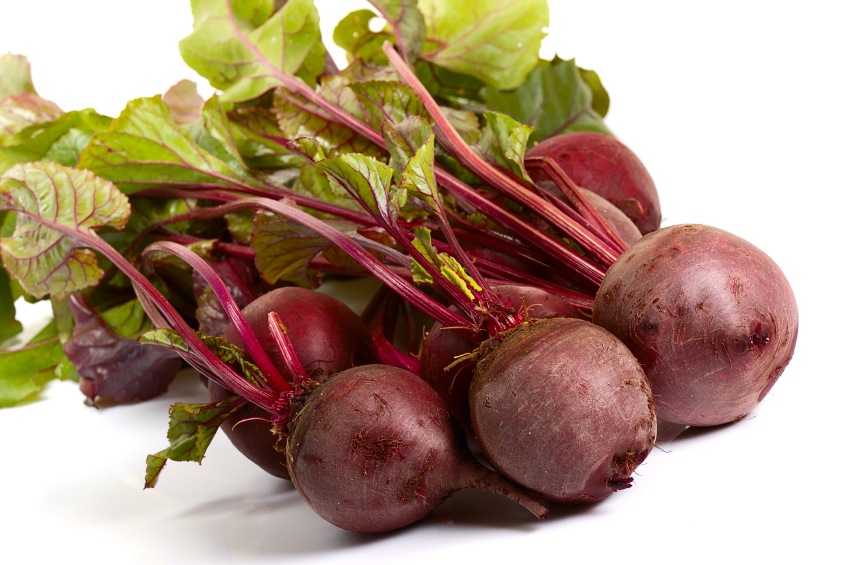
    beetroot

    Choose your roots

    Vegetable curries in general are one of my favourite dishes, as they’re generally very healthy and alkaline at the same time. This one is a little different, as it uses root vegetables of your choice: celeriac, carrots, parsnips and beetroot all work beautifully.

    Root vegetables are packed with nutrients and are a rich source of antioxidants, potassium, vitamin C and magnesium. Beetroot adds betalains too, the pigments that give it that gorgeous colour, and betaine, which may help support heart health.

    Why you’ll love it

    • Vitamin A: nearly two-thirds of your daily needs, from the carrots.
    • Manganese and copper from the roots, spices and coconut.
    • Fibre: about 12 g a serve.
    • Turmeric, ginger and chilli. Warming, anti-inflammatory spices.

    Good for

    Immunity

    Copper, vitamin A, vitamin C and iron contribute to the normal function of the immune system.

    Antioxidants

    Manganese, copper, vitamin C and vitamin E contribute to the protection of cells from oxidative stress. It also contains plant compounds with antioxidant activity, including beta-carotene, lycopene and quercetin.

    Energy

    Iron, folate, vitamin B6 and magnesium contribute to the reduction of tiredness and fatigue.

    Bones

    Manganese, vitamin K, magnesium and phosphorus contribute to the maintenance of normal bones.

    Eyes

    Vitamin A, zinc and riboflavin contribute to the maintenance of normal vision.

    Blood pressure

    Potassium contributes to the maintenance of normal blood pressure.

    Tags use approved nutrient health-claim wording, for nutrients that give at least 10% of the Daily Value per serve. Plant compounds like these have no Daily Value, so we only say they’re there.

    Key nutrients per serve

    Manganese
    100%+Copper
    78%Vitamin K
    70%Vitamin A
    62%Vitamin C
    55%Iron
    48%

    Contains: folate (43%), vitamin B6 (35%), potassium (34%), magnesium (34%), vitamin E (32%), pantothenic acid (30%), phosphorus (27%), thiamin (25%), niacin (25%), zinc (20%), riboflavin (15%) and calcium (14%).

    Plant compounds: beta-carotene (about 5.6 mg), lycopene (about 5.1 mg), plant omega-3 ALA (about 0.8 g), chlorophyll, quercetin from the onion, betalains from the beetroot, curcumin from the turmeric, gingerols from the ginger, sulphur compounds from the garlic, citrus flavonoids from the lime and capsaicin from the chilli.

    9 g protein12 g fibreAbout 19 g natural sugarAbout 370 mg sodium

    % of US Daily Value for adults, per serve (half the recipe). Estimated from USDA FoodData Central values for the ingredients as listed; cooking reduces some vitamins, so treat these as upper estimates. Excludes the optional rice, and salt and pepper added to taste; anything over 100% shows as 100%+.

    Alkaline Root Vegetable Curry

    Roasted root vegetables baked in a creamy coconut, tomato and turmeric curry sauce.
    Prep Time 20 minutes
    Cook Time 1 hour 5 minutes
    Total Time 1 hour 25 minutes
    Servings: 2

    Ingredients
      

    • 4 large handfuls root vegetables about 500 g, peeled and diced: beetroot, carrot, parsnip and celeriac
    • 4 tsp rapeseed or grapeseed oil divided
    • 2 large garlic cloves chopped
    • 1 small red chilli roughly chopped
    • 1 medium onion chopped
    • ½ x 400 g tin chopped tomatoes
    • 1 small bunch fresh coriander
    • 1 cinnamon stick
    • 1½ tsp ground turmeric
    • 1 tsp cumin seeds
    • ½ tsp fennel seeds
    • 1 tsp coriander seeds
    • 2 cm fresh ginger cut into small pieces
    • ½ x 400 ml tin coconut milk
    • ½ lime
    • Himalayan or Celtic sea salt and black pepper
    • cooked brown basmati rice optional, to serve

    Equipment

    • Roasting tray
    • Blender

    Method
     

    1. Preheat the oven to 200°C (400°F) and put a large roasting tray in to heat up.
    2. Cut the root vegetables into roughly 3 cm dice, coat with 1 tbsp of the oil and season with salt and pepper. Tip onto the hot tray, shake to spread them out, and roast for about 40 minutes.
    3. Toast the coriander, fennel and cumin seeds in a dry frying pan for a couple of minutes, then grind to a rough powder and mix in the turmeric.
    4. Purée the chilli, ginger, garlic and onion in a blender.
    5. Gently heat the remaining oil in a frying pan over medium-low heat, add the spices and fry for about a minute. Add the paste and stir for about 5 minutes until it has softened and reduced.
    6. Stir in the coconut milk and tomatoes, add the cinnamon stick and simmer, stirring. Season to taste, then pour the sauce over the roasting vegetables.
    7. Bake everything for about 25 minutes, until the vegetables are tender and the sauce has thickened. Remove the cinnamon stick, squeeze over the lime juice and garnish with coriander leaves. Delicious by itself, or with brown basmati rice.

    Swaps

    • Any roots work: sweet potato, swede or turnip too.
    • Light coconut milk makes it lighter, but less creamy.
    • Less heat: deseed the chilli or leave it out.

    Storing it

    Keeps in the fridge for 3 days and freezes well. It’s even better the next day.

    Good to know

    • High in vitamin K. If you take warfarin or another blood thinner, keep your greens intake steady and talk to your doctor before eating more leafy greens than usual.

    Try next

    DinnerAlkaline Chickpea KormaOpen recipe →
    DinnerFast 5-Minute DhalOpen recipe →
    Want more than recipes?

    The Alkaline Life Club has everything in the Recipe Club, plus coaching, live Q&A and a community to keep you going.

    See the Alkaline Life Club

    Sources

    Nutrient values: USDA FoodData Central, SR Legacy (beetroot 169145, carrot 170393, parsnip 170417, celeriac 170400, canola oil 172336, garlic 169230, chilli 170106, onion 170000, crushed tomatoes 170501, coriander leaves 169997, turmeric 172231, cumin 170923, fennel seed 171323, coriander seed 170922, ginger 169231, coconut milk 170173, lime juice 168156). Plant compounds are named where the ingredient is a well-documented source; flavonoids follow the USDA Database for the Flavonoid Content of Selected Foods, Release 3.3. Daily Values: US Food and Drug Administration.

  • Warm Red Pepper, Spinach & Courgette Salad

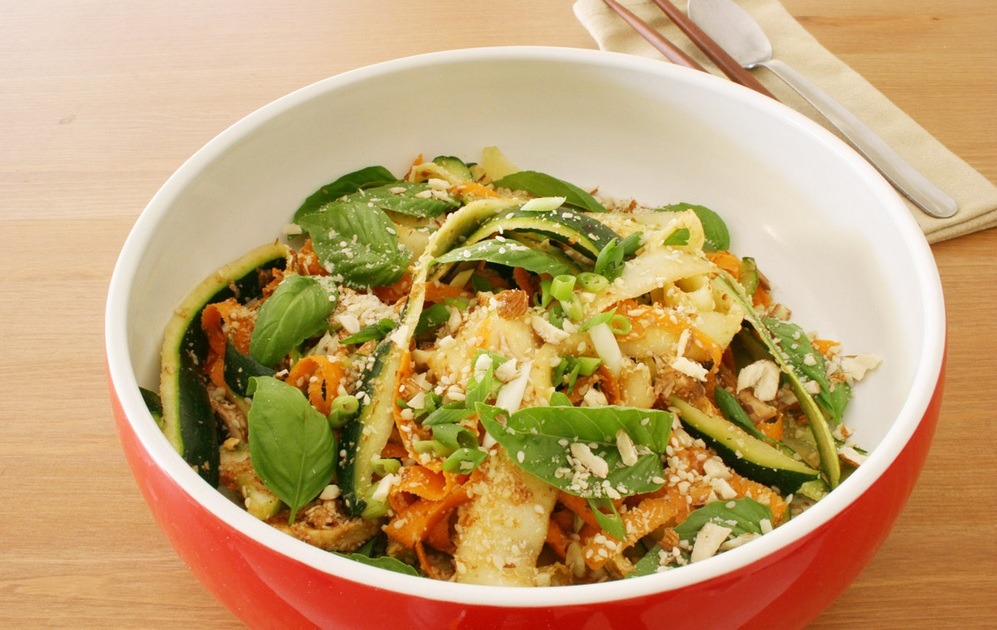
    Warm Red Pepper, Spinach & Courgette Salad

    Recipes › Salads

    Warm Red Pepper, Spinach & Courgette Salad

    A warm, Mediterranean-style salad that’s tasty and flavoursome, and very healthy and nutritious too!

    Prep 15 minCook 40 minServes 26 ingredients
    VeganGluten-freeDairy-freeNut-freeNo added sugar

    Tastes: soft, sweet carrots, pepper and courgette with their warm juices poured over fresh spinach.

    A warm salad for a change

    When it’s cold, it’s nice to have a warm salad for a change, as most salads are cold ones.

    Red peppers, spinach and courgettes are highly alkalising and packed with nutrients: vitamins C and A, manganese, folate and potassium. Feel free to combine it with brown basmati rice or new potatoes.

    Why you’ll love it

    • Vitamin A: about two and a half day’s worth.
    • Vitamin C: almost twice your daily needs.
    • Folate: a full day’s worth.
    • Warm and comforting for a salad.

    Good for

    Immunity

    Vitamin A, vitamin C, folate and vitamin B6 contribute to the normal function of the immune system.

    Antioxidants

    Vitamin C, manganese, vitamin E and riboflavin contribute to the protection of cells from oxidative stress. It also contains plant compounds with antioxidant activity, including lutein and beta-carotene.

    Energy

    Folate, vitamin B6, riboflavin and magnesium contribute to the reduction of tiredness and fatigue.

    Bones

    Vitamin K, manganese, magnesium and calcium contribute to the maintenance of normal bones.

    Eyes

    Vitamin A, riboflavin and zinc contribute to the maintenance of normal vision. It also contains lutein and zeaxanthin, the carotenoids found in the macula of the eye.

    Blood pressure

    Potassium contributes to the maintenance of normal blood pressure.

    Tags use approved nutrient health-claim wording, for nutrients that give at least 10% of the Daily Value per serve. Plant compounds like lutein have no Daily Value, so we only say they’re there.

    Key nutrients per serve

    Vitamin K
    100%+Vitamin A
    100%+Vitamin C
    100%+Folate
    100%+Manganese
    91%Vitamin B6
    65%

    Contains: vitamin E (55%), riboflavin (46%), potassium (45%), magnesium (45%), copper (44%), thiamin (33%), iron (32%), niacin (28%), pantothenic acid (24%), calcium (19%), zinc (19%) and phosphorus (19%).

    Plant compounds: lutein and zeaxanthin (about 24 mg), beta-carotene (about 24 mg), plant omega-3 ALA (about 0.5 g) and chlorophyll.

    9 g protein12 g fibreAbout 17 g natural sugarAbout 260 mg sodium

    % of US Daily Value for adults, per serve (half the recipe). Estimated from USDA FoodData Central values for the ingredients as listed; cooking reduces some vitamins, so treat these as upper estimates. Uses 3 tbsp olive oil (see notes); excludes salt and pepper and rice or potatoes to serve; anything over 100% shows as 100%+.

    Warm Red Pepper, Spinach & Courgette Salad

    Carrots, red pepper and courgette gently braised in olive oil, then spooned warm over fresh baby spinach.
    Prep Time 15 minutes
    Cook Time 40 minutes
    Total Time 55 minutes
    Servings: 2

    Ingredients
      

    • 1 red pepper deseeded and sliced
    • 450 g courgettes cut into thick batons
    • 300 g fresh baby spinach washed and drained
    • 350 g carrots peeled and sliced
    • 3 tbsp extra-virgin olive oil
    • Himalayan or Celtic sea salt and black pepper to taste

    Equipment

    • Wide casserole dish with lid
    • Shallow serving dish

    Method
     

    1. Wash and drain all the vegetables. Peel and slice the carrots and cut the courgettes into thick batons. Dry the spinach and lay it in a shallow serving dish.
    2. Put the oil in a wide ovenproof casserole over a low heat. Add the carrots and pepper and season. Cover and cook gently for about 30 minutes, until tender.
    3. Stir in the courgettes, cover again and cook for another 10 minutes – they should be tender but still have their colour.
    4. Spoon the warm veg and all the juices over the spinach and serve.

    Notes

    The original recipe uses 150 ml olive oil for two – far more than you need. 3 tbsp is plenty to braise the veg with the lid on.

    Swaps

    • Make it a meal: serve with brown basmati rice, new potatoes or quinoa.
    • More protein: add a can of rinsed chickpeas with the courgettes.
    • Herbs: finish with basil or parsley.

    Storing it

    Best fresh. The braised veg keeps in the fridge for 2 days – reheat and pour over fresh spinach.

    Good to know

    • High in vitamin K. If you take warfarin or another blood thinner, keep your greens intake steady and talk to your doctor before eating more leafy greens than usual.

    Try next

    DinnerSpinach & ChickpeasOpen recipe →
    DinnerSpiced Turnips with Spinach & TomatoesOpen recipe →
    Want more than recipes?

    The Alkaline Life Club has everything in the Recipe Club, plus coaching, live Q&A and a community to keep you going.

    See the Alkaline Life Club

    Sources

    Nutrient values: USDA FoodData Central, SR Legacy (red pepper 170108, zucchini 169291, spinach 168462, carrots 170393, olive oil 171413). Plant compounds are named where the ingredient is a well-documented source; flavonoids follow the USDA Database for the Flavonoid Content of Selected Foods, Release 3.3. Daily Values: US Food and Drug Administration.

  • Braised Fennel with Brown Basmati Rice

    Braised Fennel with Brown Basmati Rice

    Recipes › Dinner

    Braised Fennel with Brown Basmati Rice

    One of my favourite quick alkaline recipes – so simple to make and perfect for cooking during the week.

    Prep 10 minCook 30 minServes 28 ingredients
    VeganGluten-freeDairy-freeNut-freeNo added sugar

    Tastes: soft, sweet and gently aniseed, with garlic, parsley and nutty brown rice.

    Under half an hour, start to finish

    The whole recipe takes under half an hour, and it tastes delicious and is healthy too!

    Fennel has a slight aniseed taste and some unique antioxidant plant compounds. It’s rich in folate, fibre, potassium and vitamin C, which can help support heart and gut health. The onion, garlic and fresh parsley are alkalising and packed with nutrients too.

    Why you’ll love it

    • Vitamin K: over three times your daily needs, from the fennel and parsley.
    • Manganese: a full day’s worth.
    • About 11 g fibre a serve.
    • Simple and quick – great when you’re struggling for midweek ideas.

    Good for

    Immunity

    Vitamin C, copper, folate and vitamin B6 contribute to the normal function of the immune system.

    Antioxidants

    Manganese, vitamin C, copper and vitamin E contribute to the protection of cells from oxidative stress. It also contains plant compounds with antioxidant activity, including lutein, beta-carotene and apigenin.

    Energy

    Niacin, magnesium, folate and vitamin B6 contribute to the reduction of tiredness and fatigue.

    Bones

    Vitamin K, manganese, magnesium and phosphorus contribute to the maintenance of normal bones.

    Eyes

    Vitamin A, zinc and riboflavin contribute to the maintenance of normal vision. It also contains lutein and zeaxanthin, the carotenoids found in the macula of the eye.

    Blood pressure

    Potassium contributes to the maintenance of normal blood pressure.

    Tags use approved nutrient health-claim wording, for nutrients that give at least 10% of the Daily Value per serve. Plant compounds like lutein have no Daily Value, so we only say they’re there.

    Key nutrients per serve

    Vitamin K
    100%+Manganese
    100%+Vitamin C
    61%Copper
    44%Niacin
    37%Thiamin
    33%

    Contains: magnesium (31%), folate (29%), vitamin B6 (29%), potassium (29%), pantothenic acid (28%), phosphorus (28%), vitamin E (25%), selenium (24%), iron (21%), vitamin A (20%), zinc (19%), riboflavin (15%) and calcium (13%).

    Plant compounds: lutein and zeaxanthin (about 2.3 mg), beta-carotene (about 2.1 mg), chlorophyll, apigenin from the parsley, quercetin from the onion and sulphur compounds from the garlic.

    9 g protein11 g fibreAbout 14 g natural sugarAbout 290 mg sodium

    % of US Daily Value for adults, per serve (half the recipe). Estimated from USDA FoodData Central values for the ingredients as listed; cooking reduces some vitamins, so treat these as upper estimates. Uses 2 large fennel bulbs, low-sodium stock and ⅔ cup brown basmati rice (raw); excludes salt and pepper; anything over 100% shows as 100%+.

    Braised Fennel with Brown Basmati Rice

    Fennel quarters braised with onion and garlic in vegetable stock, served over brown basmati rice.
    Prep Time 10 minutes
    Cook Time 30 minutes
    Total Time 40 minutes
    Servings: 2

    Ingredients
      

    • 2 large fennel bulbs
    • 1 large onion finely chopped
    • 2 cloves garlic finely chopped
    • 1 bunch fresh parsley finely chopped
    • 500 ml hot yeast-free vegetable stock about
    • 2 tbsp olive oil
    • ⅔ cup brown basmati rice
    • Himalayan or Celtic sea salt and black pepper to taste

    Equipment

    • Large frying pan with lid
    • Saucepan

    Method
     

    1. Cook the rice following the packet instructions.
    2. Wash the fennel, cut off the stalks, halve the bulbs and cut out the hard core, then cut into quarters. Peel and finely chop the onion and garlic.
    3. Gently heat the olive oil in a large frying pan and fry the onion until it starts to soften. Add the fennel and garlic and fry gently for 2–3 minutes.
    4. Add enough hot stock to just cover the vegetables. Cover with a lid, turn the heat to the lowest setting and cook for about 20 minutes, until the fennel is tender but not overcooked.
    5. Season with salt and pepper, sprinkle with the parsley and serve over the rice.

    Notes

    The original recipe says 6 large fennel bulbs for two; 2 large bulbs (about 1 each) is a more realistic portion.

    Swaps

    • Quinoa instead of rice.
    • Add a protein: stir in a can of rinsed cannellini beans for the last 5 minutes.
    • Lemony: finish with lemon zest and juice.

    Storing it

    Keeps in the fridge for 2–3 days.

    Good to know

    • High in vitamin K. If you take warfarin or another blood thinner, keep your greens intake steady and talk to your doctor before eating more leafy greens than usual.

    Try next

    DinnerChilli Spring GreensOpen recipe →
    DinnerRoasted Romanesco CurryOpen recipe →
    Want more than recipes?

    The Alkaline Life Club has everything in the Recipe Club, plus coaching, live Q&A and a community to keep you going.

    See the Alkaline Life Club

    Sources

    Nutrient values: USDA FoodData Central, SR Legacy (fennel 169385, onion 170000, garlic 169230, parsley 170416, olive oil 171413, brown rice 169703). Plant compounds are named where the ingredient is a well-documented source; flavonoids follow the USDA Database for the Flavonoid Content of Selected Foods, Release 3.3. Daily Values: US Food and Drug Administration.

  • Provençal Pistou Soup

    Provençal Pistou Soup

    Recipes › Soups

    Provençal Pistou Soup

    A warming Provençal vegetable soup of white beans, green beans, potato, tomato and courgette, topped with a big spoonful of fresh basil and pine nut pistou.

    Prep 15 minCook 30 minServes 217 ingredients
    VeganGluten-freeDairy-freeNo added sugar

    Tastes: light, fresh and veg-packed, with a fragrant, garlicky basil pistou stirred through.

    beans

    Bon appétit!

    This soup is packed with different vegetables and will definitely keep you warm on a cold day.

    It’s my take on the Provençal Soupe au Pistou, a cousin of Italy’s minestrone al pesto. Traditionally the pistou is made with parmesan, which I leave out – and it’s still wonderfully rich and fragrant.

    Green beans, white beans, potatoes and tomatoes are the classic ingredients, and I’ve added courgette, onion, celery and carrot for even more goodness. Bon appétit!

    Why you’ll love it

    • 14 g plant protein and 11 g fibre a bowl.
    • Vitamin K: nearly 1½ days’ worth.
    • Manganese and copper: around 70% of your daily needs each.
    • Fresh pistou stirred in at the table.

    Good for

    Immunity

    Copper, vitamin C, folate and vitamin B6 contribute to the normal function of the immune system.

    Antioxidants

    Manganese, copper, vitamin C and vitamin E contribute to the protection of cells from oxidative stress. It also contains plant compounds with antioxidant activity, including lutein, beta-carotene and lycopene.

    Energy

    Folate, vitamin B6, iron and magnesium contribute to the reduction of tiredness and fatigue.

    Muscles

    Protein contributes to the maintenance of muscle mass, and magnesium, potassium and calcium contribute to normal muscle function.

    Bones

    Vitamin K, manganese, magnesium and zinc contribute to the maintenance of normal bones.

    Eyes

    Vitamin A, zinc and riboflavin contribute to the maintenance of normal vision. It also contains lutein and zeaxanthin, the carotenoids found in the macula of the eye.

    Blood pressure

    Potassium contributes to the maintenance of normal blood pressure.

    Tags use approved nutrient health-claim wording, for nutrients that give at least 10% of the Daily Value per bowl. Plant compounds like lutein have no Daily Value, so we only say they’re there.

    Key nutrients per bowl

    Vitamin K
    100%+Manganese
    74%Copper
    67%Vitamin C
    47%Folate
    39%Vitamin B6
    35%

    Contains: iron (34%), vitamin E (33%), magnesium (32%), potassium (30%), vitamin A (28%), thiamin (25%), zinc (23%), phosphorus (20%), pantothenic acid (16%), calcium (16%), riboflavin (15%) and niacin (14%).

    Plant compounds: lutein and zeaxanthin (about 3.2 mg), beta-carotene (about 2.7 mg), lycopene (about 1.6 mg), apigenin from the celery, quercetin from the onion and sulphur compounds from the garlic.

    14 g protein11 g fibreAbout 9 g natural sugarAbout 570 mg sodium

    % of US Daily Value for adults, per bowl (half the recipe). Estimated from USDA FoodData Central values for the ingredients as listed; cooking reduces some vitamins, so treat these as upper estimates. Uses salted canned white beans and typical low-sodium stock values, including the pistou; excludes salt and pepper; anything over 100% shows as 100%+.

    Provençal Pistou Soup

    Onion, garlic, celery and carrot softened in olive oil, simmered with potato, tomato and basil, then finished with courgette, white beans and green beans and topped with basil pistou.
    Prep Time 15 minutes
    Cook Time 30 minutes
    Total Time 45 minutes
    Servings: 2 bowls

    Ingredients
      

    • 1 can white beans (cannellini or haricot) 400 g, drained and rinsed
    • 100 g green beans chopped
    • 1 large garlic clove crushed
    • 1 tbsp extra virgin olive oil
    • ½ carrot finely chopped
    • ½ large onion finely chopped
    • ½ stick celery finely chopped
    • 90 g new potatoes cut into cubes
    • 425 ml yeast-free, low-sodium vegetable stock
    • 1 large tomato skinned, deseeded and chopped
    • 100 g courgette (zucchini) cut into small cubes
    • ½ bunch fresh basil finely chopped
    • Himalayan salt and black pepper
    For the pistou
    • 50 g fresh basil leaves
    • ¾ tbsp pine nuts
    • 1 large garlic clove
    • 25 ml extra virgin olive oil

    Equipment

    • Large pot
    • Mini food processor

    Method
     

    1. Heat the oil in a large pot over a medium heat. Add the onion, garlic, celery and carrot and fry gently for 5–8 minutes, until the onion is soft but not browned.
    2. Stir in the potatoes, stock and tomato and season with salt and pepper. Bring to the boil and add the chopped basil, then reduce the heat, cover and simmer gently until the potatoes are tender, about 15 minutes.
    3. Meanwhile, make the pistou: blitz the basil, garlic and pine nuts in a mini food processor to a thick paste, then mix in the olive oil. Cover and chill until needed.
    4. When the potatoes are tender, add the courgette, white beans and green beans and cook for another 10 minutes, until the green beans are tender. Season to taste.
    5. Divide between bowls and top each with a large spoonful of pistou. Enjoy!

    Swaps

    • Nut-free: leave out the pine nuts or use sunflower seeds.
    • Cheesy note: add 1 tbsp nutritional yeast to the pistou.
    • Feeding four? Double everything.

    Storing it

    Keeps in the fridge for 3 days, and freezes well for up to 3 months. Keep the pistou separately in a sealed jar in the fridge for up to 3 days.

    Good to know

    • Watching your salt? Choose a low-sodium stock and no-added-salt canned beans and tomatoes, and season at the end.

    Try next

    SoupsSuper-Hearty MinestroneOpen recipe →
    SoupsRibollita (Tuscan Bean & Greens Soup)Open recipe →
    Want more than recipes?

    The Alkaline Life Club has everything in the Recipe Club, plus coaching, live Q&A and a community to keep you going.

    See the Alkaline Life Club

    Sources

    Nutrient values: USDA FoodData Central, SR Legacy (canned white beans 175204, green beans 169961, garlic 169230, olive oil 171413, carrots 170393, onion 170000, celery 169988, potatoes 170026, tomatoes 170457, zucchini 169291, basil 172232, pine nuts 170591). Plant compounds are named where the ingredient is a well-documented source; flavonoids follow the USDA Database for the Flavonoid Content of Selected Foods, Release 3.3. Daily Values: US Food and Drug Administration.

  • Alkaline Breakfast Recipes

    Alkaline Breakfast Recipes

    Alkaline breakfast recipes…a common stumbling block for beginners…

    But, in this guide today, I am going to show you how an alkaline breakfast can be easy, quick and delicious!

    Getting an alkaline, anti-inflammatory, nourishing hit for breakfast is SO important. If you want to improve your energy, hormone balance (especially your thyroid, adrenals and blood sugar/pancreas), to support weight loss (or muscle weight gain), your digestion and immune system – starting the day with an alkaline brekkie hit is essential!

    In this guide you will receive:

    • The lowdown on what an alkaline breakfast looks like
    • The acid foods to avoid at the start of the day
    • FIVE delicious alkaline breakfast recipes to get you started
    • PLUS my 14-Day Alkaline Breakfast Plan so you can go from wherever you are now to an alkalizing start to the day in just 2 weeks

    Let’s get started!

    Alkaline Breakfast Recipes – The Ultimate Guide

    Update: this video explains everything – so if you prefer a video, this is for you! This is a training I delivered to my Alkaline Base Camp members (this is my alkaline coaching membership). If you want to join the waiting list to find out when I am next accepting members, click here.

    I know that when you first start to live the alkaline diet and you go through your alkaline food charts to work out what to eat, one of the first questions that you will ask is “what am I going to have for breakfast?”

    At first glance, I can understand why!

    An alkaline breakfast, without guidance, can seem a tough task – but I assure you – making an alkaline breakfast is actually really easy when you know how….and the good news is….I know exactly how and…

    …the better news is…I’m going to teach you how to make delicious alkaline breakfasts in under five minutes!

    “Change Your Breakfast, Change Your Life”

    Changing your breakfast habits is one of the most fundamental, life-changing lessons I can teach you.

    Hundreds of studies have proven that there is a direct correlation between an insufficient breakfast and the quality of your health – including your energy, excess weight and even aging.

    Have a think now, and write it down if you like (I encourage you to):

    — what have you had for breakfast for the past week?

    Most people will fall into one of three categories:

    • Breakfast 1: nothing for breakfast
    • Breakfast 2: the fast (barely there) breakfast
    • Breakfast 3: the standard Western (acidic) variety

    Each of these has it’s own issues, so let me take you through them one-by-one:

    Bad Breakfast 1: Having No Breakfast Makes You Gain Weight, Fatigued and Clogged

    When you have nothing for breakfast you’re getting your body off to a terrible start. After a 7-10 hour fast (while you sleep) your body is absolutely crying out for nutrients and your metabolism has ground to a halt.

    This starts a vicious cycle immediately in your day. Not only do your cells start to cannibalize to get the nutrients they need (including breaking down bones and muscle) but your body trains itself not to expect food in the morning, so your metabolism gets even slower as your body goes into ‘starvation mode’ – clinging onto any fat it can for energy.

    Too many people skip breakfast and it sends your blood sugar and energy levels on a roller-coaster that will end up in snacking, poor diet choices and binging – sending you blood sugar and energy levels spiraling even further out of control. Breakfast eases your metabolism into action, keeping you steady and stable and reducing the likelihood of poor food choices.

    Please, please, please don’t skip breakfast.

    And don’t let your kids do it either! This research paper which analyzed 36 scientific studies on the outcomes of a habitual breakfast found that having breakfast every day led to vastly increase academic performance and behavior.

    Bad Breakfast 2: The Fast Breakfast…aka the Fast Track to Fatigue

    You’re in a hurry and you grab whatever you can on your way out of the door, or worse, on your commute. Have a think about these foods – coffee, toast, bagel, sausage roll, pastry…

    Do you think these are going to energize your body?! Do you think these are alkaline and energy-giving? Absolutely not. And to compound this, we then eat these foods while we’re on the move which totally messes with your digestive system.

    Bad Breakfast 3: The (Low) Standard Breakfast

    When you think about the typical western breakfast what do you think of? Do you think of ingredients such as eggs, bacon, sausages, cereal, toast, jam, orange juice, milk, fried toast, french toast, pancakes, syrup, coffee, tea…

    All, yes, ALL of those foods are very acid-forming, will zap your energy, send your blood sugar spiraling out of control and leave you feeling that 10-11am slump if they don’t already have you snoozing on your commute to work.

    Can you imagine how GREAT it would be if you actually felt vibrant and alive in the mornings?!

    SEE ALSO: The Perfect Breakfast Formula for All-Day Energy

    Gluten-containing grains are especially problematic at this time of day as they contain a starch known as ‘amylopectin A’ – which spikes your blood sugar like nothing else. And when the blood sugar spikes…it then plummets, leaving you with zero energy and a craving for sugar, carbs and anything else to try and get back to status quo.

    In this 1989 study from the American Journal of Clinical Nutrition, subjects were fed a diet of 70% amylose or 70% amylopectin.

    The participants who were in the amylopectin group had higher glucose and insulin responses after each meal. What does this mean? Chronically elevated insulin levels lead to inflammation, visceral fat accumulation, digestive issues such as leaky gut and more.

    And if you’re suffering any hormonal imbalance with your thyroid, adrenals, etc then cutting grains might be a good idea for you regardless.

    How these Alkaline Breakfast Recipes will Kick Start Your Day to Ignite Your Energy & Weight Loss…Immediately:

    Your Guide to Alkaline Breakfast Recipes:

    Now I know that you might be thinking that after ruling out the foods like eggs, toast, cereal, milk etc. there is nothing left to eat!

    But I am here to tell you that there is.

    There are still SO MANY great, healthy breakfast choices and all of those acid-forming, energy-robbing ingredients are only common to breakfast because we have been conditioned that way.

    Here is the plan…I’ll make it really easy to start eating alkaline foods for breakfast every day:

    Firstly I am going to give you a list of breakfasts for the next two weeks. Then I am going to give you the guidance that will help make it a reality, but here is what I want you to do first.

    Right away I want you to stop reading this, grab a pen and paper or open up Word and write down how your life would be different if you were waking up at 6am, naturally, each day, full of energy – able to jump right out of bed and then feeling on top of the world, full of vitality all morning.

    What could you get done with the extra time in the morning? How would it make you feel?

    • Maybe you would be able to start that exercise you’ve been wanting to do but never had the time or couldn’t get yourself out of bed in the morning.
    • Maybe you get to spend a few extra hours a day with your partner and children.
    • Maybe you get to go for a walk and watch the sunrise.
    • Maybe you can start to meditate or do yoga.
    • Maybe you can use these few hours to work on that business idea you’ve been putting off because you didn’t have time


    Giving yourself the gift of time and energy will do more for your life than 99% of anything else you could do. So please follow this short exercise. Doing this is one of the most powerful lessons Joseph taught me, and it worked so well.

    A Quick-Look at the Most Alkaline & Acidic Brekkie Foods
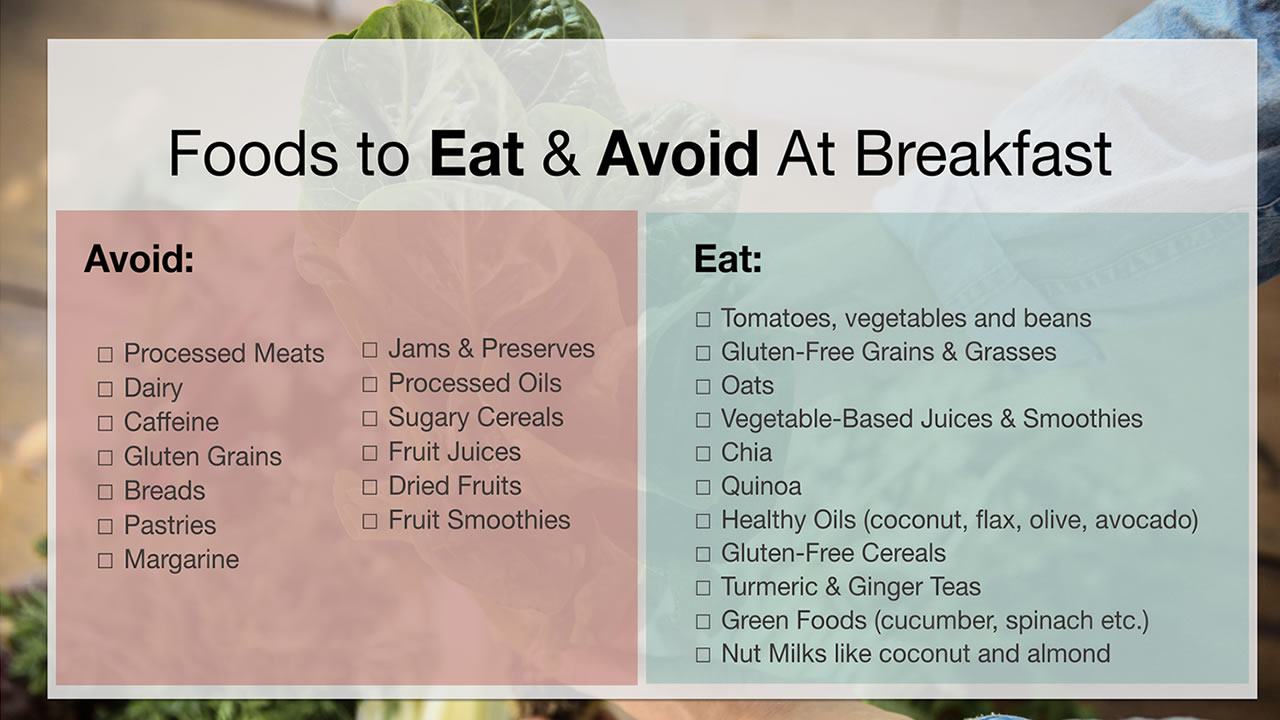
    table of acidic and alkaline forming foods for breakfast

    Step One: Your New Alkaline Breakfast Menu Plan

    I will start you gently, but what you are moving towards here is a nutrient-dense, energizing, alkaline breakfast that will have you feeling just awesome in no time:

    (note: where the recipes are not obvious, I have linked to these below)

    Week One:

    Day 1: Organic oats, quinoa or a combination cooked in a 50:50 mix of water and milk (preferably almond, coconut or soy milk), topped with berries, if needed a little stevia or coconut syrup and flax seeds

    Click here for my Simple Alkaline Oats Recipe
    Click here for my Quinoa Porridge recipe

    Day 2: Organic oats, quinoa or a combination cooked in a 50:50 mix of water and milk (preferably almond, coconut or soy milk), topped with berries, if needed a little stevia or coconut syrup and flax seeds

    Day 3: Slices of avocado, cucumber, tomato and alfalfa sprouts on a slice of sprouted bread, drizzled with olive oil, salt & pepper

    Day 4: Scrambled Tofu Mega-Brekkie (see recipe below)

    Day 5: Alkaline Transition Muesli (see recipe below)

    Day 6: Slices of avocado, cucumber, tomato and alfalfa sprouts on a slice of sprouted bread, drizzled with olive oil, salt & pepper

    Day 7: Organic oats, quinoa or a combination cooked in a 50:50 mix of water and milk (preferably almond, coconut or soy milk), topped with berries, if needed a little stevia or coconut syrup and flax seeds

    Week Two:

    Day 8: Quinoa & Apple Warmer (see recipe below)

    Day 9: Alkaline Transition Muesli (see recipe below)

    Day 10: Slices of avocado, cucumber, tomato and alfalfa sprouts on a slice of sprouted bread, drizzled with olive oil, salt & pepper

    Day 11: Alkaline Power Smoothie (see recipe below) – a smoothie of blended avocado, cucumber, spinach, green pepper and more

    Day 12: Organic oats cooked in a 50:50 mix of water and milk (preferably almond, coconut or soy milk), topped with banana, a little honey and flax seeds

    Day 13: Alkaline Power Smoothie (see recipe below) – a smoothie of blended avocado, cucumber, spinach, green pepper and more

    Day 14: Slices of avocado, cucumber, tomato and alfalfa sprouts on a slice of sprouted bread, drizzled with olive oil, salt & pepper

    A NOTE ON THE NON-ALKALINE INGREDIENTS INCLUDED

    Please note that this is a transitional plan – this means that you are not trying to be perfect from day one. In all of my experience, when people try and be perfect straight away they just end up giving up after 24 hours and feel worse than before. (See here for a video on this)

    So, yes, I am saying you can have a little fruit (shock horror!) and I am giving you a few transitional muesli recipes. That’s because all of these are still at least giving you alkaline breakfast recipes that are around 70% alkaline and this is miles better than the standard breakfast stuff like toast, jam, fried foods, etc.

    This is a transitional plan that I think that EVERYONE can stick to and enjoy.

    And after this two weeks, you will be having an alkaline breakfast more often than not and still enjoying your food.

    PLUS these recipes are fast and easy to make! It’s win-win-win.

    The Alkaline Breakfast Recipes:

    Scrambled Tofu Mega-Brekkie
    Alkaline Transition Muesli
    Quinoa & Apple Warmer
    Alkaline Power Smoothie
    Almond Milk Recipe

    Here is your action plan:

    1. Do the visualization exercise I gave you. Do it, do it, do it!
    2. Prepare your shopping list and shop for these ingredients one week at a time – that way you will have everything you need, ready to go – with no excuses.
    3. Start on a Saturday or Sunday so you can get into the routine at a leisurely pace without the pressures of work
    4. Take some snacks with you to work, such as fruit (pref low sugar fruit such as grapefruit) just in case you don’t get the quantity right to keep you going
    5. Reward yourself at the end of each successful day
    6. Read your vision each night before bed and then when you wake up in the morning before you get out of bed – doing this will guarantee you will succeed – so if you seriously want to achieve this then doing this step will guarantee it. 100% guarantee.

    Now go for it!

    I would love to hear from you – so please get in touch by leaving a comment below.

    Stay happy, stay healthy
    Ross

    P.S. Take a look at the Alkaline Recipe System. With hundreds of easy-to-prepare Alkaline recipes PLUS 7 goal-based meal plans each with itemized shopping lists (for goals including weight loss, more energy, better digestion, clearer skin and more) – it makes reaching your health goals SO easy!

    P.P.S if you have any alkaline breakfast recipes to share, please do leave them in the comments below!

    + Make sure to sign up for our free newsletter to get our latest alkaline recipes delivered weekly (it’s free).

  • De-hydrated Falafel Patties

    De-hydrated Falafel Patties

    From Juliano’s “Raw” the uncooked book.

    Makes 40 small patties.

    Ingredients

    1 ½ cups of sprouted chick peas
    1 cup sprouted sunflower seeds
    1 tablespoon minced garlic
    2 cups (60 grams) fresh coriander – chopped
    ½ cup tahini
    1 tablespoon Celtic sea salt
    2 tablespoons fresh parsley
    ½ cup chopped onion
    ½ cup freshly squeezed lemon juice
    ½ cup olive oil
    1 ½ teaspoons cumin

    Instructions


    Combine all the ingredients in a blender and blend well. Form blended mixture into patties.

    Place on a silicone rubber mat or parchment sheet. Place sheet and patties on dehydrator tray. De-hydrate at 33°C (90°F) for 3 hours.


    Turn patties over to expose moist side. De-hydrate for a further 5 hours at the same temperature.

    Patties have a slightly “crusty” exterior and delicious moist interior.


    Alkaline Diet Recipe Book Banner

    [yumprint-recipe id=’43’]

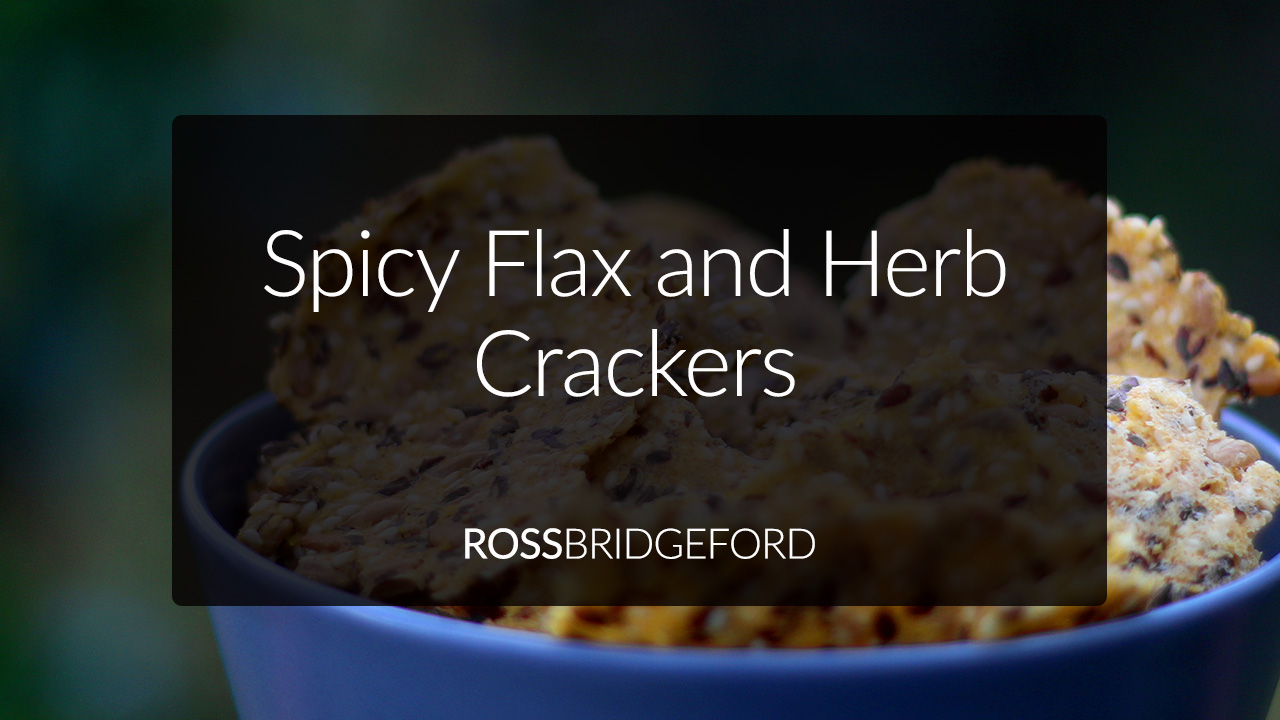
  • Spicy Flax & Herb Crackers

    Spicy Flax & Herb Crackers

    Recipes › Snacks

    Spicy Flax & Herb Crackers

    Golden flaxseed, sunflower seeds, almonds, sun-dried tomato, red pepper, lime, cumin and fresh herbs, dehydrated into crisp, spicy crackers.

    Prep 20 minDehydrate 13 hoursMakes about 2410 ingredients
    VeganGluten-freeDairy-freeNo added sugar

    Tastes: spicy, zesty and herby, with a crisp, seedy crunch.

    flax crackers

    Packed with flavour

    These raw crackers are packed with flavour: spicy cumin, zesty lime, sweet red pepper and sun-dried tomato, plus a big handful of fresh herbs.

    The golden flaxseed binds it all together and brings plenty of plant omega-3 and fibre. You’ll need a dehydrator, and the recipe makes two trays.

    Why you’ll love it

    • Plant omega-3 from the flaxseed.
    • Two trays’ worth to last the week.
    • Spicy and zesty with cumin and lime.
    • Raw and dehydrated.

    Good for

    Immunity

    Copper contributes to the normal function of the immune system.

    Antioxidants

    Copper, vitamin E and manganese contribute to the protection of cells from oxidative stress. It also contains plant compounds with antioxidant activity, including apigenin, flavonoids and lignans.

    Energy

    Magnesium contributes to the reduction of tiredness and fatigue.

    Bones

    Manganese and magnesium contribute to the maintenance of normal bones.

    Tags use approved nutrient health-claim wording, for nutrients that give at least 10% of the Daily Value per cracker. Plant compounds like these have no Daily Value, so we only say they’re there.

    Key nutrients per cracker

    Copper
    22%

    Contains: thiamin (17%), vitamin E (13%), manganese (13%) and magnesium (11%).

    Plant compounds: plant omega-3 ALA (about 1.6 g), chlorophyll, apigenin from the parsley, citrus flavonoids from the lime and lignans from the flaxseed.

    Under 4 g natural sugarAbout 100 mg sodium

    % of US Daily Value for adults, per cracker (1/24 of the recipe). Estimated from USDA FoodData Central values for the ingredients as listed, so treat these as upper estimates. Uses 1 tsp salt (the original used 1 tbsp) and dry sun-dried tomatoes; anything over 100% shows as 100%+.

    Spicy Flax & Herb Crackers

    Ground golden flaxseed processed with soaked sunflower seeds, almonds and sun-dried tomatoes, red pepper, lime, cumin and fresh herbs, spread thin and dehydrated.
    Prep Time 20 minutes
    Dehydrate 13 hours
    Total Time 13 hours 20 minutes
    Servings: 24 crackers

    Ingredients
      

    • ½ cup sunflower seeds soaked for 1 hour or more
    • ½ cup almonds soaked for 2 hours or more
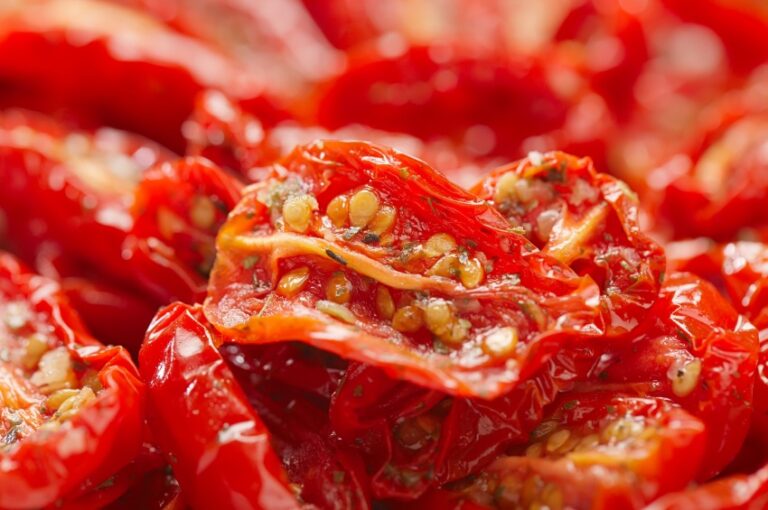
    • ¼ cup sun-dried tomatoes soaked for 1 hour or more (keep the water)
    • 1 red bell pepper chopped
    • ¼ cup lime juice
    • 1 tbsp ground cumin
    • pinch of chilli powder or cayenne
    • 1 tsp Himalayan or Celtic sea salt or to taste
    • 1 handful fresh herbs such as coriander, basil and parsley
    • 1 cup golden flaxseeds

    Equipment

    • Blender
    • Food processor
    • Dehydrator

    Method
     

    1. Finely grind the flaxseeds in a blender.
    2. Chop the drained sunflower seeds, almonds and tomatoes in a food processor.
    3. Add everything else except the herbs, with the flax last, and process to combine well. Add small amounts of the tomato soaking water as you go to keep the mixture turning.
    4. Add the herbs and pulse to chop them in.
    5. Spread the mixture thinly onto 2 silicone mats or dehydrator sheets.
    6. Dehydrate at 46°C/115°F for 2–3 hours, then flip, peel away the sheets and cut or break into pieces.
    7. Dehydrate for another 10 hours at the same temperature, until crisp.

    Swaps

    • Nut-free: use pumpkin seeds instead of the almonds.
    • Milder: leave out the chilli.
    • No dehydrator? Bake at your oven’s lowest setting for 1–2 hours, flipping halfway (they won’t be raw).

    Storing it

    Keeps in an airtight container for up to 10 days.

    Good to know

    • Contains almonds – see Swaps for a nut-free version.

    Try next

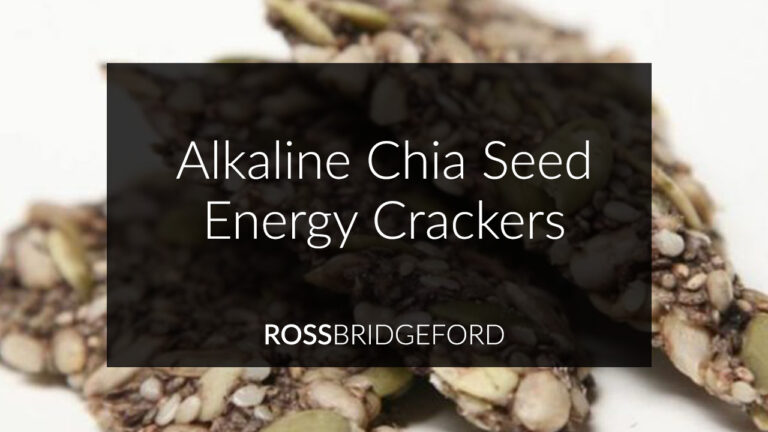
    SnacksChia Seed Energy CrackersOpen recipe →
    SaucesSun-Dried Tomato PâtéOpen recipe →
    Want more than recipes?

    The Alkaline Life Club has everything in the Recipe Club, plus coaching, live Q&A and a community to keep you going.

    See the Alkaline Life Club

    Sources

    Nutrient values: USDA FoodData Central, SR Legacy (sunflower seeds 170562, almonds 170567, sun-dried tomatoes 168567, red pepper 170108, lime juice 168156, cumin 170923, salt 173468, coriander 169997, basil 172232, parsley 170416, flaxseed 169414). Plant compounds are named where the ingredient is a well-documented source; flavonoids follow the USDA Database for the Flavonoid Content of Selected Foods, Release 3.3. Daily Values: US Food and Drug Administration.

  • Aubergine Stew with Spicy Chickpeas

    Recipes › Dinner

    Aubergine Stew with Spicy Chickpeas

    An alkaline, spicy aubergine and chickpea stew found all over the Mediterranean, and particularly popular in Lebanon.

    Prep 30 minCook 35 minServes 214 ingredients
    VeganGluten-freeDairy-freeNut-freeNo added sugar

    Tastes: rich and warming, with cumin, coriander and cinnamon, silky aubergine and golden fried onions on top.

    Gets your taste buds tingling

    Like most Mediterranean dishes, this stew is packed with spices, which give it its flavour and get your taste buds tingling.

    It’s also very healthy and alkaline. Aubergines are a good source of folate and potassium, with antioxidants that help protect your cells from free radicals, and chickpeas bring protein, zinc and folate.

    Why you’ll love it

    • Fibre: about 27 g a serve – practically a full day’s worth.
    • Lycopene-rich, from all those tomatoes.
    • About 19 g plant protein a serve.
    • Freezes well, so it’s easy to double.

    Good for

    Immunity

    Copper, vitamin B6, vitamin C and folate contribute to the normal function of the immune system.

    Antioxidants

    Copper, manganese, vitamin E and vitamin C contribute to the protection of cells from oxidative stress. It also contains plant compounds with antioxidant activity, including lutein, beta-carotene and lycopene.

    Energy

    Vitamin B6, folate, pantothenic acid and niacin contribute to the reduction of tiredness and fatigue.

    Muscles

    Protein contributes to the maintenance of muscle mass, and potassium, magnesium and calcium contribute to normal muscle function.

    Bones

    Manganese, vitamin K, magnesium and phosphorus contribute to the maintenance of normal bones.

    Eyes

    Riboflavin and zinc contribute to the maintenance of normal vision.

    Blood pressure

    Potassium contributes to the maintenance of normal blood pressure.

    Tags use approved nutrient health-claim wording, for nutrients that give at least 10% of the Daily Value per serve. Plant compounds like lutein have no Daily Value, so we only say they’re there.

    Key nutrients per serve

    Copper
    100%+Manganese
    100%+Vitamin B6
    65%Vitamin E
    55%Vitamin C
    51%Folate
    49%

    Contains: vitamin K (45%), potassium (45%), thiamin (42%), pantothenic acid (42%), niacin (41%), magnesium (38%), iron (37%), riboflavin (31%), phosphorus (26%), zinc (22%), calcium (18%) and selenium (15%).

    Plant compounds: lutein and zeaxanthin (about 0.6 mg), beta-carotene (about 0.6 mg), lycopene (about 15 mg), chlorophyll, quercetin from the onion and sulphur compounds from the garlic.

    19 g protein28 g fibreAbout 37 g natural sugarAbout 825 mg sodium

    % of US Daily Value for adults, per serve (half the recipe). Estimated from USDA FoodData Central values for the ingredients as listed; cooking reduces some vitamins, so treat these as upper estimates. Uses canned chickpeas and crushed canned tomatoes; includes the garnish; excludes rice and salt added to taste; anything over 100% shows as 100%+.

    Aubergine Stew with Spicy Chickpeas

    Aubergine and chickpeas simmered in spiced tomatoes, topped with crispy onion and garlic.
    Prep Time 30 minutes
    Cook Time 35 minutes
    Total Time 1 hour 5 minutes
    Servings: 2

    Ingredients
      

    Stew
    • 1 x 400 g can chickpeas drained (or 100 g dried, soaked overnight)
    • 2 medium aubergines (eggplants) cubed
    • 1 large onion chopped
    • 1 clove garlic chopped
    • 2 tbsp olive oil
    • 600 g canned chopped tomatoes 1½ cans
    • ¼ tsp ground cumin
    • ¼ tsp ground coriander
    • ¼ tsp ground cinnamon
    • Himalayan or Celtic sea salt and black pepper to taste
    Garnish
    • ½ onion finely sliced
    • 1 small clove garlic sliced
    • 1 tbsp olive oil
    • fresh coriander sprigs
    To serve
    • brown basmati rice optional

    Equipment

    • Colander
    • Large pan with lid
    • Frying pan

    Method
     

    1. Put the aubergine cubes in a colander and sprinkle with salt. Sit the colander in a bowl for about 20 minutes so the bitter juices can escape, then rinse with cold water and drain.
    2. If you’re using dried chickpeas, drain them, cover with fresh water, bring to the boil and simmer for about 30 minutes until tender, then drain.
    3. Heat the oil in a large pan and cook the onion and garlic gently until they start to soften. Add the spices and stir for a few seconds, then add the aubergine and stir to coat. Cook for about 5 minutes.
    4. Add the chickpeas and tomatoes, season, cover and simmer for 20–25 minutes.
    5. For the garnish, heat the oil in a frying pan and fry the onion and garlic gently until golden.
    6. Serve the stew (over rice, if you like), topped with the crispy onion, garlic and coriander.

    Notes

    Feeding four? Double everything – that’s the original recipe.

    Swaps

    • Short on time? Skip salting the aubergine – modern varieties are rarely bitter.
    • Quinoa instead of rice.
    • A little heat: add ½ tsp chilli flakes with the spices.

    Storing it

    Keeps in the fridge for 3–4 days and freezes well. It’s even better the next day.

    Good to know

    • Salt: canned tomatoes and the aubergine salting add up, so taste before you season.

    Try next

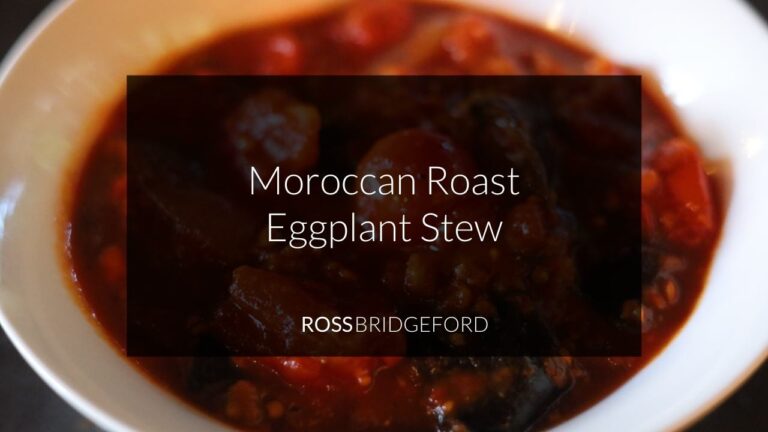
    DinnerMoroccan Roast Eggplant StewOpen recipe →
    DinnerHarissa Eggplant with Cannellini CreamOpen recipe →
    Want more than recipes?

    The Alkaline Life Club has everything in the Recipe Club, plus coaching, live Q&A and a community to keep you going.

    See the Alkaline Life Club

    Sources

    Nutrient values: USDA FoodData Central, SR Legacy (chickpeas 173801, eggplant 169228, onion 170000, garlic 169230, olive oil 171413, crushed canned tomatoes 170501, cumin 170923, coriander seed 170922, cinnamon 171320, coriander leaves 169997). Plant compounds are named where the ingredient is a well-documented source; flavonoids follow the USDA Database for the Flavonoid Content of Selected Foods, Release 3.3. Daily Values: US Food and Drug Administration.

  • Warm Chard, Chicory & Grapefruit Salad

    Warm Chard, Chicory & Grapefruit Salad

    Recipes › Salads

    Warm Chard, Chicory & Grapefruit Salad

    Garlicky wilted chard with slightly bitter chicory, peppery rocket and juicy pink grapefruit, finished with lemon and a grating of nutmeg.

    Prep 15 minCook 10 minServes 211 ingredients
    VeganGluten-freeDairy-freeNut-freeNo added sugar

    Tastes: sweet, bitter, peppery and garlicky all at once, with juicy grapefruit and fresh lemon.

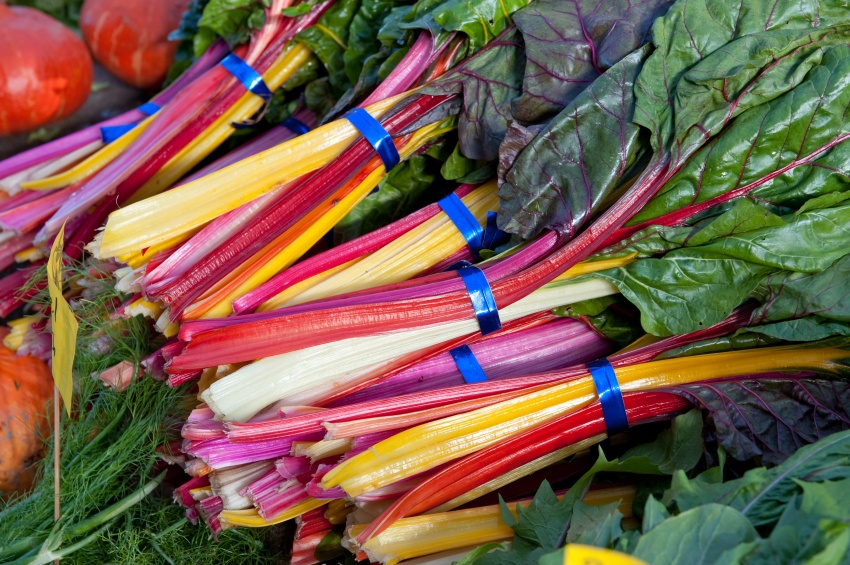
    chard

    An interesting twist

    This warm chard and chicory dish has an unusual combination of ingredients that gives it an interesting twist: soft, garlicky wilted chard, slightly bitter chicory, peppery rocket and juicy pink grapefruit.

    The greens are packed with vitamins K, C and A, as well as magnesium, and the grapefruit and lemon make it bright and fresh. I hope you enjoy it as much as I do!

    Why you’ll love it

    • Vitamin K: well over ten days’ worth – it’s a lot of chard!
    • Vitamin C: over a day’s worth.
    • Magnesium: nearly half your daily needs.
    • Sweet, bitter and peppery all at once.

    Good for

    Immunity

    Vitamin C, vitamin A, copper and iron contribute to the normal function of the immune system.

    Antioxidants

    Vitamin C, copper, vitamin E and manganese contribute to the protection of cells from oxidative stress. It also contains plant compounds with antioxidant activity, including lutein, beta-carotene and lycopene.

    Energy

    Magnesium, vitamin B6, iron and riboflavin contribute to the reduction of tiredness and fatigue.

    Bones

    Vitamin K, magnesium, manganese and calcium contribute to the maintenance of normal bones.

    Eyes

    Vitamin A and riboflavin contribute to the maintenance of normal vision. It also contains lutein and zeaxanthin, the carotenoids found in the macula of the eye.

    Blood pressure

    Potassium contributes to the maintenance of normal blood pressure.

    Tags use approved nutrient health-claim wording, for nutrients that give at least 10% of the Daily Value per serve. Plant compounds like lutein have no Daily Value, so we only say they’re there.

    Key nutrients per serve

    Vitamin K
    100%+Vitamin C
    100%+Vitamin A
    81%Copper
    56%Magnesium
    46%Vitamin E
    40%

    Contains: manganese (39%), potassium (25%), vitamin B6 (24%), iron (24%), riboflavin (23%), folate (21%), pantothenic acid (20%), thiamin (17%), calcium (14%) and phosphorus (12%).

    Plant compounds: lutein and zeaxanthin (about 23 mg), beta-carotene (about 8.7 mg), lycopene (about 2.5 mg), chlorophyll, glucosinolates from the rocket, sulphur compounds from the garlic and citrus flavonoids from the lemon.

    6 g protein8 g fibreAbout 16 g natural sugarAbout 435 mg sodium

    % of US Daily Value for adults, per serve (half the recipe). Estimated from USDA FoodData Central values for the ingredients as listed; cooking reduces some vitamins, so treat these as upper estimates. Includes the grapefruit; excludes salt and pepper; anything over 100% shows as 100%+.

    Warm Chard, Chicory & Grapefruit Salad

    Shallot and garlic softened in olive oil, chard wilted in the pan, then tossed with chicory, rocket, pink grapefruit segments, lemon juice and zest.
    Prep Time 15 minutes
    Cook Time 10 minutes
    Total Time 25 minutes
    Servings: 2

    Ingredients
      

    • ½ head chicory (endive)
    • 400 g chard
    • 350 g pink grapefruit about 1 large
    • ½ garlic clove finely chopped
    • ½ shallot finely chopped
    • 30 g rocket (arugula)
    • 2 tbsp virgin olive oil
    • freshly ground pepper and nutmeg
    • pinch of Himalayan salt
    • ¼ lemon juiced
    • ½ tbsp finely grated lemon zest unwaxed

    Equipment

    • Large saucepan with a lid

    Method
     

    1. Wash the chard and strip the leaves from the stalks. Quarter the chicory lengthways, cut out the core and chop into small pieces.
    2. Peel the grapefruit, remove the white pith and cut out the segments.
    3. Wash and drain the rocket, trimming any thick stalks and halving any large leaves.
    4. Heat the olive oil in a large saucepan and gently fry the shallot and garlic. Add the chard, cover and let the leaves wilt down.
    5. Add the chicory, pepper and nutmeg and stir from time to time for a couple of minutes.
    6. Add the rocket, grapefruit, lemon zest and lemon juice, season to taste and serve. Enjoy!

    Swaps

    • On medication? Use oranges instead of grapefruit (see Good to know).
    • Spinach works instead of chard.
    • Make it a meal: toss in a can of white beans or chickpeas.

    Storing it

    Best fresh.

    Good to know

    • High in vitamin K. If you take warfarin or another blood thinner, keep your greens intake steady and talk to your doctor before eating more leafy greens than usual.
    • Grapefruit and medicines: grapefruit can interact with some medicines, including certain statins and blood pressure drugs. If yours carries a grapefruit warning, use a squeeze of orange or lemon instead.

    Try next

    SaladsA Pint of Real KaleOpen recipe →
    Juices & smoothiesGreens & Grapefruit SmoothieOpen recipe →
    Want more than recipes?

    The Alkaline Life Club has everything in the Recipe Club, plus coaching, live Q&A and a community to keep you going.

    See the Alkaline Life Club

    Sources

    Nutrient values: USDA FoodData Central, SR Legacy (chicory 170404, chard 169991, pink grapefruit 174673, garlic 169230, shallots 170499, rocket 169387, olive oil 171413, nutmeg 171326, lemon juice 167747, lemon peel 167749). Plant compounds are named where the ingredient is a well-documented source; flavonoids follow the USDA Database for the Flavonoid Content of Selected Foods, Release 3.3. Daily Values: US Food and Drug Administration.

  • Gareth Edwards’ Alkaline Smoothie Recipe

    Gareth Edwards’ Alkaline Smoothie Recipe

    Here are the ingredients for Gareth Edwards’ delicious and highly alkalising smoothie!

    Gareth’s Smoothie Ingredients List:

    Juice:

    ½ cucumber
    5 sticks celery
    1/8 of a pointed cabbage (chopped)
    4 handfuls of spinach or
    3 large kale “fronds”
    ½ lemon (squeezed)

    In The Blender:

    ½ avocado
    20-30 g. nuts & seeds (ideally soaked in mineral water, overnight)
    ½ little gem lettuce – sliced
    100 g. chopped broccoli
    20-30 g. alfalfa sprouts and / or sunflower seed, lentil sprouts
    1 tea spoon flax or hemp oil
    2 tea spoons olive oil
    Sea or Crystal salt and freshly ground black pepper

    Enjoy!

    Alkaline Diet Recipe Book Banner


    [yumprint-recipe id=’47’]