Author: Ross

  • Immune-Boosting Vegetable Soup

    Immune-Boosting Vegetable Soup

    Recipes › Soups

    Immune-Boosting Vegetable Soup

    Full of immune-supporting vegetables, this soup gives your body an abundance of the nutrients it needs.

    Prep 15 minCook 30 minServes 218 ingredients
    VeganGluten-freeDairy-freeNut-freeNo added sugar

    Tastes: rich and comforting, a smooth blend of cooked and raw veg with tomato, ginger, turmeric and fresh herbs.
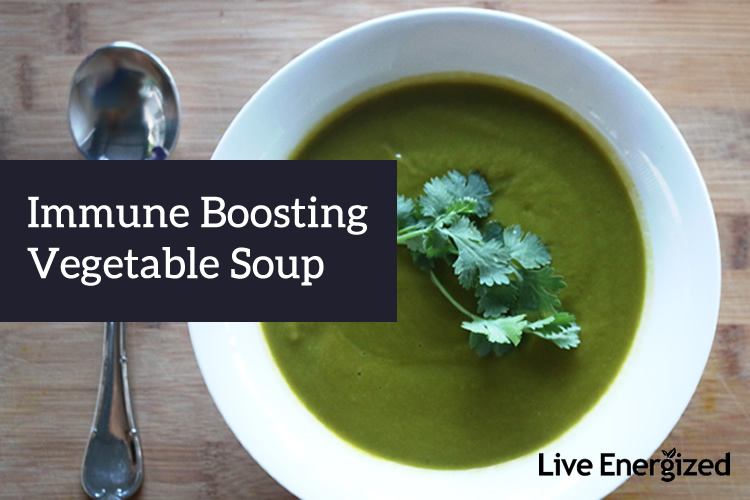
    Immune Boosting Vegetables

    Nourish your immune system

    Eating the right foods is vitally important for our health and energy. We need to give our body all the tools and nutrients it needs – and when we do, we thrive.

    Your immune system doesn’t just stop outsiders getting in. It has three lines of defence – keeping invaders out, defending against pathogens that get through, and making antibodies to specific ones – and it’s important in allergies and auto-immune conditions too. It’s a complex system, and we need to nourish it and look after it.

    Why you’ll love it

    • Vitamin C: about twice your daily needs.
    • About 19 g fibre and 16 g plant protein a bowl.
    • Half cooked, half raw – blended together.
    • Vitamins A and K: well over three-quarters and over twice your daily needs.

    Good for

    Immunity

    Vitamin C, copper, vitamin A and folate contribute to the normal function of the immune system.

    Antioxidants

    Vitamin C, copper, manganese and vitamin E contribute to the protection of cells from oxidative stress. It also contains plant compounds with antioxidant activity, including lutein, beta-carotene and lycopene.

    Energy

    Folate, vitamin B6, pantothenic acid and iron contribute to the reduction of tiredness and fatigue.

    Muscles

    Protein contributes to the maintenance of muscle mass, and potassium, magnesium and calcium contribute to normal muscle function.

    Bones

    Vitamin K, manganese, magnesium and phosphorus contribute to the maintenance of normal bones.

    Eyes

    Vitamin A, riboflavin and zinc contribute to the maintenance of normal vision. It also contains lutein and zeaxanthin, the carotenoids found in the macula of the eye.

    Blood pressure

    Potassium contributes to the maintenance of normal blood pressure.

    Tags use approved nutrient health-claim wording, for nutrients that give at least 10% of the Daily Value per bowl. Plant compounds like lutein have no Daily Value, so we only say they’re there.

    Key nutrients per bowl

    Vitamin K
    100%+Vitamin C
    100%+Copper
    100%Manganese
    91%Vitamin A
    83%Folate
    65%

    Contains: vitamin B6 (65%), potassium (47%), pantothenic acid (44%), thiamin (42%), iron (37%), magnesium (36%), vitamin E (35%), niacin (34%), riboflavin (31%), phosphorus (26%), zinc (22%), calcium (21%) and selenium (11%).

    Plant compounds: lutein and zeaxanthin (about 3.8 mg), beta-carotene (about 7.7 mg), lycopene (about 15 mg), chlorophyll, quercetin from the onion, glucosinolates from the broccoli, cauliflower and cabbage, curcumin from the turmeric, gingerols from the ginger and sulphur compounds from the garlic.

    16 g protein19 g fibreAbout 29 g natural sugarAbout 685 mg sodium

    % of US Daily Value for adults, per bowl (half the recipe). Estimated from USDA FoodData Central values for the ingredients as listed; cooking reduces some vitamins, so treat these as upper estimates. Uses crushed canned tomatoes, low-sodium stock, 1 tbsp coconut oil and ground turmeric values for fresh; excludes salt and pepper; anything over 100% shows as 100%+.

    Immune-Boosting Vegetable Soup

    Onion, carrot, cauliflower, broccoli and cabbage simmered in tomatoes and stock, then blended with raw cucumber, tomato, spinach, herbs and chickpeas.
    Prep Time 15 minutes
    Cook Time 30 minutes
    Total Time 45 minutes
    Servings: 2 big bowls

    Ingredients
      

    Cooked
    • 1 brown onion roughly sliced
    • 2 cloves garlic roughly chopped
    • 2 carrots sliced
    • ¼ head cauliflower
    • ¼ head broccoli
    • ¼ head green cabbage any variety
    • 200 ml vegetable stock
    • 1 x 400 g can organic chopped tomatoes or 8 fresh tomatoes
    • ½ inch fresh ginger or 1 tsp dried
    • ½ inch fresh turmeric or 1 tsp dried
    • 1 tbsp coconut oil
    • Himalayan or Celtic sea salt and black pepper to taste
    Raw
    • ½ cucumber
    • 3 tomatoes
    • 1 handful spinach
    • ½ bunch basil
    • ¼ bunch coriander
    • ½ x 400 g can chickpeas drained

    Equipment

    • Large pot
    • Blender

    Method
     

    1. Gently fry the onion and garlic in the coconut oil. After 3 minutes, add the carrots, cauliflower, broccoli, cabbage, ginger and turmeric and cook for another 3 minutes.
    2. Add the stock and tomatoes and simmer for 20–25 minutes until the vegetables have softened a little.
    3. Meanwhile, roughly chop the raw ingredients and blend until smooth.
    4. When the soup has simmered, blend it in batches with the raw mixture until smooth.
    5. Season, and serve warm with a sprig of coriander or basil and a drizzle of olive or flax oil if you like.

    Swaps

    • Lighter: skip the chickpeas.
    • Any greens work in the raw blend – kale or watercress are great.
    • Make it creamy: blend in ½ avocado.

    Storing it

    Keeps in the fridge for 3 days and freezes well.

    Good to know

    • High in vitamin K. If you take warfarin or another blood thinner, keep your greens intake steady and talk to your doctor before eating more leafy greens than usual.
    • Salt: canned tomatoes and chickpeas add up to about 690 mg sodium a bowl; choose no-added-salt cans if you can.

    Try next
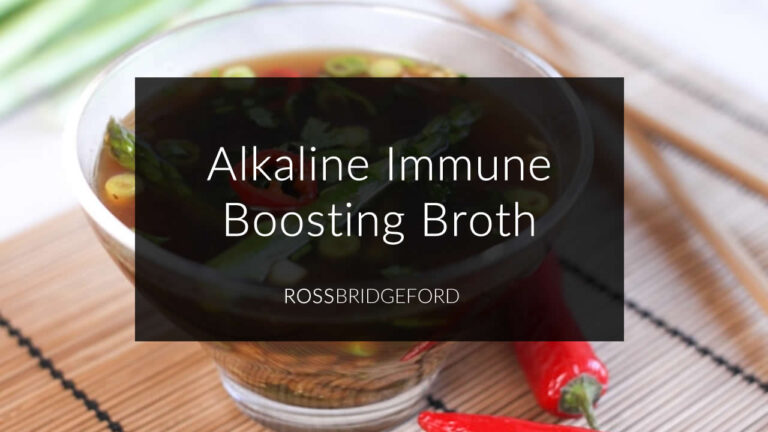
    SoupImmune-Boosting Asparagus & Ginger BrothOpen recipe →
    SoupTurmeric & Lentil Anti-Inflammatory SoupOpen recipe →
    Want more than recipes?

    The Alkaline Life Club has everything in the Recipe Club, plus coaching, live Q&A and a community to keep you going.

    See the Alkaline Life Club

    Sources

    Nutrient values: USDA FoodData Central, SR Legacy (onion 170000, garlic 169230, carrots 170393, cauliflower 169986, broccoli 170379, cabbage 169975, crushed canned tomatoes 170501, ginger 169231, turmeric 172231, coconut oil 171412, cucumber 168409, tomatoes 170457, spinach 168462, basil 172232, coriander leaves 169997, chickpeas 173801). Plant compounds are named where the ingredient is a well-documented source; flavonoids follow the USDA Database for the Flavonoid Content of Selected Foods, Release 3.3. Daily Values: US Food and Drug Administration.
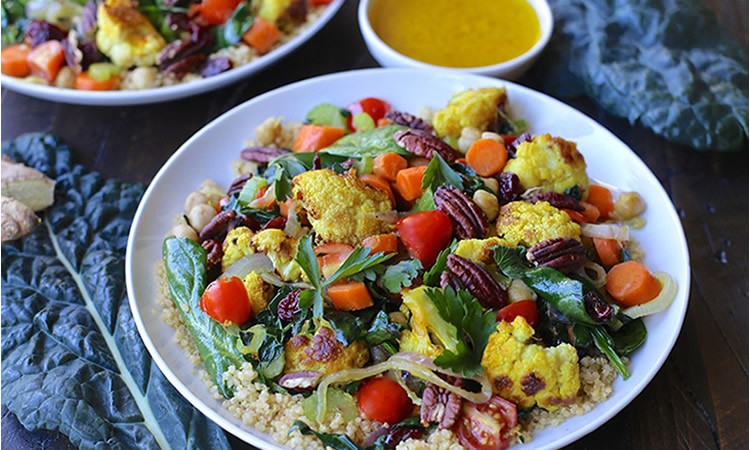
  • Alkaline Recipe #186: The Live Dirty, Eat Clean Bowl

    Filling, Nutritionally Amazing, Nourishing, Alkaline Bowl to Balance & Heal Your Gut

    This recipe freakin’ rocks. Absolutely, absurdly, wonderfully delicious.

    I almost NEVER post recipes from other folks on this site. Of course I let you know about awesome recipes on my Facebook page and stuff, but I rarely have guest recipes or feature others recipes – but this recipe from Elise Museles – of Kale & Chocolate – is stunning, delicious and superbly nourishing.

    I have fallen in love with Elise’s recipes over the past few months – they’re fantastic and almost entirely alkaline too!

    Here’s Elise’s description of the bowl:

    While I’m usually a big fan of following the no recipe approach to creating bowls, this is an exception. The signature “Live Dirty, Eat Clean” bowl that I created for The Microbiome Solution is a perfectly balanced meal filled with microbe-boosting and gut-healthy ingredients! It makes a great colorful (and healing!) addition to your dinner table that will warm you up from the inside out. Use this recipe as inspiration to create your own nourishing bowl. Enjoy!

    And you can (and should) check out her full site here – Kale & Chocolate and her Instagram here

    Live Dirty, Eat Clean Bowl

    Makes 2 Large Bowls

    Alkaline Recipe: Live Dirty Eat Clean

    Ingredients

    1 to 2 cups cooked brown rice or quinoa
    2 to 3 tablespoons coconut oil or olive oil
    1 red onion, thinly sliced
    4 carrots, peeled and thinly sliced
    3 stalks celery, thinly sliced
    1 cup Curry and Turmeric Roasted Cauliflower (see recipe here)
    1 cup cooked chickpeas, rinsed and drained
    1 bunch kale, stalks removed and discarded and leaves sliced thin
    2 cups baby spinach
    1 cup cherry tomatoes, sliced in half
    ¼ cup dried Turkish apricots, chopped (or dried cranberries or cherries)
    ¼ cup toasted pecans, chopped
    1 bunch of fresh parsley, chopped (about 1⁄2 cup)
    Sea salt & fresh pepper to taste

    Dressing

    ½-inch piece of fresh ginger, peeled and minced
    2 tablespoons freshly squeezed lemon juice
    1 teaspoon raw honey or maple syrup
    1 teaspoon Dijon mustard
    ¼ teaspoon red pepper flakes
    ¼ cup olive oil

    Alkaline Diet Recipe Book Banner

    Method:

    Reheat the quinoa or brown rice and divide it into two separate bowls.

    Heat a large pan over medium-high heat and add the olive or coconut oil. Stir in onion, carrots, and celery. Sauté the vegetables for 3 to 4 minutes, until they begin to soften and brown.

    In the last minute, toss in the roasted cauliflower and chickpeas.

    Next, add the sliced kale to the mix and allow the kale to slightly wilt for about 1 minute. Remove the pan from the heat and add the baby spinach and tomatoes. Stir so the heat of the vegetables cooks the spinach and tomatoes. Place the sautéed mixture over the brown rice or quinoa.

    Sprinkle with sea salt & pepper. Add in the dried fruit.

    TO MAKE THE CURRY & TURMERIC ROASTED CAULIFLOWER:

    Preheat the oven to 400°F. Lightly oil a roasting pan or rimmed sheet pan.

    In a large mixing bowl, toss cauliflower with the curry powder, turmeric, olive oil, salt, and pepper. Place on the pan. Roast for 20 to 25 minutes, until the edges are golden brown.

    TO MAKE THE DRESSING:

    Mix together the ginger, lemon juice, honey, mustard, and red pepper flakes in a small mixing bowl. Slowly whisk in the olive oil, to form an emulsion. Drizzle the dressing over the bowls. Toss lightly.

    Top with toasted pecans and fresh parsley. Save any remaining dressing in the refrigerator for up to 4 days. Eat immediately!

    ENJOY!
    Ross

    more alkaline foods

    Source: original recipe by Elise Museles at Kale & Chocolate – republished with her kind permission 🙂

  • Nourishing Liver-Support Juice

    Nourishing Liver-Support Juice

    Recipes › Juices & smoothies

    Nourishing Liver-Support Juice

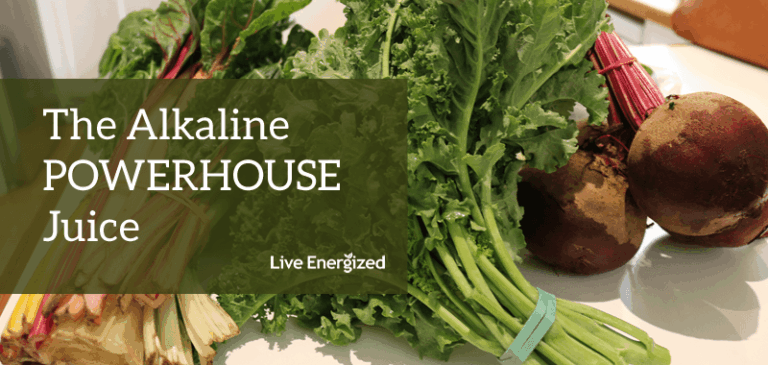
    Cucumber, kale, spinach, beetroot, carrot, ginger and turmeric, finished with fresh grapefruit. A delicious way to look after your hardest-working organ.

    Prep 10 minServes 2Juicer9 ingredients
    VeganGluten-freeDairy-freeNut-freeNo added sugar

    Tastes: sweet and earthy from the beetroot and carrot, with a sharp grapefruit finish.

    liver regeneration juice

    Look after your liver

    This simple juice contains so many nourishing ingredients, and it tastes fantastic.

    Your liver is one of the hardest-working organs in your body: filtering your blood, making proteins, producing bile, storing and releasing energy and nutrients, and processing everything you put in. So to help it out, we want to give it nutrients that do two things: nourish it so it can run at full capacity, and lighten the load so it isn’t as stressed.

    Leafy greens are the stars. When researchers ranked 41 ‘powerhouse’ fruits and vegetables by nutrient density, leafy greens took nearly all the top spots (Di Noia, 2014).

    Why you’ll love it

    • Vitamin K: about three days’ worth a glass.
    • Vitamin C: nearly a day’s worth.
    • Vitamin A: nearly two-thirds of your daily needs.
    • Leafy greens, the top-ranked powerhouse vegetables.

    Good for

    Immunity

    Vitamin C, vitamin A, folate and copper contribute to the normal function of the immune system.

    Antioxidants

    Vitamin C, manganese, riboflavin and copper contribute to the protection of cells from oxidative stress. It also contains plant compounds with antioxidant activity, including lutein, beta-carotene and flavonoids.

    Energy

    Folate, riboflavin, magnesium and iron contribute to the reduction of tiredness and fatigue.

    Bones

    Vitamin K, manganese, magnesium and calcium contribute to the maintenance of normal bones.

    Eyes

    Vitamin A, riboflavin and zinc contribute to the maintenance of normal vision. It also contains lutein and zeaxanthin, the carotenoids found in the macula of the eye.

    Blood pressure

    Potassium contributes to the maintenance of normal blood pressure.

    Tags use approved nutrient health-claim wording, for nutrients that give at least 10% of the Daily Value per glass. Plant compounds like lutein have no Daily Value, so we only say they’re there.

    Key nutrients per glass

    Vitamin K
    100%+Vitamin C
    93%Manganese
    65%Vitamin A
    62%Folate
    50%Riboflavin
    31%

    Contains: potassium (22%), magnesium (22%), copper (22%), iron (21%), pantothenic acid (20%), vitamin B6 (18%), thiamin (17%), calcium (17%), niacin (11%), phosphorus (11%) and zinc (10%).

    Plant compounds: lutein and zeaxanthin (about 6.9 mg), beta-carotene (about 6.1 mg), chlorophyll, quercetin and kaempferol from the kale, glucosinolates from the kale, betalains from the beetroot, curcumin from the turmeric and gingerols from the ginger.

    About 14 g natural sugarAbout 135 mg sodium

    % of US Daily Value for adults, per glass (half the recipe). Estimated from USDA FoodData Central values for the whole ingredients. Juicing leaves most of the fibre and some vitamins in the pulp, so treat these as upper estimates; uses ground turmeric values for the fresh root; anything over 100% shows as 100%+.

    Nourishing Liver-Support Juice

    Kale, spinach, ginger, turmeric, beetroot, carrot and cucumber juiced, washed through with water and finished with fresh grapefruit.
    Prep Time 10 minutes
    Total Time 10 minutes
    Servings: 2 glasses

    Ingredients
      

    • 1 cucumber
    • ½ bunch kale
    • 2 large handfuls spinach or any other leafy green
    • ½ grapefruit
    • 1 cm fresh ginger ½ inch
    • 2.5 cm fresh turmeric 1 inch
    • 1 beetroot
    • 1 carrot
    • 200 ml filtered water

    Equipment

    • Juicer

    Method
     

    1. Wash everything except the grapefruit.
    2. Juice the leafy greens first, then the ginger and turmeric, then the beetroot and carrot, and finally the cucumber, which washes everything through.
    3. Run the water through the juicer to wash through the last of the goodness.
    4. Squeeze in the grapefruit and stir gently.

    Notes

    This makes two serves. Halve it for one, or (my recommendation) keep the second serve in an airtight container in the fridge for later or tomorrow.

    Swaps

    • On medication? Use orange or lemon instead of grapefruit (see Good to know).
    • No fresh turmeric? Stir in ¼ tsp ground turmeric.
    • Milder: use less kale and more cucumber.

    Storing it

    Best fresh. To keep it, fill a glass jar right to the top, seal it and refrigerate for up to 24 hours. Give it a shake before you drink it.

    Good to know

    • Very high in vitamin K. If you take warfarin or another blood thinner, keep your greens intake steady and talk to your doctor before making green juice a daily habit.
    • Grapefruit and medicines: grapefruit can interact with some medicines, including certain statins and blood pressure drugs. If yours carries a grapefruit warning, use a squeeze of orange or lemon instead.
    • Beetroot can turn your pee or poo pink or red. It’s harmless.

    Try next

    Juices & smoothiesEvening Green JuiceOpen recipe →
    Juices & smoothiesDetoxifying Green JuiceOpen recipe →
    Want more than recipes?

    The Alkaline Life Club has everything in the Recipe Club, plus coaching, live Q&A and a community to keep you going.

    See the Alkaline Life Club

    Sources

    Nutrient values: USDA FoodData Central, SR Legacy (cucumber 168409, kale 168421, baby spinach 168462, pink grapefruit 174673, ginger 169231, turmeric 172231, beetroot 169145, carrots 170393). Plant compounds are named where the ingredient is a well-documented source; flavonoids follow the USDA Database for the Flavonoid Content of Selected Foods, Release 3.3. Daily Values: US Food and Drug Administration. Powerhouse vegetables: Di Noia, “Defining powerhouse fruits and vegetables: a nutrient density approach,” Preventing Chronic Disease 11 (2014): 130390.

  • Super-Nutrient Breakfast Bowl

    Super-Nutrient Breakfast Bowl

    Recipes › Breakfast

    Super-Nutrient Breakfast Bowl

    Thin, crispy sweet potato chips topped with garlicky greens and broccoli, avocado and seeds, with a zesty lemon, ginger and tahini dressing.

    Prep 10 minCook 20 minServes 216 ingredients
    VeganGluten-freeDairy-freeNut-freeNo added sugar

    Tastes: sweet, savoury and zesty, with crisp sweet potato and a creamy tahini dressing.

    alkaline breakfast bowl

    Start the day right

    Here’s one I’ve learned to love, and I’ve fine-tuned it to get the ‘time-to-plate’ as low as possible, because I know as much as anyone how busy mornings get!

    Having a healthy breakfast is probably the biggest influence on whether you have a good, healthy, nutritious day. Get brekkie right and you’re WAY more likely to continue that trend through the day. It’s like it gives your willpower muscle an extra boost.

    Start the day wrong and it’s SO much easier to be tempted at morning tea, or when someone offers you a cookie at work. This bowl is a brilliant way to start the day right: quick, filling and nutritious.

    Why you’ll love it

    • Vitamin A: over 1½ days’ worth a bowl.
    • Vitamin K: nearly four days’ worth.
    • Vitamin C: over a day’s worth.
    • Fibre: nearly 60% of your daily needs.

    Good for

    Immunity

    Vitamin A, vitamin C, copper and folate contribute to the normal function of the immune system.

    Antioxidants

    Vitamin C, copper, manganese and vitamin E contribute to the protection of cells from oxidative stress. It also contains plant compounds with antioxidant activity, including lutein, beta-carotene and flavonoids.

    Energy

    Folate, pantothenic acid, vitamin B6 and magnesium contribute to the reduction of tiredness and fatigue.

    Bones

    Vitamin K, manganese, magnesium and phosphorus contribute to the maintenance of normal bones.

    Eyes

    Vitamin A, riboflavin and zinc contribute to the maintenance of normal vision. It also contains lutein and zeaxanthin, the carotenoids found in the macula of the eye.

    Blood pressure

    Potassium contributes to the maintenance of normal blood pressure.

    Tags use approved nutrient health-claim wording, for nutrients that give at least 10% of the Daily Value per bowl. Plant compounds like lutein have no Daily Value, so we only say they’re there.

    Key nutrients per bowl

    Vitamin K
    100%+Vitamin A
    100%+Vitamin C
    100%+Copper
    100%Manganese
    74%Folate
    68%

    Contains: pantothenic acid (56%), vitamin B6 (53%), thiamin (50%), vitamin E (42%), magnesium (42%), riboflavin (38%), potassium (34%), niacin (31%), phosphorus (31%), iron (29%), selenium (26%), zinc (25%) and calcium (22%).

    Plant compounds: lutein and zeaxanthin (about 10 mg), beta-carotene (about 17 mg), plant omega-3 ALA (about 1.5 g), chlorophyll, quercetin and kaempferol from the kale, glucosinolates from the broccoli and kale, gingerols from the ginger, sulphur compounds from the garlic and citrus flavonoids from the lemon.

    13 g protein17 g fibreAbout 9 g natural sugarAbout 175 mg sodium

    % of US Daily Value for adults, per bowl (half the recipe). Estimated from USDA FoodData Central values for the ingredients as listed; cooking reduces some vitamins, so treat these as upper estimates. Uses half the original coconut oil and dressing and a smaller avocado, so it stays a sensible portion; anything over 100% shows as 100%+.

    Super-Nutrient Breakfast Bowl

    Thin sweet potato chips roasted in coconut oil, topped with garlicky wilted greens and broccoli, avocado and seeds, and dressed with lemon, ginger and tahini.
    Prep Time 10 minutes
    Cook Time 20 minutes
    Total Time 30 minutes
    Servings: 2 bowls

    Ingredients
      

    • 1 large sweet potato about 300 g
    • 1 tbsp coconut oil divided
    • 2 garlic cloves finely chopped
    • 8 broccoli florets
    • 2 large handfuls beet greens or kale
    • 4 large handfuls baby spinach
    • 1 small avocado roughly chopped
    • salt and cracked pepper to taste
    • 1 tbsp sunflower seeds
    • 1 tbsp chia seeds
    Lemon & tahini dressing
    • 2 tbsp tahini
    • 2 tbsp water
    • 1 tbsp flax or olive oil
    • 3 tbsp lemon juice about 1 lemon
    • 1 tsp fresh ginger grated
    • Himalayan salt and cracked black pepper

    Equipment

    • Baking tray
    • Large frying pan
    • Blender

    Method
     

    1. Preheat the oven to 200°C/400°F.
    2. Wash the sweet potato and slice it really quite thinly, so you get thick chips rather than chunky wedges – this helps with speed. Season, coat with half the coconut oil and get them in the oven, even if it isn’t quite up to heat yet.
    3. While they cook (15–20 minutes – keep an eye on them, as thin chips go from perfect to burnt pretty quickly), blend the dressing ingredients until smooth.
    4. When the chips have 6–8 minutes left, warm the rest of the coconut oil in a large pan, add the garlic for a minute, then the spinach, beet greens or kale and broccoli. Warm through for 4–5 minutes, until the greens have wilted and the broccoli is al dente. (If you prefer softer broccoli, steam it instead.)
    5. Pat the chips with kitchen paper and line the bowls with them. Add the greens and avocado, sprinkle with the seeds and dress with the dressing. Enjoy!

    Swaps

    • Faster: cut the sweet potato into thin coins so it cooks in 15 minutes.
    • Greens: any mix of kale, chard, beet greens or spinach.
    • Make-ahead: roast the sweet potato the night before.

    Storing it

    Best fresh. The dressing keeps in the fridge for 4 days.

    Good to know

    • High in vitamin K. If you take warfarin or another blood thinner, keep your greens intake steady and talk to your doctor before eating more leafy greens than usual.

    Try next

    BreakfastMorning-After Reboot BowlOpen recipe →
    BreakfastSimple Alkaline Breakfast BowlOpen recipe →
    Want more than recipes?

    The Alkaline Life Club has everything in the Recipe Club, plus coaching, live Q&A and a community to keep you going.

    See the Alkaline Life Club

    Sources

    Nutrient values: USDA FoodData Central, SR Legacy (sweet potato 168482, coconut oil 171412, garlic 169230, broccoli 170379, kale 168421, baby spinach 168462, avocado 171705, sunflower seeds 170562, chia seeds 170554, tahini 168604, olive oil 171413, lemon juice 167747, ginger 169231). Plant compounds are named where the ingredient is a well-documented source; flavonoids follow the USDA Database for the Flavonoid Content of Selected Foods, Release 3.3. Daily Values: US Food and Drug Administration.

  • Instant Raw Sushi Roll-Ups

    Instant Raw Sushi Roll-Ups

    Recipes › Lunch

    Instant Raw Sushi Roll-Ups

    One of my all-time favourites! It’s fast, raw, fresh, alkaline and absolutely DELICIOUS!

    Prep 10 minServes 215 ingredients
    VeganGluten-freeDairy-freeNo added sugar

    Tastes: fresh and crunchy, with creamy almond hummus, avocado and crisp veg wrapped in zucchini.

    About 120 seconds to make

    With the dip already made, it takes about 120 seconds to make this meal – and even if you’re making the dip from scratch, it’s only 5 minutes.

    It doesn’t get easier than this to have a fully alkaline, raw, nourishing snack or lunch.

    Why you’ll love it

    • Fully raw, fresh and crunchy.
    • Vitamin C: about one and a half day’s worth a serve.
    • About 17 g fibre and 15 g plant protein a serve.
    • Lutein-rich zucchini, avocado and greens.

    Good for

    Immunity

    Vitamin C, copper, vitamin B6 and folate contribute to the normal function of the immune system.

    Antioxidants

    Vitamin C, copper, manganese and vitamin E contribute to the protection of cells from oxidative stress. It also contains plant compounds with antioxidant activity, including lutein, beta-carotene and flavonoids.

    Energy

    Vitamin B6, folate, pantothenic acid and riboflavin contribute to the reduction of tiredness and fatigue.

    Bones

    Vitamin K, manganese, magnesium and phosphorus contribute to the maintenance of normal bones.

    Eyes

    Vitamin A, riboflavin and zinc contribute to the maintenance of normal vision. It also contains lutein and zeaxanthin, the carotenoids found in the macula of the eye.

    Blood pressure

    Potassium contributes to the maintenance of normal blood pressure.

    Tags use approved nutrient health-claim wording, for nutrients that give at least 10% of the Daily Value per serve. Plant compounds like lutein have no Daily Value, so we only say they’re there.

    Key nutrients per serve

    Vitamin C
    100%+Copper
    100%Vitamin K
    75%Manganese
    70%Vitamin B6
    59%Vitamin E
    58%

    Contains: folate (54%), pantothenic acid (52%), vitamin A (46%), riboflavin (46%), magnesium (39%), potassium (37%), thiamin (33%), niacin (31%), phosphorus (30%), zinc (28%), iron (22%), calcium (14%) and selenium (13%).

    Plant compounds: lutein and zeaxanthin (about 4.7 mg), beta-carotene (about 4.2 mg), chlorophyll, sulphur compounds from the garlic and citrus flavonoids from the lemon.

    15 g protein17 g fibreAbout 15 g natural sugarAbout 240 mg sodium

    % of US Daily Value for adults, per serve (half the recipe). Estimated from USDA FoodData Central values for the ingredients as listed, so treat these as upper estimates. Uses canned chickpeas, drained, and a red bell pepper; anything over 100% shows as 100%+.

    Instant Raw Sushi Roll-Ups

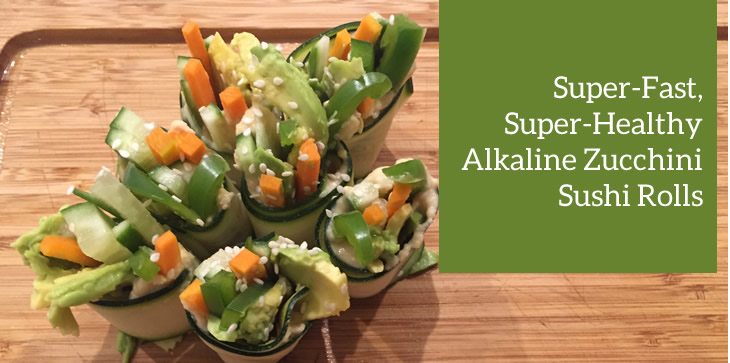
    Zucchini ribbons spread with almond hummus and rolled around crunchy veg, avocado and coriander.
    Prep Time 10 minutes
    Total Time 10 minutes
    Servings: 2

    Ingredients
      

    Almond hummus
    • 100 g chickpeas from a can, drained, or cooked from dried
    • 1 handful almonds about 30 g
    • 1 tbsp tahini
    • 1 pinch ground cumin
    • 1 tbsp olive oil plus extra to loosen
    • 1 clove garlic
    • juice of ½ lemon plus extra to loosen
    • 1 pinch Himalayan salt
    Roll-ups
    • 2 medium zucchini (courgettes) each gives 5–6 rolls
    • 1 carrot cut into matchsticks
    • 1 cucumber cut into matchsticks
    • 1 avocado peeled and sliced
    • 1 small bunch coriander (cilantro)
    • 1 bell pepper (capsicum) cut into matchsticks
    • 1 tsp sesame seeds

    Equipment

    • Food processor or blender
    • Vegetable peeler

    Method
     

    Almond hummus
    1. Put all the hummus ingredients into a food processor or blender and blend until smooth, adding a little more olive oil and lemon in equal amounts until you get the consistency you like.
    Roll-ups
    1. Chop the ends off the zucchini and use a vegetable peeler to very carefully peel them into long, thin strips. Please be careful of your fingers – I sliced the end off mine not so long ago!
    2. Lay each strip out and spread a nice thick layer of the hummus along it – enough for the veggies to stick to.
    3. Add a few matchsticks of veg, a slice of avocado and a couple of coriander leaves.
    4. Sprinkle on the sesame seeds, roll up and ENJOY!

    Notes

    The hummus keeps in the fridge for 4–5 days, so make it ahead and these come together in a couple of minutes.

    Swaps

    • Short on time? Use a good store-bought hummus instead of making the dip.
    • Nut-free: leave out the almonds and add an extra tbsp of tahini.
    • Any crunchy veg works – try snow peas, radish or red cabbage.

    Storing it

    Best eaten fresh. The hummus keeps in the fridge for 4–5 days.

    Good to know

    • High in vitamin K. If you take warfarin or another blood thinner, keep your greens intake steady and talk to your doctor before eating more leafy greens than usual.
    • Contains almonds and sesame. See Swaps for a nut-free hummus.

    Try next

    DinnerRaw Pad Thai with Zucchini NoodlesOpen recipe →
    DinnerRaw Zoodles with Fresh Bruschetta ToppingOpen recipe →
    Want more than recipes?

    The Alkaline Life Club has everything in the Recipe Club, plus coaching, live Q&A and a community to keep you going.

    See the Alkaline Life Club

    Sources

    Nutrient values: USDA FoodData Central, SR Legacy (chickpeas 173801, almonds 170567, tahini 168604, cumin 170923, olive oil 171413, garlic 169230, lemon juice 167747, salt 173468, zucchini 169291, carrot 170393, cucumber 168409, avocado 171705, coriander leaves 169997, red pepper 170108, sesame seeds 170150). Plant compounds are named where the ingredient is a well-documented source; flavonoids follow the USDA Database for the Flavonoid Content of Selected Foods, Release 3.3. Daily Values: US Food and Drug Administration.
  • Fill-Me-Up-Until-Lunch Smoothie

    Fill-Me-Up-Until-Lunch Smoothie

    Recipes › Juices & smoothies

    Fill-Me-Up-Until-Lunch Smoothie

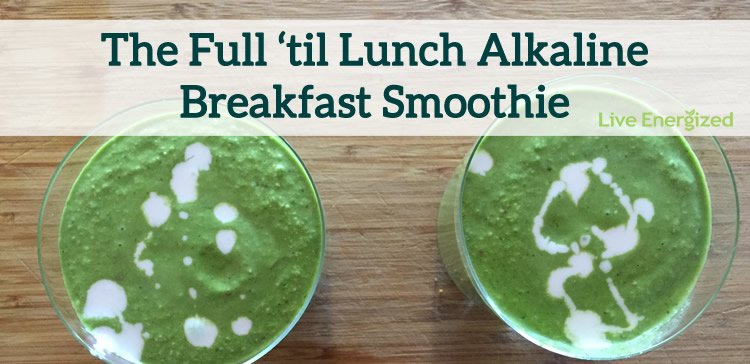
    A hugely alkaline, super-filling breakfast smoothie with avocado, greens, soaked almonds, almond butter, coconut oil and chia. No more mid-morning snack trap.

    Prep 5 minServes 2Blender9 ingredients
    VeganGluten-freeDairy-freeNo added sugar

    Tastes: thick, creamy and nutty, with mild greens.

    No more mid-morning snack trap

    Having a green, alkaline smoothie for breakfast is just awesome. It’s packed with nourishing goodies and it makes you feel great – BUT it doesn’t always last until lunch, and you can easily fall into the mid-morning snack trap…

    Not anymore! This hugely alkaline, super-filling smoothie ticks all the boxes: nutrients, flavour AND satiety (you feel fuller for longer).

    With greens, fibre, protein and healthy fats, it’s the perfect combination to keep you happy from breakfast until lunch, and it’s the ultimate 5-minute breakfast for a busy schedule.

    Why you’ll love it

    • About 13 g protein and 13 g fibre a glass.
    • Vitamin E: over a day’s worth.
    • Magnesium: nearly half your daily needs.
    • 5 minutes for a breakfast that lasts.

    Good for

    Immunity

    Copper, vitamin C, folate and vitamin A contribute to the normal function of the immune system.

    Antioxidants

    Vitamin E, copper, manganese and riboflavin contribute to the protection of cells from oxidative stress. It also contains plant compounds with antioxidant activity, including lutein, beta-carotene and flavonoids.

    Energy

    Riboflavin, magnesium, folate and niacin contribute to the reduction of tiredness and fatigue.

    Bones

    Vitamin K, manganese, magnesium and calcium contribute to the maintenance of normal bones.

    Eyes

    Riboflavin, vitamin A and zinc contribute to the maintenance of normal vision. It also contains lutein and zeaxanthin, the carotenoids found in the macula of the eye.

    Blood pressure

    Potassium contributes to the maintenance of normal blood pressure.

    Tags use approved nutrient health-claim wording, for nutrients that give at least 10% of the Daily Value per glass. Plant compounds like lutein have no Daily Value, so we only say they’re there.

    Key nutrients per glass

    Vitamin K
    100%+Vitamin E
    100%+Manganese
    78%Copper
    78%Riboflavin
    54%Vitamin C
    46%

    Contains: magnesium (46%), folate (35%), calcium (35%), phosphorus (27%), vitamin A (24%), niacin (23%), iron (22%), zinc (21%), pantothenic acid (20%), potassium (20%), vitamin B6 (18%), thiamin (17%) and selenium (11%).

    Plant compounds: lutein and zeaxanthin (about 5.7 mg), beta-carotene (about 2.6 mg), plant omega-3 ALA (about 1.3 g), chlorophyll, quercetin and kaempferol from the kale and glucosinolates from the kale.

    13 g protein13 g fibreUnder 4 g natural sugarAbout 115 mg sodium

    % of US Daily Value for adults, per glass (half the recipe). Estimated from USDA FoodData Central values for the ingredients as listed, so treat these as upper estimates. Uses kale for the greens and a calcium-fortified almond milk; anything over 100% shows as 100%+.

    Fill-Me-Up-Until-Lunch Smoothie

    Avocado, spinach, kale, soaked almonds, almond butter and coconut oil blended with almond milk and water, with chia stirred through.
    Prep Time 5 minutes
    Total Time 5 minutes
    Servings: 2 glasses

    Ingredients
      

    • ½ avocado
    • 2 handfuls baby spinach leaves
    • 2 handfuls kale, watercress or other green leaves
    • ½ cup almonds soaked overnight
    • 1 tbsp coconut oil
    • 1 tbsp chia seeds
    • 1 tbsp almond butter
    • 200 ml unsweetened almond milk
    • 200 ml filtered water

    Equipment

    • Blender

    Method
     

    1. Soak the almonds overnight, or for at least 4 hours (optional if you have a Vitamix or other high-powered blender).
    2. Blend the avocado, greens and liquids to form a base, then add everything else except the chia and blend again.
    3. Stir through the chia seeds and wait 2 minutes for the chia to do its thing!

    Swaps

    • Nut-free: use oat milk, hemp seeds instead of almonds and sunflower seed butter.
    • Greens: kale, watercress or any leafy green works.
    • More protein: add a scoop of plain plant protein powder.

    Storing it

    Best fresh. The second glass keeps in a sealed jar in the fridge until lunchtime.

    Good to know

    • High in vitamin K. If you take warfarin or another blood thinner, keep your greens intake steady and talk to your doctor before making green smoothies a daily habit.
    • Contains almonds (whole, butter and milk).

    Try next

    Juices & smoothiesHunger-Balancing SmoothieOpen recipe →
    Juices & smoothiesBlueberry Protein Energy SmoothieOpen recipe →
    Want more than recipes?

    The Alkaline Life Club has everything in the Recipe Club, plus coaching, live Q&A and a community to keep you going.

    See the Alkaline Life Club

    Sources

    Nutrient values: USDA FoodData Central, SR Legacy (avocado 171705, baby spinach 168462, kale 168421, almonds 170567, coconut oil 171412, chia seeds 170554, almond butter 168588, almond milk 174832). Plant compounds are named where the ingredient is a well-documented source; flavonoids follow the USDA Database for the Flavonoid Content of Selected Foods, Release 3.3. Daily Values: US Food and Drug Administration.
  • Cleansing Spinach & Beet Juice

    Cleansing Spinach & Beet Juice

    Recipes › Juices & smoothies

    Cleansing Spinach & Beet Juice

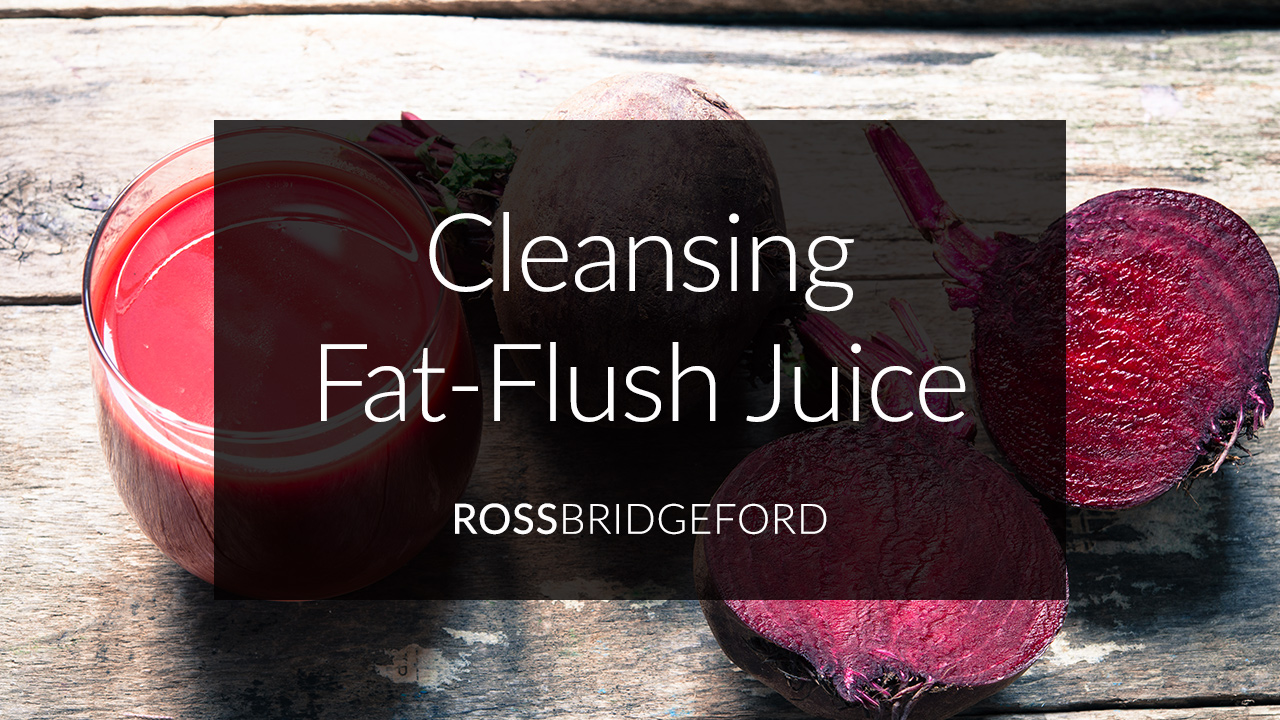
    Just five ingredients – spinach, kale, beetroot (leaves and all), cucumber and a whisk of cinnamon – and every one of them nutritious and alkalising.

    Prep 10 minServes 2Juicer6 ingredients
    VeganGluten-freeDairy-freeNut-freeNo added sugar

    Tastes: fresh and earthy, with sweet beetroot and a warm hint of cinnamon.

    Fat Flush Juice Recipe Image

    Five brilliant ingredients

    This cleansing, nutrient-dense juice is one of my absolute favourites. It tastes great, really, really great, and it has just five ingredients – but every single one is nutritious and alkalising.

    Spinach is rich in thylakoids, the tiny chlorophyll-containing membranes inside green leaves. In human studies, concentrated spinach thylakoid extract has been linked with feeling fuller and fewer cravings (Stenblom et al., 2015).

    If you’re trying to lose weight, it’s a lovely juice to build in. And if you’re not, it’s an alkaline, antioxidant-rich, nutrient-packed juice that tastes WONDERFUL!

    Why you’ll love it

    • Vitamin K: about four days’ worth a glass.
    • Vitamin C: about 80% of your daily needs.
    • Just five ingredients, every one of them nutritious.
    • A warm hint of cinnamon whisked in at the end.

    Good for

    Immunity

    Vitamin C, folate, vitamin A and copper contribute to the normal function of the immune system.

    Antioxidants

    Vitamin C, manganese, riboflavin and copper contribute to the protection of cells from oxidative stress. It also contains plant compounds with antioxidant activity, including lutein, beta-carotene and flavonoids.

    Energy

    Folate, riboflavin, magnesium and iron contribute to the reduction of tiredness and fatigue.

    Bones

    Vitamin K, manganese, magnesium and calcium contribute to the maintenance of normal bones.

    Eyes

    Vitamin A and riboflavin contribute to the maintenance of normal vision. It also contains lutein and zeaxanthin, the carotenoids found in the macula of the eye.

    Blood pressure

    Potassium contributes to the maintenance of normal blood pressure.

    Tags use approved nutrient health-claim wording, for nutrients that give at least 10% of the Daily Value per glass. Plant compounds like lutein have no Daily Value, so we only say they’re there.

    Key nutrients per glass

    Vitamin K
    100%+Vitamin C
    79%Manganese
    61%Folate
    49%Vitamin A
    43%Riboflavin
    31%

    Contains: magnesium (23%), copper (22%), potassium (20%), iron (19%), vitamin B6 (18%), calcium (18%), thiamin (17%), pantothenic acid (14%) and vitamin E (11%).

    Plant compounds: lutein and zeaxanthin (about 8.9 mg), beta-carotene (about 4.6 mg), chlorophyll, quercetin and kaempferol from the kale, glucosinolates from the kale and betalains from the beetroot.

    About 7 g natural sugarAbout 145 mg sodium

    % of US Daily Value for adults, per glass (half the recipe). Estimated from USDA FoodData Central values for the whole ingredients. Juicing leaves most of the fibre and some vitamins in the pulp, so treat these as upper estimates; includes about 30 g beetroot leaves; anything over 100% shows as 100%+.

    Cleansing Spinach & Beet Juice

    Spinach, kale, beetroot and its leaves, and cucumber juiced with a little water, with cinnamon whisked in.
    Prep Time 10 minutes
    Total Time 10 minutes
    Servings: 2 glasses

    Ingredients
      

    • 3 large handfuls baby spinach
    • ½ bunch kale any variety
    • 1 medium beetroot and its leaves if possible
    • 1 cucumber
    • ½ tsp ground cinnamon
    • 100 ml filtered water

    Equipment

    • Juicer

    Method
     

    1. Wash, chop and juice everything except the cinnamon.
    2. Run the water through the juicer to dilute the juice slightly and help with the cleaning!
    3. Whisk in the cinnamon, serve and enjoy!

    Swaps

    • No beet leaves? Use a handful of chard.
    • Sweeter: add a carrot.
    • No juicer? Blend with the water and strain, then whisk in the cinnamon.

    Storing it

    Best fresh. To keep it, fill a glass jar right to the top, seal it and refrigerate for up to 24 hours. Give it a shake before you drink it.

    Good to know

    • Very high in vitamin K. If you take warfarin or another blood thinner, keep your greens intake steady and talk to your doctor before making green juice a daily habit.
    • Beetroot can turn your pee or poo pink or red. It’s harmless.
    • Spinach, kale and beet leaves contain oxalates. If you’ve had kidney stones, check with your doctor before making green juice a daily habit.

    Try next

    Juices & smoothiesDetoxifying Green JuiceOpen recipe →
    Juices & smoothiesPowerhouse JuiceOpen recipe →
    Want more than recipes?

    The Alkaline Life Club has everything in the Recipe Club, plus coaching, live Q&A and a community to keep you going.

    See the Alkaline Life Club

    Sources

    Nutrient values: USDA FoodData Central, SR Legacy (baby spinach 168462, kale 168421, beetroot 169145, beet greens 170375, cucumber 168409, cinnamon 171320). Plant compounds are named where the ingredient is a well-documented source; flavonoids follow the USDA Database for the Flavonoid Content of Selected Foods, Release 3.3. Daily Values: US Food and Drug Administration. Thylakoids and satiety: Stenblom et al., “Consumption of thylakoid-rich spinach extract reduces hunger, increases satiety and reduces cravings for palatable food in overweight women,” Appetite 91 (2015): 209–219.
  • Shredded Zesty Brussels & Kale Salad

    Shredded Zesty Brussels & Kale Salad

    Recipes › Salads

    Shredded Zesty Brussels & Kale Salad

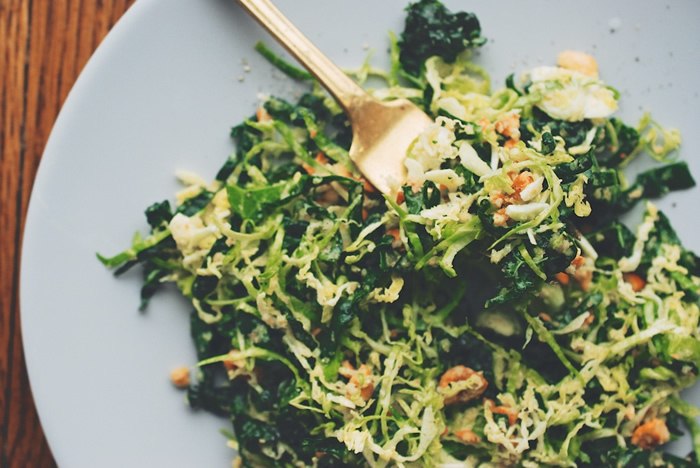
    Who would have thought Brussels sprouts could taste delicious?! This salad is full of crunch and zesty flavour, and just feels SO fresh.

    Prep 15 minServes 213 ingredients
    VeganGluten-freeDairy-free

    Tastes: crunchy and zesty, with a lemon, Dijon and mint dressing, toasty almonds and pops of pomegranate.

    zesty alkaline salad recipe

    Even the kids love it

    Alkaline, crunchy, zesty, nutrient-dense and full of flavour – it takes minutes to make, and lasts in the fridge (even dressed!) for days. It’s definitely one of my go-to recipes at home, especially when I’m taking a dish to a friend’s.

    The real winner, though, is that kids seem to LOVE it. Even those who don’t like green things get stuck in (and I hear picky-eating partners love it too). If you’re looking for a way to sneak the goodness into your family – this is it.

    Why you’ll love it

    • Vitamin K: more than five times your daily needs a serve.
    • Vitamin C: about two day’s worth.
    • Keeps dressed in the fridge, so it’s great for meal prep and taking to friends.
    • Manganese and calcium, from the kale and almonds.

    Good for

    Immunity

    Vitamin C, vitamin A, folate and copper contribute to the normal function of the immune system.

    Antioxidants

    Vitamin C, manganese, riboflavin and vitamin E contribute to the protection of cells from oxidative stress. It also contains plant compounds with antioxidant activity, including lutein, beta-carotene and flavonoids.

    Energy

    Riboflavin, folate, magnesium and vitamin B6 contribute to the reduction of tiredness and fatigue.

    Muscles

    Protein contributes to the maintenance of muscle mass, and calcium, magnesium and potassium contribute to normal muscle function.

    Bones

    Vitamin K, manganese, calcium and magnesium contribute to the maintenance of normal bones.

    Eyes

    Riboflavin, vitamin A and zinc contribute to the maintenance of normal vision. It also contains lutein and zeaxanthin, the carotenoids found in the macula of the eye.

    Blood pressure

    Potassium contributes to the maintenance of normal blood pressure.

    Tags use approved nutrient health-claim wording, for nutrients that give at least 10% of the Daily Value per serve. Plant compounds like lutein have no Daily Value, so we only say they’re there.

    Key nutrients per serve

    Vitamin K
    100%+Vitamin C
    100%+Manganese
    96%Riboflavin
    54%Vitamin E
    49%Vitamin A
    37%

    Contains: folate (35%), copper (33%), calcium (31%), magnesium (27%), thiamin (25%), vitamin B6 (24%), iron (23%), potassium (20%), niacin (19%), phosphorus (19%), pantothenic acid (18%), zinc (15%) and selenium (11%).

    Plant compounds: lutein and zeaxanthin (about 9 mg), beta-carotene (about 3.9 mg), plant omega-3 ALA (about 0.7 g), chlorophyll, quercetin and kaempferol from the kale, glucosinolates from the kale, sulphur compounds from the garlic and citrus flavonoids from the lemon.

    10 g protein11 g fibreAbout 7 g sugarAbout 170 mg sodium

    % of US Daily Value for adults, per serve (half the recipe (as a main)). Estimated from USDA FoodData Central values for the ingredients as listed, so treat these as upper estimates. Uses rice malt syrup and prepared mustard values; excludes salt and pepper; anything over 100% shows as 100%+.

    Shredded Zesty Brussels & Kale Salad

    Finely shredded Brussels sprouts and Tuscan kale with almonds, pine nuts and pomegranate in a zesty lemon-Dijon dressing.
    Prep Time 15 minutes
    Total Time 15 minutes
    Servings: 2

    Ingredients
      

    Salad
    • 1 large bunch Tuscan kale
    • 8 Brussels sprouts
    • 3 tbsp raw almonds
    • 1 tbsp pine nuts
    • 1 tbsp pomegranate seeds
    • Himalayan salt and coarse black pepper
    Dressing
    • ½ tbsp shallot minced
    • 1 small clove garlic minced
    • 1 tbsp Dijon mustard
    • 2 tbsp freshly squeezed lemon juice
    • ½ tsp rice malt syrup or honey
    • 2 tbsp olive oil
    • 4 mint leaves finely chopped

    Equipment

    • Sharp knife
    • Large bowl

    Method
     

    1. Make the dressing: put all the ingredients into a bowl and gently whisk together. No need for a blender – just mixing is fine.
    2. Wash the kale thoroughly and remove the thick stems. Roll up the leaves and slice finely into thin ribbons.
    3. Trim the stalks off the Brussels sprouts, cut them in half and slice very finely.
    4. Put both greens into a bowl. Chop the almonds roughly (or bash them with the flat side of a knife) and add them to the bowl.
    5. Toss through the pine nuts and pomegranate seeds, and you’re ready to dress!
    6. Add the dressing a little at a time – it’s easy to overdo it – so add a quarter, mix through and taste, then add more until you’re happy with the flavour.

    Notes

    Feeding a crowd? Double everything – that’s the original recipe, which serves 4 as a main or 8 as a side.

    Swaps

    • Vegan: use rice malt syrup or maple syrup rather than honey.
    • No pomegranate? Use a few dried cranberries or skip it.
    • Shortcut: use a food processor’s slicing disc for the sprouts.

    Storing it

    You can dress it ahead of time – it won’t go limp overnight, and keeps for at least 24 hours in the fridge.

    Good to know

    • Contains almonds and pine nuts. Toasted sunflower seeds work instead.

    Try next

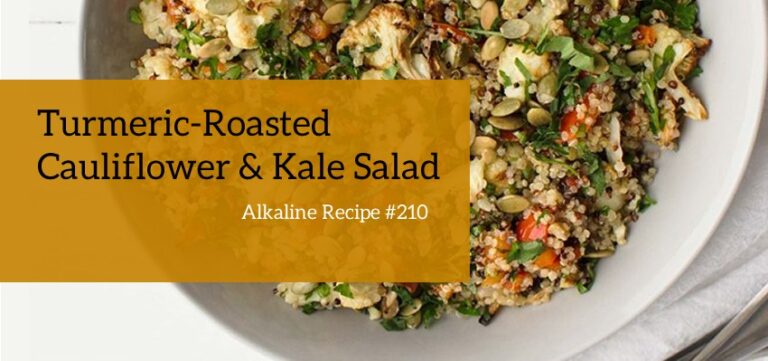
    SaladTurmeric Roasted Cauliflower & Kale SaladOpen recipe →
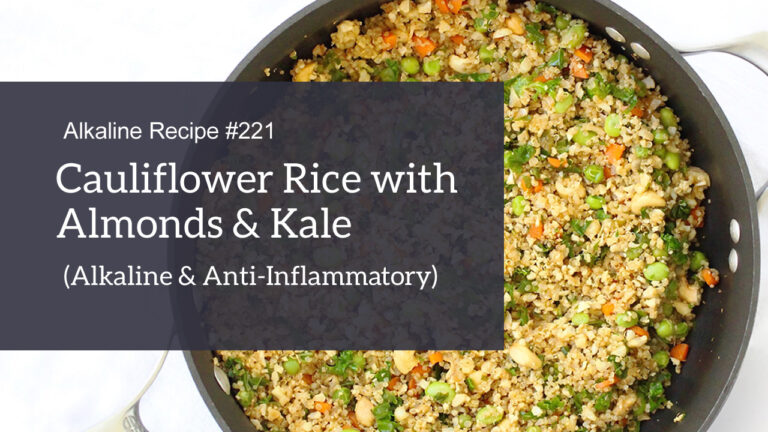
    LunchCauliflower Fried Rice with Turmeric, Ginger & KaleOpen recipe →
    Want more than recipes?

    The Alkaline Life Club has everything in the Recipe Club, plus coaching, live Q&A and a community to keep you going.

    See the Alkaline Life Club

    Sources

    Nutrient values: USDA FoodData Central, SR Legacy (kale 168421, Brussels sprouts 170383, almonds 170567, pine nuts 170591, pomegranate 169134, shallot 170499, garlic 169230, mustard 172234, lemon juice 167747, malt syrup 169660, olive oil 171413, mint 173475). Plant compounds are named where the ingredient is a well-documented source; flavonoids follow the USDA Database for the Flavonoid Content of Selected Foods, Release 3.3. Daily Values: US Food and Drug Administration.
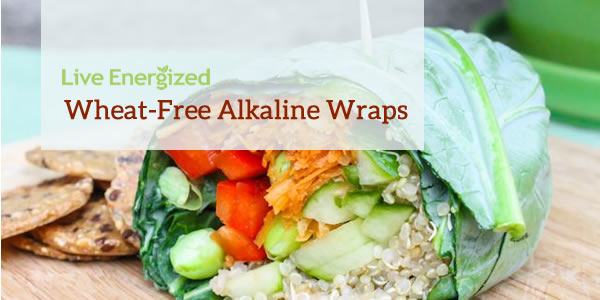
  • Quinoa & Hummus Wraps

    Quinoa & Hummus Wraps

    Recipes › Lunch

    Quinoa & Hummus Wraps

    Wheat-free lunches can be tricky when you’re first starting out, but this wrap is SO delicious you won’t even notice! Full of creamy, crunchy, colourful fillings – you will not be able to stop at just one.

    Prep 12 minCook 15 minServes 2 (4 wraps)7 ingredients
    VeganGluten-freeDairy-freeNut-freeNo added sugar

    Tastes: creamy hummus and avocado, with crunch from the cabbage and sprouts. Fresh, not heavy.

    A staple in our house

    This is a staple in our house – an amazing wheat-free, gluten-free, alkaline, anti-inflammatory, chlorophyll-rich wrap that tastes GREAT! Nutrient dense, it’s creamy, crunchy, colourful and so filling.

    It contains no added sugar (often found in wraps and dressings), no wheat (the wraps are made from greens!) and no processed meats – three of the biggest contributors to gut damage, inflammation and acidity. Give this a try – you will never have gluten in your lunch again!

    Why you’ll love it

    • The wraps are made from greens! Collard leaves do the job of the tortilla.
    • Creamy and crunchy. Hummus and avocado, with sprouts, cabbage and beetroot for crunch.
    • So filling. 26 g of protein and 22 g of fibre per serve.

    Good for

    Immunity

    Copper, folate, vitamin B6 and vitamin C contribute to the normal function of the immune system.

    Antioxidants

    Manganese, copper, riboflavin and vitamin C contribute to the protection of cells from oxidative stress. It also contains plant compounds with antioxidant activity, including lutein, beta-carotene and anthocyanins.

    Energy

    Folate, magnesium, vitamin B6 and riboflavin contribute to the reduction of tiredness and fatigue.

    Muscles

    Protein contributes to the maintenance of muscle mass, and magnesium, potassium and calcium contribute to normal muscle function.

    Bones

    Vitamin K, manganese, magnesium and phosphorus contribute to the maintenance of normal bones.

    Eyes

    Riboflavin, zinc and vitamin A contribute to the maintenance of normal vision. It also contains lutein and zeaxanthin, the carotenoids found in the macula of the eye.

    Blood pressure

    Potassium contributes to the maintenance of normal blood pressure.

    Tags use approved nutrient health-claim wording, for nutrients that give at least 10% of the Daily Value per serve. Plant compounds like lutein have no Daily Value, so we only say they’re there.

    Key nutrients per serve

    Vitamin K
    100%+Manganese
    100%+Copper
    100%+Folate
    100%+Magnesium
    75%Vitamin B6
    57%

    Contains: phosphorus (55%), thiamin (52%), riboflavin (50%), vitamin C (49%), pantothenic acid (49%), vitamin E (48%), zinc (48%), iron (46%), potassium (33%), niacin (29%), selenium (27%), vitamin A (22%) and calcium (22%).

    Plant compounds: lutein and zeaxanthin (about 3.7 mg), beta-carotene (about 2.3 mg), plant omega-3 ALA (about 1.3 g), chlorophyll, glucosinolates from the cabbage and collard, anthocyanins from the cabbage and betalains from the beetroot.

    26 g protein22 g fibreAbout 5 g natural sugarAbout 575 mg sodium

    % of US Daily Value for adults, per serve (half the recipe, 2 wraps). Estimated from USDA FoodData Central values for the ingredients as listed; cooking reduces some vitamins, so treat these as upper estimates; anything over 100% shows as 100%+.

    Quinoa & Hummus Wraps

    Wheat-free wraps made from collard leaves, with quinoa, hummus, avocado and crunchy veg.
    Prep Time 12 minutes
    Cook Time 15 minutes
    Total Time 27 minutes
    Servings: 2 (4 wraps)

    Ingredients
      

    • 4 large collard leaves you may need a couple more, depending on gaps
    • ½ cup sprouts any you like
    • ½ cup purple cabbage shredded, or grated carrot
    • ½ cup beetroot cooked and mashed, or raw and sliced very finely
    • 1 cup quinoa uncooked
    • 1 cup hummus
    • 1 cup avocado about 1 avocado, sliced

    Equipment

    • Saucepan

    Method
     

    1. First, get the quinoa cooking: put the cup of quinoa into a pan with 2 cups of cold water, bring to the boil and then simmer on a really low heat until the water is absorbed and the quinoa is fluffy.
    2. Next, get the wraps going by prepping the collard leaves: cut from the plant, washed and laid out like a regular wrap.
    3. Spread the hummus equally over each leaf – the hummus acts like a glue for the ingredients!
    4. Slice and lay out the avocado in a line from top to bottom down the middle of the leaf.
    5. Add the quinoa equally between the leaves and then fill with the remaining ingredients.
    6. Wrap by folding at the bottom (to stop everything falling out) and then rolling into a regular wrap shape!

    Notes

    This makes 4 wraps, so if it’s just you eating, put the others in the fridge for tomorrow!

    Swaps

    • No collard leaves? Use big lettuce leaves (cos or iceberg) or a gluten-free wrap.
    • No beetroot? Grated carrot works well.
    • Short on time? Use ready-cooked quinoa.

    Storing it

    Wrapped tightly, they keep in the fridge until tomorrow. Leftover quinoa keeps for 3 days.

    Good to know

    • High in vitamin K. If you take warfarin or another blood thinner, keep your greens intake steady and talk to your doctor before eating more leafy greens than usual.
    • Hummus contains sesame (tahini).

    Ross’s tip

    You can also use a toothpick to hold them in place.

    Try next

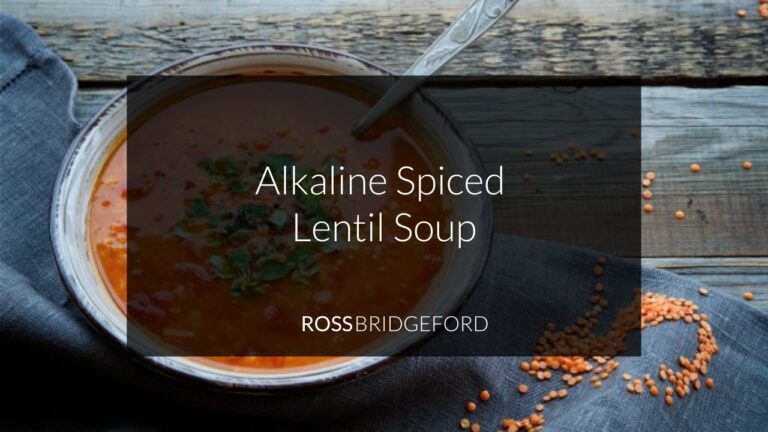
    SoupSpiced Lentil SoupOpen recipe →
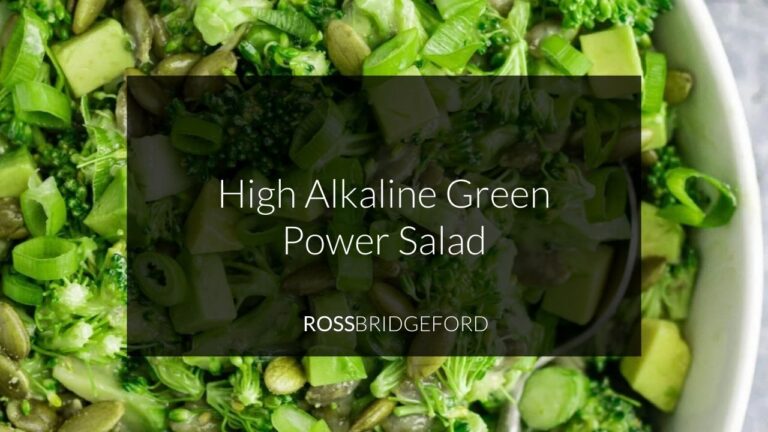
    SaladGreen Power SaladOpen recipe →
    Want more than recipes?

    The Alkaline Life Club has everything in the Recipe Club, plus coaching, live Q&A and a community to keep you going.

    See the Alkaline Life Club

    Sources

    Nutrient values: USDA FoodData Central, SR Legacy (collards 170406, alfalfa sprouts 168384, red cabbage 169977, beetroot 169145, quinoa 168874, hummus 174289, avocado 171705). Plant compounds are named where the ingredient is a well-documented source; flavonoids follow the USDA Database for the Flavonoid Content of Selected Foods, Release 3.3. Daily Values: US Food and Drug Administration.

  • Sinus-Soothing Thyme & Sage Tonic

    Sinus-Soothing Thyme & Sage Tonic

    Recipes › Drinks

    Sinus-Soothing Thyme & Sage Tonic

    Fresh lemon, ginger, thyme and sage simmered into a fragrant, warming tonic for when your sinuses are blocked and sore.

    Prep 5 minCook 5 minMakes 4 cups5 ingredients
    VeganGluten-freeDairy-freeNut-freeNo added sugar

    Tastes: warm, lemony and fragrant, with herby thyme and sage and a gentle ginger kick.

    Sinus Soothing Tonic Recipe

    Such a fave

    This is such a fave. The addition of thyme and sage is so refreshingly fragrant and different.

    If you’re feeling that pain behind your eyes, cheekbones or teeth, or that horrible sinus headache, you’re going to LOVE this simple tonic. Sinusitis is a vicious circle: inflammation causes the pain, mucus is produced in response, and the mucus triggers more inflammation.

    A warm drink is a lovely way to ease it. In one study of people with colds and flu, a hot drink gave immediate and lasting relief from a runny nose, cough, sneezing, sore throat and tiredness (Sanu and Eccles, 2008).

    Why you’ll love it

    • Fragrant thyme and sage, refreshingly different.
    • Warm and soothing when you’re all bunged up.
    • Makes 4 cups to sip through the day.
    • About 10 minutes on the stove.

    Good for

    This one is about warmth, steam and flavour rather than vitamins and minerals. Once the herbs, ginger and lemon peel are strained out, nothing reaches 10% of the Daily Value per cup.

    Tags use approved nutrient health-claim wording, for nutrients that give at least 10% of the Daily Value per cup. Plant compounds like these have no Daily Value, so we only say they’re there.

    Key nutrients per cup

    No vitamin or mineral reaches 10% of the Daily Value per cup.

    Plant compounds: gingerols from the ginger and citrus flavonoids from the lemon.

    Under 4 g natural sugarAlmost no sodium

    % of US Daily Value for adults, per cup (a quarter of the pot). Estimated from USDA FoodData Central values for the ingredients as listed, so treat these as upper estimates. Counts only the lemon juice, as the peel, herbs and ginger are simmered and strained out; anything over 100% shows as 100%+.

    Sinus-Soothing Thyme & Sage Tonic

    Lemon peel and juice, fresh ginger, thyme and sage simmered in water for five minutes, then strained.
    Prep Time 5 minutes
    Cook Time 5 minutes
    Total Time 10 minutes
    Servings: 4 cups

    Ingredients
      

    • 1 litre filtered water 34 fl oz
    • 1 lemon organic if you can; otherwise wash it thoroughly
    • 2 tsp fresh thyme leaves and stalks
    • 2 tsp fresh sage leaves
    • 2 cm fresh ginger root
    • 1 cm fresh turmeric root optional

    Equipment

    • Saucepan
    • Grater
    • Sieve

    Method
     

    1. Bring the water to the boil in a pan, then turn it down to a gentle simmer.
    2. Grate the lemon peel into the water, then squeeze in the juice of the whole lemon.
    3. Grate in the ginger, and finely chop and add the turmeric, if using.
    4. Add the sage and thyme leaves.
    5. Simmer for 5 minutes, let it cool a little, then strain and serve.

    Notes

    If you need to sweeten it, use a very small amount of stevia.

    Swaps

    • Dried herbs: use 1 tsp each of dried thyme and sage.
    • Warmer: add the fresh turmeric.
    • Sweeter: a very small amount of stevia.

    Storing it

    Keeps in a covered jug in the fridge for up to 2 days. Reheat gently.

    Good to know

    • Symptoms that won’t settle? If they’re severe, last more than a week or two or keep coming back, see your doctor, and keep taking any medication you’ve been prescribed.

    Ross’s tip

    I’ve included turmeric as optional because it has that very strong, pungent flavour that can overpower the delicate deliciousness of the sage and thyme.

    Try next

    DrinksMagic Immune TeaOpen recipe →
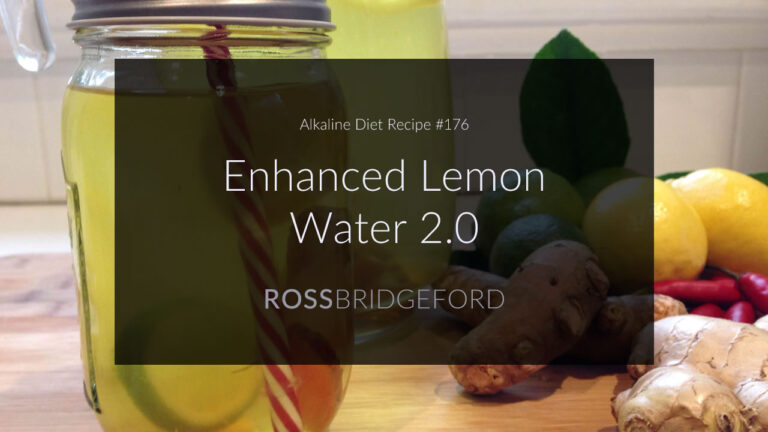
    DrinksEnhanced Lemon WaterOpen recipe →
    Want more than recipes?

    The Alkaline Life Club has everything in the Recipe Club, plus coaching, live Q&A and a community to keep you going.

    See the Alkaline Life Club

    Sources

    Nutrient values: USDA FoodData Central, SR Legacy (lemon juice 167747). Plant compounds are named where the ingredient is a well-documented source; flavonoids follow the USDA Database for the Flavonoid Content of Selected Foods, Release 3.3. Daily Values: US Food and Drug Administration. Hot drinks and cold symptoms: Sanu and Eccles, “The effects of a hot drink on nasal airflow and symptoms of common cold and flu,” Rhinology 46 (2008): 271–275.