Chilli Spring Greens
A fabulous and highly alkalising recipe with spring greens and chilli – lovely and crunchy, with a slight kick.
Tastes: fresh and lemony, with soft-crunchy greens, sweet onion and a chilli kick.
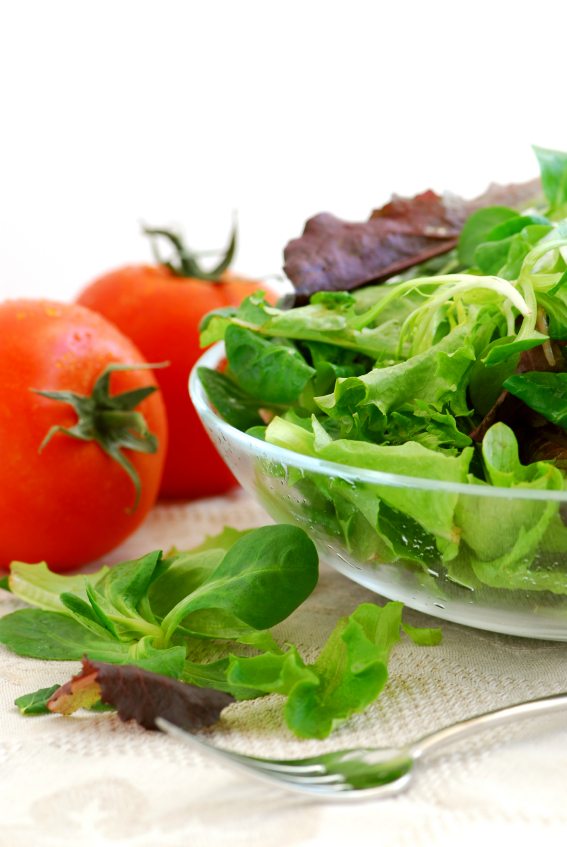
Don’t leave the spring greens out
Spring greens are often left out in the kitchen, because a lot of us don’t really know what to do with them. This is a real shame, as they’re packed with nutrients, highly alkalising and very versatile – you can steam, fry or even mash them.
They’re particularly rich in folate, vitamin C and fibre. You can eat this as a side dish, or serve it with brown basmati rice as a light main.
Why you’ll love it
- Vitamin K: about nine times your daily needs.
- Folate and vitamin C: almost a full day’s worth of folate and more than a day’s vitamin C.
- Calcium: almost half your daily needs.
- Light and quick, as a side or a light main.
Good for
Vitamin C, folate, vitamin A and vitamin B6 contribute to the normal function of the immune system.
Vitamin C, manganese, vitamin E and riboflavin contribute to the protection of cells from oxidative stress. It also contains plant compounds with antioxidant activity, including lutein, beta-carotene and quercetin.
Folate, vitamin B6, riboflavin and magnesium contribute to the reduction of tiredness and fatigue.
Protein contributes to the maintenance of muscle mass, and calcium, magnesium and potassium contribute to normal muscle function.
Vitamin K, manganese, calcium and magnesium contribute to the maintenance of normal bones.
Vitamin A and riboflavin contribute to the maintenance of normal vision. It also contains lutein and zeaxanthin, the carotenoids found in the macula of the eye.
Potassium contributes to the maintenance of normal blood pressure.
Tags use approved nutrient health-claim wording, for nutrients that give at least 10% of the Daily Value per serve. Plant compounds like lutein have no Daily Value, so we only say they’re there.
Key nutrients per serve
Contains: calcium (47%), vitamin B6 (35%), riboflavin (31%), copper (22%), magnesium (19%), thiamin (17%), pantothenic acid (16%), potassium (15%) and niacin (13%).
Plant compounds: lutein and zeaxanthin (about 11 mg), beta-carotene (about 7.5 mg), plant omega-3 ALA (about 1.5 g), chlorophyll, quercetin from the onion, sulphur compounds from the garlic, citrus flavonoids from the lemon and capsaicin from the chilli.
% of US Daily Value for adults, per serve (half the recipe). Estimated from USDA FoodData Central values for the ingredients as listed; cooking reduces some vitamins, so treat these as upper estimates. Spring greens use collard greens values; excludes rice and salt and pepper; anything over 100% shows as 100%+.
Chilli Spring Greens
Ingredients
Equipment
Method
- Cook the spring greens in the stock or water in a large covered frying pan over a medium heat for about 10 minutes.
- In another frying pan, heat the oil over a medium heat and gently fry the onion, garlic and chilli for 3–4 minutes.
- Add these to the greens, then cover and steam for about 10 minutes.
- Season with salt and pepper, add the lemon juice and serve.
Notes
Swaps
- No spring greens? Use collard greens, cavolo nero, kale or savoy cabbage.
- Make it a meal: add a can of rinsed cannellini beans with the onion.
- Less heat: use half a chilli.
Storing it
Keeps in the fridge for 2 days.
Good to know
- High in vitamin K. If you take warfarin or another blood thinner, keep your greens intake steady and talk to your doctor before eating more leafy greens than usual.
Try next

The Alkaline Life Club has everything in the Recipe Club, plus coaching, live Q&A and a community to keep you going.
See the Alkaline Life ClubSources
Nutrient values: USDA FoodData Central, SR Legacy (collard greens 170406, canola oil 172336, garlic 169230, onion 170000, red chilli 170106, lemon juice 167747). Plant compounds are named where the ingredient is a well-documented source; flavonoids follow the USDA Database for the Flavonoid Content of Selected Foods, Release 3.3. Daily Values: US Food and Drug Administration.