Tag: protein

  • Quick Alkaline Snack Recipe

    Quick Alkaline Snack Recipe

    Hey everyone!

    It’s been a while since my last tip, but I tend to post them as I think of them, or as I invent them rather than trying to force the issue. It’s just the way I work. As you know, I live the alkaline diet myself and am constantly learning and looking to improve my lifestyle so you get these alkaline diet tips as soon as I get them! This is 100% real, baby.

    Anyway, I know personally that having tasty, filling alkaline snack recipes is a hurdle on the alkaline diet – and I know you guys feel the same, so I am hoping that this tip will help a lot of you out in your quest to reach your health goals.
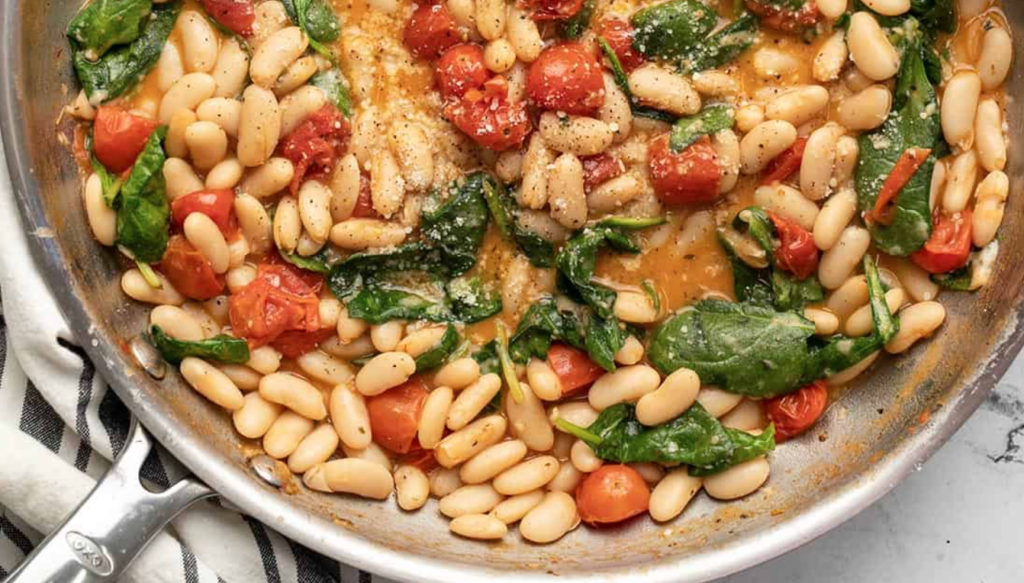
     

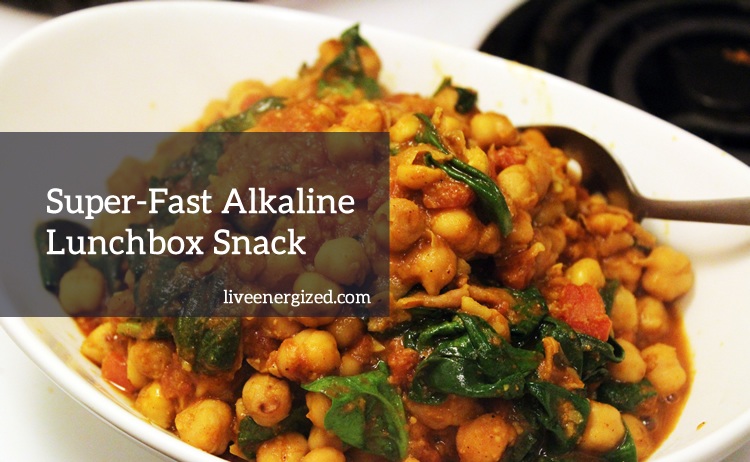
    Quick Super-Fast Alkaline Bean Bowl Close UpThe Super-Fast Alkaline Snack Recipe

    So I’ve recently started working from a new super-cool office in the city, rather than from home, quite simply because I like to get out of the house and be around people. Plus, its a great way to get to know the city. But, the challenge this throws up is this:

    If I am not working from home I need to be able to very quickly make lunch and 2-3 alkaline snacks to take with me

    I know this is a similar situation a lot of you face.

    I also have the following challenge:

    I need to keep up my vegan protein intake on days I go to the gym

    So I very quickly devised the following alkaline-rich, nutrient-dense, super-fast snack that I can take with me and it tastes great hot or cold!

    Super Fast Alkaline Bean Snack

    Here’s the super-fast 80% alkaline version:

    And here is another high-protein alkaline smoothie recipe and my Alkaline Raw Cacao Bliss Balls Recipe too if you’re interested!

    Ross

    REMEMBER: there are over 100+ alkaline diet recipes, including plenty of quick snacks in my Alkaline Diet Recipe Book
  • Fill-You-Up Salad

    Fill-You-Up Salad

    Recipes › Salads

    Fill-You-Up Salad

    A super-salad with tofu, quinoa, chickpeas, avocado and seeds that genuinely fills you up. No hungry-again-in-half-an-hour here.

    Prep 15 minCook 15 minServes 216 ingredients
    VeganGluten-freeDairy-freeNut-freeNo added sugar

    Tastes: hearty and fresh, with golden tofu, nutty quinoa, creamy avocado, crunchy seeds and a squeeze of lemon.

    The salad my friends said couldn’t be done

    This is a super-salad. My meat-eating friends are forever challenging me to make a salad that fills me up and doesn’t leave me hungry again half an hour later. They don’t believe it’s possible. I promise you it is, and here is one of my creations.

    I work out, I work hard and I need to be filled! This salad doesn’t disappoint. It’s tasty, filling, delicious and highly alkaline.

    I use a mix of different leaves, but you can use whatever you’ve got handy (apart from iceberg, which I thoroughly dislike!).

    Why you’ll love it

    • About 25 g plant protein a serve, from the tofu, quinoa, chickpeas and seeds.
    • 18 g fibre a serve – nearly two-thirds of your daily needs.
    • Magnesium and folate: over half and over three-quarters of your daily needs.
    • Properly filling: protein, fibre and healthy fats in one bowl.

    Good for

    Immunity

    Copper, vitamin C, folate and vitamin B6 contribute to the normal function of the immune system.

    Antioxidants

    Copper, manganese, vitamin C and vitamin E contribute to the protection of cells from oxidative stress. It also contains plant compounds with antioxidant activity, including lutein, beta-carotene and lycopene.

    Energy

    Folate, magnesium, vitamin B6 and pantothenic acid contribute to the reduction of tiredness and fatigue.

    Muscles

    Protein contributes to the maintenance of muscle mass, and magnesium, calcium and potassium contribute to normal muscle function.

    Bones

    Vitamin K, manganese, magnesium and phosphorus contribute to the maintenance of normal bones.

    Eyes

    Vitamin A, zinc and riboflavin contribute to the maintenance of normal vision. It also contains lutein and zeaxanthin, the carotenoids found in the macula of the eye.

    Blood pressure

    Potassium contributes to the maintenance of normal blood pressure.

    Tags use approved nutrient health-claim wording, for nutrients that give at least 10% of the Daily Value per serve. Plant compounds like lutein have no Daily Value, so we only say they’re there.

    Key nutrients per serve

    Vitamin K
    100%+Copper
    100%+Manganese
    100%+Vitamin C
    82%Folate
    82%Magnesium
    58%

    Contains: vitamin B6 (53%), vitamin E (49%), pantothenic acid (44%), thiamin (42%), phosphorus (42%), vitamin A (40%), calcium (40%), iron (39%), zinc (39%), riboflavin (38%), selenium (34%), potassium (32%) and niacin (27%).

    Plant compounds: lutein and zeaxanthin (about 5.1 mg), beta-carotene (about 4.2 mg), lycopene (about 1.3 mg), plant omega-3 ALA (about 0.7 g), chlorophyll, glucosinolates from the rocket and citrus flavonoids from the lemon.

    25 g protein18 g fibreAbout 8 g natural sugarAbout 180 mg sodium

    % of US Daily Value for adults, per serve (half the recipe). Estimated from USDA FoodData Central values for the ingredients as listed; cooking reduces some vitamins, so treat these as upper estimates. Uses romaine values for the cos and lamb’s lettuce, calcium-set firm tofu, ⅓ cup (57 g) dry quinoa, 30 g mixed seeds, 1 tbsp olive oil and 1 tsp coconut oil; excludes salt and pepper; anything over 100% shows as 100%+.

    Fill-You-Up Salad

    Mixed leaves with pan-fried tofu, quinoa, chickpeas, avocado, seeds and salad veg, dressed with lemon and olive oil.
    Prep Time 15 minutes
    Cook Time 15 minutes
    Total Time 30 minutes
    Servings: 2

    Ingredients
      

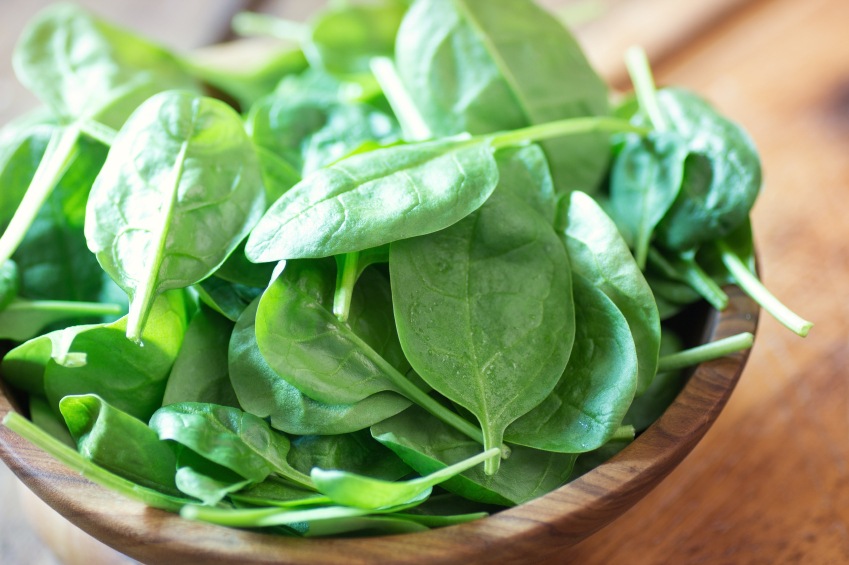
    • 2 handfuls baby spinach
    • 1 handful rocket
    • 1 handful cos lettuce
    • 1 handful lamb’s lettuce or whatever leaves you have
    • 100 g firm tofu cubed
    • ⅓ cup quinoa about 57 g dry
    • ½ can chickpeas drained and rinsed (about 120 g)
    • 1 avocado sliced
    • 1 handful mixed seeds about 30 g – I use sesame, sunflower and pumpkin
    • 6 cherry tomatoes halved
    • ½ cucumber chopped
    • ½ green or red pepper chopped
    • 1 tsp coconut oil for the tofu
    • 1 tbsp olive oil or hemp or avocado oil
    • ½ lemon
    • Himalayan or sea salt and black pepper to taste

    Equipment

    • Saucepan
    • Frying pan

    Method
     

    1. Cook the quinoa according to the packet (usually 1 part quinoa to 2 parts water, brought to the boil and simmered for about 10 minutes until the water is absorbed).
    2. Meanwhile, heat the coconut oil in a frying pan and lightly fry the tofu until golden.
    3. Wash everything thoroughly and chop it how you like it. I prefer to rip my salad leaves – it makes it more rustic.
    4. Mix everything together with the juice of half a lemon and a drizzle of olive oil, season and serve. Feel full and happy!

    Swaps

    • Nuts welcome: add a few chopped almonds or walnuts to the seeds (it won’t be nut-free then).
    • Oil: olive, hemp or avocado oil all work in the dressing.
    • No tofu? Use the whole can of chickpeas.

    Storing it

    Best fresh. Leftovers keep undressed in the fridge for a day; the cooked quinoa, tofu and chickpeas keep for 3 days on their own.

    Good to know

    • High in vitamin K. If you take warfarin or another blood thinner, keep your greens intake steady and talk to your doctor before eating more leafy greens than usual.

    Try next

    SaladsWarm Lentil SaladOpen recipe →
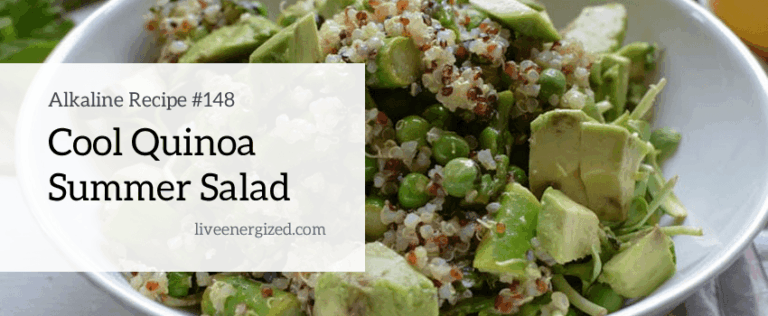
    SaladsCool Quinoa Summer SaladOpen recipe →
    Want more than recipes?

    The Alkaline Life Club has everything in the Recipe Club, plus coaching, live Q&A and a community to keep you going.

    See the Alkaline Life Club

    Sources

    Nutrient values: USDA FoodData Central, SR Legacy (baby spinach 168462, rocket 169387, romaine lettuce 169247, firm tofu 172475, quinoa 168874, canned chickpeas 173801, avocado 171705, sesame seeds 170150, sunflower seeds 170562, pumpkin seeds 170556, tomatoes 170457, cucumber 168409, red pepper 170108, olive oil 171413, coconut oil 171412, lemon juice 167747). Plant compounds are named where the ingredient is a well-documented source; flavonoids follow the USDA Database for the Flavonoid Content of Selected Foods, Release 3.3. Daily Values: US Food and Drug Administration.