Tag: lemon

  • Gareth Edwards’ Alkaline Smoothie Recipe

    Gareth Edwards’ Alkaline Smoothie Recipe

    Here are the ingredients for Gareth Edwards’ delicious and highly alkalising smoothie!

    Gareth’s Smoothie Ingredients List:

    Juice:

    ½ cucumber
    5 sticks celery
    1/8 of a pointed cabbage (chopped)
    4 handfuls of spinach or
    3 large kale “fronds”
    ½ lemon (squeezed)

    In The Blender:

    ½ avocado
    20-30 g. nuts & seeds (ideally soaked in mineral water, overnight)
    ½ little gem lettuce – sliced
    100 g. chopped broccoli
    20-30 g. alfalfa sprouts and / or sunflower seed, lentil sprouts
    1 tea spoon flax or hemp oil
    2 tea spoons olive oil
    Sea or Crystal salt and freshly ground black pepper

    Enjoy!

    Alkaline Diet Recipe Book Banner


    [yumprint-recipe id=’47’]

  • Roast Garlic & Spinach Salad

    Roast Garlic & Spinach Salad

    Recipes › Salads

    Roast Garlic & Spinach Salad

    If I had to name two of my favourite vegetables, spinach and garlic would be at the top of the list – and this salad has both.

    Prep 5 minCook 15 minServes 26 ingredients
    VeganGluten-freeDairy-freeNo added sugar

    Tastes: fresh and crunchy, with sweet, soft roast garlic, toasty pine nuts and lemon.

    Crunchy spinach, sweet roast garlic

    I love the crunchy texture of the spinach and the sweet taste of the roast garlic in this alkalising salad.

    Fresh spinach is extremely rich in antioxidants and a great source of vitamins A, E, K and C, manganese, magnesium, iron, folate and zinc – you can call it a real superfood! And garlic is one of the oldest known medicinal plants, with a whole host of benefits.

    Why you’ll love it

    • Vitamin K: about five times your daily needs.
    • Manganese and folate: well over half your daily needs.
    • Roast garlic goes sweet and spreadable.
    • A lovely side for almost any dinner.

    Good for

    Immunity

    Vitamin A, folate, vitamin C and copper contribute to the normal function of the immune system.

    Antioxidants

    Manganese, vitamin C, vitamin E and copper contribute to the protection of cells from oxidative stress. It also contains plant compounds with antioxidant activity, including lutein, beta-carotene and flavonoids.

    Energy

    Folate, magnesium, riboflavin and iron contribute to the reduction of tiredness and fatigue.

    Bones

    Vitamin K, manganese, magnesium and zinc contribute to the maintenance of normal bones.

    Eyes

    Vitamin A, riboflavin and zinc contribute to the maintenance of normal vision. It also contains lutein and zeaxanthin, the carotenoids found in the macula of the eye.

    Blood pressure

    Potassium contributes to the maintenance of normal blood pressure.

    Tags use approved nutrient health-claim wording, for nutrients that give at least 10% of the Daily Value per serve. Plant compounds like lutein have no Daily Value, so we only say they’re there.

    Key nutrients per serve

    Vitamin K
    100%+Manganese
    91%Vitamin A
    65%Folate
    62%Vitamin C
    44%Vitamin E
    36%

    Contains: copper (33%), magnesium (30%), riboflavin (23%), iron (23%), vitamin B6 (18%), thiamin (17%), potassium (17%), zinc (13%), calcium (11%) and phosphorus (10%).

    Plant compounds: lutein and zeaxanthin (about 15 mg), beta-carotene (about 7 mg), chlorophyll, sulphur compounds from the garlic and citrus flavonoids from the lemon.

    5 g protein3 g fibreUnder 4 g natural sugarAbout 100 mg sodium

    % of US Daily Value for adults, per serve (half the recipe). Estimated from USDA FoodData Central values for the ingredients as listed; cooking reduces some vitamins, so treat these as upper estimates. Excludes salt and pepper added to taste; anything over 100% shows as 100%+.

    Roast Garlic & Spinach Salad

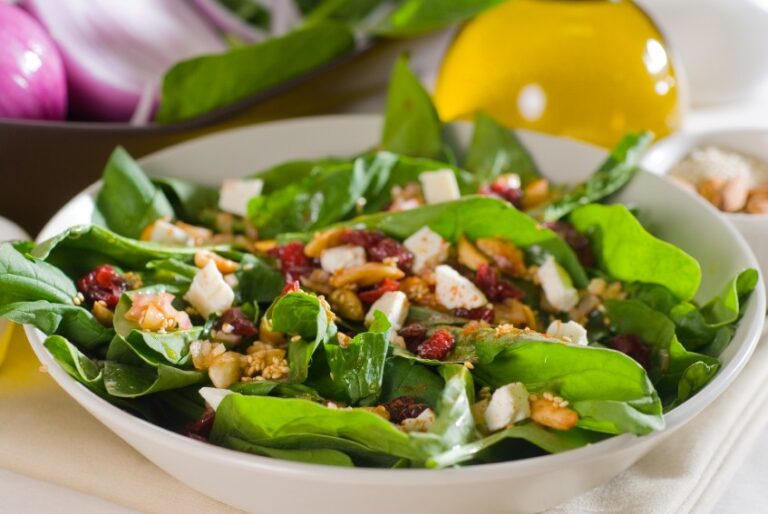
    Baby spinach tossed with roast garlic cloves, toasted pine nuts, lemon and olive oil.
    Prep Time 5 minutes
    Cook Time 15 minutes
    Total Time 20 minutes
    Servings: 2

    Ingredients
      

    • 250 g baby spinach leaves washed and drained
    • 5 garlic cloves unpeeled
    • 20 g pine nuts lightly toasted
    • juice of ¼ lemon
    • 2 tbsp extra-virgin olive oil divided
    • Himalayan or Celtic sea salt and black pepper to taste

    Equipment

    • Roasting dish

    Method
     

    1. Preheat the oven to about 180°C (355°F).
    2. Put the garlic cloves in a roasting dish, toss with 1 tbsp of the oil and bake for 10–15 minutes, until slightly golden and starting to soften.
    3. Tip the garlic into a salad bowl and add the lemon juice, pine nuts, spinach and remaining oil. Season to taste.
    4. Mix well and serve straight away.

    Notes

    Feeding four, or serving it as a side for a crowd? Double everything – that’s the original recipe.

    Swaps

    • Nut-free: use toasted sunflower or pumpkin seeds.
    • Heartier: add a can of rinsed chickpeas.
    • Rocket or mixed leaves work instead of spinach.

    Storing it

    Best fresh – dress it just before serving.

    Good to know

    • High in vitamin K. If you take warfarin or another blood thinner, keep your greens intake steady and talk to your doctor before eating more leafy greens than usual.
    • Contains pine nuts. See Swaps for nut-free.

    Ross’s tip

    Try to squeeze the garlic purée out of each clove – it’s delicious!

    Try next

    SaladRocket, Watercress & Mint SaladOpen recipe →
    DinnerSpinach with Toasted AlmondsOpen recipe →
    Want more than recipes?

    The Alkaline Life Club has everything in the Recipe Club, plus coaching, live Q&A and a community to keep you going.

    See the Alkaline Life Club

    Sources

    Nutrient values: USDA FoodData Central, SR Legacy (spinach 168462, garlic 169230, pine nuts 170591, lemon juice 167747, olive oil 171413). Plant compounds are named where the ingredient is a well-documented source; flavonoids follow the USDA Database for the Flavonoid Content of Selected Foods, Release 3.3. Daily Values: US Food and Drug Administration.

  • Leek & Asparagus Soup

    Leek & Asparagus Soup

    Recipes › Soups

    Leek & Asparagus Soup

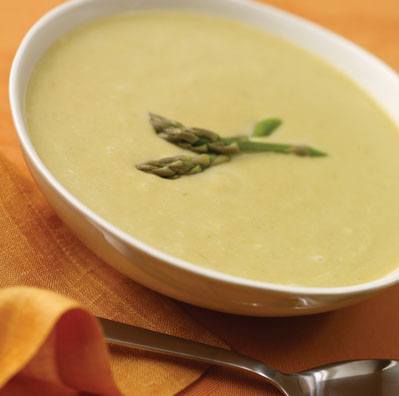
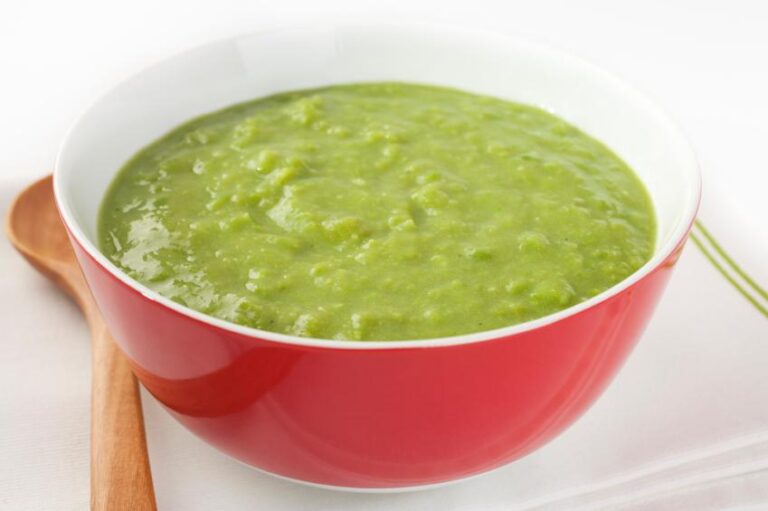
    Soft, sweet leeks and fresh green asparagus blended into a smooth soup, with whole asparagus tips and a lovely lemon tang.

    Prep 10 minCook 45 minServes 26 ingredients
    VeganGluten-freeDairy-freeNut-freeNo added sugar

    Tastes: smooth, fresh and green, with sweet leeks and a bright lemon finish.

    The more I eat it, the more I crave it

    This is one of those soups I increasingly crave the more I eat it – perfect for when the weather suddenly turns cold.

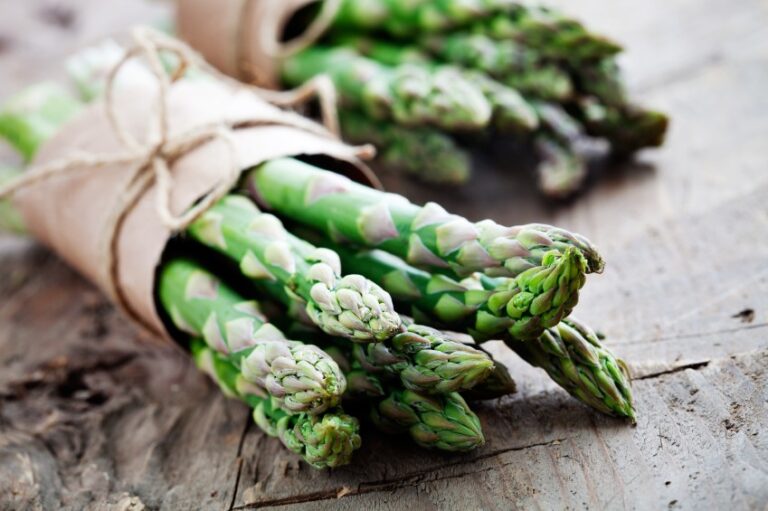
    The star is asparagus, which is packed with vitamin K, folate and copper, and pairs beautifully with soft, sweet leeks.

    A squeeze of fresh lemon at the end gives it a lovely tang. I hope you enjoy it!

    Why you’ll love it

    • Vitamin K: about a day’s worth a bowl.
    • Copper: over half your daily needs.
    • Folate: over a third of your daily needs.
    • A lovely lemon tang to finish.

    Good for

    Immunity

    Copper, folate, iron and vitamin C contribute to the normal function of the immune system.

    Antioxidants

    Copper, vitamin E, manganese and vitamin C contribute to the protection of cells from oxidative stress. It also contains plant compounds with antioxidant activity, including lutein, beta-carotene and flavonoids.

    Energy

    Folate, iron, riboflavin and vitamin B6 contribute to the reduction of tiredness and fatigue.

    Muscles

    Protein contributes to the maintenance of muscle mass, and potassium and magnesium contribute to normal muscle function.

    Bones

    Vitamin K, manganese, magnesium and zinc contribute to the maintenance of normal bones.

    Eyes

    Riboflavin, vitamin A and zinc contribute to the maintenance of normal vision. It also contains lutein and zeaxanthin, the carotenoids found in the macula of the eye.

    Blood pressure

    Potassium contributes to the maintenance of normal blood pressure.

    Tags use approved nutrient health-claim wording, for nutrients that give at least 10% of the Daily Value per bowl. Plant compounds like lutein have no Daily Value, so we only say they’re there.

    Key nutrients per bowl

    Vitamin K
    99%Copper
    56%Folate
    37%Iron
    32%Vitamin E
    26%Manganese
    26%

    Contains: thiamin (25%), vitamin C (24%), riboflavin (23%), vitamin B6 (18%), vitamin A (15%), niacin (14%), pantothenic acid (12%), potassium (12%), magnesium (11%), zinc (11%), phosphorus (10%), selenium (10%) and calcium (7%).

    Plant compounds: lutein and zeaxanthin (about 2.7 mg), beta-carotene (about 1.6 mg) and citrus flavonoids from the lemon.

    5 g protein5 g fibreAbout 8 g natural sugarAbout 170 mg sodium

    % of US Daily Value for adults, per bowl (half the recipe). Estimated from USDA FoodData Central values for the ingredients as listed; cooking reduces some vitamins, so treat these as upper estimates. Uses typical low-sodium stock values; excludes salt and pepper; anything over 100% shows as 100%+.

    Leek & Asparagus Soup

    Leeks softened in olive oil, simmered with asparagus stalks in stock, blended, then finished with whole asparagus tips and lemon juice.
    Prep Time 10 minutes
    Cook Time 45 minutes
    Total Time 55 minutes
    Servings: 2 bowls

    Ingredients
      

    • 400 g fresh green asparagus
    • 1½ leeks trimmed, washed and chopped
    • ¼ lemon juiced
    • 1 tbsp olive oil or Udo’s Choice oil blend
    • 500 ml low-sodium vegetable stock 2 mugs
    • Himalayan salt and black pepper

    Equipment

    • Large saucepan
    • Stick blender

    Method
     

    1. Wash the asparagus and snap off the woody ends. Cut off the tips and set them aside for later, then chop the stalks.
    2. Heat the oil in a large saucepan and gently fry the leeks for 10–15 minutes, until they start to soften.
    3. Add the stock and asparagus stalks, cover and simmer for about 25 minutes.
    4. Take off the heat and blend until smooth with a stick blender or in a food processor.
    5. Season to taste, add the asparagus tips and bring back to the boil, then cook on a very low heat for another 5 minutes, until the tips are tender.
    6. Stir in the lemon juice and enjoy!

    Swaps

    • Creamier: blend in a few tablespoons of coconut milk or a handful of soaked cashews.
    • No leeks? Use an onion.
    • Feeding four? Double everything.

    Storing it

    Keeps in the fridge for 3 days, and freezes well for up to 3 months.

    Good to know

    • High in vitamin K. If you take warfarin or another blood thinner, keep your greens intake steady and talk to your doctor before eating more leafy greens than usual.

    Try next

    SoupsTomato & Asparagus SoupOpen recipe →
    SoupsRoss’s Springtime Pea SoupOpen recipe →
    Want more than recipes?

    The Alkaline Life Club has everything in the Recipe Club, plus coaching, live Q&A and a community to keep you going.

    See the Alkaline Life Club

    Sources

    Nutrient values: USDA FoodData Central, SR Legacy (asparagus 168389, leeks 169246, lemon juice 167747, olive oil 171413). Plant compounds are named where the ingredient is a well-documented source; flavonoids follow the USDA Database for the Flavonoid Content of Selected Foods, Release 3.3. Daily Values: US Food and Drug Administration.

  • Green Juices Recipe by Gareth Edwards

    Green Juices Recipe by Gareth Edwards

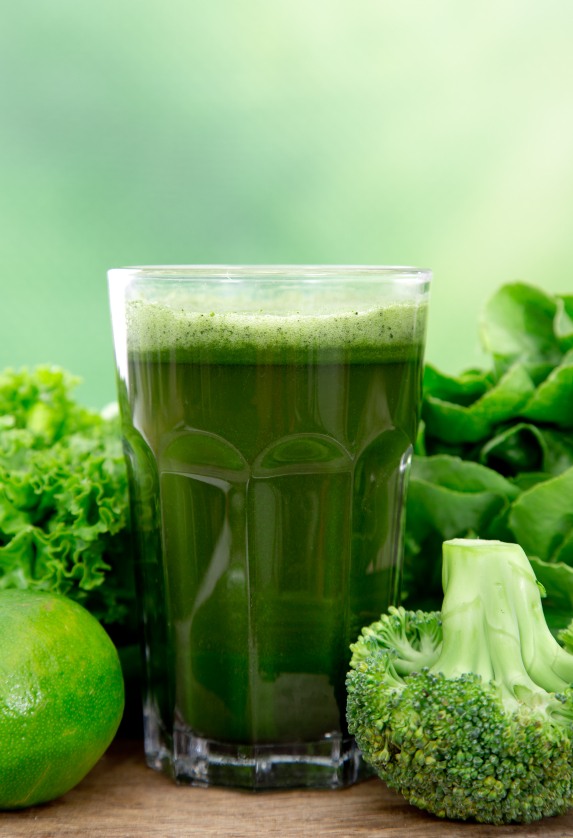
    Gareth's green juiceThis is a delicious and ultra healthy green juice recipe from Gareth Edwards, our Dr Young trained blood analyst and highly qualified nutritionist.

    The best vegetables to juice are the low glaecemic, greens. Cucumber and celery yield high quantities of liquid, while chard, kale, watercress, spring greens and spinach are more concentrated.

    In case this sounds challenging in the flavour department, adding lemon juice makes it all highly palatable (usually!).

    Gareth’s Green Juice

    Ingredients

    15-20 cm organic cucumber
    3 sticks organic celery
    6 leaves of organic chard
    ½ squeezed organic (un-waxed) lemon – juiced separately on a citrus squeezer and added afterwards.

    You can replace the chard with some of the concentrated alternatives listed above. You can also try adding cabbage (red, white or green) to the cumber and celery. This is meant to be very good for promoting digestive health.

    Enjoy!