Category: Snack Recipes

  • Avocado Salsa Lettuce Wraps

    Avocado Salsa Lettuce Wraps

    Recipes › Lunch

    Avocado Salsa Lettuce Wraps

    These wraps are GENIUS – perfect for a healthy lunch on the go, or a quick snack in between. They’re legendary in my household!

    Prep 10 minServes 28 ingredients
    VeganGluten-freeDairy-freeNut-freeNo added sugar

    Tastes: creamy and zesty, with chunky avocado salsa, tomato, red onion, chilli and coriander in crisp lettuce.
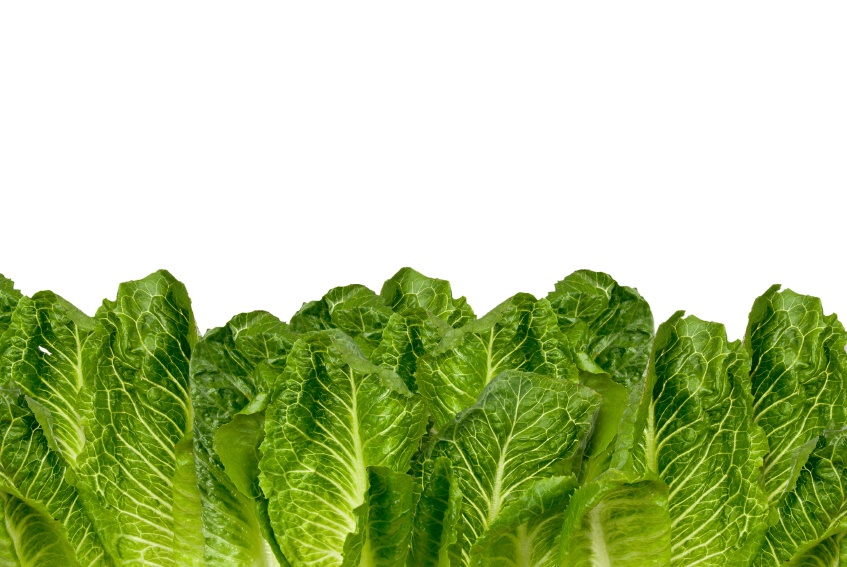
    lettuce

    San choy bow… kinda!

    People often tell me how hard it is to find sprouted wraps, so these are the perfect alkaline answer. I really like normal wraps, but then I thought – I love san choy bow too… how much more alkaline would it be to swap the bread wraps for lettuce?

    It makes a kind of salsa, but with loads more avocado. Nice and alkaline.

    Why you’ll love it

    • About 24 g fibre a serve.
    • Folate: a full day’s worth.
    • No bread – the lettuce is the wrap.
    • 10 minutes to make.

    Good for

    Immunity

    Folate, copper, vitamin C and vitamin B6 contribute to the normal function of the immune system.

    Antioxidants

    Copper, vitamin C, vitamin E and riboflavin contribute to the protection of cells from oxidative stress. It also contains plant compounds with antioxidant activity, including lutein, beta-carotene and lycopene.

    Energy

    Folate, pantothenic acid, vitamin B6 and niacin contribute to the reduction of tiredness and fatigue.

    Bones

    Vitamin K, manganese, magnesium and zinc contribute to the maintenance of normal bones.

    Eyes

    Vitamin A, riboflavin and zinc contribute to the maintenance of normal vision. It also contains lutein and zeaxanthin, the carotenoids found in the macula of the eye.

    Blood pressure

    Potassium contributes to the maintenance of normal blood pressure.

    Tags use approved nutrient health-claim wording, for nutrients that give at least 10% of the Daily Value per serve. Plant compounds like lutein have no Daily Value, so we only say they’re there.

    Key nutrients per serve

    Vitamin K
    100%+Folate
    100%Pantothenic acid
    90%Copper
    78%Vitamin C
    77%Vitamin B6
    59%

    Contains: vitamin A (56%), vitamin E (49%), potassium (45%), niacin (40%), riboflavin (38%), manganese (35%), magnesium (29%), thiamin (25%), zinc (23%), phosphorus (18%), iron (17%) and calcium (7%).

    Plant compounds: lutein and zeaxanthin (about 3.2 mg), beta-carotene (about 5.9 mg), lycopene (about 3.2 mg), chlorophyll, quercetin from the onion, citrus flavonoids from the lemon and capsaicin from the chilli.

    9 g protein24 g fibreAbout 8 g natural sugarAbout 40 mg sodium

    % of US Daily Value for adults, per serve (half the recipe). Estimated from USDA FoodData Central values for the ingredients as listed, so treat these as upper estimates. Excludes the pinch of salt; anything over 100% shows as 100%+.

    Avocado Salsa Lettuce Wraps

    Big romaine leaves wrapped around a chunky salsa of mashed avocado, tomato, red onion, chilli, herbs and lemon.
    Prep Time 10 minutes
    Total Time 10 minutes
    Servings: 2

    Ingredients
      

    • 6 very large romaine lettuce leaves iceberg is fine too
    • 2 ripe tomatoes
    • 3 ripe avocados
    • ½ medium red onion
    • ½ fresh chilli
    • ½ bunch fresh coriander or parsley
    • juice of 1 lemon
    • 1 pinch Himalayan salt

    Equipment

    • Bowl
    • Cocktail sticks

    Method
     

    1. Mash the avocados with a fork in a bowl.
    2. Finely dice the tomatoes, red onion, herbs and chilli (if you like it hot).
    3. Squeeze the lemon juice and sprinkle the salt over the avocado, then mix in the chopped ingredients.
    4. Wash the lettuce leaves and pat dry.
    5. Divide the mixture among the leaves, wrap them over and secure with a cocktail stick. Et voilà!

    Swaps

    • More protein: add mashed white beans or chickpeas to the salsa.
    • Lighter: use 2 avocados and add diced cucumber.
    • Collard or cos leaves both make sturdy wraps.

    Storing it

    Best fresh – the avocado browns. Store leftover salsa with cling film pressed on the surface for up to a day.

    Good to know

    • High in vitamin K. If you take warfarin or another blood thinner, keep your greens intake steady and talk to your doctor before eating more leafy greens than usual.

    Try next
    DinnerCashew & Celery Lettuce TacosOpen recipe →
    DinnerAlmost-Alkaline FajitasOpen recipe →
    Want more than recipes?

    The Alkaline Life Club has everything in the Recipe Club, plus coaching, live Q&A and a community to keep you going.

    See the Alkaline Life Club

    Sources

    Nutrient values: USDA FoodData Central, SR Legacy (romaine lettuce 169247, tomatoes 170457, avocado 171705, onion 170000, red chilli 170106, coriander leaves 169997, lemon juice 167747). Plant compounds are named where the ingredient is a well-documented source; flavonoids follow the USDA Database for the Flavonoid Content of Selected Foods, Release 3.3. Daily Values: US Food and Drug Administration.
  • Roasted Artichokes with Lemon Oil Dip

    Roasted Artichokes with Lemon Oil Dip

    Recipes › Sides

    Roasted Artichokes with Lemon Oil Dip

    A very light, alkalising recipe for warmer days, with charred artichokes and a sharp citrus dip.

    Prep 15 minCook 40 minServes 27 ingredients
    VeganGluten-freeDairy-freeNut-freeNo added sugar

    Tastes: tender and lightly charred, with a sharp, garlicky lemon dip.

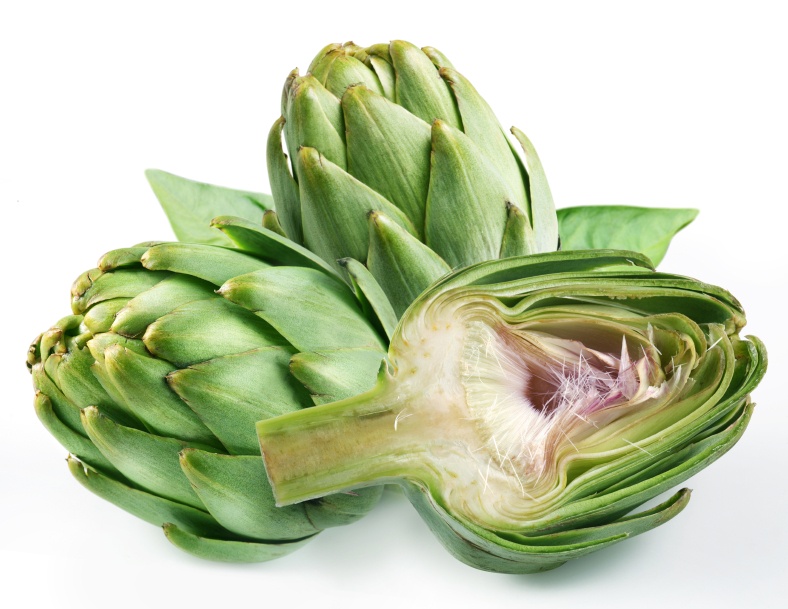
    artichoke

    Not so hard after all

    I have always wanted to find more recipes using artichokes. They’re one of those vegetables that are often underused, as the general perception seems to be that they’re hard to prepare.

    This is an easy-to-follow recipe that brings out the delicious taste of this healthy vegetable, and the sharp lemon dip gives it a great contrast in flavour. I hope it shows how versatile artichokes are, and that they’re not so difficult to prepare after all.

    Artichokes are alkalising and may help aid digestion and support healthy liver and gall bladder function. Lemons are alkalising too, and they give this dish a sharp contrast in flavour.

    Why you’ll love it

    • Light and alkalising. A lovely starter or side for warmer days.
    • Garlic and lemon. Roasted garlic mellows into a sweet, creamy dip.
    • Easier than you think. No fiddly steaming – just wedges and the oven.

    Good for

    Immunity

    Copper, vitamin C, folate and vitamin B6 contribute to the normal function of the immune system.

    Antioxidants

    Copper, vitamin E, vitamin C and manganese contribute to the protection of cells from oxidative stress. It also contains plant compounds with antioxidant activity, including apigenin and flavonoids.

    Energy

    Folate, vitamin B6 and magnesium contribute to the reduction of tiredness and fatigue.

    Bones

    Vitamin K, manganese and magnesium contribute to the maintenance of normal bones.

    Tags use approved nutrient health-claim wording, for nutrients that give at least 10% of the Daily Value per serve. Plant compounds like these have no Daily Value, so we only say they’re there.

    Key nutrients per serve

    Vitamin K
    39%Copper
    22%Vitamin E
    20%

    Contains: vitamin C (18%), manganese (13%), folate (12%), vitamin B6 (12%), magnesium (10%) and potassium (6%).

    Plant compounds: chlorophyll, apigenin from the parsley, sulphur compounds from the garlic and citrus flavonoids from the lemon.

    4 g fibreUnder 4 g natural sugarAbout 65 mg sodium

    % of US Daily Value for adults, per serve (half the recipe). Estimated from USDA FoodData Central values for the ingredients as listed; cooking reduces some vitamins, so treat these as upper estimates. Excludes salt and pepper added to taste; anything over 100% shows as 100%+.

    Roasted Artichokes with Lemon Oil Dip

    Charred roasted artichoke wedges with a garlicky lemon-oil dip.
    Prep Time 15 minutes
    Cook Time 40 minutes
    Total Time 55 minutes
    Servings: 2

    Ingredients
      

    • 1 globe artichoke trimmed
    • ½ tbsp fresh lemon juice
    • 6 garlic cloves unpeeled
    • ½ lemon organic or unwaxed
    • 3 tbsp olive oil
    • Himalayan or Celtic sea salt and black pepper
    • flat-leaf parsley to garnish

    Equipment

    • Roasting tin

    Method
     

    1. Preheat the oven to 200°C (400°F). Add the lemon juice to a bowl of cold water.
    2. Cut the artichoke into wedges and pull the hairy choke out from the centre, then put the wedges into the lemony water until needed.
    3. Drain the wedges and place them in a roasting tin with the garlic cloves. Add half the oil and mix well to coat. Sprinkle with salt and roast for about 40 minutes, stirring once or twice, until tender and slightly charred.
    4. Meanwhile, start the dip. Thinly pare two strips of rind from the lemon and scrape away any pith. Simmer the rind in a small pan of water for about 5 minutes, then drain, refresh in cold water and chop roughly.
    5. Let the cooked artichokes cool for about 5 minutes. Squeeze the soft garlic out of its skins into a bowl and mash to a purée. Add the lemon rind, squeeze in the juice from the lemon, and whisk in the remaining oil.
    6. Serve the artichokes warm with the lemon dip, garnished with parsley and seasoned to taste.

    Swaps

    • Short on time? Use jarred artichoke hearts in water, drained and roasted for 15–20 minutes.
    • Make it a meal: serve with quinoa and a big green salad.
    • Herbs: basil or mint work as well as parsley.

    Storing it

    Best eaten warm on the day. The dip keeps in the fridge for 2–3 days.

    Try next

    Salad5-Minute Green Summer SaladOpen recipe →
    SaladMagnesium-Boosting Super SaladOpen recipe →
    Want more than recipes?

    The Alkaline Life Club has everything in the Recipe Club, plus coaching, live Q&A and a community to keep you going.

    See the Alkaline Life Club

    Sources

    Nutrient values: USDA FoodData Central, SR Legacy (artichoke 169205, lemon juice 167747, garlic 169230, olive oil 171413, parsley 170416). Plant compounds are named where the ingredient is a well-documented source; flavonoids follow the USDA Database for the Flavonoid Content of Selected Foods, Release 3.3. Daily Values: US Food and Drug Administration.