Category: Live Energized TV

  • The 3-Ingredient Natural Taco Seasoning to Replace Toxic, Chemical-Laden Store-Bought Packets

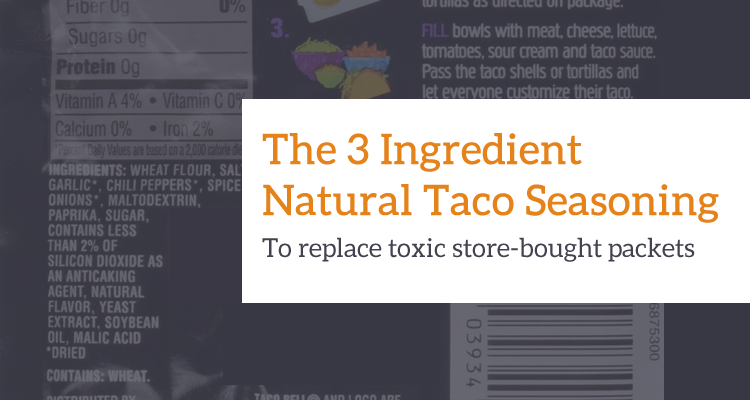
    The 3-Ingredient Natural Taco Seasoning to Replace Toxic, Chemical-Laden Store-Bought Packets

    In This Guide You Will Get: the lowdown on what’s REALLY in the packaged taco seasoning you buy at the store PLUS my amazing, fast 3-ingredient taco seasoning recipe (plus video)

    Food is supposed to be simple, natural and nourishing.

    Not toxic, chemical-laden, fake and manipulated to get you addicted (more on that in a bit).

    People often associate eating healthy foods with bland flavours (plain ol’ salad salad salad all day long).

    Nothing could be further from the truth.

    It’s actually so easy to make healthy food that’s fast, easy and DELICIOUS (delicious enough that the whole family will enjoy it – even the ‘unhealthy ones’).

    Yes, healthy convenience food does exist.

    You just need to know a few simple ‘hacks’ (like I’m about to show you below).

    But first I want to highlight what is REALLY in your store bought taco seasoning. I’m making an example of it.

    You need to know this because processed, packaged convenience foods are almost always packed with toxic, cell-destroying, carcinogenic chemicals, additives and preservatives.

    How They Crammed NINE Toxic Ingredients Into Your Taco Seasoning

    Taco seasoning.

    How can you go wrong with that? It’s just spices, right?

    Wrong.

    Pretty much anything and everything packaged for your convenience is a risk, and these little sachets of flavour are a perfect example of how you either have to just cut processed/packaged foods or be incredibly diligent and careful.

    I examined two of the most popular Mexican food brands’ taco seasoning (you can probably guess which two brands they are) and found no less than NINE toxic, acidifying, health-destroying additives across these two packets.

    This Is What Is Inside Your Taco Seasoning:

    1. Wheat: containing gluten (of course) which is proven to damage your digestive system, spike blood sugar and contribute to insulin resistance, damage your intestinal wall, overstimulate the immune system and more.
    2. White Flour: the same as wheat while also containing none of the fibre, and more rapidly acid-forming in the body
    3. Maltodextrin: firstly, most maltodextrin in the USA is derived from GMO crops. That’s the first concern. However, it’s also been associated with digestive disorders and the onset of allergies and most worryingly the long term effect of constantly eating foods containing maltodextrin is that your body will begin to secrete more and more insulin.
    4. Partially hydrogenated soybean oil: according to Dr Mercola “Soybean oil is “Completely unnatural man-made fats created through the partial hydrogenation process cause dysfunction and chaos in your body on a cellular level, and studies have linked trans-fats to health problems ranging from obesity and diabetes to reproductive problems and heart disease”
    5. Ethoxyquin: a synthetic antioxidant (don’t be fooled by that – it’s not good) that is so unsafe and disgusting that there is huge controversy as to whether it should be allowed in pet and animal feed. AND YET IT’S IN TACO SEASONING! The European Food Safety Authority “cannot conclude on the safety of ethoxyquin as a feed additive for any target animals, its safety for consumers or the environment.” This is an additive that we should not be eating. Nor our pets.
    6. Monosodium glutamate: Dr. Russell Blaylock, a board-certified neurosurgeon and author of “Excitotoxins: The Taste that Kills” explains that MSG is an excitotoxin, which means it overexcites your cells to the point of damage or death (the same as aspartame and other sweeteners which we’ll get on to), causing brain damage to varying degrees and possibly even causing the worsening of learning disabilities, Alzheimer’s disease, Parkinson’s disease, Lou Gehrig’s disease plus more.
    7. Sugar: I probably don’t have to expand on this one.
    8. Yellow cornflour: according to Vani at FoodBabe.com “(it) is a highly processed chemically-altered form of corn that is added to processed food as a cheap texturizing agent – and it’s not a natural ingredient that you would use in the kitchen. The corn that it’s derived from is likely GMO, asmore than 90% of corn in the U.S. is genetically modified.”  
    9. Natural flavourings: ‘Natural’ flavours (and colors) means nothing natural. There are so many ways to qualify a flavour or color as ‘natural’ when in reality it was created in a lab just like an artificial color or flavour – and is just as bad (if not worse) for you.Natural flavors are mostly chemical-based and synthetically created and most are carcinogenic and proven to be a health risk. Some natural flavors even contain propylene glycol, a solvent, or the carcinogenic preservative BHA.

    [See Also: The Seven Most Acid-Forming Foods]


    Important: this is just ONE example of the hidden toxins in a packaged foods. Most convenient, packaged, processed foods are the same. They largely all contain toxic colorings, flavourings, preservatives, anti-caking agents, fillers, glutens, sugars and more. The best way to avoid 99% of these horrible toxins is to eat fresh as much as possible.

    The Simple, 3-Ingredient, 100% Natural & Healthy Taco Seasoning

    To replace this avalanche of chemicals and artificial crap, you can replicate the exact same flavour in about 30 seconds with just three natural, health-giving, powerful ingredients.

    Cumin, cinnamon and chilli.

    That’s it.

    Honestly. And it tastes fantastic in practically any Mexican dish.

    Take equal parts cumin powder, cinnamon powder and chilli powder (or cumin seeds, cinnamon stick and dried chilli and smash them up in your pestle and mortar).

    And that’s it

    [yumprint-recipe id=’75’]

    Alkaline Base Camp Member Extra

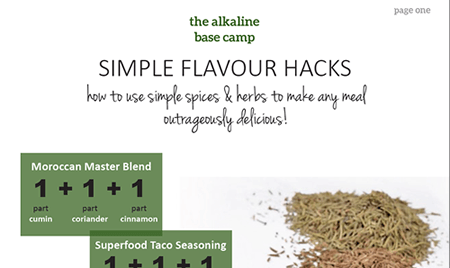
    Access your ‘NINE 3-Ingredient Spice Blends’ in The Alkaline Base Camp Members Portal
    abc-spice

    These blends will make any meal taste SENSATIONAL and they’re SO easy to make!

    MEMBERS: Click here to access this ‘Healthy Food Hack’ training

    Not an Alkaline Base Camp member? Click here to learn more about the Alkaline Base Camp


    Doesn’t that sound better than cumin, chilli, cinnamon and MSG, maltodextrin, gluten, sugar, hydrogenated oils, Ethoxyquin and modified corn starch?.

    Combining spices and herbs is such a simple way to add HUGE flavour (and nutrients) to your foods.

    And you can use this simple spice combination as a taco/nacho/fajita/enchilada seasoning, a meat rub, in wraps, in salad dressings and so much more.  

    It is just another example of how eating healthy & alkaline *CAN* be delicious, fast and easy – especially when you have someone who can show you how.

    Enjoy and let me know your questions or comments below.
    Ross
  • Fill-Me-Up-Until-Lunch Smoothie

    Fill-Me-Up-Until-Lunch Smoothie

    Recipes › Juices & smoothies

    Fill-Me-Up-Until-Lunch Smoothie

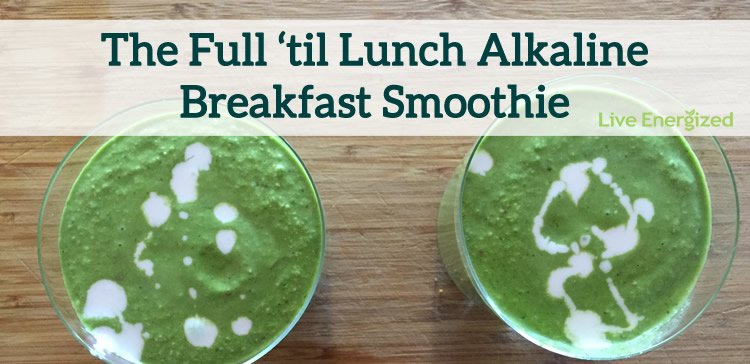
    A hugely alkaline, super-filling breakfast smoothie with avocado, greens, soaked almonds, almond butter, coconut oil and chia. No more mid-morning snack trap.

    Prep 5 minServes 2Blender9 ingredients
    VeganGluten-freeDairy-freeNo added sugar

    Tastes: thick, creamy and nutty, with mild greens.

    No more mid-morning snack trap

    Having a green, alkaline smoothie for breakfast is just awesome. It’s packed with nourishing goodies and it makes you feel great – BUT it doesn’t always last until lunch, and you can easily fall into the mid-morning snack trap…

    Not anymore! This hugely alkaline, super-filling smoothie ticks all the boxes: nutrients, flavour AND satiety (you feel fuller for longer).

    With greens, fibre, protein and healthy fats, it’s the perfect combination to keep you happy from breakfast until lunch, and it’s the ultimate 5-minute breakfast for a busy schedule.

    Why you’ll love it

    • About 13 g protein and 13 g fibre a glass.
    • Vitamin E: over a day’s worth.
    • Magnesium: nearly half your daily needs.
    • 5 minutes for a breakfast that lasts.

    Good for

    Immunity

    Copper, vitamin C, folate and vitamin A contribute to the normal function of the immune system.

    Antioxidants

    Vitamin E, copper, manganese and riboflavin contribute to the protection of cells from oxidative stress. It also contains plant compounds with antioxidant activity, including lutein, beta-carotene and flavonoids.

    Energy

    Riboflavin, magnesium, folate and niacin contribute to the reduction of tiredness and fatigue.

    Bones

    Vitamin K, manganese, magnesium and calcium contribute to the maintenance of normal bones.

    Eyes

    Riboflavin, vitamin A and zinc contribute to the maintenance of normal vision. It also contains lutein and zeaxanthin, the carotenoids found in the macula of the eye.

    Blood pressure

    Potassium contributes to the maintenance of normal blood pressure.

    Tags use approved nutrient health-claim wording, for nutrients that give at least 10% of the Daily Value per glass. Plant compounds like lutein have no Daily Value, so we only say they’re there.

    Key nutrients per glass

    Vitamin K
    100%+Vitamin E
    100%+Manganese
    78%Copper
    78%Riboflavin
    54%Vitamin C
    46%

    Contains: magnesium (46%), folate (35%), calcium (35%), phosphorus (27%), vitamin A (24%), niacin (23%), iron (22%), zinc (21%), pantothenic acid (20%), potassium (20%), vitamin B6 (18%), thiamin (17%) and selenium (11%).

    Plant compounds: lutein and zeaxanthin (about 5.7 mg), beta-carotene (about 2.6 mg), plant omega-3 ALA (about 1.3 g), chlorophyll, quercetin and kaempferol from the kale and glucosinolates from the kale.

    13 g protein13 g fibreUnder 4 g natural sugarAbout 115 mg sodium

    % of US Daily Value for adults, per glass (half the recipe). Estimated from USDA FoodData Central values for the ingredients as listed, so treat these as upper estimates. Uses kale for the greens and a calcium-fortified almond milk; anything over 100% shows as 100%+.

    Fill-Me-Up-Until-Lunch Smoothie

    Avocado, spinach, kale, soaked almonds, almond butter and coconut oil blended with almond milk and water, with chia stirred through.
    Prep Time 5 minutes
    Total Time 5 minutes
    Servings: 2 glasses

    Ingredients
      

    • ½ avocado
    • 2 handfuls baby spinach leaves
    • 2 handfuls kale, watercress or other green leaves
    • ½ cup almonds soaked overnight
    • 1 tbsp coconut oil
    • 1 tbsp chia seeds
    • 1 tbsp almond butter
    • 200 ml unsweetened almond milk
    • 200 ml filtered water

    Equipment

    • Blender

    Method
     

    1. Soak the almonds overnight, or for at least 4 hours (optional if you have a Vitamix or other high-powered blender).
    2. Blend the avocado, greens and liquids to form a base, then add everything else except the chia and blend again.
    3. Stir through the chia seeds and wait 2 minutes for the chia to do its thing!

    Swaps

    • Nut-free: use oat milk, hemp seeds instead of almonds and sunflower seed butter.
    • Greens: kale, watercress or any leafy green works.
    • More protein: add a scoop of plain plant protein powder.

    Storing it

    Best fresh. The second glass keeps in a sealed jar in the fridge until lunchtime.

    Good to know

    • High in vitamin K. If you take warfarin or another blood thinner, keep your greens intake steady and talk to your doctor before making green smoothies a daily habit.
    • Contains almonds (whole, butter and milk).

    Try next

    Juices & smoothiesHunger-Balancing SmoothieOpen recipe →
    Juices & smoothiesBlueberry Protein Energy SmoothieOpen recipe →
    Want more than recipes?

    The Alkaline Life Club has everything in the Recipe Club, plus coaching, live Q&A and a community to keep you going.

    See the Alkaline Life Club

    Sources

    Nutrient values: USDA FoodData Central, SR Legacy (avocado 171705, baby spinach 168462, kale 168421, almonds 170567, coconut oil 171412, chia seeds 170554, almond butter 168588, almond milk 174832). Plant compounds are named where the ingredient is a well-documented source; flavonoids follow the USDA Database for the Flavonoid Content of Selected Foods, Release 3.3. Daily Values: US Food and Drug Administration.

  • Alkaline Recipe Video #2: Raw Alkaline Red Pepper Sauce

    Alkaline Recipe Video #2: Raw Alkaline Red Pepper Sauce

    Hi guys

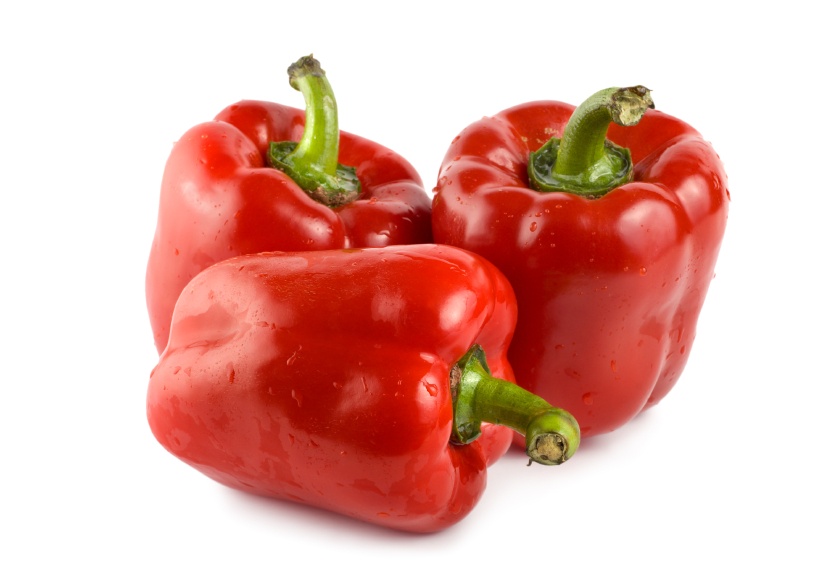
    In this second Alkaline Recipe Video, new Energise contributor, Chef Sal shows us how to make his delicious raw alkaline Red Pepper Sauce – which is the finishing touch to last week’s recipe Alkaline Zucchini Wheels with Pesto.

    It also can be prepared separately, as a soup or garnish for another dish.

    Leave a comment below if you have a question – either myself of Sal will answer all of them!

    And if you like this – LIKE Live Energized on FaceBook – more recipes and special resources will be posted there!

    Ross

    p.s. note: the use of Miso here is purely as a flavour, as you know my belief is that Miso (being fermented) is not especially alkaline and if you want to substitute you can use Bragg or any other herb/flavouring you like – or you can simply remove it.

    No dehydrator?

    Note: in case you don’t have a dehydrator, Chef Sal recommends:

    1. Probably the best way is to quickly flash saute them in a pan on a stove or a hot plate. You can flavor the zucchini strips in the oil and seasonings before you put them into the pan. Just lay them in a medium-high heated pan for about 10 seconds, turn them over for another 10 seconds and remove.

    2. Or–blanch quickly in boiling water to make zucchini strips pliable, then IMMEDIATELY put into ice water to shock to prevent further cooking. Dry them. Only problem here is that the zucchini has no taste, so you have to flavor them by putting them in a mixture of oil, garlic powder and sea salt. Let them absorb the flavoring for a bit. Pat them dry before moving on to the next step.

    3. Another way–but not the best–is to put them into the oven at the LOWEST setting that the oven will allow (dehydrator is from 105 to 110 degrs. … my oven will go down only to 170 degrs…) and watch the timing to get the zucchini strips to aldente… no more. You can’t leave the strips in the oven very long. With this method you can also season ahead of time.

    However, you will lose a major portion of the enzymes with any of these methods.

    I noticed you specifically asked about the zucchini… these methods may be the same for other items as well, but we’ll have to figure it out. It really is the matter of enzyme retention that we’re talking about.

    Of course, the recipe still works with a completely cooked zucchini strip for those that prefer them cooked!

    Alkaline Diet Recipe Book Banner