Category: Juice & Smoothie Recipes

  • Nourishing Liver-Support Juice

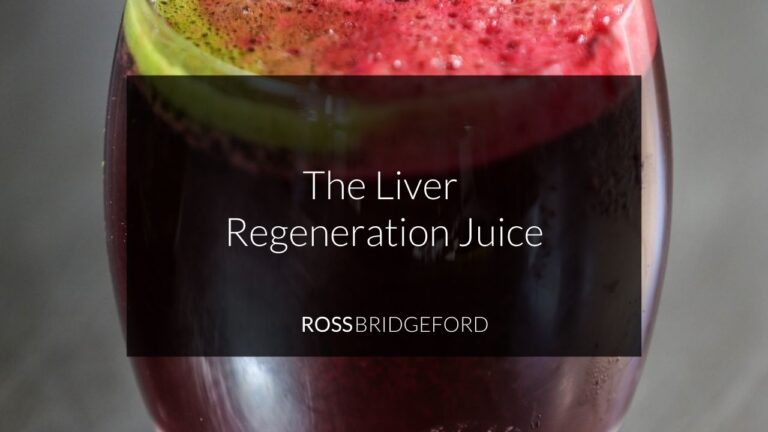
    Nourishing Liver-Support Juice

    Recipes › Juices & smoothies

    Nourishing Liver-Support Juice

    Cucumber, kale, spinach, beetroot, carrot, ginger and turmeric, finished with fresh grapefruit. A delicious way to look after your hardest-working organ.

    Prep 10 minServes 2Juicer9 ingredients
    VeganGluten-freeDairy-freeNut-freeNo added sugar

    Tastes: sweet and earthy from the beetroot and carrot, with a sharp grapefruit finish.
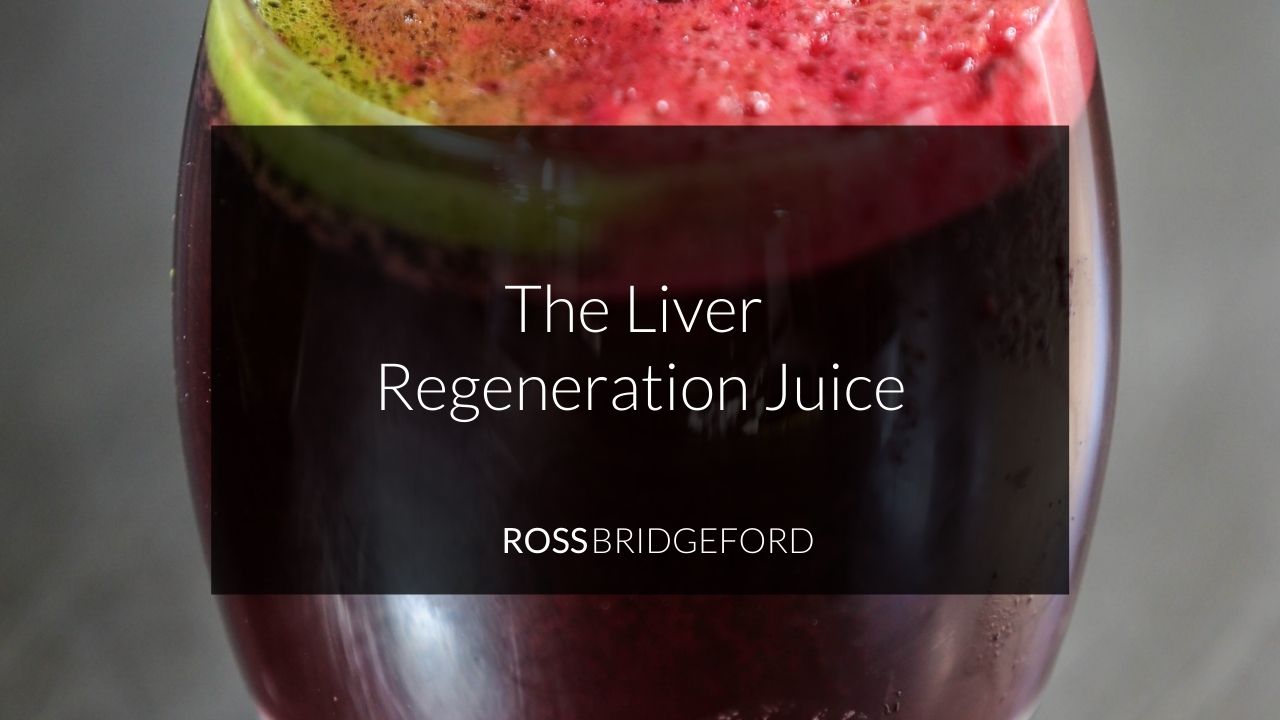
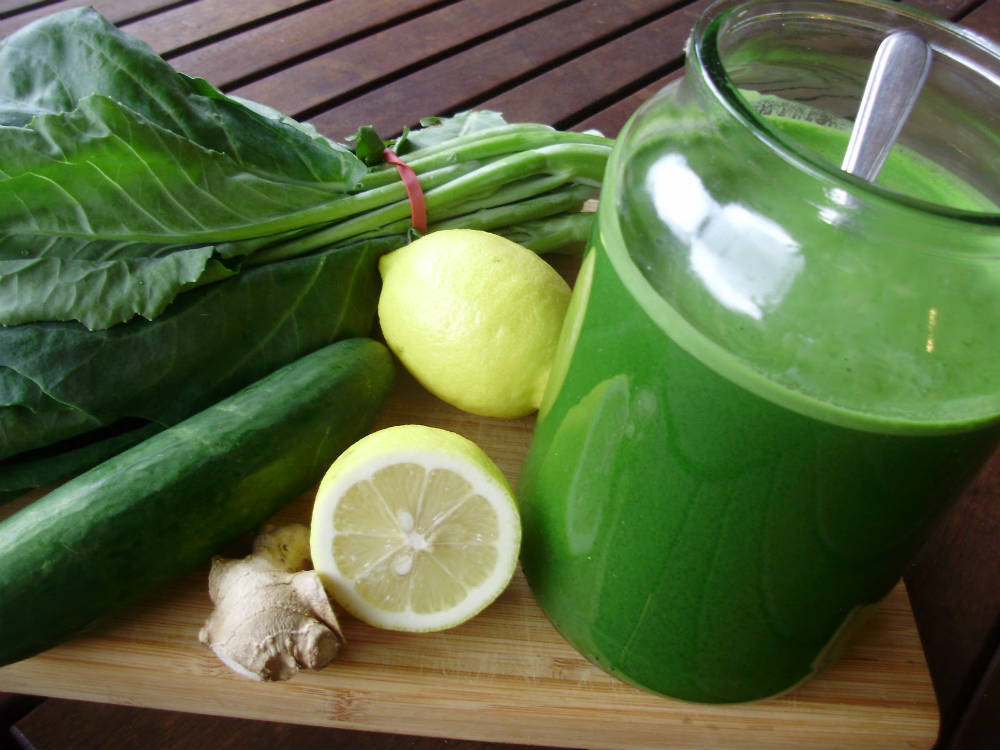
    liver regeneration juice

    Look after your liver

    This simple juice contains so many nourishing ingredients, and it tastes fantastic.

    Your liver is one of the hardest-working organs in your body: filtering your blood, making proteins, producing bile, storing and releasing energy and nutrients, and processing everything you put in. So to help it out, we want to give it nutrients that do two things: nourish it so it can run at full capacity, and lighten the load so it isn’t as stressed.

    Leafy greens are the stars. When researchers ranked 41 ‘powerhouse’ fruits and vegetables by nutrient density, leafy greens took nearly all the top spots (Di Noia, 2014).

    Why you’ll love it

    • Vitamin K: about three days’ worth a glass.
    • Vitamin C: nearly a day’s worth.
    • Vitamin A: nearly two-thirds of your daily needs.
    • Leafy greens, the top-ranked powerhouse vegetables.

    Good for

    Immunity

    Vitamin C, vitamin A, folate and copper contribute to the normal function of the immune system.

    Antioxidants

    Vitamin C, manganese, riboflavin and copper contribute to the protection of cells from oxidative stress. It also contains plant compounds with antioxidant activity, including lutein, beta-carotene and flavonoids.

    Energy

    Folate, riboflavin, magnesium and iron contribute to the reduction of tiredness and fatigue.

    Bones

    Vitamin K, manganese, magnesium and calcium contribute to the maintenance of normal bones.

    Eyes

    Vitamin A, riboflavin and zinc contribute to the maintenance of normal vision. It also contains lutein and zeaxanthin, the carotenoids found in the macula of the eye.

    Blood pressure

    Potassium contributes to the maintenance of normal blood pressure.

    Tags use approved nutrient health-claim wording, for nutrients that give at least 10% of the Daily Value per glass. Plant compounds like lutein have no Daily Value, so we only say they’re there.

    Key nutrients per glass

    Vitamin K
    100%+Vitamin C
    93%Manganese
    65%Vitamin A
    62%Folate
    50%Riboflavin
    31%

    Contains: potassium (22%), magnesium (22%), copper (22%), iron (21%), pantothenic acid (20%), vitamin B6 (18%), thiamin (17%), calcium (17%), niacin (11%), phosphorus (11%) and zinc (10%).

    Plant compounds: lutein and zeaxanthin (about 6.9 mg), beta-carotene (about 6.1 mg), chlorophyll, quercetin and kaempferol from the kale, glucosinolates from the kale, betalains from the beetroot, curcumin from the turmeric and gingerols from the ginger.

    About 14 g natural sugarAbout 135 mg sodium

    % of US Daily Value for adults, per glass (half the recipe). Estimated from USDA FoodData Central values for the whole ingredients. Juicing leaves most of the fibre and some vitamins in the pulp, so treat these as upper estimates; uses ground turmeric values for the fresh root; anything over 100% shows as 100%+.

    Nourishing Liver-Support Juice

    Kale, spinach, ginger, turmeric, beetroot, carrot and cucumber juiced, washed through with water and finished with fresh grapefruit.
    Prep Time 10 minutes
    Total Time 10 minutes
    Servings: 2 glasses

    Ingredients
      

    • 1 cucumber
    • ½ bunch kale
    • 2 large handfuls spinach or any other leafy green
    • ½ grapefruit
    • 1 cm fresh ginger ½ inch
    • 2.5 cm fresh turmeric 1 inch
    • 1 beetroot
    • 1 carrot
    • 200 ml filtered water

    Equipment

    • Juicer

    Method
     

    1. Wash everything except the grapefruit.
    2. Juice the leafy greens first, then the ginger and turmeric, then the beetroot and carrot, and finally the cucumber, which washes everything through.
    3. Run the water through the juicer to wash through the last of the goodness.
    4. Squeeze in the grapefruit and stir gently.

    Notes

    This makes two serves. Halve it for one, or (my recommendation) keep the second serve in an airtight container in the fridge for later or tomorrow.

    Swaps

    • On medication? Use orange or lemon instead of grapefruit (see Good to know).
    • No fresh turmeric? Stir in ¼ tsp ground turmeric.
    • Milder: use less kale and more cucumber.

    Storing it

    Best fresh. To keep it, fill a glass jar right to the top, seal it and refrigerate for up to 24 hours. Give it a shake before you drink it.

    Good to know

    • Very high in vitamin K. If you take warfarin or another blood thinner, keep your greens intake steady and talk to your doctor before making green juice a daily habit.
    • Grapefruit and medicines: grapefruit can interact with some medicines, including certain statins and blood pressure drugs. If yours carries a grapefruit warning, use a squeeze of orange or lemon instead.
    • Beetroot can turn your pee or poo pink or red. It’s harmless.

    Try next
    Juices & smoothiesEvening Green JuiceOpen recipe →
    Juices & smoothiesDetoxifying Green JuiceOpen recipe →
    Want more than recipes?

    The Alkaline Life Club has everything in the Recipe Club, plus coaching, live Q&A and a community to keep you going.

    See the Alkaline Life Club

    Sources

    Nutrient values: USDA FoodData Central, SR Legacy (cucumber 168409, kale 168421, baby spinach 168462, pink grapefruit 174673, ginger 169231, turmeric 172231, beetroot 169145, carrots 170393). Plant compounds are named where the ingredient is a well-documented source; flavonoids follow the USDA Database for the Flavonoid Content of Selected Foods, Release 3.3. Daily Values: US Food and Drug Administration. Powerhouse vegetables: Di Noia, “Defining powerhouse fruits and vegetables: a nutrient density approach,” Preventing Chronic Disease 11 (2014): 130390.

  • Fill-Me-Up-Until-Lunch Smoothie

    Fill-Me-Up-Until-Lunch Smoothie

    Recipes › Juices & smoothies

    Fill-Me-Up-Until-Lunch Smoothie

    A hugely alkaline, super-filling breakfast smoothie with avocado, greens, soaked almonds, almond butter, coconut oil and chia. No more mid-morning snack trap.

    Prep 5 minServes 2Blender9 ingredients
    VeganGluten-freeDairy-freeNo added sugar

    Tastes: thick, creamy and nutty, with mild greens.

    No more mid-morning snack trap

    Having a green, alkaline smoothie for breakfast is just awesome. It’s packed with nourishing goodies and it makes you feel great – BUT it doesn’t always last until lunch, and you can easily fall into the mid-morning snack trap…

    Not anymore! This hugely alkaline, super-filling smoothie ticks all the boxes: nutrients, flavour AND satiety (you feel fuller for longer).

    With greens, fibre, protein and healthy fats, it’s the perfect combination to keep you happy from breakfast until lunch, and it’s the ultimate 5-minute breakfast for a busy schedule.

    Why you’ll love it

    • About 13 g protein and 13 g fibre a glass.
    • Vitamin E: over a day’s worth.
    • Magnesium: nearly half your daily needs.
    • 5 minutes for a breakfast that lasts.

    Good for

    Immunity

    Copper, vitamin C, folate and vitamin A contribute to the normal function of the immune system.

    Antioxidants

    Vitamin E, copper, manganese and riboflavin contribute to the protection of cells from oxidative stress. It also contains plant compounds with antioxidant activity, including lutein, beta-carotene and flavonoids.

    Energy

    Riboflavin, magnesium, folate and niacin contribute to the reduction of tiredness and fatigue.

    Bones

    Vitamin K, manganese, magnesium and calcium contribute to the maintenance of normal bones.

    Eyes

    Riboflavin, vitamin A and zinc contribute to the maintenance of normal vision. It also contains lutein and zeaxanthin, the carotenoids found in the macula of the eye.

    Blood pressure

    Potassium contributes to the maintenance of normal blood pressure.

    Tags use approved nutrient health-claim wording, for nutrients that give at least 10% of the Daily Value per glass. Plant compounds like lutein have no Daily Value, so we only say they’re there.

    Key nutrients per glass

    Vitamin K
    100%+Vitamin E
    100%+Manganese
    78%Copper
    78%Riboflavin
    54%Vitamin C
    46%

    Contains: magnesium (46%), folate (35%), calcium (35%), phosphorus (27%), vitamin A (24%), niacin (23%), iron (22%), zinc (21%), pantothenic acid (20%), potassium (20%), vitamin B6 (18%), thiamin (17%) and selenium (11%).

    Plant compounds: lutein and zeaxanthin (about 5.7 mg), beta-carotene (about 2.6 mg), plant omega-3 ALA (about 1.3 g), chlorophyll, quercetin and kaempferol from the kale and glucosinolates from the kale.

    13 g protein13 g fibreUnder 4 g natural sugarAbout 115 mg sodium

    % of US Daily Value for adults, per glass (half the recipe). Estimated from USDA FoodData Central values for the ingredients as listed, so treat these as upper estimates. Uses kale for the greens and a calcium-fortified almond milk; anything over 100% shows as 100%+.

    Fill-Me-Up-Until-Lunch Smoothie

    Avocado, spinach, kale, soaked almonds, almond butter and coconut oil blended with almond milk and water, with chia stirred through.
    Prep Time 5 minutes
    Total Time 5 minutes
    Servings: 2 glasses

    Ingredients
      

    • ½ avocado
    • 2 handfuls baby spinach leaves
    • 2 handfuls kale, watercress or other green leaves
    • ½ cup almonds soaked overnight
    • 1 tbsp coconut oil
    • 1 tbsp chia seeds
    • 1 tbsp almond butter
    • 200 ml unsweetened almond milk
    • 200 ml filtered water

    Equipment

    • Blender

    Method
     

    1. Soak the almonds overnight, or for at least 4 hours (optional if you have a Vitamix or other high-powered blender).
    2. Blend the avocado, greens and liquids to form a base, then add everything else except the chia and blend again.
    3. Stir through the chia seeds and wait 2 minutes for the chia to do its thing!

    Swaps

    • Nut-free: use oat milk, hemp seeds instead of almonds and sunflower seed butter.
    • Greens: kale, watercress or any leafy green works.
    • More protein: add a scoop of plain plant protein powder.

    Storing it

    Best fresh. The second glass keeps in a sealed jar in the fridge until lunchtime.

    Good to know

    • High in vitamin K. If you take warfarin or another blood thinner, keep your greens intake steady and talk to your doctor before making green smoothies a daily habit.
    • Contains almonds (whole, butter and milk).

    Try next

    Juices & smoothiesHunger-Balancing SmoothieOpen recipe →
    Juices & smoothiesBlueberry Protein Energy SmoothieOpen recipe →
    Want more than recipes?

    The Alkaline Life Club has everything in the Recipe Club, plus coaching, live Q&A and a community to keep you going.

    See the Alkaline Life Club

    Sources

    Nutrient values: USDA FoodData Central, SR Legacy (avocado 171705, baby spinach 168462, kale 168421, almonds 170567, coconut oil 171412, chia seeds 170554, almond butter 168588, almond milk 174832). Plant compounds are named where the ingredient is a well-documented source; flavonoids follow the USDA Database for the Flavonoid Content of Selected Foods, Release 3.3. Daily Values: US Food and Drug Administration.

  • Cleansing Spinach & Beet Juice

    Cleansing Spinach & Beet Juice

    Recipes › Juices & smoothies

    Cleansing Spinach & Beet Juice

    Just five ingredients – spinach, kale, beetroot (leaves and all), cucumber and a whisk of cinnamon – and every one of them nutritious and alkalising.

    Prep 10 minServes 2Juicer6 ingredients
    VeganGluten-freeDairy-freeNut-freeNo added sugar

    Tastes: fresh and earthy, with sweet beetroot and a warm hint of cinnamon.

    Fat Flush Juice Recipe Image

    Five brilliant ingredients

    This cleansing, nutrient-dense juice is one of my absolute favourites. It tastes great, really, really great, and it has just five ingredients – but every single one is nutritious and alkalising.

    Spinach is rich in thylakoids, the tiny chlorophyll-containing membranes inside green leaves. In human studies, concentrated spinach thylakoid extract has been linked with feeling fuller and fewer cravings (Stenblom et al., 2015).

    If you’re trying to lose weight, it’s a lovely juice to build in. And if you’re not, it’s an alkaline, antioxidant-rich, nutrient-packed juice that tastes WONDERFUL!

    Why you’ll love it

    • Vitamin K: about four days’ worth a glass.
    • Vitamin C: about 80% of your daily needs.
    • Just five ingredients, every one of them nutritious.
    • A warm hint of cinnamon whisked in at the end.

    Good for

    Immunity

    Vitamin C, folate, vitamin A and copper contribute to the normal function of the immune system.

    Antioxidants

    Vitamin C, manganese, riboflavin and copper contribute to the protection of cells from oxidative stress. It also contains plant compounds with antioxidant activity, including lutein, beta-carotene and flavonoids.

    Energy

    Folate, riboflavin, magnesium and iron contribute to the reduction of tiredness and fatigue.

    Bones

    Vitamin K, manganese, magnesium and calcium contribute to the maintenance of normal bones.

    Eyes

    Vitamin A and riboflavin contribute to the maintenance of normal vision. It also contains lutein and zeaxanthin, the carotenoids found in the macula of the eye.

    Blood pressure

    Potassium contributes to the maintenance of normal blood pressure.

    Tags use approved nutrient health-claim wording, for nutrients that give at least 10% of the Daily Value per glass. Plant compounds like lutein have no Daily Value, so we only say they’re there.

    Key nutrients per glass

    Vitamin K
    100%+Vitamin C
    79%Manganese
    61%Folate
    49%Vitamin A
    43%Riboflavin
    31%

    Contains: magnesium (23%), copper (22%), potassium (20%), iron (19%), vitamin B6 (18%), calcium (18%), thiamin (17%), pantothenic acid (14%) and vitamin E (11%).

    Plant compounds: lutein and zeaxanthin (about 8.9 mg), beta-carotene (about 4.6 mg), chlorophyll, quercetin and kaempferol from the kale, glucosinolates from the kale and betalains from the beetroot.

    About 7 g natural sugarAbout 145 mg sodium

    % of US Daily Value for adults, per glass (half the recipe). Estimated from USDA FoodData Central values for the whole ingredients. Juicing leaves most of the fibre and some vitamins in the pulp, so treat these as upper estimates; includes about 30 g beetroot leaves; anything over 100% shows as 100%+.

    Cleansing Spinach & Beet Juice

    Spinach, kale, beetroot and its leaves, and cucumber juiced with a little water, with cinnamon whisked in.
    Prep Time 10 minutes
    Total Time 10 minutes
    Servings: 2 glasses

    Ingredients
      

    • 3 large handfuls baby spinach
    • ½ bunch kale any variety
    • 1 medium beetroot and its leaves if possible
    • 1 cucumber
    • ½ tsp ground cinnamon
    • 100 ml filtered water

    Equipment

    • Juicer

    Method
     

    1. Wash, chop and juice everything except the cinnamon.
    2. Run the water through the juicer to dilute the juice slightly and help with the cleaning!
    3. Whisk in the cinnamon, serve and enjoy!

    Swaps

    • No beet leaves? Use a handful of chard.
    • Sweeter: add a carrot.
    • No juicer? Blend with the water and strain, then whisk in the cinnamon.

    Storing it

    Best fresh. To keep it, fill a glass jar right to the top, seal it and refrigerate for up to 24 hours. Give it a shake before you drink it.

    Good to know

    • Very high in vitamin K. If you take warfarin or another blood thinner, keep your greens intake steady and talk to your doctor before making green juice a daily habit.
    • Beetroot can turn your pee or poo pink or red. It’s harmless.
    • Spinach, kale and beet leaves contain oxalates. If you’ve had kidney stones, check with your doctor before making green juice a daily habit.

    Try next

    Juices & smoothiesDetoxifying Green JuiceOpen recipe →
    Juices & smoothiesPowerhouse JuiceOpen recipe →
    Want more than recipes?

    The Alkaline Life Club has everything in the Recipe Club, plus coaching, live Q&A and a community to keep you going.

    See the Alkaline Life Club

    Sources

    Nutrient values: USDA FoodData Central, SR Legacy (baby spinach 168462, kale 168421, beetroot 169145, beet greens 170375, cucumber 168409, cinnamon 171320). Plant compounds are named where the ingredient is a well-documented source; flavonoids follow the USDA Database for the Flavonoid Content of Selected Foods, Release 3.3. Daily Values: US Food and Drug Administration. Thylakoids and satiety: Stenblom et al., “Consumption of thylakoid-rich spinach extract reduces hunger, increases satiety and reduces cravings for palatable food in overweight women,” Appetite 91 (2015): 209–219.

  • Sinus-Soothing Thyme & Sage Tonic

    Sinus-Soothing Thyme & Sage Tonic

    Recipes › Drinks

    Sinus-Soothing Thyme & Sage Tonic

    Fresh lemon, ginger, thyme and sage simmered into a fragrant, warming tonic for when your sinuses are blocked and sore.

    Prep 5 minCook 5 minMakes 4 cups5 ingredients
    VeganGluten-freeDairy-freeNut-freeNo added sugar

    Tastes: warm, lemony and fragrant, with herby thyme and sage and a gentle ginger kick.

    Sinus Soothing Tonic Recipe

    Such a fave

    This is such a fave. The addition of thyme and sage is so refreshingly fragrant and different.

    If you’re feeling that pain behind your eyes, cheekbones or teeth, or that horrible sinus headache, you’re going to LOVE this simple tonic. Sinusitis is a vicious circle: inflammation causes the pain, mucus is produced in response, and the mucus triggers more inflammation.

    A warm drink is a lovely way to ease it. In one study of people with colds and flu, a hot drink gave immediate and lasting relief from a runny nose, cough, sneezing, sore throat and tiredness (Sanu and Eccles, 2008).

    Why you’ll love it

    • Fragrant thyme and sage, refreshingly different.
    • Warm and soothing when you’re all bunged up.
    • Makes 4 cups to sip through the day.
    • About 10 minutes on the stove.

    Good for

    This one is about warmth, steam and flavour rather than vitamins and minerals. Once the herbs, ginger and lemon peel are strained out, nothing reaches 10% of the Daily Value per cup.

    Tags use approved nutrient health-claim wording, for nutrients that give at least 10% of the Daily Value per cup. Plant compounds like these have no Daily Value, so we only say they’re there.

    Key nutrients per cup

    No vitamin or mineral reaches 10% of the Daily Value per cup.

    Plant compounds: gingerols from the ginger and citrus flavonoids from the lemon.

    Under 4 g natural sugarAlmost no sodium

    % of US Daily Value for adults, per cup (a quarter of the pot). Estimated from USDA FoodData Central values for the ingredients as listed, so treat these as upper estimates. Counts only the lemon juice, as the peel, herbs and ginger are simmered and strained out; anything over 100% shows as 100%+.

    Sinus-Soothing Thyme & Sage Tonic

    Lemon peel and juice, fresh ginger, thyme and sage simmered in water for five minutes, then strained.
    Prep Time 5 minutes
    Cook Time 5 minutes
    Total Time 10 minutes
    Servings: 4 cups

    Ingredients
      

    • 1 litre filtered water 34 fl oz
    • 1 lemon organic if you can; otherwise wash it thoroughly
    • 2 tsp fresh thyme leaves and stalks
    • 2 tsp fresh sage leaves
    • 2 cm fresh ginger root
    • 1 cm fresh turmeric root optional

    Equipment

    • Saucepan
    • Grater
    • Sieve

    Method
     

    1. Bring the water to the boil in a pan, then turn it down to a gentle simmer.
    2. Grate the lemon peel into the water, then squeeze in the juice of the whole lemon.
    3. Grate in the ginger, and finely chop and add the turmeric, if using.
    4. Add the sage and thyme leaves.
    5. Simmer for 5 minutes, let it cool a little, then strain and serve.

    Notes

    If you need to sweeten it, use a very small amount of stevia.

    Swaps

    • Dried herbs: use 1 tsp each of dried thyme and sage.
    • Warmer: add the fresh turmeric.
    • Sweeter: a very small amount of stevia.

    Storing it

    Keeps in a covered jug in the fridge for up to 2 days. Reheat gently.

    Good to know

    • Symptoms that won’t settle? If they’re severe, last more than a week or two or keep coming back, see your doctor, and keep taking any medication you’ve been prescribed.

    Ross’s tip

    I’ve included turmeric as optional because it has that very strong, pungent flavour that can overpower the delicate deliciousness of the sage and thyme.

    Try next

    DrinksMagic Immune TeaOpen recipe →
    DrinksEnhanced Lemon WaterOpen recipe →
    Want more than recipes?

    The Alkaline Life Club has everything in the Recipe Club, plus coaching, live Q&A and a community to keep you going.

    See the Alkaline Life Club

    Sources

    Nutrient values: USDA FoodData Central, SR Legacy (lemon juice 167747). Plant compounds are named where the ingredient is a well-documented source; flavonoids follow the USDA Database for the Flavonoid Content of Selected Foods, Release 3.3. Daily Values: US Food and Drug Administration. Hot drinks and cold symptoms: Sanu and Eccles, “The effects of a hot drink on nasal airflow and symptoms of common cold and flu,” Rhinology 46 (2008): 271–275.

  • Alkalising Kale & Watercress Juice

    Alkalising Kale & Watercress Juice

    Recipes › Juices & smoothies

    Alkalising Kale & Watercress Juice

    A highly alkaline, mineral-rich juice of kale, celery, cucumber, watercress, ginger and lemon, from my guide to lowering uric acid.

    Prep 5 minServes 2Juicer7 ingredients
    VeganGluten-freeDairy-freeNut-freeNo added sugar

    Tastes: fresh and peppery, with cool cucumber, a ginger kick and a squeeze of lemon.

    Juice to remove uric acid and gout

    Alkaline foods and uric acid

    Gout and excess uric acid (hyperuricemia) affect millions of people, and what you eat can make a real difference.

    Research has found that alkalising your urine through an alkaline-forming diet can help your body clear uric acid. In one Japanese study, people eating an alkaline-prone diet excreted more uric acid than on an acid-prone diet, and the researchers concluded that eating nutritionally well-designed alkaline foods is effective for removing uric acid from the body (Kanbara et al., 2012).

    This juice is highly alkaline and mineral-rich, with kale, celery, cucumber and watercress at its heart.

    Why you’ll love it

    • Vitamin K: about two days’ worth a glass.
    • Vitamin C: nearly two-thirds of your daily needs.
    • Alkaline minerals from kale, celery and watercress.
    • Just 5 minutes to make.

    Good for

    Immunity

    Vitamin C, vitamin A, folate and vitamin B6 contribute to the normal function of the immune system.

    Antioxidants

    Vitamin C, manganese, riboflavin and copper contribute to the protection of cells from oxidative stress. It also contains plant compounds with antioxidant activity, including lutein, beta-carotene and apigenin.

    Energy

    Riboflavin, folate, pantothenic acid and vitamin B6 contribute to the reduction of tiredness and fatigue.

    Bones

    Vitamin K, manganese, calcium and magnesium contribute to the maintenance of normal bones.

    Eyes

    Vitamin A and riboflavin contribute to the maintenance of normal vision. It also contains lutein and zeaxanthin, the carotenoids found in the macula of the eye.

    Blood pressure

    Potassium contributes to the maintenance of normal blood pressure.

    Tags use approved nutrient health-claim wording, for nutrients that give at least 10% of the Daily Value per glass. Plant compounds like lutein have no Daily Value, so we only say they’re there.

    Key nutrients per glass

    Vitamin K
    100%+Vitamin C
    63%Manganese
    26%

    Contains: vitamin A (17%), riboflavin (15%), folate (14%), pantothenic acid (14%), calcium (13%), vitamin B6 (12%), potassium (12%), copper (11%) and magnesium (10%).

    Plant compounds: lutein and zeaxanthin (about 3.8 mg), beta-carotene (about 1.8 mg), chlorophyll, apigenin from the celery, quercetin and kaempferol from the kale, glucosinolates from the watercress and kale, gingerols from the ginger and citrus flavonoids from the lemon.

    Under 4 g natural sugarAbout 65 mg sodium

    % of US Daily Value for adults, per glass (half the recipe). Estimated from USDA FoodData Central values for the whole ingredients. Juicing leaves most of the fibre and some vitamins in the pulp, so treat these as upper estimates; excludes the optional turmeric; anything over 100% shows as 100%+.

    Alkalising Kale & Watercress Juice

    Kale, celery, cucumber, watercress and ginger juiced, washed through with water and finished with lemon.
    Prep Time 5 minutes
    Total Time 5 minutes
    Servings: 2 glasses

    Ingredients
      

    • 3 large kale leaves any variety
    • 2 sticks celery leaves included
    • 1 cucumber
    • 1 handful watercress or rocket (arugula)
    • 1 cm fresh root ginger ½ inch
    • ¼ lemon squeezed
    • 250 ml filtered water
    • 1 cm fresh turmeric optional

    Equipment

    • Juicer

    Method
     

    1. Wash everything thoroughly, then chop the celery into small pieces so it doesn’t clog up your juicer.
    2. Juice everything except the lemon.
    3. Run the water through the juicer to wash through any remaining juice and nutrients.
    4. Squeeze in the lemon, stir and serve!

    Swaps

    • No watercress? Use rocket.
    • Warmer: add the fresh turmeric.
    • No juicer? Blend with the water and strain through a nut-milk bag.

    Storing it

    Best fresh. To keep it, fill a glass jar right to the top, seal it and refrigerate for up to 24 hours. Give it a shake before you drink it.

    Good to know

    • Very high in vitamin K. If you take warfarin or another blood thinner, keep your greens intake steady and talk to your doctor before making green juice a daily habit.
    • Gout or high uric acid? This is about good nutrition, not treatment. Keep following your doctor’s advice and taking any medication you’ve been prescribed.

    Try next

    Juices & smoothiesGout-Friendly Green JuiceOpen recipe →
    Juices & smoothiesAnti-Inflammatory Green SmoothieOpen recipe →
    Want more than recipes?

    The Alkaline Life Club has everything in the Recipe Club, plus coaching, live Q&A and a community to keep you going.

    See the Alkaline Life Club

    Sources

    Nutrient values: USDA FoodData Central, SR Legacy (kale 168421, celery 169988, cucumber 168409, watercress 170068, ginger 169231, lemon juice 167747). Plant compounds are named where the ingredient is a well-documented source; flavonoids follow the USDA Database for the Flavonoid Content of Selected Foods, Release 3.3. Daily Values: US Food and Drug Administration. Uric acid and urine pH: Kanbara et al., “Effect of urine pH changed by dietary intervention on uric acid clearance mechanism of pH-dependent excretion of urinary uric acid,” Nutrition Journal 11 (2012): 39.

  • Powerhouse Juice

    Powerhouse Juice

    Recipes › Juices & smoothies

    Powerhouse Juice

    The top five powerhouse vegetables – watercress, Chinese cabbage, chard, beet greens and spinach – juiced with beetroot, carrot, ginger and coconut water.

    Prep 10 minServes 2Juicer8 ingredients
    VeganGluten-freeDairy-freeNut-freeNo added sugar

    Tastes: deep green and earthy, sweetened by beetroot, carrot and coconut water, with a ginger kick.

    powerhouse juice

    The top five powerhouse foods

    A piece of research published in the journal Preventing Chronic Disease ranked 41 ‘powerhouse’ fruits and vegetables by their vitamin and mineral content (Di Noia, 2014).

    No surprise: the top spots were almost all leafy green vegetables, and the top five were watercress, Chinese cabbage, chard, beet greens and spinach.

    So to honour that research, I created this juice. It features all five, alongside carrot, beetroot and ginger. This might just be the best juice on earth!

    Why you’ll love it

    • Vitamin K: about seven days’ worth a glass.
    • Vitamins A and C: about 80% of your daily needs each.
    • The top five powerhouse vegetables in one glass.
    • Folate: over half your daily needs.

    Good for

    Immunity

    Vitamin A, vitamin C, folate and copper contribute to the normal function of the immune system.

    Antioxidants

    Vitamin C, manganese, copper and riboflavin contribute to the protection of cells from oxidative stress. It also contains plant compounds with antioxidant activity, including lutein, beta-carotene and betalains.

    Energy

    Folate, magnesium, riboflavin and vitamin B6 contribute to the reduction of tiredness and fatigue.

    Bones

    Vitamin K, manganese, magnesium and calcium contribute to the maintenance of normal bones.

    Eyes

    Vitamin A, riboflavin and zinc contribute to the maintenance of normal vision. It also contains lutein and zeaxanthin, the carotenoids found in the macula of the eye.

    Blood pressure

    Potassium contributes to the maintenance of normal blood pressure.

    Tags use approved nutrient health-claim wording, for nutrients that give at least 10% of the Daily Value per glass. Plant compounds like lutein have no Daily Value, so we only say they’re there.

    Key nutrients per glass

    Vitamin K
    100%+Vitamin A
    80%Vitamin C
    78%Manganese
    57%Folate
    53%Copper
    44%

    Contains: magnesium (39%), potassium (33%), riboflavin (31%), vitamin B6 (29%), iron (22%), vitamin E (18%), thiamin (17%), calcium (17%), phosphorus (13%), pantothenic acid (12%) and zinc (10%).

    Plant compounds: lutein and zeaxanthin (about 12 mg), beta-carotene (about 8 mg), chlorophyll, glucosinolates from the cabbage and watercress, betalains from the beetroot and gingerols from the ginger.

    About 13 g natural sugarAbout 465 mg sodium

    % of US Daily Value for adults, per glass (half the recipe). Estimated from USDA FoodData Central values for the whole ingredients. Juicing leaves most of the fibre and some vitamins in the pulp, so treat these as upper estimates; includes 300 ml coconut water; anything over 100% shows as 100%+.

    Powerhouse Juice

    Watercress, Chinese cabbage, chard, beetroot and its greens, spinach, ginger and carrot, juiced and topped up with coconut water.
    Prep Time 10 minutes
    Total Time 10 minutes
    Servings: 2 glasses

    Ingredients
      

    • 2 handfuls watercress
    • 2 large leaves Chinese cabbage
    • 3 large leaves chard (silverbeet)
    • 2 small beetroots including their greens
    • 2 large handfuls baby spinach
    • 2.5 cm fresh root ginger 1 inch
    • 1 carrot
    • 300 ml coconut water or filtered water

    Equipment

    • Juicer

    Method
     

    1. Wash the leaves thoroughly, especially if they’re not organic, and take the leaves off the beetroots.
    2. If they’re not organic, peel the carrot, ginger and beetroots.
    3. Juice all the ingredients.
    4. Add the coconut water at the end – pour it through the juicer to push through any remaining juice. Enjoy as quickly as possible to get the most nutrients.

    Swaps

    • Less sweet: use filtered water instead of coconut water.
    • No Chinese cabbage? Use more chard or spinach.
    • No juicer? Blend with the coconut water and strain.

    Storing it

    Best fresh. To keep it, fill a glass jar right to the top, seal it and refrigerate for up to 24 hours. Give it a shake before you drink it.

    Good to know

    • Very high in vitamin K. If you take warfarin or another blood thinner, keep your greens intake steady and talk to your doctor before making green juice a daily habit.
    • Beetroot can turn your pee or poo pink or red. It’s harmless.

    Try next
    Juices & smoothiesNourishing Liver-Support JuiceOpen recipe →
    Juices & smoothiesGreen Vitality JuiceOpen recipe →
    Want more than recipes?

    The Alkaline Life Club has everything in the Recipe Club, plus coaching, live Q&A and a community to keep you going.

    See the Alkaline Life Club

    Sources

    Nutrient values: USDA FoodData Central, SR Legacy (watercress 170068, Chinese cabbage 169979, chard 169991, beetroot 169145, beet greens 170375, baby spinach 168462, ginger 169231, carrots 170393, coconut water 170174). Plant compounds are named where the ingredient is a well-documented source; flavonoids follow the USDA Database for the Flavonoid Content of Selected Foods, Release 3.3. Daily Values: US Food and Drug Administration. Powerhouse vegetables: Di Noia, “Defining powerhouse fruits and vegetables: a nutrient density approach,” Preventing Chronic Disease 11 (2014): 130390.

  • Reflux-Friendly Chai Smoothie

    Reflux-Friendly Chai Smoothie

    Recipes › Juices & smoothies

    Reflux-Friendly Chai Smoothie

    A creamy, chai-spiced smoothie made with caffeine-free rooibos, ginger, avocado, almonds, walnuts, chia and coconut milk: low-acid, alkaline-forming and soothing.

    Prep 10 minCook 5 minServes 2Blender12 ingredients
    VeganGluten-freeDairy-freeNo added sugar

    Tastes: warm, creamy and chai-spiced, with cinnamon, cardamom, nutmeg and ginger.

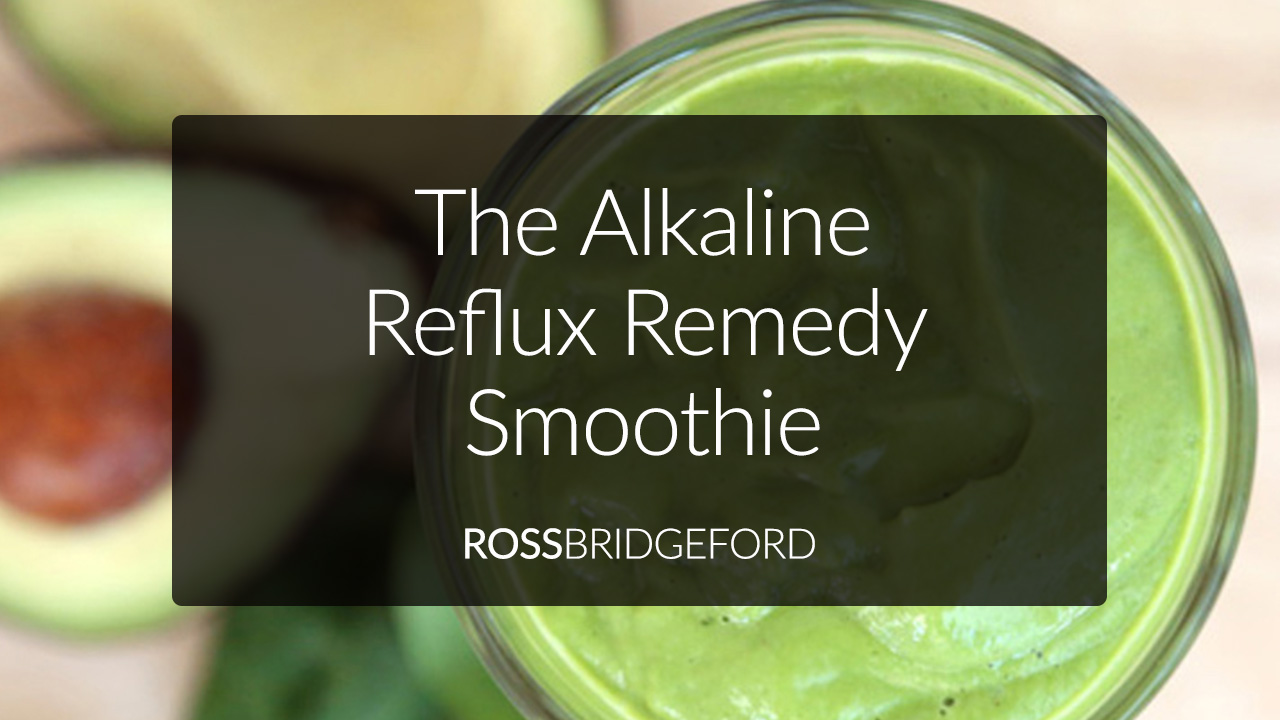
    alkaline reflux remedy smoothie from above

    What you eat matters so much for reflux

    What you eat and drink makes a massive difference to acid reflux. The best smoothie for reflux is low-acid, alkaline-forming and caffeine-free: greens, avocado, nuts, seeds and soothing spices like ginger, with none of the usual culprits like coffee, chocolate or fizzy drinks.

    This one is exactly that. It’s creamy and chai-spiced, and the chai flavour comes from caffeine-free rooibos.

    The research keeps pointing the same way. In a 2017 study of 184 people with throat reflux, 62.6% of those treated with alkaline water and a 90–95% plant-based, Mediterranean-style diet had a meaningful drop in symptoms, compared with 54.1% of those on reflux medication (Zalvan et al., 2017). It looked back at patient records rather than being a randomised trial, so it needs repeating, but it’s hugely encouraging.

    Why you’ll love it

    • Caffeine-free: the chai flavour comes from rooibos.
    • Low-acid and alkaline-forming.
    • Vitamin E and manganese: about three-quarters and nearly all of your daily needs.
    • Warm or chilled, whichever you prefer.

    Good for

    Immunity

    Copper, iron, folate and zinc contribute to the normal function of the immune system.

    Antioxidants

    Manganese, copper, vitamin E and zinc contribute to the protection of cells from oxidative stress. It also contains plant compounds with antioxidant activity, including gingerols.

    Energy

    Iron, magnesium, pantothenic acid and folate contribute to the reduction of tiredness and fatigue.

    Bones

    Manganese, magnesium, calcium and phosphorus contribute to the maintenance of normal bones.

    Eyes

    Zinc and riboflavin contribute to the maintenance of normal vision.

    Blood pressure

    Potassium contributes to the maintenance of normal blood pressure.

    Tags use approved nutrient health-claim wording, for nutrients that give at least 10% of the Daily Value per glass. Plant compounds like these have no Daily Value, so we only say they’re there.

    Key nutrients per glass

    Manganese
    96%Copper
    78%Vitamin E
    73%Magnesium
    33%Iron
    33%Calcium
    26%

    Contains: phosphorus (22%), pantothenic acid (20%), folate (19%), zinc (18%), niacin (17%), potassium (16%), riboflavin (15%) and vitamin B6 (12%).

    Plant compounds: plant omega-3 ALA (about 1.8 g) and gingerols from the ginger.

    8 g protein8 g fibreUnder 4 g natural sugarAbout 110 mg sodium

    % of US Daily Value for adults, per glass (half the recipe). Estimated from USDA FoodData Central values for the ingredients as listed, so treat these as upper estimates. Uses full-fat canned coconut milk, a calcium-fortified almond milk and 15 g each of almonds and walnuts; excludes the rooibos and the optional greens and vanilla; anything over 100% shows as 100%+.

    Reflux-Friendly Chai Smoothie

    Coconut and almond milk gently infused with chai spices, ginger and rooibos, then blended with avocado, almonds, walnuts, chia and coconut oil.
    Prep Time 10 minutes
    Cook Time 5 minutes
    Total Time 15 minutes
    Servings: 2 glasses

    Ingredients
      

    • 250 ml coconut milk 1 cup
    • 250 ml unsweetened almond milk 1 cup
    • 1 cm fresh ginger root ½ inch (or 1 tsp ground ginger)
    • 1 tsp ground cinnamon
    • 1 tsp ground cardamom
    • 1 tsp ground nutmeg
    • 1 rooibos tea bag or 10 g loose-leaf rooibos
    • ½ avocado
    • 1 small handful almonds
    • 1 small handful walnuts
    • 1 tbsp chia seeds
    • 1 tbsp coconut oil
    • 1 handful kale, bok choy or watercress optional
    • 1 vanilla pod optional

    Equipment

    • Saucepan
    • Sieve
    • Blender

    Method
     

    1. Infuse the milks: put the coconut milk, almond milk, ginger, cinnamon, cardamom, nutmeg and rooibos (plus the split vanilla pod, if using) in a saucepan over a very gentle heat.
    2. Bring to a gentle simmer, then turn to the lowest heat for 5 minutes. If you’re not short on time, let the spices steep for 30 minutes – it’s even better.
    3. Strain into your blender to remove the tea (and vanilla pod). Add the ginger to the blender too.
    4. Add the avocado, chia, coconut oil, almonds, walnuts and greens, if using, and blend until absolutely smooth.
    5. Serve warm or chilled, sprinkled with a little cinnamon or nutmeg.

    Notes

    No high-speed blender (like a Vitamix, Nutribullet or Blendtec)? Soak the almonds and walnuts overnight, or for at least 4 hours, first.

    Swaps

    • Want it lighter? If rich food sets off your reflux, use light coconut milk and leave out the coconut oil. Most reflux diets that have been studied are low in fat, so it’s worth a try if you’re sensitive.
    • Go green: add a handful of kale, bok choy or watercress. You’ll barely taste it.
    • Timing matters: reflux guidelines suggest not eating in the 2–3 hours before bed, so make this a breakfast, lunch or afternoon drink.

    Storing it

    Keeps in a sealed jar in the fridge for a day. Stir or re-blend before drinking.

    Good to know

    • Reflux that won’t settle? See your doctor, especially if you have trouble swallowing, unexplained weight loss or chest pain, and keep taking any medication you’ve been prescribed.
    • Contains almonds and walnuts (and almond milk).

    Try next

    DrinksAlkaline Sleep ElixirOpen recipe →
    Juices & smoothiesDigestive Cleansing JuiceOpen recipe →
    Want more than recipes?

    The Alkaline Life Club has everything in the Recipe Club, plus coaching, live Q&A and a community to keep you going.

    See the Alkaline Life Club

    Sources

    Nutrient values: USDA FoodData Central, SR Legacy (canned coconut milk 170173, almond milk 174832, ginger 169231, cinnamon 171320, cardamom 170919, nutmeg 171326, avocado 171705, almonds 170567, walnuts 170187, chia seeds 170554, coconut oil 171412). Plant compounds are named where the ingredient is a well-documented source; flavonoids follow the USDA Database for the Flavonoid Content of Selected Foods, Release 3.3. Daily Values: US Food and Drug Administration. Reflux: Zalvan et al., “A comparison of alkaline water and Mediterranean diet vs proton pump inhibition for treatment of laryngopharyngeal reflux,” JAMA Otolaryngology–Head & Neck Surgery (2017); Katz et al., “ACG Clinical Guideline for the Diagnosis and Management of Gastroesophageal Reflux Disease,” American Journal of Gastroenterology (2022).

  • Anti-Inflammatory Green Smoothie

    Anti-Inflammatory Green Smoothie

    Recipes › Juices & smoothies

    Anti-Inflammatory Green Smoothie

    Fresh ginger and turmeric, spinach, watercress, avocado, red pepper, parsley and a pinch of cayenne, blended with coconut water. No special ingredients or funky kit.

    Prep 5 minServes 2Blender10 ingredients
    VeganGluten-freeDairy-freeNut-freeNo added sugar

    Tastes: fresh, green and zingy, with ginger and a cayenne kick, smoothed out by avocado.

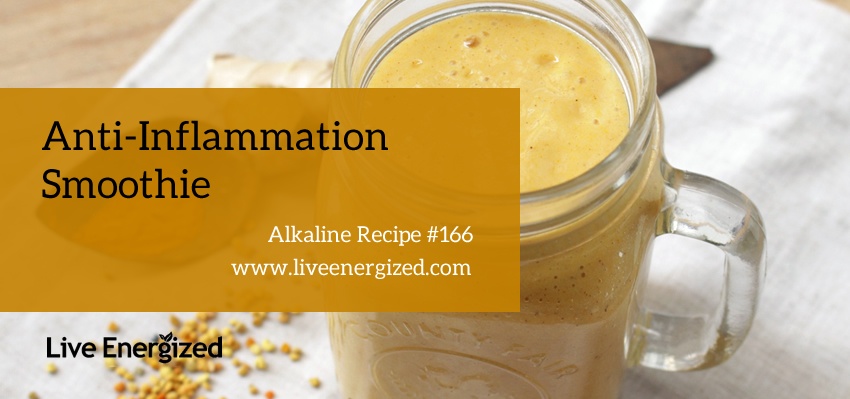
    Anti-Inflammation Smoothie

    One simple, anti-inflammatory smoothie

    The biggest question in my inbox was: “Send me some anti-inflammation recipes, Ross!” Well, ask and ye shall receive!

    This is a delicious, alkaline-rich smoothie that will knock your socks off. No special ingredients or funky kit – it’s simple food used for its raw, delicious power.

    Turmeric is the star. In a small 2012 pilot trial in people with rheumatoid arthritis, a curcumin extract improved symptoms more than the anti-inflammatory drug diclofenac (Chandran and Goel, 2012). That was a concentrated supplement rather than a smoothie, but it shows why turmeric and ginger are worth having in your kitchen every day.

    Why you’ll love it

    • Vitamin K: over two days’ worth a glass.
    • Vitamin C: over 80% of your daily needs.
    • Fresh ginger and turmeric, plus a pinch of cayenne.
    • No special ingredients or funky kit.

    Good for

    Immunity

    Vitamin C, copper, folate and vitamin B6 contribute to the normal function of the immune system.

    Antioxidants

    Vitamin C, manganese, copper and riboflavin contribute to the protection of cells from oxidative stress. It also contains plant compounds with antioxidant activity, including lutein, beta-carotene and apigenin.

    Energy

    Folate, pantothenic acid, vitamin B6 and riboflavin contribute to the reduction of tiredness and fatigue.

    Bones

    Vitamin K, manganese and magnesium contribute to the maintenance of normal bones.

    Eyes

    Riboflavin and vitamin A contribute to the maintenance of normal vision. It also contains lutein and zeaxanthin, the carotenoids found in the macula of the eye.

    Blood pressure

    Potassium contributes to the maintenance of normal blood pressure.

    Tags use approved nutrient health-claim wording, for nutrients that give at least 10% of the Daily Value per glass. Plant compounds like lutein have no Daily Value, so we only say they’re there.

    Key nutrients per glass

    Vitamin K
    100%+Vitamin C
    81%Manganese
    35%Copper
    33%Folate
    31%Pantothenic acid
    26%

    Contains: vitamin B6 (24%), riboflavin (23%), vitamin A (22%), potassium (21%), magnesium (19%), vitamin E (18%), iron (16%), niacin (13%) and calcium (7%).

    Plant compounds: lutein and zeaxanthin (about 3.5 mg), beta-carotene (about 2.2 mg), chlorophyll, apigenin from the parsley, glucosinolates from the watercress, curcumin from the turmeric, gingerols from the ginger and capsaicin from the cayenne.

    8 g fibreAbout 5 g natural sugarAbout 155 mg sodium

    % of US Daily Value for adults, per glass (half the recipe). Estimated from USDA FoodData Central values for the ingredients as listed, so treat these as upper estimates. Uses ground turmeric values for the fresh root and parsley for the herbs; excludes the salt; anything over 100% shows as 100%+.

    Anti-Inflammatory Green Smoothie

    Fresh ginger and turmeric blended with avocado, coconut water, spinach, watercress, red pepper, parsley and cayenne.
    Prep Time 5 minutes
    Total Time 5 minutes
    Servings: 2 glasses

    Ingredients
      

    • 2.5 cm fresh ginger 1 inch, grated
    • 2.5 cm fresh turmeric 1 inch, grated
    • 1 handful baby spinach
    • 1 handful watercress or rocket
    • 1 small avocado
    • ½ bell pepper
    • 1 big handful flat-leaf parsley and/or coriander
    • 1 cup coconut water or filtered water
    • big pinch of cayenne
    • pinch of salt

    Equipment

    • Blender
    • Grater

    Method
     

    1. Grate the ginger and turmeric into the blender and add the avocado and coconut water.
    2. Blend to form a base.
    3. Add the remaining ingredients and blend until smooth. I hope you love it!

    Swaps

    • Milder: start with a small pinch of cayenne.
    • Less sweet: use filtered water instead of coconut water.
    • No fresh turmeric? Use ½ tsp ground turmeric.

    Storing it

    Best fresh. It keeps in a sealed jar in the fridge for a few hours.

    Good to know

    • High in vitamin K. If you take warfarin or another blood thinner, keep your greens intake steady and talk to your doctor before making green smoothies a daily habit.
    • Turmeric stains, so wash your grater and blender straight away.

    Ross’s tip

    I try to have these ingredients as much as possible anyway, but this is a perfect way to get all of them in one delicious smoothie!

    Try next

    Juices & smoothiesTriple A JuiceOpen recipe →
    DrinksCreamy Turmeric & Ginger LatteOpen recipe →
    Want more than recipes?

    The Alkaline Life Club has everything in the Recipe Club, plus coaching, live Q&A and a community to keep you going.

    See the Alkaline Life Club

    Sources

    Nutrient values: USDA FoodData Central, SR Legacy (ginger 169231, turmeric 172231, baby spinach 168462, watercress 170068, avocado 171705, red pepper 170108, parsley 170416, coconut water 170174, cayenne 170932). Plant compounds are named where the ingredient is a well-documented source; flavonoids follow the USDA Database for the Flavonoid Content of Selected Foods, Release 3.3. Daily Values: US Food and Drug Administration. Curcumin and arthritis: Chandran and Goel, “A randomized, pilot study to assess the efficacy and safety of curcumin in patients with active rheumatoid arthritis,” Phytotherapy Research 26 (2012): 1719–1725.

  • All-Day Energy Smoothie

    All-Day Energy Smoothie

    Recipes › Juices & smoothies

    All-Day Energy Smoothie

    My Green Energy Machine: avocado, spinach, kale and cucumber blended with almond milk, coconut oil, soaked nuts and seeds for steady, all-day energy.

    Prep 10 minServes 2Blender11 ingredients
    VeganGluten-freeDairy-freeNo added sugar

    Tastes: thick, creamy and nutty, with mild greens and fresh cucumber.

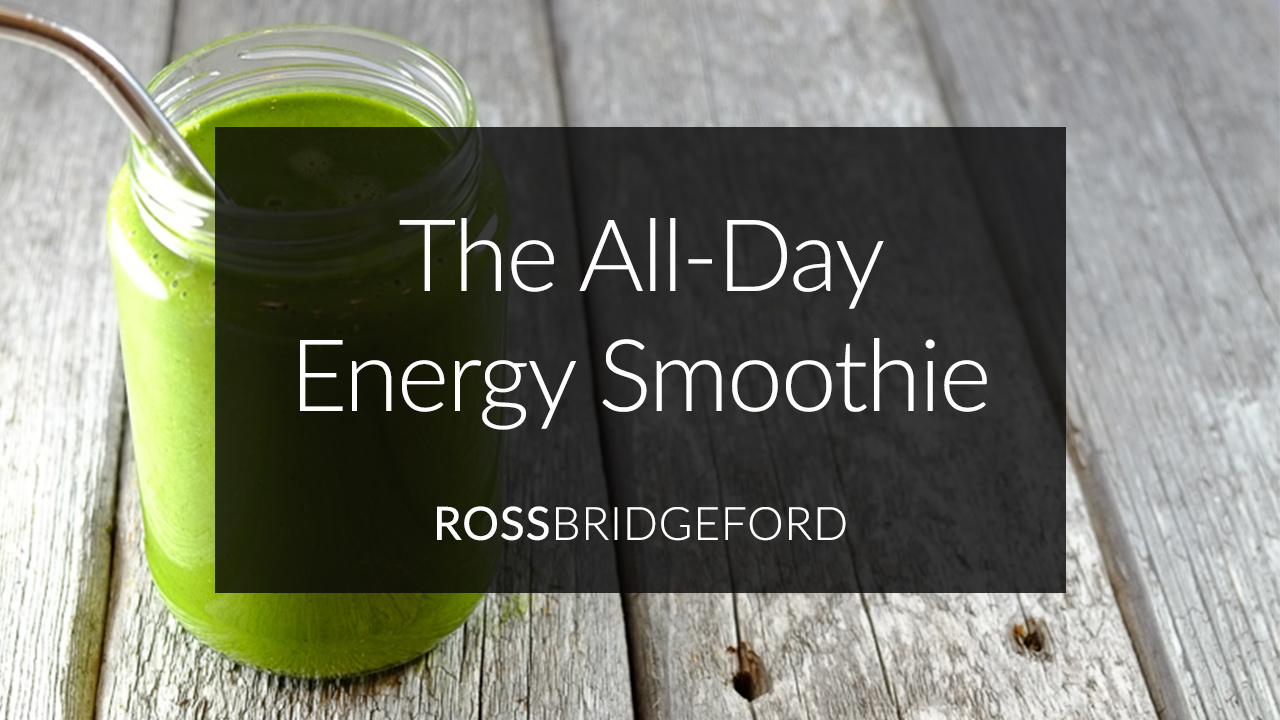
    energy smoothie

    The kind of energy you actually want

    Wouldn’t it be great to have more energy? Not the buzzy, short-lived caffeine energy (and then crash) that so many of us try to survive on, but the kind that gives you that positive feeling, the belief that you can take anything the world throws at you.

    Would you love to have more of that? Thought so… let’s get some!

    This is my Green Energy Machine. It combines healthy fats from avocado, coconut, almonds, cashews and seeds with greens, protein and fibre to keep your blood sugar steady and help you avoid those energy dips. And it’s rich in magnesium and iron, which contribute to the reduction of tiredness and fatigue.

    Why you’ll love it

    • Magnesium: nearly three-quarters of your daily needs a glass.
    • Vitamin E: over a day’s worth.
    • About 17 g protein and 12 g fibre a glass.
    • Healthy fats from avocado, coconut, nuts and seeds.

    Good for

    Immunity

    Copper, folate, zinc and vitamin C contribute to the normal function of the immune system.

    Antioxidants

    Copper, manganese, vitamin E and riboflavin contribute to the protection of cells from oxidative stress. It also contains plant compounds with antioxidant activity, including lutein, beta-carotene and flavonoids.

    Energy

    Magnesium, riboflavin, folate and iron contribute to the reduction of tiredness and fatigue.

    Bones

    Vitamin K, manganese, magnesium and phosphorus contribute to the maintenance of normal bones.

    Eyes

    Riboflavin, zinc and vitamin A contribute to the maintenance of normal vision. It also contains lutein and zeaxanthin, the carotenoids found in the macula of the eye.

    Blood pressure

    Potassium contributes to the maintenance of normal blood pressure.

    Tags use approved nutrient health-claim wording, for nutrients that give at least 10% of the Daily Value per glass. Plant compounds like lutein have no Daily Value, so we only say they’re there.

    Key nutrients per glass

    Vitamin K
    100%+Copper
    100%+Manganese
    100%+Vitamin E
    100%+Magnesium
    72%Phosphorus
    48%

    Contains: riboflavin (46%), thiamin (42%), folate (40%), zinc (38%), vitamin C (33%), iron (31%), calcium (30%), vitamin B6 (29%), niacin (29%), pantothenic acid (26%), potassium (24%), vitamin A (20%) and selenium (19%).

    Plant compounds: lutein and zeaxanthin (about 4.8 mg), beta-carotene (about 2.2 mg), plant omega-3 ALA (about 2.5 g), chlorophyll, quercetin and kaempferol from the kale and glucosinolates from the kale.

    17 g protein12 g fibreAbout 5 g natural sugarAbout 115 mg sodium

    % of US Daily Value for adults, per glass (half the recipe). Estimated from USDA FoodData Central values for the ingredients as listed, so treat these as upper estimates. Uses 2 tbsp coconut oil and a calcium-fortified almond milk; anything over 100% shows as 100%+.

    All-Day Energy Smoothie

    Avocado, spinach, kale and cucumber blended with almond milk, coconut oil, hemp seeds, soaked almonds and cashews, sunflower and chia seeds.
    Prep Time 10 minutes
    Total Time 10 minutes
    Servings: 2 glasses

    Ingredients
      

    • ½ ripe avocado
    • 2 handfuls spinach
    • 1 handful kale
    • ½ cucumber
    • 200 ml unsweetened almond milk
    • 2 tbsp coconut oil
    • 3 tbsp hemp seeds
    • 50 g almonds soaked
    • 25 g cashews soaked
    • 1 tbsp sunflower seeds
    • 1 tbsp chia seeds

    Equipment

    • Blender

    Method
     

    1. Soak the almonds and cashews for at least an hour, preferably overnight. If you want to make it now, soak them for at least 20 minutes.
    2. Start the blending with the avocado, almond milk and cucumber.
    3. Next add the coconut oil and the leaves.
    4. Finally add the drained nuts and the seeds and blend at high speed until smooth. It tastes DELICIOUS!

    Swaps

    • Creamier: add more almond milk, swap it for coconut cream, or use more cashews and fewer almonds.
    • Lighter: use 1 tbsp coconut oil.
    • Nut-free: use oat milk and swap the nuts for extra hemp and sunflower seeds.

    Storing it

    Best fresh. It keeps in a sealed jar in the fridge for a few hours.

    Good to know

    • High in vitamin K. If you take warfarin or another blood thinner, keep your greens intake steady and talk to your doctor before making green smoothies a daily habit.
    • Contains almonds and cashews (and almond milk).

    Try next

    Juices & smoothiesChocolicious All-Day Energy SmoothieOpen recipe →
    Juices & smoothiesBlueberry Protein Energy SmoothieOpen recipe →
    Want more than recipes?

    The Alkaline Life Club has everything in the Recipe Club, plus coaching, live Q&A and a community to keep you going.

    See the Alkaline Life Club

    Sources

    Nutrient values: USDA FoodData Central, SR Legacy (avocado 171705, baby spinach 168462, kale 168421, cucumber 168409, almond milk 174832, coconut oil 171412, hemp seeds 170148, almonds 170567, cashews 170162, sunflower seeds 170562, chia seeds 170554). Plant compounds are named where the ingredient is a well-documented source; flavonoids follow the USDA Database for the Flavonoid Content of Selected Foods, Release 3.3. Daily Values: US Food and Drug Administration.

  • Thai-Inspired Green Smoothie

    Thai-Inspired Green Smoothie

    Recipes › Juices & smoothies

    Thai-Inspired Green Smoothie

    Coconut, basil, coriander and lime make this green smoothie so smooth and creamy you can’t taste the greens at all.

    Prep 5 minServes 2Blender9 ingredients
    VeganGluten-freeDairy-freeNut-freeNo added sugar

    Tastes: creamy and fragrant, with coconut, fresh basil and coriander and a squeeze of lime.

    A simple twist to make greens delicious

    Every alkaline smoothie I make has at least 6–7 serves of green vegetables, plus fibre and alkaline hydration. But that much GREEN isn’t always to everyone’s taste… at first. (Your taste buds DO change and get used to the greens!)

    So this recipe is a winner. It’s infused with the flavours of Thailand – coconut, basil, coriander and lemon or lime – and it’s smooth, creamy and you can’t taste the greens at all.

    It’s a MUST-MAKE if you’re just starting out, OR if you want to mix it up!

    Why you’ll love it

    • Vitamin K: nearly four days’ worth a glass.
    • Vitamin C: over 80% of your daily needs.
    • Manganese: about 90% of your daily needs.
    • You can’t taste the greens, so it’s perfect for beginners.

    Good for

    Immunity

    Vitamin C, copper, folate and vitamin A contribute to the normal function of the immune system.

    Antioxidants

    Manganese, vitamin C, copper and riboflavin contribute to the protection of cells from oxidative stress. It also contains plant compounds with antioxidant activity, including lutein, beta-carotene and flavonoids.

    Energy

    Folate, riboflavin, pantothenic acid and magnesium contribute to the reduction of tiredness and fatigue.

    Bones

    Vitamin K, manganese, magnesium and phosphorus contribute to the maintenance of normal bones.

    Eyes

    Vitamin A, riboflavin and zinc contribute to the maintenance of normal vision. It also contains lutein and zeaxanthin, the carotenoids found in the macula of the eye.

    Blood pressure

    Potassium contributes to the maintenance of normal blood pressure.

    Tags use approved nutrient health-claim wording, for nutrients that give at least 10% of the Daily Value per glass. Plant compounds like lutein have no Daily Value, so we only say they’re there.

    Key nutrients per glass

    Vitamin K
    100%+Manganese
    91%Vitamin C
    82%Copper
    67%Folate
    48%Vitamin A
    38%

    Contains: riboflavin (31%), pantothenic acid (30%), magnesium (30%), potassium (28%), iron (26%), vitamin B6 (24%), phosphorus (18%), thiamin (17%), niacin (17%), calcium (17%), zinc (17%) and vitamin E (16%).

    Plant compounds: lutein and zeaxanthin (about 8.6 mg), beta-carotene (about 4.1 mg), chlorophyll, quercetin and kaempferol from the kale, glucosinolates from the kale and citrus flavonoids from the lemon.

    8 g protein10 g fibreAbout 6 g natural sugarAbout 150 mg sodium

    % of US Daily Value for adults, per glass (half the recipe). Estimated from USDA FoodData Central values for the ingredients as listed, so treat these as upper estimates. Uses kale for the leafy greens; excludes the optional superfoods and chilli; anything over 100% shows as 100%+.

    Thai-Inspired Green Smoothie

    Coconut cream, coconut water and avocado blended with spinach, leafy greens, cucumber, basil, coriander and lemon or lime.
    Prep Time 5 minutes
    Total Time 5 minutes
    Servings: 2 glasses

    Ingredients
      

    • 150 ml coconut water
    • 150 ml coconut cream
    • ½ avocado
    • 3 handfuls spinach
    • 3 handfuls leafy greens kale, cavolo nero or chard
    • 1 cucumber
    • 1 small handful basil
    • 1 small handful coriander
    • juice of ½ lemon or lime
    • 1 tsp fibre supplement optional
    • 1 tsp maca optional
    • 1 dessertspoon chia seeds optional
    • 1 hot chilli optional, for a spicy kick!

    Equipment

    • Blender

    Method
     

    1. Start by making the smoothie base: blend the coconut cream, coconut water and avocado together.
    2. Add the greens – cucumber, spinach and the other leaves – and blend some more.
    3. Add the basil, coriander, lemon or lime juice and any optional extras, and blend until smooth.

    Swaps

    • Lighter: use coconut milk instead of coconut cream.
    • Spicy: add a hot chilli.
    • Lime or lemon: both work.

    Storing it

    Best fresh. It keeps in a sealed jar in the fridge for a few hours.

    Good to know

    • High in vitamin K. If you take warfarin or another blood thinner, keep your greens intake steady and talk to your doctor before making green smoothies a daily habit.

    Try next

    Juices & smoothiesAll-Day Energy SmoothieOpen recipe →
    Juices & smoothiesAntioxidant Green SmoothieOpen recipe →
    Want more than recipes?

    The Alkaline Life Club has everything in the Recipe Club, plus coaching, live Q&A and a community to keep you going.

    See the Alkaline Life Club

    Sources

    Nutrient values: USDA FoodData Central, SR Legacy (coconut water 170174, coconut cream 170580, avocado 171705, baby spinach 168462, kale 168421, cucumber 168409, basil 172232, coriander 169997, lemon juice 167747). Plant compounds are named where the ingredient is a well-documented source; flavonoids follow the USDA Database for the Flavonoid Content of Selected Foods, Release 3.3. Daily Values: US Food and Drug Administration.