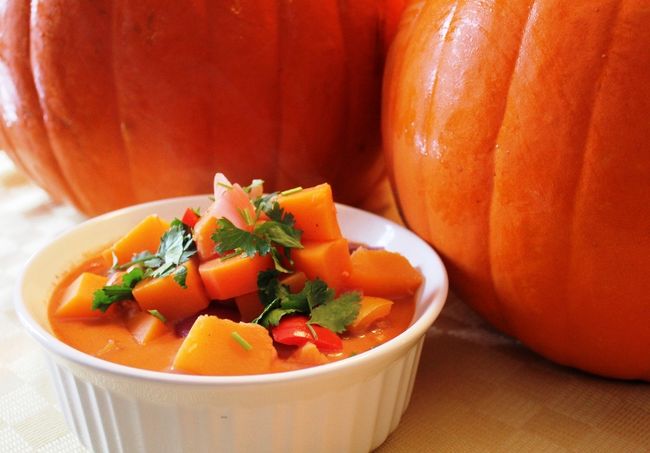
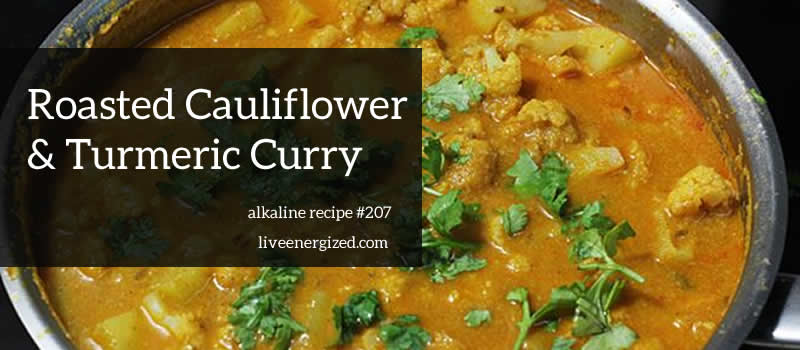
Roast Cauliflower & Turmeric Curry
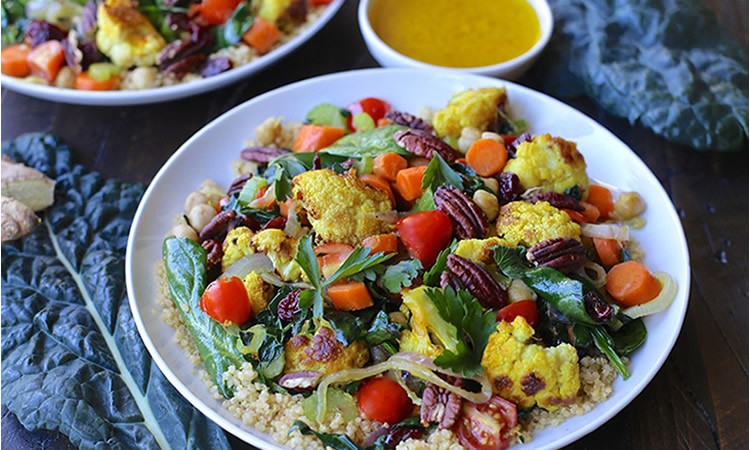
A beautiful, hearty curry that’s not only alkaline but highly anti-inflammatory, combining four of the most powerful anti-inflammatory foods into deliciousness.
Tastes: rich, creamy and fragrant, with a homemade cashew masala and golden roasted cauliflower.
Four anti-inflammatory heroes
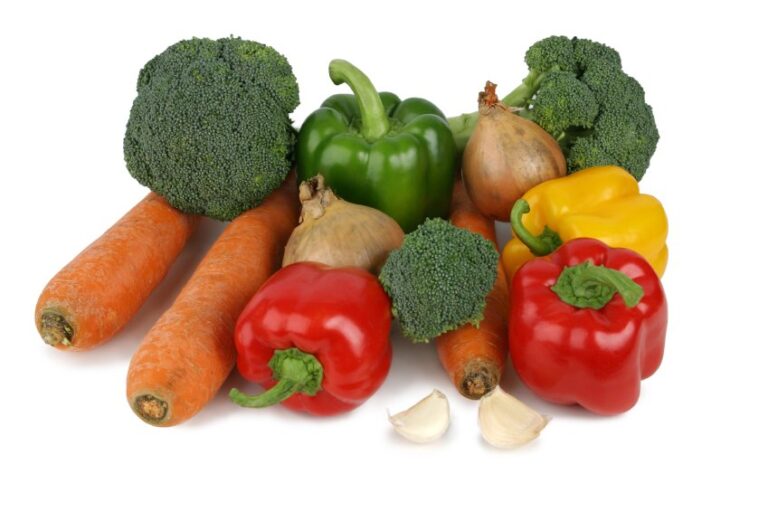
The abundance of turmeric, ginger, garlic and bell pepper (not to mention the healthy fats from the coconut and cashews) are all super anti-inflammatory, and can help support your immune system too.
I absolutely love this recipe – and making your own masala is easier than you’d think.
Why you’ll love it
- Homemade masala with coriander, cumin, cardamom, cinnamon, cloves and cashews.
- Vitamin C: more than a full day’s worth, from the bell pepper and cauliflower.
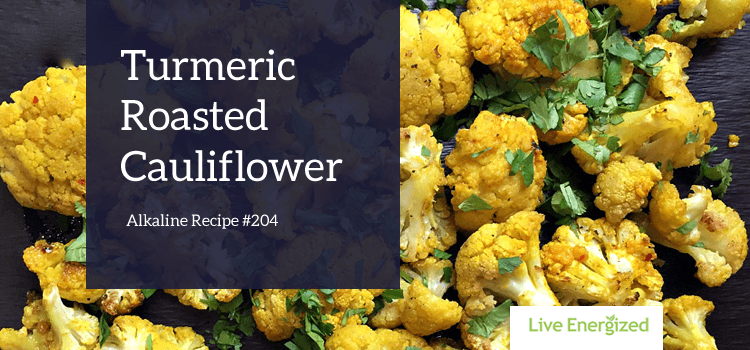
- Roasted cauliflower, golden, tender and turmeric-spiced.
- Manganese and copper: around 90% of your daily needs.
Good for
Vitamin C, copper, iron and vitamin B6 contribute to the normal function of the immune system.
Vitamin C, manganese, copper and zinc contribute to the protection of cells from oxidative stress. It also contains plant compounds with antioxidant activity, including beta-carotene, quercetin and curcumin.
Iron, magnesium, vitamin B6 and folate contribute to the reduction of tiredness and fatigue.
Manganese, magnesium, phosphorus and vitamin K contribute to the maintenance of normal bones.
Zinc contributes to the maintenance of normal vision.
Potassium contributes to the maintenance of normal blood pressure.
Tags use approved nutrient health-claim wording, for nutrients that give at least 10% of the Daily Value per serve. Plant compounds like these have no Daily Value, so we only say they’re there.
Key nutrients per serve
Contains: folate (29%), pantothenic acid (26%), phosphorus (26%), vitamin K (25%), zinc (23%), potassium (22%), thiamin (17%), niacin (14%), selenium (11%) and calcium (9%).
Plant compounds: beta-carotene (about 0.7 mg), chlorophyll, quercetin from the onion, glucosinolates from the cauliflower, curcumin from the turmeric, gingerols from the ginger, sulphur compounds from the garlic and capsaicin from the chilli.
% of US Daily Value for adults, per serve (half the recipe). Estimated from USDA FoodData Central values for the ingredients as listed; cooking reduces some vitamins, so treat these as upper estimates. Uses canned coconut milk; excludes salt added to taste and rice or quinoa to serve; anything over 100% shows as 100%+.
Roast Cauliflower & Turmeric Curry
Ingredients
Equipment
Method
- Preheat the oven to 200°C (400°F).
- In a bowl, rub the cauliflower with the turmeric, salt and half the coconut oil. Spread on a lined baking tray and roast for 20–30 minutes, checking regularly so it doesn’t burn.
- While the cauliflower roasts, blend all the masala ingredients in a food processor or blender until completely smooth.
- Heat the rest of the coconut oil gently in a large pan and cook the garlic, ginger and onion for 2–3 minutes.
- Add the tomatoes and bell pepper and cook until the tomatoes start to fall apart.
- Stir through the masala for 2–3 minutes (don’t let it stick or burn), then add the chilli, garam masala, coconut milk and as much water as you need for the consistency you want.
- Simmer gently for 5 minutes and season to taste. Add the roasted cauliflower, stir through, then turn off the heat. Stir through the coriander and serve.
Notes
Swaps
- Light coconut milk makes it lighter but less creamy.
- Nut-free: use sunflower seeds in the masala instead of cashews.
- Extra veg: add peas or spinach in the last few minutes.
Storing it
Keeps in the fridge for 3 days and freezes well.
Good to know
- Contains cashews. See Swaps for a nut-free version.
Try next
The Alkaline Life Club has everything in the Recipe Club, plus coaching, live Q&A and a community to keep you going.
See the Alkaline Life ClubSources
Nutrient values: USDA FoodData Central, SR Legacy (coriander seed 170922, cumin 170923, cardamom 170919, cinnamon 171320, cloves 171321, cashews 170162, turmeric 172231, salt 173468, cauliflower 169986, coconut oil 171412, garlic 169230, ginger 169231, red pepper 170108, onion 170000, tomatoes 170457, chilli powder 171319, coconut milk 170173, coriander leaves 169997). Plant compounds are named where the ingredient is a well-documented source; flavonoids follow the USDA Database for the Flavonoid Content of Selected Foods, Release 3.3. Daily Values: US Food and Drug Administration.