Quinoa & Hummus Wraps
Wheat-free lunches can be tricky when you’re first starting out, but this wrap is SO delicious you won’t even notice! Full of creamy, crunchy, colourful fillings – you will not be able to stop at just one.
Tastes: creamy hummus and avocado, with crunch from the cabbage and sprouts. Fresh, not heavy.
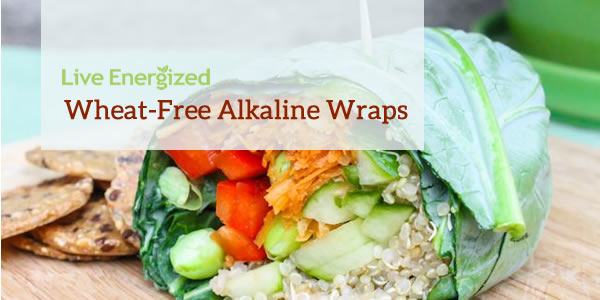
A staple in our house
This is a staple in our house – an amazing wheat-free, gluten-free, alkaline, anti-inflammatory, chlorophyll-rich wrap that tastes GREAT! Nutrient dense, it’s creamy, crunchy, colourful and so filling.
It contains no added sugar (often found in wraps and dressings), no wheat (the wraps are made from greens!) and no processed meats – three of the biggest contributors to gut damage, inflammation and acidity. Give this a try – you will never have gluten in your lunch again!
Why you’ll love it
- The wraps are made from greens! Collard leaves do the job of the tortilla.
- Creamy and crunchy. Hummus and avocado, with sprouts, cabbage and beetroot for crunch.
- So filling. 26 g of protein and 22 g of fibre per serve.
Good for
Copper, folate, vitamin B6 and vitamin C contribute to the normal function of the immune system.
Manganese, copper, riboflavin and vitamin C contribute to the protection of cells from oxidative stress. It also contains plant compounds with antioxidant activity, including lutein, beta-carotene and anthocyanins.
Folate, magnesium, vitamin B6 and riboflavin contribute to the reduction of tiredness and fatigue.
Protein contributes to the maintenance of muscle mass, and magnesium, potassium and calcium contribute to normal muscle function.
Vitamin K, manganese, magnesium and phosphorus contribute to the maintenance of normal bones.
Riboflavin, zinc and vitamin A contribute to the maintenance of normal vision. It also contains lutein and zeaxanthin, the carotenoids found in the macula of the eye.
Potassium contributes to the maintenance of normal blood pressure.
Tags use approved nutrient health-claim wording, for nutrients that give at least 10% of the Daily Value per serve. Plant compounds like lutein have no Daily Value, so we only say they’re there.
Key nutrients per serve
Contains: phosphorus (55%), thiamin (52%), riboflavin (50%), vitamin C (49%), pantothenic acid (49%), vitamin E (48%), zinc (48%), iron (46%), potassium (33%), niacin (29%), selenium (27%), vitamin A (22%) and calcium (22%).
Plant compounds: lutein and zeaxanthin (about 3.7 mg), beta-carotene (about 2.3 mg), plant omega-3 ALA (about 1.3 g), chlorophyll, glucosinolates from the cabbage and collard, anthocyanins from the cabbage and betalains from the beetroot.
% of US Daily Value for adults, per serve (half the recipe, 2 wraps). Estimated from USDA FoodData Central values for the ingredients as listed; cooking reduces some vitamins, so treat these as upper estimates; anything over 100% shows as 100%+.
Quinoa & Hummus Wraps
Ingredients
Equipment
Method
- First, get the quinoa cooking: put the cup of quinoa into a pan with 2 cups of cold water, bring to the boil and then simmer on a really low heat until the water is absorbed and the quinoa is fluffy.
- Next, get the wraps going by prepping the collard leaves: cut from the plant, washed and laid out like a regular wrap.
- Spread the hummus equally over each leaf – the hummus acts like a glue for the ingredients!
- Slice and lay out the avocado in a line from top to bottom down the middle of the leaf.
- Add the quinoa equally between the leaves and then fill with the remaining ingredients.
- Wrap by folding at the bottom (to stop everything falling out) and then rolling into a regular wrap shape!
Notes
Swaps
- No collard leaves? Use big lettuce leaves (cos or iceberg) or a gluten-free wrap.
- No beetroot? Grated carrot works well.
- Short on time? Use ready-cooked quinoa.
Storing it
Wrapped tightly, they keep in the fridge until tomorrow. Leftover quinoa keeps for 3 days.
Good to know
- High in vitamin K. If you take warfarin or another blood thinner, keep your greens intake steady and talk to your doctor before eating more leafy greens than usual.
- Hummus contains sesame (tahini).
Ross’s tip
You can also use a toothpick to hold them in place.
Try next
The Alkaline Life Club has everything in the Recipe Club, plus coaching, live Q&A and a community to keep you going.
See the Alkaline Life ClubSources
Nutrient values: USDA FoodData Central, SR Legacy (collards 170406, alfalfa sprouts 168384, red cabbage 169977, beetroot 169145, quinoa 168874, hummus 174289, avocado 171705). Plant compounds are named where the ingredient is a well-documented source; flavonoids follow the USDA Database for the Flavonoid Content of Selected Foods, Release 3.3. Daily Values: US Food and Drug Administration.