Tom Yum Soup with Tofu
A hot, sour and fragrant Thai broth with lemongrass, galangal, ginger, chilli and lime leaves, loaded with tofu, tomato and fresh coriander.
Tastes: hot, fragrant and refreshing, with lemongrass, lime leaf and a chilli kick.
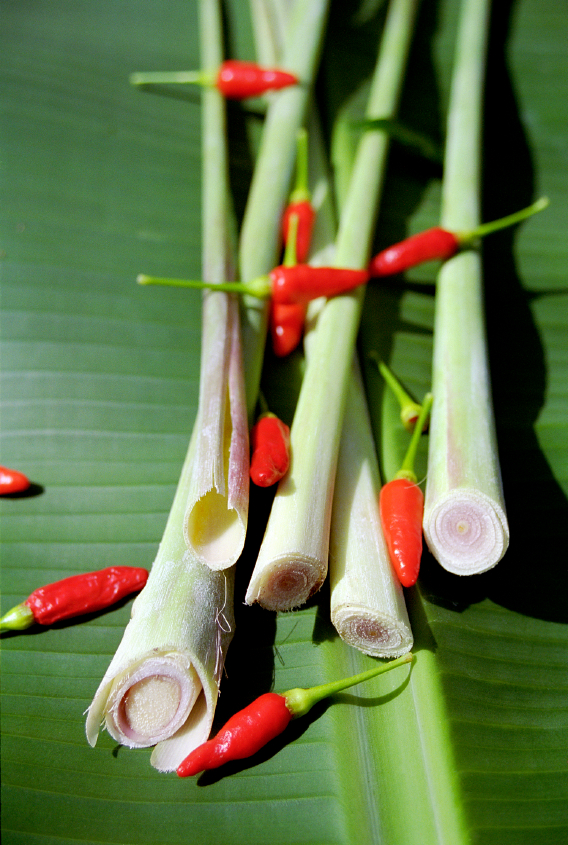
A Thai favourite
This is a very special one that I discovered on a trip to Thailand. I took a Thai cooking lesson and couldn’t believe how alkaline the food was – and where it wasn’t, it was so easy to make it more alkaline!
Tom Yum has always been one of my favourite Thai meals: nice and spicy, and refreshing at the same time. What more could you ask for? So here we go.
Why you’ll love it
- 20 g protein from the tofu.
- Calcium: over half your daily needs, with calcium-set tofu.
- Manganese: nearly 90% of your daily needs.
- Ready in 10 minutes once the aromatics are prepped.
Good for
Copper, vitamin C, selenium and iron contribute to the normal function of the immune system.
Manganese, copper, vitamin C and selenium contribute to the protection of cells from oxidative stress. It also contains plant compounds with antioxidant activity, including beta-carotene, lycopene and quercetin.
Iron, magnesium, vitamin B6 and folate contribute to the reduction of tiredness and fatigue.
Protein contributes to the maintenance of muscle mass, and calcium, magnesium and potassium contribute to normal muscle function.
Manganese, calcium, vitamin K and magnesium contribute to the maintenance of normal bones.
Zinc and riboflavin contribute to the maintenance of normal vision.
Potassium contributes to the maintenance of normal blood pressure.
Tags use approved nutrient health-claim wording, for nutrients that give at least 10% of the Daily Value per bowl. Plant compounds like these have no Daily Value, so we only say they’re there.
Key nutrients per bowl
Contains: vitamin K (22%), magnesium (21%), zinc (20%), phosphorus (20%), vitamin B6 (18%), folate (17%), thiamin (17%), potassium (17%), riboflavin (15%) and niacin (11%).
Plant compounds: beta-carotene (about 0.8 mg), lycopene (about 3.2 mg), plant omega-3 ALA (about 0.6 g), chlorophyll, quercetin from the onion, gingerols from the ginger, sulphur compounds from the garlic, citrus flavonoids from the lemon and capsaicin from the chilli.
% of US Daily Value for adults, per bowl (half the recipe). Estimated from USDA FoodData Central values for the ingredients as listed; cooking reduces some vitamins, so treat these as upper estimates. Uses 200 g calcium-set firm tofu, 2 tsp tamari and typical low-sodium stock values; excludes the galangal, lime leaves and optional beansprouts; anything over 100% shows as 100%+.
Tom Yum Soup with Tofu
Ingredients
Equipment
Method
- First, prepare the flavours. Cut a few thin strips of ginger and galangal, cut the stem from the chilli and bash it with the flat of your knife (no need to chop), cut the lemongrass into 4 cm pieces and bash them flat. Bash the garlic and tear the lime leaves in two. You should be salivating at the smell by now!
- Put the aromatics in a large pot with the stock and onion and bring to the boil.
- Add the tofu. Two minutes later add the tomato, and a minute after that the coriander and beansprouts (if using).
- Take off the heat, season with tamari, salt and pepper, and serve straight away – hot and tasty! Enjoy!
Notes
Swaps
- Sweeter: a pinch of coconut sugar takes the edge off the chilli (I love it without, though!).
- No galangal? Just use a little more ginger.
- More veg: mushrooms, bok choy or snow peas all work.
Storing it
Best fresh. Leftovers keep in the fridge for 2 days – fish out the lemongrass, galangal and lime leaves first.
Good to know
- Tamari: choose one labelled gluten-free if you’re coeliac.
Try next

The Alkaline Life Club has everything in the Recipe Club, plus coaching, live Q&A and a community to keep you going.
See the Alkaline Life ClubSources
Nutrient values: USDA FoodData Central, SR Legacy (lemongrass 168573, red chilli 170106, onion 170000, ginger 169231, garlic 169230, tomatoes 170457, coriander 169997, tamari 174278, firm tofu 172475). Plant compounds are named where the ingredient is a well-documented source; flavonoids follow the USDA Database for the Flavonoid Content of Selected Foods, Release 3.3. Daily Values: US Food and Drug Administration.