Alkaline Root Vegetable Curry
Roasted root vegetables baked in a creamy coconut and tomato curry sauce, with an abundance of flavours from the spices and herbs.
Tastes: warming and fragrant, with sweet roasted roots, creamy coconut and fresh lime.
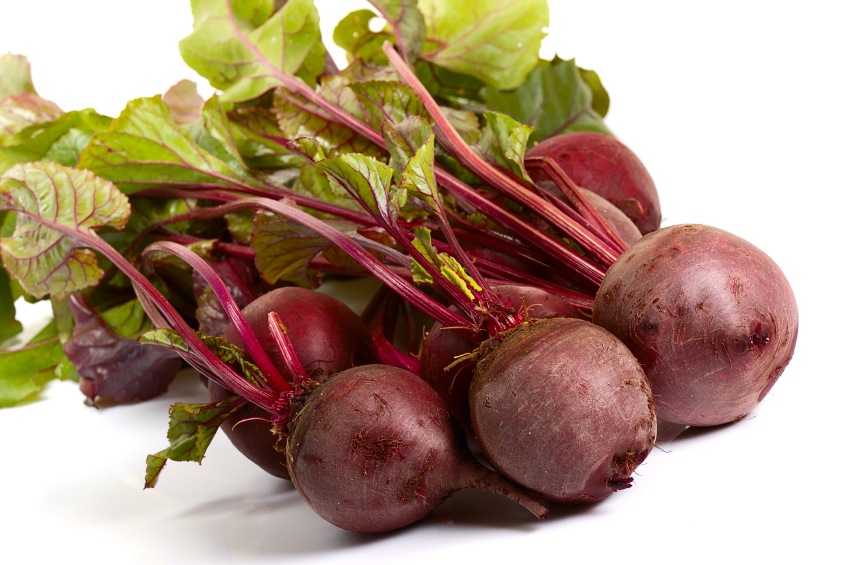
Choose your roots
Vegetable curries in general are one of my favourite dishes, as they’re generally very healthy and alkaline at the same time. This one is a little different, as it uses root vegetables of your choice: celeriac, carrots, parsnips and beetroot all work beautifully.
Root vegetables are packed with nutrients and are a rich source of antioxidants, potassium, vitamin C and magnesium. Beetroot adds betalains too, the pigments that give it that gorgeous colour, and betaine, which may help support heart health.
Why you’ll love it
- Vitamin A: nearly two-thirds of your daily needs, from the carrots.
- Manganese and copper from the roots, spices and coconut.
- Fibre: about 12 g a serve.
- Turmeric, ginger and chilli. Warming, anti-inflammatory spices.
Good for
Copper, vitamin A, vitamin C and iron contribute to the normal function of the immune system.
Manganese, copper, vitamin C and vitamin E contribute to the protection of cells from oxidative stress. It also contains plant compounds with antioxidant activity, including beta-carotene, lycopene and quercetin.
Iron, folate, vitamin B6 and magnesium contribute to the reduction of tiredness and fatigue.
Manganese, vitamin K, magnesium and phosphorus contribute to the maintenance of normal bones.
Vitamin A, zinc and riboflavin contribute to the maintenance of normal vision.
Potassium contributes to the maintenance of normal blood pressure.
Tags use approved nutrient health-claim wording, for nutrients that give at least 10% of the Daily Value per serve. Plant compounds like these have no Daily Value, so we only say they’re there.
Key nutrients per serve
Contains: folate (43%), vitamin B6 (35%), potassium (34%), magnesium (34%), vitamin E (32%), pantothenic acid (30%), phosphorus (27%), thiamin (25%), niacin (25%), zinc (20%), riboflavin (15%) and calcium (14%).
Plant compounds: beta-carotene (about 5.6 mg), lycopene (about 5.1 mg), plant omega-3 ALA (about 0.8 g), chlorophyll, quercetin from the onion, betalains from the beetroot, curcumin from the turmeric, gingerols from the ginger, sulphur compounds from the garlic, citrus flavonoids from the lime and capsaicin from the chilli.
% of US Daily Value for adults, per serve (half the recipe). Estimated from USDA FoodData Central values for the ingredients as listed; cooking reduces some vitamins, so treat these as upper estimates. Excludes the optional rice, and salt and pepper added to taste; anything over 100% shows as 100%+.
Alkaline Root Vegetable Curry
Ingredients
Equipment
Method
- Preheat the oven to 200°C (400°F) and put a large roasting tray in to heat up.
- Cut the root vegetables into roughly 3 cm dice, coat with 1 tbsp of the oil and season with salt and pepper. Tip onto the hot tray, shake to spread them out, and roast for about 40 minutes.
- Toast the coriander, fennel and cumin seeds in a dry frying pan for a couple of minutes, then grind to a rough powder and mix in the turmeric.
- Purée the chilli, ginger, garlic and onion in a blender.
- Gently heat the remaining oil in a frying pan over medium-low heat, add the spices and fry for about a minute. Add the paste and stir for about 5 minutes until it has softened and reduced.
- Stir in the coconut milk and tomatoes, add the cinnamon stick and simmer, stirring. Season to taste, then pour the sauce over the roasting vegetables.
- Bake everything for about 25 minutes, until the vegetables are tender and the sauce has thickened. Remove the cinnamon stick, squeeze over the lime juice and garnish with coriander leaves. Delicious by itself, or with brown basmati rice.
Swaps
- Any roots work: sweet potato, swede or turnip too.
- Light coconut milk makes it lighter, but less creamy.
- Less heat: deseed the chilli or leave it out.
Storing it
Keeps in the fridge for 3 days and freezes well. It’s even better the next day.
Good to know
- High in vitamin K. If you take warfarin or another blood thinner, keep your greens intake steady and talk to your doctor before eating more leafy greens than usual.
Try next


The Alkaline Life Club has everything in the Recipe Club, plus coaching, live Q&A and a community to keep you going.
See the Alkaline Life ClubSources
Nutrient values: USDA FoodData Central, SR Legacy (beetroot 169145, carrot 170393, parsnip 170417, celeriac 170400, canola oil 172336, garlic 169230, chilli 170106, onion 170000, crushed tomatoes 170501, coriander leaves 169997, turmeric 172231, cumin 170923, fennel seed 171323, coriander seed 170922, ginger 169231, coconut milk 170173, lime juice 168156). Plant compounds are named where the ingredient is a well-documented source; flavonoids follow the USDA Database for the Flavonoid Content of Selected Foods, Release 3.3. Daily Values: US Food and Drug Administration.