Blueberry Protein Energy Smoothie
A creamy, filling smoothie with plant protein, avocado, blueberries, chia, flax, turmeric and greens, built around the nutrients your cells use to make energy.
Tastes: creamy and gently sweet, with blueberry, cinnamon and a hint of turmeric.
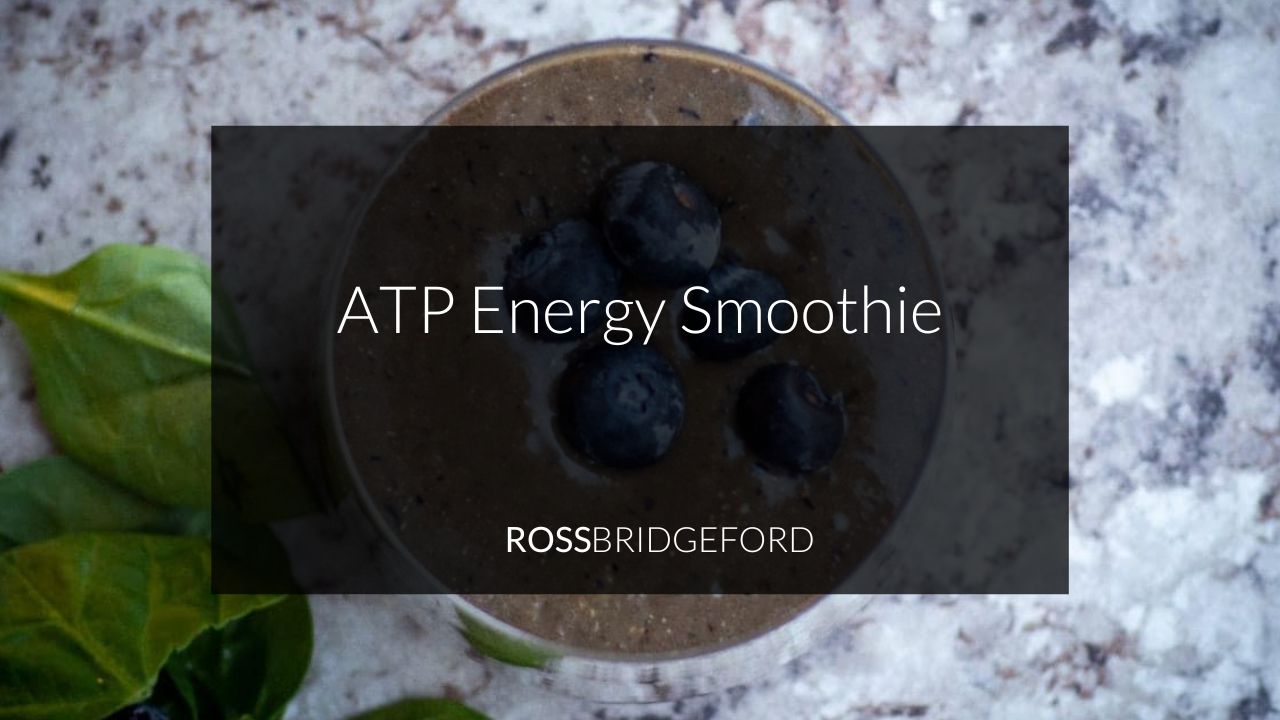
Energy, right down to your cells
I absolutely LOVE this smoothie!
ATP (adenosine triphosphate) is basically the currency of energy in your cells. It powers pretty much everything you do, from sprinting to simply breathing.
This smoothie brings together nutrients your cells use to make it: protein, healthy fats from the avocado, plant omega-3 from the chia and flax, antioxidant-rich blueberries, and minerals like magnesium, iron, manganese and copper, which contribute to normal energy-yielding metabolism.
Why you’ll love it
- About 32 g protein in one glass.
- Iron and magnesium, which contribute to normal energy-yielding metabolism.
- Plant omega-3 from the chia and flax.
- Filling enough to be breakfast.
Good for
Copper, iron, folate and zinc contribute to the normal function of the immune system.
Vitamin E, manganese, copper and zinc contribute to the protection of cells from oxidative stress. It also contains plant compounds with antioxidant activity, including lutein, beta-carotene and anthocyanins.
Iron, folate, magnesium and pantothenic acid contribute to the reduction of tiredness and fatigue.
Protein contributes to the maintenance of muscle mass, and calcium, magnesium and potassium contribute to normal muscle function.
Vitamin K, manganese, calcium and phosphorus contribute to the maintenance of normal bones.
Zinc, riboflavin and vitamin A contribute to the maintenance of normal vision. It also contains lutein and zeaxanthin, the carotenoids found in the macula of the eye.
Potassium contributes to the maintenance of normal blood pressure.
Tags use approved nutrient health-claim wording, for nutrients that give at least 10% of the Daily Value per glass. Plant compounds like lutein have no Daily Value, so we only say they’re there.
Key nutrients per glass
Contains: folate (39%), phosphorus (39%), magnesium (37%), pantothenic acid (32%), zinc (32%), vitamin C (25%), thiamin (25%), vitamin B6 (24%), riboflavin (23%), niacin (23%), potassium (22%), vitamin A (17%) and selenium (17%).
Plant compounds: lutein and zeaxanthin (about 4 mg), beta-carotene (about 1.8 mg), plant omega-3 ALA (about 3.9 g), chlorophyll, anthocyanins from the berries, curcumin from the turmeric and lignans from the flaxseed.
% of US Daily Value for adults, per glass (the whole recipe). Estimated from USDA FoodData Central values for the ingredients as listed, so treat these as upper estimates. Uses typical values for a 30 g scoop of pea protein powder (brands vary a lot) and a calcium-fortified almond milk; excludes the optional ginger or cayenne; anything over 100% shows as 100%+.
Blueberry Protein Energy Smoothie
Ingredients
Equipment
Method
- Put everything in a blender.
- Blend on high until smooth, adding a splash more almond milk if you like it thinner.
- Pour into a glass and enjoy.
Swaps
- Nut-free: use oat or hemp milk instead of almond milk.
- Frozen blueberries make it thick and cold.
- Extra kick: add a small piece of fresh ginger or a pinch of cayenne.
Storing it
Best fresh – the chia and flax thicken it as it sits.
Good to know
- High in vitamin K. If you take warfarin or another blood thinner, keep your greens intake steady and talk to your doctor before making green smoothies a daily habit.
- Protein powders vary: check the label for added sugars and sweeteners, and pick a plain or naturally flavoured one.
- Contains almonds (in the almond milk).
Try next
The Alkaline Life Club has everything in the Recipe Club, plus coaching, live Q&A and a community to keep you going.
See the Alkaline Life ClubSources
Nutrient values: USDA FoodData Central, SR Legacy (almond milk 174832, avocado 171705, blueberries 171711, chia seeds 170554, flaxseed 169414, turmeric 172231, cinnamon 171320, baby spinach 168462). Plant compounds are named where the ingredient is a well-documented source; flavonoids follow the USDA Database for the Flavonoid Content of Selected Foods, Release 3.3. Daily Values: US Food and Drug Administration.