Brain-Boosting Alkaline Juice
A crisp, delicious green juice that’s as nourishing as it is tasty, packed with micronutrients chosen with your brain in mind.
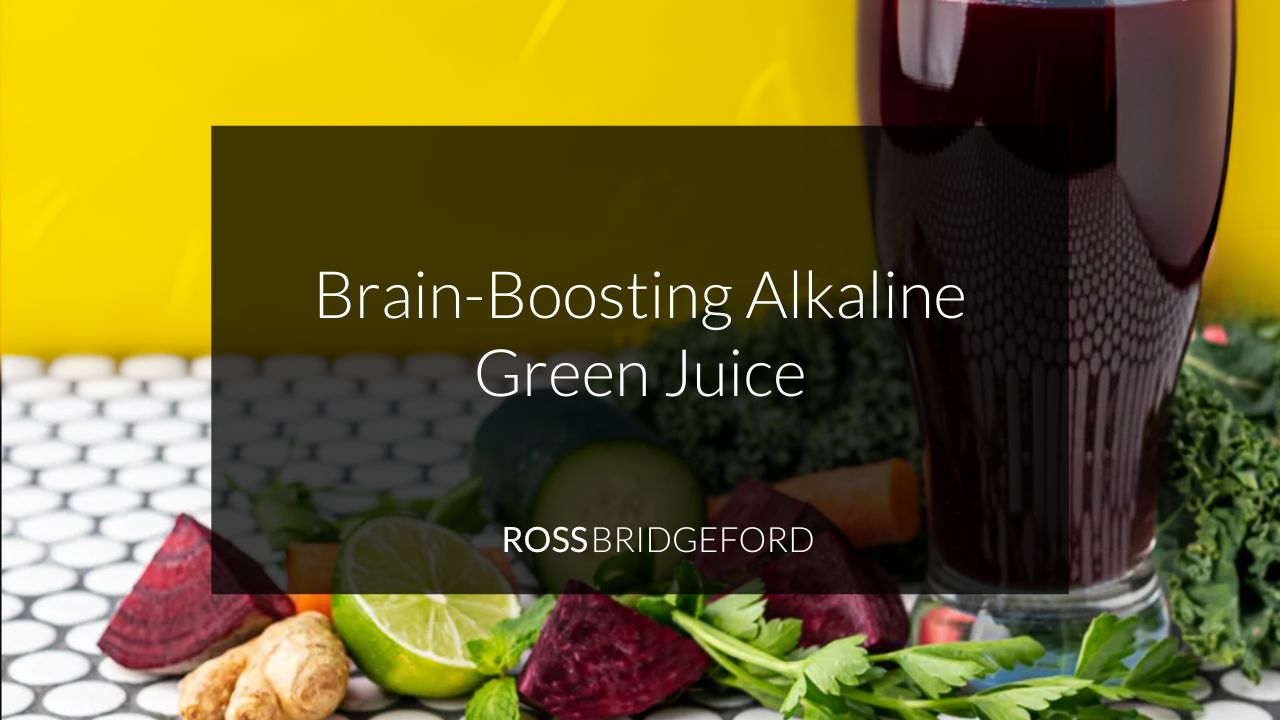
Tastes: crisp and fresh, with sweet beetroot and carrot and a little warmth from the ginger.
Fuel for a sharp, resilient mind
Today I’m absolutely buzzing to share this one. We all know how essential it is to fuel our body with the right nutrients, not just for physical health, but for a sharp and resilient mind too.
Cognitive health is often overlooked when it comes to nutrition. While I will always say omega-3s and other healthy fats are the most important for brain health, there are lots of other nutrients that matter too… and I’ve packed them into this juice.
Why you’ll love it
- Kale and spinach. Vitamins A, C and K, folate, and antioxidants like lutein and zeaxanthin, which may help protect the brain from oxidative stress and inflammation.
- Beetroot. Rich in natural nitrates, which may help improve blood flow to the brain and support cognitive performance.
- Celery and cucumber. Folate and vitamin K, with plenty of crisp, hydrating freshness.
- Carrots. Beta-carotene, which your body turns into vitamin A.
Good for
Vitamin A, vitamin C, folate and vitamin B6 contribute to the normal function of the immune system.
Vitamin C, manganese, copper and riboflavin contribute to the protection of cells from oxidative stress. It also contains plant compounds with antioxidant activity, including lutein, beta-carotene and apigenin.
Folate, vitamin B6, pantothenic acid and magnesium contribute to the reduction of tiredness and fatigue.
Vitamin K, manganese, magnesium and calcium contribute to the maintenance of normal bones.
Vitamin A and riboflavin contribute to the maintenance of normal vision. It also contains lutein and zeaxanthin, the carotenoids found in the macula of the eye.
Potassium contributes to the maintenance of normal blood pressure.
Tags use approved nutrient health-claim wording, for nutrients that give at least 10% of the Daily Value per glass. Plant compounds like lutein have no Daily Value, so we only say they’re there.
Key nutrients per glass
Contains: copper (22%), potassium (21%), pantothenic acid (20%), thiamin (17%), magnesium (17%), riboflavin (15%), calcium (12%), iron (12%) and phosphorus (10%).
Plant compounds: lutein and zeaxanthin (about 3.1 mg), beta-carotene (about 6.5 mg), chlorophyll, apigenin from the celery, quercetin and kaempferol from the kale, glucosinolates from the cabbage and kale, betalains from the beetroot and gingerols from the ginger.
% of US Daily Value for adults, per glass (half the recipe). Estimated from USDA FoodData Central values for the whole ingredients. Juicing leaves most of the fibre and some vitamins in the pulp, so treat these as upper estimates; anything over 100% shows as 100%+.
Brain-Boosting Alkaline Juice
Ingredients
Equipment
Method
- Wash all the vegetables.
- Juice everything, putting the ginger through with something juicy like the cucumber.
- Top up with water or coconut water to taste, stir and pour into two glasses.
Swaps
- Coconut water instead of water makes it a little sweeter.
- No cabbage? Use an extra stick of celery or more cucumber.
- More zing: add a squeeze of lemon.
Storing it
Best fresh. It will keep in an airtight container in the fridge for up to 24 hours; give it a shake before you drink it.
Good to know
- High in vitamin K. If you take warfarin or another blood thinner, keep your greens intake steady and talk to your doctor before eating more leafy greens than usual.
- Spinach and beetroot contain oxalates. If you’ve had kidney stones, check with your doctor first.
- Beetroot can turn your urine pink or red. It’s harmless.
Try next

The Alkaline Life Club has everything in the Recipe Club, plus coaching, live Q&A and a community to keep you going.
See the Alkaline Life ClubSources
Nutrient values: USDA FoodData Central, SR Legacy (cucumber 168409, celery 169988, kale 168421, spinach 168462, beetroot 169145, cabbage 169975, carrot 170393, ginger 169231). Plant compounds are named where the ingredient is a well-documented source; flavonoids follow the USDA Database for the Flavonoid Content of Selected Foods, Release 3.3. Daily Values: US Food and Drug Administration.