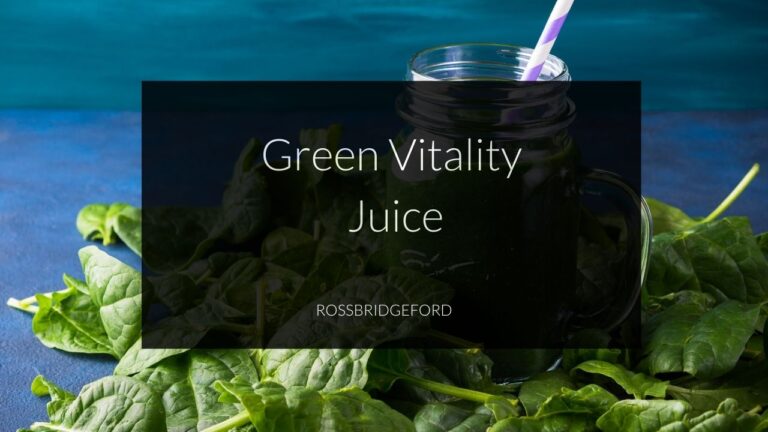
Ultimate Energy-Boosting Green Juice
Packed with the nutrients your body needs to produce energy, this juice can go a LONG way to helping fix fatigue and replacing energy slumps with vibrant, energized living.
Tastes: fresh, green and earthy, with sweet beetroot, a zing of lemon and a kick of ginger.

Energy is currency
Energy is currency. We all want to feel lively, vibrant and able to tackle the day head-on, from the moment we wake, through the afternoon, and until we’re ready for bed. It adds HOURS to each day where we can be productive, pursue goals and nourish our relationships.
Your body makes its energy (a molecule called ATP) in tiny powerhouses inside your cells called mitochondria, and B vitamins and magnesium are key helpers in that process. This juice is built from high-alkaline vegetables that are rich in exactly those nutrients.
Why you’ll love it
- Spinach, Swiss chard, parsley and kale. B vitamins and magnesium, both key players in making energy.
- Beetroot. More B vitamins and manganese, plus natural nitrates that may help blood flow and oxygen delivery to your muscles.
- Vitamin C: well over a full day’s worth in every glass.
- Lemon and ginger. For taste, zing and a little extra vitamin C.
Good for
Vitamin C, folate, vitamin A and vitamin B6 contribute to the normal function of the immune system.
Vitamin C, manganese, riboflavin and copper contribute to the protection of cells from oxidative stress. It also contains plant compounds with antioxidant activity, including lutein, beta-carotene and apigenin.
Folate, vitamin B6, riboflavin and magnesium contribute to the reduction of tiredness and fatigue.
Vitamin K, manganese, magnesium and calcium contribute to the maintenance of normal bones.
Vitamin A, riboflavin and zinc contribute to the maintenance of normal vision. It also contains lutein and zeaxanthin, the carotenoids found in the macula of the eye.
Potassium contributes to the maintenance of normal blood pressure.
Tags use approved nutrient health-claim wording, for nutrients that give at least 10% of the Daily Value per glass. Plant compounds like lutein have no Daily Value, so we only say they’re there.
Key nutrients per glass
Contains: riboflavin (23%), potassium (23%), magnesium (23%), pantothenic acid (22%), copper (22%), iron (18%), thiamin (17%), vitamin E (14%), calcium (13%), phosphorus (11%), niacin (10%) and zinc (10%).
Plant compounds: lutein and zeaxanthin (about 7 mg), beta-carotene (about 3.9 mg), chlorophyll, apigenin from the parsley and celery, quercetin and kaempferol from the kale, glucosinolates from the broccoli and kale, betalains from the beetroot, gingerols from the ginger and citrus flavonoids from the lemon.
% of US Daily Value for adults, per glass (half the recipe). Estimated from USDA FoodData Central values for the whole ingredients. Juicing leaves most of the fibre and some vitamins in the pulp, so treat these as upper estimates; anything over 100% shows as 100%+.
Ultimate Energy-Boosting Green Juice
Ingredients
Equipment
Method
- Thoroughly wash all your ingredients.
- If you have a powerful juicer, you can put the ingredients in whole or in large pieces. If your juicer is less powerful, chop the vegetables into smaller pieces to avoid jamming the machine.
- Start with the leafy greens, then juice the beetroot, bell pepper, cucumber, celery, parsley, kale, broccoli stalk and finally the ginger.
- Squeeze the lemon into the juice once everything else is juiced, to mix the flavours and add a bit of zing.
- Stir, top up with filtered water to taste and pour into two glasses.
Swaps
- No Swiss chard? Use extra spinach or kale.
- Sweeter: add a carrot or a second small beetroot.
- No juicer? Blend everything with a cup of water and strain through a nut-milk bag.
Storing it
Serve straight away for the best taste and the most nutrients. If you need to store it, keep it in an airtight container in the fridge and drink within 24 hours.
Good to know
- High in vitamin K. If you take warfarin or another blood thinner, keep your greens intake steady and talk to your doctor before eating more leafy greens than usual.
- Spinach, chard and beetroot contain oxalates. If you’ve had kidney stones, check with your doctor first.
- Juicing removes the fibre, so make sure you’re getting plenty from the rest of your day.
Try next

The Alkaline Life Club has everything in the Recipe Club, plus coaching, live Q&A and a community to keep you going.
See the Alkaline Life ClubSources
Nutrient values: USDA FoodData Central, SR Legacy (spinach 168462, Swiss chard 169991, beetroot 169145, beet greens 170375, red pepper 170108, cucumber 168409, celery 169988, parsley 170416, kale 168421, broccoli 170379, ginger 169231, lemon juice 167747). Plant compounds are named where the ingredient is a well-documented source; flavonoids follow the USDA Database for the Flavonoid Content of Selected Foods, Release 3.3. Daily Values: US Food and Drug Administration.