Greens, Cauliflower & Kelp Noodle Soup
Quick, hearty and warming: carrots, cauliflower, garlic and fresh turmeric simmered in stock with kelp noodles and a big handful of kale or chard.
Tastes: light, savoury and garlicky, with earthy turmeric and slurpable kelp noodles.
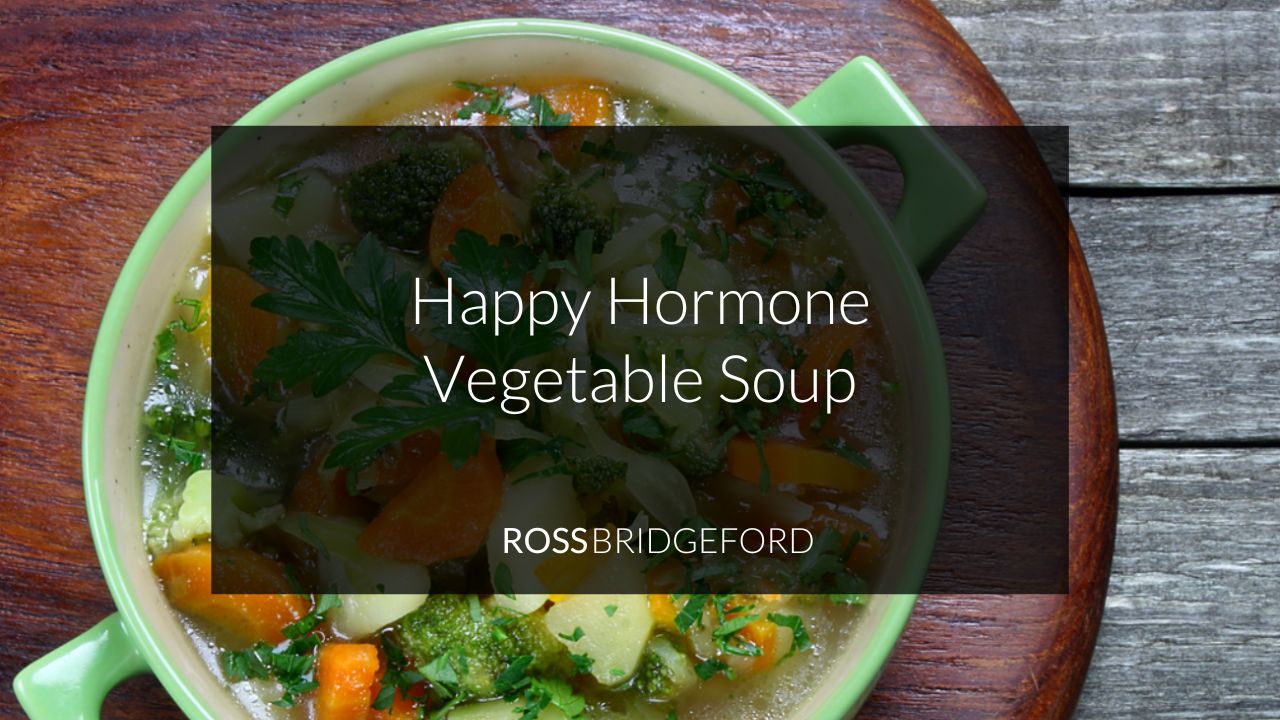
I absolutely love this soup
I absolutely love this soup. It’s quick and easy to prepare, really hearty and warm, and it makes you feel energized and alive!
It’s built around veggies I love for the endocrine system – the system that regulates our hormones, and one of the Five Master Systems I cover in The Alkaline Reset Cleanse book.
Leafy greens are always a great place to start, and you can really use any leafy greens in this recipe. Kale and chard are rich in vitamin K, the carrots bring beta-carotene, and the garlic brings sulphur compounds. The kelp noodles add a fun, slurpable texture.
Why you’ll love it
- Vitamin K: over three and a half days’ worth a bowl.
- Vitamins A and C: over 40% of your daily needs each.
- Any leafy greens work in this recipe.
- Quick: ready in about 35 minutes.
Good for
Vitamin A, vitamin C, vitamin B6 and copper contribute to the normal function of the immune system.
Vitamin C, manganese, vitamin E and copper contribute to the protection of cells from oxidative stress. It also contains plant compounds with antioxidant activity, including lutein, beta-carotene and flavonoids.
Magnesium, vitamin B6 and pantothenic acid contribute to the reduction of tiredness and fatigue.
Vitamin K, manganese and magnesium contribute to the maintenance of normal bones.
Vitamin A contributes to the maintenance of normal vision. It also contains lutein and zeaxanthin, the carotenoids found in the macula of the eye.
Potassium contributes to the maintenance of normal blood pressure.
Tags use approved nutrient health-claim wording, for nutrients that give at least 10% of the Daily Value per bowl. Plant compounds like lutein have no Daily Value, so we only say they’re there.
Key nutrients per bowl
Contains: manganese (17%), vitamin E (15%), magnesium (13%), vitamin B6 (12%), copper (11%), pantothenic acid (10%) and potassium (10%).
Plant compounds: lutein and zeaxanthin (about 5.6 mg), beta-carotene (about 4.4 mg), chlorophyll, quercetin and kaempferol from the kale, quercetin from the onion, glucosinolates from the cauliflower and kale, curcumin from the turmeric and sulphur compounds from the garlic.
% of US Daily Value for adults, per bowl (half the recipe). Estimated from USDA FoodData Central values for the ingredients as listed; cooking reduces some vitamins, so treat these as upper estimates. Uses typical values for kelp noodles and low-sodium stock, and kale for the greens; anything over 100% shows as 100%+.
Greens, Cauliflower & Kelp Noodle Soup
Ingredients
Equipment
Method
- Gently warm the coconut oil in a large pot and add the onion with a pinch of salt.
- Sauté the onion for 3–4 minutes, then add the garlic and stir for another 30 seconds before adding the carrot and cauliflower. Stir well.
- Add the stock, salt and pepper and bring to a simmer for around 15 minutes.
- Once the carrots are al dente, add the turmeric and kelp noodles.
- After 2–3 more minutes, add the kale or chard and cook gently until the greens have wilted, then take the pot off the heat.
- Taste for salt and pepper, drizzle with the olive oil and serve straight away.
Swaps
- No kelp noodles? Use rice noodles or courgette noodles.
- Ground turmeric: use ½ tsp instead of fresh.
- Feeding four? Double everything.
Storing it
Keeps in the fridge for 2–3 days. Kelp noodles go softer as they sit, so you may prefer to add them when you reheat.
Good to know
- High in vitamin K. If you take warfarin or another blood thinner, keep your greens intake steady and talk to your doctor before eating more leafy greens than usual.
- Kelp and iodine: kelp can be high in iodine, so if you have a thyroid condition, check with your doctor before eating seaweed regularly.
- Watching your salt? Choose a low-sodium stock and no-added-salt canned beans and tomatoes, and season at the end.
Ross’s tip
Happy souping!
Try next

The Alkaline Life Club has everything in the Recipe Club, plus coaching, live Q&A and a community to keep you going.
See the Alkaline Life ClubSources
Nutrient values: USDA FoodData Central, SR Legacy (coconut oil 171412, onion 170000, carrots 170393, chard 169991, cauliflower 169986, garlic 169230, salt 173468, turmeric 172231, olive oil 171413). Plant compounds are named where the ingredient is a well-documented source; flavonoids follow the USDA Database for the Flavonoid Content of Selected Foods, Release 3.3. Daily Values: US Food and Drug Administration.