Alkaline Christmas Lunch Gateau
A huge hit with my family every single Christmas Day – easy, delicious, filling, and it feels like a real treat.
Tastes: savoury and comforting, with leek, carrot and parsnip in tender cabbage leaves.
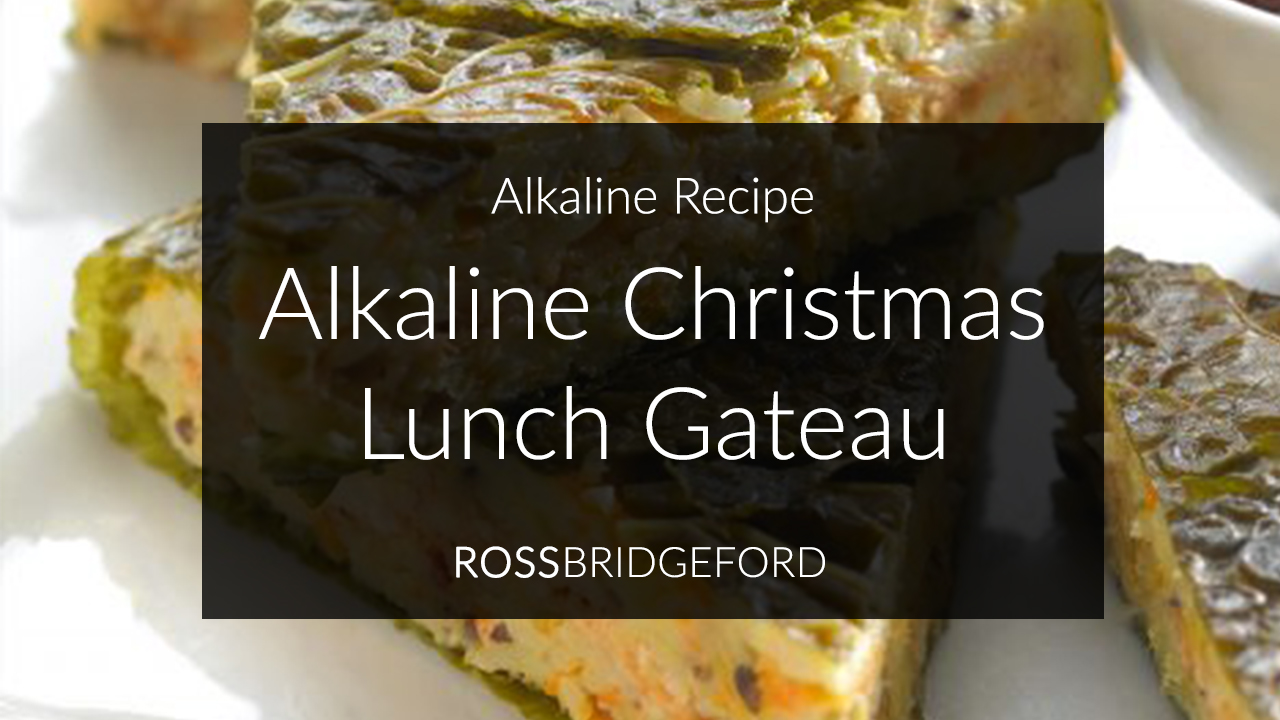
Christmas, alkaline-style
It works equally well in sunny, lunch-on-the-deck Aussie-land or back in the cold, snowy UK! I LOVE living alkaline this time of year – great food, feeling great… and YES, you still get to go out and have a good time too.
I don’t need to talk too much about the nutrients – it’s Christmas Day! But rest assured, with the greens of the cabbage, the antioxidants of the carrots and parsnip and the garlic, you’re doing good.
Why you’ll love it
- A festive centrepiece that looks the part.
- Make it vegan with a flax egg (see notes).
- Gluten-free with gluten-free bread.
- Pair it with the kale and cranberry salad and balsamic Brussels.
Good for
Vitamin A, vitamin C, folate and vitamin B6 contribute to the normal function of the immune system.
Vitamin C, manganese, copper and selenium contribute to the protection of cells from oxidative stress. It also contains plant compounds with antioxidant activity, including lutein and beta-carotene.
Folate, vitamin B6, pantothenic acid and niacin contribute to the reduction of tiredness and fatigue.
Vitamin K, manganese, magnesium and phosphorus contribute to the maintenance of normal bones.
Vitamin A and riboflavin contribute to the maintenance of normal vision.
Potassium contributes to the maintenance of normal blood pressure.
Tags use approved nutrient health-claim wording, for nutrients that give at least 10% of the Daily Value per serve. Plant compounds like lutein have no Daily Value, so we only say they’re there.
Key nutrients per serve
Contains: vitamin B6 (18%), copper (17%), pantothenic acid (15%), niacin (14%), selenium (14%), riboflavin (12%), magnesium (12%), potassium (11%), iron (11%), phosphorus (11%) and calcium (8%).
Plant compounds: lutein and zeaxanthin (about 0.7 mg), beta-carotene (about 4.4 mg), glucosinolates from the cabbage and sulphur compounds from the garlic.
% of US Daily Value for adults, per serve (half the gateau). Estimated from USDA FoodData Central values for the ingredients as listed; cooking reduces some vitamins, so treat these as upper estimates. Uses 1 egg; excludes salt and pepper; anything over 100% shows as 100%+.
Alkaline Christmas Lunch Gateau
Ingredients
Equipment
Method
- Preheat the oven to 180°C (355°F) and cook the rice following the packet instructions.
- Wash the cabbage leaves, cut out the central veins and steam for 5 minutes until quite soft.
- Grease a 6-inch (15 cm) deep oven dish and line it with the cabbage, outsides facing down, leaving plenty of overhang to cover the top.
- Sauté the leek in a little coconut oil until soft, then add the garlic for 3 minutes. Add the carrot, parsnip and a little water, cover and sweat until soft, stirring now and then. Stir in the rice and let it cool.
- Once cool, mix in the breadcrumbs, sesame seeds and egg, and season.
- Spoon the filling into the cabbage-lined dish and press down well. Fold the cabbage over the top, cover the dish with foil and bake for 25 minutes.
- Put a plate over the dish and turn it upside down to release the gateau. Brush the top with a little olive oil and let it cool a little before serving.
Notes
Swaps
- Vegan: use the flax egg in the notes.
- Sweet potato instead of parsnip.
- Quinoa instead of brown rice.
Storing it
Keeps in the fridge for 3 days. Reheat, covered, in the oven.
Good to know
- Contains egg (see Swaps for a vegan flax egg).
- Bread: check it’s gluten-free if you need it to be.
Try next
The Alkaline Life Club has everything in the Recipe Club, plus coaching, live Q&A and a community to keep you going.
See the Alkaline Life ClubSources
Nutrient values: USDA FoodData Central, SR Legacy (cabbage 169975, coconut oil 171412, leeks 169246, garlic 169230, carrots 170393, parsnip 170417, brown rice 169703, gluten-free bread 168009, sesame seeds 170150, egg 171287, olive oil 171413). Plant compounds are named where the ingredient is a well-documented source; flavonoids follow the USDA Database for the Flavonoid Content of Selected Foods, Release 3.3. Daily Values: US Food and Drug Administration.