Alkaline Protein Shake
An alkaline, plant-based protein shake for after a workout: avocado, greens, soaked almonds, chia, coconut and a scoop of plant protein.
Tastes: thick, creamy and mild, with nutty almonds and fresh cucumber.
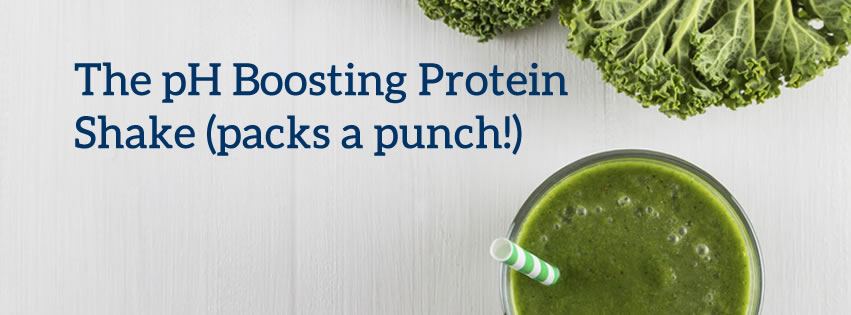
Protein without the acid
As a vegetarian, mostly vegan, gym-loving raw-food enthusiast, I found it pretty difficult to find an alkaline protein shake for after a heavy workout.
Almost every book and recipe on lean muscle-building relies on meat, dairy and whey for protein – all acid-forming foods. What about vegetarians and vegans, and people who want something a little more alkaline for their protein needs? What about people who don’t want to sacrifice their health to build muscle?
Well, I’m hoping this is it. Heavy training also calls for plenty of greens and healthy fats, and this shake has both.
Why you’ll love it
- About 22 g protein a glass, and more with the silken tofu.
- Vitamin E: over a day’s worth.
- Iron and magnesium: over 40% of your daily needs each.
- Healthy fats from avocado, almonds, chia and coconut.
Good for
Copper, vitamin C, folate and iron contribute to the normal function of the immune system.
Vitamin E, copper, manganese and vitamin C contribute to the protection of cells from oxidative stress. It also contains plant compounds with antioxidant activity, including lutein, beta-carotene and flavonoids.
Folate, iron, magnesium and pantothenic acid contribute to the reduction of tiredness and fatigue.
Protein contributes to the maintenance of muscle mass, and magnesium, calcium and potassium contribute to normal muscle function.
Vitamin K, manganese, magnesium and calcium contribute to the maintenance of normal bones.
Riboflavin, zinc and vitamin A contribute to the maintenance of normal vision. It also contains lutein and zeaxanthin, the carotenoids found in the macula of the eye.
Potassium contributes to the maintenance of normal blood pressure.
Tags use approved nutrient health-claim wording, for nutrients that give at least 10% of the Daily Value per glass. Plant compounds like lutein have no Daily Value, so we only say they’re there.
Key nutrients per glass
Contains: iron (44%), magnesium (43%), calcium (42%), pantothenic acid (40%), riboflavin (38%), phosphorus (34%), zinc (28%), potassium (27%), niacin (26%), vitamin A (25%), thiamin (25%), vitamin B6 (24%) and selenium (16%).
Plant compounds: lutein and zeaxanthin (about 5.8 mg), beta-carotene (about 2.7 mg), plant omega-3 ALA (about 2.4 g), chlorophyll, quercetin and kaempferol from the kale and glucosinolates from the kale.
% of US Daily Value for adults, per glass (half the recipe). Estimated from USDA FoodData Central values for the ingredients as listed, so treat these as upper estimates. Uses typical values for a 30 g scoop of pea protein, a calcium-fortified almond milk and 30 g almonds; excludes the optional tofu; anything over 100% shows as 100%+.
Alkaline Protein Shake
Ingredients
Equipment
Method
- Peel the avocado and thoroughly wash the cucumber (if it’s thick-skinned, peel some of it away).
- If you’ve pre-soaked the almonds, give them a rinse and blend them with the milk until it’s like a thick paste.
- Add everything else and whizz it all up.
Swaps
- Nut-free: use coconut milk and swap the almonds for hemp seeds.
- More protein: add the silken tofu.
- Lighter: use 1 tbsp coconut oil.
Storing it
Best fresh – the chia thickens it as it sits.
Good to know
- High in vitamin K. If you take warfarin or another blood thinner, keep your greens intake steady and talk to your doctor before making green smoothies a daily habit.
- Protein powders vary: check the label for added sugars and sweeteners, and pick a plain or naturally flavoured one.
- Contains almonds (and almond milk).
Try next
The Alkaline Life Club has everything in the Recipe Club, plus coaching, live Q&A and a community to keep you going.
See the Alkaline Life ClubSources
Nutrient values: USDA FoodData Central, SR Legacy (avocado 171705, cucumber 168409, almond milk 174832, baby spinach 168462, almonds 170567, kale 168421, chia seeds 170554, coconut oil 171412). Plant compounds are named where the ingredient is a well-documented source; flavonoids follow the USDA Database for the Flavonoid Content of Selected Foods, Release 3.3. Daily Values: US Food and Drug Administration.